Industry Briefing
A single destination for timely, editor-curated robotics news from around the world.

EPFL Engineers Develop Sound-Powered Micro-Robots Without Motors or Batteries
Engineers at Switzerland’s École Polytechnique Fédérale de Lausanne (EPFL) have developed a method to convert sound waves into directional thrust, enabling the creation of micro-machines that operate without motors, batteries, or electronics. This innovative technique utilizes Helmholtz resonance, where sound excites air within a cavity, generating propulsion through airflow imbalance. This advancement is significant as it allows for the design of small boats and ultralight aerial vehicles powered solely by sound, eliminating the need for traditional power sources. The EPFL team’s approach, which involves 3D-printed hollow cavities, represents a shift from previous acoustic levitation methods, offering a new way to achieve self-generating thrust through concentrated air jets. Looking ahead, the potential for further miniaturization of these sound-powered devices could revolutionize robotics and aeronautics. Researchers have already demonstrated prototypes at both centimeter and microscopic scales, showcasing capabilities such as controlled navigation and impressive lift, indicating a promising future for passive materials in robotic applications. No further timeline was disclosed at the time of publication.
Innovation
Army Urges Industry for Innovative Power Solutions Beyond Batteries and Generators
The U.S. Army has identified a critical shortage of exportable power in its ground vehicles, which hampers the operation of drones and communication systems. Brig. Gen. Troy Denomy emphasized the urgency for industry to develop solutions, as the Army faces increasing power demands from new energy-intensive weaponry. Current vehicles like the M1A2 Abrams and Bradley Fighting Vehicles lack the capacity to support these systems, leading to operational limitations for brigade commanders. This power deficiency is significant as it affects the Army's ability to deploy unmanned aerial systems (UAS) effectively. Denomy highlighted that commanders are forced to limit UAS operations not based on mission needs but rather on available power. The reliance on noisy generators and additional battery packs is not a viable long-term solution, as these options compromise stealth and increase the burden on soldiers. Looking ahead, the Army is exploring advanced technologies, including fuel cells, to enhance power generation in legacy vehicles. Newer models like the XM30 and M1E3 Abrams are designed to provide greater exportable power. The Army is also investigating next-generation power management solutions and alternatives to traditional liquid fuels to address these challenges.
Land Warfare armored brigade combat team Army Bradley Fighting Vehicle Drones GVSETS 2026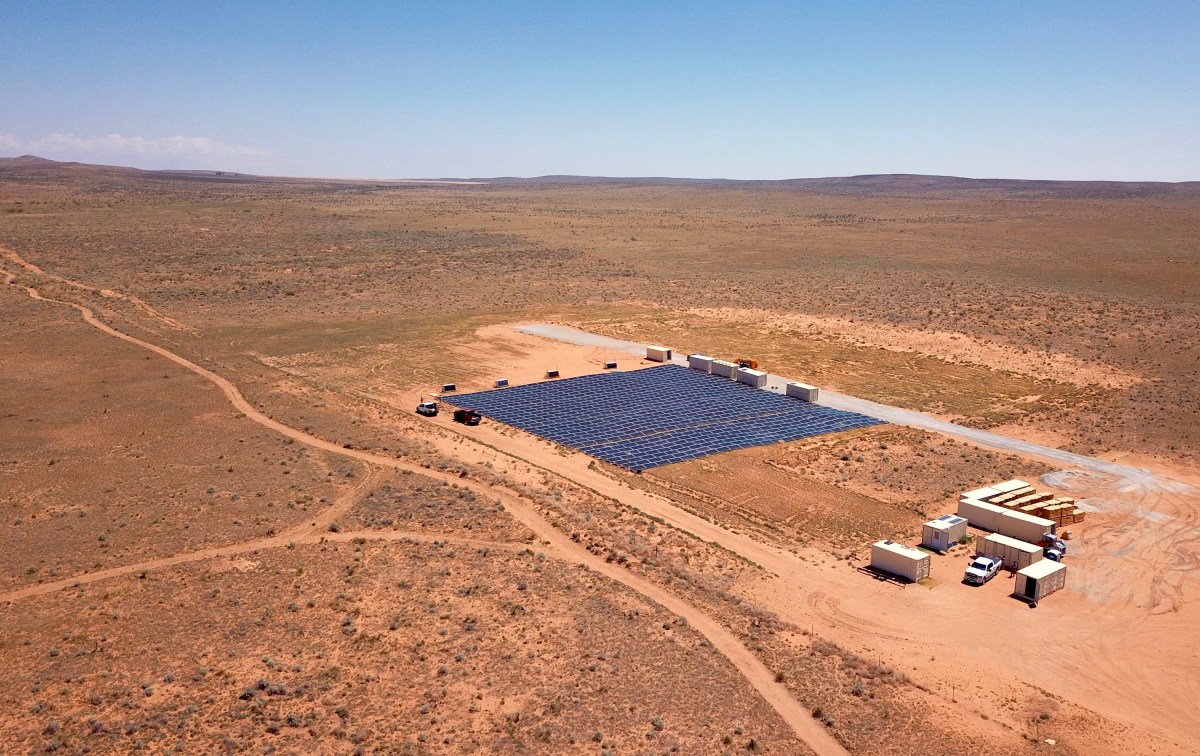
Why two SpaceX alumni are betting on solar and batteries to power the AI craze
Ambrosia Energy is planning to construct power plants within the next year, aiming to provide energy at a lower cost than natural gas. The company has set an ambitious goal to develop gigawatts of energy capacity by 2030. This initiative reflects a growing trend towards renewable energy solutions as the demand for sustainable power sources increases. By leveraging innovative technologies and efficient construction methods, Ambrosia Energy seeks to position itself as a competitive player in the energy market, responding to both economic and environmental pressures.
Climate Fundraising Ambrosia Energy energy storage Exclusive Solar Power
Waymo to turn retired robotaxi batteries into solar power storage systems
Waymo is repurposing the batteries from its autonomous vehicles to support energy storage solutions. This innovative approach, announced recently, aims to enhance sustainability by utilizing the batteries for grid storage, thereby contributing to renewable energy efforts. The initiative comes as part of Waymo's broader commitment to environmental responsibility and efficient resource management. By integrating these batteries into energy systems, the company hopes to extend their lifecycle and reduce waste, aligning with growing demands for sustainable practices in the tech industry. This development not only underscores Waymo's leadership in autonomous technology but also highlights its proactive stance in addressing climate change challenges.

Sion Power Launches Two High Energy Density Batteries for Military Drones
Sion Power has unveiled two advanced lithium-metal battery cells, the Licerion Strike and Licerion Echo, designed specifically for military drones. These new cells boast an impressive energy density of over 500 Wh/kg, significantly enhancing the operational capabilities of unmanned defense systems. With this technology, combat drones can achieve flight durations two to three times longer than those powered by traditional lithium-ion batteries. The launch of these high energy density batteries marks a significant advancement in drone technology, aimed at improving the effectiveness and endurance of military operations.
battery technology Defense defense Drone News Drone News Feeds Military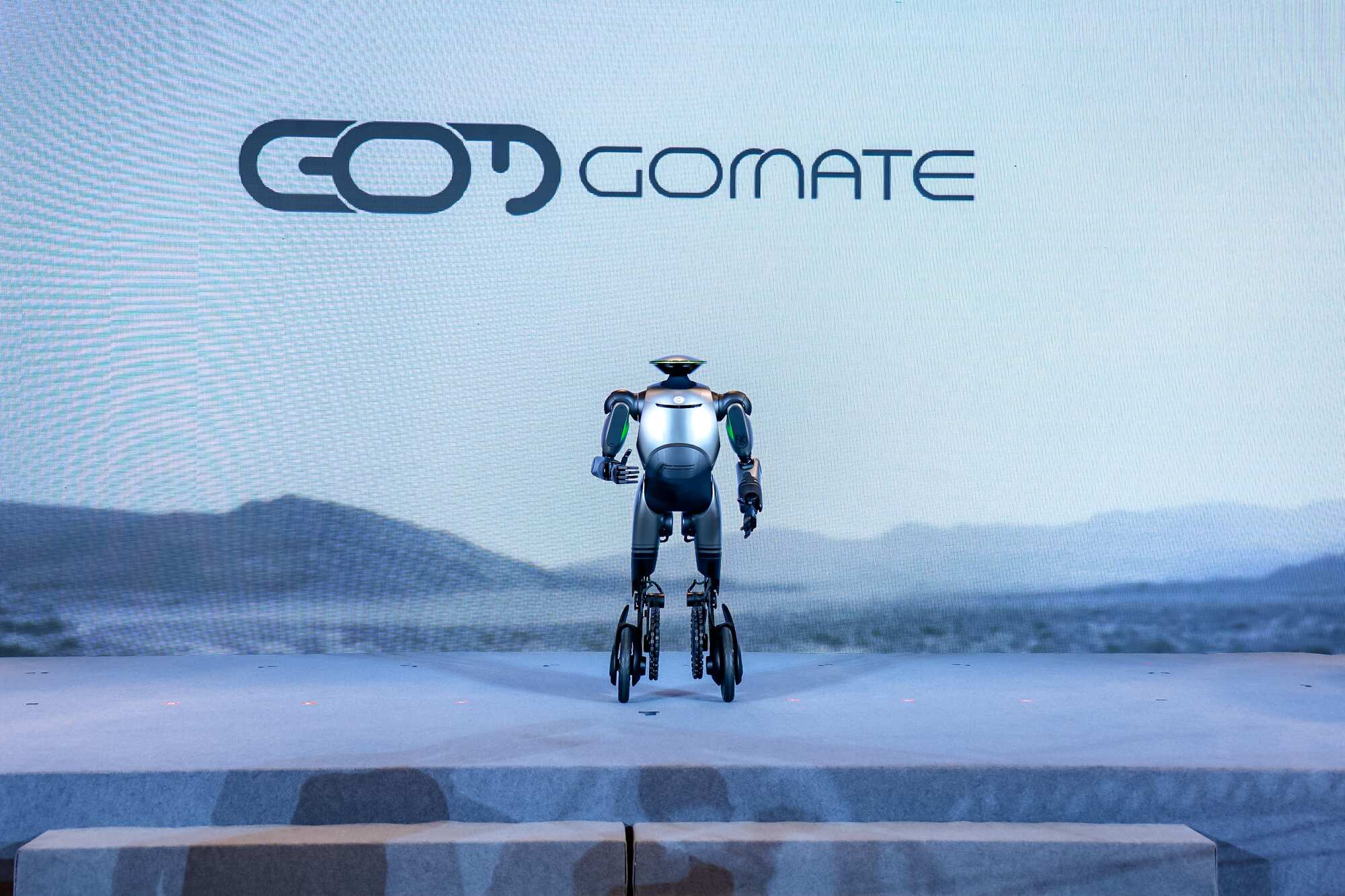
Chinese car maker GAC to use humanoid robots powered by solid-state batteries
Chinese automaker GAC has unveiled plans to trial humanoid robots in its car factories, aiming to enhance production efficiency. The announcement was made on Thursday, with the company set to begin producing components for these robots in-house at scale starting next year. This initiative is part of GAC's broader strategy to facilitate small-scale production of the robots for internal use by 2026. The latest version of the GoMate robot was showcased during the announcement, highlighting GAC's commitment to integrating advanced technology into its manufacturing processes.
News FeedRobotics needs a service framework.
RSF defines a common language for robot service capability, lifecycle operations, certification pathways, and service-provider networks.
Join the RobotToday community on LinkedIn
Daily robotics news, in-depth analysis, conference highlights, and discussions with professionals worldwide.