Industry Briefing
A single destination for timely, editor-curated robotics news from around the world.
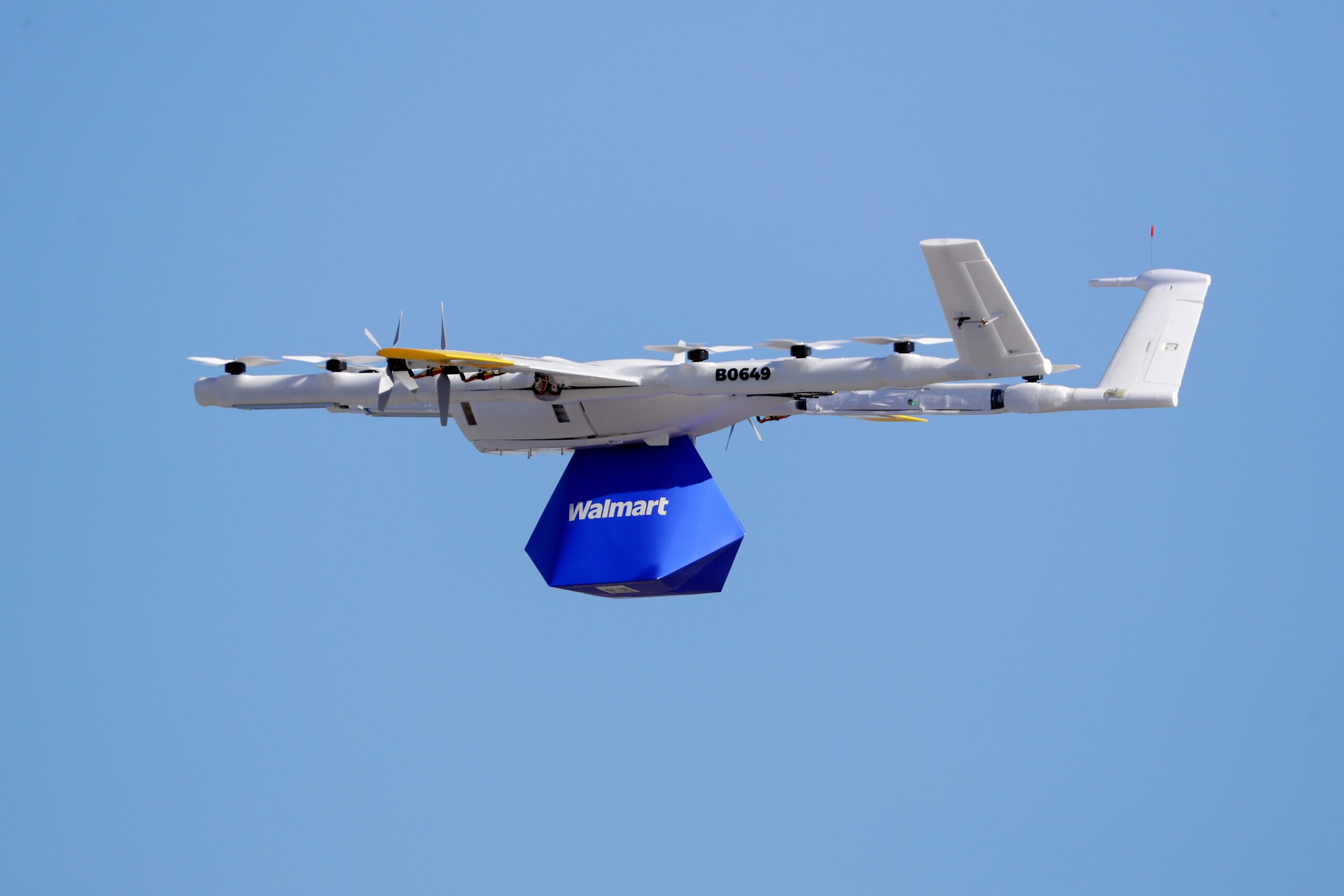
Wing and Walmart Announce Denver and Seattle as New Drone Delivery Markets for 2027
Wing and Walmart have selected the Denver and Seattle metropolitan areas for their upcoming drone delivery services, set to launch in 2027. This expansion will add two significant markets to their existing network, which already serves over three million customers across nearly 20 U.S. metro areas. The inclusion of Denver and Seattle is crucial as it demonstrates the rapid adoption of drone delivery services nationwide. The unique weather conditions in these regions, including Seattle's frequent rain and Denver's cold winters, will test the capabilities of Wing's drone fleet, which can travel at speeds of up to 60 mph and carry packages weighing up to five pounds. Looking ahead, the companies aim to enhance convenience for busy families by delivering a wide range of Walmart products quickly. No further timeline was disclosed at the time of publication.
Applications Delivery Drone News Drone News Feeds Feature 1 News
FAA Allocates $12 Million for 19 Drone Research and Testing Initiatives
The Federal Aviation Administration (FAA) has allocated $12 million to fund 19 drone research and testing initiatives aimed at enhancing the safe expansion of drone operations within the National Airspace System (NAS). These projects, supported through the FAA’s Unmanned Aircraft Systems (UAS) Broad Agency Announcement (BAA) Program, will facilitate collaboration between companies and FAA-designated UAS Test Sites. FAA Administrator Bryan Bedford emphasized that this program is crucial for gathering data and addressing operational challenges related to drone integration. The funded projects tackle various technical challenges, including detect-and-avoid systems and long-range communications. Notable participants include General Atomics, NAVMAR, and Censys Technologies, among others. No further timeline was disclosed at the time of publication.
Drone News Drone News Feeds FAA News Research Selected - FAA and Regulations
US Navy Considers MQ-9B SeaGuardian Drone as Maritime Patrol Force Enhancer
The US Navy is evaluating the MQ-9B SeaGuardian drone as a potential force multiplier for maritime patrol operations. This drone, capable of taking off and landing on water, features an open architecture that allows for the integration of new sensors and effectors, enhancing its operational flexibility. The significance of the MQ-9B SeaGuardian lies in its advanced capabilities, which could greatly improve the Navy's surveillance and reconnaissance missions. With its delivery scheduled for 2030, the drone is expected to play a crucial role in future maritime operations, aligning with the Navy's strategic objectives. As the Navy continues to assess the MQ-9B SeaGuardian, stakeholders should monitor developments regarding its integration into existing maritime patrol frameworks. The drone's unique features and potential applications could reshape naval operations and enhance overall mission effectiveness.
Military
ACUASI Utilizes Supercooled Water Experimental Arctic Tower for Drone Icing Research
The Alaska Center for Unmanned Aircraft Systems Integration (ACUASI) has established the Supercooled Water Experimental Arctic Tower (SWEAT) to facilitate research on drone icing. Opened in early 2025, this facility allows researchers and students to examine how ice accumulation impacts drone lift and performance in Arctic conditions. The significance of this research lies in its potential to enhance drone operations in winter environments, particularly for applications like air cargo flights. As drones are increasingly used for remote deliveries and emergency responses in Alaska, understanding icing challenges is crucial for ensuring safety and efficiency in operations. Looking ahead, ACUASI aims to expand the capabilities of the ice tower to accommodate fixed-wing drones, further solidifying its role as a key resource for aerospace icing research. No further timeline was disclosed at the time of publication.
Drone News Drone News Feeds Environmental Research News Research ACUASI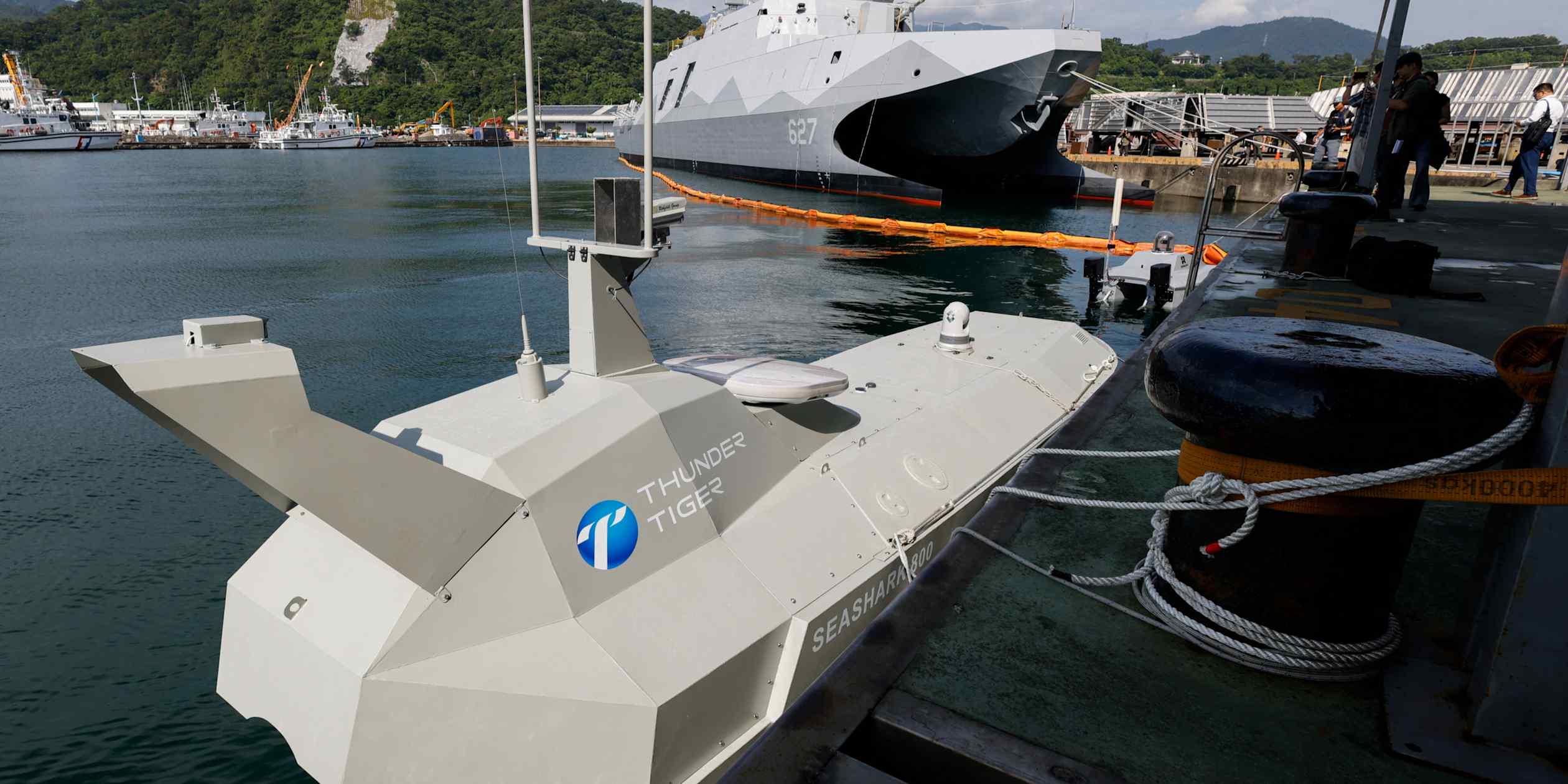
Taiwan Leverages US Technology for Sea Drones Amid Rising Chinese Maritime Threats
Taiwan is integrating U.S. technology with its shipbuilding capabilities to develop sea drones, responding to increasing maritime security challenges posed by China. This initiative is part of Taiwan's broader strategy to enhance its naval and coast guard procurement plans, aiming to bolster its defense against China's expanding maritime fleet. The collaboration with U.S. firms signifies a crucial step for Taiwan as it seeks to strengthen its defense capabilities in the face of heightened Chinese pressure. The development of sea drones, such as the SeaShark 800, is expected to play a vital role in Taiwan's maritime security strategy, reflecting the urgency of addressing potential threats in the region. Looking ahead, Taiwan's focus on sea drones may lead to further advancements in its defense technology and procurement strategies. No further timeline was disclosed at the time of publication.

China Advances Toward Integrated Air, Land, and Sea Drone Swarm Systems
China is progressing from large formations of identical drones to a more complex network that coordinates uncrewed systems across air, land, and sea. The China Electronics Technology Group Corporation (CETC) highlights the evolution of drone swarms from mere numbers to distributed systems capable of communication and local decision-making. This shift is significant as it enhances operational capabilities in diverse environments, particularly in military applications. CETC identifies five key capabilities for effective swarm functionality: survivability, situational awareness, planning and decision-making, mission execution, and autonomous learning. While China has made strides in these areas, challenges remain, especially in integrating different types of uncrewed systems. Looking ahead, CETC envisions a heterogeneous swarm that allows various platforms to work together seamlessly. This integration could enable aerial drones, ground vehicles, and maritime systems to share information and resources, enhancing overall mission effectiveness. However, achieving this level of coordination presents substantial technical challenges.
Military
US Manufacturer to Produce Ukraine-Designed Magura Sea Drones for First Time
A US manufacturer is preparing to produce the Magura sea drones, which were designed and battle-tested in Ukraine. This initiative marks the first time these drones will be manufactured in the United States, reflecting a strategic move by the White House to enhance military production capabilities. The production of the Magura sea drones is significant as it aligns with the US government's efforts to expand its unmanned military arsenal. By incorporating these battle-tested drones into its inventory, the US aims to strengthen its defense capabilities and support Ukraine amid ongoing conflicts. Looking ahead, industry stakeholders will be monitoring the production timeline and potential deployment of the Magura sea drones. No further timeline was disclosed at the time of publication.

Taiwan Secures Contracts for Sea Drones to Enhance Coast Guard Defense Against China
Taiwan has awarded contracts for dozens of sea drones to bolster its Coast Guard capabilities amid rising tensions with China. This decision reflects Taiwan's commitment to enhancing its maritime defense using U.S. technology as a countermeasure against China's expanding maritime operations in the region. The procurement of these sea drones is significant as it underscores Taiwan's proactive approach to strengthening its defense mechanisms in response to China's increasing maritime assertiveness. The move aims to enhance the Coast Guard's operational capabilities and ensure the security of Taiwan's waters. Looking ahead, further developments in Taiwan's defense strategy may emerge as the country continues to adapt to the evolving geopolitical landscape. No further timeline was disclosed at the time of publication.

Surge in Drone Incursions Disrupts Aerial Firefighting Operations Amid Wildfire Season
The ongoing severe wildfire season in the western U.S. has led to a significant increase in drone incursions, with 74 incidents reported by the U.S. Wildland Fire Service as of September 1. This marks a rise from 53 incursions in 2025 and 32 in 2024, highlighting a troubling trend in aerial firefighting disruptions. Drone incursions, defined as unauthorized UAS operations interfering with firefighting efforts, have resulted in firefighting aircraft being diverted 78% of the time. Washington state has experienced the majority of these incidents, with 45 incursions reported, particularly affecting urban areas like Spokane, where wildfires have destroyed approximately 650 homes. Looking ahead, federal and state agencies are collaborating to address the rising issue of drone interference. Efforts include public education campaigns and partnerships with law enforcement agencies to enforce regulations. As more individuals gain access to drones, the potential for further incursions remains a concern for firefighting operations across the country.
Disaster Response Drone News Drone News Feeds Fire Fire and Police Firefighter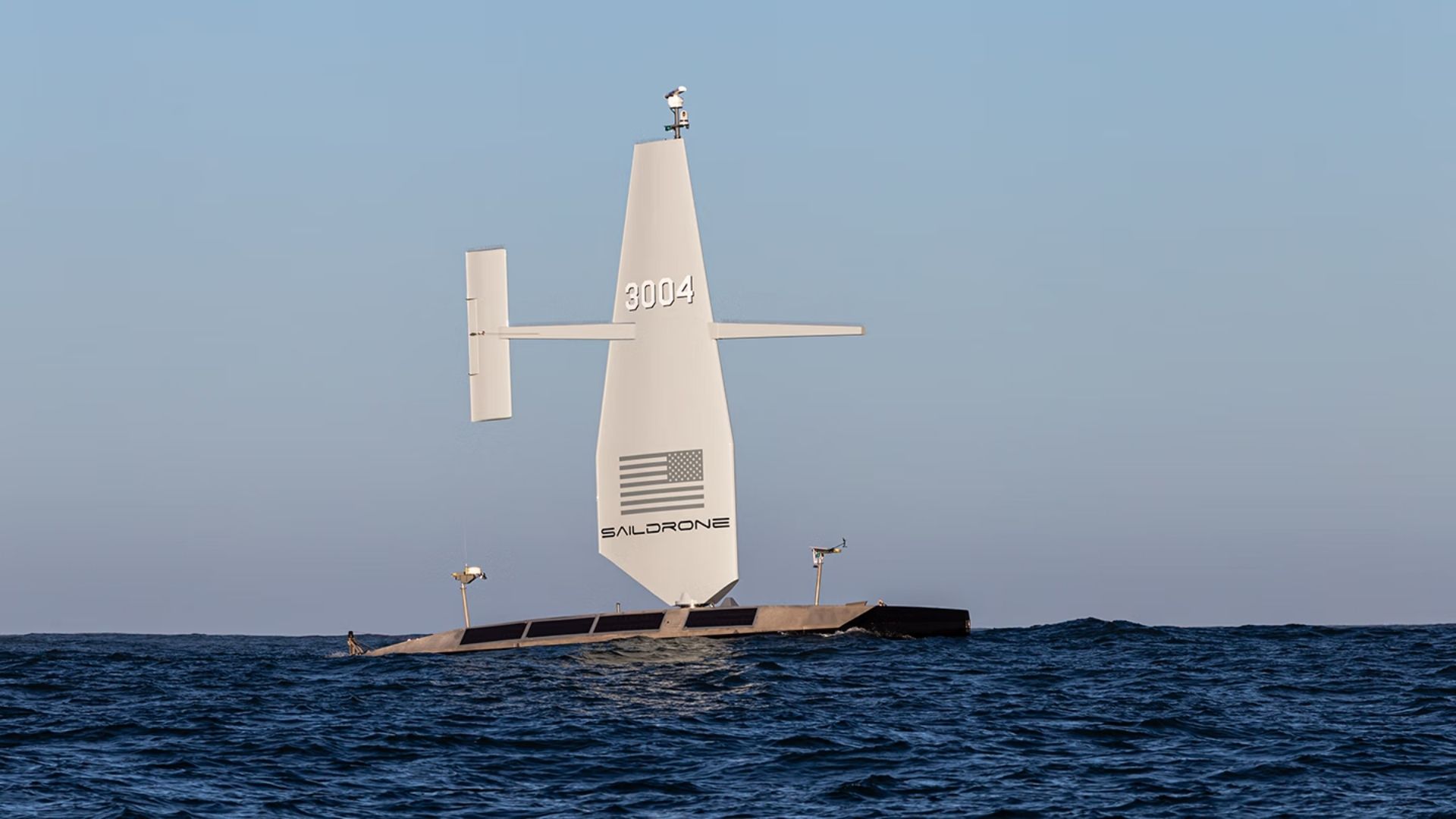
US Navy Awards $10 Million to Saildrone for Atlantic Seabed Mapping with USVs
The US Navy has awarded a $10 million contract to Saildrone to utilize autonomous vessels for mapping the Atlantic Ocean floor. This initiative, assigned by the Naval Oceanographic Office, is set to commence in 2026 and will continue through most of 2027, enhancing military knowledge of critical underwater terrain. This project is significant as it aims to improve safe navigation and support submarine missions, anti-submarine warfare, and critical infrastructure protection. Currently, only 28.7 percent of the world's oceans have been mapped to modern standards, leaving substantial knowledge gaps that can pose operational risks for naval operations. Looking ahead, the deployment of Saildrone's Surveyor unmanned surface vessels will not only provide high-resolution bathymetric data but also measure ocean currents, aiding search-and-recovery operations. No further timeline was disclosed at the time of publication.
Military
Research Explores Drone Use for Safe Moss Removal from Sloping Roofs
Recent research published in the International Journal of Intelligent Machines and Robotics highlights the innovative use of drones for moss and lichen removal from sloping roofs. This application addresses the safety concerns associated with manual removal, which can be hazardous for workers. The ability of drones to carry cameras and sensors enables them to navigate complex environments, making them suitable for tasks like roof maintenance. This development is significant as it expands the potential applications of drones beyond traditional uses such as surveillance and aerial photography. Looking ahead, the integration of drones in roof maintenance could revolutionize the industry by enhancing safety and efficiency. No further timeline was disclosed at the time of publication.
Robotics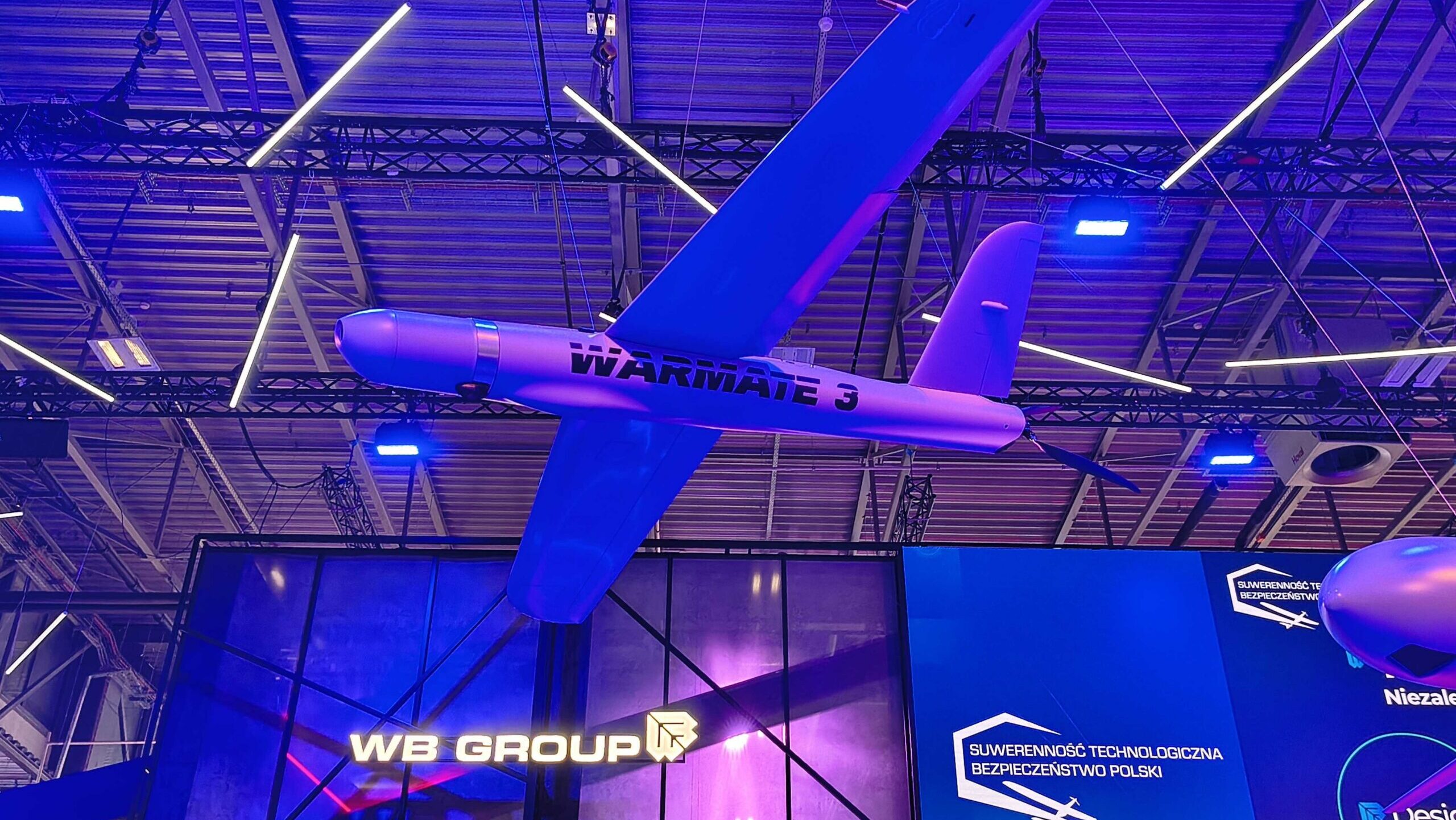
Poland and Canada Sign Defense Cooperation Agreement and Drone Deal
Poland and Canada have formalized a defense cooperation agreement aimed at strengthening bilateral relations, particularly in military training and joint exercises. The agreement was signed by Poland’s Minister of National Defence Władysław Kosiniak-Kamysz and Canadian Minister David J. McGuinty during the MSPO trade show. This partnership highlights Canada's interest in acquiring Polish military equipment, showcasing a shift in Poland's international defense posture. The significance of this agreement lies in its potential to enhance collaboration between the two nations' defense industries and improve military readiness. Polish soldiers are set to participate in Arctic drills in Canada, emphasizing the commitment to joint training efforts. Additionally, the agreement builds on existing cooperation, including the deployment of approximately 2,000 Canadian personnel in Latvia, where Polish forces also contribute to NATO's eastern flank security. Looking ahead, both countries are expected to finalize a drone deal that includes various platforms from WB Group, such as FlyeEye mini-drones and Warmate loitering munitions. This development marks a transition for Poland from a defense equipment purchaser to a producer, reflecting its evolving role in the European defense landscape amid ongoing geopolitical tensions.
Air Warfare Global Air Force canada MSPO 2026 NATO
Firestorm Labs Demonstrates Onboard UAV Manufacturing for U.S. Navy at Sea
Firestorm Labs, based in San Diego, showcased its ability to manufacture UAV parts using 3D printing technology aboard the USS Essex during a two-week voyage to the Rim of the Pacific 2026 military exercise. The company produced over 1,000 drone components, which were assembled into Squall UAVs for target practice exercises. This demonstration is significant as it addresses the U.S. Navy's concerns regarding traditional logistics for drone manufacturing and repair, particularly in contested environments. Firestorm's CEO, Dan Magy, emphasized the importance of their solution in overcoming logistical challenges faced by the Navy, especially in areas like the Strait of Hormuz. Looking ahead, Firestorm Labs aims to enhance its mobile additive-manufacturing equipment for deployment on smaller ships. The company has already sold several xCell units to various military branches and government agencies, indicating a growing interest in this technology across multiple sectors, including oil and gas.
Applications Defense defense Drone Manufacturing Drone News Drone News Feeds
EPFL Researchers Develop Sound-Powered Miniature Drones Using Helmholtz Resonance
Researchers at the École polytechnique fédérale de Lausanne (EPFL) have developed miniature drones powered by sound, utilizing Helmholtz resonance. This innovative approach allows the drones to convert sound waves into propulsive force, enabling controlled motion and navigation. The significance of this development lies in its potential to revolutionize small-scale robotics. By employing hollow structures that act as acoustic resonators, the EPFL team has created devices that can be made extremely small and lightweight, paving the way for advanced designs in robotics and aeronautics. Looking ahead, the researchers envision integrating multiple sound-responsive structures into a single device, allowing for dynamic shape changes in response to sound frequencies. This could lead to the creation of sophisticated aerodynamic robotic devices capable of versatile movements. No further timeline was disclosed at the time of publication.
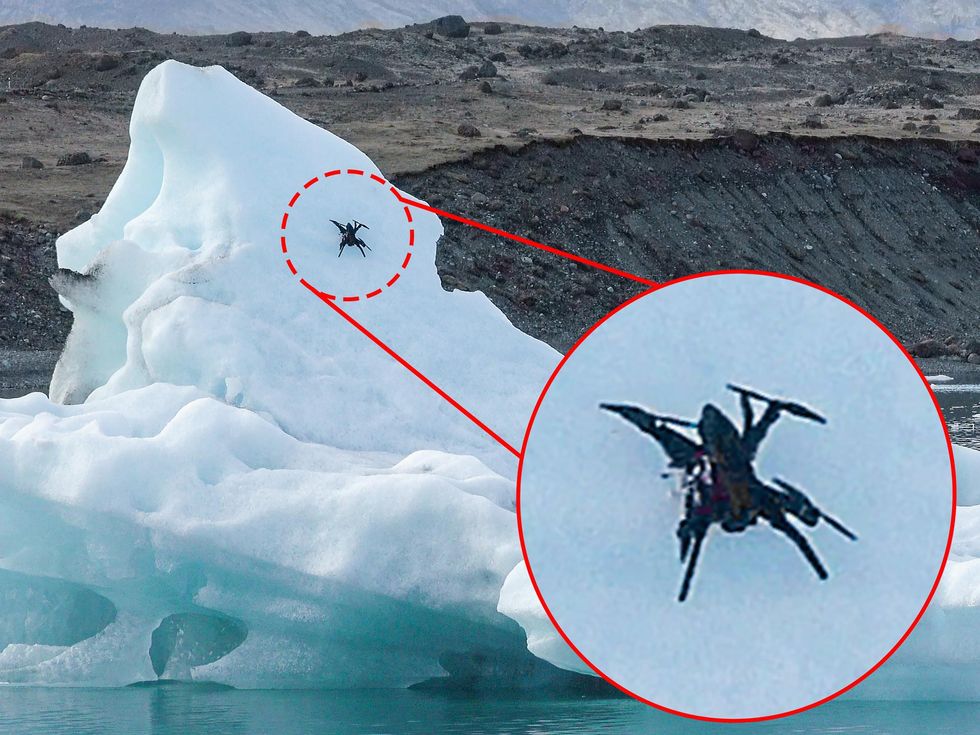
Canadian Researchers Develop Ice Dart Drone for Landing on Arctic Icebergs
Researchers in Canada have developed the Ice Dart drone, capable of landing on steep, slippery surfaces like icebergs. This drone can grip icy slopes of nearly 60 degrees, making it a valuable tool for monitoring Arctic environments. The Ice Dart's unique landing gear absorbs impact and utilizes retractable spines for grip, allowing it to perch successfully even in challenging conditions. The significance of the Ice Dart lies in its ability to land rather than hover, which can enhance drone utility in the field. Once landed, the drone consumes less energy, enabling longer observation periods while remaining silent. This capability allows for extended monitoring of icebergs, providing more detailed data than traditional aerial surveillance methods. Looking ahead, the researchers aim to further develop the Ice Dart for practical applications, including autonomous landing site selection and emergency takeoff features. The drone is set to be deployed in August during a Canadian Arctic mission to collect data and validate iceberg-detection systems.
Journal-watch Arctic Climbing-robots Robotics Drones
Army Seeks Counter-Drone Missile Under $150K Compatible with Raytheon Coyote Launcher
The U.S. Army has initiated a search for a counter-drone missile, referred to as the Next Generation C-sUAS Missile, with a budget cap of $150,000. This missile is required to be compatible with Raytheon's Coyote launcher, as specified in the Request for Information (RFI). This initiative is significant as it highlights the Army's ongoing efforts to enhance its capabilities in countering unmanned aerial systems (UAS). The integration with Raytheon's Coyote launcher suggests a focus on leveraging existing technologies to improve operational efficiency and effectiveness against drone threats. Looking ahead, the Army's search for this missile indicates a growing emphasis on developing advanced defense systems to address the evolving challenges posed by drones. No further timeline was disclosed at the time of publication.
Land Warfare Army counter drone Counter UAS cUAS coyote Drones
Air Force Funds Research on Wireless Power Beaming for Military Drones to Extend Flight Time
The Air Force has initiated a research project to explore wireless power beaming for drones, led by Reach Power and the University of Nebraska-Lincoln’s NIMBUS Lab. This effort aims to enable unmanned aircraft to operate longer without needing battery swaps, enhancing their role in military communications and ISR missions. This research is significant as it addresses the critical limitation of battery life in small drones, potentially allowing them to function as persistent communication and surveillance nodes. By reducing the need for frequent landings to recharge, the project could simplify logistics and operational demands on military personnel. Looking ahead, the study will assess the feasibility of using wireless power to sustain perched drones during extended missions. A successful outcome could revolutionize military drone operations, improving battlefield communications and expanding the use of unmanned systems in intelligence, surveillance, and reconnaissance roles. No further timeline was disclosed at the time of publication.
Innovation Military
Chinese Researchers Develop Laser Technology to Recharge Drones Mid-Flight
Researchers at the Civil Aviation University of China are pioneering a method to recharge drones mid-air using laser beams aimed at receivers beneath their wings. This innovation addresses the critical issue of limited battery life, which has been a significant barrier in drone technology advancement. The lightweight receiver captures energy from a ground-based laser and converts it into electricity, utilizing a perovskite laser cell-thermoelectric tandem device. This technology is crucial as it could revolutionize drone operations, allowing for continuous flight without the need for frequent battery replacements. Senior author Jianhua Han emphasized the potential of this system in applications such as forest inspections, disaster monitoring, and package delivery. However, scaling this technology from concept to practical use will require overcoming numerous engineering challenges. Future developments will focus on integrating this system into actual aircraft while ensuring efficient cooling during operation. The researchers achieved a conversion rate of 38.49% of incoming laser energy into usable electricity during laboratory tests. No further timeline was disclosed at the time of publication.
Innovation
Royal Navy Tests Robotic Boat for Autonomous Drone Launching in Maritime Surveillance
The Royal Navy is conducting trials of a robotic boat designed to autonomously launch and recover drones at sea, enhancing uncrewed maritime surveillance capabilities. This initiative, in collaboration with ACUA Ocean and Teledyne FLIR Defense, aims to improve persistent aerial reconnaissance while minimizing risks to personnel. The system integrates an uncrewed surface vessel (USV) with a tethered uncrewed aerial system (T-UAS), allowing for extended surveillance operations. This development is significant as it represents a new approach to maritime surveillance, combining aerial and surface capabilities into a single autonomous system. The SkyCarrier and SkyRanger R70 drones, utilized during the trials, are equipped with advanced AI and imaging technologies, enabling them to perform demanding surveillance missions. The ability to maintain a stable tether connection allows for longer operational durations and continuous power supply, which is crucial for effective surveillance in challenging sea conditions. Looking ahead, the Royal Navy's exploration of this technology could lead to enhanced capabilities in anti-submarine warfare, mine countermeasures, and the protection of critical maritime infrastructure. No further timeline was disclosed at the time of publication.
AI and Robotics
Ranger Autonomous Vessel Successfully Completes Sea Trials from Submarine Torpedo Tube
An innovative autonomous surface vessel, the Ranger, has successfully completed its Sea Acceptance Test (SAT) in Germany, demonstrating its ability to be launched from a submarine's torpedo tube. Developed by Gabler and Flanq, the Ranger is designed for intelligence, surveillance, and reconnaissance missions with minimal human intervention. The successful completion of the SAT marks a significant milestone for the program, confirming the vessel's seaworthiness and the integration of its core technologies. The Ranger, measuring approximately 15 feet long, features a folding keel and collapsible sensor mast, allowing it to fit within a standard 21-inch torpedo tube. Looking ahead, Gabler will manage the commercialization and integration of the Ranger with submarines, while Flanq will provide advanced maritime technologies and mission software. The companies are also developing a one-way attack variant called Strike, expanding the platform's capabilities for future naval operations.
Military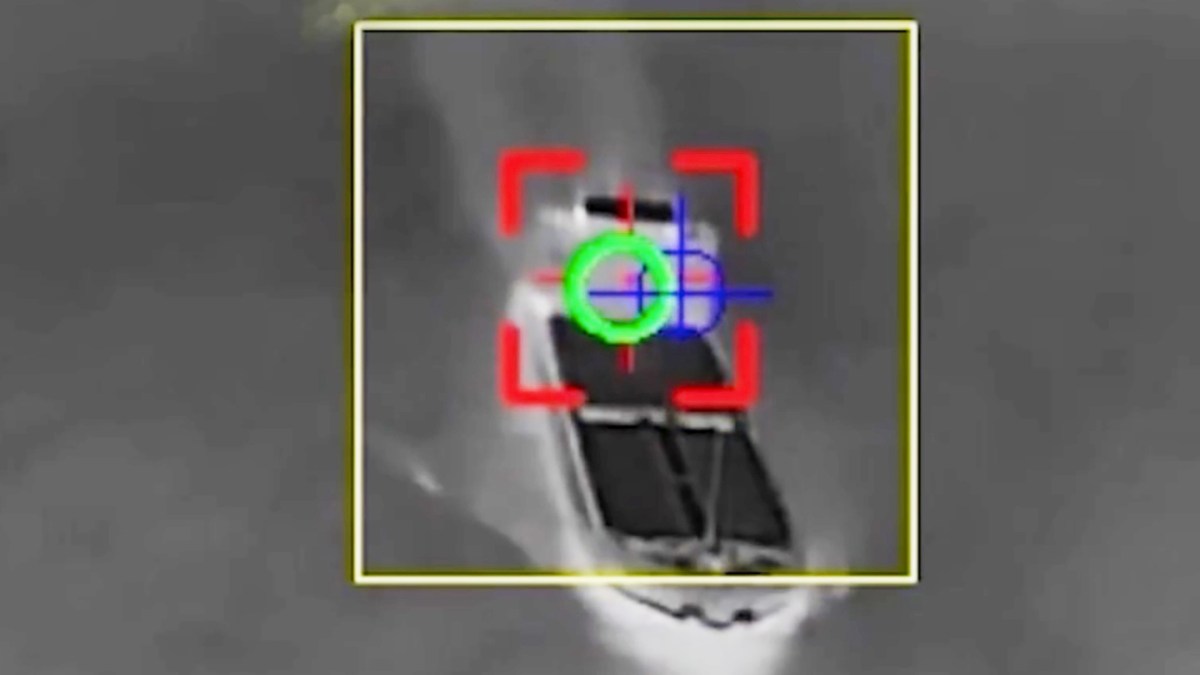
Ukrainian Drone Strikes Hit 28 Russian Vessels in Sea of Azov Campaign
On July 11, Ukraine reported that its aerial drones struck 28 Russian vessels in the Sea of Azov, part of an ongoing campaign that has targeted nearly 80 ships since July 6. This includes a significant number of oil tankers from Russia's shadow fleet, leading to a temporary halt in shipping through the Don-Azov Channel, a crucial navigable waterway for grain exports. The significance of these attacks lies in their impact on Russia's maritime operations and economy. Analysts noted that approximately 25% of Russia's wheat exports, the world's largest exporter of the grain, transit through the Sea of Azov. The strikes have prompted Russia to suspend new vessel transit applications through the Kerch Strait and halt navigation on the Don-Azov Canal, further isolating the Crimean peninsula and disrupting Russian energy supplies. Looking ahead, the Ukrainian military's 414th Separate Unmanned Strike Aviation System Brigade, known as “Magyar’s Birds,” continues to execute operations targeting Russian naval assets and infrastructure. The brigade's campaign, dubbed “Operation ‘Crimean Switch Off,’” aims to weaken Russian capabilities in the region. No further timeline was disclosed at the time of publication.
News & Features Air Around The Globe Drones Europe Russia
Ukraine Launches First Uncrewed Surface Vessel Attack on Sochi, Russia
Ukraine executed a significant uncrewed surface vessel (USV) attack on the Nefrit, a multipurpose offshore vessel, in Sochi, Russia. This operation marks the first known USV strike on the resort city, located approximately 350 miles from Ukrainian-held territory, highlighting the expanding reach of Ukraine's naval capabilities. The Ukrainian Navy stated that the attack was part of its ongoing campaign against Russia's energy infrastructure, claiming that the Nefrit directly supported the enemy's war economy. The strike is seen as a strategic move to disrupt Russian logistics and military capabilities, emphasizing that even Russian territory is vulnerable to Ukrainian operations. As the situation develops, observers will be keen to assess the extent of the damage to the Nefrit and its implications for Russia's maritime operations. The Ukrainian Navy's continued focus on targeting enemy resources suggests that further actions may be anticipated in the ongoing conflict.
News & Features Around The Globe Europe Russia Sea Ukraine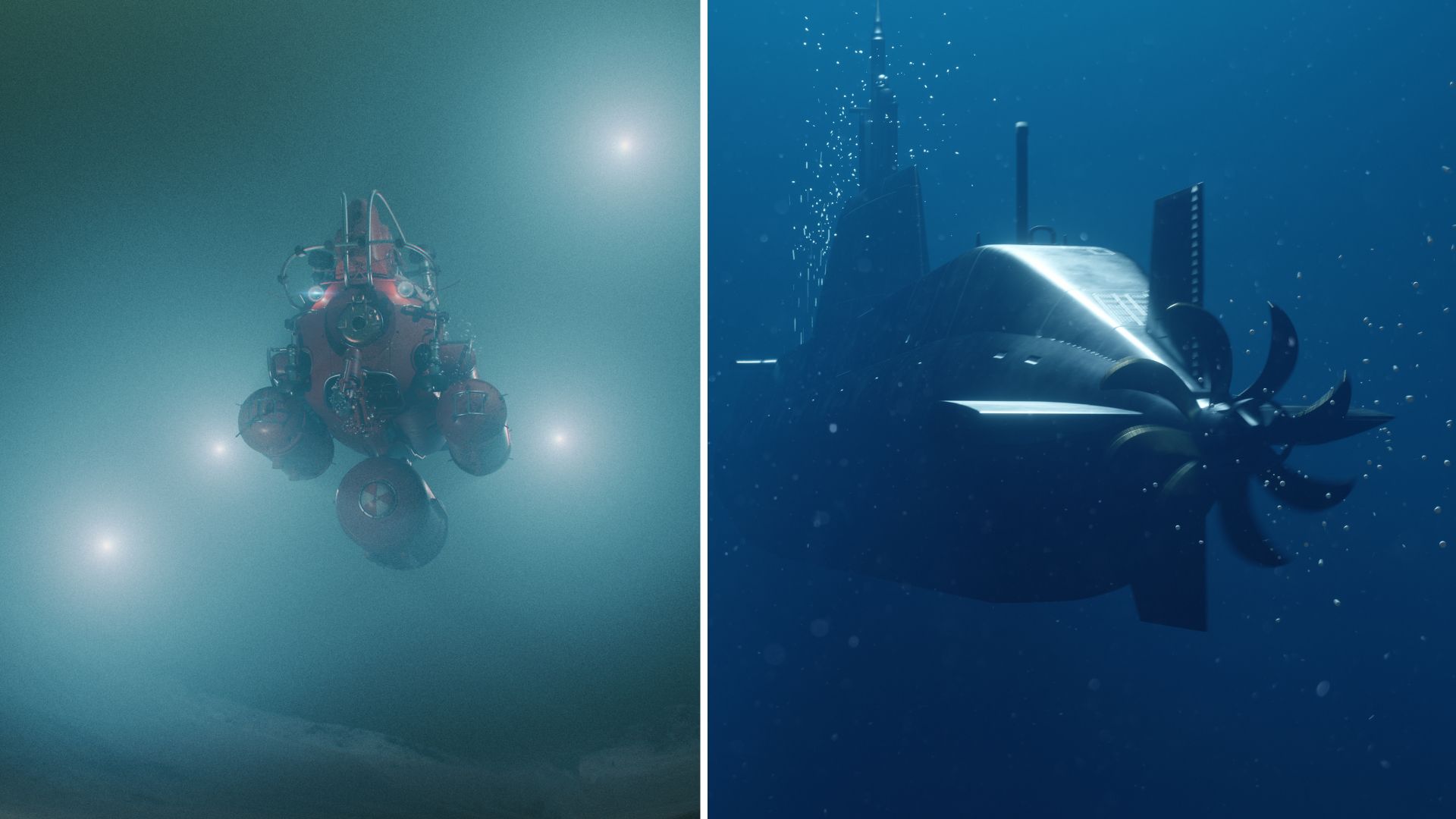
China Explores Autonomous Defense Systems for Contested Islands in South China Sea
A recent report indicates that China is investigating a maritime defense model utilizing autonomous drones to protect contested islands in the South China Sea. Researchers from the China Coast Guard Academy and Dalian Maritime University propose a network of aerial, surface, and underwater drones, which would create a multi-layered defense system, enhancing surveillance and response capabilities. This shift from traditional defense methods to a system reliant on uncrewed platforms reflects the evolving nature of naval warfare. The economic advantages of deploying inexpensive drones to monitor maritime environments are significant, as they can challenge larger military assets. The interconnected architecture aims to maintain operational capability even if some drones are compromised, emphasizing redundancy in defense strategies. As the South China Sea remains a focal point of territorial disputes among several nations, China's initiative to integrate autonomous systems into its defense strategy could further complicate regional security dynamics. However, it is crucial to note that this concept is still a research proposal and does not confirm the operational deployment of such systems at this time.
Military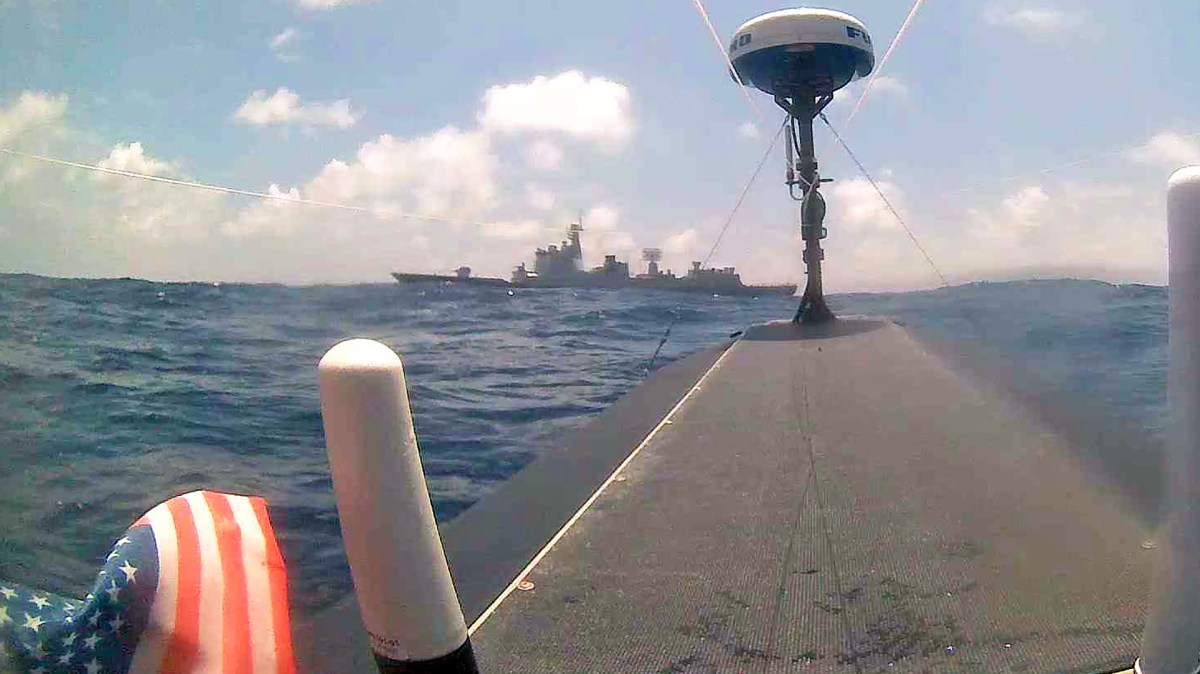
Seasats' Lightfish USV Encounters Chinese Destroyer, Raising Engagement Rule Concerns
A Lightfish uncrewed surface vessel (USV) owned by Seasats had a notable encounter with a Chinese Type 052D guided missile destroyer near the Philippines. The incident, reported by Reuters, occurred approximately 73 miles northeast of Luzon Island, highlighting the increasing presence of USVs in strategic maritime areas. This encounter underscores the potential risks posed by USVs to advanced naval vessels, raising critical questions about the rules of engagement for navies and merchant ships operating in contested regions. The Luzon Strait, a vital waterway, could become a focal point for future conflicts, particularly in the context of tensions surrounding Taiwan. The Lightfish USV, which can operate for extended periods thanks to its solar-powered hybrid system, tracked the Chinese destroyer from a distance of about 10 nautical miles. While the destroyer took evasive action upon noticing the USV, the intent behind the encounter remains unclear. No further timeline was disclosed at the time of publication.
Sea Destroyers Navies People's Liberation Army Navy (China) Unmanned Surface Vessels (USVs)
Saronic Announces $3 Billion Shipyard in Texas for Military and Commercial Ships
Maritime defense technology company Saronic has revealed plans to construct a $3 billion shipyard named Port Alpha in Brownsville, Texas. The facility aims to enhance U.S. shipbuilding capabilities for both defense and commercial vessels, with construction expected to commence later this year and operations slated to begin in 2028. The establishment of Port Alpha is significant as it aligns with U.S. government efforts to bolster domestic shipbuilding and reduce dependence on foreign production. Initially, the shipyard will develop approximately 835 acres, with potential expansion to nearly 4,400 acres, allowing for the construction of ships up to 1,200 feet long. Saronic plans to manufacture both crewed and autonomous ships, incorporating advanced technologies to enhance efficiency. Looking ahead, Saronic anticipates creating up to 10,000 direct jobs over the next decade, contributing significantly to the local economy. The project is expected to generate over $160 billion in economic impact for Cameron County and $264.5 billion across Texas. No further timeline was disclosed at the time of publication.
Military Transportation
Saronic Plans $3.2 Billion Shipyard Construction in South Texas
Saronic, an Austin-based technology startup, has announced plans to construct a new shipyard in South Texas, with an estimated investment of $3.2 billion. This development comes shortly after the company's maritime drones were utilized by the US military in combat for the first time this week. The establishment of the shipyard is significant as it highlights the growing demand for advanced maritime technology and the strategic importance of Saronic's innovations in defense applications. The investment reflects confidence in the future of maritime drone technology and its potential impact on military operations. Looking ahead, industry observers will be keen to see how the shipyard's construction progresses and its implications for local employment and economic growth. No further timeline was disclosed at the time of publication.

Researchers teach drones to avoid crashes before it’s too late
An engineer from the University of Houston has created an innovative onboard safety system designed to enhance drone safety by preventing crashes. This new technology enables drones to navigate around obstacles and avoid potential collisions, even in the face of unforeseen circumstances that may disrupt their flight paths. The development of this system addresses growing concerns over drone safety as their use becomes increasingly prevalent in various sectors, including delivery services and aerial photography. By integrating advanced algorithms and sensors, the system allows drones to make real-time adjustments, ensuring safer operations in complex environments. This breakthrough could significantly reduce the risk of accidents, paving the way for broader adoption of drones in urban areas and other challenging settings.
News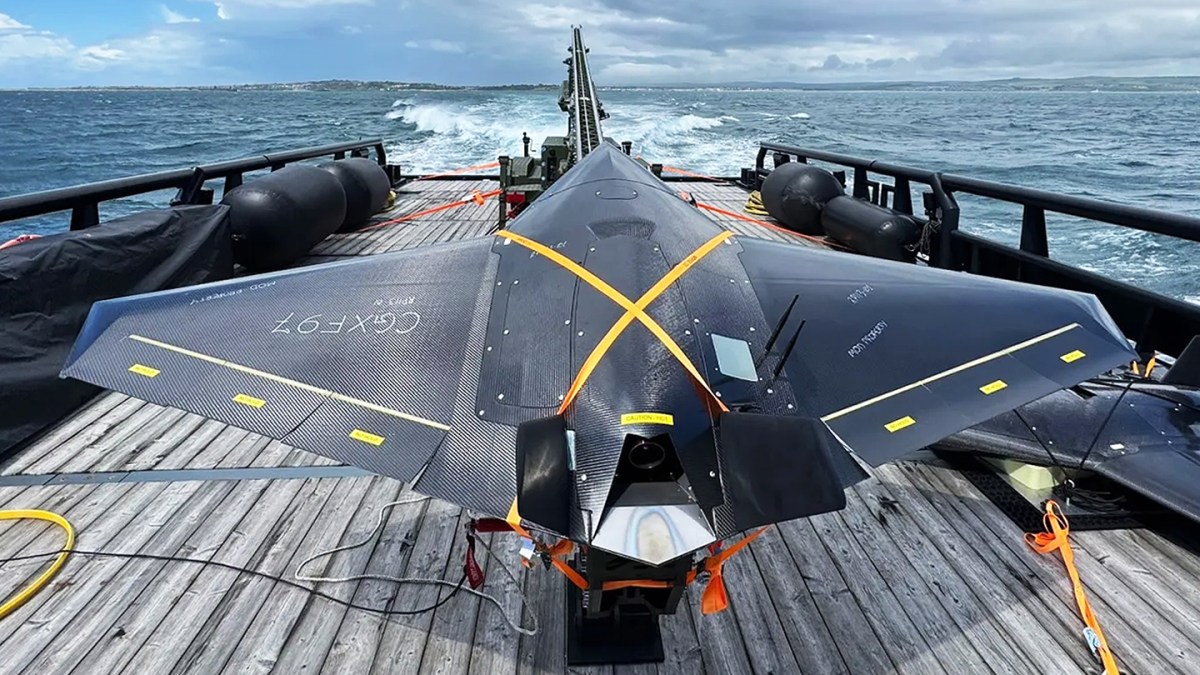
Royal Navy’s Sea Launch Of Combat-Proven Nyan Kamikaze Drone Points To Fleet’s ‘Hybrid’ Future
The Royal Navy has showcased a new shipboard strike capability with the demonstration of the combat-proven Nyan Kamikaze drone, highlighting its commitment to integrating advanced drone technology across its fleet. This event signals a significant step towards a hybrid future for naval operations, as the Royal Navy seeks to enhance its combat effectiveness and operational flexibility. The demonstration took place recently, underscoring the urgency of modernizing naval capabilities in response to evolving threats. By incorporating drones into its strategic framework, the Royal Navy aims to improve its maritime defense and maintain a competitive edge in modern warfare.
News & Features Carriers Drones Navies Queen Elizabeth Class Royal Navy
UK’s 21-ton extra-large submarine drone to undergo trials for undersea operations, payload
The United Kingdom has awarded MSubs, a submarine technology company, an $8.8 million contract to initiate trials of a new unmanned underwater vehicle. This contract, announced recently, aims to enhance the UK's maritime capabilities and explore advanced underwater technologies. The trials will take place in various locations across the UK, with the goal of assessing the vehicle's performance and operational effectiveness. The initiative is part of the UK's broader strategy to bolster its defense and security measures in response to evolving maritime threats. By leveraging MSubs' expertise, the UK seeks to innovate and maintain a competitive edge in underwater operations.
Military
Norway sends deep-sea drone 20,000 feet down to uncover hidden ocean secrets
Norway has initiated the inaugural expedition of its advanced robot submarine, designed to reach depths of nearly 6,000 meters. This groundbreaking mission commenced recently in the North Atlantic, showcasing the submarine's capabilities in deep-sea exploration. The project aims to enhance scientific research and environmental monitoring in the region, addressing the growing need for innovative technology in oceanography. The submarine is equipped with state-of-the-art sensors and imaging systems, allowing it to gather critical data on marine ecosystems and geological formations. This expedition marks a significant step forward in Norway's commitment to advancing underwater research and understanding the complexities of ocean environments.
Science
US Marines launch long-endurance spy drone from warship in South China Sea
A small US surveillance drone was launched from the deck of a Navy warship in the South China Sea on Thursday, marking a significant move in the ongoing tensions between the United States and China. The operation aimed to enhance reconnaissance capabilities in a region where both nations have been asserting their military presence. This deployment comes amid rising concerns over China's expanding influence and military activities in the area, prompting the US to bolster its surveillance efforts. The drone's mission involved gathering intelligence on maritime movements and potential threats, showcasing the US commitment to maintaining a strategic advantage in the region. The operation underscores the delicate balance of power in the South China Sea, where territorial disputes have heightened the stakes for both countries.
Military
Drone Scoreboard Debuts Above Seattle World Cup Match
As the World Cup captivates fans across the U.S., SkyElements has introduced an innovative drone scoreboard in Seattle, enhancing the viewing experience for spectators. During a recent drone show, the final scores of matches played in the city were illuminated in the sky, allowing fans to engage with the event in a unique and visually striking manner. This debut marks a significant advancement in how sports scores can be communicated, blending technology with entertainment to elevate the excitement surrounding the tournament. The initiative aims to create a memorable atmosphere for attendees, showcasing the potential of drone technology in live sports events.
Applications Drone News Drone News Feeds Drone Shows Drone Swarms Drones in the News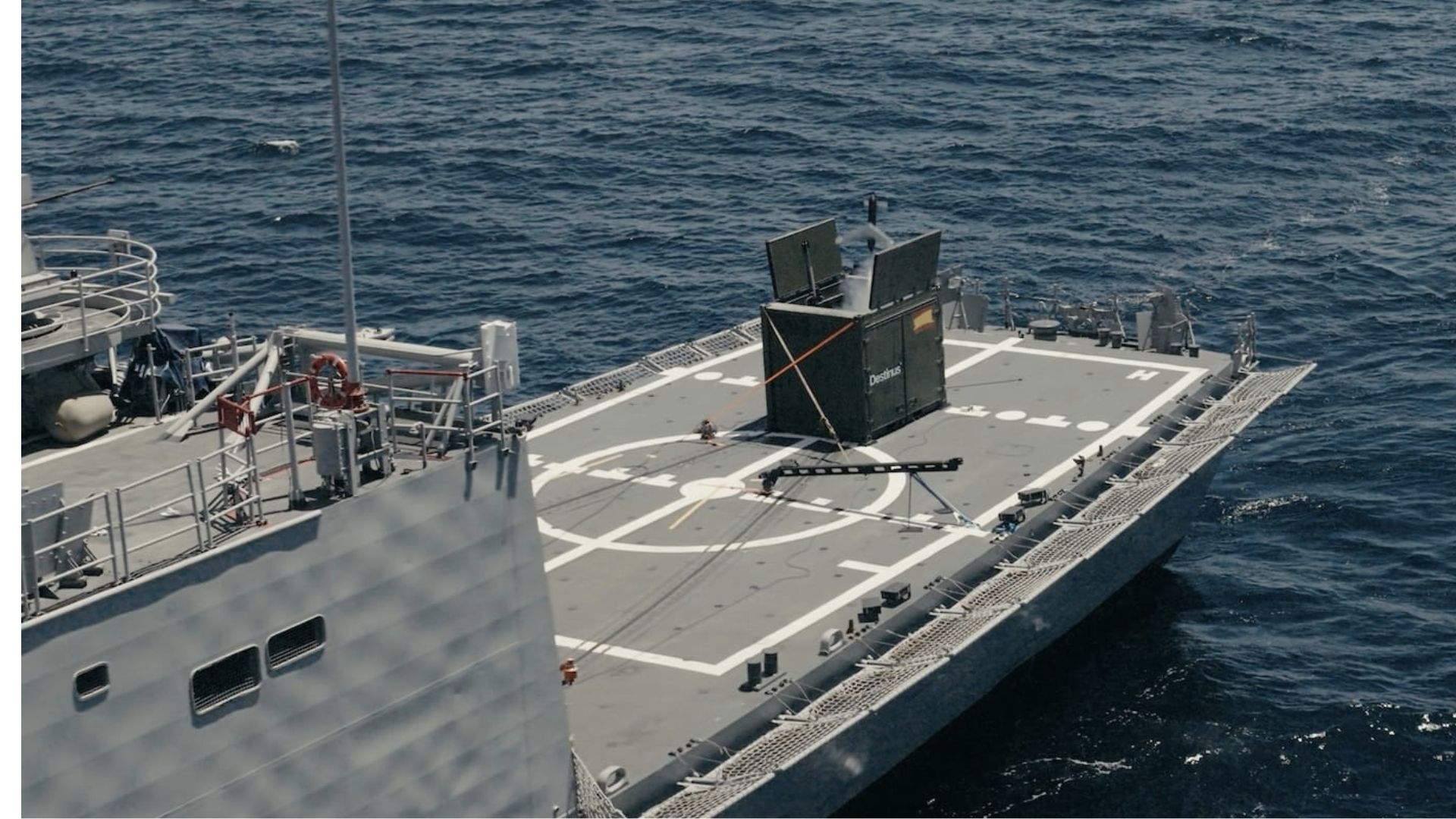
Missile-like interceptor drone destroys target with precision during Spanish Navy’s at-sea test
The Spanish Navy recently conducted a successful at-sea test of the Hornet Block 1, showcasing its advanced capabilities in naval operations. This event took place in October 2023, as part of the Navy's ongoing efforts to enhance its maritime defense systems. The test aimed to evaluate the performance and reliability of the Hornet Block 1, which is integral to Spain's strategic military initiatives. By conducting these trials, the Spanish Navy seeks to ensure that its fleet remains at the forefront of modern naval warfare, effectively responding to evolving security challenges. The successful outcome of this test underscores the Navy's commitment to maintaining operational readiness and technological advancement in its maritime capabilities.
Military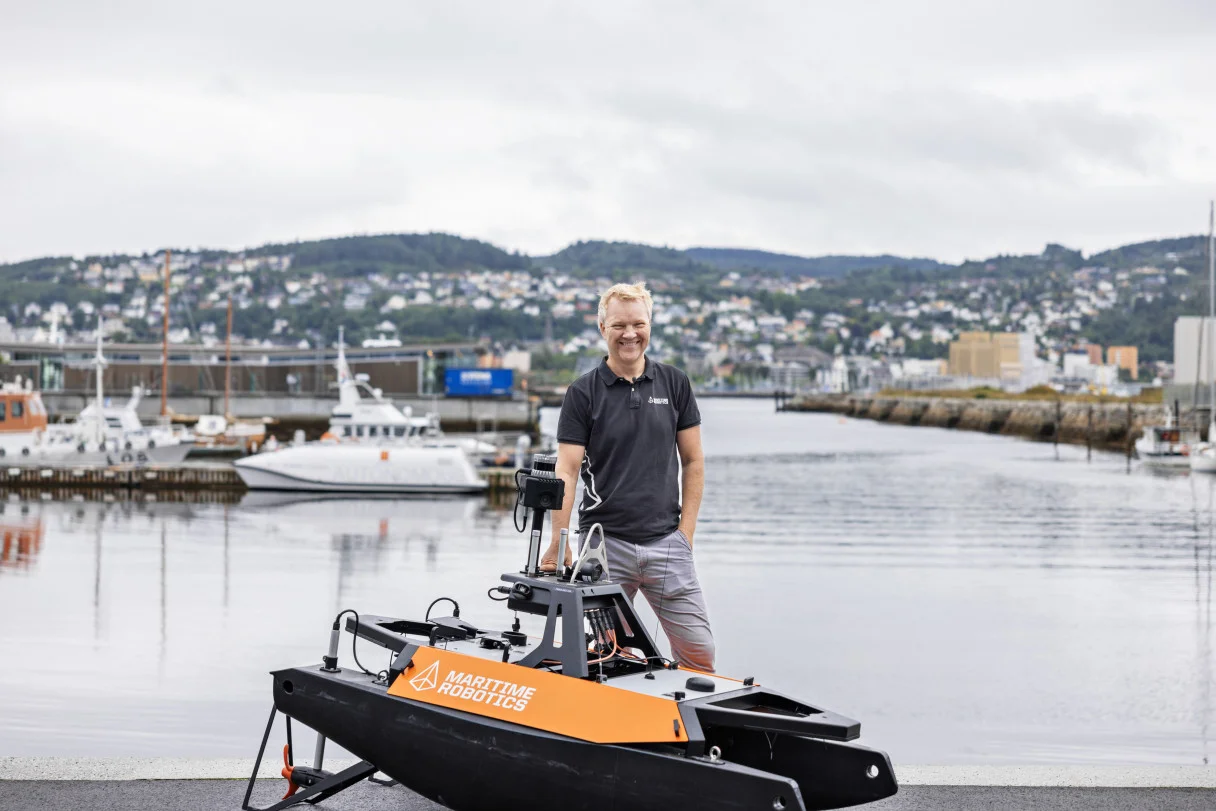
Maritime Robotics Raises €28M in Funding to Expand its Autonomous Sea Drone Systems
Norwegian company Maritime Robotics has secured €28 million in growth funding to enhance its autonomous maritime systems. The funding round, which was led by Mustard Seed + Partners, also saw contributions from existing investors including EnvisionTech, Nysnø Climate Investment, and Umoe, along with participation from the company's founders, employees, and early backers. This financial boost aims to support the company's expansion efforts in the rapidly evolving maritime technology sector.
AI AI Funding & Investment Robotics autonomous maritime systems funding maritime robotics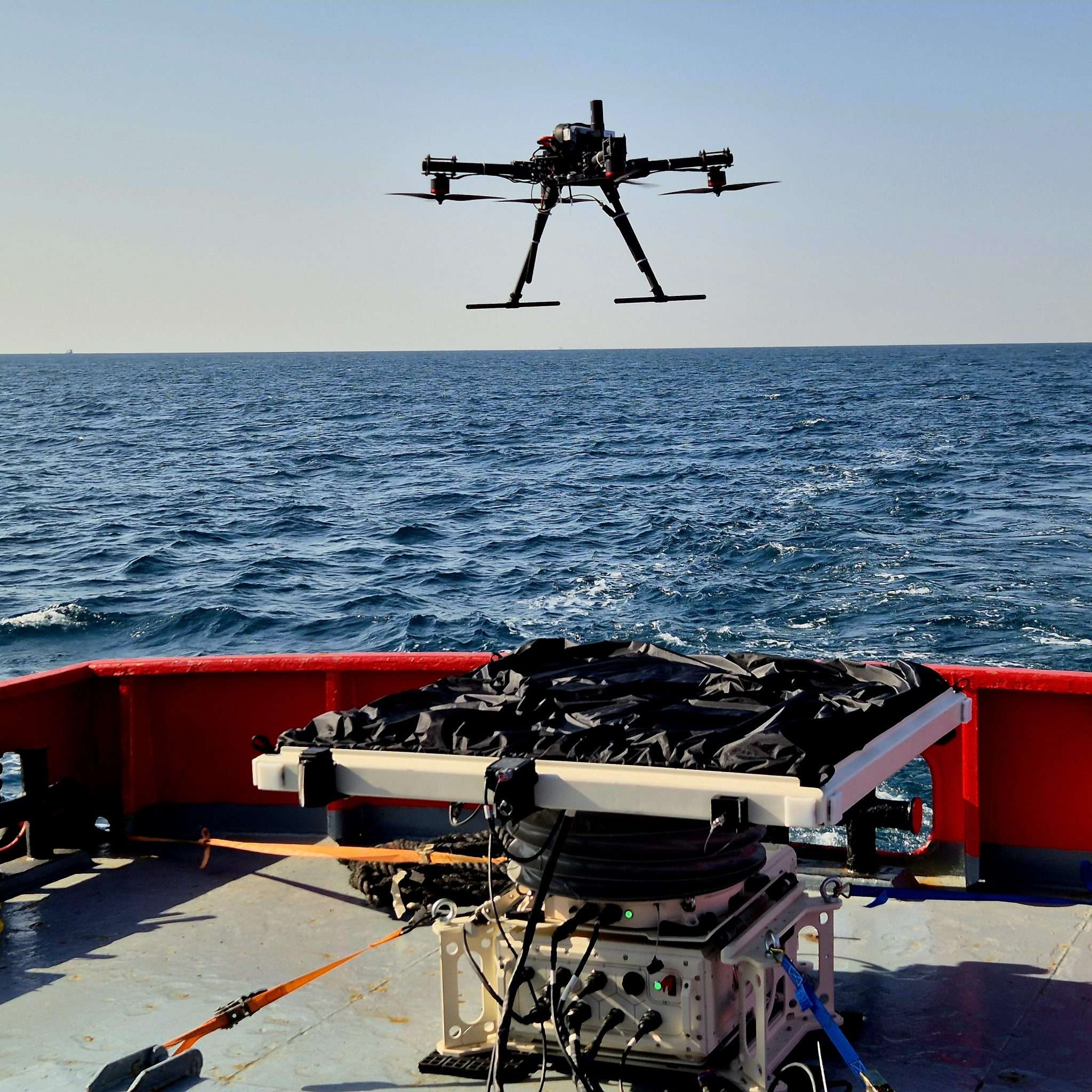
WaiV Robotics Brings Autonomous Drone Recovery at Sea to U.S. Offshore Operators
WaiV Robotics, a London-based maritime autonomous infrastructure developer, has officially launched its services in the U.S. market this week. The company aims to address the increasing challenges faced by offshore energy operators in inspection, maintenance, and emergency response as assets are positioned further from shore. By introducing its innovative autonomous drone launch and recovery technology, WaiV Robotics seeks to enhance operational efficiency for offshore operators across the country. The platform is designed to streamline processes and improve safety in the demanding offshore environment.
Applications Drone News Drone News Feeds Drones in the News News ocean
Seattle Stadium “No-Drone Zone” During FIFA Matches
Federal officials have issued a warning to drone operators to refrain from flying their devices near Lumen Field, which will temporarily be referred to as Seattle Stadium, as it prepares to host six matches for the FIFA World Cup 2026 over the coming weeks. The advisory aims to ensure the safety and security of the event, emphasizing the importance of maintaining a clear airspace during this high-profile international tournament. Authorities are particularly concerned about recreational drone use, which could pose risks to both players and spectators. The no-drone zone is part of broader efforts to manage air traffic and protect the integrity of the matches.
Drone News Drone News Feeds News Public Safety safety and security World Cup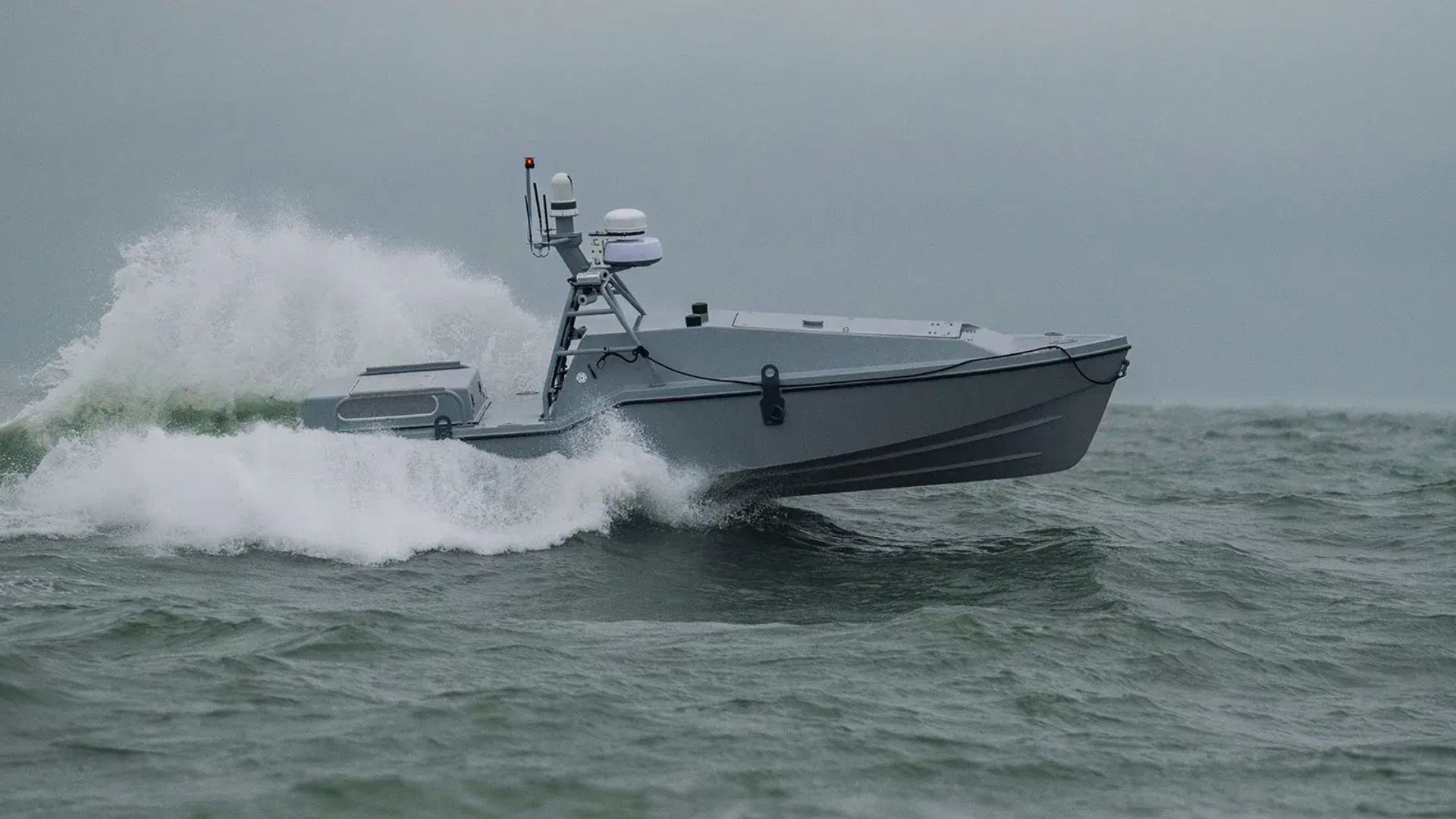
First-ever drone boat rescue: US Navy vessel pulls out two downed pilots from sea
A U.S. Navy unmanned surface vessel successfully conducted a rescue operation for two Army pilots whose AH-64 Apache helicopter had crashed. The incident occurred on a training mission off the coast of California on Tuesday. The unmanned vessel, equipped with advanced technology, was able to locate the pilots quickly and facilitate their safe retrieval from the water. This operation highlights the increasing role of unmanned systems in military rescue missions, showcasing their effectiveness in enhancing operational capabilities and ensuring the safety of personnel in distress. The successful rescue underscores the collaborative efforts between the Navy and Army in conducting joint operations and responding to emergencies in challenging environments.
Military
Video Captures Rafale Fighter’s Drone Kill Over Baltic
Recent footage has emerged capturing a Rafale fighter jet successfully engaging and destroying a drone over the Baltic Sea, marking a significant development in NATO's air policing efforts. This incident, believed to be the first of its kind in Europe, highlights the increasing challenges that unmanned aerial vehicles (UAVs) present to military operations in the region. The event underscores the evolving nature of aerial warfare and the necessity for NATO forces to adapt to the growing prevalence of drones in conflict scenarios. As tensions continue to rise in Eastern Europe, this engagement illustrates the strategic importance of maintaining air superiority and the ongoing efforts to counter emerging threats in the skies.
Air Air Forces Around The Globe Baltic Sea Europe Fighters
World’s first two-seat Gripen F jet can coordinate drone swarms for added lethality
Saab, the Swedish aerospace and defense company, has unveiled the world's first Gripen F fighter jet during a ceremony held at its facility in Linköping. This significant event took place recently, marking a milestone in the development of advanced military aircraft. The Gripen F, a twin-seat variant of the Gripen E, is designed to enhance operational capabilities and provide advanced training for pilots. Saab's decision to develop this model stems from the increasing demand for versatile and efficient fighter jets in modern air forces. The rollout of the Gripen F is expected to strengthen Sweden's defense capabilities and contribute to international military partnerships. The aircraft features cutting-edge technology and improved performance, positioning it as a competitive option in the global defense market.

Russia’s Baltic Fleet Successfully Attacked By Ukrainian Drones
The Baltic Fleet, historically a stronghold for Russian naval operations, has become a target of Ukraine's advancing long-range strike capabilities. This shift in focus comes as Ukraine intensifies its military efforts against Russian forces amid ongoing tensions in the region. The recent drone attacks on the fleet signify a strategic escalation in Ukraine's campaign, aiming to undermine Russian naval strength and assert its own military presence in the area. The developments highlight the evolving dynamics of the conflict, with Ukraine leveraging innovative tactics to challenge its adversary's maritime power.
Sea Around The Globe Baltic Sea Corvettes Drones Europe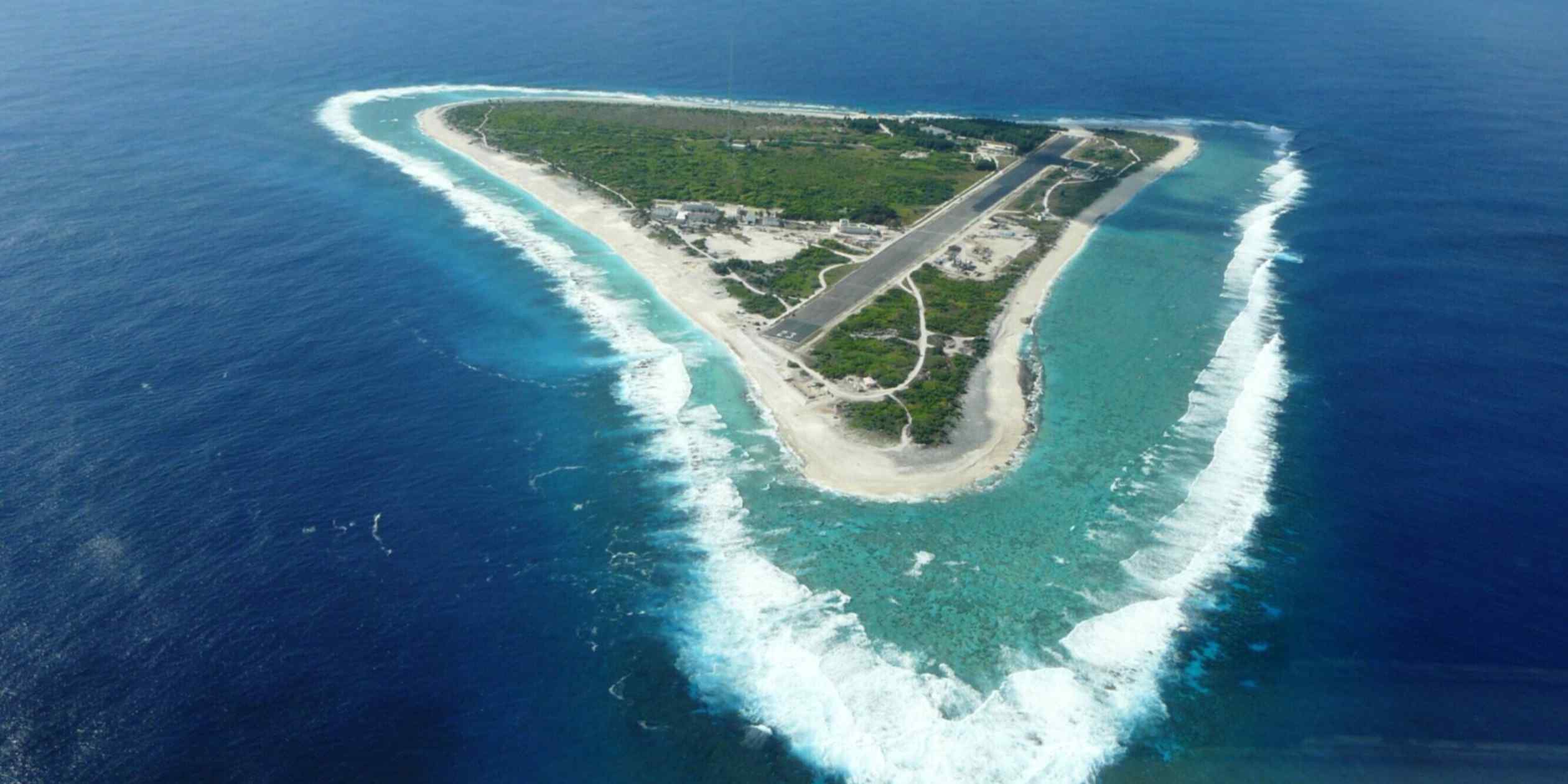
Japan to develop deep-sea drone in hunt for rare earths
A Japanese marine research agency is set to develop an advanced autonomous underwater vehicle (AUV) by fiscal 2028 to enhance the search for rare earth elements and other mineral resources in the seabed near Minamitorishima, Japan's easternmost territory. This initiative, announced on June 3, 2026, aims to secure a stable supply of these critical materials, which are essential for various high-tech industries. The project reflects Japan's ongoing efforts to reduce its dependence on foreign sources, particularly China, amid rising global demand for rare earths. The development of this hybrid vessel is expected to significantly accelerate exploration and retrieval processes in the region, positioning Japan as a key player in the global rare earth supply chain.
Navy SEALs In Mini-Submarines Teamed With Underwater Drones In The Works
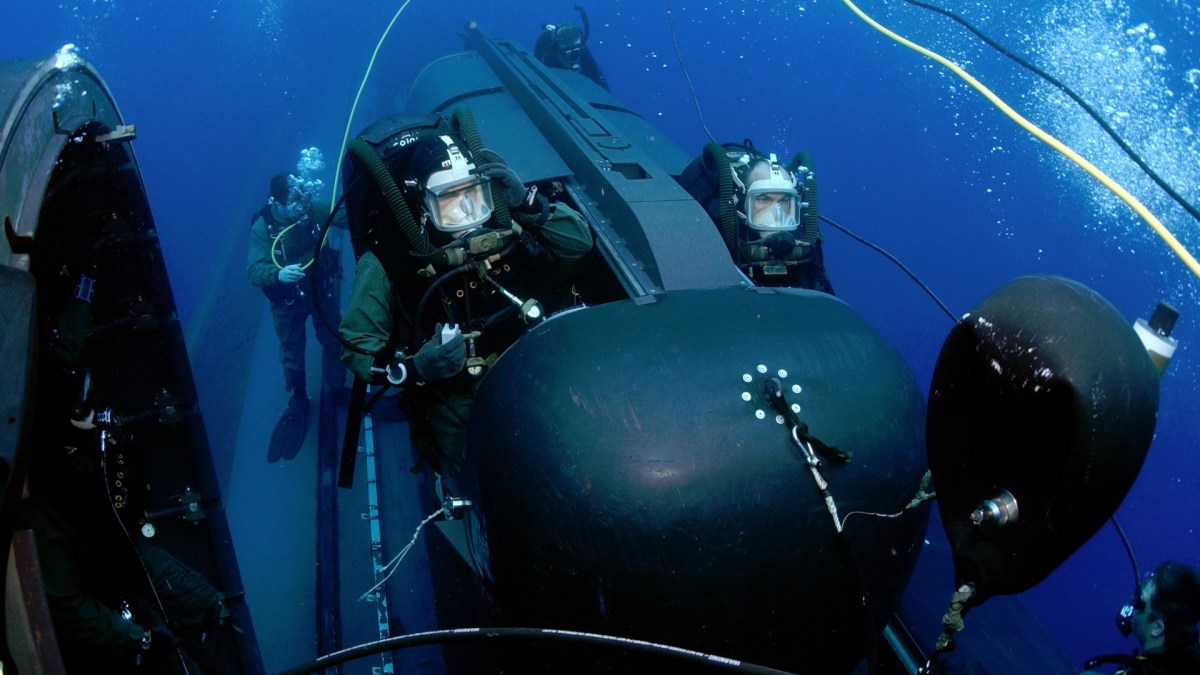
The U.S. Navy is exploring innovative operational strategies by integrating uncrewed underwater vehicles with Navy SEALs utilizing mini-submarines. This collaboration aims to enhance the capabilities of special operations forces in maritime environments, potentially revolutionizing underwater missions. However, the initiative faces several challenges that need to be addressed to ensure effective implementation. As the Navy continues to develop these advanced technologies, the focus remains on overcoming obstacles to maximize the operational potential of this partnership.
Sea Navies Navy SEALs News & Features Special Warfare Submarines
Open Spirit 2026 Delivers Real World Impact in the Baltic Sea
NATO ships participated in the international mine countermeasures exercise, Open Spirit 26, off the coast of Latvia from May 1 to May 13, 2026. This event involved Allied and Partner navies working collaboratively to enhance regional security and strengthen interoperability among forces. The exercise aimed to address the ongoing threat of historical naval mines in the area, showcasing the commitment of participating nations to ensure maritime safety and security. Through coordinated efforts, the exercise not only improved tactical capabilities but also fostered closer ties among the naval forces involved.
nato open spirit 2026 naval exercise
World-first: UK firm’s system lets drones take off, land from sea during rough condition
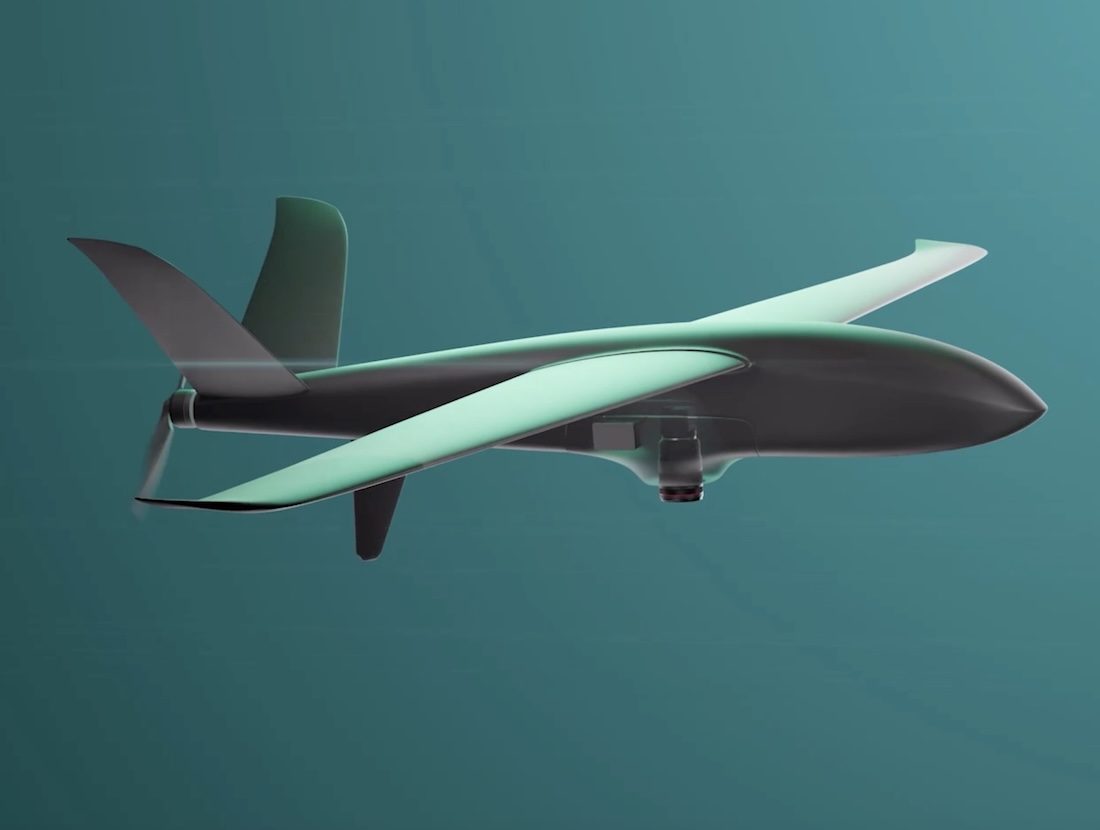
A British company has introduced an innovative fully automatic landing and takeoff platform aimed at enhancing the efficiency of drone operations. This groundbreaking technology was unveiled during a recent industry conference held in London, where experts gathered to discuss advancements in aviation and unmanned aerial systems. The platform is designed to streamline the process of drone deployment, making it easier for various sectors, including logistics and emergency services, to utilize aerial vehicles effectively. By automating landing and takeoff procedures, the firm aims to reduce human error and improve safety standards in drone operations. The development reflects a growing trend in the aviation industry towards automation and increased reliance on technology to optimize performance and reliability.
Danish Startup Launches 10K Drone Sensor for Wide-Area Search, Surveillance, and Mine Detection
A Danish start-up has introduced a groundbreaking sensor system designed to enhance marine rescue operations. This innovative technology enables drone-equipped teams to efficiently search vast areas of water for capsized boats and individuals in distress. By utilizing high-resolution imagery transmitted from the drones, rescue teams can pinpoint critical details in challenging conditions. The launch of this advanced 10K drone sensor aims to improve search and surveillance capabilities, as well as facilitate mine detection, thereby addressing urgent needs in maritime safety. The initiative reflects the start-up's commitment to leveraging cutting-edge technology to support emergency responders in their vital work.
Applications DL Exclusive Drone News Drone News Feeds drone technology Europe Drone Industry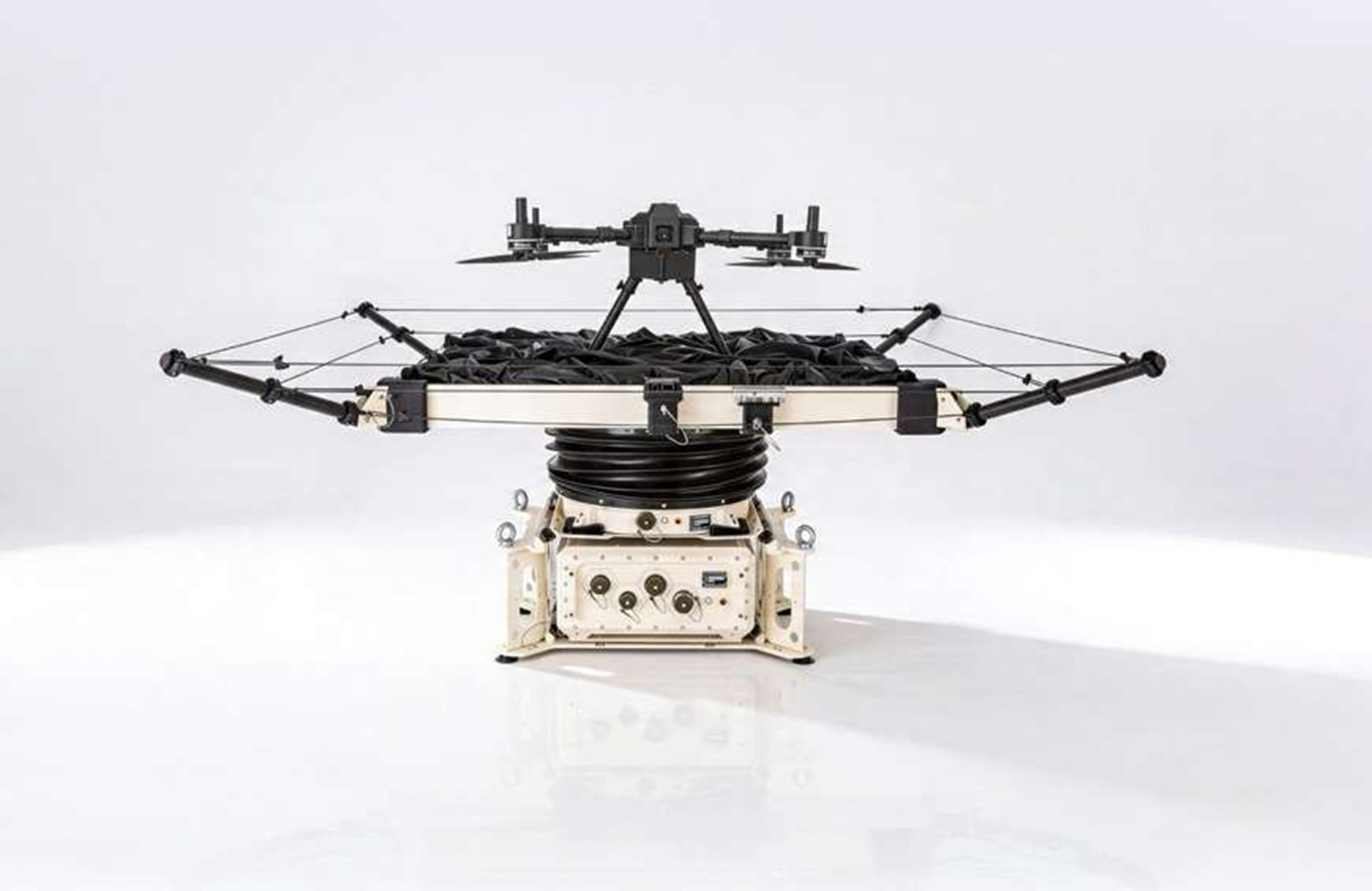
WaiV Robotics emerges from stealth to help drones take off and land at sea
WaiV Robotics has emerged from stealth mode with a mission to enhance drone operations at sea, backed by $7.5 million in funding. The company is focused on developing its innovative drone landing system and is actively seeking original equipment manufacturer (OEM) partners to collaborate on bringing this technology to market. By improving the efficiency and safety of drone takeoffs and landings in maritime environments, WaiV Robotics aims to address the growing demand for reliable drone solutions in various industries.
Artificial Intelligence Artificial Intelligence / Cognition Controllers Defense / Security Design / Development Drones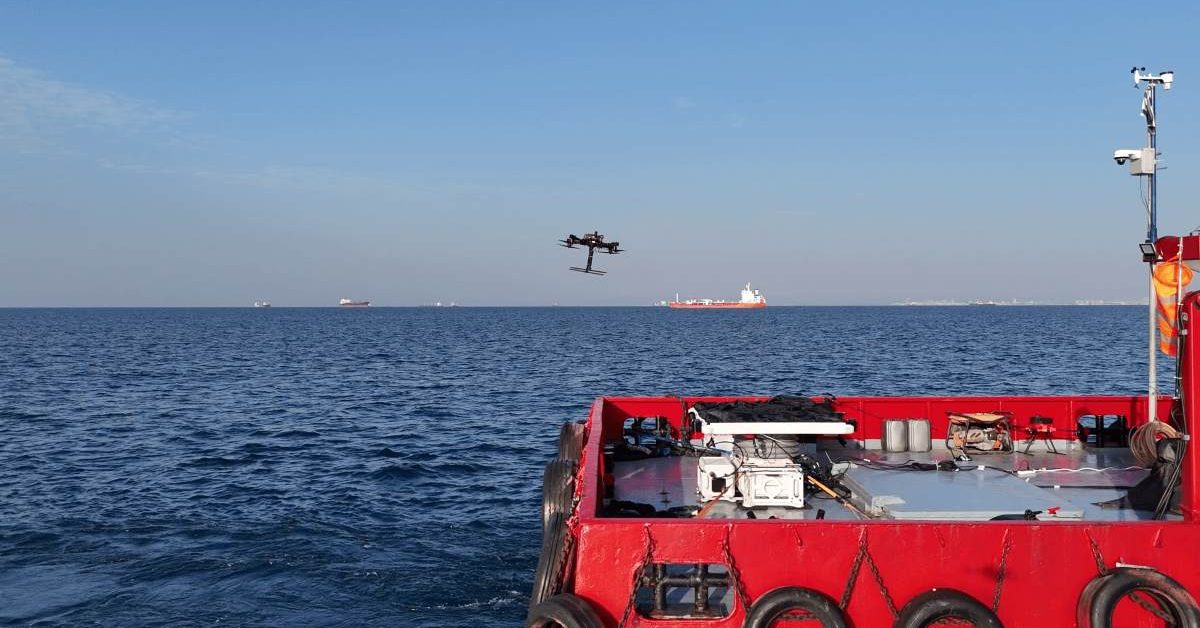
This system aims to fix drone landings in rough seas
A young maritime technology company has made significant advancements in drone operations at sea, addressing the challenges posed by unpredictable conditions such as shifting decks and waves. Traditionally, these factors have made it difficult for even seasoned pilots to land drones safely, leading offshore operators to restrict flights to calm weather. The company claims to have developed a solution that enhances the reliability of drone landings in turbulent environments. This breakthrough could potentially transform offshore operations, allowing for more frequent and efficient use of drones in maritime settings.
News
Bat-inspired drones could improve search and rescue ops in dark
A researcher at Worcester Polytechnic Institute (WPI) is pioneering innovative drone navigation technology inspired by the echolocation abilities of bats. This development, which aims to enhance the precision and efficiency of drone operations, is particularly relevant in environments where GPS signals are weak or unavailable. The project is currently underway, with the researcher utilizing advanced algorithms to replicate the way bats navigate through complex surroundings. By studying the natural mechanisms of bat echolocation, the team hopes to create drones that can autonomously maneuver in challenging conditions, potentially transforming applications in various fields such as search and rescue, agriculture, and environmental monitoring. This research not only seeks to improve drone functionality but also aims to contribute to the broader understanding of biological navigation systems.

Princess Cruises brings free Alaska-themed drone show to Seattle
Next week, Seattle residents and visitors will have the opportunity to witness a unique spectacle as Princess Cruises presents a one-night-only Alaska-themed drone show. Scheduled for May 1 at 8:30 p.m., the event aims to celebrate the upcoming summer cruise season and is designed to be a free public attraction. The best viewing location for the show will be the Seattle Center International Fountain Mall, where attendees can enjoy the aerial display against the backdrop of the city skyline.
News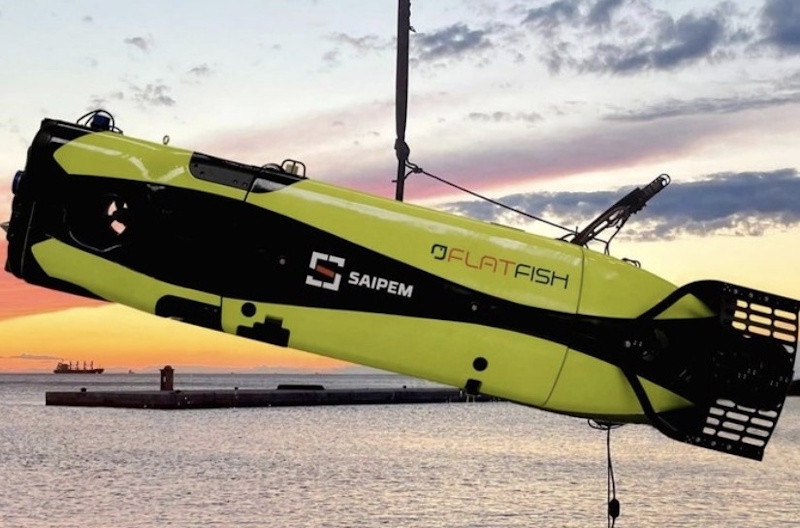
Saipem’s Subsea Drone Clears Tests with Petrobras Ahead of Offshore Deployment
Saipem's advanced underwater inspection drone, FlatFish, has successfully completed a significant milestone in its contract with Petrobras, awarded in 2023. The recent Functional Acceptance Tests were conducted in a controlled environment to ensure that the drone meets the technical and operational standards required for its autonomous robotic solution. These tests focused on verifying mission autonomy and data quality, essential components before the drone's deployment in the field. This achievement marks a critical step in the development and testing process, demonstrating Saipem's commitment to delivering innovative underwater inspection technology.
saipem subsea drone tests petrobras offshore deployment flatfishRobotics needs a service framework.
RSF defines a common language for robot service capability, lifecycle operations, certification pathways, and service-provider networks.
Join the RobotToday community on LinkedIn
Daily robotics news, in-depth analysis, conference highlights, and discussions with professionals worldwide.