

Industry Briefing
A single destination for timely, editor-curated robotics news from around the world.

Jiushi Expands Its 30,000 Autonomous Vehicles into Urban Governance Applications
Jiushi has announced a strategic upgrade to its urban-level physical AI, aiming to extend its 'Jiushi Brain' capabilities beyond autonomous logistics vehicles. CEO Kong Qi emphasized that the company will leverage its extensive operational experience and data from over 30,000 vehicles, which have collectively traveled more than 250 million kilometers across 300 cities, to enhance urban governance scenarios. This shift is significant as Jiushi seeks to redefine its role in the autonomous vehicle industry, moving from a logistics-focused approach to utilizing its vehicles as a sensor network for urban management. By transforming data from real-world operations into actionable insights for city governance, Jiushi aims to address the complexities of urban environments while ensuring compliance and safety standards. Looking ahead, Jiushi's collaboration with GAC Aion to integrate L4 autonomous driving technology with commercial vehicle manufacturing could help overcome long-standing reliability issues in the industry. The success of this new direction will depend on Jiushi's ability to implement its technology in various cities, transitioning its vehicles from cargo transport to integral components of urban infrastructure.
Autonomous Vehicles Urban Governance AI Technology Data Analytics
Study on Cooperative Navigation Methods for Autonomous Underwater Vehicles in Terrain Mapping
A recent study published in the Journal of Field Robotics explores cooperative navigation methods for autonomous underwater vehicles (AUVs) in terrain mapping. The research focuses on enhancing the accuracy and efficiency of AUVs when mapping underwater environments through collaborative navigation techniques. This research is significant as it addresses the challenges faced by AUVs in accurately mapping complex underwater terrains. By improving navigation methods, the study aims to facilitate better data collection for various applications, including environmental monitoring, underwater exploration, and resource management. Looking ahead, the implications of this research could lead to advancements in AUV technology and its applications in marine research. No further timeline was disclosed at the time of publication.
RESEARCH ARTICLE
China Implements New Safety Regulations for Autonomous Vehicles by 2027
China has announced new safety regulations for autonomous vehicles, set to take effect on July 1, 2027. These rules will apply to both vehicles requiring a human backup driver and fully autonomous vehicles, such as those produced by Waymo. Key requirements include a mandatory deactivation override and ensuring that autonomous systems can match human driver safety standards. The introduction of these regulations is significant as it aims to standardize the interaction between humans and machines, thereby mitigating risks associated with misuse or abuse. Manufacturers will also be required to inform buyers about any limitations of the autonomous systems. The Ministry of Industry and Information Technology emphasized the importance of these rules in enhancing safety, especially following a fatal incident in 2025 involving a Xiaomi vehicle in assisted driving mode. Looking ahead, the enforcement of these regulations will likely intensify, particularly in light of safety concerns and the challenges associated with developing advanced autonomous systems. No further timeline was disclosed at the time of publication.
All News
NVIDIA Launches Alpamayo 2 Super for Commercial Use in Robotaxis and Autonomous Vehicles
NVIDIA has announced the commercial availability of Alpamayo 2 Super, a cutting-edge model designed for robotaxis and autonomous vehicles (AVs). This model addresses complex, rare scenarios that traditional systems struggle to handle, enabling AVs to reason about situations and make safe decisions in real time. The significance of Alpamayo 2 Super lies in its open commercial licensing and advanced multitask capabilities, which enhance the AV ecosystem. By being part of the Alpamayo family, it supports a variety of AV-relevant functions within a single foundation model, allowing developers to adapt it to their specific needs and driving policies. Looking ahead, the application of the OpenMDW license across the Alpamayo model family facilitates a seamless transition from adaptation to deployment for AV developers. This model not only provides high-level reasoning capabilities but also promotes a sustainable approach to scaling safe autonomy in commercial fleets, ensuring that developers can efficiently integrate advanced reasoning into their workflows.
Current Disturbances Impacting Online Localization for Autonomous Underwater Vehicles
The Journal of Field Robotics has published an early view article discussing the challenges of online localization for autonomous underwater vehicles (AUVs) in the presence of current disturbances. This research highlights the difficulties faced by AUVs when global references are not available, which is crucial for their navigation and operational efficiency. Understanding how current disturbances affect AUV localization is significant as it directly impacts the effectiveness of underwater missions. Accurate localization is essential for various applications, including environmental monitoring, underwater exploration, and military operations. The findings from this study could lead to improved algorithms and technologies that enhance the reliability of AUVs in challenging underwater environments. Future research should focus on developing advanced localization techniques that can mitigate the effects of current disturbances on AUVs. As underwater exploration continues to grow, the demand for reliable AUV navigation systems will increase. No further timeline was disclosed at the time of publication.
RESEARCH ARTICLE
Moove Secures $250 Million to Develop Infrastructure for Autonomous Vehicle Ecosystems
Moove has successfully raised $250 million in Series C funding, elevating its valuation to $2.1 billion. This capital will facilitate the expansion of its autonomous vehicle business, focusing on autonomous fleet ownership and the development of robotics-first depot infrastructure known as 'Nests.' These Nests will serve as operational hubs for charging, servicing, and maintaining autonomous fleets. The significance of this funding lies in Moove's vision of autonomous mobility as a critical component of future urban ecosystems. Co-founder Ladi Delano emphasized that the success of autonomous technology hinges on the establishment of robust infrastructure, including fleet management and operational systems. Moove aims to grow its workforce by over 220% by year-end, reflecting its commitment to scaling operations globally. Looking ahead, Moove's strategic partnerships and infrastructure development will be pivotal in shaping the future of autonomous transportation. The company is already operational in cities like Phoenix and Miami, with plans for expansion into London. No further timeline was disclosed at the time of publication.
Automotive Financial Investments Markets / Industries News Robots / Platforms
Dubai Future Foundation and Oxa Launch SHIFFT for Autonomous Logistics at Ports and Airports
Dubai Future Foundation (DFF) and Oxa have unveiled SHIFFT, a joint venture aimed at establishing Dubai as a leader in autonomous logistics. This initiative will integrate self-driving technology into a comprehensive logistics solution, enhancing productivity and safety in operations at ports and airports. The significance of SHIFFT lies in its potential to transform Dubai's logistics sector, contributing to the city's goal of doubling foreign trade volume by 2033. By deploying Oxa's advanced self-driving software and fleet management systems, SHIFFT aims to improve operational resilience and efficiency, aligning with Dubai's Research, Development, and Innovation (RDI) Programme. Looking ahead, SHIFFT plans to initiate its first scalable commercial deployment in Dubai by the end of 2027. This venture not only promotes autonomous mobility but also seeks to create high-tech jobs and bolster Dubai's position as a regional hub for research and development in logistics.
Autonomous Vehicles News airports autonomous logistics autonomous mobility autonomous vehicles
Atlas Energy to Increase Kodiak-Powered Autonomous Truck Fleet to 100 by Mid-2027
Atlas Energy Solutions is expanding its autonomous truck operations in the Permian Basin, enhancing its oilfield logistics through digital transformation. Collaborating with Kodiak AI, Atlas will increase its driverless proppant delivery program to a second load-out point along its Dune Express sand conveyor system, boosting delivery capabilities and meeting rising customer demand. This expansion is significant as it will grow Atlas's fleet from 28 autonomous trucks as of March 31, 2026, to 100 by mid-2027, with plans to operate on public roads by early 2027. John Turner, CEO of Atlas Energy Solutions, emphasized that this partnership is vital for transforming oilfield sand logistics, aiming to improve efficiency and reduce operational risks for customers. Looking ahead, Atlas's autonomous program has steadily scaled since its initial deployments in 2024. The company has already completed approximately 7,000 loads, hauling over 450,000 tons of sand. The upcoming milestones will depend on regulatory and operational developments as Atlas continues to enhance its service area across Texas and New Mexico.
Autonomous Vehicles Energy News artificial intelligence atlas energy solutions autonomous driving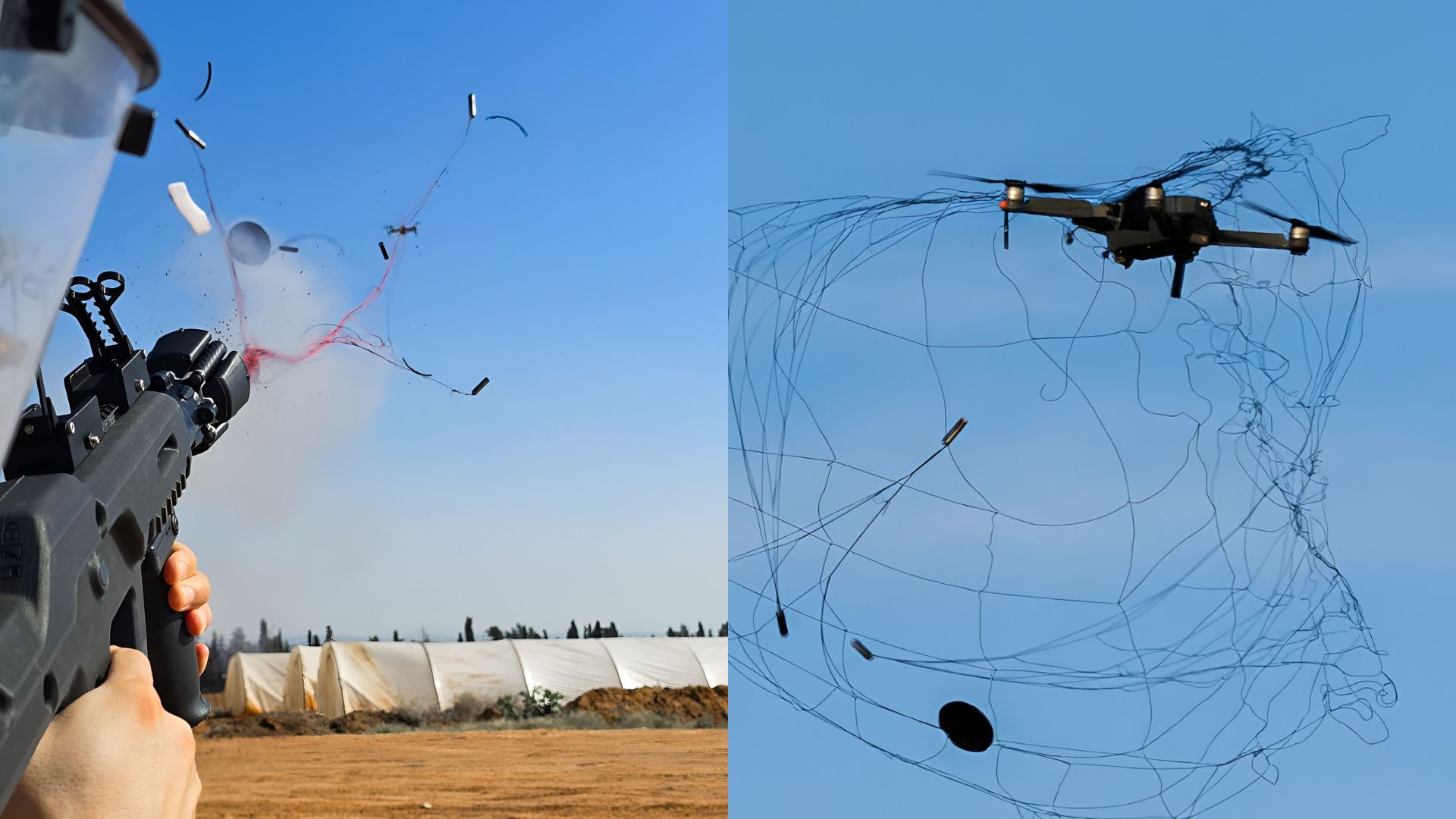
ParaZero Technologies Launches DefendAir for Autonomous Drone Interception in Military Applications
ParaZero Technologies has introduced its DefendAir platform, designed to intercept first-person view (FPV) drones autonomously before they can strike military vehicles. This system utilizes a non-explosive net-based interception method, creating a 360-degree defensive envelope around assets. The platform aims to enhance protection for both moving and stationary high-value military targets without the weight penalties of traditional armor. The rise of low-cost FPV drones has prompted militaries to seek effective countermeasures, as these drones have proven capable of damaging expensive military equipment. ParaZero's DefendAir addresses the limitations of conventional protective measures, such as steel cages, by offering a more agile and responsive solution. The system's ability to detect and neutralize threats rapidly is crucial for modern battlefield scenarios, where speed and precision are paramount. ParaZero is currently collaborating with Tier-1 defense companies to refine the DefendAir technology for operational requirements. While the company has not disclosed specific partners or a timeline for deployment, the focus on active counter-drone systems reflects a broader trend in military strategy, emphasizing the need for innovative solutions to counter evolving aerial threats. No further timeline was disclosed at the time of publication.
Military
Ouster Expands into Drone Mapping and Autonomous Vehicles with Physical AI Technology
Ouster is advancing its technology that enables machines to perceive and navigate their environments, contributing to the growth of physical AI. The company is entering the drone mapping sector through a collaboration with GeoCue, while John Deere is integrating Ouster sensors into its GUSS autonomous vehicles. This expansion is significant as it highlights the increasing demand for physical AI solutions across various industries. Ouster's CEO, Angus Pacala, emphasized the company's commitment to exploring new markets and addressing the evolving needs for advanced sensing technologies in automation. Looking ahead, industry stakeholders should monitor Ouster's developments in drone mapping and its partnership with John Deere. No further timeline was disclosed at the time of publication.
ARX Robotics Demonstrates GEREON Uncrewed Ground Vehicles in US Army Trials
ARX Robotics UK has successfully showcased the capabilities of its GEREON uncrewed ground vehicles (UGVs) during Project Convergence-Capstone 6 (PC-C6). This event marks the largest experiment in the US Army's initiative to enhance land warfare capabilities. The successful demonstration is significant as it highlights the operational potential of GEREON UGVs in modern military applications. This aligns with the US Army's ongoing efforts to integrate advanced technologies into their land warfare strategies. Looking ahead, further developments in the integration of autonomous systems into military operations are expected. No further timeline was disclosed at the time of publication.
News
American Rheinmetall Secures Contract for Autonomous Ground Vehicles for US Army
American Rheinmetall has been awarded a contract to provide advanced autonomous ground vehicle technologies to the US Army as part of Project Sustainment. This development is significant as it underscores the growing emphasis on integrating autonomous systems into military operations, enhancing operational efficiency and effectiveness for the US Army. Looking ahead, it will be important to monitor the implementation of these technologies and their impact on military logistics and operations. No further timeline was disclosed at the time of publication.
News
Advanced Battery Technology Enhances Performance for Autonomous Vehicles and Robotics
Recent advancements in battery technology are enabling intelligent machines to operate continuously, enhancing performance and efficiency. This technology is specifically designed for applications in autonomous vehicles, robotics, satellites, and drones, allowing for longer life and improved operational capabilities under high-demand conditions. The significance of these developments lies in their potential to transform various industries by supporting the growing demand for reliable and efficient power sources. As intelligent machines become more prevalent, the ability to sustain high-performance operations is crucial for sectors such as transportation, logistics, and aerospace. Looking ahead, stakeholders should monitor the integration of these advanced battery systems into existing platforms and the emergence of new applications. No further timeline was disclosed at the time of publication.

Open‐Set Fault Diagnosis for Autonomous Underwater Vehicles Via Prototype Learning and Adaptive Mahalanobis Gating
The Journal of Field Robotics has recently published an early view article highlighting advancements in robotic technology. Researchers from various institutions collaborated to explore innovative applications of robotics in field environments. This study, released in October 2023, emphasizes the growing importance of robotics in enhancing efficiency and safety in agricultural and industrial settings. The motivation behind this research stems from the increasing demand for automation to address labor shortages and improve productivity. The team employed a combination of field tests and simulations to demonstrate the effectiveness of their robotic solutions, showcasing how these technologies can adapt to diverse tasks and terrains. The findings aim to inform future developments in robotic systems, ultimately contributing to more sustainable practices in various sectors.
RESEARCH ARTICLE
UN enforces global safety rules for fully autonomous vehicles, effective January 2027
Major automotive markets worldwide have united to establish a unified set of regulations aimed at enhancing safety and environmental standards in the industry. This collaborative effort, announced recently, involves key players from regions including North America, Europe, and Asia, who recognize the need for a cohesive framework to address the challenges posed by climate change and technological advancements in vehicle manufacturing. The initiative was unveiled during an international automotive summit held in Tokyo, where industry leaders and policymakers gathered to discuss the future of transportation. The decision to create a standardized set of rules stems from the increasing complexity of regulations across different markets, which has led to confusion and inefficiencies for manufacturers and consumers alike. By harmonizing these regulations, stakeholders aim to streamline compliance processes, reduce costs, and promote innovation in electric and autonomous vehicles. The new framework is expected to facilitate smoother trade and enhance consumer confidence in vehicle safety and environmental impact. The collaborative approach signifies a shift towards greater cooperation among nations, reflecting a shared commitment to sustainable development and the advancement of the automotive sector. As the industry evolves, this initiative is seen as a crucial step in ensuring that all markets can adapt to future challenges while maintaining high standards for safety and environmental protection.
AI and Robotics Transportation
The Divergence of VLA in Autonomous Vehicles and Robotics: Insights from Xiaopeng and Jim Fan
A recent article examines the divergent trajectories of VLA (Vision-Language Agents) in the realms of autonomous driving and robotics, underscoring the distinct operational requirements inherent to each field. The analysis delves into the complexities of incorporating world models into VLA systems, revealing significant challenges that could impact the future development of artificial intelligence in these areas. The discussion emphasizes the necessity for specialized strategies that cater to the unique demands of autonomous driving and robotics, suggesting that a one-size-fits-all approach may not be viable for advancing AI technologies effectively.
Autonomous Driving Robotics AI World Models Machine Learning
Drive solutions for shuttles, automated guided vehicles, and autonomous mobile robots.
At the SPS Italia exhibition, Bonfiglioli showcased its innovative mechatronic ecosystem, highlighting advanced drive solutions tailored for shuttles, automated guided vehicles (AGVs), and autonomous mobile robots (AMRs). This presentation underscores Bonfiglioli's commitment to enhancing automation and efficiency in various industrial applications. The event, held in Italy, serves as a platform for industry leaders to explore cutting-edge technologies and solutions that address the evolving needs of the market. Through its participation, Bonfiglioli aims to demonstrate its leadership in the field and foster collaborations that drive technological advancements in automation.
Allgemein Antriebs- und Lineartechnik Robotik
NVIDIA Enables the Next Era Of Physical AI Research With Agent Skills For Autonomous Vehicles, Robotics And Vision AI
At the Computer Vision and Pattern Recognition (CVPR) conference, NVIDIA is showcasing innovative physical AI agent skills aimed at accelerating the development of autonomous vehicles, robotics, and vision AI systems. This unveiling comes as researchers and developers face significant challenges in advancing physical AI, particularly in creating more capable and efficient systems. By introducing these new skills, NVIDIA seeks to enhance the capabilities of AI agents, ultimately facilitating faster progress in the field. The event highlights NVIDIA's commitment to driving advancements in AI technology, which is crucial for the future of autonomous systems.
Performance Evaluation of Different Laser SLAM Algorithms for Unmanned Mining Vehicles
A recent study published in the Journal of Field Robotics highlights advancements in robotic technology aimed at improving agricultural efficiency. Researchers from a leading university conducted experiments to develop autonomous robots capable of performing tasks such as planting, weeding, and harvesting crops. The study, which took place over the summer of 2023, was conducted on various farms in California, showcasing the robots' adaptability to different agricultural environments. The motivation behind this research stems from the increasing demand for sustainable farming practices and the need to address labor shortages in the agricultural sector. By integrating advanced sensors and artificial intelligence, the robots are designed to optimize crop yields while minimizing resource use. The research team employed a series of field trials to test the robots' performance, collecting data on their effectiveness and efficiency compared to traditional farming methods. Preliminary results indicate that these autonomous systems can significantly reduce labor costs and increase productivity, offering a promising solution for modern agriculture. As the agricultural industry faces challenges such as climate change and population growth, this innovative approach could play a crucial role in ensuring food security and sustainability in the coming years. The findings from this study are expected to pave the way for further developments in agricultural robotics, potentially transforming the way food is produced globally.
SURVEY ARTICLE
Massimo Group Launches AI Intelligent Patrol Platform Initiative Integrating Autonomous Patrol Vehicles, Spherical Security Robots and Drone Systems
Massimo Group has officially launched the prototype development of autonomous patrol electric vehicles, aiming to penetrate the $50.4 billion U.S. security services industry. This initiative, which began in October 2023, focuses on integrating artificial intelligence into patrol and intelligent security mobility systems. By leveraging advanced technology, the company seeks to enhance security operations and improve efficiency in monitoring and response capabilities. The move is part of Massimo Group's broader strategy to innovate within the security sector, addressing growing demands for smarter and more effective security solutions.
NOAA Sends Autonomous Surface Vehicles Into Hurricanes to Study Rapid Intensification
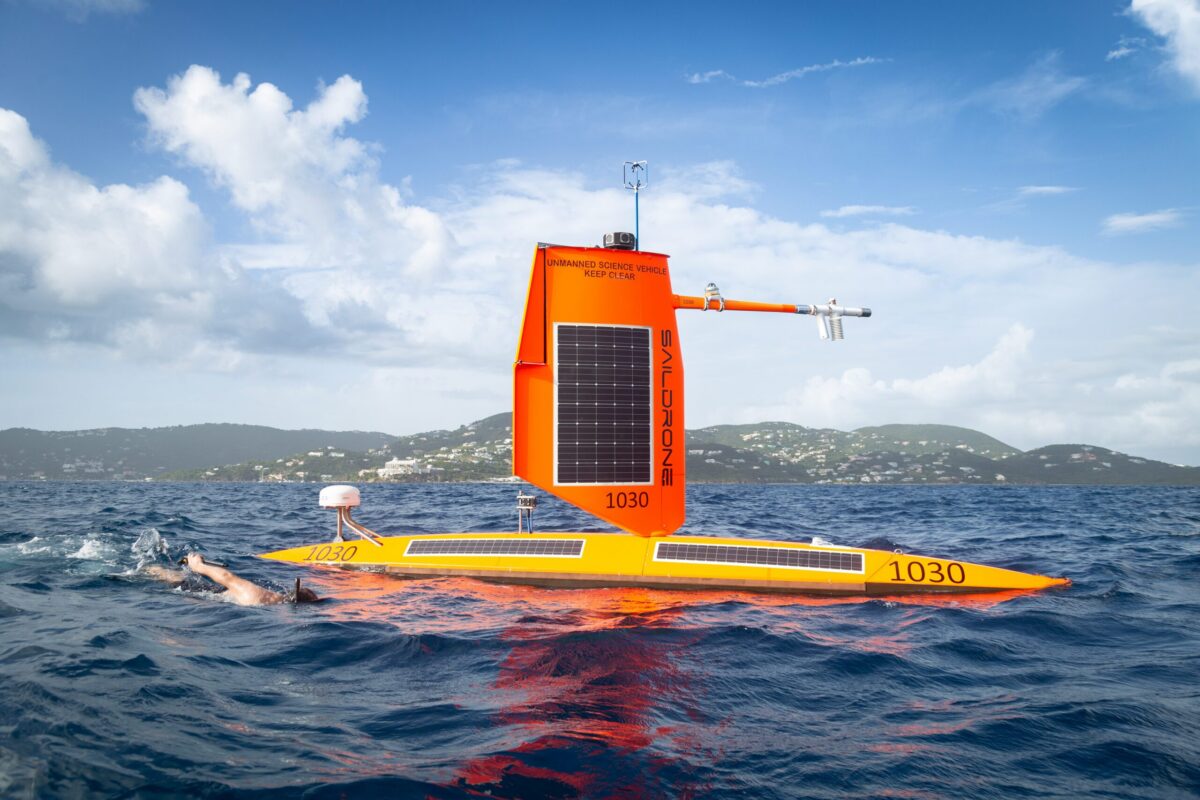
Saildrone, in collaboration with the National Oceanic and Atmospheric Administration (NOAA), has announced the deployment of 10 unmanned surface vehicles (USVs) during the 2026 hurricane season. This initiative aims to enhance hurricane forecasting and improve models for rapid intensification across the Atlantic basin. The partnership reflects a commitment to advancing storm research and understanding the dynamics of hurricanes, which is crucial for better preparedness and response strategies. By utilizing autonomous technology, the mission seeks to gather critical data that can lead to more accurate predictions and ultimately save lives during severe weather events.
Drone News Drone News Feeds News Research Weather Atlantic hurricane season
Deep Reinforcement Learning Based Autonomous Decision‐Making for Cooperative Uncrewed Aerial Vehicles: A Search and Rescue Real World Application
A recent study published in the Journal of Field Robotics highlights advancements in autonomous robotic systems designed for agricultural applications. Researchers from various institutions collaborated to develop innovative algorithms that enhance the efficiency and precision of robotic farming equipment. The findings, released in early October 2023, emphasize the growing importance of automation in agriculture, particularly in response to labor shortages and the need for sustainable farming practices. The research was conducted in multiple agricultural settings, showcasing how these robotic systems can adapt to different crop types and environmental conditions. By integrating machine learning and sensor technology, the robots are capable of performing tasks such as planting, weeding, and harvesting with minimal human intervention. This development aims to address the challenges faced by farmers, including the rising costs of labor and the increasing demand for food production. The study underscores the potential for these autonomous systems to revolutionize the agricultural sector, making it more efficient and environmentally friendly. As the agricultural industry continues to evolve, the implementation of such technologies could lead to significant improvements in productivity and sustainability.
RESEARCH ARTICLE
Traversability Risk Assessment and Path Planning for Off‐Road Autonomous Vehicles in Winter Conditions
A recent study published in the Journal of Field Robotics highlights advancements in autonomous robotic navigation. Researchers from a leading robotics institute conducted experiments to improve the efficiency and accuracy of robots in complex environments. The study, released in early October 2023, focuses on the application of new algorithms that enable robots to better interpret and respond to their surroundings. The research was carried out in various settings, including urban landscapes and natural terrains, to test the robots' adaptability and performance under different conditions. The motivation behind this work stems from the growing demand for autonomous systems in industries such as agriculture, logistics, and disaster response, where precise navigation is crucial. By employing advanced machine learning techniques, the team was able to enhance the robots' decision-making capabilities, allowing them to navigate obstacles more effectively. The findings are expected to pave the way for more reliable and efficient robotic systems, ultimately contributing to the broader integration of autonomous technology in everyday applications.
RESEARCH ARTICLE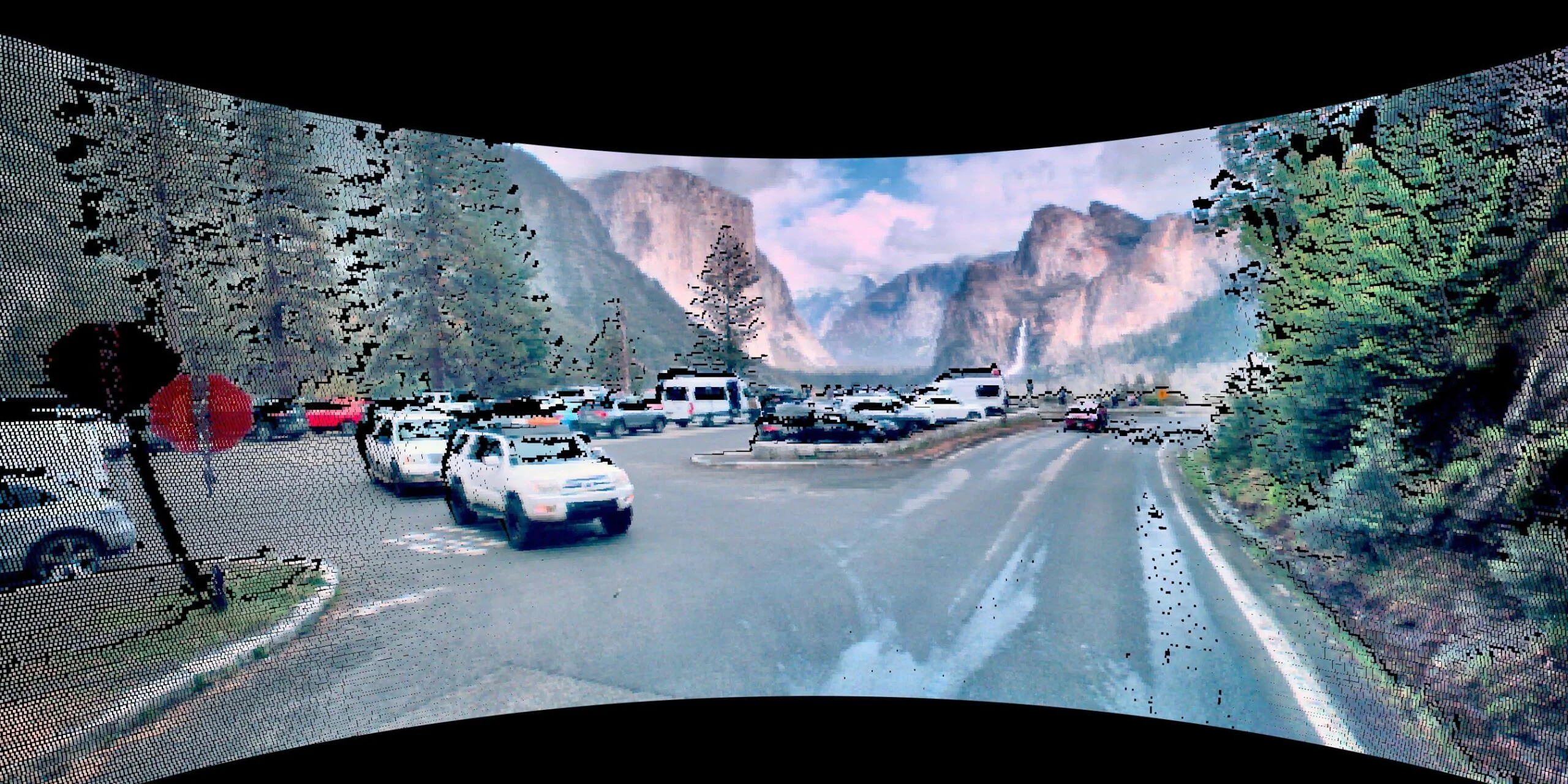
Ouster Releases Family of ‘Native Color Lidar’ Sensors for Robotics, Autonomous Vehicles
Ouster has launched a groundbreaking series of digital lidar sensors, the Rev8 family, which the company claims to be the world's first native color lidar platform. This innovative technology is designed for applications in robotics, autonomous vehicles, and industrial AI systems. The announcement was made recently, showcasing the sensors' capabilities powered by Ouster's advanced L4 Silicon architecture, which enhances their range and performance. This development marks a significant advancement in lidar technology, aiming to meet the growing demand for high-quality sensing solutions in various industries.
AI AI Use Cases Robotics autonomous driving industrial AI LiDAR
Intelligent Autonomy: A Novel Hybrid Navigation System for Autonomous Load‐Haul‐Dump Vehicles
A recent study published in the Journal of Field Robotics highlights advancements in autonomous robotic systems designed for agricultural applications. Researchers from various institutions collaborated to develop innovative algorithms that enhance the efficiency and accuracy of these robots in tasks such as planting, monitoring, and harvesting crops. The findings, released in early October 2023, emphasize the growing importance of robotics in addressing labor shortages and increasing productivity in the agricultural sector. By employing machine learning techniques, the team demonstrated how these robots can adapt to changing environmental conditions and improve decision-making processes. This research aims to support farmers in optimizing their operations while minimizing resource use, ultimately contributing to sustainable agricultural practices. The study was conducted in diverse agricultural settings, showcasing the versatility of robotic applications in different crop types and farming methods.
RESEARCH ARTICLE
Six‐Dimensional Digital Twin System for Autonomous Underwater Vehicles: Conceptualization and Twin Experiments
The Journal of Field Robotics has published a new early view article highlighting advancements in robotic technology. The research, conducted by a team of engineers and scientists, focuses on enhancing the capabilities of autonomous robots in complex environments. This study, released in October 2023, aims to address the growing demand for improved robotic systems in various applications, including agriculture, search and rescue, and industrial automation. The researchers employed innovative algorithms and machine learning techniques to enable robots to navigate and operate more effectively in unpredictable settings. By simulating real-world scenarios, the team was able to test the robots' performance and adaptability, showcasing significant improvements over previous models. This development comes at a crucial time as industries increasingly rely on automation to boost efficiency and safety. The findings are expected to influence future designs and applications of robotic systems, ultimately contributing to the evolution of the field. The research underscores the importance of interdisciplinary collaboration in advancing technology and meeting the challenges posed by complex operational environments.
RESEARCH ARTICLE
A Review on Path Planning for Autonomous Underwater Vehicles: From Models, Classical Methods, and Learning‐Based Intelligence Perspectives
In a recent study published in the Journal of Field Robotics, researchers explored advancements in robotic technologies aimed at enhancing agricultural efficiency. The findings, released in May 2026, highlight innovative methods for deploying autonomous robots in farming environments to improve crop management and yield. Conducted by a team of experts in robotics and agriculture, the research took place in various agricultural settings, focusing on the integration of artificial intelligence and machine learning to optimize planting, monitoring, and harvesting processes. The motivation behind this initiative stems from the growing need for sustainable farming practices and the increasing global demand for food production. By utilizing advanced robotics, the study aims to address labor shortages and reduce environmental impacts associated with traditional farming methods. The researchers conducted extensive field trials to assess the effectiveness of these robotic systems, demonstrating significant improvements in efficiency and productivity. This work not only contributes to the field of robotics but also offers practical solutions for the agricultural sector facing modern challenges.
SURVEY ARTICLE
Why Autonomous Vehicles Are Not Ready Yet: A Multi‐Disciplinary Review of Problems, Attempted Solutions, and Future Directions
In May 2026, the Journal of Field Robotics published its latest issue, featuring a comprehensive collection of research articles that delve into advancements in robotic technology and its applications in various fields. The issue highlights innovative studies conducted by leading researchers and institutions, showcasing developments in autonomous systems, robotic perception, and human-robot interaction. This publication aims to address the growing interest in robotics and its potential to revolutionize industries such as agriculture, healthcare, and manufacturing. By presenting cutting-edge findings and methodologies, the journal seeks to foster collaboration and knowledge sharing among professionals in the field, ultimately contributing to the evolution of robotics and its integration into everyday life.
SURVEY ARTICLE
Dynamic State Feedback Control of Autonomous Underwater Vehicles Based on Switching Between Multiple Heading Movement Models
In May 2026, researchers published a significant study in the Journal of Field Robotics, detailing advancements in robotic technology. The study, appearing in Volume 43, Issue 3, pages 1679-1692, highlights innovative methodologies for enhancing robotic navigation and autonomy in complex environments. Conducted by a team of experts in robotics and artificial intelligence, the research aims to address the growing demand for efficient and reliable robotic systems in various industries, including agriculture, manufacturing, and disaster response. The motivation behind this research stems from the increasing reliance on robotics in everyday applications and the need for these systems to operate effectively in unpredictable settings. By employing advanced algorithms and machine learning techniques, the researchers demonstrated how robots can improve their decision-making processes and adapt to changing conditions in real-time. The findings are expected to have a profound impact on the future development of autonomous robots, paving the way for more sophisticated applications that can enhance productivity and safety across multiple sectors. As the field of robotics continues to evolve, this study represents a crucial step toward achieving greater autonomy and efficiency in robotic systems.
RESEARCH ARTICLE
Bearing‐Based Moving Target Fencing Control for Multiple Underactuated Autonomous Surface Vehicles With Fixed‐Time Differentiators
In May 2026, the Journal of Field Robotics published a comprehensive study examining advancements in robotic technology and its applications in various fields. Researchers from leading institutions collaborated to investigate the integration of artificial intelligence and machine learning in field robotics, aiming to enhance efficiency and adaptability in challenging environments. The study highlights significant breakthroughs in navigation systems and sensor technologies, which are crucial for deploying robots in agriculture, disaster response, and environmental monitoring. The findings underscore the importance of interdisciplinary approaches in advancing robotic capabilities and address the growing demand for automation in sectors facing labor shortages. By showcasing successful case studies and experimental results, the research provides a roadmap for future innovations in the field, emphasizing the potential of robotics to transform industries and improve operational outcomes.
RESEARCH ARTICLE
Collaborative Sampling and Imaging of Phytoplankton Communities by Two Long‐Range Autonomous Underwater Vehicles Using Acoustic Tracking and Messaging
In May 2026, researchers published a study in the Journal of Field Robotics, detailing advancements in robotic technology aimed at enhancing agricultural efficiency. This research, conducted by a team of engineers and agricultural scientists, focuses on the development of autonomous robots capable of performing various farming tasks, such as planting, monitoring crop health, and harvesting. The study highlights the pressing need for innovative solutions in agriculture, driven by the increasing global population and the corresponding demand for food production. By integrating advanced sensors and artificial intelligence, these robots can operate independently, reducing the reliance on manual labor and improving productivity. The research was conducted in various agricultural settings, showcasing the robots' adaptability to different environments and crop types. The findings suggest that implementing such robotic systems could lead to significant cost savings and increased yield for farmers, ultimately contributing to food security. The team employed a combination of field trials and simulations to validate the robots' effectiveness, demonstrating their ability to navigate complex terrains and perform tasks with precision. This breakthrough could revolutionize the agricultural sector, offering a sustainable approach to meet future food demands while minimizing environmental impact.
RESEARCH ARTICLE
UK Royal Navy Awards Teledyne Contract for Autonomous Underwater Vehicles and Floats
Teledyne Marine, a division of Technologies Incorporated, has secured a contract with the UK Ministry of Defence to enhance the Royal Navy's oceanographic and environmental data collection capabilities. This partnership supports the Royal Navy's Future Maritime Data Gathering initiative, aimed at improving persistent oceanographic data collection. The contract underscores the UK's commitment to advancing its maritime research and operational effectiveness.
uk royal navy contract award teledyne autonomous underwater vehicles (auv) floats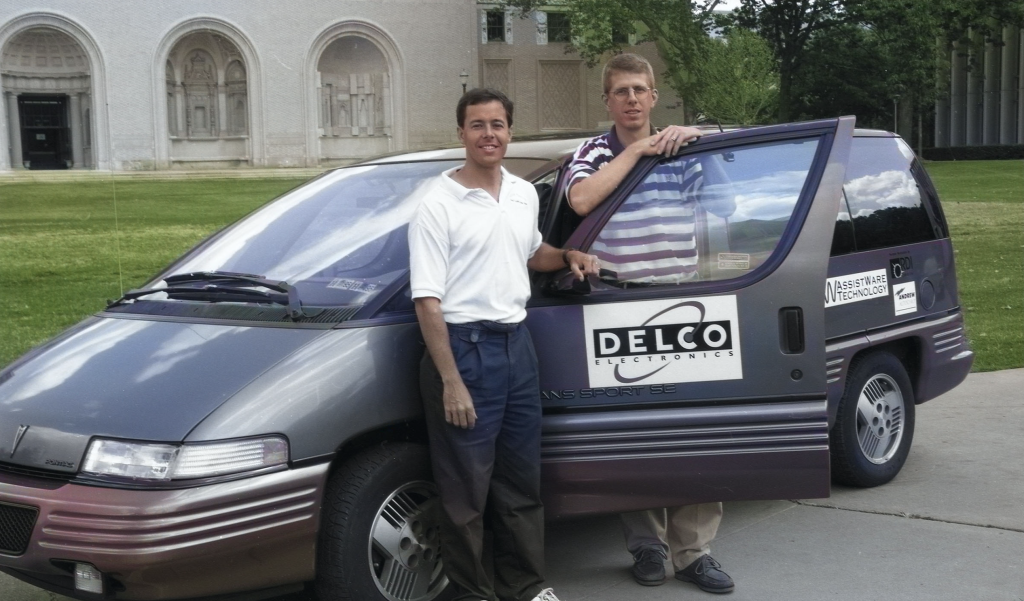
Where Autonomous Vehicles Will Go Next
Todd Jochem, an alumnus of Carnegie Mellon University, has been a pioneer in the field of autonomous vehicles for over two decades. His significant contributions to the development of self-driving technology date back to 1995, when he played a crucial role in the ambitious "No Hands Across America" project, which successfully demonstrated the viability of autonomous driving through a 2,850-mile journey from Pittsburgh to San Diego. This early endeavor showcased the potential of self-driving cars beyond laboratory settings, laying the groundwork for advancements in the industry. As the conversation around autonomous vehicles continues to evolve, Jochem's experiences and insights are shaping the future of this transformative technology.
RI Life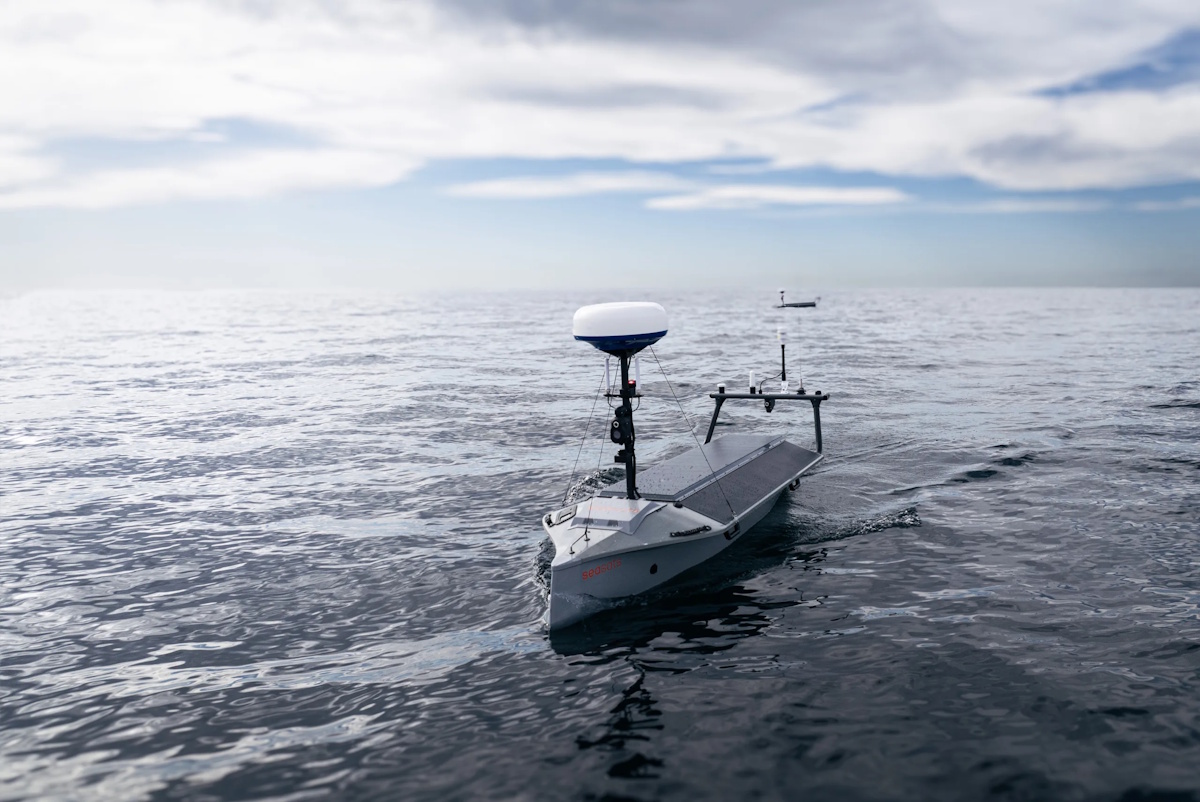
RS Aqua Announces Strategic Partnership with US -based Seasats to Bring Autonomous Surface Vehicles to UK and Ireland Defence Market
RS Aqua has formed a strategic partnership with Seasats, a developer of unmanned surface vehicles (USVs) based in San Diego, to launch a new range of security platforms tailored for the defense market in the United Kingdom and Ireland. This collaboration aims to enhance maritime security capabilities in these regions, responding to an increasing demand for advanced surveillance and operational solutions. The partnership is expected to leverage Seasats' innovative technology and RS Aqua's established presence in the UK and Ireland to effectively address the evolving security challenges faced by defense sectors.
rs aqua
Autonomous Underwater Vehicles Key Components Fault Diagnosis Method Based on Multisource Information Multilevel Fusion With Fault Feature Exchange
The Journal of Field Robotics has published new research highlighting advancements in robotic technology aimed at enhancing field operations. This study, released in early October 2023, focuses on the integration of artificial intelligence and machine learning to improve the efficiency and accuracy of robotic systems in agricultural settings. Conducted by a team of researchers from various institutions, the work demonstrates how these innovations can lead to better crop management and resource allocation. The research was carried out in various agricultural environments, showcasing the robots' ability to adapt to different terrains and conditions. By employing sophisticated algorithms, the robots can analyze data in real-time, allowing for timely interventions that can significantly boost yields and reduce waste. The motivation behind this study stems from the growing need for sustainable farming practices amid increasing global food demand. By leveraging advanced robotics, the researchers aim to address challenges such as labor shortages and environmental impacts associated with traditional farming methods. The findings suggest that the application of these technologies could revolutionize the agricultural industry, making it more efficient and environmentally friendly. As the field of robotics continues to evolve, this research underscores the potential for robotic systems to play a crucial role in modern agriculture, paving the way for future innovations that could further transform how food is produced and managed.
RESEARCH ARTICLE
PaVSF: A Multimodal Fusion Power Consumption Prediction Model for Autonomous Wheeled Vehicles in Off‐Road Environments
A recent study published in the Journal of Field Robotics highlights advancements in robotic technology aimed at improving agricultural efficiency. Researchers from various universities collaborated to develop autonomous systems capable of performing tasks such as planting, monitoring crop health, and harvesting. The findings, released in early October 2023, emphasize the potential of these innovations to address labor shortages and enhance productivity in the agricultural sector. The research was conducted in diverse agricultural settings, allowing for a comprehensive evaluation of the robots' performance in real-world conditions. By integrating artificial intelligence and machine learning, the robots can adapt to varying environmental factors and optimize their operations accordingly. This adaptability is crucial as farmers face increasing pressures from climate change and the need for sustainable practices. The motivation behind this initiative stems from the growing demand for food production and the challenges posed by a declining workforce in agriculture. By deploying autonomous robots, the study suggests that farmers can not only increase efficiency but also reduce reliance on manual labor, ultimately leading to more sustainable farming practices. The researchers conducted extensive field tests to validate the robots' capabilities, demonstrating their effectiveness in various agricultural tasks. The promising results indicate a significant step forward in the integration of robotics into farming, potentially transforming the industry and paving the way for future innovations.
RESEARCH ARTICLE
JD Logistics unveils five-year plan to deploy millions of robots, autonomous vehicles, and drones
JD Logistics revealed on Friday its ambitious plan to acquire three million robots, one million autonomous vehicles, and 100,000 drones over the next five years. This initiative aims to significantly enhance automation within its logistics and supply chain network. The company has already successfully deployed its "Wolf Pack" series of robots across more than 20 provinces, showcasing its commitment to advancing operational efficiency and technological integration in its services. By investing in these advanced technologies, JD Logistics seeks to streamline its operations and improve service delivery, positioning itself as a leader in the rapidly evolving logistics sector.
News Feed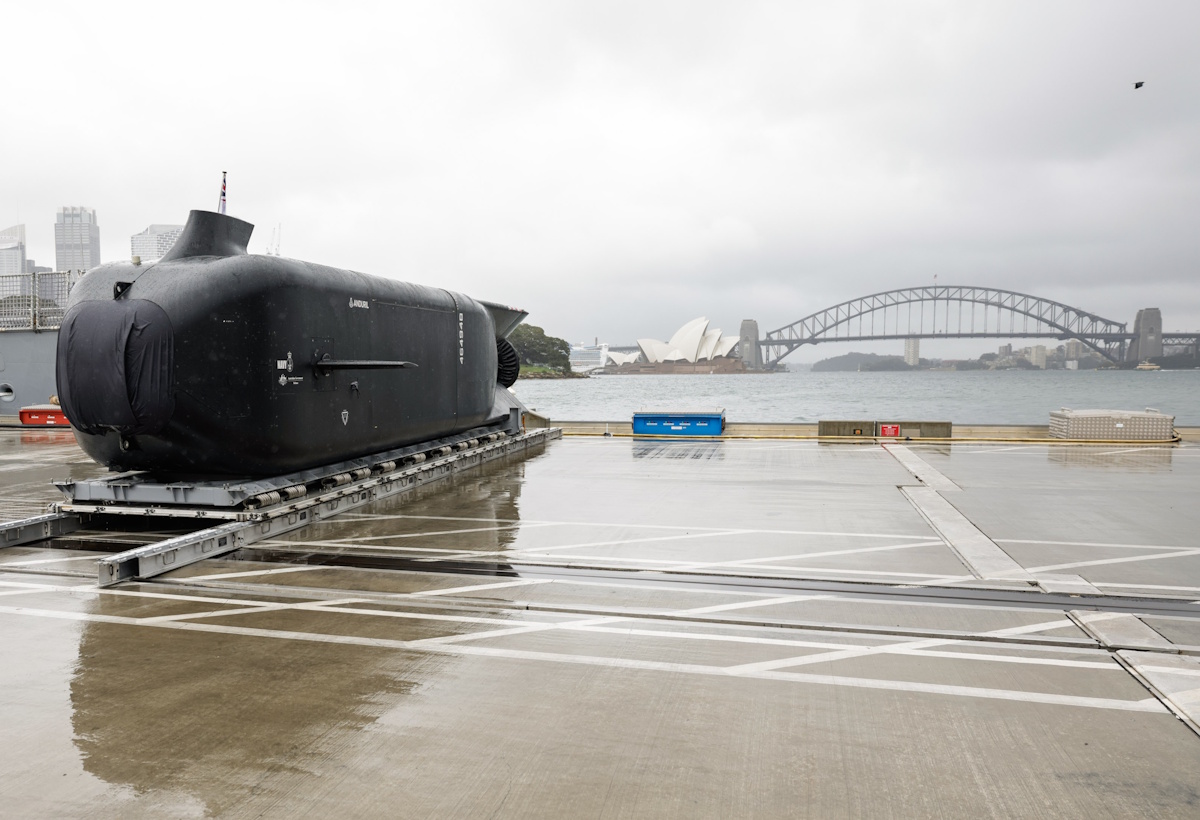
Equipping the Royal Australian Navy with Next Generation Autonomous Undersea Vehicles
The Albanese Government has announced a significant investment of $1.7 billion to enhance the capabilities of the Royal Australian Navy by acquiring a new fleet of Australian-designed and built extra-large autonomous undersea vehicles, referred to as the Ghost Shark. This initiative aims to bolster national security and maritime defense, reflecting the government's commitment to modernizing the Navy's operational assets. The acquisition is part of a broader strategy to strengthen Australia’s defense capabilities in response to evolving regional threats. The Ghost Shark vehicles are expected to play a crucial role in underwater surveillance and reconnaissance missions, thereby improving the Navy's effectiveness in safeguarding Australia's maritime interests. The investment underscores the government's focus on advancing domestic defense manufacturing and technological innovation.
royal australian navy (ran) autonomous undersea vehicles
Liquid Robotics and Hydronet Sign MOU to Advance Undersea Mesh Networking for Maritime and Underwater Autonomous Vehicles
Liquid Robotics, a subsidiary of Boeing, has partnered with Massachusetts-based deep tech start-up Hydronet to enhance and commercialize underwater mesh networking technologies. This collaboration aims to improve connectivity for maritime and underwater autonomous vehicles. The two companies have formalized their commitment through a Memorandum of Understanding (MOU), signaling a strategic move to leverage their respective expertise in advancing this innovative technology. The partnership is expected to facilitate more efficient communication and data sharing among autonomous systems operating in underwater environments, ultimately enhancing operational capabilities in various maritime applications.
liquid robotics hydronet mou undersea mesh networking underwater autonomous vehicles auv
Royal Navy Launches Autonomous Vehicles from Submarine in Pioneering Trial
The Royal Navy is currently conducting innovative trials to showcase the launch and recovery of uncrewed underwater vehicles from submarines. These vehicles, which are launched via torpedo tubes, aim to enhance the operational capabilities of the UK’s nuclear-powered attack submarines. The trials are designed to support a range of missions, including underwater reconnaissance, communications, and seabed warfare. By integrating these advanced technologies, the Royal Navy seeks to bolster its strategic advantages in maritime operations.
royal navy trials demo launch and recovery uncrewed underwater vehicles (uuv) submarines
Kongsberg Discovery Starts Production of Autonomous Underwater Vehicles in the U.S.
Kongsberg Discovery has announced the commencement of production for its HUGIN autonomous underwater vehicle in the United States. This strategic move, made in response to the increasing demand for advanced subsea technology in the U.S. market, underscores the company's commitment to enhancing its presence in the region. By establishing local production, Kongsberg aims to better serve its clients and capitalize on the growing opportunities within the subsea sector. The decision reflects a broader trend of companies investing in domestic manufacturing to meet specific market needs and improve operational efficiency.
kongsberg discovery hugin auvRobotics needs a service framework.
RSF defines a common language for robot service capability, lifecycle operations, certification pathways, and service-provider networks.
Join the RobotToday community on LinkedIn
Daily robotics news, in-depth analysis, conference highlights, and discussions with professionals worldwide.







