Industry Briefing
A single destination for timely, editor-curated robotics news from around the world.
Sanctuary AI validates physical AI performance at Tier 1 automotive supplier
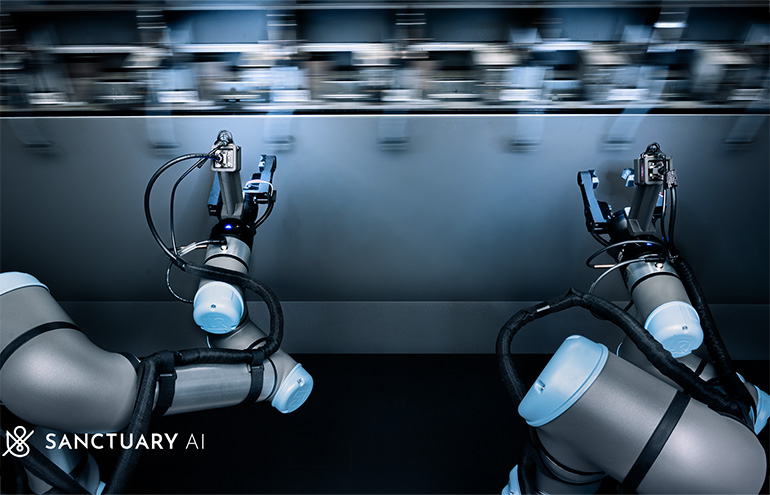
Sanctuary AI has made significant strides in the field of physical artificial intelligence by validating its performance at a Tier 1 automotive supplier. This development showcases the company's commitment to advancing AI technology without waiting for the advent of humanoid robots. The demonstration of production-ready capabilities marks a pivotal moment in the integration of AI within the automotive industry, highlighting Sanctuary AI's innovative approach to enhancing manufacturing processes. The event underscores the growing importance of AI in automating and optimizing production lines, paving the way for more efficient and effective operations in the sector.
Arms / Manipulators Artificial Intelligence Artificial Intelligence / Cognition Automotive End Effectors / Grippers Grippers
Daoyuan Technology Partners with Galaxy General to Empower Embodied Intelligence with Automotive-Grade IMU
Daoyuan Technology has announced a strategic partnership with Galaxy General Robotics to develop automotive-grade Inertial Measurement Unit (IMU) modules. This collaboration is set to enhance the precision of speed and posture information in embodied intelligent robots. By integrating advanced IMU technology, the partnership aims to significantly improve balance control and navigation capabilities, particularly in complex dynamic environments. The initiative reflects both companies' commitment to advancing robotics technology and addressing the growing demand for more sophisticated robotic systems in various applications.
IMU Technology Embodied Intelligence Robotics Automotive Solutions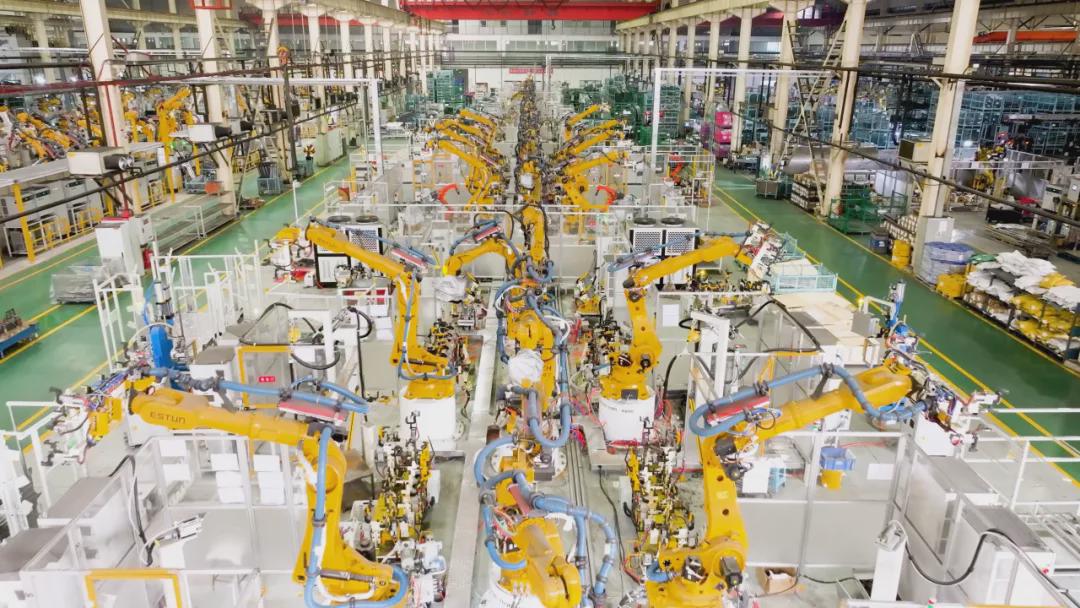
Over 200 Estun Robots Deployed in a Single Line! Large-Scale Production of Fully Autonomous Automotive Parts Welding Line Launched
Estun has marked a significant achievement in the automotive manufacturing sector by successfully installing and commissioning over 200 robots in a fully autonomous production line. This milestone, reached recently, demonstrates an impressive 90% automation level, highlighting Estun's advanced technology and expertise in high-end automotive manufacturing. The successful implementation not only showcases the company's capabilities but also sets a new benchmark for the industry, potentially influencing future manufacturing processes and standards.
Industrial Robots Automotive Manufacturing Automation Technology Robotic Welding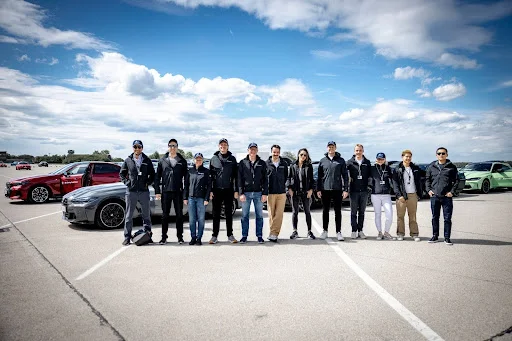
BMW i Ventures Closes $300M Fund III to Back AI Across the Automotive Ecosystem
BMW i Ventures has launched a new $300 million fund dedicated to investing in startups focused on artificial intelligence and advanced manufacturing within the automotive sector. This initiative, announced recently, represents the largest investment to date by the independent corporate venture capital arm of BMW AG. The fund, known as Fund III, aims to enhance the development of what BMW refers to as physical AI and agentic AI, reflecting the company's commitment to innovation in the automotive industry. By supporting these emerging technologies, BMW seeks to strengthen its competitive edge and drive advancements in vehicle manufacturing and functionality.
AI AI Funding & Investment Robotics automation automotive industry BMW i Ventures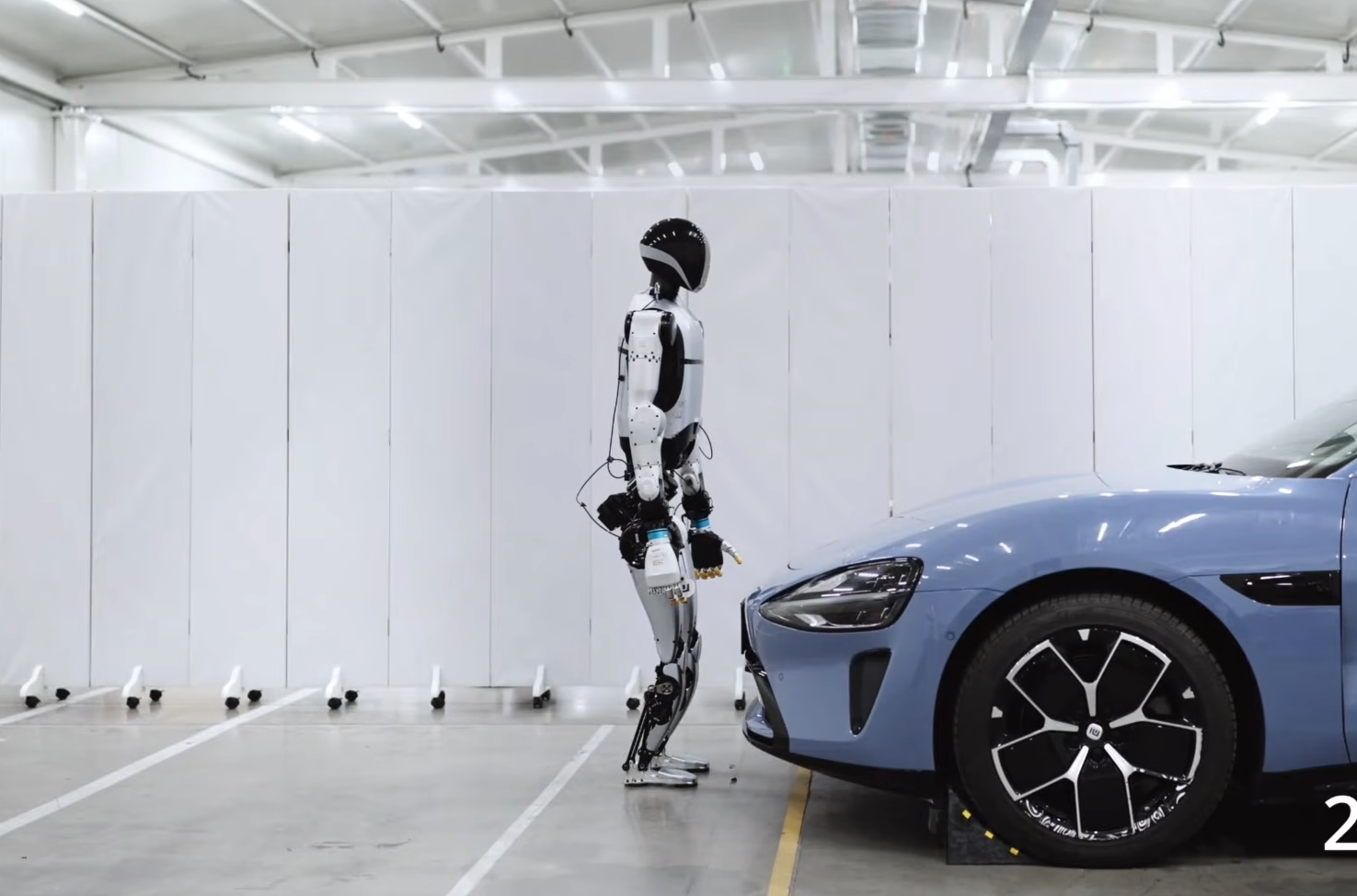
Xiaomi's Humanoid Robot Achieves 98% Success Rate in Automotive Production Tasks
Xiaomi has made significant advancements in deploying its humanoid robot on automotive production lines, achieving a 98% success rate at a self-tapping nut loading station. This improvement narrows the gap to human workers' qualification rates to just one percentage point, showcasing the robot's enhanced capabilities after four months of development. The importance of this development lies in Xiaomi's ability to expand the robot's role in manufacturing, as it has successfully taken on additional tasks such as center console side panel sorting and parts bin folding and recycling, both achieving a 90% success rate. This marks a significant milestone in the robot's operational capabilities, particularly in handling flexible workpieces, which are typically more challenging than rigid components. Looking ahead, Xiaomi's continued focus on refining its humanoid robot's perception and manipulation skills will be crucial for further integration into automotive assembly operations. No further timeline was disclosed at the time of publication.
AI and Robotics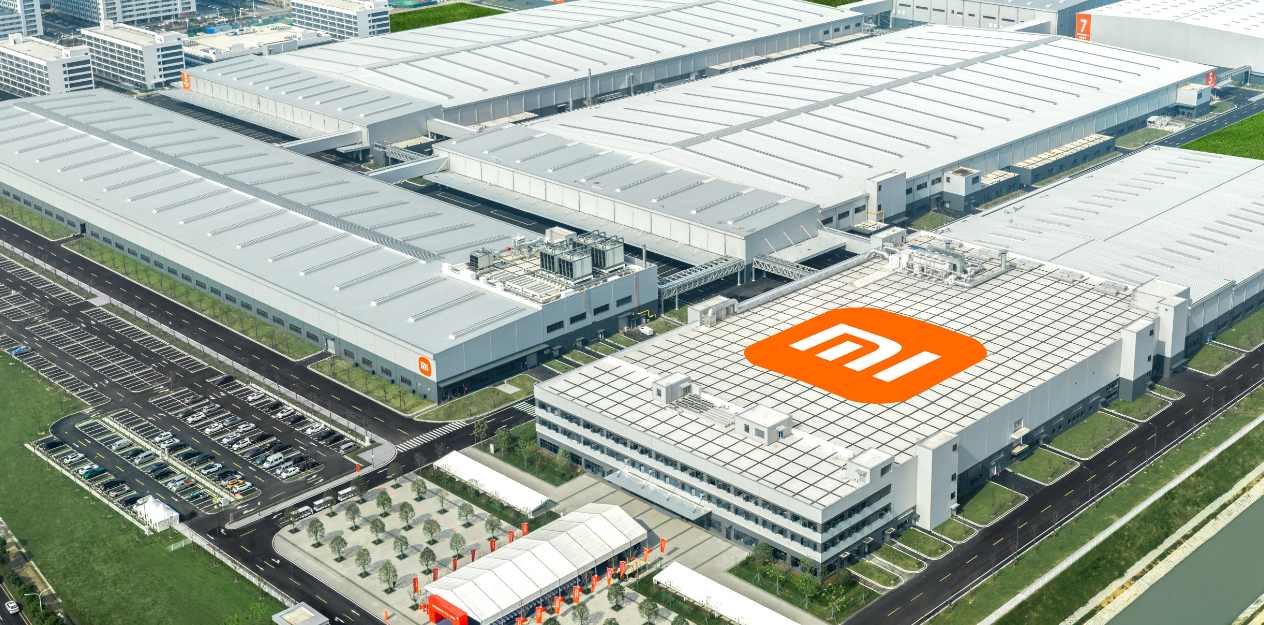
Xiaomi Reports 98% Success Rate for Humanoid Robots in Automotive Factory Tasks
Xiaomi has announced significant advancements in its humanoid robot utilized in an automotive factory. After four months of development, the robot's success rate at a self-tapping nut loading station improved from 90.2% to 98%, now just one percentage point below human workers' qualification rates. This progress is crucial as it demonstrates the increasing capability of humanoid robots to perform complex tasks in industrial settings. The introduction of two additional tasks—center console side panel sorting and parts bin folding and recycling—both achieving a 90% success rate, highlights the robot's versatility and potential for broader applications. Looking ahead, the center console side panel sorting task is particularly noteworthy as it represents the first instance of a humanoid robot executing long-duration continuous operations on flexible workpieces in an automotive factory. No further timeline was disclosed at the time of publication.
News Feed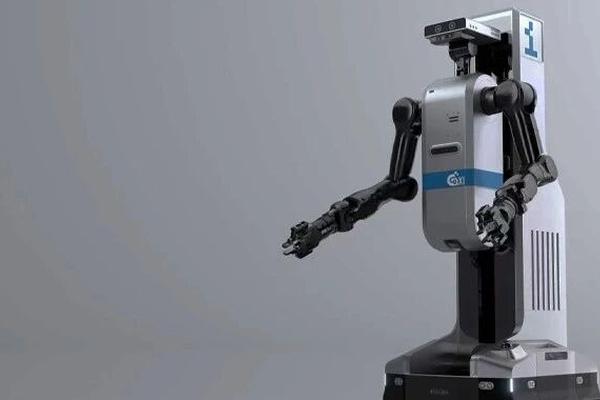
Tsinghua alumni launch AI startup, securing hundreds of millions in angel funding for the automotive industry.
Embodied intelligence company Guangxiang Technology has successfully secured hundreds of millions in angel funding, with significant participation from leading investors including Zhuhai Technology Industry Group, Xingsheng Capital, and several others. Founded in April 2025 through a collaboration between Tsinghua University's Vehicle and Transportation Institute and its AI Institute, Guangxiang aims to advance the development of its physical native base model and commercialize embodied intelligent robots for industrial applications. The company's founder and CEO, Zhang Tao, previously led the spatial perception engine at Amap, while co-founder Professor Li Shengbo is a renowned expert in reinforcement learning and autonomous driving. The team, which includes members from major tech firms like Alibaba and Huawei, is focused on a unique technological approach that diverges from mainstream visual-language-action models. Guangxiang's flagship product, the Phi-Bot X1, was launched in June 2026 and is designed for industrial environments. The robot has demonstrated impressive capabilities, completing a full welding operation on an automotive production line without errors during a 21.5-hour continuous run at the 2026 ATC exhibition. The company plans to expand its applications in the automotive sector, targeting the remaining 30% of automation gaps that traditional methods cannot address. Zhang envisions a robust market for automotive production line robots, estimating a potential market size of around 100 billion yuan in China. Guangxiang Technology is committed to refining its products and scaling operations, with a focus on real-world applications and continuous feedback to enhance its offerings.
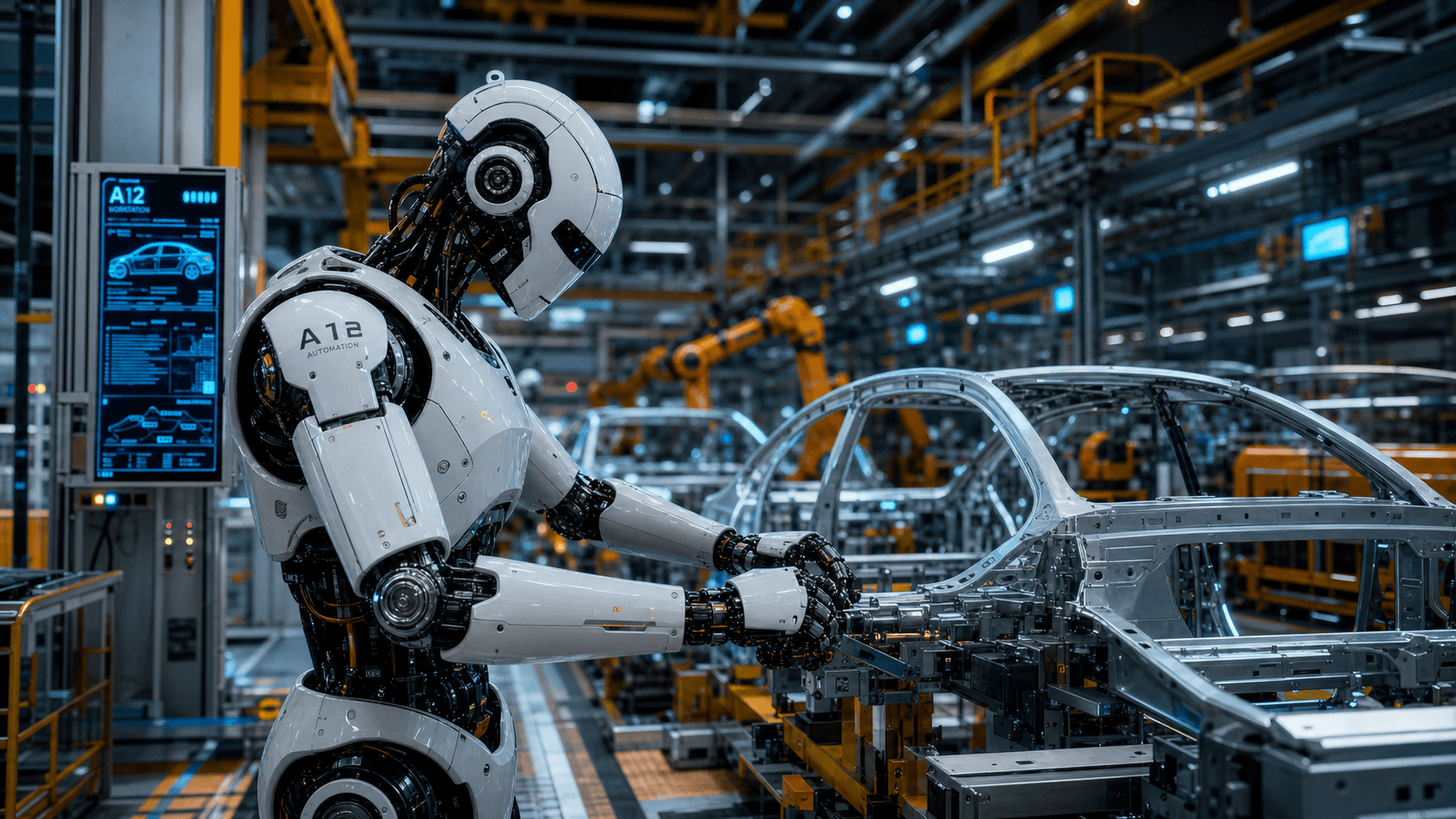
Tsinghua Vehicle School Alums Launch Guangxiang Technology, Raise Hundreds of Millions for Embodied AI in Automotive
Guangxiang Technology, a company incubated by Tsinghua University, has successfully raised hundreds of millions in angel funding to advance its innovative physics-native embodied AI model aimed at revolutionizing automotive manufacturing. This significant financial backing comes as the company seeks to enhance efficiency and precision in the automotive sector through advanced artificial intelligence solutions. The funding round, which reflects growing investor confidence in AI technologies, positions Guangxiang Technology to further develop its cutting-edge applications and expand its market presence. The investment underscores the increasing importance of AI in transforming traditional manufacturing processes, particularly in the automotive industry, where precision and efficiency are paramount.
Startups AI
indie Launches Edge AI SoC to Power Smarter Perception Systems for Automotive and Humanoids
indie, an automotive solutions innovator based in Aliso Viejo, CA, has announced the launch of its next-generation edge AI system-on-chip (SoC), the iND881, designed to enhance smart camera technology for automotive and robotic applications. Unveiled on June 10, 2026, the iND881 integrates an AI compute engine with indie’s advanced low-latency multi-camera image signal processor (ISP), providing an efficient solution for developers. The iND881 is engineered for low power consumption and real-time responsiveness, featuring a Neural Processing Unit (NPU), a versatile Digital Signal Processor (DSP), and a quad-core ARM Cortex-A53 CPU. This architecture is tailored for demanding edge perception tasks, making it particularly beneficial for advanced driver assistance systems, including driver and occupant monitoring and smart mirrors with blind-spot detection. In addition to automotive applications, the iND881 supports robotics and physical AI automation, facilitating accurate sensing and navigation for autonomous mobile robots. The device's capabilities include multi-channel video compression, high-dynamic-range ISP, and compatibility with various sensor modalities such as infrared and LiDAR, ensuring robust performance in complex environments. The iND881 is ASIL-B compliant and automotive qualified, currently available for sampling. It will be showcased at the upcoming AutoSens and InCabin USA 2026 events. Fred Jarrar, indie's senior vice president, emphasized that the launch not only expands their product portfolio but also positions indie as a comprehensive solutions provider in the edge AI market.

N Ways Robotic Arms Are Transforming the Automotive Assembly Line
The automotive manufacturing industry is experiencing a significant transformation driven by the integration of advanced robotic arms, particularly collaborative robots, which enhance production efficiency, precision, and flexibility. JAKA, a leader in intelligent manufacturing, is at the forefront of this shift, implementing its robotic technology to address challenges such as low efficiency, inconsistent quality, and high labor costs in automotive assembly. As consumer demand evolves towards smaller batches and diverse product varieties, JAKA's collaborative robots, exemplified by the JAKA S12, offer high-precision adaptive assembly capabilities. With built-in force sensors and a lightweight design, these robots can be quickly deployed on assembly lines, minimizing downtime and adapting to various workpiece shapes and sizes. In the critical welding phase of automotive assembly, JAKA's robotic arms improve quality and efficiency by optimizing the welding process. Their user-friendly configuration interface and safety features ensure reliable operation, while compatibility with various welding machine brands enhances their versatility. Moreover, JAKA's collaborative robots lower the barriers to automation with zero-cost deployment and straightforward operation, allowing companies to implement these systems without specialized technical staff. This innovation not only reduces training costs but also enables manufacturers to quickly adapt to automation in their assembly lines. As the automotive sector increasingly embraces intelligent and flexible manufacturing, JAKA is committed to continuous innovation, providing high-quality robotic solutions that empower enterprises to enhance production efficiency and sustainability in the evolving market landscape.
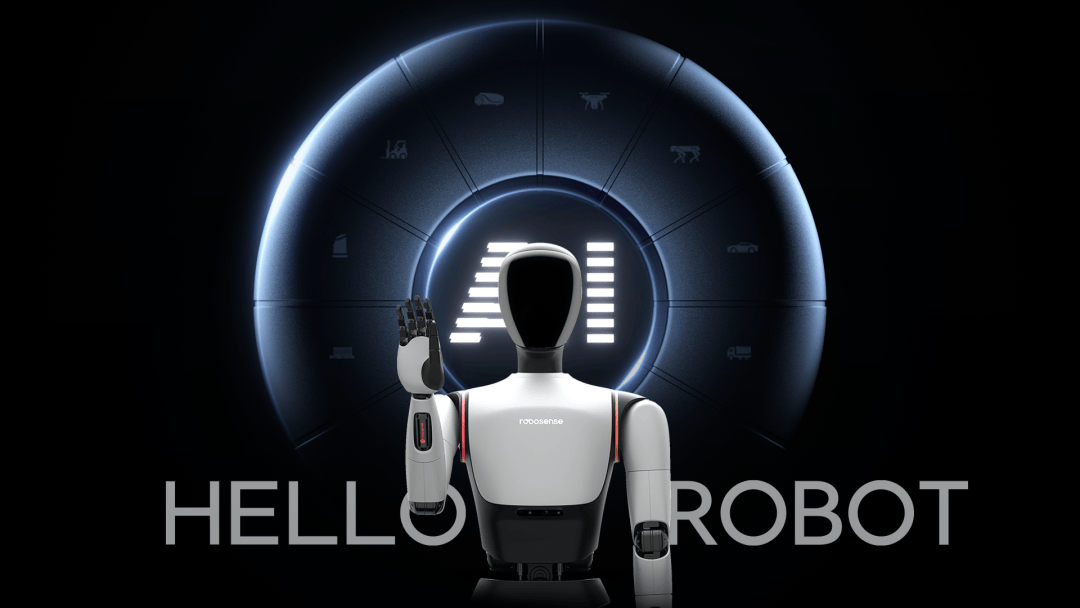
Surge of 1458%: SUTENG's Robot Business Surpasses Automotive Sector
SUTENG has reported an impressive 1458% surge in robot lidar sales, marking a significant milestone as it has outpaced its automotive Advanced Driver Assistance Systems (ADAS) business for the first time. In the first quarter of 2026, the company generated approximately 4.59 billion yuan in total revenue, reflecting a robust growth trajectory in the robotics sector. This remarkable performance is attributed to SUTENG's strategic partnerships with leading robotics firms and its commitment to innovative technology solutions, solidifying its position as a key player in the rapidly advancing robotics market.
Robotics Lidar Technology Automated Solutions AI Smart Robotics
Polestar Automotive Holding UK PLC (PSNY) Presents at Global Autos, Mobility & Robotics Conference 2026 - Slideshow
Polestar Automotive Holding UK PLC has released a new slide deck in conjunction with its recent event, showcasing the company's ongoing developments and strategies. This initiative is part of a broader effort by Seeking Alpha's transcripts team, which is responsible for producing and publishing thousands of quarterly earnings call transcripts each quarter. The team aims to enhance its coverage and provide valuable insights to readers interested in transcript-related content. This release highlights Polestar's commitment to transparency and communication with its stakeholders as it navigates the evolving automotive market.
PSNY PSNYW PLSAY SA Transcripts
Robot Orders Hold Steady in Q1 2026 as Demand Broadens Across Non-Automotive Industries
Recent data from A3 indicates significant growth in sectors such as life sciences, electronics, food, and collaborative robots, even as the automotive original equipment manufacturer (OEM) market experiences a cyclical downturn. This trend highlights the resilience and adaptability of these industries amid challenges faced by the automotive sector. The report, released in October 2023, underscores the ongoing demand for innovation and automation in various fields, suggesting that companies are increasingly investing in technology to enhance productivity and efficiency. The findings reflect a broader shift in market dynamics, where certain sectors continue to thrive despite fluctuations in others, pointing to a diversified economic landscape.
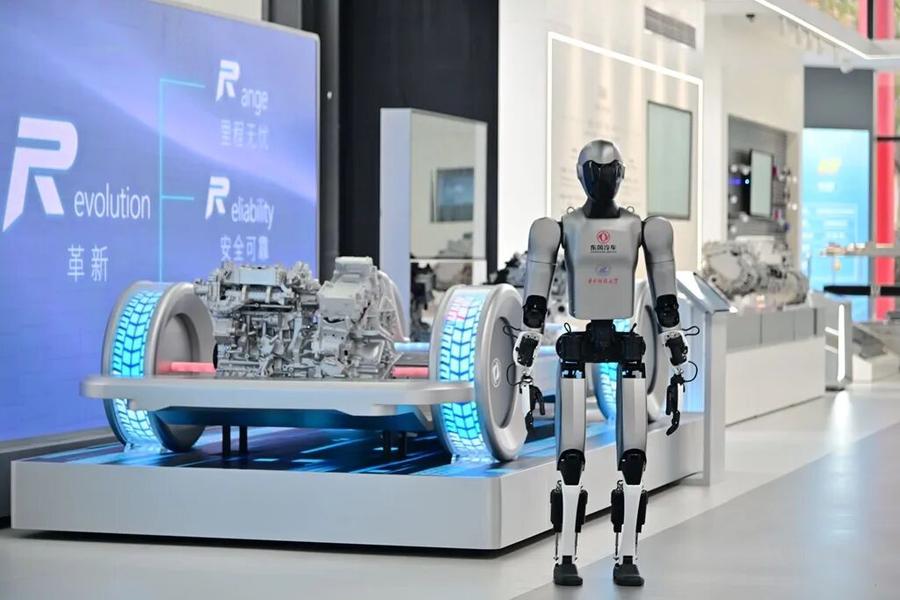
Automotive Professionals Dive into Embodied Intelligence: A Gamble with Four Challenges
As interest in autonomous driving technology declines, automotive executives are increasingly turning their attention to embodied intelligence. This shift is motivated by the appeal of a less regulated environment and the potential for transferable skills within the industry. However, these leaders are encountering significant challenges, including difficulties in defining products, navigating supply chain variations, and addressing the philosophical complexities inherent in robotics. The transition reflects a broader trend in the automotive sector as companies seek to adapt to changing market demands and explore new technological frontiers.
Embodied Intelligence Robotics Autonomous Driving Product Development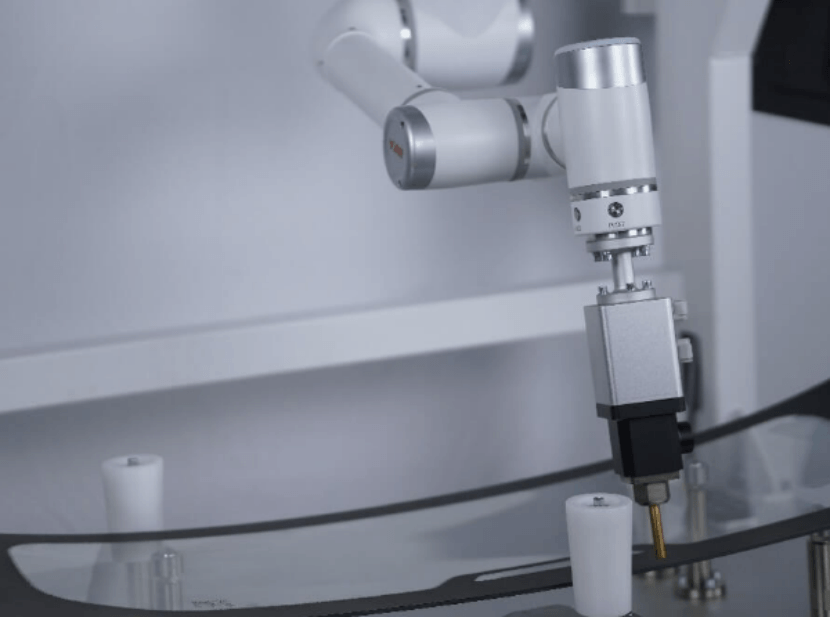
How Assembly Robots Achieve High-Precision Tolerance in Automotive Manufacturing
In the automotive manufacturing sector, achieving high-precision tolerance is crucial for maintaining quality across large production volumes. As vehicle designs evolve to become more compact and modular, traditional manual assembly processes are increasingly inadequate in ensuring the necessary accuracy during extended shifts. JAKA, a leader in robotic solutions, has identified that integrating automation at key assembly stages can enhance tolerance control and support flexible production planning. The company emphasizes the importance of robotic systems, particularly industrial robot arms, in managing repeatability and process stability. These robots execute predefined trajectories with consistent speed and positioning, significantly reducing variability associated with manual operations. For instance, when used for tasks like gluing, these robots can maintain uniform glue beads and consistent joint dimensions, even amidst changing production schedules. By replacing manual dispensing methods, which often lead to fluctuations in flow rate and application angles, automotive manufacturers can achieve more stable and programmable production processes. JAKA's robotic solutions facilitate precise flow control, minimize material waste, and enhance surface appearance, all while being user-friendly and requiring minimal retraining for operators. Ultimately, JAKA's approach underscores that high-precision tolerance is best achieved through the integration of assembly robots into workflows, thereby reducing human error and maintaining flexibility on the production floor. As automation continues to advance, JAKA aims to provide practical robotic solutions that meet the evolving needs of the automotive industry.
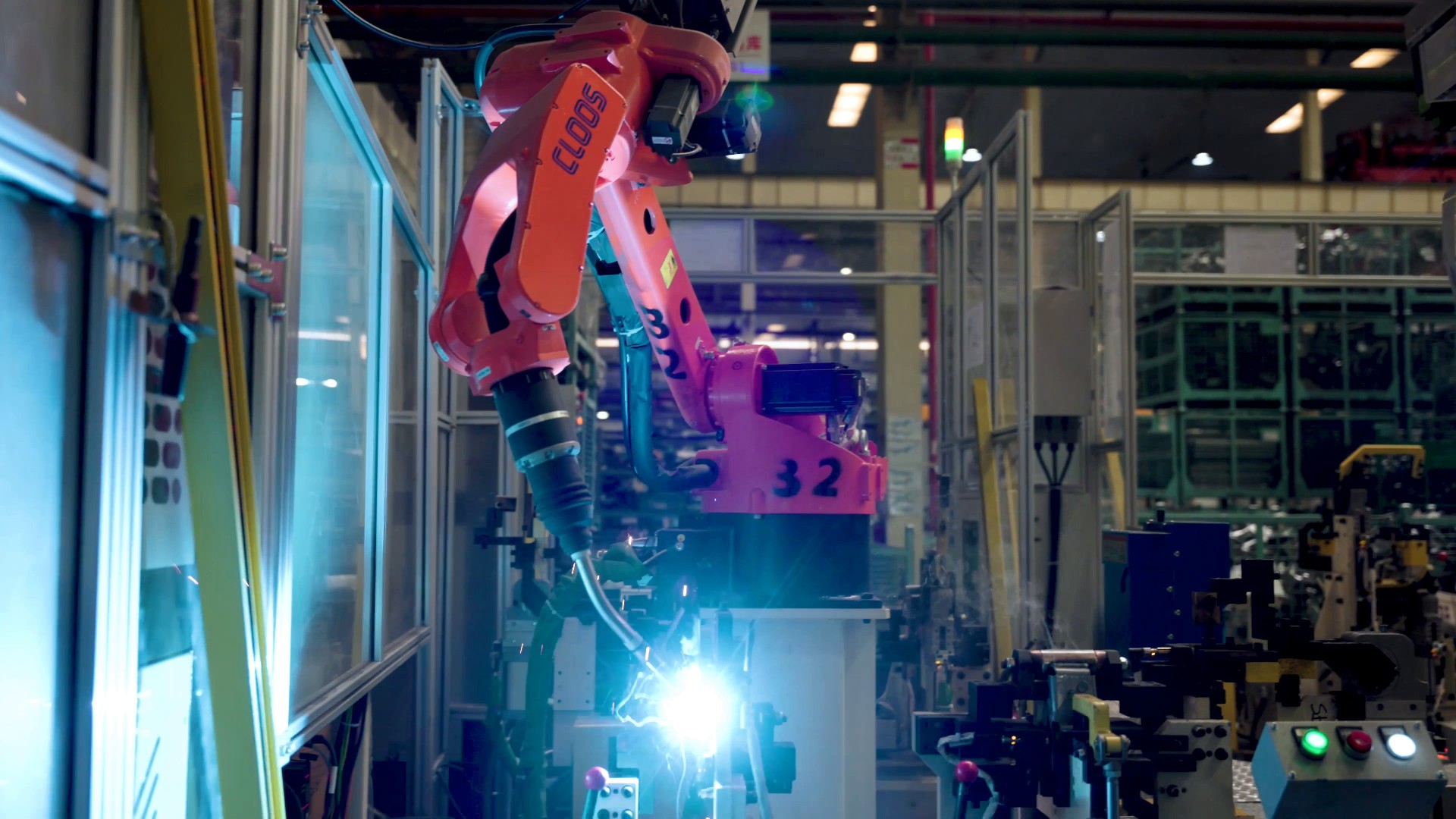
Over 200 Estun Robots Deployed on a Single Production Line: Fully Autonomous Robotic Automotive Parts Welding Line Officially Launched at Scale
In 2025, China solidified its position as a global leader in the new energy vehicle (NEV) industry by producing 16.626 million NEVs, which represented around 74.5% of the world's total NEV output. This remarkable achievement was fueled by advancements in indigenous technologies, exceptional manufacturing efficiency, and a robust automotive equipment sector. The surge in NEV production underscores China's commitment to transitioning towards sustainable transportation solutions and reducing carbon emissions, aligning with global efforts to combat climate change. The country's strategic investments and innovations in the automotive sector have not only bolstered its domestic market but also positioned it as a key player in the international NEV landscape.
ESTUN AUTOMATION ROBOTICS SERVO SYSTEMS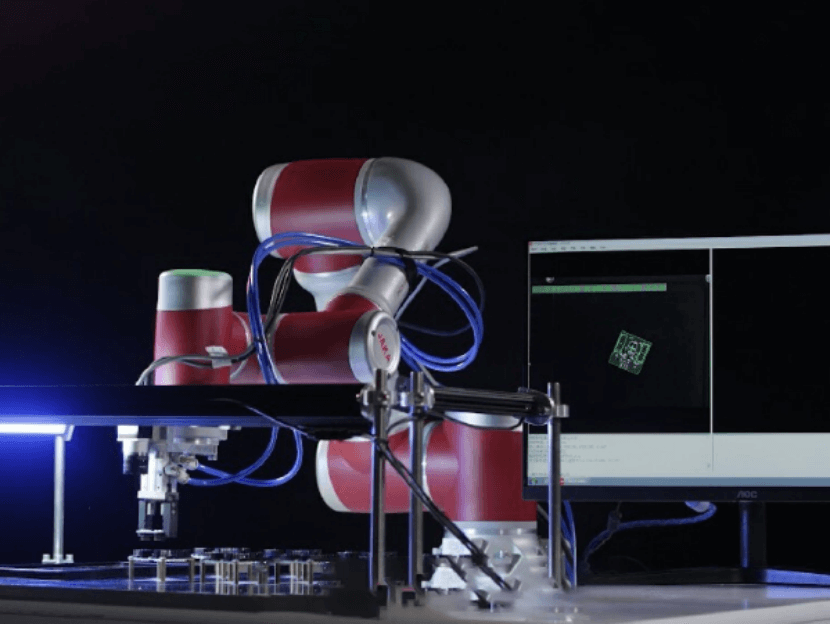
Small Cobot Integration: Powering Flexible Assembly Lines for Automotive Suppliers
Automotive suppliers are increasingly under pressure to deliver precise and customizable assembly processes, particularly with the industry's shift towards electric vehicles. In response, JAKA has introduced a mini robot arm designed to enhance flexibility in production environments. This compact cobot can be integrated into existing assembly lines without the need for extensive reconfiguration, making it an efficient solution for maximizing space in densely packed factory settings. The JAKA MiniCobo's lightweight design allows it to be mounted on various surfaces, such as tabletops or mobile carts, preserving valuable production area while delivering superior performance. Its intuitive programming features enable rapid changeovers between different part assemblies, allowing technicians to easily reprogram tasks without complex coding. This capability transforms what was once a time-consuming process into a quick adjustment, minimizing downtime. Additionally, the JAKA mini robot arm is engineered for safe collaboration with human workers, making it suitable for tasks that require both precision and human oversight, such as delicate electronics installation. With integrated safety mechanisms, the cobot can perform repetitive tasks alongside human operators, enhancing overall efficiency and ergonomics on the assembly line. By adopting JAKA's small cobot technology, automotive suppliers can address critical challenges related to space constraints, model variability, and the need for safe human-robot collaboration. This strategic integration positions them for long-term competitiveness in a rapidly evolving industry.

Accelerating Digital Transformation in Automotive Parts Manufacturing with Autonomous Forklifts
Automotive parts manufacturers are facing an urgent need for intelligent and digital transformation in their manufacturing and intralogistics operations. This shift is driven by the critical importance of maintaining a reliable and high-quality supply of components, which is essential for ensuring vehicle safety and performance. As the industry evolves, manufacturers are recognizing that adopting advanced technologies and data-driven processes is key to meeting the growing demands for efficiency and quality in the production of automotive parts. This transformation is not only vital for maintaining competitiveness but also for addressing the challenges posed by an increasingly complex supply chain.
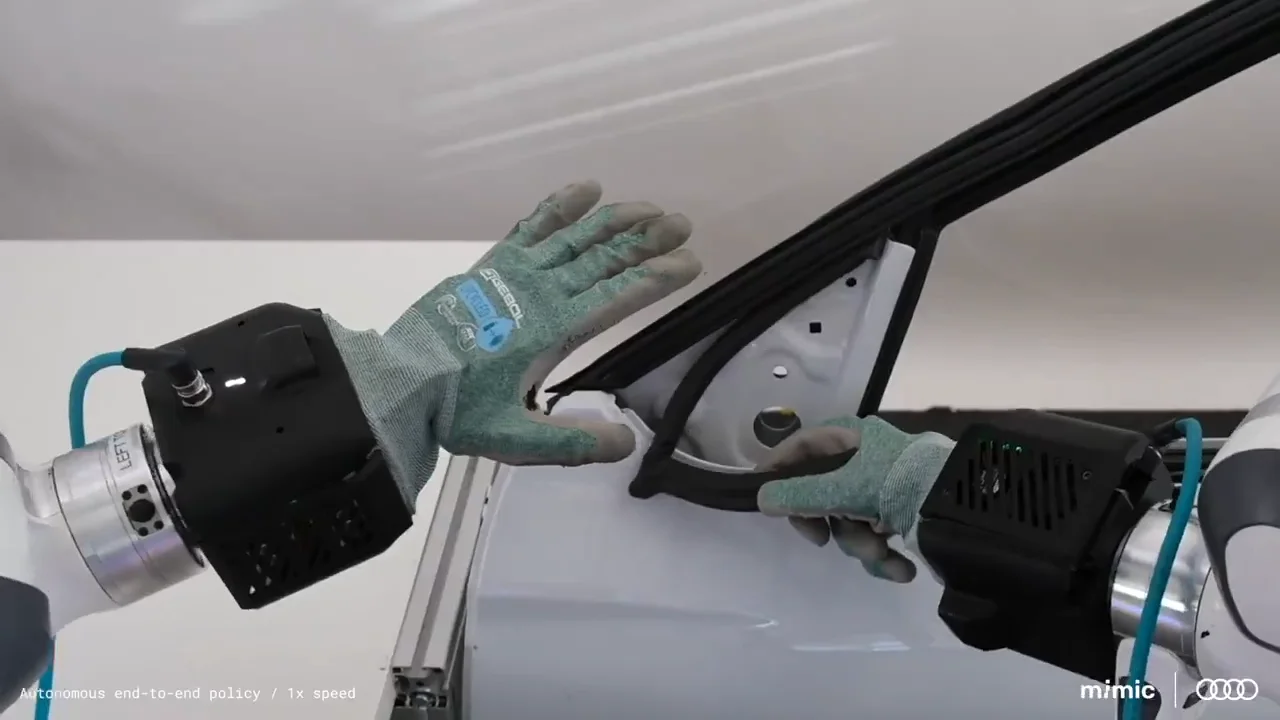
Audi Partners with Mimic Robotics for AI-Driven Automotive Assembly
Audi has announced a partnership with Zurich-based startup Mimic Robotics to enhance its manufacturing processes by incorporating learning-based, end-to-end robotic systems. This collaboration signifies a significant transition from traditional rigid programming methods to a more adaptable approach known as "Physical AI." By leveraging advanced robotics, Audi aims to improve efficiency and flexibility in its production lines, responding to the evolving demands of the automotive industry. The integration of these innovative technologies is expected to streamline operations and foster a more responsive manufacturing environment.
Mimic Robotics Europe Audi ETH Zurich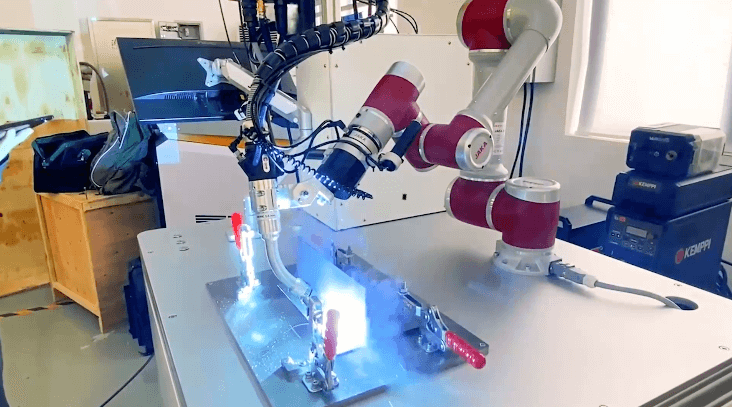
Top Six Applications of 6 Axis Robot Arms in Automotive Manufacturing
In the automotive industry, manufacturers are increasingly integrating six-axis robotic arms into their production processes to enhance efficiency and precision. These advanced jointed arm robots mimic human arm movements, making them ideal for complex tasks beyond simple material transfer. JAKA, a leader in robotic solutions, highlights the significant impact of these robots on assembly lines, particularly in welding, coating, sealing, and component installation. The six-axis robot arm excels in precision welding, maintaining optimal torch angles and travel speeds on intricate vehicle frames. This capability ensures structural integrity through consistent arc and spot welding, with the ability to store multiple programs for high-volume production without fatigue. In coating and sealing applications, the robot arm adeptly maneuvers spray guns to achieve uniform coverage on complex surfaces, reducing overspray and material waste. It can also apply sealants and adhesives with remarkable accuracy, outperforming manual methods. Moreover, the flexibility of these robotic arms is invaluable during assembly, allowing for the precise installation of components like windows, seats, and dashboards in tight spaces. By automating these tasks, the technology alleviates physical strain on workers and minimizes the risk of damage to delicate parts, all while ensuring consistent quality and efficiency on the production line. As the automotive sector evolves, the programmable articulation of six-axis robotic arms is proving essential for executing demanding tasks with reliability, underscoring their role as a crucial element in modern manufacturing systems.
Unlimited "Grinding" Power 〡 ESTUN Robot Automotive Grinding Integrated Solution, Efficiently Covering Full Process Scenarios
In the automotive manufacturing sector, the importance of grinding, polishing, and deburring processes has come under scrutiny due to the challenges posed by traditional manual methods. These critical post-process steps are essential for achieving component precision, surface quality, and safety. However, manual grinding has been associated with hazardous dust exposure, inconsistent quality, and low efficiency, prompting industry leaders to seek innovative solutions. Recent advancements in automated grinding technologies are being explored to address these issues. By integrating robotics and advanced machinery, manufacturers aim to enhance precision and consistency while minimizing health risks for workers. This shift not only promises to improve the overall quality of automotive components but also boosts productivity within the manufacturing process. As the automotive industry continues to evolve, the push for safer and more efficient manufacturing practices is driving the adoption of these new technologies. The transition to automated grinding solutions is expected to reshape the landscape of automotive production, ensuring that safety and quality standards are met more effectively.
ESTUN AUTOMATION ROBOTICS SERVO SYSTEMS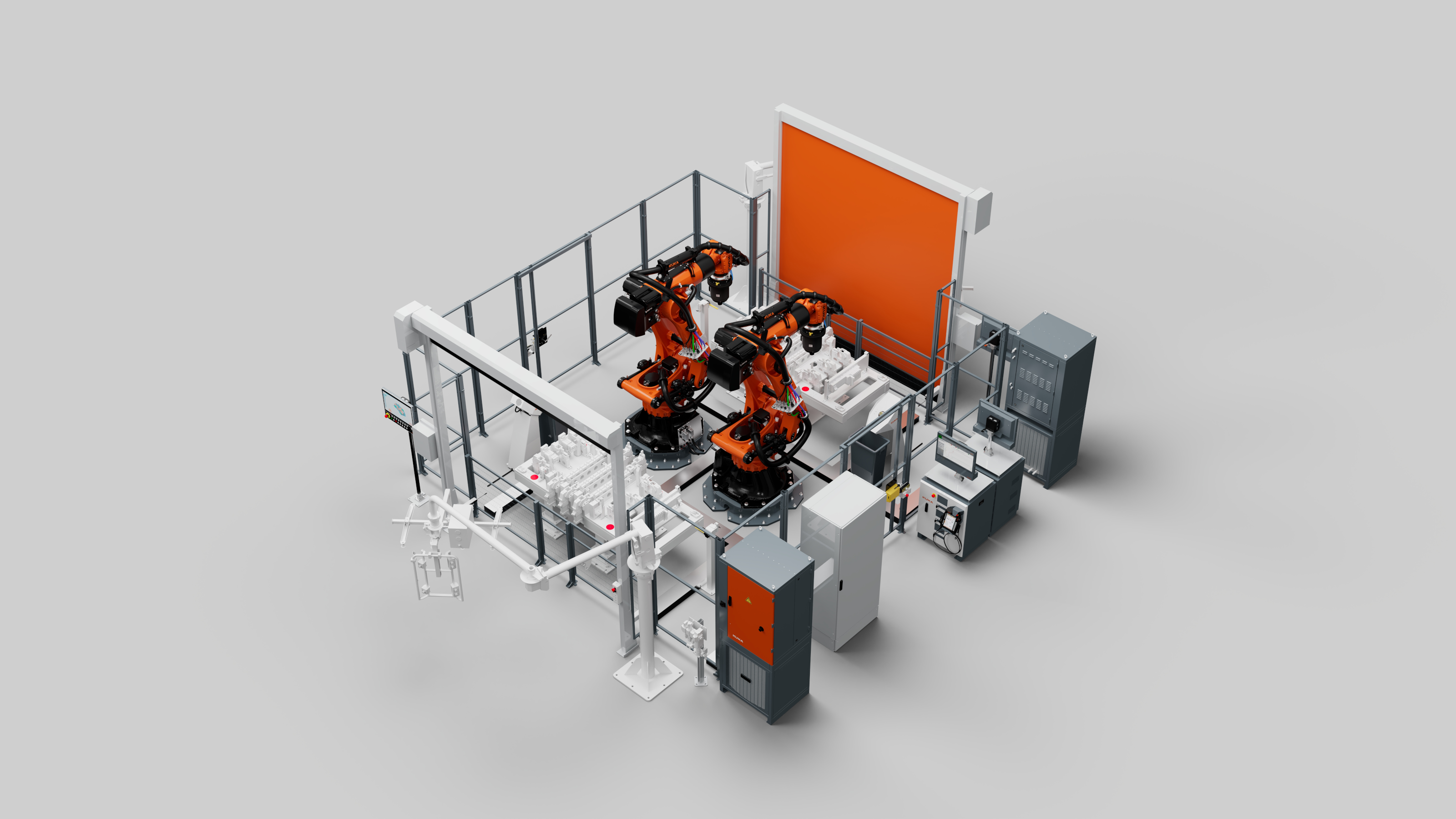
State-of-the-art welding technologies for e-mobility: KUKA receives follow-up order from major automotive manufacturer
KUKA is advancing sustainable mobility through innovative technology by securing a significant follow-up order from a major automotive manufacturer in the United States. This new order includes 12 additional friction welding cells equipped with integrated robots, aimed at supporting the expansion of electric vehicle production. This development comes after KUKA's successful delivery of 23 similar cells last year, highlighting the company's commitment to enhancing efficiency and sustainability in the automotive sector. The strategic partnership underscores the growing demand for electric vehicles and the need for advanced manufacturing solutions to meet this demand.
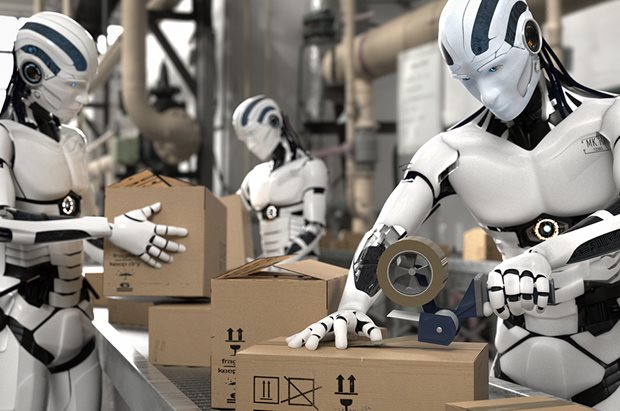
China's First Domestic Heavy-Duty Robotic Automotive Panel Stamping Line by Estun!
In the automotive manufacturing industry, the stamping process is essential for creating body panels like doors, side panels, and engine hoods. However, traditional stamping lines often depend on manual loading and unloading, which leads to inefficiencies and exposes workers to challenging conditions, including excessive noise, high temperatures, and dust. To address these issues, manufacturers are increasingly adopting automated solutions that enhance efficiency and improve workplace safety. By integrating advanced robotics and automation technologies, companies aim to streamline the stamping process, reduce labor costs, and create a more conducive working environment. This shift is not only expected to boost productivity but also to mitigate the health risks associated with manual operations. As the automotive sector continues to evolve, the move towards automation in stamping lines reflects a broader trend of modernization aimed at meeting growing production demands while ensuring worker safety.
ESTUN AUTOMATION ROBOTICS SERVO SYSTEMS
Automotive & Spot Welding: Estun Creates “Hard and Soft” Welding Solutions for Automotive Industry
The automotive industry is undergoing significant transformation as it embraces intelligent electric power. This shift is driven by the rapid rise of new energy vehicles, the increasing use of lightweight materials, and consumers' heightened demand for safety and quality. As a result, manufacturers are adapting their production processes to meet these evolving standards. The changes reflect a broader trend towards sustainability and innovation in the sector, highlighting the industry's commitment to addressing environmental concerns while enhancing vehicle performance. This evolution is reshaping the landscape of automotive manufacturing, paving the way for a future where electric and intelligent vehicles dominate the market.
ESTUN AUTOMATION ROBOTICS SERVO SYSTEMS
BYD invests in DJI’s automotive subsidiary
BYD, the prominent Chinese electric vehicle manufacturer, has made a strategic investment in the automotive division of drone manufacturer DJI, although the exact amount remains undisclosed. This move comes as BYD seeks to enhance its assisted driving capabilities, an area where it has been trailing behind competitors such as Tesla and Huawei. The investment is directed towards Zhuoyu Technology, a Shenzhen-based auto tech firm that is fully owned by DJI. This collaboration aims to bolster BYD's technological advancements in the automotive sector, reflecting the company's commitment to staying competitive in a rapidly evolving market.
News Feed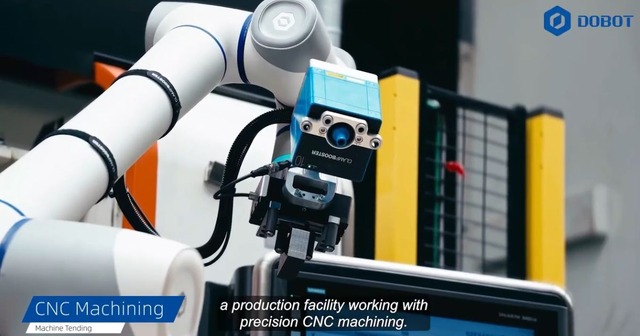
Dobot to showcase collaborative robot use cases in automotive, food, and education at "Automate 2026."
Dobot Robotics has unveiled a promotional video showcasing its products in preparation for the upcoming Automate 2026, one of North America's largest industrial automation trade shows. The video was released on YouTube on June 16, 2026, as part of the company's efforts to highlight its innovations and engage with potential customers ahead of the event. This strategic move aims to enhance visibility and demonstrate the capabilities of Dobot's automation solutions in a competitive market.
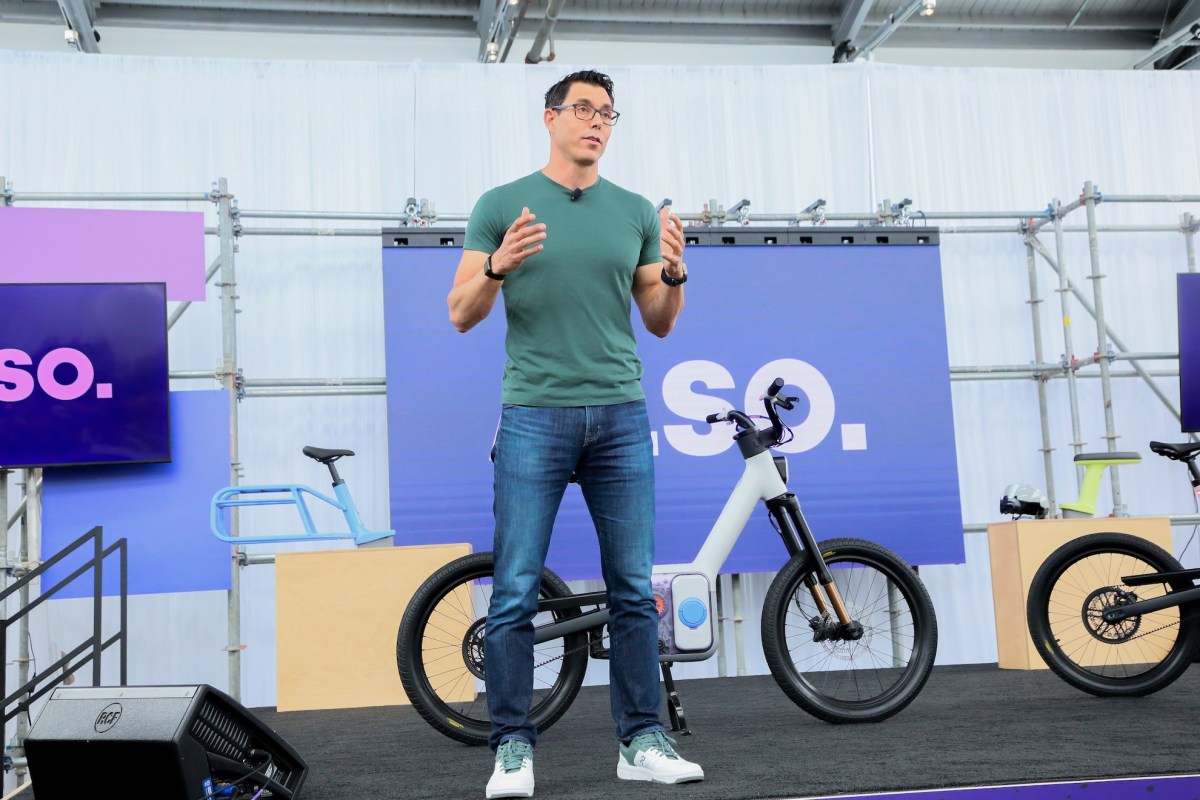
TechCrunch Mobility: The AI skills arms race is coming for automotive
TechCrunch Mobility has resumed its coverage, providing a comprehensive source for the latest news and insights related to the evolving landscape of transportation. This platform aims to keep readers informed about innovations, trends, and developments that are shaping the future of mobility. With a focus on emerging technologies and industry shifts, TechCrunch Mobility offers timely updates and expert analysis to help stakeholders navigate the rapidly changing transportation sector. The return of this resource comes as the industry faces significant transformations driven by advancements in technology and changing consumer demands.
Transportation AI General Motors Rivian RJ Scaringe Rapido
oToBrite Showcases Automotive-Grade Vision-AI for North America's Robotics and Unmanned Vehicle Market at XPONENTIAL 2026
oToBrite has unveiled its latest innovation, a long-range 3D stereo vision camera module designed specifically for robotics, during a recent exhibition. This advanced system boasts impressive features, including 120 dB high dynamic range (HDR) imaging and global shutter synchronization. These capabilities allow for stable feature extraction even in difficult conditions, such as bright sunlight, deep shadows, and low-texture environments. The launch aims to enhance the performance of robotic systems, making them more effective in a variety of real-world applications.

When Factory Logistics Falls Out of Sync with Production: Three Operational Turning Points in Automotive and Chemical Industries
As global manufacturing evolves, companies are increasingly focusing on capacity expansion and automation to enhance productivity. However, with the acceleration of production takt time, a pressing concern arises regarding the ability of factory logistics to support this heightened operational intensity. Industry experts are examining whether current logistics systems can adapt to the demands of faster production cycles, which are essential for maintaining competitiveness in a rapidly changing market. The ongoing developments in manufacturing processes highlight the need for innovative solutions to ensure that logistics can keep pace with the advancements in production technology.
Agility Robotics Lands Toyota as Commercial Partner, Aiming at Automotive Production
Toyota Motor Manufacturing Canada has announced a significant step forward in its production capabilities by signing a commercial agreement to integrate Digit humanoid robots into its manufacturing facilities. This decision follows a successful pilot program that demonstrated the robots' effectiveness in enhancing operational efficiency. The deployment of these advanced robots is set to take place across various production sites, marking a notable advancement in the company's automation efforts. The initiative aims to streamline processes and improve productivity, reflecting Toyota's commitment to innovation in manufacturing. The integration of humanoid robots is expected to not only optimize workflow but also address labor challenges within the industry.
US Canada Business Digit Agility Robotics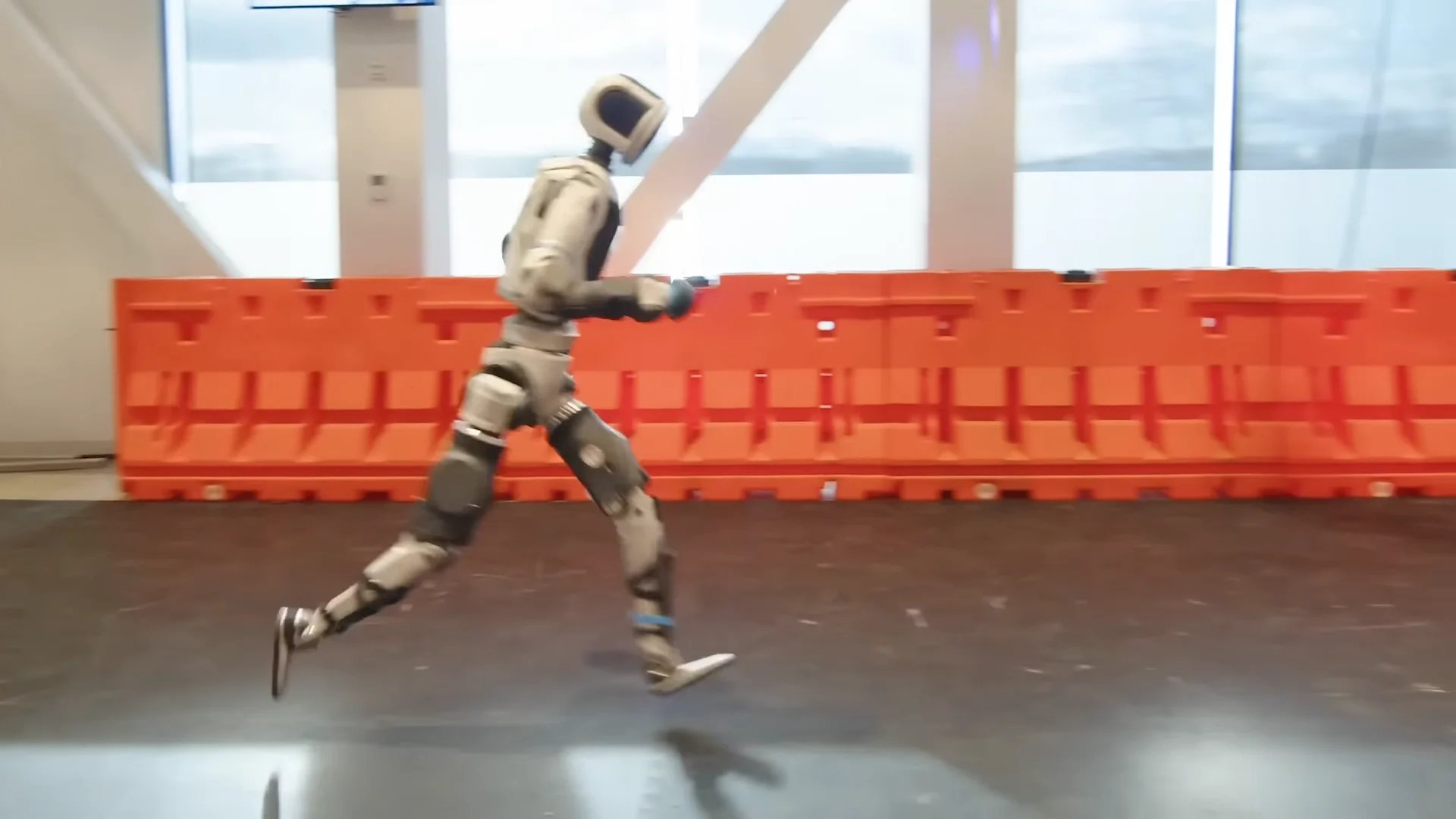
Boston Dynamics Teases "Automotive Volumes" of Atlas in January Update
Boston Dynamics executives have indicated a significant transition towards mass production and enterprise deployment of their Atlas humanoid robot, expected to commence early next year. This announcement comes as the company navigates a competitive landscape, with various industry players achieving notable advancements in robotics. The move aims to capitalize on growing demand for humanoid robots in various sectors, reflecting a strategic shift in Boston Dynamics' approach to meet market needs. By focusing on scaling production, the company seeks to enhance its position in the robotics industry, potentially revolutionizing how businesses integrate humanoid technology into their operations.
hyundai US South Korea Business Boston Dynamics
Mercedes-Benz Dealerships Launch Sales of Humanoid Robots in Strategic Partnership
Mercedes-Benz dealerships have begun selling humanoid robots, specifically the U1 model from UBTECH, through a partnership with the Bosh Group. This initiative allows customers in the Beijing, Tianjin, and Hebei regions to experience and purchase these advanced robots, which can engage with customers and enhance the car-buying experience. The collaboration aims to create a complete industrial ecosystem that includes technology research and development, channel operations, and after-sales service. The Bosh Group previously launched a robot experience store called 'Mechanical Eden,' which has reportedly increased foot traffic and customer engagement at Mercedes-Benz locations. Moving forward, the U1 humanoid robots will be gradually introduced into various Bosh Group dealerships, enhancing high-end automotive services and offering retail and rental options to affluent customers. This initiative marks a significant step towards the commercialization of humanoid robots, potentially setting a new standard in the industry.
Humanoid Robots Automotive Technology Retail Innovation AI Customer Experience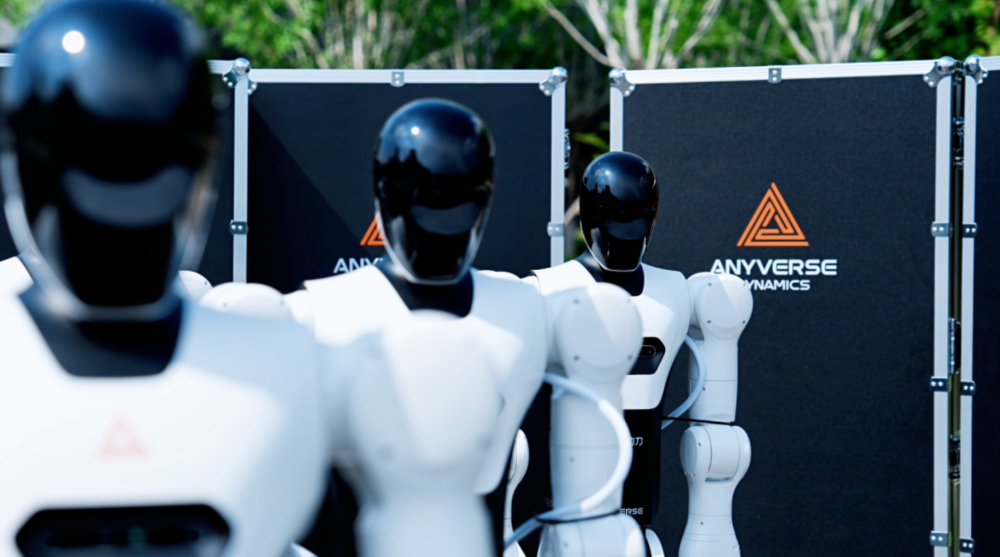
Automakers Seek Reliable Robots for Long-Term Performance Over Flashy Demonstrations
At the 2026 Embodied Intelligence Industry Integration Conference, industry leaders emphasized the need for robots that can operate reliably for extended periods without errors. Executives from companies like Beijing Galaxy General Robotics and Changan Automobile highlighted that automakers prioritize robots capable of consistent performance over flashy capabilities. The discussion revealed that many applications in automotive manufacturing, such as material handling and quality inspection, still lack effective solutions. High labor intensity and safety concerns drive the demand for robots that can maintain precision and efficiency over long operational hours, as noted by industry experts. Looking ahead, the focus will shift towards developing adaptable robots that can quickly integrate into various factory layouts without extensive reprogramming. The concept of 'Design for Robot' was introduced, aiming to reshape factory processes around robotic capabilities. No further timeline was disclosed at the time of publication.
Industrial Robotics Manufacturing Automation Automotive Technology Robotic Process Automation
End-Side AI Leader Mianbi Intelligence Secures $5 Billion Funding, Reaches $20 Billion Valuation
On July 15, Mianbi Intelligence announced the completion of a new funding round, attracting investments from national funds, state-owned enterprises, and automotive manufacturers. This brings the total funding raised by Mianbi Intelligence in the first half of 2026 to over 5 billion yuan, with a valuation exceeding 20 billion yuan, making it the highest-valued unicorn in the end-side AI sector. The significance of this funding is underscored by Mianbi Intelligence's rapid financing activity, which includes multiple rounds led by prominent investors such as China Telecom and Shenzhen Capital Group. The company, which originated from Tsinghua University's NLP lab, has made substantial strides in the AI field, particularly with its MiniCPM series of models that have seen over 38 million downloads across platforms like GitHub and Hugging Face. Looking ahead, Mianbi Intelligence is set to release its MiniCPM-2.4B model in February 2024, focusing on end-side AI applications. The company has already established a strong presence in the automotive sector, with several models from manufacturers like Changan and SAIC expected to integrate its technology. No further timeline was disclosed at the time of publication.
End-Side AI Funding Automotive Technology Artificial Intelligence Startups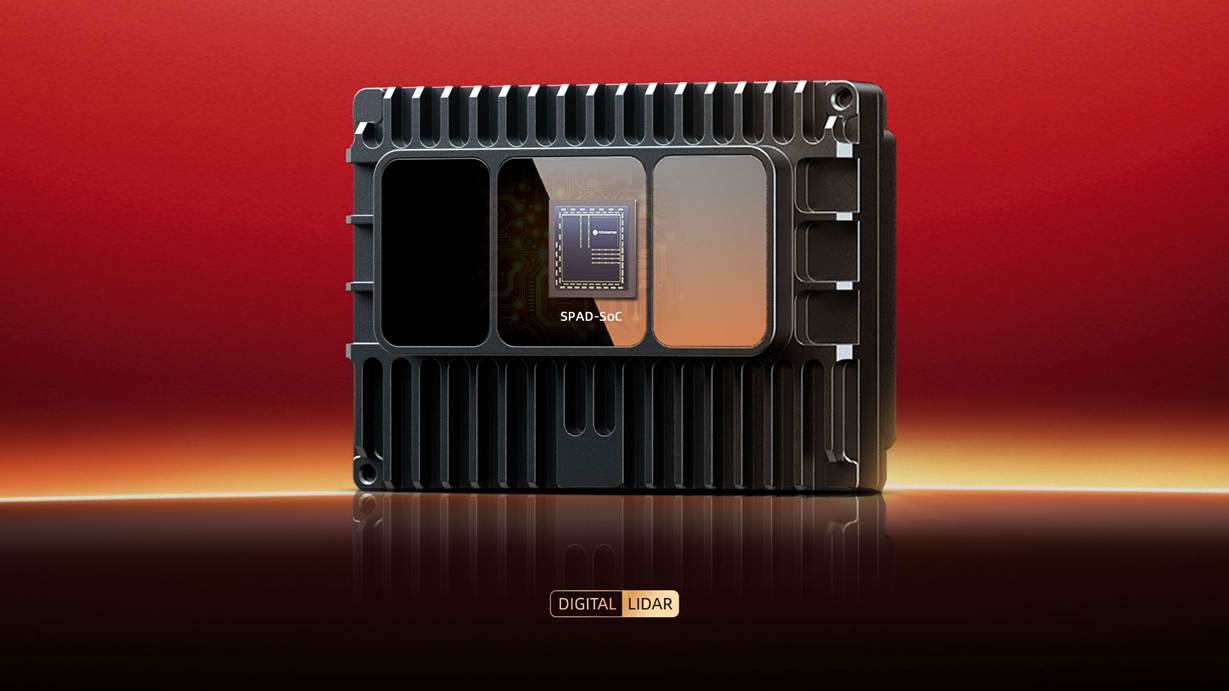
Robot Sales Surge 510% in H1 2026, Speeding Up AI Perception Technology Development
In the first half of 2026, Speeding Up Technology experienced a staggering 510% surge in robot sales, reaching a total of 282,600 units sold. The company's lidar product sales also saw substantial growth, with 719,200 units sold during the same period. This remarkable increase is attributed to advancements in digital chip technology and Speeding Up's strong foothold in both the robotics and automotive industries. The company is strategically positioning itself to become a leading perception technology platform in the evolving landscape of physical AI.
Robotics Lidar Technology AI Perception Digital Chips Automotive Technology
Figure 03 Launches at BMW Plant: Physical AI Moves to Mass Production
BMW has introduced the Figure 03 humanoid robot at its Spartanburg factory, a move that signifies a notable advancement in the integration of physical AI within the automotive sector. This state-of-the-art robot is designed to improve assembly line efficiency by handling repetitive tasks, thereby enabling human employees to concentrate on more complex and valuable processes. The deployment of the Figure 03 is part of BMW's broader strategy, which includes a $1.7 billion investment aimed at expanding electric vehicle production by 2026. This initiative underscores the company's commitment to innovation and efficiency in response to the evolving demands of the automotive market.
Humanoid Robots Automotive Manufacturing AI Warehouse Automation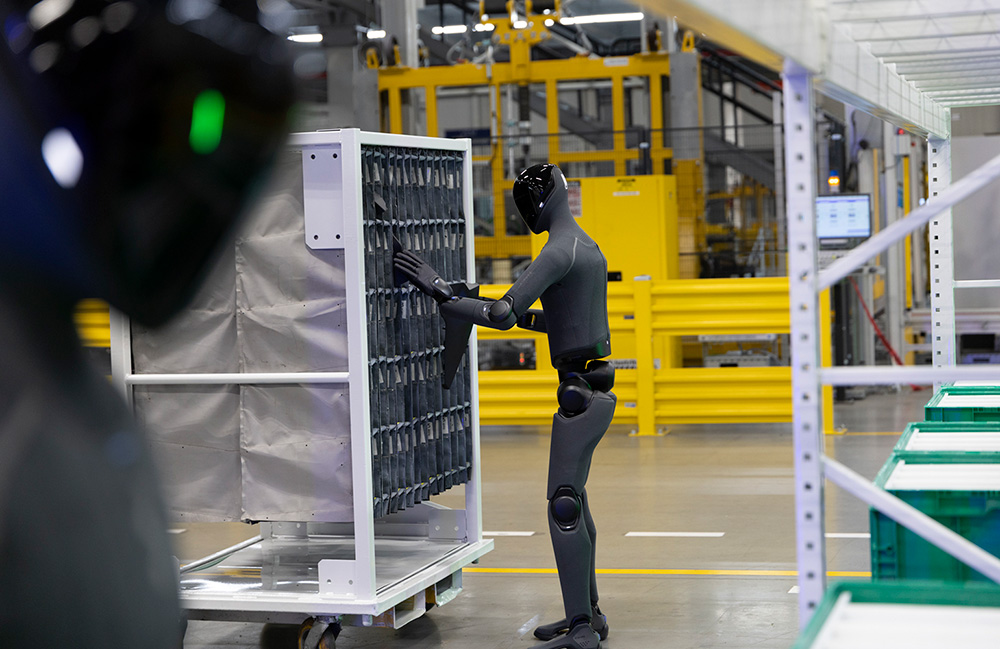
BMW Group deploys Figure 03 humanoid after tests with previous version
In a significant advancement for automotive manufacturing, BMW Group has successfully utilized the Figure 02 robot to aid in the production of over 30,000 X3 vehicles over an 11-month period at its South Carolina facility. This deployment highlights the company's commitment to integrating advanced robotics into its production processes, enhancing efficiency and output. Following extensive testing of the Figure 02, BMW is now set to introduce the next iteration, the Figure 03 humanoid robot, further indicating the company's focus on innovation in manufacturing technology. The initiative not only aims to streamline operations but also reflects a broader trend in the automotive industry towards automation and robotics to meet increasing demand.
Artificial Intelligence Artificial Intelligence / Cognition Assembly Automotive Design / Development Humanoids
2026 Munich Shanghai Electronics Show: Complete Agenda Released!
The 2026 Munich Shanghai Electronics Show is set to occur from July 1 to 3 at the Shanghai New International Expo Centre. This prominent event will bring together industry leaders, experts, and companies to engage in discussions surrounding key topics such as automotive electronics, artificial intelligence, and semiconductors. The gathering aims to highlight emerging trends and innovations within the electronics sector. While registration is currently free, attendees are required to present identification upon entry.
Automotive Electronics AI Semiconductors Energy Storage Embedded Systems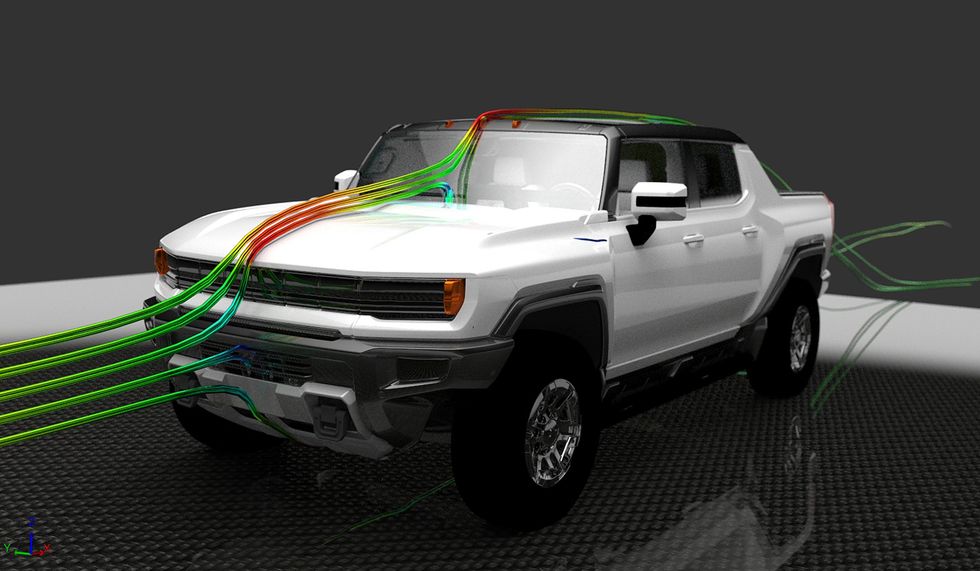
General Motors Is Cutting Its Development Cycles in Half
General Motors is accelerating its vehicle development process to compete with fast-paced Chinese automakers like BYD, which can bring electric vehicles (EVs) to market in under two years. This initiative, led by Sterling Anderson, GM’s chief product officer and former Tesla executive, aims to leverage artificial intelligence (AI) and simulation technology to significantly reduce design and production timelines. In a recent video call, Anderson and Jason Fischer, GM’s executive director of virtual integration engineering, outlined how AI is reshaping automotive design. Traditionally, the development process involved lengthy empirical testing and siloed engineering efforts. However, GM's new approach integrates multiple functions into a single virtual tool, allowing engineers to simulate design changes in minutes rather than hours. This method has already halved the development time for the electric GMC Hummer, which went from concept to showroom in just two years. GM is applying these advanced techniques across various projects, including self-driving cars and NASA's lunar rover, enhancing their ability to simulate real-world conditions and improve vehicle performance before physical prototypes are built. By running thousands of simulations, GM can identify and address potential issues early in the design process, ultimately leading to more refined vehicles. This innovative strategy positions GM to keep pace with the rapidly evolving automotive landscape and meet consumer demands for faster, more efficient vehicle production.
Gm Simulations Engineering-design General-motors Physics-simulations Automotive-engineering
What is Needed for Embodied Intelligence to Truly Take Off?
A recent article examines the increasing demand for embodied intelligence in manufacturing environments, emphasizing its benefits compared to conventional industrial robots. As factories evolve, the integration of real-world data has become crucial for the effective deployment of these advanced systems. The shift towards evaluating return on investment (ROI) is reshaping how manufacturers assess technology, particularly within the automotive sector, where flexibility in operations is paramount. This trend reflects a broader movement towards more adaptive and intelligent manufacturing processes, positioning embodied intelligence as a key player in the future of industrial automation.
Embodied Intelligence Industrial Automation Robotics Automotive Manufacturing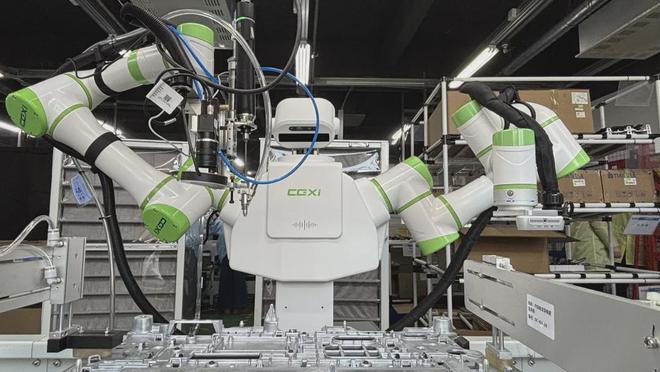
Building a Strong Competitive Edge in the Era of Embodied Intelligence
Changguangxi Intelligent Manufacturing is making significant strides in the field of embodied intelligence by focusing on practical applications rather than theoretical concepts. The company, known for its expertise in collaborative robots and smart components for the automotive industry, is utilizing rigorous automotive standards to improve the reliability and performance of its products. This approach not only positions Changguangxi as a leader in intelligent manufacturing but also addresses the growing demand for advanced automation solutions in various sectors. As the industry evolves, the company's commitment to real-world implementation is set to drive innovation and enhance operational efficiency.
Collaborative Robots Automotive Technology Embodied Intelligence Motion Control
After 40 Years in Auto Parts, This 'Shovel Seller' Unveils a Humanoid Robot
Hefei Dingli Kexing Intelligent Robot Co., a joint venture formed by prominent automotive parts manufacturers, has unveiled its first full-sized humanoid robot, marking a pivotal moment in the company's evolution. This launch signifies a strategic shift for the automotive giant as it expands into the robotics sector, emphasizing the growing importance of supply chain integration in the industry. The introduction of the humanoid robot not only showcases technological advancements but also reflects the increasing convergence of automotive and robotics technologies.
Humanoid Robots Robotics Automotive Parts AI Technology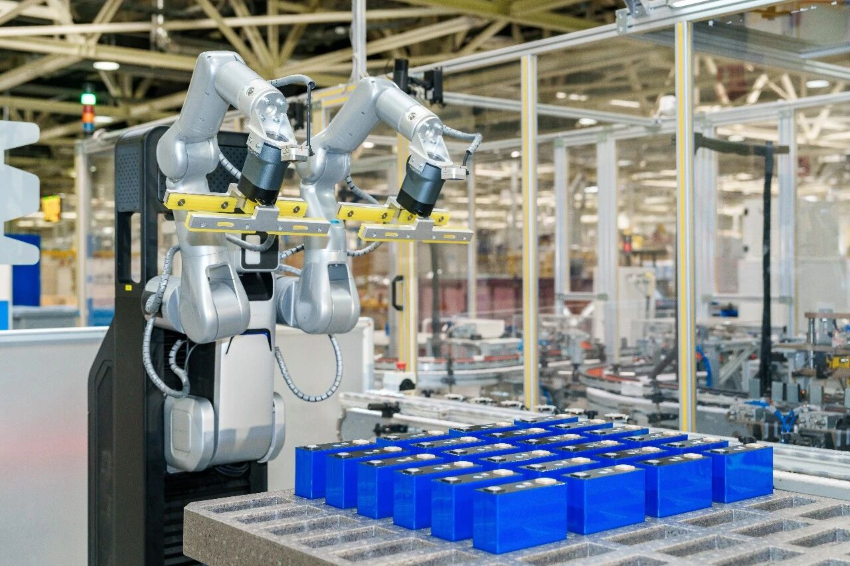
SAIC Group's First Humanoid Robot Employee Officially Starts Work
SAIC Group has unveiled its inaugural humanoid robot employee, named 'Nengzai No. 1', at the Buick E7 battery production line. This advanced robot features cutting-edge visual perception and precision handling capabilities, representing a pivotal advancement in the realm of intelligent manufacturing within the automotive sector. The introduction of Nengzai No. 1 underscores SAIC Group's commitment to integrating innovative technology to enhance production efficiency and streamline operations in a rapidly evolving industry.
Humanoid Robots Automotive Manufacturing Smart Manufacturing Industrial Automation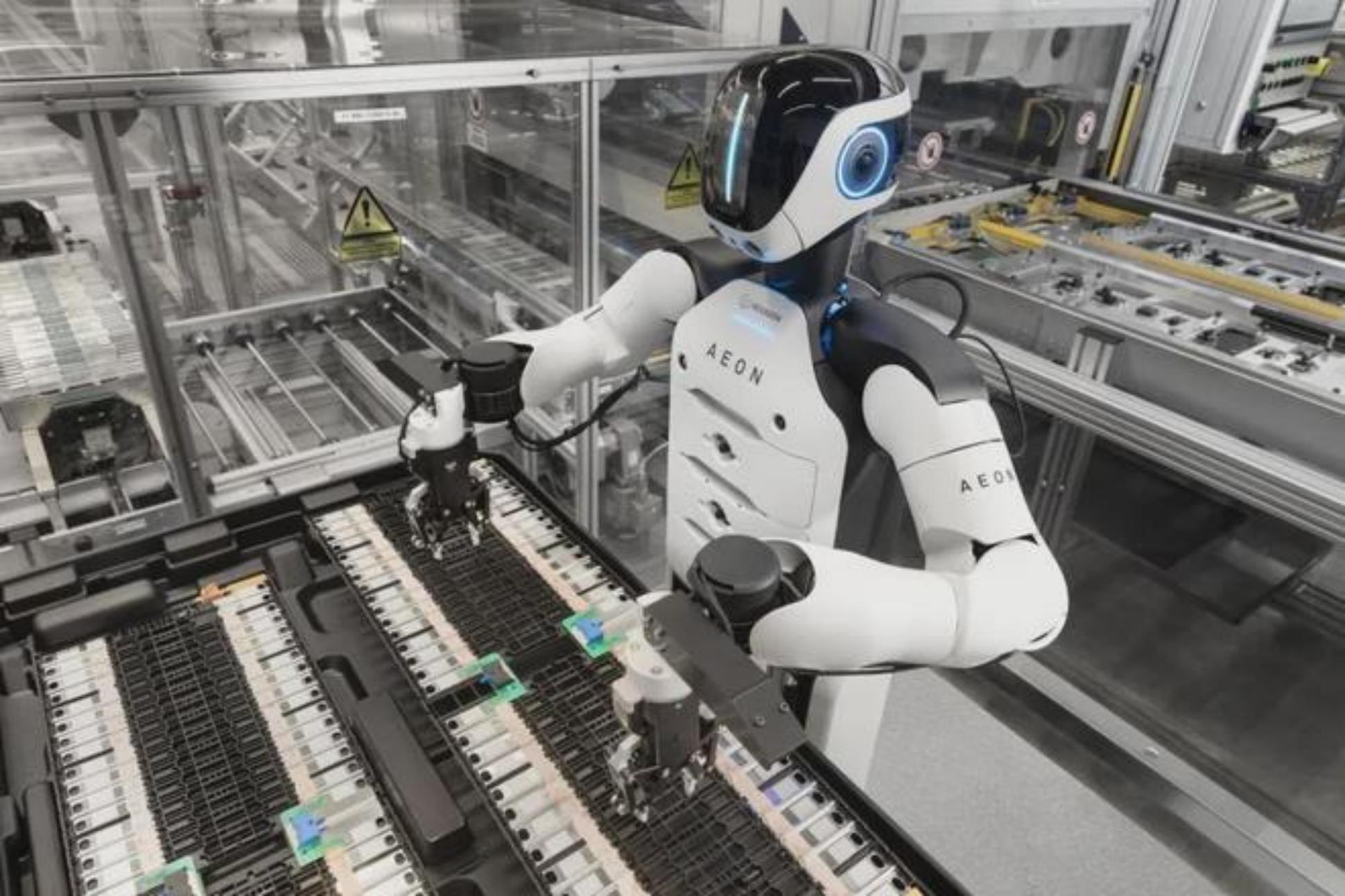
World's First! BMW Introduces Humanoid Robots on Production Line, Powered by Chinese Technology!
BMW has made a significant leap in industrial automation by integrating humanoid robots into its production line at the Leipzig plant, becoming the first German automaker to do so. The AEON robot, developed by Hexagon, will be responsible for high-pressure battery assembly and the production of precision components. This innovative move, which underscores BMW's commitment to enhancing efficiency and precision in manufacturing, was officially announced recently. The implementation of the AEON robot is expected to streamline operations and improve the overall quality of the production process, reflecting the growing trend of automation in the automotive industry.
Humanoid Robots Automotive Manufacturing Industrial Automation AI Technology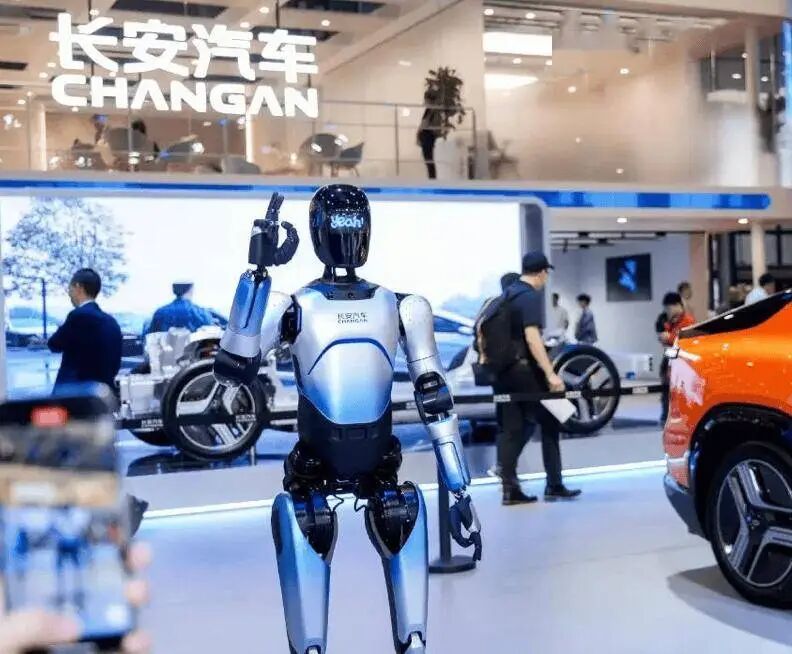
Changan Invests 450 Million Yuan in Humanoid Robots, Prompting Action from Over 20 Automakers
Changan Automobile has announced the launch of its subsidiary, Changan Tian Shu Intelligent Robotics, with an investment of 450 million yuan, signaling its entry into the humanoid robot market. This development, which took place recently, highlights a significant trend within the Chinese automotive industry, where over 20 major car manufacturers are increasingly focusing on the advancement of humanoid robotics. The initiative aims to leverage Changan's expertise in technology and innovation to compete in this emerging sector, reflecting a growing recognition of the potential for robotics to enhance automotive capabilities and operations.
Humanoid Robots Automotive Technology AI Robotics Industry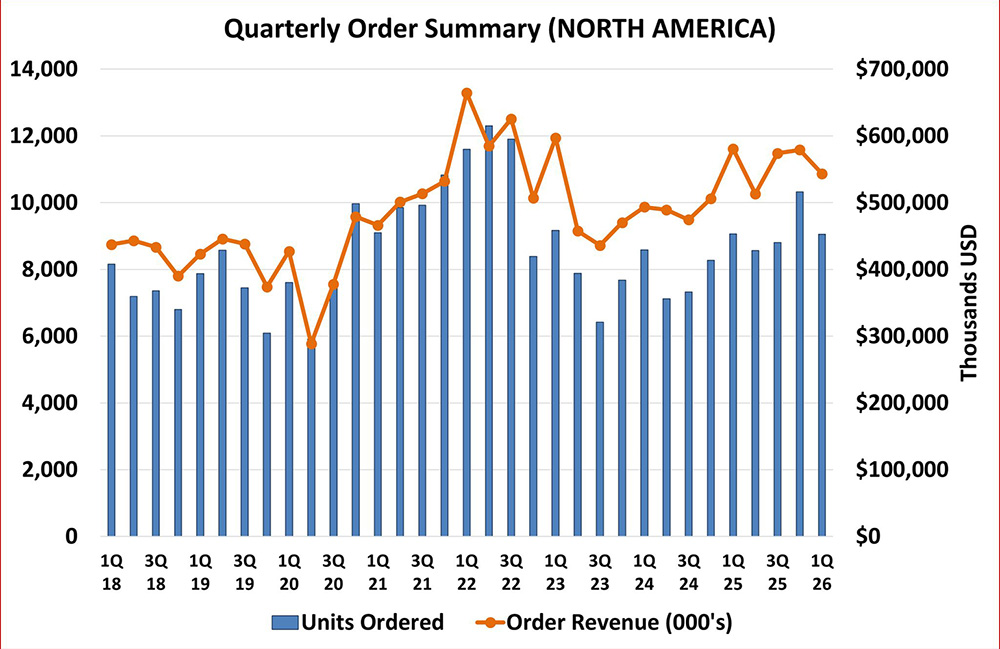
North American robot orders remain flat at the start of 2026
A3 has reported that its first-quarter data highlights a significant trend in the robotics industry, indicating that the adoption of robotics is increasingly moving beyond the confines of traditional automotive manufacturing. This shift suggests a broader application of robotic technology across various sectors. However, despite this growth in adoption, North American robot orders have remained stagnant at the beginning of 2026, reflecting a complex landscape for the robotics market. The findings underscore the evolving nature of robotics integration in industries outside of automotive, while also pointing to potential challenges in order growth within the region.
Academia / Research Automation Automotive Cobot Arms Collaborative Robots Food / Beverage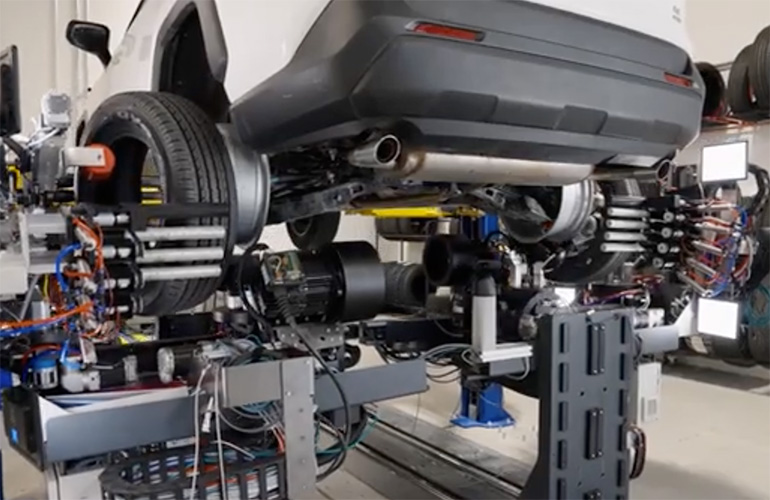
Automated Tire decloaks with new autonomous tire-changing SmartBay
Automated Tire has unveiled its innovative SmartBay system, designed to revolutionize the tire-changing process. This advanced technology allows a single technician to oversee the tire-changing operations in up to three bays simultaneously. The introduction of SmartBay aims to enhance efficiency and reduce labor costs in tire service facilities. By automating key aspects of the tire-changing process, Automated Tire seeks to streamline operations and improve service delivery for customers. The launch of this system marks a significant step forward in the integration of automation within the automotive service industry.
Automotive Financial News Startups Transportation Automated Tire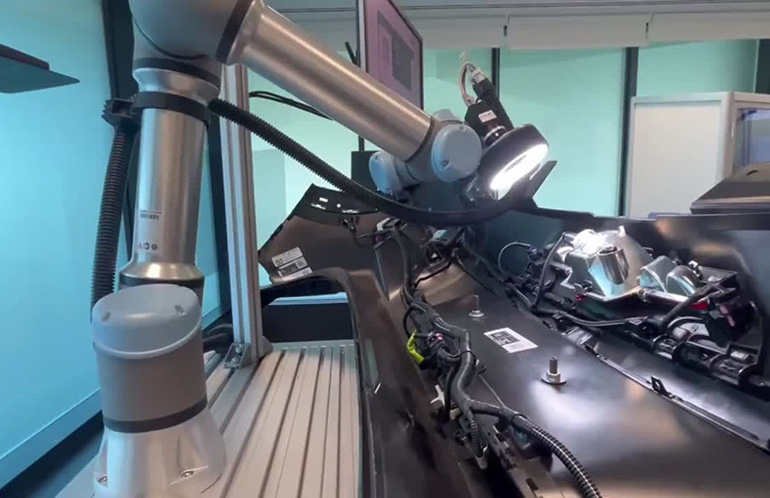
GFT Technologies AI-powered robots move from inspection to action for automakers
GFT Technologies has expanded its collaboration with Google Cloud by deploying AI-powered robots in automotive factories to enhance quality control processes. These robots are designed to identify and remove defective parts from production lines, transitioning from mere inspection to active intervention. This innovative approach aims to improve manufacturing efficiency and reduce the likelihood of faulty products reaching consumers. The initiative reflects a growing trend in the automotive industry to integrate advanced technology for better operational outcomes.
Arms / Manipulators Artificial Intelligence Artificial Intelligence / Cognition Automotive Cameras / Imaging / Vision Manufacturing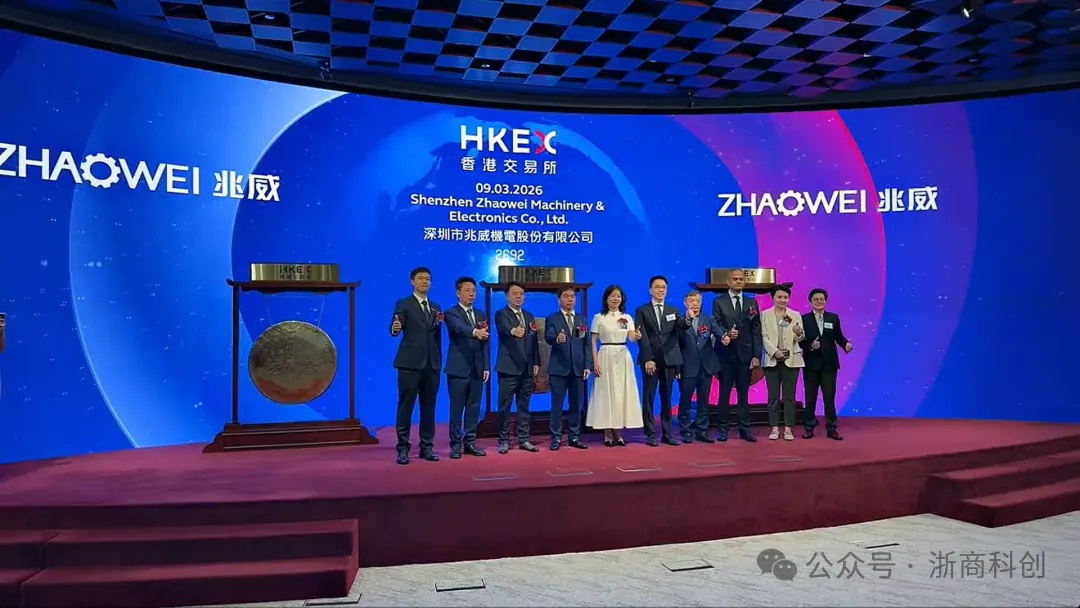
Industry Competition and Major Investments: Zhaowei Electromechanical's Hong Kong IPO Becomes a Capital Focus
Zhaowei Electromechanical experienced a successful launch on the Hong Kong Stock Exchange, with its shares opening at HKD 78, reflecting a 9.43% rise from the initial issue price. The company, known for its expertise in micro transmission systems, garnered considerable interest from investors, successfully raising around HKD 1.828 billion. This strong performance comes at a time when the market for automotive electronics and robotics is flourishing, highlighting the growing demand for innovative technologies in these sectors.
Micro Transmission Systems Automotive Electronics Robotics IPO Investment
PBSA and Hai Robotics to Deliver South Africa’s First HaiPick System for Masterparts
PBSA is preparing to implement South Africa's inaugural HaiPick System for Masterparts, representing a major leap forward in the logistics of automotive spare parts. This innovative automation solution, created in collaboration with Hai Robotics, is designed to increase storage density and enhance picking accuracy while tackling existing operational challenges within the automotive aftermarket. The project is slated to commence operations in the fourth quarter of 2025, reflecting a commitment to modernizing the industry and improving efficiency in supply chain management.
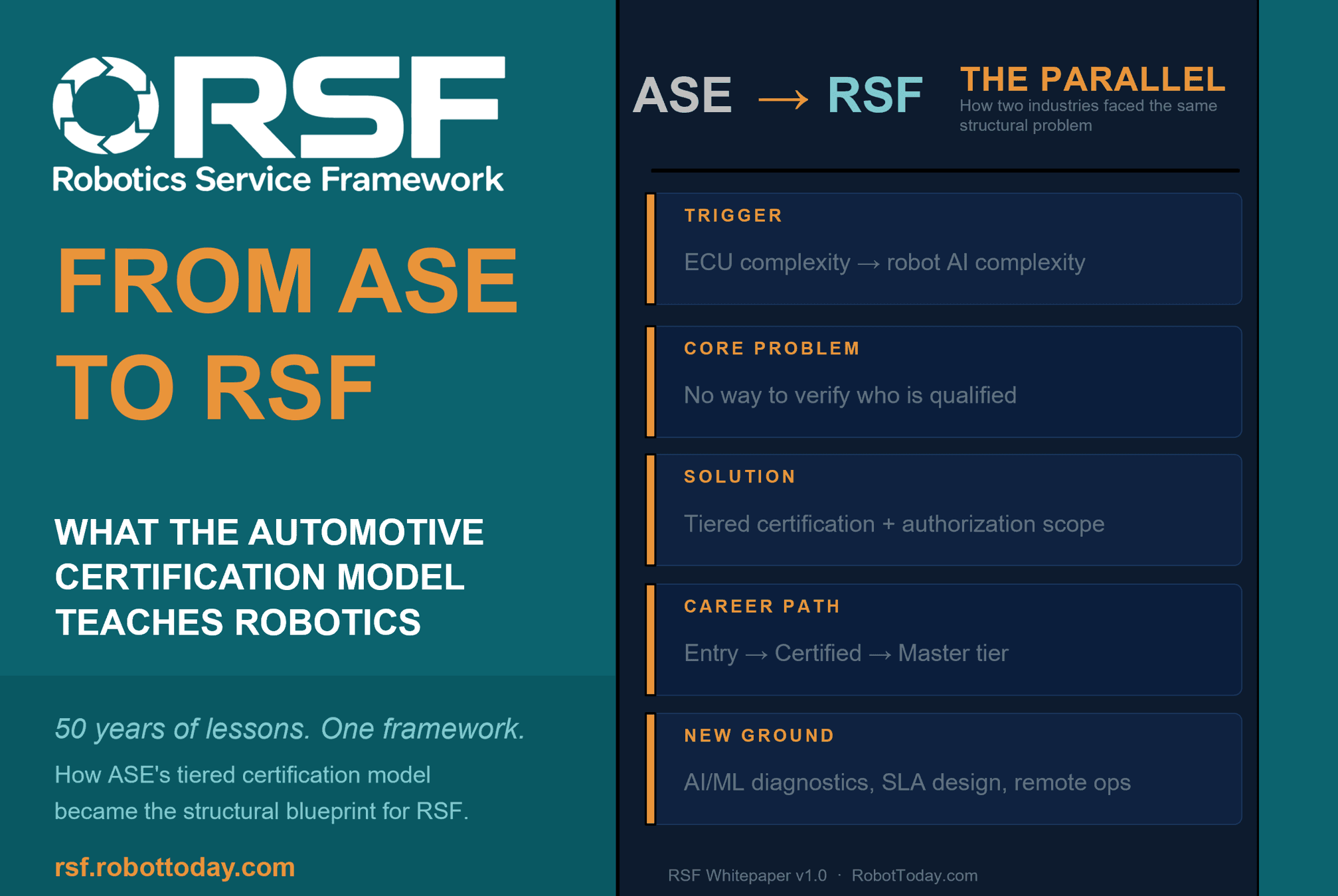
Warehouse Automation Supply Chain Management Automotive Logistics Robotics Logistics TechnologyRobotics needs a service framework.
RSF defines a common language for robot service capability, lifecycle operations, certification pathways, and service-provider networks.