Industry Briefing
A single destination for timely, editor-curated robotics news from around the world.
Landair Surveys Uses SimActive Correlator3D for Planned Burns Mapping in Australia
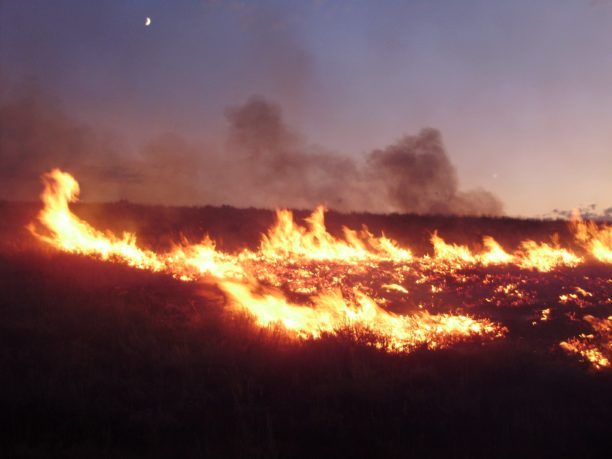
Landair Surveys, an Australian geospatial firm, is utilizing SimActive's Correlator3D software to create orthomosaics from aerial imagery. This initiative is part of their efforts in wildfire prevention and land management, specifically for planned burns mapping projects across Australia. The Montreal-based software developer announced this collaboration, highlighting that the workflow aims to enhance the efficiency of geospatial outputs. The use of advanced aerial imagery technology is expected to improve land management strategies and contribute to effective wildfire prevention measures.
Digital Twins Disaster Response Drone News Drone News Feeds Fire Firefighter
Robot hand uses touch and vision to harvest ripe fruit with near-100% accuracy
A team of researchers has created an innovative soft robotic gripper designed to assess the ripeness of fruit and facilitate harvesting. This development, which emerged from ongoing advancements in agricultural technology, aims to address the challenges faced by farmers in determining the optimal time for fruit picking. The gripper, equipped with advanced sensors, can gently handle delicate produce without causing damage, ensuring that only ripe fruits are collected. The project, which began in early 2023, took place at a leading agricultural research facility. The motivation behind this invention stems from the increasing demand for efficient and sustainable farming practices, as well as the need to reduce labor costs and improve the quality of harvested fruits. By automating the inspection and harvesting process, the researchers hope to enhance productivity and minimize waste in the agricultural sector. The robotic gripper operates through a combination of tactile sensing and machine learning algorithms, allowing it to analyze the texture and firmness of the fruit in real-time. This technology not only promises to streamline the harvesting process but also aims to improve the overall quality of produce reaching consumers. As the agricultural industry continues to evolve, innovations like this soft robotic gripper represent a significant step forward in the quest for smarter, more efficient farming solutions.
AI and Robotics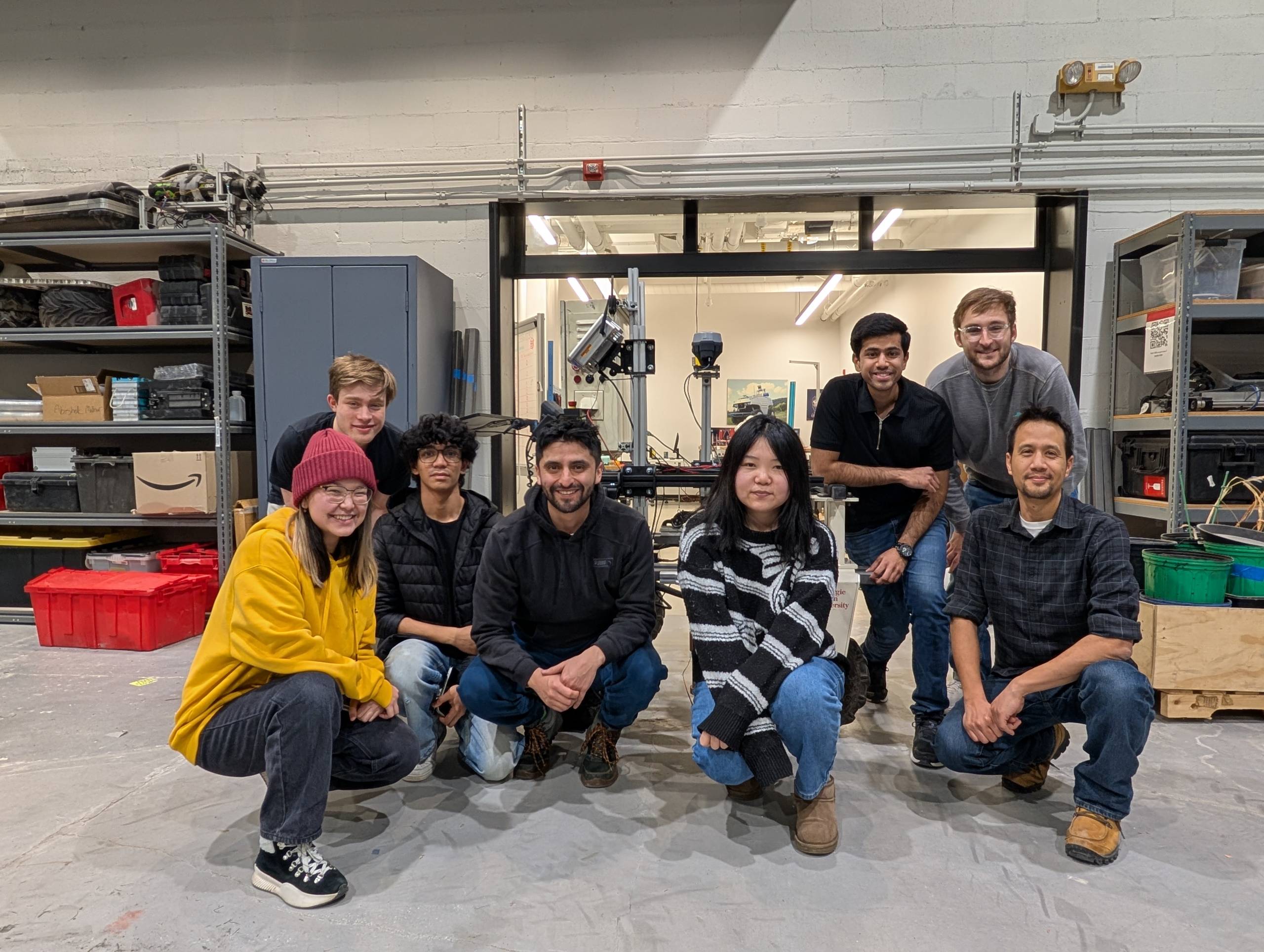
Carnegie Mellon Team Helps Farmers Fight Crop Disease With Robots
A team of students from Carnegie Mellon University's Robotics Institute has developed an innovative robotic solution to combat fire blight, a destructive disease that threatens orchards by killing branches and entire trees, leading to significant economic losses for farmers. This project, known as the Fire Blighters, aims to assist growers in detecting the disease earlier and minimizing its spread. The team's efforts have recently garnered national recognition, highlighting the potential of robotics in agricultural disease management.
Announcements Awards
Blackstone-Backed AirTrunk Pledges $30B for Indian AI Data Center Expansion
AirTrunk, an Australian data center operator supported by Blackstone, has unveiled a significant $30 billion investment plan aimed at developing 5 gigawatts of data center capacity in India by 2030. This initiative marks one of the largest infrastructure commitments in the country’s burgeoning artificial intelligence sector. The announcement followed a meeting between AirTrunk's Chief Executive Robin Khuda and Indian Prime Minister Narendra Modi, underscoring the strategic importance of this investment in bolstering India's technological infrastructure and supporting its growing demand for data processing capabilities.
Uncategorized
Boeing’s bigger Ghost Bat can carry missiles internally, carry more combat load
Boeing has introduced an upgraded version of its MQ-28 Ghost Bat drone, enhancing its capabilities with extended range and improved technology. The announcement was made during a recent defense expo in Australia, where the company showcased its commitment to advancing unmanned aerial systems. This new iteration aims to meet the growing demands for advanced surveillance and combat support in modern warfare. Boeing's development of the MQ-28 is driven by the need for more versatile and efficient military drones that can operate in complex environments. The enhancements include advanced sensors and artificial intelligence features, which allow for better decision-making and operational efficiency. This latest model is expected to play a crucial role in future defense strategies, particularly in the Indo-Pacific region, where military presence and technological superiority are increasingly prioritized.
Military
LIO‐RRTNav for Cattle Yard Inspection Robots: Prior Map Aided Relocalization and Goal‐Oriented, Smooth RRT Path Planning
A recent study published in the Journal of Field Robotics highlights advancements in autonomous robotic systems designed for agricultural applications. Researchers from a leading university conducted the study to address the growing need for efficient farming solutions amid increasing global food demands. The research, which took place over the past year, focused on developing robots capable of performing tasks such as planting, weeding, and harvesting with minimal human intervention. The team utilized cutting-edge technologies, including machine learning and computer vision, to enhance the robots' ability to navigate complex agricultural environments. By integrating these technologies, the robots can adapt to varying crop conditions and optimize their performance. The findings indicate that these autonomous systems could significantly reduce labor costs and improve productivity in the agricultural sector. The study's implications are particularly relevant as farmers face challenges related to labor shortages and the need for sustainable practices. By demonstrating the effectiveness of robotic solutions, the researchers aim to encourage wider adoption of automation in farming, ultimately contributing to food security and sustainability efforts worldwide. The research underscores the potential for robotics to transform traditional agricultural practices, paving the way for a more efficient and resilient food production system.
RESEARCH ARTICLE
Cross‐Modal Synergistic Optimization Multi‐Task Segmentation Network for Autonomous Ground Intelligent Agents in Field Environments
A recent study published in the Journal of Field Robotics highlights the advancements in autonomous robotic systems designed for agricultural applications. Researchers from various institutions collaborated to explore innovative technologies that enhance efficiency and sustainability in farming practices. The findings, released in early October 2023, emphasize the growing importance of robotics in addressing labor shortages and increasing productivity in the agricultural sector. The study showcases several case studies where autonomous robots successfully performed tasks such as planting, harvesting, and monitoring crops, demonstrating their potential to revolutionize traditional farming methods. By integrating artificial intelligence and machine learning, these robots can adapt to varying environmental conditions and optimize resource use, ultimately contributing to more sustainable agricultural practices. The motivation behind this research stems from the pressing challenges faced by the agricultural industry, including the need for increased food production to meet global demand and the impact of climate change on farming. The researchers advocate for the adoption of robotic technologies as a viable solution to enhance food security and reduce the environmental footprint of agriculture. Through rigorous testing and evaluation, the study provides insights into the operational capabilities of these autonomous systems, paving the way for further innovations in the field. As the agricultural sector continues to evolve, the integration of robotics is expected to play a crucial role in shaping the future of food production.
RESEARCH ARTICLE
Two Fossa Flat Minima Optimization Algorithm‐Based Enhancement of Ecological Balance Using Carbon‐Neutral Eco‐Robots With Situational Intelligence for Air Quality Monitoring
A recent study published in the Journal of Field Robotics explores advancements in autonomous robotic systems designed for agricultural applications. Conducted by a team of researchers from various universities, the study highlights the growing importance of robotics in enhancing efficiency and sustainability in farming practices. The research, which was completed in October 2023, focuses on the development of robots capable of performing tasks such as planting, weeding, and harvesting crops with minimal human intervention. The motivation behind this research stems from the increasing demand for food production amid a global population surge and the need for sustainable farming methods that reduce environmental impact. By integrating advanced sensors and artificial intelligence, the robots are designed to optimize resource use, reduce labor costs, and improve crop yields. Field tests conducted in various agricultural settings demonstrated the robots' effectiveness in performing tasks traditionally done by human laborers. The study's findings suggest that these autonomous systems could significantly transform the agricultural landscape, making it more efficient and less reliant on chemical inputs. As the agricultural sector faces challenges related to labor shortages and climate change, the research underscores the potential of robotics to address these issues and pave the way for a more sustainable future in food production. The study calls for further investment and development in this technology to fully realize its benefits for farmers and the environment.
RESEARCH ARTICLE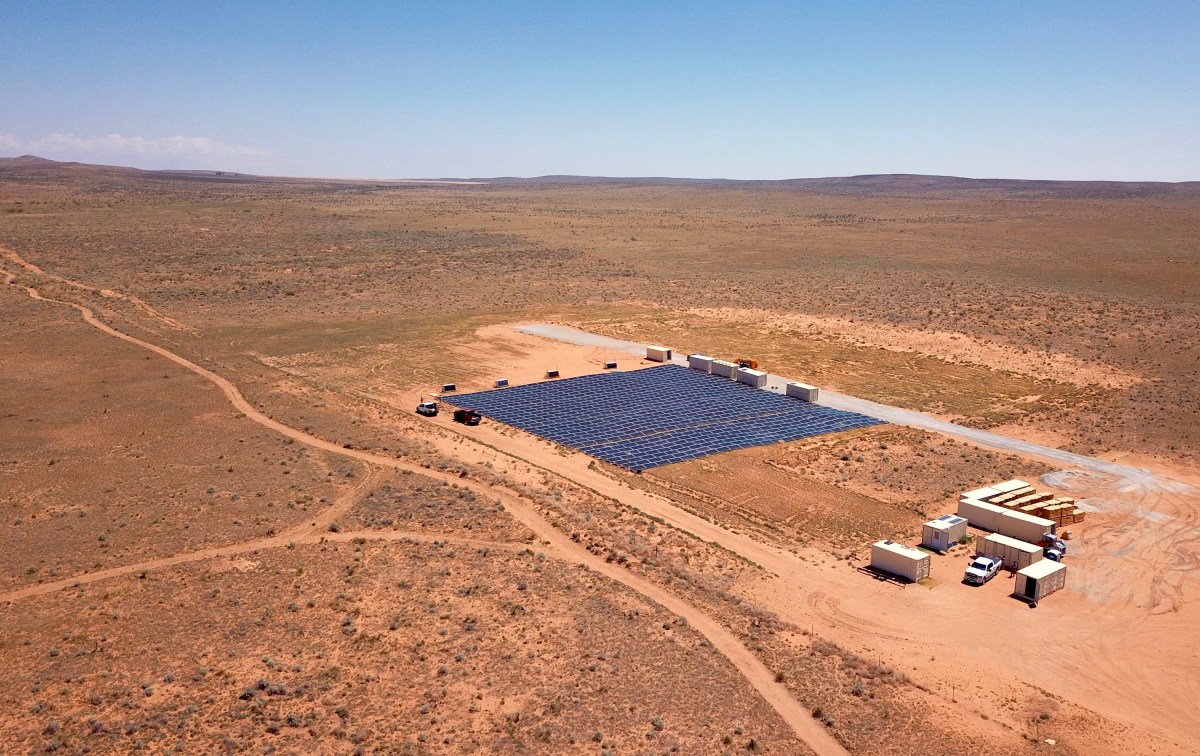
Why two SpaceX alumni are betting on solar and batteries to power the AI craze
Ambrosia Energy is planning to construct power plants within the next year, aiming to provide energy at a lower cost than natural gas. The company has set an ambitious goal to develop gigawatts of energy capacity by 2030. This initiative reflects a growing trend towards renewable energy solutions as the demand for sustainable power sources increases. By leveraging innovative technologies and efficient construction methods, Ambrosia Energy seeks to position itself as a competitive player in the energy market, responding to both economic and environmental pressures.
Climate Fundraising Ambrosia Energy energy storage Exclusive Solar Power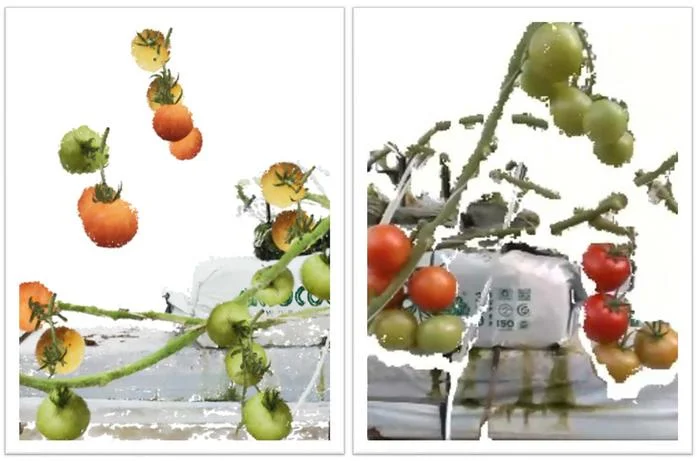
Researchers Develop Method To Train Ag AI Robots with Virtual Tomatos
Researchers at Osaka Metropolitan University have introduced a groundbreaking method for creating synthetic training data aimed at enhancing agricultural AI systems. This innovative approach utilizes realistic virtual tomato farms, addressing a significant challenge in the development of autonomous harvesting robots. The findings of this study, published in the journal Smart Agricultural Technology, highlight the potential of virtual environments to effectively train AI models. By simulating diverse farming scenarios, the researchers aim to improve the efficiency and accuracy of AI systems in agricultural applications, ultimately paving the way for more advanced robotic solutions in the field.
AI AI Research & Advances Robotics agriculture AI autonomous harvesting robots Osaka Metropolitan University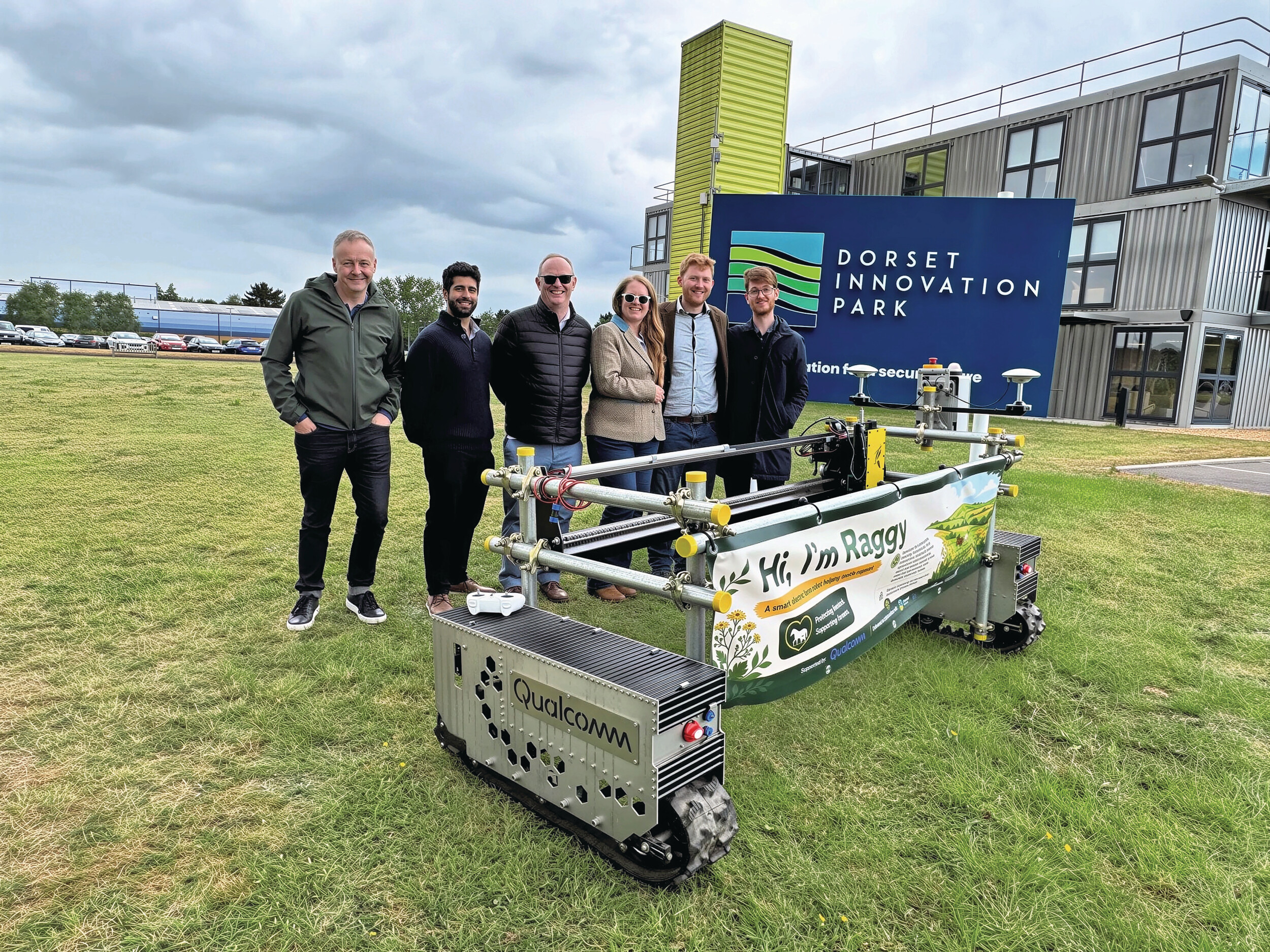
Robot Raggy taking on one of farming’s most persistent weed problems
This summer, farmers in Dorset are closely monitoring the progress of Raggy, a small autonomous robot designed to combat ragwort infestations. Developed by the UK robotics firm Robotriks, Raggy has arrived at Dorset Innovation Park near Wareham for its final testing phase before launching field trials across various farms and land in the region. The introduction of this electrically powered robot is highly anticipated by local farmers and landowners, who are eager for an effective solution to manage the invasive weed that poses a threat to livestock and crops. The ongoing trials aim to demonstrate Raggy's capabilities in tackling this persistent agricultural challenge.
Field robots autonomous farm equipment electric tractors Machine vision robotics weed control systems
Automated Lawn Maintenance: An Agronomic and Operational Review of Turf Health, Biodiversity, and Field Performance
A recent study published in the Journal of Field Robotics highlights advancements in autonomous robotic systems designed for agricultural applications. Researchers from a leading university conducted the study to explore how these robots can enhance efficiency in farming practices. The research was carried out over the summer of 2023 at various agricultural sites across the Midwest. The motivation behind this initiative stems from the increasing demand for sustainable farming solutions that can address labor shortages and improve crop yields. By integrating advanced sensors and machine learning algorithms, the robots are capable of performing tasks such as planting, monitoring crop health, and harvesting with minimal human intervention. The study involved extensive field tests, where the robots demonstrated their ability to navigate complex terrains and adapt to changing environmental conditions. Results showed a significant increase in productivity compared to traditional farming methods, suggesting that the implementation of these technologies could revolutionize the agricultural sector. As the agricultural industry faces challenges related to climate change and population growth, this research underscores the potential of robotics to provide innovative solutions that promote sustainability and efficiency in food production. The findings are expected to pave the way for further developments in agricultural robotics, ultimately benefiting farmers and consumers alike.
SURVEY ARTICLE
RGPB‐Planner: A Real‐Time Gaussian Potential B‐Spline Trajectory Planner for Unmanned Aerial Vehicles in Complex Environments
A recent study published in the Journal of Field Robotics explores advancements in autonomous robotic systems designed for agricultural applications. Researchers from various institutions conducted the study to address the growing need for efficient farming solutions amid increasing global food demands. The findings, released in early October 2023, highlight innovative technologies that enhance the capabilities of robots in tasks such as planting, harvesting, and monitoring crops. The research was conducted in diverse agricultural settings, showcasing how these robotic systems can adapt to different environments and crop types. By integrating artificial intelligence and machine learning, the robots are able to optimize their performance, reducing labor costs and increasing productivity for farmers. This initiative stems from the urgent necessity to improve agricultural efficiency and sustainability in response to climate change and population growth. The study emphasizes that the implementation of these robotic systems could significantly transform traditional farming practices, making them more resilient and resource-efficient. The research team utilized a combination of field tests and simulations to demonstrate the effectiveness of the robotic technologies, providing a comprehensive analysis of their potential impact on the agricultural sector. As the industry continues to evolve, the insights from this study may pave the way for broader adoption of robotics in farming, ultimately contributing to food security and environmental sustainability.
RESEARCH ARTICLE
The art(s) of laser weeding demystified: laser expert Matthias Lautenschläger explains
Farmers, growers, and contractors worldwide are increasingly turning their attention to laser weeding, a cutting-edge agricultural technique gaining traction in the industry. This innovative method utilizes high-intensity lasers to target and eliminate weeds without harming crops, offering a sustainable alternative to traditional herbicides. As the agricultural sector grapples with rising temperatures and the challenges posed by climate change, the urgency for effective and environmentally friendly solutions has never been greater. Laser weeding not only reduces the reliance on chemical treatments but also minimizes soil disturbance, promoting healthier ecosystems. The growing interest in this technology is evident as more agricultural professionals seek training and information on its implementation. Demonstrations and workshops are being organized globally, showcasing the efficiency and precision of laser weeding systems. As farmers look for ways to enhance productivity while adhering to sustainable practices, laser weeding stands out as a promising solution that addresses both economic and environmental concerns. With the agricultural landscape evolving rapidly, this method could redefine weed management strategies in the years to come.
Smart farming laser weeding machinery precision agriculture weed control
Mobile Manipulator Robot for Autonomous In‐Situ Soil Measurements in Chile Pepper Cultivation
A recent study published in the Journal of Field Robotics highlights the advancements in autonomous robotic systems designed for agricultural applications. Researchers from various institutions conducted the study to explore how these technologies can enhance efficiency and productivity in farming practices. The findings, released in early October 2023, indicate that the integration of robotics in agriculture can significantly reduce labor costs and improve crop yields. The research was conducted in multiple agricultural settings, demonstrating the versatility of robotic systems in different environments. By employing advanced sensors and machine learning algorithms, these robots can perform tasks such as planting, harvesting, and monitoring crop health with minimal human intervention. The motivation behind this innovation stems from the growing need for sustainable farming solutions amid increasing global food demand and labor shortages in the agricultural sector. Through extensive field trials, the researchers documented the robots' performance, revealing their ability to operate efficiently under various weather conditions and terrains. This study not only underscores the potential of robotics to transform agriculture but also emphasizes the importance of continued investment in technology to address future challenges in food production.
RESEARCH ARTICLE
A Design Specifications Template for Wearable Haptic Interfaces: A Case Study for Robotic Gripper Applications
A recent study published in the Journal of Field Robotics highlights advancements in autonomous robotic systems designed for agricultural applications. Researchers from various institutions collaborated to explore the integration of artificial intelligence and machine learning in enhancing the efficiency of farming practices. The study, released in early October 2023, emphasizes the growing need for innovative solutions in agriculture due to increasing global food demands and labor shortages. The research team conducted extensive field tests in multiple agricultural settings to evaluate the performance of these autonomous systems. By employing advanced algorithms, the robots demonstrated improved capabilities in tasks such as planting, harvesting, and monitoring crop health. The findings suggest that these technologies could significantly reduce labor costs and increase productivity, addressing critical challenges faced by the agricultural sector. This initiative aims to provide farmers with reliable tools that can adapt to various environmental conditions and crop types, ultimately contributing to sustainable farming practices. The study's outcomes are expected to influence future developments in agricultural robotics, paving the way for more efficient and environmentally friendly farming solutions.
RESEARCH ARTICLE
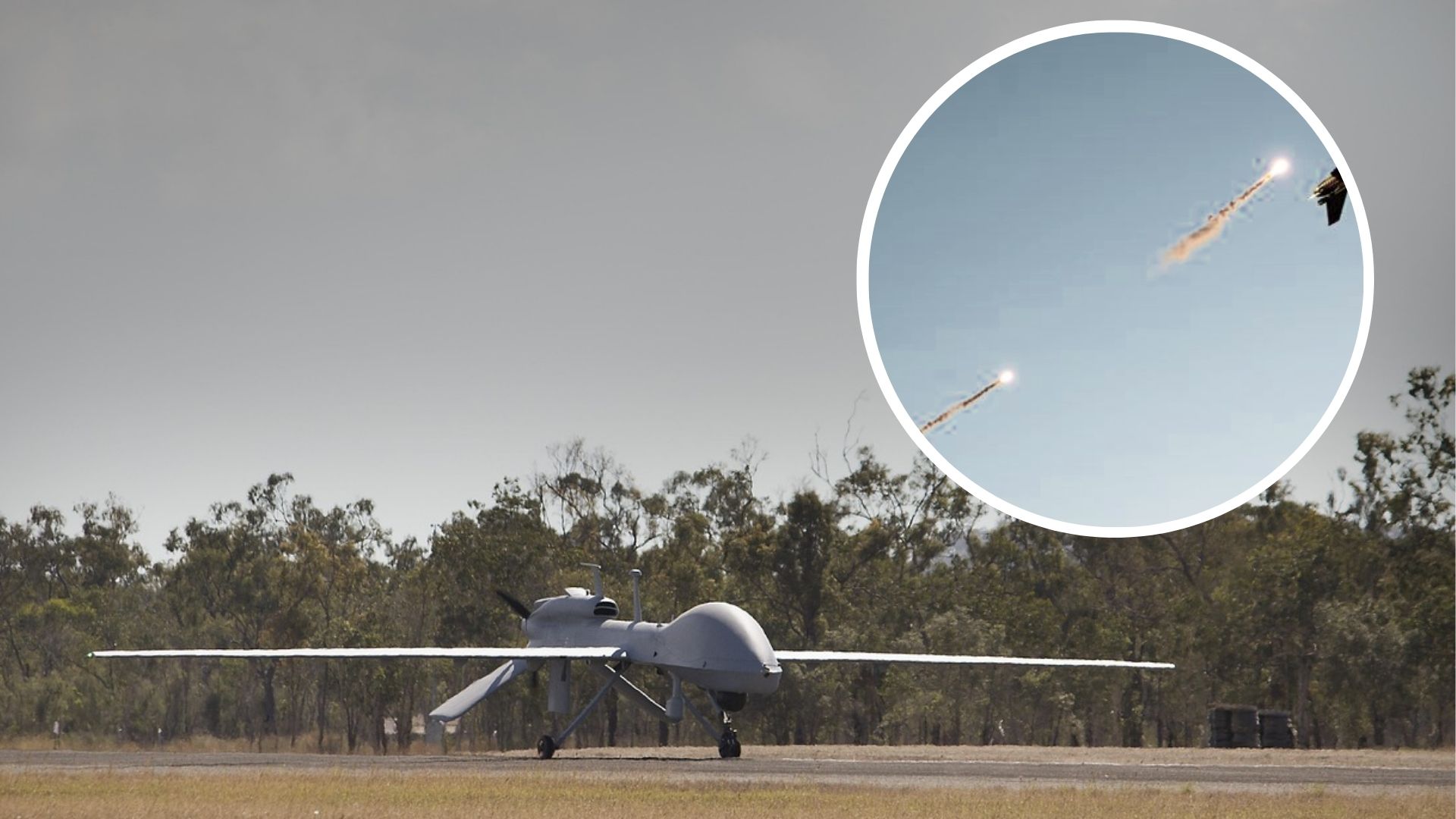
US’ drone-killing capability to get precision, accuracy with new combat-proven advanced fuzes
A Melbourne-based defense company has secured a contract to supply the U.S. Navy with advanced Mechanical Proximity Fuzes, which have been tested and proven in combat situations. This significant agreement, announced recently, aims to enhance the Navy's operational capabilities by integrating these precision fuzes into their munitions systems. The deal underscores the growing collaboration between Australian defense manufacturers and the U.S. military, driven by the need for reliable and effective weaponry in modern warfare. The fuzes are designed to improve the accuracy and effectiveness of naval operations, ensuring that the U.S. Navy maintains a technological edge. The delivery of these fuzes is expected to commence in the coming months, marking a crucial step in strengthening defense ties between the two nations.

Designed to Fly Like a Falcon, RoBird Takes Aim at Crop-Damaging Birds
A new application for the RoBird drone, designed to mimic the flight of a falcon, is emerging as a solution for agricultural crop protection in Queensland, Australia. Originally developed to prevent bird strikes at airports, this innovative flapping-wing technology is now being tested by local growers to safeguard their crops from damage caused by birds. The shift in usage highlights the versatility of the RoBird, as it adapts to address challenges in agriculture, demonstrating its potential to enhance farming practices while reducing reliance on traditional pest control methods.
Agriculture Applications Conservation Drone News Drone News Feeds Drones in the News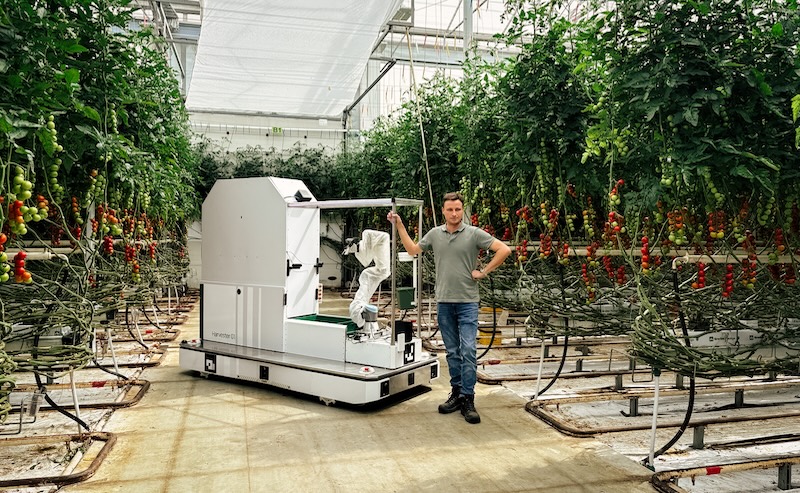
Eternal.ag scales fully-autonomous harvesting robots with first customer Van Noord Growers
Eternal.ag, a German agritech startup, has launched its fully-autonomous greenhouse harvesting robot, known as Harvester, at Van Noord Growers in Zeeland, Netherlands. This deployment is part of a long-term agreement aimed at enhancing the efficiency of Van Noord Growers, which cultivates tomatoes and cucumbers across an 8.5-hectare facility. The Harvester robot is specifically designed for truss harvesting, offering a solution to labor shortages and increasing productivity in greenhouse operations. The collaboration reflects a growing trend in the agricultural sector to integrate advanced technology to streamline processes and improve crop yields.
Agriculture News agribusiness technology agricultural AI agricultural automation agricultural innovation
A Low‐Drift Legged Robot State‐Estimation System Through Combined Physics‐Informed Contact Estimation Network and Full Joint State
A recent study published in the Journal of Field Robotics highlights advancements in autonomous robotic systems designed for agricultural applications. Researchers from various institutions collaborated to develop innovative algorithms that enhance the efficiency and precision of farming robots. The findings, released in early October 2023, demonstrate how these technologies can significantly improve crop monitoring and management. The study was conducted across multiple farms in the Midwest, where the team tested the robots' capabilities in real-world conditions. By utilizing advanced sensors and machine learning techniques, the robots were able to identify crop health issues and optimize resource usage, such as water and fertilizers. This approach not only aims to increase agricultural productivity but also addresses sustainability concerns in farming practices. The motivation behind this research stems from the growing need for efficient food production methods to meet the demands of a rising global population. As traditional farming faces challenges such as labor shortages and environmental impacts, the integration of autonomous systems presents a viable solution. The researchers emphasized that the successful implementation of these technologies could lead to a transformative shift in how agriculture is practiced, ultimately benefiting both farmers and consumers alike.
RESEARCH ARTICLE
Multi‐Robot Collaborative Navigation Framework Based on 3D Voronoi Partitioning in Uneven and Unstructured Environments
A recent study published in the Journal of Field Robotics highlights advancements in autonomous robotic systems designed for agricultural applications. Researchers from various institutions collaborated to develop innovative algorithms that enhance the efficiency and accuracy of these robots in crop monitoring and management. The study, released in early October 2023, emphasizes the growing need for automation in agriculture due to labor shortages and the increasing demand for food production. The research was conducted across multiple farms in the Midwest, where the team tested the robots' capabilities in real-world conditions. By integrating machine learning techniques, the robots can now analyze crop health, detect pests, and optimize resource usage, significantly reducing the environmental impact of farming practices. This initiative aims to address the challenges faced by farmers, particularly in light of climate change and the need for sustainable agriculture. The findings suggest that implementing these robotic systems can lead to improved yields and reduced operational costs, ultimately benefiting both farmers and consumers. As the agricultural sector continues to evolve, the integration of such technologies is seen as a crucial step toward a more sustainable future.
RESEARCH ARTICLE
From Flybys to Sample Return: A Review of Space Probes and Robotic Sampling Technologies for Small Bodies
A recent study published in the Journal of Field Robotics highlights advancements in robotic technology aimed at enhancing agricultural efficiency. Researchers from various institutions conducted experiments to assess the effectiveness of autonomous robots in crop monitoring and management. The study, released in early October 2023, took place in diverse agricultural settings across the United States. The motivation behind this research stems from the increasing demand for sustainable farming practices and the need to address labor shortages in the agricultural sector. By integrating advanced robotics, the team aims to provide farmers with innovative tools that can optimize crop yields while minimizing environmental impact. The researchers implemented a series of field tests to evaluate the robots' capabilities in tasks such as soil analysis, pest detection, and irrigation management. The findings indicate that these autonomous systems can significantly reduce the time and labor required for traditional farming methods, ultimately leading to more efficient agricultural practices. This groundbreaking work not only showcases the potential of robotics in transforming agriculture but also emphasizes the importance of technological solutions in meeting the challenges posed by a growing global population and climate change. As the agricultural industry continues to evolve, the integration of robotic technology may play a crucial role in shaping the future of food production.
SURVEY ARTICLE
Iovance Biotherapeutics (IOVA) Gets Australia Nod for Amtagvi, Climbs 15%
Iovance Biotherapeutics Inc. experienced a significant surge in its stock price, rising by 15.57% to close at $4.38 on Thursday, June 4, 2026, following the conditional approval of its melanoma treatment, Amtagvi, by Australia’s Therapeutic Goods Administration (TGA). This marks the third marketing authorization for Amtagvi, which has already received approvals in the United States and Canada. The approval is particularly noteworthy as Australia has the highest melanoma incidence rate globally, with approximately 17,000 new cases and over 1,500 related deaths each year. Frederick Vogt, President and CEO of Iovance Biotherapeutics, emphasized the importance of this milestone, stating it represents a significant advancement for the company in a region heavily affected by melanoma. Iovance is currently in the process of establishing its first treatment center in Australia as part of its strategy to expand Amtagvi into additional markets with high rates of advanced melanoma. The TGA's approval was based on positive safety and efficacy results from the global, multicenter C-144-01 trial, which evaluated Amtagvi in patients with advanced melanoma who had previously undergone anti-PD-1 therapy and, where applicable, targeted therapy.
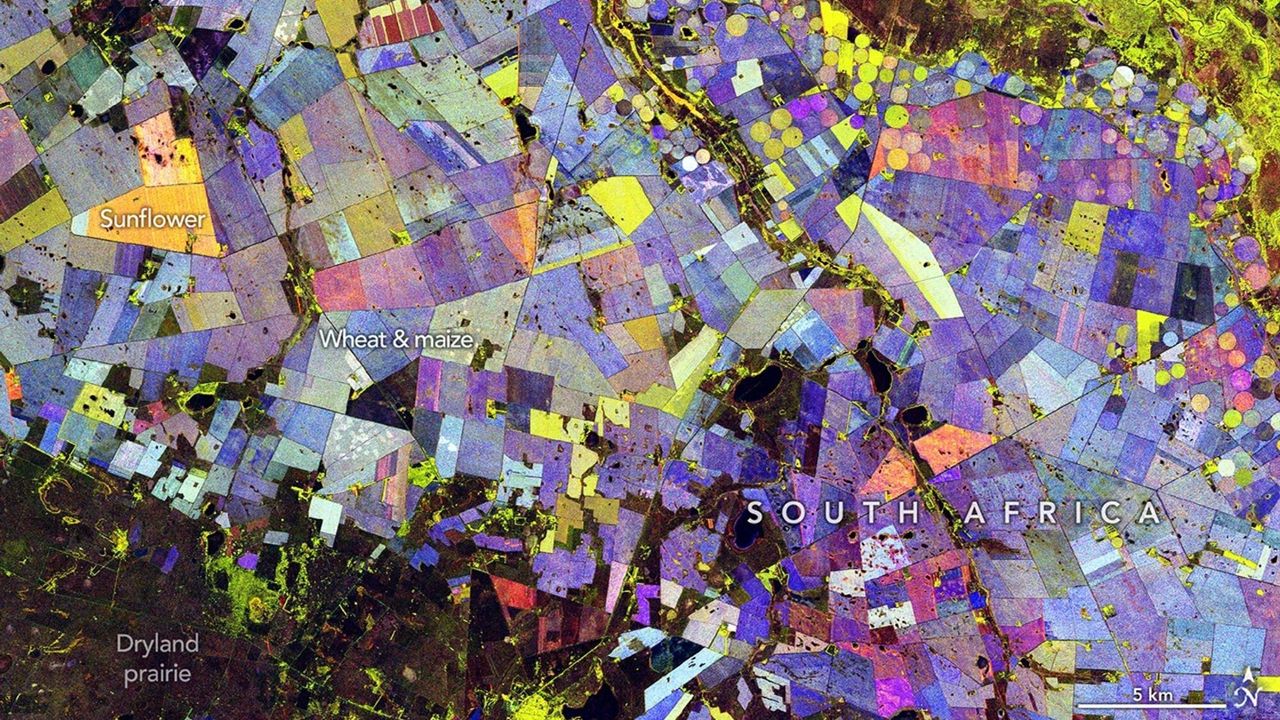
A rainbow patchwork quilt shows agriculture from space | Space photo of the day for June 4, 2026
A vibrant patchwork of colors now blankets South Africa, as revealed in a new composite image produced from data collected by NASA's latest Earth-observing mission. This innovative imagery showcases the diverse landscapes and ecosystems of the region, highlighting the advancements in satellite technology and Earth observation capabilities. The image serves not only as a stunning visual representation but also underscores the importance of monitoring environmental changes and natural resources. By utilizing cutting-edge technology, NASA aims to enhance our understanding of the Earth's systems and promote informed decision-making regarding environmental conservation and management.
Earth Astronomy Solar System
World’s first tower crane 3D printer can build concrete high-rise up to 328 feet tall
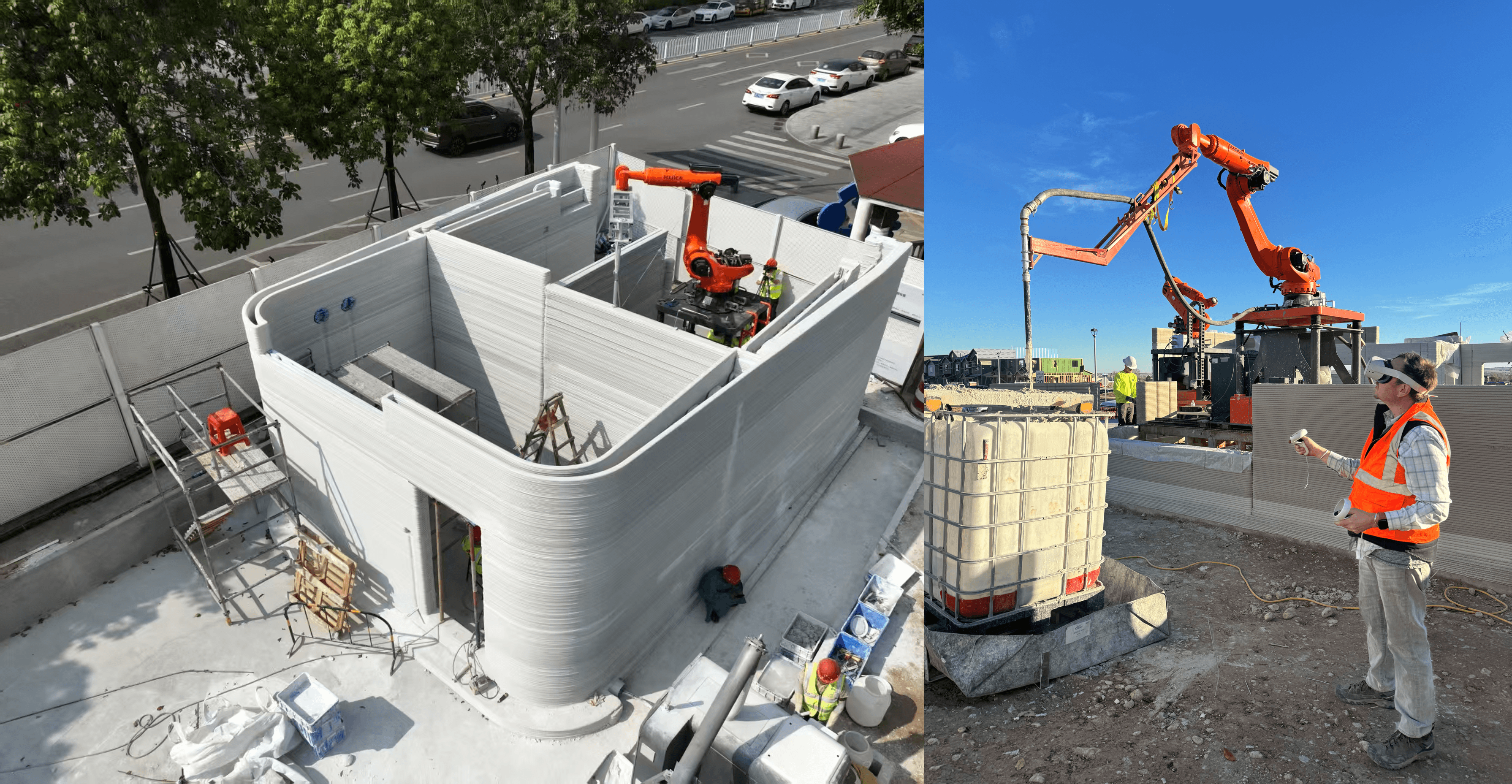
An Australian company specializing in robotics and 3D printing has made headlines by unveiling the world’s first fully automated tower crane. This groundbreaking innovation was presented at a technology expo held in Sydney on October 15, 2023. The crane aims to revolutionize the construction industry by enhancing efficiency and safety on job sites. Developed to address the growing demand for automation in construction, the crane operates independently, reducing the need for manual labor and minimizing human error. The technology behind the crane integrates advanced robotics with 3D printing capabilities, allowing for precise construction processes and the ability to adapt to various building designs. Industry experts believe this innovation could significantly lower construction costs and timelines while improving overall project outcomes. The company’s CEO emphasized that the automated tower crane represents a major step forward in modernizing construction practices, highlighting its potential to transform how structures are built in the future.

Watch: Blue Diamond Growers’ IBP Journey With SAP: A Case Study
Blue Diamond Growers has successfully consolidated and digitized its demand planning processes across two distinct business units to enhance alignment with its SAP ERP suite. This initiative, aimed at improving operational efficiency, was undertaken to streamline workflows and ensure better data integration. The project reflects the company's commitment to leveraging technology for improved decision-making and resource management. By implementing this system, Blue Diamond Growers seeks to optimize its supply chain and respond more effectively to market demands, ultimately driving growth and competitiveness in the industry.

Robotics firm Eternal and seed breeder Rijk Zwaan partner to optimize tomato varieties for greenhouse automation
Eternal.ag and Rijk Zwaan have announced a collaboration focused on identifying tomato varieties that can enhance robotic crop work in greenhouses. This initiative seeks to leverage the expertise of both companies to gain insights into plant characteristics that would facilitate the automation of greenhouse operations. The partnership aims to pave the way for a future where crop management is fully automated, thereby improving efficiency and productivity in agricultural practices. By combining Rijk Zwaan's extensive global experience in fruit cultivation with eternal.ag's innovative technologies, the two organizations are working together to explore the potential of various tomato strains in supporting advanced robotic systems.
Agriculture News agri robotics agricultural automation agricultural innovation agricultural robotics
Yamaha expands autonomous farming platform with new weed-control system for orchards and vineyards
Yamaha Agriculture is enhancing its Prospr autonomous farming platform by introducing a new herbicide attachment aimed at automating weed control in orchards and vineyards. This innovative system, developed in collaboration with Croplands Equipment, expands the platform's capabilities to include precision herbicide application. The addition is designed to assist specialty crop growers in minimizing labor demands while improving the consistency of spraying operations. This advancement reflects a growing trend in agricultural technology, focusing on efficiency and sustainability in crop management.
Agriculture News agricultural automation agricultural robots agricultural technology ai agriculture
From overlap to precision: How a retrofit autosteer system changed life on the farm
Frans van den Borne, an operator at the Dutch agricultural company Van den Borne Voerman based in Hooge Mierde, made a significant investment in agricultural technology three years ago by purchasing a CHCNAV NX510 retrofit autosteer system. Van den Borne had been considering the adoption of such technology for some time but was deterred by the high costs associated with other brands, specifically Trimble. The discovery of the more affordable CHCNAV system ultimately led to his decision to enhance the efficiency of his farming operations.
Autonomous/semi-autosteering systems automated steering systems autosteer farm management fuel retrofit kits
ePropelled launches new integrated propulsion unit for agricultural drones
The agricultural drone market is experiencing rapid growth, prompting manufacturers to enhance their technology to secure a larger share of this expanding sector. Recently, a new drone unit featuring advanced propulsion and power technology has been introduced, aimed at significantly improving performance in agricultural applications. This innovation is expected to meet the increasing demand for efficient and effective farming solutions, as farmers seek to leverage UAVs for precision agriculture and crop management. The launch of this cutting-edge technology underscores the industry's commitment to advancing aerial capabilities in agriculture, ultimately enhancing productivity and sustainability in farming practices.
Drones autonomous technology drone technology precision agriculture
Yamaha Agriculture adds herbicide spraying to Prospr robot
Yamaha Agriculture has unveiled a new herbicide spraying attachment designed for its Prospr autonomous hybrid vehicle platform, enhancing the machine's functionality to facilitate automated weed control in orchards and vineyards. This innovation aims to improve agricultural efficiency and reduce labor costs, addressing the growing need for effective weed management in the farming sector. By integrating this attachment, farmers can leverage advanced technology to streamline their operations and promote sustainable practices in crop production. The introduction of this feature marks a significant step forward in the application of automation within agriculture, reflecting Yamaha's commitment to supporting modern farming techniques.
Autonomous/semi-autosteering systems autonomous technology herbicides hybrid drivetrains robotic harvesting weed control
Ardian to invest €5 billion in digital infrastructure in France; Kuaishou creates 189 new jobs, 15 from AI; China allocates
On June 2, 2023, in Beijing, Gaode Map and the Singapore Tourism Board signed a strategic cooperation memorandum, marking the launch of the first collaborative tourism ranking list between a Chinese company and an overseas national tourism board. This initiative will feature the Singapore Street Ranking, utilizing Gaode's advanced aerial street view technology to provide a 360-degree perspective of local attractions, hotels, neighborhoods, and restaurants. The goal is to enhance the travel experience by allowing visitors to assess their destinations before arrival. In a separate development, the Jiangxi National Rare Earth Technology Innovation Center was established with a registered capital of 1.25 billion yuan, focusing on mineral resource exploration and scientific research. Additionally, WeRide and Uber announced plans to introduce Spain's first commercial Robotaxi service in Madrid, expanding WeRide's presence to its twelfth global city. The initiative aims to deploy hundreds of Robotaxis in the city center as operational benchmarks are met. In France, Ardian, a private equity firm, revealed a partnership with Verne to invest up to 5 billion euros in developing a next-generation digital infrastructure park in the Île-de-France region, with a target capacity of 500 megawatts by 2030. Other notable news includes a collaboration between Google and Telstra to build a fiber and submarine cable network in Australia, updates on the recovery timeline for Blue Origin's launch facilities following a recent rocket explosion, and a reduction in fuel surcharges for domestic flights in China starting June 5.

Elbit Systems acquires Bluewhite: a new chapter for autonomous farming
Israeli defense and technology firm Elbit Systems has finalized its acquisition of Blue White Robotics, commonly referred to as Bluewhite, through its subsidiary FUSE. This strategic move, completed recently, positions Elbit to enhance its capabilities in the rapidly growing field of autonomous vehicle technology, particularly for agricultural applications. Founded in 2017 and based in Tel Aviv, Bluewhite has garnered recognition as a leading innovator in this sector, making the acquisition a significant step for Elbit in expanding its technological portfolio and market reach.
Autonomous/semi-autosteering systems autonomous technology autonomous tractors digitalization iot precision agriculture
Design, Development, and Field Testing of a Tomato Bunch Harvesting Robot
The Journal of Field Robotics has recently published an early view article highlighting advancements in robotic technology. This publication, which emerged in October 2023, focuses on the innovative applications of robotics in various fields, including agriculture, search and rescue, and environmental monitoring. Researchers and engineers from leading institutions contributed to the study, aiming to address pressing challenges faced in these sectors. The article emphasizes the importance of integrating advanced algorithms and machine learning techniques to enhance the efficiency and effectiveness of robotic systems. By showcasing real-world applications, the authors illustrate how these technologies can improve productivity and safety, particularly in hazardous environments. The motivation behind this research stems from the increasing demand for automation and precision in industries that require high levels of accuracy and reliability. As global challenges such as climate change and food security become more pronounced, the role of robotics is becoming increasingly vital. Through a combination of theoretical analysis and practical experimentation, the study presents a comprehensive overview of the current state of robotic technology and its potential future developments. This early view article serves as a significant contribution to the ongoing discourse in the field of robotics, paving the way for further innovations that could transform multiple industries.
RESEARCH ARTICLE
China establishes a venture capital fund in Hangzhou with 1 billion yuan; Tianjin opens AI sensor industrial park; Zhejiang plans
ZTO Express has established a new logistics company, Guangzhou Zhongjing Logistics Co., Ltd., in Guangzhou with a registered capital of 500 million RMB. The company, wholly owned by ZTO Express, will engage in domestic freight transportation, equipment leasing, and computer system services. OpenAI has announced its entry into the robotics sector, focusing on developing assistive robots. CEO Sam Altman stated the company is looking for engineers to create robots that can aid in building future infrastructure. The initiative, which has evolved from a world simulation research project, aims to integrate hardware and machine learning for practical applications. Nan Er, Vice President of Zhejiang Chint Electric, has been recognized as a "2026 Zhejiang Youth Technology Entrepreneur" as part of a program to support technology entrepreneurs in the region. Foxconn and French company Bull will collaborate to manufacture AI and cloud infrastructure, with an initial investment of over 120 million euros. The project will utilize facilities in both France and the Czech Republic. On June 1, new regulations for online food delivery were implemented, with Taobao Flash collaborating with various local regulatory bodies to label the first batch of "no dine-in" merchants, enhancing compliance among 60,000 restaurants this year. Muyu Group has partnered with Alibaba Cloud to develop an AI model for the livestock industry, significantly improving the efficiency of health checks for pigs. In investment news, a new venture capital fund, Guoxin Qianjiang, has been established in Hangzhou with a capital of 1 billion RMB, while Zhi Mi has opened a financing window with a pre-IPO valuation of approximately 70 billion RMB. In product developments, a new automotive brand resulting from a collaboration between Sairus and ByteDance is set to launch a hybrid vehicle this year, while Sharpa has introduced a humanoid robot equipped with advanced tactile capabilities in partnership with NVIDIA. Lastly, the Tianjin AI Sensor Industrial Park has officially opened, with ten companies signing contracts, and Shanghai is focusing on advancing core software technologies as part of its development plan. Zhejiang Province is also seeking to implement the "Spark Plan" to accelerate the application of quantum technology products.

How HGHY Pulp Molding Production Lines Are Reshaping Sustainable Manufacturing
As global manufacturers increasingly prioritize sustainable production, HGHY's pulp molding equipment and automation systems are emerging as essential elements in eco-friendly manufacturing. This shift is driven by stricter environmental regulations, escalating labor costs, and a growing demand for recyclable products. In response, more manufacturers are adopting fully automated molded fiber production lines, positioning HGHY at the forefront of this transformation. The company's innovative solutions are helping businesses meet both regulatory requirements and consumer expectations for sustainability, thereby enhancing operational efficiency and reducing environmental impact.
Environment Manufacturing Technology automated production lines automation news circular economy
Performance Evaluation of Different Laser SLAM Algorithms for Unmanned Mining Vehicles
A recent study published in the Journal of Field Robotics highlights advancements in robotic technology aimed at improving agricultural efficiency. Researchers from a leading university conducted experiments to develop autonomous robots capable of performing tasks such as planting, weeding, and harvesting crops. The study, which took place over the summer of 2023, was conducted on various farms in California, showcasing the robots' adaptability to different agricultural environments. The motivation behind this research stems from the increasing demand for sustainable farming practices and the need to address labor shortages in the agricultural sector. By integrating advanced sensors and artificial intelligence, the robots are designed to optimize crop yields while minimizing resource use. The research team employed a series of field trials to test the robots' performance, collecting data on their effectiveness and efficiency compared to traditional farming methods. Preliminary results indicate that these autonomous systems can significantly reduce labor costs and increase productivity, offering a promising solution for modern agriculture. As the agricultural industry faces challenges such as climate change and population growth, this innovative approach could play a crucial role in ensuring food security and sustainability in the coming years. The findings from this study are expected to pave the way for further developments in agricultural robotics, potentially transforming the way food is produced globally.
SURVEY ARTICLE
Photos | Robots, drones and packed fields at Dutch Arable Farming Day
The Arable Farming Day, organized in Lelystad, Flevoland, on May 28, attracted over 1,000 attendees who engaged in various demonstrations, field tours, presentations, and exhibitor displays. The event, held under sunny skies, showcased a diverse array of agricultural practices, drawing significant interest from visitors. Organizers expressed satisfaction with the turnout and the positive feedback received, highlighting the importance of such events in promoting advancements in arable farming.
Uncategorized
AUKUS partners sign agreement on underwater drones, speed up sub plan
Australia has decided to abandon plans to purchase a new Virginia-class submarine, opting instead to acquire a decommissioned submarine from the United States Navy. This decision reflects a strategic shift in Australia’s defense procurement approach, aiming to enhance its naval capabilities while managing costs. The change comes amid ongoing discussions about regional security and military readiness, highlighting the importance of maintaining a robust defense posture in the Indo-Pacific region. The acquisition of the ex-US Navy submarine is expected to provide Australia with immediate operational capabilities, allowing for a quicker integration into its fleet compared to a new build, which would require more time and resources.
Global Naval Warfare Asia AUKUS Pillar 2 Drones Europe
TorqueAGI Announces Collaborations with NVIDIA, John Deere, and Dexterity to Advance Physical AI for Enterprise-Grade Robots
TorqueAGI has announced a strategic partnership with NVIDIA, John Deere, and Dexterity to enhance the deployment of Physical AI technologies in real-world applications. This collaboration aims to leverage the advanced computing capabilities of NVIDIA, the agricultural expertise of John Deere, and the automation solutions provided by Dexterity to create innovative AI-driven systems. The initiative, which was unveiled in October 2023, seeks to address the growing demand for intelligent automation across various industries, particularly in agriculture and manufacturing. By combining their strengths, the partners intend to accelerate the development and implementation of AI solutions that can improve efficiency, productivity, and decision-making processes in physical environments. This partnership marks a significant step forward in the integration of AI into everyday operations, paving the way for smarter, more responsive systems that can adapt to real-time challenges.
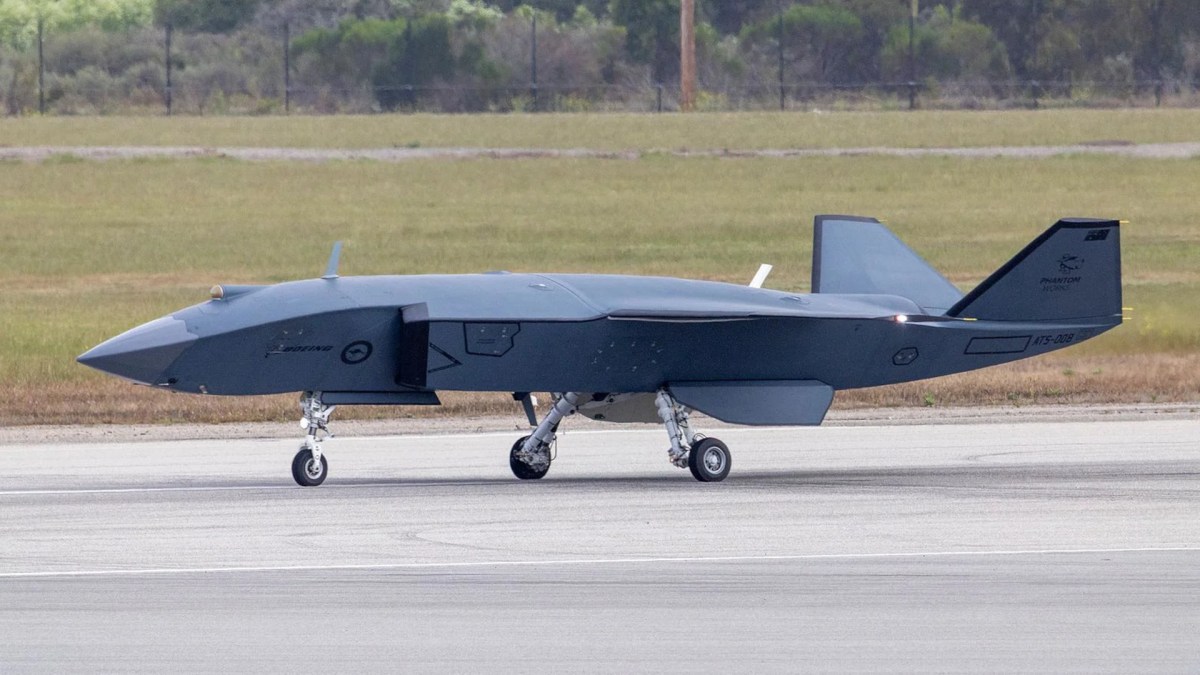
MQ-28 Ghost Bat Now Flying Over The Pacific From U.S. Navy Base
Boeing has announced that it is conducting tests of the Australian-developed MQ-28 Ghost Bat drone off the coast of California. These tests aim to demonstrate the drone's operational maturity and to bolster its sales potential, including possible contracts with the Pentagon. The MQ-28, which has been designed for advanced military applications, is currently being evaluated at a U.S. Navy base, highlighting its significance in the evolving landscape of defense technology. The initiative reflects Boeing's strategy to enhance the drone's market appeal and secure partnerships with key defense entities.
Air Drones Loyal Wingman MQ-28 Navies News & Features
FCC swamped with angry pleas over DJI, Autel drone ban
The ongoing debate in Washington regarding Chinese drones has evolved beyond a national security issue confined to congressional hearings, now affecting the lives of thousands of Americans. This controversy touches various sectors, including employment, emergency response, agricultural operations, photography, and search-and-rescue missions. As concerns about the implications of these drones grow, individuals and businesses are increasingly voicing their opinions, highlighting the personal stakes involved in the broader discussion. The intersection of national security and local livelihoods underscores the complexity of the situation, prompting a reevaluation of policies that could impact both safety and economic stability across the country.
News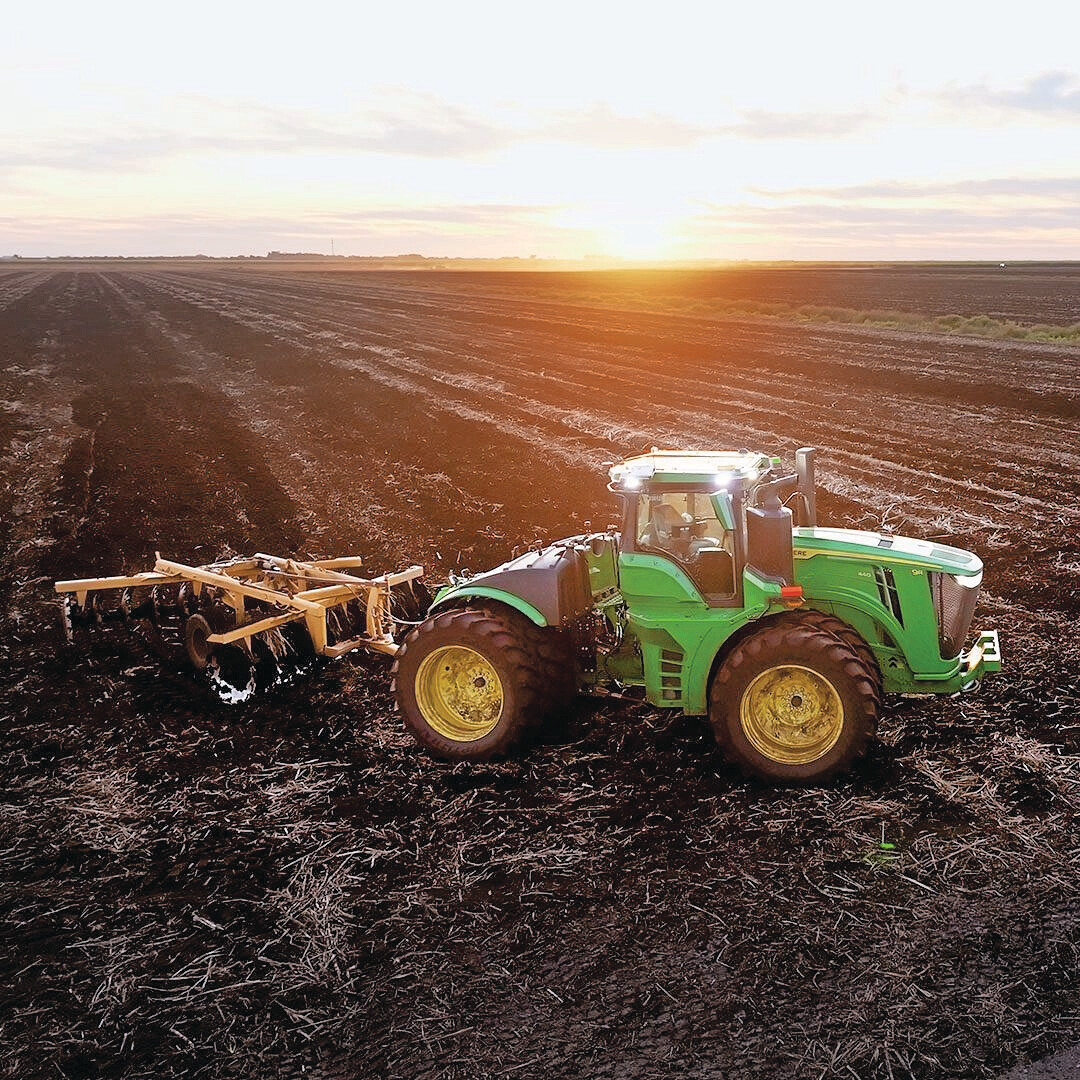
U.S. Sugar deploys autonomous John Deere tractor fleet across 255,000 acres
U.S. Sugar has initiated the largest commercial deployment of autonomous tractors in the American sugar industry, marking a significant advancement in agricultural technology. This initiative involves the use of unmanned John Deere tractors that operate continuously in the sugarcane fields of Florida. The deployment aims to enhance efficiency and productivity in sugarcane farming, reflecting the company's commitment to innovation in agriculture. By utilizing these autonomous machines, U.S. Sugar seeks to streamline operations and reduce labor costs, ultimately improving the overall sustainability of its farming practices. The move comes as the industry increasingly embraces automation to meet growing demands while addressing labor shortages.
Autonomous/semi-autosteering systems autonomous farm equipment autonomous tractors fleet management precision agriculture sugarcane
Australia launches first 3D-printed unmanned drone boat in Southern Hemisphere
Australia has introduced the southern hemisphere's first 3D-printed uncrewed surface vessel, marking a significant advancement in maritime technology. The vessel was unveiled recently as part of the country's efforts to enhance its naval capabilities and promote innovation in defense. This groundbreaking project took place at a facility in Australia, showcasing the nation's commitment to integrating modern technology into its maritime operations. The initiative aims to improve surveillance and reconnaissance missions while reducing costs associated with traditional shipbuilding methods. By leveraging 3D printing technology, Australia hopes to streamline the production process, allowing for quicker deployment of advanced vessels in response to emerging maritime challenges.
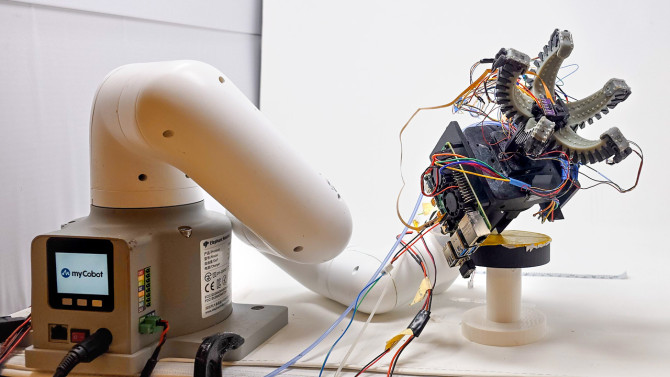
Handle with care: Soft robot gripper picks ripe fruit without bruising
Researchers at Cornell University have developed an innovative soft robot gripper equipped with stretchable fiber-optic sensors capable of determining the ripeness of strawberries through tactile feedback. This advancement, led by Anand Mishra and his team, highlights the importance of touch in assessing fruit ripeness, complementing traditional methods that rely on sight and smell. The project aims to enhance agricultural practices by providing a more reliable means of evaluating fruit quality, potentially benefiting farmers and consumers alike. By integrating advanced sensor technology into a flexible robotic design, the researchers have created a tool that could revolutionize the way fruits are harvested and assessed in the future.
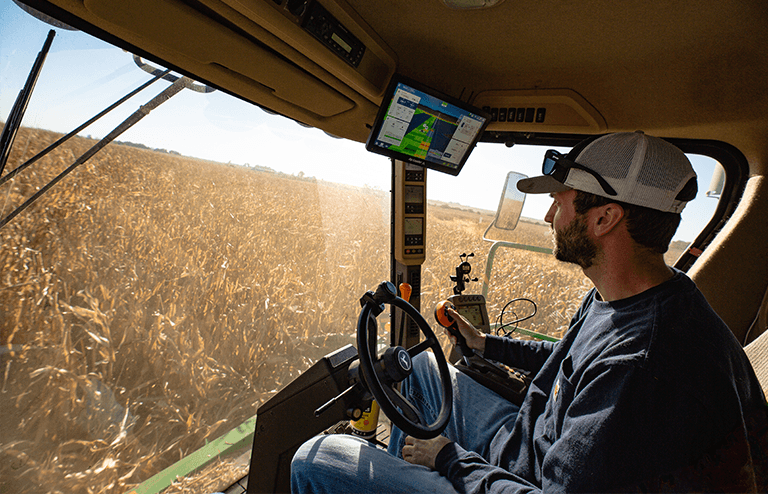
Ag Leader integrates corn row guidance into single harvest display
Ag Leader has launched Z-Row, an innovative row guidance system designed for combines that ensures precise alignment with corn rows. This new technology not only automates the steering of the combine but also consolidates steering and harvest data into a single, user-friendly display. The introduction of Z-Row aims to enhance efficiency and accuracy in corn harvesting, addressing the challenges faced by farmers in maintaining optimal row alignment. The system is expected to streamline operations and improve overall productivity in the field.
Field robots ag leader combines crop management systems Steering systems yield monitoring
Survey on AI‐Enabled Computer Vision Technologies and Applications for Space Robotic Missions
In June 2026, the Journal of Field Robotics published a comprehensive study exploring advancements in robotic technologies and their applications in various fields. The research, conducted by a team of experts in robotics and engineering, highlights innovative methodologies that enhance the efficiency and effectiveness of robotic systems. The study focuses on the integration of artificial intelligence and machine learning algorithms, which significantly improve the decision-making capabilities of robots in real-world environments. This advancement is particularly relevant in sectors such as agriculture, manufacturing, and disaster response, where precision and adaptability are crucial. The findings were presented during a conference held in a prominent robotics research hub, attracting attention from industry leaders and academic scholars alike. The motivation behind this research stems from the growing demand for automation and smart technologies in response to global challenges, including labor shortages and the need for increased productivity. By employing rigorous testing and validation processes, the researchers demonstrated the practical applications of their robotic systems, showcasing successful case studies that underline the potential for widespread adoption. The publication aims to inform and inspire further innovations in the field, ultimately contributing to the evolution of robotics as a transformative force in society.
SURVEY ARTICLE
Innovative Soft Material‐Assisted Robot Grasping Devices: From Design Concept to Fabrication and Application Scenarios
In June 2026, the Journal of Field Robotics published a comprehensive study examining the advancements in robotic technologies and their applications in various fields. The research highlights significant developments in autonomous navigation, sensor integration, and machine learning, showcasing how these innovations are transforming industries such as agriculture, healthcare, and logistics. The study, conducted by a team of leading researchers in robotics, aims to address the growing need for efficient and reliable robotic systems in response to increasing demands for automation and precision in operations. By analyzing recent case studies and experimental results, the authors provide insights into the effectiveness of these technologies in real-world scenarios. The findings suggest that as robotic systems become more sophisticated, they can enhance productivity and safety while reducing operational costs. The research emphasizes the importance of continued investment in robotics research and development to keep pace with technological advancements and meet future challenges. This publication serves as a critical resource for industry professionals, policymakers, and academics interested in the future of robotics and its potential to reshape various sectors.
SURVEY ARTICLE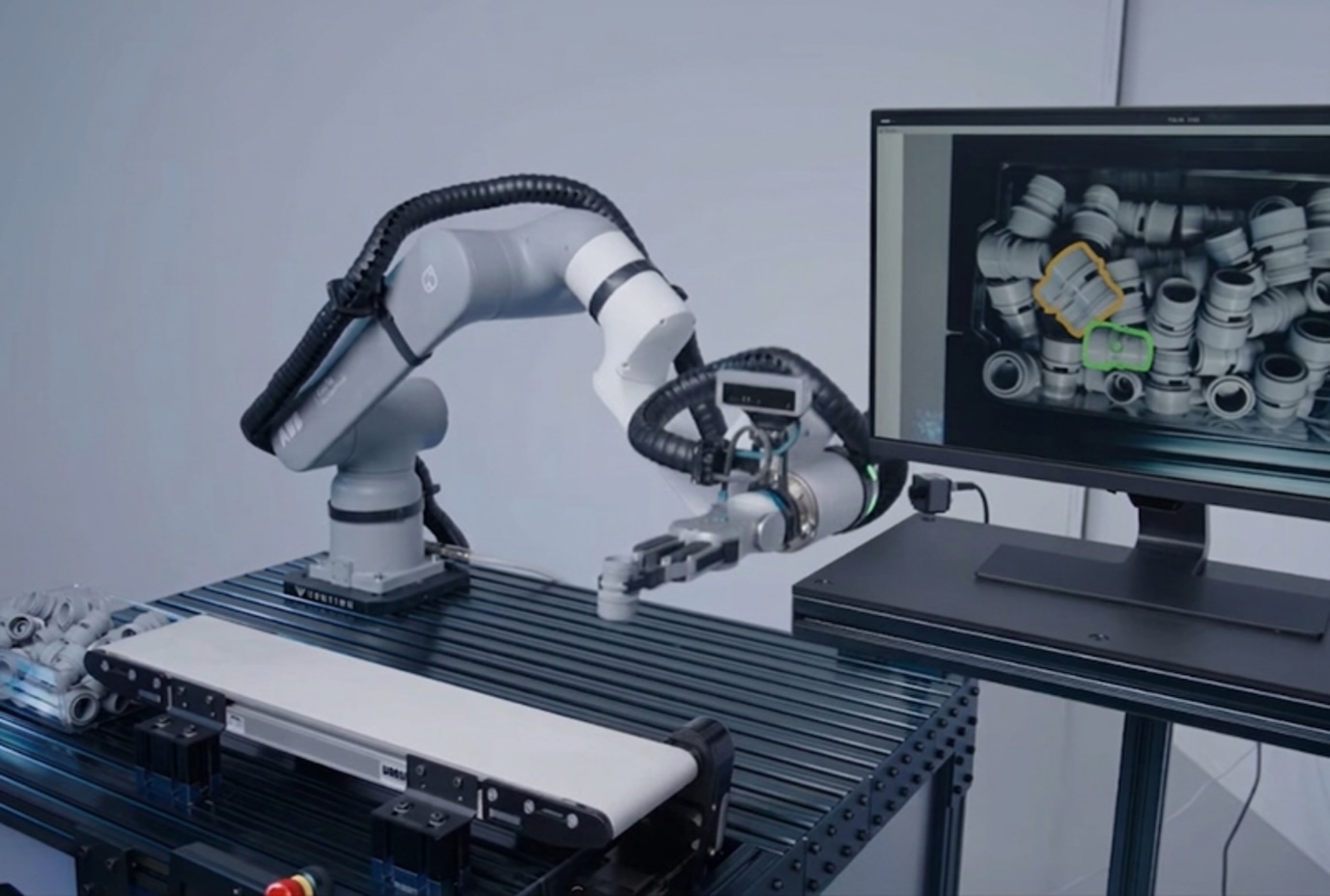
Efficient and Adaptive Autonomous Guidance and Control of Planetary Rover With Improved Traction Controller and Dynamic Cost Map
In June 2026, the Journal of Field Robotics published a significant study highlighting advancements in robotic technology aimed at enhancing agricultural efficiency. Researchers from various institutions collaborated to develop innovative robotic systems capable of performing tasks such as planting, monitoring crop health, and harvesting. This initiative responds to the growing demand for sustainable farming practices and the need to address labor shortages in the agricultural sector. The study, which spans pages 2848 to 2866 in the journal’s fourth issue, showcases how these robots utilize artificial intelligence and machine learning to adapt to diverse farming environments. By integrating advanced sensors and data analytics, the robotic systems can make real-time decisions, optimizing resource use and minimizing environmental impact. The research team conducted extensive field trials across multiple agricultural settings, demonstrating the robots' effectiveness in improving yield and reducing operational costs. The findings are expected to influence future agricultural policies and practices, promoting the adoption of technology in farming to ensure food security in an increasingly challenging climate. This groundbreaking work not only illustrates the potential of robotics in agriculture but also underscores the importance of interdisciplinary collaboration in addressing global challenges.
FIELD REPORT