Industry Briefing
A single destination for timely, editor-curated robotics news from around the world.

Importance of Professional Guidance in National-Level 'Little Giant' Applications
In recent years, the application policies for national-level specialized 'Little Giant' enterprises have been continuously optimized, with increasingly stringent review criteria focusing on the relevance of intellectual property, R&D cost compliance, and the logical integrity of application materials. Companies relying solely on basic metrics are finding it increasingly difficult to pass reviews. The significance of this trend lies in the realization that many enterprises, despite having strong technical capabilities, struggle with self-prepared applications due to a lack of understanding of the latest policy details and review standards. This often results in poorly written materials and missed opportunities for valuable qualifications, ultimately extending the cultivation cycle for these companies. Looking ahead, it is crucial for enterprises to consider professional assistance to navigate the complexities of the application process. The establishment of specialized platforms that offer comprehensive support can help identify and present core advantages effectively, thereby increasing the chances of successful qualification for national-level recognition.
National-Level Certification Application Process Professional Services Innovation Technology Development
"Why Start Preparing for the 2027 'Little Giant' Application This Year?"
As the 2027 'Little Giant' application period approaches, experts are urging potential candidates to begin their preparations this year. The initiative, aimed at fostering innovation and supporting small businesses, will open its application process in the coming years. By starting early, applicants can enhance their chances of success by thoroughly understanding the requirements and refining their proposals. The call to action comes from industry leaders and economic development organizations who emphasize the importance of strategic planning in a competitive landscape. They highlight that early preparation allows businesses to gather necessary documentation, seek mentorship, and align their projects with the program's objectives. The 'Little Giant' program, designed to empower small enterprises, is expected to attract a significant number of applicants, making it crucial for interested parties to differentiate themselves. By laying the groundwork now, candidates can ensure they are well-equipped to submit compelling applications when the time arrives. In summary, with the 2027 application window on the horizon, stakeholders are encouraged to take proactive steps this year to maximize their opportunities for success in the program.
Robotics Automation AI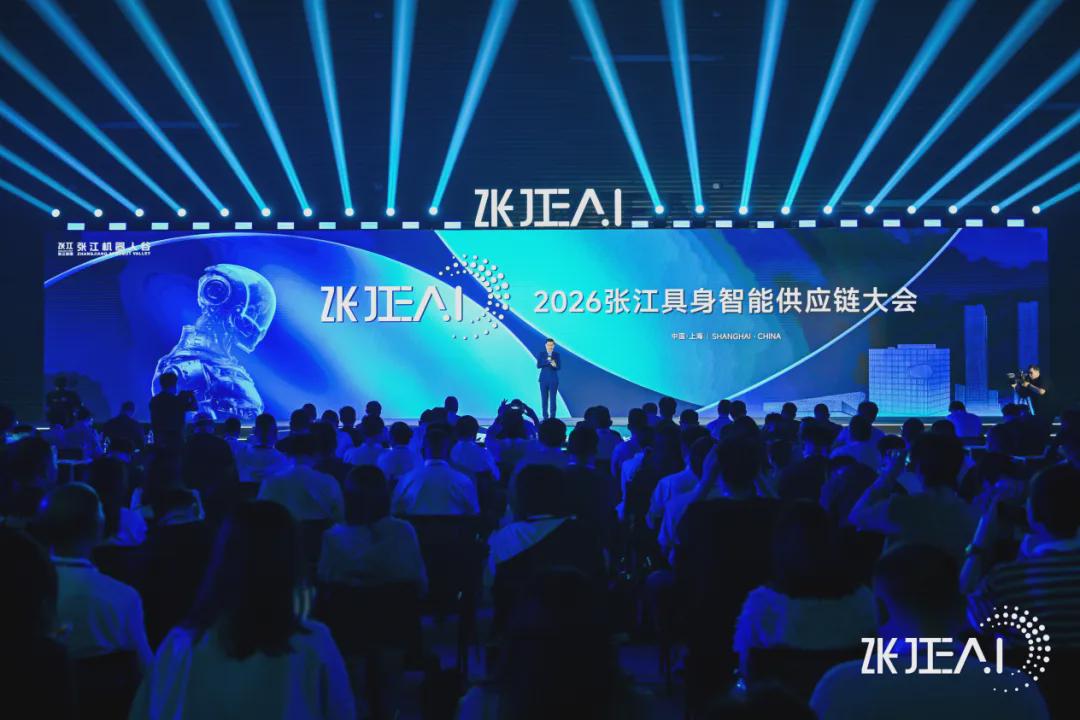
Zhangjiang Integrates 'Manufacture, Train, Test, Use' for Embodied Intelligence
The 2026 Zhangjiang EAI Conference brought together more than 80 companies from the embodied intelligence supply chain to explore advancements in rapid prototyping and collaboration. Held recently in Zhangjiang, the event served as a platform for significant developments in the robotics sector, including the signing of key orders and the launch of innovative products. Additionally, numerous partnerships were formed, all aimed at improving the efficiency of manufacturing, training, testing, and application processes within the industry. This conference underscores the growing importance of collaboration in driving technological progress in robotics.
Embodied Intelligence Robotics Development Supply Chain Collaboration AI Innovation
VeriSilicon Introduces CPP2000 Camera Post-Processing IP for Embodied Robotics and Mobile Vision Applications
Researchers have made significant advancements in improving image quality and visual perception for moving-camera systems. This development, which emerged from ongoing studies in the field of computer vision, aims to enhance the performance of various applications, including autonomous vehicles and drone technology. The breakthrough was announced in October 2023, following extensive testing and refinement of algorithms designed to process and interpret visual data more effectively. The motivation behind this innovation stems from the increasing reliance on moving-camera systems in everyday technology and the need for clearer, more accurate imagery in dynamic environments. By employing advanced machine learning techniques, the researchers have created a system that can better handle motion blur and varying lighting conditions, ultimately leading to more reliable visual outputs. The process involved rigorous experimentation with different data sets, allowing the team to fine-tune their algorithms for optimal performance. As a result, this enhancement is expected to significantly improve the safety and efficiency of systems that rely on real-time visual data, paving the way for broader applications in industries such as transportation, surveillance, and entertainment. This breakthrough not only represents a step forward in technology but also highlights the ongoing commitment to innovation in the realm of visual perception and image processing.

Robotic Process Automation in 2026: A Buyer’s Guide for Procurement Teams
Over the past decade, the landscape of Robotic Process Automation (RPA) has evolved significantly. Initially characterized by basic screen-scraping bots that mimicked human interactions with legacy desktop applications, the technology has now advanced to include both attended and unattended bots. These modern bots are capable of managing user interface tasks within various enterprise systems such as ERP and CRM platforms, as well as billing tools that organizations are reluctant to phase out. As of October 2023, RPA has shifted towards an API-first approach, enabling more sophisticated orchestration that directly integrates with cloud services at various integration points. This transformation reflects the growing demand for automation solutions that enhance efficiency and streamline operations across industries. The shift not only highlights the technological advancements in RPA but also underscores the necessity for businesses to adapt to changing digital landscapes in order to remain competitive.
Automation Business Digital Automation ai agents automation anywhere automation news
Application engineering for assembly systems is quietly becoming manufacturing’s biggest competitive edge
In a significant shift within the manufacturing sector, companies are increasingly focusing on application engineering to enhance assembly systems. This evolution is driven by the need for higher productivity and reduced error rates on the factory floor. Leading the charge is Atlas Copco, a prominent player in the industry, which is fully embracing this transformation. The emphasis is now on not just the machines themselves, but also on the engineering that connects and adjusts these machines in real-time to align with operational demands. As factories strive to optimize their processes, the integration of advanced engineering techniques is becoming essential for success in a competitive landscape.
Engineering Manufacturing application engineering assembly line automation assembly systems atlas copco
Crop cameras broaden the view on real-time nitrogen application
Recent advancements in crop camera technology are transforming the way farmers apply fertilizers, shifting from a static approach to a dynamic, real-time decision-making process. These innovative camera systems continuously monitor crop growth and biomass across entire fields, enabling immediate adjustments to nitrogen application rates as conditions change. This development not only promotes more precise fertilizer use but also reduces waste and enhances the efficiency of autonomous farming systems. Future Farming is exploring these technological advancements, examining emerging suppliers, and assessing the future trajectory of this impactful agricultural innovation.
Smart farming multispectral sensors nitrogen management precision agriculture variable rate application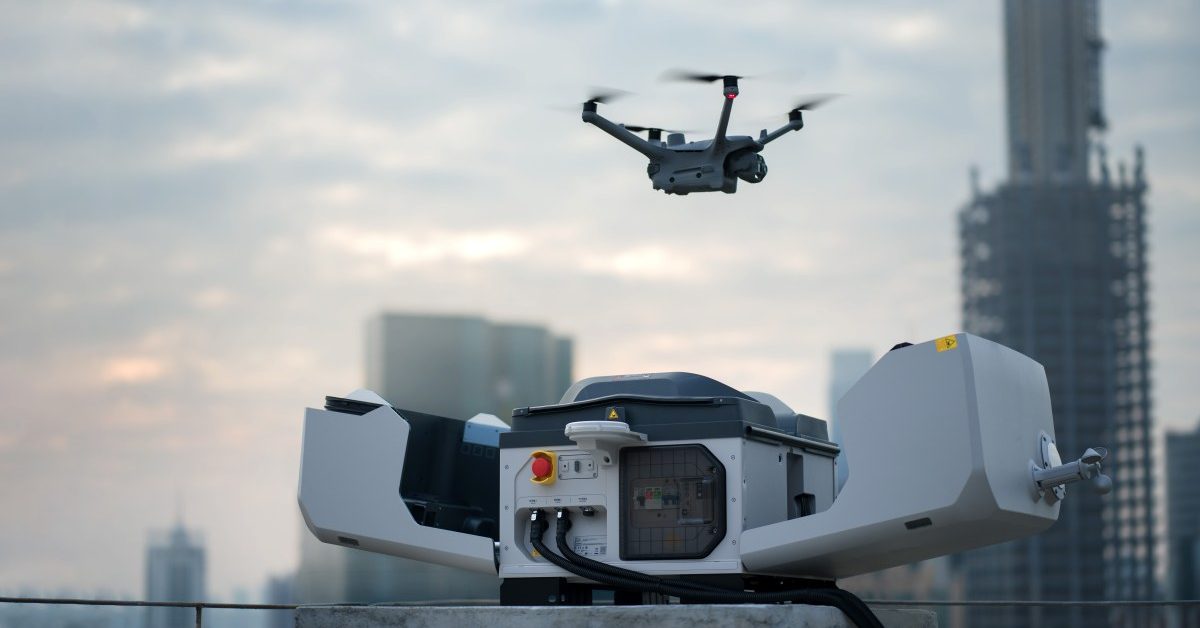
DJI Simplifies BVLOS Drone Approval Process for European Operators
DJI has completed a SAIL III declaration of compliance package for its DJI Dock 3 and Matrice 4D drone series, facilitating regulatory approvals for drone operators in Europe. This package provides manufacturer-backed technical evidence that can be included in Specific Operations Risk Assessment (SORA) applications, potentially easing the approval process for advanced drone operations. The significance of this development lies in its potential to streamline the regulatory landscape for commercial drone operators in Europe. SAIL III, categorized as medium-risk under EASA’s SORA framework, encompasses various commercial drone missions that extend beyond standard operations, such as automated BVLOS inspections and perimeter security. By offering a compliance package, DJI alleviates the burden on operators to generate extensive technical documentation for each safety objective. Looking ahead, operators can leverage DJI's completed engineering work to enhance their SORA applications, focusing on operational aspects rather than technical arguments about aircraft design. This initiative marks a pivotal step in making BVLOS operations more accessible, although it does not guarantee approval from aviation authorities. No further timeline was disclosed at the time of publication.
News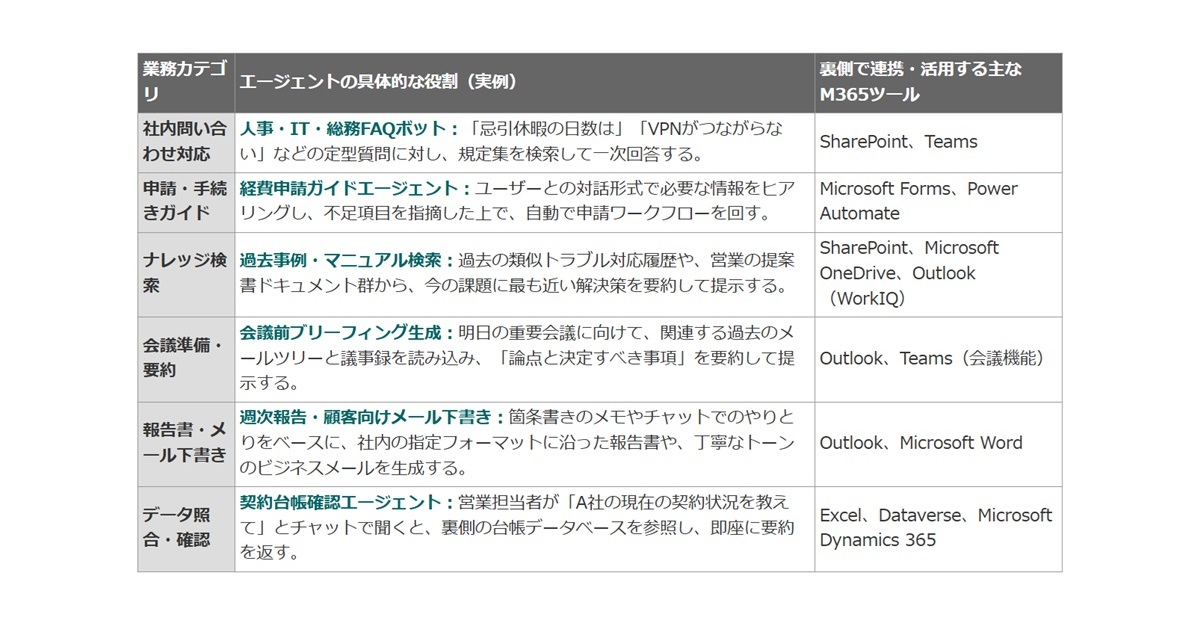
Key Strategies for Successful Implementation of Microsoft Copilot Studio in Business Processes
The successful implementation of Microsoft Copilot Studio hinges on the careful selection of business processes. Identifying suitable tasks for AI application is crucial, as it can determine 90% of the project's success. This article outlines the characteristics of tasks that are unsuitable for AI and emphasizes the importance of strategic decision-making in the initial stages. Understanding the right processes to automate can prevent common pitfalls, such as selecting tasks with unclear KPIs or those that require high levels of human judgment. The article provides a framework for selecting appropriate tasks and highlights the need for clear initial design to ensure that AI agents are effectively integrated into business operations. Looking ahead, organizations should focus on refining their approach to task selection and initial design to enhance the effectiveness of AI agents. No further timeline was disclosed at the time of publication.
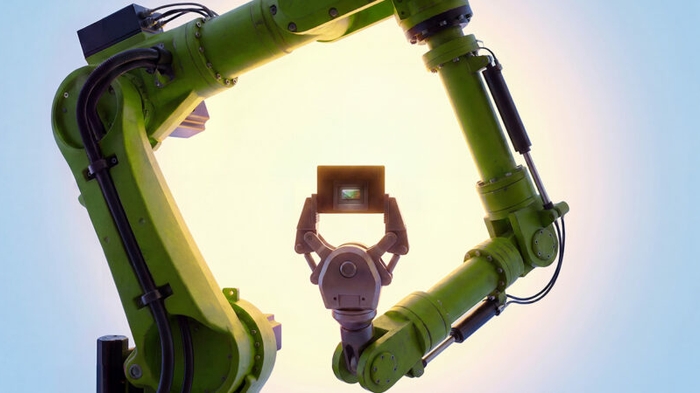
NVIDIA Launches Jetson Thor Modules to Enhance Robotics and Edge AI Applications
NVIDIA has unveiled the T3000 and T2000 modules based on the Thor architecture, designed to meet the growing demand for compact AI supercomputers in robotics and edge AI. These modules enable mass-market deployment of advanced humanoid and robotic systems, with notable adoption from leading companies such as Amazon Robotics and Boston Dynamics. The introduction of the Jetson T3000 and T2000 modules is significant as they provide high-performance AI compute capabilities in a smaller form factor, achieving up to 865 FP4 teraflops for the T3000. This advancement allows developers to optimize their systems while reducing costs, particularly in light of rising memory prices. The T2000 serves as an entry point for a wider range of edge AI applications, further expanding NVIDIA's scalable edge AI platform. Looking ahead, the new Jetson modules are expected to facilitate faster deployment and lower system costs across various industries. Companies like UBTech and Agile Robots have already reported substantial memory savings, indicating a trend towards more efficient development processes in robotics. No further timeline was disclosed at the time of publication.

SpaceX's Starmind Project: Supplier Strategy and Chip Manufacturing Plans for 2026
SpaceX's Starmind project, aimed at deploying up to 1 million AI satellites, was filed with the FCC on January 30, 2026. The initiative is designed to minimize reliance on external suppliers, with CEO Elon Musk stating that current chip production capabilities only meet 2% of the projected needs. The first satellite, AI1, is set for prototype launches in early 2027, featuring a 70-meter wingspan and a modular payload system that allows for interchangeable chips from various suppliers. The significance of Starmind lies in its ambitious supply chain strategy, which seeks to transition from external hardware suppliers to a fully integrated Musk-owned facility by 2028. The Gigasat manufacturing site in Bastrop, Texas, is expected to be operational by the end of 2027, with plans for high-volume production of the D3 chip, specifically designed for space applications. This approach aims to consolidate chip manufacturing processes under the Terafab joint venture, which has an estimated initial investment of $55 billion. Looking ahead, the next milestone for Starmind is the launch of AI1 prototypes in early 2027, while the full-scale chip production at Terafab is projected to ramp up significantly thereafter. However, analysts express skepticism regarding the feasibility of achieving Musk's ambitious compute goals, which may require substantial investment and time to establish the necessary manufacturing capabilities.
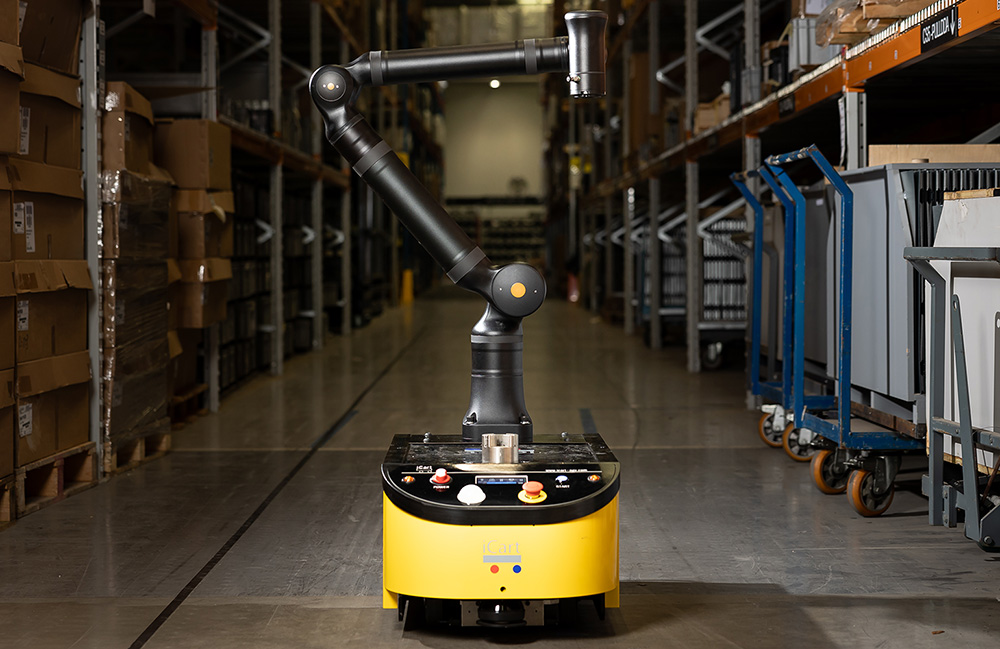
How compact cobot integration enhances autonomous mobile robot applications
The integration of collaborative robots, or cobots, is significantly transforming the warehousing industry, with projections indicating a tenfold increase in their usage from 2018 to 2025, according to industry expert Kassow. This surge in adoption highlights the growing reliance on automation to enhance efficiency and productivity in logistics operations. As businesses seek to streamline processes and reduce labor costs, cobots are becoming essential tools for complementing autonomous mobile robots in various applications. The advancements in technology and the increasing demand for flexible automation solutions are driving this trend, positioning cobots as a key component in the future of warehousing.
Autonomous Mobile Robots (AMRs) Cobot Arms Collaborative Robots Controllers Logistics News
Omnidirectional Mobile Robotics: Foundations, Advantages, and Industrial Applications
In response to the increasing demands for agile workflows and optimized operational efficiency in industrial applications, businesses are increasingly turning to omnidirectional mobile robotics. This technology is recognized as a crucial strategic investment for enhancing productivity and ensuring millimeter precision in coupling operations. As industries evolve and seek to streamline processes, the integration of these advanced robotics is becoming essential for maintaining competitive advantage. The trend reflects a broader shift towards automation and innovation in the manufacturing sector, highlighting the importance of adapting to modern operational needs.
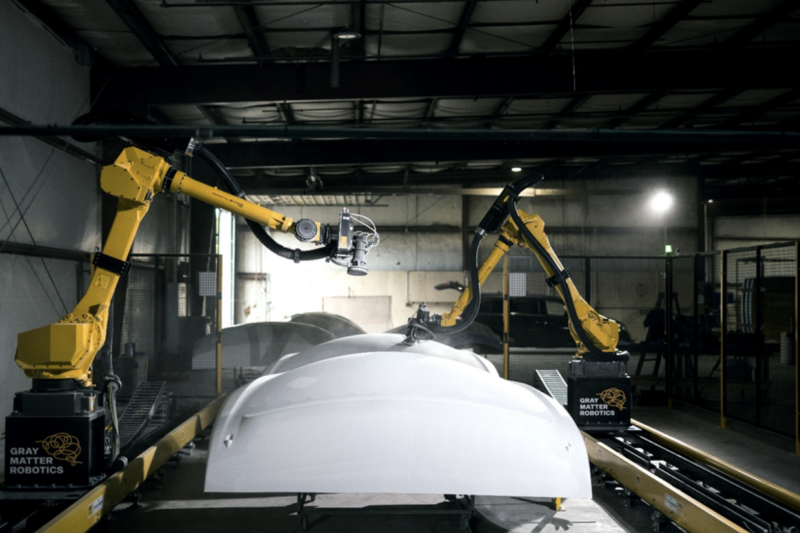
Evaluating humanoids for surface finishing applications
In response to the health risks and ergonomic challenges associated with manufacturing processes like sanding, polishing, blasting, grinding, coating, and painting, there is a growing interest in automating these tasks with robotic technology. Industries are exploring the potential of humanoid robots to enhance efficiency and safety in surface finishing applications. As the demand for automation increases, particularly for handling larger parts, the design and capabilities of robotic arms are being evaluated to meet these specific operational needs. This shift aims to reduce the physical strain on workers while improving productivity across various manufacturing sectors.
Humanoids Manufacturing News
Survey on AI‐Enabled Computer Vision Technologies and Applications for Space Robotic Missions
In June 2026, the Journal of Field Robotics published a comprehensive study exploring advancements in robotic technologies and their applications in various fields. The research, conducted by a team of experts in robotics and engineering, highlights innovative methodologies that enhance the efficiency and effectiveness of robotic systems. The study focuses on the integration of artificial intelligence and machine learning algorithms, which significantly improve the decision-making capabilities of robots in real-world environments. This advancement is particularly relevant in sectors such as agriculture, manufacturing, and disaster response, where precision and adaptability are crucial. The findings were presented during a conference held in a prominent robotics research hub, attracting attention from industry leaders and academic scholars alike. The motivation behind this research stems from the growing demand for automation and smart technologies in response to global challenges, including labor shortages and the need for increased productivity. By employing rigorous testing and validation processes, the researchers demonstrated the practical applications of their robotic systems, showcasing successful case studies that underline the potential for widespread adoption. The publication aims to inform and inspire further innovations in the field, ultimately contributing to the evolution of robotics as a transformative force in society.
SURVEY ARTICLE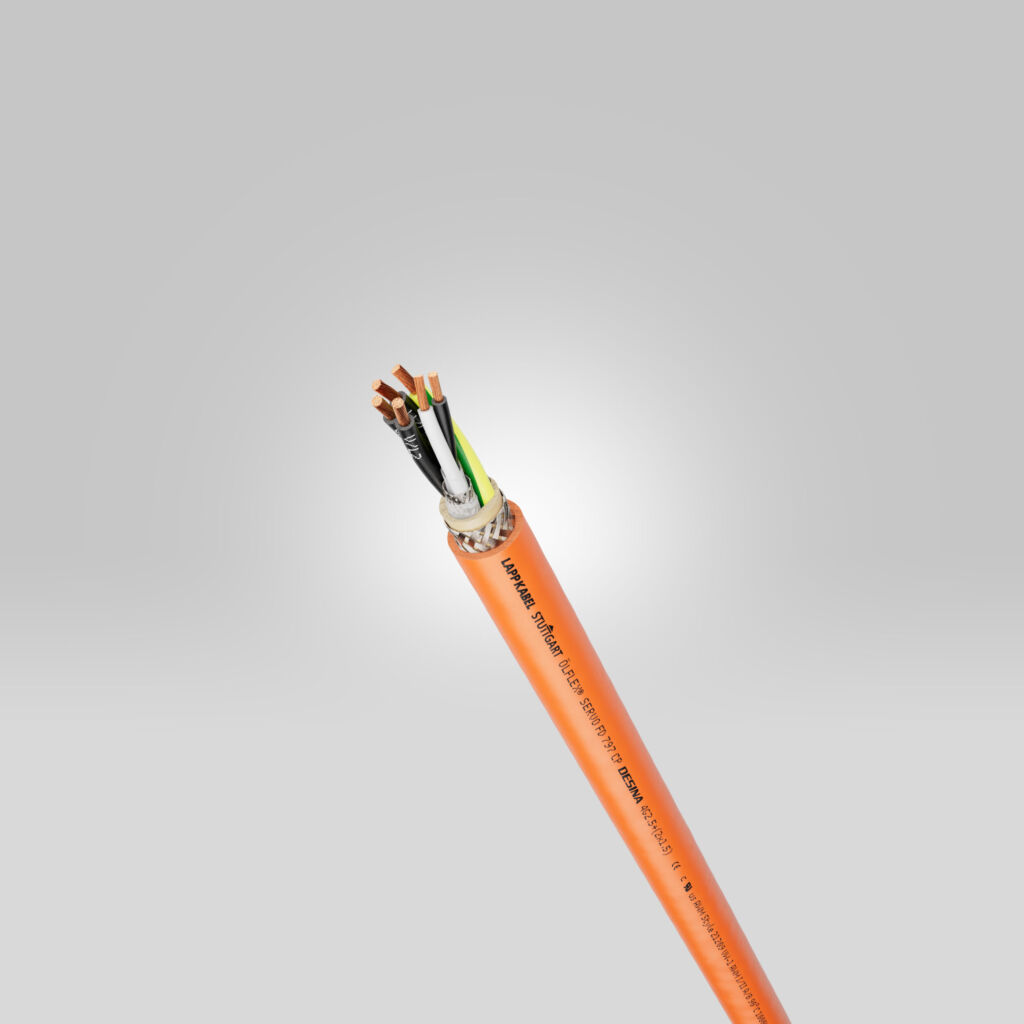
Robust Cables for Robotics Applications
Lapp has introduced the Ölflex Robot 909, a robust cable designed specifically for flexible automation applications within the robotics sector. This product is part of the company's Basic Line performance class, highlighting its suitability for various robotic implementations. The launch aims to enhance operational efficiency and reliability in automation processes, catering to the growing demand for advanced robotic solutions.
Allgemein Robotik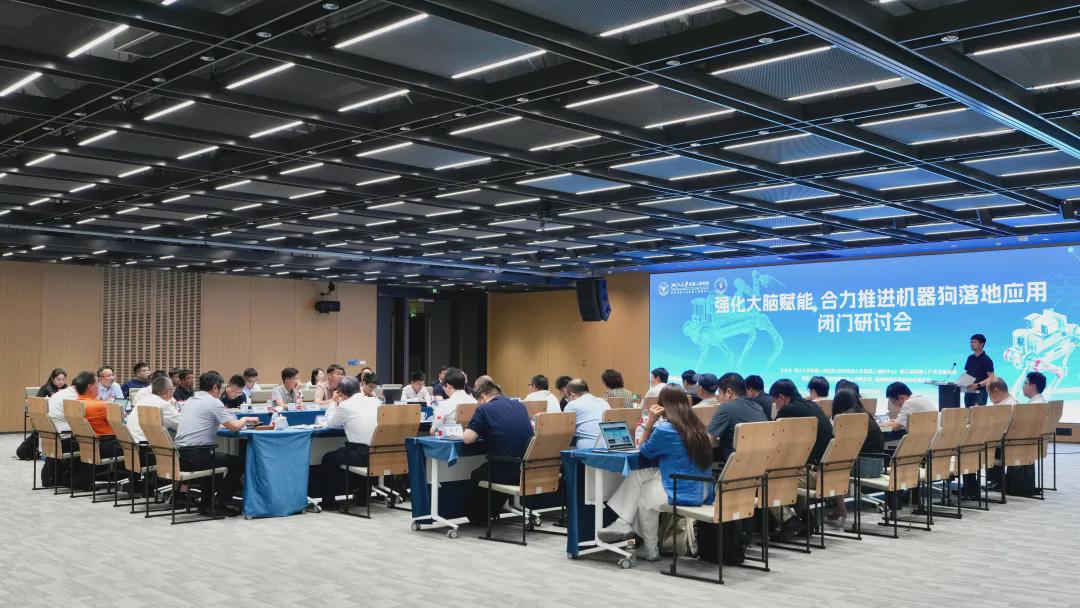
First Public Reveal of 'Infinite Brain': VL²A Architecture Tackles 'Brain Dilemma' at Robotics Application Seminar in Hangzhou
A seminar held in Hangzhou recently brought together experts to discuss advancements in robotic applications, with a particular focus on quadruped robots. The event highlighted the increasing necessity for these robots to possess advanced cognitive capabilities to navigate complex environments effectively. A key development presented during the seminar was the introduction of the VL²A architecture, which incorporates a new logic layer aimed at enhancing decision-making processes. This innovation signifies a pivotal shift towards the practical deployment of robots in various settings, underscoring the ongoing evolution of robotics technology.
Robotics Artificial Intelligence Cognitive Robotics Quadruped Robots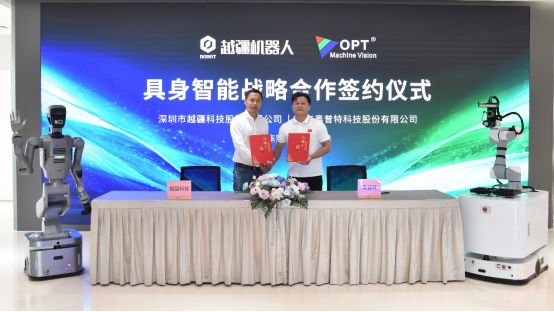
Yuejiang and OptoReach Form Strategic Partnership to Accelerate the Application of 'One Brain, Multiple Bodies' Embodied Industrial Solutions
Yuejiang Technology and OptoReach have entered into a strategic cooperation agreement to advance integrated embodied industrial solutions. This partnership, announced recently, seeks to leverage advanced robotics and AI visual technologies to improve the application of embodied intelligence within the manufacturing sector. By combining their expertise, the two companies aim to innovate and enhance operational efficiencies in industrial processes, reflecting a growing trend towards automation and intelligent systems in manufacturing.
Industrial Robotics AI Visual Technology Embodied Intelligence Smart Manufacturing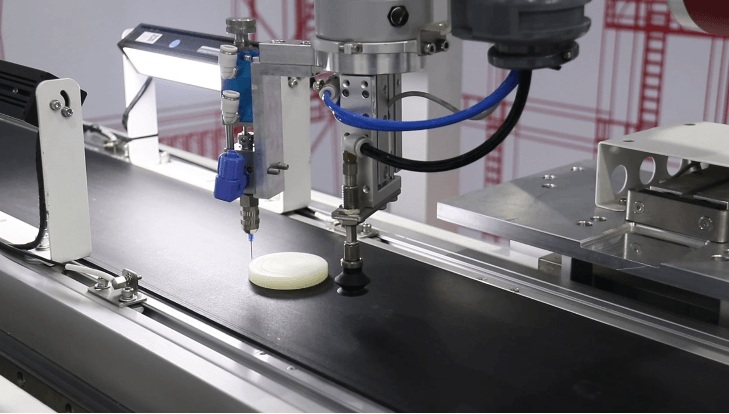
How to Select the Suitable 6 Axis Robot Arm for Your Application Needs?
Selecting the appropriate automation hardware is crucial for enhancing factory productivity, particularly when it comes to choosing a 6-axis robot arm. While these robots are known for their versatility, not all models are suitable for every task, and incorrect specifications can lead to inefficiencies, mechanical failures, or project setbacks. Manufacturers are advised to assess each robot's mechanical limits, environmental compatibility, and specific application requirements to ensure successful deployment. The selection process begins with evaluating the maximum payload, which includes both the weight of the workpiece and the End-of-Arm Tooling (EOAT). It is essential to consider the moment of inertia, as the torque required varies significantly depending on the load's position. Additionally, the robot's reach must be considered to ensure it can access all necessary points in its operational envelope without encountering mechanical limitations. Environmental factors also play a critical role in the selection process, with the Ingress Protection (IP) rating being vital for applications exposed to liquids or dust. For collaborative environments, robots equipped with force-torque sensors are preferable to traditional models that require extensive safety measures. JAKA, a leading provider of automation solutions, offers a range of robots tailored to diverse industrial needs. Their JAKA Zu series features modular designs, including the robust Zu20 model, which boasts a 20kg payload and a 1780mm working radius, ideal for demanding tasks like palletizing. JAKA simplifies the selection process with a unified software ecosystem, allowing users to control their robots via an intuitive app, ensuring precision and reliability for modern smart factories.
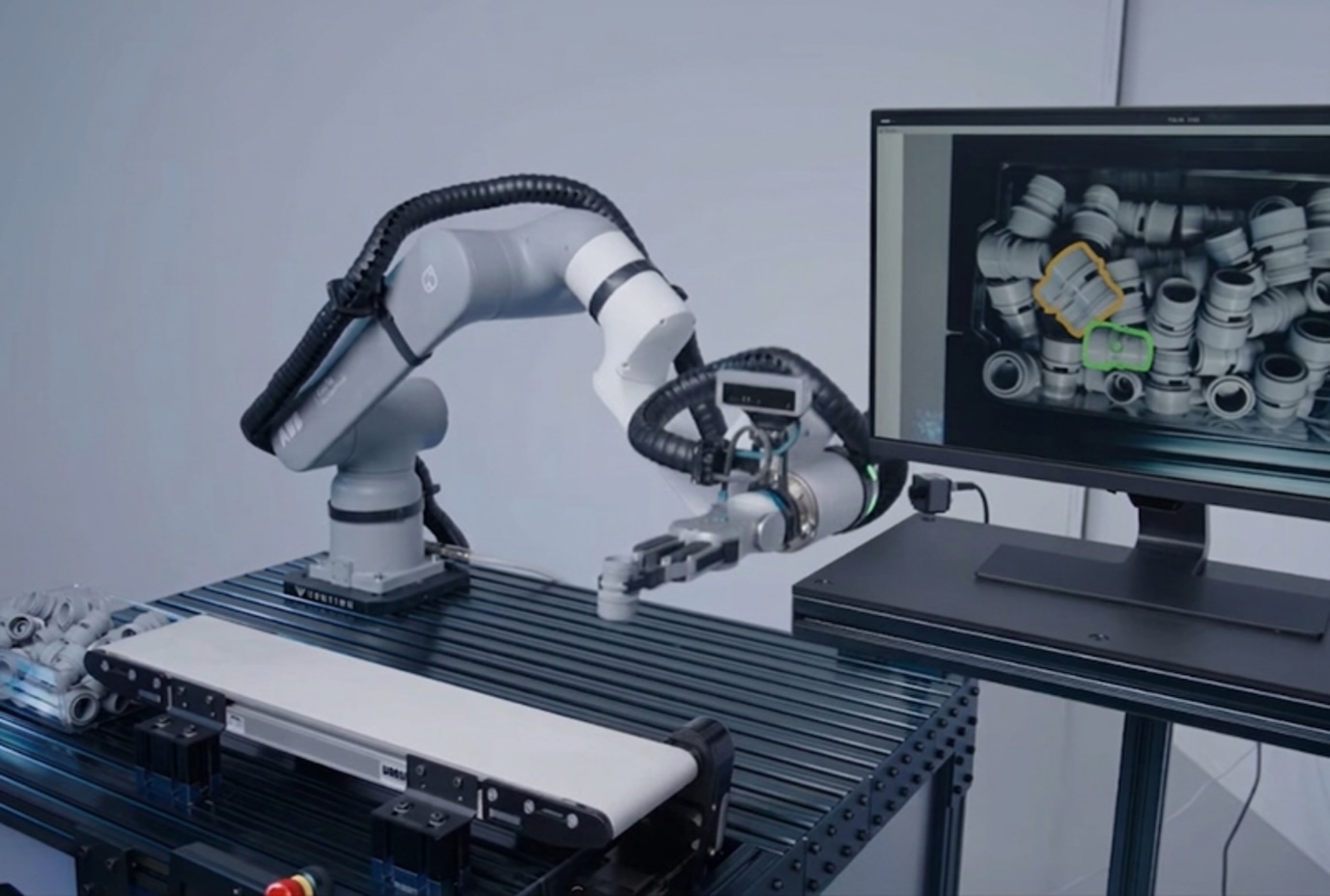
Simulation Platforms for Underwater Robotic Applications: Architectures, Capabilities, and Research Directions
A recent study published in the Journal of Field Robotics highlights advancements in autonomous robotic navigation. Researchers from a leading university conducted experiments to improve the efficiency and accuracy of robots in complex environments. The study, released in early October 2023, focused on various terrains, including urban settings and natural landscapes, to assess how robots can better adapt to their surroundings. The motivation behind this research stems from the increasing demand for autonomous systems in industries such as agriculture, logistics, and disaster response. By enhancing the navigation capabilities of robots, the researchers aim to facilitate their deployment in real-world applications, ultimately improving operational efficiency and safety. The team utilized a combination of machine learning algorithms and sensor technologies to develop a new navigation framework. This innovative approach allows robots to process environmental data in real-time, enabling them to make informed decisions and navigate obstacles more effectively. The findings suggest that these advancements could significantly reduce the time and resources required for robots to complete tasks in unpredictable environments. As the field of robotics continues to evolve, this research represents a crucial step towards more reliable and versatile autonomous systems, paving the way for broader applications in various sectors.
SURVEY ARTICLE
ARBOR Technology Unveils ARES-2100 Series for Next-Generation Edge AI with Intel Core Series 3 Processors
A new technology aimed at enhancing industrial automation has been introduced, focusing on machine vision and lightweight edge AI inference workloads. This innovation is set to facilitate the deployment of smart factory applications, allowing for more efficient operations in manufacturing environments. The development comes in response to the growing demand for advanced automation solutions that can improve productivity and reduce operational costs. By leveraging cutting-edge AI capabilities, the technology enables real-time data processing and decision-making at the edge, minimizing latency and enhancing overall system performance. This advancement is expected to significantly impact the manufacturing sector, providing businesses with the tools necessary to adapt to the rapidly evolving landscape of industrial automation.
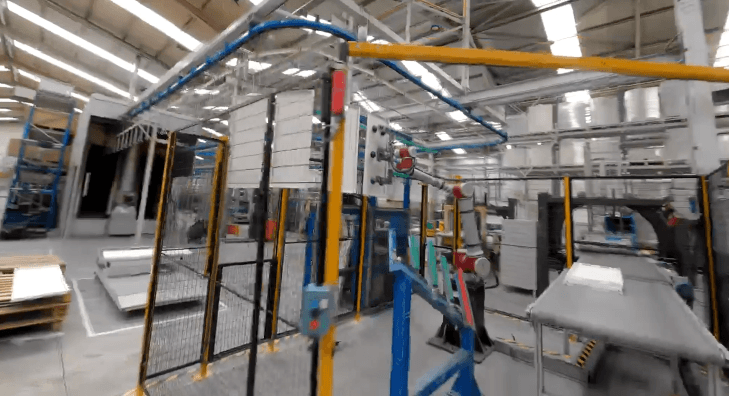
Top 6 Applications of Industrial Cobots in the Electronics Manufacturing Industry
In the rapidly evolving electronics manufacturing sector, JAKA is pioneering the use of industrial collaborative robots to enhance production processes. The company has implemented these robots to manage delicate components on assembly lines, significantly reducing human error and product damage. Utilizing the JAKA Pro16, operators can handle payloads between 3kg and 18kg with precision, allowing for smooth assembly operations and enabling staff to concentrate on more complex tasks. In addition to assembly, JAKA employs the Pro16 for precision welding and soldering, facilitating manual arc control and wire feeding. This robot's load-and-go functionality streamlines the deployment of welding processes, while its compatibility with various welding machines enhances versatility across production setups. Quality assurance is another critical area where JAKA's industrial cobots excel. By integrating vision systems for automated optical inspection and functional testing, the company minimizes defects in production, ensuring consistent quality through precise calibration over repeated cycles. Furthermore, JAKA's robots automate material transport and packaging, ensuring the timely handling of components and finished products. Their flexible programming and compact design allow for seamless integration into high-density production lines, improving material flow and reducing bottlenecks. Overall, JAKA's industrial collaborative robots are transforming electronics manufacturing by increasing precision, reducing errors, and boosting productivity. The company is committed to exploring new applications to further enhance operational excellence and maintain a competitive edge in the industry.
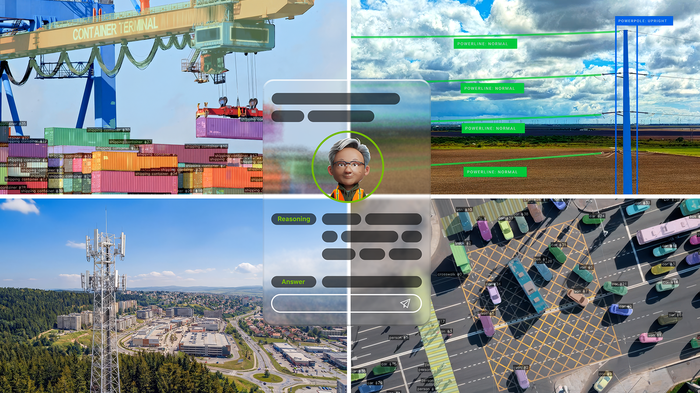
NVIDIA, T-Mobile and Partners Integrate Physical AI Applications on AI-RAN-Ready Infrastructure
NVIDIA and T-Mobile have joined forces with Nokia and a diverse group of developers to advance the deployment of physical AI applications through distributed edge AI networks. This collaboration aims to enhance the capabilities of AI technology by leveraging the strengths of each partner in the ecosystem. The initiative was announced today, signaling a significant step forward in integrating AI into various physical applications. By utilizing distributed edge networks, the partners intend to improve the efficiency and responsiveness of AI solutions, addressing the growing demand for real-time data processing and analysis. This strategic partnership reflects a commitment to innovation in the tech industry, as companies seek to harness the potential of AI in practical, real-world scenarios.

Robotecki Redefines Robotics Precision Cutting and Drilling Applications with RoboDK
The team at Robotecki has successfully implemented a new application that significantly reduces labor dependency for essential production tasks. This innovation, introduced in October 2023, has led to enhanced production quality and increased throughput. By streamlining operations, Robotecki aims to improve efficiency and meet growing market demands, positioning itself as a leader in automation within the industry. The application is expected to transform traditional manufacturing processes, allowing for a more agile and responsive production environment.
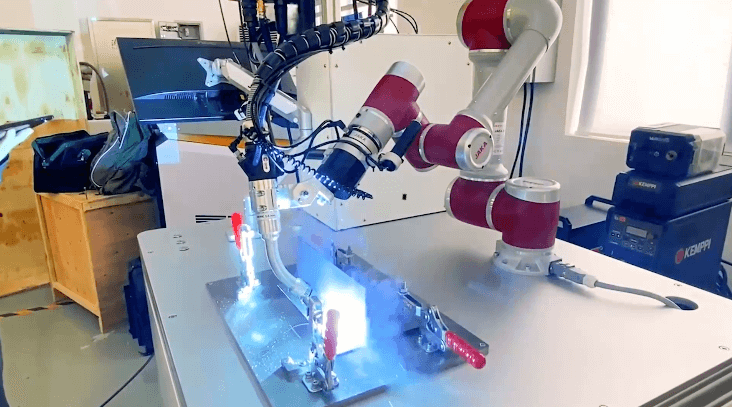
Top Six Applications of 6 Axis Robot Arms in Automotive Manufacturing
In the automotive industry, manufacturers are increasingly integrating six-axis robotic arms into their production processes to enhance efficiency and precision. These advanced jointed arm robots mimic human arm movements, making them ideal for complex tasks beyond simple material transfer. JAKA, a leader in robotic solutions, highlights the significant impact of these robots on assembly lines, particularly in welding, coating, sealing, and component installation. The six-axis robot arm excels in precision welding, maintaining optimal torch angles and travel speeds on intricate vehicle frames. This capability ensures structural integrity through consistent arc and spot welding, with the ability to store multiple programs for high-volume production without fatigue. In coating and sealing applications, the robot arm adeptly maneuvers spray guns to achieve uniform coverage on complex surfaces, reducing overspray and material waste. It can also apply sealants and adhesives with remarkable accuracy, outperforming manual methods. Moreover, the flexibility of these robotic arms is invaluable during assembly, allowing for the precise installation of components like windows, seats, and dashboards in tight spaces. By automating these tasks, the technology alleviates physical strain on workers and minimizes the risk of damage to delicate parts, all while ensuring consistent quality and efficiency on the production line. As the automotive sector evolves, the programmable articulation of six-axis robotic arms is proving essential for executing demanding tasks with reliability, underscoring their role as a crucial element in modern manufacturing systems.
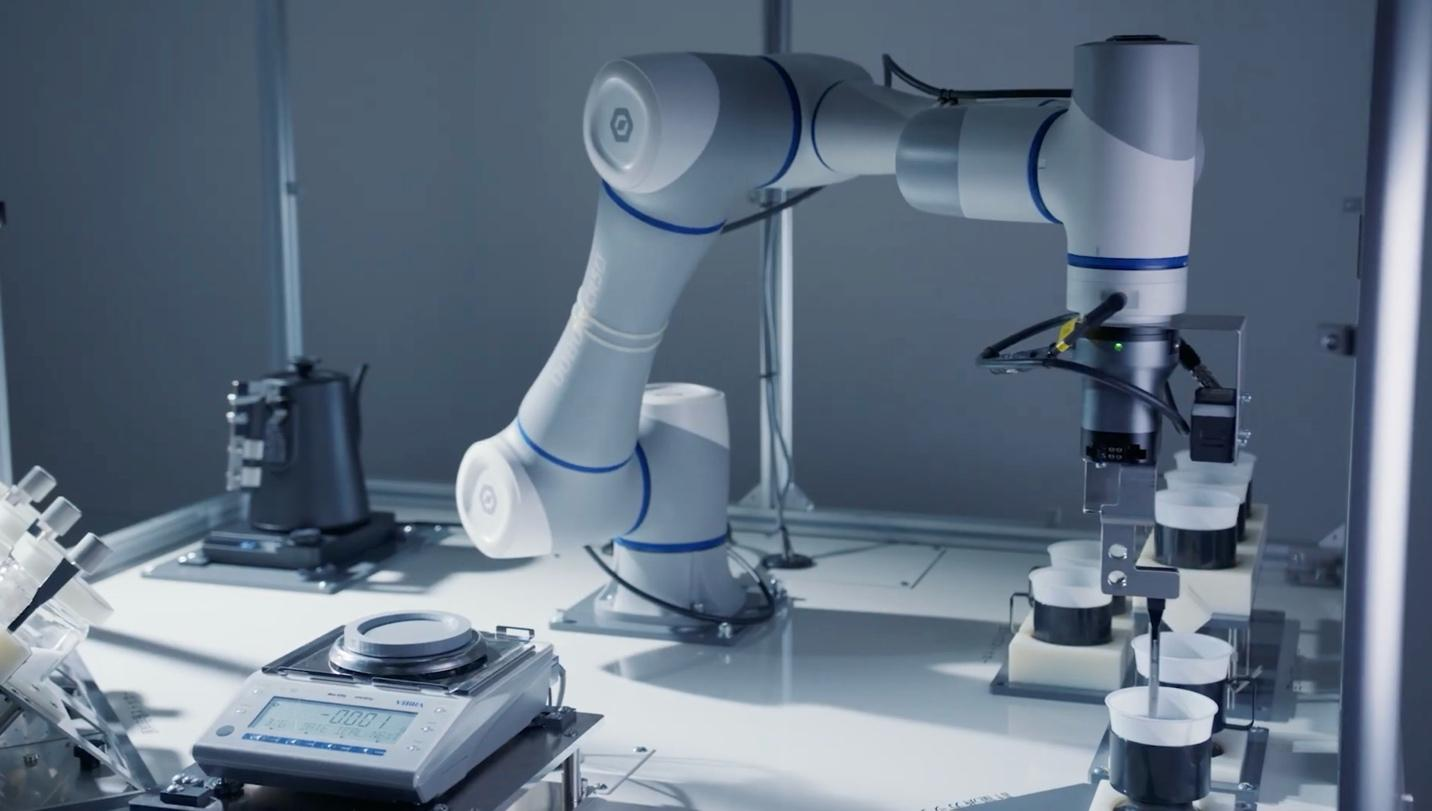
The Future of Collaborative Robot Applications in Smart Factories
In a significant advancement for smart factories, DOBOT is showcasing its innovative collaborative robot (cobot) solutions designed to enhance automation, safety, and efficiency in manufacturing environments. These cutting-edge applications are set to transform traditional production processes by integrating advanced robotics that work alongside human operators. The focus on collaboration aims to streamline operations and improve workplace safety, addressing the growing demand for more efficient manufacturing practices. As industries increasingly adopt automation technologies, DOBOT's solutions are positioned to play a crucial role in the evolution of smart factories, offering businesses the tools needed to optimize their workflows and boost productivity. This initiative reflects a broader trend in the manufacturing sector, where the integration of robotics is becoming essential for maintaining competitiveness in a rapidly changing market.
robot arm collaborative robot cobot dobot dobot robotics
TSMC to begin production of next-gen A14 (1.4nm) process in 2028
At the 2025 North America Technology Symposium, Taiwan Semiconductor Manufacturing Company (TSMC) unveiled its next-generation advanced logic process, known as A14, which is set to begin production in 2028. This new technology represents a significant advancement from the existing N2 node, enhancing capabilities for artificial intelligence development in both server and edge device applications. TSMC emphasized that the A14 process will provide improved performance and efficiency, further solidifying its role in the evolving landscape of AI technology.
News Feed
Xpeng Unveils TuringViT Efficient Visual Encoder for Advanced Applications
Xpeng has officially launched the TuringViT efficient visual encoder, aimed at systematically restructuring the architecture design, data paradigm, and training processes for the VLM/VLA era. This innovative encoder will comprehensively support three major business scenarios: intelligent driving, smart cockpits, and the IRON humanoid robot. The introduction of TuringViT is significant as it represents a strategic advancement in visual encoding technology, which is crucial for enhancing the capabilities of autonomous systems. By focusing on the VLM/VLA era, Xpeng positions itself at the forefront of technological evolution in the automotive and robotics sectors. Looking ahead, industry observers should monitor how TuringViT integrates into Xpeng's existing product lines and its impact on the competitive landscape. No further timeline was disclosed at the time of publication.
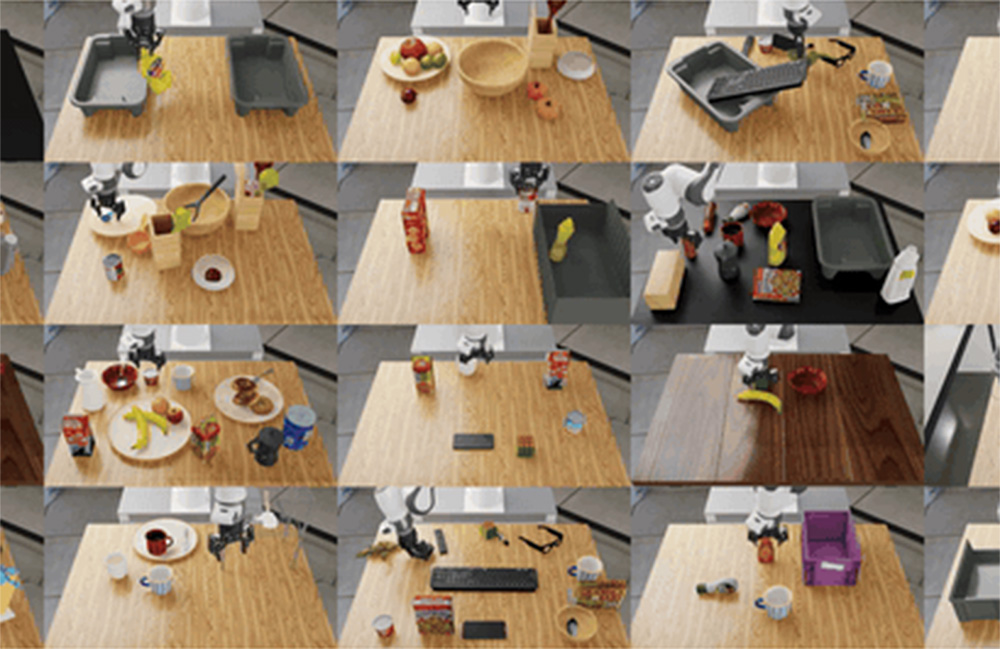
NVIDIA Discusses Evaluating General-Purpose Robot Policies for Real-World Applications
NVIDIA has highlighted the challenges in evaluating general-purpose robot policies as their capabilities advance. The company emphasizes that while current robotics models can follow natural language instructions to manipulate various objects, rigorous evaluation remains a significant hurdle due to the limitations of existing benchmarks. Real-world testing is costly and slow, necessitating effective simulation methods for large-scale evaluations. The importance of this evaluation process lies in the need for robots to generalize their skills beyond memorized setups. NVIDIA points out that many benchmarks suffer from visual and task-domain overlap, which can lead to misleading performance metrics. As models achieve high scores on static task sets, it becomes increasingly difficult to differentiate their true capabilities, raising concerns about the meaningfulness of reported results. Looking ahead, NVIDIA's focus on improving simulation environments and task generation methods is crucial for advancing robotic evaluation. The company aims to address the diagnostic gaps in current benchmarks, which often fail to provide insights into the reasons behind a robot's performance. No further timeline was disclosed at the time of publication.
Artificial Intelligence Artificial Intelligence / Cognition Design / Development Motion Control News Software / Simulation
First Humanoid Application Centre in the Netherlands opened at MICS: humanoid robots from demo to practical application
A new innovation center has been established in the Netherlands, aiming to integrate robotics and artificial intelligence with the manufacturing sector. This initiative is designed to expedite the deployment of humanoid robots in various workplaces. By fostering collaboration among industry experts, researchers, and technology developers, the center seeks to enhance productivity and efficiency in manufacturing processes. The initiative reflects a growing recognition of the potential benefits of humanoid robots in addressing labor shortages and improving operational capabilities. The center is expected to serve as a hub for research and development, facilitating advancements that could reshape the future of work in the industry.

Quick Take: Why Mobility Use Cases (AMRs, AGVs, etc.) Deliver Faster Payback than Stationary Applications
Private networks are increasingly being recognized for their potential in various sectors, with mobility emerging as a key entry point. This focus on mobility is seen as a strategic move, offering quick returns on investment for businesses looking to enhance their operational efficiency. As companies explore the benefits of private networks, the ability to leverage mobility solutions is becoming a critical factor in their decision-making processes. This trend highlights the growing importance of tailored network solutions in meeting the specific needs of organizations across different industries.
Factory / Mobility
Why Automating the Diagnostics Lab Won’t Rescue a Weak Validation Process
Lab automation is increasingly being recognized for its significant business advantages, particularly in the context of rising test volumes that have put pressure on laboratory staff. The integration of robotic sample handling, automated liquid handlers, and comprehensive specimen tracking systems has proven to enhance throughput, reduce manual errors, and alleviate the strain on a workforce facing growing demands. As of October 2023, the technology has matured, and its benefits have become evident, leading to a rapid acceleration in adoption across various laboratories. This transition marks a pivotal move beyond experimental applications, positioning lab automation as a crucial component in modern laboratory operations.
Business Health Science AI in diagnostics analytical validation assay development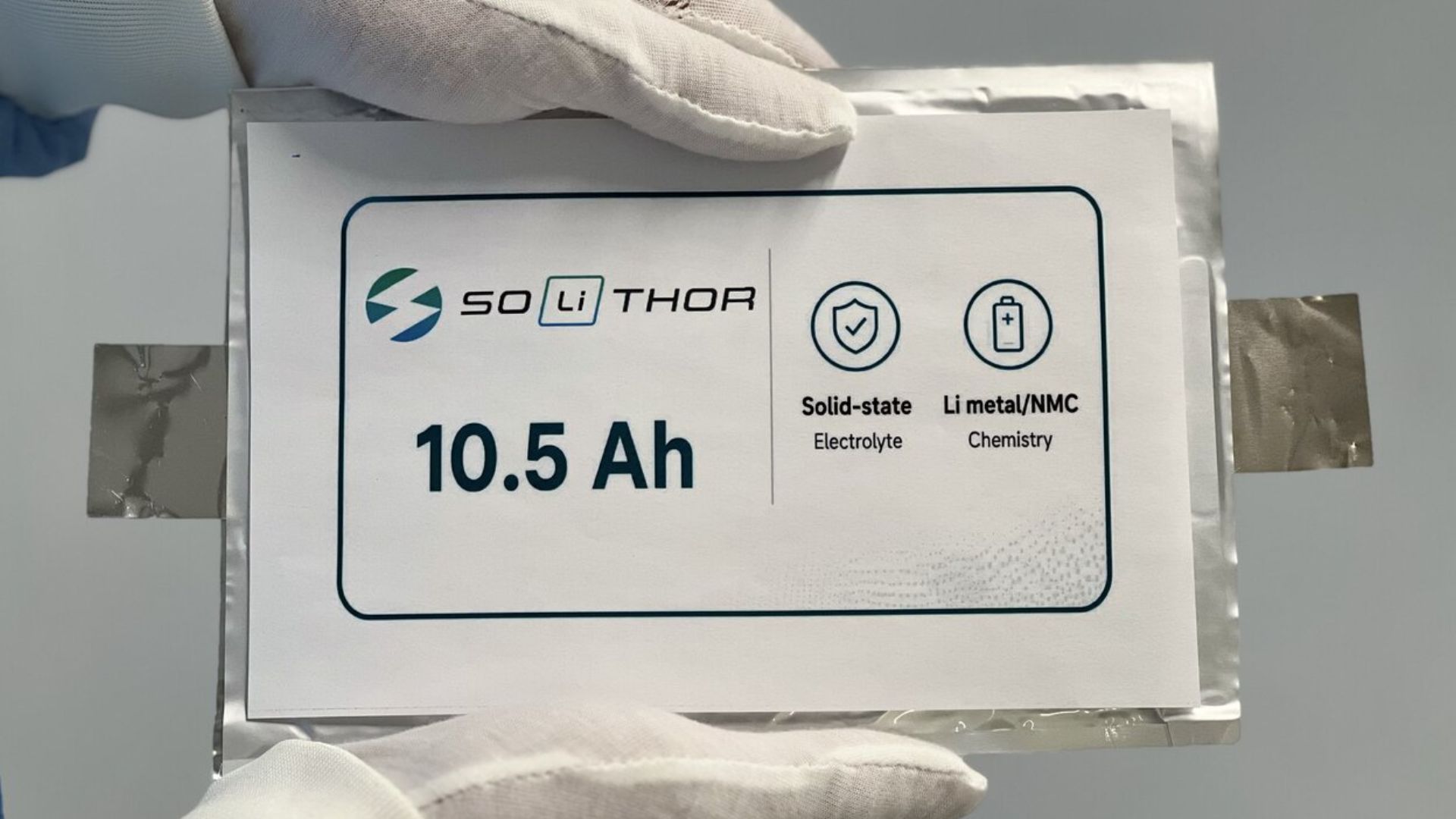
Solid-state battery cell hits 465 Wh/kg density, targets aerospace and defense applications
European battery startup SOLiTHOR has successfully produced its first 10 Ah demonstration cell, showcasing a significant advancement in battery technology. This milestone was achieved recently at their facility in Europe, where the company aims to enhance energy storage solutions. The development of this demonstration cell is part of SOLiTHOR's broader mission to address the growing demand for efficient and sustainable battery systems, particularly in the context of the electric vehicle market and renewable energy storage. By utilizing innovative manufacturing processes and cutting-edge materials, SOLiTHOR is positioning itself as a key player in the competitive battery industry, striving to contribute to a greener future.
Energy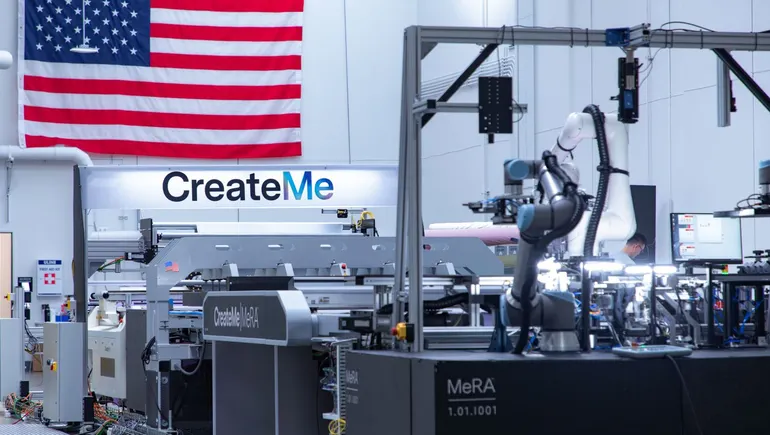
Physical AI is ready for wider adoption in some applications: CreateMe CEO
Cam Myers, the founder of an automated soft materials manufacturing company, has announced a breakthrough in technology that enables robots to perform limited tasks in textile production. This innovation leverages physical AI to transform traditional manufacturing processes. By integrating advanced robotics with smart materials, the company aims to enhance efficiency and redefine the way textiles are created. This development marks a significant step forward in the automation of the textile industry, promising to streamline operations and reduce labor costs. The technology is expected to be implemented in production facilities in the coming months, reflecting a growing trend towards automation in manufacturing sectors.

Watch: Figure’s humanoid robots work for 200 hours, process 250k packages without failure
Figure AI, a robotics company based in the United States, has successfully conducted a groundbreaking 200-hour autonomous livestream featuring its advanced humanoid robot, the Figure 03. This significant achievement took place recently, showcasing the robot's capabilities in real-time interaction and operation without human intervention. The livestream aimed to demonstrate the potential applications of robotics in various fields, including entertainment, education, and remote assistance. By utilizing cutting-edge technology, Figure AI has positioned itself at the forefront of innovation in the robotics industry, highlighting the growing importance of autonomous systems in everyday life. The event not only marks a milestone for the company but also serves to inspire further advancements in robotic technology and its integration into society.

LMBC: Low‐Power Marine Benthos Counting Framework for Underwater Robotic Real‐Time Applications
A recent study published in the Journal of Field Robotics explores advancements in robotic technology aimed at enhancing agricultural efficiency. Researchers from various institutions conducted the study to address the growing need for sustainable farming practices amid increasing global food demand. The findings, released in early October 2023, highlight innovative robotic systems designed to automate tasks such as planting, monitoring crop health, and harvesting. The research was carried out in various agricultural settings, demonstrating the robots' capabilities in real-world environments. By integrating artificial intelligence and machine learning, these robots can adapt to different crop conditions and improve productivity while minimizing resource use. The motivation behind this development stems from the urgent need to reduce labor costs and environmental impact in agriculture. The study outlines the process of designing and implementing these robotic systems, showcasing their potential to revolutionize traditional farming methods. As the agricultural sector faces challenges related to labor shortages and climate change, the introduction of such technology could play a crucial role in ensuring food security for the future. The research underscores the importance of innovation in addressing the complexities of modern agriculture and highlights the collaborative efforts of scientists and engineers in this field.
RESEARCH ARTICLE
Ruilman Unveils 'Sorting Robot' at 2026 Shenzhen Industrial Exhibition, Showcasing Industrial Application Strength
At the 2026 Shenzhen Industrial Exhibition, Ruilman showcased its innovative Remote Operation Network (GLN), highlighting a live demonstration of a robot performing sorting tasks. This event took place in Shenzhen, with the robot being controlled remotely from Beijing, illustrating the advancements in remote operational capabilities in industrial environments. The demonstration underscores Ruilman's commitment to enhancing robotic productivity through cutting-edge technology, paving the way for more efficient industrial processes.
Sorting Robots Remote Operation Technology Industrial Automation Robotics Smart Manufacturing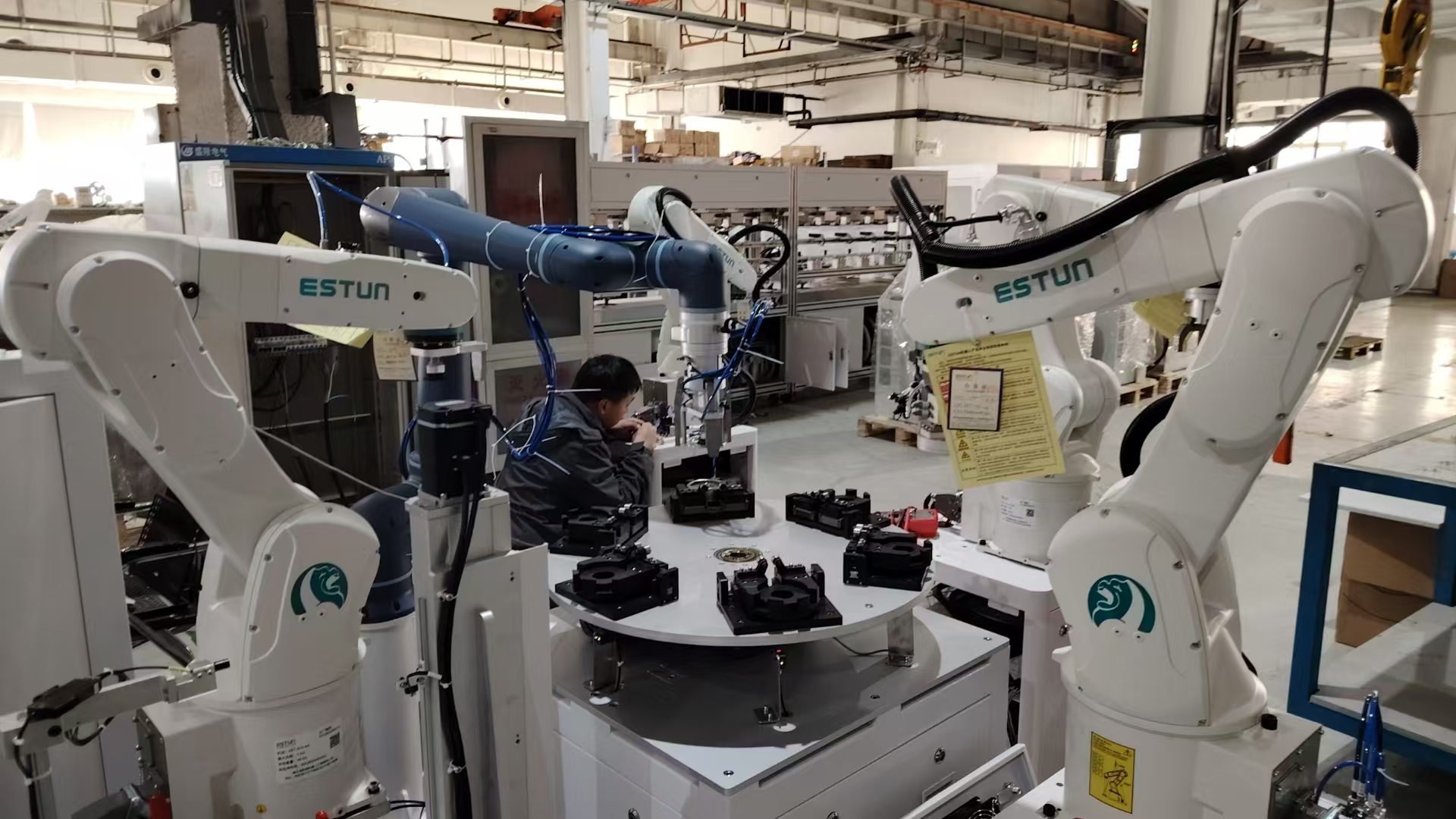
From Testing and Verification to Batch Trust: Estun and Partners Jointly Expand the Application Path of Domestic Robots
A partner company in Tianjin, recognized for its extensive technical expertise and industry experience in instrument and meter automated assembly, is reflecting on its successful collaboration in the field. Initially, when the partnership began, the integration of robots in domestic automated production lines was minimal. However, over the years, advancements in technology and increased awareness of automation's benefits have significantly boosted the adoption rate of robotic systems in manufacturing processes. This shift is attributed to the growing demand for efficiency and precision in production, prompting many industries to embrace automation solutions. The Tianjin partner has played a crucial role in this transformation, providing innovative assembly solutions that enhance productivity and reduce operational costs. As the industry continues to evolve, the company remains committed to leading advancements in automated assembly technology, ensuring that its clients stay competitive in a rapidly changing market.
ESTUN AUTOMATION ROBOTICS SERVO SYSTEMS
Breakthrough optical processor lets AI compute at the speed of light
Researchers at Tsinghua University have unveiled a groundbreaking optical engine known as the Optical Feature Extraction Engine (OFE2), which operates at a remarkable speed of 12.5 GHz by utilizing light instead of electricity. This innovative technology incorporates integrated diffraction and data preparation modules, significantly enhancing the speed and efficiency of artificial intelligence tasks. Demonstrations of the OFE2 in applications such as imaging and trading have showcased its ability to improve accuracy, reduce latency, and lower power consumption. This advancement marks a significant step forward in the field of optical computing, bringing it closer to practical, high-performance applications in AI.
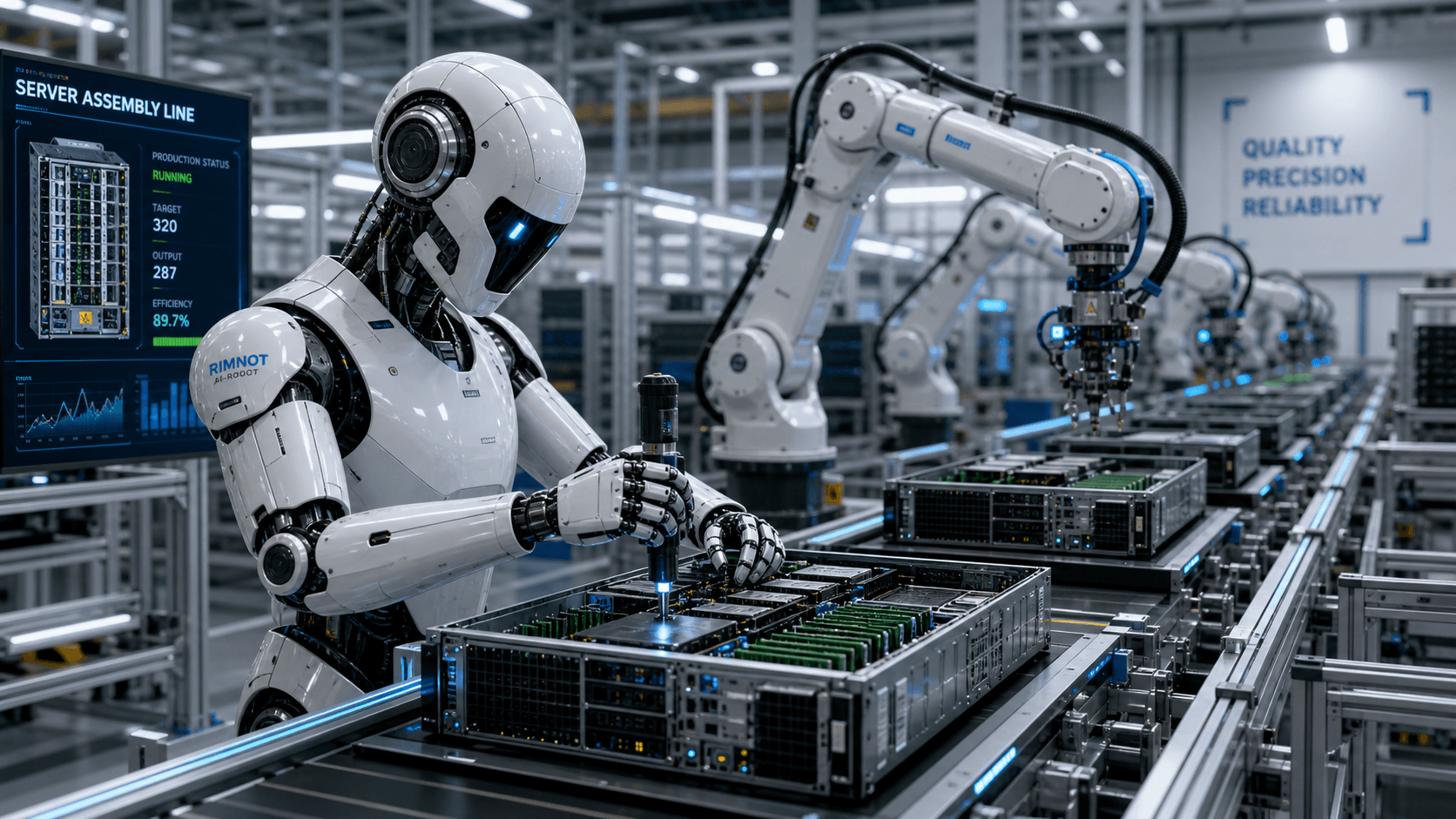
Rimnot and Yuantu Launch 10K-Unit Robot Deployment for Server Manufacturing
Rimnot, a newly established physical AI startup, has announced a partnership with Yuantu to deploy 10,000 industrial robots in server manufacturing. This initiative was unveiled during the World Artificial Intelligence Conference (WAIC), where the companies showcased their robots' capability to adapt to environments in just 30 minutes. This deployment is significant as it represents a major step forward in integrating physical AI into industrial applications, particularly in the server manufacturing sector. The collaboration between Rimnot and Yuantu highlights the growing trend of leveraging advanced robotics to enhance production efficiency and adaptability in manufacturing processes. Looking ahead, industry observers will be keen to monitor the progress of this deployment and its impact on server manufacturing. The ability of these robots to quickly adapt to different environments could set a new standard for operational flexibility in the industry. No further timeline was disclosed at the time of publication.
Technology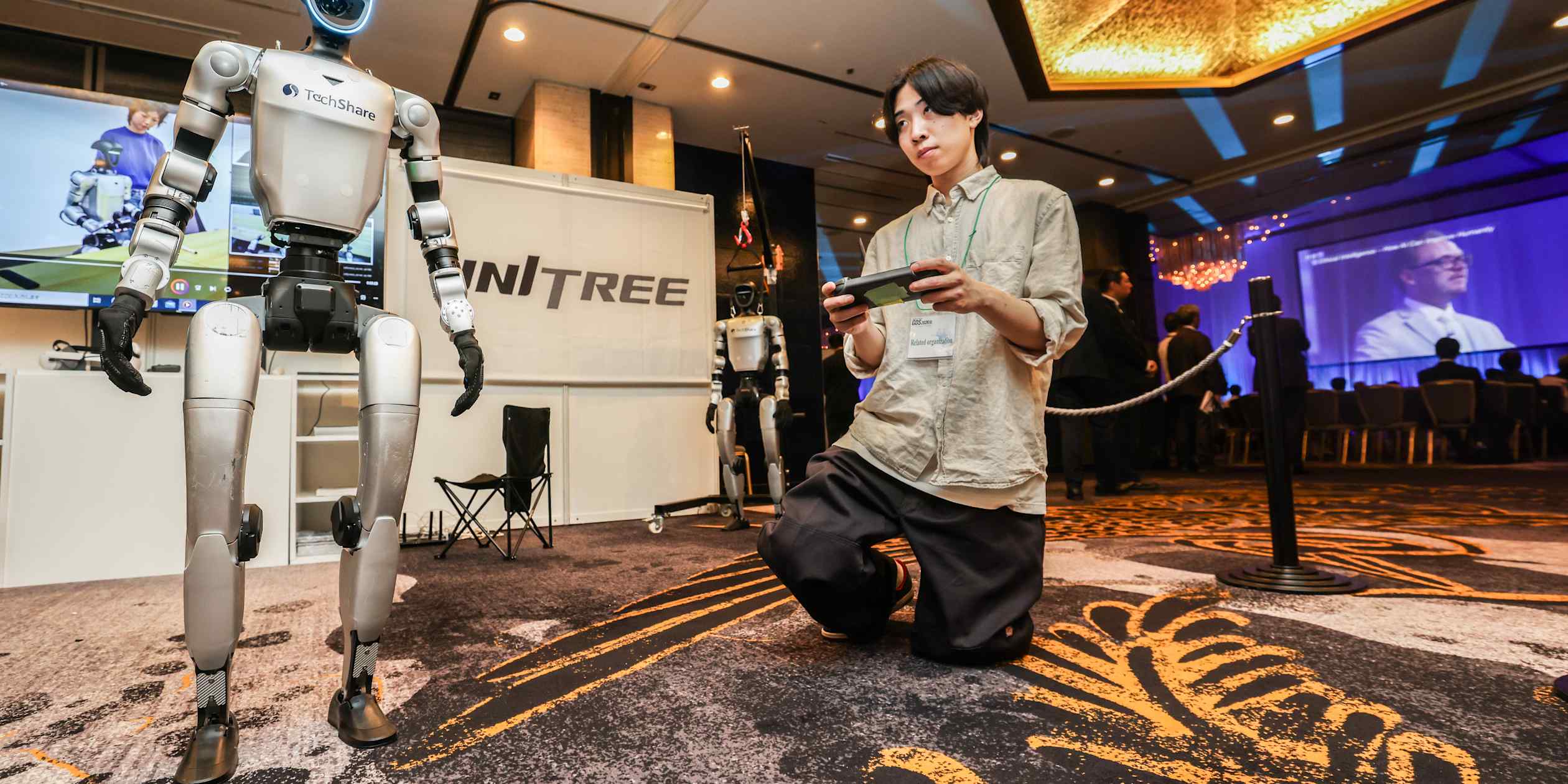
Unitree Robotics Predicts 'GPT Moment' for Robots is Still Years Away
Unitree Robotics, a leading Chinese humanoid robot manufacturer, has stated that the robotics industry may be two to five years away from a 'GPT moment' similar to the breakthrough achieved by ChatGPT in generative artificial intelligence. This insight was shared by a senior executive during the Global Digital Summit 2026 in Tokyo. The significance of this prediction lies in the need for advancements in artificial intelligence to enhance its capability to control hardware like robots. Unitree emphasizes that the complexity of operating robots in various environments requires improved AI processing capabilities, which are currently lacking. Looking ahead, the robotics sector is urged to focus on developing AI technologies that can better manage the diverse variables encountered in real-world applications. No further timeline was disclosed at the time of publication.
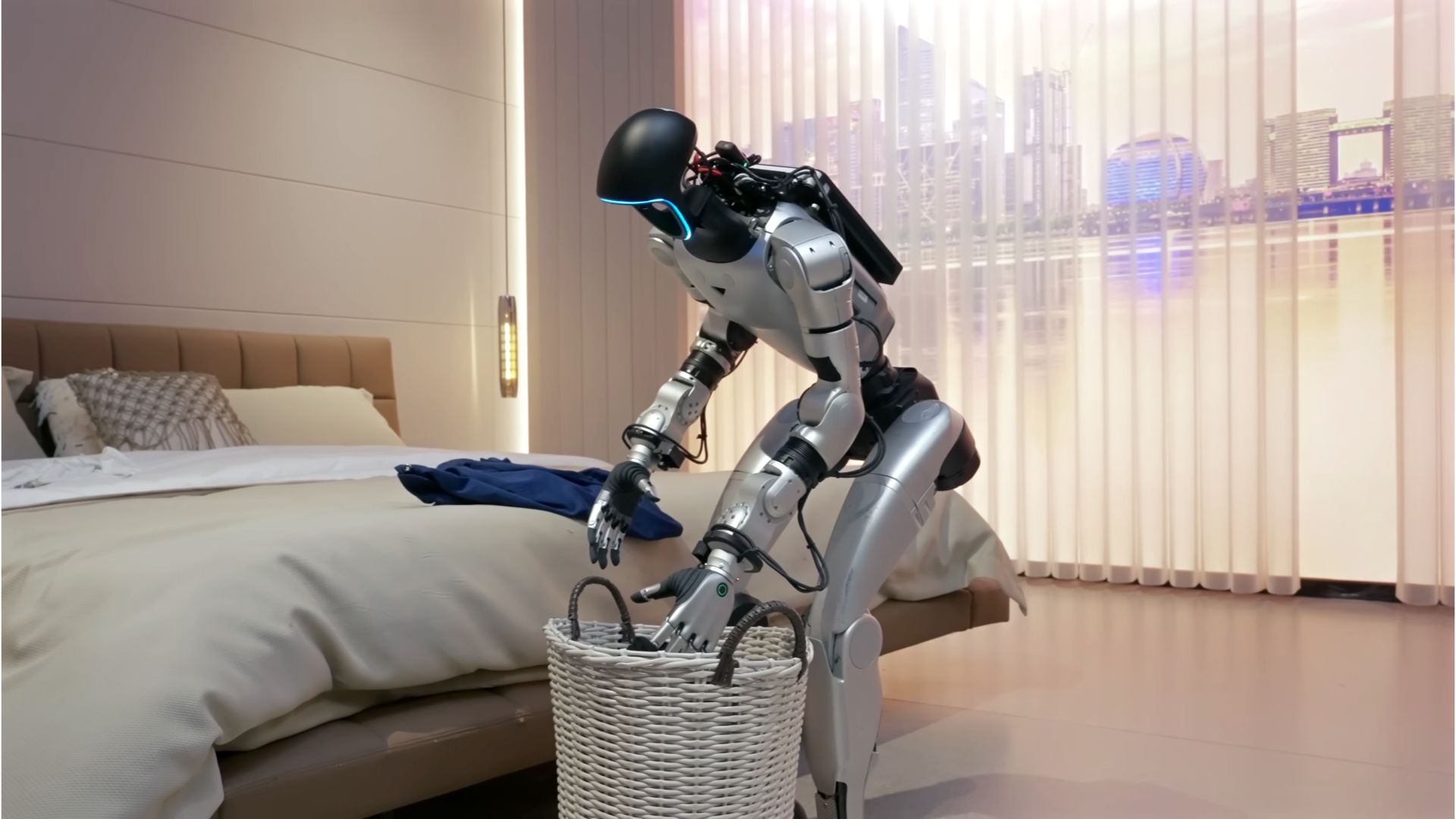
Unitree Launches UnifoLM-OminiA-0.3 for Enhanced Humanoid Robot Interaction and Assistance
Chinese robotics firm Unitree has introduced UnifoLM-OminiA-0.3, a unified AI model designed for humanoid robots. This model facilitates real-time omni-modal interaction, reasoning, dialogue, and whole-body mobile manipulation, targeting home-care and wellness applications. The robots can autonomously perform tasks such as tidying rooms and assisting patients while responding to various inputs. The significance of UnifoLM-OminiA-0.3 lies in its ability to integrate multiple capabilities into a single system, allowing robots to process information from speech, vision, and environmental cues simultaneously. This unified architecture enables seamless task execution, as demonstrated by a humanoid robot that can adjust a hospital bed and respond to user commands mid-task, showcasing continuous human-robot interaction. Looking ahead, the trend towards embodied AI is expected to grow, with developers focusing on integrating vision-language models with robot control. This approach enhances flexibility in dynamic environments like homes and healthcare facilities, where tasks and interactions can vary significantly. No further timeline was disclosed at the time of publication.
AI and Robotics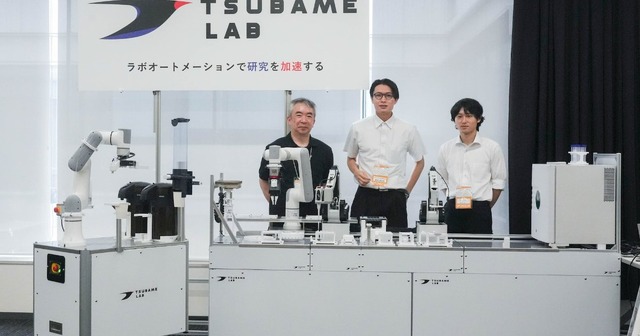
Tsubame Lab Showcases Automation Solutions at LADEC2026 with Robotic Arms and AMRs
Tsubame Lab Inc. participated in the Laboratory Automation Developers Conference 2026 (LADEC2026) held on July 2-3, 2026, at the Miraikan in Japan. The company demonstrated automation solutions for pre-processing tasks using robotic arms and introduced the concept of 'room-level automation' by integrating autonomous mobile robots (AMRs) for sample transportation. This participation is significant as it highlights Tsubame Lab's ongoing efforts to create a 'Cloud Lab' that allows researchers to execute experiments remotely via APIs and MCPs. The conference featured over 40 speakers and approximately 60 sponsoring companies, emphasizing the importance of automating repetitive tasks in research environments, which are still largely performed manually by researchers and staff. Looking ahead, Tsubame Lab plans to expand automation elements for pre-processing tasks, enhance the application range of room-level automation through AMR integration, and continue collaborating with the research automation community. No further timeline was disclosed at the time of publication.
Lingdi Technology Demonstrates Advanced Clothing Simulation at WAIC 2026
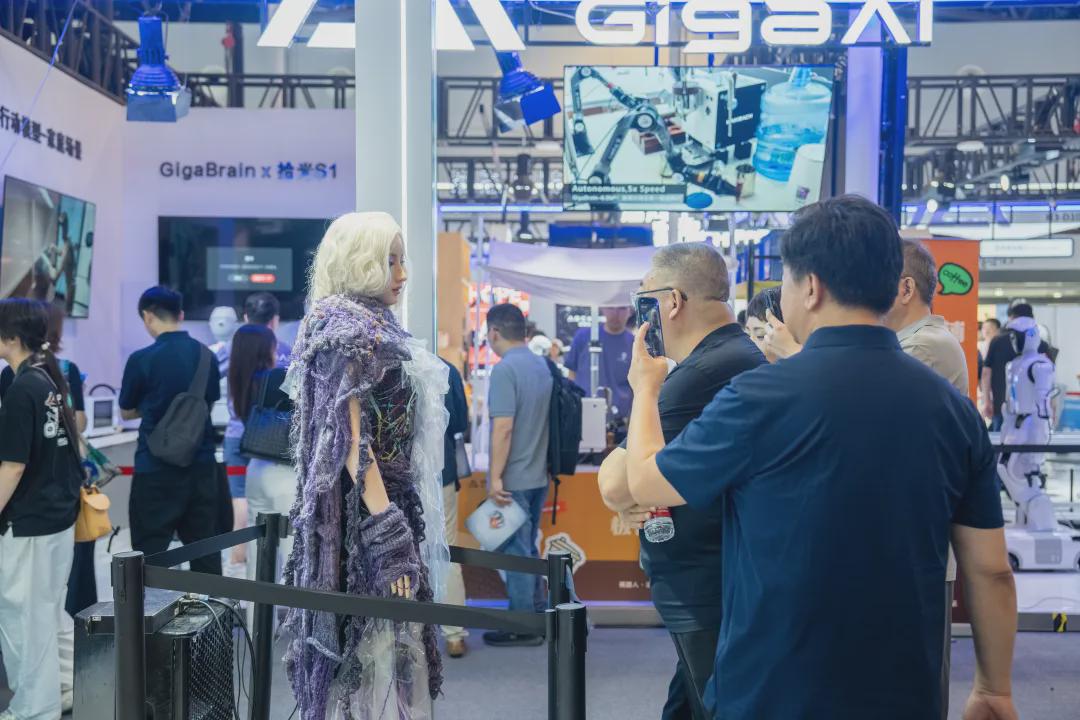
At the WAIC 2026, Lingdi Technology showcased a compelling demonstration of robotic arms folding clothes, highlighting the complexities of handling flexible materials. The demonstration illustrated not just the end result of clothing manipulation but emphasized the intricate process of transforming garments into computable digital objects. This involves understanding various fabric properties and how they interact with robotic grippers, which is crucial for real-world applications in households and light industries. The significance of this demonstration lies in addressing the challenges robots face when dealing with flexible, deformable objects. Unlike rigid items, clothing can change shape and state when manipulated, requiring advanced algorithms to adapt to these variations. Lingdi Technology's SynReal World aims to bridge the gap between robotic systems and embodied models by providing a comprehensive data infrastructure for 3D asset generation, simulation training, and automated evaluation, ensuring that models undergo extensive physical interactions in a digital environment before real-world deployment. Looking ahead, the focus on flexible object simulation is critical as robots increasingly enter domestic and industrial settings. The ability to accurately simulate the handling of clothing and other soft materials will be essential for improving efficiency and reducing operational costs. No further timeline was disclosed at the time of publication.
Robotics Fabric Simulation AI Training Automation Soft Robotics
Tencent Introduces Advanced Intelligence for Robots at WAIC 2026, Challenging AI Concepts
At WAIC 2026, Tencent's Chief Scientist Zhang Zhengyou questioned the intelligence of AI that can reason but lacks understanding of the physical world, referring to it as a 'brain in a jar.' He emphasized that true intelligence integrates language, vision, spatial awareness, body control, and environmental feedback in a closed-loop system. Tencent unveiled several models, including Hy-Embodied-VLM-1.0, which interprets images and scenes with significantly reduced computational demands. The Hy-Embodied-RxBrain-1.0 combines text reasoning with visual imagination for continuous cognitive processing, while Hy-Embodied-VLA-0.5 translates high-level goals into actionable steps for various robot forms. These innovations are supported by extensive training data and are already being implemented in real-world applications. The company is also upgrading its Tairos platform for a more open-source approach, facilitating easier development from models to applications. Tencent's Robotics X Lab is collaborating with multiple robotics companies and partners to transition these technologies from theoretical concepts to practical implementations in diverse environments.
Robotics Artificial Intelligence Cognitive Systems Automation
Moore Threads Unveils MTT C256 System with 256 GPUs at WAIC 2026
Moore Threads, a Chinese GPU developer, showcased its MTT C256 system at WAIC 2026, integrating 256 GPUs into a single data-center-scale computing unit. This innovative system employs a one-layer Scale-up network that facilitates all-to-all communication among the GPUs, all housed within two standard racks. Moore Threads claims that this network achieves sub-microsecond latency, enhancing performance significantly. The introduction of the MTT C256 system is significant as it represents a leap in GPU technology, allowing for advanced computational capabilities. The ability to train a 236-billion-parameter mixture-of-experts model using over 25 trillion tokens showcases the system's potential for handling large-scale data processing tasks. This advancement could have implications for various industries relying on high-performance computing. Looking ahead, the performance of the MTT C256 system in real-world applications will be crucial to monitor. As Moore Threads continues to innovate in GPU technology, the effectiveness of their solutions in practical scenarios will determine their impact on the market. No further timeline was disclosed at the time of publication.
News Feed
AMD and Microsoft Expand Strategic Partnership with Large-Scale Deployment of AI Rack Scale 'Helios' on Azure
On July 20, 2026, AMD announced an expansion of its strategic partnership with Microsoft, focusing on the large-scale deployment of the AMD Helios rack-scale AI product on Azure. This collaboration encompasses GPUs, CPUs, networking, and software, with Helios being utilized for inference processing of frontier AI models by Microsoft and its AI customers. The significance of this partnership lies in the integration of AMD's Helios, which combines the AMD Instinct MI455X GPU, the sixth-generation EPYC CPU, and Pensando's networking technology into a cohesive AI system designed for extensive AI learning and inference. Microsoft plans to deploy Helios across three new Azure virtual machine series, enhancing its infrastructure offerings for next-generation AI applications. Looking ahead, AMD is set to begin shipping Helios to customers, including Microsoft, in late 2026. The collaboration is expected to broaden the scope of AMD's AI solutions, with potential implications for other major companies already adopting AMD's Instinct series, such as Meta and OpenAI. No further timeline was disclosed at the time of publication.
ePropelled Launches SKYLARK Propulsion System to Enhance UAV Manufacturing Efficiency
ePropelled has unveiled its SKYLARK™ Series, an integrated propulsion system aimed at simplifying UAV manufacturing and enhancing aircraft performance. Introduced at the Farnborough International Airshow 2026, this product combines the motor and controller into a single unit, targeting light and medium duty unmanned aircraft. The design reduces wiring and assembly time, enabling manufacturers to create more compact aircraft or increase payload capacity. The significance of the SKYLARK™ Series lies in its potential to streamline production processes for drone manufacturers. As the industry shifts towards faster production and simpler supply chains, ePropelled's integrated approach addresses the demand for complete subsystems that maintain performance and reliability. This innovation is particularly relevant for defense, industrial, and commercial UAV applications, where manufacturers seek to enhance operational effectiveness without compromising on quality. Looking ahead, ePropelled aims to demonstrate the SKYLARK™ Series throughout the Farnborough International Airshow, focusing on high-power UAV applications and hybrid propulsion systems. No further timeline was disclosed at the time of publication.
brushless motors Drone News Drone News Feeds drone parts Europe Drone Industry News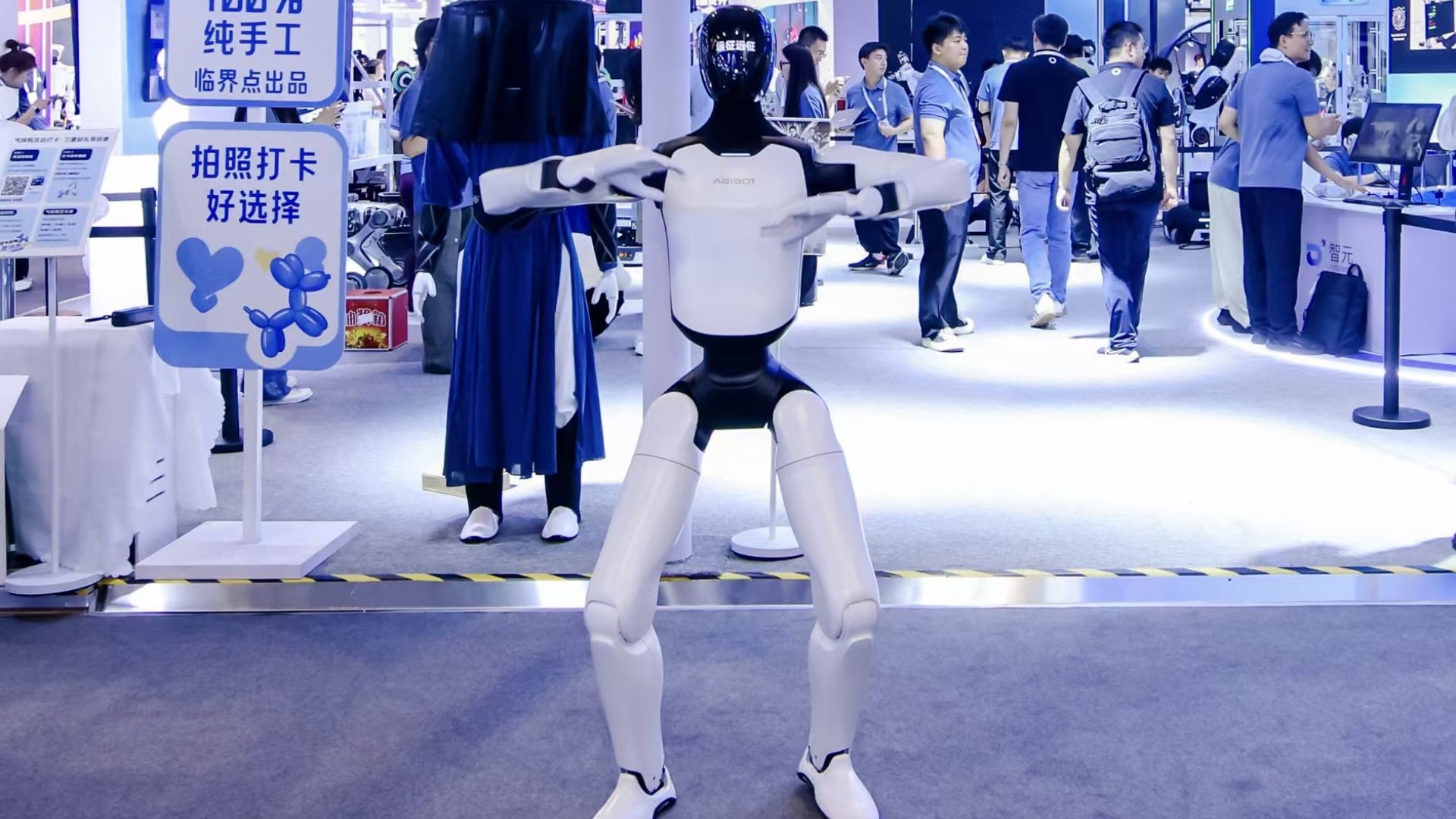
AGIBOT Unveils A3 Ultra Humanoid Robot with 51 DoF and 8-Hour Endurance
Chinese robotics company AGIBOT has introduced four new robotics products at the World Artificial Intelligence Conference (WAIC) 2026 in Shanghai. The highlight is the A3 Ultra humanoid robot, which stands 1.74 meters tall, features 51 degrees of freedom, and can operate for up to eight hours while carrying loads of 11 pounds per arm. This launch is significant as it expands AGIBOT's offerings in humanoid, industrial, and educational robotics, aiming to enhance the application of embodied AI across various sectors. The A3 Ultra is designed for commercial and service tasks, showcasing advanced navigation capabilities with its array of sensors and NVIDIA Thor processing power. Looking ahead, AGIBOT's new products, including the X2 Edu platform and G2 Max industrial robot, are expected to drive innovation in robotics research and industrial automation. No further timeline was disclosed at the time of publication.
AI and Robotics
Developing Reliable Monocular Visual SLAM for Underwater Bionic Robotic Fish Using Image Enhancement and Deep Feature Matching
Recent advancements in monocular visual simultaneous localization and mapping (SLAM) have been applied to underwater bionic robotic fish. This approach integrates image enhancement techniques with deep feature matching to improve the robustness of navigation and mapping in aquatic environments. The significance of this development lies in its potential to enhance the operational capabilities of underwater robotic systems. By leveraging advanced image processing and machine learning techniques, the integration aims to address challenges faced in underwater navigation, such as low visibility and dynamic environments. Looking ahead, further research and testing will be crucial to refine these techniques and ensure their effectiveness in real-world underwater applications. No further timeline was disclosed at the time of publication.
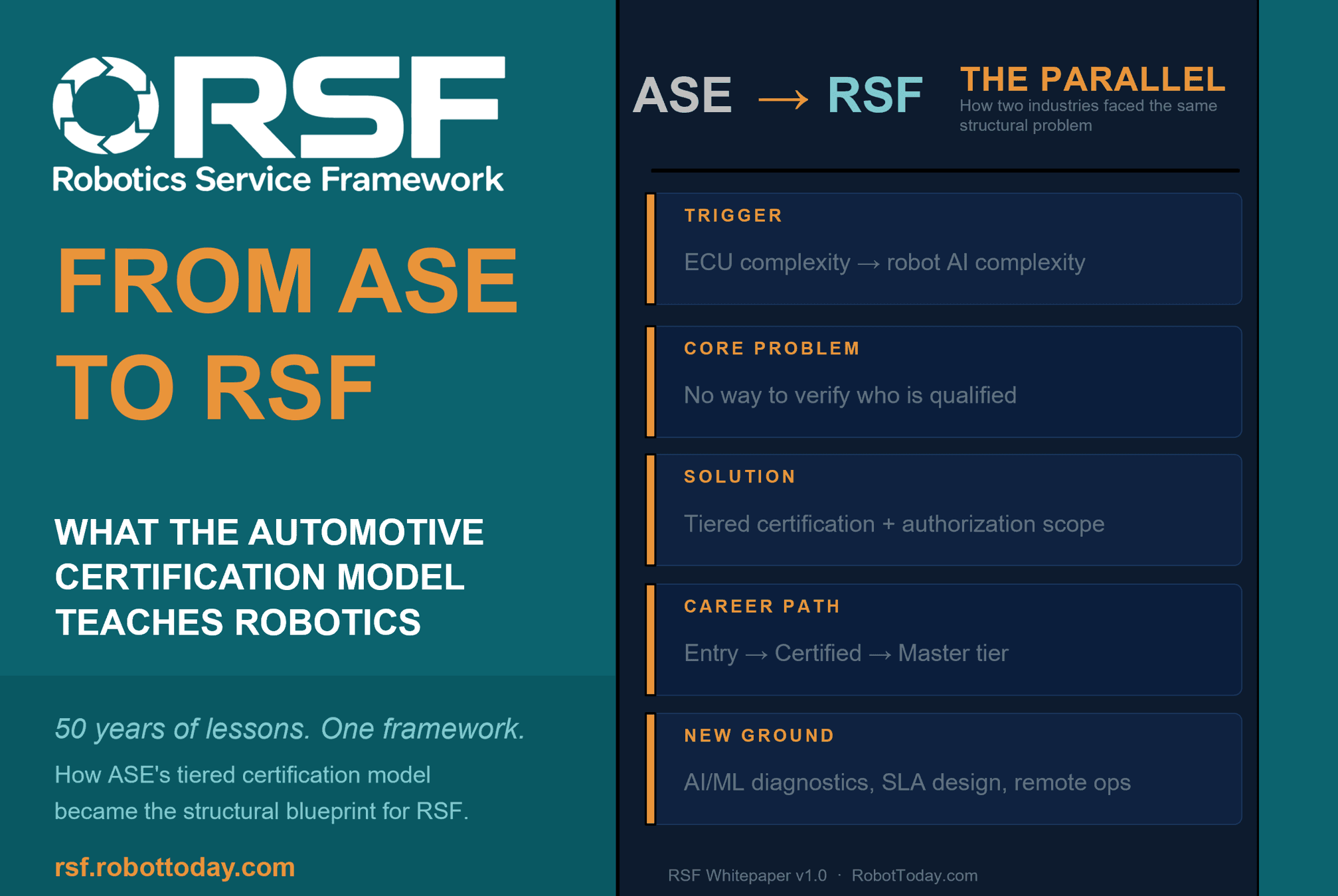
RESEARCH ARTICLERobotics needs a service framework.
RSF defines a common language for robot service capability, lifecycle operations, certification pathways, and service-provider networks.