

Industry Briefing
A single destination for timely, editor-curated robotics news from around the world.

Advanced Humanoid Forum 2027 to be held in Germany
Germany is pushing to expedite the transition of humanoid robots from laboratory settings to industrial applications. As these robots gain increasing attention in media and announcements from major tech companies, a pressing question arises regarding their large-scale deployment in factories, warehouses, hospitals, and construction sites. This initiative was highlighted at the Advanced Humanoid Forum 2027, which took place in Germany, where industry leaders discussed the future integration of these advanced machines into various sectors. The motivation behind this acceleration is to enhance efficiency and productivity across industries, addressing the growing demand for automation.
À la une IA Industrie Robotique Santé Advanced Humanoid Forum
XPENG Launches Production of World's First Advanced Humanoid Robot with Official Facility Commissioning
XPENG has officially launched its humanoid robot production lines, successfully completing the manufacturing of the world's first advanced humanoid robot. This milestone signifies a significant transition from research and development prototyping to actual production-line manufacturing. The achievement is crucial as it demonstrates XPENG's capabilities in humanoid robotics, potentially influencing the future of automation and robotics in various sectors. The autonomous walking of the humanoid robot off the production lines showcases advancements in technology and manufacturing processes. Looking ahead, industry observers will be keen to see how XPENG's humanoid robot performs in real-world applications and how it impacts the competitive landscape of robotics. No further timeline was disclosed at the time of publication.

Humanoid Robot Evaluation Forum to Launch on August 21 for Standards and Assessment
The Humanoid Robot Evaluation Forum is scheduled to begin on August 21, with a focus on creating standards and improving evaluation techniques for humanoid robots. This initiative aims to unite industry experts to share insights on advancements and best practices in the assessment of robotic technologies. The significance of this forum lies in its potential to standardize evaluation processes, which is crucial for the development and deployment of humanoid robots. By fostering collaboration among experts, the forum seeks to enhance the reliability and effectiveness of robot assessments, ultimately benefiting the industry as a whole. As the forum approaches, stakeholders should monitor the discussions and outcomes that may arise from this gathering. The establishment of robust evaluation standards could lead to significant advancements in humanoid robotics, influencing future innovations and applications in the field. No further timeline was disclosed at the time of publication.
Humanoid Robots Robot Evaluation Industry Standards Technology Innovation
Delta Intelligence Launches Delta-0 Humanoid Foundation Model with Advanced Capabilities
On September 28, 2026, Delta Intelligence introduced Delta-0, a humanoid foundation model designed for advanced loco-manipulation. The model successfully demonstrated 32 planned steps and completed nine household tasks within approximately 210 seconds of continuous operation. The launch of Delta-0 is significant as it showcases Delta Intelligence's commitment to developing sophisticated humanoid models capable of performing complex tasks in real-world environments. This advancement could enhance automation in various sectors, particularly in domestic settings where humanoid robots can assist with everyday chores. Looking ahead, the industry will be keen to observe how Delta-0 performs in practical applications and whether it can meet the expectations set by its demonstration. No further timeline was disclosed at the time of publication.

York University Develops CBS Algorithm to Enhance Humanoid Robot Depth Perception
Researchers from York University have introduced the Convergent Binocular Stereo (CBS) algorithm to improve depth perception in humanoid robots. This innovative approach utilizes the movement of the robot's eyes, allowing them to converge on a target while calculating depth based on camera orientation and disparities in the images. This method significantly outperforms traditional depth learning techniques, especially in complex visual scenarios. The advancement is crucial as humanoid robots increasingly rely on sophisticated vision systems to navigate and interact with their environments. By integrating eye movement into depth calculations, the CBS algorithm addresses a long-standing challenge in robotic vision, enhancing the robots' ability to perceive three-dimensional spaces accurately. Looking ahead, the implementation of the CBS algorithm could lead to more advanced humanoid robots capable of better depth perception and spatial awareness. No further timeline was disclosed at the time of publication.
Humanoid Robots Vision Systems Depth Perception Robotics Research
Tianjin Robot Town Pursues Advanced Humanoid Robotics Development and Innovation
Tianjin Robot Town is taking a unique approach in the robotics industry by focusing on the establishment of a joint laboratory for intelligent robots, led by Hebei University of Technology and several key enterprises. This initiative aims to create China's first innovation service platform for intelligent robots using domestic products, with a launch expected in October. The significance of this development lies in the shift from mere assembly of robotic components to the integration of domestic chips and operating systems, which is crucial for the future of the robotics ecosystem. Tianjin's strategy emphasizes overcoming challenges related to chip and software dependencies, while also addressing the gap between laboratory results and mass production. Looking ahead, the performance of the upcoming robot, set to be unveiled in October, will serve as a critical test for Tianjin Robot Town's ambitions. The success of this initiative will depend on the speed of domestic adaptation and the depth of scenario validation, which are essential for fostering competitive robotics enterprises in the region.
Intelligent Robots Robotics Innovation Domestic Chips Research and Development Industry Collaboration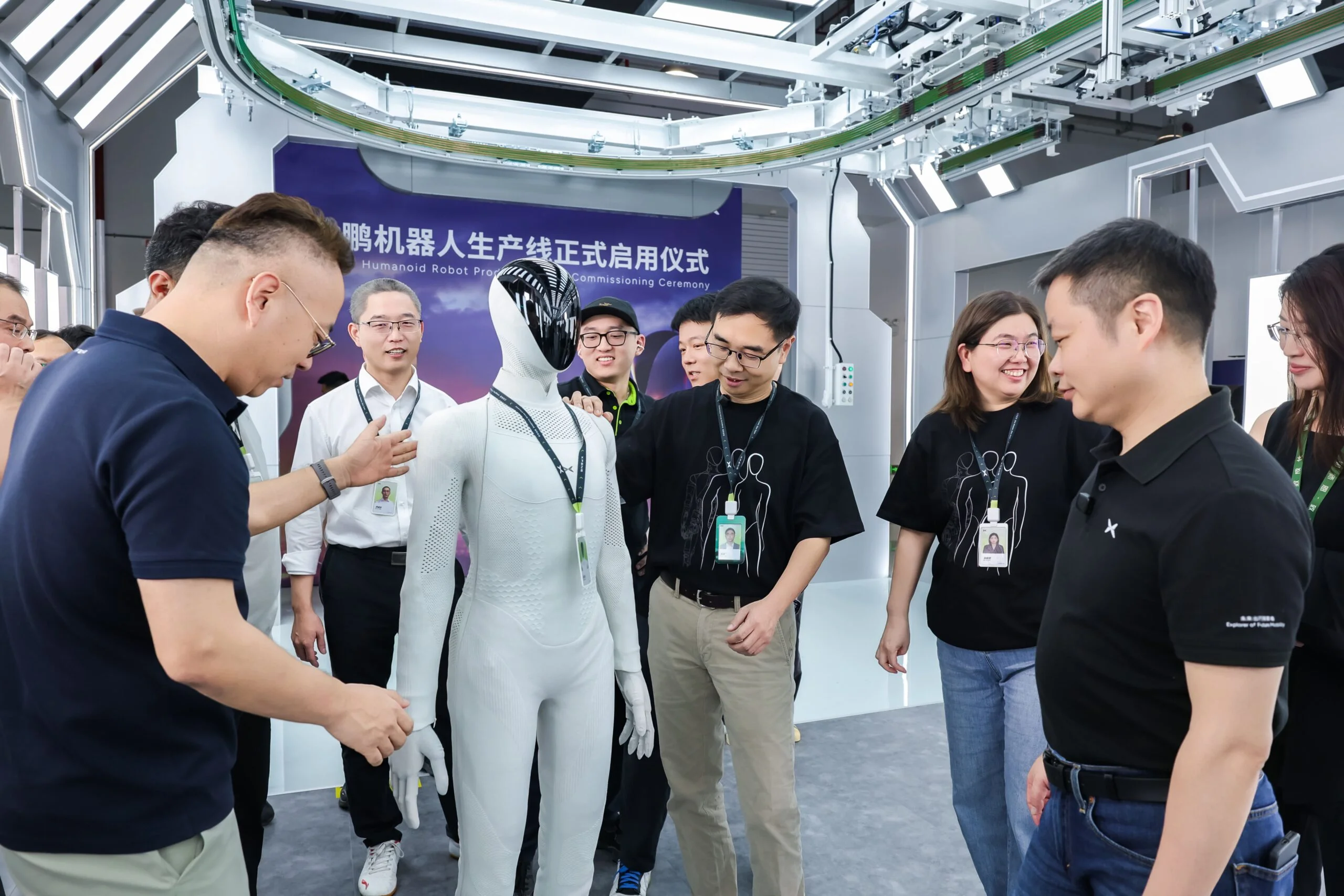
XPeng Launches Production for Humanoid Robot 'Iron' with Advanced Features
XPeng has commenced production of its humanoid robot, Iron, with initial units set to be deployed in the company's stores before a broader market launch in 2027. The production lines are highly automated, with over 80% of core processes automated, and Iron boasts 76 degrees of freedom and three Turing AI chips delivering up to 2,250 TOPS. This development is significant as XPeng aims to position robotics as a key growth sector alongside its automotive business, having raised over $900 million for this initiative. The company’s chairman, He Xiaopeng, emphasized the importance of building a new product category and the potential for higher profit margins in robotics compared to new-energy vehicles. Looking ahead, XPeng plans to enhance production efficiency and scale in robot manufacturing, aiming to create robots that integrate into daily life. No further timeline was disclosed at the time of publication.
AI AI Funding & Investment AI Use Cases Robotics China humanoid robotics
Seeing Machines Introduces Physical AI Platform for Advanced Humanoid Robotics
Seeing Machines Limited has launched its Physical AI Platform, which aims to enhance humanoid robots by leveraging its expertise in human sensing technology. This new platform is designed to facilitate safe and intuitive interactions between humans and machines, building on the company's established leadership in the automotive sector. The introduction of the Physical AI Platform is significant as it represents a shift towards integrating advanced computer vision capabilities into robotics and industrial automation. By applying its Human-Centred AI design philosophy, Seeing Machines is poised to redefine how robots interact with humans, potentially improving safety and efficiency in various applications. Looking ahead, industry stakeholders should monitor the development and deployment of the Physical AI Platform, as it may set new standards for human-robot interaction. No further timeline was disclosed at the time of publication.

Honda Introduces Avatar Robot and Advanced Dexterous Hand at Humanoids Summit 2026
Honda showcased its latest innovations in humanoid robotics, including the Avatar Robot and a highly dexterous robotic hand, at the Humanoids Summit 2026 in May. These developments signify the company's continued commitment to humanoid technology, building on the legacy of its famous ASIMO robot. The Avatar Robot is designed as a physical extension of a human operator, enabling remote operation in environments where human presence is limited or unsafe. This approach could revolutionize tasks in hazardous settings, maintenance, and other areas requiring human judgment combined with robotic capabilities. Honda's new multi-fingered robotic hand features 16 actuated joints, allowing for impressive dexterity and strength. With the ability to perform intricate tasks and a durability proven through extensive testing, this hand represents a significant advancement in humanoid robotics. No further timeline was disclosed at the time of publication.
Features Robotics asimo avatar robots dexterous manipulation honda
NVIDIA Develops SONIC Framework for Advanced Humanoid Robot Control and Movement
Researchers at NVIDIA have developed a large-scale framework named SONIC that enables humanoid robots to perform a variety of natural movements, including running, jumping, and grasping, using simple commands. Unlike traditional controllers that are limited to specific tasks, SONIC employs a single policy trained on over 100 million motion frames, allowing for improved generalization and adaptability in motion. The significance of SONIC lies in its ability to address the limitations of existing humanoid robotics control systems, which often rely on small neural networks tailored for individual tasks. By treating motion tracking as a scalable learning challenge, SONIC utilizes extensive human motion data to create a robust training signal, enhancing the robot's capability to execute diverse behaviors seamlessly. Looking ahead, SONIC's architecture supports multimodal control, allowing inputs from video, text, and music to influence robot movements. The framework has already demonstrated impressive performance, achieving a 99.2 percent success rate in real-world applications. Future developments may focus on enhancing higher-level perception and reasoning to further advance humanoid autonomy.
AI and Robotics
Google Unveils Gemini Robotics 2 for Advanced Humanoid Robot Control and Reasoning
Google has launched Gemini Robotics 2, a sophisticated robotics model that enables humanoid robots to perform full-body movements and complex tasks. This system allows for coordination among multiple robots and adapts to various robot designs with minimal training. The new capabilities extend beyond simple manipulation to include walking, bending, and balancing. The significance of Gemini Robotics 2 lies in its ability to facilitate multi-step reasoning and adaptability in unfamiliar environments, setting it apart from traditional robots. This model can control both humanoid robots and dual-arm systems, enhancing their functionality for household and industrial applications. Demonstrations showcased its ability to manage tasks such as picking up objects and performing intricate actions with dexterous robotic hands. Looking ahead, Google is also releasing Gemini Robotics ER 2 for high-level reasoning and Gemini Robotics On-Device 2 for local operation without cloud reliance. The introduction of multi-robot collaboration capabilities allows different robots to work together efficiently, marking a notable advancement in robotic technology. No further timeline was disclosed at the time of publication.
AI and Robotics
Shanghai Electric Launches Advanced Humanoid Robots with Continuous Operation Features
Shanghai Electric unveiled a comprehensive range of industrial robots and AI technologies at the WAIC 2026, focusing on automating complex manufacturing tasks that require human-like precision. The new portfolio includes the SUYUAN bipedal humanoid robot, equipped with 41 degrees of freedom and a dual-battery hot-swap design for uninterrupted operation, aimed at tasks like inspection and assembly. The introduction of these robots is significant as they address the growing demand for automation in manufacturing, particularly in environments where precision and efficiency are critical. Shanghai Electric's innovations, including the TUOYUAN and Mermaid robots, are designed to enhance productivity and reduce reliance on human labor in specialized manufacturing settings. Looking ahead, Shanghai Electric plans to expand the deployment of these advanced robotic systems as the technology evolves. The company also aims to integrate its AI models with robotic control systems to optimize factory operations, making it essential for industry stakeholders to monitor these developments closely.
AI and Robotics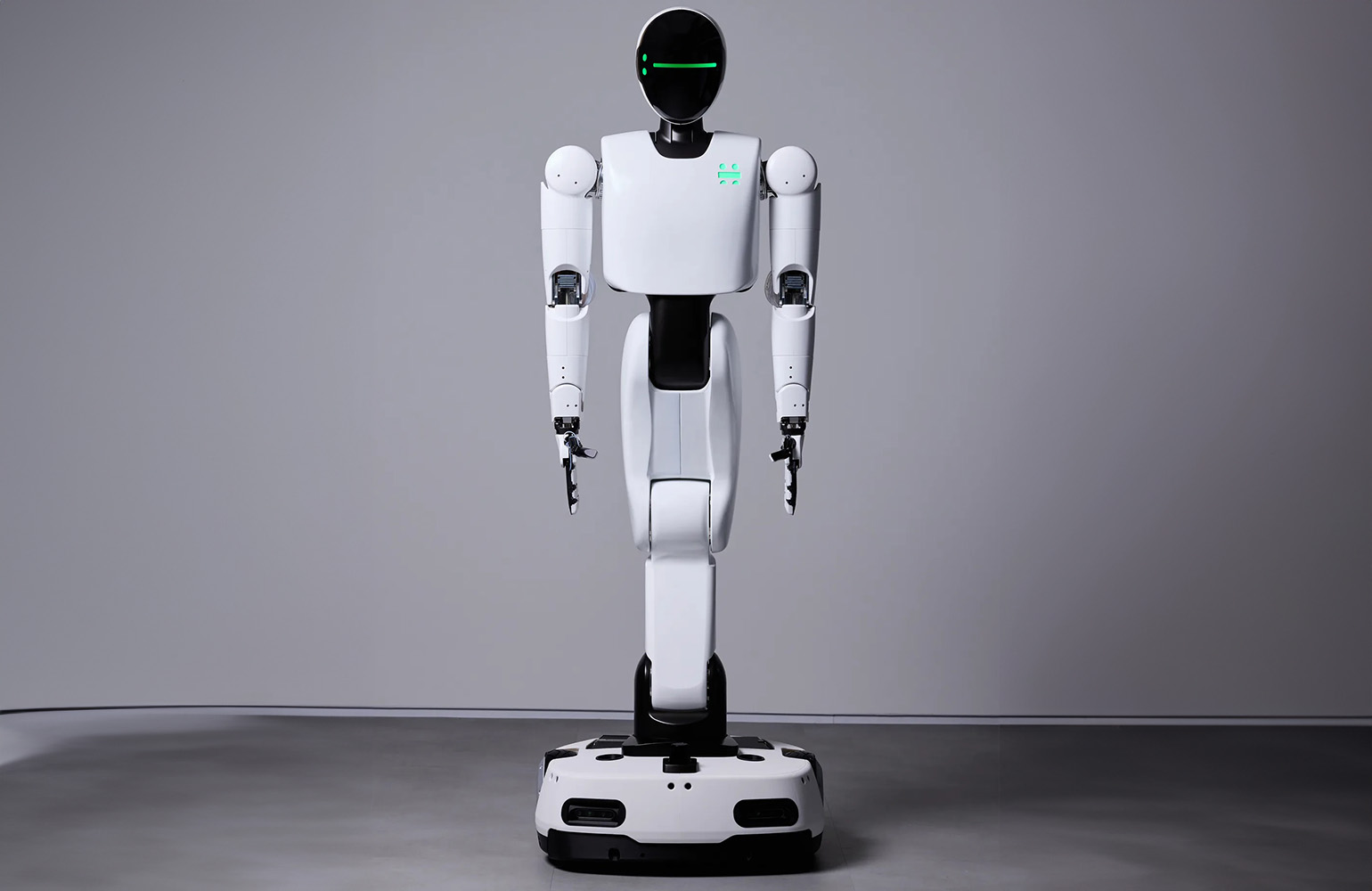
Holiday Robotics Secures $105 Million for FRIDAY, Its Advanced Wheeled Humanoid Robot
Holiday Robotics has successfully raised $105 million in Series A funding to advance its wheeled humanoid robot, FRIDAY, designed for industrial applications. The robot aims to alleviate the burden of repetitive physical tasks in manufacturing environments, emphasizing the need for reliability and safety when working alongside human operators. The significance of this funding lies in the potential of FRIDAY to enhance productivity in factories, where traditional automation struggles with the complexities of real-world operations. Holiday Robotics highlights that humanoid robots must be capable of adapting to existing environments rather than requiring changes to those environments, making the development of FRIDAY crucial for effective industrial integration. Looking ahead, Holiday Robotics plans to leverage advancements in vision-language models to improve FRIDAY's task interpretation and execution. The company is adopting a vision-language-skill approach to enhance the robot's reliability and adaptability, focusing on building and validating individual skills for complex tasks. No further timeline was disclosed at the time of publication.
Artificial Intelligence Artificial Intelligence / Cognition Automation Autonomous Mobile Robots (AMRs) Design / Development Financial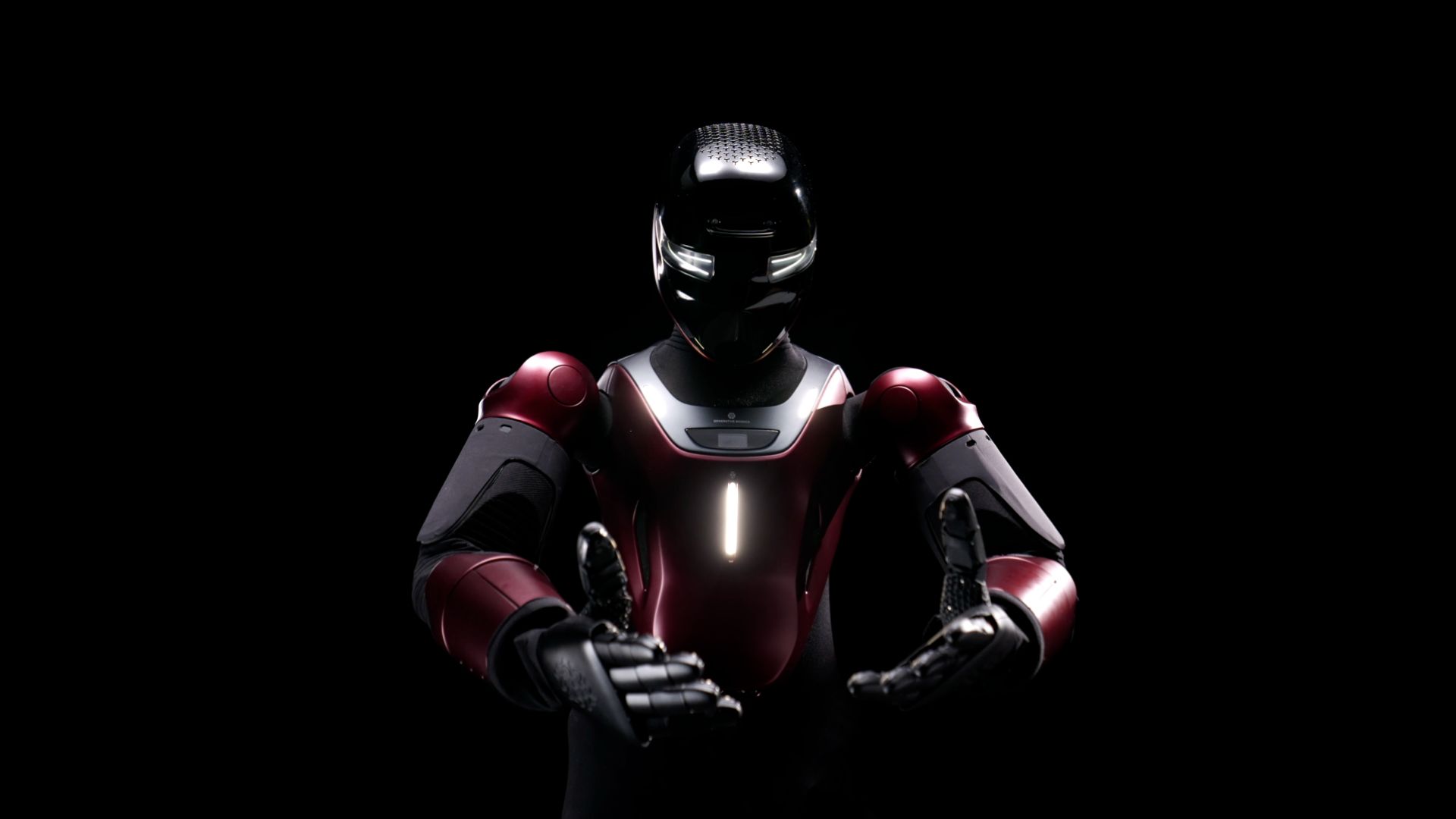
Generative Bionics Launches Gene.01 Humanoid with Advanced Smart Skin for Industrial Use
Generative Bionics has introduced significant enhancements to its Gene.01 humanoid robot, aimed at industrial applications. Developed in six months, this robot features full-body tactile sensing and a physics-native AI system, allowing it to better perceive and respond to its environment. Unlike traditional humanoids, Gene.01 is a customizable platform designed for specific industrial needs, emphasizing safer human-robot collaboration. The importance of Gene.01 lies in its innovative design that integrates tactile sensing with AI, enhancing interaction safety in shared workspaces. Its smart skin detects touch, proximity, force, and temperature, enabling the robot to sense human presence before contact. This capability allows workers to physically guide the robot, addressing the limitations of vision-only systems in complex manipulation tasks. Looking ahead, Generative Bionics plans to release Gene.01's digital twin as open source, facilitating easier integration into existing robotics and AI environments. This initiative aims to provide a common foundation for developers, enhancing simulation and application development for Physical AI. No further timeline was disclosed at the time of publication.
AI and Robotics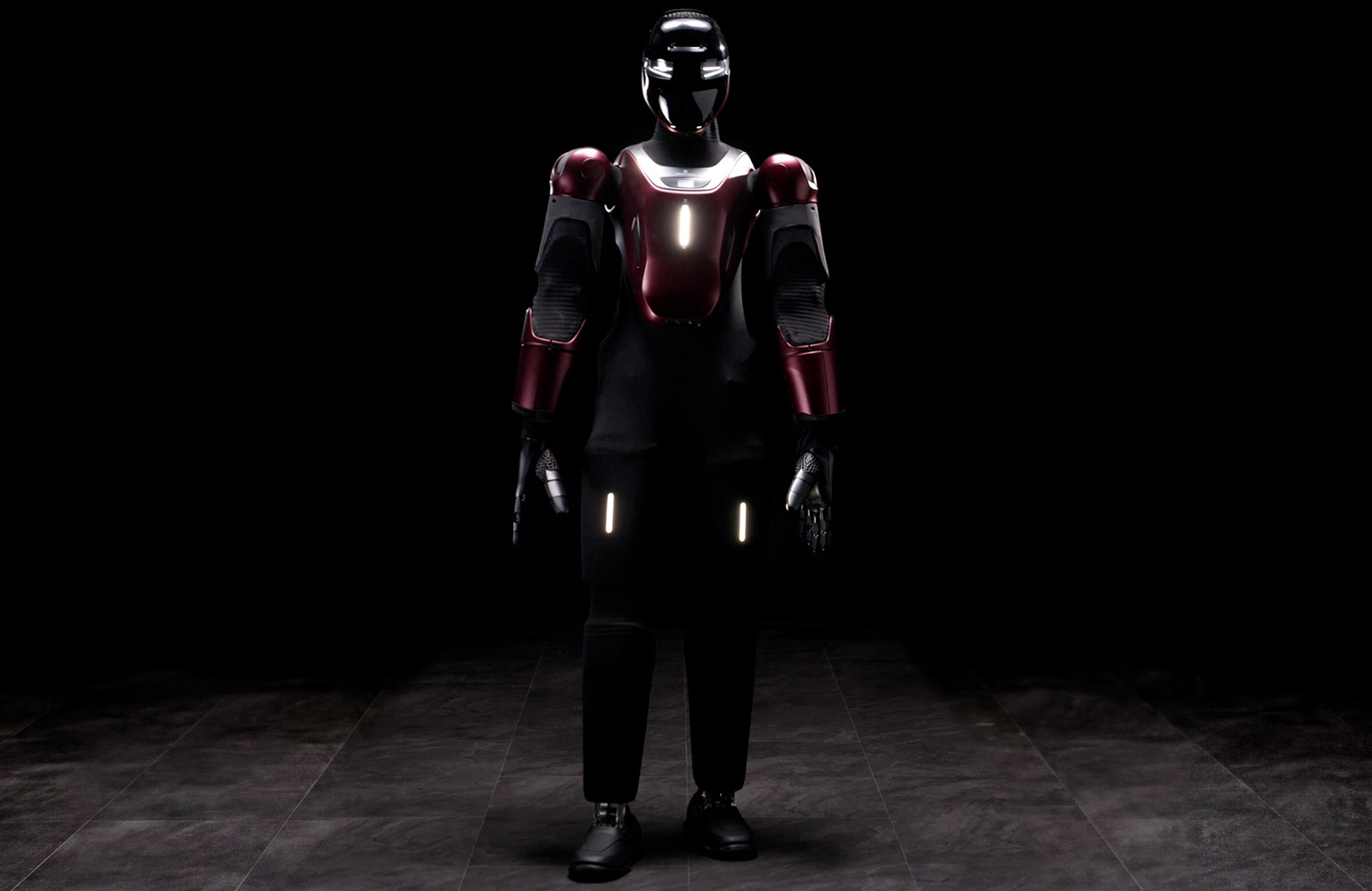
Generative Bionics Launches Gene.01 Humanoid Robot with Advanced Tactile Sensing
Generative Bionics has introduced the Gene.01 humanoid robot at AMD Advancing AI 2026, marking its U.S. debut. Developed in six months, Gene.01 features full-body tactile sensing integrated with physics-native AI, allowing it to interpret and respond to its environment effectively. This innovation is significant as it represents a shift towards humanoid robots that prioritize human interaction and adaptability in industrial applications. CEO Daniele Pucci emphasized that Gene.01 is a scalable platform tailored to meet specific customer needs, enhancing collaboration in environments such as shipyards through a partnership with Fincantieri. Looking ahead, Generative Bionics is open-sourcing the Gene.01 model to support developers in creating industry-specific applications. The robot's design focuses on safe and efficient human-robot collaboration, utilizing advanced sensing capabilities to improve task teaching and interaction. No further timeline was disclosed at the time of publication.
Artificial Intelligence Artificial Intelligence / Cognition Human Robot Interaction / Haptics Humanoids Manufacturing Maritime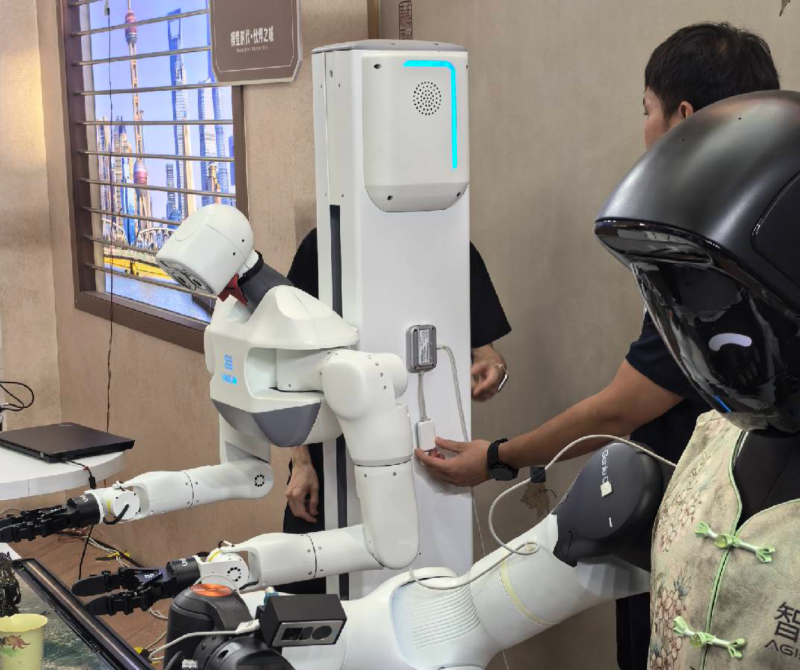
Ensuring Connectivity for Humanoid Robots with Advanced 6G Technology Solutions
At the WAIC 2026, 208 embodied intelligent terminals and over 300 real machines showcased their capabilities, raising concerns about connectivity during real-time collaborative operations. Asmote introduced a next-generation wireless base designed for humanoid robots, which integrates communication, perception, intelligent computing, and control based on 6G technology. This innovation is crucial as it addresses the need for reliable connectivity in complex industrial environments, ensuring that robots remain online with 99.99% reliability and millisecond-level latency. Asmote's AI-EDGE platform significantly reduces the power consumption, cost, and weight of robots by offloading communication and computing tasks to the 6G-native base, allowing robots to focus on performance optimization and task execution. Looking ahead, Asmote aims to provide a digital foundation for physical AI across various industries, emphasizing the importance of a robust infrastructure that goes beyond mere connectivity. No further timeline was disclosed at the time of publication.
Humanoid Robots 6G Technology Wireless Communication AI Industrial Automation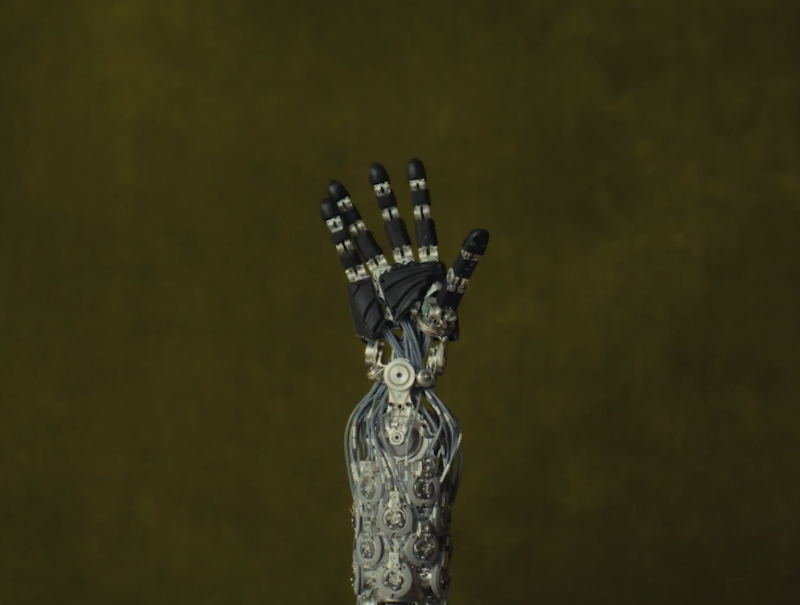
1X Introduces Advanced 25-Degree-of-Freedom Hands for NEO Humanoid Robot
1X has launched a new tendon-driven robotic hand for its NEO humanoid platform, featuring 25 degrees of freedom. This design enhances dexterity, strength, and tactile sensing, enabling advanced AI-driven manipulation capabilities. The introduction of these hands aims to eliminate the 'hardware ceiling' that has previously restricted humanoid robots, allowing for more human-like manipulation. The hands can perform various tasks, including assembling LEGO models and using tools, showcasing their versatility and advanced functionality. Looking ahead, 1X has established a dedicated production line and plans to manufacture up to 10,000 units this year, which will facilitate broader deployment of the NEO humanoid platform. No further timeline was disclosed at the time of publication.
Humanoids News 1x artificial intelligence automation embodied ai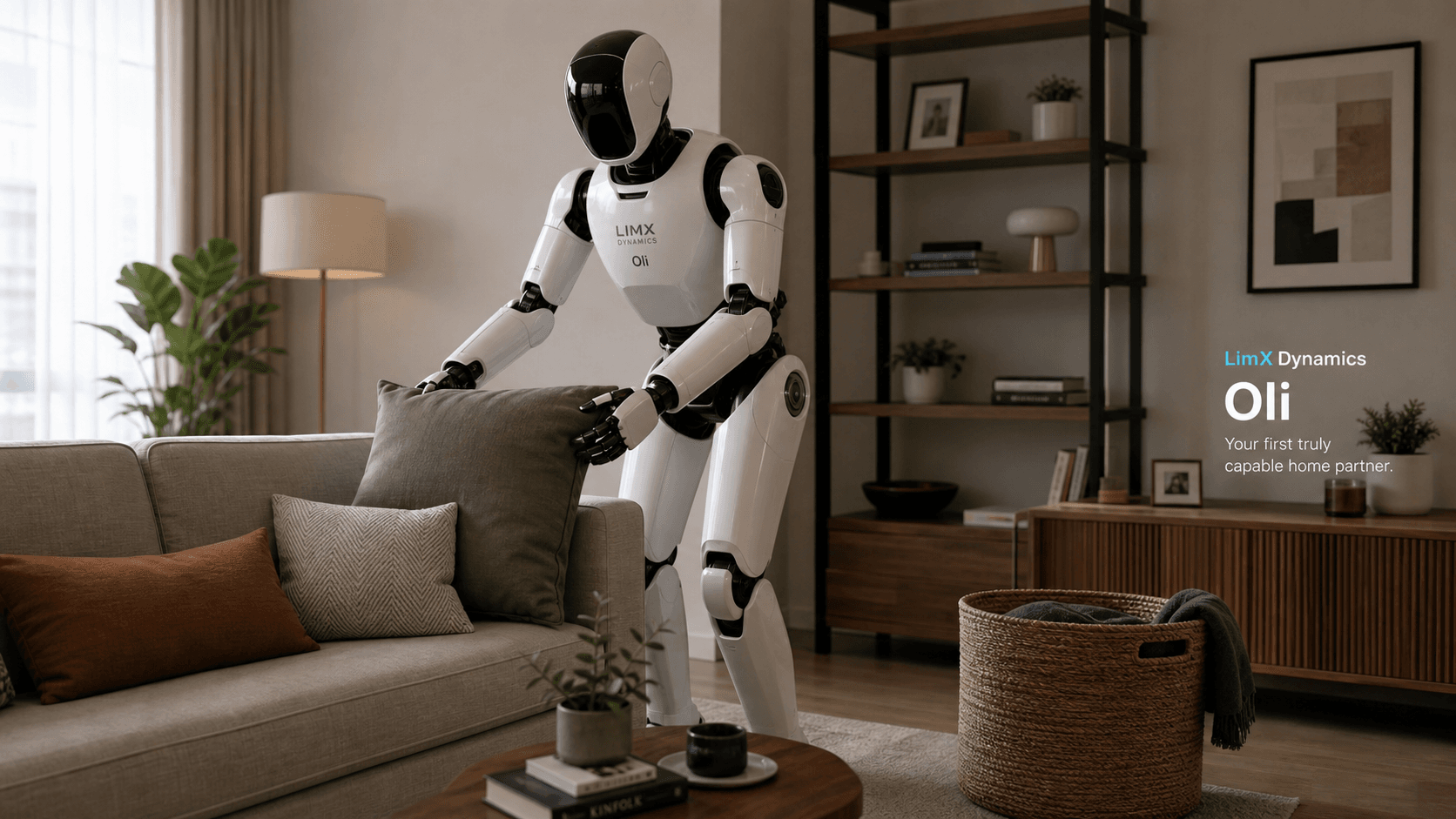
LimX Dynamics' Oli Humanoid Completes Household Tasks with Advanced COSA 0.5 Brain System
LimX Dynamics has announced that its Oli humanoid robot has successfully autonomously completed a range of household chores. This achievement utilizes the COSA 0.5 brain system, which features a three-tier S2-S1-S0 architecture, marking a significant advancement in humanoid robotics. This development is noteworthy as it positions LimX Dynamics' Oli as the second humanoid robot globally to achieve Figure-level capability in performing end-to-end household tasks. The ability to autonomously manage household chores represents a leap forward in the application of robotics in everyday life, potentially transforming how domestic tasks are approached. Looking ahead, the implications of this technology could lead to broader adoption of humanoid robots in various settings, including homes and service industries. No further timeline was disclosed at the time of publication.
Technology
1X Enhances NEO Humanoid Robot with Advanced 25-DOF Hands for Versatile Tasks
Norwegian robotics firm 1X has introduced new 25-degree-of-freedom (DOF) tendon-driven hands for its NEO humanoid robot, marking a significant advancement in robotic dexterity. These hands feature 22 actuated joints across the fingers and palm, along with three at the wrist, enabling NEO to perform tasks such as assembling LEGO models and catching balls with precision and strength. The redesigned hands allow for force sensing and durability, overcoming previous hardware limitations in robotic manipulation. With a unique tendon-drive system and low gear ratios, the hands can detect contact forces and provide continuous proprioception, enhancing the robot's ability to manipulate objects safely and effectively. The hands' human-like joint distribution, particularly the opposable thumb, facilitates a wide range of fine manipulation tasks, making NEO suitable for various household applications. 1X has commenced mass production of the NEO robot at its new California facility, aiming to commercialize home robots for daily assistance. The company emphasizes the hands' combination of precision, strength, and safety features, including IP68 waterproofing and self-cleaning capabilities. No further timeline was disclosed at the time of publication.
AI and Robotics
Second World Humanoid Robot Games Launches with Expanded Events and Advanced Force Control Technology
On August 22, 2026, the Second World Humanoid Robot Games officially opened at the National Speed Skating Hall in Beijing. Compared to the inaugural event, this year's competition saw significant growth in the number of participating teams and robots, expanding from 26 to 51 events. Notably, high-intensity events like long jump, weightlifting, tug-of-war, and table tennis were included, showcasing the robots' dynamic capabilities in real-world environments. The upgrade in competitive dimensions emphasizes the need for advanced perception technologies, as robots must now demonstrate explosive power, joint torque distribution, and collision force perception. Kunwei Technology, as the official force control technology provider, showcased its six-dimensional force sensors and joint torque sensors, which support the robots' performance in various events, highlighting the critical role of force control technology in determining success on the competition field. As the competition progresses, the focus will be on how robots adapt to dynamic interactions and complex operations, pushing the boundaries of AI capabilities. The integration of force sensing and control technologies will be crucial for robots to navigate real-world challenges, marking a significant step towards practical applications in industrial automation and service sectors.

FCC Implements Ban on Foreign Advanced Robotic Devices Amid Geopolitical Tensions
The Federal Communications Commission (FCC) has enacted a ban on the importation of foreign-produced advanced robotic devices and connected power inverters. This policy, effective immediately for unreleased models, aims to protect the U.S. AI sector from risks associated with supply chain vulnerabilities and potential data breaches, particularly targeting China's robotics industry. The ban encompasses a wide range of devices, including autonomous lawnmowers and delivery robots, that meet specific criteria such as weight and connectivity speeds. While the FCC's action is framed as country-neutral, it is seen as a direct challenge to China's dominance in the robotics market, aligning with protectionist legislation like the GUARD Act. Unitree Robotics, a significant player in the global humanoid market, is expected to face immediate commercial impacts due to this ban. The company's partnerships, including one with Nvidia, may also be affected as the U.S. seeks to limit foreign influence in critical technology sectors. No further timeline was disclosed at the time of publication.
US GUARD China FCC
1X Technologies Launches Advanced Robotic Hands for NEO Humanoid with New CFO
1X Technologies has unveiled its next-generation robotic hands designed for the NEO humanoid platform, focusing on fine manipulation tasks. This innovation aims to tackle challenges such as picking up small objects and performing delicate actions, which have historically been difficult for robots. The hands feature a sophisticated 24-to-25 degree-of-freedom architecture, allowing for precision and strength in domestic environments. The introduction of these robotic hands is significant as it marks a shift in the robotics industry from basic locomotion to complex manipulation capabilities. 1X's approach utilizes a closed-loop, tendon-driven system, which enhances the hands' performance while maintaining compactness and safety. The hands are designed to handle various tasks, from carrying heavy items to sorting delicate objects, while ensuring user safety through mechanical compliance. Looking ahead, 1X Technologies is poised to make a substantial impact in the home robotics market with these advancements. The hands are equipped with high-resolution tactile sensing to improve interaction with objects, further enhancing their utility. No further timeline was disclosed at the time of publication.
1X Technologies US hand hands
Three Key Challenges Hindering the Development of Advanced Humanoid Robots
The development of humanoid robots, akin to C-3PO, faces significant challenges in reliability, dexterity, and data management. While advancements in AI have improved reasoning capabilities, the physical aspects of robotics remain problematic. Current robots excel in specific tasks but struggle with complex manipulations that require high precision and reliability. These challenges are critical as they impact the deployment of robots in various sectors, including healthcare and manufacturing. For instance, surgical robots like the da Vinci system demonstrate the gap between theoretical intelligence and practical application, where reliability is paramount. The need for robots to perform consistently across millions of cycles is essential for their acceptance in sensitive environments. Looking ahead, the industry must focus on overcoming these bottlenecks to enable broader adoption of humanoid robots. The reliance on a combination of real and synthetic data for training highlights the ongoing need for innovative solutions. No further timeline was disclosed at the time of publication.
Factory / Robotics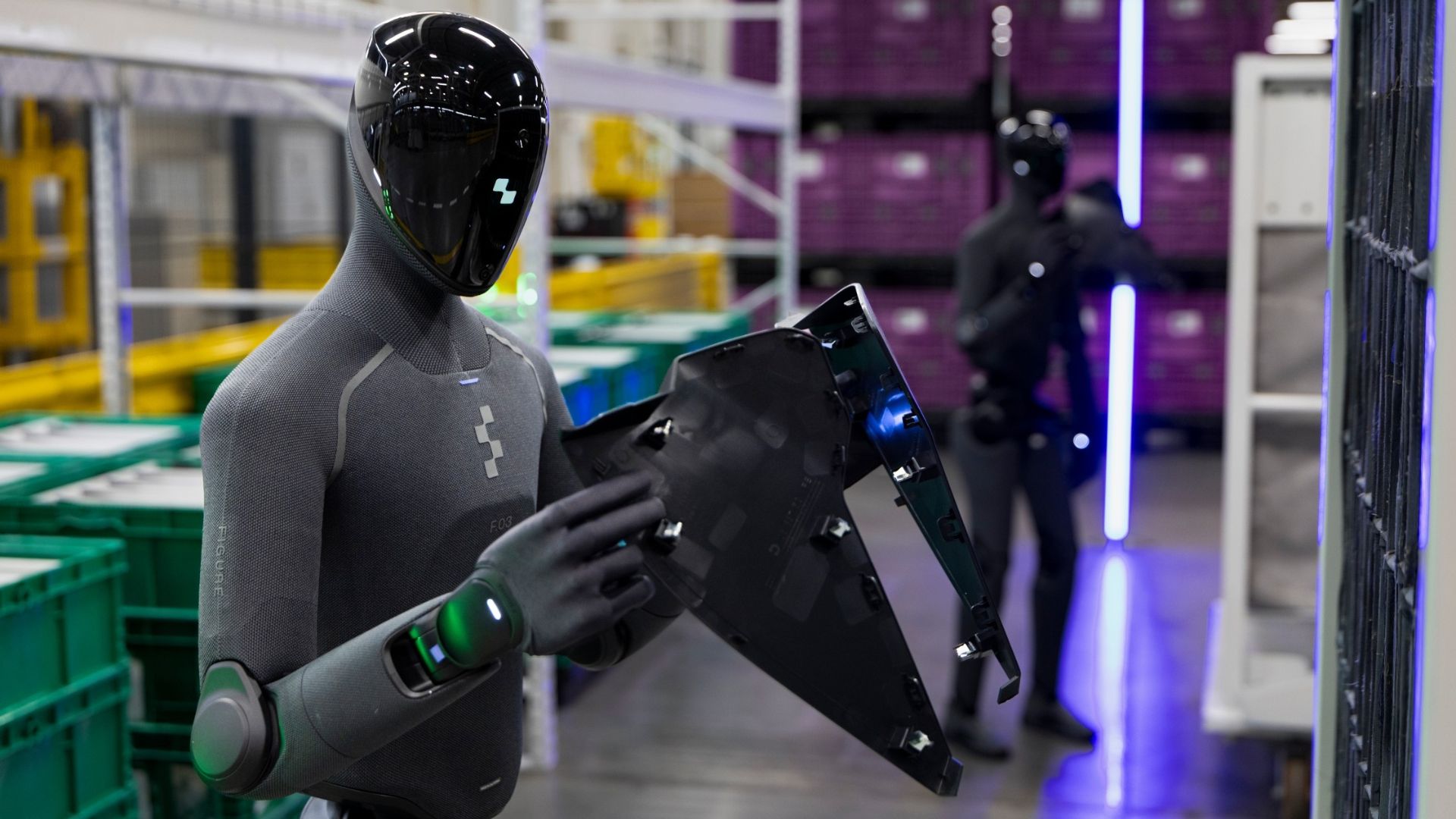
BMW’s smart factory in US gets Figure 03 humanoid robot for advanced logistics work
BMW Group has enhanced its manufacturing processes by integrating next-generation Physical AI technologies. This initiative, announced recently, aims to improve efficiency and precision in production lines. The implementation of these advanced AI systems is taking place at various BMW facilities worldwide, reflecting the company's commitment to innovation and modernization in the automotive industry. By leveraging Physical AI, BMW seeks to streamline operations, reduce costs, and enhance product quality, ultimately responding to the growing demand for smarter manufacturing solutions. The integration process involves upgrading existing machinery and training staff to work alongside AI systems, ensuring a seamless transition into this new era of manufacturing.
AI and Robotics
New humanoid robot brings advanced perception and manipulation to industrial droids
A Vietnamese technology company has introduced its newest humanoid robot, the VR-H3, during the IEEE International Conference on Robotics and Automation held in Paris. The unveiling took place on May 23, 2023, showcasing the company's commitment to advancing robotics and artificial intelligence. The VR-H3 is designed to assist in various tasks, including healthcare support and customer service, reflecting the growing demand for automation in diverse sectors. This innovation aims to enhance efficiency and improve service delivery, addressing labor shortages and increasing productivity. The development of the VR-H3 involved extensive research and collaboration with experts in robotics, highlighting the company's dedication to integrating cutting-edge technology into practical applications.
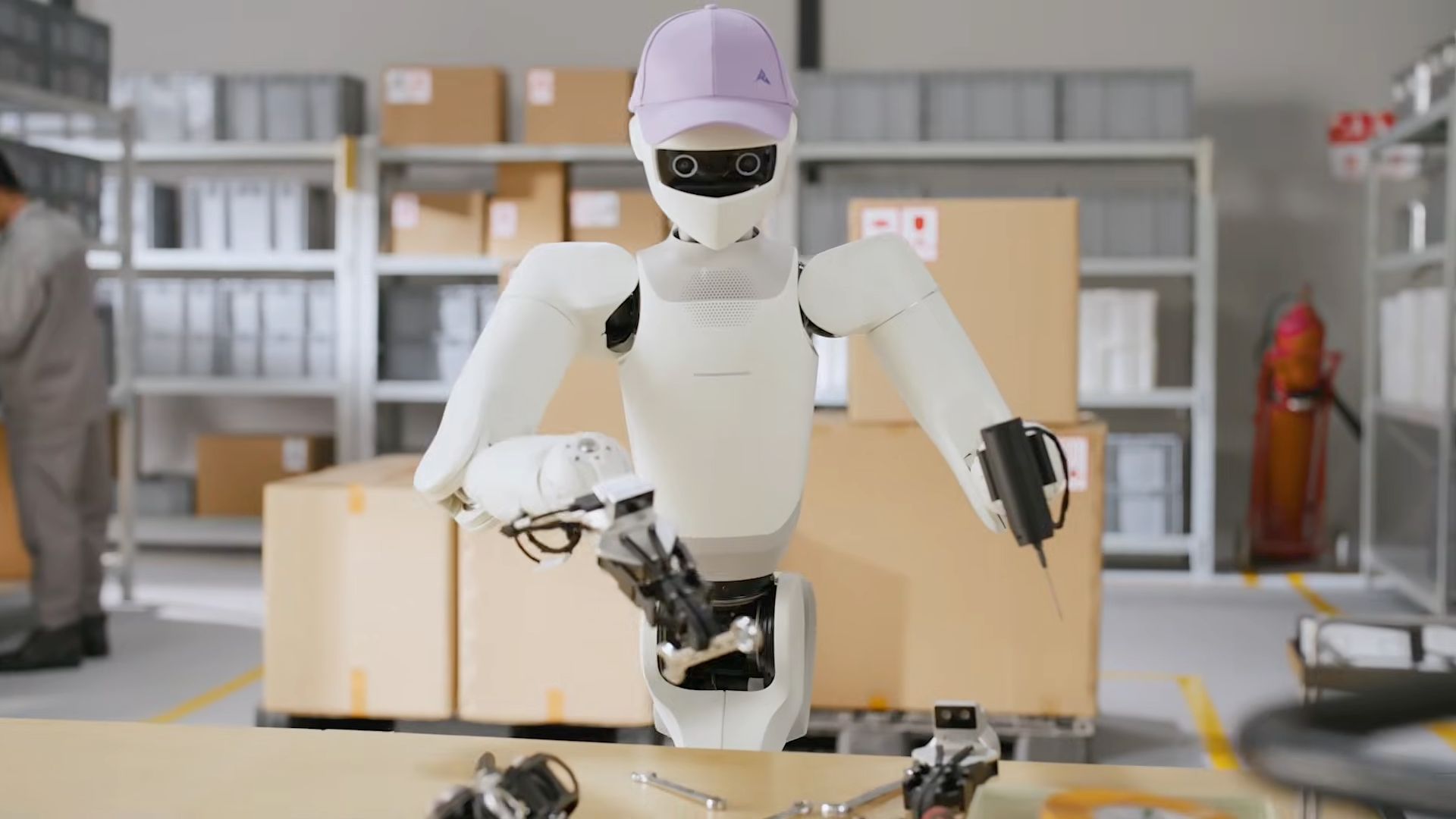
Video: New $13K humanoid from China aims to widen access to advanced robotics
Chinese robotics startup Astribot, also known as Stardust Intelligence, has recently introduced one of the country’s most advanced humanoid robots. The unveiling took place during a technology expo in Beijing on October 15, 2023. This innovative robot, designed for various applications including healthcare and customer service, aims to enhance efficiency and support human workers in multiple sectors. Astribot's motivation behind this development stems from the growing demand for automation and intelligent solutions in China’s rapidly evolving economy. The company has invested significant resources in research and development to create a robot that not only mimics human movements but also integrates artificial intelligence for improved interaction and problem-solving capabilities. The launch event showcased the robot’s features, including its ability to recognize faces, respond to voice commands, and perform complex tasks. Demonstrations highlighted its potential to assist in environments such as hospitals and retail spaces, where it can alleviate workloads and improve service delivery. As the robotics industry continues to expand, Astribot aims to position itself as a leader in the field, contributing to the broader trend of integrating advanced technology into everyday life. The introduction of this humanoid robot marks a significant milestone in China's pursuit of innovation and technological advancement.

Agenda Launch: The Third China Embodied Intelligence and Humanoid Robot Industry Conference Gathers Key Guests for a Two-Day Intensive Forum Addressing Core Industry Issues
The Third China Embodied Intelligence and Humanoid Robot Industry Conference is set to take place over two days, bringing together leading experts and industry stakeholders to discuss significant advancements and challenges in the fields of embodied intelligence and humanoid robotics. Scheduled for later this month, the conference aims to foster collaboration and innovation by providing a platform for dialogue among prominent guests. Attendees will engage in discussions that address the latest technological developments and the future direction of the industry, emphasizing the importance of overcoming existing obstacles to enhance the capabilities of humanoid robots.
Humanoid Robots Embodied Intelligence Robotics Conference Industry Forum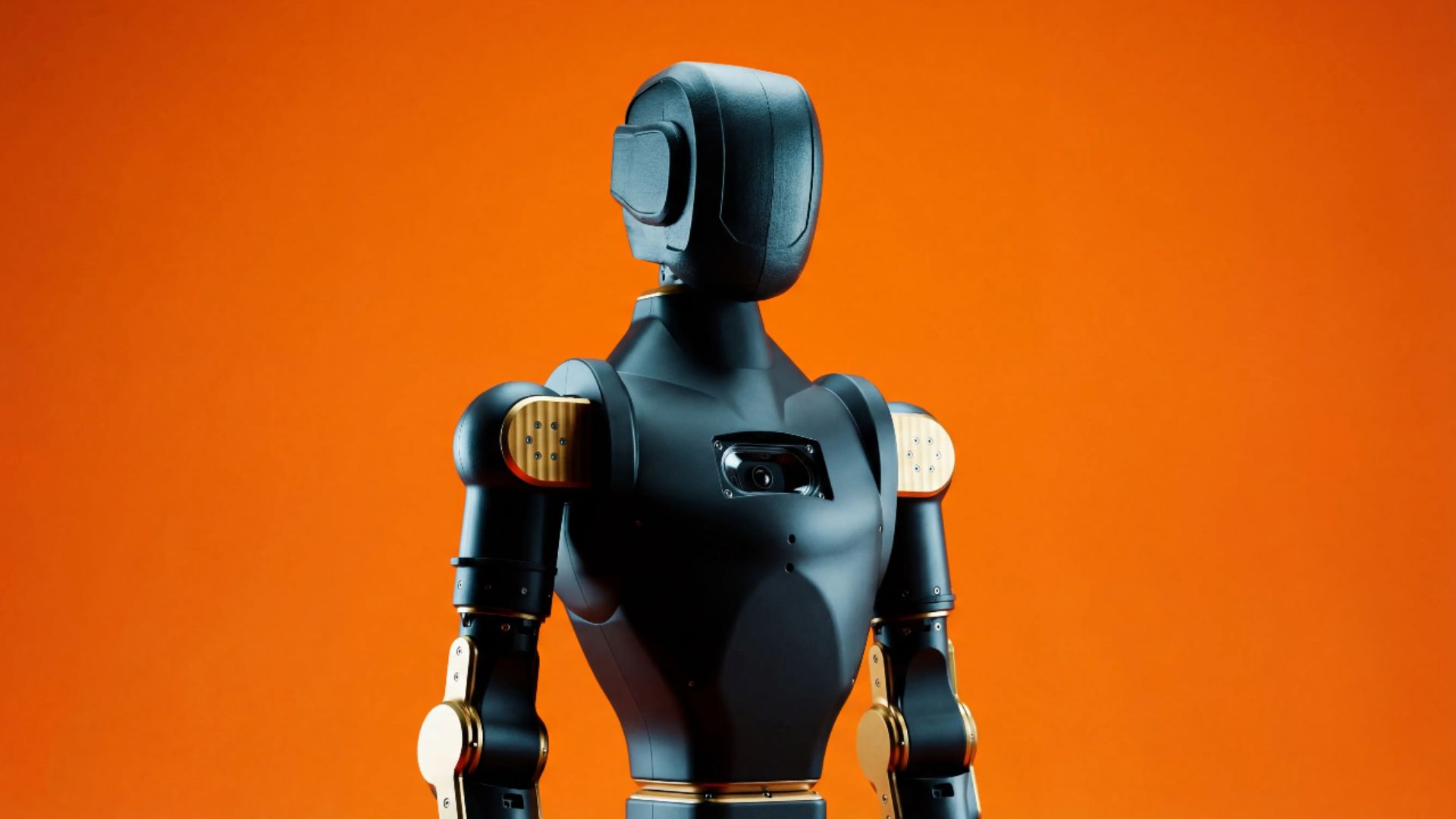
Affordable humanoid robot kit at $15,000 pushes advanced robotics into public hands
The development of humanoid robots is increasingly shifting from confidential corporate laboratories to public demonstrations and collaborations. Major technology companies and startups are unveiling their advancements in robotics at various industry events and exhibitions, showcasing their latest prototypes and capabilities. This transition is occurring in 2023, as organizations aim to attract investment and public interest in the burgeoning field of robotics. The motivation behind this shift is to accelerate innovation and foster partnerships that can enhance the functionality and integration of humanoid robots into everyday life. By engaging with the public and potential investors, these companies hope to highlight the practical applications of their technologies, ranging from healthcare assistance to customer service. Demonstrations often involve live interactions with the robots, allowing audiences to witness their abilities in real-time. This hands-on approach not only showcases the robots' advanced features but also addresses public curiosity and concerns about the future of human-robot interaction. As the race to develop humanoid robots intensifies, the industry is poised for significant advancements that could reshape various sectors and redefine the relationship between humans and machines.

Unitree Robotics demonstrates wheeled-legged humanoid robot capable of skating and advanced flips
Unitree Robotics has unveiled an innovative wheeled-legged humanoid robot that showcases remarkable capabilities, including skating, spinning, and executing front flips. This demonstration, which took place recently, underscores significant advancements in dynamic motion control technology. The robot's design integrates both wheels and legs, allowing for enhanced mobility and agility, which could have various applications in industries ranging from entertainment to logistics. By pushing the boundaries of robotic movement, Unitree Robotics aims to revolutionize how machines interact with their environments, potentially paving the way for more versatile and efficient robotic solutions in the future.
News
Boston Dynamics Taps LG Innotek to Develop Advanced Vision System for Atlas Humanoid
Boston Dynamics has announced a partnership with LG Innotek to create an advanced vision sensing system for its Atlas humanoid robot. This collaboration, which combines LG's expertise in camera and optical components with Boston Dynamics' robotics software, aims to improve the robot's perception capabilities, especially in complex environments. The initiative reflects a growing trend in robotics to integrate sophisticated sensory technology to enhance functionality and adaptability.
Atlas Boston Dynamics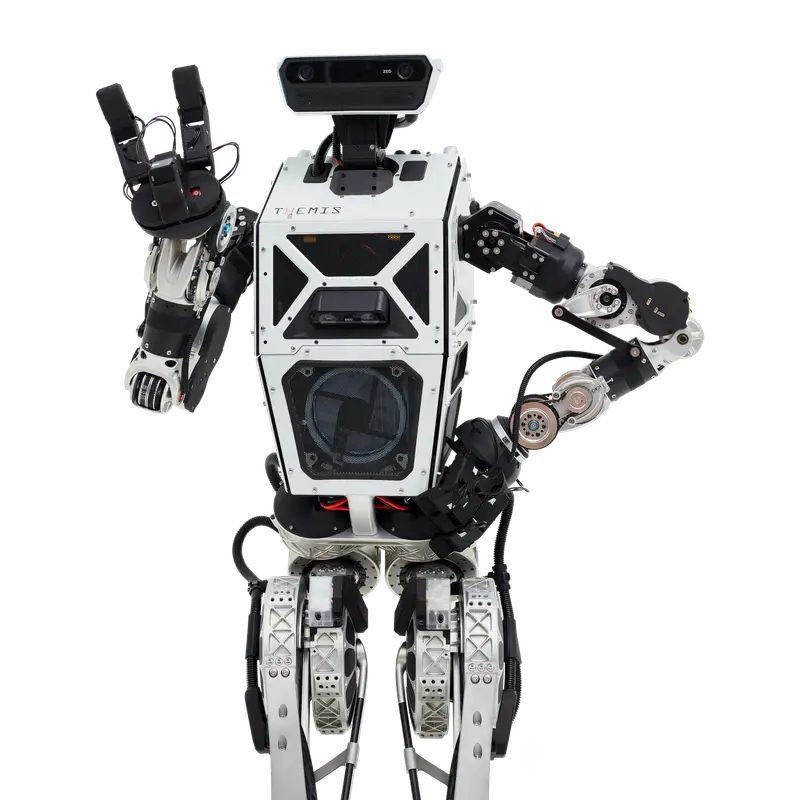
Westwood Robotics Details Agile THEMIS V2 Humanoid with Advanced Manipulation
Westwood Robotics has unveiled its latest humanoid robot, the THEMIS V2, designed to operate in challenging work environments. Standing at 1.6 meters tall, the robot boasts 40 degrees of freedom (DoF) and is equipped with proprietary BEAR actuators that enable agile and compliant movements. The upgraded model features enhanced 6-DoF arms and 7-DoF hands, allowing for greater dexterity and functionality. Incorporating advanced artificial intelligence processing and stereo vision capabilities, THEMIS V2 is engineered to perform complex tasks efficiently. Additionally, the robot is designed with hot-swappable batteries, ensuring minimal downtime during operation. This innovative technology aims to meet the increasing demand for versatile robotic solutions in various industries, highlighting Westwood Robotics' commitment to pushing the boundaries of robotic capabilities.
themis-v2 westwood-robotics
Humanoid Robots Take Center Stage at 2025 Zhongguancun Forum
The 2025 Zhongguancun Forum, held in Beijing, underscored China's ambition to become a leader in humanoid robotics. This event showcased a range of technological advancements and innovations in the field, reflecting the country's strategic focus on enhancing its capabilities in robotics. Industry experts and government officials gathered to discuss the latest developments, share insights, and outline future plans aimed at fostering growth in this transformative sector. The forum served as a platform for collaboration among stakeholders, emphasizing the importance of innovation and investment in driving progress within the robotics industry.
Xiaomi Robotics China UBTECH Robotics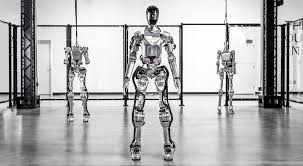
AgiBot unveils Lingxi X2, an advanced humanoid robot with multimodal intelligence
Peng Zhihui, the founder of AgiBot, unveiled a video today featuring the Lingxi X2, an advanced bipedal humanoid robot. This innovative robot is equipped with a sophisticated computing engine that enables it to perform a variety of tasks, including walking, running, dancing, riding a bicycle, balancing on a hoverboard, and even reading medication instructions. The Lingxi X2 was developed by AgiBot's X-Lab, highlighting the company's commitment to advancing robotics technology. This release marks a significant step in the integration of motion, interaction, and task execution intelligence in humanoid robots, showcasing the potential for practical applications in everyday life.
News FeedRobotics needs a service framework.
RSF defines a common language for robot service capability, lifecycle operations, certification pathways, and service-provider networks.
Join the RobotToday community on LinkedIn
Daily robotics news, in-depth analysis, conference highlights, and discussions with professionals worldwide.







