Industry Briefing
A single destination for timely, editor-curated robotics news from around the world.

Over 300 Companies Present Robotics Applications at WRC 2026 Amid Technical Debates
The 11th World Robot Conference held in Beijing Yizhuang featured over 300 companies showcasing robots performing various applications. This event highlighted the advancements in robotics technology and its practical implementations in real-world scenarios. Despite the impressive demonstrations, closed-door sessions at the conference revealed ongoing debates regarding the technical routes for embodied intelligence. This divergence in approaches underscores the complexity and evolving nature of robotics technology. Looking ahead, industry stakeholders will be keen to monitor how these technical discussions evolve and influence future developments in robotics. No further timeline was disclosed at the time of publication.

FCC Approves Ascento Guard Dori USA v1 UAS with Conditional Exemption
The Federal Communications Commission (FCC) has granted Conditional Approval for Ascento Inc.'s Ascento Guard Dori USA v1 Uncrewed Aircraft System, exempting it from the Covered List. This decision follows a similar exemption for Wi-Fi routers from WNC Corporation and reflects the FCC's ongoing updates to its regulations regarding UAS. This approval is significant as it demonstrates the FCC's willingness to adapt its policies in response to national security assessments by the Department of War (DoW) and the Department of Homeland Security. The exemption allows Ascento's UAS to operate without the restrictions of the Covered List, provided that the company adheres to its onshoring plan and passes necessary vetting. Looking ahead, the FCC's evolving list of Conditional Approvals for UAS indicates a growing acceptance of foreign-produced systems, which could lead to increased opportunities for companies like Ascento. No further timeline was disclosed at the time of publication.
defense News US Government Ascento Conditional Approval Covered List
Robotics Industry Transitions from Demonstrations to Real-World Applications
The 2026 World Robotics Conference, held in Beijing from August 19 to 23, showcased a significant shift in the robotics industry from mere demonstrations to practical applications. With 373 companies exhibiting over 3,000 products, including more than 150 new releases, the event highlighted the industry's focus on real-world problem-solving. This transition is underscored by the introduction of 'Procurement Day' and the launch of the 'Global Robot Application Exploration Program.' Innovations such as the Tian Gong Omni humanoid robot and the Ant Lingbo 'robot pharmacist' demonstrate the industry's commitment to integrating robotics into everyday tasks, moving beyond the showcase mentality. Looking ahead, industry leaders emphasize the need for large-scale production and the evolution of AI models to meet real-world challenges. The conference signaled a pivotal moment for the robotics sector, indicating a move towards high-quality, scalable solutions that address genuine operational needs.
Robotics Industrial Automation AI Healthcare Robotics Manufacturing Solutions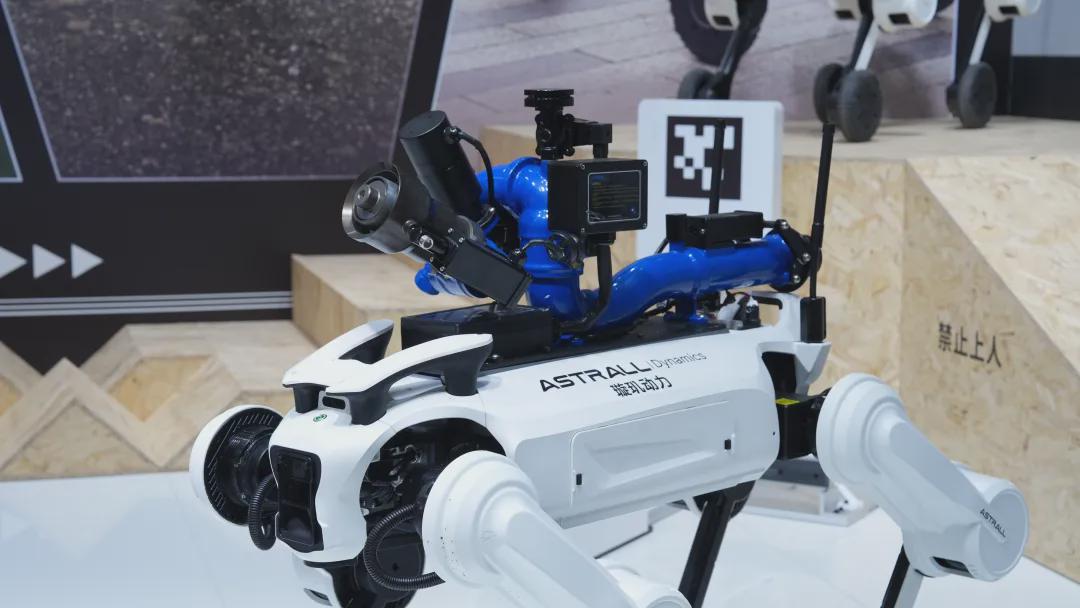
Insights from WRC 2026: Quadruped Robots Transition to Practical Applications with Xuanji Power
The 2026 World Robot Conference (WRC) commenced on August 19 in Beijing, showcasing over 300 exhibitors and more than 2,000 products. A notable shift in the robotics industry was observed, moving from mere demonstrations to practical applications, particularly in quadruped robots. Attendees showed increased interest in the specialized equipment on these robots rather than just their performance. In the past five years, China's quadruped robot sector has transitioned from technology validation to commercial exploration. While there has been significant investment and rapid advancements in gait algorithms and motion control, many companies have struggled with practical deployment in industrial settings. The demand for robots capable of operating in hazardous environments has grown, highlighting the need for reliable and adaptable solutions. At WRC 2026, a clear divide emerged between consumer-grade products and those targeting industrial markets. Xuanji Power has distinguished itself by mastering the design and production of axial flux motors, which offer higher torque and power density. This innovation allows for the development of robust quadruped robots that can meet the rigorous demands of various applications, ensuring product consistency and stability through in-house production of core components.
Quadruped Robots Industrial Automation Robotics Technology AI Energy Sector
Key Takeaways from WRC on Progress and Challenges in Embodied Intelligence Applications
On August 19, during the 2026 World Robotics Conference (WRC), Baidu Intelligent Cloud hosted a specialized event focused on embodied intelligence applications in Beijing. Nearly 20 industry pioneers gathered to discuss technological innovation, practical scenarios, and commercialization pathways for embodied intelligence. This event highlighted a shift in focus within the embodied intelligence sector, as noted by Baidu Group Vice President Yuan Foyu. The emphasis is moving from merely completing actions to maintaining task performance in dynamic environments, and from data scale to real-world interactions. The industry is transitioning from 'emergent capabilities' to 'realizing productivity' in sectors like energy, manufacturing, and logistics. Looking ahead, the industry must address the economic viability of deployments and the value of training, as highlighted by CITIC Securities analyst Li Chenxiao. The Chinese market shows significant advantages in diverse application scenarios compared to overseas counterparts. No further timeline was disclosed at the time of publication.
Embodied Intelligence Robotics AI Applications Industrial Automation
Travere Therapeutics Sees Surge in Sales Following FILSPARI Approval for FSGS
On April 13, 2026, the FDA granted Travere Therapeutics full approval for FILSPARI, a treatment for focal segmental glomerulosclerosis (FSGS). This marked the drug's second full approval, following a previous clearance for IgA nephropathy in 2023. The approval is significant for patients aged 8 and older with specific subtypes of FSGS, as it offers a new FDA-approved option for a previously underserved condition. The approval is crucial as FSGS can lead to kidney failure, and patients have historically relied on off-label therapies. Travere's Chief Executive Eric Dube emphasized the milestone for FSGS patients, while industry leaders noted the life-changing potential of the drug. Following the approval, Travere reported substantial sales growth, with FILSPARI's U.S. net product sales reaching $105.2 million in Q1 2026, an 88% increase from the previous year, and $141.1 million in Q2 2026, a 96% year-over-year rise. Looking ahead, Travere's first-half 2026 sales totaled $246.2 million, indicating strong market demand for FILSPARI. The company also reported its first quarter of non-GAAP profitability. No further timeline was disclosed at the time of publication.
Business Financials & Investments armistice capital biotech investing biotech stocks civorebrutinib
Apple Reduces Workforce by Over 200 in Siri and Vision Pro Divisions
Apple has announced a reduction of more than 200 jobs within its Siri and Vision Pro teams. This decision comes amid challenges in the market and a need to streamline operations. The significance of this workforce reduction lies in the context of Apple's recent performance, particularly with the Vision Pro headset, which IDC estimated saw shipments of only 45,000 units in the last quarter. This low sales figure raises concerns about the product's market acceptance and future viability. Looking ahead, industry observers will be monitoring how this job cut impacts Apple's innovation and development efforts in AI and augmented reality technologies. No further timeline was disclosed at the time of publication.
Artificial Intelligence News ai Apple layoffs Vision Pro
Meta Launches Pocket App for Vibe-Coding and Game Sharing in the U.S.
Meta has officially launched its vibe-coding gaming app, Pocket, to users in the U.S. after a test rollout in Brazil. The app allows users to create interactive games using AI prompts, which can be shared on a scrollable feed. These games, referred to as 'gizmos,' respond to user interactions and can incorporate sound effects and personal media. The introduction of Pocket is part of Meta's broader strategy to mainstream AI creation tools, following previous initiatives like AI-generated images and videos. CEO Mark Zuckerberg highlighted the role of AI in accelerating software development, enabling faster testing and deployment of new applications. Pocket joins a suite of recent Meta applications, including Instagram Instants and Forum, showcasing the company's commitment to innovation. As Pocket replaces the original app from Atma Sciences, Meta continues to explore new ideas and leverage its recommendation systems for scaling. No further timeline was disclosed at the time of publication.
AI Apps Gaming Social Meta vibe-coding
Development of Innovative Gripping Mechanism and Dual Manipulator System for Apple Harvesting with Tractor
A novel gripping mechanism and dual manipulator robotic system designed for apple harvesting using a tractor has been developed. This innovative system aims to enhance the efficiency of apple picking, addressing the labor shortages faced in agriculture. The significance of this development lies in its potential to revolutionize apple harvesting processes, making them more efficient and less reliant on manual labor. By integrating advanced gripping technology with a dual manipulator system, the project seeks to improve productivity in the agricultural sector. Looking ahead, the focus will be on testing the system in real-world conditions to evaluate its performance and effectiveness in apple harvesting. No further timeline was disclosed at the time of publication.
RESEARCH ARTICLE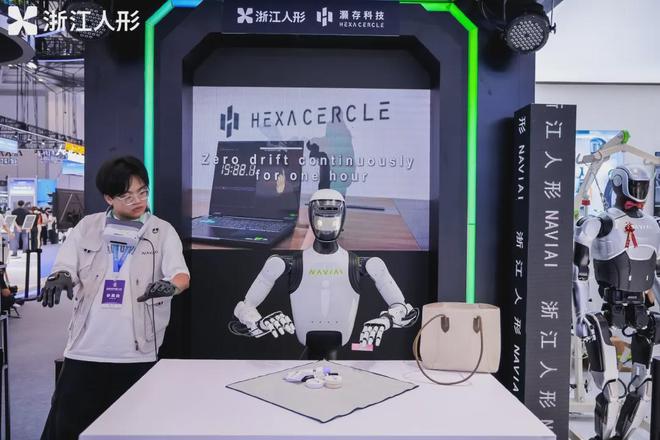
Haocun Technology and Zhejiang Humanoid Robotics Collaborate to Enhance Practical Applications
From August 19 to 23, the World Robot Conference (WRC) was held at the Beiren Yichuang International Exhibition Center, showcasing cutting-edge technologies in humanoid robotics and industrial intelligence. During the event, Zhejiang Humanoid Robotics Innovation Center's humanoid robot NAVIAI demonstrated its capabilities by synchronizing its arm movements with an operator wearing motion data gloves, achieving precise gestures without pre-programmed instructions. This collaboration between Haocun Technology and Zhejiang Humanoid Robotics marks a significant step in addressing the challenges faced by the humanoid robotics industry, which is transitioning from prototype development to practical applications. The partnership aims to overcome bottlenecks in skill transfer, training time, and operational reliability, which have hindered the deployment of humanoid robots in real-world scenarios. Looking ahead, the integration of Haocun Technology's motion perception and data collection capabilities with Zhejiang Humanoid's hardware platform is expected to accelerate the adoption of embodied intelligence technologies. No further timeline was disclosed at the time of publication.
Humanoid Robots Motion Capture Technology Industrial Automation Robotics Collaboration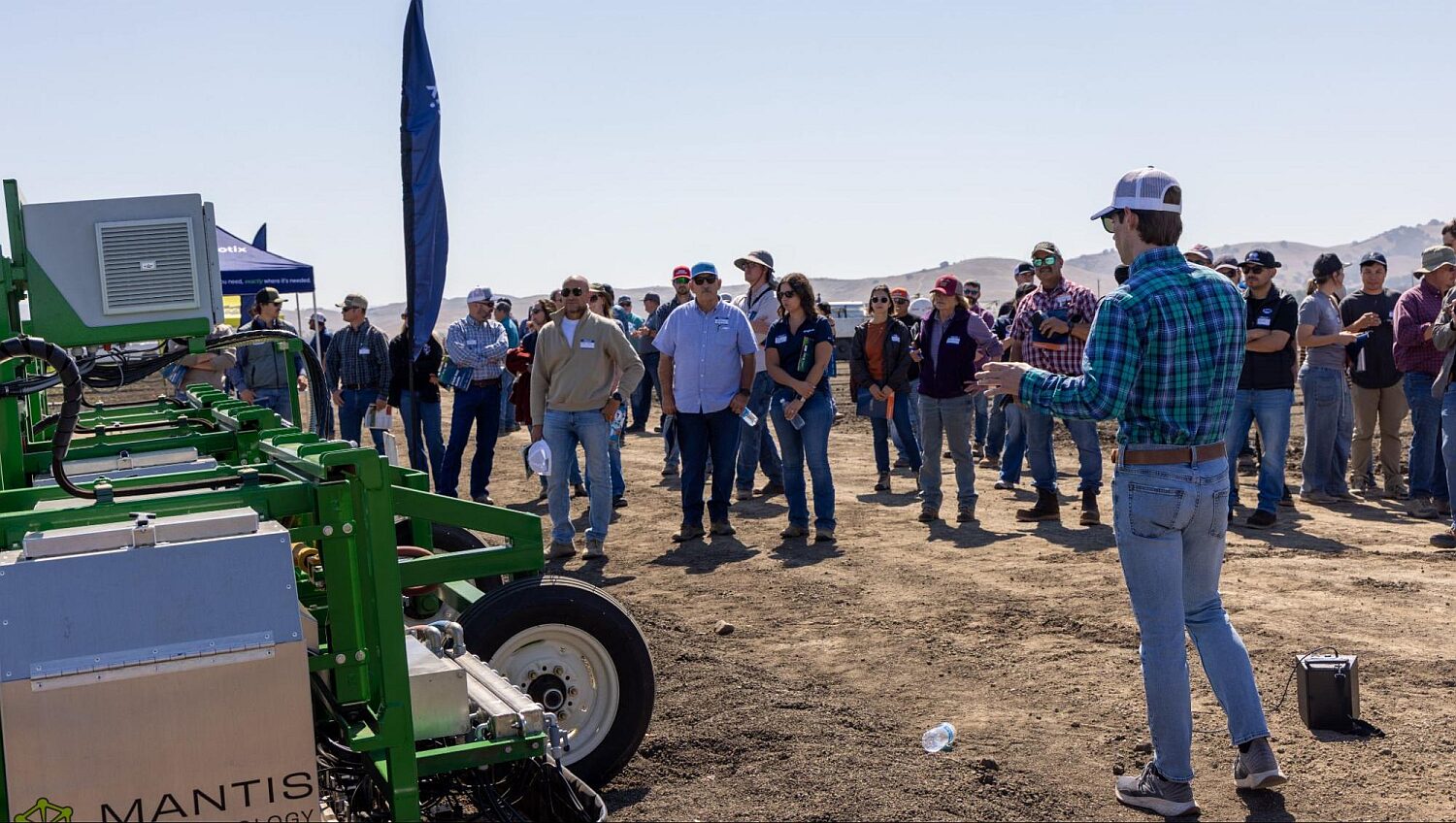
Field Days: A New Approach for Evaluating Ag Robotics Startups in Agriculture
On August 6, over 250 growers, investors, and startup teams from the US, Brazil, and Europe participated in a Connect field day, showcasing advanced AI technology for automating leafy greens. This event, part of the UC ANR Innovate program, highlights the importance of real-world testing in assessing startup viability. The Connect program, developed by Connie Bowen and Hannah Johnson, emphasizes the significance of field days in evaluating startup teams. Investors often struggle to assess teams effectively, but field days provide critical insights into a startup's potential for long-term success. Founders who excel at these events often secure commercial contracts, while those who do not receive constructive feedback for improvement. Looking ahead, the Connect program plans to host more field days through 2027, offering startups opportunities to demonstrate their solutions to California's farming industry. The focus remains on fostering meaningful connections between technology providers and growers, ensuring that innovations genuinely address agricultural challenges.
Agtech Artificial intelligence Precision agriculture US & Canada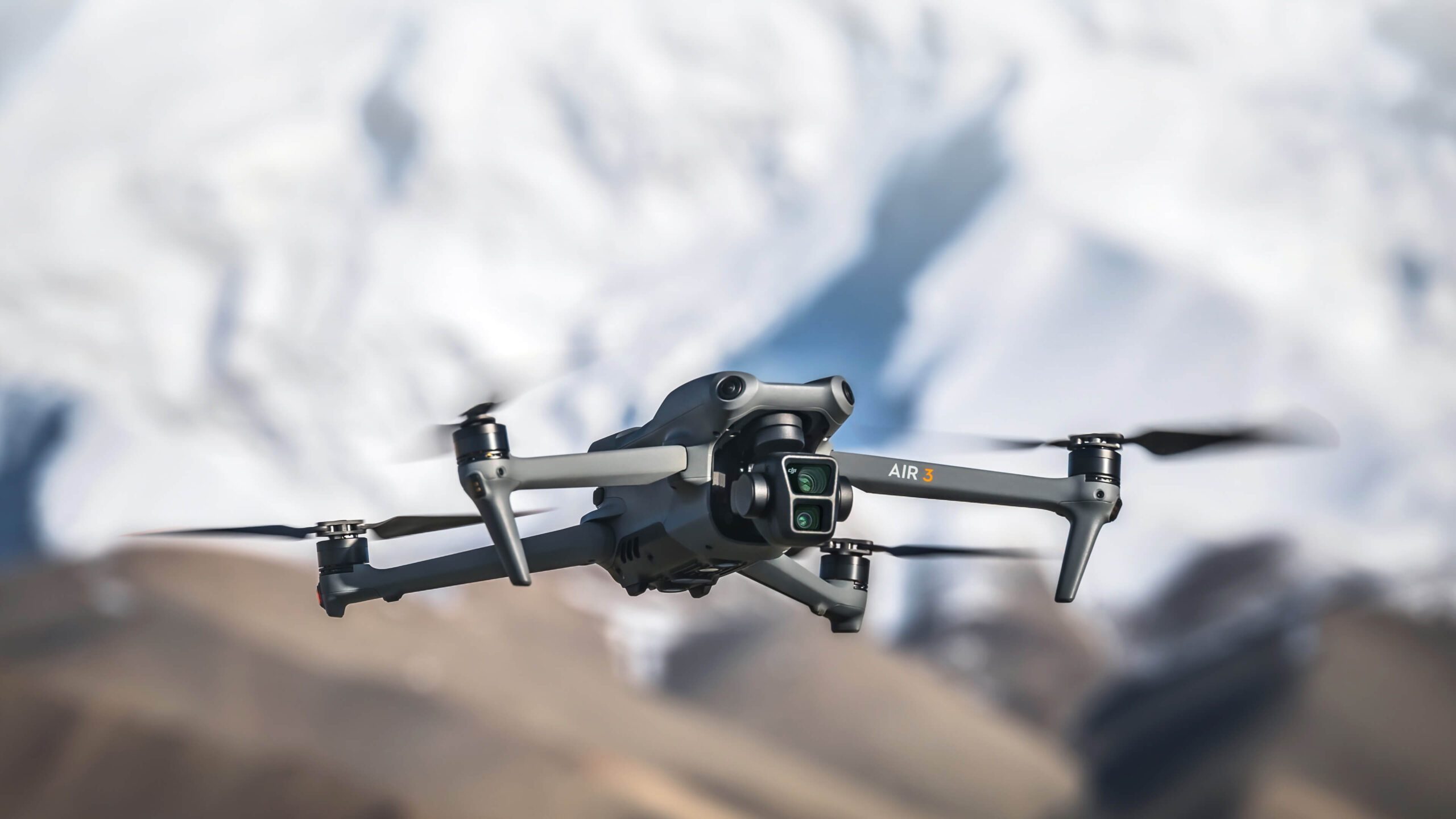
DJI's Challenge to Pentagon Designation Partially Reversed by Appeals Court
The U.S. Court of Appeals for the D.C. Circuit has partially reversed a lower court ruling regarding DJI's designation as a 'Chinese military company' by the Department of Defense. In its August 14 decision, the court upheld most of the district court's findings but reversed one aspect, sending the case back for further proceedings. Notably, the ruling does not remove DJI from the Department of Defense list. This decision is significant as it addresses DJI's challenge to its January 2025 designation on four grounds, with the appeals court rejecting three of those arguments. The court upheld the conclusion that DJI receives assistance from the Chinese government but agreed that the rationale for DJI's contribution to the Chinese defense industrial base was insufficiently supported in the public record. The appeals court emphasized the lack of a publicly stated rationale for this finding. Looking ahead, the district court will now review the classified record to determine if it substantiates the Defense Department's claims. DJI remains on the Section 1260H list and was also included in a new designation published in June 2026. The implications of this ongoing legal battle could affect DJI's operations and public perception in the U.S. market.
DJI Drone News Drone News Feeds Drones in the News News US Government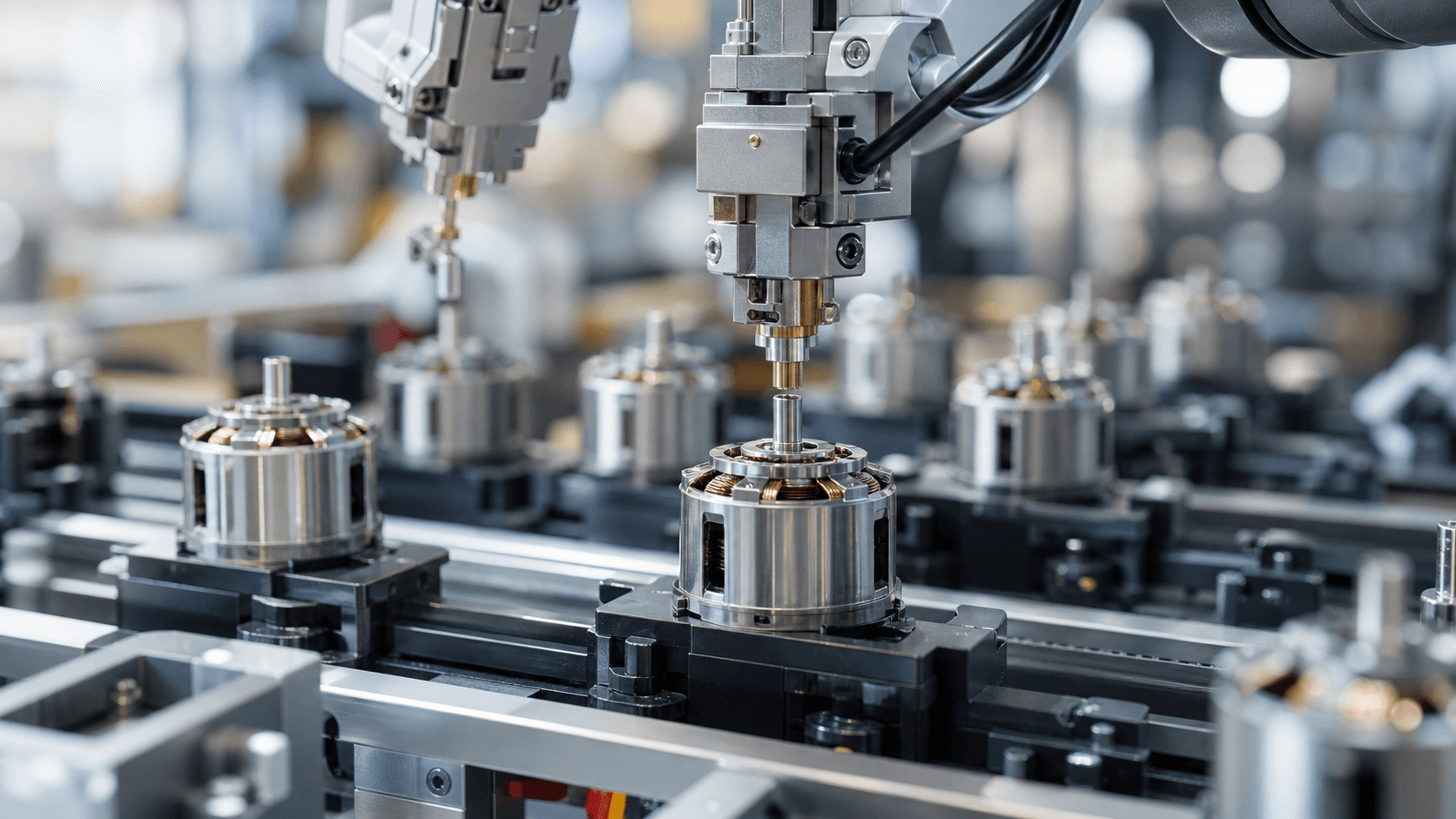
Jiangsu Leili Motor Transforms Appliance Engineering into Core Power for Humanoid Robots
Jiangsu Leili Motor, originally a workshop in Changzhou established in 1993, is projected to achieve a revenue of 4 billion yuan by 2025. The company has diversified its business, with the share of home appliances decreasing to 55%, while automotive, industrial control, and medical sectors have surpassed 40%. This shift in focus is significant as Jiangsu Leili Motor's hollow-cup motors and dexterous hands are now integral to the functionality of humanoid robots. By 2025, the company anticipates that nearly 50% of its sales will come from international markets, highlighting its growing global presence. Looking ahead, Jiangsu Leili Motor's continued innovation in motor technology and its expansion into new sectors will be crucial. No further timeline was disclosed at the time of publication.

Study on Cooperative Navigation Methods for Autonomous Underwater Vehicles in Terrain Mapping
A recent study published in the Journal of Field Robotics explores cooperative navigation methods for autonomous underwater vehicles (AUVs) in terrain mapping. The research focuses on enhancing the accuracy and efficiency of AUVs when mapping underwater environments through collaborative navigation techniques. This research is significant as it addresses the challenges faced by AUVs in accurately mapping complex underwater terrains. By improving navigation methods, the study aims to facilitate better data collection for various applications, including environmental monitoring, underwater exploration, and resource management. Looking ahead, the implications of this research could lead to advancements in AUV technology and its applications in marine research. No further timeline was disclosed at the time of publication.
RESEARCH ARTICLE
ESTUN Launches E-Care APP with AI Solutions for Enhanced Industrial Operations
ESTUN has launched the E-Care APP, an AI-driven platform designed to enhance the lifecycle service chain of industrial robots. This app focuses on after-sales service and utilizes the Xiaoi AI assistant to provide a comprehensive intelligent operation and maintenance solution, addressing operational challenges in manufacturing with efficiency and cost-effectiveness. The E-Care APP integrates a proprietary large model, transforming the Xiaoi AI assistant into an intelligent expert capable of providing real-time answers and solutions for hardware and software issues. Users can input questions directly, and the AI will deliver standardized graphical responses, significantly reducing technical barriers and downtime losses. With features like remote connectivity, cloud backup, and a built-in manual library, the E-Care APP streamlines maintenance processes. It allows users to monitor robot statuses, manage programs, and facilitate efficient communication with official service channels, ultimately enhancing production capacity management and operational efficiency. No further timeline was disclosed at the time of publication.
Industrial Robots AI Solutions Remote Operations Maintenance Management
Reddit Rises While Applied Materials and Gemini Space Station Experience Declines
In the latest Stock Movers episode, several drone companies, including AeroVironment Inc. (AVAV), Aevex Corp. (AVEX), and Unusual Machines Inc. (UMAC), saw their stocks rise following the announcement of a proposed 100% tariff on imports of unmanned aircraft systems and components by the Trump administration. Conversely, Applied Materials (AMAT) experienced a decline despite exceeding earnings forecasts, as investor reactions remained subdued even with the stock more than doubling in value this year. Additionally, Gemini Space Station (GEMI) faced a drop due to its earnings report revealing significant losses amid challenging conditions in the crypto market. Reddit (RDDT) saw a rise in its stock price after news broke that it would be included in the S&P 500 index. This inclusion is significant as it reflects the company's growing influence and stability in the market. No further timeline was disclosed at the time of publication.

PI's X-365 Gantry System Delivers Configurable Motion for Precision Applications
PI has introduced the X-365 gantry system, which features extensive travel ranges and high precision, making it ideal for semiconductor handling and advanced manufacturing applications. The significance of the X-365 lies in its ability to provide configurable and affordable motion solutions, catering to the needs of high-throughput and high-accuracy tasks in various industrial sectors. Looking ahead, industry professionals should monitor the adoption of the X-365 system in semiconductor and advanced manufacturing processes, as it may set new standards for efficiency and precision in these fields. No further timeline was disclosed at the time of publication.
PROMO-Orchard: A Semantic-Enhanced Framework for Dual-Robot Mapping in Orchards
The article discusses PROMO-Orchard, a new framework designed for dual-robot simultaneous localization and mapping (SLAM) in orchard environments. This framework enhances the mapping process by integrating semantic information, allowing for more accurate and efficient navigation and mapping by the robots. The significance of PROMO-Orchard lies in its potential to improve agricultural robotics, particularly in precision farming. By enabling dual robots to work collaboratively, the framework can optimize tasks such as crop monitoring and management, which are crucial for increasing productivity and sustainability in orchards. Looking ahead, the adoption of PROMO-Orchard could lead to advancements in agricultural automation. As the framework gains traction, it will be important to monitor its implementation in real-world scenarios and its impact on the efficiency of agricultural operations. No further timeline was disclosed at the time of publication.
RESEARCH ARTICLE
Microsoft Merges Copilot Apps and Discontinues Unsuccessful AI Features
Microsoft is merging its consumer and business Copilot applications while discontinuing several unsuccessful AI features. This decision reflects the company's recognition that personal and professional AI uses often overlap, and that its previous strategy was overly complex compared to competitors like ChatGPT and Claude. The consolidation of Copilot apps comes amid a broader trend in the AI application market, where other companies are also streamlining their offerings. Microsoft plans to remove features such as Group Chats and AI-generated podcasts by August 18, 2026, while providing a replacement for some functionalities to professional users. Looking ahead, Microsoft aims to create a more cohesive Copilot experience, acknowledging the need for improvement. The company has indicated that some features may temporarily disappear during the transition, and it is clear that the future of Copilot hinges on its ability to adapt and meet user needs effectively.
AI Apps Microsoft Copilot
SimActive's Correlator3D Facilitates Extensive Green Hydrogen Mapping in Southern Chile
SimActive's Correlator3D photogrammetry software has been instrumental in a large-scale mapping initiative for green hydrogen development in southern Chile. Geo4D, a Chilean geospatial firm, utilized the software to process high-resolution aerial imagery over an area exceeding 100,000 hectares, producing essential geospatial products like orthomosaics and digital terrain models. This project underscores the challenges of large-area aerial mapping, particularly in remote regions like Patagonia, where adverse weather conditions hinder data collection. SimActive's Correlator3D proved vital in processing Phase One imagery, enabling Geo4D to deliver accurate mapping products despite difficult image-matching conditions, as highlighted by Geo4D's CEO, Francisco Ramos. Looking ahead, the advancements in Correlator3D, including improved processing capacity and workflow efficiency, will be crucial for future projects. The software's capabilities in handling high-resolution imagery from various platforms, including drones and crewed aircraft, position it as a key tool for geospatial applications in energy and infrastructure sectors.
Applications Canada Drone News Featured - Surveying Mapping News
BMT Partners with Seabed 2030 to Enhance Ocean Mapping in Asia Pacific and Globally
BMT has officially joined the Seabed 2030 Project, a collaborative initiative aimed at mapping the world's oceans. This partnership will leverage BMT's extensive maritime expertise to support the project's goal of creating a comprehensive ocean map, which is crucial for understanding marine risks and opportunities. The Seabed 2030 Project, endorsed by the UN Ocean Decade, seeks to compile all ocean floor data into the freely available GEBCO Ocean Map. Despite its significance, much of the ocean remains unmapped, which hinders decision-making in marine environments. BMT's involvement is expected to enhance collaboration within the geospatial and maritime communities, accelerating the mapping process. As BMT expands its maritime capabilities across Australia and the Asia Pacific, this partnership will integrate its knowledge in maritime design and environmental solutions with Seabed 2030's mission. No further timeline was disclosed at the time of publication.
bmt usv ocean mapping
AI Job Interviews Now Commonly Scheduled Between 10 PM and 2 AM, Applicants Dislike Robot Chats
In 2026, the landscape of job interviews has shifted dramatically, with 24% now occurring between 10 p.m. and 2 a.m. This change is largely attributed to the rise of remote work and the integration of AI in recruitment processes. As a result, candidates are often engaging with AI chatbots instead of human recruiters, leading to a growing dissatisfaction among applicants. The reliance on AI in recruitment has transformed how companies, particularly 99% of Fortune 500 firms, source and vet candidates. This automation has streamlined hiring processes, reduced the size of HR teams, and altered the nature of job applications, pushing candidates to adapt by optimizing their resumes for AI systems. The shift to non-traditional interview hours reflects a broader trend of blurred boundaries between work and personal time. Looking ahead, job seekers may need to brace for continued reliance on AI in recruitment, including automated interviews. As companies seek efficiency, the human element in hiring could diminish further, prompting candidates to find new strategies to navigate this evolving landscape. No further timeline was disclosed at the time of publication.

Honor Launches Robot Phone with Nodding Camera to Enhance Global Market Appeal
Chinese smartphone manufacturer Honor has introduced a new device featuring a motorized robotic camera that nods back at users. This innovative feature aims to attract interest in a declining global smartphone market by enhancing user interaction and engagement during video calls and live streams. The integration of embodied AI allows the Robot Phone to automatically pan and tilt its gimbal camera, ensuring users remain in focus as they move. This advancement in physical video performance is complemented by a partnership with German cinema camera maker Arri, enhancing the phone's imaging capabilities for mobile filmmakers. Honor's launch of the Robot Phone represents a strategic move to differentiate itself in a challenging market environment. As hardware manufacturers encounter significant challenges, the success of this device will be closely monitored to see if it can revitalize interest in smartphones and attract a broader audience.
Intel Upsizes Share Sale to $20 Billion; Apple’s iPhone Overhaul on Track for 2027
Intel has successfully upsized its share sale to $20 billion, exceeding its initial target by a third, as reported by Bloomberg. This significant capital raise indicates strong investor confidence in Intel's future prospects and strategic initiatives. The increase in funding is crucial for Intel as it continues to navigate the competitive landscape of the semiconductor industry. The additional capital will likely support its ongoing investments in technology and innovation, which are vital for maintaining its market position. Meanwhile, Apple is reportedly moving forward with its glass-centric iPhone overhaul, scheduled for 2027, despite earlier speculation about its cancellation. As the tech landscape evolves, stakeholders will be keen to monitor both Intel's deployment of its raised funds and Apple's product development timeline.

FCC Considers Ban on DJI Drones Already Approved for Sale in the U.S.
The Federal Communications Commission (FCC) is contemplating restrictions on foreign-made drones, including popular models like the DJI Mini 5 Pro and Air 3S. This proposal could lead to the removal of these consumer drones from U.S. shelves due to their inclusion of technologies deemed 'military-grade' by the FCC. This move is significant as it affects not only future drone imports but also those already authorized for sale in the U.S. market. The FCC's proposal, published on August 3, seeks public comments until September 2, indicating a potential shift in the regulatory landscape for consumer drones that utilize technologies such as LiDAR and thermal imaging. As the FCC considers these restrictions, stakeholders in the drone industry and consumers should monitor developments closely. The implications of this proposal could reshape the availability of popular drone models and impact various sectors that rely on these technologies for applications beyond military use.
News
Human Pose Estimation Approach for Multi-Modal Perception in Dynamic Occlusion Scenarios
A recent study published in the Journal of Field Robotics explores a human pose estimation approach aimed at enhancing multi-modal perception in dynamic occlusion scenarios. This research is particularly relevant for improving human-robot collaboration, as it addresses the challenges posed by occlusions in real-time environments. The significance of this study lies in its potential to advance the capabilities of robots in collaborative settings, enabling them to better understand and interact with human counterparts. By focusing on dynamic occlusion scenarios, the research highlights the importance of robust perception systems that can adapt to changing environments, which is crucial for effective human-robot teamwork. Looking ahead, the implications of this research could lead to more sophisticated robotic systems capable of navigating complex environments while maintaining high levels of interaction with humans. No further timeline was disclosed at the time of publication.
RESEARCH ARTICLE
Oshen Demonstrates Seabed-Mapping Capabilities of Sail-Powered Robots in U.S. Navy Trial
Oshen has successfully demonstrated the seabed-mapping capabilities of its sail-powered robots during a trial conducted by the U.S. Navy. This trial showcased the robots' ability to efficiently map underwater terrains, which is crucial for various naval operations and environmental assessments. The significance of this trial lies in the potential applications of Oshen's technology for the U.S. Navy and other maritime organizations. Accurate seabed mapping is essential for navigation, resource exploration, and environmental monitoring, making these robots a valuable asset in maritime operations. Looking ahead, the continued development and testing of Oshen's sail-powered robots may lead to broader adoption in both military and commercial sectors. No further timeline was disclosed at the time of publication.

HappyRobot Achieves Unicorn Status with $150 Million Series C Funding Round
HappyRobot has officially become a unicorn after closing a $150 million Series C funding round, achieving a post-money valuation of $1.2 billion. This funding comes 20 months after the company's inception and highlights the growing demand for AI agents in the freight industry, capable of managing communications and logistics tasks. The significance of this milestone is underscored by the rapid growth HappyRobot has experienced, raising approximately $200 million across three funding rounds. The company now serves over 150 enterprise customers, including major players like DHL and Uber Freight, demonstrating the effectiveness of its AI-driven platform in transforming freight operations. Looking ahead, the success of HappyRobot signals a shift in the freight sector, as AI agents move beyond pilot programs into full-scale implementations. With multiple use cases already live at the WALTER GROUP, the company is poised to redefine operational models in logistics. No further timeline was disclosed at the time of publication.

Flapping-Wing Micro Aerial Vehicles Enhance Stability with Advanced Control Amid Wind Disturbances
Flapping-wing micro aerial vehicles (FW-MAVs) have been developed to improve stability during flight, particularly in wind-like disturbances. These small, lightweight robots mimic the flight mechanisms of birds and insects, utilizing rapidly moving wings instead of traditional propellers. The significance of this advancement lies in the unique flight capabilities FW-MAVs offer, such as the ability to hover like hummingbirds and independently control their wings akin to dragonflies. This technology could enhance various applications, including surveillance, environmental monitoring, and search and rescue operations. Looking ahead, the continued development of FW-MAVs may lead to further improvements in their flight stability and control mechanisms. No further timeline was disclosed at the time of publication.
Robotics
Chengdu's Robot Training Facility Prepares Robots for Real-World Applications
Chengdu's new robot training facility, located in the W7 building of the Chengdu Science and Technology Innovation Island, has commenced trial operations. The facility features various training zones focused on electronic skin, home services, industrial operations, retail services, and rehabilitation, creating a comprehensive hardware system that includes robots, mechanical arms, and sensory devices. This initiative is significant as it addresses the limitations of traditional laboratory training by simulating real-world scenarios. The facility's design ensures that data collected during training reflects practical applications, which is crucial for the future development of robots capable of gentle handling and safe interactions. The training center not only supports local enterprises but also extends its services to robotics research teams across the province. Looking ahead, the facility aims to enhance the integration of artificial intelligence in everyday life. As robots learn tasks such as cash handling in simulated environments, they move closer to becoming integral parts of our daily routines. The opening of this training school marks a pivotal step towards advancing embodied intelligence from mere mobility to functional autonomy.
Robotics Training AI Applications Industrial Automation Data Collection Smart Home Technology
The Importance of Companion Mobile Apps in Robotics and Automation Systems
Companion mobile apps are becoming essential in robotics and automation, allowing operators to manage machines remotely. As the International Federation of Robotics reported 542,000 industrial robot installations in 2024, the need for efficient monitoring and maintenance alerts has surged, making these apps integral to operations. The rapid growth of robot fleets, now exceeding 4.6 million units globally, necessitates real-time telemetry and role-based access in companion apps. These applications must provide offline functionality and timely alerts to prevent operational delays, as a five-minute lag in communication can lead to significant production losses. Looking ahead, the evolution of robotics-as-a-service is transforming companion apps to support features like usage-based billing and in-app payments. This shift indicates that the role of these apps will expand beyond monitoring to include handling regulated financial data, reflecting the changing landscape of industrial automation.
Automation Robotics Software automation companion apps cybersecurity
Kuwah Technology Appoints Dr. Yang Xue as Chief Scientist to Boost World Model Efficiency
Kuwah Technology has appointed Dr. Yang Xue as Chief Scientist to enhance its world model productivity. The company is also collaborating with Shanghai Jiao Tong University to establish a joint laboratory focused on embodied intelligence and world models. These initiatives aim to improve the efficiency of converting scene data into model capabilities, which is crucial for expanding applications across various industries. This appointment and collaboration are significant as they reflect Kuwah's commitment to advancing embodied intelligence, a field where it is one of the few companies in commercial operation. With operations in over 50 cities and a deployment of thousands of robots, Kuwah has accumulated approximately 50PB of physical world data, which is essential for refining its models. The ability to effectively utilize this data will directly impact the speed of model iteration and the company's growth in the sector. Looking ahead, Kuwah aims to overcome challenges in identifying high-value samples from vast data and enhancing model generalization in new environments. Dr. Yang's expertise in multimodal models and complex target detection will support the development of the COOWAM architecture, which integrates both long-term planning and immediate action adjustments for robots. No further timeline was disclosed at the time of publication.
Embodied Intelligence World Models Robotics AI Research
Embodied Intelligence Emerges as a Crucial Application for GPUs, Says Tang Zhimin
As the demand for artificial intelligence computing continues to rise, a significant new application is emerging for GPUs: embodied intelligence. Tang Zhimin, founder of Xiangdi, emphasized that embodied intelligence is not only a potential application area for GPUs but also one of the key physical domains capable of supporting large model computing power. This shift is crucial because embodied intelligence presents unique computational demands that differ fundamentally from traditional applications. While traditional AI applications are often static and can be batch processed in cloud or desktop environments, embodied intelligence requires real-time processing and complex interactions in the physical world. Robots must complete perception, decision-making, and execution in a closed-loop process within milliseconds, aligning perfectly with GPUs' strengths in parallel computing and low-latency inference. Looking ahead, the widespread adoption of embodied intelligence will significantly influence GPU manufacturers' positioning in the smart hardware ecosystem over the next decade. Companies that can effectively integrate chips, algorithms, and real-world applications will gain a competitive edge in this intelligent transformation, making advancements in embodied intelligence a critical foundation for the future of smart societies.
Embodied Intelligence GPU Technology Robotics AI Algorithms
Zoox Secures First Federal Approval for Paid Rides in Steering Wheel-Free Robotaxi
Amazon-owned Zoox has achieved a significant milestone by receiving the first federal commercial exemption from the National Highway Traffic Safety Administration (NHTSA) for its autonomous robotaxi, which lacks traditional driving controls. This approval allows Zoox to begin charging for rides in its custom-built vehicles, paving the way for its commercial rollout in the United States. The exemption is crucial as it clears a major regulatory hurdle for Zoox, enabling the company to launch paid services in Las Vegas next month. Unlike conventional autonomous vehicles, Zoox's robotaxi is designed from the ground up for driverless operation, eliminating the need for a steering wheel, pedals, or a driver's seat. This innovative design required Zoox to seek federal approval to operate commercially, marking a significant step in the evolution of autonomous transportation. Looking ahead, Zoox plans to expand its services beyond Las Vegas after fulfilling remaining state-level requirements. The company has already garnered interest, with over 500,000 people having experienced its free public ride program and an additional 500,000 on its waitlist. As Zoox continues to collaborate with regulators, the approval signifies a shift towards a new regulatory framework that accommodates vehicles specifically designed for autonomous operation, setting the stage for future developments in the industry.
Transportation
Automated Credit Approval: Speeding Up Decisions and Reducing Bias
Automated credit approval systems enable applicants to receive decisions in under a minute, significantly reducing the time compared to traditional manual reviews. These systems utilize smart tools to minimize human bias by relying on objective financial criteria, including income, credit scores, cash flow, and debt-to-income ratios. The importance of automated credit approval lies in its ability to provide a fairer assessment of creditworthiness, particularly for individuals with less-than-perfect credit histories. Companies like 118118 credit cards offer options for those looking to rebuild their credit, emphasizing the critical role of payment history and credit utilization in determining credit scores. Looking ahead, the integration of machine learning in credit assessments could expand access to credit for a broader demographic. By analyzing subtle financial patterns, AI can enhance the evaluation process, potentially leading to more inclusive lending practices. No further timeline was disclosed at the time of publication.
Business Culture AI credit scoring AI lending automated credit approval business financing
DoorDash Gains Approval for Commercial Operation of Its Delivery Drones
DoorDash Inc. has received the necessary approvals to operate its own delivery drones commercially. This move is part of the company's strategy to delegate more orders to robotic systems, aiming to reduce delivery times for customers. The approval for DoorDash's delivery drones is significant as it reflects the growing trend of integrating automation into last-mile delivery services. By utilizing drones, DoorDash seeks to enhance efficiency and speed in fulfilling customer orders, addressing the increasing demand for rapid delivery solutions. Looking ahead, it will be important to monitor how DoorDash implements its drone delivery system and the impact it has on operational efficiency and customer satisfaction. No further timeline was disclosed at the time of publication.

Sapphire Technology Introduces EDGE+ Apex Robotics Platform Powered by AMD Ryzen AI Processors
Sapphire Technology has launched the EDGE+ Apex System-on-Module (SOM) and Carrier Robotics Platform, which is powered by AMD Ryzen AI Embedded X100 Series processors. This production-ready hardware platform is designed to enhance the development and deployment of physical AI in autonomous robotics, showcased at AMD Advancing AI 2026 in San Francisco. The EDGE+ Apex platform is engineered for rugged, always-on robotics applications, featuring a COM-HPC module with up to 128GB of LPDDR5x memory. It combines CPU, GPU, and NPU acceleration to support real-time perception and autonomous decision-making, making it suitable for demanding edge AI deployments. Sumit Shah from AMD emphasized that this platform unifies AI and industrial reliability, enabling the next generation of autonomous systems. Developers can leverage an open software ecosystem with familiar AI frameworks while utilizing AMD ROCm and Ryzen AI software. Paul Smith from Sapphire noted that the EDGE+ Apex aims to provide a complete foundation for robotics builders, facilitating a faster transition from prototype to production in challenging environments. No further timeline was disclosed at the time of publication.
Computing Robotics ai at the edge amd amd ryzen ai embedded x100 amd ultrascale+
Alibaba Introduces Over 50 Innovations Across 20+ Apps on HarmonyOS Platform
Alibaba has launched more than 20 applications featuring over 50 innovations native to HarmonyOS. These include Amap's AR walking navigation, DingTalk's AI meeting capabilities through Xiaoyi, and Taobao's immersive browsing experience, alongside Qwen's unified drag-and-drop AI analysis. This significant rollout highlights Alibaba's commitment to enhancing user experience within its ecosystem by leveraging Huawei's HarmonyOS. The integration of advanced features across various applications aims to streamline workflows and improve accessibility for users, showcasing Alibaba's strategic focus on innovation. Looking ahead, industry observers will be keen to see how these new features impact user engagement and adoption rates within Alibaba's ecosystem. No further timeline was disclosed at the time of publication.
Industry
Apple Surpasses Nvidia to Become World's Most Valuable Company for First Time Since April 2025
Apple has reclaimed the title of the world's most valuable company, surpassing Nvidia at market close on Monday, marking the first time since April 2025. Apple's market capitalization reached $4.95 trillion, while Nvidia's valuation fell to $4.77 trillion after a 5% drop in its shares due to concerns over AI-related costs. This shift in valuation is significant as Nvidia had maintained its position as the most valuable company since June 2025, when it overtook Microsoft. Investors have reacted positively to Apple's cautious approach towards capital expenditures for AI, leading to a 24% increase in its shares this year, in contrast to Nvidia's 4% rise. Looking ahead, Apple is set to report its fiscal third-quarter earnings on Thursday, which will likely provide insights into the financial impacts of the ongoing AI-driven global memory chip shortage. This situation has already prompted Apple to increase prices for its Mac and iPad products in June. No further timeline was disclosed at the time of publication.

Tesla and SpaceX Lose $1.2 Trillion in July Amidst Apple's Market Resilience
In July, Tesla (TSLA) and SpaceX (SPCX) faced significant market losses, contributing to a total decline of approximately $1.2 trillion. SpaceX's market value has plummeted by over $750 billion, while Tesla has seen a reduction of around $440 billion. This downturn is part of a broader trend affecting major tech companies, with Alphabet (GOOG, GOOGL) also losing over $375 billion. Despite these losses, Apple (AAPL) has experienced its best month in four years, nearing a $5 trillion market valuation and reclaiming its status as the world's most valuable company from Nvidia (NVDA). While Tesla and SpaceX struggle, other companies like Microsoft (MSFT) and Meta (META) have seen gains, indicating that the overall market remains relatively stable. The equal-weight S&P 500 index has risen by 1% in July, contrasting with the 1% decline in the cap-weighted S&P 500 index. Looking ahead, the market dynamics suggest a rotation of cash from the largest tech companies into other sectors, particularly Energy and Financial Services. However, the semiconductor sector remains under pressure, with the Philadelphia Semiconductor Index (^SOX) down nearly 20% this month, affecting memory and equipment makers significantly. No further timeline was disclosed at the time of publication.

DJI Terra 5.3.0 Update Introduces AI, Thermal Mapping, and 3D Enhancements
DJI has launched a major update to its Terra mapping software, introducing features such as thermal mapping, video-based reconstruction, and an AI assistant. This update aims to enhance the efficiency of creating maps, 3D models, and inspection reports from drone imagery, making it easier for users to analyze data. The significance of this update lies in its ability to streamline workflows for various industries, including solar inspections and firefighting. The new thermal infrared reconstruction allows users to generate 2D thermal maps that integrate visible-light imagery with thermal data, simplifying post-flight analysis by providing comprehensive visual and thermal information. Looking ahead, the integration of video file support for visible-light projects and Rolling Shutter reconstruction will further enhance the capabilities of DJI Terra. No further timeline was disclosed at the time of publication.
News
Innovative Puppet Master Approach Enables Control of Multiple Robots Simultaneously
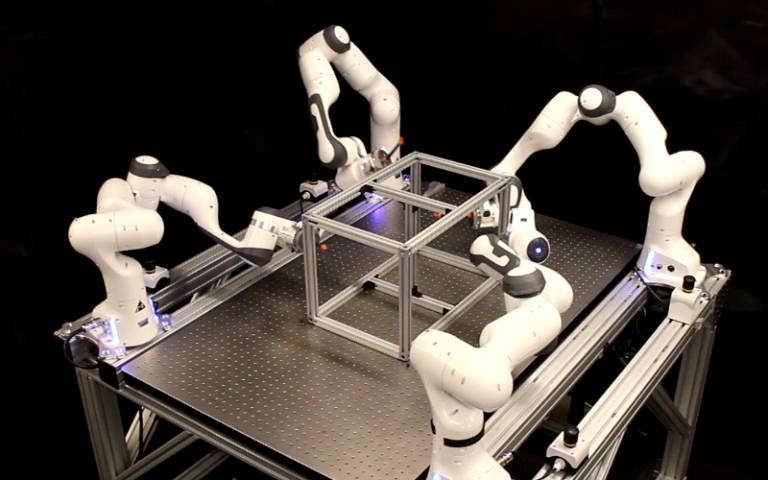
A team from the Technical University of Munich demonstrated a novel method for controlling three distinct robots to collaboratively transport a whiteboard through a doorway. This approach, published in Science Robotics, utilizes an allocentric perspective, allowing operators to oversee multiple robots from a 'God's eye' view, akin to puppeteering. The results showed an 84% increase in speed for parallel tasks compared to traditional first-person control. This new paradigm is significant as it addresses the cognitive load associated with egocentric control, where operators switch perspectives between robots, hindering efficiency. The allocentric method allows for simultaneous control, enhancing usability scores when operators can switch between modes. Cognitive science supports this approach, indicating that the brain processes spatial information more effectively in an allocentric manner, particularly in complex scenarios. Looking ahead, the research indicates potential for further exploration in robot control systems. While the allocentric mode excels in speed, it shows limitations in precision tasks, suggesting a need for hybrid approaches that leverage the strengths of both allocentric and egocentric perspectives. No further timeline was disclosed at the time of publication.
Multi-Robot Control Remote Operation Robotics Research Human-Robot Interaction
TikTok Launches Paid Microdrama App LimeShorts for US Users
TikTok has initiated a test for its paid microdrama app, LimeShorts, in the United States, starting in March. Users can subscribe for $20 weekly or $200 annually for full access, or purchase virtual coins to unlock individual episodes. The app features one- to five-minute vertical dramas spanning various genres such as comedy, romance, and mystery, with content sourced from third-party partners. The introduction of LimeShorts is significant as it replaces ByteDance’s previous Mytopia app in the US market. This move reflects TikTok's strategy to diversify its offerings and monetize content through subscription models. Additionally, TikTok continues to operate the free PineDrama app and is exploring a dedicated microdrama feed within its main platform, indicating a growing interest in short-form video content. Looking ahead, it will be important to monitor user engagement and subscription uptake for LimeShorts as TikTok seeks to establish a foothold in the paid content space. No further timeline was disclosed at the time of publication.
News Feed
WAIC 2026 Highlights Practical Applications of Embodied Intelligence with Increased Participation
At this year's WAIC, embodied intelligence made its debut as a standalone exhibition, with participating companies increasing from over 80 last year to more than 200. Unlike previous years, where robots showcased performances, this year's focus shifted to real operational scenarios, reflecting a consensus in the industry to move from mere demonstrations to practical applications. The transition to practical applications is significant as it highlights the industry's evolution towards functionality. While some companies are still refining their gait algorithms, others have successfully achieved mass production and delivery. Notably, Xuanji Power showcased its Hypertron series quadruped robots, emphasizing operational tasks such as inspection, maintenance, firefighting, reconnaissance, and transportation, distinguishing itself from competitors focused on flashy demos. Xuanji Power's approach to fully self-developed technology creates three competitive barriers: a comprehensive technical loop, mass production capabilities, and an open ecosystem for collaboration. Their successful delivery of quadruped robots positions them favorably in the market, where cost control and delivery capabilities will be crucial in future industry price wars. No further timeline was disclosed at the time of publication.
Quadruped Robots Embodied Intelligence Industrial Automation Robotics Technology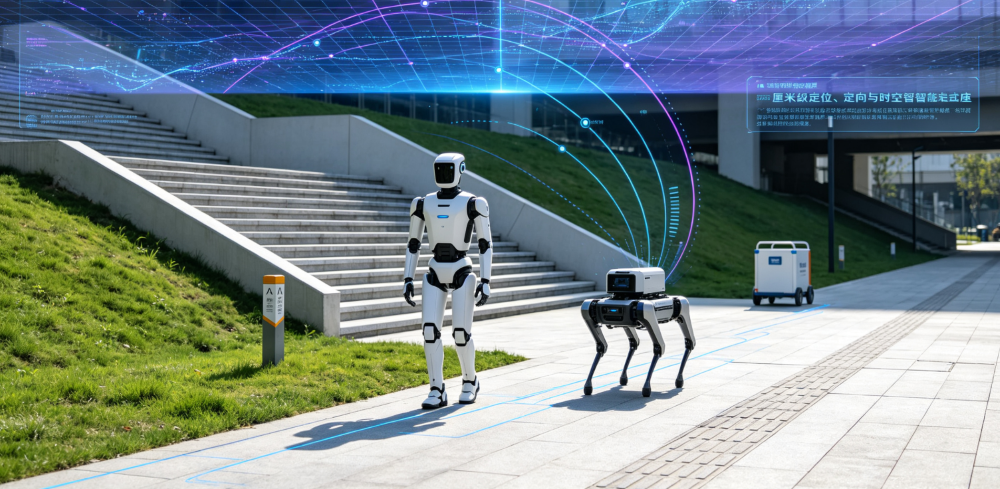
Advancing Embodied Intelligence: Practical Applications from the 2026 AI Conference
The 2026 World Artificial Intelligence Conference highlighted embodied intelligence, with over 300 robots showcased. Companies like Qianxun Positioning and 58 Intelligent participated, indicating a deeper integration of spatial intelligence into the embodied intelligence supply chain. For robots, large models are essential for understanding and decision-making, but they also need to know their location and movement dynamics. Qianxun Positioning introduced the SpatiXBot, a spatial intelligence platform that aids various embodied forms like robots and drones in autonomous navigation and environmental perception. This was exemplified during the Beijing Yizhuang Humanoid Robot Half Marathon, where Qianxun provided spatial intelligence kits to over two-thirds of the autonomous navigation teams, enabling precise positioning and orientation for independent running. The shift towards practical applications was further demonstrated at the 2026 Hangzhou International Embodied Robot Application Competition, where Qianxun and 58 Intelligent helped quadruped robots navigate real-world obstacles. Qianxun's technology also supported training exercises in urban scenarios. CEO Chen Jinpei emphasized the importance of spatial intelligence in enhancing robotic capabilities, bridging the gap between demonstration and industrial productivity.
Embodied Intelligence Spatial Intelligence Robotics AI Technology
Agility Robotics Appoints Michael Beer as CFO to Support Public Listing and Growth
Agility Robotics has appointed Michael Beer as Chief Financial Officer as it prepares for its public listing through a merger with Churchill Capital Corp XI. This leadership change aims to enhance the company's financial strategy and operational excellence as it scales production and customer deployments. The appointment is significant as Agility Robotics seeks to become the first publicly listed U.S. pure-play humanoid robotics company, with plans to leverage over $620 million in gross proceeds from the merger. The company is currently expanding its customer base, including partnerships with industry leaders like Schaeffler and Toyota Motor Manufacturing Canada. Looking ahead, Agility Robotics is focused on accelerating production and deepening customer relationships while preparing for its transition to a public company. No further timeline was disclosed at the time of publication.
FCC Initiates Revocation of Equipment Approvals for Odyssey Robot Amid DJI Allegations
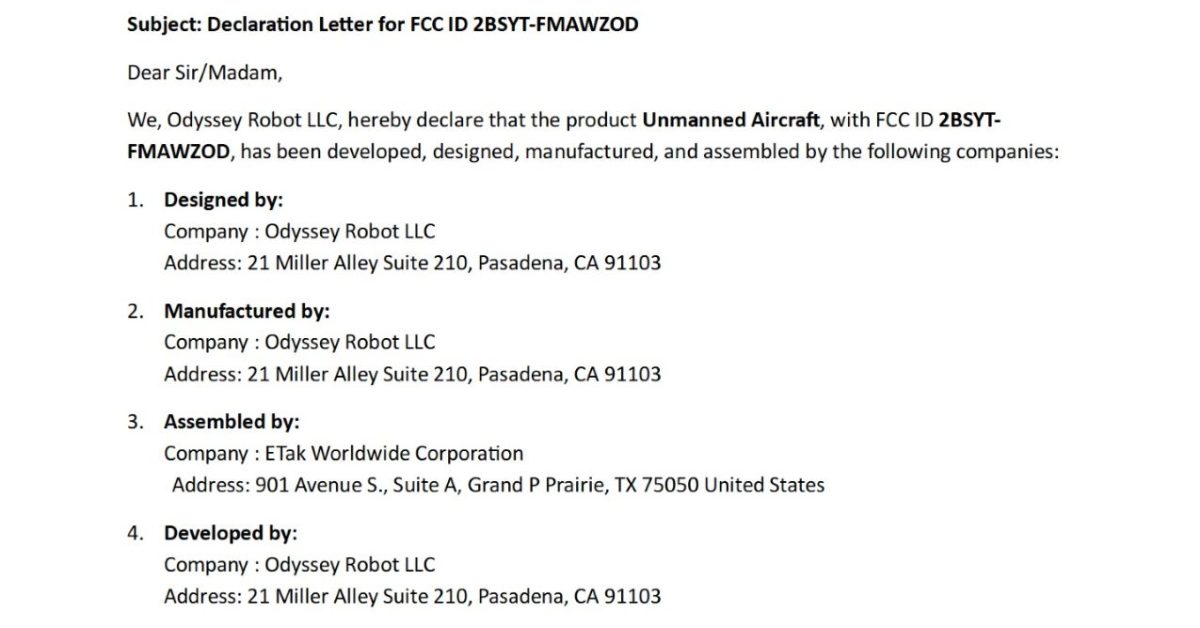
The Federal Communications Commission (FCC) has initiated its first effort to revoke equipment approvals for Odyssey Robot, a drone company accused of falsely claiming its products were manufactured in the United States. This action follows allegations from independent security researcher Konrad Iturbe, who suggested that Odyssey is a front for DJI, aiming to evade national security restrictions on foreign-made drones. This case is significant as it represents the FCC's first potential revocation of drone equipment authorizations under its enhanced national security regulations. The investigation began in June after Iturbe's research raised questions about Odyssey's claims of being an American manufacturer and its attempts to bypass restrictions on foreign drones. The FCC's Enforcement Bureau has sought documentation from Odyssey, which has not responded to inquiries. Looking ahead, the outcome of this investigation could set a precedent for how the FCC handles similar cases involving foreign-made drones. The agency's findings regarding Odyssey's claims about its manufacturing processes and partnerships will be closely monitored, particularly in light of the implications for national security and regulatory compliance in the drone industry. No further timeline was disclosed at the time of publication.
News
Ant Group and JD's Star Robot Showcase Versatile Applications at WAIC
At the WAIC, the focus shifted to practical applications of robotics, with over 60 out of 200 exhibiting companies emphasizing 'scenarios' for deployment. Notably, Ant Group and JD showcased their capabilities through a humanoid robot that efficiently sorted medications and assisted customers in retail environments. The significance of these demonstrations lies in the shift from theoretical models to real-world applications, highlighting the importance of operational capabilities in diverse scenarios. The humanoid robot, developed by Astribot, has been adopted by various companies, indicating a growing consensus on the need for versatile robotic solutions across different industries. Looking ahead, the industry is expected to continue evolving towards practical implementations of robotics, as highlighted by recent insights from Morgan Stanley. The emphasis on physical operational intelligence over general intelligence suggests that companies will increasingly seek robots that can perform complex tasks safely and effectively in various environments. No further timeline was disclosed at the time of publication.
AI Robotics Physical Intelligence Retail Automation Logistics Solutions
Importance of Professional Guidance in National-Level 'Little Giant' Applications
In recent years, the application policies for national-level specialized 'Little Giant' enterprises have been continuously optimized, with increasingly stringent review criteria focusing on the relevance of intellectual property, R&D cost compliance, and the logical integrity of application materials. Companies relying solely on basic metrics are finding it increasingly difficult to pass reviews. The significance of this trend lies in the realization that many enterprises, despite having strong technical capabilities, struggle with self-prepared applications due to a lack of understanding of the latest policy details and review standards. This often results in poorly written materials and missed opportunities for valuable qualifications, ultimately extending the cultivation cycle for these companies. Looking ahead, it is crucial for enterprises to consider professional assistance to navigate the complexities of the application process. The establishment of specialized platforms that offer comprehensive support can help identify and present core advantages effectively, thereby increasing the chances of successful qualification for national-level recognition.
National-Level Certification Application Process Professional Services Innovation Technology Development
ITEC2026 Smart Robot Application Competition Features 5 Million Yuan Grand Prize
The ITEC2026 Smart Robot Application Competition has been launched, offering a top prize of 5 million yuan. This event emphasizes the importance of robots performing reliably in real-world environments, addressing practical challenges rather than merely showcasing capabilities. The competition, co-hosted by the Asian Games Village Street Office and Beijing Beichen Commercial Management Co., aims to connect innovative projects with regional industrial resources and market demands across eight scenarios, including airports, healthcare, and hospitality. The focus on practical applications highlights a shift in the robotics industry towards demonstrating real-world utility. Participants will engage in various testing scenarios, such as inspection robots, delivery robots, and smart cleaning robots, which are designed to solve specific problems in their respective environments. This approach encourages teams to validate their products and gather data in realistic settings, moving beyond mere demonstrations. Looking ahead, the competition will showcase a range of advanced robotic technologies, including AI-driven emotional support robots and autonomous care systems. As the event progresses, it will be crucial to monitor how these innovations perform in practical applications and their potential impact on industries like healthcare and hospitality. No further timeline was disclosed at the time of publication.
Smart Robots Industry Applications Innovation Competition Talent DevelopmentRobotics needs a service framework.
RSF defines a common language for robot service capability, lifecycle operations, certification pathways, and service-provider networks.
Join the RobotToday community on LinkedIn
Daily robotics news, in-depth analysis, conference highlights, and discussions with professionals worldwide.