Industry Briefing

A single destination for timely, editor-curated robotics news from around the world.
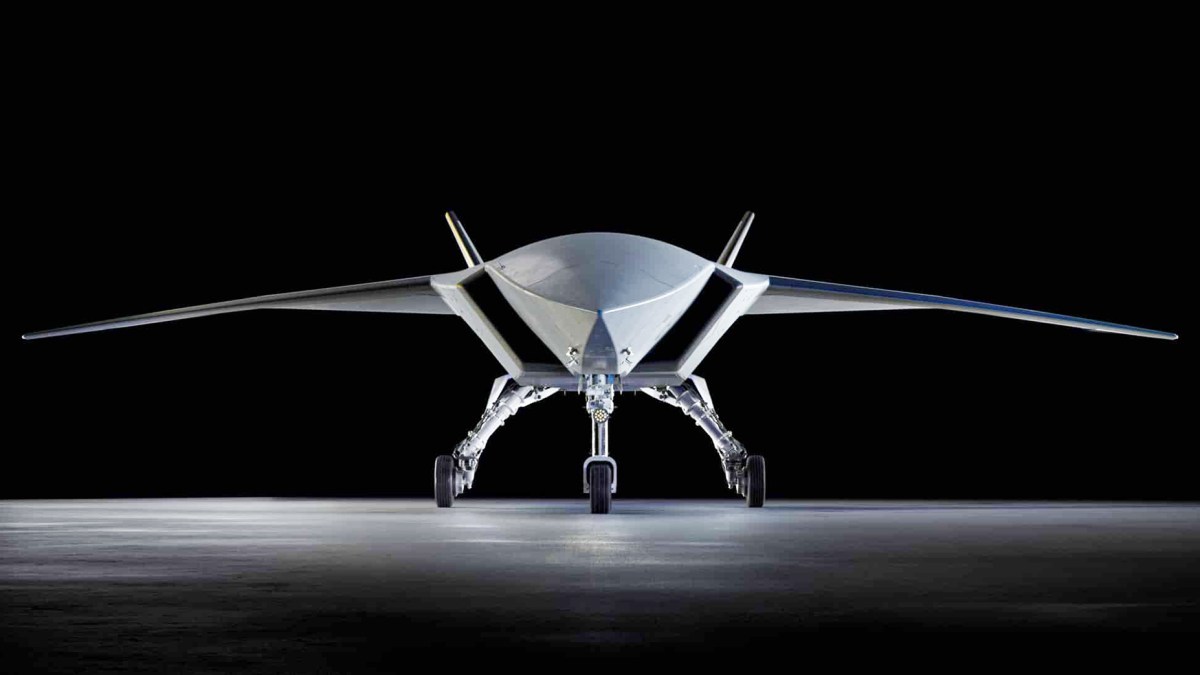
Anduril's YFQ-44A Fury Drone Successfully Fires AIM-120 Missile in First Test

Anduril's YFQ-44A Fury Drone Successfully Fires AIM-120 Missile in First Test

Anduril's YFQ-44A Fury Collaborative Combat Aircraft has successfully conducted its first live-fire test, launching an AIM-120 AMRAAM missile at a simulated target from Edwards Air Force Base in California. This marks a significant milestone for both the Fury drone and the U.S. Air Force's Collaborative Combat Aircraft (CCA) program. The successful launch demonstrates the operational capabilities of the YFQ-44A, which is part of the initial phase of the CCA program alongside General Atomics' YFQ-42A Dark Merlin. The test involved a coordinated effort with the 412th Test Wing's Air Dominance Combined Test Force, ensuring the safe execution of the live-fire event. Looking ahead, the Air Force has indicated that the YFQ-42A is also on track for a live-fire test later this year. This progression from inert carriage to live-fire capabilities reflects the maturity of the CCA program and its potential to enhance operational effectiveness for the U.S. military.

Air Air Forces Collaborative Combat Aircraft Drones News & Features U.S. Air Force
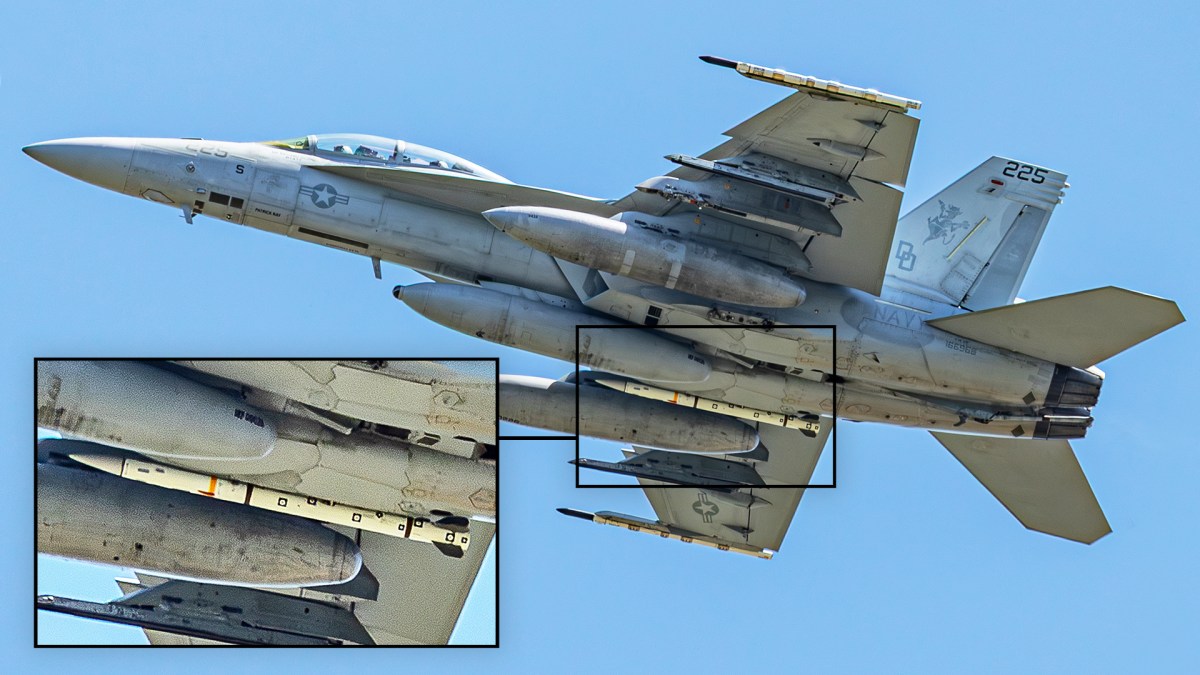
Boeing’s New Larger Ghost Bat Can Carry AIM-120 AMRAAMs Internally

Boeing’s New Larger Ghost Bat Can Carry AIM-120 AMRAAMs Internally

Boeing is set to unveil the third iteration of its stealthy Ghost Bat, which features larger wings, increased power, and internal weapons bays. This upgraded version aims to enhance the aircraft's capabilities, allowing it to carry AIM-120 Advanced Medium-Range Air-to-Air Missiles (AMRAAMs) internally. The development reflects Boeing's commitment to advancing military aviation technology and improving the operational effectiveness of the Ghost Bat. As defense needs evolve, this new model is expected to play a crucial role in modern aerial combat scenarios.

Air AIM-120 AMRAAM Air Force Munitions Air-To-Air Around The Globe Drones
SpaceX Unveils AI1 Satellite Specs for Starmind Constellation with Key Thermal Challenges

SpaceX Unveils AI1 Satellite Specs for Starmind Constellation with Key Thermal Challenges

SpaceX has introduced the AI1 satellite, the inaugural component of its Starmind constellation, which stands 20 meters tall and has a wingspan of 70 meters. This orbital compute node is designed to deliver computing power equivalent to one NVIDIA GB300 server rack, utilizing a unique cooling system with deployable liquid radiators. The satellite's specifications were revealed during a presentation on June 8, 2026, ahead of SpaceX's IPO. The significance of the AI1 satellite lies in its role as a compute platform rather than a traditional satellite, focusing on running AI inference workloads. The satellite's cooling system, which is critical for its operation in the vacuum of space, is designed to reject heat through infrared radiation. However, independent engineers have raised concerns about the feasibility of the thermal and mass claims made by SpaceX, suggesting that the cooling requirements may exceed practical limits. Looking ahead, SpaceX plans to launch two AI1 prototypes in early 2027, with full-scale production expected to commence later that year at its Gigasat facility in Bastrop, Texas. The ongoing debate regarding the satellite's thermal management capabilities will be crucial to monitor as the project progresses, with no further timeline disclosed at the time of publication.

RobotToday Initiative

Robotics needs a service framework.

RSF defines a common language for robot service capability, lifecycle operations, certification pathways, and service-provider networks.

inJoin the RobotToday community on LinkedIn

Daily robotics news, in-depth analysis, conference highlights, and discussions with professionals worldwide.