Industry Briefing
A single destination for timely, editor-curated robotics news from around the world.
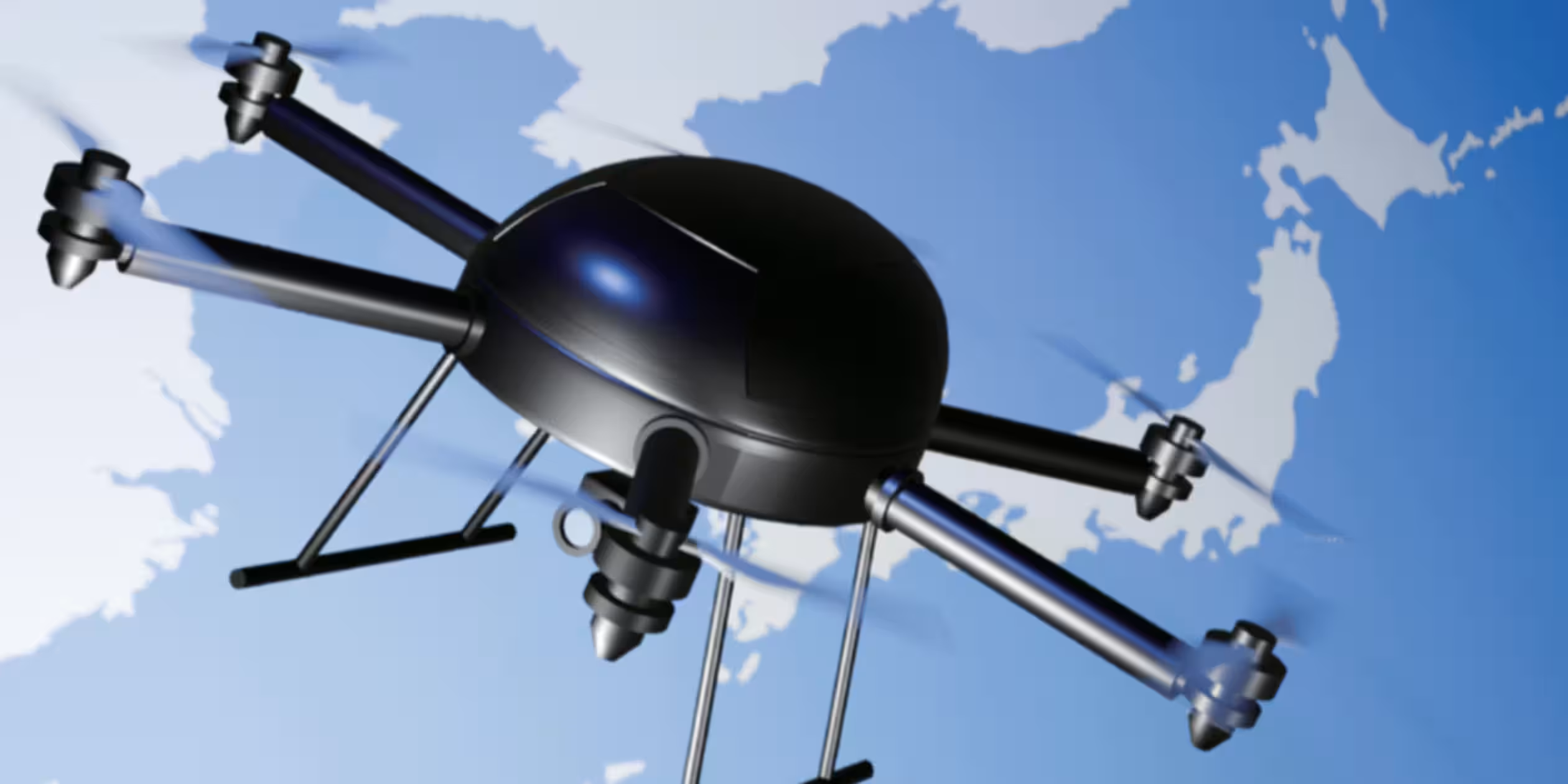
Japanese Drone Stocks Experience Surge as Investors Diversify from AI and Defense
Japanese drone companies are witnessing a significant influx of investment as military demand for unmanned systems rises. Investors are increasingly looking for alternatives to artificial intelligence stocks and traditional defense stocks that had previously gained popularity. This shift indicates a growing interest in the drone sector, which is becoming a focal point for investment in Japan. The surge in investment is crucial as it highlights the potential of the drone industry amidst geopolitical tensions and the evolving landscape of defense technology. Companies like Terra Drone are emerging as key players in the Tokyo market, attracting attention from investors eager to capitalize on the expanding military applications of drones. This trend reflects a broader movement towards diversification in investment portfolios. Looking ahead, the drone industry is expected to continue its upward trajectory as demand for unmanned systems grows. Investors should monitor developments in regulatory frameworks and technological advancements that could further influence the market. No further timeline was disclosed at the time of publication.
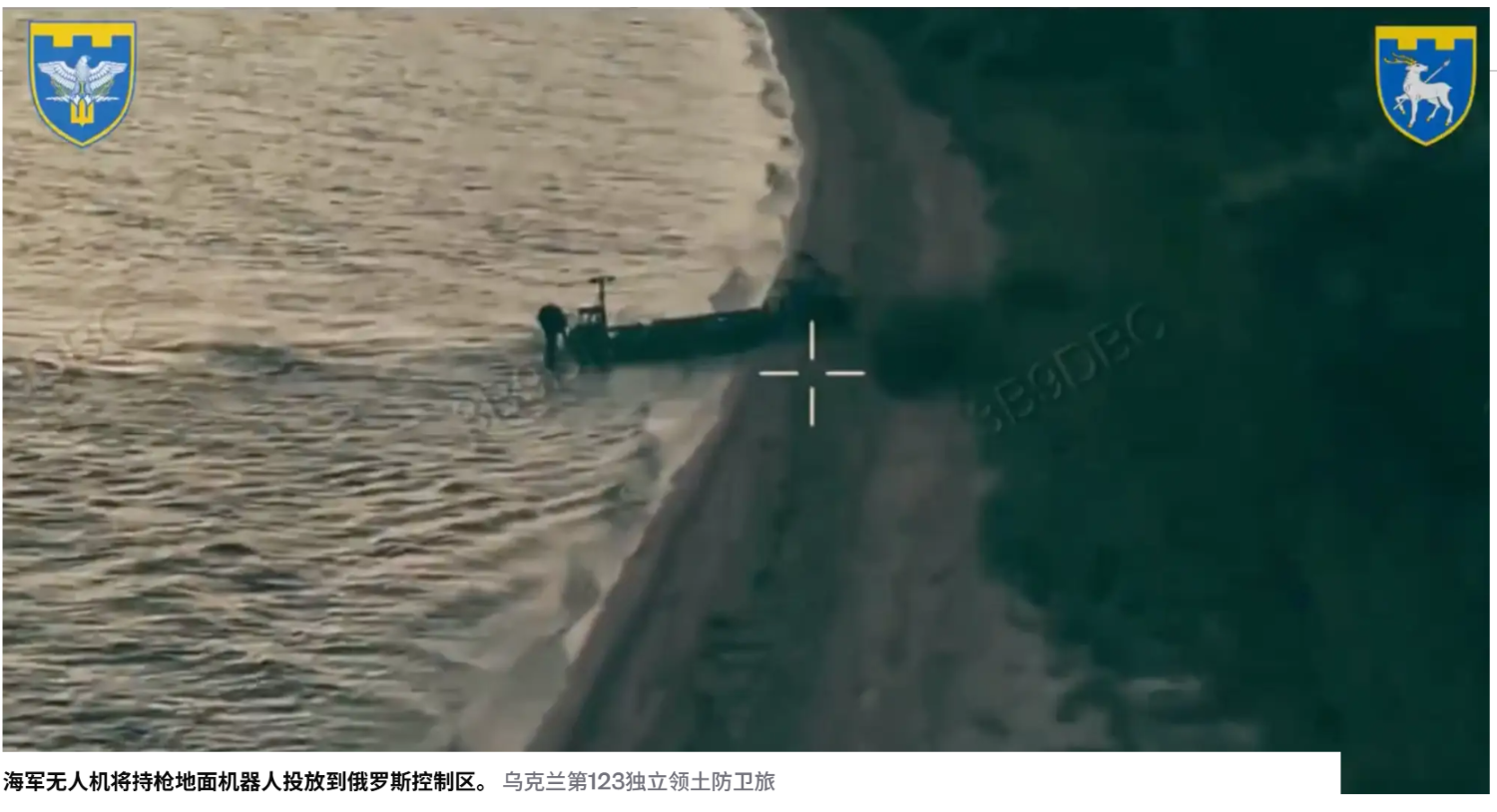
Ukraine's 123rd Territorial Defense Brigade Conducts Historic Amphibious Operation with Unmanned Systems
On July 13, 2026, Ukraine's 123rd Independent Territorial Defense Brigade executed a historic amphibious operation utilizing unmanned systems. This marked the first known joint combat mission involving an unmanned surface vessel (USV) and an unmanned ground vehicle (UGV) in a military context. The operation took place on the Kinburn Spit, an area long controlled by Russian forces, where the USV successfully delivered the UGV to the enemy coast without any human soldiers stepping onto hostile territory. The significance of this operation lies in its demonstration of a new combat paradigm where unmanned systems can effectively replace human soldiers in high-risk scenarios. The UGV, reportedly manufactured by Lviv's Roboneers, was equipped with a PKT 7.62mm machine gun and was able to engage targets after landing. The 123rd Brigade emphasized that this operation is not merely a technological novelty but represents a fundamental shift in warfare, highlighting the potential for machines to undertake dangerous missions. Looking ahead, the use of unmanned systems in military operations is expected to expand, as the Ukrainian military has already received over 1,000 various ground robot systems. The ongoing evolution from traditional amphibious assaults to unmanned operations could redefine the nature of warfare, reducing risks to human soldiers while increasing operational effectiveness.
Unmanned Systems Robotics Amphibious Operations Military Technology
WAIC 2026 Highlights Six Key AI Trends Shifting Focus from Models to Systems
The World AI Conference 2026 (WAIC 2026) showcased six significant trends in artificial intelligence, emphasizing a shift from model competition to system efficiency. Notably, the integration of robots into real factory environments marks a pivotal moment for industrial automation, indicating a growing reliance on intelligent systems. This transition is crucial as it reflects the industry's evolution towards more efficient and effective AI systems, moving beyond traditional model-centric approaches. The emergence of domestic chips reaching a tipping point further underscores the importance of localized technology development in enhancing AI capabilities. Looking ahead, stakeholders should monitor how these trends will influence the deployment of AI systems in various sectors. The increasing presence of robots in factories and advancements in chip technology could reshape operational strategies and drive innovation in the coming years. No further timeline was disclosed at the time of publication.
News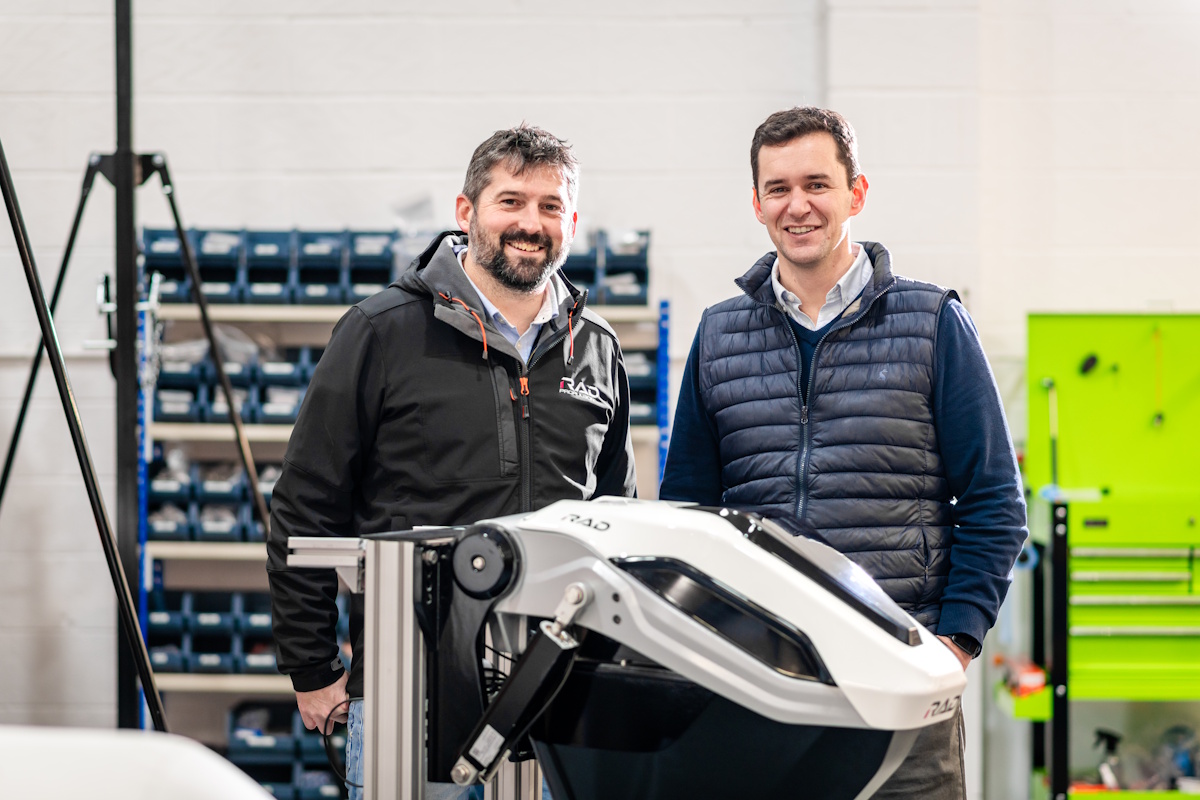
RAD Secures £4.4 Million Funding to Enhance Autonomous Marine Technology and Electric Propulsion Systems
RAD, a marine technology firm, has successfully raised £4.4 million in funding to accelerate the commercialization of its autonomous vessel technologies and expand its electric propulsion systems. This funding round, led by Mercia Ventures, comes after a year of significant product development and customer engagement, including the launch of the Axon open systems architecture for uncrewed vessels at the Combined Naval Event in May 2026. The funding is crucial as RAD aims to capitalize on the growing demand for flexible and scalable marine solutions in both defense and commercial sectors. The Axon architecture allows for rapid development and integration of uncrewed vessel capabilities, which is expected to enhance operational efficiency and reduce vendor lock-in for operators. With this investment, RAD is positioned to lead the electrification shift in marine technology, similar to trends seen in road transport. Looking ahead, RAD plans to utilize the funds for international expansion, including establishing a presence in the U.S. market, and further developing its electric propulsion systems and energy management technologies. The company is also focused on enhancing its engineering capabilities to meet the increasing demand from its diverse customer base. No further timeline was disclosed at the time of publication.
rad raise investment commercialisation autonomous marine technology propulsion systems
WAIC 2026 Showcases Advanced Embodied Intelligence Systems in Shanghai
In July 2026, the World Artificial Intelligence Conference (WAIC 2026) was held in Shanghai, featuring the theme 'Intelligent Partners, Co-Creating the Future.' The event highlighted embodied intelligence, attracting over 200 companies, with a focus on practical applications in high-risk environments. Among the exhibitors, Yunshen Technology stood out by presenting a diverse lineup of robots, including the humanoid DR02, quadrupedal robots from the Jueying series, and wheeled robots from the Shancat series. These robots, designed for challenging scenarios like power stations and emergency situations, emphasize real-world applications rather than just aesthetics. Yunshen Technology's approach contrasts with the industry norm of developing robots in controlled environments. By deploying robots in extreme conditions, the company aims to expose and improve their capabilities, creating a unique competitive advantage. The showcased products demonstrate a clear connection between their design and the demanding operational requirements they are built to meet.
Embodied Intelligence Robotics AI Technology Automation High-Risk Environments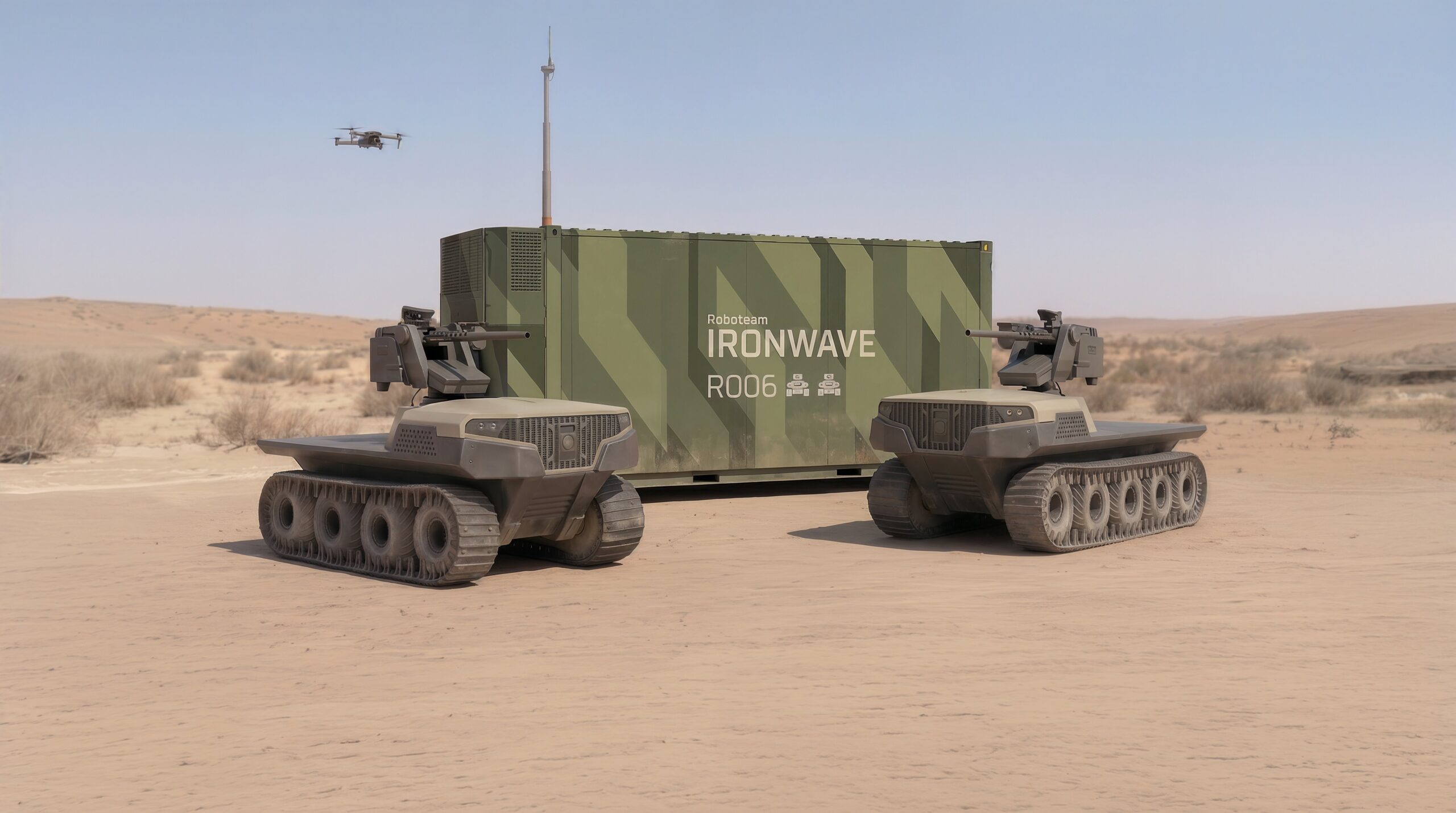
Ondas Unveils New Autonomous Counter-Drone and Robotic Combat Systems
Ondas Holdings has introduced two innovative autonomous defense systems, MODUS and IRON WAVE, aimed at assisting military forces in countering the escalating threats posed by drones and enhancing the deployment of robotic systems. This announcement highlights the company's commitment to addressing critical challenges faced by modern military operations. The unveiling of these systems comes at a time when the proliferation of drone technology and robotic warfare is reshaping the battlefield landscape. By providing advanced solutions, Ondas Holdings seeks to empower frontline troops with enhanced capabilities to effectively neutralize aerial threats and integrate robotic support into their operations.
Anti-drone technology Applications C-UAS defense Defense Drone News
Ukraine Aims to Double Drone Production to 20 Million Annually with EU Support
Ukrainian President Volodymyr Zelenskyy announced that Ukraine is currently producing 10 million drones each year. With the assistance of partners, the country aims to increase its drone production capacity to 20 million annually. This initiative is significant as it highlights Ukraine's commitment to enhancing its unmanned systems capabilities amid ongoing challenges. The collaboration with partners, particularly the EU, is expected to accelerate the production process and improve the technological advancements in drone manufacturing. Looking ahead, stakeholders will be keen to monitor the progress of this production increase and the potential impact on Ukraine's defense capabilities. No further timeline was disclosed at the time of publication.
Air Warfare Air Force Drones EU Europe Fincantieri
ASELSAN at SAHA 2026: Introducing next-generation multi-domain defense systems
At the SAHA 2026 exhibition, ASELSAN introduced its latest defense portfolio, showcasing a comprehensive and integrated defense architecture. This innovative framework combines electronic warfare, counter-unmanned aerial vehicle (UAV) systems, and capabilities for both airborne and naval operations. The unveiling highlights ASELSAN's commitment to advancing military technology and enhancing operational efficiency in response to evolving security challenges. By integrating these diverse capabilities, the company aims to provide a unified solution that meets the complex demands of modern defense environments.
Global Naval Warfare Sponsored Post Air Force Army Aselsan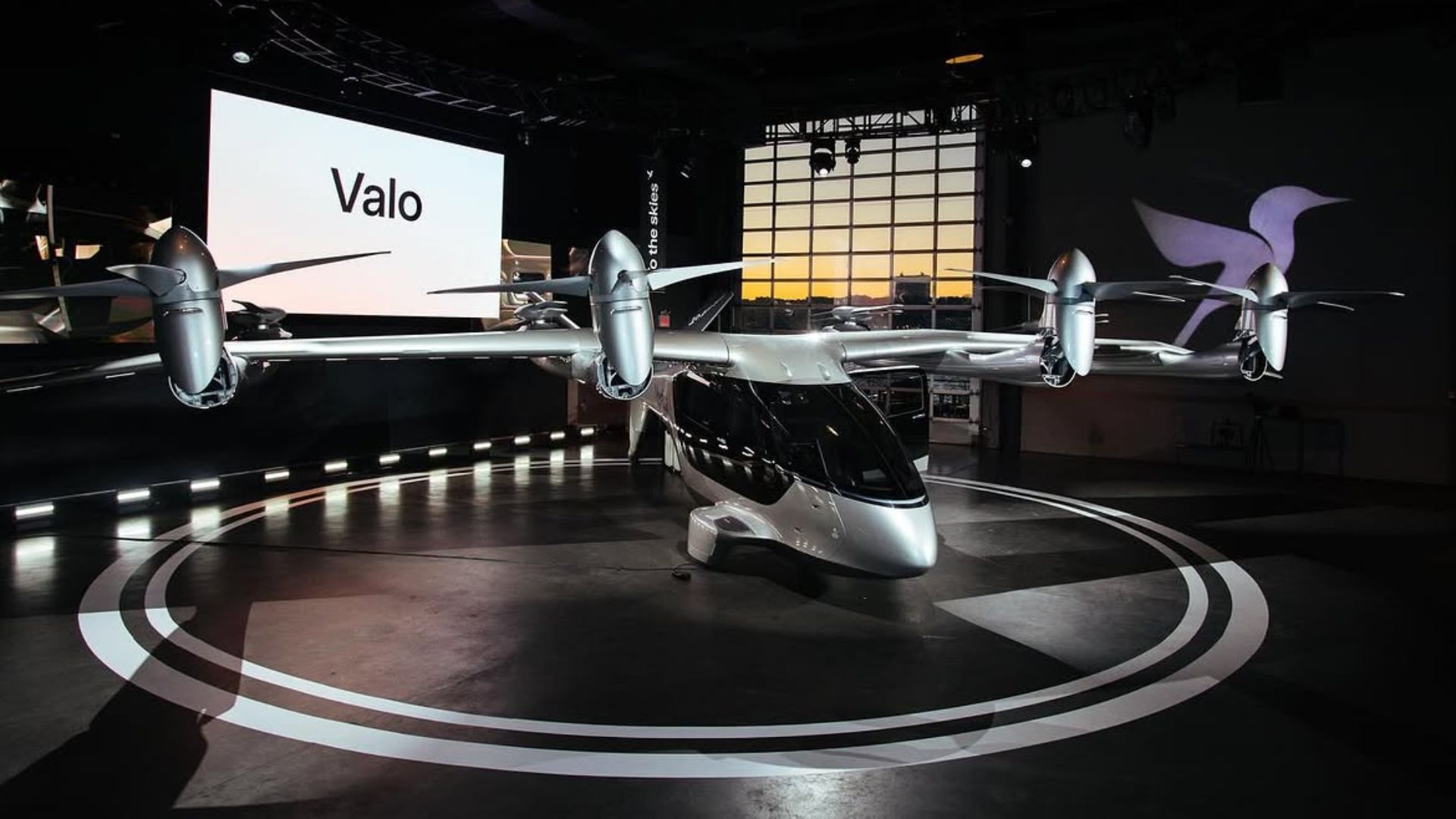
Vertical Aerospace Partners with Near Earth Autonomy for Valo Aircraft's Autonomous Flight Capabilities
Vertical Aerospace has partnered with Near Earth Autonomy to enhance its Valo aircraft with advanced autonomous flight capabilities. This collaboration aims to integrate Near Earth's autonomy software with Honeywell Aerospace's Anthem digital cockpit, facilitating the development of self-flying technology for defense and commercial aviation. The partnership is significant as it allows Vertical to leverage Near Earth's extensive experience in autonomous aviation, which includes systems developed for military applications. By utilizing a shared technology stack, the companies aim to reduce technical risks associated with expanding autonomous features in the Valo aircraft, which is designed for both defense and commercial markets. Looking ahead, Vertical plans to pursue defense programs while also preparing for automated commercial operations. The Valo aircraft, featuring hybrid-electric propulsion, is capable of flying up to 1,000 miles and carrying payloads of up to 2,400 pounds, making it a versatile option for various operational roles. No further timeline was disclosed at the time of publication.
Transportation
Taiwan Secures Contracts for Sea Drones to Enhance Coast Guard Defense Against China
Taiwan has awarded contracts for dozens of sea drones to bolster its Coast Guard capabilities amid rising tensions with China. This decision reflects Taiwan's commitment to enhancing its maritime defense using U.S. technology as a countermeasure against China's expanding maritime operations in the region. The procurement of these sea drones is significant as it underscores Taiwan's proactive approach to strengthening its defense mechanisms in response to China's increasing maritime assertiveness. The move aims to enhance the Coast Guard's operational capabilities and ensure the security of Taiwan's waters. Looking ahead, further developments in Taiwan's defense strategy may emerge as the country continues to adapt to the evolving geopolitical landscape. No further timeline was disclosed at the time of publication.
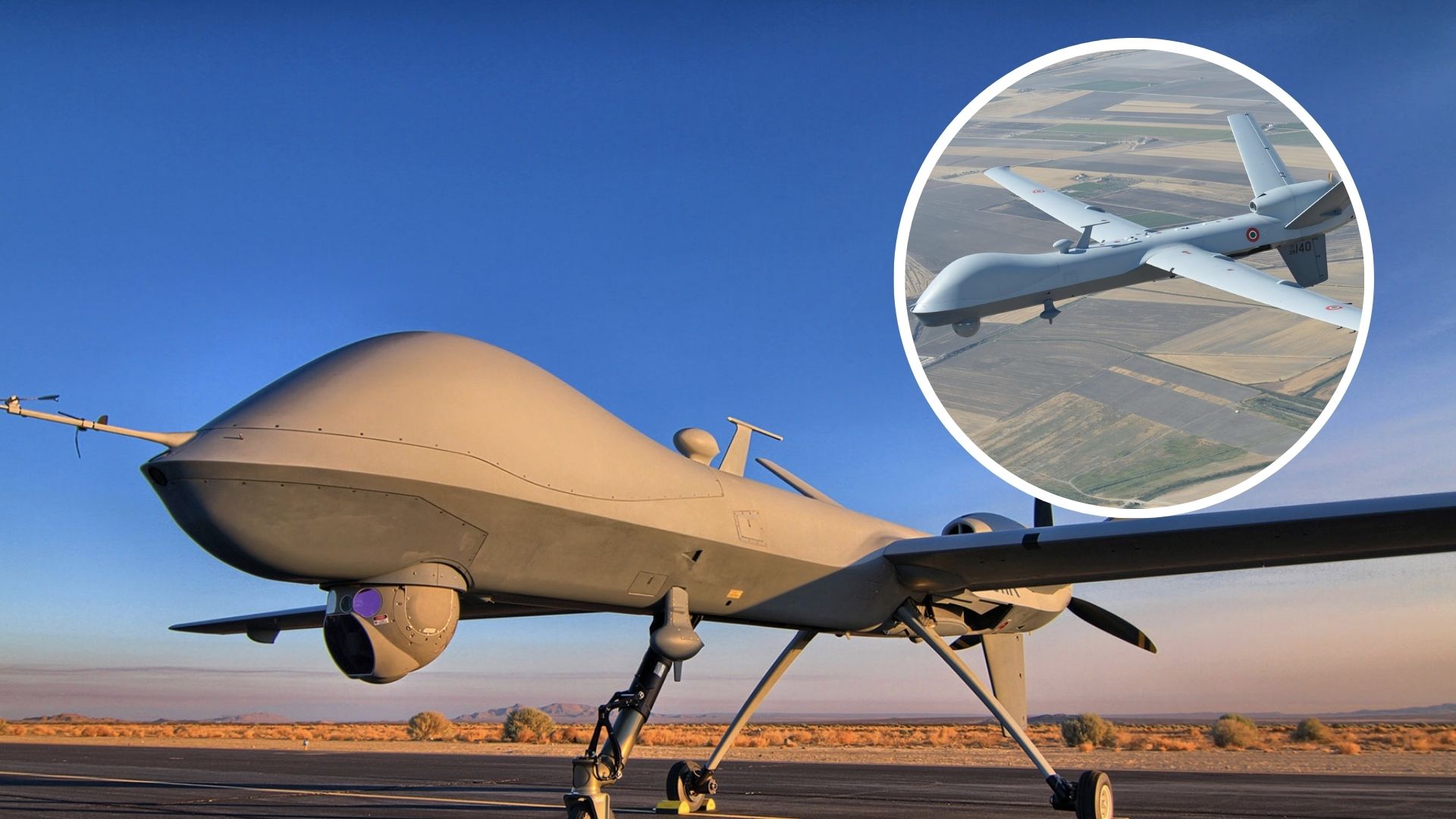
U.S. Department of Defense Launches Massed Modular Aircraft Initiative for Cost-Effective Drones
The U.S. Department of Defense is initiating the Massed Modular Aircraft (MMA) program to develop low-cost combat drones capable of performing missions similar to the MQ-9A Reaper. This initiative reflects a strategic shift towards utilizing affordable, expendable drones in modern warfare, particularly in light of recent conflicts that have exposed the vulnerabilities of high-value aircraft in contested airspace. The Pentagon aims to create a fleet of modular, long-range unmanned aircraft that can be rapidly reconfigured for various missions, significantly reducing operational costs while maintaining effectiveness against advanced enemy defenses. This shift is driven by the need for a more sustainable military approach, as the loss of MQ-9 Reapers during operations against Iran has highlighted the financial burden of relying on expensive platforms. With each MQ-9 costing approximately $30 million, military planners recognize that a strategy focused solely on high-value aircraft is increasingly untenable. The MMA initiative seeks to provide a flexible, risk-tolerant option that can deploy large numbers of drones to overwhelm enemy defenses, thereby ensuring operational capability despite potential losses. Looking ahead, the Pentagon's focus on massed modular aircraft indicates a significant evolution in military tactics. The ability to deploy swarms of low-cost drones could complicate enemy air defenses and enhance reconnaissance and strike capabilities. No further timeline was disclosed at the time of publication, but the emphasis on affordability and modularity suggests a proactive response to the changing dynamics of modern warfare and the need for cost-effective solutions in defense operations.
Military
OpenAI releases life sciences AI "GPT-Rosalind" for bio-defense, raising concerns over dual-use risks.
OpenAI has launched the "Rosalind Biodefense" program, utilizing its frontier reasoning model, GPT-Rosalind, specifically designed for life sciences research. Announced recently, this initiative focuses on detecting biological threats for defense purposes. The program will provide approved developers, U.S. government agencies, and allied partner organizations with free access to its API, aiming to enhance biodefense capabilities.

Red Sift CEO Discusses AI's Role in Evolving Cyber Threats and Defense Strategies
In a recent episode of Lexicon, Rahul Powar, CEO of Red Sift, highlighted the transformative impact of artificial intelligence (AI) on cyberattacks. He referenced a recent AI-assisted cyber campaign targeting a Mexican water utility, emphasizing that AI is lowering the barrier for launching sophisticated attacks. This trend is expected to escalate over the next 18 months, posing significant challenges for organizations globally. Powar explained that AI democratizes advanced cyber capabilities, allowing less experienced attackers to leverage tools like large language models for reconnaissance and exploit development. This shift is making it easier for attackers to find vulnerabilities in systems, as they can automate processes that previously required extensive expertise. The imbalance in cybersecurity is growing, as defenders must protect numerous devices and applications while attackers only need to exploit one weakness. Despite the challenges, Powar noted that AI can also empower defenders by helping them identify vulnerabilities before they are exploited. The conversation underscored the dual-edged nature of AI in cybersecurity, with both attackers and defenders adapting to the evolving landscape. No further timeline was disclosed at the time of publication.
AI and Robotics Innovation
California Startup Develops Tube-Launched Quadcopter for U.S. Military Defense
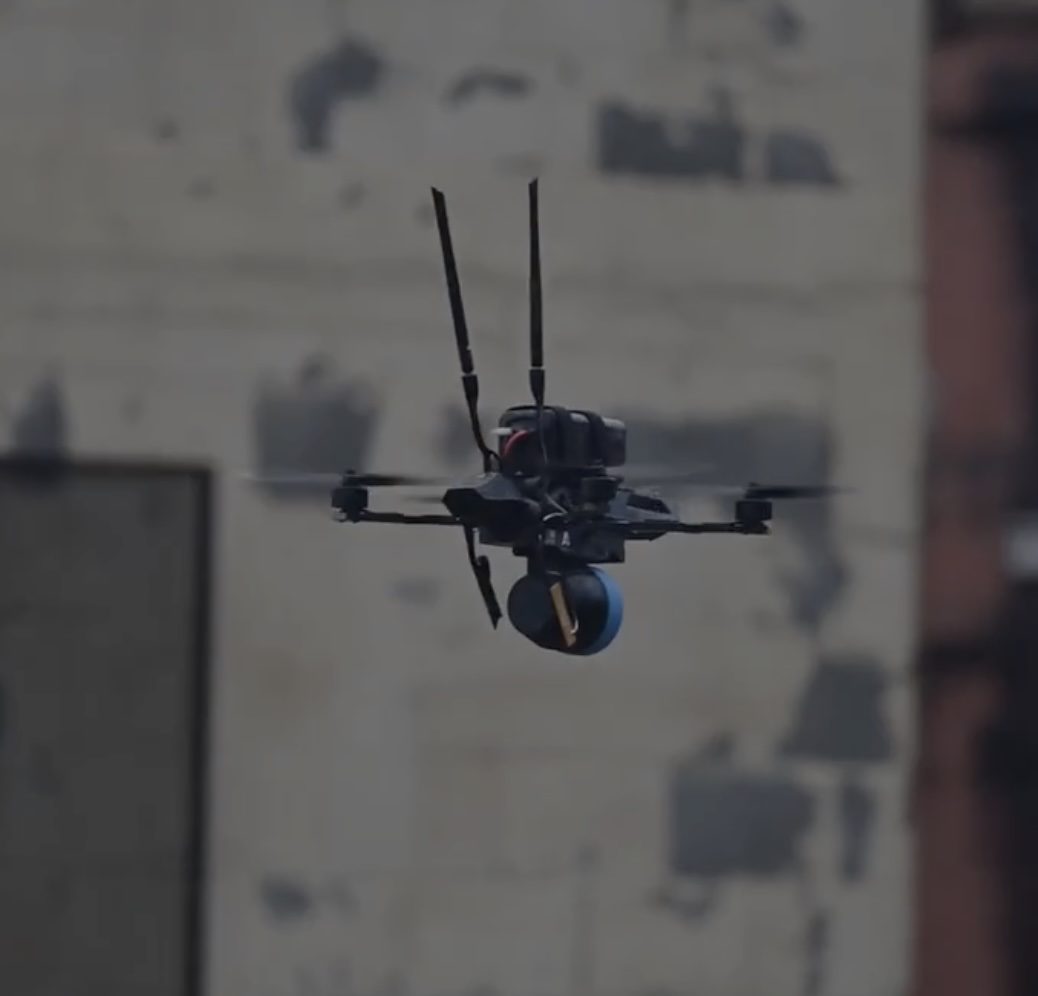
A California-based startup, founded by a 22-year-old Ukrainian software engineer, is developing a tube-launched, foldable quadcopter designed to counter unmanned aerial systems (UAS). The company aims to market this innovative defense technology to the U.S. military, targeting the rising threat of drone and missile attacks. Specific metrics regarding the quadcopter's capabilities and launch timeline have not been disclosed. This initiative is significant as it addresses the increasing frequency and sophistication of drone warfare, which poses challenges to military operations. By making drone attacks financially burdensome, the startup hopes to deter potential aggressors and enhance national security. The focus on a compact, easily deployable system aligns with current military needs for versatile and effective countermeasures against aerial threats. Looking ahead, the startup's next steps include securing partnerships with defense agencies and demonstrating the quadcopter's effectiveness in real-world scenarios. No further timeline was disclosed at the time of publication, but the company is poised to make waves in the defense sector if successful in its endeavors.
Anti-drone technology Applications Defense defense Drone News Drone News Feeds
Microsoft warns of seven new threats from agent-based AI systems, including tool contamination and visual attacks.
Microsoft has revised its classification of agent-based AI vulnerabilities, adding seven new categories, including supply chain breaches and target takeover. This update follows insights gained from real-world red team operations, highlighting the need for enhanced measures against human approval evasion and memory corruption. The company advocates for the implementation of defensive strategies during the design phase to better safeguard against these emerging threats.

Phoxter to showcase AI inspection, AMR, and warehouse control systems at Robot Technology Japan 2026.
Phoxter Co., Ltd. will showcase its innovations at the upcoming "Robot Technology Japan 2026" exhibition, scheduled to take place from June 11 to June 13, 2026, at the Aichi Sky Expo. This event aims to highlight advancements in robotics technology and foster collaboration within the industry. By participating, Phoxter seeks to demonstrate its commitment to driving innovation and engaging with potential partners and customers in the rapidly evolving robotics sector.
Drone Dominance: The Defense Department’s Push to Build a Scalable U.S. Drone Supply Chain
During the keynote roundtable at XPONENTIAL 2026 this morning, leaders from government and industry convened to discuss a pivotal shift in the U.S. drone sector. The focus of the panel, moderated by Michael Robbins of AUVSI, was on advancing from initial innovation and prototype development to establishing robust industrial production and scrutinizing the supply chain. This transition aims to facilitate rapid military acquisition of drone technology, reflecting the Department of Defense's commitment to enhancing the nation's drone capabilities. The discussions highlighted the urgency of creating a scalable supply chain to support the growing demands of both commercial and military applications in the drone industry.
Defense DL Exclusive Drone Manufacturing Drone News Drone News Feeds Dual Use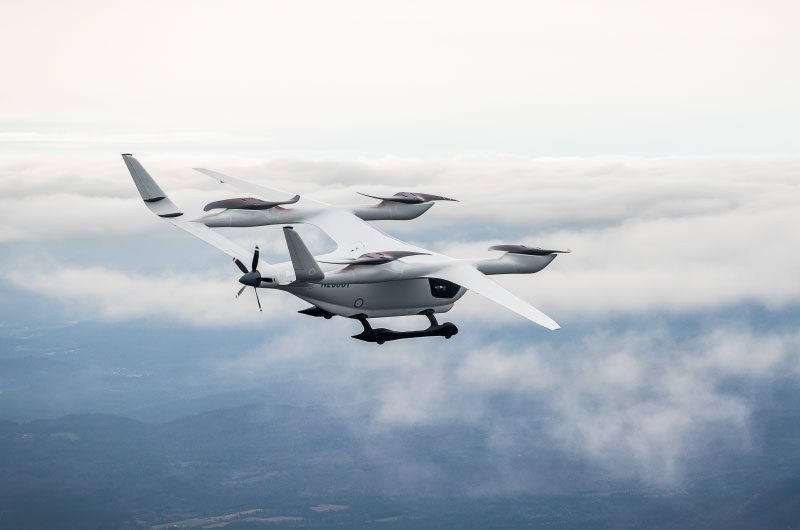
BETA Technologies Advocates for Practical Applications of Advanced Air Mobility
BETA Technologies is advocating for a broader approach to advanced air mobility, emphasizing practical transportation solutions over futuristic passenger services. At the Korea Drone and UAM Expo, Patrick Buckles, Regional Head of Aircraft Sales, highlighted the company's strategy that integrates electric aircraft, charging infrastructure, and pilot training for various missions. Founded in 2017, BETA has developed its operations around electric aircraft, multimodal charging systems, and enabling technologies such as electric propulsion and battery technology. The company has successfully flown over 300,000 kilometers and is targeting applications in cargo, defense, medical transport, and passenger services with its two aircraft platforms: the ALIA CTOL and ALIA VTOL, which share design commonality for enhanced safety and simplicity. Looking ahead, BETA's focus on operational advantages, such as lower energy and maintenance costs, positions electric aviation as a viable alternative to conventional aircraft. The potential for zero emissions and reduced noise levels could facilitate community acceptance and support critical missions like medical transport in remote areas. No further timeline was disclosed at the time of publication.
Advanced Air Mobility DL Exclusive Drone News Drone News Feeds eVTOL News
Zhejiang Humanoid NAVIAI Advances Embodied Intelligence with SPIRE and EvoStack Systems
In 2026, the robotics industry is shifting focus from basic functionality to achieving results in real-world applications. Companies must now demonstrate their ability to translate genuine needs into systemic capabilities, ensuring robots can operate effectively in various environments. This transition marks a significant evolution in the industry's landscape. Zhejiang Humanoid has positioned itself uniquely by addressing real demands early on, integrating technology, talent, and industry chains to create a robust 'industrial carrier.' The company emphasizes that the physical robot is just the entry point, while the systemic capabilities form the core competitive advantage, enabling robots to adapt and perform in diverse scenarios. The NAVIAI product matrix includes advanced bipedal robots and versatile robotic arms designed for complex tasks. The SPIRE technology framework enhances robot performance by bridging the gap between understanding and execution, while the EvoStack toolchain supports continuous adaptation and improvement. As the industry evolves, the ability to navigate uncharted territories will define the leaders in robotics.
Humanoid Robots Embodied Intelligence Industrial Automation Robotics Technology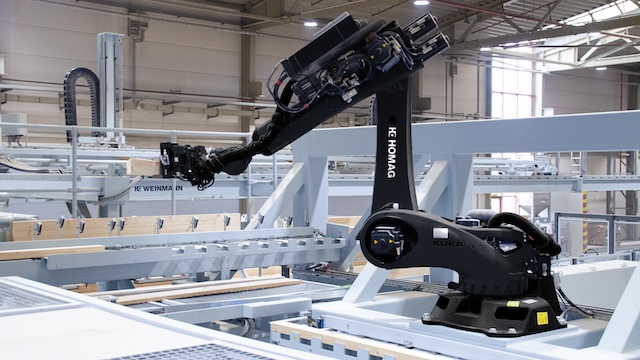
Qingche Intelligent Showcases Comprehensive Data Systems and Robotics at WAIC 2026
From July 17 to 20, 2026, Qingche Intelligent participated in the World Artificial Intelligence Conference (WAIC) in Shanghai, focusing on bridging models and real-world intelligence. The company showcased a complete technology system from real-world data collection to model training and robotic applications, emphasizing the importance of real-world data for embodied intelligence. Qingche's RoboPocket system, a no-body robot data collection platform, allows users to gather data without direct interaction with robots, significantly lowering the barriers for data acquisition. The DM3 data management platform complements this by enabling visual retrieval, quality control, and data asset management, handling up to 10,000 data entries daily and accumulating substantial real-world data assets. The company also presented its new generation of embodied intelligence pre-training models, which do not rely on teleoperation data, demonstrating a viable path for model training using only field-collected data. Qingche's solutions have already been deployed in real-world scenarios, such as retail pharmacies and hotel laundry services, showcasing the practical applications of their technology and the continuous evolution of their data-driven model development.
Embodied Intelligence Data Management Robotics AI Applications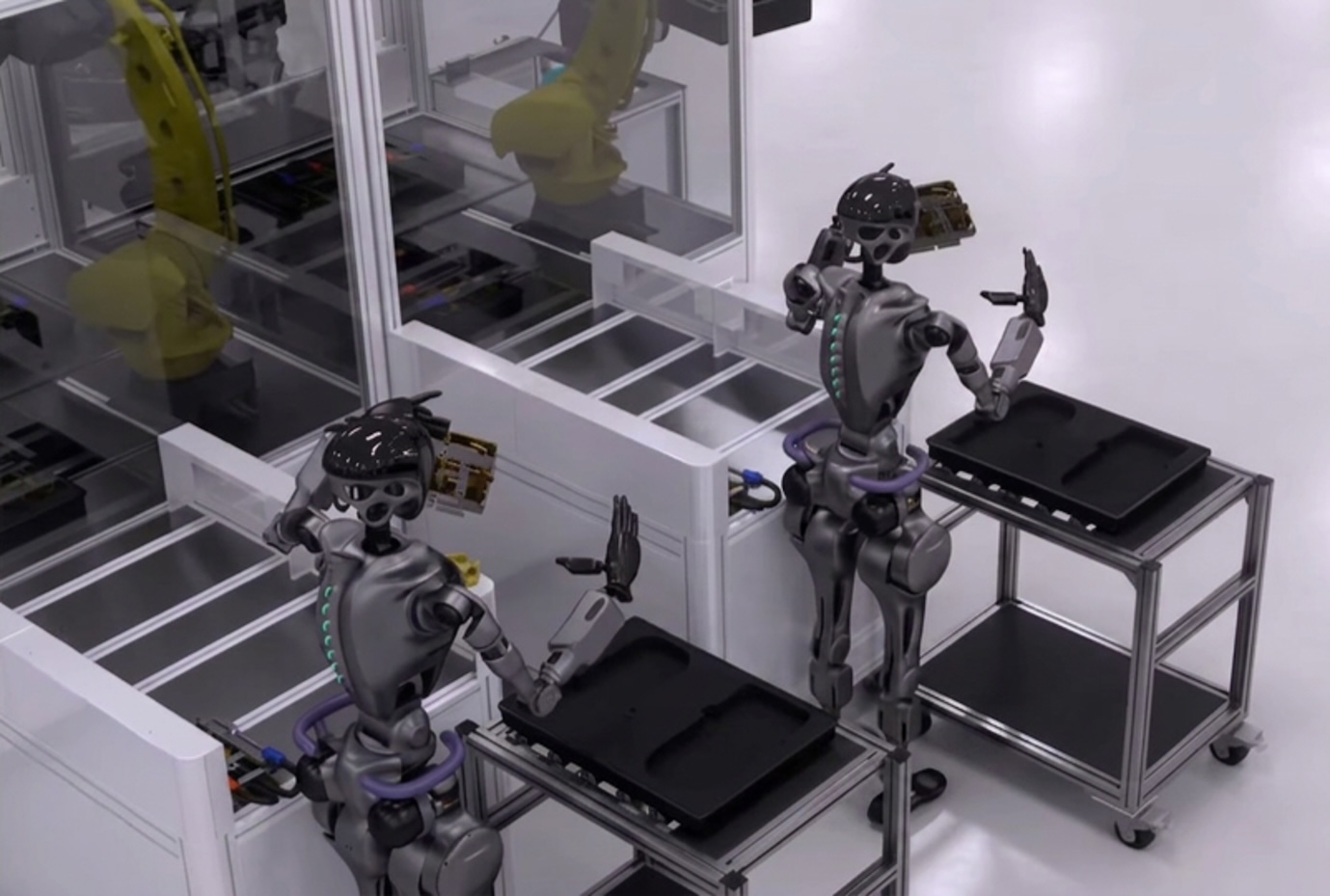
SpaceX Proposes 1 Million AI Satellites to Address Ground Data Center Constraints
On January 30, 2026, SpaceX filed with the FCC to launch up to 1 million AI compute satellites, positioning orbital data centers as a solution to the increasing demand for AI computing power. Ground data centers are facing significant challenges, with energy consumption projected to reach approximately 1,050 TWh in 2026, making them the fifth-largest electricity consumer globally. The demand for new data center capacity is outpacing the growth of power generation infrastructure, leading to a critical bottleneck in the grid system. The significance of this initiative lies in the structural constraints faced by ground data centers, including power delivery limitations, high water consumption, and local opposition to new projects. The Uptime Institute's 2026 outlook identifies power as the primary constraint on data center growth, with capacity clearing prices in the PJM grid skyrocketing to $329.17/MW, driven by data center expansion. Additionally, cooling requirements are becoming increasingly unsustainable, with facilities consuming vast amounts of water, further complicating their operational viability. Looking ahead, SpaceX's orbital AI compute initiative aims to circumvent these challenges by leveraging the advantages of space, such as continuous solar power and minimal local opposition. The first AI prototypes are expected to launch in early 2027, with operational deployments planned for 2028. No further timeline was disclosed at the time of publication.

SpaceX's Starmind Targets AI Labs with $6.3 Billion Compute Contracts
SpaceX's Starmind is designed to provide wholesale AI compute services to businesses, particularly AI labs and cloud customers, rather than individual consumers. The service operates similarly to AWS, where users benefit from applications running on Starmind without direct subscriptions. The compute capacity of a single AI1 satellite is comparable to one NVIDIA GB300 rack, emphasizing its enterprise-grade capabilities. The significance of Starmind lies in its positioning as a potential fourth hyperscaler, joining the ranks of AWS, Microsoft Azure, and Google Cloud. The Reflection AI contract, valued at $150 million per month, exemplifies the enterprise-focused model, with total payments potentially reaching $6.3 billion through 2029. This contract highlights the growing demand for AI compute resources, particularly from AI-native startups and labs. Looking ahead, the focus will remain on securing additional enterprise contracts as Starmind expands its offerings. No consumer-facing products or subscriptions have been announced, and the current strategy is to cater to businesses with substantial AI workloads. No further timeline was disclosed at the time of publication.

Romania buys Spyder air defense system as part of ‘largest deal’ in Rafael history, CEO says
In response to the ongoing conflict in Ukraine, Romania is enhancing its national defense capabilities by acquiring advanced military systems, including those from Israel. This initiative reflects the country's commitment to bolstering its security measures amid heightened regional tensions. The Romanian government has recognized the need for improved defense mechanisms to safeguard its borders and ensure national stability. The acquisition of these Israeli systems is part of a broader strategy to modernize the military and address potential threats posed by the war in Ukraine, which is occurring just across the border. As Romania continues to navigate the complexities of the geopolitical landscape, these upgrades are seen as essential for maintaining a robust defense posture in an increasingly uncertain environment.
Uncategorized air defense Israel Israel Aerospace Industries IAI NATO Rafael Advanced Defense Systems
UK Dstl develops AIM to unify messaging across military systems
The UK Defence Science and Technology Laboratory (Dstl) has developed a new digital messaging system called Assured Intent Messaging (AIM). This innovative platform aims to enhance communication across various military technologies, ensuring a more cohesive and efficient exchange of information. The initiative reflects the UK's commitment to improving military operations and interoperability among different systems. By integrating diverse communication methods, AIM seeks to address existing challenges in military coordination, ultimately enhancing operational effectiveness. The introduction of this system marks a significant advancement in military communication technology, with potential implications for future defense strategies.
News
EUROATLAS and Rheinmetall Partner to Integrate GREYSHARK AUVs into Coastal Defense Systems
EUROATLAS, a Bremen-based company specializing in advanced defense technologies, has formed a strategic partnership with Rheinmetall, Germany's leading international defense systems supplier, with support from Stockholm's Mimir Group. The collaboration aims to integrate EUROATLAS's autonomous underwater vehicle, GREYSHARK™, into Rheinmetall's Battlesuite™, a modular and AI-enabled digital platform designed to manage multi-domain defense systems. This integration, announced recently, will enhance coastal defense capabilities by utilizing Battlesuite™ as the digital backbone for Rheinmetall's maritime operations infrastructure. The partnership reflects a growing emphasis on advanced technology in defense strategies, particularly in addressing maritime security challenges.
euroatlas rheinmetall greyshark auvs coastal defense systems
Klein Marine Systems Selects Exail Navigation Technology to Equip their 5900 Sonar
Klein Marine Systems, a prominent player in sonar technology, has announced the integration of the Exail Octans Nano OEM Attitude and Heading Reference System (AHRS) as the standard navigation solution for its 5900 Side Scan Sonar (SSS). This strategic collaboration, revealed recently, is designed to improve the precision and reliability of the sonar system, which is essential for high-resolution seabed mapping. The enhanced capabilities will support various applications across defense, security, and commercial sectors, reflecting the growing demand for advanced maritime technology.
klein marine systems exail navigation technology 5900 sonar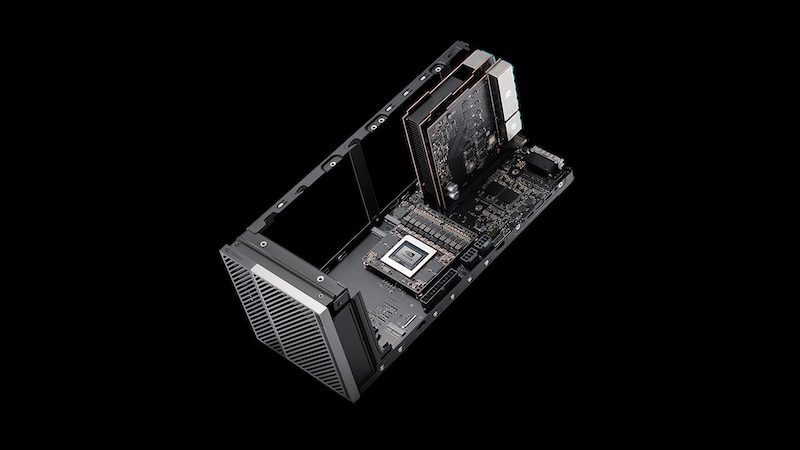
Toyota and Nvidia Enhance Collaboration to Advance AI in Vehicles, Manufacturing, and Urban Infrastructure
Toyota and Nvidia have broadened their partnership to develop physical AI technologies that encompass next-generation vehicles, manufacturing, robotics, and urban infrastructure. This collaboration builds on a previous agreement, focusing on advanced driver-assistance systems using Nvidia's DRIVE AGX platform and DriveOS operating system. The significance of this partnership lies in its potential to revolutionize mobility and manufacturing. Rishi Dhall, Nvidia's vice president of automotive, emphasized that physical AI will enhance the intelligence of various machines, making vehicles more autonomous and urban environments safer and more responsive. Toyota aims to implement Level 2++ functionality in its future vehicles while leveraging Nvidia AI models for efficient software engineering. Additionally, Toyota is integrating AI into its manufacturing processes through factory simulations using Nvidia's Omniverse and Isaac Sim frameworks. The partnership also extends to urban mobility technologies via Woven by Toyota, which is developing models to analyze traffic conditions. No further timeline was disclosed at the time of publication.
Computing News advanced driver assistance systems ai automotive AI digital twins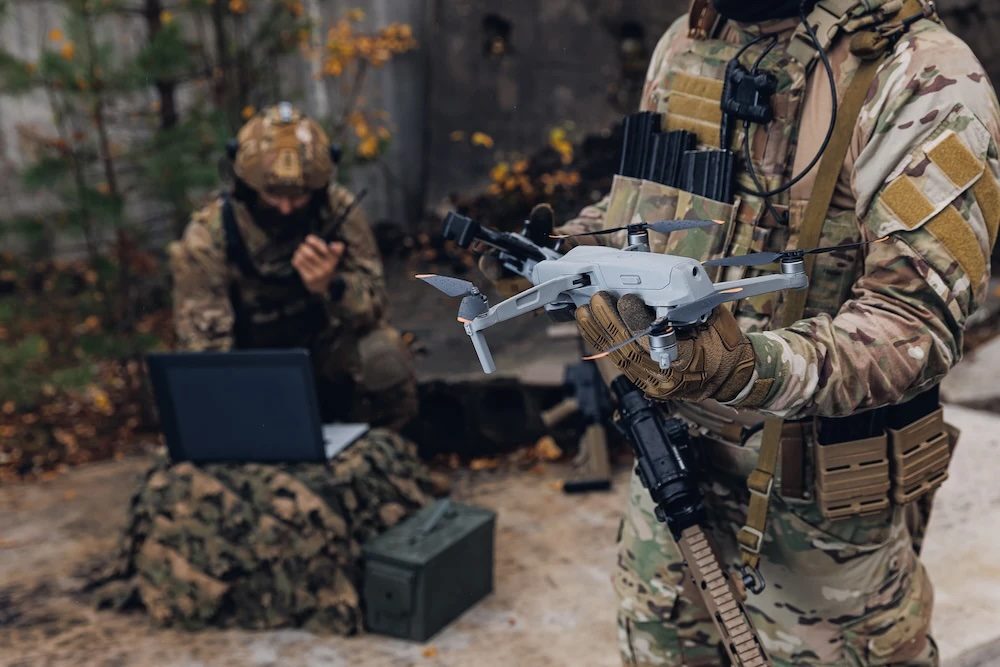
Battle-Tested Innovation Meets Manufacturing Scale in New Canada-Ukraine Defense Partnership
Volatus Aerospace, a Canadian drone and aerospace company, has entered into a Memorandum of Understanding (MOU) with UCan Brave Tech Centre, a defense innovation organization focused on Canada-Ukraine collaboration. This partnership, announced in May 2023, aims to facilitate the commercialization and deployment of advanced technologies that have been tested in the battlefield for use in allied defense applications. By leveraging the expertise and innovations developed in Ukraine, the collaboration seeks to enhance defense capabilities and foster technological advancements in the aerospace sector.
Applications Canada Canadian Drone Industry Defense Drone News Drone News Feeds
From The Floor of XPONENTIAL: AIRO and Jaunt Reveal Dual-Use VTOL Aircraft for Defense and Cargo Missions
At the AUVSI XPONENTIAL 2026 event in Detroit on May 12, AIRO Group Holdings showcased its full-scale autonomous vertical takeoff and landing (VTOL) aircraft, developed in collaboration with Jaunt Air Mobility. This innovative aircraft is designed to serve dual purposes in defense, specifically for intelligence, surveillance, reconnaissance (ISR), and cargo logistics, as well as remote operations. The unveiling highlights the growing interest in autonomous technology within the aerospace and defense sectors, aiming to enhance operational efficiency and versatility in various mission scenarios.
Cargo Defense defense Delivery Drone News Drone News Feeds
Why AI Systems Fail Quietly
Engineers developing distributed AI platforms are facing a new challenge known as "quiet failure," where systems appear operational but produce incorrect outcomes over time. This issue arises as autonomy in software systems increases, complicating traditional methods of monitoring and observability. In late-stage testing, engineers find that while monitoring dashboards indicate a healthy status, users report that the system's decisions are increasingly flawed. For instance, an AI assistant designed to summarize regulatory updates may continue to function technically but rely on outdated information due to a failure to update its document retrieval process. This disconnect highlights the limitations of conventional observability metrics, which focus on uptime and error rates rather than the ongoing alignment of system behavior with intended outcomes. As autonomous systems operate continuously and make decisions based on evolving contexts, engineers must shift their focus from merely ensuring component functionality to actively supervising overall system behavior. This requires the implementation of supervisory control architectures that can monitor and intervene in real-time, preventing behavior drift before it leads to significant issues. The growing prevalence of quiet failures calls for a rethinking of reliability in engineering, emphasizing the need for continuous behavioral monitoring and control. As AI systems become more autonomous, this new approach will likely extend across various domains, transforming how engineers ensure that systems not only function correctly but also remain aligned with their intended purposes over time.
Software-failure Software-reliability Software-engineering Cloud-computing Autonomous-systems
Exail Supplies Navigation Systems to NOR Offshore Rental for Expansion into APAC Region
NOR Offshore Rental (NOR) has placed an order for multiple units of Exail's subsea Inertial Navigation Systems (INS) and Attitude and Heading Reference Systems (AHRS). This acquisition is part of NOR's strategy to enhance its rental equipment offerings in response to increasing market demand for advanced navigation technology. The order coincides with the upcoming opening of NOR's new office in the Asia-Pacific (APAC) region, which aims to bolster the company's presence in this key market.
exail navigation systems nor offshore rental expansion apac region
Oceaneering Acquires 100 Exail Octans 9 Attitude Heading Referencing Systems to Enhance Offshore Operations
Oceaneering International, a leading provider of engineered services and products for the offshore energy sector, has made a significant move by placing an initial order for at least 100 units of Exail’s latest Octans 9 Attitude Heading Referencing Systems (AHRS). This acquisition, announced recently, highlights Oceaneering's dedication to innovation and operational efficiency. By integrating the advanced AHRS technology, the company aims to bolster its capabilities in offshore survey and positioning projects, thereby enhancing its service offerings in a competitive market. The decision reflects Oceaneering's strategic focus on improving its technological resources to meet the evolving demands of the offshore energy industry.
oceaneering exail octans 9 attitude heading referencing systems offshore operations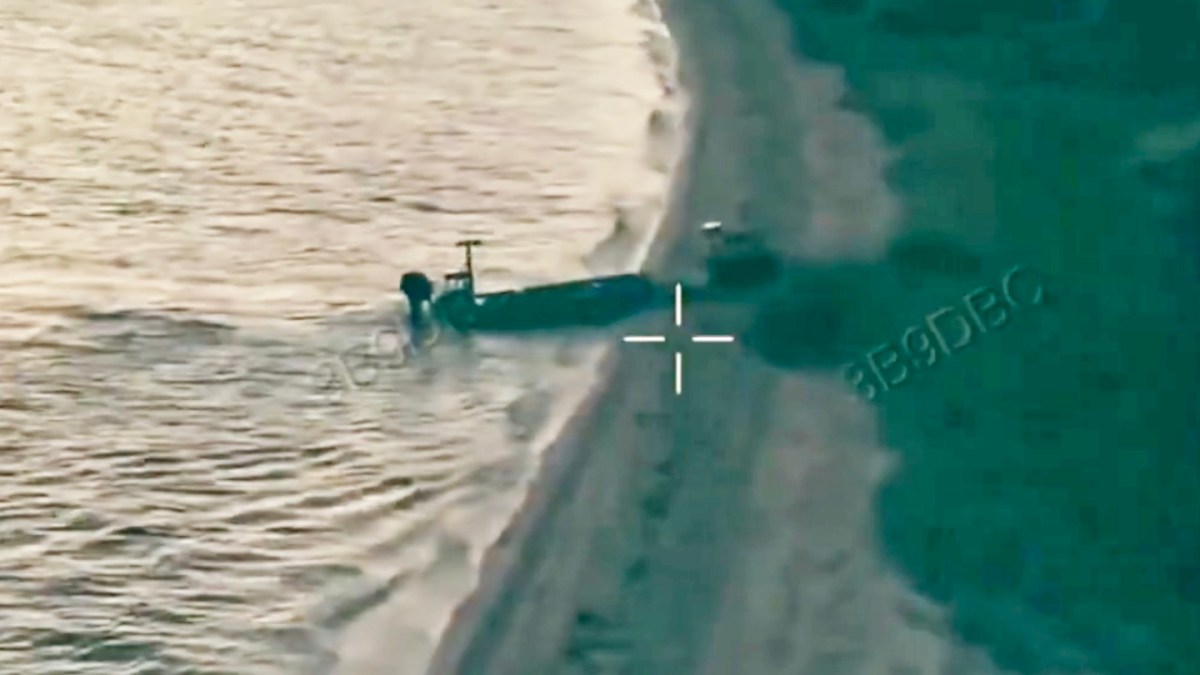
Ukraine Executes Historic Combat Mission Using Drone Boat to Deploy Armed Robot
Ukraine has conducted a groundbreaking military operation, deploying an armed ground robot via a sea drone on the Russian-occupied Kinburn Spit. This mission, executed by the 123rd Separate Territorial Defense Brigade, marks the first known instance of a sea drone transporting a combat robot into enemy territory, showcasing Ukraine's innovative use of uncrewed systems in warfare. The significance of this operation lies in its demonstration of advanced military technology and strategy, as Ukraine seeks to leverage unmanned systems to counter Russian forces. The use of the uncrewed surface vessel (USV) to deliver the Rys family ground robot reflects a shift towards automation in combat, potentially changing the dynamics of modern warfare. Looking ahead, the continued integration of uncrewed systems in military operations will be crucial for Ukraine's strategy. As the conflict evolves, further developments in robotic warfare and the effectiveness of these technologies in combat scenarios will be closely monitored. No further timeline was disclosed at the time of publication.
Sea Armies Around The Globe Drones Europe Land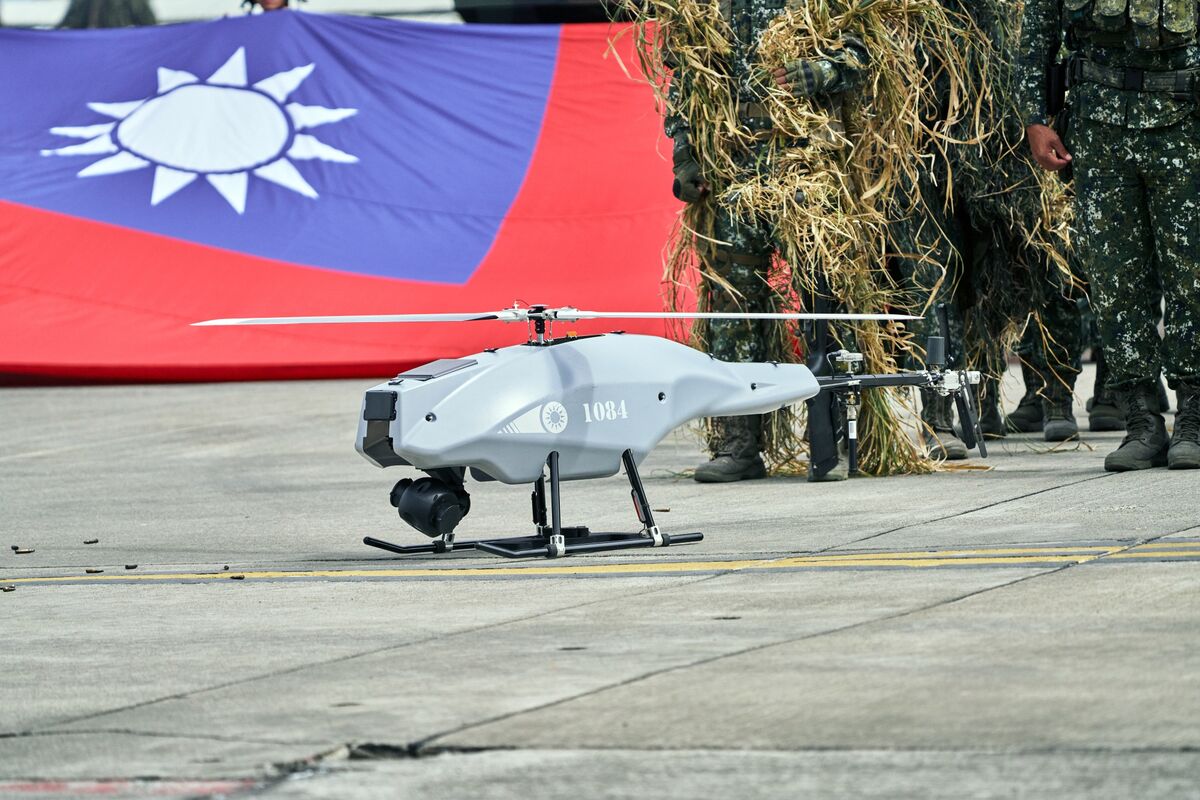
Taiwan Opposition’s $7.5 Billion Plan Stirs Drone Defense Debate
Taiwan's main opposition party has unveiled a strategy to advance the drone industry, shortly after blocking a similar initiative proposed by President Lai Ching-te's administration. This development comes amid ongoing discussions regarding unmanned systems, which hold significant importance for Taiwan's defense capabilities. The opposition's move reflects a growing emphasis on enhancing the island's technological and military resources in response to regional security challenges. The initiative aims to bolster Taiwan's defense infrastructure and ensure its preparedness in an increasingly complex geopolitical landscape.
Palladyne AI gains US rights to IAI’s HARPY, HAROP, Mini HARPY systems
Palladyne AI, a US-based technology firm, has entered into a strategic partnership with Israel Aerospace Industries (IAI) to enhance military capabilities. Under this agreement, Palladyne AI will take on the responsibility of manufacturing, integrating, and marketing IAI’s loitering munition systems specifically for the US Department of War. This collaboration aims to bolster the US military's arsenal with advanced precision weaponry, reflecting a growing trend of international cooperation in defense technology. The partnership is expected to leverage Palladyne AI's expertise in artificial intelligence and IAI's established reputation in aerospace and defense, thereby enhancing operational effectiveness for US forces.
News
US approves possible $1.98bn counter-drone systems sale to Kuwait
The US Department of State has given the green light for a potential Foreign Military Sale to Kuwait, focusing on counter-uncrewed aerial systems (C-UAS) platforms. This decision, announced recently, aims to enhance Kuwait's defense capabilities amid growing concerns over aerial threats. The sale underscores the United States' commitment to supporting its allies in the region and addressing emerging security challenges. The approval reflects ongoing efforts to bolster military cooperation between the two nations, ensuring Kuwait is equipped to effectively counter potential drone threats. The specifics of the sale, including the value and number of systems involved, have not been disclosed, but it marks a significant step in strengthening Kuwait's defense infrastructure.
News
Kodiak AI, General Dynamics Land Systems partner for military vehicles
Kodiak AI and General Dynamics Land Systems have formed a strategic partnership aimed at advancing the development of autonomous ground vehicles (AGVs) for defense applications. This collaboration, announced recently, seeks to leverage Kodiak AI's expertise in autonomous technology alongside General Dynamics' extensive experience in military vehicle manufacturing. The partnership is driven by the increasing demand for innovative defense solutions that enhance operational efficiency and safety on the battlefield. By combining their resources and knowledge, the two companies aim to create cutting-edge AGVs that can operate in complex environments, providing critical support to military operations. The initiative reflects a broader trend within the defense industry to integrate advanced technologies into military strategies, ensuring that armed forces remain at the forefront of innovation.
News
Unusual Machines, 6K Energy, CRG Defense, SES AI take steps to be NDAA compliant
Drone and battery cell manufacturers are adjusting their production practices in response to the Department of Defense's recent ban on acquiring batteries for weapons and support systems that contain materials sourced from foreign entities deemed a security risk. This decision, aimed at enhancing national security, reflects growing concerns over reliance on foreign supply chains for critical military components. The alignment of these companies with the new regulations is expected to take place immediately, as they work to ensure compliance and maintain their contracts with the government. By sourcing materials domestically or from trusted allies, these manufacturers aim to mitigate potential vulnerabilities and bolster the integrity of defense operations.
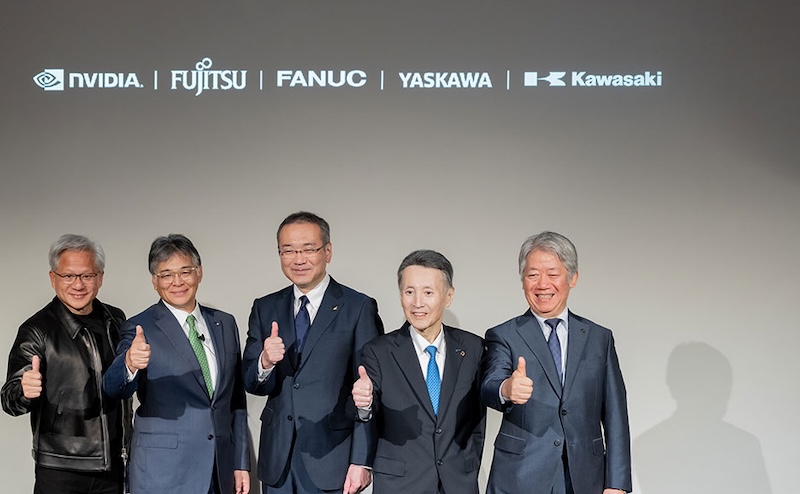
Fujitsu Collaborates with Fanuc, Yaskawa, and Kawasaki to Enhance Physical AI with Nvidia
Fujitsu has initiated a partnership with Japanese robotics firms Fanuc, Yaskawa Electric, and Kawasaki Heavy Industries to advance the development and deployment of physical AI in sectors such as manufacturing, logistics, and healthcare. This collaboration will leverage Nvidia's physical AI technologies to create a collaborative control platform that connects digital systems with robots and physical equipment. The initiative aims to accelerate the adoption of physical AI, addressing challenges like labor shortages and an aging workforce while enhancing global competitiveness. The platform will optimize production planning in manufacturing, automate material handling in logistics, and improve healthcare operations by automating the transport of medical supplies and assisting with patient interactions. Fujitsu plans to develop an open collaborative control platform that integrates AI, robotics, and data analysis technologies, ensuring interoperability and addressing cybersecurity concerns. No further timeline was disclosed at the time of publication.
Artificial Intelligence Industry News ai factory automation fanuc
Panasonic Connect's Scott Zerkle Discusses AI's Role in Smart Manufacturing Transformation
Panasonic Connect is at the forefront of transforming manufacturing systems as electronics become smaller and more complex. The company offers smart manufacturing solutions that integrate surface-mount technology (SMT), robotics, AI analytics, and connected factory platforms. Through its Gemba Process Innovation strategy, Panasonic Connect aims to enhance productivity and operational resilience in factories. The increasing complexity of electronics, particularly in vehicles and industrial systems, is reshaping production line design and operations. Scott Zerkle, associate director of technical operations at Panasonic Connect North America, emphasizes that AI's primary value lies in supporting factory workers through predictive maintenance and defect detection, rather than replacing them. He highlights the need for manufacturers to connect data across various production elements to foster continuous improvement. Looking ahead, Zerkle predicts that the next significant advancement in smart manufacturing will involve integrating AI tools with data from machines and materials. This integration will enable factories to learn from their production history, ultimately enhancing efficiency and adaptability in high-mix production environments. No further timeline was disclosed at the time of publication.
Communications Computing Digital Automation Features Manufacturing ai
Key Developments to Anticipate at the 2026 Farnborough International Airshow
The 2026 Farnborough International Airshow is expected to showcase significant advancements in aerospace technology and innovation. Industry leaders and companies will likely unveil new aircraft models, cutting-edge technologies, and strategic partnerships that could reshape the aviation landscape. This event is crucial for stakeholders in the aerospace sector, as it provides a platform for networking, collaboration, and investment opportunities. The airshow will highlight trends in sustainability, defense, and commercial aviation, reflecting the industry's response to evolving market demands and regulatory pressures. As the event approaches, attendees should keep an eye on announcements regarding new aircraft designs and technological breakthroughs. The Farnborough Airshow serves as a barometer for the future of aviation, making it essential for professionals to stay informed about the developments that could impact their operations and investments.
Air Warfare Global Air Force Business & Industry CCA collaborative combat aircraft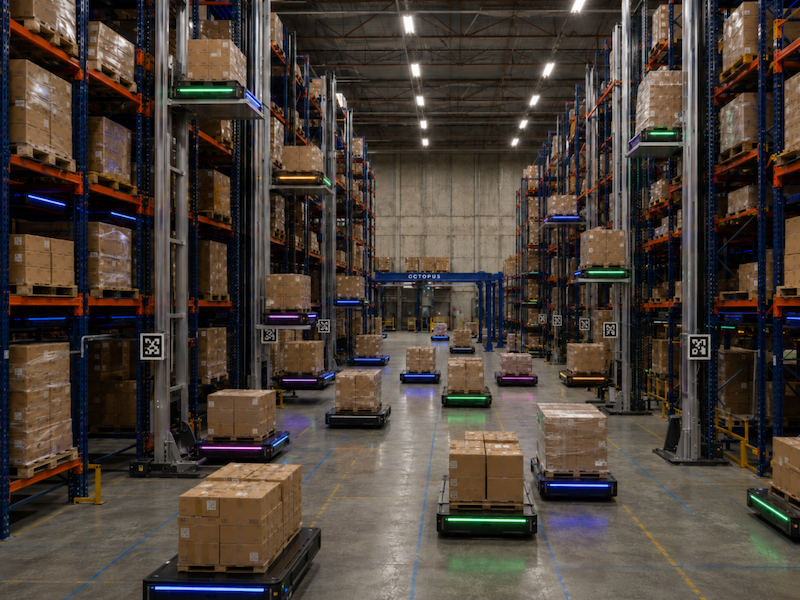
Real-Time Supply Chains Transform Industrial Real Estate and Inventory Management
Recent advancements in predictive analytics, robotics, and data-driven logistics are reshaping industrial real estate by reducing reliance on large inventories. Traditionally, warehouses were designed to manage uncertainty through storage, but the shift towards real-time coordination is changing this paradigm. As supply chains become more connected and visibility improves, the need for extensive inventory diminishes, leading to a redesign of facilities focused on efficient operations. This transformation is significant as it alters the fundamental structure of industrial real estate, moving away from storage-heavy models to those optimized for continuous movement. Just as the introduction of standardized shipping containers revolutionized logistics, the new design principles for automation and throughput will set long-lasting standards for future infrastructure. The choice of facilities that prioritize flow over storage will influence the development of buildings, vehicles, and logistics networks for years to come. Looking ahead, the role of intermediate facilities is evolving from inventory storage to dynamic transfer points, facilitating the movement of goods between transportation modes. As data accessibility increases and transportation systems become more coordinated, the industry must adapt to these changes. No further timeline was disclosed at the time of publication.
Features Logistics Supply chain automation autonomous logistics digital twins
AI Agents Revolutionize Service Layer Automation Beyond Traditional Factory Settings
Industrial automation has significantly changed physical production, yet the service layer remains largely manual. Maintenance requests still require human coordination, consuming valuable operational time. AI agents are now emerging to automate this service layer, handling unstructured requests and integrating with various systems to streamline operations. This shift is crucial as it allows organizations to redirect skilled labor from administrative tasks to more strategic work. By automating the intake, triage, and coordination processes, AI agents enhance efficiency and reduce the burden on human operators. The ability to manage requests end-to-end marks a significant advancement in operational capabilities. Looking ahead, the continued development of AI agents in the service layer will be essential for organizations aiming to improve productivity and responsiveness. As these technologies evolve, they promise to further integrate with existing systems and transform how service operations are managed. No further timeline was disclosed at the time of publication.
Automation Computing ai agents artificial intelligence automation chatbots
AI Agent Autonomy's Impact on Robotics Safety and Control Mechanisms
Robotic systems are increasingly capable of perceiving, choosing, and altering their behavior autonomously, without human intervention. This shift towards autonomy enhances adaptability in various environments such as warehouses and labs, but it also raises significant concerns regarding safety and control. Traditional safety measures, including physical barriers and emergency buttons, may no longer suffice as robots undertake more complex tasks. The implications of this autonomy are profound, as organizations must now assess the quality of decisions made by autonomous systems, the reliability of their software, and the protocols for monitoring their actions. Unlike conventional robots that follow fixed commands, autonomous robots can evaluate multiple scenarios and make decisions based on real-time conditions, which complicates safety protocols. Ensuring that these systems operate safely requires a reevaluation of existing safety standards that focus on speed and force. Looking ahead, it is crucial for operators to have adequate information to respond effectively to unexpected robot behavior. Autonomous robots utilize various sensors to interpret their environment, but factors like dust and poor lighting can affect input quality. Organizations should prioritize the definition and testing of triggers for human intervention to maintain a balance between autonomy and safety. No further timeline was disclosed at the time of publication.
AI agents Infrastructure AI agent autonomy ai agents ai safety automation
Blue Water Autonomy and Saildrone Sue Navy Over MUSV Marketplace Proposals
Blue Water Autonomy and Saildrone have initiated legal action against the U.S. Navy, asserting that their submissions met the requirements for the new MUSV marketplace. The lawsuits highlight the companies' contention that their proposals were compliant with the Navy's specifications, which is crucial for their competitive positioning in the defense sector. This legal dispute is significant as it underscores the challenges faced by companies in meeting military procurement standards and the implications of such lawsuits on future contracts. The outcome could influence how the Navy evaluates proposals and the overall dynamics of the MUSV marketplace, which is vital for advancing unmanned surface vehicle technologies. As the case unfolds, stakeholders should monitor the Navy's response and any potential changes to the MUSV marketplace criteria. The resolution of this dispute may set precedents for future engagements between defense contractors and military branches, impacting the broader landscape of defense procurement.
Naval Warfare Blue Water Autonomy Drones MUSV Navy Saildrone
Zone Separation Innovations Could Enhance Cold Chain Efficiency in the UK
The UK, holding the largest cold storage market in Europe, faces significant challenges as cold-chain energy costs surged by 46% in 2023. The Cold Chain Federation highlights that the temperature-controlled sector contributes £14 billion to the economy, making energy management a critical operational factor for logistics operators. A major energy drain in distribution centers arises from the movement of goods between temperature zones, with air infiltration accounting for over half of the refrigeration load in high-traffic facilities. Implementing physical zone separation, such as temperature-separating curtain walls and PVC strip curtains, can significantly reduce energy loss by minimizing uncontrolled air exchange. As the cold chain sector moves towards energy efficiency, particularly in light of the UK's 2050 Net Zero target, the adaptability of curtain systems offers a practical solution. These systems allow for flexible reconfiguration of temperature zones without extensive construction, aligning with the industry's evolving needs while promoting energy savings without major facility overhauls. No further timeline was disclosed at the time of publication.
Cold Chain Logistics Storage & Racking Transport and Distribution Warehouse Property Warehousing cold chain
Manufacturers Must Prioritize Industrial Data Governance Before AI and Analytics
Manufacturers are generating unprecedented amounts of data through automation systems, capturing everything from process values to production metrics. However, many plants face challenges in quickly answering fundamental operational questions, such as equipment status during issues or alarm sequences. The root cause often lies in a lack of structured, contextualized data governance rather than insufficient data itself. As manufacturers increasingly invest in analytics and AI, the importance of a solid data foundation becomes critical. Structured data not only aids in generating meaningful reports but also enhances AI insights. Poorly designed automation systems can lead to disorganized data, resulting in confusion and inefficiencies that erode trust among operators and complicate reporting for engineers and maintenance teams. To address these challenges, manufacturers must focus on establishing effective data governance from the outset of automation system design. Collecting more data does not inherently create value; instead, organizing data around relevant categories is essential for it to be actionable. No further timeline was disclosed at the time of publication.
Factory / Analytics
FORT Robotics Enhances AI Safety with Nvidia Halos at Automate Conference
FORT Robotics has joined the Nvidia Halos for Robotics ecosystem to enhance safety for autonomous robots. The company will showcase its agentic safety application, developed using the Nvidia Halos Outside-In Safety Blueprint, at the Automate conference in Chicago. This innovative solution utilizes external infrastructure sensors and visual AI agents to provide real-time, safety-certifiable functional safety, significantly improving operational efficiency in dynamic environments. The collaboration is significant as it addresses the limitations of traditional inside-out functional safety systems, which rely solely on onboard sensors. By integrating Nvidia's IGX Thor and Holoscan Sensor Bridge, FORT's solution allows robots to operate safely alongside human workers in high-efficiency modes. This adaptability is crucial for modern warehouses and factories, where environments are constantly changing, and safety frameworks must evolve to protect workers effectively. Looking ahead, FORT's integration with Nvidia Halos is expected to provide substantial value to customers in warehousing, manufacturing, and other automated sectors. The Outside-In Safety framework aims to prevent safety incidents in mixed human-robot environments, optimizing processes like inventory replenishment and product assembly. No further timeline was disclosed at the time of publication.
Artificial Intelligence Industry ai automation Autonomous robots fort robotics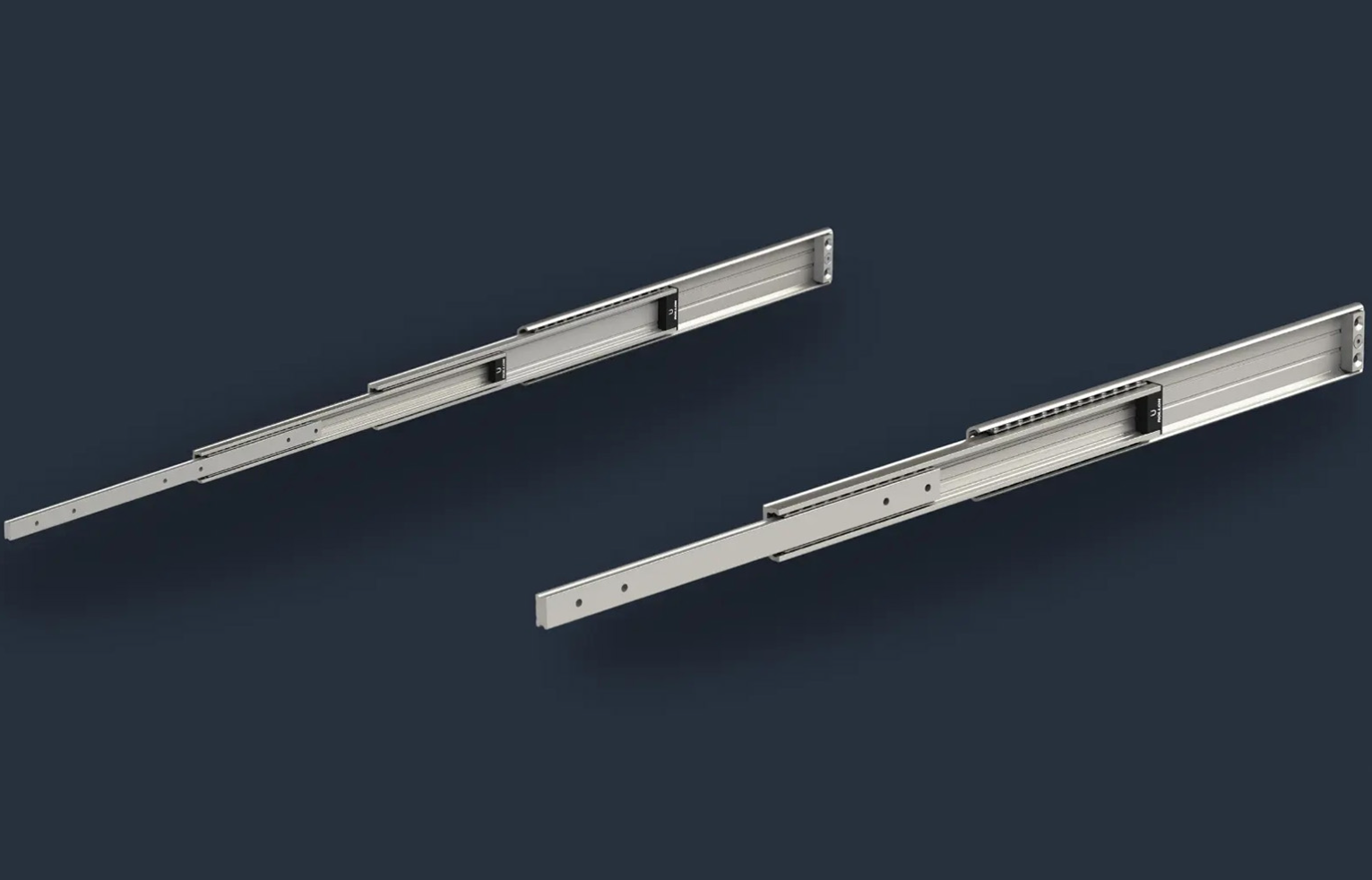
Rollon Launches Magnetic Telescopic Rails to Enhance Railway Maintenance Efficiency
Rollon, a leader in linear motion systems, has introduced the HVC-MG and H1C-MG integrated magnetic telescopic rails. These rails, designed for high-load applications, incorporate magnets into the rail structure to improve control and reduce effort during maintenance tasks. The new technology was unveiled this week and aims to enhance the efficiency and safety of railway maintenance operations by allowing engineers to easily pull out heavy battery compartments weighing hundreds of kilograms. The significance of this innovation lies in its ability to provide a seamless operation under heavy loads, addressing the challenges faced by maintenance personnel in the railway sector. The integrated magnets facilitate a sequential opening of the rail components, which minimizes simultaneous stress and enhances load distribution. This results in smoother operation, reduced manual effort, and extended rail lifespan, making it particularly suitable for the demanding environments of high-speed rail and subway systems. Looking ahead, Rollon plans to expand its magnetic control sequential motion technology across more product lines. The HVC and H1C series rails offer full extension and super extension options, maximizing accessibility while minimizing space usage. No further timeline was disclosed at the time of publication for additional product releases or enhancements.
Railway Maintenance Linear Motion Systems Heavy Equipment Automation Technology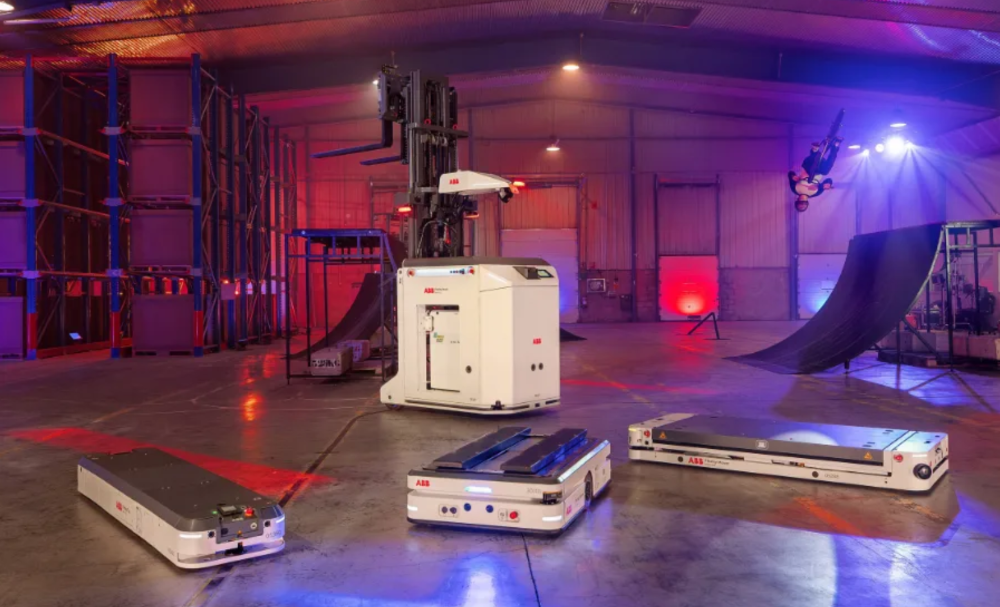
ABB Introduces Flexley Stack F712 AI-Powered Forklift with Visual SLAM Technology
On July 8, ABB Robotics launched the Flexley Stack F712, an AI-driven autonomous forklift utilizing visual SLAM technology. This product completes ABB's lineup of autonomous mobile robots (AMRs), which now includes forklifts, tuggers, and transport vehicles. The F712 can handle various load types, with a maximum capacity of 2000 kg and a lifting height of 8.5 meters, achieving a top speed of 1.7 meters per second under full load. The significance of the F712 lies in its advanced navigation capabilities, which eliminate the need for traditional infrastructure like reflective markers or magnetic strips. With a positioning accuracy of ±10 mm, the F712 can autonomously navigate complex warehouse environments. It integrates seamlessly with the AMR Studio software, allowing for rapid deployment and fleet coordination, reducing debugging time by 20% compared to traditional systems. Looking ahead, the F712 is designed to support various internal logistics tasks, including warehousing and production line operations, and is compliant with the latest ISO and ANSI safety standards. No further timeline was disclosed at the time of publication, but the F712 represents a significant step towards more autonomous and capable robotic solutions in smart manufacturing environments.
Autonomous Forklifts AI Robotics Warehouse Automation Visual SLAM Logistics TechnologyRobotics needs a service framework.
RSF defines a common language for robot service capability, lifecycle operations, certification pathways, and service-provider networks.