Industry Briefing
A single destination for timely, editor-curated robotics news from around the world.
AI Training for Tesla Optimus Explained (2026)
A new advancement in artificial intelligence has emerged with the development of the FSD neural network, known as Cortex 2, which utilizes video learning techniques to enhance its capabilities. This innovative system is part of the Digital Dreams simulation project, aimed at bridging the gap between simulated environments and real-world applications, a concept referred to as Sim2Real. The Cortex 2 is designed to improve the performance of autonomous systems by learning from vast amounts of video data, allowing for more accurate decision-making in complex scenarios. The project, which is being spearheaded by a team of AI experts, seeks to refine the training processes for autonomous vehicles and robotics, making them more adaptable and efficient in real-world situations. By leveraging advanced simulations through the Grok + world simulator, the team aims to create a robust training environment that mimics real-life challenges, ultimately enhancing the reliability and safety of these technologies. This initiative is particularly significant as it addresses the growing demand for smarter AI systems capable of operating in unpredictable environments. With the training data being compiled until October 2023, the team is optimistic that Cortex 2 will set new benchmarks in the field of AI and autonomous systems, paving the way for future innovations.
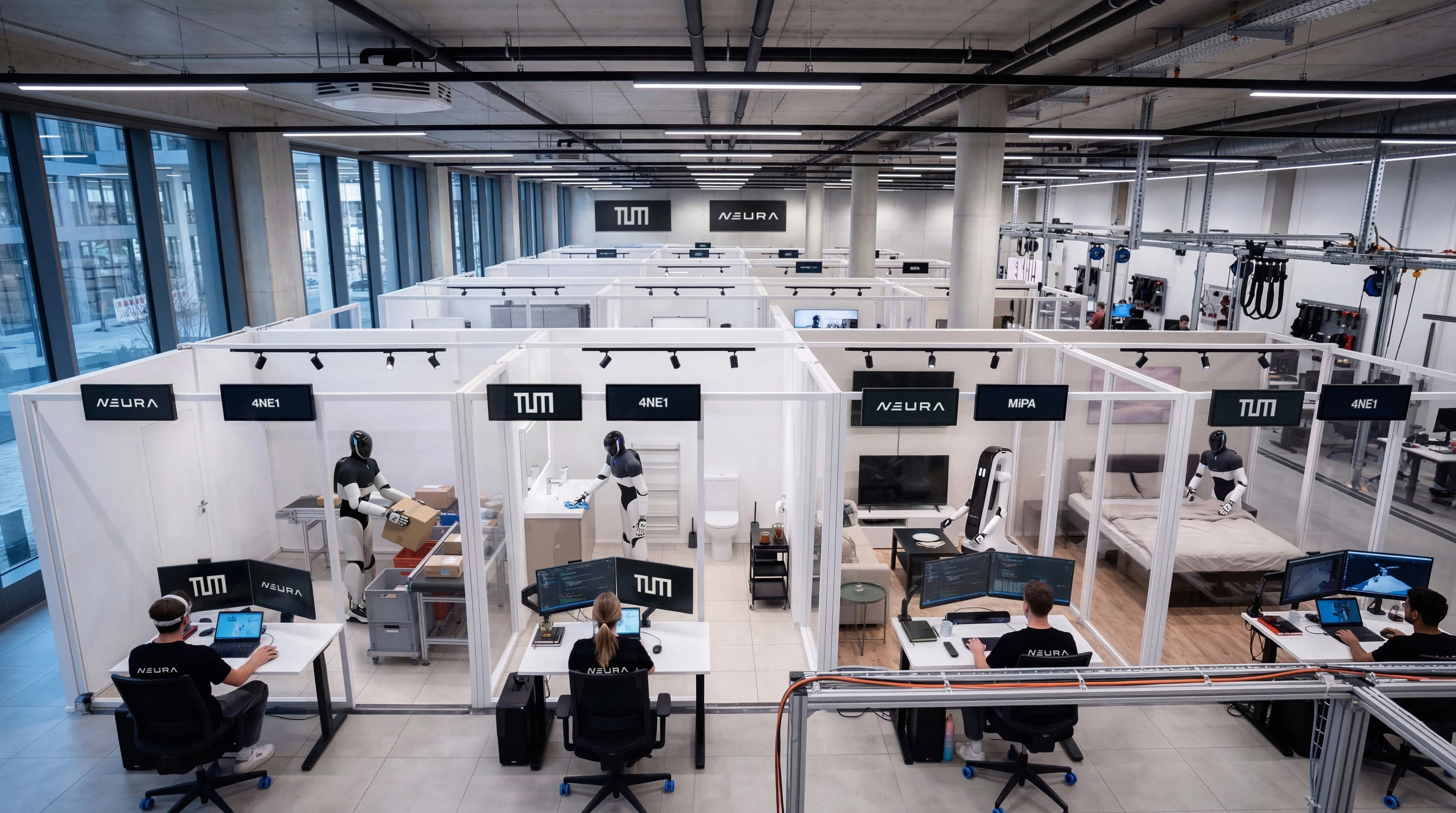
NEURA Robotics and TUM Launch Europe’s Largest Physical AI Training Center
Munich Airport is set to unveil a state-of-the-art "TUM RoboGym," a €17 million facility designed to enhance robotics training by utilizing a fleet of humanoid robots. This innovative project aims to bridge the gap between simulation and real-world applications, significantly advancing the capabilities of NEURA’s hardware-agnostic Neuraverse platform. The RoboGym is expected to play a crucial role in the development and deployment of advanced robotic technologies, fostering research and practical applications in the field. The facility is anticipated to open in the near future, marking a significant milestone in the integration of robotics into everyday environments.
4NE-1 Neura Robotics Europe Neura Gym
Figure Taps Brookfield's Global Real Estate Portfolio to Scale AI Training
Figure, a humanoid robotics company, has formed a strategic partnership with asset management firm Brookfield. This collaboration will provide Figure with access to an extensive portfolio of real estate, enabling the company to develop a significant real-world training dataset for its Helix AI model. The partnership aims to expedite the commercial deployment of Figure's robotics technology. By leveraging Brookfield's diverse properties, Figure seeks to enhance the capabilities of its AI, ultimately advancing the integration of humanoid robots into various sectors.
Brett Adcock Figure brookfield helix
Tesla's Invisible Moat: The Most Elegant Physical AI Training Program Ever Built
A recent report highlights the growing trend of electric vehicle (EV) adoption across the globe, driven by increasing environmental concerns and government incentives. As of October 2023, major automotive manufacturers are ramping up production of EVs in response to consumer demand for sustainable transportation options. This shift is particularly evident in regions such as Europe and North America, where stricter emissions regulations are prompting both consumers and companies to transition away from traditional gasoline-powered vehicles. The surge in EV sales is also fueled by advancements in battery technology, which have significantly improved the range and affordability of electric cars. Industry experts predict that by 2025, EVs could account for a substantial portion of new vehicle sales, as more consumers become aware of the long-term cost savings and environmental benefits associated with electric vehicles. In addition, governments are implementing various policies to encourage EV adoption, including tax incentives, rebates, and investments in charging infrastructure. These initiatives aim to reduce carbon emissions and combat climate change, aligning with global sustainability goals. As the automotive landscape evolves, manufacturers are increasingly collaborating with tech companies to enhance the integration of smart technologies in EVs, further appealing to tech-savvy consumers. This multifaceted approach not only addresses environmental issues but also positions the automotive industry for a future that prioritizes innovation and sustainability.
TSLA TSLA:CA ZTSL:CA GOOGL META GM
1X Reveals Its 'World Model,' A Digital Twin to Accelerate Humanoid AI Training
Robotics firm 1X has unveiled its latest innovation, an 'action-controllable' world model, as part of its Redwood AI initiative. This advanced system serves as a high-fidelity simulator, enabling the company to predict the outcomes of its NEO robot's actions. By utilizing this technology, 1X can efficiently assess AI performance and make necessary adjustments without the need for expensive and time-consuming physical trials. This development marks a significant step forward in the company's efforts to enhance robotic capabilities and streamline testing processes.
1X-technologies Redwood generative-ai embodied-ai robotics-ai world-model
Neutralizing the Gigascale Problem: How to Solve the Physical Power Paradox of Extreme AI Training Loads
As the demand for AI workloads escalates, the data center industry is confronting significant challenges related to power stability. At Data Center World 2026 in Washington, D.C., Ampace and Eaton highlighted these issues during their session titled "Powering Giga-scale AI." They discussed how modern AI computing clusters, which rely on extensive GPU setups, create abrupt and high-frequency power fluctuations that can destabilize local grids. Traditional backup systems, such as diesel generators, struggle to respond to these rapid changes, leading to costly infrastructure oversizing. To address this "power paradox," Ampace is introducing its semi-solid-state battery technology, which acts as a high-speed stabilizer for power spikes, thereby enhancing the reliability of AI infrastructure. This innovation is designed to work in tandem with Eaton's advanced UPS systems, which prioritize rapid load responsiveness. By transforming energy storage from a passive backup into an active component, the collaboration aims to ensure continuous AI operations while minimizing the risk of grid stress. Ampace's approach not only enhances safety by reducing the risk of thermal runaway but also optimizes the total cost of ownership for AI data centers by allowing operators to right-size their infrastructure. As AI technology continues to evolve, Ampace is committed to developing solutions that align with future grid requirements and ensure the resilience of AI systems.
Batteries Power-electronics Data-centers Energy-storage Ai-infrastructure
YY Group Launches Training Lab, Deploys Pilot Robotics in Singapore
YY Group Holding Limited, an AI-native workforce management and integrated facility management provider, has announced the launch of its Humanoid Robotics Training Lab as part of its ongoing AI training data strategy. This initiative, which was first introduced on April 22, 2026, aims to enhance the company's capabilities in developing advanced AI solutions. The lab will focus on training humanoid robots to improve efficiency in various operational tasks. The announcement marks a significant step for YY Group as it seeks to solidify its position in the rapidly evolving AI sector across Asia and beyond.
AI AI Use Cases Robotics humanoid robots Singapore training data
How Musicians Can Get Paid for Training AI
In response to the challenges posed by generative AI on the music industry, startups like Sureel and SoundVerse are developing innovative solutions to ensure musicians are compensated fairly for their work. Following Warner Music Group's acquisition of Sureel, the company has partnered with the Swedish copyright agency STIM to create a system that tracks how music is used in AI training. This software allows creators to specify the terms of use for their music, ensuring they receive royalties based on its influence in AI-generated outputs. The ongoing debate centers on how to accurately attribute the contributions of various training data to the outputs produced by AI systems. SoundVerse advocates for a model that rewards artists continuously throughout the AI lifecycle, rather than through one-time payments. This approach aims to maintain the economic incentives that drive creativity while addressing concerns about AI's potential to undermine cultural vibrancy and artist livelihoods. As copyright lawsuits give way to negotiated agreements between major music labels and AI companies, there is a growing opportunity to establish fair compensation practices. Experts emphasize the need for transparent and equitable attribution systems that reflect the complex relationship between training data and AI outputs. Ultimately, the success of these initiatives may depend on collaboration across disciplines, including musicology, law, and economics, to create policies that support a sustainable creative sector in the age of AI.
Copyright Training-data Generative-ai Music
Decentralized Training Can Help Solve AI’s Energy Woes
As the demand for artificial intelligence (AI) continues to surge, concerns over its significant energy consumption and carbon footprint have prompted major tech companies to explore nuclear energy as a sustainable solution. While nuclear-powered data centers remain a future prospect, industry leaders are currently focusing on decentralizing AI model training to address the escalating energy requirements. This approach distributes training tasks across a network of independent nodes, utilizing existing computing resources, such as dormant servers and solar-powered home computers, rather than relying solely on traditional data centers. Companies like Nvidia and Cisco are enhancing their infrastructure to support this decentralized model, allowing for efficient AI training across geographically dispersed data centers. Additionally, platforms like Akash Network are facilitating a "GPU-as-a-Service" model, enabling users with underutilized GPUs to rent out their computing power. On the software side, advancements in federated learning and algorithms like DiLoCo are being implemented to optimize decentralized training while minimizing communication costs and enhancing fault tolerance. These innovations allow for collaborative model training without the need for constant data exchange, thus improving efficiency. Akash Network's Starcluster program aims to convert homes into functional data centers by leveraging solar energy and existing computing devices. This initiative seeks to make participation accessible and is targeting a 2027 launch. By decentralizing AI training, the industry hopes to create a more energy-efficient and environmentally sustainable future for AI development.
Training Ai-energy Data-center Large-language-models
Patreon Enhances Measures to Block AI Bots Scraping Creator Content
Patreon, the membership platform for creators, is intensifying its efforts to prevent AI bots from scraping its content for training purposes. The company announced its collaboration with Cloudflare to block access to AI bots that attempt to use creators' work without permission. This move comes as AI scraping has evolved, prompting Patreon to strengthen its defenses since implementing initial measures in 2023. The significance of this action lies in the growing concern among online publishers and content creators regarding the unauthorized use of their work by AI models. With the introduction of new features like the redesigned Home Feed and Quips, more content could potentially be exposed to crawlers. Cloudflare's tools, including the Pay Per Crawl marketplace, enable website publishers to restrict AI bots, reflecting a broader industry trend towards protecting creator rights. Looking ahead, Patreon is committed to refining its AI policies and enforcement tools using Cloudflare's AI Crawl Control technology. The company aims to ensure that creators have a say in how their work is utilized by AI companies, contrasting with the prevailing norm where creators often have little control over AI training on their content. No further timeline was disclosed at the time of publication.
AI cloudflare Patreon
Hyperscale Data Initiates Installation of OPR-R2 Robots at Michigan AI Facility
Hyperscale Data, Inc. has commenced the installation of OPR-R2 robots at its Michigan AI data center. This marks a significant step in the company's efforts to enhance its visual data collection and physical AI training capabilities. The installation of 143 OPR-R2 robots is crucial for Hyperscale Data as it aims to bolster its artificial intelligence initiatives. The first unit was assembled on July 16, 2026, indicating the start of a comprehensive program designed to improve AI training processes. Looking ahead, the deployment of these robots will be pivotal in advancing Hyperscale Data's operational efficiency and data processing capabilities. No further timeline was disclosed at the time of publication.

Chasing rumors: Car CEO's departure untrue; WeChat tests native AI assistant; Apple, Tesla supplier data leaked.
On June 23, the ChiNext Index experienced its largest decline of the year, falling over 4% during trading and closing down 3.84%, dipping below the critical 4200-point mark. This downturn followed a record high set just a day prior. The trading volume for the day reached approximately 901.65 billion yuan, a decrease of 118.9 billion yuan from the previous day. All ten of the index's top-weighted stocks saw declines, particularly those in the AI computing sector. In a separate development, Tata Electronics confirmed a significant data breach, with over 630GB of sensitive information leaked, including design and specification documents for key clients like Apple and Tesla. The company stated that it had initiated a response plan and that operations remained unaffected. Apple is reportedly conducting a thorough investigation into the incident. Meanwhile, SpaceX has entered a multi-billion dollar agreement with AI startup Reflection AI to provide computing resources, with payments set to begin in July and continue through 2029. In the robotics sector, Nvidia unveiled its "Halos for Robotics" safety system aimed at enhancing the security of physical AI applications, while Faraday Future introduced its industrial-grade robotic arm series at a robotics expo in Chicago. Additionally, Meta has paused an internal AI training program that tracked employee mouse movements due to data security concerns, and Oracle announced a workforce reduction of approximately 21,000 employees, marking a 13% decrease in its total workforce as part of a business restructuring.

1X Teases "Incredible" Reveal Amidst Redwoods; Foundation Robotics Launches "Skynet Junior" Training Cluster
This week, robotics company 1X has generated buzz by teasing a significant update through a mysterious video set in a forest, showcasing its NEO humanoid robots. Concurrently, Sankaet Pathak, CEO of Foundation Robotics, revealed that their initial AI training cluster, dubbed "skynet junior," is now operational. The company also has ambitions to develop a more extensive "skynet" cluster in the near future. These developments highlight the ongoing advancements in robotics and artificial intelligence, as firms like 1X and Foundation Robotics push the boundaries of technology and innovation.
1X-technologies sankaet-pathak foundation NEO Bernt Børnich
How Bin Picking AI Models are Trained
A new report sheds light on the training process of a bin picking AI model, aimed at enhancing the efficiency of automated sorting systems. This development is particularly relevant for businesses looking to implement advanced AI solutions in their operations. The training utilizes data collected up until October 2023, ensuring that the model is equipped with the latest information and techniques. The report details the behind-the-scenes work involved in refining the AI's capabilities, which is crucial for organizations seeking to make informed comparisons between different AI solutions. By understanding the training process, stakeholders can better assess how these technologies can be integrated into their projects, ultimately leading to improved productivity and accuracy in sorting tasks. As industries increasingly turn to automation, insights into AI training methodologies are vital for decision-makers aiming to stay competitive in a rapidly evolving market.
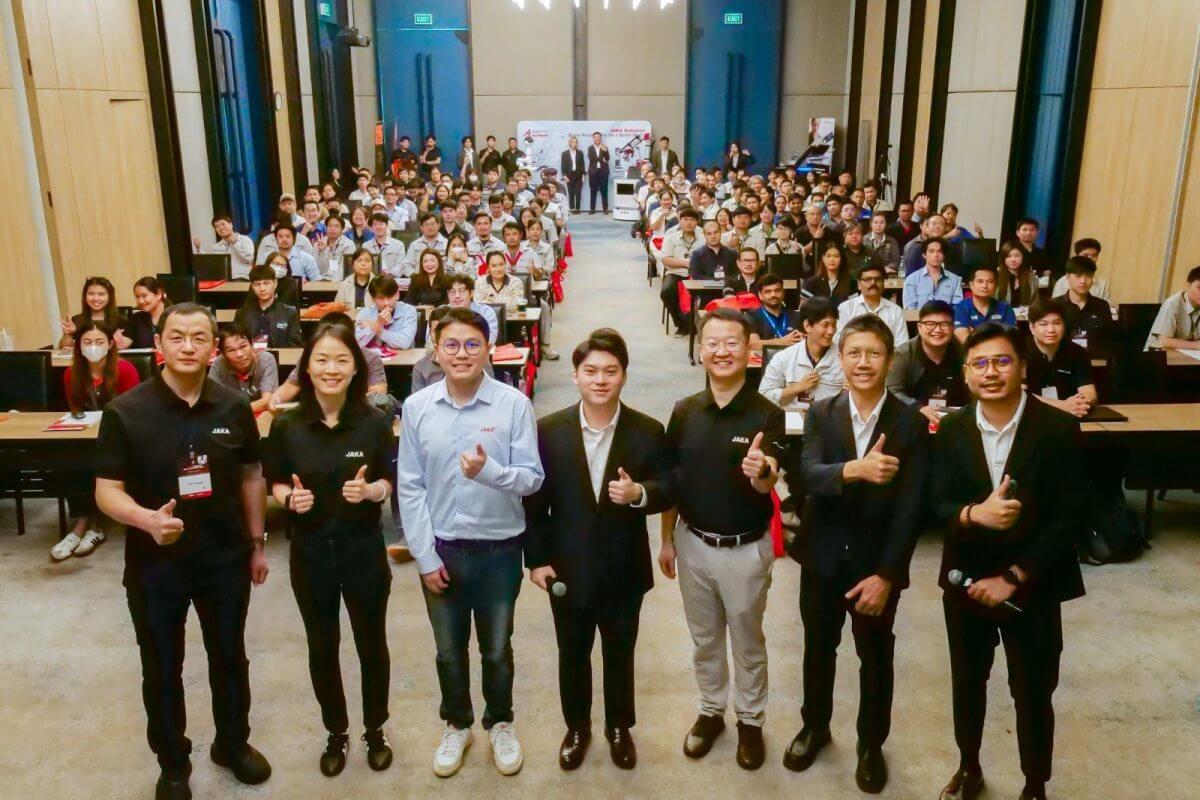
AppliCAD hợp tác với JAKA Robotics để định vị Thái Lan như một trung tâm chiến lược, thúc đẩy các nhà máy hướng tới kỷ nguyên tự động hóa bằng trí tuệ nhân tạo.
AppliCAD Co., Ltd. partnered with JAKA Robotics to host the "JAKA Thailand User Conference 2026," a significant event showcasing collaborative robot (cobot) technology integrated with AI vision systems and automation. Held recently, the conference aimed to propel Thai factories into the AI automation era, attracting over 150 executives and engineers from various industries. During the event, AppliCAD leaders, including Deputy Director Patipat Klampracha, emphasized that AI automation and cobots are not intended to replace human labor but to serve as "intelligent assistants" that enhance capabilities, efficiency, and sustainable productivity in manufacturing. JAKA Robotics announced its strategic intent to establish Thailand as a hub for automation in Southeast Asia, highlighting the potential of the Thai industrial sector. The conference introduced JAKA's new technologies, including the JAKA K1 humanoid industrial robot, the JAKA Lumi AI training platform, and the JAKA S³ AMR mobile robot with integrated robotic arms for internal logistics tasks. These innovations signify a shift from fixed to flexible automation, catering to modern production demands for high adaptability. Live demonstrations allowed attendees to experience the capabilities of these intelligent systems firsthand. Additionally, a panel discussion featured successful case studies, focusing on return on investment while improving accuracy, reducing waste, and ensuring long-term quality. The collaboration aims to foster partnerships within the automation ecosystem, including Zimmer Group and Mech-Mind Robotics, to develop comprehensive solutions that enhance the efficiency and quality of Thai manufacturing. This initiative marks a significant step towards building a robust automation ecosystem, driving Thailand's manufacturing sector towards smart production and global competitiveness.
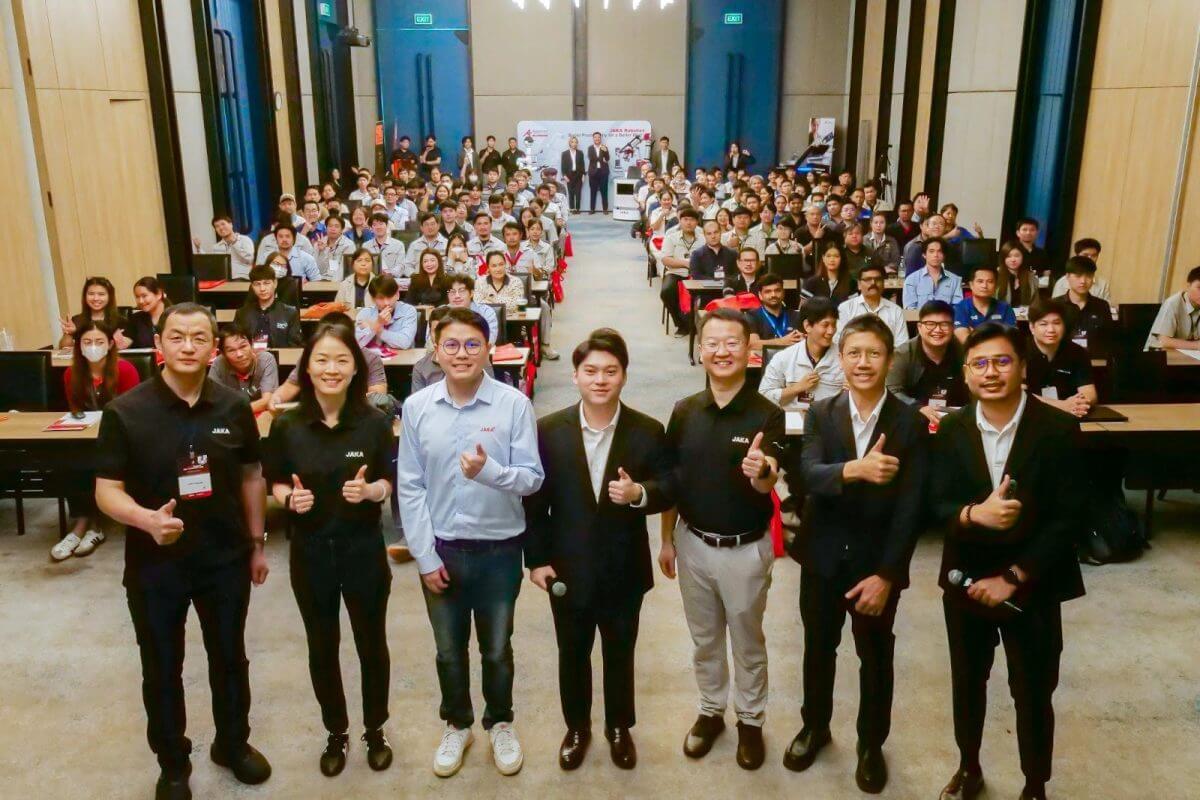
AppliCAD ผนึก JAKA Robotics วางไทยเป็น Strategic Hub ดันโรงงานสู่ยุค AI Automation
AppliCAD Public Company Limited has partnered with JAKA Robotics to host the "JAKA Thailand User Conference 2026," a significant event focused on advancing AI automation in Thai manufacturing. Held recently, the conference attracted over 150 industry executives and engineers, showcasing collaborative robot (Cobot) technologies integrated with AI vision and automation systems. During the opening remarks, AppliCAD's Deputy Director, Patipat Klampracha, emphasized that AI automation is no longer a futuristic concept but a strategic tool for modern factories. He highlighted how Cobots and AI can reduce production losses, enhance precision, minimize human error, and support flexible automation, which is crucial for lean manufacturing and smart factories in the era of Industry 4.0. JAKA Robotics announced its commitment to establishing Thailand as a strategic hub for automation in Southeast Asia, presenting its "Practical Automation" approach that emphasizes straightforward implementation and clear return on investment. The event featured the launch of new technologies, including the JAKA K1 Humanoid Dual-Arm Robot, the JAKA Lumi AI training platform, and the JAKA S³ AMR, an autonomous mobile robot designed for intralogistics. Attendees experienced live demonstrations of these innovations and participated in discussions on successful case studies that focused on payback periods, accuracy, waste reduction, and long-term quality stability. The collaboration between AppliCAD and JAKA Robotics aims to create a robust automation ecosystem that enhances the efficiency and competitiveness of Thai manufacturing on a global scale.

AI detects cancer but it’s also reading who you are
Recent research has revealed that artificial intelligence tools developed for diagnosing cancer from tissue samples are capable of inferring patient demographics from pathology slides, which can result in biased outcomes for specific groups. This bias is attributed to the training methods and the data exposure of these AI models, rather than solely the absence of certain samples. The findings highlight a critical issue in the development of AI diagnostic tools, emphasizing the need for more inclusive data sets to ensure equitable healthcare outcomes. Furthermore, researchers have proposed effective strategies to significantly mitigate these disparities, suggesting that improvements in AI training processes could enhance diagnostic accuracy across diverse patient populations.
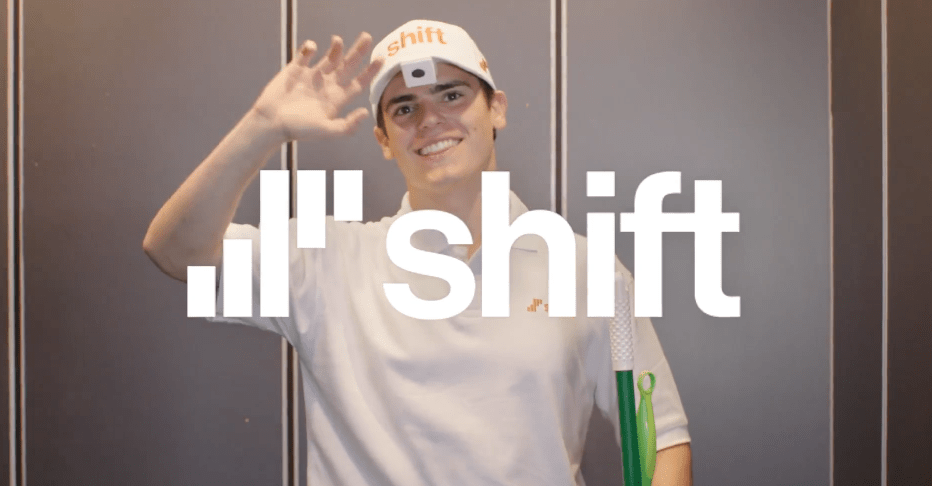
This AI startup will clean your home for free to train future robots
AI training startup Shift has launched an unconventional initiative, offering free home cleaning services in exchange for the opportunity to record the cleaning process. The company aims to capture footage of cleaners as they perform various tasks such as scrubbing, vacuuming, dusting, tidying, and washing, which will be utilized to enhance the training of robots. This unique offer was announced on social media, sparking interest and curiosity among potential participants. Shift's motivation behind this initiative is to gather real-world data that can improve robotic cleaning technology, ultimately aiming to create more efficient and effective automated solutions for household chores.
AI News Robot Tech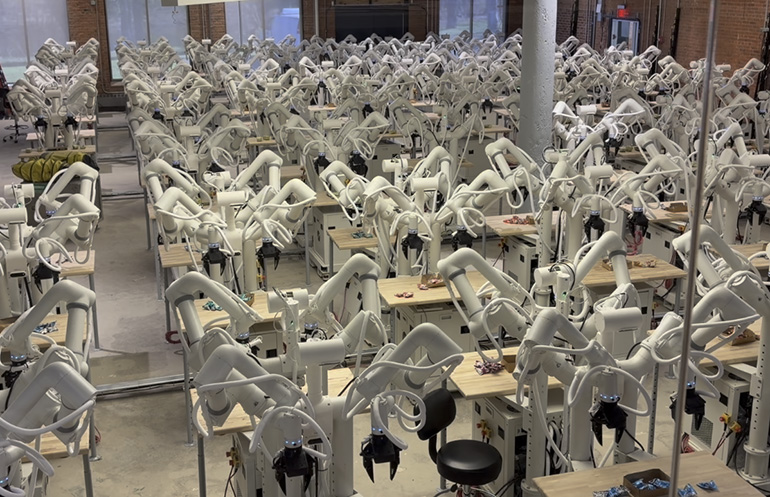
Tutor Intelligence builds Data Factory to train robot AI in the real world
Tutor Intelligence has initiated the operation of 100 Sonny semi-humanoid robots at its headquarters, a move aimed at enhancing the training of artificial intelligence in real-world scenarios. This initiative is part of the company's broader strategy to develop a Data Factory that will facilitate the sharing of technology and data with its Cassie mobile manipulator. By leveraging these advanced robotic systems, Tutor Intelligence seeks to improve the efficiency and effectiveness of AI training, ultimately advancing its capabilities in various applications. The deployment of these robots marks a significant step in the company's commitment to innovation in robotics and AI technology.
Arms / Manipulators Artificial Intelligence Artificial Intelligence / Cognition Cobot Arms Consumer Robotics Food / Beverage
12 Graphs That Explain the State of AI in 2026
As major AI companies like OpenAI and Anthropic prepare for initial public offerings later this year, the landscape of artificial intelligence continues to evolve rapidly. The 2026 AI Index report from Stanford University reveals that the U.S. remains the leader in AI model development, with 50 notable models released in 2025, although China's advancements in robotics are noteworthy, having installed 295,000 industrial robots in 2024. The report highlights a staggering growth in global AI compute capacity, which has tripled annually since 2022, largely driven by Nvidia's GPUs. However, the environmental impact of AI training is concerning, with estimates indicating that training large language models can generate over 72,000 tons of carbon emissions. Despite these challenges, AI investment surged to a record $581 billion in 2025, primarily in the U.S., reflecting a growing enthusiasm for AI technologies among software engineers and researchers. Public sentiment towards AI has slightly improved, with 59% of survey respondents believing the benefits outweigh the drawbacks. However, trust in government regulation of AI remains low in the U.S., with only 31% expressing confidence. This mixed perception underscores the ongoing debate about AI's societal impact, as advancements in technology continue to outpace regulatory frameworks.
Ai-index Artificial-intelligence Stanford-university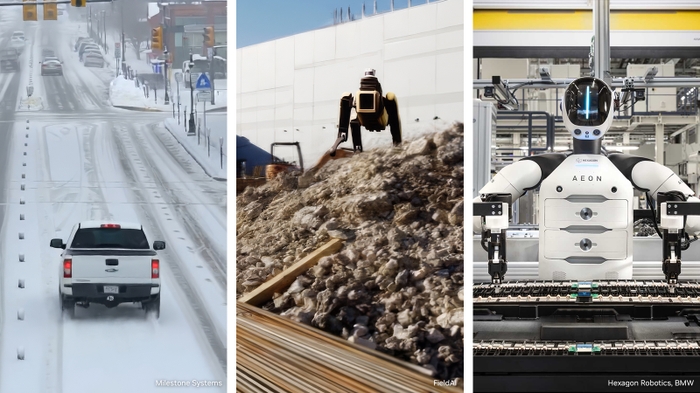
NVIDIA Announces Open Physical AI Data Factory Blueprint to Accelerate Robotics, Vision AI Agents and Autonomous Vehicle Development
NVIDIA has unveiled the NVIDIA Physical AI Data Factory Blueprint, an innovative open reference architecture designed to streamline the generation, augmentation, and evaluation of training data for physical AI applications. Announced today, this blueprint aims to significantly cut costs, time, and complexity associated with training AI models. By providing a unified and automated approach, NVIDIA seeks to enhance the efficiency of AI development processes, making it easier for organizations to implement and scale their AI initiatives. This initiative reflects NVIDIA's commitment to advancing AI technology and supporting developers in overcoming the challenges of data management in AI training.
Foundation Emerges With 'Phantom' Humanoid, Betting on Novel Actuators and Hybrid AI
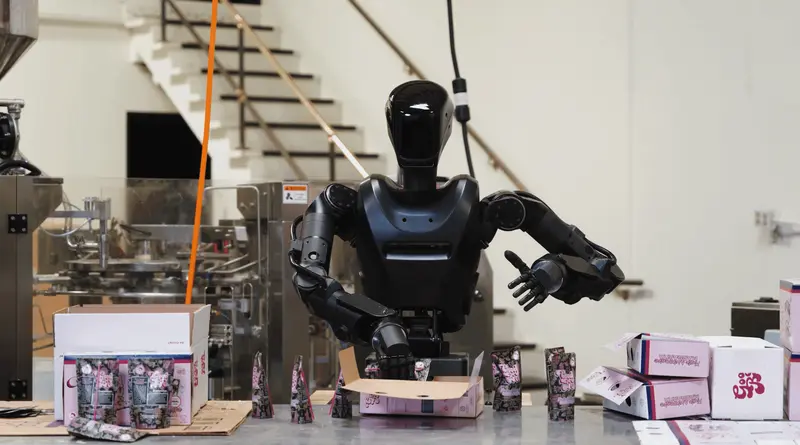
Foundation Robotics, a new company founded in May 2023 and led by former Synapse CEO Sankaet Pathak, has unveiled its humanoid robot, 'Phantom,' aimed at revolutionizing industrial automation. The company is focusing on developing proprietary high-efficiency actuators and employing a hybrid AI methodology that integrates state-based models with imitation learning. With plans for initial deliveries set for mid-2025, Foundation Robotics seeks to distinguish itself from competitors such as Figure and Tesla by prioritizing superior hardware performance and expedited AI training processes. This strategic approach is designed to meet the growing demand for advanced automation solutions in various industries.
sankaet-pathak phantom foundation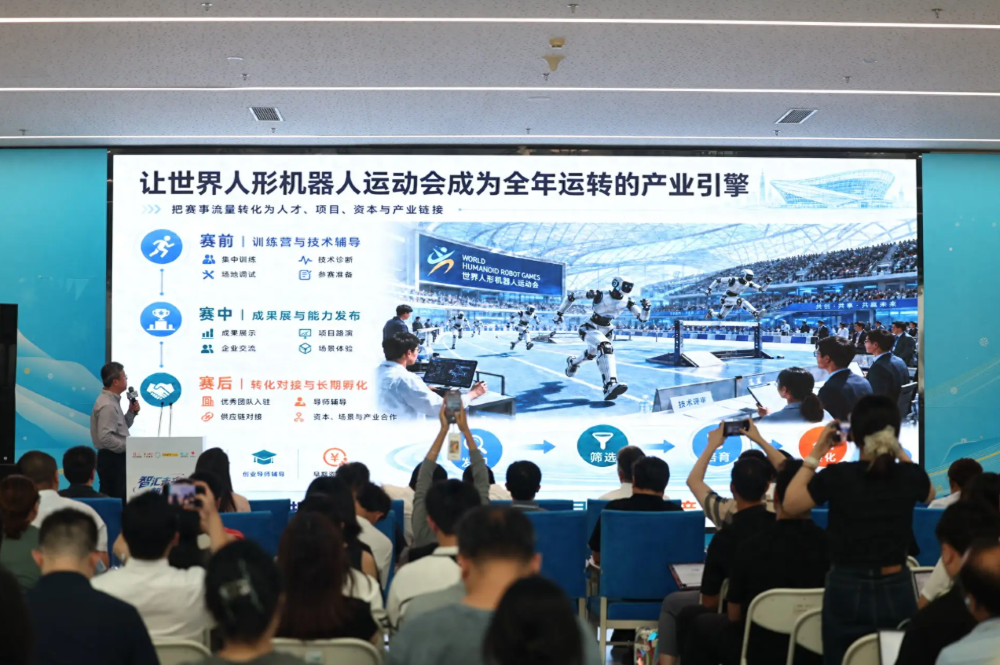
Beijing Launches 2,000 Square Meter Hub for Humanoid Robot Training at Ice Ribbon
On July 16, Beijing officially opened the Humanoid Robot Training Base at the Ice Ribbon, a 2,000 square meter innovation workshop. This facility will serve as a core venue for the upcoming second World Humanoid Robot Games in August. It was co-established by several organizations, including the Chaoyang Park Management Committee and Beijing Olympic Group, featuring research labs and testing areas. The establishment of this workshop is significant as it aligns with Chaoyang District's three-year action plan for the robotics industry, which has seen over 100 humanoid robot companies emerge in the area. The workshop aims to facilitate technology transfer and support the development of public service platforms for financing and research collaboration, enhancing the local robotics ecosystem. Looking ahead, the Olympic Village Street will actively participate in the workshop's development, providing real-world urban governance scenarios for companies. With the introduction of new application scenarios in various sectors, including environmental monitoring and elder care, the Ice Ribbon is evolving from an Olympic landmark into a major incubator for embodied intelligence in Beijing. No further timeline was disclosed at the time of publication.
Humanoid Robots Robot Training Innovation Workshop AI Technology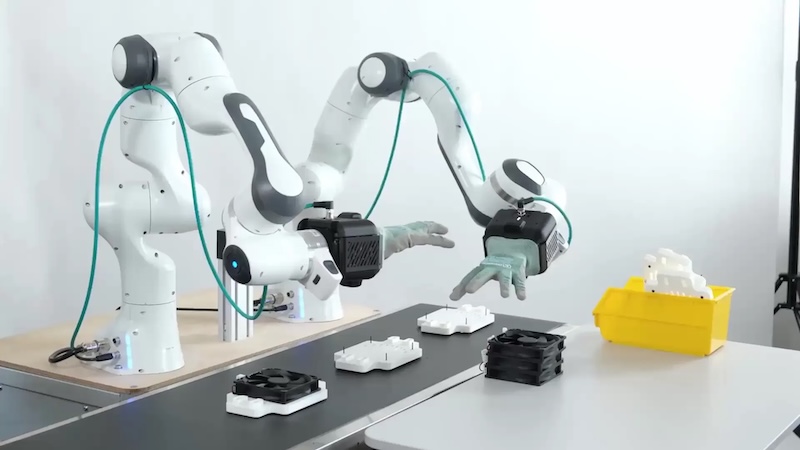
mimic Robotics Launches Comprehensive Platform for Advanced Dexterous Robot Manipulation
mimic Robotics has unveiled a new robotic hand, the mimic hand M1, along with the mimic wearable U1 exoskeleton and a proprietary software platform. This integrated system aims to enhance general-purpose dexterous manipulation in industrial robots by addressing the challenge of collecting high-quality training data for AI models that perform human-like tasks. The significance of this launch lies in mimic Robotics' approach to design, which focuses on human hand morphology rather than traditional two-finger grippers. The mimic hand M1 features 15 actuated degrees of freedom and is capable of handling payloads over 25 kg, while the mimic wearable U1 allows human operators to demonstrate tasks in real-time, improving data collection for AI training. Looking ahead, the company’s innovative middleware and teleoperation software are expected to enhance robot control and AI inference speed. No further timeline was disclosed at the time of publication.
Components Computing News ai automation dexterous manipulation
Hyperscale Data's Subsidiary Omnipresent Robotics Enters into an Agreement Providing for the Acquisition of Robots from AGIBOT and Related Developments
Omnipresent Robotics is set to launch the initial deployment of up to 143 AGIBOT intelligent robots in Michigan. This initiative aims to enhance domestic teleoperation capabilities, facilitate VLA data processing, and support embodied AI training. The deployment is also expected to contribute to the expansion of the local workforce. The rollout marks a significant step in integrating advanced robotics into various sectors, reflecting the company's commitment to innovation and workforce development in the region.
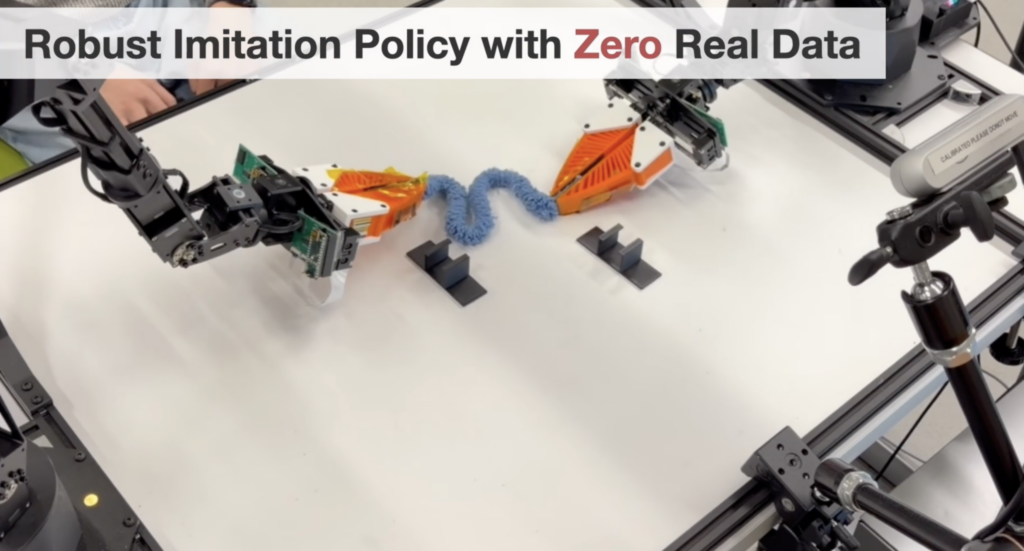
New Interactive World Simulator Enhances Robot Policy Training and Evaluation
A new Interactive World Simulator has been developed to improve robot policy training and evaluation by replacing traditional methods with a learned, action-conditioned video prediction model. This simulator allows for efficient data generation and scalable policy evaluation, addressing long-standing challenges in robot learning. The significance of this development lies in its ability to reduce the time and costs associated with data collection and evaluation. By enabling demonstrations to be collected within the simulator, the process becomes more reproducible and less prone to the issues faced in real-world settings, such as hardware failures and environmental changes. Looking ahead, the simulator has been trained on diverse manipulation tasks, showcasing its capability to accurately predict robot interactions. No further timeline was disclosed at the time of publication.
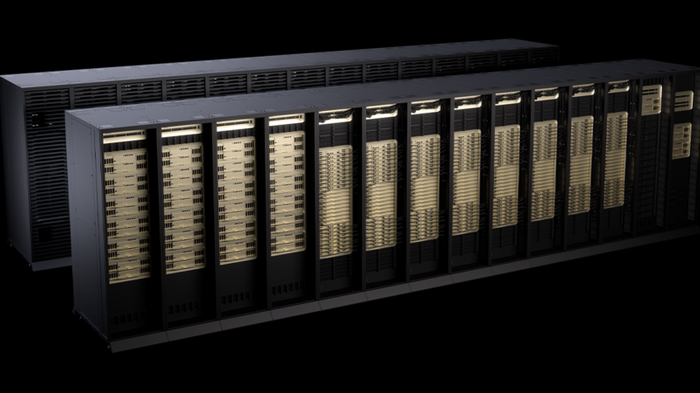
NVIDIA's Vera Rubin Enhances Intelligence per Dollar for Continuous Agentic AI Post-Training
NVIDIA's Vera Rubin is redefining post-training workloads for agentic AI, emphasizing continuous adaptation and refinement. Unlike traditional models, agentic AI requires ongoing adjustments as environments and tools evolve, making post-training a critical, never-ending process. This shift necessitates a new compute pattern, focusing on maximizing intelligence per dollar through efficient forward and backward passes in the learning cycle. The significance of this development lies in its potential to enhance the efficiency of AI models. By optimizing cost per token during inference, NVIDIA aims to improve the overall intelligence per dollar, ensuring that models remain valuable as they adapt to changing conditions. This continuous learning approach allows models to not only respond to prompts but also to plan and recover from challenges in real-time, thereby increasing their operational effectiveness. Looking ahead, the integration of NVIDIA's NeMo libraries will facilitate the transition from bespoke research to scalable infrastructure for post-training. As the demand for agentic AI grows, the focus will be on how effectively these models can adapt and learn in dynamic environments, ultimately determining their value in practical applications. No further timeline was disclosed at the time of publication.

General Intuition Achieves $2.3 Billion Valuation with Innovative Robot Training Approach
General Intuition, a New York-based company, has proposed a groundbreaking approach to training robots using millions of hours of gaming footage instead of vast amounts of real-world data. In June 2026, the company completed a $320 million Series A funding round, achieving a valuation of $2.3 billion, led by renowned investor Vinod Khosla. The significance of General Intuition's method lies in its potential to revolutionize how robots learn spatial reasoning and physical intuition. By utilizing gaming data, the company claims to have pre-trained a spatial reasoning model that allows quadruped robots to navigate unfamiliar environments with minimal real-world data, challenging traditional training methods that rely heavily on real-world scenarios. Looking ahead, the success of General Intuition will depend on its ability to validate its technology in diverse real-world environments beyond office settings. The company's vision of creating a 'robot brain' for universal physical AI could redefine the operational frameworks for future robotics, potentially surpassing existing systems like Windows and Android in impact.
AI Robotics Gaming Technology Machine Learning
AMX Launches HuRoC to Advance Social Implementation of Humanoid Robots in Ota City
AMX Corporation has established the HuRoC (Human-Robot Commons) co-creation platform aimed at exploring and creating a future where humans and robots coexist. Based in Ota City, Tokyo, HuRoC will focus on the social implementation of humanoid robots and the validation of use cases. An expo titled 'HuRoC EXPO 2026' is scheduled for July 17 at the Ota City Industrial Plaza PiO. The initiative is significant as it addresses the pressing question of how humanoid robots can be utilized in society, a topic that remains under-discussed globally. HuRoC aims to create a concrete vision for the future of humanoid robots, emphasizing their social integration rather than just the technology itself. The platform will facilitate collaboration among robot manufacturers, AI researchers, and testing environments to generate valuable AI training data through practical demonstrations. Looking ahead, HuRoC plans to incorporate additive manufacturing techniques to produce humanoid robots, thereby enhancing the manufacturing capabilities in Ota City. The expo will feature discussions on the future of humanoid robots, agricultural automation, and collaborative efforts among various stakeholders, including startups and universities. No further timeline was disclosed at the time of publication.

AI Agents Develop Virtual Environments for Essential Robot Training Data
Robots are becoming more visible in public spaces, captivating onlookers. However, they still lack the versatility needed for tasks in kitchens or factories, primarily due to a significant data bottleneck. Similar to human learning, robots acquire skills through experience, but the process of physically training them in various environments is labor-intensive and time-consuming. This challenge highlights the need for innovative solutions to streamline robot training. By utilizing AI agents to create virtual playgrounds, developers can simulate diverse scenarios, allowing robots to learn efficiently without the constraints of physical environments. This approach could significantly reduce the time and resources required for training, ultimately accelerating the deployment of robots in practical applications. Looking ahead, the development of these virtual training environments may pave the way for more capable robots in various industries. As AI technology continues to evolve, it will be essential to monitor advancements in virtual training methodologies and their impact on robot performance and adaptability. No further timeline was disclosed at the time of publication.
Robotics
MIT and Toyota Develop SceneSmith to Enhance Robot Training with AI-Generated Environments
MIT and the Toyota Research Institute have introduced SceneSmith, a system that utilizes AI agents to create realistic 3D environments for robot training. This innovation addresses the significant challenge of generating diverse simulation content, which is crucial for teaching robots various tasks in a cost-effective manner. The SceneSmith system employs three AI agents, leveraging the advanced vision-language model GPT-5.2, to design intricate indoor scenes. These environments, featuring up to six times more objects than previous methods, allow robots to practice skills in a rich virtual playground, ultimately reducing the need for extensive real-world testing. As the research progresses, the effectiveness of these AI-generated environments will be closely monitored. The team has already demonstrated that robots can successfully navigate and perform tasks in these virtual settings, indicating a promising future for robotic training methodologies. No further timeline was disclosed at the time of publication.
Research Robotics Artificial intelligence Simulation Computer science and technology Machine learning
Tech companies desperately want to film you doing chores
This week, Shift, an AI training startup, announced its initiative to offer free home cleaning services to residents of New York City. The company aims to gather video footage of the cleaning process to enhance its AI training data. Shift plans to expand this service to other cities, including London, as part of its growth strategy. While the offer may appeal to many, potential users should be aware that their participation involves providing the company with recorded footage of their homes during the cleaning.
AI Report Robot Tech
FANUC strengthens robot integration with NVIDIA Isaac Sim
FANUC is enhancing its robotics technology by integrating its robots and teach pendant with NVIDIA's simulation and artificial intelligence capabilities. This collaboration aims to improve the efficiency and intelligence of robotic operations, allowing for smoother and more adaptive actions in various applications. The integration leverages NVIDIA's Isaac Sim, a platform designed to facilitate advanced simulation and AI training for robots. This development marks a significant step forward in the robotics industry, as it combines FANUC's expertise in automation with NVIDIA's cutting-edge technology to create smarter, more responsive robotic systems.
6-Axis Arms / Manipulators Artificial Intelligence Artificial Intelligence / Cognition Cobot Arms Collaborative Robots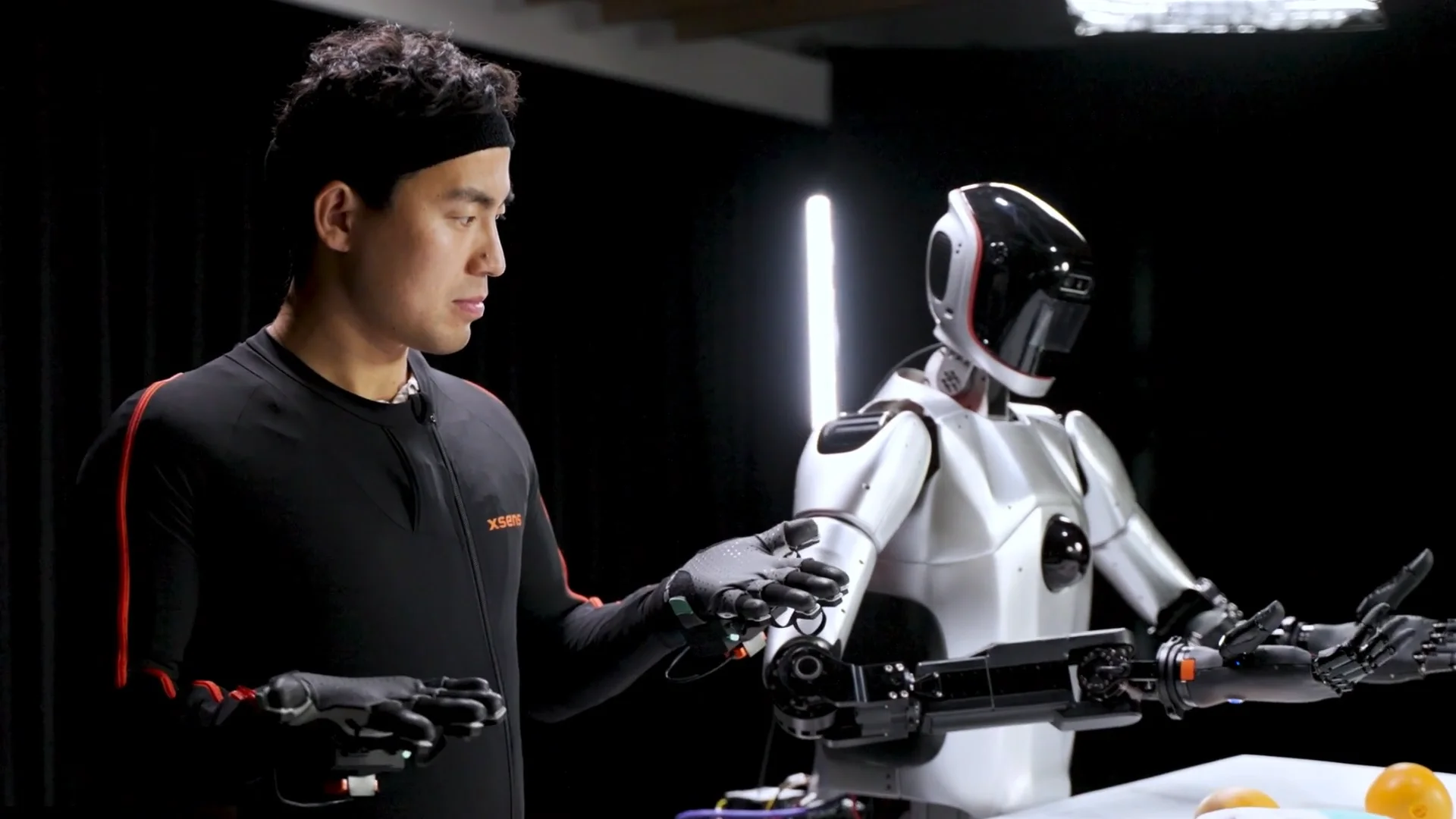
Xsens Launches New 'Link' MoCap Suit to Service Robotics' Data Bottleneck
Xsens has unveiled its next-generation motion capture system, Xsens Link, designed specifically for robotics labs, entertainment, and sports industries. Launched recently, this advanced platform serves as a high-fidelity tool for teleoperation and AI training, catering to the growing demand for effective solutions in the "human-in-the-loop" strategy. By addressing the industry's challenges related to physical data bottlenecks, Xsens Link aims to enhance the capabilities of humanoid robots and improve their interaction with human operators.
xsens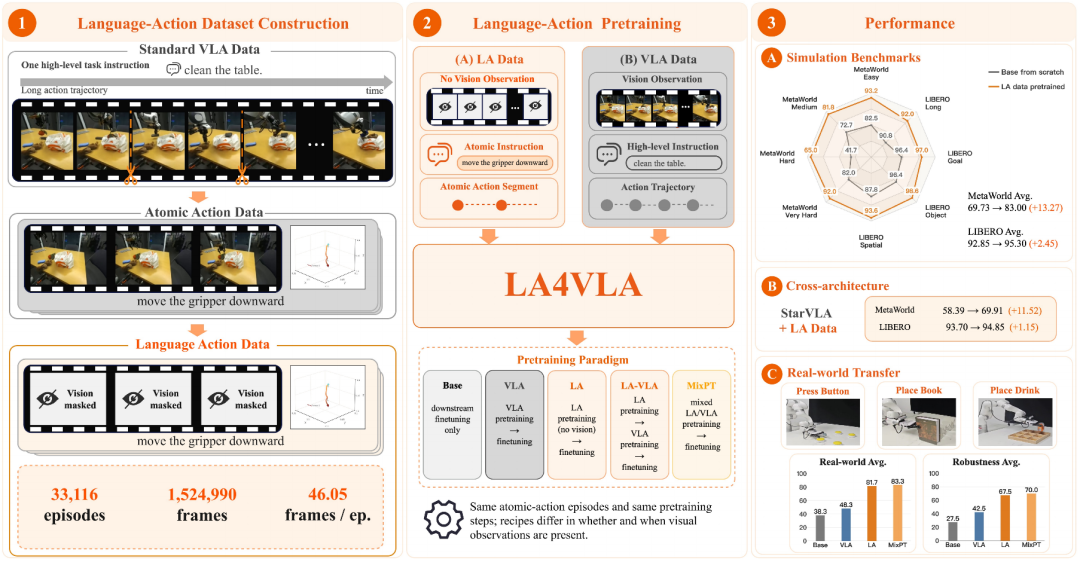
LA4VLA: Redefining VLA Pretraining for Robots to Learn Action Language
Researchers have introduced the LA4VLA framework, a new approach that enhances the capabilities of robots in understanding language commands and executing actions. This framework distinguishes language-action supervision from visual input, enabling robots to learn the relationship between commands and actions independently of visual cues. The study, which highlights the limitations of traditional Vision-Language-Action models, was conducted to address the tendency of these models to rely on visual inputs when confronted with conflicting information. By focusing on a more robust language-action learning process, the LA4VLA framework aims to improve the overall understanding of how language influences robotic actions.
Vision-Language-Action Robotics Machine Learning AI Training
MIT and Toyota Research Institute Unveil SceneSmith for Robot Household Training
MIT's Computer Science and Artificial Intelligence Laboratory (CSAIL) and the Toyota Research Institute have developed SceneSmith, an AI-powered system that allows robots to practice household tasks in a virtual environment. This system utilizes three visual language models to collaboratively create realistic 3D scenes, enabling robots to learn complex skills through extensive simulation. SceneSmith not only generates lifelike environments but also incorporates physical properties like mass, friction, and inertia, allowing robots to interact meaningfully within these spaces. The research team tested over 100 unique action plans in the digital world, revealing flaws in the robots' planning that were validated by human consensus over 99% of the time, helping to refine their strategies before real-world application. The effectiveness of SceneSmith was highlighted at a recent international machine learning conference, where it received positive feedback from over 200 testers, with more than 90% rating its visual realism highly. As robots learn to perform tasks like moving objects in a kitchen, the prospect of robots handling household chores may soon become a reality.
AI Robotics Virtual Reality Machine Learning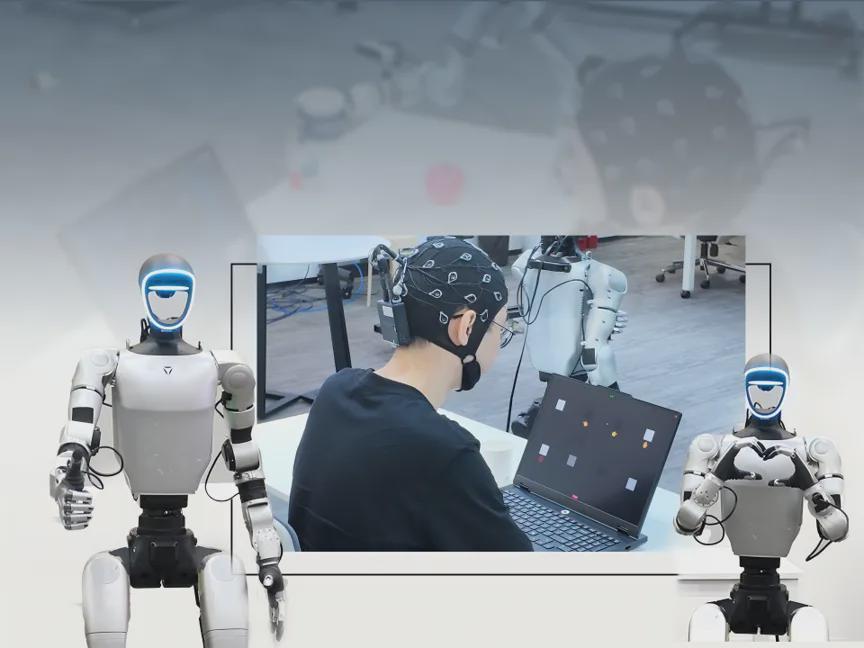
BrainCo Unveils Brain-Controlled Robot Training Platform at WAIC 2026
At the 2026 World Artificial Intelligence Conference (WAIC), BrainCo showcased a brain-controlled robot training platform. This innovative platform allows users to control robotic arms through brainwave signals, enabling actions like pouring water and picking apples without traditional interfaces. The significance of this technology lies in its ability to bridge the gap between human intention and robotic action. By decoding brain signals, the platform facilitates a direct communication pathway, allowing robots to understand and execute tasks based on users' thoughts. This advancement simplifies the integration of brain-machine interfaces with robotics, making it accessible to researchers without specialized backgrounds. Looking ahead, BrainCo's platform supports various robotic types, including humanoid robots and robotic arms, and is adaptable for ongoing developments. Researchers can select robots based on their study focus, whether for grasping tasks or complex human-robot interactions. No further timeline was disclosed at the time of publication.
Brain-Controlled Robots AI Research Neuro-Embodied AI Human-Robot Interaction
India's $1/hour Data Collection Model Gains Popularity
A novel data collection model is emerging in India, utilizing head-mounted cameras worn by workers to capture first-person footage. This innovative approach, spearheaded by the teenage founders of Egolab AI, has garnered significant attention and was recently acquired by a US company, highlighting its growing importance in the industry. Additionally, the startup Human Archive has successfully raised $8.2 million to enhance this data collection method. This initiative not only aims to provide valuable data for artificial intelligence training but also offers workers an opportunity to earn supplementary income. The combination of technology and economic support is positioning these startups at the forefront of a transformative movement in data collection.
Data Collection AI Training Wearable Technology Gig Economy
Boden Intelligence Secures Hundreds of Millions in Funding to Enhance Physical AI Infrastructure
Boden Intelligence, a prominent player in the Physical AI infrastructure sector, has secured hundreds of millions in funding through a series of successful investment rounds. This financial boost will support the company's mission to create a comprehensive ecosystem for the training and validation of real-world AI applications. By shifting the focus from traditional model-based competition to enhancing real-world capabilities, Boden aims to position itself as a significant contributor to the rapidly evolving AI landscape. The company plans to leverage innovative centers and automated data engines to achieve its goals, marking a pivotal step in the advancement of AI technologies.
Physical AI Data Infrastructure AI Training Robotics Automation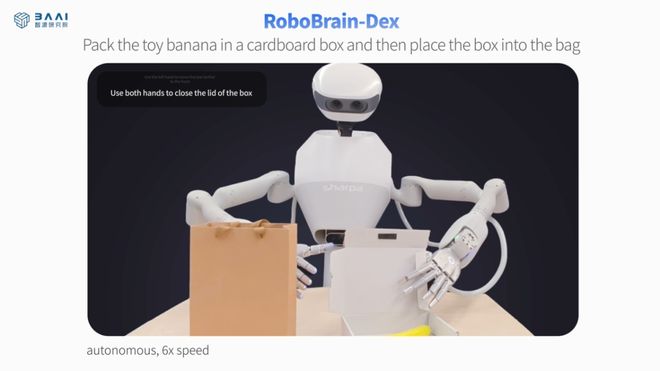
RoboBrain-Dex: Solving the Challenges of Embodied Intelligent Dexterous Manipulation through Human First-Person Perspective Operation Videos
RoboBrain-Dex has unveiled a groundbreaking pre-training paradigm designed to improve robotic dexterity by utilizing extensive collections of human first-person operation videos. This innovative method aims to streamline the learning process for robots, significantly cutting down on both time and costs associated with training. By enabling robots to swiftly grasp complex human operational logic, this approach opens up new possibilities for their application in various high-value industries. The introduction of RoboBrain-Dex marks a significant advancement in the field of robotics, promising to enhance the efficiency and effectiveness of robots in real-world tasks.
Robotic Dexterity AI Training Human-Robot Interaction Embodied Intelligence
MIT Develops GIFT Framework to Enhance CAD Design Accuracy Using AI Failures
Researchers from MIT, IBM, and Red Hat have introduced the Geometric Inference Feedback Tuning (GIFT) framework, which enhances AI's ability to convert 2D images into functional CAD programs. This innovation significantly improves design accuracy while reducing inference computation by approximately 80%. The GIFT framework addresses the challenge of limited high-quality CAD training data by utilizing the AI's own mistakes as a learning tool. The importance of this development lies in its potential to streamline the CAD design process, which is often hindered by the need for extensive datasets linking images to CAD programs. By focusing on 'near-misses'—outputs that are close to correct—the GIFT framework provides valuable insights into the AI's understanding, ultimately leading to better training examples and more reliable designs. Looking ahead, the GIFT framework's dual techniques, including GIFT-REJECT, promise to further refine AI-generated CAD outputs. As the research progresses, the effectiveness of GIFT in real-world applications will be closely monitored, particularly in industries reliant on precise CAD designs, such as aerospace and automotive engineering. No further timeline was disclosed at the time of publication.
AI and Robotics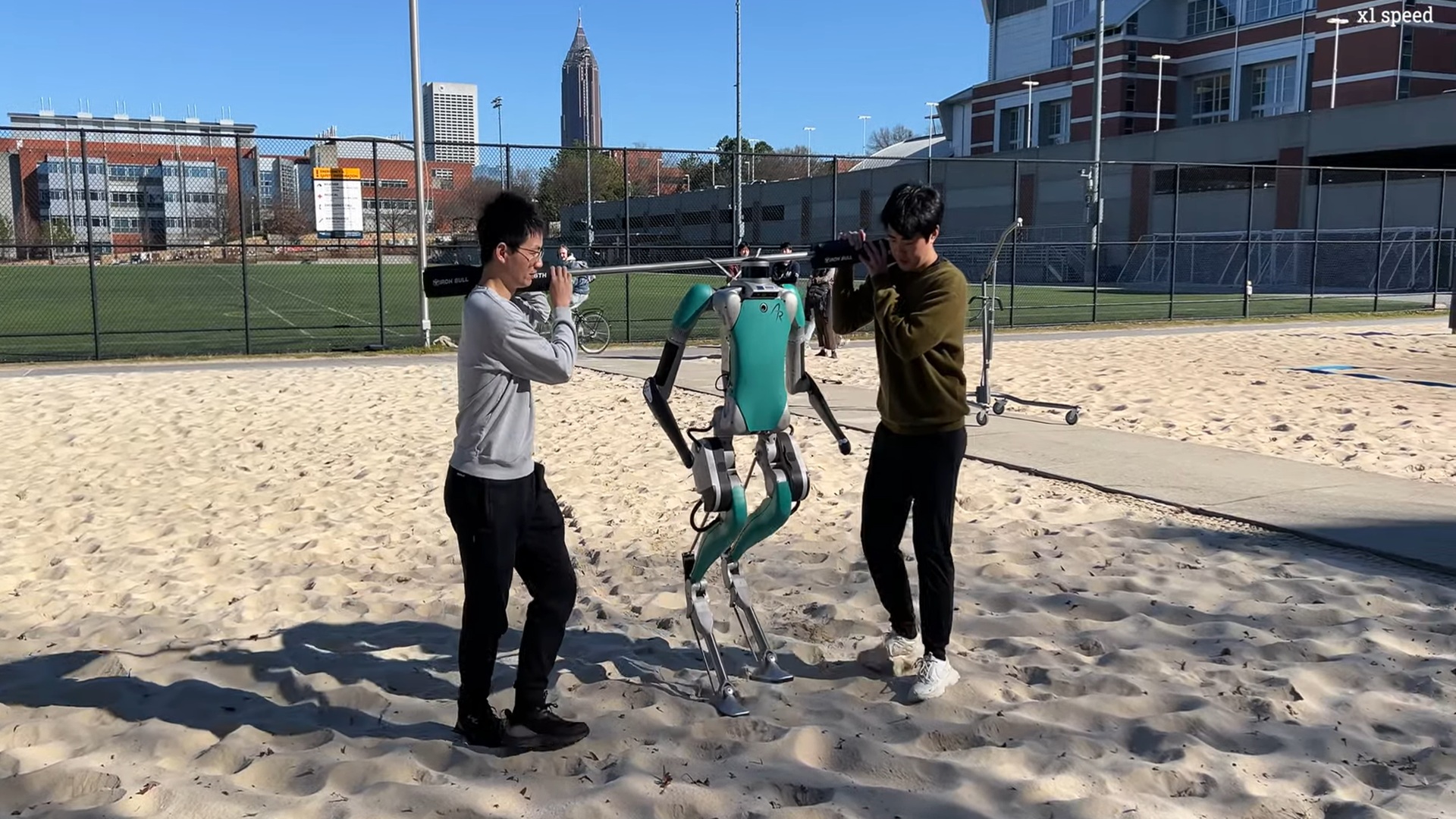
Georgia Tech Researchers Develop Framework for Humanoid Robot to Walk on Varied Terrain
Researchers at Georgia Tech have created a novel machine-learning framework that allows a humanoid robot to traverse diverse terrains, including sand, gravel, and slopes. This framework, named 'Learn to Teach,' enhances the traditional teacher-student reinforcement learning method by enabling simultaneous training of both agents, significantly reducing the time and computational resources required. The significance of this development lies in its ability to equip the robot with a controller capable of adapting to unfamiliar terrains without extensive prior training. The humanoid robot successfully navigated various challenging surfaces, demonstrating stability even when pushed or pulled during tests. This advancement could have broader implications for robotics, as the framework can be adapted for other robotic tasks beyond walking. Looking ahead, the potential for this training framework to be applied to different robots and tasks is promising. The researchers highlighted that their approach not only streamlines the training process but also allows for real-time knowledge transfer between the teacher and student models. No further timeline was disclosed at the time of publication.
AI and Robotics
MIT Develops SceneSmith: AI System for Creating Realistic 3D Training Environments for Robots
Researchers at MIT have developed SceneSmith, an AI-powered platform that generates realistic 3D indoor environments for robot training. This innovative system utilizes three collaborative AI agents to create detailed virtual spaces, enabling robots to practice everyday tasks safely and efficiently before real-world deployment. The significance of SceneSmith lies in its ability to reduce the costs and time associated with traditional robot training methods. By providing a virtual setting that mimics real-life environments such as kitchens and offices, robots can learn to interact with various objects without the need for extensive human supervision or physical trials. Looking ahead, SceneSmith has already generated over 1,300 virtual environments, allowing robots to practice tasks like placing fruit on plates and opening cabinets. Researchers have tested robot control programs in 100 different environments, achieving over 99 percent agreement between AI evaluations and human reviewers. No further timeline was disclosed at the time of publication.
AI and Robotics
ugo and FastLabel launch training program for developing VLA model with domestic humanoids and physical AI.
Ugo Corporation and FastLabel Inc. have launched a hands-on training program aimed at facilitating the development of Vision-Language-Action (VLA) models for companies, universities, and research institutions. This initiative utilizes the domestically produced humanoid robot, the "ugo Pro R&D model," to support participants from the initial stages of model development. The program, titled "ugo VLA Model Development Training Program powered by FastLabel," is designed to enhance practical skills and knowledge in the emerging field of VLA technology.

Microsoft Trains Sales Team to Critique OpenAI and Anthropic AI Products
Microsoft is reportedly preparing its sales team to adopt a more aggressive stance against competitors in the AI sector, specifically targeting OpenAI and Anthropic. During a recent internal meeting, executives emphasized the importance of highlighting the efficiency and cost-effectiveness of Microsoft's in-house AI models compared to those of rivals like Google and Anthropic. This strategy is significant as it marks a shift in Microsoft's approach towards companies it has historically collaborated with for AI models. The company has been transitioning away from using OpenAI and Anthropic's models in flagship applications like Word and Excel, opting instead for its own solutions as a cost-saving measure. This change reflects a broader competitive strategy aimed at enhancing Microsoft's market position in the AI landscape. Looking ahead, it will be crucial to observe how this new sales strategy impacts Microsoft's relationships with OpenAI and Anthropic, especially following the recent amendment of their partnership agreement. No further timeline was disclosed at the time of publication.
AI TC Anthropic Microsoft OpenAI
SpaceX Proposes 1 Million AI Satellites to Address Ground Data Center Constraints
On January 30, 2026, SpaceX filed with the FCC to launch up to 1 million AI compute satellites, positioning orbital data centers as a solution to the increasing demand for AI computing power. Ground data centers are facing significant challenges, with energy consumption projected to reach approximately 1,050 TWh in 2026, making them the fifth-largest electricity consumer globally. The demand for new data center capacity is outpacing the growth of power generation infrastructure, leading to a critical bottleneck in the grid system. The significance of this initiative lies in the structural constraints faced by ground data centers, including power delivery limitations, high water consumption, and local opposition to new projects. The Uptime Institute's 2026 outlook identifies power as the primary constraint on data center growth, with capacity clearing prices in the PJM grid skyrocketing to $329.17/MW, driven by data center expansion. Additionally, cooling requirements are becoming increasingly unsustainable, with facilities consuming vast amounts of water, further complicating their operational viability. Looking ahead, SpaceX's orbital AI compute initiative aims to circumvent these challenges by leveraging the advantages of space, such as continuous solar power and minimal local opposition. The first AI prototypes are expected to launch in early 2027, with operational deployments planned for 2028. No further timeline was disclosed at the time of publication.
DWTEK Begins 2026 With ROV Training Program in Malaysia
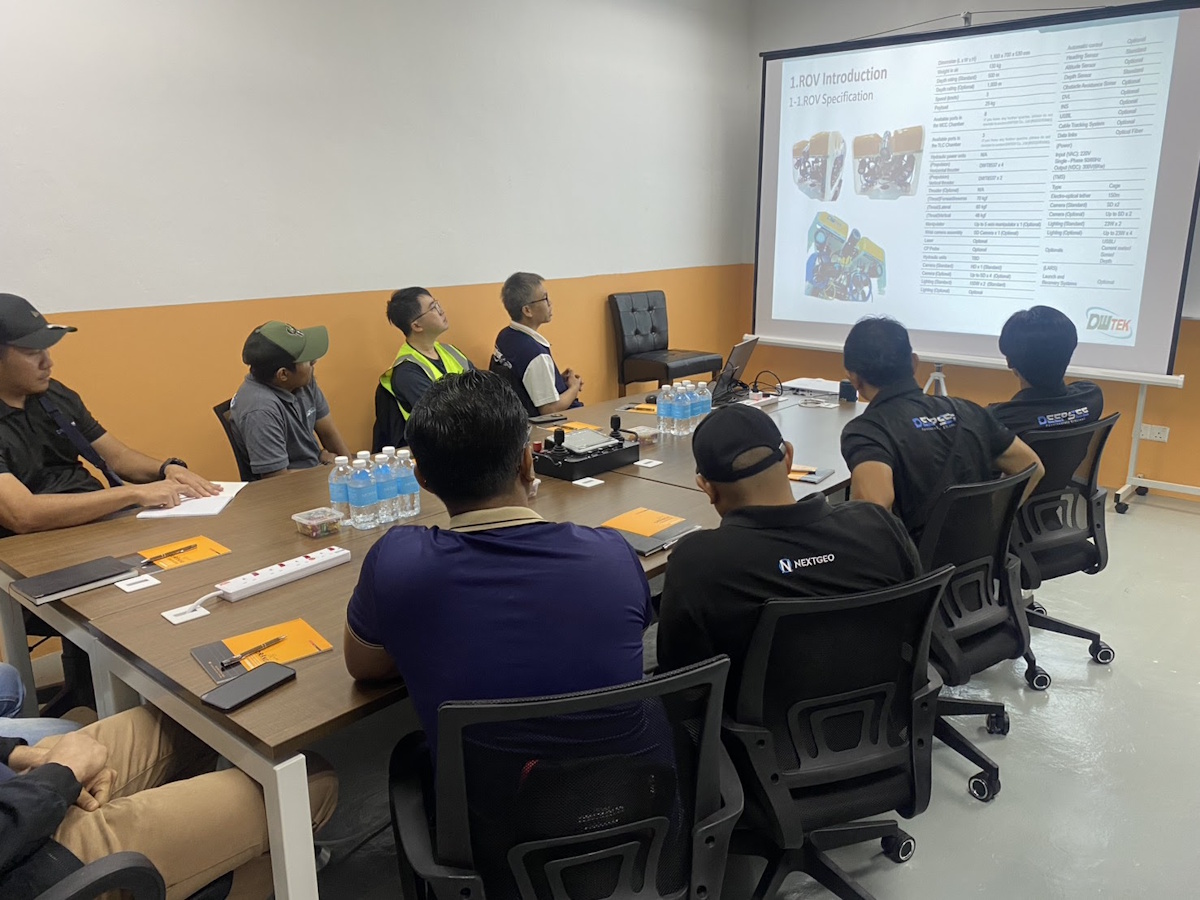
At the start of 2026, DWTEK has launched its first major initiative of the year, an ROV training session, in collaboration with clients SWEN Holdings and DEEPSEE. This event is taking place in Malaysia and underscores the increasing demand for subsea capabilities in the region. The hands-on training program aims to equip participants with essential skills and knowledge, reflecting the industry's commitment to enhancing operational proficiency in underwater technology.
dwtek rov training program deepsee dwtek i90+ rov
BETA Technologies Advocates for Practical Applications of Advanced Air Mobility
BETA Technologies is advocating for a broader approach to advanced air mobility, emphasizing practical transportation solutions over futuristic passenger services. At the Korea Drone and UAM Expo, Patrick Buckles, Regional Head of Aircraft Sales, highlighted the company's strategy that integrates electric aircraft, charging infrastructure, and pilot training for various missions. Founded in 2017, BETA has developed its operations around electric aircraft, multimodal charging systems, and enabling technologies such as electric propulsion and battery technology. The company has successfully flown over 300,000 kilometers and is targeting applications in cargo, defense, medical transport, and passenger services with its two aircraft platforms: the ALIA CTOL and ALIA VTOL, which share design commonality for enhanced safety and simplicity. Looking ahead, BETA's focus on operational advantages, such as lower energy and maintenance costs, positions electric aviation as a viable alternative to conventional aircraft. The potential for zero emissions and reduced noise levels could facilitate community acceptance and support critical missions like medical transport in remote areas. No further timeline was disclosed at the time of publication.
Advanced Air Mobility DL Exclusive Drone News Drone News Feeds eVTOL News
Shanghai Advances BCI Development: The Race for Commercialization Has Started
Shanghai is emerging as a key player in the global brain-computer interface (BCI) competition. The Shanghai Municipal Commission of Economy and Information Technology recently released the 'Three-Year Action Plan for the Industrialization of Brain-Computer Interfaces (2026-2028)', which aims to establish a leading national industrial chain ecosystem in the non-invasive BCI sector by 2028. The plan includes nurturing at least 50 related enterprises and achieving large-scale applications of core products in medical rehabilitation and cognitive training. This initiative is not just a theoretical blueprint. A team led by Academician Zhou Liangfu from Huashan Hospital's Neurosurgery Department, in collaboration with the Institute of Microsystem Research at the Chinese Academy of Sciences, has developed an implanted BCI product that has completed its first clinical trial with volunteers for motor function rehabilitation in paraplegic patients. Shanghai is adopting a parallel strategy with multiple technological routes, supporting invasive, semi-invasive, and non-invasive teams with dedicated funding, with non-invasive approaches progressing more rapidly. The Pudong New Area has designated a 'Brain Science Industrial Base' where the first batch of companies can benefit from various supports, including R&D expense deductions and expedited clinical trial processes. Shanghai's goal is clear: to become the city with the lowest operational costs and minimal policy friction for BCI enterprises. As the global BCI landscape evolves, Shanghai's focus on industrialization aims to establish a commercial loop in hospitals while ensuring safety and regulatory compliance, leveraging China's vast market potential in stroke rehabilitation, youth attention training, and early Alzheimer's screening.
Brain-Computer Interfaces Healthcare Technology Neurorehabilitation Cognitive Training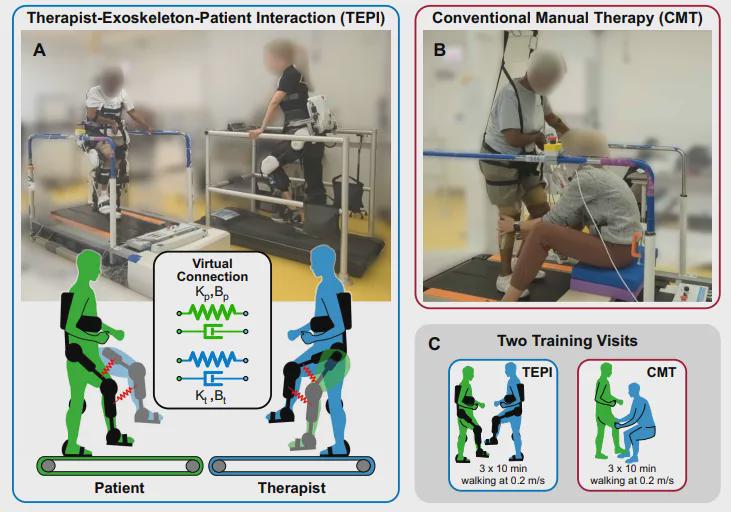
New Paradigm for Stroke Gait Training: Therapist-Exoskeleton-Patient Interaction
A research team from Northwestern University and Shirley Ryan AbilityLab has unveiled an innovative approach to stroke rehabilitation that integrates a therapist-exoskeleton-patient interaction model. This groundbreaking method enables both therapists and patients to don exoskeletons, facilitating real-time interaction during gait training sessions. The new technique aims to improve the effectiveness of rehabilitation and boost patient engagement, offering a significant advancement over conventional manual training methods. The introduction of this technology marks a promising development in the field of stroke recovery, potentially transforming how therapists assist patients in regaining mobility.
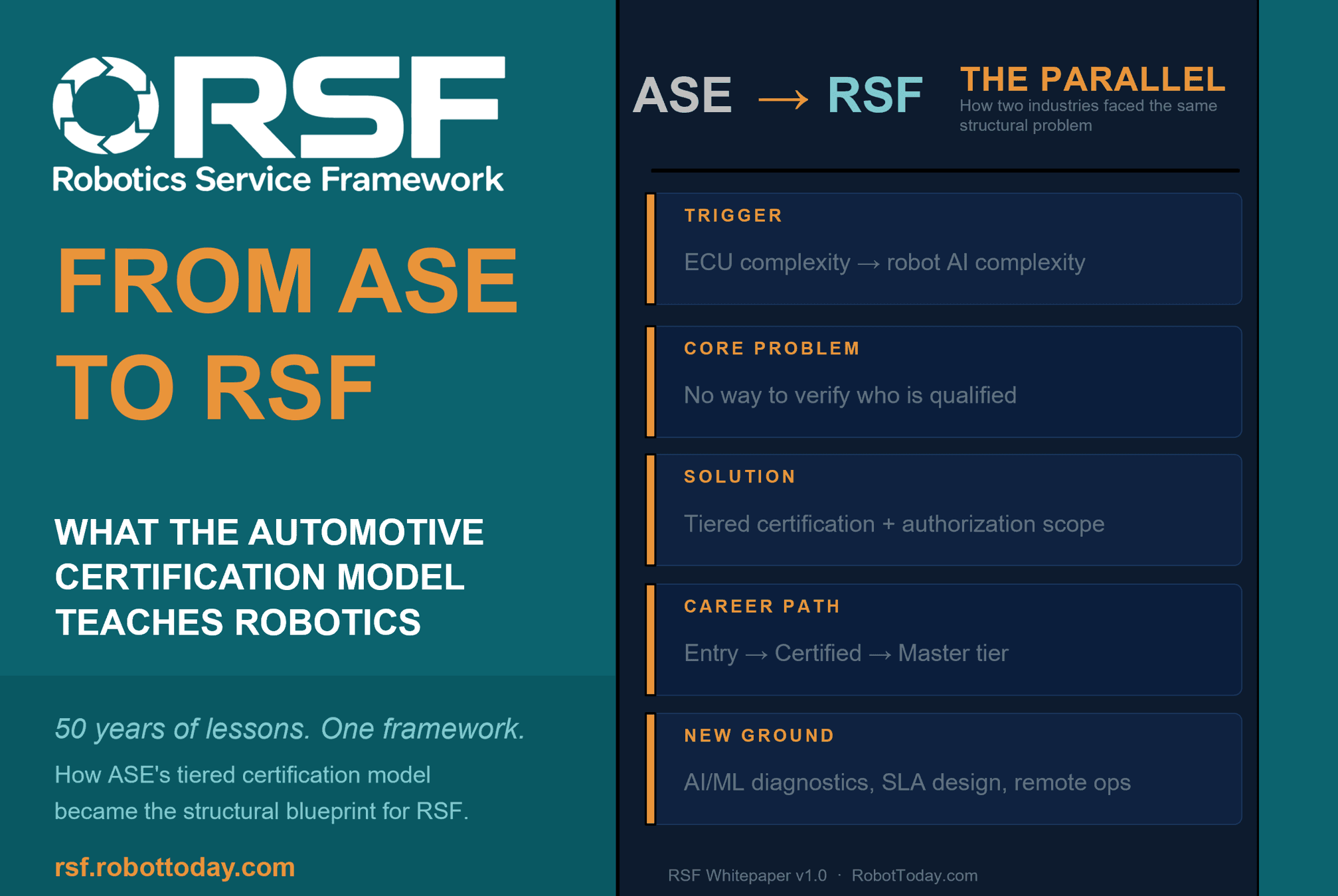
Stroke Rehabilitation Exoskeleton Technology Gait Training Physical TherapyRobotics needs a service framework.
RSF defines a common language for robot service capability, lifecycle operations, certification pathways, and service-provider networks.