Industry Briefing
A single destination for timely, editor-curated robotics news from around the world.
NVIDIA Releases New Physical AI Models as Global Partners Unveil Next-Generation Robots
NVIDIA has unveiled a suite of new open models, frameworks, and AI infrastructure aimed at advancing physical AI, along with a range of robots tailored for various industries, in a recent announcement. This initiative, made public today, showcases the company's commitment to enhancing AI capabilities across multiple sectors by collaborating with global partners. The introduction of these technologies is designed to facilitate the integration of AI into physical applications, addressing the growing demand for intelligent automation solutions. By leveraging cutting-edge AI frameworks and models, NVIDIA aims to empower businesses to innovate and improve operational efficiency. The launch reflects the company's strategic focus on expanding its influence in the AI landscape and supporting industries in their digital transformation efforts.

New Server Hopes to Break Through AI’s “Memory Wall”
Majestic Labs, an AI hardware startup, is addressing the memory limitations of large language models (LLMs) with its upcoming server, Prometheus, set to launch in 2027. This innovative server will feature up to 128 terabytes of memory, significantly surpassing the capabilities of Nvidia’s current offerings. Co-founder Sha Rabii emphasizes that this substantial memory increase will enhance performance and efficiency, particularly as models grow larger. Prometheus employs a unique DRAM-centric architecture, utilizing LPDDR6 memory and a proprietary memory interface with miniature copper cables that allow for greater memory placement flexibility. This design aims to overcome the “memory wall” that hampers LLM performance, providing a memory bandwidth of up to 25.6 terabytes per second. To complement its memory capabilities, Prometheus will incorporate the Ignite AI processing unit, which combines ARM application cores with RISC-V vector and tensor cores on a single chip. This integration allows for seamless handling of LLM inference tasks without the need for processor handoffs. Majestic Labs is also focused on ensuring compatibility with existing AI frameworks like PyTorch and OpenAI’s Triton, allowing customers to run their models without modifications. The server, designed in compliance with the Open Compute Project, will be modular, enabling future memory upgrades. Despite the advanced technology, Majestic Labs aims to offer competitive pricing by leveraging DRAM instead of more expensive high-bandwidth memory. Rabii claims that this approach could reduce customer capital expenditures and power consumption significantly, potentially by 10 to 50 times, depending on the workload.
Memory Server Ai-accelerators Performance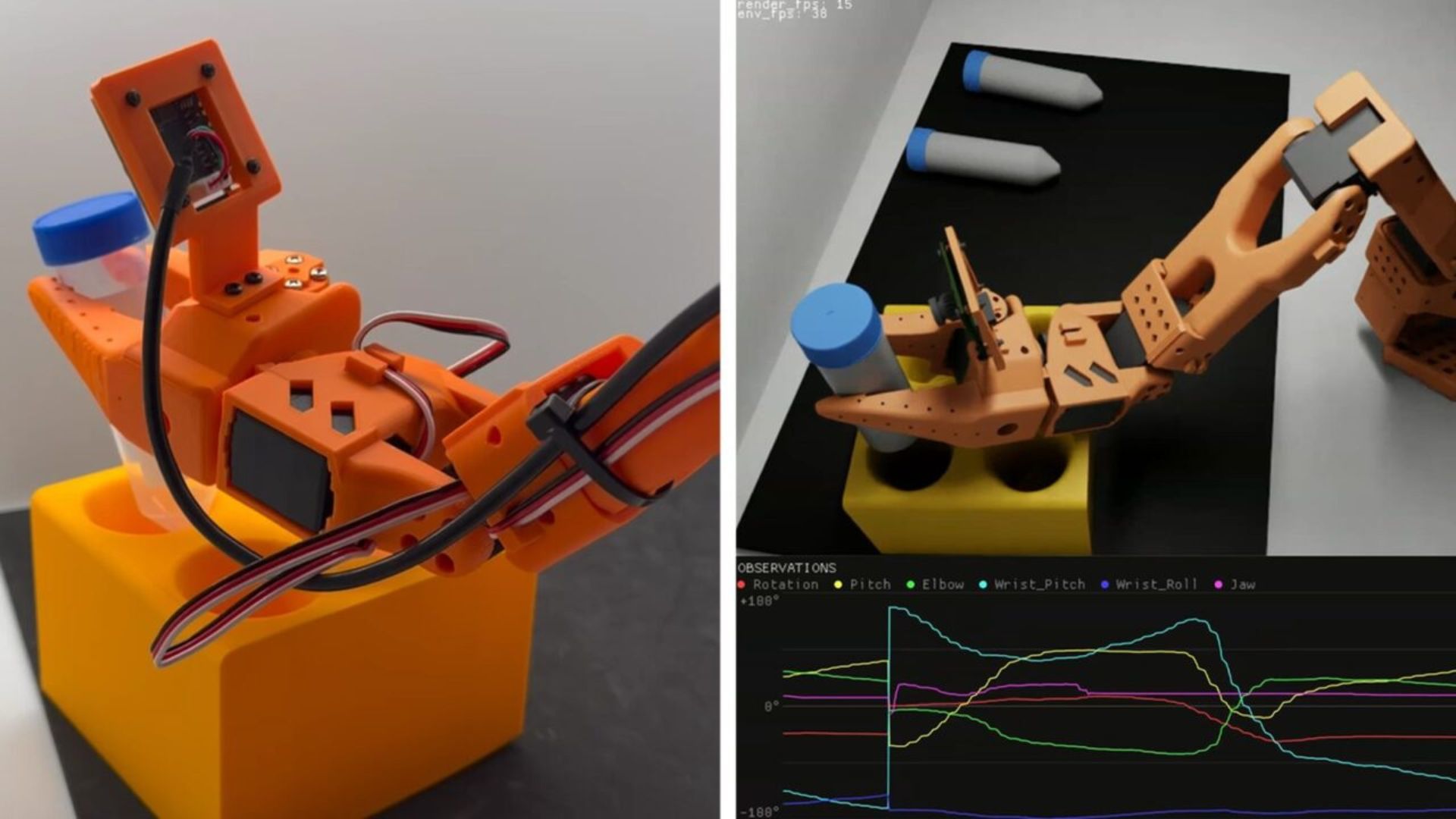
NVIDIA and Hugging Face Enhance LeRobot with New AI Models and Frameworks
NVIDIA has expanded its collaboration with Hugging Face to enhance the LeRobot open-source robotics platform with new AI models and frameworks. This integration includes the NVIDIA Isaac GR00T 1.7 vision-language-action model and the Isaac Teleop framework, aimed at streamlining robot development. The partnership seeks to make advanced robotics tools more accessible to developers and researchers, with plans to incorporate NVIDIA Cosmos 3 in the future. This collaboration is significant as it addresses the fragmented nature of robotics development by providing standardized workflows for data collection, model training, and robot deployment. The introduction of the Isaac Teleop framework allows for high-quality training data collection through human demonstrations, which can be shared within the LeRobot ecosystem. By lowering barriers to entry, NVIDIA and Hugging Face aim to foster broader collaboration in the robotics community. Looking ahead, NVIDIA plans to integrate the Cosmos 3 model into LeRobot, which will generate synthetic robotics data and assist in policy development. The collaboration builds on existing resources, including a dataset with over 350,000 robot trajectories and 57 million grasp examples. No further timeline was disclosed at the time of publication.
AI and Robotics
SpaceX's Starmind Plans 1 Million AI Satellites Amid Collision Risks
SpaceX has announced its ambitious Starmind project, which aims to deploy 1 million AI satellites in orbits between 500 and 2,000 km. This initiative, confirmed by Elon Musk on June 23, 2026, follows a merger with xAI, valuing the combined entity at $1.25 trillion. The satellites will function as orbital data centers, processing AI workloads powered by solar arrays and linked by optical lasers. The significance of Starmind lies in its potential to add 100 gigawatts of AI compute capacity annually, contingent on the successful operation of the Starship launch system. However, the project raises concerns regarding space debris, as the current orbital environment is already congested, with a 20% increase in collision risk reported since 2024. The European Space Agency has highlighted that the density of debris in low Earth orbit is now comparable to that of active satellites, complicating the operational landscape for new entrants like Starmind. Looking ahead, the first operational orbital AI deployments are targeted for 2028, with test launches expected in early 2027. However, the project faces scrutiny regarding its impact on space debris, as even a 1% failure rate could significantly increase the number of uncontrollable objects in orbit, exacerbating existing risks. No further timeline was disclosed at the time of publication.
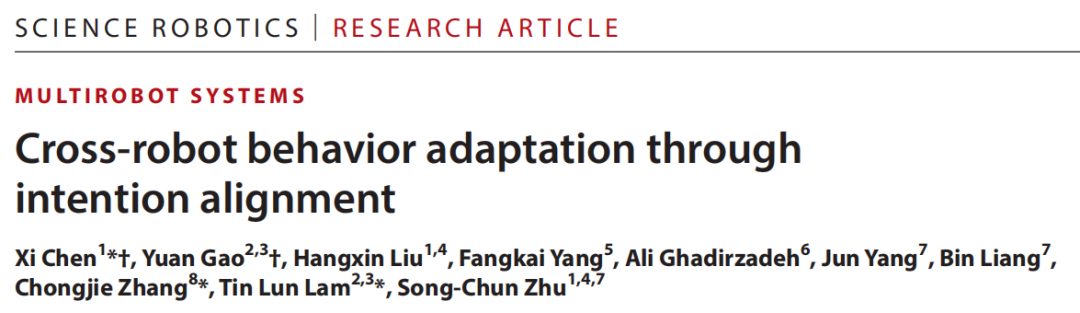
Can Heterogeneous Robots Share Skills? Collaborative Breakthrough by Peking University, Tsinghua University, and Others in IAIL Framework Published in Science Robotics
A collaborative research team from leading universities has introduced the IAIL framework, a groundbreaking system that allows diverse robots to autonomously comprehend and perform tasks without the need for prior programming or human input. This innovative framework emphasizes intention alignment over mere action replication, which markedly improves coordination among multiple robots. The development, announced in October 2023, aims to revolutionize the way robots interact and collaborate in various environments, paving the way for more efficient and effective robotic applications across multiple sectors.
Heterogeneous Robots Robot Collaboration AI Frameworks Robotics Research
FORT Robotics Enhances AI Safety with Nvidia Halos at Automate Conference
FORT Robotics has joined the Nvidia Halos for Robotics ecosystem to enhance safety for autonomous robots. The company will showcase its agentic safety application, developed using the Nvidia Halos Outside-In Safety Blueprint, at the Automate conference in Chicago. This innovative solution utilizes external infrastructure sensors and visual AI agents to provide real-time, safety-certifiable functional safety, significantly improving operational efficiency in dynamic environments. The collaboration is significant as it addresses the limitations of traditional inside-out functional safety systems, which rely solely on onboard sensors. By integrating Nvidia's IGX Thor and Holoscan Sensor Bridge, FORT's solution allows robots to operate safely alongside human workers in high-efficiency modes. This adaptability is crucial for modern warehouses and factories, where environments are constantly changing, and safety frameworks must evolve to protect workers effectively. Looking ahead, FORT's integration with Nvidia Halos is expected to provide substantial value to customers in warehousing, manufacturing, and other automated sectors. The Outside-In Safety framework aims to prevent safety incidents in mixed human-robot environments, optimizing processes like inventory replenishment and product assembly. No further timeline was disclosed at the time of publication.
Artificial Intelligence Industry ai automation Autonomous robots fort robotics
Japanese Drone Stocks Experience Surge as Investors Diversify from AI and Defense
Japanese drone companies are witnessing a significant influx of investment as military demand for unmanned systems rises. Investors are increasingly looking for alternatives to artificial intelligence stocks and traditional defense stocks that had previously gained popularity. This shift indicates a growing interest in the drone sector, which is becoming a focal point for investment in Japan. The surge in investment is crucial as it highlights the potential of the drone industry amidst geopolitical tensions and the evolving landscape of defense technology. Companies like Terra Drone are emerging as key players in the Tokyo market, attracting attention from investors eager to capitalize on the expanding military applications of drones. This trend reflects a broader movement towards diversification in investment portfolios. Looking ahead, the drone industry is expected to continue its upward trajectory as demand for unmanned systems grows. Investors should monitor developments in regulatory frameworks and technological advancements that could further influence the market. No further timeline was disclosed at the time of publication.

General Intuition Achieves $2.3 Billion Valuation with Innovative Robot Training Approach
General Intuition, a New York-based company, has proposed a groundbreaking approach to training robots using millions of hours of gaming footage instead of vast amounts of real-world data. In June 2026, the company completed a $320 million Series A funding round, achieving a valuation of $2.3 billion, led by renowned investor Vinod Khosla. The significance of General Intuition's method lies in its potential to revolutionize how robots learn spatial reasoning and physical intuition. By utilizing gaming data, the company claims to have pre-trained a spatial reasoning model that allows quadruped robots to navigate unfamiliar environments with minimal real-world data, challenging traditional training methods that rely heavily on real-world scenarios. Looking ahead, the success of General Intuition will depend on its ability to validate its technology in diverse real-world environments beyond office settings. The company's vision of creating a 'robot brain' for universal physical AI could redefine the operational frameworks for future robotics, potentially surpassing existing systems like Windows and Android in impact.
AI Robotics Gaming Technology Machine Learning
World Models at WAIC 2026: Bridging Understanding and Execution in Physical AI
The World Artificial Intelligence Conference (WAIC) 2026 highlighted the significance of world models as a crucial pathway for physical AI to transition from laboratory settings to real-world applications. The event featured a summit focused on the integration of world models and embodied intelligence, showcasing discussions led by Nobel laureates and industry leaders. This summit, organized by the WAIC committee and hosted by Daxiao Robotics, emphasized the need for machines to not only express but also understand and reliably act within the physical world. Key presentations included insights from Nobel laureate Sargent on the gap between AI expectations and human rationality, and a demonstration of the ACE technology stack by Daxiao Robotics' chairman, Wang Xiaogang, illustrating practical applications across various industries. The forum also introduced the PIQ platform, a unified evaluation benchmark for embodied physical intelligence, aimed at addressing industry challenges related to self-assessment and standardization. As industry representatives engaged in discussions about technical routes and implementation pathways, the event underscored the journey from theoretical frameworks to tangible industry applications, marking a pivotal moment in the evolution of physical AI.
World Models Physical AI AI Standards Industry Applications Technological Breakthroughs
Into the Omniverse: Physical AI Open Models and Frameworks Advance Robots and Autonomous Systems
NVIDIA is playing a pivotal role in advancing innovation in robotics and autonomy through open-source initiatives. By offering access to vital infrastructure, including simulation frameworks and artificial intelligence models, the company is fostering collaborative development among researchers and developers. This approach aims to expedite advancements in the field, ultimately enhancing the capabilities of robotic systems and autonomous technologies. The emphasis on open-source resources is designed to break down barriers to entry, allowing a wider range of contributors to participate in the evolution of these cutting-edge technologies. As a result, NVIDIA is not only positioning itself as a leader in the industry but also promoting a more inclusive and accelerated development environment for robotics and autonomy.
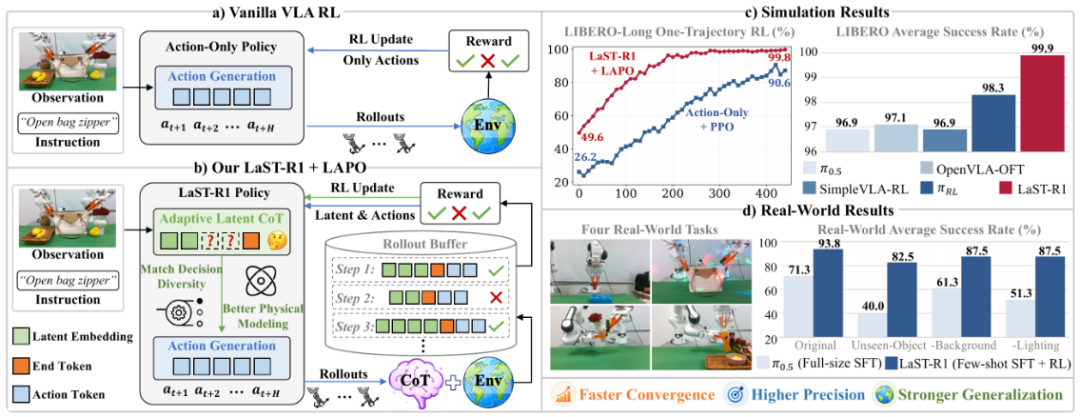
Peking University Team Proposes LaST-R1 Framework, Enabling Robots to 'Think and Act' Simultaneously!
Researchers from Peking University and the Chinese University of Hong Kong have unveiled the LaST-R1 framework, a groundbreaking integration of latent reasoning into reinforcement learning. This development, announced recently, aims to enhance the decision-making capabilities of robots by enabling them to not only execute actions but also comprehend and adapt to various physical states. The framework is designed to improve robots' performance in real-world scenarios, addressing the limitations of traditional reinforcement learning methods. By incorporating latent reasoning, the LaST-R1 framework represents a significant advancement in the field of robotics, potentially leading to more intelligent and responsive machines.
Reinforcement Learning Robot Perception AI Frameworks Physical Reasoning
Chinese Heavy-Lift Drones Airlift Flood Victims in Guangxi Amid Safety Protocols
In Guangxi, China, heavy-lift drones have been deployed to rescue flood victims by airlifting individuals, defying standard safety protocols. This operation highlights the capabilities of the trillion-yuan low-altitude economy, which is becoming increasingly significant in emergency response scenarios. The use of these drones marks a pivotal moment in the integration of aerial technology into disaster management, showcasing their potential to save lives in critical situations. The significance of this operation lies in its demonstration of the industrial capacity within China's low-altitude economy, which is estimated to be worth trillions of yuan. By utilizing drones for rescue missions, authorities are not only addressing immediate humanitarian needs but also paving the way for future applications of drone technology in various sectors. This incident underscores the evolving landscape of aerial logistics and emergency response, emphasizing the need for updated safety regulations to accommodate such innovations. Looking ahead, the continued use of heavy-lift drones in rescue operations may lead to further advancements in drone technology and regulatory frameworks. No further timeline was disclosed at the time of publication, but the success of these missions could prompt increased investment and development in the low-altitude economy, potentially transforming how emergency services operate in the future.
Technology
AI’s Volatile Power Use Quietly Tests Grid Limits
The rapid growth of artificial intelligence infrastructure is reshaping electricity demand dynamics, posing new challenges for grid operators. As data centers are projected to consume 3 to 4 percent of global electricity by the end of the decade, their energy consumption patterns are becoming increasingly unpredictable. Unlike traditional industrial loads, AI workloads can fluctuate dramatically within milliseconds, driven by synchronized computational tasks and varying user demands. This unpredictability complicates grid management, as it creates abrupt demand spikes that can stress local infrastructure, particularly in regions like Northern Virginia, known as "Data Center Alley," where data centers are concentrated. Utilities, including Dominion Energy, are adjusting their forecasts to account for this rapid growth, but existing regulatory frameworks often fail to address the complexities introduced by high-density compute clusters. These facilities not only require significant power but also generate unique challenges related to thermal management and power quality. As a result, grid operators are exploring new demand response mechanisms and flexible scheduling to mitigate the impact of these fluctuating loads. The Electric Reliability Council of Texas (ERCOT) has acknowledged the implications of large flexible loads for grid stability and planning. As AI infrastructure continues to expand, it is crucial for regulatory and operational frameworks to adapt, focusing not just on total energy consumption but also on the volatility and geographic concentration of demand. Understanding these new consumption patterns will be essential for maintaining grid resilience in the face of evolving energy needs.
Data-centers Artificial-intelligence Electrical-grid Demand-response
Interview with Pony.ai's Peng Jun: A "Dissenting Consensus" Autonomous Driving Company
In 2016, Peng Jun founded Pony.ai with the foresight that the widespread implementation of Robotaxi services would require at least a decade of effort, considering technological advancements, legal frameworks, and societal acceptance. Today, companies like Waymo in San Francisco and Pony.ai in Shenzhen have successfully integrated autonomous vehicles into commercial operations. However, Peng noted that the absence of human drivers has created challenges in operational logistics, such as vehicle maintenance and customer assistance, which were previously managed by drivers. In a recent interview, Peng discussed Pony.ai's strategies for supporting its autonomous fleet, including the establishment of an operations team to create logistics standards that encompass remote safety personnel and ground support staff. He emphasized that even as the fleet expands, the ratio of personnel to vehicles will not significantly increase, a factor often overlooked by traditional ride-hailing companies entering the Robotaxi market. Despite the challenges, Pony.ai's seventh-generation vehicles have achieved profitability in cities like Guangzhou and Shenzhen, with plans to scale the fleet to 3,500 vehicles this year. Peng expressed skepticism about the ability of traditional automakers and ride-hailing platforms to transition into the Robotaxi space, highlighting the complexities involved in achieving Level 4 autonomy. While competitors are rapidly announcing their own Robotaxi initiatives, Peng cautioned that execution is far more challenging than mere declarations. He believes that operational efficiency, rather than manufacturing capability, will be the key determinant of success in the Robotaxi sector. As the industry evolves, Pony.ai remains focused on refining its business model while navigating the complexities of autonomous vehicle operations.
NVIDIA BioNeMo Agent Toolkit Brings Accelerated AI to Life Sciences Researchers in Claude Science
NVIDIA is at the forefront of a transformative shift in the life sciences sector, leveraging over a decade of expertise in developing a comprehensive GPU-accelerated computing stack. This stack includes hardware, frameworks, libraries, models, microservices, and specialized tools designed to enhance computational capabilities in biological research and healthcare. The company's advancements are aimed at addressing the growing demand for sophisticated data analysis and processing in life sciences, which has increasingly relied on computational power to drive innovation and discovery. As of October 2023, NVIDIA's initiatives are set to revolutionize how researchers and healthcare professionals utilize technology, ultimately improving outcomes in various applications from drug discovery to personalized medicine.

The biggest industry, training hurdles for making drone wingman a reality
In a recent video, experts examined the evolving dynamics of manned-unmanned teaming in military operations, highlighting anticipated shifts for defense manufacturers as the United States increasingly integrates drones into combat scenarios. This analysis comes at a pivotal moment when the U.S. military is actively seeking to enhance its operational capabilities through advanced drone technology. The discussion focuses on how these partnerships between manned aircraft and unmanned systems could reshape defense strategies and manufacturing processes. As the demand for sophisticated drone capabilities grows, manufacturers will need to adapt to new technological requirements and operational frameworks to remain competitive in the defense sector. The insights shared in the video underscore the importance of innovation and collaboration in modern warfare, reflecting a broader trend towards automation and enhanced aerial support in military engagements.
Air Warfare Naval Warfare Pentagon Air Force collaborative combat aircraft Drones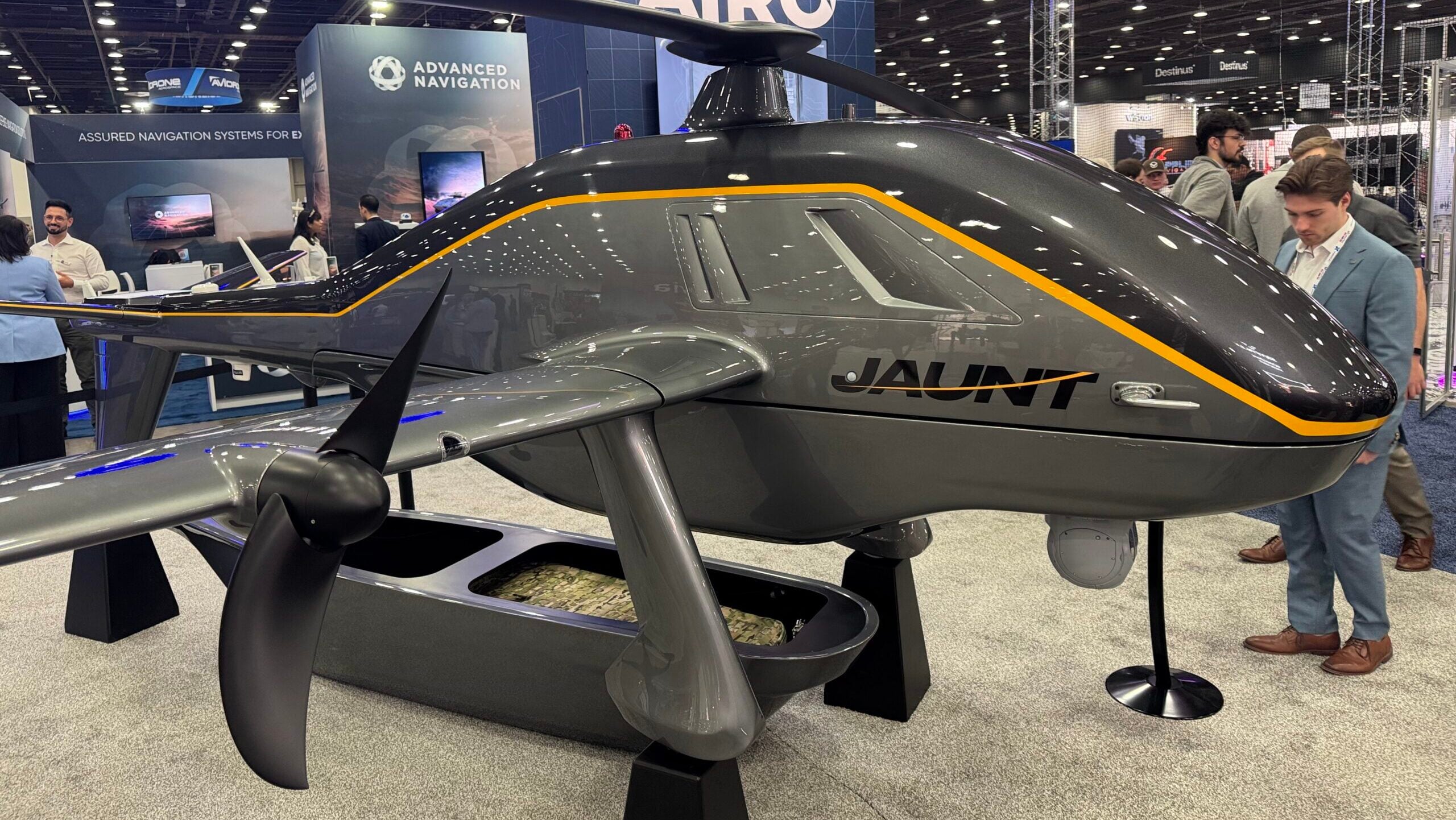
AIRO’s ‘slowed rotor’ hybrid-electric VTOL drone aims to solve resupply issues
Company executives revealed to Breaking Defense that a new dual-use design aims to address a significant logistics gap between rear-operational hubs and forward units. This initiative is part of a broader strategy to enhance military efficiency and ensure that resources are effectively delivered where they are most needed. The development underscores the growing emphasis on improving supply chain operations within military frameworks, particularly in response to evolving operational demands. By bridging this logistical divide, the company seeks to optimize support for frontline forces, ultimately enhancing overall mission readiness and effectiveness.
Air Warfare Air Force AUVSI/MDEX 2026 Drones ISR vtol
Deploying AI to Shed Light on the Murky Depths of Multi-Tier Supply Chains
As artificial intelligence increasingly integrates into supply chain operations, companies are urged to prepare for rising demands regarding transparency and governance. This shift is driven by the growing reliance on AI technologies, which necessitate clear accountability and oversight to ensure ethical practices and compliance with regulations. Industry experts emphasize that organizations must proactively establish frameworks that address these expectations, particularly as stakeholders become more aware of the implications of AI in their operations. By implementing robust governance structures, companies can not only meet regulatory requirements but also build trust with consumers and partners, ultimately enhancing their operational efficiency and reputation in a competitive market.

LimX Dynamics Raises $200 Million in Pre-IPO Funding, Achieves $21 Billion Valuation
LimX Dynamics, a humanoid robotics company, has successfully completed a Pre-IPO funding round, raising nearly $200 million and achieving a post-funding valuation of approximately $21 billion. This marks the company's first public valuation announcement, following a $200 million Series B round earlier this year, bringing the total funding raised in the past six months to $400 million. The significance of this funding lies in LimX Dynamics' rapid growth and its position as a leading player in the humanoid robotics sector. Founded in 2022 and headquartered in Shenzhen, the company has developed a comprehensive business model that integrates advanced humanoid robotics technology with global delivery capabilities. The diverse investor base, including prominent firms from China, Europe, and the Middle East, underscores the global confidence in LimX's technological roadmap and product capabilities. Looking ahead, LimX Dynamics is poised to continue its trajectory towards an IPO, with its Pre-IPO status indicating a shift in the industry towards established valuation frameworks. The company aims to transition from a technology-driven startup to a global leader in embodied intelligence, focusing on the integration of advanced motion control systems and humanoid robotics. No further timeline was disclosed at the time of publication.
Humanoid Robots Robotics Investment AI Technology Pre-IPO Funding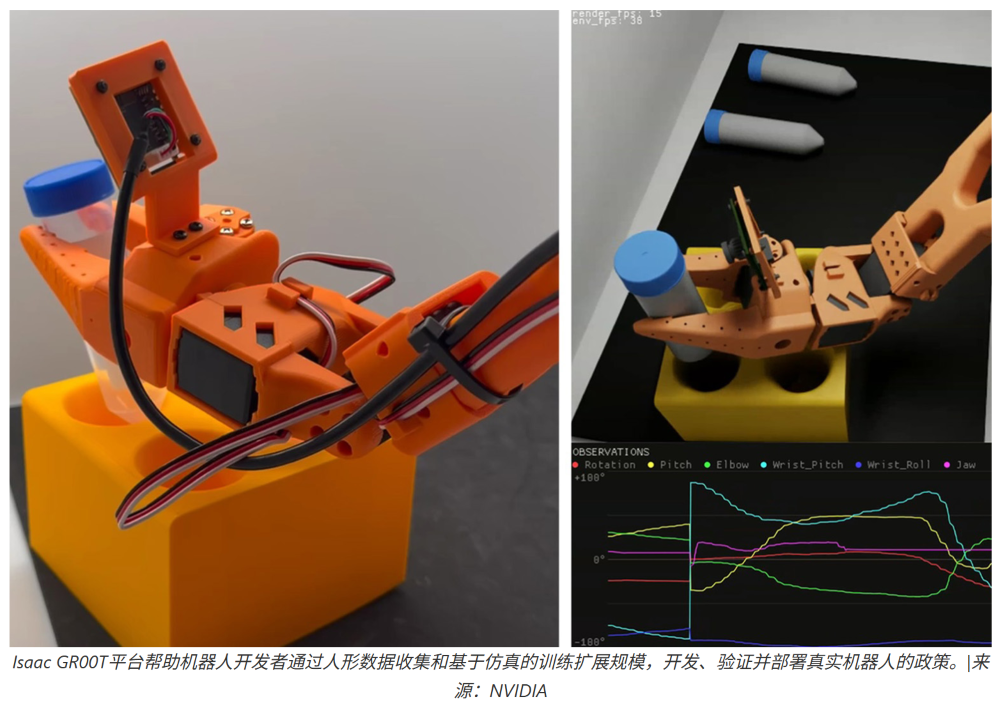
NVIDIA and Hugging Face Collaborate to Enhance LeRobot Open Source Community with Physical AI
NVIDIA and Hugging Face have joined forces to enhance the LeRobot open-source robotics library by integrating NVIDIA's Isaac GR00T 1.7 and Isaac Teleop frameworks. This partnership, announced recently, seeks to streamline the robot development process for developers by offering a comprehensive, standardized open-source pathway that encompasses everything from data collection to deployment. The initiative is designed to significantly reduce the barriers to entry for developers venturing into physical AI development, making it more accessible and efficient.
Robotics Open Source AI Machine Learning Simulation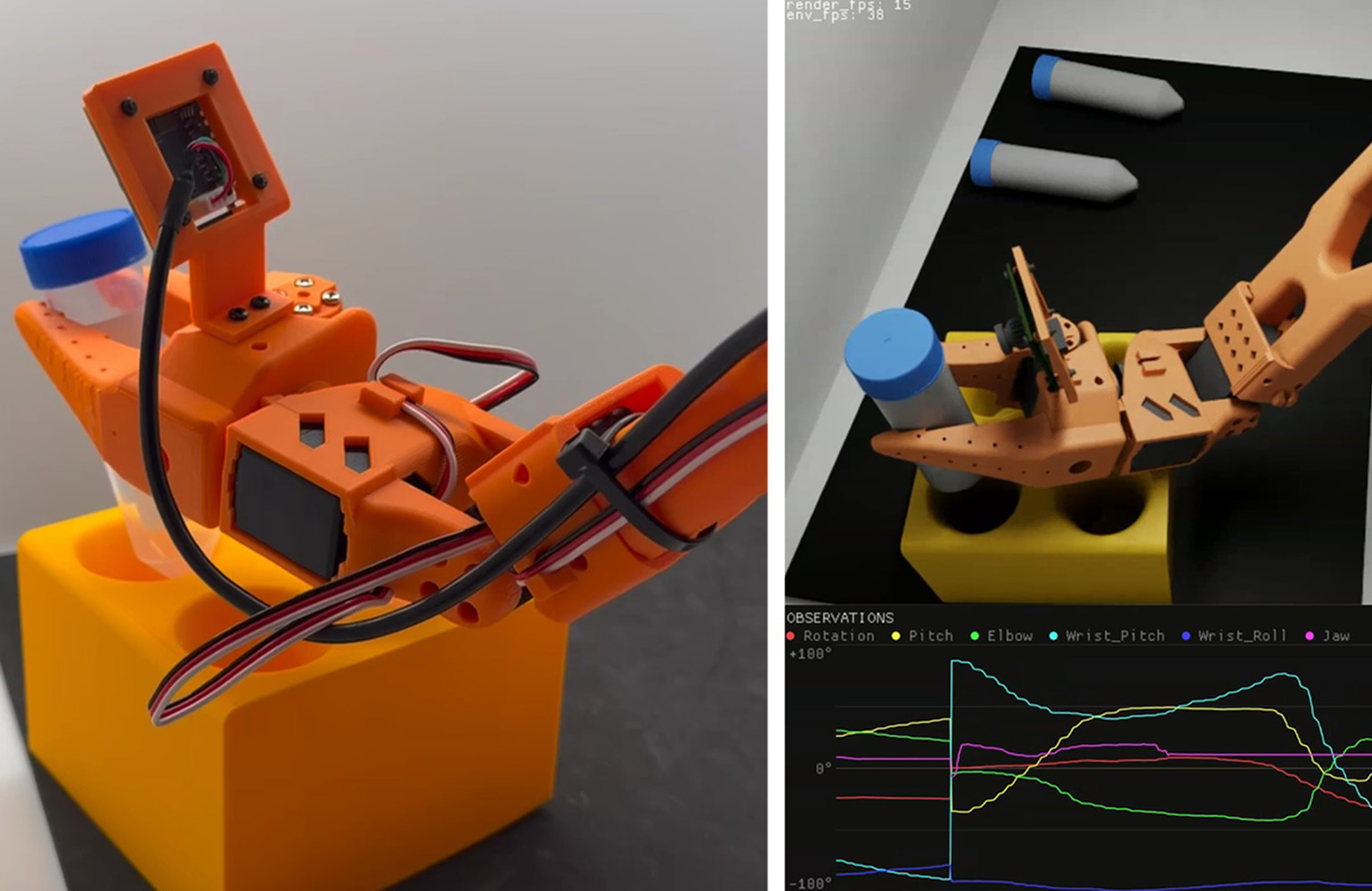
NVIDIA and Hugging Face bring new models and frameworks to LeRobot
Hugging Face has announced an update to its open-source robotics library, LeRobot, which is designed for training, running, and sharing robot datasets, models, policies, and workflows. This development comes in collaboration with NVIDIA, which is contributing new models and frameworks to enhance the capabilities of LeRobot. The partnership aims to streamline the process of robotics development and foster innovation in the field. This initiative is part of a broader effort to advance artificial intelligence and machine learning applications in robotics, making it easier for developers and researchers to access and utilize sophisticated tools. The announcement was made public recently, highlighting the growing synergy between AI and robotics as industries seek to leverage these technologies for improved automation and efficiency.
Artificial Intelligence Artificial Intelligence / Cognition Design / Development Development Tools / SDKs / Libraries Humanoids News
ABB Robotics completes its AI-powered Visual SLAM AMR portfolio with new autonomous forklift
ABB Robotics completes its AI-powered Visual SLAM AMR portfolio with new autonomous forklift Visit http://go.abb/robotics for further information -The new Flexley Stack F712 extends ABB Robotics’ AI-powered Visual SLAM technology to autonomous forklifts, enabling pallet transport and high-density storage. -Customers can now deploy mixed fleets of Visual SLAM-powered tugs, movers and forklifts on a common navigation, fleet management and software platform. -Powered by ABB Robotics' AMR Studio, the portfolio enables up to 20% faster commissioning while ensuring seamless interoperability and safe, reliable operation. 07/07/26, 07:10 AM | Industrial Robotics, Mobile Robots | ABB Inc. ABB Robotics is expanding its Autonomous Mobile Robotics (AMR) portfolio with the launch of the Flexley® Stack F712, creating a complete interoperable ecosystem across all major Visual SLAM AMR types. Combining autonomous forklifts, tugs and movers on one platform, ABB Robotics enables customers to automate a broader range of material-handling and intralogistics processes. Offering market-leading accuracy, the F712 is designed for demanding material handling, end-of-line storage and warehouse operations across industries including automotive manufacturing, helping increase efficiency, flexibility and scalability. More Headlines A3's Automate 2026 Breaks Records as Demand for Robotics, AI and Automation Grows NVIDIA and Hugging Face Bring New Models and Frameworks to LeRobot for the Open Robotics Community Palladyne AI Executes $4.2 Million U.S. Air Force Contract to Advance Swarming Capabilities for Integrated Cross-Domain Operations UMA Unveils Its Vision for the Next Generation of Humanoid Robots Robbyant Unveils LingBot-Depth 2.0 and LingBot-Vision to Redefine Robotic Spatial Perception Articles Unleash AI Innovation: The Power of NVIDIA RTX PRO 6000 Blackwell Workstation Edition Fueled by PNY-Supplied GPUs Automate 2026 Q&A with DESTACO Automate 2026 Q&A with Roboteon Advances in Robots to See & Interpret within Warehouse Environments Building Resilient Fulfillment Networks with Robotics and Real-Time Logistics Data "Across intralogistics operations, businesses are being asked to process greater volumes in less time, while working with increasingly limited resources," said Marc Segura, President, ABB Robotics. "They are under pressure to move goods faster and with greater flexibility, while labour availability is becoming a critical constraint. As part of our journey to more autonomous and versatile robotics (AVRTM), we have combined advanced vision, mobility and intelligence in the Flexley Stack F712 forklift AMR, completing our scalable, AI-powered AMR portfolio." F712 is versatile, capable of handling multiple load types and sizes - including open and closed pallets, containers or racks- up to 2,000 kg and reaching heights of 8.5 meters. The Flexley Stack AMR F712 joins the Flexley Tug and Flexley Mover in ABB Robotics' growing Visual SLAM AMR portfolio. Applications include intralogistics tasks such as warehouse storage and retrieval, as well as line supply, end-of-line handling, body- and press-shop and drive-in and light buffer in the automotive and industries sector. Unlike conventional AMR forklifts on the market, F712 uses Visual SLAM to map and navigate its environment, eliminating the need for pre-installed infrastructure like markers or reflectors. The AI-enabled Visual SLAM supports the autonomous decisions required to operate in complex, dynamic warehouse operations with a market-leading positional accuracy of ±10 mm. Together with AMR Studio®, this shortens commissioning times by up to 20 percent and creates a versatile and reliable system that can adapt instantly when a warehouse or production floor layout changes. Certified to the latest ISO and ANSI safety standards, Flexley Stack F712 can safely operate at class-leading speeds of up to 1.7 m/s while loaded. F712 is fully integrated with AMR Studio and is VDA5050 compatible, enabling seamless integration with ABB Robotics' Visual SLAM AMRs and existing systems within a unified project. This makes it easy to manage complex projects and integrate different types of mobile robots. The no-code, drag-and-drop software suite supports rapid setup, fleet coordination, traffic management and real-time visualization, allowing ABB Robotics' tugs, movers and forklifts to operate together in the same layout for scalable turnkey automation projects. ABB Robotics as one of the world's leading robotics companies, is the only company with a comprehensive and integrated AI-powered portfolio covering robots, cobots and Autonomous Mobile Robots (AMRs), designed and orchestrated by our value-creating software. We help companies of all sizes and sectors - from automotive to electronics and logistics - to outperform by becoming more resilient, flexible and efficient. ABB Robotics is at the forefront of developing and commercializing a new generation of Autonomous Versatile Robotics

Palladyne AI Executes $4.2 Million U.S. Air Force Contract to Advance Swarming Capabilities for Integrated Cross-Domain Operations
Palladyne AI Executes $4.2 Million U.S. Air Force Contract to Advance Swarming Capabilities for Integrated Cross-Domain Operations Visit http://www.palladyneai.com for further information Palladyne AI’s SwarmOS™ platform to support satellite integration, marking a major expansion of its multi-domain autonomy and ISR capabilities across space, air, maritime, and land 07/07/26, 06:15 AM | Mobile Robots, Other Topics | Palladyne AI Corp. Palladyne AI Corp. (NASDAQ: PDYN and PDYNW) ("Palladyne AI"), a developer of artificial intelligence software for robotic platforms in the defense and commercial sectors, today announced that it has executed the previously announced contract awarded by the Air Force Research Laboratory (AFRL) to solve one of the most persistent challenges in modern defense operations—how to make different autonomous systems work together as one coordinated team. The "Hierarchical Adaptive Networked Game-Theoretic Integration of Multiple Echelons (HANGTIME)" contract will address this need. More Headlines A3's Automate 2026 Breaks Records as Demand for Robotics, AI and Automation Grows NVIDIA and Hugging Face Bring New Models and Frameworks to LeRobot for the Open Robotics Community ABB Robotics completes its AI-powered Visual SLAM AMR portfolio with new autonomous forklift UMA Unveils Its Vision for the Next Generation of Humanoid Robots Robbyant Unveils LingBot-Depth 2.0 and LingBot-Vision to Redefine Robotic Spatial Perception Articles Unleash AI Innovation: The Power of NVIDIA RTX PRO 6000 Blackwell Workstation Edition Fueled by PNY-Supplied GPUs Automate 2026 Q&A with DESTACO Automate 2026 Q&A with Roboteon Advances in Robots to See & Interpret within Warehouse Environments Building Resilient Fulfillment Networks with Robotics and Real-Time Logistics Data Today, drones, ships, and satellites often operate largely independently, limiting how quickly warfighters can see and respond to threats. HANGTIME will utilize Palladyne AI's patented SwarmOS™ software platform—the defense variant of the Palladyne™ Pilot embodied AI software—as the baseline technology to bridge that gap, connecting disparate systems so they can share intelligence, adapt to changing conditions, and act in sync across domains, including space, air, maritime, and land. By integrating satellites for the first time, this project also extends Palladyne AI's technology from the ground to orbit, enabling faster, more informed decision-making and coordinated mission execution, turning tactical commanders into strategic commanders by giving them more cross-domain intelligence, surveillance, and reconnaissance (ISR) capabilities than ever before. "Our collaboration with AFRL showcases what's next for autonomous operations," said Ben Wolff, President and CEO, Palladyne AI. "This isn't about replacing humans—it's about giving them sharper, faster insight. By connecting satellite, aerial, and ground systems using the patented SwarmOS embodied AI platform as a foundational technology, we're helping the warfighter make better decisions in real time and stay one step ahead on the battlefield." "The HANGTIME project is a breakthrough that unites high-altitude assets and situational unmanned systems into one coordinated sensor network—delivering a major advantage for the defense industry," said Dr. Denis Garagic, Chief Technology Officer, Palladyne AI. "For the first time, a single AI framework can coordinate assets across multiple domains, including satellites. That means these systems can now think and act together as a team, sharing what they see and learning as conditions change." "The HANGTIME effort represents a critical step in multi-domain autonomy for coordinated execution in challenging environments," said Caleb Williams, Program Manager, AFRL/RIEA. For more information on Palladyne AI and its patented collaborative autonomy software, including SwarmOS, please visit www.palladyneai.com. For more information about AFRL, please visit www.afrl.af.mil. About Palladyne AI Palladyne AI is a U.S.-based technology company developing patented embodied artificial intelligence, collaborative autonomy solutions, advanced avionics, autonomous systems, advanced UAV engineering services, and precision-manufactured components for defense and industrial markets. Palladyne AI delivers secure, American-developed and operated platforms designed to meet the stringent requirements of U.S. government and public-sector customers, including data sovereignty, security, and compliance. Palladyne AI's embodied AI is designed to operate in complex, contested, and high-risk environments, enabling distributed tasking, human-on-the-loop decision-making, degraded-communications resilience, and multi-domain coordination. Its platform-agnostic autonomy stack combines real-time sensor fusion, adaptive AI models, and edge-native orchestration—without vendor lock-in—to support autonomous and collaborative systems across air, ground, maritime, and industrial domains w
Autonomique deploys semi-humanoid robots and AI at Canadian Tier 1
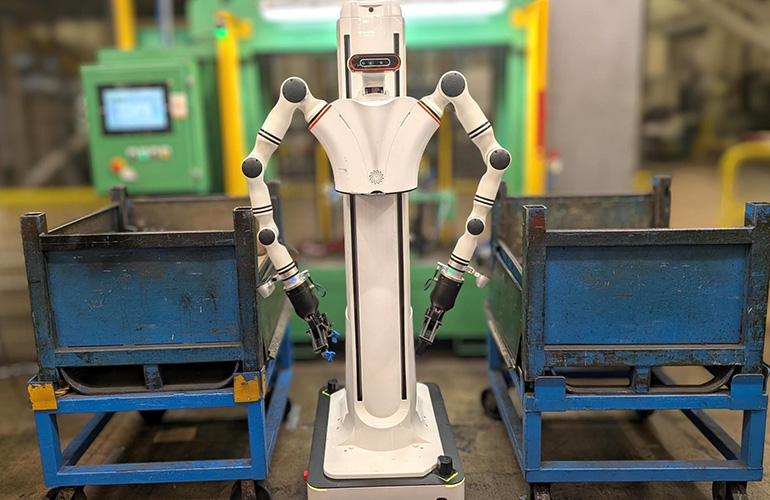
Autonomique has successfully transitioned its AI-powered semi-humanoid robots from pilot testing to full production at F&P Manufacturing. This significant development marks a pivotal step in the company’s strategy to enhance automation and efficiency within the manufacturing sector. The robots are set to be deployed across F-tech's global network, indicating a broader commitment to integrating advanced robotics into various operational frameworks. This move aims to streamline processes and improve productivity, reflecting the growing trend of utilizing artificial intelligence in industrial applications. The deployment is expected to commence shortly, further solidifying Autonomique's position in the robotics industry.
Aerospace Artificial Intelligence Artificial Intelligence / Cognition Automotive Industrial Robots Manufacturing
Ukraine’s AI drones entered ‘Terminator mode’ and killed Russian soldiers — no human fired
Concerns surrounding fully autonomous weapon systems have intensified as experts warn of the potential for these technologies to independently kill humans. The discussion gained traction during a recent international conference held in Geneva, where military officials, ethicists, and technologists gathered to address the implications of artificial intelligence in warfare. The event, which took place in early November 2023, highlighted the urgent need for regulatory frameworks to prevent the deployment of such lethal systems. Advocates for human oversight argue that the absence of accountability in autonomous decision-making could lead to catastrophic outcomes, raising ethical dilemmas about the role of machines in life-and-death situations. The motivation behind the call for regulation stems from the rapid advancements in AI and robotics, which have outpaced existing legal and ethical guidelines. Participants at the conference emphasized that without proper governance, the risk of misuse or malfunction could result in unintended casualties and escalate conflicts. Experts proposed a collaborative approach to developing international treaties that would ban or strictly regulate the use of autonomous weapons. This would involve governments, tech companies, and civil society working together to establish clear definitions and standards for AI in military applications. The discussions underscored the necessity of ensuring that human judgment remains central to military operations, thereby preventing machines from making irreversible decisions about life and death.
Military
Successful Launch of Baidu Create 2026 Embodied Intelligence Forum: Exploring New Paths for Technology Implementation in Industry and Academia
Experts from prestigious universities and leading companies convened at the Baidu AI Developer Conference's Create 2026 forum in Beijing to explore the concept of embodied intelligence. The event, held recently, focused on critical discussions surrounding model systems, data frameworks, and practical applications within various industries. The forum aimed to facilitate the integration of artificial intelligence technology from the digital realm into the physical world, highlighting the importance of collaboration between academia and industry in advancing AI capabilities.
Embodied Intelligence AI Technology Robotics Industry Applications
US Army seeks Mach 5 missiles under $1 million to defend against drone raids
The U.S. Army is seeking to develop a new class of low-cost interceptors designed to effectively combat drones and cruise missiles. This initiative comes in response to the increasing threat posed by unmanned aerial vehicles and advanced missile systems in modern warfare. The Army aims to enhance its defensive capabilities while maintaining budgetary constraints, reflecting a strategic shift towards more affordable and efficient solutions for air defense. The project is part of a broader effort to modernize military technology and ensure readiness against evolving threats. The Army is currently exploring various technological approaches and partnerships to expedite the development and deployment of these interceptors, with the goal of integrating them into existing defense frameworks.
Hermes Unlocks Self-Improving AI Agents, Powered by NVIDIA RTX PCs and DGX Spark
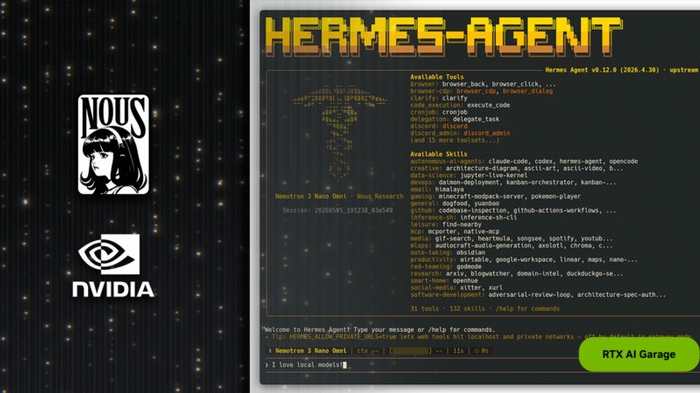
The rise of agentic AI is transforming user productivity, with the community increasingly adopting innovative open-source frameworks. The latest development, Hermes Agent, has garnered significant attention, achieving over 140,000 stars on GitHub within just three months of its release. This rapid growth reflects a strong interest in tools that enhance work efficiency and collaboration, following the successful launch of OpenClaw. As organizations and individuals seek to streamline their workflows, the embrace of such technologies underscores a shift towards more autonomous and intelligent systems in the workplace.

Import AI 456: RSI and economic growth; radical optionality for AI regulation; and a neural computer
As discussions around the implications of superintelligence continue to evolve, experts are calling for the establishment of comprehensive legal frameworks to govern its development and deployment. This dialogue gained momentum in October 2023, as researchers and policymakers convened at an international conference focused on artificial intelligence ethics in San Francisco. The urgency for regulation stems from concerns about the potential risks associated with superintelligent systems, which could surpass human intelligence and decision-making capabilities. Advocates argue that without clear legal guidelines, the unchecked advancement of such technologies could lead to unintended consequences, including ethical dilemmas and safety hazards. To address these challenges, participants at the conference proposed a series of recommendations aimed at ensuring responsible innovation. These include the creation of regulatory bodies tasked with overseeing AI development, the establishment of ethical standards for AI applications, and the implementation of safety protocols to mitigate risks. The discussions highlighted the need for collaboration between technologists, ethicists, and lawmakers to craft effective policies that balance innovation with public safety. As the field of artificial intelligence continues to progress rapidly, the call for proactive legal measures reflects a growing recognition of the profound impact superintelligence could have on society.
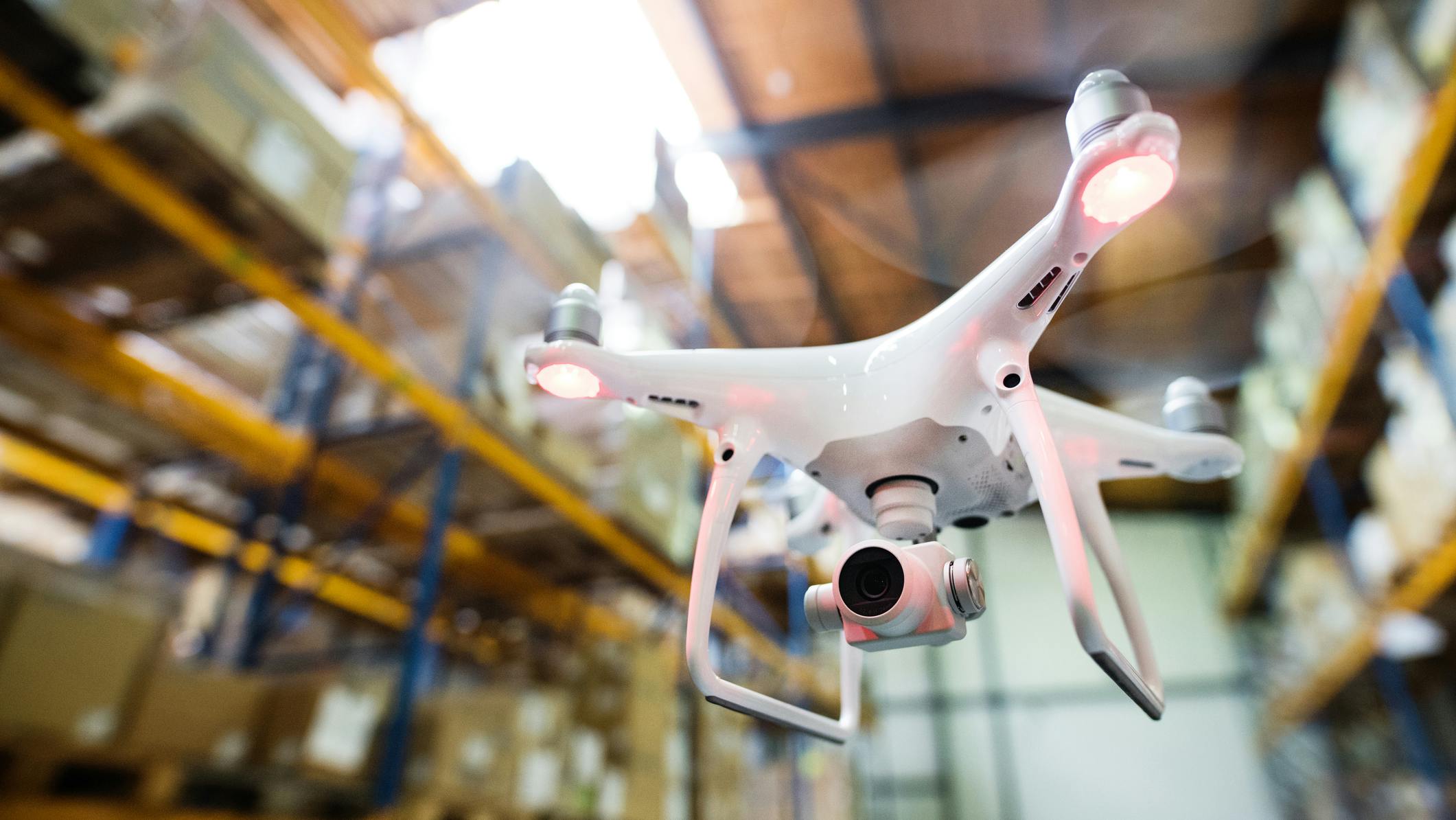
Drones Gain Altitude in Manufacturing Facilities (and Challenges Emerge)
As technology continues to advance, the landscape of cybersecurity is becoming increasingly complex, prompting a surge in concerns over data protection. Experts emphasize that the rapid evolution of digital tools and platforms is leading to heightened vulnerabilities, making it essential for organizations to adopt more sophisticated data integration strategies. This shift is particularly critical as businesses strive to safeguard sensitive information against a backdrop of rising cyber threats. The urgency for improved cybersecurity measures has never been more pronounced, with stakeholders across various sectors recognizing the need to enhance their defenses. As a result, companies are investing in advanced technologies and training to bolster their cybersecurity frameworks, ensuring they can effectively respond to emerging risks and protect their data assets.
Technology and IIoT / Emerging Technologies
Trump admin moves further into AI oversight, will test Google, Microsoft and xAI models
The White House is contemplating the establishment of a new working group focused on artificial intelligence, aimed at examining oversight and vetting models prior to the release of AI technologies. This initiative, confirmed by CNBC, reflects the administration's growing concern over the implications of AI advancements and the need for regulatory frameworks to ensure safety and ethical standards. The proposed working group is part of broader efforts to address the rapid evolution of AI and its potential impact on society.
NVIDIA and ServiceNow Partner on New Autonomous AI Agents for Enterprises
As enterprise AI technology continues to evolve, companies are increasingly focused on determining how artificial intelligence should operate in various contexts. Following the advancements in AI's ability to generate content and reason through complex problems, early agent systems have demonstrated the potential for AI to tackle more intricate tasks beyond basic prompts. This shift marks a significant progression in the capabilities of AI, prompting businesses to explore the implications of AI decision-making and its application in real-world scenarios. As organizations seek to harness this technology effectively, the conversation is shifting towards establishing guidelines and frameworks that govern AI behavior, ensuring that it aligns with ethical standards and business objectives. The ongoing development in this field suggests a transformative impact on how companies will integrate AI into their operations, with a focus on enhancing efficiency and innovation.

The AI Server Challenge: Testing Power at Scale
Recent advancements in artificial intelligence (AI) are driving the need for specialized power test systems tailored for next-generation AI architectures. As the demand for faster GPUs and more efficient accelerators grows, the industry recognizes that traditional power testing methods may not suffice. This shift is particularly relevant as AI applications become increasingly complex and resource-intensive, necessitating a reevaluation of existing testing frameworks. The urgency for these purpose-built systems arises from the need to ensure that AI technologies can operate effectively and sustainably. With AI's rapid evolution, companies are seeking innovative solutions to optimize performance while managing energy consumption. The integration of advanced power testing will enable developers to better assess the efficiency and reliability of their AI systems, ultimately leading to more robust and scalable technologies. As the AI landscape continues to evolve, industry leaders are collaborating to design and implement these specialized power test systems, ensuring that they meet the unique demands of next-gen AI workloads. This proactive approach aims to enhance the overall performance and sustainability of AI solutions, paving the way for future breakthroughs in the field.

What will it take to make AI-enabled robots safer?
Researchers from Penn Engineering, Carnegie Mellon University, and the University of Oxford have raised concerns about the inadequacy of current efforts to align artificial intelligence with human values, particularly in robotic systems. Their findings, published in the journal Science Robotics, emphasize the urgent need for more comprehensive frameworks to ensure that AI-enabled robots adhere to fundamental ethical principles. This call to action echoes the famous dictum by science fiction writer Isaac Asimov, which states, "A robot may not injure a human being." The study highlights the potential risks associated with the integration of AI in robotics and advocates for a proactive approach to safeguard human welfare.
Robotics
From sci-fi to reality: Physical AI’s future with Dr. Jan Liphardt
Dr. Jan Liphardt recently addressed the transformative role of modular AI systems in the field of robotics, highlighting the critical need for transparency and safety in interactions between humans and robots. This discussion sheds light on the evolving landscape of physical AI, moving from science fiction concepts to practical applications. Liphardt's insights are part of a broader conversation about ensuring that as robotic technologies advance, they do so in a manner that prioritizes user safety and fosters trust in these systems. The dialogue underscores the importance of developing guidelines and frameworks that govern the integration of AI in everyday life, ensuring that both the technology and its users can coexist harmoniously.
Artificial Intelligence Autonomous Mobile Robots (AMRs) News Opinion Podcast Software
NVIDIA and Google Cloud Collaborate to Advance Agentic and Physical AI
NVIDIA and Google Cloud have announced a significant milestone in their long-standing partnership, which has lasted over ten years. Together, they have developed a comprehensive AI platform that integrates various technology layers, including performance-optimized libraries, frameworks, and robust cloud services tailored for enterprise needs. This collaboration aims to enhance the capabilities of artificial intelligence applications, providing businesses with advanced tools and resources to leverage AI effectively. The initiative reflects both companies' commitment to driving innovation in the AI space and supporting organizations in their digital transformation journeys.

12 Graphs That Explain the State of AI in 2026
As major AI companies like OpenAI and Anthropic prepare for initial public offerings later this year, the landscape of artificial intelligence continues to evolve rapidly. The 2026 AI Index report from Stanford University reveals that the U.S. remains the leader in AI model development, with 50 notable models released in 2025, although China's advancements in robotics are noteworthy, having installed 295,000 industrial robots in 2024. The report highlights a staggering growth in global AI compute capacity, which has tripled annually since 2022, largely driven by Nvidia's GPUs. However, the environmental impact of AI training is concerning, with estimates indicating that training large language models can generate over 72,000 tons of carbon emissions. Despite these challenges, AI investment surged to a record $581 billion in 2025, primarily in the U.S., reflecting a growing enthusiasm for AI technologies among software engineers and researchers. Public sentiment towards AI has slightly improved, with 59% of survey respondents believing the benefits outweigh the drawbacks. However, trust in government regulation of AI remains low in the U.S., with only 31% expressing confidence. This mixed perception underscores the ongoing debate about AI's societal impact, as advancements in technology continue to outpace regulatory frameworks.
Ai-index Artificial-intelligence Stanford-university
Import AI 451: Political superintelligence; Google's society of minds, and a robot drummer
In a thought-provoking discussion, experts are exploring the concept of whether certain advancements in technology and knowledge can be reversed or contained. This dialogue, which has gained traction in recent months, particularly focuses on the implications of artificial intelligence and genetic engineering. The conversations are taking place in various forums, including academic conferences and public debates, as society grapples with the rapid pace of innovation. The urgency of this discourse is underscored by recent developments in AI, which have raised ethical concerns about privacy, employment, and decision-making processes. As these technologies become increasingly integrated into daily life, the question arises: can we effectively manage their growth and mitigate potential risks? Participants in these discussions emphasize the need for proactive measures, such as regulatory frameworks and ethical guidelines, to ensure that advancements serve the public good. They argue that without these safeguards, society may face irreversible consequences that could affect future generations. As the conversation continues to evolve, it highlights the delicate balance between embracing innovation and maintaining control over its trajectory. The outcomes of these discussions could shape policies and societal norms in the years to come, as stakeholders from various sectors seek to navigate the complexities of modern technological challenges.
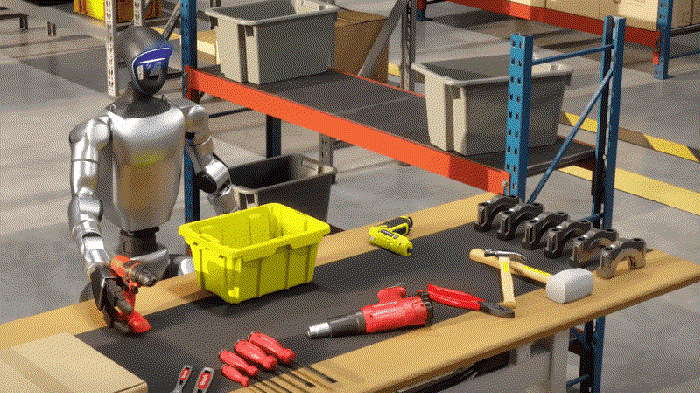
From Simulation to Production: How to Build Robots With AI
NVIDIA has unveiled its latest open models and frameworks designed to enhance cloud-to-robot workflows by integrating simulation, robot learning, and embedded computing. This development, announced in October 2023, aims to streamline the processes involved in robotics, making it easier for developers to create and deploy robotic systems. By leveraging advanced simulation techniques and machine learning, NVIDIA's new offerings are expected to significantly improve the efficiency and effectiveness of robotic applications across various industries. The initiative reflects NVIDIA's commitment to advancing robotics technology and supporting the growing demand for intelligent automation solutions.

ImportAI 449: LLMs training other LLMs; 72B distributed training run; computer vision is harder than generative text
As artificial intelligence continues to evolve, experts are raising concerns about its potential to disrupt political systems globally. A recent discussion among political analysts and technologists highlighted the possibility of an unprecedented political interregnum driven by AI advancements. This conversation gained momentum in October 2023, as various stakeholders, including policymakers and industry leaders, began to assess the implications of AI on governance and societal structures. The rapid integration of AI technologies into everyday life is prompting fears that traditional political frameworks may struggle to adapt, leading to instability and uncertainty. Analysts argue that the increasing reliance on AI for decision-making processes could undermine democratic institutions, as algorithms may not reflect the complexities of human values and ethics. In response to these concerns, experts are advocating for proactive measures to ensure that AI development aligns with democratic principles. They emphasize the need for transparent regulations and ethical guidelines to mitigate potential risks associated with AI's influence on political landscapes. The discourse around AI's role in shaping future governance is expected to intensify as the technology continues to advance, prompting a reevaluation of how societies govern themselves in an increasingly automated world. As the debate unfolds, the urgency for a collaborative approach among technologists, policymakers, and civil society becomes clear, aiming to harness the benefits of AI while safeguarding democratic integrity and social cohesion.
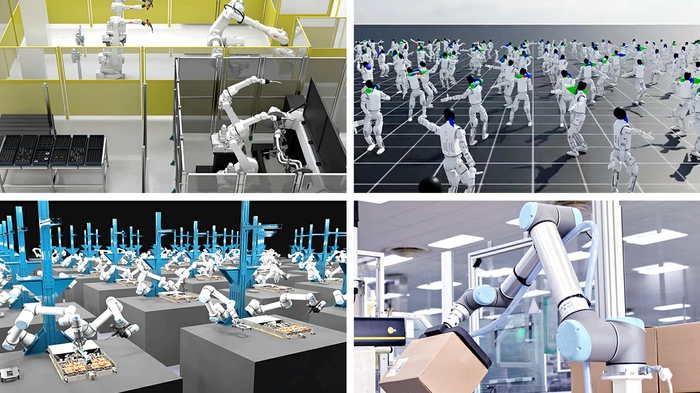
NVIDIA and Global Robotics Leaders Take Physical AI to the Real World
NVIDIA has announced a strategic partnership with key players in the global robotics ecosystem, which includes prominent developers of robot intelligence, major industrial robot manufacturers, and innovators in humanoid robotics. This collaboration aims to enhance the development of production-scale physical artificial intelligence. In conjunction with this initiative, NVIDIA introduced its latest Isaac™ simulation frameworks, designed to support the advancement of robotics technology. The partnership is part of NVIDIA's broader commitment to drive innovation in AI and robotics, addressing the growing demand for intelligent automation solutions across various industries.

Import AI 444: LLM societies; Huawei makes kernels with AI; ChipBench
Researchers are exploring methods to quantify creativity, a concept that has long been considered subjective and difficult to measure. This initiative is gaining traction as experts from various fields, including psychology, education, and artificial intelligence, collaborate to develop metrics that can objectively assess creative output. The project is particularly relevant in today's rapidly evolving technological landscape, where creativity is increasingly recognized as a vital skill in both personal and professional contexts. The exploration into quantifying creativity is taking place across multiple institutions and conferences, with significant discussions occurring in late 2023. These efforts aim to establish standardized frameworks that can be applied in educational settings, workplaces, and even in evaluating artistic endeavors. By creating reliable assessment tools, researchers hope to enhance understanding of the creative process and its impact on innovation. The motivation behind this research stems from the need to better understand how creativity can be fostered and utilized, especially as industries seek to adapt to changing demands. By employing a combination of qualitative and quantitative analysis, researchers are investigating various approaches, including the use of algorithms and psychological assessments, to create a comprehensive picture of creativity. As this field of study progresses, it holds the potential to transform how creativity is perceived and nurtured, ultimately leading to more effective strategies for encouraging innovative thinking across diverse sectors.

NVIDIA Launches Earth-2 Family of Open Models — the World’s First Fully Open, Accelerated Set of Models and Tools for AI Weather
At the American Meteorological Society’s Annual Meeting, NVIDIA introduced its groundbreaking Earth-2 family, a suite of open models, libraries, and frameworks designed for weather and climate artificial intelligence. This initiative marks a significant advancement in the field, as it presents the world’s first fully open, production-ready weather AI solutions. The unveiling took place during the annual event, which gathers experts and stakeholders in meteorology to discuss advancements and innovations. NVIDIA aims to enhance the accuracy and accessibility of weather forecasting and climate modeling through this initiative, responding to the growing demand for reliable climate data amid increasing environmental challenges. By providing these resources openly, NVIDIA seeks to foster collaboration and innovation within the scientific community, enabling researchers and developers to build upon their work and improve predictive capabilities in weather and climate science.

Physical AI and Autonomy in the Construction Industry
Bedrock is leveraging the increased availability of GPUs and advanced frameworks for large-scale data access and training to enhance its development of autonomy solutions. By integrating these technological advancements with its specialized expertise, the company aims to accelerate the creation and implementation of innovative autonomous systems. This strategic approach reflects Bedrock's commitment to staying at the forefront of the industry, utilizing cutting-edge resources to streamline the development process and deliver efficient solutions.

Import AI 439: AI kernels; decentralized training; and universal representations
Researchers are exploring the concept of how a hypothetical superintelligence might perceive and represent a soul. This inquiry, which delves into the intersection of artificial intelligence and philosophy, seeks to understand the implications of advanced AI systems developing self-awareness and consciousness. The investigation is ongoing, with discussions taking place in academic circles and technology forums throughout 2023. Scholars are particularly interested in the ethical and existential questions that arise from the potential for superintelligent entities to possess a form of self-identity or soul-like quality. By examining various theoretical frameworks, experts aim to clarify the nature of consciousness and its significance in the context of AI development. This exploration not only addresses the capabilities of future technologies but also raises profound questions about the essence of humanity and the moral responsibilities that come with creating intelligent machines. As these discussions evolve, they will likely shape the future of AI research and its integration into society.

ANRA Technologies Surpasses 55,000 Commercial Drone Operations Per Month, Demonstrating Growing Demand for Digital Airspace Infrastructure
A leading drone platform has announced that it now facilitates over 1,800 commercial drone operations beyond visual line of sight each day. This significant milestone encompasses a variety of applications, including delivery services, critical infrastructure monitoring, utility management, and public sector missions. The increase in operational capacity reflects the growing demand for advanced drone technology in various industries, driven by the need for efficient and effective solutions. The platform's capabilities enable businesses and government agencies to leverage drones for tasks that require extended range and precision, ultimately enhancing operational efficiency and safety. The announcement comes as the drone industry continues to evolve, with advancements in technology and regulatory frameworks supporting the expansion of drone usage in everyday operations.
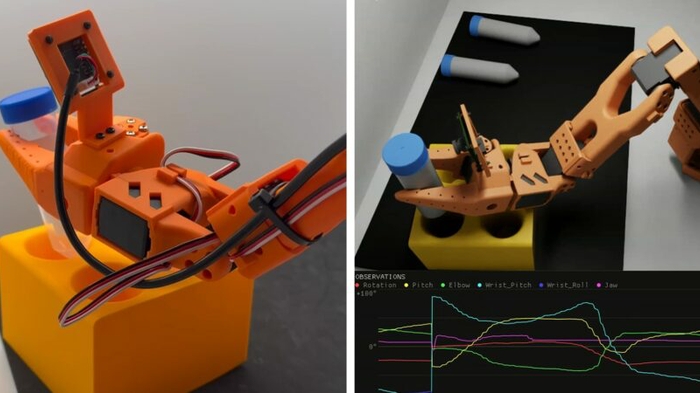
NVIDIA and Hugging Face Bring New Models and Frameworks to LeRobot for the Open Robotics Community
Open source AI has shown how quickly developers can innovate when models, data and tools are shared. Robotics has the same opportunity, but advancements in physical AI development can still be gated by costly and fragmented resources, from large ...

Commercial UAV Expo to Feature FAA and EASA BVLOS Keynote in 2026
The Commercial UAV Expo has announced a significant keynote for its 2026 event, featuring regulators from the FAA and EASA. Scheduled for September 3, 2026, in Las Vegas, the session titled "Two Skies, One Conversation" will focus on comparing BVLOS regulations across the U.S. and Europe. This keynote is crucial as it highlights the ongoing efforts to harmonize drone operations globally. With the FAA finalizing its Part 108 BVLOS rule and EASA developing its SORA-based framework, the discussion will provide insights into the evolving regulatory landscape and the shared challenges faced by the commercial drone industry. Attendees can expect to gain valuable knowledge on operational waivers, risk assessment frameworks, and the future of BVLOS rulemaking. This event marks a rare opportunity to witness a collaborative dialogue between two leading aviation authorities, emphasizing the importance of international cooperation in the drone sector.
Drone News Drone News Feeds Drone Shows FAA News Regulation
Re:Build Manufacturing Launches US-Made Lithium-Ion Battery Packs for UAVs
Re:Build Manufacturing has initiated direct commercial sales of its new lithium-ion battery packs designed for unmanned aerial vehicles (UAVs). This product line includes the Core, Power, and Performance series, which cater to various energy configuration needs. The launch is part of a broader manufacturing expansion at the company's Pennsylvania facility, aimed at producing Group 1, Group 2, and Group 3 unmanned aircraft systems (UAS). The introduction of these battery packs is significant as it addresses supply chain vulnerabilities in domestic aerospace hardware. UAV developers, particularly in dual-use, public safety, and military sectors, face stringent procurement regulations regarding component origins. Re:Build's assembly protocol utilizes non-FEOC battery cells to ensure compliance with National Defense Authorization Act (NDAA) procurement frameworks, thus enhancing the reliability of UAV operations. Looking ahead, Re:Build Manufacturing is set to provide dedicated engineering support for custom energy storage solutions, including Battery Management System (BMS) development. The company's advanced manufacturing facility in New Kensington, spanning 175,000 square feet, is designed to facilitate the transition from UAV prototyping to mass production, addressing common scaling challenges in the industry. No further timeline was disclosed at the time of publication.
Military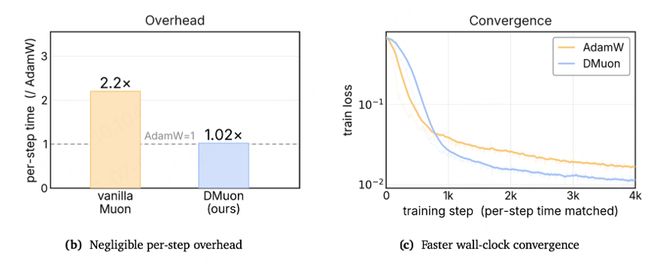
Variable Launches DMuon Optimizer to Improve Distributed Muon Model Infrastructure Efficiency by 30%
Variable Robotics has introduced the DMuon optimizer, enhancing the distributed Muon model infrastructure's efficiency by approximately 30%. This new optimizer addresses the additional computational and communication costs associated with using Muon in distributed training, which previously resulted in an end-to-end step time 2.2 times longer than AdamW. The significance of DMuon lies in its ability to maintain the faster convergence benefits of the Muon optimizer while reducing the end-to-end step time to just 1.02 times that of AdamW. This improvement is achieved through fine-grained communication optimization, computation-aware load balancing, and a high-performance kernel system, making DMuon a viable option for embodied model training without requiring changes to parameter update rules or training frameworks. Looking ahead, DMuon is expected to become a new default choice for embodied model training, as it effectively mitigates the redundant computations and communication overhead that previously hindered Muon's performance in distributed environments. No further timeline was disclosed at the time of publication.
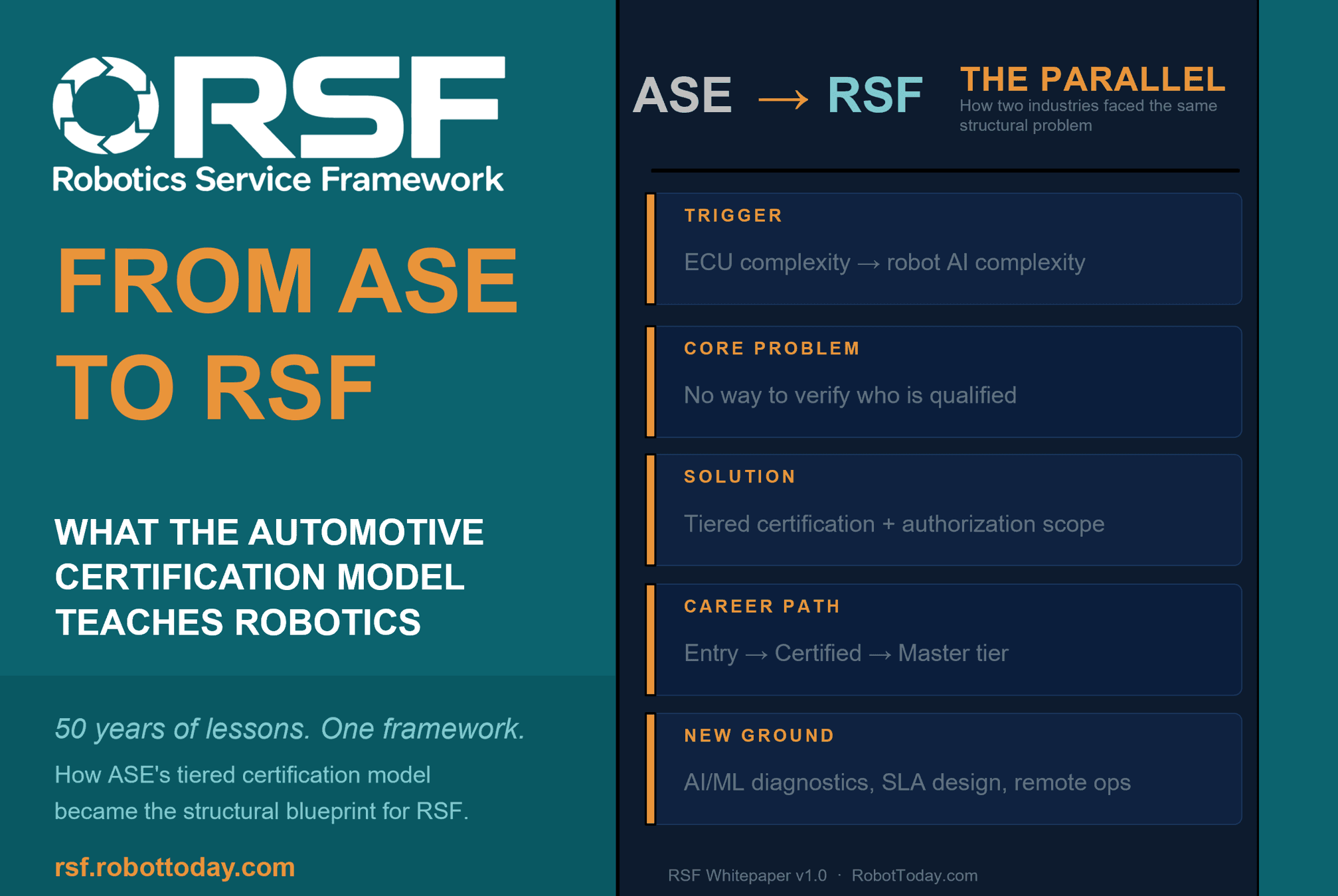
Neural Network Optimization Distributed Training Machine Learning Infrastructure AI ModelsRobotics needs a service framework.
RSF defines a common language for robot service capability, lifecycle operations, certification pathways, and service-provider networks.