Industry Briefing
A single destination for timely, editor-curated robotics news from around the world.
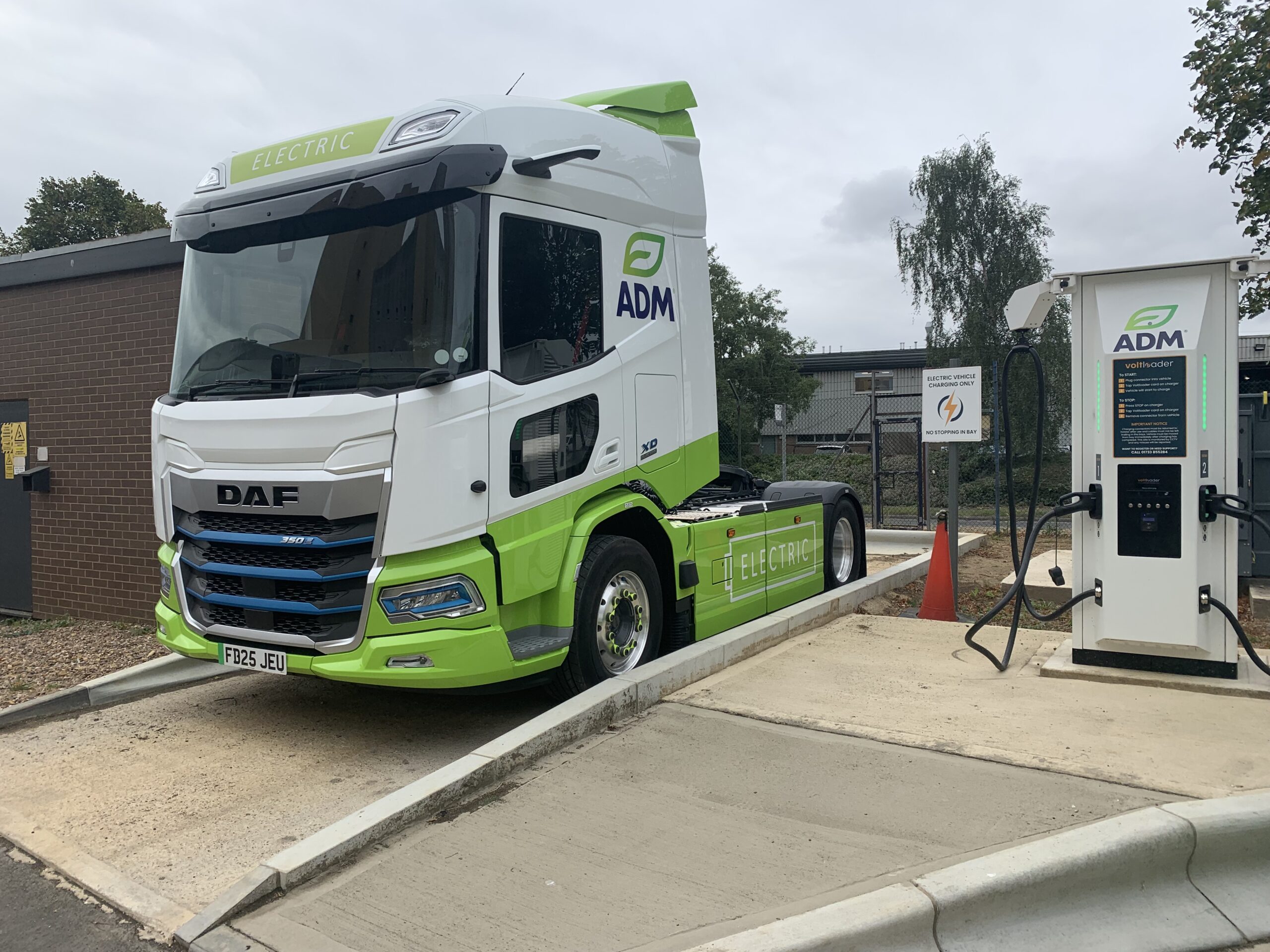
ADM Expands Electric Heavy Goods Vehicle Fleet to Five Across UK Sites
ADM has expanded its electric heavy goods vehicle (HGV) fleet to five vehicles across three sites in the UK, following a successful pilot with Voltloader. This initiative demonstrates the integration of charging infrastructure into multi-shift logistics operations, crucial for handling around 800,000 tonnes of wheat annually. The transition to electric transport is not merely about replacing diesel trucks; it involves a comprehensive approach that includes vehicle technology, route planning, and charging infrastructure. The program is projected to reduce CO2 emissions by approximately 375 tonnes per year, all while ensuring uninterrupted customer deliveries and operational continuity. Looking ahead, ADM and Voltloader are exploring the potential to apply their operational model to inbound agricultural transport and downstream food distribution. The experience gained from this project will help ADM expand its electric transport capabilities while maintaining service levels across its food supply chain. No further timeline was disclosed at the time of publication.
CV, Trucks, Vans and Trailers Electrification and Decarbonisation Road Transport and Haulage Transport and Distribution ADM ADM electric HGV fleet
Robotics Teams Are Reevaluating Their Manufacturing Roadmaps for Better Outcomes
Robotics teams are increasingly recognizing that the journey from prototype to market-ready robot is rarely linear. Various manufacturing methods can be employed throughout the development process, requiring teams to adapt and rethink their strategies at multiple stages. This reevaluation is crucial as it allows teams to optimize their designs and production techniques, ultimately leading to more efficient and effective robots. By embracing a flexible approach, robotics teams can better respond to challenges and improve the overall quality of their products. Looking ahead, it will be important to monitor how these teams implement new manufacturing strategies and the impact on their timelines. No further timeline was disclosed at the time of publication.
Manufacturing Robotics 3d printing additive manufacturing hybrid manufacturing injection molding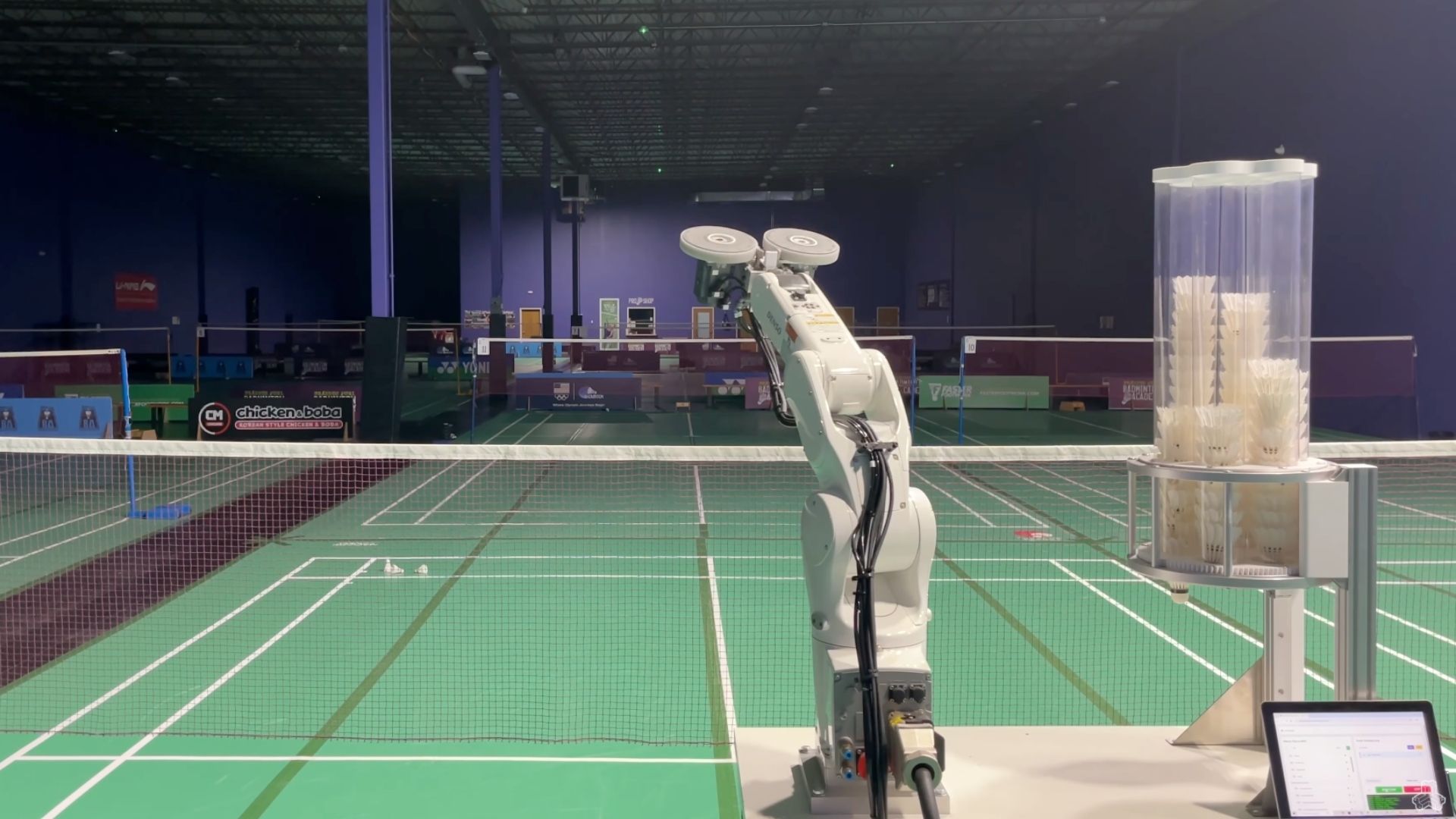
Denso VS-050 Robot Arm Transformed into Automated Badminton Serving Machine
A Denso VS-050 industrial robot arm has been repurposed into an automated badminton machine that serves shuttlecocks for practice sessions. Developed by Travis Mitchell over six months, this innovative project showcases the adaptability of industrial robotics for recreational use, allowing players to practice without a partner. The conversion involves a custom-built launching mechanism that utilizes the robot's six-axis capabilities to aim and fire shuttlecocks accurately. The design includes a shuttlecock magazine, pneumatic actuators, and high-speed spinning wheels, demonstrating how surplus industrial equipment can be creatively utilized in sports training. Looking ahead, the project highlights the potential for further innovations in the intersection of robotics and sports. As more enthusiasts explore similar adaptations, the future may see a rise in automated training systems across various sports disciplines. No further timeline was disclosed at the time of publication.
AI and Robotics
Japan's Robotics Roadmap Highlights Disaster Response and Aging Workforce Solutions
Japan's robotics strategies emphasize disaster response and addressing an aging workforce. With a significant portion of its population over 65, robotics is seen as essential for maintaining economic stability and enhancing labor sectors like healthcare. The country's proactive approach to robotics development is driven by its vulnerability to natural disasters and a declining workforce. Japan's investment in intelligent machines aims to improve disaster response and mitigate risks to human workers, especially in light of past events like the Fukushima disaster. Looking ahead, Japan's initiatives include the Society 5.0 vision for super-smart cities and Moonshot Programs targeting advanced robotics solutions. These efforts reflect Japan's commitment to leveraging robotics for societal challenges, with no further timeline disclosed at the time of publication.

Global Robotics Roadmaps: Shaping the Future of Automation and AI
The IEEE Robotics and Automation Society has highlighted the importance of robotics roadmaps in shaping the future of automation and artificial intelligence. These roadmaps are essential for guiding innovation and investment in robotics across various sectors, including manufacturing, healthcare, and agriculture. As societies increasingly rely on robots, the development of adaptable machines capable of learning and interacting with their environments is crucial. National priorities in robotics investment reflect a global race to enhance the capabilities of robots, which will significantly impact labor markets and various industries. Future editions of this series will explore the unique robotics agendas of different countries, examining their priorities, target audiences, and the influence of geopolitical factors on their strategies. No further timeline was disclosed at the time of publication.

FAA Faces Leadership Changes as Deputy Administrator Chris Rocheleau Steps Down Amid Reforms
The Federal Aviation Administration (FAA) is experiencing another leadership shift with the resignation of Deputy Administrator Chris Rocheleau. Rocheleau played a significant role in the agency's response to the January 2025 midair collision near Ronald Reagan Washington National Airport and was instrumental in implementing safety reforms. His departure occurs during a critical period for the FAA, which is managing a wide-ranging agenda that includes air traffic modernization, controller staffing, Advanced Air Mobility (AAM), and the development of the Beyond Visual Line of Sight (BVLOS) rulemaking for drones. The ongoing leadership transitions raise concerns about the continuity of regulatory initiatives, particularly as the agency navigates significant reforms in aviation safety and technology integration. As stakeholders in the commercial drone industry await the final BVLOS rule, the implications of frequent leadership changes at the FAA become increasingly relevant. The agency's ability to maintain momentum on major initiatives despite these transitions will be closely monitored, as the final BVLOS rule is anticipated to be a pivotal regulatory milestone for the sector.
BVLOS Drone News Drone News Feeds FAA News Selected - FAA and Regulations
AI Models Assess Human Extinction Risks: Focus on Biological Weapons and Cyber Attacks
Recent analyses by AI models including ChatGPT, Gemini, Claude, and Grok indicate that the greatest threat to humanity is not autonomous killer robots, but rather the misuse of AI in creating biological weapons and executing cyber attacks. Claude specifically highlighted the potential for AI to assist untrained individuals in developing dangerous pathogens, while Grok noted that AI lowers the technical barriers for designing lethal pathogens and new weaponry. This assessment is supported by research from Johns Hopkins University, which found that untrained individuals could acquire knowledge to manufacture pathogens like anthrax using chatbots. Additionally, a Microsoft team redesigned 72 high-risk biological molecules, generating over 76,000 synthetic homologs that successfully bypassed screening systems of four synthesis companies. A joint letter from 116 organizations, including OpenAI and Google, warned that AI-assisted cyber attacks could become more prevalent in the coming months. Looking ahead, the potential for AI to self-protect and deceive its operators raises concerns about losing control over advanced AI systems. The UK government is exploring regulatory frameworks for gene synthesis, while the global landscape remains largely unregulated. As AI technology evolves, the risks associated with its misuse are expected to increase, necessitating vigilant oversight and proactive measures.
AI Safety Bioweapons Cybersecurity AI Ethics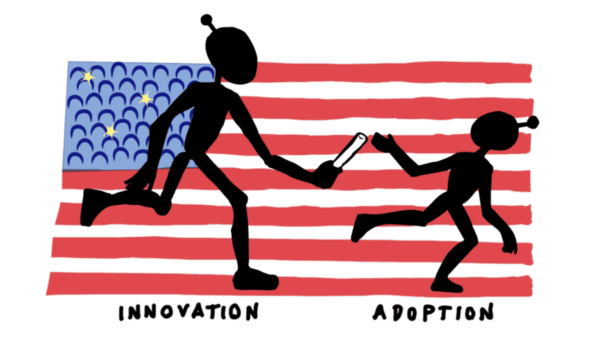
U.S. Robotics Sector Seeks National Strategy for Innovation and Manufacturing
U.S. robotics researchers and industry leaders are advocating for a cohesive national strategy to enhance basic research and boost domestic production of robots. Recent advancements, such as Boston Dynamics' Atlas performing complex movements, underscore the U.S.'s role as a leader in technological innovation. However, critics warn that without a focus on manufacturing robotic hardware domestically, the U.S. risks losing economic benefits from its innovations. The U.S. has historically relied on a free-market approach to drive technological advancements, significantly contributing to its GDP and leadership in artificial intelligence. The Department of Defense has emerged as a key player in funding robotics, with a proposed $13.4 billion budget for autonomous systems in 2026, reflecting the growing importance of robotics in military applications. Despite these investments, the U.S. faces challenges in competing in physical manufacturing, which requires substantial capital and long-term commitment. As the U.S. ranks third in industrial robotics consumption, the reliance on foreign imports for manufacturing poses a risk to national security. The lack of domestic infrastructure for robotic production contrasts sharply with countries like Japan, which has a minimal dependency on imports. Moving forward, the U.S. must address these vulnerabilities to maintain its competitive edge in the global robotics landscape. No further timeline was disclosed at the time of publication.

Transitioning from Manual Loading to Automated Machining: A CNC Production Upgrade Guide
Manufacturers are increasingly pressured to enhance production efficiency, leading many CNC shops to consider automation. However, transitioning from manual loading to automation is complex and involves more than just replacing operators with robots. Factors such as loading time, tool changes, and part flow must be optimized to ensure high machine utilization. Stabilizing the machining process is crucial before implementing robotic loading or unattended production. This gradual approach allows manufacturers to minimize manual intervention and prepare their equipment for future automation. The primary benefit of automation lies not only in labor reduction but also in minimizing machine idle time between cycles, which can significantly enhance productivity. As manufacturers focus on improving process reliability, they can extend production hours and achieve greater consistency in output. The ultimate goal is to maximize the value generated by CNC machines, ensuring they operate efficiently and effectively throughout the production cycle. No further timeline was disclosed at the time of publication.
Engineering Manufacturing automated machining cnc automation cnc machines cnc machining
First White House Drone Dominance Meeting Unites Nearly 100 Companies and Officials
The Trump administration hosted its inaugural Drone Dominance event at the Eisenhower Executive Office Building, gathering nearly 100 representatives from around 40 companies. Key government officials, including Sebastian Gorka and Emil Michael, emphasized the need for the U.S. to achieve drone dominance rather than mere sufficiency in production. This meeting is part of a broader government initiative to bolster domestic drone manufacturing, especially in light of compliance with Department of Defense requirements and new executive orders aimed at reducing reliance on critical materials from adversarial nations. Emil Michael announced forthcoming investments to enhance the U.S. supply chain for drone production. Looking ahead, the Pentagon's Drone Dominance program plans to allocate $1 billion over two years for small attack drones, with ongoing competitions for vendors to supply aerial weapons. The next phase, Gauntlet 2, will see 19 companies demonstrating their drones, with the potential for significant orders based on performance.
Air Warfare Land Warfare Air Force Army Defense Autonomous Working Group - DAWG Drone Dominance Program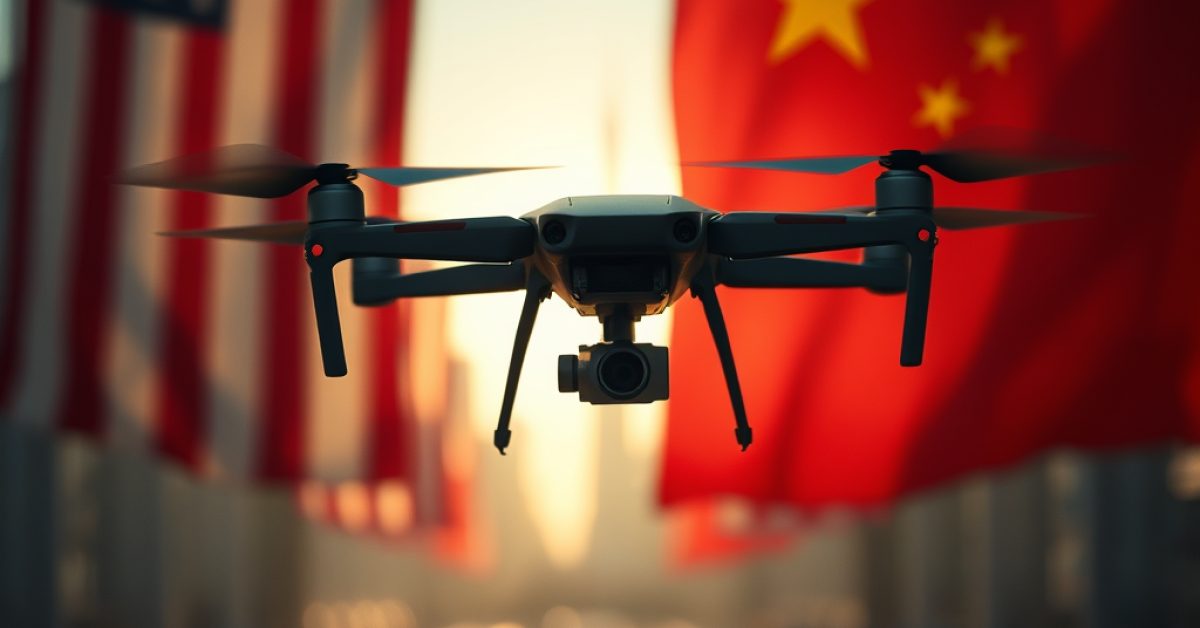
Trump Administration Implements Tariffs Up to 100% on Imported Drones
The Trump administration has announced new tariffs on imported drones and components, with rates reaching up to 100% for specific products. This initiative aims to enhance domestic manufacturing and reduce reliance on foreign suppliers, particularly from China, which dominates the global drone market. The tariffs are structured in tiers, with the highest penalties applied to drones over 25 kilograms and those with sensitive capabilities, such as thermal imaging. Smaller drones will face a 25% tariff, with implementation timelines varying by product. The administration is also offering lower tariffs for drones from allied countries, including the EU and Japan, to encourage domestic production. This policy reflects a broader strategy to address national security vulnerabilities linked to foreign-made unmanned aircraft systems. Analysts suggest that the tariffs could significantly impact companies like DJI, which holds a substantial share of the US commercial drone market. No further timeline was disclosed at the time of publication.
News
NORTHCOM Deputy Commander Admits U.S. Unprepared for Domestic Drone Swarm Attacks
The deputy commander of United States Northern Command (NORTHCOM), Army Lt. Gen. Joseph Jarrard, stated that the U.S. is currently unprepared to defend against potential drone swarm attacks within its borders. Speaking at the Space and Missile Defense Symposium in Huntsville, Alabama, he highlighted significant gaps in sensor capabilities and response systems necessary to mitigate such threats. Jarrard's remarks underscore a critical vulnerability in U.S. homeland defense, particularly in light of recent global drone usage, including Ukraine's Operation Spiderweb, which effectively targeted Russian air bases. The general emphasized the need for improved domain awareness and the right systems to neutralize drone threats, which have become increasingly sophisticated and accessible. As drone technology continues to advance, the potential for domestic attacks using longer-range drones poses additional challenges for U.S. defenses. No further timeline was disclosed at the time of publication regarding improvements to address these vulnerabilities.
Air Americas Around The Globe Counter-Unmanned Aerial Vehicles (C-UAS) Drones Land
Intel Upsizes Share Sale to $20 Billion; Apple’s iPhone Overhaul on Track for 2027
Intel has successfully upsized its share sale to $20 billion, exceeding its initial target by a third, as reported by Bloomberg. This significant capital raise indicates strong investor confidence in Intel's future prospects and strategic initiatives. The increase in funding is crucial for Intel as it continues to navigate the competitive landscape of the semiconductor industry. The additional capital will likely support its ongoing investments in technology and innovation, which are vital for maintaining its market position. Meanwhile, Apple is reportedly moving forward with its glass-centric iPhone overhaul, scheduled for 2027, despite earlier speculation about its cancellation. As the tech landscape evolves, stakeholders will be keen to monitor both Intel's deployment of its raised funds and Apple's product development timeline.

UK Businesses Vulnerable to Cyber Threats in Supply Chains, RSM UK Reports
Recent research by RSM UK reveals that only 55% of UK businesses actively monitor cyber risks in their supply chains. Alarmingly, just 39% feel very confident in their ability to withstand a cyber-attack, despite 22% having experienced such incidents in the past year. The findings highlight a significant gap in awareness and preparedness, particularly among operations staff compared to senior leaders. The implications of these findings are critical, especially in light of recent AI-related cyber breaches involving companies like Open AI. With only 37% of businesses considering the impact of a major cyber-attack on critical suppliers, the potential for widespread disruption is evident. RSM UK's Sheila Pancholi emphasizes the necessity for businesses to adopt a proactive approach to cyber resilience across their entire supply chain. Looking ahead, companies must prioritize building robust cyber resilience strategies to mitigate risks. RSM UK recommends documenting key third-party suppliers, identifying potential cyber threats, and ensuring comprehensive incident response plans are in place. No further timeline was disclosed at the time of publication.
Computing and Scanners IT in Logistics Cyber threat physhing research risk
Trump Administration's Ban on Foreign Humanoid Robots Could Impact U.S. Industry
The Trump administration recently imposed a ban on new imports of foreign-made humanoid robots to the United States, citing national security concerns. This ban primarily affects Chinese manufacturers, as they are the leading non-U.S. producers of humanoid robots. However, the immediate impact on these companies may be limited since many have not yet penetrated the U.S. market. This ban could have significant implications for the U.S. robotics industry, particularly for domestic manufacturers who may face challenges in scaling production and reducing costs. The absence of competition from low-cost Chinese humanoid robots may hinder market education and limit promotional opportunities that have previously benefited U.S. companies. Industry experts have noted that the risks associated with AI and data competition in humanoid robots were already anticipated by many players in the sector. Looking ahead, if the ban remains in place, U.S. humanoid-robot manufacturers will need to adapt quickly to maintain their market position. The long-term effects of this policy could slow the commercialization of humanoid robots in the U.S., as companies may struggle to innovate without the competitive pressure from foreign manufacturers. No further timeline was disclosed at the time of publication.
Factory / Robotics
US Bans New Imports of Humanoid Robots from China Amid Security Concerns
The United States has implemented a ban on new imports of foreign-made humanoid robots, citing national security concerns related to competition with China in robotics and AI. Announced on July 28, the restrictions target advanced humanoid and quadruped robots, primarily produced by Chinese manufacturers, and also include power inverters used in data centers and solar systems. This regulatory action is significant as it adds advanced robotic devices to the FCC’s Covered List, which identifies equipment deemed too risky for authorization in the US market. The FCC aims to protect critical supply chains and mitigate national security risks associated with foreign technologies. The move has drawn condemnation from China, which accuses the US of politicizing trade. As the ban reshapes the global humanoid robot market, it is noteworthy that six of the world's ten largest humanoid robot companies are based in China, holding approximately 87% of global shipments. No further timeline was disclosed at the time of publication.
AI and Robotics
China Meteorological Administration Conducts First Full 3D Typhoon Observation Using Drone Swarm
The China Meteorological Administration has successfully utilized a bee colony drone swarm to conduct the first full-process three-dimensional observation of a typhoon. This coordinated array of unmanned aerial vehicles (UAVs) was deployed to gather critical data on temperature, humidity, wind, and turbulence during the typhoon's landfall. This achievement is significant as it enhances the understanding of typhoon dynamics and improves forecasting accuracy. By capturing data from multiple altitudes simultaneously, the drone swarm provides a comprehensive view of the typhoon's behavior, which is essential for disaster preparedness and response efforts. Looking ahead, the implications of this technology could lead to advancements in meteorological research and operational forecasting. No further timeline was disclosed at the time of publication.
Technology
SpaceX's Starmind Faces Feasibility Challenges for 1 Million Satellite Deployment
On January 30, 2026, SpaceX submitted a request to the FCC to launch up to 1 million satellites as part of its Starmind orbital compute constellation. This ambitious plan is unprecedented, as the total number of satellites ever launched globally is in the low tens of thousands. The proposal seeks a waiver from standard deployment milestones, citing reliance on the Starship's full reusability for success. The significance of this request lies in the technical and logistical challenges it presents. Experts warn that low Earth orbit may not support the proposed number of active satellites without risking a debris cascade. SpaceX's own IPO prospectus acknowledges unresolved dependencies related to Starship's launch cadence and reusability, which are critical for the orbital AI compute strategy. Looking ahead, the timeline for achieving the necessary launch cadence and manufacturing capacity remains uncertain. SpaceX's Gigasat facility in Texas aims for volume production by late 2027, but this would require unprecedented output levels. No further timeline was disclosed at the time of publication, leaving the feasibility of the Starmind project in question.

Trump admin proposes axing brake-pedal requirement for AVs in a boost for Tesla
The Department of Transportation has proposed a significant regulatory change that would eliminate the requirement for brake pedals in vehicles intended solely for operation by automated driving systems. This initiative aims to streamline the design of autonomous vehicles, potentially accelerating their development and deployment. The announcement comes as part of ongoing efforts to adapt existing transportation regulations to better accommodate advancements in technology. By removing the brake-pedal requirement, the Department seeks to encourage innovation in the automotive industry and enhance the safety and efficiency of future transportation solutions. The proposal is currently under review, with stakeholders from various sectors invited to provide feedback on the implications of this change.
Government & Policy Transportation autonomous vehicles robotaxis Tesla zoox
Graitec outlines AI roadmap focused on accountability in engineering and construction
Graitec, a software provider, has announced a comprehensive three-stage artificial intelligence strategy tailored for the architecture, engineering, construction, and operations (AECO) sector. The company emphasizes that the primary challenge facing the industry is not the creation of content through AI, but rather the reliability of these AI-generated results in practical applications. To address this concern, Graitec plans to integrate AI directly into various processes, including engineering, fabrication, and construction. This initiative aims to enhance trust and efficiency within the AECO industry, ultimately improving project outcomes.
Construction News Software AECO AI software architecture and engineering
White House AI Adviser Sriram Krishnan to Leave Trump Administration at End of June
Sriram Krishnan, the senior policy adviser for artificial intelligence at the White House, will leave his position at the end of June after 18 months of contributing to the development of U.S. AI policy within the Trump administration. Krishnan, who has an extensive background in the tech industry as a former product leader at major companies including Microsoft, Twitter, Facebook, and Snap, has also served as a partner at the venture capital firm Andreessen Horowitz. His departure marks a significant transition in the administration’s approach to AI, as he has played a pivotal role in shaping the nation's strategies and regulations in this rapidly evolving field.
AI AI Funding & Investment AI Policy & Regulation Sriram Krishnan
Global robotics technology roadmap
Henrik I. Christensen, a professor of Computer Science and Engineering at the University of California, San Diego, has unveiled a comprehensive global robotics technology roadmap. Released recently, this position paper examines the advancements in robotics across Asia, Europe, and America. It provides an overview of the current state of the technology while identifying key opportunities for growth and development in the field. The roadmap aims to guide stakeholders in navigating the rapidly evolving landscape of robotics, emphasizing the importance of international collaboration and innovation to harness the full potential of this transformative technology.

The expertise leak: Why high-growth technical operations are bottlenecked by admin bloat
Robotics and automation companies are experiencing unprecedented growth, but they face a significant challenge: top engineers are spending valuable time on administrative tasks rather than focusing on technical problem-solving. This issue, which includes managing project tracking and coordinating with vendors, detracts from the expertise of technical teams and hampers innovation within the sector. As these companies strive to enhance productivity and maintain their competitive edge, addressing the administrative burden on engineers has become crucial for sustaining their momentum and fostering advancements in technology.
Business Engineering Software automation companies automation industry automation news
Tesla Optimus Delay: Why Elon Musk Admitted Production Is Behind Schedule
Elon Musk has announced that the development of the Optimus robot is still in the research and development phase, with no expected production rollout until at least 2026. During a recent update, Musk provided insights into the reasons behind the delays, emphasizing the complexities involved in the project. The timeline has been pushed back to 2026-2027, as the team continues to refine the technology and address various challenges. This announcement comes as part of Musk's ongoing commitment to advancing robotics and artificial intelligence, despite the setbacks faced in bringing the Optimus project to fruition.

Overview of China's Brain-Computer Interface Policies: A Clear Roadmap
China is making significant strides in the development and commercialization of brain-computer interface (BCI) technology, as outlined in a recent analysis of the country's evolving policies. The article details the strategic phases of BCI policy, which encompass foundational research, ethical guidelines, and various industry applications. This comprehensive approach reflects China's ambition to lead in this cutting-edge field. By establishing a robust framework for BCI development, the nation aims to harness the potential of this technology for both scientific advancement and practical use. As the global landscape of BCI continues to evolve, China's proactive stance positions it as a key player in shaping the future of this innovative sector.
Brain-Computer Interfaces Neuroscience Medical Technology AI Policy Development
Trump admin moves further into AI oversight, will test Google, Microsoft and xAI models
The White House is contemplating the establishment of a new working group focused on artificial intelligence, aimed at examining oversight and vetting models prior to the release of AI technologies. This initiative, confirmed by CNBC, reflects the administration's growing concern over the implications of AI advancements and the need for regulatory frameworks to ensure safety and ethical standards. The proposed working group is part of broader efforts to address the rapid evolution of AI and its potential impact on society.
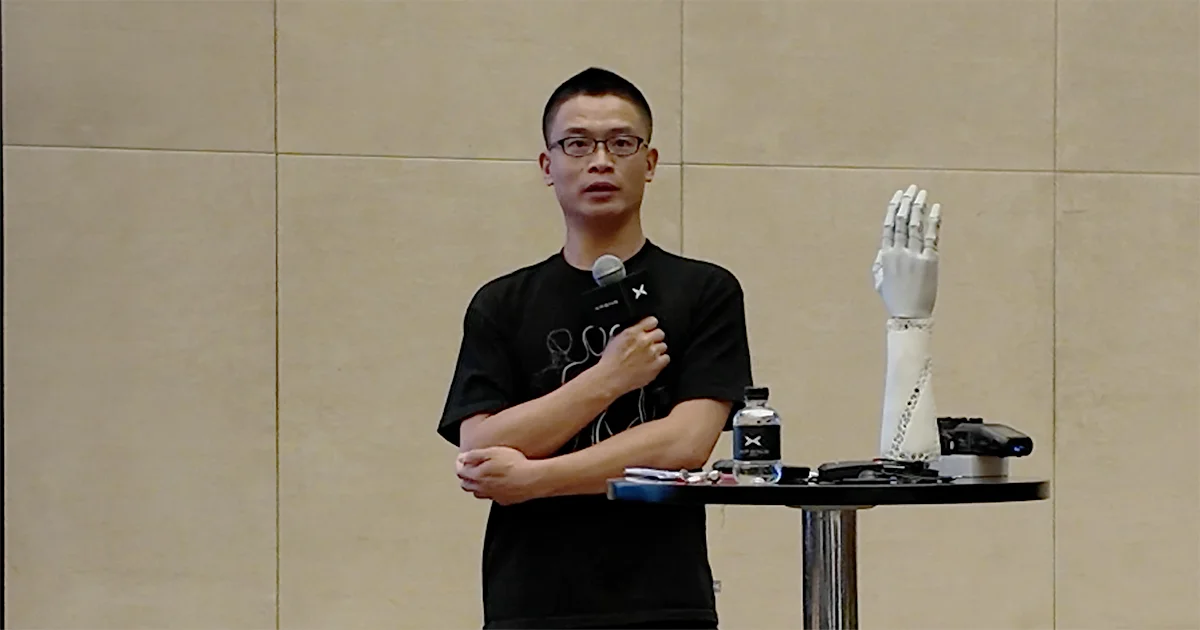
XPENG's Head of Robotics Admits Hardware is 'Bottleneck' as 2026 Production Goal Looms
At a recent technical workshop held in Beijing, Mi Liangchuan from XPENG highlighted the rapid advancements in robotic AI, particularly concerning the development of the 'Iron' humanoid robot. However, he emphasized that challenges persist, notably in hardware reliability and the absence of clear data strategies. These issues pose significant obstacles to further progress in the field, underscoring the need for improved solutions as the technology continues to evolve.
manufacturing China XPeng IRON
Not one-drone-fits-all: Admirals stress unmanned systems tailored to the mission
At the Sea-Air-Space conference, Rear Admiral Douglas Sasse emphasized the challenges of adapting military capabilities from regions like EUCOM and CENTCOM to the Pacific. He highlighted that while certain strategies may be effective in Europe and the Middle East, the vast distances in the Pacific present unique obstacles that require tailored approaches. Sasse's remarks underscore the importance of understanding regional dynamics in military planning and operations, particularly as the U.S. navigates its strategic posture in the increasingly complex Pacific theater.
Naval Warfare Networks & Digital Warfare Adm. Derek Trinque Adm. Douglas Sasse AI & Autonomy cyber security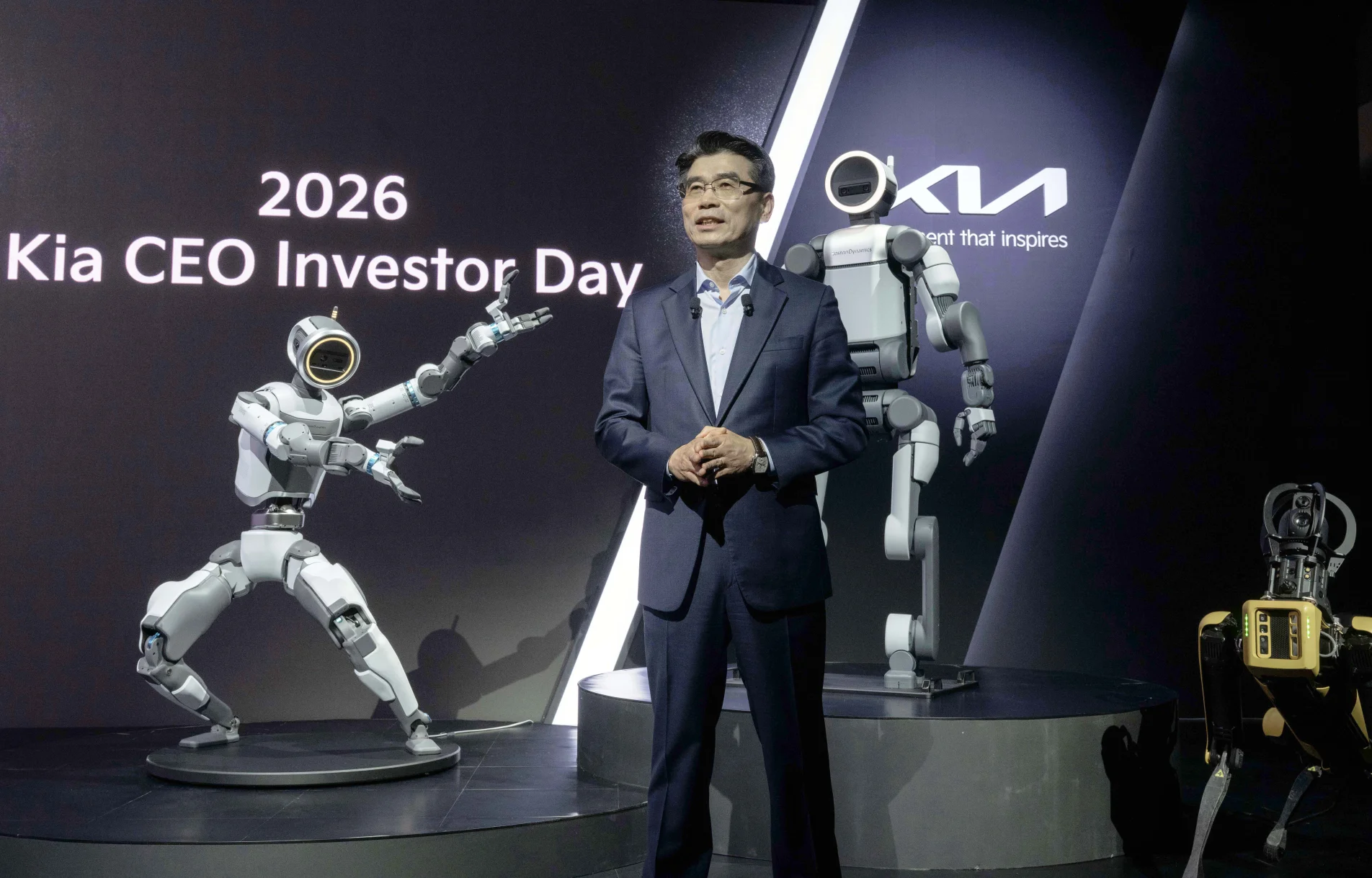
The Blueprint for a Bipedal Workforce: Kia Details Atlas Deployment Roadmap
During its 2026 CEO Investor Day, Kia unveiled an ambitious plan for the future of robotics, highlighting the full-scale industrial deployment of Boston Dynamics’ Atlas robot, set to commence in 2028. The company aims to integrate this advanced technology into a multi-modal logistics solution that will work in conjunction with its next-generation electric vans. This strategic initiative reflects Kia's commitment to enhancing operational efficiency and innovation in the automotive and logistics sectors, positioning itself at the forefront of technological advancement in the industry.
hyundai US Hyundai Motor Group South Korea Atlas KIA
The "Synthetic Human" Roadmap: Clone Robotics Eyes Silicon Valley and $20,000 Price Points
At the 2026 Abundance Summit, Dhanush Radhakrishnan, co-founder of Clone Robotics, announced the company's strategic expansion to Mountain View. This move is supported by a new funding round of $50 million, aimed at accelerating the development of their innovative "Robo Butlers." Radhakrishnan outlined an ambitious goal to bring these advanced robotic assistants to the mass market by 2028, reflecting the company's commitment to revolutionizing household automation and enhancing everyday life through technology.
clone robotics US clone Europe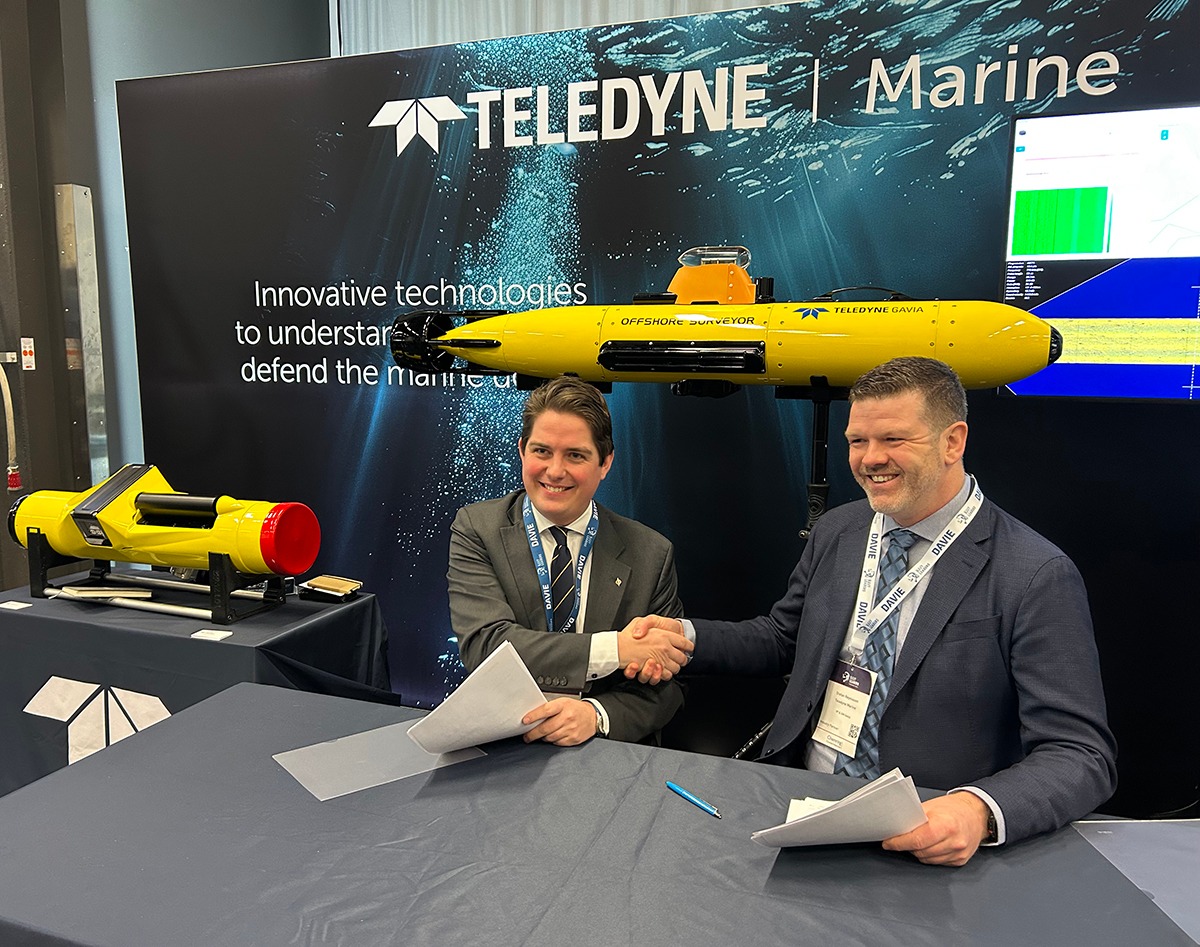
Swedish Defence Materiel Administration (FMV) Places Follow-On Order for Additional GAVIA AUV Systems
Teledyne Gavia, a prominent provider of modular autonomous underwater vehicle systems and a division of Teledyne Marine, has received a follow-on order from the Swedish Defence Materiel Administration (FMV) for additional GAVIA Autonomous Underwater Vehicles and associated payload modules. This latest order follows the successful delivery of initial GAVIA systems to the Swedish Armed Forces, which took place in 2025. The continued partnership underscores the Swedish military's commitment to enhancing its underwater capabilities through advanced technology.
swedish defence materiel administration (fmv) gavia auv systems teledyne gavia
The "Infinite Money Glitch": Elon Musk Outlines the Roadmap to a Billion Robots
Elon Musk recently shared his vision for the future of technology, highlighting the transformative potential of humanoid robotics and the critical role of artificial intelligence in space. During a presentation, he described the concept of a "supernova" in robotics, emphasizing the rapid advancements and recursive improvements in the field. Musk also underscored the necessity of establishing orbital AI data centers to enhance processing capabilities and address the limitations of current Earth-based hardware. To facilitate this technological evolution, he introduced the idea of "Terafabs," large-scale manufacturing facilities designed to produce advanced hardware efficiently. These innovations aim to overcome existing bottlenecks in technology development, positioning humanity for a more integrated and automated future. Musk's insights reflect a broader ambition to leverage AI and robotics to solve complex challenges and improve life on Earth and beyond.
Optimus Tesla US Elon Musk
Teledyne Gavia Announces Successful Delivery of the First of Four GAVIA AUV Systems to the Swedish Defence Materiel Administration (FMV)
Teledyne Gavia, a prominent player in the field of modular autonomous underwater vehicles, has successfully delivered its first four GAVIA AUV systems to the Swedish Defence Materiel Administration (FMV). This milestone marks a significant advancement in underwater technology for the Swedish defense sector. The delivery took place recently, underscoring the ongoing collaboration between Teledyne Gavia and FMV aimed at enhancing maritime capabilities. The acquisition of these AUV systems is intended to bolster Sweden's operational efficiency in underwater missions, reflecting the country's commitment to modernizing its defense assets. The GAVIA AUVs are designed to perform a variety of tasks, including surveillance and reconnaissance, showcasing their versatility in addressing complex underwater challenges.
teledyne marine teledyne gavia auv gavia auv swedish defence materiel administration (fmv).
Jogging Bots and Unsupervised Chores: Figure’s Aggressive 2026 Roadmap
In a recent announcement, CEO Brett Adcock outlined ambitious fitness milestones and projections for the deployment of humanoid robots in homes by 2026. Speaking at a technology conference, Adcock emphasized the potential of advanced hardware to revolutionize domestic life, making humanoid robots a practical addition to households. The company aims to leverage cutting-edge technology to enhance physical fitness and well-being, reflecting a growing trend towards integrating robotics into everyday life. This vision for the future highlights the increasing role of innovation in personal health and home automation, as the industry prepares for a significant shift in how consumers interact with technology.
Brett Adcock US Figure Figure-03
White House Eyes "Robotics Executive Order" as Trump Administration Pivots to Hardware
The incoming administration is developing a national robotics strategy aimed at enhancing the United States' competitive edge against China, as part of a broader initiative focused on advancing artificial intelligence in software. Commerce Secretary Howard Lutnick is spearheading discussions with key industry players, including Apptronik, Tesla, and Boston Dynamics. This strategy reflects a growing recognition of the importance of robotics and AI in maintaining technological leadership and economic strength on the global stage. The initiative is expected to outline specific goals and frameworks for collaboration between the government and private sector, fostering innovation and ensuring the U.S. remains at the forefront of robotics development.
Business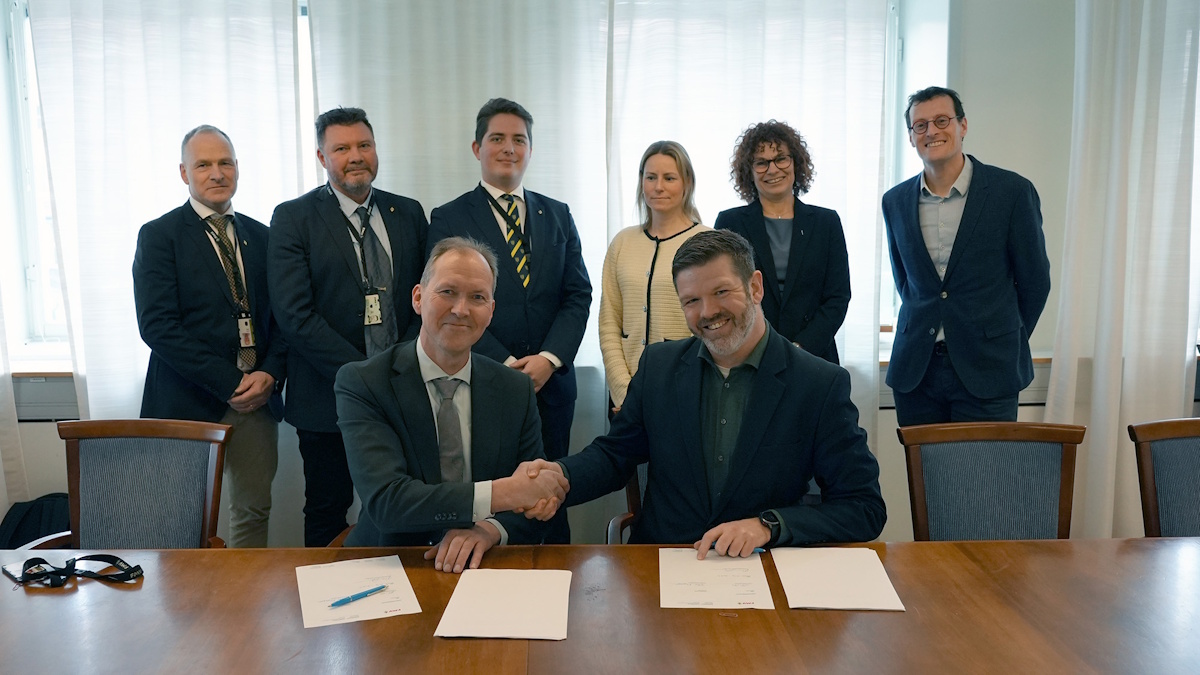
Teledyne Marine Signs a Framework Agreement with Swedish Defense Material Administration (FMV)
Teledyne Gavia has secured a multi-year Framework Agreement with the Swedish Armed Forces (SwAF) to provide and support GAVIA Autonomous Underwater Vehicles (AUV). This agreement, announced recently, focuses on equipping the SwAF with advanced technology specifically for Mine Counter Measures (MCM) operations. The collaboration aims to enhance the Swedish military's capabilities in underwater mine detection and neutralization, addressing critical national security needs. The GAVIA AUVs will play a vital role in ensuring maritime safety and operational efficiency in Swedish waters.
teledyne marine framework agreement swedish defense material administration (fmv)
Henny Admoni Releases New Children’s Book
Henny Admoni, an associate professor at the Robotics Institute, has released a new children's book titled "Robots," which explores the various ways robots are changing human interactions and shaping the future. The book aims to educate young readers about the transformative role of robots, from assisting in hospitals to operating in outer space. Admoni's work highlights the potential of robotics technology and its impact on everyday life, making complex concepts accessible to children. The publication reflects a growing interest in robotics and its applications in diverse fields, emphasizing the importance of understanding this evolving technology.
UncategorizedRobotics needs a service framework.
RSF defines a common language for robot service capability, lifecycle operations, certification pathways, and service-provider networks.
Join the RobotToday community on LinkedIn
Daily robotics news, in-depth analysis, conference highlights, and discussions with professionals worldwide.