Industry Briefing
A single destination for timely, editor-curated robotics news from around the world.
Aeronext Unveils ActiveWing Logistics Drone Prototype for Long-Range Delivery
Aeronext, a Tokyo-based company, has unveiled a new logistics drone prototype designed for long-range deliveries. This innovative drone features the ActiveWing technology, which incorporates independently moving auxiliary wings alongside its 4D GRAVITY airframe, enhancing both range and payload capacity for SkyHub delivery services. The announcement was made in collaboration with the Japan UAS Industrial Development Association (JUIDA), highlighting the company's commitment to advancing drone logistics solutions. The prototype aims to address the growing demand for efficient delivery systems in various sectors, leveraging cutting-edge technology to improve operational performance.
Delivery Drone News Drone News Feeds Japan Drone Industry Japan Drone News Logistics
GoLabs Launches Custom Robotics Security Initiative Using Unitree Quadrupeds
GoLabs, a newly established U.S.-based robotics company, has unveiled its innovative robotic security solutions featuring Unitree quadrupeds. Announced on May 8, 2026, these advanced four-legged robots are designed to enhance security measures for businesses by providing 24/7 autonomous surveillance without the burden of international shipping costs. Equipped with high-definition cameras, thermal imaging, and infrared sensors, these robots can operate in complete darkness and navigate challenging environments, including those hazardous to human health. GoLabs aims to streamline security operations by integrating these robots into existing systems, offering programming, setup, and troubleshooting support. Utilizing an integrated 4D LiDAR system and SLAM technology, the robots can create detailed 3D maps of facilities, allowing companies to establish automated patrol paths and checkpoints. This capability enables a wide range of applications, from monitoring AI warehouses to securing large events. GoLabs is committed to bridging innovation with practical applications, providing businesses with efficient and reliable robotic security solutions tailored to meet diverse needs. For more information, visit their website.
Aeva Delivers Atlas C-Samples to Daimler Truck for Autonomous Truck Production Program
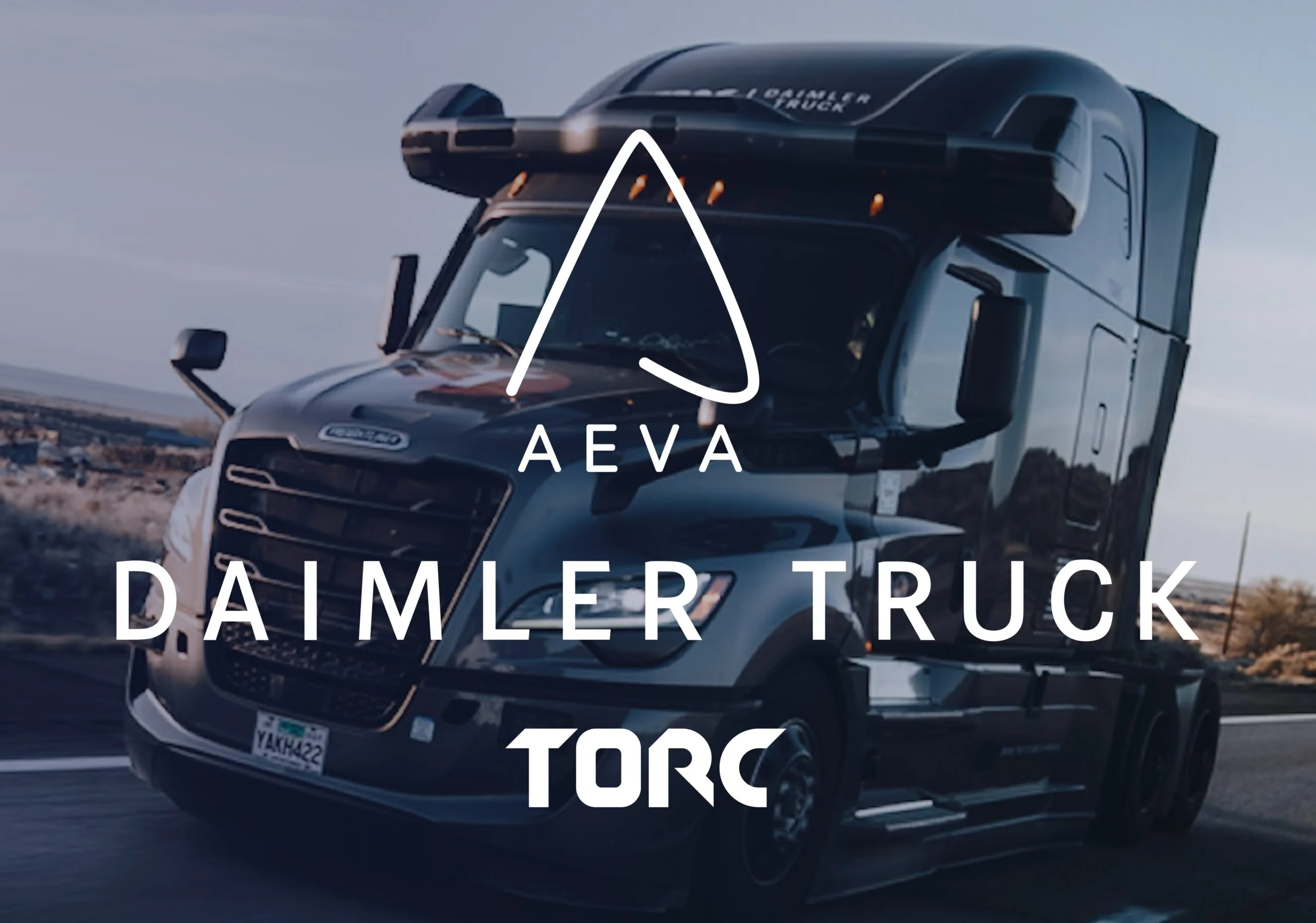
Aeva, a prominent company specializing in advanced sensing and perception systems, has successfully delivered the initial C-sample units of its Aeva Atlas™ 4D LiDAR sensors to Daimler Truck North America and Torc Robotics. This delivery represents a significant milestone in the ongoing collaboration between the companies, aimed at advancing the series production of SAE Level 4 autonomous Class 8 trucks. The partnership underscores Aeva's commitment to enhancing autonomous vehicle technology, which is crucial for the future of transportation. The delivery of these sensors is a pivotal step in the development process, facilitating further testing and refinement of the technology necessary for achieving higher levels of automation in trucking.
AI AI Use Cases Robotics Autonomous Trucking collaboration Daimler Truck North America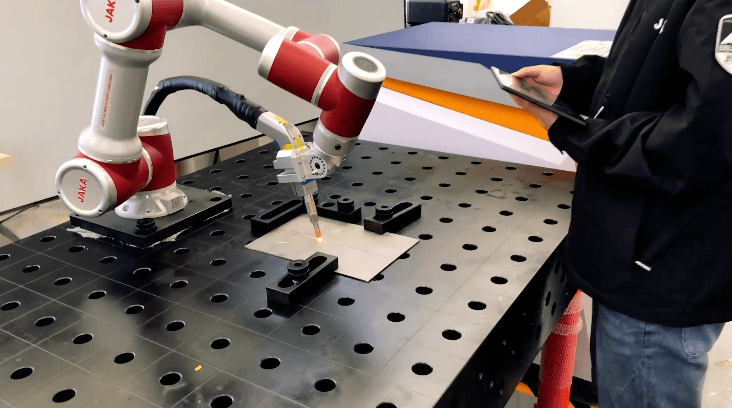
Integrating Force/Torque Sensors into the Flange of an Articulated Robot Arm
In the evolving field of automation, the integration of force/torque (F/T) sensors into robotic systems has become essential for enhancing precision and safety in industrial applications. Traditional robots, which operate on pre-programmed coordinates, are now being outpaced by articulated robots equipped with these advanced sensors. By embedding the sensors directly into the mounting flange—where the robot arm connects to its tool—manufacturers can achieve unprecedented levels of responsiveness to physical resistance in real-time. These 6-axis F/T sensors measure both linear forces and rotational torques, allowing for accurate data collection at the point of contact. This capability is particularly crucial in tasks such as delicate component insertion and high-precision screwdriving, where even minor deviations in force can lead to damage. Additionally, the integration of these sensors enhances the robot's operational intelligence, enabling features like active gravity compensation and improved collision detection, which contribute to a safer collaborative environment for human operators. JAKA has taken significant strides in this area with its S series robots, which feature built-in high-accuracy force sensors that eliminate the need for bulky external attachments. This design not only preserves the robot's agility but also enhances its sensitivity, facilitating smoother operation during complex tasks in sectors like electronics and industrial welding. With an accuracy of 1% FS and a distinguishability of 0.1N, JAKA's technology allows for real-time force monitoring and simplifies the debugging process, ultimately leading to more efficient and reliable production lines.
Antigravity A1 drone gets major upgrade with AI editing, Voice Control
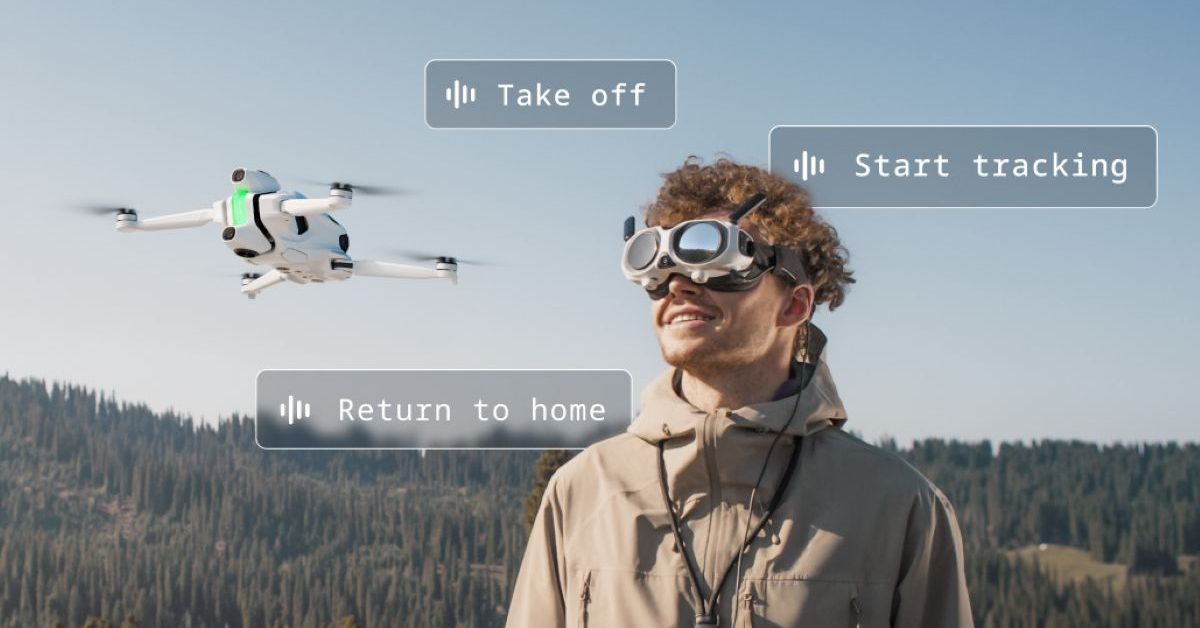
Antigravity has announced a significant update to its drone technology with the release of the A1 update, which aims to transform the user experience from traditional piloting to a more intuitive interaction resembling giving directions to a smart assistant. This innovative approach is designed to make flying drones more accessible and user-friendly, appealing to both seasoned operators and newcomers alike. The update emphasizes ease of use, allowing users to focus on their objectives rather than the complexities of drone navigation. By leveraging advanced technology, Antigravity seeks to redefine how individuals engage with aerial devices, potentially expanding the market for drone applications in various sectors.
News
Zebra Technologies Makes Strategic Investment in Apera AI
Zebra Technologies has made a strategic investment in Apera AI, a developer specializing in robotics and 4D vision technology, through its corporate venture capital arm, Zebra Ventures. This investment aims to enhance Zebra's capabilities in AI-driven automation within the manufacturing and logistics sectors. While the financial details of the investment remain undisclosed, the partnership is expected to leverage Apera AI's innovative 4D Vision system, which is designed to improve the efficiency and functionality of industrial robots. This move reflects Zebra's commitment to advancing automation technologies in response to the growing demand for enhanced operational efficiency in various industries.
AI AI Funding & Investment Robotics 4D vision Apera AI Canada
Project Eternal turns Antigravity drones into time machines
Antigravity has launched a global initiative called Project Eternal, aimed at preserving the world's most significant locations through documentation. This project invites drone pilots and users of 360-degree cameras from around the globe to capture images and videos of ancient ruins and local streets before they undergo changes due to urban development or environmental factors. By leveraging technology and the collective efforts of participants, Antigravity seeks to create a lasting digital archive that highlights the beauty and history of these places. The initiative underscores the importance of preserving cultural heritage in an ever-evolving world, encouraging individuals to contribute to this vital cause.
News
Foundation Model‐Driven Grasping of Unknown Objects via Center of Gravity Estimation
A recent study published in the Journal of Field Robotics highlights advancements in autonomous robotic systems designed for agricultural applications. Conducted by a team of researchers from various universities, the study was released in early October 2023. The research focuses on enhancing the efficiency and precision of farming practices through the integration of robotics and artificial intelligence. The study addresses the growing need for sustainable agricultural solutions amid increasing global food demand and labor shortages. By employing advanced algorithms and machine learning techniques, the researchers developed a prototype robotic system capable of performing tasks such as planting, monitoring crop health, and harvesting with minimal human intervention. Field tests were conducted in diverse agricultural settings, demonstrating the robot's ability to navigate complex terrains and adapt to varying environmental conditions. The findings suggest that these robotic systems could significantly reduce labor costs and improve crop yields, ultimately contributing to more sustainable farming practices. This innovative approach not only aims to alleviate some of the pressures faced by the agricultural sector but also seeks to pave the way for future developments in the field of robotics, emphasizing the importance of technology in addressing global challenges.
RESEARCH ARTICLE
Movable Anchor Cable‐Driven Parallel Robot and Its Application in Ground Microgravity Experiment for Long‐Span Flexible Manipulators
In May 2026, researchers published a significant study in the Journal of Field Robotics, focusing on advancements in robotic technology. The study, appearing in Volume 43, Issue 3, spans pages 2069 to 2089 and highlights innovative developments in the field of robotics that could enhance various applications, including industrial automation and autonomous vehicles. The research was conducted by a team of experts aiming to address the growing demand for more efficient and intelligent robotic systems. By integrating advanced algorithms and machine learning techniques, the team demonstrated how these improvements could lead to increased operational efficiency and safety in robotic applications. This publication is part of a broader effort to push the boundaries of robotics, responding to the challenges posed by complex environments and tasks that require high levels of precision and adaptability. The findings are expected to influence future research directions and practical implementations in robotics, contributing to the evolution of the industry.
RESEARCH ARTICLE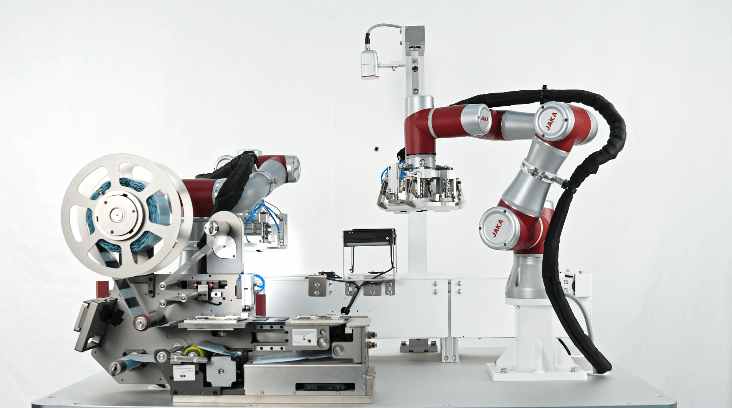
Selecting the Right Payload for Your Painting Robot Project
In the realm of industrial automation, selecting the appropriate payload for painting robots is a critical early decision that significantly impacts motion stability, coating consistency, and overall system reliability. This consideration is particularly vital when the robots are required to transition between various tasks, such as painting and inspection. Experts emphasize the importance of evaluating real operating conditions rather than relying solely on nominal values, as miscalculations can lead to issues like vibration and uneven paint application. Payload calculations should begin with a comprehensive assessment of the end-of-arm tooling setup, which includes the spray gun, fluid lines, and cable routing. Unlike static tasks, painting requires careful consideration of inertia and changes in the center of gravity due to constant acceleration and deceleration. Companies like JAKA focus on aligning payloads with actual process needs to ensure smooth operation and consistent quality, while also optimizing floor space in compact workcells. Moreover, decisions regarding payload can influence the long-term flexibility of the system, allowing for future integrations of additional processes such as screwdriving or assembly. JAKA's experience with adaptable configurations demonstrates that torque adjustments can be tailored to specific product requirements, facilitating efficient task transitions without necessitating a complete redesign of the robot setup. In conclusion, strategic payload selection is essential for maximizing performance, quality, and scalability in painting robot projects. By thoroughly analyzing tooling weight, motion dynamics, and potential future needs, manufacturers can create reliable and efficient systems that adapt to evolving production demands.
Common Pitfalls When Using Industrial Cobots and How to Avoid Safety Violations
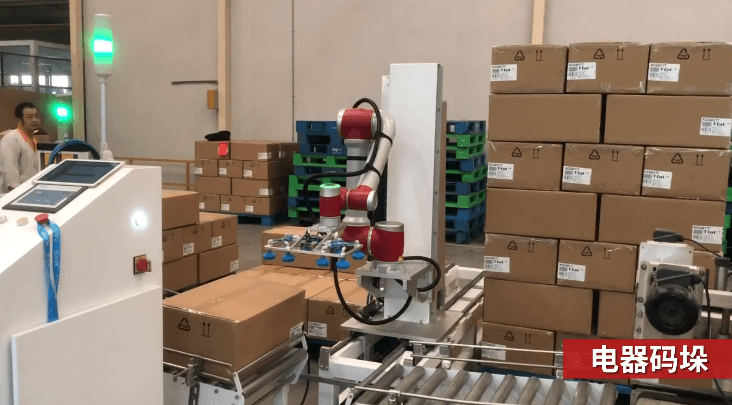
JAKA, a leader in industrial collaborative robotics, emphasizes the importance of proper implementation and safety protocols in the deployment of automation technology. The company warns against the misconception that industrial cobots are inherently safe without thorough planning. A comprehensive risk assessment is crucial, as each application presents unique hazards related to speed, payload, and human interaction. JAKA highlights the necessity of integrating built-in safety features, such as force-limited joints and collision detection, within a broader safety framework that includes awareness barriers and procedural controls. Additionally, JAKA points out the risks associated with end-effectors and payload dynamics, stressing that tools attached to cobots can introduce hazards if not properly evaluated. Their robots are designed with advanced control features to maintain stability, but users must recalculate the system's center of gravity and dynamic forces when integrating new tools. Moreover, JAKA underscores the need for adequate worker training, noting that operators cannot be expected to instinctively understand how to interact with cobots. Effective training on operational procedures and emergency protocols is essential to ensure safety. The company advocates for clear work procedures that dictate when personnel can enter collaborative workspaces. By addressing these common pitfalls—ranging from risk assessments to worker training—manufacturers can maximize the benefits of collaborative automation while ensuring safety and productivity.

MWC 2026: Honor unveils Robot Phone with embodied AI features
Honor, the Chinese smartphone manufacturer, unveiled its innovative “Robot Phone” just before the Mobile World Congress (MWC) 2026, marking a significant milestone as the inaugural product under its new Alpha strategy. The device boasts a cutting-edge motorized rotating flip camera, a compact 4DoF gimbal module that has been reduced in size by 70%, and an impressive 200-megapixel sensor. Additionally, it offers three-axis stabilization and advanced AI-powered tracking capabilities. This launch reflects Honor's commitment to pushing the boundaries of smartphone technology and enhancing user experience through automation and superior camera performance. The announcement was made by CEO Li, who emphasized the company's vision for future advancements in mobile technology.
News Feed
Insta360-co-incubated Antigravity launches A1, a 249g 8K 360 drone with headset-based control
Antigravity, a brand developed by Insta360 and its partners, has unveiled the A1 drone, which weighs just 249 grams and features advanced 8K 360-degree recording capabilities through a dual-lens 1/1.28-inch system. This innovative drone is designed with a headset-first approach, allowing users to pair it with Vision goggles that replicate the pilot's head movements in real time. The A1 supports a unique “fly-first, frame-later” workflow, enabling users to capture stunning aerial footage while prioritizing the flying experience. This launch marks a significant advancement in drone technology, catering to both amateur and professional filmmakers looking for high-quality, immersive content.
News Feed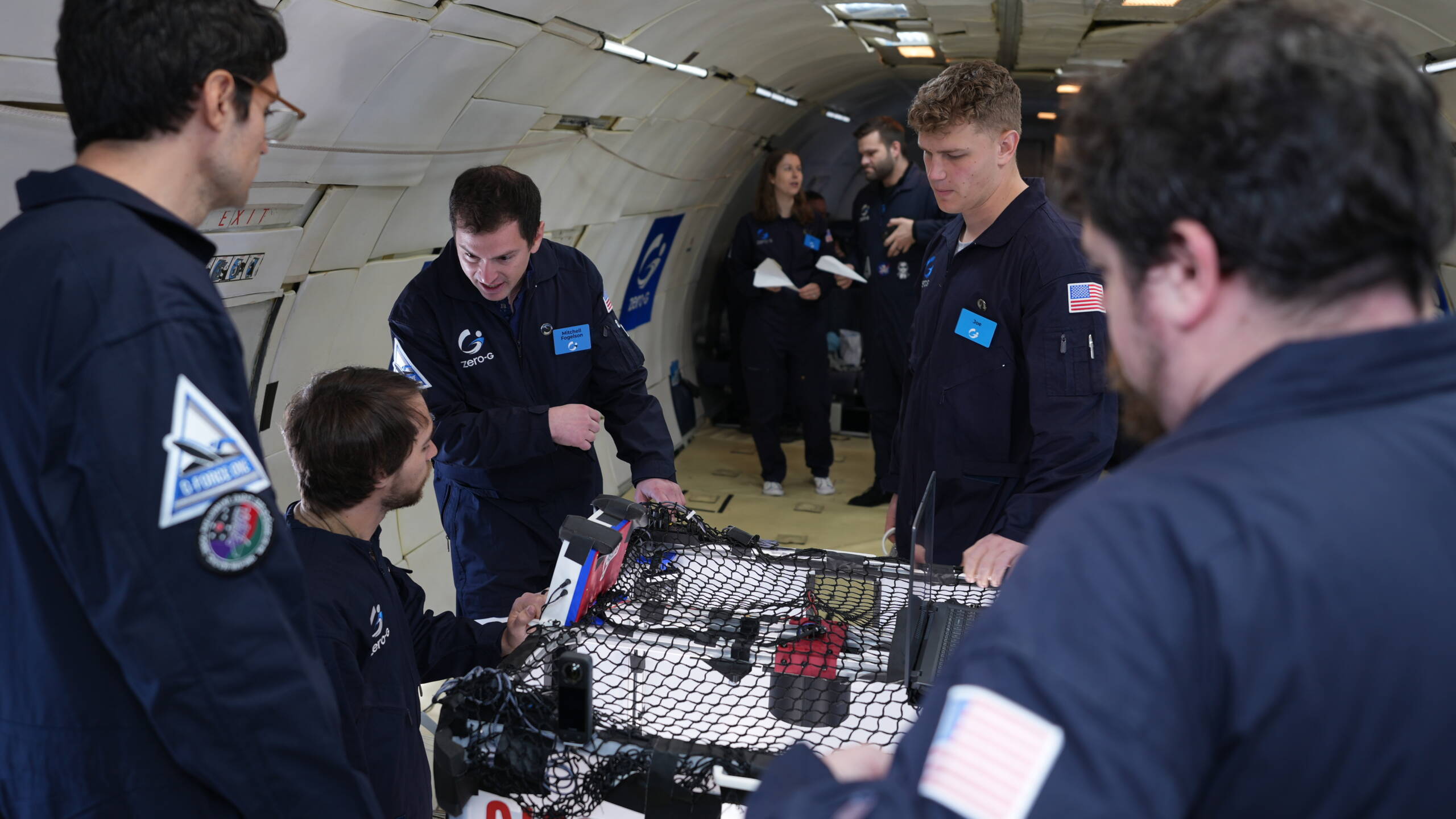
In Flight With NASA: CMU Tests Space Tech in Microgravity
Faculty and students from Carnegie Mellon University (CMU) recently had the rare opportunity to experience weightlessness while conducting critical research aboard a specially designed aircraft. This plane, which follows a unique flight path of steep climbs and dramatic dives, allowed members of the Robotics Exploration Lab within CMU's Robotics Institute to test their space technology in a microgravity environment. The tests were conducted during parabolic arcs, where the aircraft creates brief periods of weightlessness, simulating conditions that researchers might encounter in space. This initiative underscores CMU's commitment to advancing robotics and space exploration technologies.
Research