Top News

Industry Briefing

A single destination for timely, editor-curated robotics news from around the world.

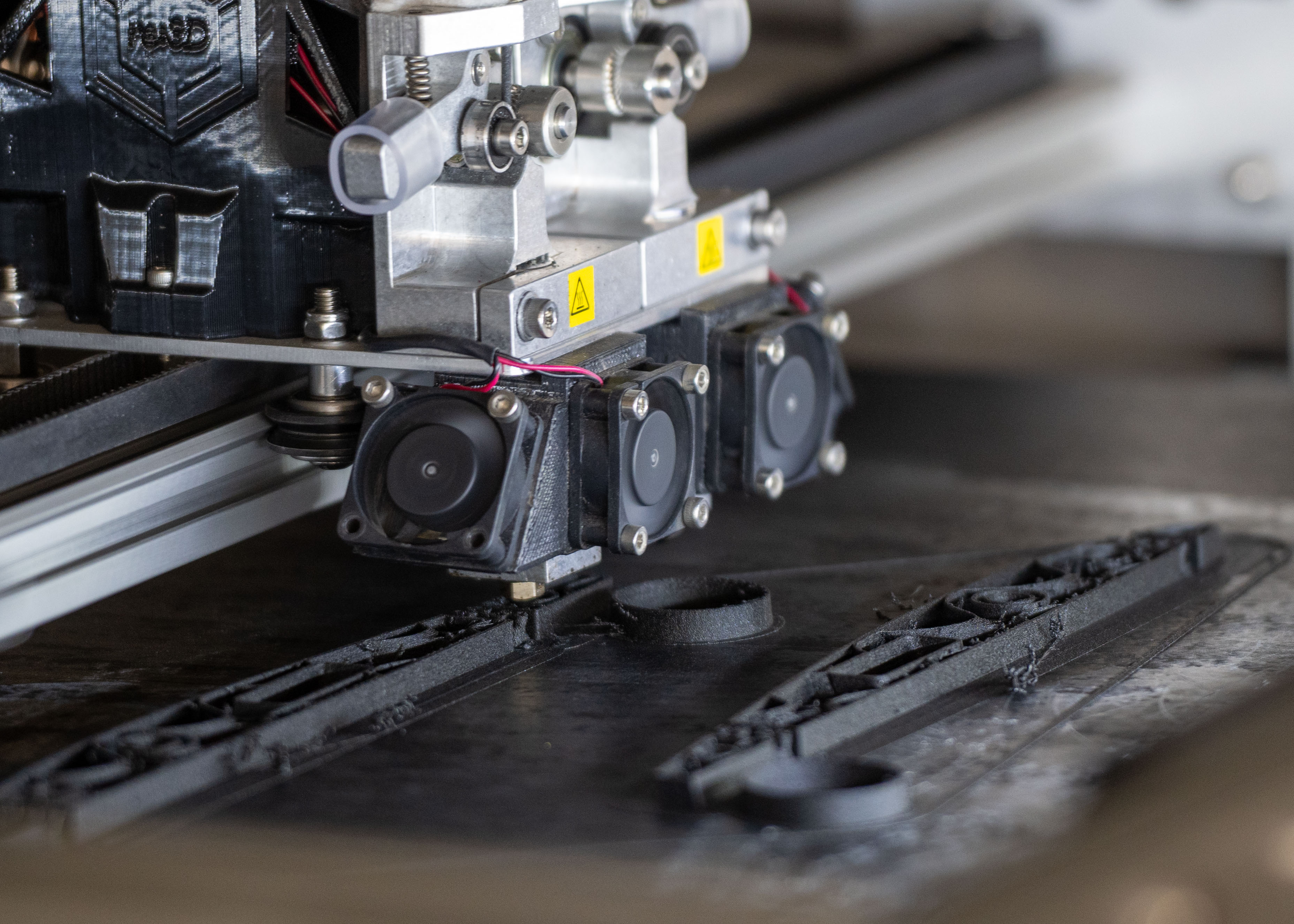
US Naval Postgraduate School to Demonstrate Mobile 3D Printing for Spare Parts in RIMPAC 2026

US Naval Postgraduate School to Demonstrate Mobile 3D Printing for Spare Parts in RIMPAC 2026

The US Naval Postgraduate School’s Consortium for Advanced Manufacturing Research and Education is set to showcase mobile 3D printing capabilities during the Rim of the Pacific 2026 exercise. This initiative will involve deploying advanced manufacturing systems on ships and locations throughout Hawaii to produce and distribute spare parts on demand, significantly reducing wait times for critical components. This mobile, distributed factory network aims to enhance operational efficiency by allowing ships to submit digital requests for spare parts while deployed. By leveraging specialized software, the nearest suitable machine or operator can be identified to either locate or 3D print the required part, which may then be delivered via unmanned drone. This capability is particularly crucial in combat scenarios where traditional supply chains may be disrupted. The RIMPAC 2026 exercise will involve 35 nations, 40 warships, 5 submarines, and over 25,000 personnel, providing a comprehensive platform to test this innovative supply chain solution. The focus will be on evaluating the entire network and delivery process rather than just individual 3D printing capabilities, marking a significant step in military logistics and operational readiness.

Innovation Military

University of Utah Develops Fast Holographic 3D Printing for Seamless Microstructures

University of Utah Develops Fast Holographic 3D Printing for Seamless Microstructures

Researchers at the University of Utah have introduced a novel 3D printing technique that creates solid microstructures in approximately 20 seconds using a single laser exposure. This method eliminates the weak seams typical of traditional layer-by-layer printing, enhancing the strength and reliability of microscale devices. The innovative process employs a nanoscale mask to reshape laser light into a holographic pattern, allowing for the simultaneous hardening of the printing material, which significantly reduces manufacturing time compared to existing laser-based techniques. The significance of this development lies in its potential applications in microfluidic devices and advanced manufacturing. By curing entire structures in one exposure, the new method addresses the common issue of microscopic seams that can compromise the integrity of printed parts. The researchers demonstrated the ability to produce multiple parts continuously, akin to a conveyor-belt process, which could revolutionize the production of complex microscale components. Looking ahead, the research team aims to extend this technology to achieve true three-dimensional printing while maintaining the speed and accuracy of the current method. No further timeline was disclosed at the time of publication, but the implications for industries requiring precise microscale channels are substantial, suggesting a promising future for this innovative approach.

Innovation
Base Materials Launches Large-format 3D Printing Service Featuring ProXtrude® Printable Paste System

Base Materials Launches Large-format 3D Printing Service Featuring ProXtrude® Printable Paste System

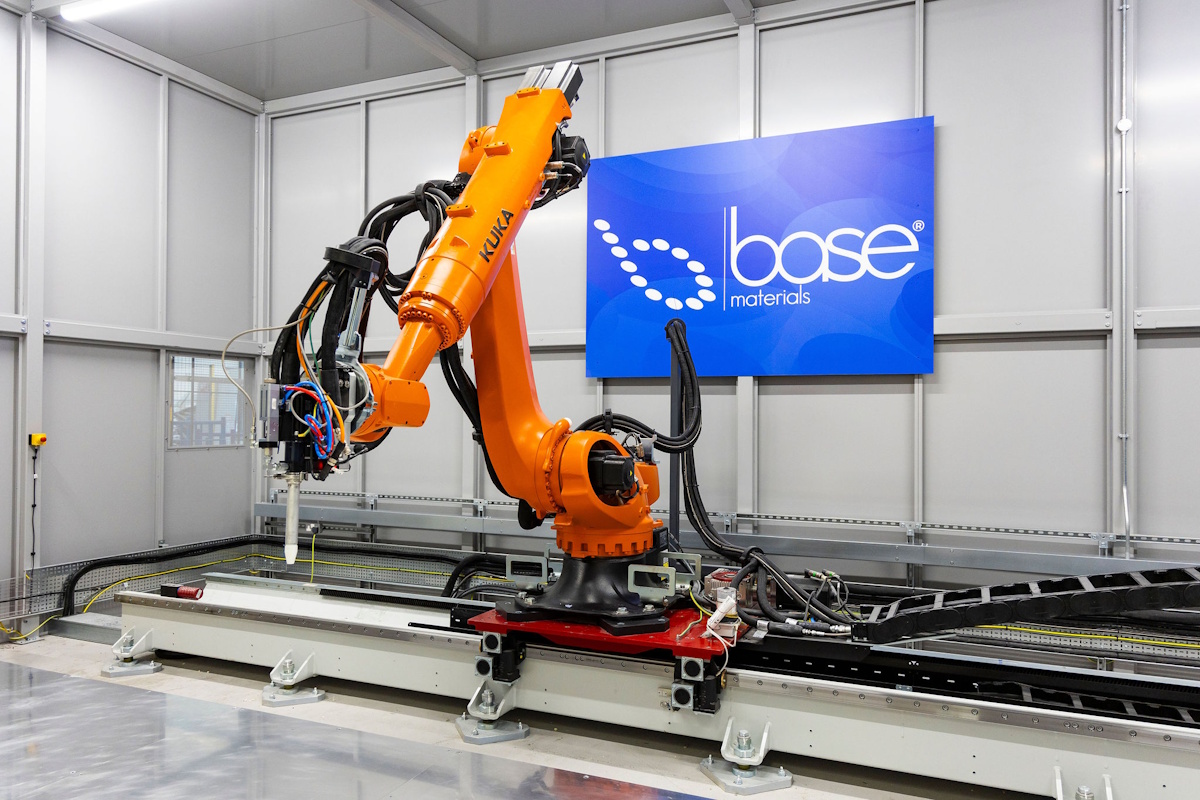
Base Materials has introduced a groundbreaking large-format 3D printing service aimed at revolutionizing manufacturing processes. This innovative service offers a quicker and more efficient alternative to traditional tooling methods, which typically involve CNC machining of tooling boards. The new process allows for the creation of intricate, single-piece models without visible bond lines, significantly enhancing the quality of the final product. Launched following successful internal trials, the service has demonstrated the potential to cut material waste by up to 58% and reduce production timelines by as much as 70%. By removing the need for molds, casting, or bonding, and requiring only minimal post-processing, Base Materials is poised to accelerate lead times for manufacturers. This advancement not only streamlines production but also contributes to sustainability efforts by minimizing both consumable and material waste.

base materials large-format 3d printing service proxtrude® printable paste system
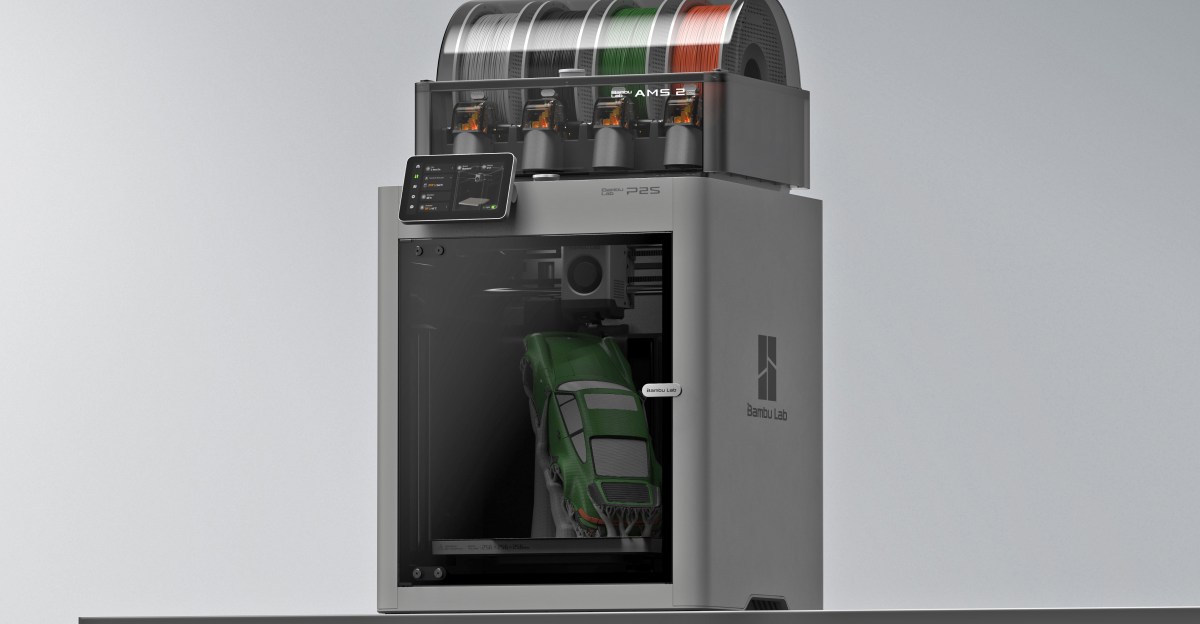
‘Fuck you, Bambu’: How one private message could change the face of 3D printing

‘Fuck you, Bambu’: How one private message could change the face of 3D printing

Bambu Lab, known for producing top-quality and user-friendly 3D printers, is facing backlash from the 3D printing community following a controversial incident. The situation escalated when Paweł Jarczak, a prominent member of the community, received a private message from the company on Reddit requesting him to delete his code, which has sparked outrage among users. In response, many within the community have rallied around Jarczak, initiating a fundraising campaign aimed at challenging Bambu Lab's actions. This growing support highlights the community's commitment to open-source principles and their discontent with perceived corporate overreach. The unfolding conflict raises questions about the balance between innovation and intellectual property rights in the rapidly evolving 3D printing industry.

Gadgets Report Tech
MIT Develops SceneSmith: AI System for Creating Realistic 3D Training Environments for Robots

MIT Develops SceneSmith: AI System for Creating Realistic 3D Training Environments for Robots

Researchers at MIT have developed SceneSmith, an AI-powered platform that generates realistic 3D indoor environments for robot training. This innovative system utilizes three collaborative AI agents to create detailed virtual spaces, enabling robots to practice everyday tasks safely and efficiently before real-world deployment. The significance of SceneSmith lies in its ability to reduce the costs and time associated with traditional robot training methods. By providing a virtual setting that mimics real-life environments such as kitchens and offices, robots can learn to interact with various objects without the need for extensive human supervision or physical trials. Looking ahead, SceneSmith has already generated over 1,300 virtual environments, allowing robots to practice tasks like placing fruit on plates and opening cabinets. Researchers have tested robot control programs in 100 different environments, achieving over 99 percent agreement between AI evaluations and human reviewers. No further timeline was disclosed at the time of publication.

AI and Robotics
ORBBEC Expands Beyond Robot Vision Into Physical AI and 3D Printing

ORBBEC Expands Beyond Robot Vision Into Physical AI and 3D Printing

ORBBEC, a leading company in 3D vision perception, is broadening its horizons beyond its traditional focus on robot vision. The firm is strategically venturing into several high-growth sectors, including healthcare, smart retail, and autonomous driving. This expansion comes as part of ORBBEC's initiative to leverage its advanced technology and expertise to meet the increasing demand for innovative solutions in these emerging markets. The company aims to enhance its product offerings and capture new opportunities, positioning itself as a key player in the rapidly evolving landscape of 3D vision applications. As ORBBEC continues to innovate and diversify, it seeks to establish a strong foothold in these sectors, which are expected to see significant growth in the coming years.

Robotics
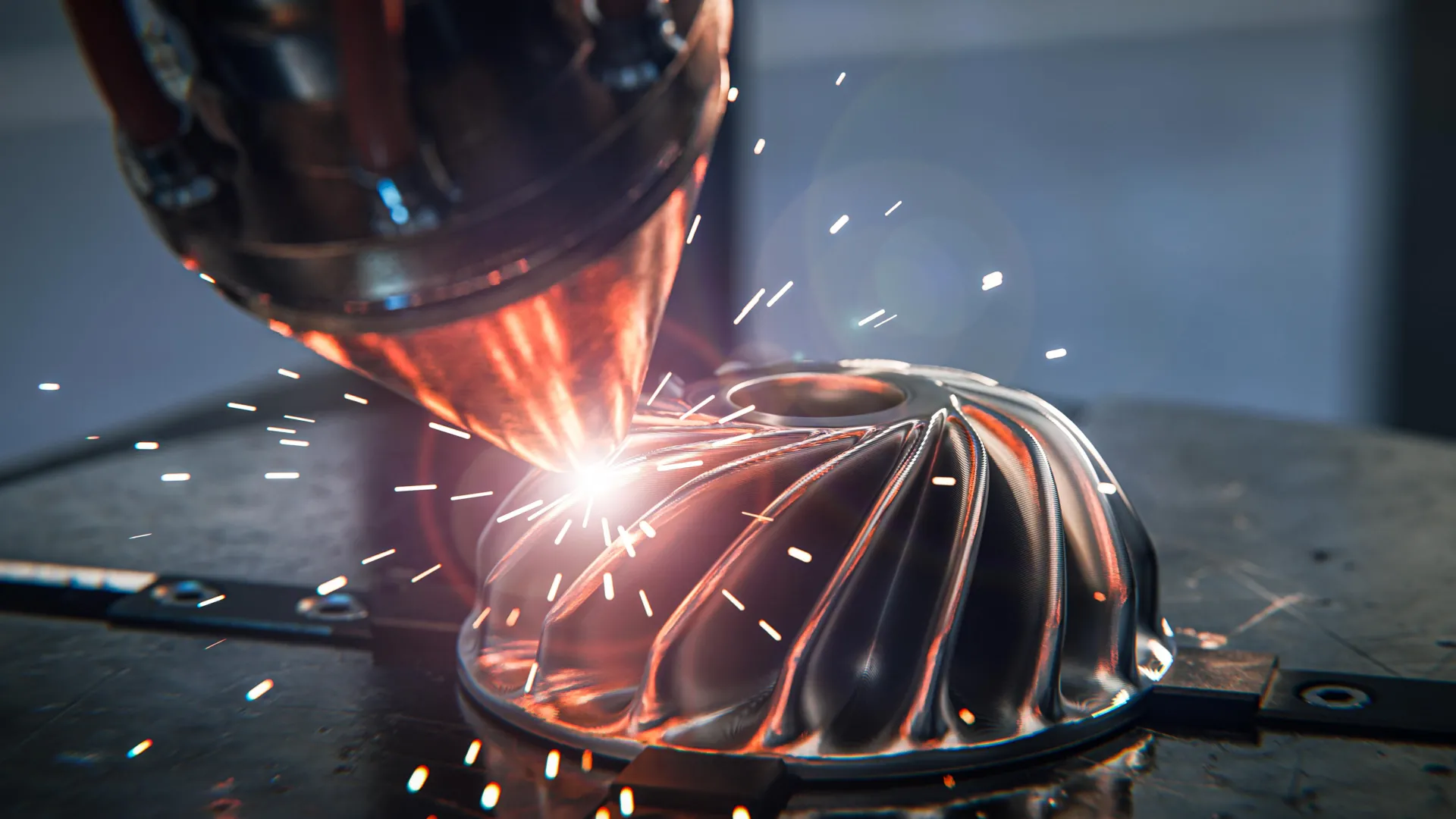
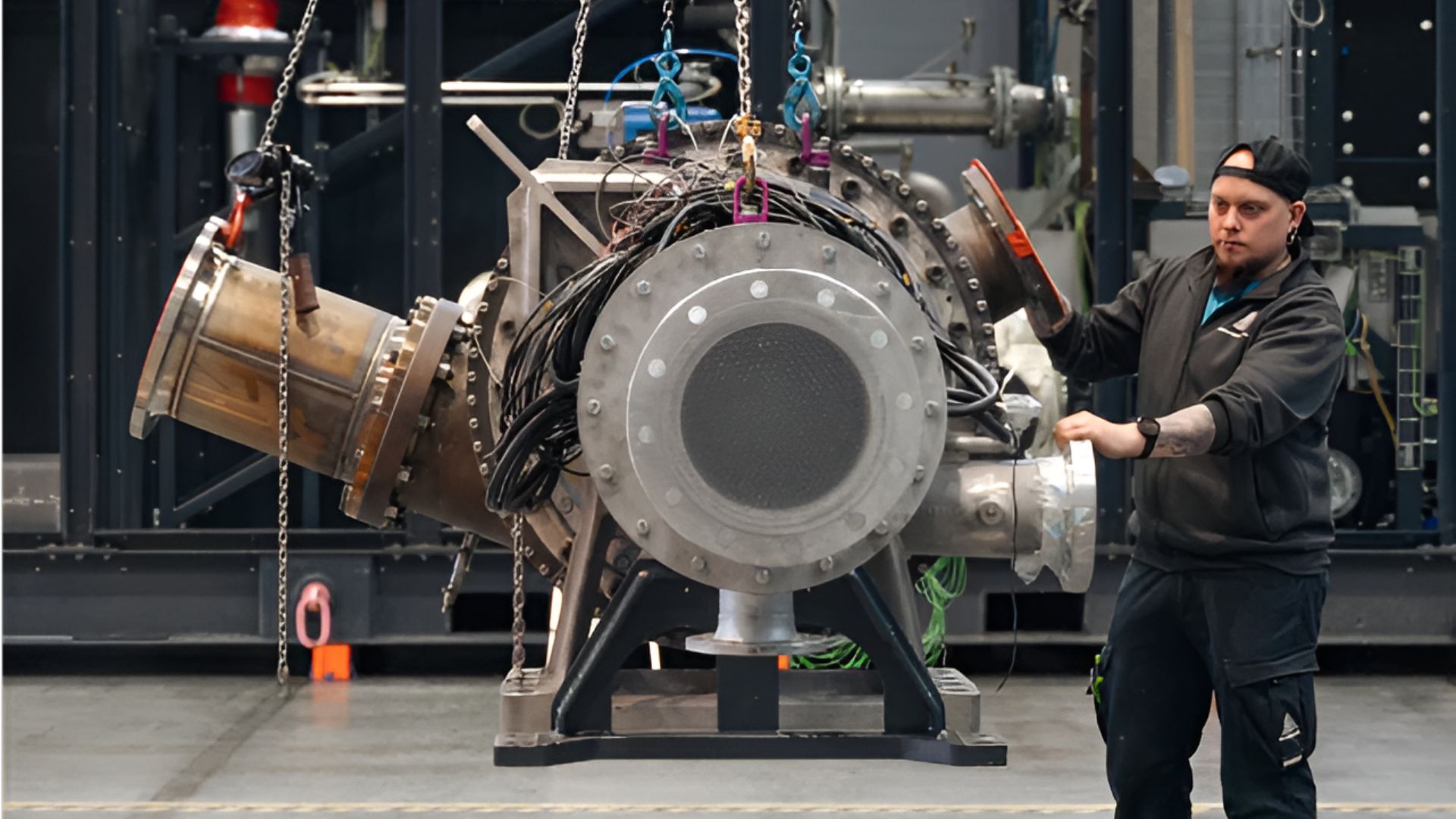
Advanced metal 3D printing minimizes failure points in complex gas turbine designs

Advanced metal 3D printing minimizes failure points in complex gas turbine designs

Metal additive manufacturing is increasingly being adopted in production-focused energy systems, moving beyond its traditional use in aerospace prototypes. This shift reflects a growing recognition of the technology's potential to enhance efficiency and reduce costs in various sectors. As companies seek innovative solutions to meet rising energy demands, the integration of metal additive manufacturing offers a pathway to streamline production processes and improve the performance of energy systems. This trend is gaining momentum as industry leaders invest in research and development to harness the benefits of this advanced manufacturing technique, which allows for greater design flexibility and material optimization. The transition is expected to reshape the landscape of energy production, paving the way for more sustainable and efficient systems in the future.

Innovation
Denso Wave to Showcase Factory Robots and 3D Vision AI at ROBOT TECHNOLOGY JAPAN 2026

Denso Wave to Showcase Factory Robots and 3D Vision AI at ROBOT TECHNOLOGY JAPAN 2026

Denso Wave will participate in the upcoming "ROBOT TECHNOLOGY JAPAN 2026," scheduled to take place from June 11 to June 13, 2026, at the Aichi Sky Expo in Aichi Prefecture. This event aims to showcase advancements in robotics technology, reflecting the growing interest and innovation in the field. Denso Wave's involvement highlights its commitment to contributing to the development and promotion of robotics solutions.

US Drone Makers Are Building a Different Kind of Factory

US Drone Makers Are Building a Different Kind of Factory

At the AUVSI’s XPONENTIAL 2026 conference held in Detroit, industry leaders discussed a transformative shift in U.S. drone manufacturing. Unlike the mass-production model prevalent in China, American manufacturers are exploring new approaches that emphasize flexibility, scalability, and resilience in supply chains. This change is driven by the need to adapt to evolving market demands and technological advancements. Experts highlighted that the future of drone production may involve smaller, more versatile facilities capable of producing customized products rather than large factories focused on uniform output. This innovative strategy aims to enhance the competitiveness of U.S. drone makers in a rapidly changing global landscape.

DL Exclusive Drone Manufacturing Drone News Drone News Feeds drone parts Feature 1
Large Portuguese building 3D printed in record 9 Days

Large Portuguese building 3D printed in record 9 Days

Havelar, a Portuguese construction company specializing in 3D printing technology, has successfully completed a public building for the municipality of Matosinhos. The project involved the construction of a 500 square meter recycling center office located at the Ecocentro de Perafita in Porto. Remarkably, the building was printed in just nine days and completed within budget, utilizing a COBOD BOD2 construction 3D printer. This innovative approach not only showcases the efficiency of 3D printing in construction but also highlights the growing trend of sustainable building practices in the region.

Construction Features 3D printed buildings additive manufacturing automated construction automation news
Deep learning co-design helps scientists project 28-layer 3D images without crosstalk

Deep learning co-design helps scientists project 28-layer 3D images without crosstalk

Engineering researchers at the University of California, Los Angeles (UCLA) have unveiled a groundbreaking three-dimensional printing technology that significantly enhances the production of complex structures. This innovative method, introduced in October 2023, aims to revolutionize various industries by allowing for the rapid and precise fabrication of intricate designs that were previously difficult or impossible to achieve. The researchers' motivation stems from the growing demand for more efficient manufacturing processes that can produce high-quality components while minimizing waste and time. By leveraging advanced materials and techniques, the team has demonstrated that their new approach can streamline production workflows and reduce costs, making it an attractive option for sectors such as aerospace, automotive, and biomedical engineering. This development not only showcases the potential of 3D printing technology but also emphasizes UCLA's commitment to leading research in engineering and technology. The researchers plan to further refine their technique and explore its applications across various fields, aiming to set new standards in manufacturing efficiency and innovation.

Science
World’s first tower crane 3D printer can build concrete high-rise up to 328 feet tall

World’s first tower crane 3D printer can build concrete high-rise up to 328 feet tall

An Australian company specializing in robotics and 3D printing has made headlines by unveiling the world’s first fully automated tower crane. This groundbreaking innovation was presented at a technology expo held in Sydney on October 15, 2023. The crane aims to revolutionize the construction industry by enhancing efficiency and safety on job sites. Developed to address the growing demand for automation in construction, the crane operates independently, reducing the need for manual labor and minimizing human error. The technology behind the crane integrates advanced robotics with 3D printing capabilities, allowing for precise construction processes and the ability to adapt to various building designs. Industry experts believe this innovation could significantly lower construction costs and timelines while improving overall project outcomes. The company’s CEO emphasized that the automated tower crane represents a major step forward in modernizing construction practices, highlighting its potential to transform how structures are built in the future.

Robotic 3D printers complete Europe’s largest 12-apartment building in just 34 days

Robotic 3D printers complete Europe’s largest 12-apartment building in just 34 days

In a significant advancement for construction technology, a 12-apartment residential building has been completed in France utilizing 3D concrete printing. This innovative project, which showcases the potential of additive manufacturing in the housing sector, was finalized in a remarkably short timeframe, demonstrating the efficiency of this modern building technique. The initiative aims to address the ongoing housing crisis by providing affordable and sustainable living options. By employing 3D printing, the project not only reduces construction time but also minimizes waste and lowers overall costs, making it an attractive solution for future developments. This landmark achievement highlights the growing trend of integrating technology into traditional construction methods, paving the way for more rapid and environmentally friendly building practices.

Australia launches first 3D-printed unmanned drone boat in Southern Hemisphere

Australia launches first 3D-printed unmanned drone boat in Southern Hemisphere

Australia has introduced the southern hemisphere's first 3D-printed uncrewed surface vessel, marking a significant advancement in maritime technology. The vessel was unveiled recently as part of the country's efforts to enhance its naval capabilities and promote innovation in defense. This groundbreaking project took place at a facility in Australia, showcasing the nation's commitment to integrating modern technology into its maritime operations. The initiative aims to improve surveillance and reconnaissance missions while reducing costs associated with traditional shipbuilding methods. By leveraging 3D printing technology, Australia hopes to streamline the production process, allowing for quicker deployment of advanced vessels in response to emerging maritime challenges.

New 3D-printed battery electrodes double storage capacity across 7,500 charge cycles

New 3D-printed battery electrodes double storage capacity across 7,500 charge cycles

Researchers at Lawrence Livermore National Laboratory (LLNL) have unveiled an innovative 3D-printed electrode design aimed at enhancing electrochemical processes. This breakthrough, announced recently, promises to improve the efficiency and performance of energy storage systems, such as batteries and fuel cells. The development comes in response to the growing demand for advanced energy solutions that can support sustainable technologies and reduce reliance on fossil fuels. By leveraging 3D printing techniques, the team has created a more intricate and optimized electrode structure that allows for better ion flow and increased surface area, ultimately leading to higher energy density and faster charging times. This advancement could play a crucial role in the transition to cleaner energy sources, addressing both environmental concerns and the need for more efficient energy storage solutions in various applications.

MIT engineers develop 3D-printed micro-robots that can be controlled by magnets

MIT engineers develop 3D-printed micro-robots that can be controlled by magnets

A team of engineers has successfully developed an innovative soft magnetic hydrogel that can be 3D-printed into intricate microscopic structures. This breakthrough, announced in October 2023, opens new avenues for applications in various fields, including biomedical engineering and robotics. The hydrogel's unique properties allow it to respond to magnetic fields, making it particularly useful for creating responsive materials and devices. By utilizing advanced 3D printing techniques, the engineers demonstrated the ability to fabricate complex shapes that were previously difficult to achieve with traditional materials. This advancement not only enhances the versatility of hydrogels but also paves the way for future research and development in smart materials.

Gaussian Splatting Meets Photogrammetry: SimActive Integrates New Capability in Correlator3D

Gaussian Splatting Meets Photogrammetry: SimActive Integrates New Capability in Correlator3D

Gaussian splatting, a cutting-edge technique in 3D reconstruction, has gained significant attention for its ability to produce highly realistic and smooth-rendered scenes. This development has prompted discussions within the geospatial industry regarding its potential to extend beyond mere visualization and enhance real-world mapping workflows. In response to this growing interest, SimActive has integrated Gaussian splatting capabilities into its Correlator3D software. This integration aims to leverage the advantages of the technique to improve photogrammetry processes, thereby facilitating more accurate and efficient mapping solutions. The announcement highlights the ongoing evolution of technology in the geospatial field and its implications for practical applications.

Applications Canada Canadian Drone Industry DL Exclusive Drone News Drone News Feeds
Saab’s Sabertooth at Goodwood Alongside First 3D Model of Endurance

Saab’s Sabertooth at Goodwood Alongside First 3D Model of Endurance

Saab's Sabertooth subsea vehicle will be showcased at the Goodwood Festival of Speed's Future Lab exhibition from July 10 to 13. This display follows the vehicle's significant role in the groundbreaking full 3D mapping of Sir Ernest Shackleton's Endurance, a historic shipwreck. The exhibition aims to highlight advancements in technology and innovation, demonstrating how such tools can contribute to underwater exploration and preservation of maritime history. By participating in this prestigious event, Saab seeks to emphasize the capabilities of the Sabertooth vehicle and its applications in various fields, including archaeology and environmental monitoring.

saab’s sabertooth goodwood 3d model endurance
Kraken Robotics Expands U.S. Footprint with Acquisition of 3D at Depth

Kraken Robotics Expands U.S. Footprint with Acquisition of 3D at Depth

Kraken Robotics Inc. has announced its plans to acquire 3D at Depth, Inc., a prominent American subsea technology firm known for its expertise in high-resolution LiDAR imaging and measurements. This acquisition, valued at $17 million in cash, will be executed through a subsidiary and includes adjustments for any debt incurred and customary working capital considerations. The agreement is contingent upon standard closing conditions, including obtaining consent from Kraken's primary lender. The transaction is anticipated to finalize around April 1, 2025.

kraken robotics expansion acquisition 3d at depth
SeaRush Takes a Step Towards Scalable 3D-Printed USVs

SeaRush Takes a Step Towards Scalable 3D-Printed USVs

MARIN has successfully completed the initial on-water tests of its prototype SeaRush Uncrewed Surface Vessel (USV) in the Rijnhaven area of Wageningen. This significant milestone marks the evolution of the design into a functional floating test platform for uncrewed maritime systems, achieved within a span of five months. The tests aim to advance the development of autonomous vessels, which are expected to enhance efficiency and safety in maritime operations. By conducting these trials in a controlled environment, MARIN is exploring the vessel's capabilities and performance, paving the way for future innovations in the field of uncrewed maritime technology.

searush 3d-printing usv
Aerial Triangulation Gets Major Overhaul in SimActive’s Correlator3D Version 11.1

Aerial Triangulation Gets Major Overhaul in SimActive’s Correlator3D Version 11.1

Montreal photogrammetry developer overhauls tie point extraction, bundle adjustment and multi-camera workflows in the latest Correlator3D release. SimActive has released Correlator3D Version 11.1, a photogrammetry update centered on a rebuilt aerial triangulation engine. The company says the release improves tie point extraction, accelerates bundle adjustment and adds tools to validate image connectivity for more accurate […] The post Aerial Triangulation Gets Major Overhaul in SimActive’s Correlator3D Version 11.1 appeared first on DRONELIFE.

Applications Canada Canadian Drone Industry Drone News Drone News Feeds Imaging
Sonair ADAR One 3D ultrasonic sensor is now safety-certified

Sonair ADAR One 3D ultrasonic sensor is now safety-certified

Sonair has announced that its ADAR One 3D ultrasonic sensor has received safety certification as a human detection sensor, meeting the IEC 61496 standard for electrosensitive protection devices. This certification underscores the sensor's reliability and effectiveness in ensuring safety in various applications. The assessment reflects Sonair's commitment to adhering to international safety standards, enhancing the credibility of its technology in the market. The announcement marks a significant milestone for the company, as it aims to expand the use of its advanced sensor technology in diverse sectors.

Artificial Intelligence Artificial Intelligence / Cognition Design / Development Logistics Manufacturing Mobility / Navigation
Time-of-Flight as a key technology for cost-sensitive 3D applications

Time-of-Flight as a key technology for cost-sensitive 3D applications

Patrick Schick, the Product Manager for 3D Vision at IDS, recently provided insights into the development and technical considerations surrounding Nion, a cutting-edge technology in the field of 3D imaging. In his discussion, Schick contextualized the innovative iToF (indirect Time of Flight) technology, emphasizing its significance in enhancing depth perception and spatial awareness in various applications. He outlined typical use cases for Nion, showcasing its potential across industries such as robotics, automation, and augmented reality. Schick's commentary sheds light on the strategic decisions that guided the creation of Nion, illustrating how advancements in 3D vision technology can drive efficiency and innovation in multiple sectors.

XINMING Unveils R216g 3D Vision AI Module at Shanghai Conference

XINMING Unveils R216g 3D Vision AI Module at Shanghai Conference

At the 2026 Zhangjiang Embodied Intelligence Developer Conference, XINMING unveiled its latest innovation, the R216g 3D Vision AI module. This cutting-edge technology is specifically designed for humanoid robots and collaborative arms, boasting advanced spatial perception capabilities that ensure high precision in complex environments. The introduction of the R216g aims to significantly improve the efficiency and reliability of physical AI applications across a range of industries, reflecting XINMING's commitment to advancing robotics and artificial intelligence.

3D Vision AI Humanoid Robots Collaborative Robotics Spatial Intelligence Industrial Automation
New Method for 3D Microstructure Fabrication Simplifies Mass Production of Multimodal Sensors

New Method for 3D Microstructure Fabrication Simplifies Mass Production of Multimodal Sensors

A research team at Wuhan University has developed an innovative method for creating complex three-dimensional structures by utilizing straightforward two-dimensional processing techniques. This breakthrough enables the efficient mass production of programmable and reconfigurable 3D sensors, addressing the challenges posed by conventional manufacturing processes. The study emphasizes the advantages of pop-up kirigami structures, which not only enhance the functionality of sensors but also streamline their production. This advancement could significantly impact the field of sensor technology, making it more accessible and versatile for various applications.

3D Microstructures Sensor Technology Manufacturing Innovation Pop-up Kirigami Flexible Electronics
Daxiao Robotics Releases Open Source 3D Dataset for Chinese Home Designs, Challenging Figure AI

Daxiao Robotics Releases Open Source 3D Dataset for Chinese Home Designs, Challenging Figure AI

Daxiao Robotics, in partnership with the Chinese University of Hong Kong and Shenzhen He Tao College, has unveiled the world's first extensive 3D dataset specifically designed for Chinese households. This groundbreaking resource includes 300,000 authentic floor plans and 5,000 interactive simulation scenes, marking a significant advancement in the field of robotics. Launched recently, the dataset aims to improve the training of robots for various household tasks, thereby contributing to the evolution of embodied AI within the Chinese market. By providing this comprehensive data, the collaboration seeks to enhance the capabilities of robots in domestic environments, ultimately fostering innovation in the sector.

3D Data Sets Embodied AI Home Robotics Simulation Technology
SkyeBrowse makes every photo inside a drone 3D model clickable

SkyeBrowse makes every photo inside a drone 3D model clickable

SkyeBrowse has announced a significant update to its drone mapping software aimed at enhancing user experience in interpreting 3D models. The update, which is now available to all users at no extra charge, focuses on improving model quality and advancing AI-generated floor plans. Additionally, the newly accessible Image Walkthroughs feature is designed to assist users in better understanding the data captured through drone technology. This update addresses a common challenge faced by users in navigating and analyzing complex 3D representations, thereby streamlining the process of extracting valuable insights from aerial imagery.

News
New 3D silicon chip breakthrough could extend Moore’s Law for years

New 3D silicon chip breakthrough could extend Moore’s Law for years

Researchers have developed an innovative method to enhance computing power by stacking silicon circuits in multiple layers, addressing the challenges posed by traditional chip miniaturization. This breakthrough, achieved through the use of ultra-thin silicon membranes and low-temperature manufacturing techniques, marks a significant advancement in the production of three-dimensional (3D) chips. By overcoming long-standing obstacles in chip design, this new approach promises to maximize efficiency and performance in computing technology. The findings, which could reshape the future of electronics, highlight the potential for more compact and powerful devices in an era where demand for advanced computing capabilities continues to grow.

Cambridge Team Develops AI System to Generate 10,000 3D Models in One Day

Cambridge Team Develops AI System to Generate 10,000 3D Models in One Day

A collaborative research team from Cambridge and Oxford has developed an innovative AI system named Articraft, which can produce more than 10,000 interactive 3D models within a 24-hour timeframe. This groundbreaking technology employs a specialized software development kit (SDK) that enables large language models to generate code for 3D object creation directly, eliminating the need for conventional modeling software. This advancement not only enhances efficiency but also significantly reduces costs associated with 3D modeling.

3D Modeling AI Technology Machine Learning Robotics
IDS: Digital precision transforms aircraft construction with Ensenso 3D vision

IDS: Digital precision transforms aircraft construction with Ensenso 3D vision

In a significant advancement for aircraft manufacturing, an Ensenso 3D camera has been integrated into an automated process chain to enhance the precision of drilling position detection and alignment during cabin assembly. This innovative technology aims to streamline operations and improve accuracy in the assembly line, ultimately contributing to higher quality standards in aircraft production. The implementation of the 3D camera system is expected to reduce errors and increase efficiency, addressing the industry's ongoing need for precision in complex assembly tasks. This development marks a crucial step forward in the integration of advanced imaging technology within the aerospace sector, reflecting the industry's commitment to leveraging automation for improved manufacturing processes.

Cornell’s insect-inspired 3D model could allow flapping-wing robots to fly stably

Cornell’s insect-inspired 3D model could allow flapping-wing robots to fly stably

Researchers at Cornell University have unveiled a groundbreaking 3D computational model designed to decode complex physical phenomena. This innovative model, which was developed over the past year, aims to enhance our understanding of various scientific processes by simulating intricate interactions within physical systems. The research team, led by a group of physicists and engineers, conducted extensive experiments and simulations to refine the model's accuracy and applicability. The development of this model is particularly significant as it addresses longstanding challenges in the field of physics, providing a tool that can potentially revolutionize how scientists approach problem-solving in areas such as material science, fluid dynamics, and even climate modeling. By leveraging advanced algorithms and high-performance computing, the researchers were able to create a more precise representation of physical interactions, which could lead to new discoveries and innovations. This work not only showcases the capabilities of modern computational techniques but also underscores the importance of interdisciplinary collaboration in advancing scientific knowledge. The findings of this research are expected to be published in a leading scientific journal, contributing to ongoing discussions and developments in the field.

DJI Modify update makes 3D drone data easier to use

DJI Modify update makes 3D drone data easier to use

DJI has announced a significant update to its DJI Modify software, enhancing its capabilities for users involved in the creation and management of large-scale 3D models. This update, which was released recently, focuses on streamlining workflows to facilitate the processing, editing, and sharing of complex 3D data. By implementing these improvements, DJI aims to address the challenges faced by professionals in various industries who rely on precise and efficient 3D modeling. The enhancements are expected to provide users with a more intuitive experience, ultimately increasing productivity and collaboration in projects that require detailed 3D representations.

News
3D-printed devices could streamline the production of drug-delivery microparticles

3D-printed devices could streamline the production of drug-delivery microparticles

A new development in particle production technology has emerged, utilizing cost-effective devices that can be constructed in just a few hours. These innovative devices employ electrospray emitter technology to efficiently generate three-layered particles on a large scale. This advancement is poised to enhance manufacturing processes across various industries by providing a faster and more economical method of particle creation. The introduction of these devices marks a significant step forward in the field, potentially leading to improved applications in pharmaceuticals, materials science, and other sectors that rely on precise particle engineering.

Research 3-D printing Additive manufacturing Electronics Medical devices Drug delivery
As Drone Demand Grows, Protolabs Scales On-Demand Manufacturing

As Drone Demand Grows, Protolabs Scales On-Demand Manufacturing

Protolabs, a digital manufacturing company listed on the NYSE, is enhancing its rapid manufacturing capabilities to support drone manufacturers in accelerating their transition from prototype to production. This initiative comes in response to the increasing demand for commercial and defense drones, which has put pressure on manufacturers to shorten development cycles while ensuring high quality. By expanding its CNC machining and 3D printing services, Protolabs aims to meet the evolving needs of the drone industry, facilitating faster production processes and helping companies keep pace with market growth.

Applications Drone Manufacturing Drone News Drone News Feeds News 3D Printing
DJI gives tiny FPV drones a much bigger view

DJI gives tiny FPV drones a much bigger view

DJI has unveiled its latest innovation in the FPV (First Person View) drone market, the O4 Wide Air Unit, which features an ultra-wide lens offering a 159-degree field of view. This new addition enhances the original O4 Air Unit's capabilities while retaining its lightweight design, 4K recording quality, and low-latency digital video transmission. The launch aims to provide drone enthusiasts and filmmakers with a broader perspective, emphasizing the importance of a wider view over merely improving camera specifications. The O4 Wide Air Unit is set to expand creative possibilities for users, making it a significant advancement in DJI's product lineup.

News
New HySIL lens design makes high-resolution 3D brain and cancer imaging widely accessible

New HySIL lens design makes high-resolution 3D brain and cancer imaging widely accessible

A team from Columbia University has unveiled a groundbreaking microscopy technology that promises to significantly enhance three-dimensional imaging capabilities. This innovative approach, announced in October 2023, aims to improve the visualization of biological structures at unprecedented resolutions. The development is driven by the need for more detailed imaging techniques in various scientific fields, including biology and materials science. By utilizing advanced optical methods, the researchers have created a system that allows for clearer and more accurate representations of complex samples. This advancement could lead to major breakthroughs in understanding cellular processes and developing new materials, ultimately transforming research methodologies across multiple disciplines.

Hugging Face’s new $2.5k LeRobot Humanoid brings 3D-printed robotics within reach

Hugging Face’s new $2.5k LeRobot Humanoid brings 3D-printed robotics within reach

Humanoid robots continue to be largely inaccessible to the general public due to their prohibitively high costs. As of October 2023, advancements in robotics have not yet translated into affordable options for consumers, leaving many interested in the technology unable to purchase or utilize these sophisticated machines. The ongoing research and development in the field aim to enhance the capabilities of humanoid robots, but the financial barriers remain a significant hurdle. Experts suggest that until production costs decrease and more efficient manufacturing processes are developed, widespread adoption of humanoid robots will remain unlikely. The situation highlights the need for innovation in both technology and economic models to make these advanced robots available to a broader audience.

New carbon nanotube wires for next-gen EVs, drones could match copper power

New carbon nanotube wires for next-gen EVs, drones could match copper power

Researchers at the IMDEA Materials Institute in Madrid have successfully developed a scalable manufacturing method for carbon-based materials. This innovative technique, unveiled recently, aims to enhance the production efficiency of carbon materials, which are crucial for various applications, including energy storage and electronics. The breakthrough comes as the demand for sustainable and high-performance materials continues to rise, driven by the need for more efficient energy solutions and advancements in technology. By streamlining the manufacturing process, the researchers hope to make these materials more accessible and cost-effective, potentially revolutionizing industries reliant on carbon composites. The team's findings are expected to contribute significantly to the field, paving the way for further research and development in sustainable material production.

Alive or not? Tiny 3D-printed robots that swim and navigate just like animals

Alive or not? Tiny 3D-printed robots that swim and navigate just like animals

Researchers at Leiden University, led by Professor Daniela Kraft and Mengshi Wei, have developed innovative microscopic robots that operate independently of sensors, software, or external control. These tiny robots, measuring just a few tens of micrometers—significantly smaller than a human hair—exhibit remarkable capabilities such as swimming, sensing, navigating, and adapting to their surroundings in a manner reminiscent of living organisms. Their unique behavior is a result of their design and interactions with the environment, rather than any form of centralized control or intelligence. This groundbreaking work, which showcases the potential for autonomous micro-robots, could have significant implications for various fields, including medicine and environmental monitoring.

Robotics
3D-printed autonomous interceptor aircraft targets hostile drone swarms at 350 mph

3D-printed autonomous interceptor aircraft targets hostile drone swarms at 350 mph

Colorado-based SkyDefense has introduced CobraJet, an autonomous interceptor aircraft designed to stop hostile drones before...

Military
Video Friday: Multitasking Robots Smoothly Do the Things Together

Video Friday: Multitasking Robots Smoothly Do the Things Together

IEEE Spectrum robotics has released its weekly roundup of notable robotics videos and upcoming events, including the ICRA 2026 conference scheduled for June 1-5, 2026, in Vienna. Among the highlights, Westwood Robotics unveiled THEMIS Gen2.5, the first commercial full-size humanoid robot capable of walking and manipulating objects simultaneously. This advancement builds on Helix's previous work, which demonstrated a single neural network controlling a humanoid's upper body, now expanded to encompass the entire robot's functions. In a demonstration of practical applications, Kimberly Elenberg from Carnegie Mellon University showcased how data from robotic responders can enhance life-saving efforts during mass casualty incidents. Meanwhile, Sphero continues to thrive in the competitive educational robotics market since its inception in 2011. Innovative flight testing methods were discussed by Zipline, emphasizing the importance of testing drones in extreme conditions. Additionally, researchers from the University of Tokyo introduced a concept of 3D-printing both skin and skeleton, while LimX presented small bipedal robots capable of skiing and resembling dinosaurs. The EPFL Reconfigurable Robotics Lab introduced a novel user-guided control system for modular robots, demonstrating its effectiveness through various tasks. Texas A&M University showcased its Quadrotor Biplane Tailsitter (QBiT) UAVs, which combine the agility of quadrotor drones with the efficiency of fixed-wing aircraft. Lastly, DARPA announced a new challenge aimed at developing drones capable of carrying payloads exceeding four times their weight, promising to transform drone usage across multiple sectors.

Humanoid-robots Video-friday Commercial-robots Drones Educational-robots Bipedal-robots
SMILE-FX Launches AI Braces System, Bringing Predictive Treatment Planning to South Florida

SMILE-FX Launches AI Braces System, Bringing Predictive Treatment Planning to South Florida

Dr. Tracy M. Liang, a board-certified orthodontist, has unveiled a groundbreaking orthodontic treatment at SMILE-FX Orthodontic Studio in Miramar, Florida. On April 3, 2026, the clinic launched its AI Braces system, which uniquely combines artificial intelligence with advanced 3D CBCT (Cone Beam Computed Tomography) imaging. This innovative approach aims to enhance the precision and effectiveness of orthodontic treatments by providing detailed, data-informed mapping for each patient's needs. The integration of cutting-edge technology is designed to improve patient outcomes and streamline the orthodontic process, reflecting a significant advancement in the field.

Design Health 3D CBCT imaging 3d printing AI braces AI diagnostics
Customizable Robots: AI Transforms Game Characters into Reality

Customizable Robots: AI Transforms Game Characters into Reality

Researchers from Shanghai AI Lab and Delft University have unveiled a groundbreaking framework for automating robot design, utilizing images or models as input. This innovative system streamlines the creation of mechanical components and optimizes designs specifically for 3D printing. Notably, the framework has successfully produced a 15 kg centaur robot capable of walking and posing, marking a significant leap forward in robotics technology. By integrating motor selection, structural modifications, and assembly details, this development enhances the efficiency and effectiveness of the robot design process, showcasing the potential for future advancements in the field.

Robotics 3D Printing AI Design Mechanical Engineering
ETH Zurich's Breakthrough: Highly Biomimetic Pneumatic Muscle Robotic Hand Replicating Human Anatomy

ETH Zurich's Breakthrough: Highly Biomimetic Pneumatic Muscle Robotic Hand Replicating Human Anatomy

Researchers from ETH Zurich have unveiled a groundbreaking robotic hand that mimics human anatomy, utilizing advanced 3D printing techniques and 22 independently controlled pneumatic artificial muscles. This innovative development, which was announced recently, aims to significantly improve dexterity and adaptability in robotic applications. The design is rooted in detailed human anatomical data, allowing the robotic hand to perform a wide range of tasks with precision. The project is poised to advance the fields of prosthetics and enhance collaboration between humans and robots, addressing the growing need for more versatile and functional robotic systems in various sectors.

Soft Robotics Pneumatic Actuators 3D Printing Prosthetics Biomimicry
Video Friday: Digit Learns to Dance—Virtually Overnight

Video Friday: Digit Learns to Dance—Virtually Overnight

In a recent roundup of advancements in robotics, IEEE Spectrum highlighted several notable developments and upcoming events in the field. Among the key innovations is Digit, a humanoid robot that can learn new whole-body control capabilities overnight through sim-to-real reinforcement training, enhancing its performance in various tasks. Additionally, the introduction of GEN-1 marks a significant milestone in robot learning, achieving a 99% success rate in simple physical tasks and drastically reducing task completion time. Unitree has made strides by open-sourcing the UnifoLM-WBT-Dataset, a comprehensive dataset for humanoid robot teleoperation, which has been available since March 5, 2026. Meanwhile, researchers presented MRReP, a Mixed Reality interface that allows users to guide autonomous mobile robots in human-shared environments through hand gestures. In other developments, Sanctuary AI showcased its advanced hydraulic hands capable of dexterous manipulation, while China’s Yuxing 3-06 satellite successfully completed an in-orbit refueling test, paving the way for future satellite servicing. Furthermore, Japan Railway West collaborated with Serendix to utilize 3D printing technology for rapid construction at Hatsushima station, demonstrating innovative solutions to infrastructure challenges. Upcoming robotics events include ICRA 2026 in Vienna from June 1-5, and the Summer School on Multi-Robot Systems in Prague from July 29 to August 4, 2026, providing platforms for further exploration and collaboration in the robotics sector.

Humanoid-robots Video-friday Robot-ai Human-robot-interaction Teleoperation Industrial-robots
Video Friday: Robot Collective Stays Alive Even When Parts Die

Video Friday: Robot Collective Stays Alive Even When Parts Die

IEEE Spectrum robotics has released its weekly roundup of notable robotics videos, along with a calendar of upcoming events, including the International Conference on Robotics and Automation (ICRA) scheduled for June 1-5, 2026, in Vienna. Among the highlights, researchers from the Max Planck Institute and other institutions have published a study revealing that elephants' unique whiskers contribute to their exceptional sense of touch, potentially inspiring advancements in robotic sensing technologies. In product news, Weave Robotics announced the launch of Isaac 0, a laundry-folding robot set to begin shipping to homes in the Bay Area in February 2026. Meanwhile, engineers at Boston Dynamics continue to test the Atlas platform's full-body control capabilities. Additionally, a team from the University of Waterloo has developed a system enabling collaborative art creation with robots, while Harvard scientists have introduced a new 3D-printing method for soft robotics that could enhance medical technology. Texas A&M University has unveiled a quiet all-electric unmanned rotorcraft, and Deep Robotics has showcased the Lynx M20 robot, designed for winter sports challenges. These developments reflect ongoing innovations in robotics, addressing both practical applications and advanced research, as the field continues to evolve.

Modular-robots Video-friday Autonomous-robots
Comau and Roboze collaborate to expand into new market sectors

Comau and Roboze collaborate to expand into new market sectors

Comau and Roboze have joined forces to enhance affordable automation solutions in advanced manufacturing. This collaboration aims to leverage both companies' expertise to develop innovative technologies that streamline production processes and reduce costs for manufacturers. The partnership was announced recently, signaling a commitment to making advanced automation more accessible to a broader range of industries. By integrating Roboze's advanced 3D printing capabilities with Comau's automation systems, the two companies plan to address the growing demand for efficient and cost-effective manufacturing solutions. This initiative is expected to drive significant advancements in the sector, ultimately benefiting manufacturers looking to improve productivity and competitiveness in a rapidly evolving market.

Singapore Team Develops ME-SOFS: A Mechanical Sensor for Touch Perception Without Electronics

Singapore Team Develops ME-SOFS: A Mechanical Sensor for Touch Perception Without Electronics

A research team from the National University of Singapore has introduced a groundbreaking soft force sensor called ME-SOFS, which converts touch into fluid-driven motion without any electronic components. This innovative sensor features a 3D-printed soft porous structure with a central pillar connected to five fluid-filled chambers. When pressure is applied, the pillar tilts, compressing the corresponding chamber and driving fluid to actuators, enabling the detection of forces in multiple directions. The significance of ME-SOFS lies in its ability to operate without electronic interference, making it ideal for applications in medical training and elderly care. The sensor can generate readable signals through integrated magnets and coils, allowing it to measure force without external power. This technology has been successfully demonstrated in a soft glove that detects grip strength and predicts object weight, as well as in a tactile feedback system that enables operators to control robotic arms through force feedback. Looking ahead, the ME-SOFS sensor demonstrates robust performance under extreme conditions, such as high temperatures and underwater pressures. Its unique design allows it to function effectively in various environments, making it a valuable tool for soft robotics that require safe interaction with humans. No further timeline was disclosed at the time of publication.

Soft Robotics Fluid Sensors Mechanical Systems Robotics Technology
Ruiwei Technology Becomes First Visual Embodied Intelligence Company on Hong Kong Stock Exchange

Ruiwei Technology Becomes First Visual Embodied Intelligence Company on Hong Kong Stock Exchange

On July 8, 2026, Ruiwei Technology (07656.HK) officially listed on the Hong Kong Stock Exchange, closing at HKD 21 per share, with a market capitalization of approximately HKD 6.411 billion. This marks the first company to enter the market under the Hong Kong Stock Exchange's Chapter 18C specialized technology rules, positioning itself as a leader in 'visual embodied intelligence.' Ruiwei's revenue from its smart civil aviation business reached CNY 172 million by the end of 2025, accounting for 38.9% of total revenue. The company is rapidly diversifying, with smart commercial and smart safe driving segments contributing 34.9% and 26.2% of revenue, respectively. However, the embodied intelligence robotics segment was not disclosed as a separate revenue stream in the prospectus. Looking ahead, Ruiwei aims to leverage its decade-long expertise in 3D spatial perception from airport facial recognition systems to expand into embodied intelligence robotics. The company plans to use over 50% of its IPO proceeds, approximately HKD 5.29 billion, for research and development in visual large models, embodied technology, and commercial robot hardware, targeting significant overseas revenue growth within 3 to 5 years.

Visual Intelligence Facial Recognition Robotics AI Technology
Doosan Robotics Unveils AI Palletizing Solution PalletizHD+ at Automate 2026

Doosan Robotics Unveils AI Palletizing Solution PalletizHD+ at Automate 2026

A new solution has been introduced that integrates artificial intelligence, robotics, and PalletizOS, aimed at enhancing throughput and streamlining palletizing operations for manufacturers. This innovative technology was showcased at a recent industry event, highlighting its potential to transform production processes. In addition to the palletizing advancements, the exhibition also featured advanced sanding and welding solutions that utilize Physics-Informed AI and 3D vision, demonstrating the growing intersection of AI and manufacturing. The developments reflect a broader trend towards automation and smart manufacturing, driven by the need for increased efficiency and productivity in the industry.

RobotToday Initiative

Robotics needs a service framework.

RSF defines a common language for robot service capability, lifecycle operations, certification pathways, and service-provider networks.