Industry Briefing
A single destination for timely, editor-curated robotics news from around the world.

Tesla's Optimus Robots to Support Starmind Satellite Production, Not Maintenance
Tesla's Optimus robots will not be used to repair Starmind satellites in orbit, as confirmed by recent statements from Elon Musk. Instead, these robots are intended to assist in the construction and operation of the Terafab chip manufacturing facility in Texas. The AI1 satellites, designed to disintegrate upon reentry, highlight the company's swap-and-replace strategy rather than traditional maintenance practices. This approach is significant as it reflects a broader trend in satellite management, where mass-produced satellites are replaced rather than repaired. The economics of servicing missions are prohibitive, with the cost of launching a replacement satellite being significantly lower than conducting a repair mission. This model aligns with SpaceX's operational history, where rapid replacement of satellites is more efficient than attempting to maintain them in orbit. Looking ahead, the focus will remain on the production capabilities of the Gigasat factory, which is expected to support the continuous replacement of satellites. No further timeline was disclosed at the time of publication, but the demand for rapid satellite turnover suggests a robust future for Optimus robots in terrestrial manufacturing rather than in-space servicing.
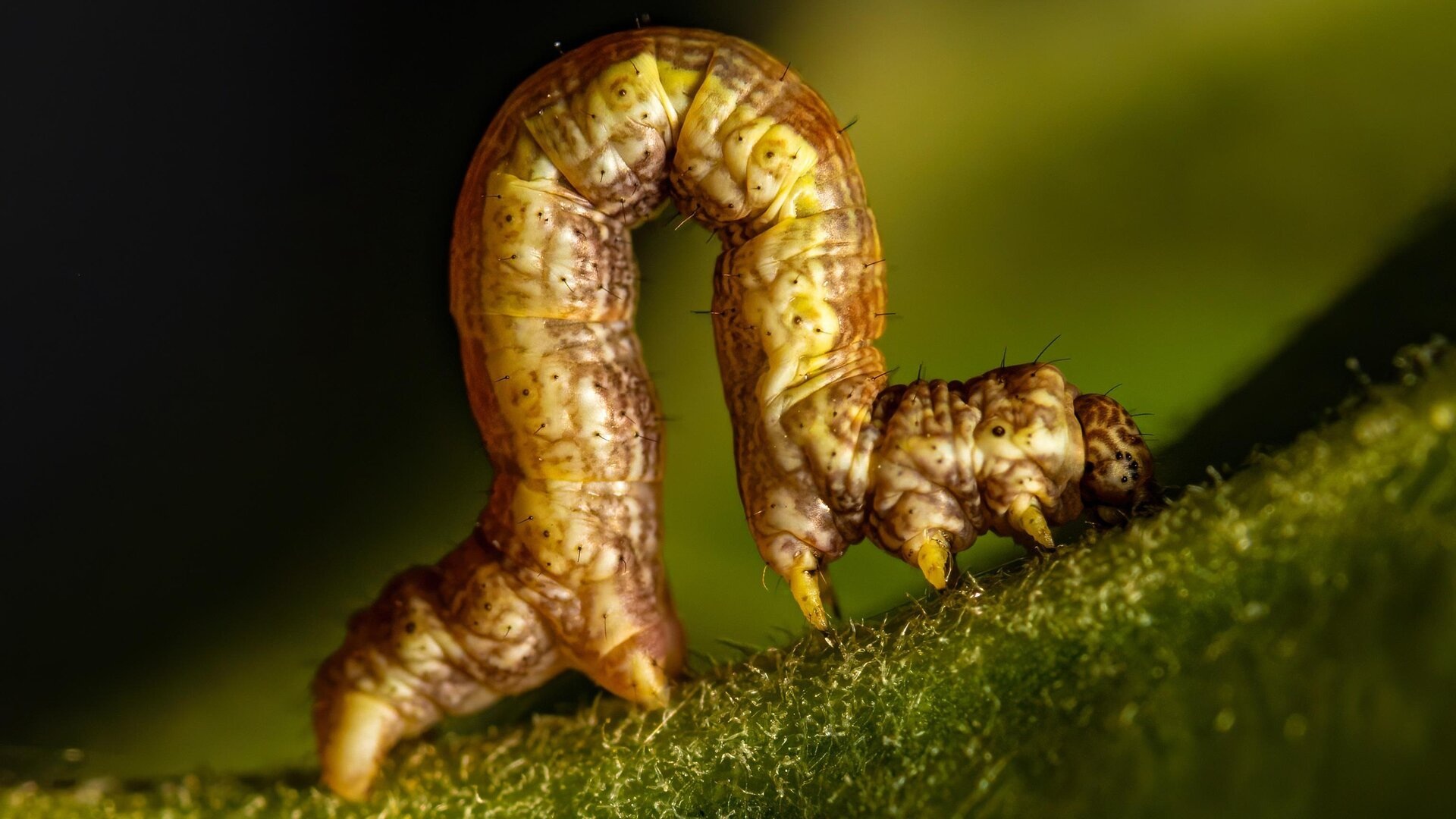
Inchworm-inspired robot uses 10 MeV-tolerant muscles to navigate Mars-like terrain
Researchers at the University of Gothenburg have developed an innovative soft robot inspired by the movement of inchworms. This breakthrough was announced on October 15, 2023, during a presentation at an international robotics conference in Gothenburg, Sweden. The team aims to create a versatile robotic system capable of navigating complex environments, which could have significant applications in fields such as search and rescue, environmental monitoring, and medical assistance. The motivation behind this project stems from the need for robots that can maneuver through tight spaces and uneven terrain, where traditional rigid robots often struggle. By mimicking the inchworm's unique locomotion, the researchers designed a soft robot that uses a series of flexible segments to propel itself forward, allowing for greater adaptability and safety in various settings. The development process involved extensive experimentation with materials and designs to achieve the desired flexibility and efficiency. The team utilized advanced engineering techniques to ensure the robot can perform tasks that require delicate handling, making it suitable for operations in sensitive environments. This innovative approach not only showcases the potential of bio-inspired robotics but also opens new avenues for future research in soft robotics, emphasizing the importance of nature as a source of inspiration for technological advancements.
Robotics needs a service framework.
RSF defines a common language for robot service capability, lifecycle operations, certification pathways, and service-provider networks.
Join the RobotToday community on LinkedIn
Daily robotics news, in-depth analysis, conference highlights, and discussions with professionals worldwide.