

Industry Briefing
A single destination for timely, editor-curated robotics news from around the world.

PrismML Unveils 1-Bit Bonsai LLM for Qualcomm-Powered AI Smart Glasses
PrismML, an AI lab founded by Caltech researchers, has introduced its 1-bit Bonsai language model tailored for smart glasses utilizing Qualcomm's Snapdragon chips. This model, showcased at Qualcomm's Snapdragon Summit, is designed to operate locally on AI glasses built on the Snapdragon AR1 Gen 1 platform, featuring a 2-billion-parameter model optimized for vision and language interaction. The significance of this development lies in PrismML's ability to reduce the size of larger models by four times while maintaining performance on standard benchmarks. This approach aims to promote open-weight AI that leverages existing device computing power, positioning itself as a viable alternative to proprietary AI solutions that depend on external computing resources. Looking ahead, while the Qualcomm announcement marks progress towards this vision, no specific smart glasses equipped with PrismML's model have been disclosed yet. The industry will be watching for future product launches that could integrate this innovative technology into consumer devices.
Models & LLMs Physical AI Technology & Infrastructure Wearables 1-Bit Bonsai LLM AI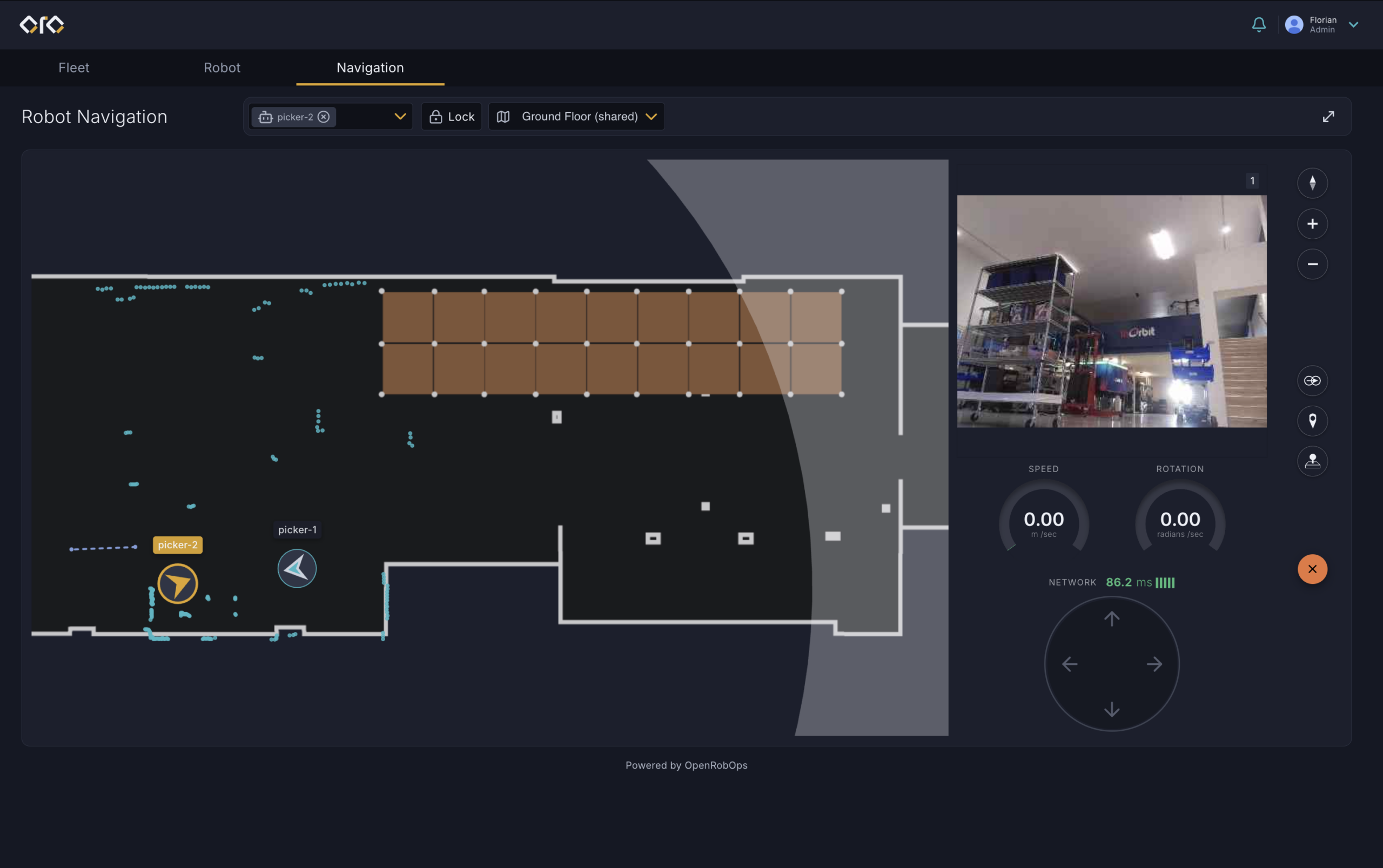
InOrbit.AI Launches OpenRobOps as ISO 21423 Reference Implementation for Fleet Management
InOrbit Inc. has introduced OpenRobOps, an open-source robot operations and fleet management software aimed at simplifying fleet orchestration for developers. This release marks the industry's first ISO 21423 reference implementation, which is designed to enhance interoperability among mobile robots and fleet managers. The significance of OpenRobOps lies in its potential to help robotics developers avoid the 'build trap' by providing a production-grade foundation that allows them to focus on innovation rather than backend development. According to Florian Pestoni, CEO of InOrbit, this initiative is a contribution to the global robotics community, enabling organizations to bridge the gap between business intent and physical execution. Looking ahead, OpenRobOps is expected to facilitate the adoption of the ISO 21423 standard, which governs communication and data exchange for industrial mobile robots. As the demand for autonomous mobile robots increases, the ability to provide standardized fleet management solutions will be crucial for OEMs and developers in the robotics sector. No further timeline was disclosed at the time of publication.
Autonomous Mobile Robots (AMRs) Development Tools / SDKs / Libraries Logistics Mobility / Navigation News Regulatory & Compliance
InOrbit.AI Launches OpenRobOps, First ISO 21423 Reference Implementation for Robotics
InOrbit.AI has announced the launch of OpenRobOps (ORO), an open-source robot operations software aimed at providing a production-grade foundation for robotics developers. This software facilitates the creation of a complete fleet manager and supports the forthcoming ISO interoperability standard for mobile robots. The introduction of OpenRobOps is significant as it addresses the robotics build trap, enabling developers to deploy robust fleet management solutions more efficiently. This release includes the first reference implementation of the ISO 21423 standard, marking a milestone in the standardization of mobile robot operations. Looking ahead, the industry will be watching how OpenRobOps influences the adoption of standardized practices in robotics and impacts the scalability of robotic deployments. No further timeline was disclosed at the time of publication.

Hai Robotics to Deploy 1,500 HaiPick Climb Robots at European Fulfillment Center
Hai Robotics has been chosen to supply automation technology for a new e-commerce fulfillment center operated by a prominent European fashion retailer. This initiative will feature the HaiPick Climb system, marking what is described as the largest deployment of rack-climbing warehouse robots globally. The significance of this project lies in its potential to revolutionize warehouse operations within the fashion retail sector. By integrating 1,500 HaiPick Climb robots, the fulfillment center aims to enhance efficiency and streamline logistics processes, setting a new standard for automation in the industry. Looking ahead, stakeholders will be keen to observe the implementation timeline and performance metrics of the HaiPick Climb system. No further timeline was disclosed at the time of publication.
News Warehouse robots automated storage ecommerce fulfillment fashion logistics fulfillment center
CodeRabbit Inc. Secures $143 Million Funding, Valued at $1.5 Billion
CodeRabbit Inc. has successfully raised $143 million in a recent funding round, achieving a valuation of $1.5 billion. This funding reflects the growing demand for artificial intelligence-powered tools that enhance code review processes, particularly in identifying flaws in AI-generated software programming. The significance of this funding round lies in its indication of the increasing reliance on AI technologies within software development. As organizations seek to improve the quality and reliability of AI-generated code, services like those offered by CodeRabbit become essential, positioning the company as a key player in the evolving tech landscape. Looking ahead, industry observers will be keen to see how CodeRabbit leverages this funding to expand its offerings and market presence. No further timeline was disclosed at the time of publication.

QC Ware Integrates IBM’s 156-Qubit Processor with GPUs for Molecular Chemistry Calculations
QC Ware, a quantum computing software company based in California, has successfully integrated conventional computing with IBM's 156-qubit Heron superconducting quantum processor. This collaboration aimed to calculate the electrostatic interaction energy of nitric oxide reductase, a complex metalloenzyme, showcasing the potential of combining classical and quantum computing in a unified workflow. The significance of this demonstration lies in its ability to enhance molecular property calculations, which are crucial for applications in drug discovery, catalysis, and materials science. By utilizing both GPU-accelerated molecular modeling and quantum measurements, QC Ware illustrates how quantum hardware can complement existing computational chemistry workflows rather than replace them entirely. Looking ahead, QC Ware's approach indicates a shift towards hybrid workflows that leverage the strengths of both quantum and classical systems. While the demonstration is not yet a fully integrated product capability, it sets the stage for future advancements in computational chemistry, allowing researchers to tackle complex problems more efficiently and effectively.
Science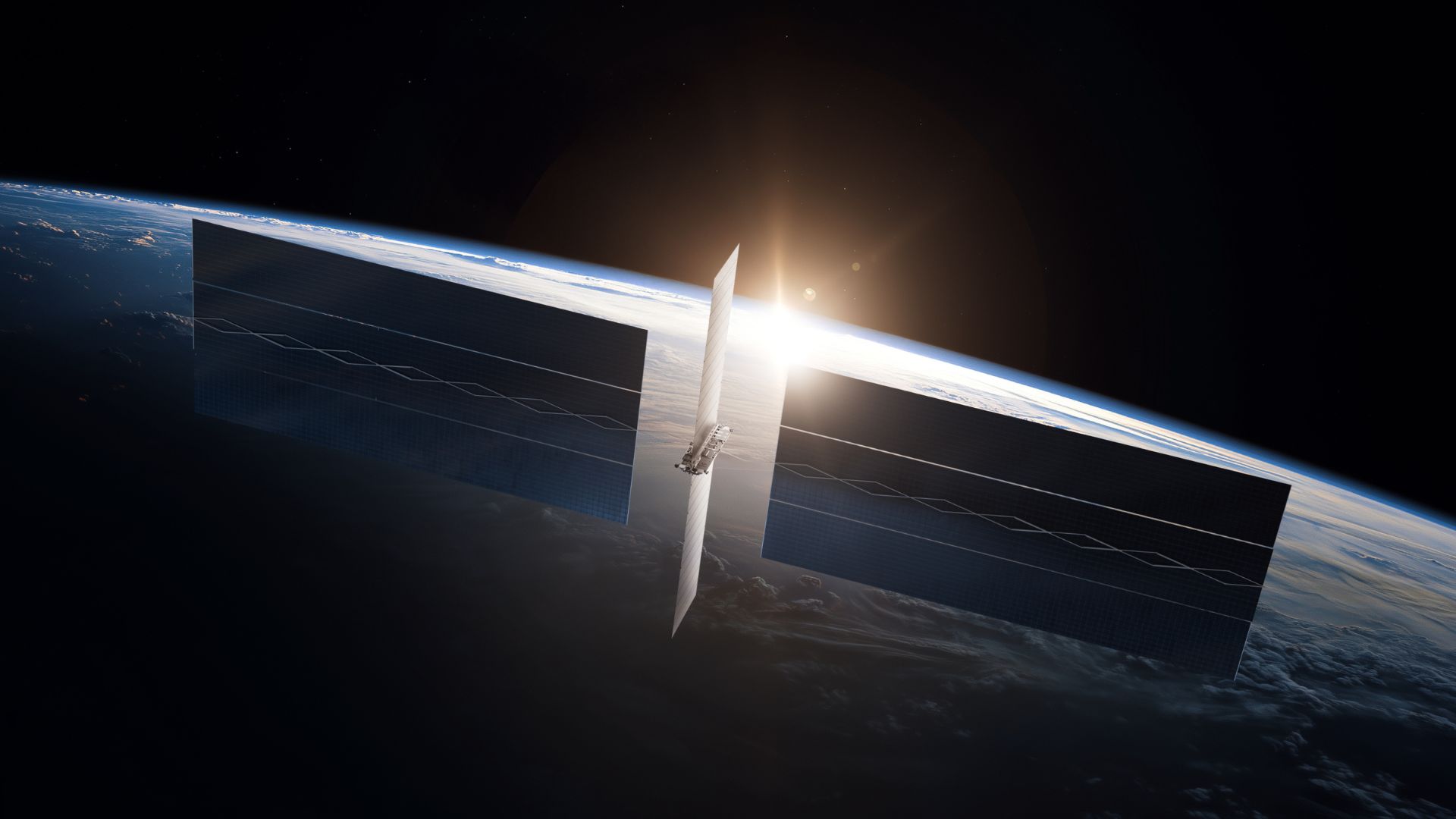
SpaceX and Nvidia Collaborate on Starmind AI1 Satellite with Rubin Chips for Orbital Computing
SpaceX and Nvidia have announced a partnership to develop the Starmind AI1 satellite, which will utilize Nvidia's Rubin GPUs and Vera CPUs for AI computing in low Earth orbit. This initiative aims to create a vast network of satellites, potentially reaching one million, forming a distributed AI supercomputer in space. The significance of this project lies in its potential to revolutionize AI processing capabilities beyond Earth, leveraging the advantages of solar energy and high-speed laser communication between satellites. SpaceX's commitment to using Nvidia's technology underscores the importance of this collaboration in advancing space computing. Looking ahead, prototype testing for the Starmind AI1 satellite is set for early 2027, with mass production anticipated later that year, contingent on regulatory approvals. The project could reshape the landscape of orbital infrastructure, significantly expanding the current satellite population and enhancing data processing capabilities in space.
AI and Robotics Space
UNIT AI Secures $12 Million to Enhance AI-Driven Ecommerce Fulfillment and Returns
UNIT AI has announced a successful funding round of $12 million aimed at scaling its AI-powered platform for ecommerce fulfillment and returns. This funding will support the company's efforts to enhance commercial deployments across North America, addressing the growing demand from retailers and third-party logistics providers. The significance of this funding lies in UNIT AI's commitment to making enterprise-grade automation more accessible, which is crucial as ecommerce continues to expand. The investment will enable UNIT AI to improve its modular platform, thereby streamlining operations for businesses in the ecommerce sector and enhancing customer satisfaction through efficient returns management. Looking ahead, UNIT AI's focus will be on accelerating the deployment of its platform in response to increasing customer demand. No further timeline was disclosed at the time of publication.

Brent Crude Surges Above $91 Amid US-Iran Tensions, Bitcoin Declines
Brent crude oil prices increased to over $91 per barrel following heightened tensions between the US and Iran regarding the Strait of Hormuz. This rise in oil prices coincided with a 1.3% decline in Bitcoin, reflecting the interconnectedness of global markets. Investors should monitor the ongoing geopolitical situation, as further developments could impact both oil and cryptocurrency markets significantly.
Artificial Intelligence Crypto News bitcoin iran semiconductor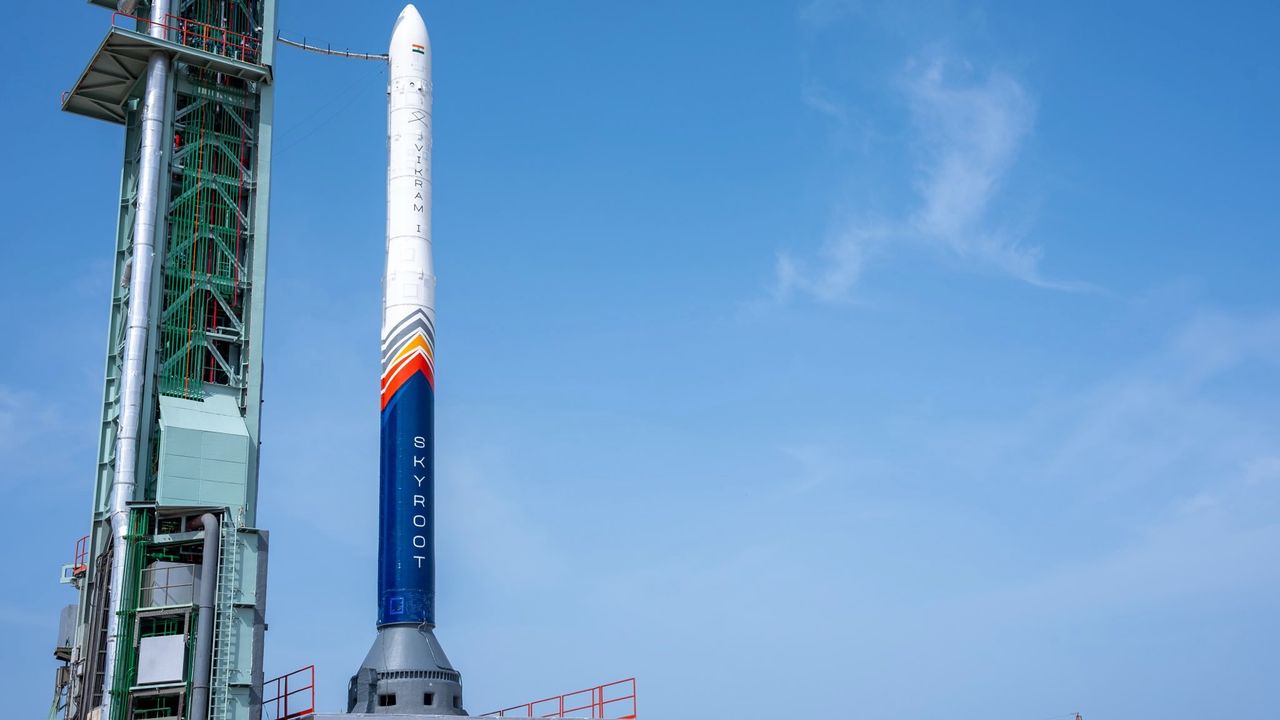
Skyroot Aerospace to Launch Vikram-1, India's First Private Orbital Rocket on July 18
Skyroot Aerospace is set to launch its Vikram-1 rocket on July 18 from the Satish Dhawan Space Centre in Sriharikota, marking a historic milestone as India's first privately built orbital rocket. The launch is scheduled for 2 a.m. EDT (0600 GMT; 11:30 a.m. IST) and will be streamed live. This launch is significant as it represents a new era for India's commercial spaceflight capabilities, following Skyroot's previous achievement with the Vikram-S suborbital rocket. The Vikram-1 is designed to carry small satellites, with a payload capacity of approximately 770 pounds (350 kilograms) to low Earth orbit, addressing the growing demand in the small satellite launch market. The test flight, named Aagaman, aims to evaluate the rocket's systems during flight while also deploying several customer payloads, including technology demonstrations and a robotic arm for space debris capture. No further timeline was disclosed at the time of publication.
Launches & Spacecraft Space Exploration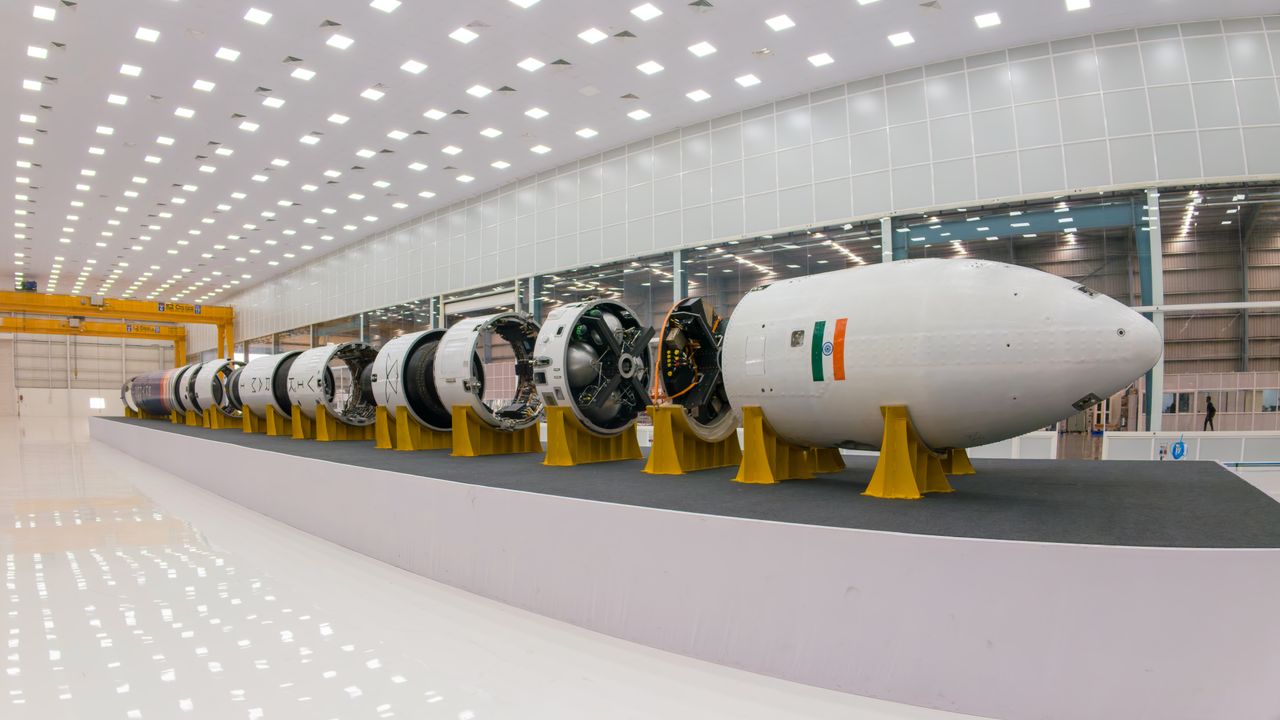
Skyroot Aerospace Prepares for Historic Vikram-1 Launch to Orbit Multiple Satellites
Skyroot Aerospace is on the verge of launching its first orbital rocket, Vikram-1, from the Satish Dhawan Space Centre, with a launch window from July 12 to August 4. The rocket features a unique liquid-fueled upper stage that allows for multiple satellite deployments during a single mission, marking a significant milestone for private spaceflight in India. The successful launch of Vikram-1, named Aagaman, would be a historic achievement as it would make Skyroot the first private Indian company to place satellites into orbit. The mission includes various payloads, such as Skyroot's SCOPE satellite and technology demonstrations from international partners, showcasing the company's capability to cater to specific orbital requirements for small satellites. Looking ahead, Skyroot aims to validate Vikram-1 through three development flights before commencing commercial operations. The company plans to scale production to one rocket per month, positioning itself in the market for dedicated satellite launches, akin to a 'cab' service for orbital missions, as stated by co-founder and CEO Pawan Kumar Chandana.
Launches & Spacecraft Space Exploration
BitRobot and Hugging Face Launch HIW-500: A 10TB Dataset for Humanoid Robotics Research
BitRobot Network, in collaboration with Hugging Face and Unitree Robotics, has launched HIW-500, the largest open-source humanoid teleoperation dataset. This dataset, collected from 12 homes in Southeast Asia, includes over 500 hours of footage, 23,000 episodes, and more than 10 terabytes of data, aimed at improving humanoid robots' ability to navigate and manipulate objects in real-world environments. The HIW-500 dataset addresses a critical data deficit in the robotics industry, particularly in teaching robots to perform household tasks. With over 10 core tasks and thousands of demonstrations, it provides a foundational resource for researchers to train AI models on complex, multi-step activities. This initiative responds to industry concerns about the lack of generalization in consumer robotics, as highlighted by Unitree CEO Wang Xingxing. To facilitate access, Hugging Face's LeRobot team has compressed the dataset from approximately 10TB to around 2TB without losing fidelity, making it more manageable for smaller academic labs. This significant reduction in size will enable broader use of the dataset in deep learning applications, potentially accelerating advancements in humanoid robotics.
Data Collection G1 Unitree Robotics LeRobot Dataset open-source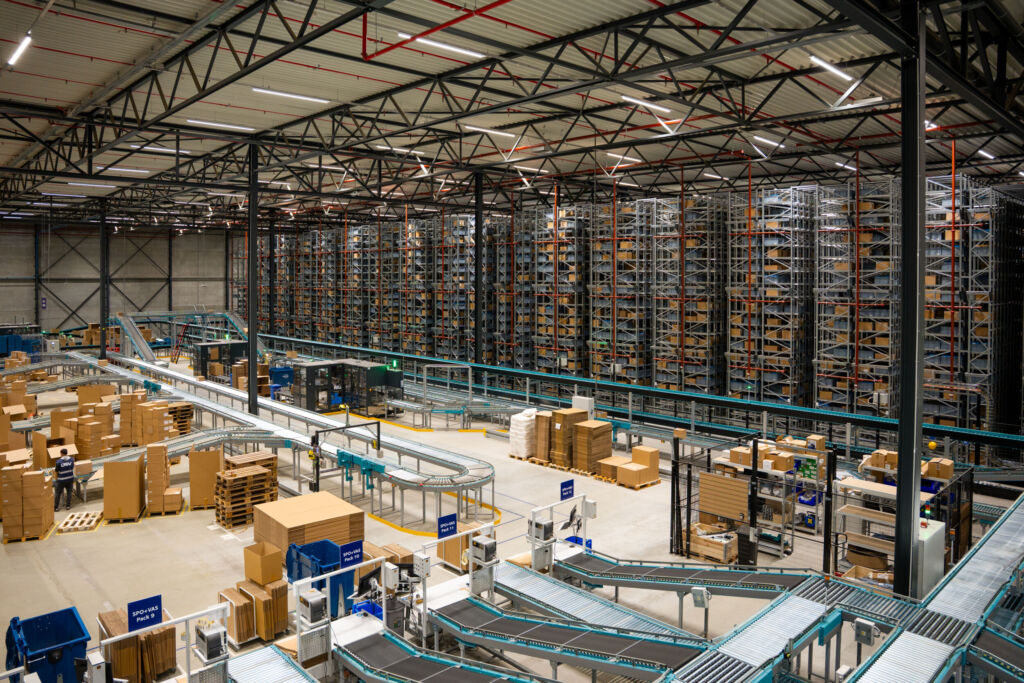
100 autonomous robots in fulfillment operations
Exotec has equipped DSV's logistics center in Venlo, Netherlands, with its innovative Skypod system, enhancing the facility's fulfillment capabilities. This advanced automation solution features 100 autonomous robots designed to streamline operations and improve efficiency in the supply chain. The implementation of the Skypod system is part of DSV's strategy to optimize logistics processes and meet growing demand in the e-commerce sector. By integrating these robots, the company aims to accelerate order processing and reduce operational costs, positioning itself competitively in the rapidly evolving logistics landscape.
Allgemein Fördertechnik & Handling Lagerlogistik & Materialfluss Lösungen
China Launches Components for Orbital Datacenter: AI Compute, Cloud Software, and Laser Links
On September 23, it was reported that China has successfully launched key components for an orbital datacenter. These components include on-board AI computing capabilities, cloud-native satellite software, and advanced 100 Gbps-class laser communication links, developed through multiple concurrent programs. This development is significant as it represents a major step forward in China's capabilities in space technology and satellite communications. The integration of AI and cloud-native software into satellite systems could enhance data processing and transmission efficiency, positioning China as a competitive player in the global space industry. Looking ahead, industry observers will be keen to monitor the progress of these programs and their potential applications in various sectors. No further timeline was disclosed at the time of publication.

Elon Musk's Vision for 10 Million Robots: Supply Chain Implications and Profitability
Tesla's Fremont factory has shifted its focus from producing 40,000 luxury electric vehicles annually to a target of 1 million Optimus humanoid robots. This significant increase in production capacity raises questions about the supply chain and who will benefit financially from Musk's ambitious plan to produce 10 million robots. Analysts suggest that the real profit opportunities may lie with Chinese suppliers who are scaling up to meet Tesla's demands. The supply chain for humanoid robots involves complex components such as actuators, reducers, and screws, which have high technical barriers and long validation periods. Major suppliers like Sanyuan and Top Group are positioned as core players in the Optimus supply chain, making it difficult for new entrants to compete. Tesla's procurement strategy involves framework orders based on production capacity, incentivizing suppliers to expand their operations. While substantial revenue from the robot production is not expected until 2027, the current market dynamics are already influencing stock prices. The robot industry is at a critical juncture, and established suppliers in Tesla's automotive business are leveraging their relationships to transition into the robotics sector. Musk's assertion that the global humanoid robot count could reach 1 billion in the next decade underscores the potential for significant market disruption.
Humanoid Robots Supply Chain Automation Tesla Robotics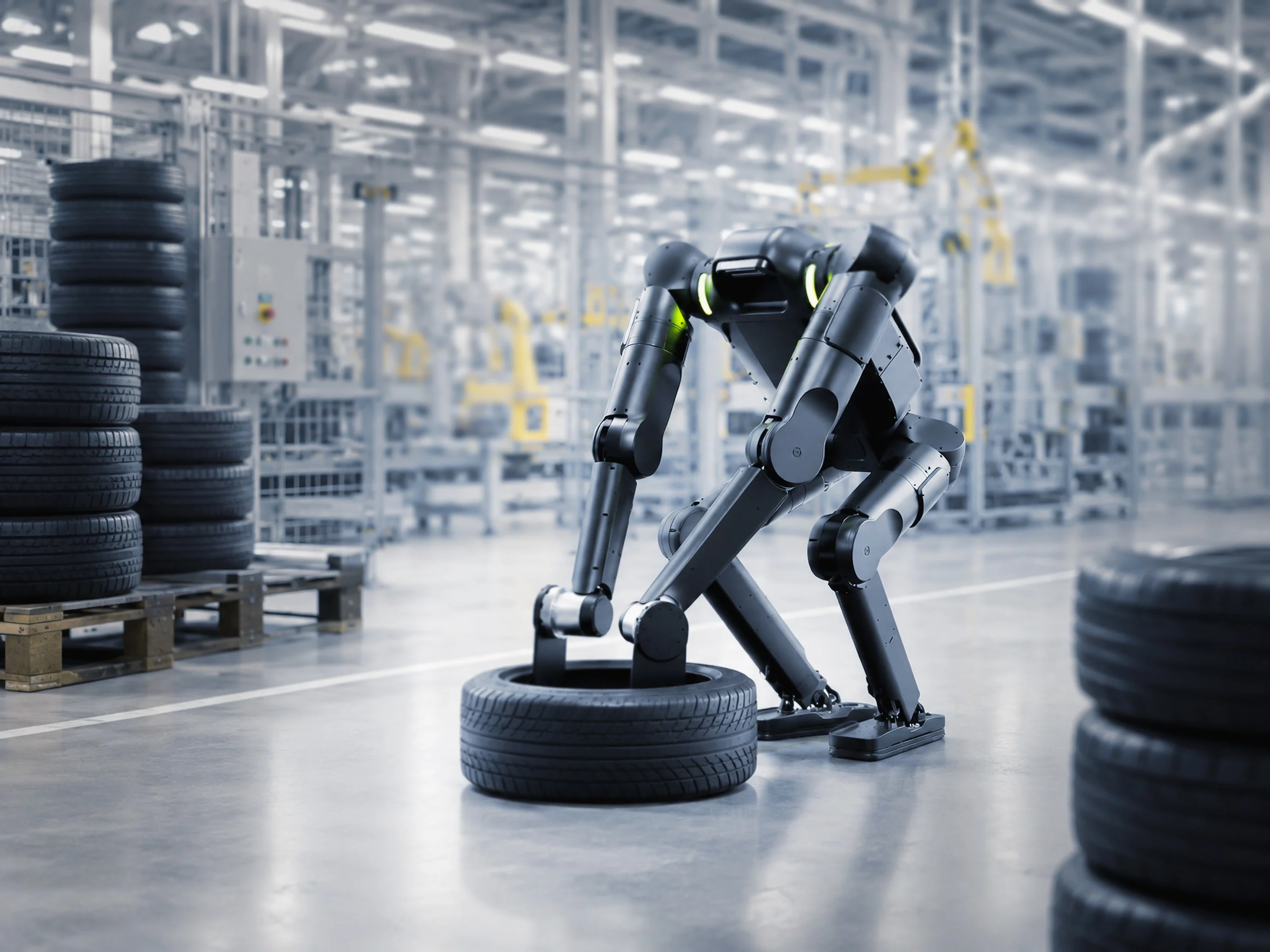
Wandercraft Aims for €100M Funding at €750M Valuation to Expand Industrial Humanoid Efforts
Wandercraft, a Paris-based robotics company, is seeking approximately €100 million (around $116 million) in new equity funding to enhance the commercialization of its hardware platforms. The firm is collaborating with Goldman Sachs Group Inc. to facilitate this funding round, which is expected to achieve a pre-money valuation of about €750 million. Discussions are ongoing, and neither Wandercraft nor Goldman Sachs has commented on specific terms or timelines. This funding initiative comes as Wandercraft transitions from its specialized rehabilitation hardware to a focus on heavy industrial automation. The company previously raised $75 million in a Series D funding round, which included investments from Renault SA and other notable entities. Wandercraft is known for its dynamic balancing medical exoskeletons, but its recent efforts are centered on the Calvin family of industrial humanoids designed for heavy-payload material handling in automotive manufacturing. Looking ahead, Wandercraft's push for €100 million reflects a larger trend in European robotics financing, where startups are increasingly attracting significant late-stage investments. The involvement of Goldman Sachs indicates a shift towards institutional investors capable of supporting long-term manufacturing cycles, as seen in recent funding successes by other European robotics firms like NEURA Robotics and Humanoid.
Europe Market Wandercraft
2026 World Robot Conference Features 150 New Products from 373 Exhibitors
The 2026 World Robot Conference, held from August 19 to 23 in Beijing, showcased 373 companies and over 3,000 innovative products, with more than 150 new releases, marking a 21% increase from the previous year. The event highlighted the transition of robots from mere exhibits to commercial products, emphasizing their growing capabilities. Notable innovations included the Nexo robot from Xinghaitu, featuring 30 degrees of freedom and a 20 kg load capacity, capable of completing a full order-to-delivery process autonomously. Additionally, the Galbot ET1 from Yinhe Tongyong demonstrated real-time interaction and learning abilities, showcasing the potential for robots to perform complex household tasks. The conference also addressed the scarcity of high-quality human motion data with the release of the HiPHI dataset, which offers 617.5 hours of data for research purposes. As the robot industry continues to grow, with revenues projected to exceed 300 billion yuan by 2025, the conference underscored the expanding role of robots in various sectors, including homes, factories, and warehouses.
Humanoid Robots Warehouse Automation AI Robotics Innovation Automation Technology
NASA's Ranger 1 Launch on August 23, 1961, Ends in Low-Earth Orbit Failure
On August 23, 1961, NASA launched the Ranger 1 robotic spacecraft as part of its Ranger program aimed at testing technologies for future lunar missions. The primary objective of Ranger 1 was to assess the spacecraft's performance and study the Earth's surrounding particles and fields. Unfortunately, a malfunction caused the rocket's engine to shut down prematurely, preventing Ranger 1 from reaching its intended high orbit of 37,000 by 684,000 miles. The failure to achieve its mission highlights the challenges of space exploration, as Ranger 1 remained in low-Earth orbit before re-entering the atmosphere on August 30 and being incinerated. Despite the setback, the mission contributed valuable lessons to the field of aerospace engineering, reinforcing the notion that failures can lead to significant advancements in technology and problem-solving. Looking ahead, the legacy of Ranger 1 serves as a reminder of the complexities involved in space missions. While no further timeline was disclosed at the time of publication, the experiences gained from such failures continue to shape the future of space exploration and innovation.
Space Exploration
NVIDIA and LG Set Ambitious Goal of 100,000 Hours of Robot Training Data by Year-End
NVIDIA and LG Electronics have set a new benchmark in robot training data, aiming for 100,000 hours by year-end. This initiative was announced during a visit by NVIDIA's Senior Director of Omniverse and Robotics Marketing, Min-San Huang, to LG's Yangjae R&D Center in Seoul, following a strategic partnership agreement signed just days earlier. This ambitious target is significant as it surpasses the training data of other companies, such as Ant Group's LingBot-VLA 2.0 model, which has 60,000 hours. The training data will be sourced from a mix of real and synthetic data, leveraging decades of LG's operational data in manufacturing and logistics, enhanced through NVIDIA's Omniverse and Isaac robotics development platform. Looking ahead, LG plans to deploy hundreds of CLOiD robots at the Yangjae data factory, which features various training environments. The company aims to launch a next-generation bipedal robot based on NVIDIA's Isaac GR00T model by Q1 2027. No further timeline was disclosed at the time of publication.
Robot Training AI Robotics Manufacturing Data Analytics
Over 300 Companies to Exhibit Over 150 New Products at the 2026 World Robot Conference
The 2026 World Robot Conference is set to take place from August 19 at the Yichuang International Exhibition Center in Beijing, spanning five days. This year's event will feature over 300 participating companies, a 36% increase from last year, showcasing more than 2,000 products, including over 150 new releases. The conference marks the 11th edition since its inception in 2015. The significance of this year's conference lies in the shift from merely showcasing products to focusing on delivery, reflecting the rapid growth of the robotics industry. According to the Ministry of Industry and Information Technology, revenue from China's robot enterprises exceeded 90 billion yuan in the first five months of this year, representing a 26.9% year-on-year increase. The conference will also highlight the increasing presence of humanoid robots, which accounted for approximately 90% of global shipments in 2025. Looking ahead, the conference will feature four exhibition halls, with the Intelligent Creation Hall being the most prominent for humanoid robot manufacturers. Notably, companies like UTree Technology and UBTECH will showcase their latest products. As the industry expands, the focus will be on which companies transition from prototype to small-scale delivery, indicating the evolving landscape of the robotics market. No further timeline was disclosed at the time of publication.
Humanoid Robots Robotics Industry Exhibitions AI Technology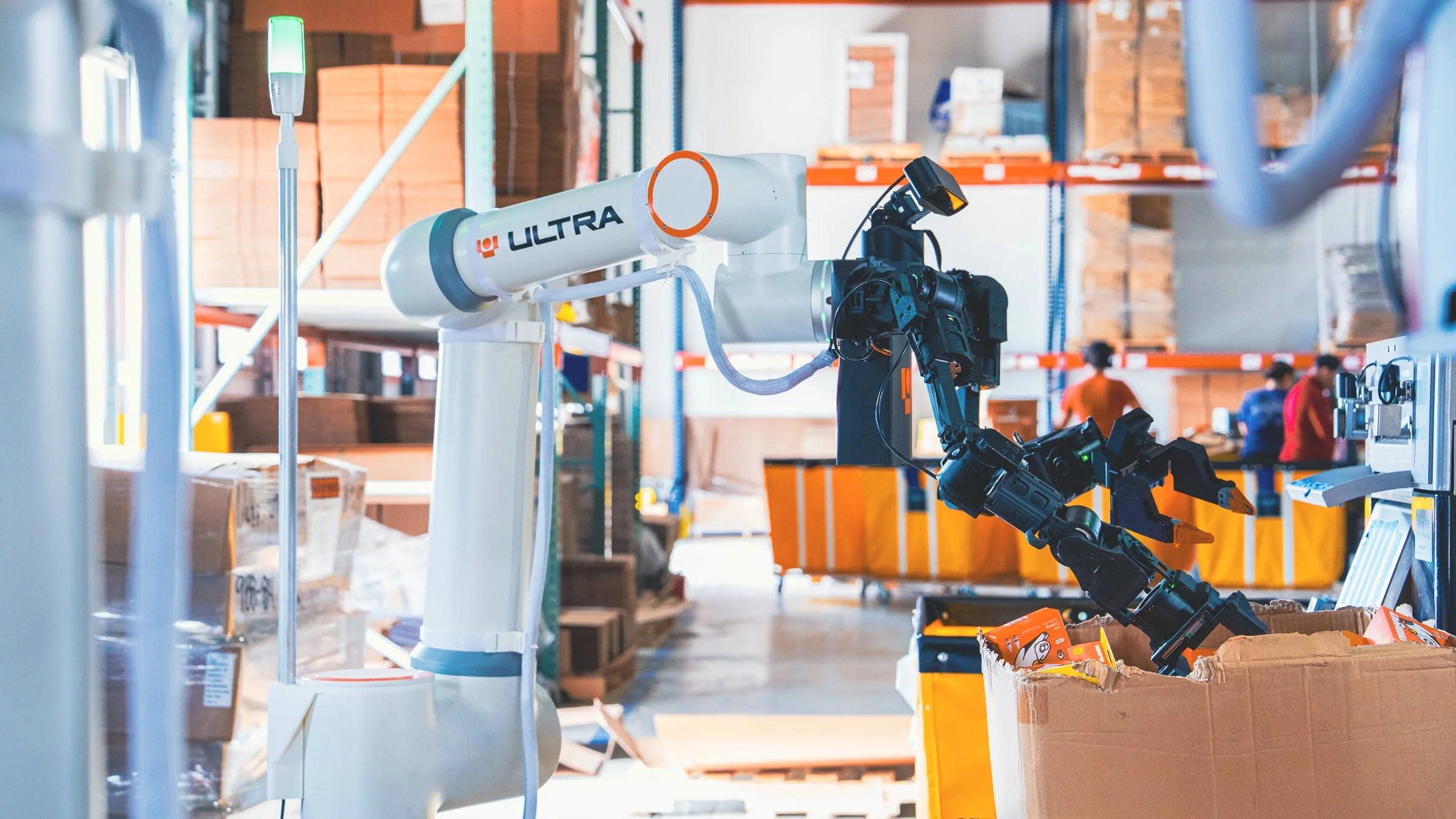
Highline Commerce Integrates Ultra Robotics' OP1 to Automate 30% of Fulfillment in Brooklyn
Highline Commerce has successfully integrated humanoid robots from Ultra Robotics into its Brooklyn fulfillment center, automating up to 30% of daily order processing. This deployment marks a significant milestone, as Highline becomes one of the first fulfillment companies to utilize humanoid robots in live retail operations, managing tasks for over 200 brands. The implementation of Ultra Robotics' OP1 system, a stationary dual-arm AI robot, allows for efficient handling of repetitive tasks such as packing and sorting without the need for extensive infrastructure changes. The OP1's design enables continuous operation and adaptability to various warehouse workflows, addressing common challenges faced by mobile robots. Looking ahead, the collaboration between Highline Commerce and Ultra Robotics highlights the importance of localized testing in real-world environments. As both companies are situated in Industry City, this partnership allows for rapid iteration and validation of robotic capabilities, setting a precedent for future advancements in warehouse automation. No further timeline was disclosed at the time of publication.
US Ultra Robotics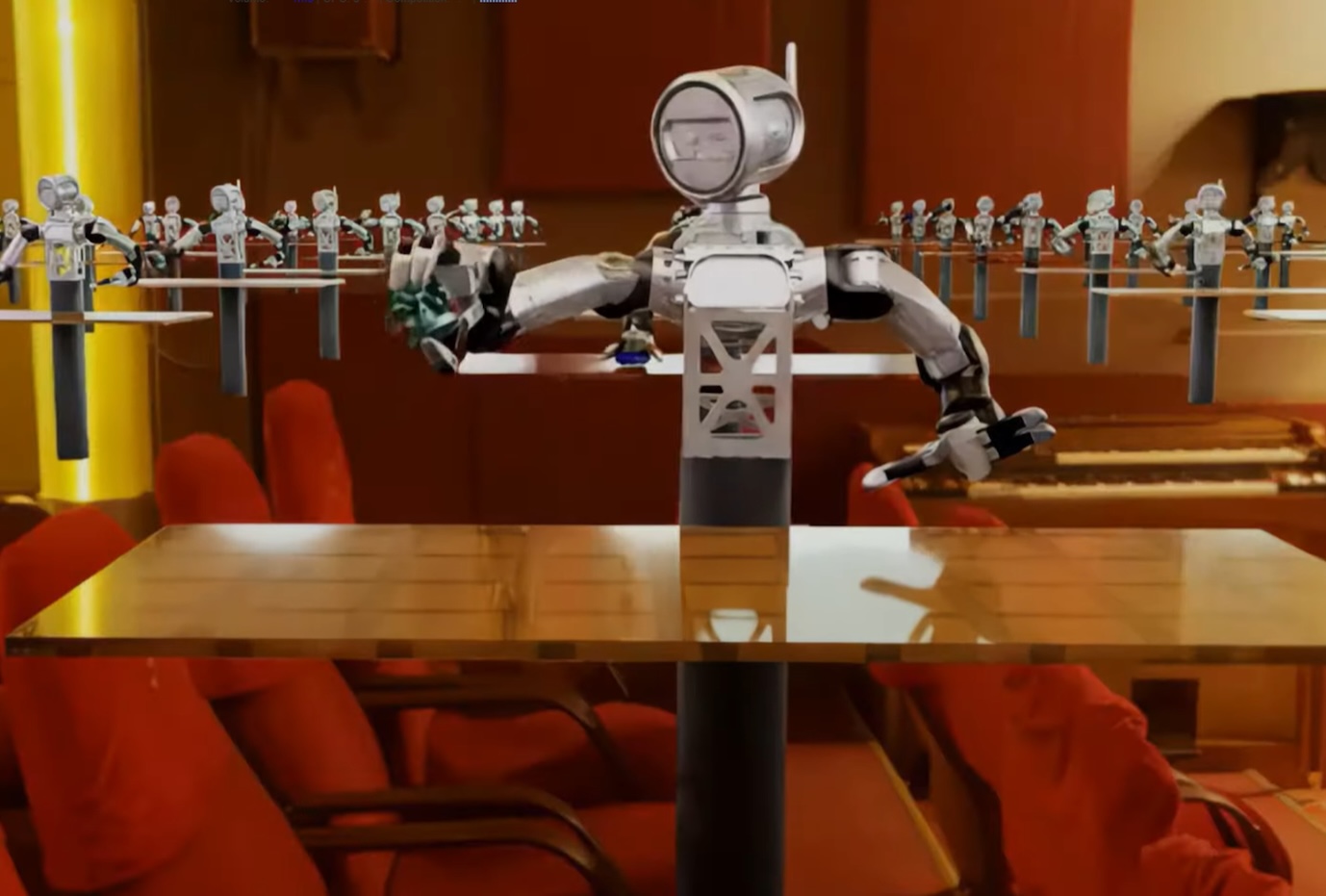
SpaceX's Starmind Faces Feasibility Challenges for 1 Million Satellite Deployment
On January 30, 2026, SpaceX submitted a request to the FCC to launch up to 1 million satellites as part of its Starmind orbital compute constellation. This ambitious plan is unprecedented, as the total number of satellites ever launched globally is in the low tens of thousands. The proposal seeks a waiver from standard deployment milestones, citing reliance on the Starship's full reusability for success. The significance of this request lies in the technical and logistical challenges it presents. Experts warn that low Earth orbit may not support the proposed number of active satellites without risking a debris cascade. SpaceX's own IPO prospectus acknowledges unresolved dependencies related to Starship's launch cadence and reusability, which are critical for the orbital AI compute strategy. Looking ahead, the timeline for achieving the necessary launch cadence and manufacturing capacity remains uncertain. SpaceX's Gigasat facility in Texas aims for volume production by late 2027, but this would require unprecedented output levels. No further timeline was disclosed at the time of publication, leaving the feasibility of the Starmind project in question.
SpaceX's Starship V3 Plans for 1 Million Starmind Satellites by 2030
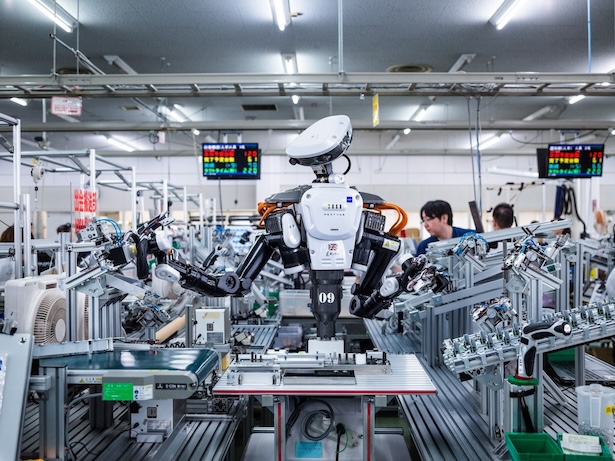
SpaceX's Starship V3 is set to revolutionize satellite deployment, aiming to launch 1 million Starmind satellites by 2030. The spacecraft can carry over 100 tonnes to low Earth orbit (LEO), significantly more than the Falcon 9's capacity. As of May 2026, Starship has completed 12 flights, with the next mission scheduled for late July 2026, focusing on operational payloads including AI1 prototypes in early 2027. This ambitious plan is crucial for expanding orbital compute capacity, targeting an annual addition of 100 GW through a million tonnes of satellite hardware. SpaceX's strategy hinges on achieving a launch cadence of approximately 12,000 flights, equating to about three launches per day. The company has invested over $15 billion in the Starship program, with expectations to begin payload deliveries in the second half of 2026, starting with Starlink V3 satellites. Looking ahead, the successful deployment of the Starmind constellation will depend on Starship's ability to meet its cost targets of $10–20 million per flight. If achieved, this would make launching satellites more economical than building ground data centers. The next significant milestone will be the launch of AI1 prototypes in early 2027, with full-scale deployments commencing in 2028 from the new Gigasat factory in Texas.

SpaceX Unveils AI1 Satellite Specs for Starmind Constellation with Key Thermal Challenges
SpaceX has introduced the AI1 satellite, the inaugural component of its Starmind constellation, which stands 20 meters tall and has a wingspan of 70 meters. This orbital compute node is designed to deliver computing power equivalent to one NVIDIA GB300 server rack, utilizing a unique cooling system with deployable liquid radiators. The satellite's specifications were revealed during a presentation on June 8, 2026, ahead of SpaceX's IPO. The significance of the AI1 satellite lies in its role as a compute platform rather than a traditional satellite, focusing on running AI inference workloads. The satellite's cooling system, which is critical for its operation in the vacuum of space, is designed to reject heat through infrared radiation. However, independent engineers have raised concerns about the feasibility of the thermal and mass claims made by SpaceX, suggesting that the cooling requirements may exceed practical limits. Looking ahead, SpaceX plans to launch two AI1 prototypes in early 2027, with full-scale production expected to commence later that year at its Gigasat facility in Bastrop, Texas. The ongoing debate regarding the satellite's thermal management capabilities will be crucial to monitor as the project progresses, with no further timeline disclosed at the time of publication.
Starmind's Orbital Compute vs. Terrestrial Data Centers: Analyzing Resource Advantages
Starmind's orbital compute technology presents a significant advantage over traditional ground-based data centers by eliminating constraints related to land, water, and grid permitting. While terrestrial data centers are currently cheaper and faster to construct, with U.S. data center spending reaching $85.3 billion in 2026, Starmind's approach focuses on addressing the growing resource limitations faced by hyperscale facilities. The significance of Starmind's technology lies in its ability to sidestep the increasing challenges of land and water usage. For instance, a 100 MW data center can consume approximately 530,000 gallons of water daily for cooling, while Starmind's AI1 utilizes deployable liquid radiators that require no water. This structural advantage could resonate with investors as the demand for AI computing continues to escalate, potentially leading to annual water withdrawals of up to 1.7 trillion gallons by 2027. Looking ahead, Starmind's next milestones include the launch of AI1 prototypes scheduled for early 2027. However, the technology's claims regarding cooling efficiency and operational reliability remain unverified until real flight data is available. As the industry evolves, the competition between orbital and terrestrial solutions will become increasingly relevant, particularly in the context of resource management and sustainability.
SpaceX Proposes 1 Million AI Satellites to Address Ground Data Center Constraints
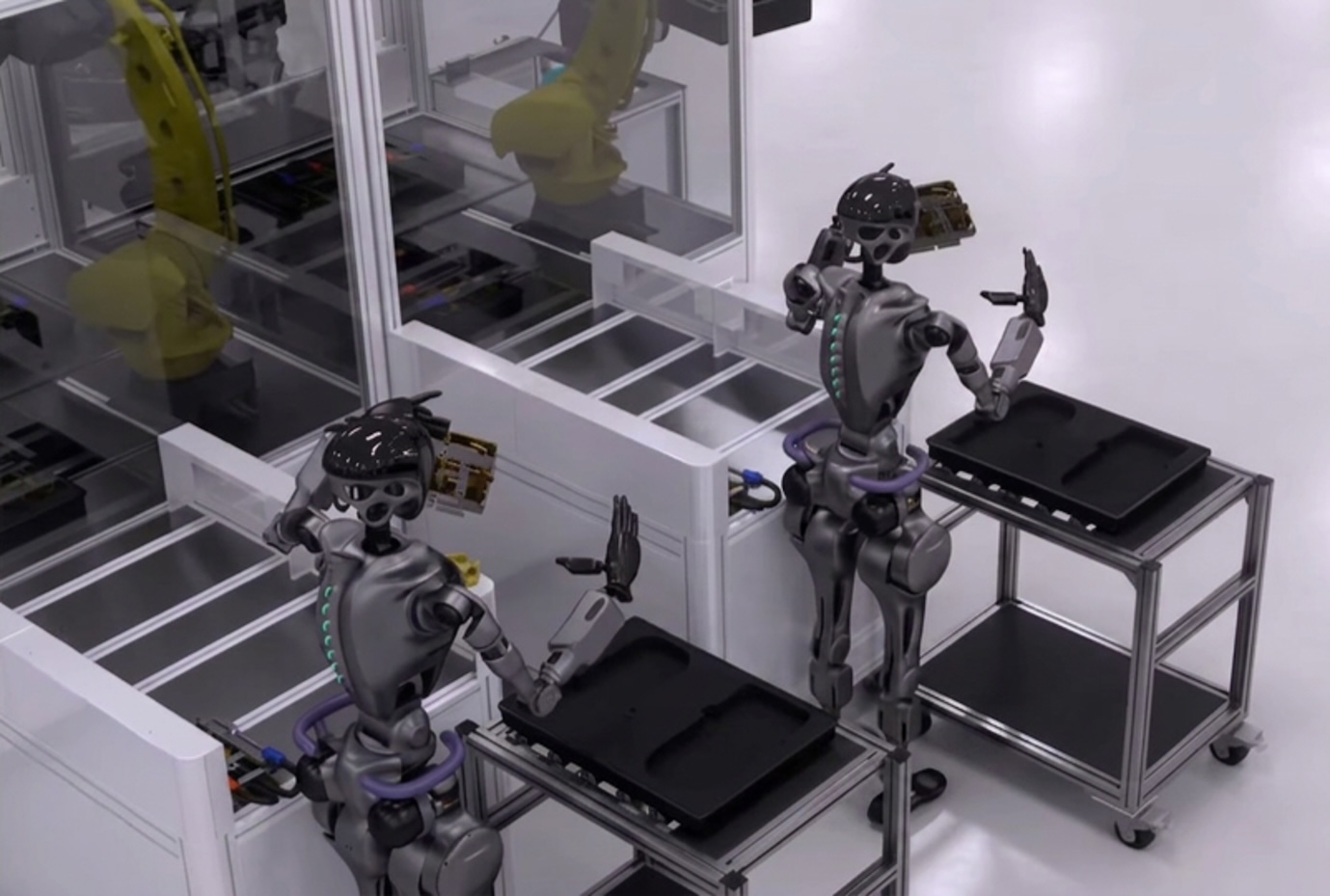
On January 30, 2026, SpaceX filed with the FCC to launch up to 1 million AI compute satellites, positioning orbital data centers as a solution to the increasing demand for AI computing power. Ground data centers are facing significant challenges, with energy consumption projected to reach approximately 1,050 TWh in 2026, making them the fifth-largest electricity consumer globally. The demand for new data center capacity is outpacing the growth of power generation infrastructure, leading to a critical bottleneck in the grid system. The significance of this initiative lies in the structural constraints faced by ground data centers, including power delivery limitations, high water consumption, and local opposition to new projects. The Uptime Institute's 2026 outlook identifies power as the primary constraint on data center growth, with capacity clearing prices in the PJM grid skyrocketing to $329.17/MW, driven by data center expansion. Additionally, cooling requirements are becoming increasingly unsustainable, with facilities consuming vast amounts of water, further complicating their operational viability. Looking ahead, SpaceX's orbital AI compute initiative aims to circumvent these challenges by leveraging the advantages of space, such as continuous solar power and minimal local opposition. The first AI prototypes are expected to launch in early 2027, with operational deployments planned for 2028. No further timeline was disclosed at the time of publication.

SpaceX's Starmind Plans 1 Million AI Satellites Amid Collision Risks
SpaceX has announced its ambitious Starmind project, which aims to deploy 1 million AI satellites in orbits between 500 and 2,000 km. This initiative, confirmed by Elon Musk on June 23, 2026, follows a merger with xAI, valuing the combined entity at $1.25 trillion. The satellites will function as orbital data centers, processing AI workloads powered by solar arrays and linked by optical lasers. The significance of Starmind lies in its potential to add 100 gigawatts of AI compute capacity annually, contingent on the successful operation of the Starship launch system. However, the project raises concerns regarding space debris, as the current orbital environment is already congested, with a 20% increase in collision risk reported since 2024. The European Space Agency has highlighted that the density of debris in low Earth orbit is now comparable to that of active satellites, complicating the operational landscape for new entrants like Starmind. Looking ahead, the first operational orbital AI deployments are targeted for 2028, with test launches expected in early 2027. However, the project faces scrutiny regarding its impact on space debris, as even a 1% failure rate could significantly increase the number of uncontrollable objects in orbit, exacerbating existing risks. No further timeline was disclosed at the time of publication.
SpaceX Launches Starmind Project for 1 Million AI Satellites by 2028
SpaceX has officially named its orbital AI infrastructure project 'Starmind,' which aims to deploy a constellation of up to 1 million satellites. This initiative, confirmed by Elon Musk on June 22, 2026, will enable AI inference directly in space, utilizing solar energy rather than terrestrial power sources. The first satellite, designated AI1, was unveiled on June 8, 2026, and is designed to operate in sun-synchronous orbits. The significance of Starmind lies in its potential to overcome the limitations faced by ground-based data centers, such as land, power, and water constraints. By running AI computations in orbit, Starmind can provide a more efficient solution to the growing demand for AI computing power. The project leverages the existing Starlink infrastructure for data transmission, distinguishing its function from Starlink's internet relay capabilities. Looking ahead, SpaceX plans to begin hardware deployment with the AI1 satellite, while full-scale production and deployment of the satellite constellation are targeted for 2028. As of now, no Starmind satellites have been launched, and further engineering challenges remain to be addressed, particularly regarding the scalability of the satellite design.
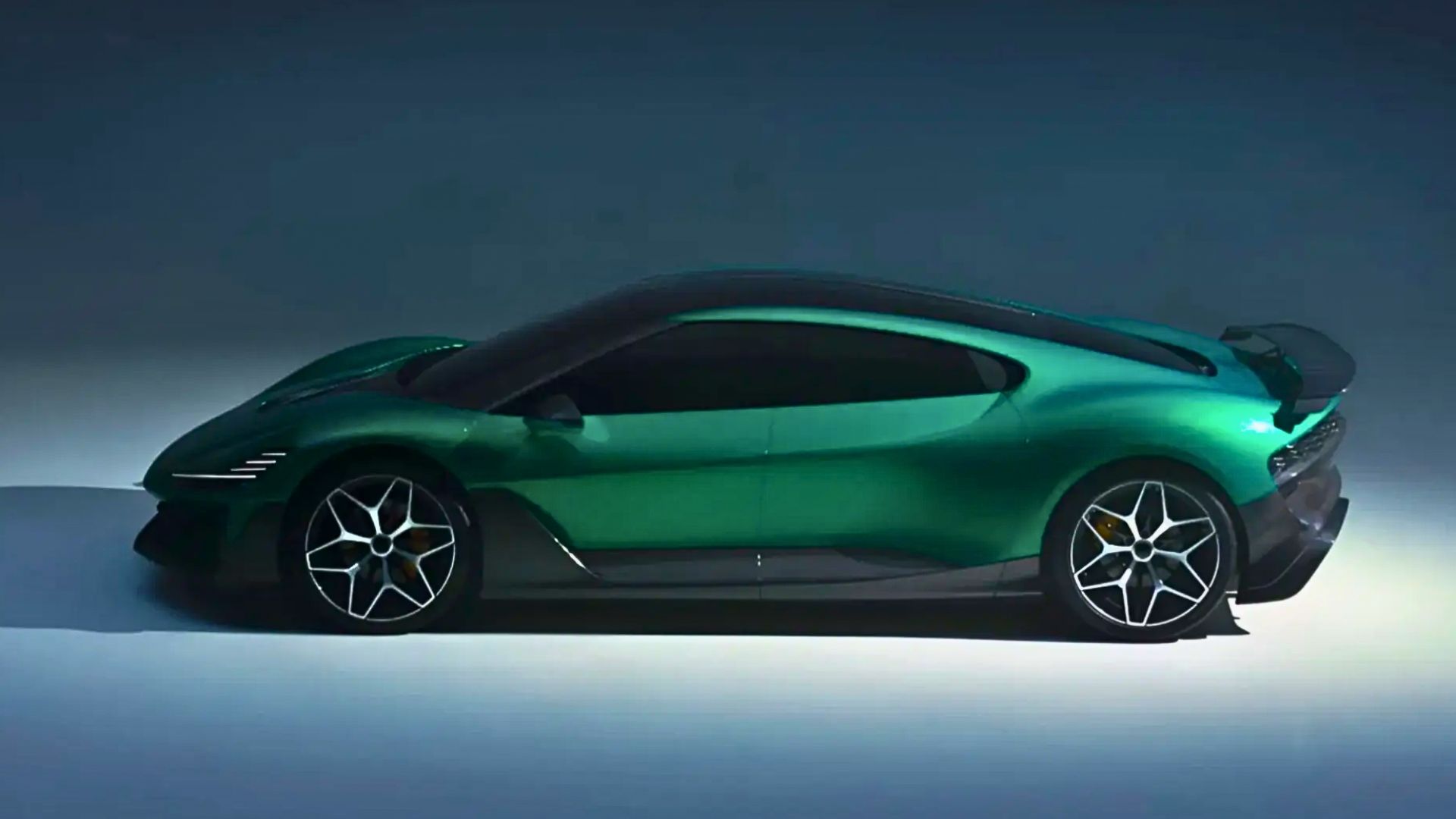
Dreame Cancels Electric Hypercar Project After Brief Automotive Ambitions
Dreame, a Chinese company known for robot vacuums, has canceled its electric hypercar program, including the rocket-assisted version unveiled earlier this year. This decision marks a significant shift from the company's initial plans for a 1,876-horsepower electric supercar and a luxury SUV, which were first announced in 2025. The cancellation highlights the challenges faced by companies outside the traditional automotive sector when attempting to enter the electric vehicle market. Dreame's ambitious plans, including a hypercar capable of accelerating from 0 to 62 mph in just 1.8 seconds, faced practical hurdles that ultimately led to the project's termination. Reports indicate that the automotive division, known as the Star Project, expanded rapidly but was followed by layoffs as the project was wound down. Looking ahead, Dreame has stated that technologies developed during the automotive project may be integrated into its existing smart home and mobility products. The cancellation serves as a reminder of the complexities involved in transitioning from concept to mass production in the EV industry, where many companies have struggled despite initial enthusiasm.
Transportation
Star Catcher Industries and Aethero Partner to Enhance Space-Based Computing Power
Star Catcher Industries and Aethero have formed a partnership to enhance high-performance computing and AI capabilities in orbit by addressing power limitations. Aethero will utilize Star Catcher's upcoming orbital energy grid to access additional power on demand, enabling spacecraft to manage increased computing loads without extensive onboard energy systems. This collaboration is significant as it aims to support the growing demand for space-based data centers and content distribution networks, driven by the increasing volume of satellite-generated data. By processing data in orbit, the need for extensive ground communications is reduced, alleviating potential bottlenecks. Looking ahead, Aethero plans to deploy its NxA-ECM compute module during its Titan mission in October, which will facilitate advanced computing in low Earth orbit. Star Catcher's innovative power-beaming technology is expected to allow spacecraft to generate up to 10 times more power on demand, enhancing operational efficiency and expanding the capabilities of satellite missions. No further timeline was disclosed at the time of publication.
AI and Robotics Space
SpaceX Falcon 9 Rocket to Impact Moon This Week After 18 Months in Orbit
On August 5, 2025, the upper stage of a SpaceX Falcon 9 rocket is set to collide with the moon, creating a crater approximately 89 feet wide. This unexpected trajectory change occurred after the rocket, which launched two lunar landers, was left in a high-Earth orbit due to fuel constraints. The significance of this event lies in its potential to enhance our understanding of lunar impacts and the risks posed by space debris. Astronomers are eager to observe the collision, which will help test methods for measuring impact events and assessing hazards for future lunar missions. Looking ahead, the impact will take place on the sunlit side of the moon, making it difficult for most Earth observers to see. However, it presents a valuable opportunity for researchers to study the effects of space debris on lunar infrastructure and astronaut safety. No further timeline was disclosed at the time of publication.
The moon Astronomy Solar System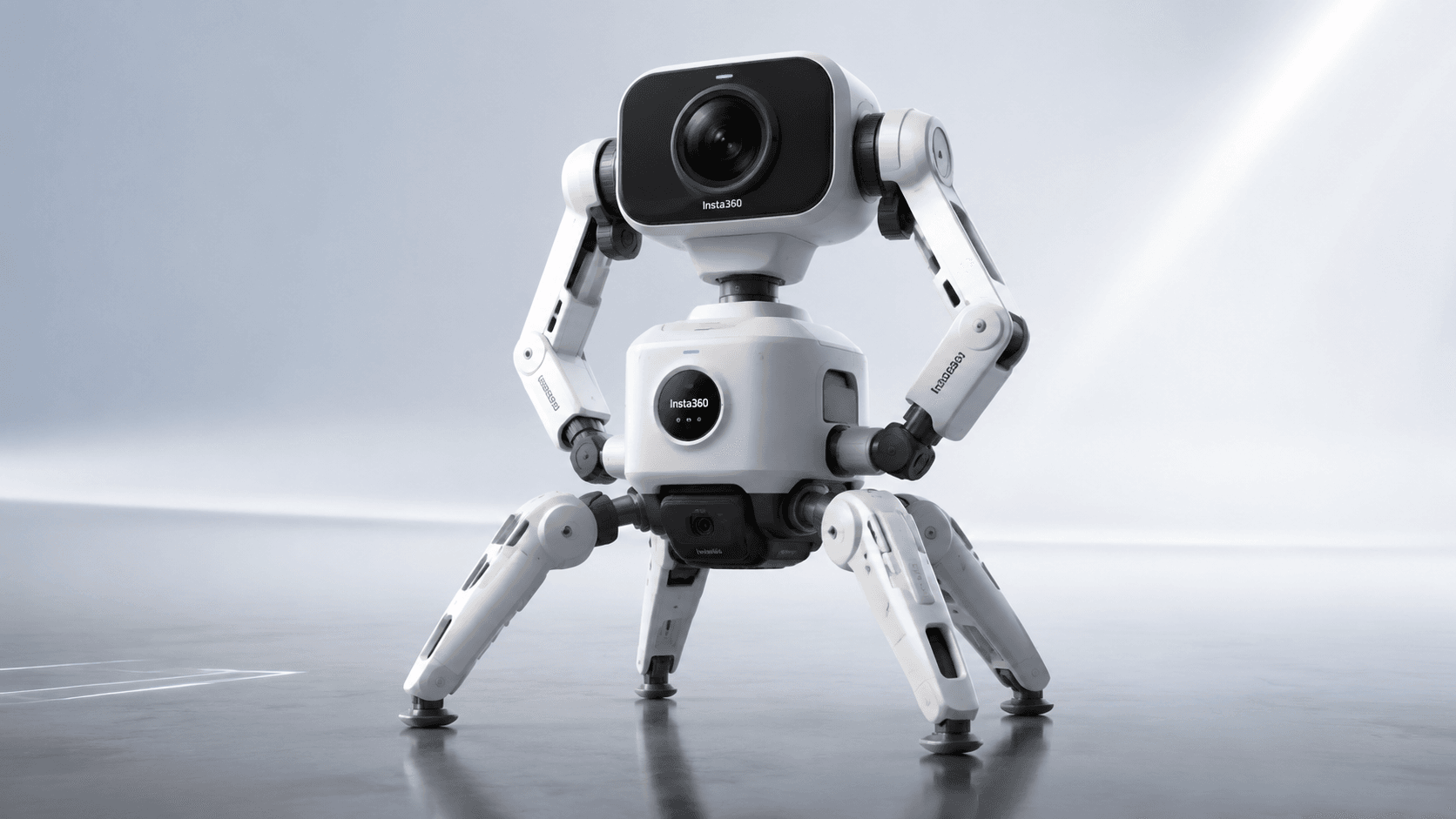
Insta360 Launches CameraMan Robot for Intelligent Photography on 11th Anniversary
Insta360 has introduced the CameraMan robot vision concept during its 11th anniversary celebration. This intelligent photography robot incorporates six years of advancements in AI chip, camera, and audio technologies, showcasing the company's commitment to innovation in the robotics space. The announcement comes at a time when Insta360's market capitalization has decreased by 60%. The significance of the CameraMan lies in its integration of sophisticated AI capabilities, which enhance its photography functions. By leveraging years of research and development in AI and imaging technologies, Insta360 aims to capture a share of the growing market for intelligent photography solutions. This move reflects a strategic pivot for the company amidst challenging market conditions. Looking ahead, industry observers will be keen to see how Insta360 develops the CameraMan concept into a market-ready product. No further timeline was disclosed at the time of publication, but the company's focus on intelligent robotics could signal a new direction for its future offerings.
Technology
Tesla's Optimus Robots to Support Starmind Satellite Production, Not Maintenance
Tesla's Optimus robots will not be used to repair Starmind satellites in orbit, as confirmed by recent statements from Elon Musk. Instead, these robots are intended to assist in the construction and operation of the Terafab chip manufacturing facility in Texas. The AI1 satellites, designed to disintegrate upon reentry, highlight the company's swap-and-replace strategy rather than traditional maintenance practices. This approach is significant as it reflects a broader trend in satellite management, where mass-produced satellites are replaced rather than repaired. The economics of servicing missions are prohibitive, with the cost of launching a replacement satellite being significantly lower than conducting a repair mission. This model aligns with SpaceX's operational history, where rapid replacement of satellites is more efficient than attempting to maintain them in orbit. Looking ahead, the focus will remain on the production capabilities of the Gigasat factory, which is expected to support the continuous replacement of satellites. No further timeline was disclosed at the time of publication, but the demand for rapid satellite turnover suggests a robust future for Optimus robots in terrestrial manufacturing rather than in-space servicing.

SpaceX's Starmind Targets AI Labs with $6.3 Billion Compute Contracts
SpaceX's Starmind is designed to provide wholesale AI compute services to businesses, particularly AI labs and cloud customers, rather than individual consumers. The service operates similarly to AWS, where users benefit from applications running on Starmind without direct subscriptions. The compute capacity of a single AI1 satellite is comparable to one NVIDIA GB300 rack, emphasizing its enterprise-grade capabilities. The significance of Starmind lies in its positioning as a potential fourth hyperscaler, joining the ranks of AWS, Microsoft Azure, and Google Cloud. The Reflection AI contract, valued at $150 million per month, exemplifies the enterprise-focused model, with total payments potentially reaching $6.3 billion through 2029. This contract highlights the growing demand for AI compute resources, particularly from AI-native startups and labs. Looking ahead, the focus will remain on securing additional enterprise contracts as Starmind expands its offerings. No consumer-facing products or subscriptions have been announced, and the current strategy is to cater to businesses with substantial AI workloads. No further timeline was disclosed at the time of publication.

SpaceX's Starmind Project: Supplier Strategy and Chip Manufacturing Plans for 2026
SpaceX's Starmind project, aimed at deploying up to 1 million AI satellites, was filed with the FCC on January 30, 2026. The initiative is designed to minimize reliance on external suppliers, with CEO Elon Musk stating that current chip production capabilities only meet 2% of the projected needs. The first satellite, AI1, is set for prototype launches in early 2027, featuring a 70-meter wingspan and a modular payload system that allows for interchangeable chips from various suppliers. The significance of Starmind lies in its ambitious supply chain strategy, which seeks to transition from external hardware suppliers to a fully integrated Musk-owned facility by 2028. The Gigasat manufacturing site in Bastrop, Texas, is expected to be operational by the end of 2027, with plans for high-volume production of the D3 chip, specifically designed for space applications. This approach aims to consolidate chip manufacturing processes under the Terafab joint venture, which has an estimated initial investment of $55 billion. Looking ahead, the next milestone for Starmind is the launch of AI1 prototypes in early 2027, while the full-scale chip production at Terafab is projected to ramp up significantly thereafter. However, analysts express skepticism regarding the feasibility of achieving Musk's ambitious compute goals, which may require substantial investment and time to establish the necessary manufacturing capabilities.

Majorana 2 quantum chip unlocks 1,000x stability, keeps qubits alive 20 seconds
Microsoft has announced the launch of Majorana 2, its latest quantum chip, which boasts a remarkable 1,000-fold enhancement in qubit performance. This significant advancement in quantum computing technology was revealed during a press event held on October 25, 2023, at the company’s headquarters in Redmond, Washington. The development of Majorana 2 aims to address the growing demand for more powerful and efficient quantum processors, as researchers and businesses increasingly seek to harness the potential of quantum computing for complex problem-solving and data processing. By improving qubit stability and coherence times, Microsoft hopes to accelerate breakthroughs in various fields, including cryptography, materials science, and artificial intelligence. The Majorana 2 chip is expected to play a crucial role in advancing the company’s quantum computing initiatives, positioning Microsoft as a leader in this rapidly evolving technological landscape.

China’s AI start-up funding triples to US$16b in first quarter amid bets on LLMs, robotics
In the first quarter of the year, funding for artificial intelligence start-ups in China experienced a remarkable surge, increasing nearly threefold compared to the same period last year. Investors directed over 110 billion yuan (approximately US$16.2 billion) into these ventures, marking a 185 percent rise. This significant influx of capital is largely attributed to heightened enthusiasm surrounding large language models (LLMs) and embodied AI technologies, reflecting a growing confidence in the country's technology sector. The data, released by a Beijing-based research firm, underscores the accelerating interest and investment in AI as a key driver of innovation in China’s evolving tech landscape.

Exhibit at TechCrunch Disrupt 2026: Get in front of 10,000 decision-makers before space runs out
TechCrunch is set to host its Disrupt 2026 event, providing startups with a vital platform to enhance visibility, gain traction, and secure real business opportunities. The event will take place on the exhibit floor, where companies can showcase their innovations and connect with potential investors and partners. Startups are encouraged to reserve their 6-foot exhibit tables promptly to avoid losing out to competitors. This opportunity is particularly critical for emerging companies looking to establish their presence in the tech industry and capitalize on networking possibilities. By participating in this high-profile event, startups can significantly boost their chances of success in a competitive market.
TC Startups Hardware Crypto Climate Fintech
71% of Consumers Say Viral Trends Drive Purchases, Putting New Pressure on Retail Fulfillment, Finds Locus Robotics
A recent consumer survey has revealed that the surge in viral demand is significantly transforming retail fulfillment strategies. Conducted in October 2023, the survey highlights the growing pressure on retailers to adapt to rapidly changing consumer preferences and shopping behaviors. As online shopping continues to gain momentum, businesses are increasingly challenged to streamline their operations and enhance delivery efficiency to meet customer expectations. The findings indicate that retailers must innovate their fulfillment processes to stay competitive in a market where speed and convenience are paramount. This shift is driven by consumers' desire for quick access to trending products, prompting retailers to rethink their logistics and inventory management practices. The survey underscores the urgent need for businesses to embrace new technologies and strategies to effectively respond to this evolving landscape.

71% of Consumers Say Viral Trends Drive Purchases, Putting New Pressure on Retail Fulfillment, Finds Locus Robotics
A recent consumer survey reveals that viral trends on social media are significantly influencing purchasing decisions among consumers. Conducted in October 2023, the survey highlights how platforms like TikTok and Instagram are becoming powerful tools for brands to reach potential buyers. As users increasingly turn to these platforms for product recommendations and reviews, businesses are adapting their marketing strategies to capitalize on this trend. The findings indicate that the rapid spread of viral content not only boosts brand visibility but also accelerates sales, prompting companies to invest more in social media marketing. This shift underscores the growing importance of digital engagement in the retail landscape, as consumers seek authenticity and relatability in their shopping experiences.
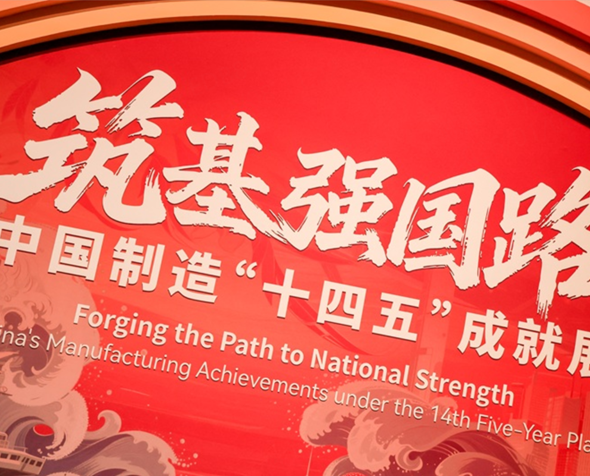
ROKAE Showcases “Robot + AI” Capabilities at China’s 14th Five-Year Plan Manufacturing Achievement Exhibition
ROKAE Robotics showcased its high-precision industrial robots at the recent exhibition titled “Building the Foundation of a Strong Nation – China Manufacturing Achievements of the 14th Five-Year Plan.” This event, held at the National Museum of China and organized in collaboration with the MIIT News and Publicity Center, aimed to highlight significant advancements in intelligent manufacturing. By featuring ROKAE’s innovations in the Intelligent Manufacturing exhibition zone, the exhibition underscored China's technological capabilities and progress in the manufacturing sector on a national stage.

Top 10 Warehouse Automation Lessons: Real-World Insights for Fulfillment Teams
Leading warehouse operations have shared ten essential lessons on successfully implementing and scaling automation to enhance throughput and improve efficiency. These insights come as businesses increasingly seek to optimize their logistics and supply chain processes in response to growing demand and competitive pressures. The recommendations emphasize the importance of strategic planning and investment in technology to streamline operations and reduce manual labor. By adopting these practices, companies can not only increase productivity but also adapt to changing market conditions more effectively. As the industry continues to evolve, these lessons serve as a valuable guide for organizations aiming to leverage automation for sustained growth and operational excellence.
Robotics needs a service framework.
RSF defines a common language for robot service capability, lifecycle operations, certification pathways, and service-provider networks.
Join the RobotToday community on LinkedIn
Daily robotics news, in-depth analysis, conference highlights, and discussions with professionals worldwide.







