Industry Briefing
A single destination for timely, editor-curated robotics news from around the world.
AI Agent Autonomy's Impact on Robotics Safety and Control Mechanisms
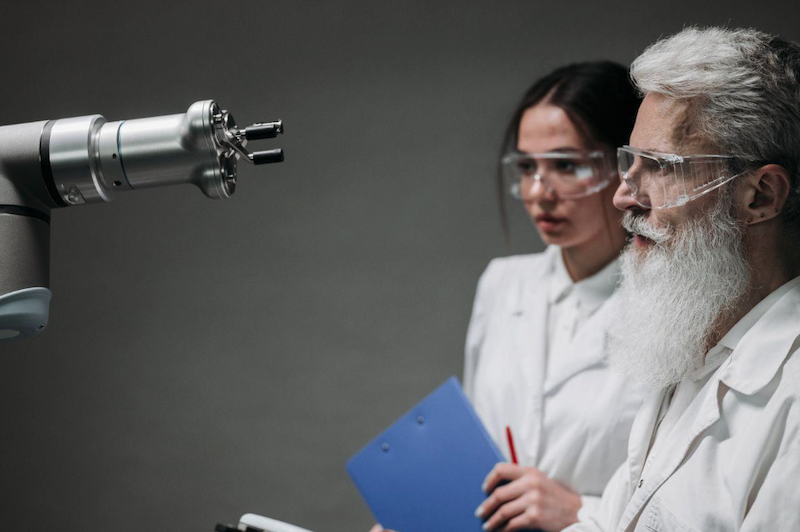
Robotic systems are increasingly capable of perceiving, choosing, and altering their behavior autonomously, without human intervention. This shift towards autonomy enhances adaptability in various environments such as warehouses and labs, but it also raises significant concerns regarding safety and control. Traditional safety measures, including physical barriers and emergency buttons, may no longer suffice as robots undertake more complex tasks. The implications of this autonomy are profound, as organizations must now assess the quality of decisions made by autonomous systems, the reliability of their software, and the protocols for monitoring their actions. Unlike conventional robots that follow fixed commands, autonomous robots can evaluate multiple scenarios and make decisions based on real-time conditions, which complicates safety protocols. Ensuring that these systems operate safely requires a reevaluation of existing safety standards that focus on speed and force. Looking ahead, it is crucial for operators to have adequate information to respond effectively to unexpected robot behavior. Autonomous robots utilize various sensors to interpret their environment, but factors like dust and poor lighting can affect input quality. Organizations should prioritize the definition and testing of triggers for human intervention to maintain a balance between autonomy and safety. No further timeline was disclosed at the time of publication.
AI agents Infrastructure AI agent autonomy ai agents ai safety automation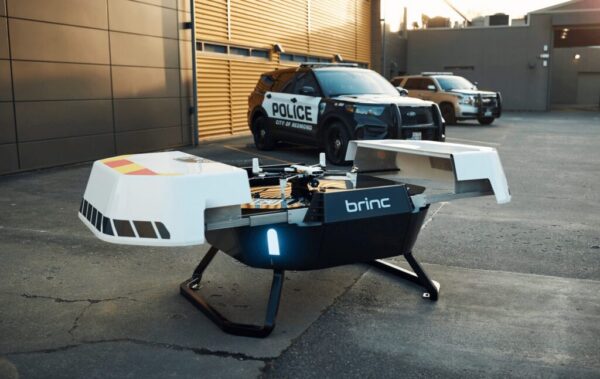
BRINC Secures $125 Million Funding Round Led by Motorola Solutions for Public Safety Drones
BRINC, a Seattle-based public safety drone manufacturer, announced on July 14, 2026, that it has secured a $125 million financing round led by Motorola Solutions. This investment raises BRINC's total capital to over a quarter billion dollars and aims to deploy a BRINC 911 response drone at every police and fire station across the U.S., targeting 80,000 facilities. The funding will enable BRINC to expand its domestic manufacturing, launch new products, and scale its go-to-market operations. The company plans to move into a facility three times the size of its current factory by the end of 2026 to meet the increasing demand from public safety agencies. In 2025, BRINC tripled its revenue and quintupled its monthly production capacity, signing nearly four times as many contracts for 911 response drones in 2026 compared to the previous year. Looking ahead, BRINC's founder Blake Resnick emphasized the importance of situational awareness in emergencies, stating that their drones provide critical information before first responders arrive. The company is also collaborating with the National League of Cities for a nationwide rollout of drone first response (DFR) initiatives. No further timeline was disclosed at the time of publication.
DFR Drone News Drone News Feeds News Public Safety 80000 stations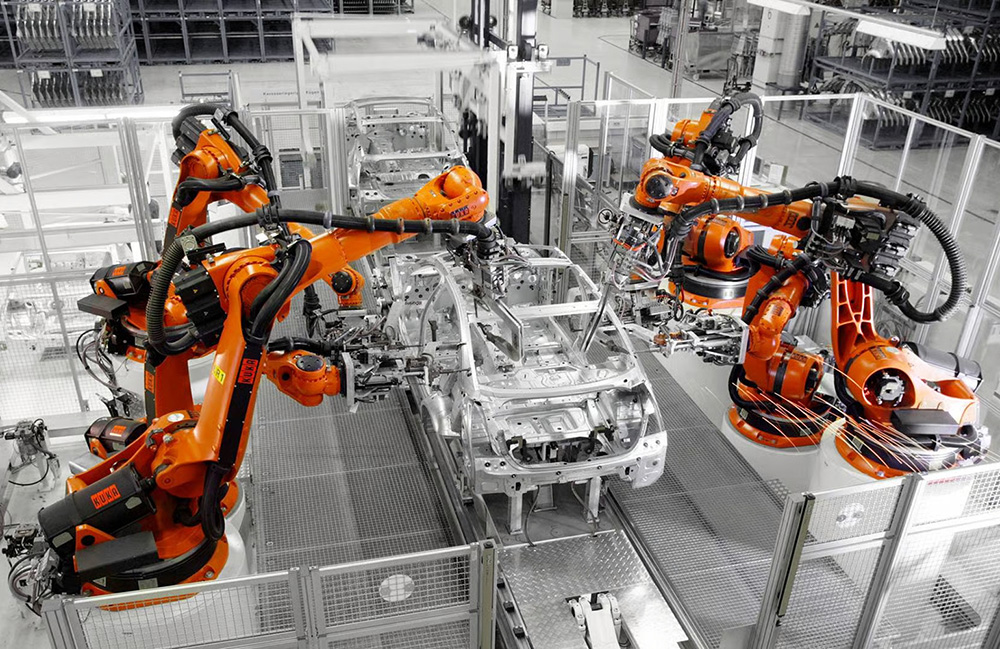
KUKA Addresses Upcoming ISO 10218:2025 Robot Safety Standards and Market Implications
KUKA, a leading robotics provider for the automotive sector, is responding to increasing inquiries regarding the updated ISO 10218 safety standard. This standard, which will become mandatory under the new European Machinery Regulation by 2027, is crucial for CE-marked industrial robots. The transition may be delayed due to weak manufacturing demand and cost pressures on SMEs, raising concerns about supplier readiness. The significance of the ISO 10218:2025 update lies in its potential to enhance the competitive position of established vendors while posing market access risks for less prepared suppliers. The current Machinery Directive will be replaced by the Machinery Regulation EU 2023/1230, effective January 20, 2027. However, the timeline for the formal listing of the new standard in the Official Journal of the European Union remains uncertain, which could impact compliance timelines for manufacturers. In the U.S., the updated R15.06-2025 safety standard, released in September 2025, aligns with international standards but remains voluntary. Despite this flexibility, major customers often require compliance, and non-adherence can lead to penalties. As the European market faces subdued demand, suppliers that effectively manage the transition to the new safety standards will be better positioned to meet the needs of a safety-conscious customer base as demand recovers.
Manufacturing News Opinion Regulatory & Compliance Safety & Security association for advancing automation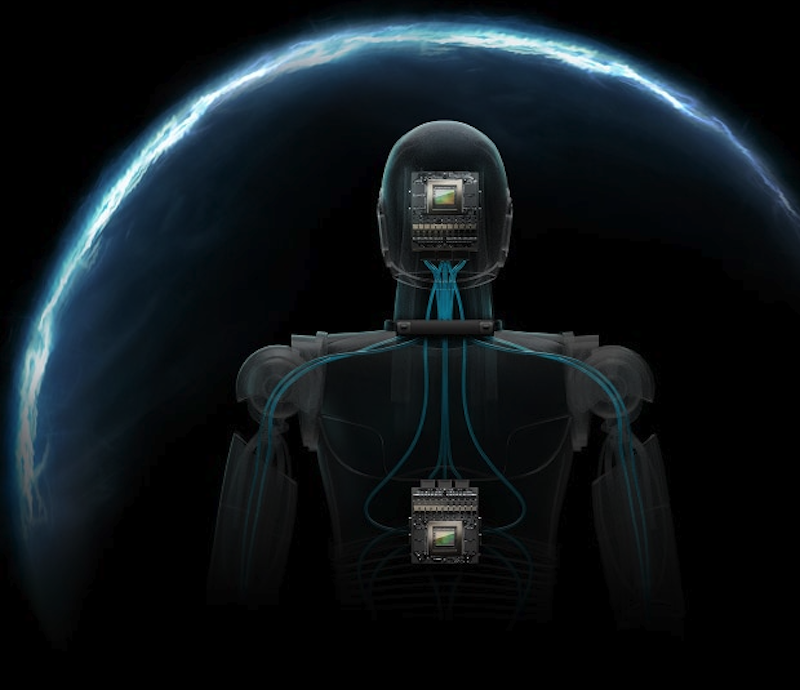
FORT Robotics Enhances AI Safety with Nvidia Halos at Automate Conference
FORT Robotics has joined the Nvidia Halos for Robotics ecosystem to enhance safety for autonomous robots. The company will showcase its agentic safety application, developed using the Nvidia Halos Outside-In Safety Blueprint, at the Automate conference in Chicago. This innovative solution utilizes external infrastructure sensors and visual AI agents to provide real-time, safety-certifiable functional safety, significantly improving operational efficiency in dynamic environments. The collaboration is significant as it addresses the limitations of traditional inside-out functional safety systems, which rely solely on onboard sensors. By integrating Nvidia's IGX Thor and Holoscan Sensor Bridge, FORT's solution allows robots to operate safely alongside human workers in high-efficiency modes. This adaptability is crucial for modern warehouses and factories, where environments are constantly changing, and safety frameworks must evolve to protect workers effectively. Looking ahead, FORT's integration with Nvidia Halos is expected to provide substantial value to customers in warehousing, manufacturing, and other automated sectors. The Outside-In Safety framework aims to prevent safety incidents in mixed human-robot environments, optimizing processes like inventory replenishment and product assembly. No further timeline was disclosed at the time of publication.
Artificial Intelligence Industry ai automation Autonomous robots fort robotics
Commercial UAV Expo Launches DRONERESPONDERS Training for Public Safety Applications
The Commercial UAV Expo has introduced a new two-day program management training course as part of its Public Safety Summit. This initiative focuses on various applications of drones in public safety, including their use as first responders, in fire services, crash-scene management, and shared-airspace operations. The course will also feature a two-part session discussing counter-UAS strategies learned from the 2026 FIFA World Cup. This new training program is significant as it addresses the growing integration of drones in emergency response and public safety sectors. By equipping program managers with specialized knowledge, the initiative aims to enhance operational efficiency and safety in critical situations. The inclusion of counter-UAS lessons from a major international event like the FIFA World Cup underscores the importance of preparedness in managing drone-related challenges. Looking ahead, the next milestone for the Public Safety Summit will be the execution of this training course, scheduled to take place soon. No further timeline was disclosed at the time of publication, but the program's launch indicates a proactive approach to improving drone operations in public safety contexts.
MASS 2026 Conference Showcases Atlantic Canada's Defence and Technology Strengths
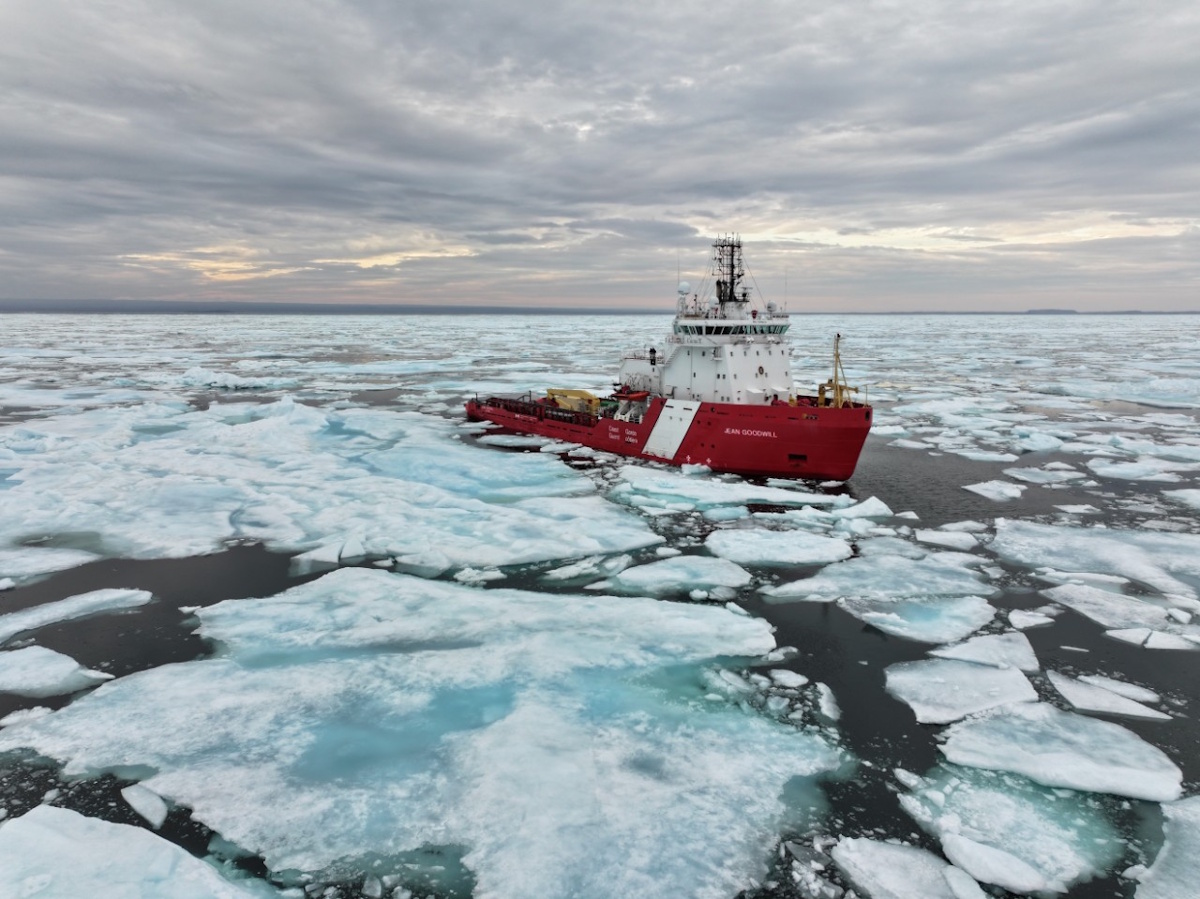
The 13th annual Maritime & Arctic Security & Safety Conference (MASS) is taking place in St. John's, Newfoundland and Labrador, hosted by the Atlantic Canada Aerospace & Defence Association (ACADA) and sponsored by Saab Canada, Inc. This year's conference, featuring 600 participants, is the largest to date and focuses on leveraging Atlantic Canada's capabilities in environmental management and workforce development. Newfoundland and Labrador Premier Tony Wakeham highlighted the province's strategic geopolitical position as a gateway to the Arctic and Atlantic, emphasizing its qualified workforce and unique military and civil capabilities. He stated that the region's diverse strengths create a robust defence and security ecosystem that Canada and its allies can depend on for Arctic and North Atlantic security. The conference has underscored the significance of partnerships, particularly with Indigenous communities, to foster economic participation and workforce development. Discussions included the need for advanced technology in Arctic-capable warship designs and the role of AI and machine learning in maritime surveillance, indicating a strong focus on innovation in harsh conditions.
maritime and arctic security and safety conference (mass) atlantic canada capabilities defence technology
Sonair ADAR One 3D ultrasonic sensor is now safety-certified
Sonair has announced that its ADAR One 3D ultrasonic sensor has received safety certification as a human detection sensor, meeting the IEC 61496 standard for electrosensitive protection devices. This certification underscores the sensor's reliability and effectiveness in ensuring safety in various applications. The assessment reflects Sonair's commitment to adhering to international safety standards, enhancing the credibility of its technology in the market. The announcement marks a significant milestone for the company, as it aims to expand the use of its advanced sensor technology in diverse sectors.
Artificial Intelligence Artificial Intelligence / Cognition Design / Development Logistics Manufacturing Mobility / Navigation
BRINC Partnership Gives Public Safety Agencies an “Immediate Upgrade” in Incident Intelligence
BRINC, a manufacturer of drones for public safety, has formed a partnership with Nova Software Company to enhance aerial mapping and data analysis for first responders. This collaboration aims to provide public safety agencies with advanced capabilities, enabling them to utilize BRINC drones for improved incident intelligence. The integration of Nova's software will allow these agencies to transform aerial data into actionable insights, significantly upgrading their operational efficiency. This initiative underscores the growing importance of technology in emergency response, as agencies seek innovative solutions to enhance their effectiveness in critical situations. The partnership represents a strategic move to equip first responders with the tools necessary for better decision-making and situational awareness in the field.
Applications Drone News Drone News Feeds emergency response Featured – Safety and Security Fire and Police
Fennec Engineering earns T2 qualification for Advanced Safety Acceleration Platform
Fennec Engineering has achieved a significant milestone by securing certification for its automated traceability platform, which has been recognized for meeting stringent safety standards. This certification, known as T2 qualification, underscores the company's commitment to advancing safety in engineering processes. The announcement highlights Fennec Engineering's dedication to innovation and reliability within the industry, reinforcing its position as a leader in developing cutting-edge technology solutions. The certification process involved rigorous testing and evaluation to ensure compliance with the highest safety protocols, demonstrating the platform's capability to enhance operational efficiency while prioritizing safety.
Autonomous Mobile Robots (AMRs) Design / Development Development Tools / SDKs / Libraries Events News Safety & Security
How Kodiak uses AI and probabilistic risk assessment to measure autonomous trucking safety
Recent advancements in artificial intelligence are significantly accelerating the development of autonomous driving technology, allowing engineers to innovate at an unprecedented pace. However, the critical challenge remains ensuring that these advancements are paired with robust safety measures. Industry experts emphasize that achieving depth and rigor in safety protocols does not necessarily depend on having the largest budgets or the most extensive vehicle fleets. Instead, the focus is shifting towards extracting precise insights from data to enhance safety standards. As the industry moves forward, the integration of rigorous safety assessments with cutting-edge technology will be essential for the successful deployment of autonomous vehicles on public roads.
Autonomous Vehicles Computing Features Software ai safety automation news
Human-Robot Collaboration: How Modern Workplaces Can Be Designed for Safety, Productivity, and Employee Wellbeing
The industrial robotics market, valued at $85 billion, is transforming production floors by eliminating physical barriers between humans and machines. This shift allows for a collaborative environment where workers and robotics operate side by side. As millions of industrial robots are deployed globally, effective management of this transition is crucial. It necessitates a comprehensive understanding of spatial geometry, workforce psychology, and adherence to functional safety standards to ensure a seamless integration of technology into the workplace. This evolution in manufacturing aims to enhance efficiency and productivity while prioritizing safety and worker well-being.
Engineering Robotics automation news automation strategy cobots collaborative automation
Fort Robotics acquires Mapless AI to expand supervised autonomy and physical AI safety platform
Fort Robotics, a company specializing in trust solutions for physical AI, has acquired Mapless AI, a prominent firm based in Boston and Pittsburgh known for its expertise in vehicle teleoperation and autonomy supervision. This acquisition marks a strategic move for Fort, enhancing its Trust Platform with two essential capabilities: remote human-in-the-loop teleoperation and onboard active safety. By integrating Mapless AI's technologies, Fort aims to broaden its commercial offerings and improve the safety and efficiency of autonomous systems. The deal underscores Fort's commitment to advancing the development of reliable and secure AI-driven solutions in the robotics sector.
Artificial Intelligence Financials & Investments Logistics active safety systems ai robotics automation news
Home Robot Safety Is All About Relationships
The International Standards Organization (ISO) is in the process of updating its safety requirements for personal care robots, a revision that has not occurred in 12 years. This update comes at a crucial time as manufacturers transition from laboratory prototypes to products designed for real-world domestic environments. The proposed changes focus on hazard identification and risk assessment but lack binding compliance criteria and testing methods to address the complexities of human-robot interactions. Jae-Seong Lee, a technology policy researcher from South Korea's Electronics and Telecommunications Research Institute, emphasizes that safety in domestic settings is not merely about avoiding collisions; it involves understanding the dynamic relationship between humans and robots. Current standards, such as ISO 13482, acknowledge various hazards but do not fully translate this knowledge into enforceable rules. The challenge lies in ensuring that robots can operate safely in unpredictable home environments, which differ significantly from controlled industrial settings. Moreover, the standards process has been criticized for not adequately representing the perspectives of older adults, who are often the primary users of these robots. Lee warns that if safety assumptions are embedded in products without thorough scrutiny, it could lead to significant risks, including potential injuries. He advocates for a shift in focus from machine-centric safety measurements to a more holistic approach that considers the interactions between humans and robots. This revision aims to address these pressing concerns, although many unresolved issues remain in advisory language rather than binding regulations.
Home-robots Domestic-robots Standards Iso Robot-safety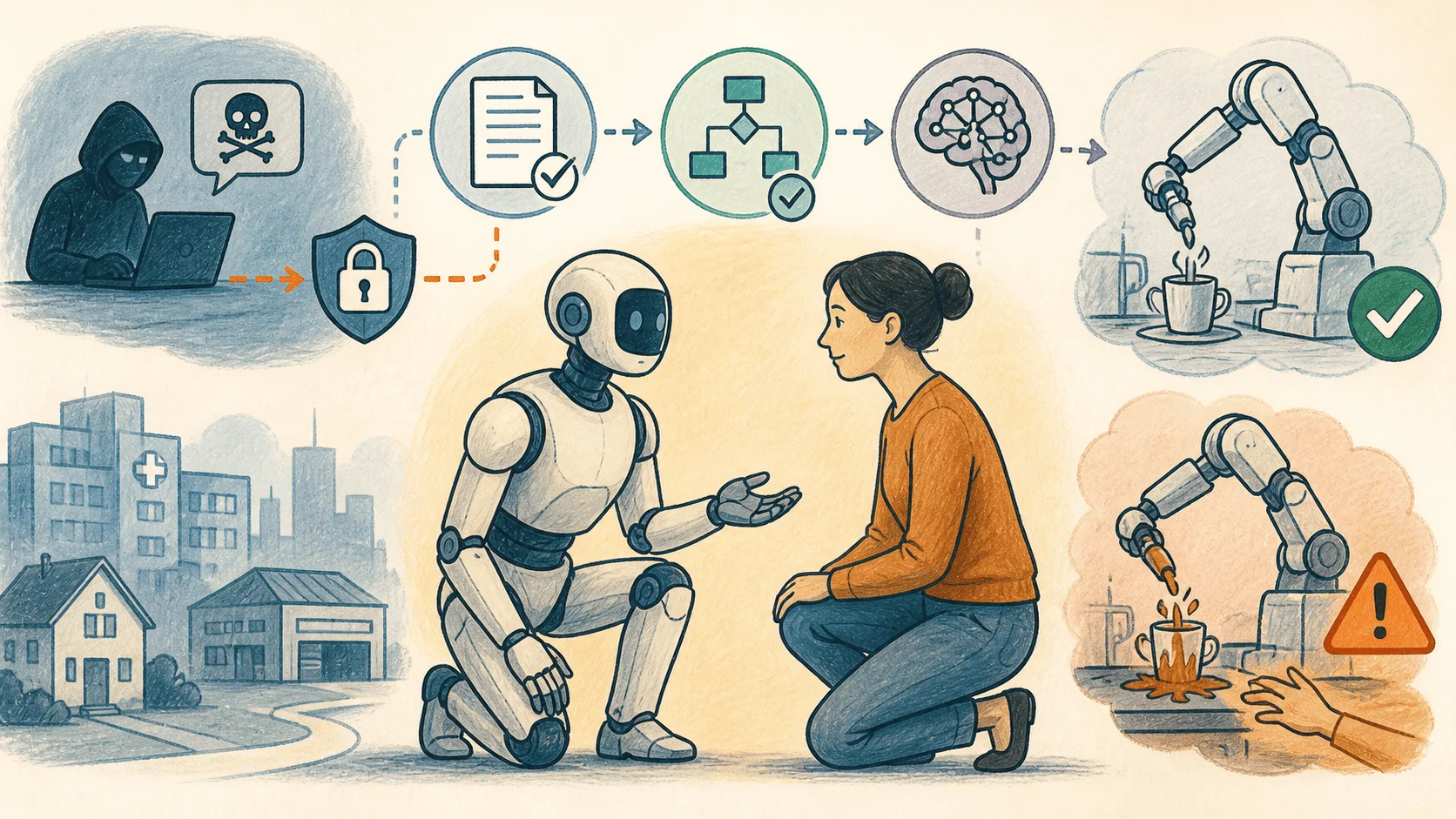
Researchers Suggests More Safety Measures Needed for Robots than AI Chatbots
A recent study conducted by researchers from the University of Pennsylvania, Carnegie Mellon University, and the University of Oxford highlights significant concerns regarding the safety of AI-powered machines operating in close proximity to humans. The findings suggest that current safety protocols may be inadequate as these robots begin to interact with people in physical environments. The researchers emphasize the necessity for more advanced, context-aware safety systems that go beyond the existing measures used for AI chatbots. This study raises alarms about the potential risks associated with deploying AI technologies in real-world settings, urging developers and policymakers to prioritize enhanced safety measures to protect individuals from unforeseen consequences.
AI AI Research & Advances Robotics Carnegie Mellon University Research robots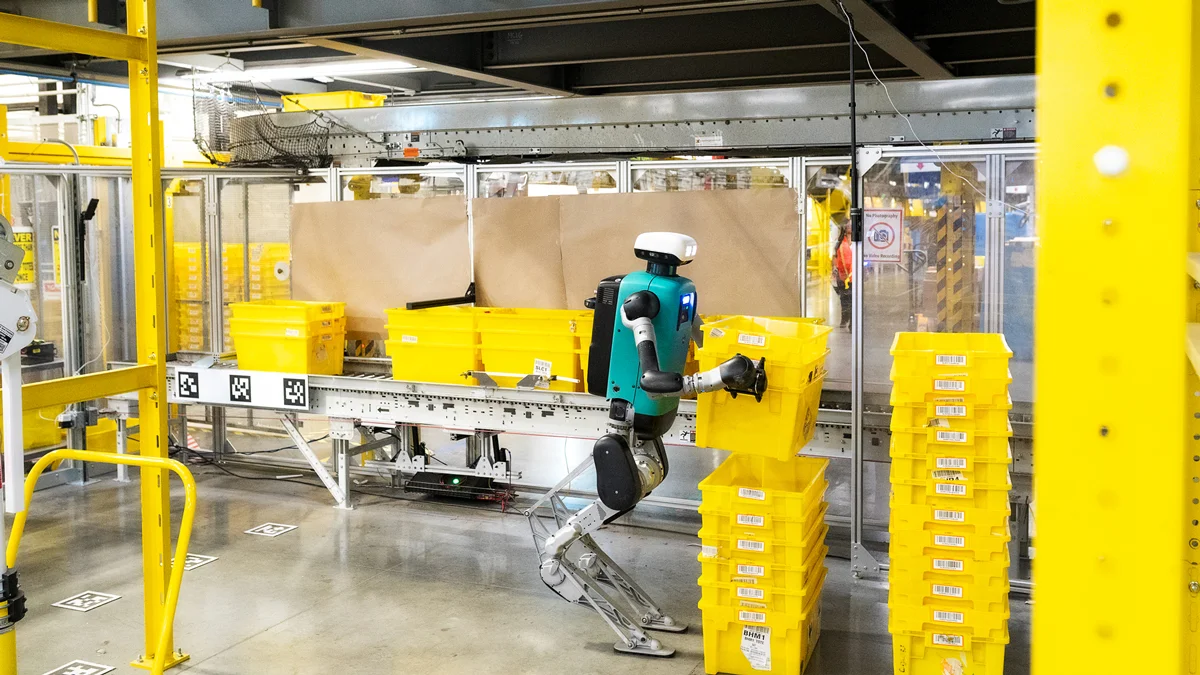
Agility Robotics Secures OSHA-Recognized Safety Approval, Widening the Gap Between ''Demo'' and ''Deployment''
Agility Robotics has achieved a significant milestone with its Digit robot, successfully passing a critical field inspection conducted by a Nationally Recognized Test Lab (NRTL). This accomplishment comes at a time when competitors in the robotics industry are under increased scrutiny regarding their safety culture. The inspection is a vital step towards commercial scaling of the Digit robot, underscoring Agility Robotics' commitment to meeting rigorous safety standards. By completing this necessary evaluation, the company positions itself favorably in the competitive landscape, paving the way for future advancements and deployments of its robotic technology.
insurance safety standards Agility Robotics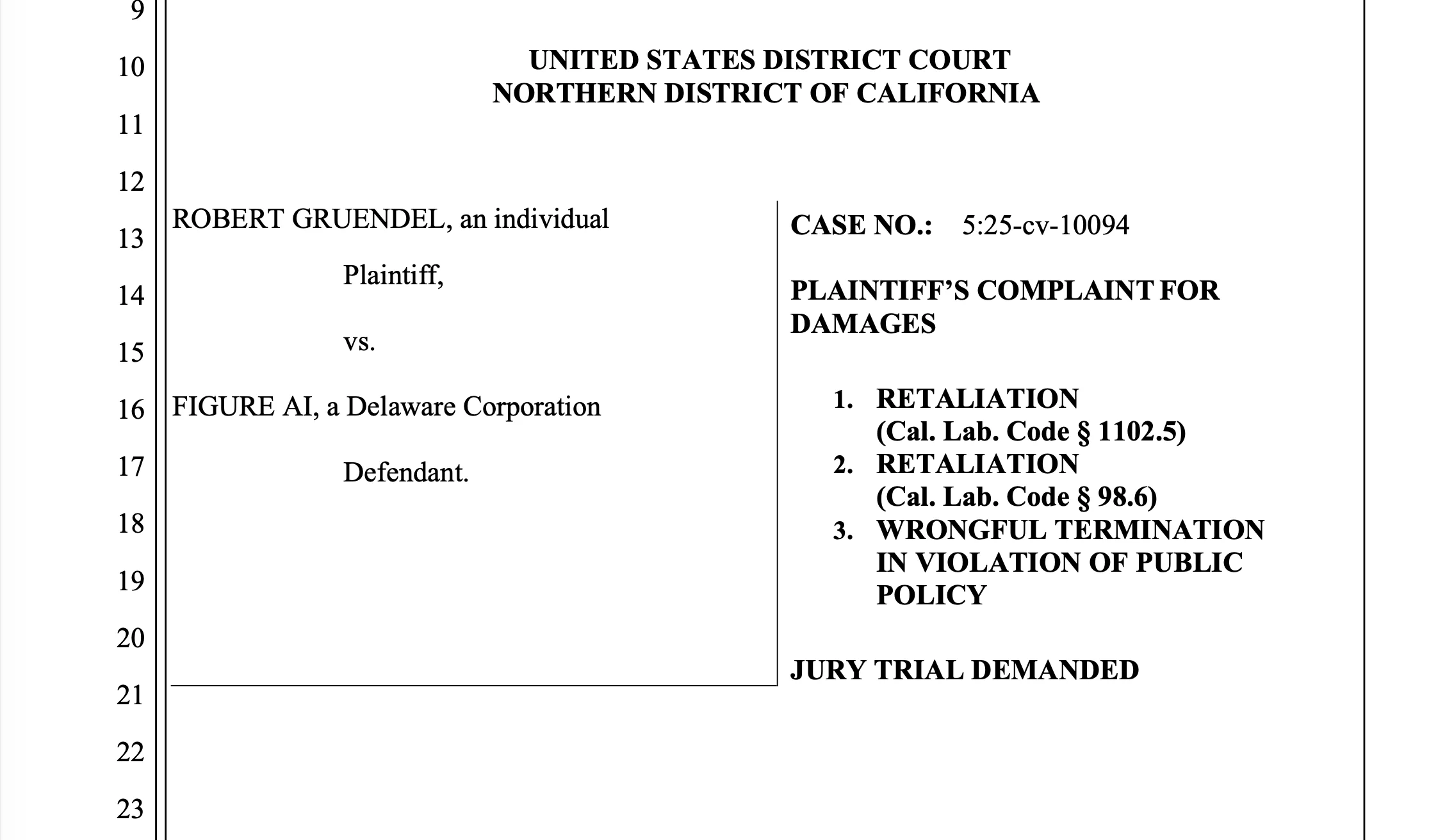
Ex-Safety Head Sues Figure AI, Alleging Retaliation Over "Skull-Fracturing" Robot Risks
Rob Gruendel, the former safety lead at Figure, has filed a lawsuit against the robotics startup, claiming he was terminated for raising concerns about the potential dangers of the company's robots. Gruendel asserts that he warned management that the robots were powerful enough to cause fatal injuries, a revelation that poses significant challenges to Figure's ambitious plans to expand its presence in the home robotics market. The lawsuit highlights the tension between innovation and safety in the rapidly evolving field of robotics, as Figure seeks to navigate the complexities of deploying advanced technology in everyday environments.
Figure Figure-03 safety standards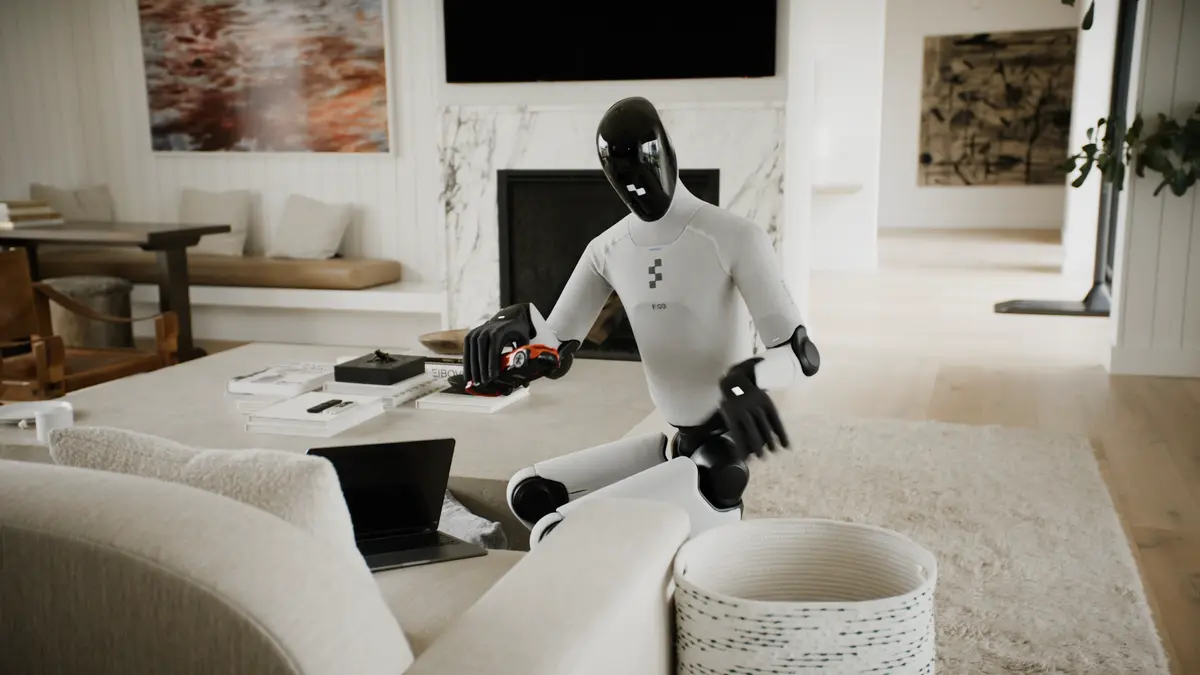
ISO Group Meets to Define Robot Safety Rules, as Memos From Figure's Ex-Safety Lead Detail 'Order of Magnitude' Challenge
In Barcelona, an ISO working group is convening to develop safety standards for bipedal robots. This meeting follows the release of memos from the former safety lead at Figure, which highlight the significant challenges associated with the safe operation of these robots. The documents, published earlier this year, emphasize concerns such as the potential for falls, misinterpretation of commands, and battery-related hazards. The group's efforts aim to address these critical safety issues as the technology continues to advance, contrasting sharply with the recent optimism surrounding bipedal robotics.
novanta Figure iso safety standards automation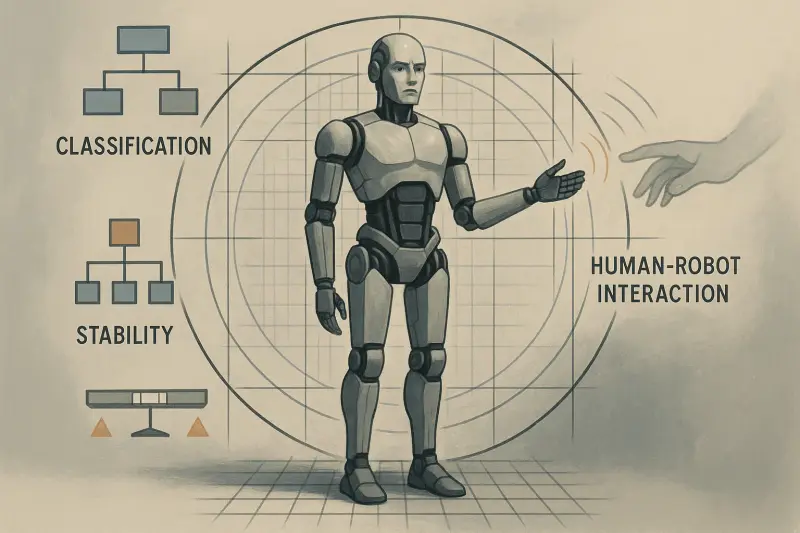
IEEE Group Lays Groundwork for Humanoid Robot Standards to Ensure Safety and Trust
A recent report from an IEEE study group has introduced a vital framework aimed at establishing safety and performance standards for humanoid robots. This initiative emphasizes key areas such as classification, stability, and human-robot interaction, which are essential for ensuring the safe integration of these robots into environments inhabited by humans. The study highlights the growing importance of setting clear guidelines as the development of humanoid robotics accelerates, addressing potential risks and enhancing user confidence in these technologies. By focusing on these critical aspects, the framework seeks to facilitate the responsible deployment of humanoid robots, ultimately contributing to their acceptance and effectiveness in various applications.
ieee Humanoids safety standards automation robotics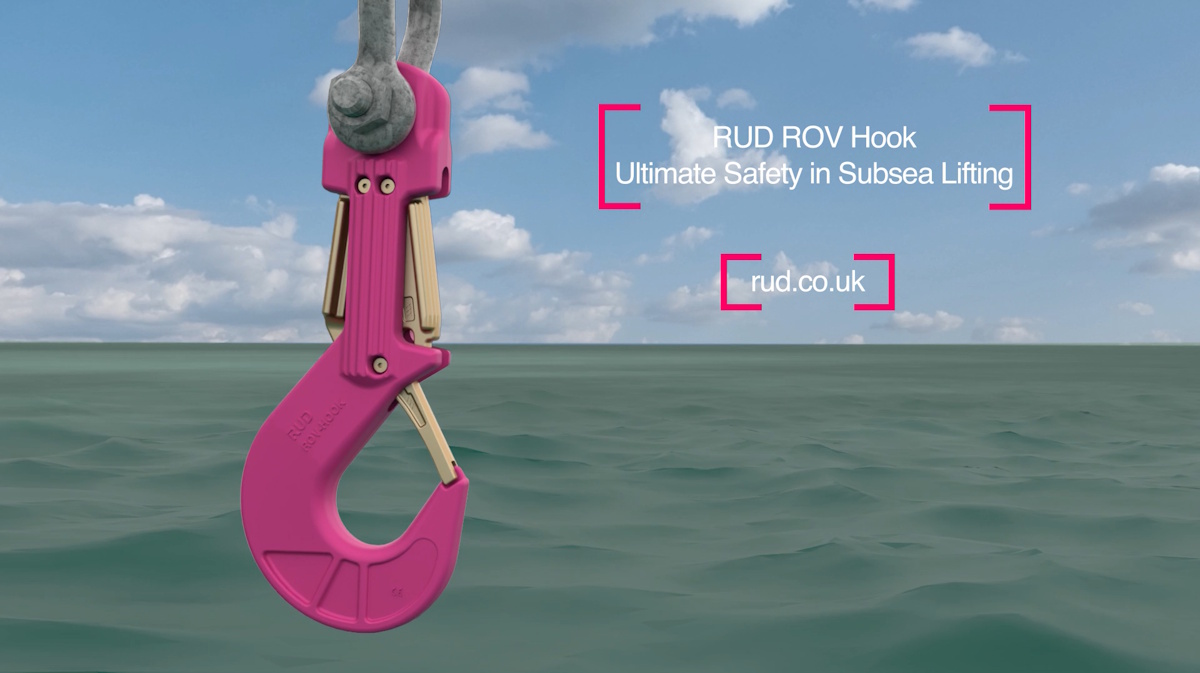
VIDEO: RUD ROV-HOOK Ultimate Safety in Subsea Lifting
Marine professionals are seeking innovative solutions to enhance safety and efficiency in underwater operations. Traditional hooks used for turning and positioning loads underwater pose significant risks, including entanglement, snagging, and shedding, which can lead to accidents and loss of equipment. To address these challenges, experts are exploring advanced hook designs that minimize these hazards. The initiative aims to improve operational safety and reliability for marine workers engaged in underwater tasks. As the industry evolves, the development of safer tools is becoming increasingly critical to protect both personnel and equipment in challenging underwater environments.
rud rov-hook safety subsea lifting
European Commission Fines Alibaba's AliExpress $630 Million for Safety Violations
The European Commission has levied a €550 million ($630 million) fine on AliExpress, a platform owned by Alibaba, due to its failure to address counterfeit and unsafe products. This penalty is the largest since the Digital Services Act took effect in 2022 and follows an investigation initiated in March 2022. The fine underscores the importance of compliance with EU safety and environmental standards, particularly as AliExpress was found to host numerous products that did not meet these regulations, including unsafe toys and cosmetics. The European Commission highlighted systemic issues within AliExpress's enforcement mechanisms, which allowed illegal listings to remain active for extended periods. Moving forward, it will be crucial to monitor how AliExpress responds to this significant penalty and whether it implements effective measures to enhance consumer safety. No further timeline was disclosed at the time of publication.
News Feed
DJI Drones Enhance Safety by Mapping Everest's Khumbu Icefall in 2026
DJI's recent case study highlights the use of its Matrice 4E drone and DJI Terra software by Airlift Technology to map the Khumbu Icefall during the 2026 Everest climbing season. This innovative approach provided Sherpas with a detailed 3D map of the hazardous terrain, significantly improving safety for climbers. The Khumbu Icefall is a critical and perilous section of the Everest climbing route, known for its deep crevasses and unstable ice formations. Traditionally, Sherpas would navigate this dangerous area on foot to establish safe paths. However, the drone's ability to survey the icefall in just three and a half hours allowed for a more efficient and safer mapping process. Looking ahead, the repeated drone surveys not only enhance climber safety but also offer valuable data for scientists studying glacier dynamics. This deployment marks a significant advancement in high-altitude expedition planning, with potential implications for future climbing seasons and environmental research.
News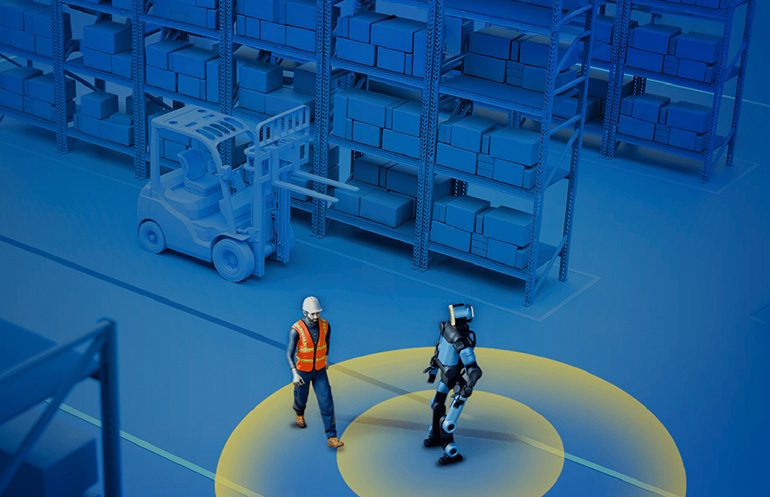
Boston Dynamics Hosts Webinar on Human-Robot Interaction Design for Trust and Safety
Boston Dynamics is set to present a free webinar focused on human-robot interaction (HMI) considerations for humanoid robots. The event, titled "The Art Behind Human-Robot Interaction," will feature experts discussing how to foster trust and safety in human-robot collaboration. The webinar is scheduled for 11:00 a.m. ET on Wednesday, July 22, 2026. As humanoid robots transition from research environments to commercial applications, addressing safety concerns becomes crucial. Boston Dynamics emphasizes that predictability, rather than human-like appearance, is key to successful human-robot coexistence. The insights shared during the webinar will be vital for developers aiming to enhance the user experience and operational safety of humanoid robots. Participants can expect to learn from Mario Bollini, director of human-robot interaction, and Leland Hepler, a distinguished product designer. Both speakers bring extensive experience in robotics and design, making this webinar a significant opportunity for those interested in the future of human-robot collaboration. No further timeline was disclosed at the time of publication.
Artificial Intelligence Artificial Intelligence / Cognition Collaborative Robots Human Robot Interaction / Haptics Humanoids Motion Control
FAA Grants Approval for Drone Amplified's MONTIS Avalanche Control System
The Federal Aviation Administration (FAA) has approved Drone Amplified's MONTIS drone system for avalanche control, paving the way for its use by transportation agencies and ski resorts. This approval allows operators to deploy explosive charges remotely, enhancing safety by keeping personnel away from hazardous areas while still effectively managing avalanche risks. The significance of this approval lies in its potential to improve avalanche mitigation strategies. The MONTIS system offers an alternative to traditional methods such as helicopters and ground teams, providing flexibility in operations, especially in challenging weather conditions. This innovation aims to protect communities and maintain critical transportation routes during winter. Looking ahead, the integration of the MONTIS system into existing avalanche control programs could lead to safer operations in mountain communities and ski areas. While it will not replace traditional methods, it offers a valuable tool for agencies to enhance their response to avalanche threats. No further timeline was disclosed at the time of publication.
News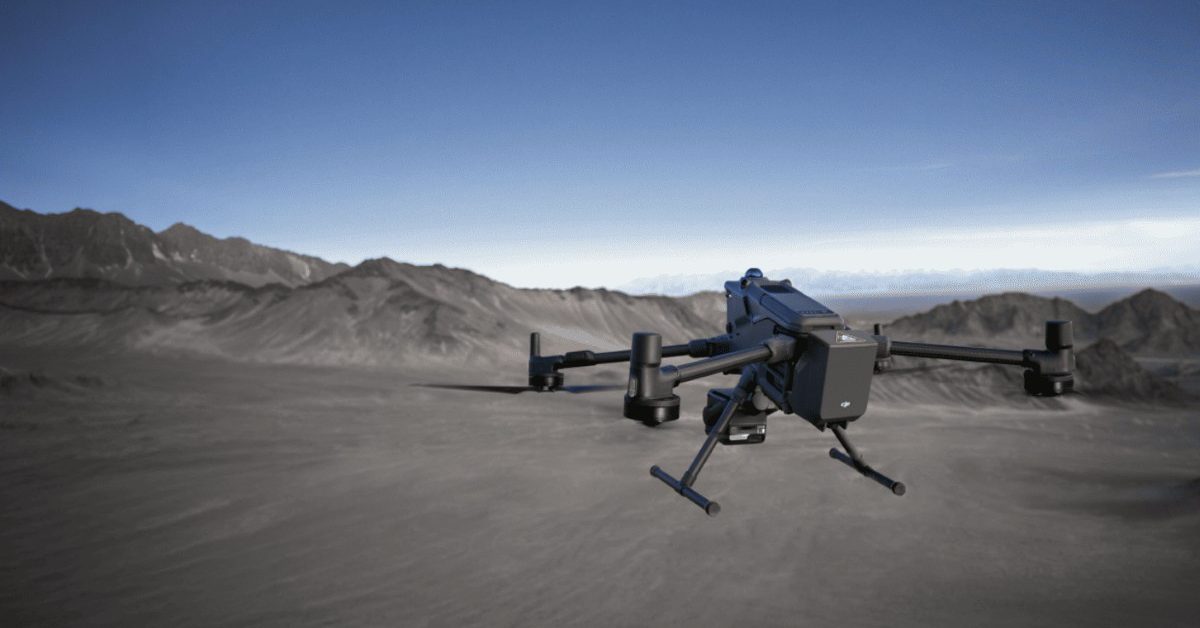
DJI Launches AP100 Parachute for Enhanced Safety of Matrice 400 Drone
DJI has unveiled the AP100 Parachute, a new safety accessory for its Matrice 400 enterprise drone, aimed at protecting the aircraft during emergencies. This parachute system, weighing approximately 935 grams, helps mitigate the impact of in-flight failures by safely lowering the drone to the ground, thus safeguarding valuable payloads and minimizing risks to people and property below. The introduction of the AP100 is significant as it allows the Matrice 400 to comply with safety regulations set by the European Union Aviation Safety Agency and the UK Civil Aviation Authority. This feature is particularly beneficial for organizations operating internationally, as it enhances operational safety and meets specific classification requirements for various missions, including beyond visual line of sight operations. Looking ahead, operators interested in C6 or UK6 certification for STS-02 missions will need to acquire the DJI Matrice 400 (C6) Worry-Free Plus Combo, which includes the AP100. No further timeline was disclosed at the time of publication.
News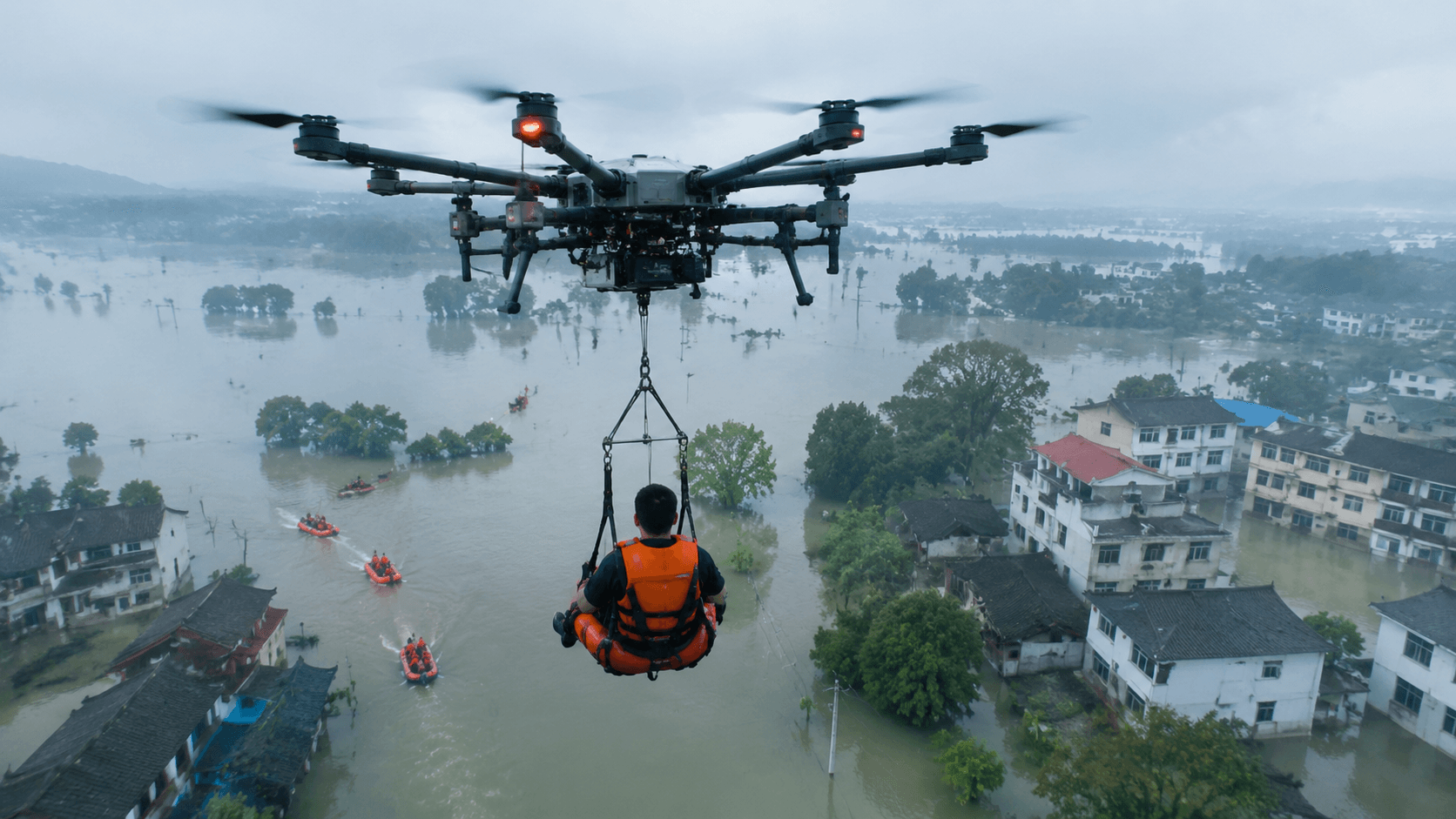
Chinese Heavy-Lift Drones Airlift Flood Victims in Guangxi Amid Safety Protocols
In Guangxi, China, heavy-lift drones have been deployed to rescue flood victims by airlifting individuals, defying standard safety protocols. This operation highlights the capabilities of the trillion-yuan low-altitude economy, which is becoming increasingly significant in emergency response scenarios. The use of these drones marks a pivotal moment in the integration of aerial technology into disaster management, showcasing their potential to save lives in critical situations. The significance of this operation lies in its demonstration of the industrial capacity within China's low-altitude economy, which is estimated to be worth trillions of yuan. By utilizing drones for rescue missions, authorities are not only addressing immediate humanitarian needs but also paving the way for future applications of drone technology in various sectors. This incident underscores the evolving landscape of aerial logistics and emergency response, emphasizing the need for updated safety regulations to accommodate such innovations. Looking ahead, the continued use of heavy-lift drones in rescue operations may lead to further advancements in drone technology and regulatory frameworks. No further timeline was disclosed at the time of publication, but the success of these missions could prompt increased investment and development in the low-altitude economy, potentially transforming how emergency services operate in the future.
Technology
How automated DJI drones are changing public safety in Celaya
In a significant turnaround, the Mexican city of Celaya is transforming its reputation from one of the country's most dangerous locales to a safer community, thanks to innovative technology. City officials have reported that the implementation of autonomous drone technology, coupled with integrated command-and-control systems, is enhancing public safety and emergency response. This shift comes after years of struggling with violent crime and a reactive policing approach that often failed to prevent incidents. By utilizing advanced technology, Celaya aims to proactively address security challenges and improve the overall safety of its residents.
News
Overcoming Automation Anxiety: The Safety-First Approach to Robot Integration
As the integration of robots into the workforce accelerates, manufacturers are increasingly focusing on safety features to protect human workers. To ensure a smooth and secure transition, businesses planning to adopt robotic technology are advised to implement several key preliminary steps. These measures are crucial for prioritizing safety and minimizing risks associated with human-robot interactions. By establishing comprehensive safety protocols and integrating advanced safety features into robotic systems, companies can enhance workplace safety and foster a collaborative environment between humans and machines.
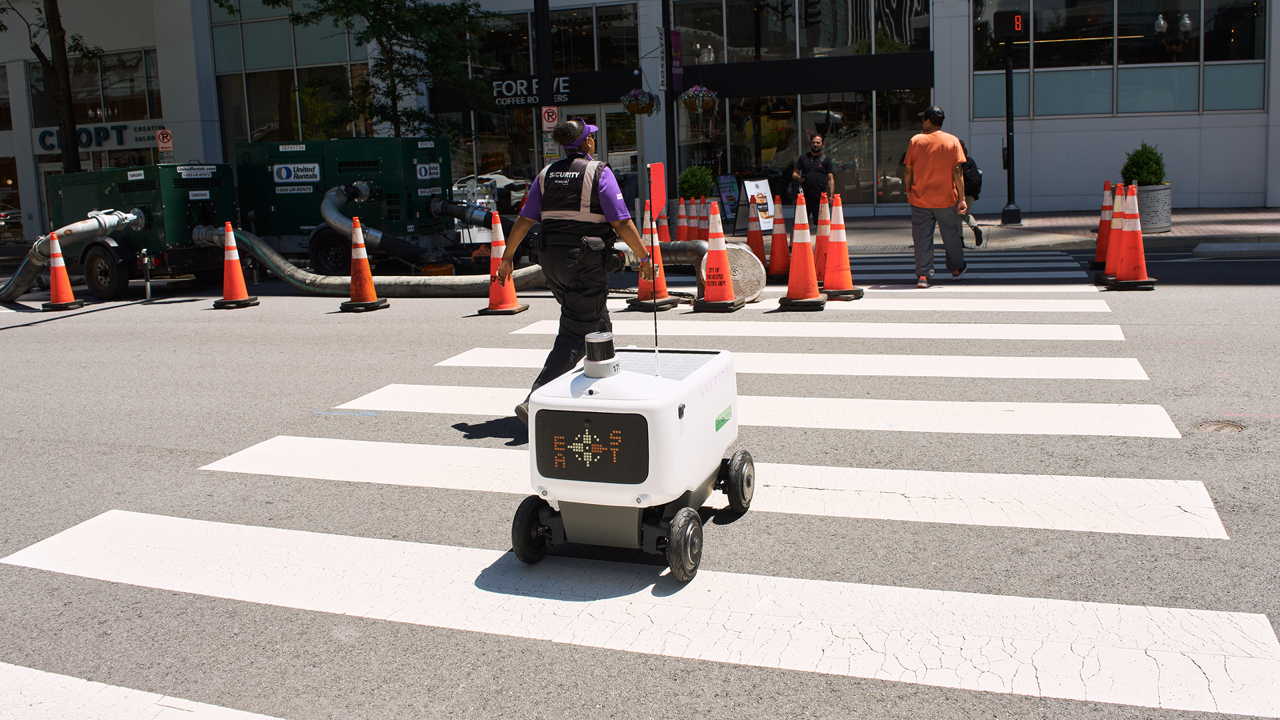
Context is king: How Avride uses cloud VLMs as a safety net for delivery robots
Avride is enhancing the environmental awareness of its delivery robots by utilizing vision-language models (VLMs). This innovative approach aims to improve the safety and efficiency of the robots as they navigate various environments. By integrating cloud-based VLM technology, Avride is able to provide its robots with a better understanding of their surroundings, enabling them to respond more effectively to dynamic conditions. The implementation of these advanced models is part of Avride's ongoing efforts to ensure safer delivery operations and to adapt to the complexities of real-world environments.
Artificial Intelligence Artificial Intelligence / Cognition Autonomous Mobile Robots (AMRs) Logistics Mobility / Navigation News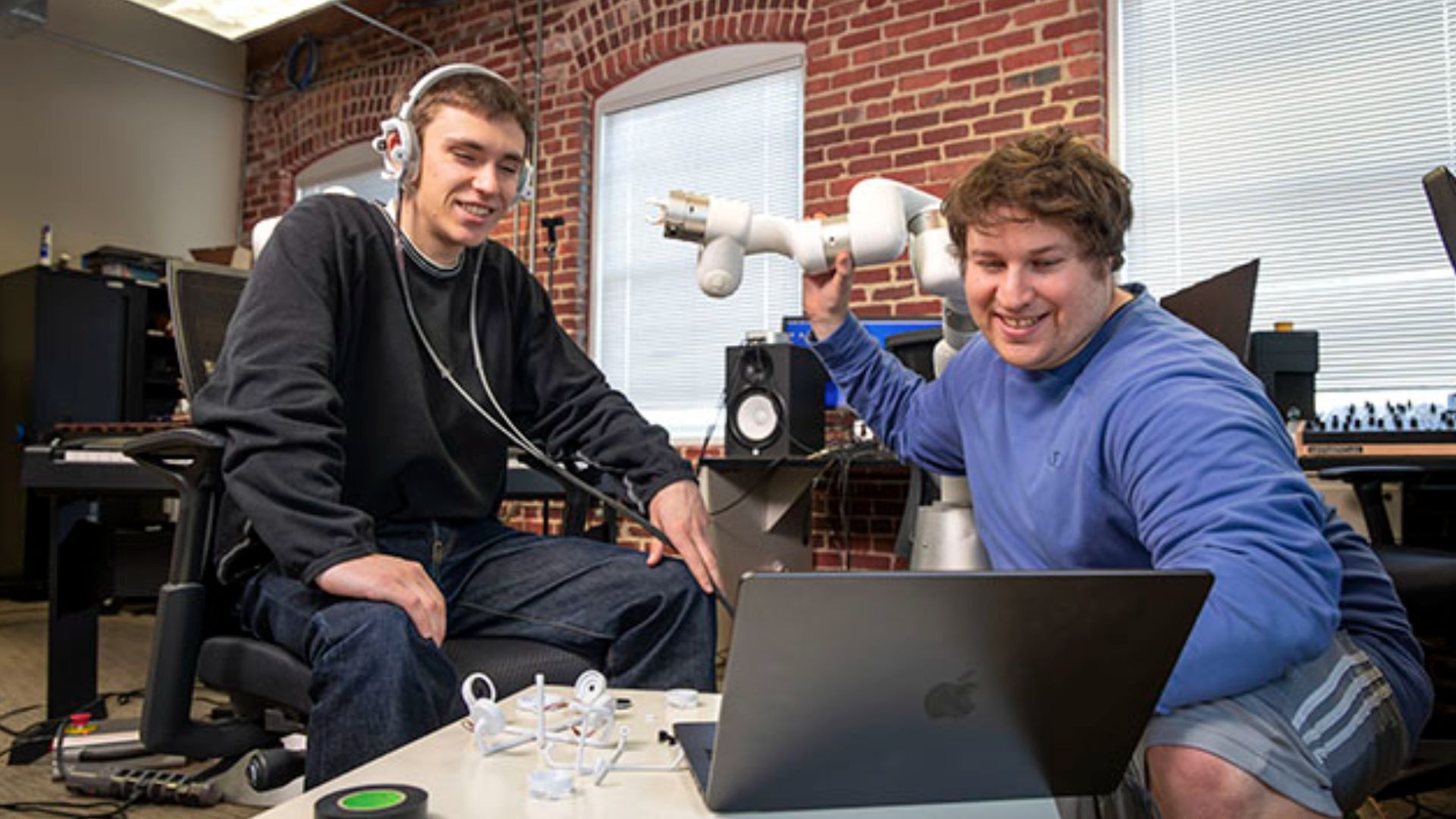
Watch: New wearable converts robot movements into music to improve workplace safety
Researchers at Georgia Tech have unveiled an innovative wearable audio system designed to enhance the interaction between humans and robots. This groundbreaking technology translates the movements of nearby robots into sound, allowing users to perceive the robots' actions through auditory cues. The development aims to improve safety and awareness in environments where humans and robots coexist, such as factories and warehouses. The system was introduced during a recent technology showcase held at the Georgia Institute of Technology, where experts demonstrated its capabilities. By providing real-time audio feedback, the wearable device enables users to better understand the dynamics of their robotic counterparts, potentially reducing accidents and improving collaboration. The motivation behind this research stems from the increasing integration of robots into everyday workspaces, where clear communication and awareness of robotic movements are essential for effective teamwork. The audio system operates through a combination of sensors and algorithms that interpret robot actions and translate them into distinct sounds, creating an intuitive interface for users. This advancement not only represents a significant step forward in human-robot interaction but also highlights Georgia Tech's commitment to pioneering research in robotics and audio technology. As industries continue to evolve with automation, such innovations are crucial for ensuring safe and efficient operations in shared environments.
AI and Robotics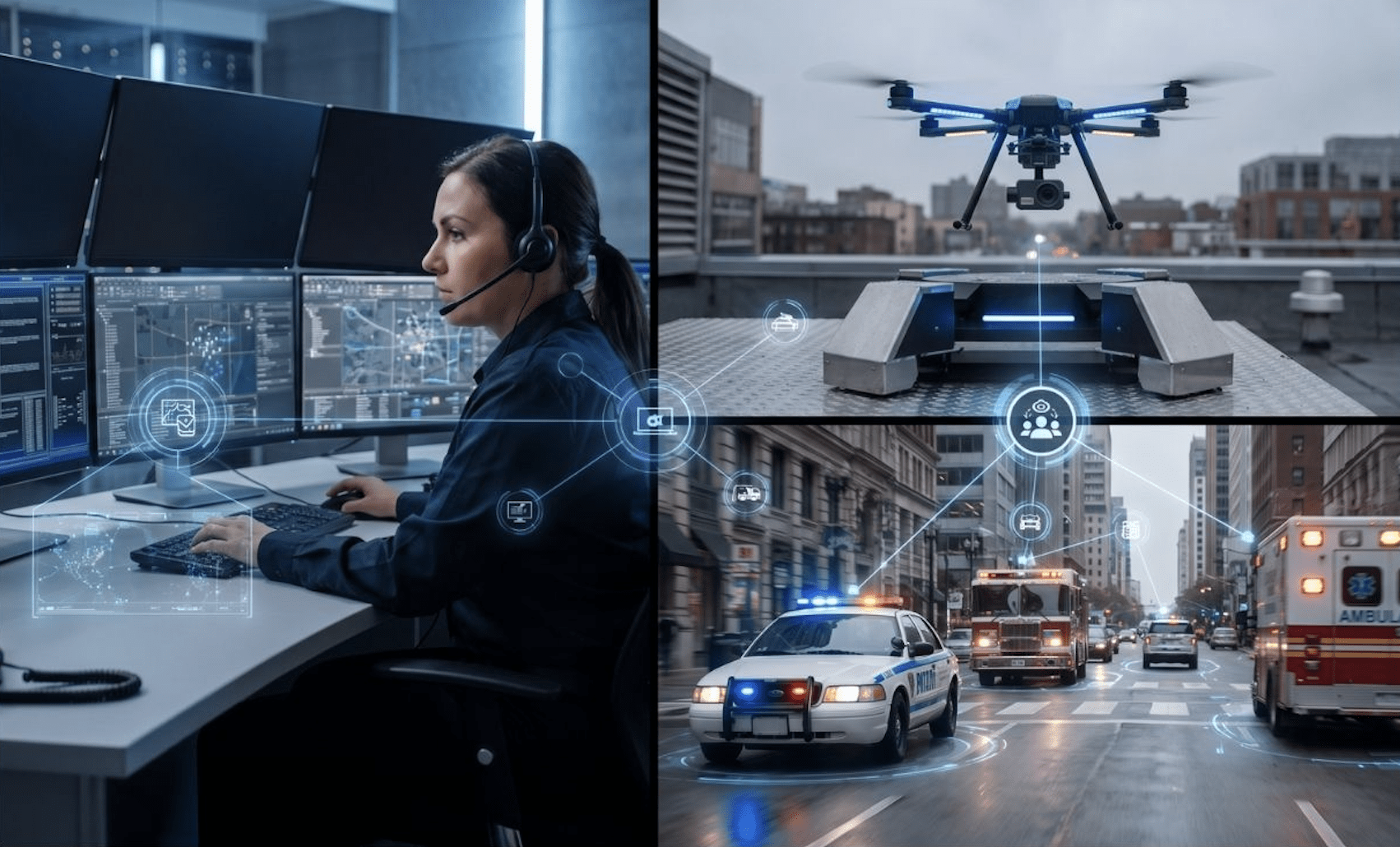
Versaterm on the Drone Radio Show! Next Level Integration of Drones into Public Safety
In a recent episode of the Drone Radio Show, Ryan Bracken from Versaterm discussed the company's acquisition of DroneSense and its implications for public safety agencies. This strategic move aims to enhance the integration of drone technology into computer-aided dispatch (CAD) workflows, moving beyond traditional standalone drone programs. The conversation highlighted the common characteristics of successful drone initiatives and offered insights on how agencies can develop sustainable operations while adhering to budget constraints. This integration is seen as a crucial step in advancing the use of drones in public safety, enabling agencies to leverage aerial technology more effectively in their operations.
Applications Drone News Drone News Feeds emergency response News Podcast
The Rise of Robotic Arms in Tourist Attractions: A Call for Safety and Design Innovation
Robotic arms are increasingly being integrated into tourist attractions, providing exciting experiences for visitors. However, this trend has raised safety concerns regarding the use of industrial robots in public spaces. Experts are calling for the development of specially designed robots that prioritize human interaction and safety. While these advanced technologies have the potential to significantly enhance the tourism experience, it is crucial to address safety issues to ensure public confidence and enjoyment. The ongoing dialogue emphasizes the importance of balancing innovation with the well-being of visitors as the tourism industry continues to evolve.
Robotics Tourism Technology Safety Standards Human-Robot Interaction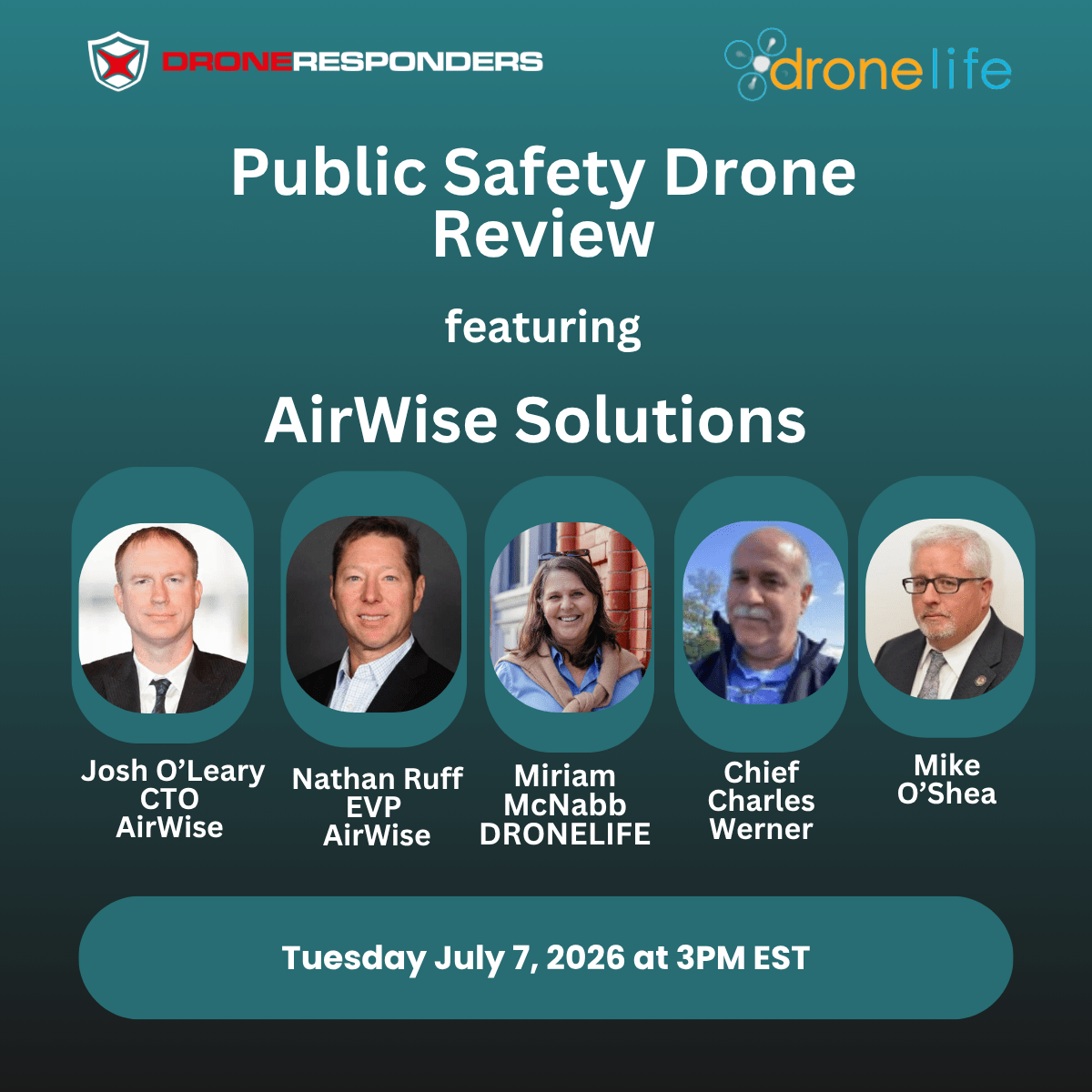
Don’t Miss AirWise Solutions on the Public Safety Drone Review, July 7!
On July 7 at 3 PM EST, DRONELIFE and DRONERESPONDERS will host the latest installment of the Public Safety Drone Review, a free webcast aimed at showcasing advancements in drone technology for public safety applications. The event will be led by DRONELIFE Editor in Chief Miriam McNabb, DRONERESPONDERS Director Charles Werner, and public safety aviation expert Mike O’Shea. This monthly series aims to educate and inform stakeholders about the evolving role of drones in enhancing public safety measures. Interested participants can register for the webcast through the provided link.
Applications Drone News Drone News Feeds emergency response Fire and Police News
Robot safety is now 3D: Sonair unveils world's first safety-certified 3D ultrasonic sensor for human-robot collaboration
The ADAR One sensor has achieved certification for SIL2 and PL d applications, confirming its compliance with the European machine directive. This certification enables the sensor to be utilized for the safe detection of humans and objects in various industrial settings. The development reflects a growing emphasis on safety standards in machinery, ensuring that operators can work in environments where the risk of accidents is minimized. The certification process involved rigorous testing to meet the stringent requirements set forth by European regulations, marking a significant advancement in sensor technology for safety applications.
More Skilled, More Ubiquitous & More Safe: Automating Robot Safety
In a significant evolution of workplace safety protocols, the industrial sector is transitioning from traditional static safety measures to a more dynamic and intelligent approach. This shift, driven by advancements in technology and an increasing emphasis on proactive risk management, aims to enhance safety standards and reduce workplace accidents. As industries adapt to these changes, the integration of real-time data analytics and smart monitoring systems is becoming essential. This transformation is not only improving the safety of workers but also fostering a culture of continuous improvement in safety practices. The move towards an active safety framework is expected to reshape the future of industrial operations, making them safer and more efficient.
Factory / Robotics
UN enforces global safety rules for fully autonomous vehicles, effective January 2027
Major automotive markets worldwide have united to establish a unified set of regulations aimed at enhancing safety and environmental standards in the industry. This collaborative effort, announced recently, involves key players from regions including North America, Europe, and Asia, who recognize the need for a cohesive framework to address the challenges posed by climate change and technological advancements in vehicle manufacturing. The initiative was unveiled during an international automotive summit held in Tokyo, where industry leaders and policymakers gathered to discuss the future of transportation. The decision to create a standardized set of rules stems from the increasing complexity of regulations across different markets, which has led to confusion and inefficiencies for manufacturers and consumers alike. By harmonizing these regulations, stakeholders aim to streamline compliance processes, reduce costs, and promote innovation in electric and autonomous vehicles. The new framework is expected to facilitate smoother trade and enhance consumer confidence in vehicle safety and environmental impact. The collaborative approach signifies a shift towards greater cooperation among nations, reflecting a shared commitment to sustainable development and the advancement of the automotive sector. As the industry evolves, this initiative is seen as a crucial step in ensuring that all markets can adapt to future challenges while maintaining high standards for safety and environmental protection.
AI and Robotics Transportation
NVIDIA's Halos for Robotics: A New Era for Industrial Robot Safety
Recent advancements in industrial robotics have marked a significant milestone in the integration of physical artificial intelligence. Over the past few years, the field has experienced unprecedented growth, with AI evolving beyond mere data analysis and text generation. Now, machines equipped with this technology can perceive their surroundings, make real-time decisions, and interact directly with their environment. This transformation is highlighted in a recent article discussing NVIDIA's Halos for Robotics, which emphasizes the new era of safety in industrial robots. The developments signal a shift in how robots operate, enhancing their capabilities and effectiveness in various industrial applications.
À la une IA Industrie Robotique automatisation industrielle. cobot industriel
NVIDIA Halos for Robotics: A New Era for Industrial Robot Safety
Recent advancements in industrial robotics have marked a significant milestone in the integration of physical artificial intelligence. Over the past few years, the field has experienced unprecedented growth, evolving beyond mere data analysis and text generation. Now, AI technology is enabling machines to perceive their surroundings, make real-time decisions, and interact directly with their environment. This evolution is exemplified by NVIDIA's latest innovations, which are set to enhance the safety and functionality of industrial robots. As these developments unfold, the landscape of robotics is transforming, paving the way for smarter and more autonomous machines in various industries.
À la une IA Industrie Robotique automatisation industrielle. cobot industriel
FORT and NVIDIA launch AI-driven Outside-In Safety blueprint
FORT Robotics and NVIDIA have unveiled a new initiative called Outside-In Safety, aimed at enhancing the productivity of autonomous robots while prioritizing worker safety. This innovative approach utilizes external sensors to create a safer working environment for human employees interacting with robotic systems. The launch of this AI-driven safety blueprint marks a significant advancement in the field of robotics, reflecting the growing need for effective safety measures in increasingly automated workplaces. The collaboration between FORT Robotics and NVIDIA highlights their commitment to integrating cutting-edge technology with practical applications, ensuring that as automation expands, worker safety remains a top priority.
Artificial Intelligence Collaborative Robots Markets / Industries News Safety & Security Automate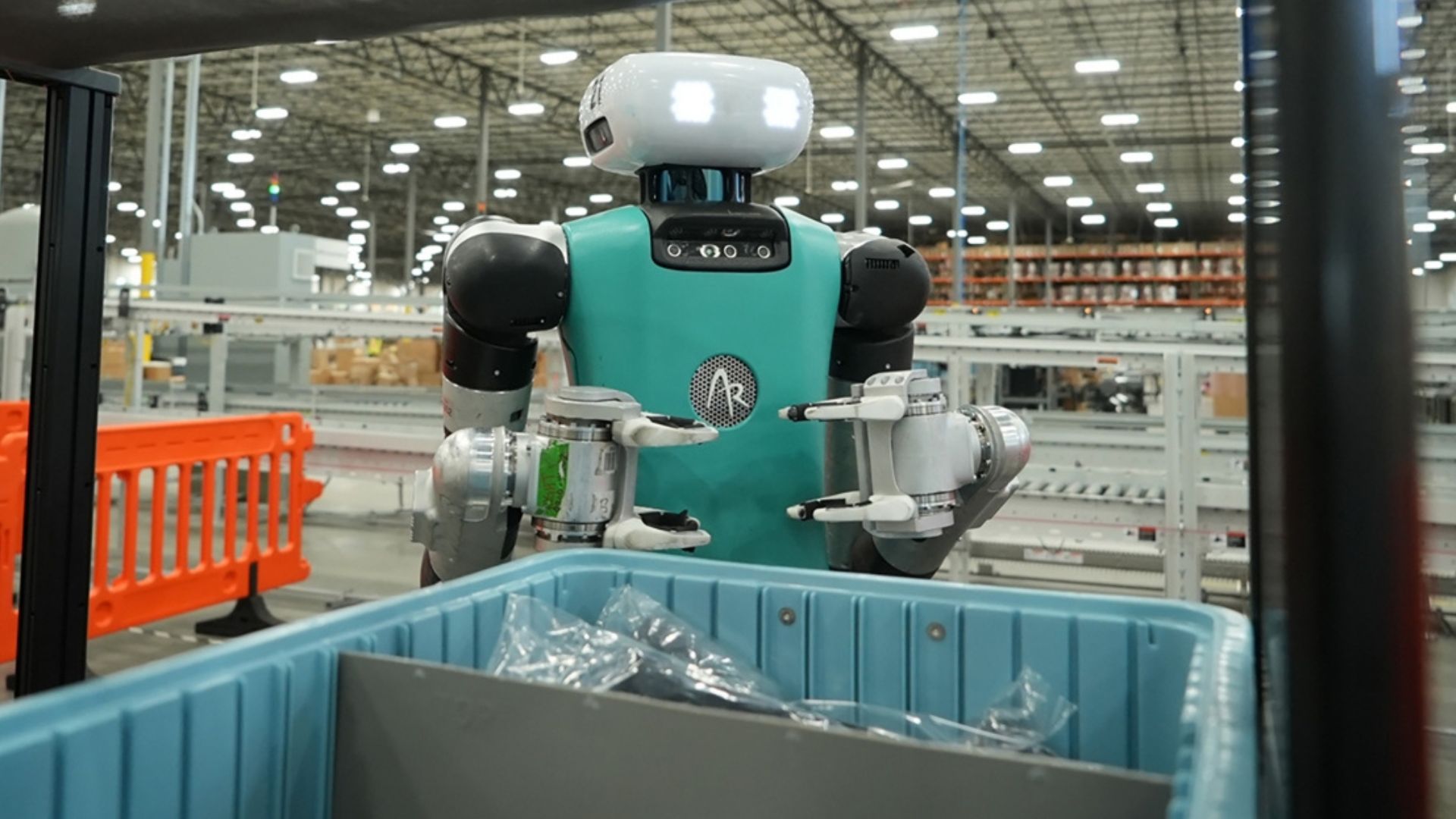
Side by side: NVIDIA Halos brings full-stack safety to robots working with humans
NVIDIA has launched an innovative safety platform aimed at assisting developers in the creation and deployment of autonomous systems. This announcement was made in October 2023, highlighting the company's commitment to enhancing safety measures in the rapidly evolving field of automation. The platform is designed to provide developers with the necessary tools and resources to ensure that autonomous technologies operate reliably and securely. By addressing safety concerns, NVIDIA seeks to foster greater trust and adoption of autonomous solutions across various industries. The initiative reflects the growing demand for robust safety protocols as companies increasingly integrate autonomous systems into their operations.
AI and Robotics
NVIDIA releases Halos, a full-stack safety system for robotics
NVIDIA has launched Halos, a comprehensive safety system designed for robotic applications. This innovative platform integrates artificial intelligence computing, system software, sensor data, and safety applications to enhance the functionality and reliability of robotic systems. The release of Halos aims to address the growing demand for advanced safety measures in robotics, ensuring that these systems can operate effectively and securely in various environments. By streamlining the connection between essential components, NVIDIA seeks to improve the overall performance and safety of robotic technologies.
Artificial Intelligence Artificial Intelligence / Cognition Design / Development News Safety & Security Advantech
NVIDIA Announces Halos for Robotics, the Industry’s First Full-Stack Safety System for Physical AI
NVIDIA has unveiled NVIDIA Halos for Robotics, marking a significant advancement as the first comprehensive safety system designed specifically for robotics and physical AI. This innovative system integrates AI computing capabilities with safety measures, aiming to enhance the operational reliability of robotic systems. The announcement was made today, reflecting NVIDIA's commitment to advancing technology in the robotics sector. By providing a unified solution, NVIDIA Halos seeks to address the growing need for safe and efficient robotic applications across various industries. This development is expected to facilitate the deployment of robotics in environments that require stringent safety protocols, thereby expanding the potential for AI-driven automation.
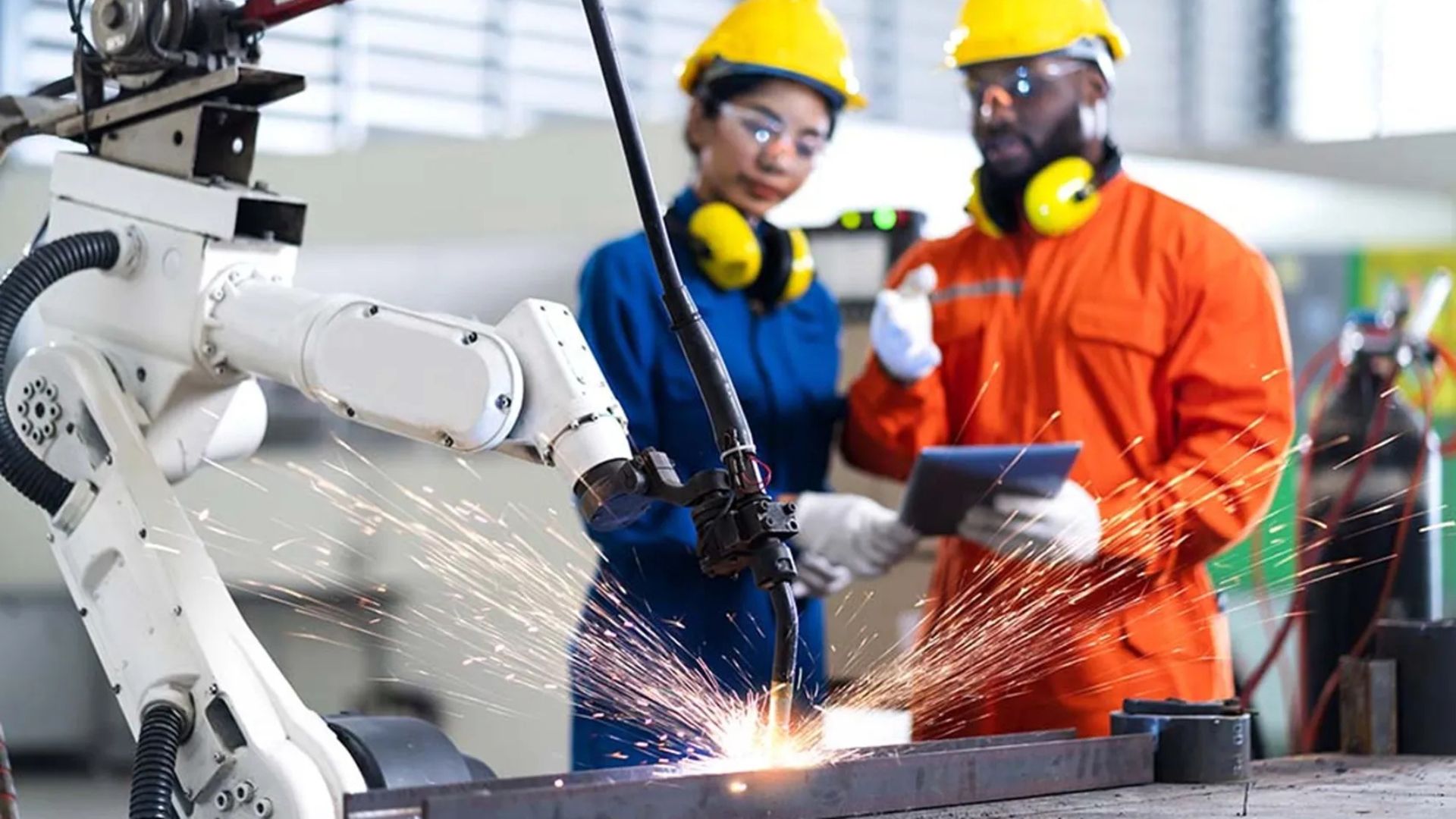
New vision-based safety tech lets industrial robots work safely near humans
Sensory Robotics has achieved safety certification for its innovative system that enables industrial robots to operate autonomously in various environments. This significant milestone was announced recently, marking a crucial step forward in the integration of advanced robotics into industrial applications. The certification process involved rigorous testing and evaluation to ensure that the system meets stringent safety standards, reflecting the company's commitment to enhancing workplace safety and efficiency. By allowing robots to function independently, Sensory Robotics aims to streamline operations and reduce the risk of accidents in manufacturing settings. The certification not only positions the company as a leader in the robotics field but also opens new opportunities for businesses looking to adopt automated solutions.
AI and Robotics
Sensory Robotics Launches UL-Certified 3D Virtual Robot Safety System
Cincinnati-based safety startup has introduced its innovative SR-1 system, designed for seamless collaboration between humans and robots, at the Automate 2026 event in Chicago. This debut highlights the company's commitment to enhancing workplace safety and efficiency through advanced technology. The SR-1 aims to eliminate traditional fencing barriers, allowing for more fluid interaction between human workers and robotic systems. By showcasing this cutting-edge solution at a prominent industry event, the startup seeks to address growing concerns about safety in automated environments and promote the integration of robotics in various sectors. The introduction of the SR-1 reflects the ongoing evolution of automation and the importance of ensuring safe human-robot collaboration in the future of work.

Summary of Microsoft's "Build 2026" announcement: expanding development platforms, safety measures, and hardware.
At the recent Build 2026 conference, Microsoft announced significant enhancements to its development platform aimed at supporting the creation of autonomous AI agents and ensuring safety controls. The tech giant introduced a new inference model named MAI, alongside high-performance local development terminals and a roadmap for quantum computing initiatives. These advancements reflect Microsoft's commitment to advancing AI technology and improving developer tools, positioning the company at the forefront of innovation in the tech industry.
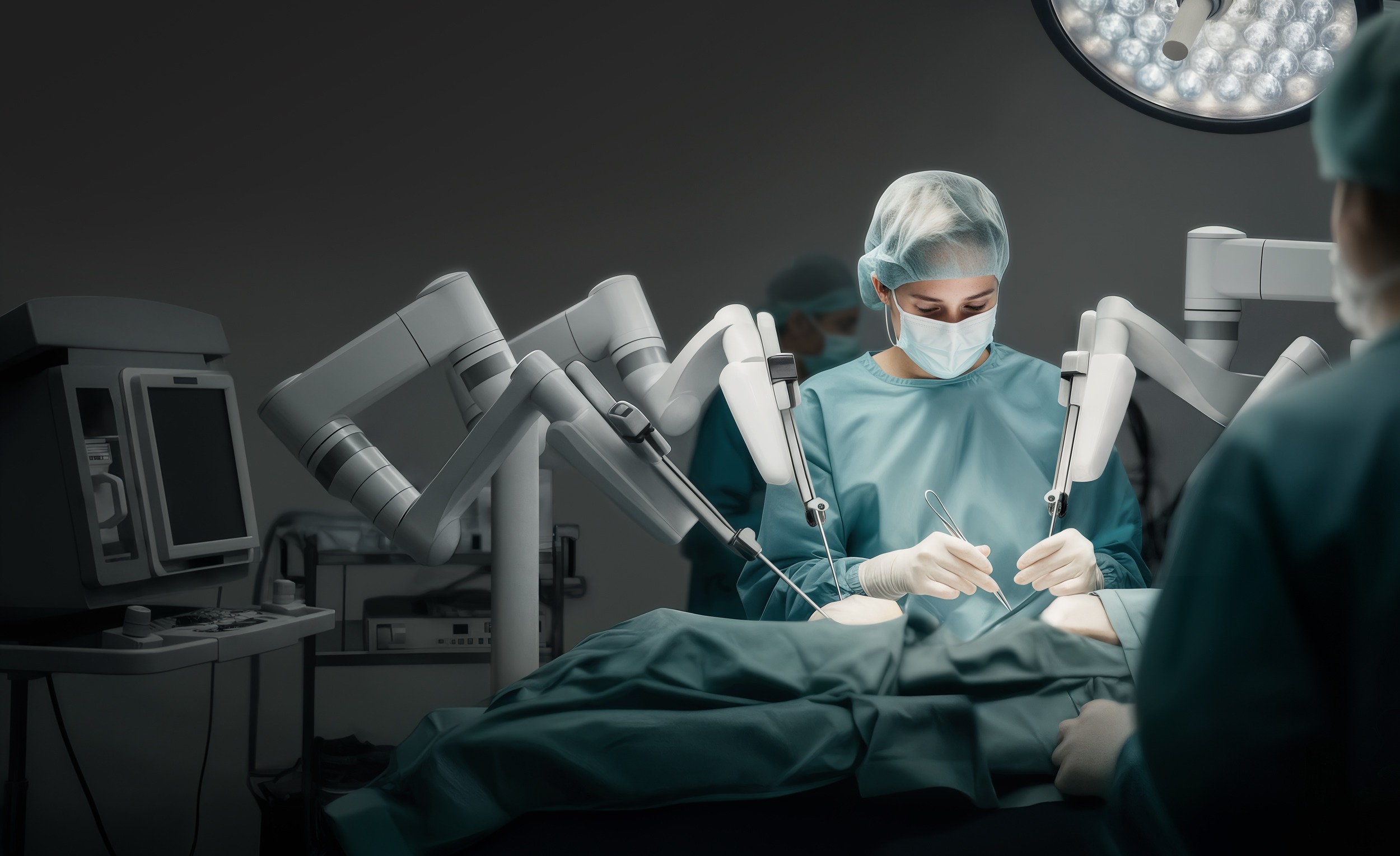
Study: Regulation and safety hinder robotics projects in Germany
QNX, a division of BlackBerry, has released findings from its latest study titled "Inside the Robot: Architecture Benchmark Report." The report highlights that regulatory challenges and safety concerns are hindering robotics projects in Germany. This study sheds light on the current state of the robotics industry, emphasizing the need for clearer regulations and enhanced safety measures to facilitate innovation and development in this sector. The findings are particularly relevant as Germany seeks to advance its technological capabilities in robotics amidst growing global competition.
Allgemein Newsarchiv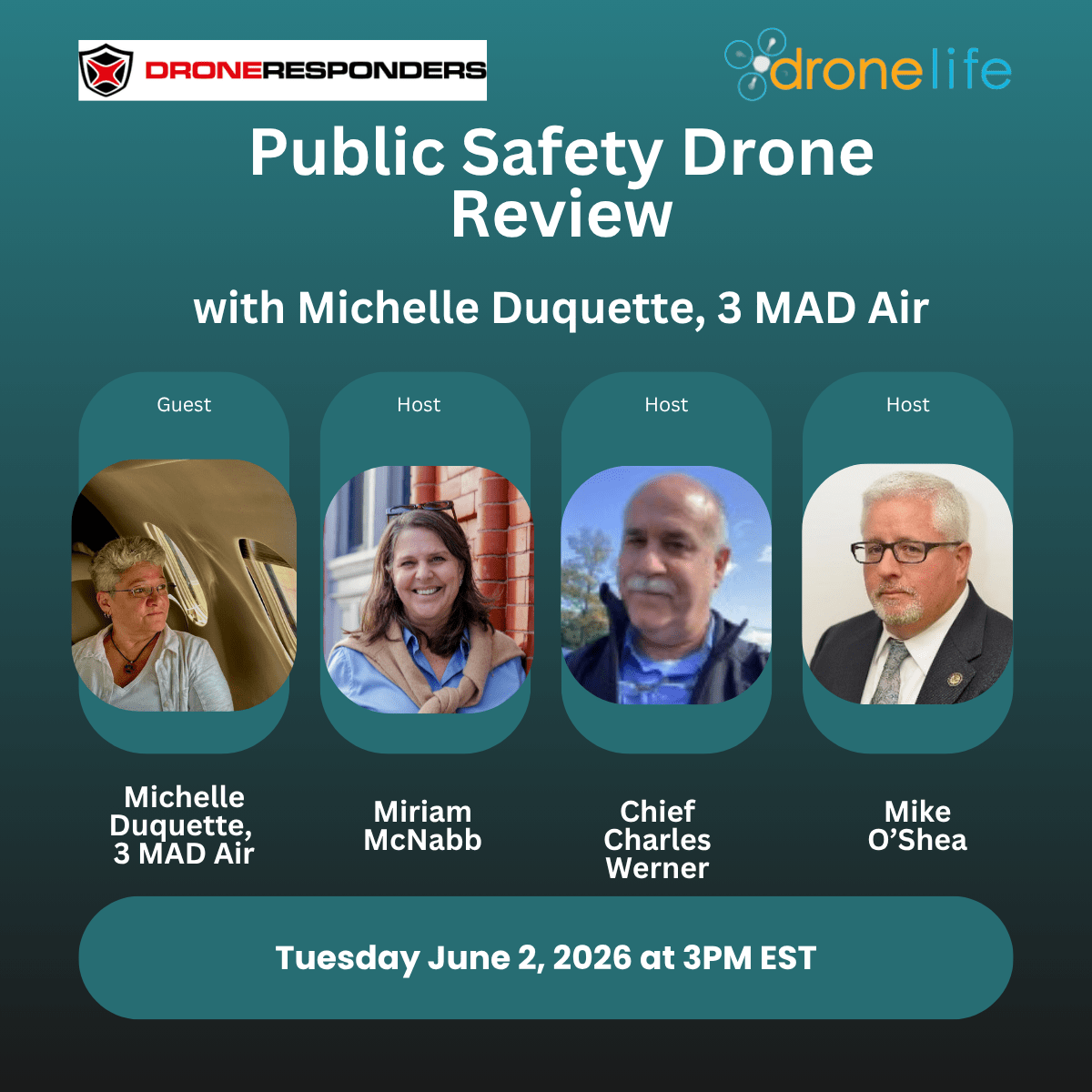
Public Safety Drone Review June 2, 2026: Michelle Duquette of 3 MAD Air on the Future of Integrated Airspace
On June 2, 2026, at 3 PM EST, DRONELIFE and DRONERESPONDERS will host the latest edition of the Public Safety Drone Review, a free webcast aimed at discussing advancements in drone technology for public safety. The event will feature insights from DRONELIFE Editor in Chief Miriam McNabb, DRONERESPONDERS Director Charles Werner, and aviation expert Mike O’Shea. A key highlight will be a presentation by Michelle Duquette of 3 MAD Air, who will explore the future of integrated airspace and its implications for public safety operations. This monthly series aims to educate and inform stakeholders about the evolving role of drones in enhancing safety and efficiency in various sectors. Interested participants can register for the webcast through the provided link.
Drone News Feeds News Podcast Public Safety Selected – Safety and Security 3 MAD Air
FORT Robotics Acquires Mapless AI to Expand Its Trust Platform with Remote Supervision and Active Safety Capabilities
A recent acquisition has enhanced FORT's capabilities, transitioning its functionality from safe remote control to supervised autonomy. This advancement aims to meet the increasing demands for human-in-the-loop systems and proactive safety measures in the field of physical AI. The integration of these features is expected to significantly improve operational efficiency and safety in various applications, addressing the growing need for intelligent systems that can operate autonomously while still allowing for human oversight. This development marks a significant step forward in the evolution of AI technologies, reflecting ongoing trends in automation and safety in complex environments.
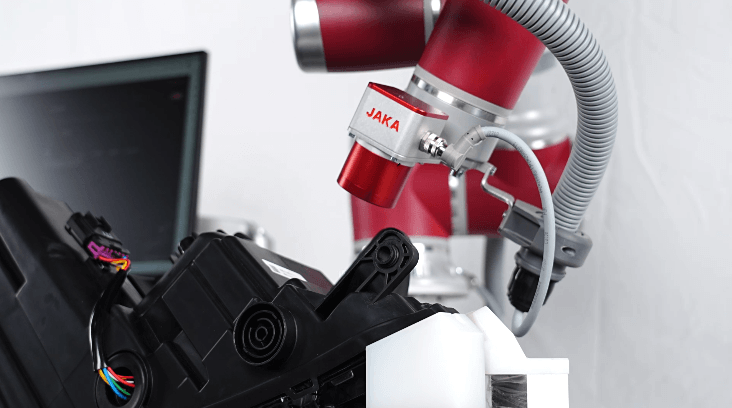
Enhancing Safety and Precision with Real-Time Force Feedback in Controllable Robots
The manufacturing sector is undergoing a significant transformation with the rise of collaborative robots, or cobots, particularly through innovations from JAKA Robotics. The company’s controllable robots utilize real-time force feedback technology, enhancing safety and precision in various industrial applications. This technology continuously monitors the forces exerted during operations, allowing cobots to adapt to unexpected changes in their environment, such as obstacles or excessive force during assembly. By equipping their cobots with real-time force feedback, JAKA Robotics significantly improves workplace safety, enabling safe collaboration between human workers and machines. For instance, when a cobot detects a sudden force change or an object in its path, it can automatically slow down or stop, reducing the risk of accidents. This capability not only enhances safety but also allows human operators to focus on more strategic tasks by relieving them from repetitive, hazardous activities. The JAKA Zu3 cobot exemplifies this innovation, designed for high-precision tasks in confined spaces, with a payload capacity of 3 kg and a reach of 626 mm. Its integration with vision systems allows for non-destructive testing and precise measurements, crucial in industries like electronics manufacturing. As the demand for advanced cobots grows, JAKA Robotics is committed to enhancing operational efficiency while prioritizing worker safety. The integration of real-time force feedback is set to redefine automation standards, positioning companies to thrive in a competitive landscape by improving productivity and quality control.
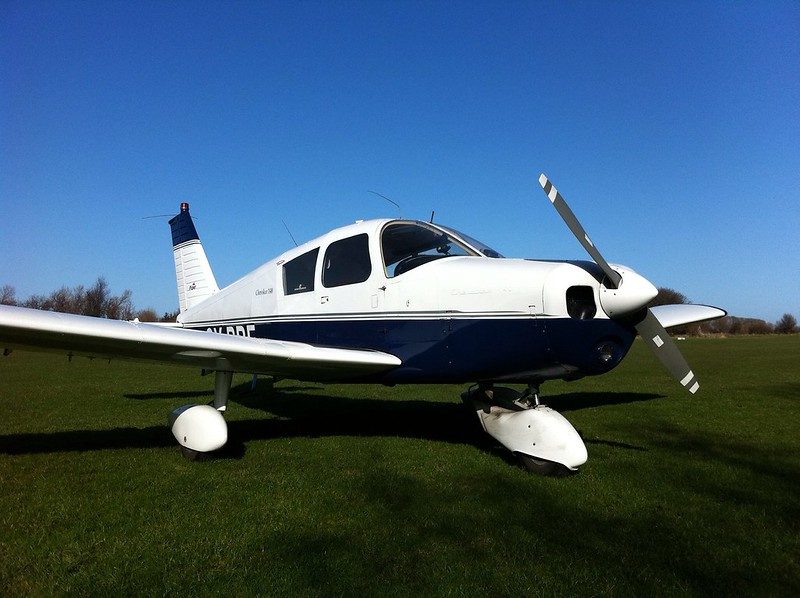
If Pilots Stop Trusting Safety Broadcasts, What Happens to Universal Conspicuity?
The Aircraft Owners and Pilots Association (AOPA) has voiced its opposition to potential billing for Automatic Dependent Surveillance–Broadcast (ADS-B) data, a stance that could impact both crewed and uncrewed aviation sectors. This week, AOPA backed comments made by FAA Administrator Bryan Bedford, who criticized the idea of monetizing ADS-B data. The association's statement underscores growing concerns regarding the trustworthiness of safety broadcasts among pilots. As the aviation community grapples with these issues, the implications of eroding trust in safety communications could jeopardize the effectiveness of universal conspicuity, a critical safety measure in the airspace.
connectivity DL Exclusive Drone News Drone News Feeds Feature 1 News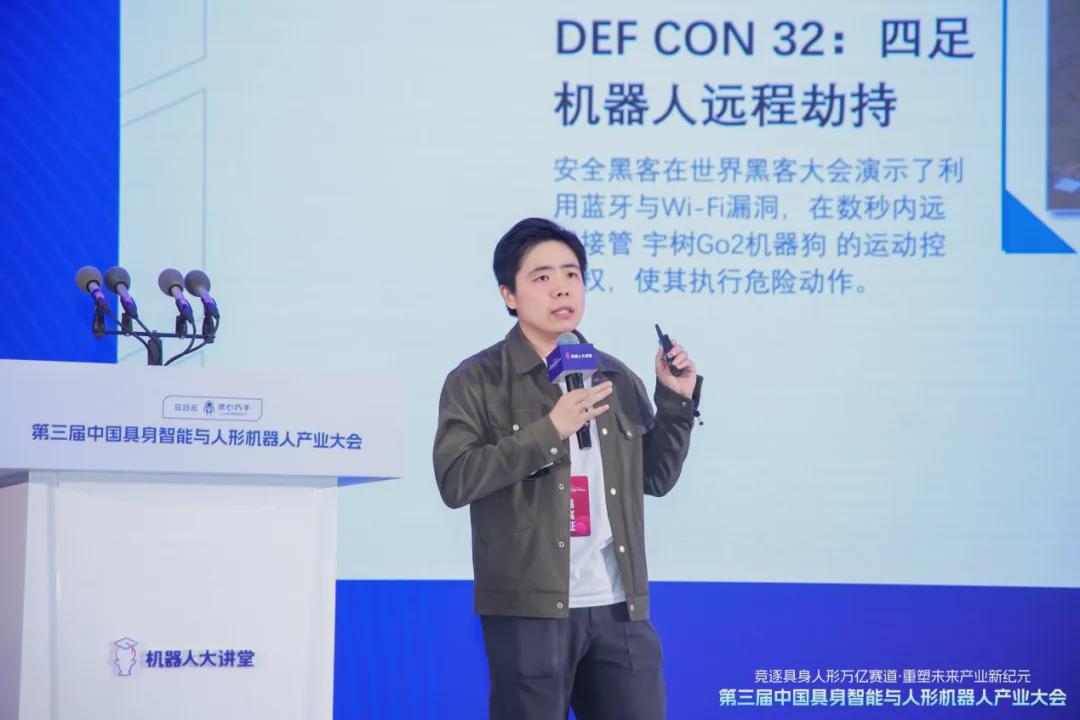
Embodied Intelligence Enters a Booming Phase: Baidu Reveals Industry Safety Risks and Solutions
Baidu has raised alarms about significant safety risks associated with the rapid advancements in the embodied intelligence sector, which is expected to see substantial growth by 2026. The company underscores the urgency of establishing a comprehensive safety framework to mitigate vulnerabilities that have surfaced, particularly in areas such as remote control operations, the potential for intellectual property theft, and the implications of AI-driven decision-making. As the technology evolves, Baidu advocates for proactive measures to ensure that safety protocols keep pace with innovation, aiming to protect users and stakeholders from emerging threats in this dynamic field.
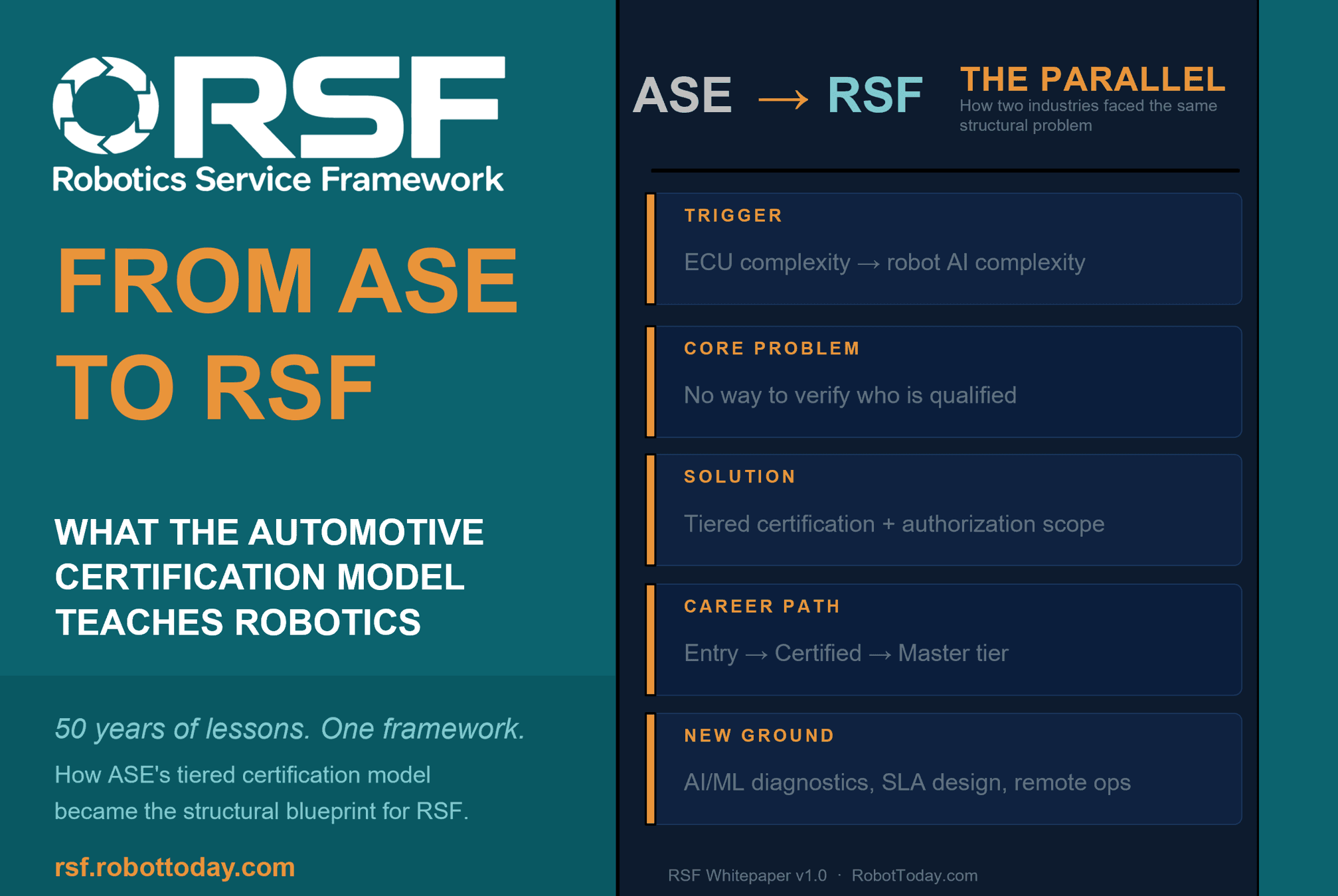
Embodied Intelligence Safety Risks AI Security Robotics Technology StandardsRobotics needs a service framework.
RSF defines a common language for robot service capability, lifecycle operations, certification pathways, and service-provider networks.