


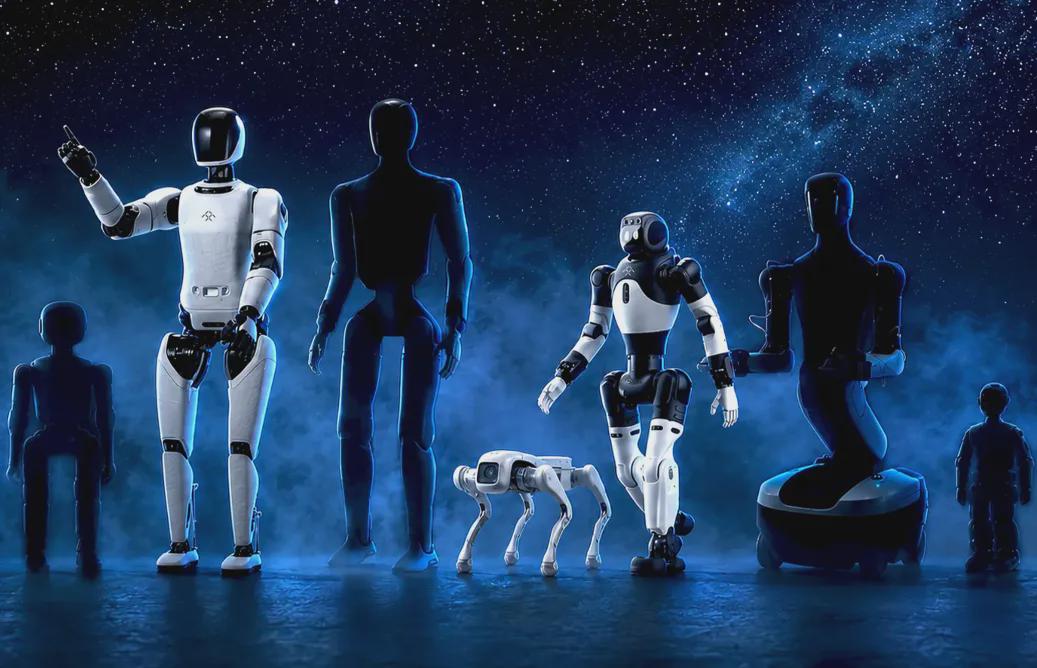
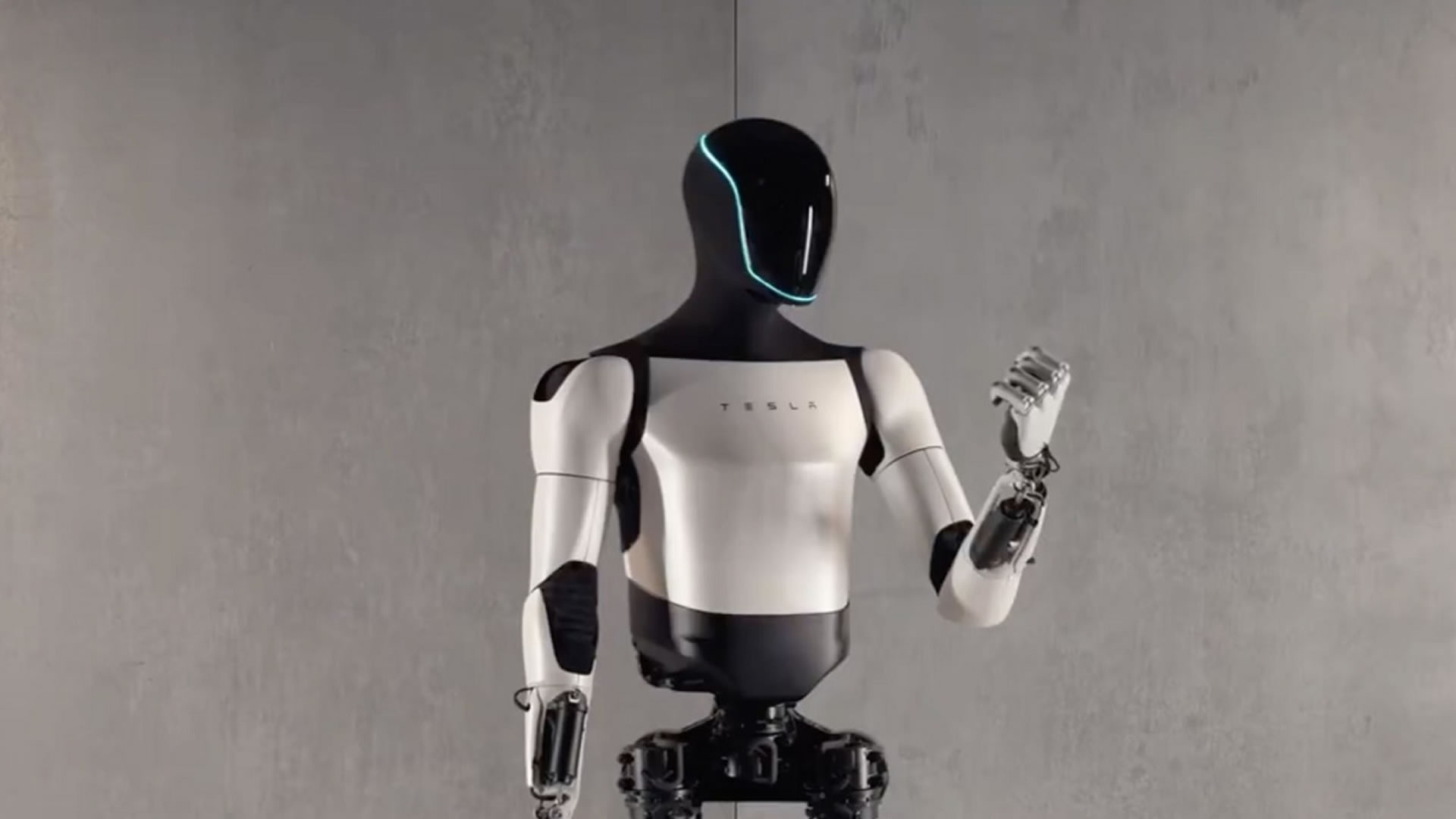
A startup named 'Xindu Qiyuan' has successfully utilized a 'white box world model' based on 'uncertain differential geometry' to enable a humanoid robot to perform a complete task from voice command to cup retrieval without prior calibration or pre-training. This achievement is particularly significant in the field of embodied intelligence, which is currently dominated by end-to-end large model narratives.
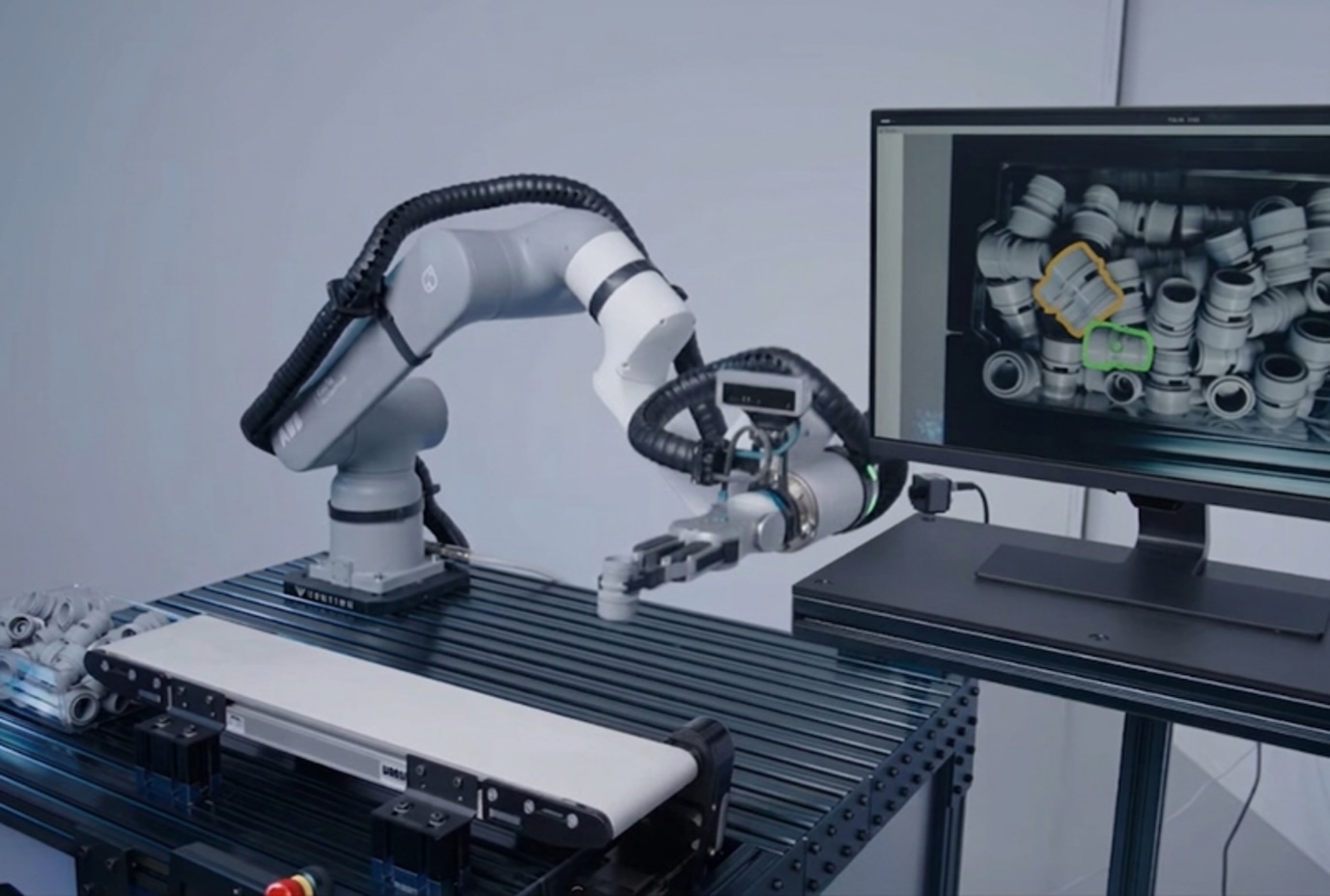
The technology proposes a radically different approach, termed the 'third path,' which is theoretical rather than data-driven or rule-based. It emphasizes a 'white box' methodology that directly derives physical world boundaries from mathematical axioms, contrasting with mainstream practices that rely on statistical correlations. This innovation could potentially reduce the customization cycle for production lines from months to immediate deployment, as the team has reported.
Looking ahead, the startup is entering a new round of financing to further develop its technology. The core of their approach, rooted in uncertainty theory, is still under academic scrutiny, and its acceptance may evolve as the industry continues to explore the implications of this new mathematical framework in robotics.
Editor's Note
The emergence of innovative methodologies like the 'white box world model' signifies a potential shift in the robotics landscape, challenging traditional data-driven approaches. As companies explore new paradigms, the implications for manufacturing and automation could be profound, particularly in terms of efficiency and adaptability in real-world applications.


























Leave a comment