A team of researchers has developed a fully implantable device capable of transmitting light-based messages directly to the brain. This innovative system, which utilizes up to 64 micro-LEDs to generate intricate neural patterns mimicking natural sensory activity, has been tested on mice. Remarkably, the animals were able to learn and interpret these artificial signals as meaningful information without relying on touch, sight, or sound. Conducted recently, this groundbreaking research could significantly advance the fields of prosthetics and therapeutic interventions, offering new possibilities for individuals with sensory impairments. The findings highlight the potential of light-based communication in enhancing neural function and could lead to the development of next-generation medical devices.


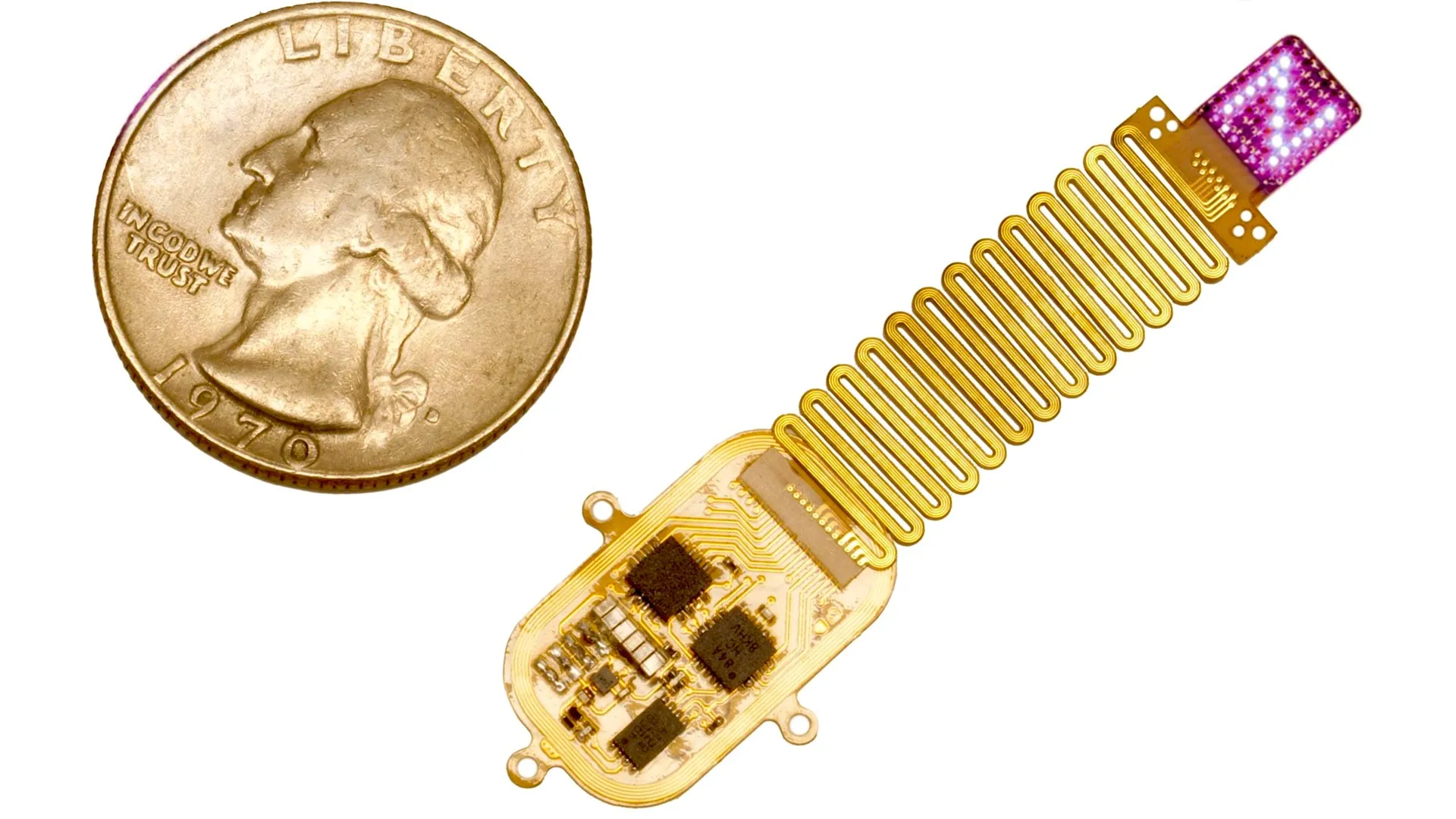
This tiny implant sends secret messages to the brain
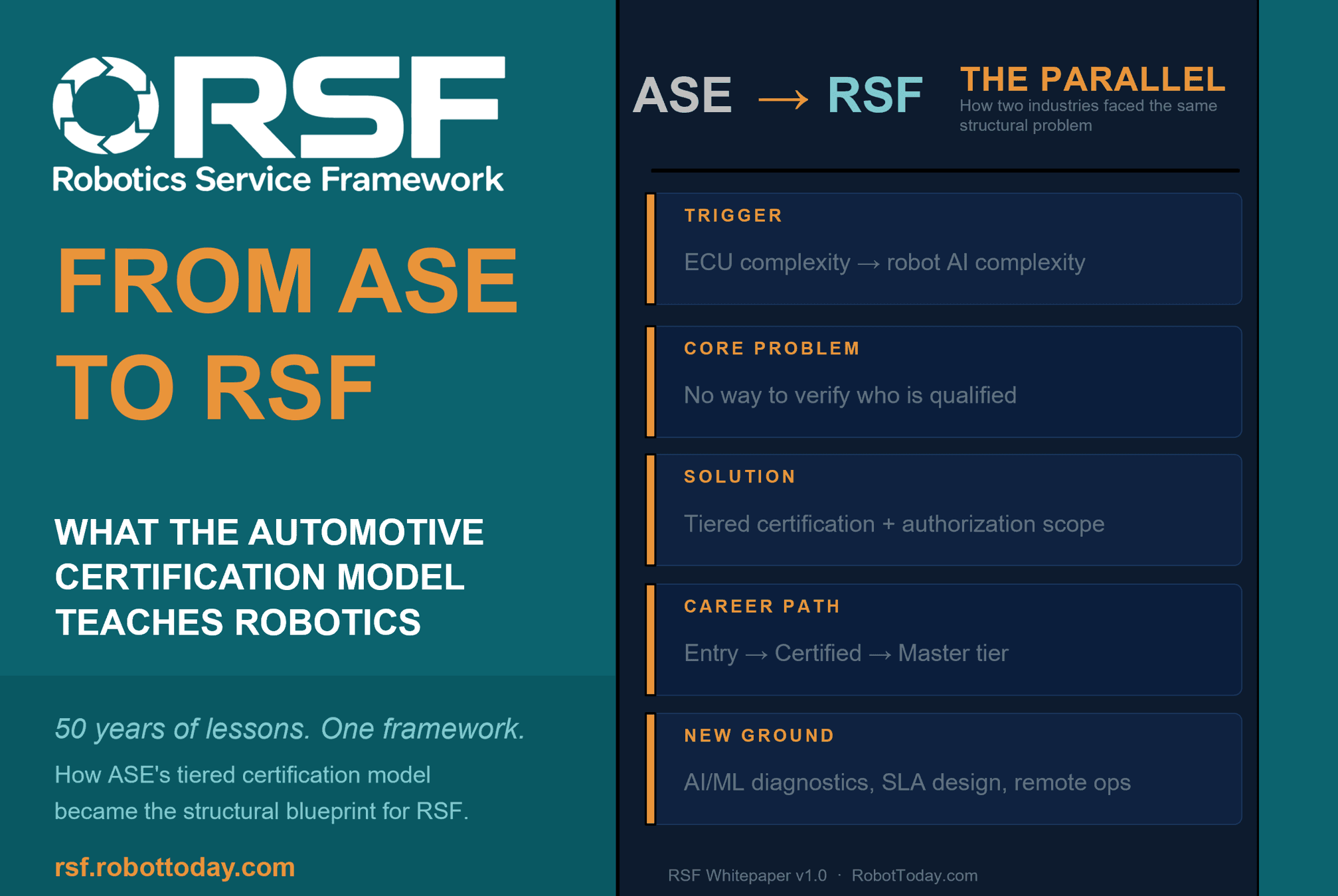
Robotics needs a service framework.
RSF defines a common language for robot service capability, lifecycle operations, certification pathways, and service-provider networks.
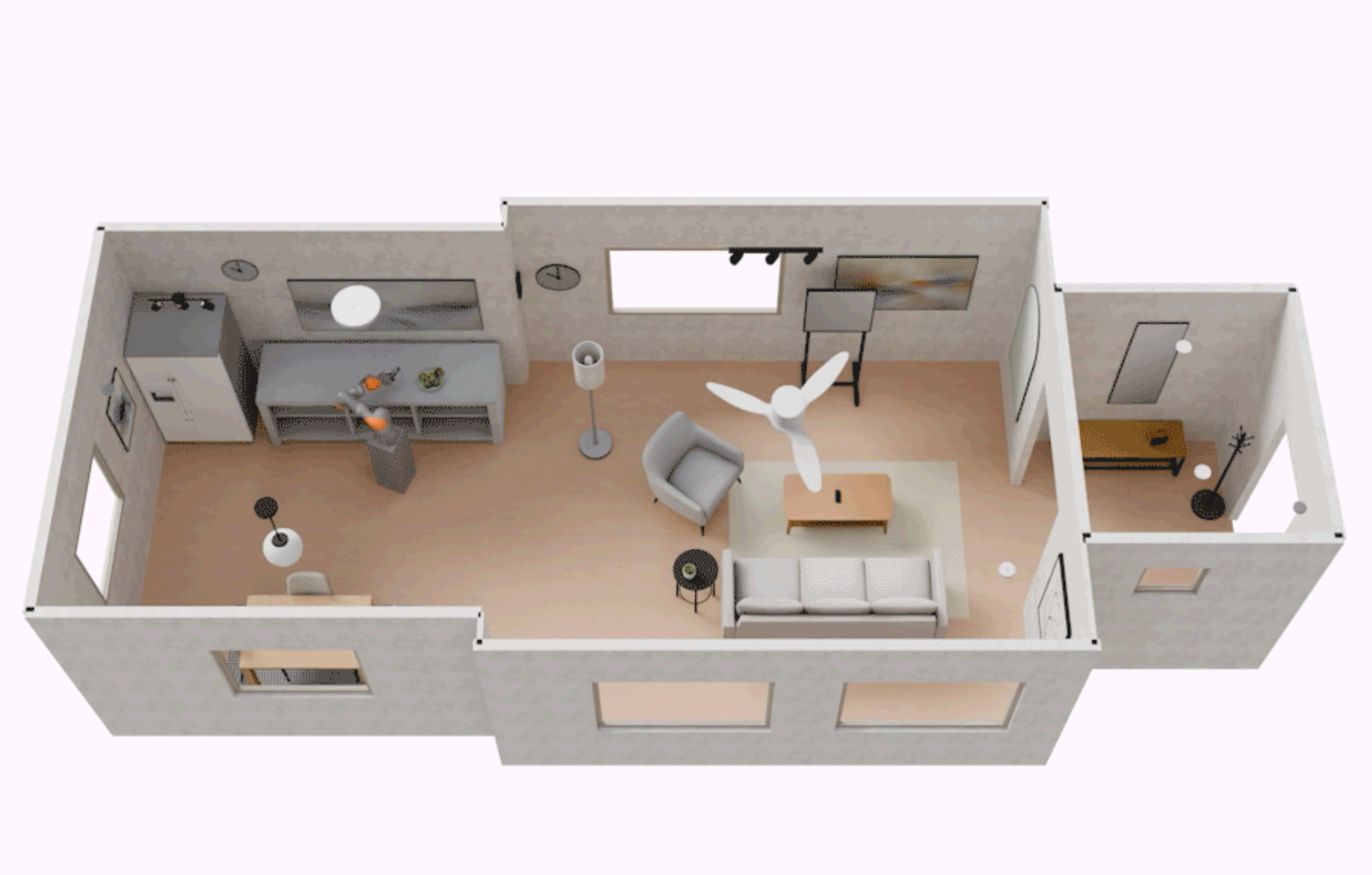
MIT and Toyota Research Institute Unveil SceneSmith for Robot Household Training
MIT's Computer Science and Artificial Intelligence Laboratory (CSAIL) and the Toyota Research Institute have developed SceneSmith, an AI-powered system that allows robots to practice household tasks in a virtual environment. This system utilizes three visual language models to collaboratively create realistic 3D scenes, enabling robots to learn complex sk...
AI Robotics Virtual Reality
Nous Research Secures New Funding Talks at $1.5 Billion Valuation for Hermes Agent
Nous Research, the creator of the open-source Hermes agent, is in discussions to secure a new funding round led by Robot Ventures, aiming for a valuation of $1.5 billion. The company is looking to raise at least $75 million, following a previous $50 million Series A funding announced just three months prior. This funding round is significant as it reflect...
AI Startups Venture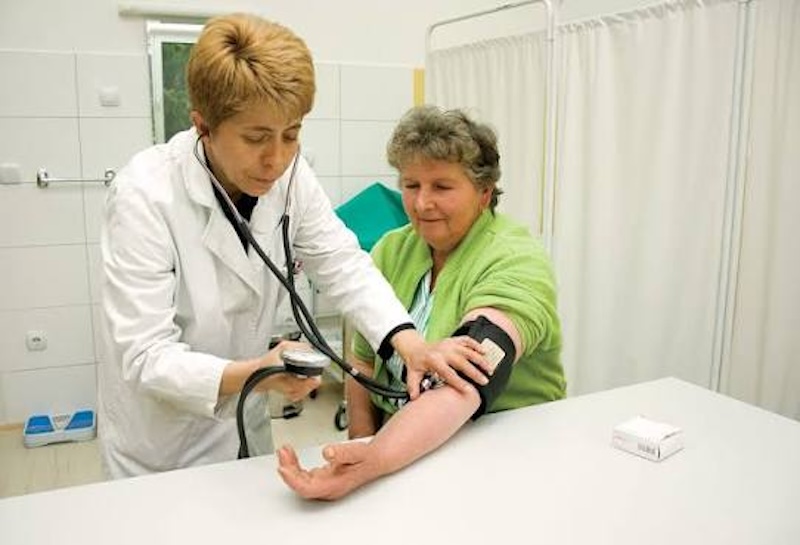
Addressing the Human Bottleneck in Healthcare Automation: Aligning Physicians with Patient Demand
Hospitals are increasingly adopting automation to enhance care delivery by integrating software for administrative tasks, utilizing robots for logistics, and deploying AI for documentation and scheduling. These advancements aim to reduce waiting times and streamline workflows, allowing clinical teams to focus more on patient care. However, despite these t...
Automation Health artificial intelligence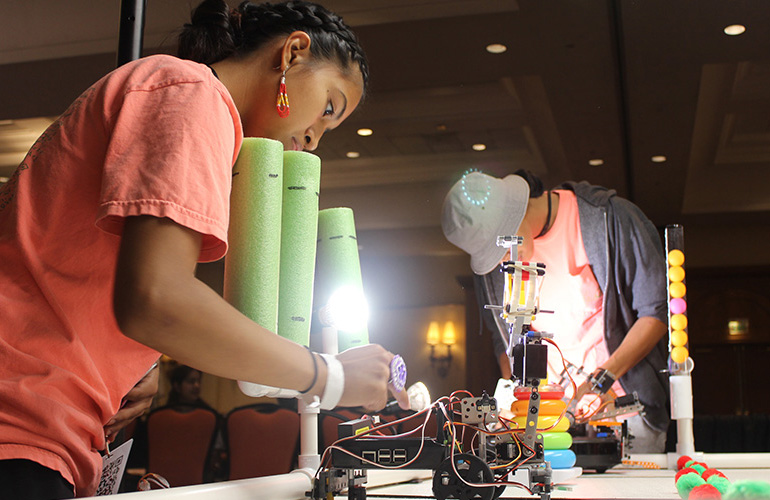
KISS Institute Launches BotBall to Enhance STEM Education with Student-Led Robotics
The KISS Institute for Practical Robotics (KIPR) has introduced BotBall, a robotics program designed to foster creativity and critical thinking among students. This initiative emphasizes student-led engineering, allowing participants from elementary to high school to engage in hands-on learning using a standardized kit. The program ensures a level playing...
Autonomous Mobile Robots (AMRs) Educational News
ROBOTTODAY Weekly July 6 – 10, 2026
This week in robotics: AI² Robotics raises $735M for wheeled humanoids, Unitree G1 performs first live surgery, Dexmal launches DexOS platform, Agility Robotics announces SPAC, and Ondas acquires DZYNE for $875.8M. July 6–10, 2026.
RobotToday Weekly
Physical AI Landscape: From Digital Intelligence to the Embodied Physical World
A comprehensive industry analysis of Physical AI — covering Embodied AI, Field AI, Factory AI, VLM, World Model, VLA, and the VLA vs WAM architecture debate. Includes 20+ companies, 28 references, and the RobotToday Physical AI Landscape diagram. July 2026.
Artificial Intelligence
InDro Robotics Introduces Axiom Humanoid Platform to Enhance Physical AI Research Accessibility
InDro Robotics has launched the Axiom, a modular humanoid-style robotic platform aimed at facilitating Physical AI research. Announced on July 10, 2026, this budget-friendly solution is designed to lower the barriers for researchers and academic institutions in developing advanced robotics applications. Initial customer units are already being shipped, in...
NASA and Rice University Launch Open-Source Simulator for Space Robotics Research
Rice University and NASA have introduced the iMETRO Dynamic Simulation, the first open-source platform for developing robots for spacecraft and habitats. Unveiled at the 2026 IEEE International Conference on Robotics and Automation in Vienna, this simulator creates a digital twin of NASA's iMETRO facility, enabling global researchers to test intravehicula...
AI and Robotics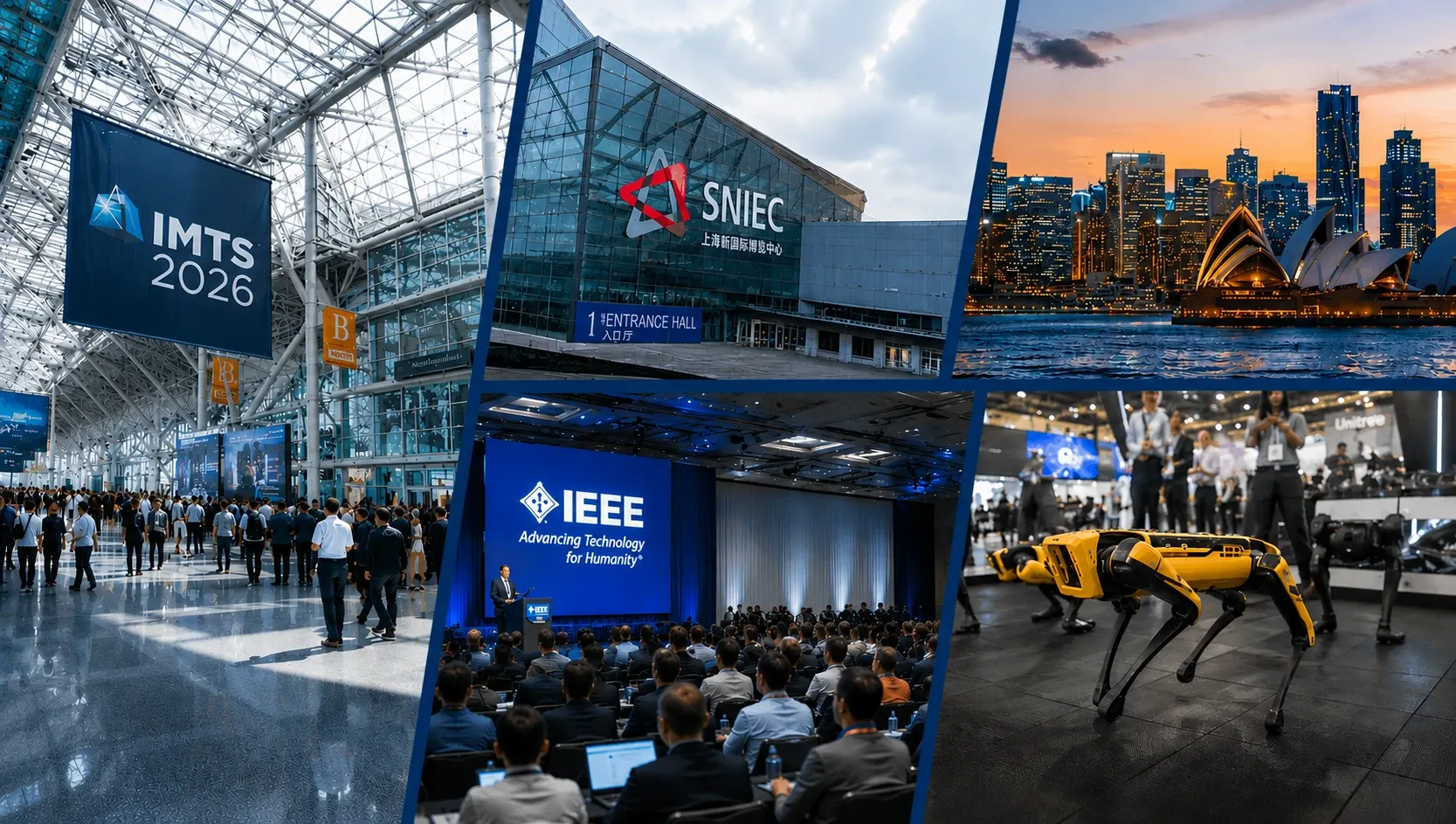
2026H2 Robotics Events Briefing: Tailored Recommendations for Robotics Readers
Discover the ultimate directory of global robotics events in 2026. Tailored briefings for engineers, investors, and founders on humanoid robots, AI, and industrial automation by RobotToday.
Events Market and Business News
Future Pulse 2026 | The Dutch Robotics Conference
Explore Future Pulse 2026, the Netherlands' leading robotics conference bringing together AI, automation, robotics, industry, research, and government in Eindhoven.
Events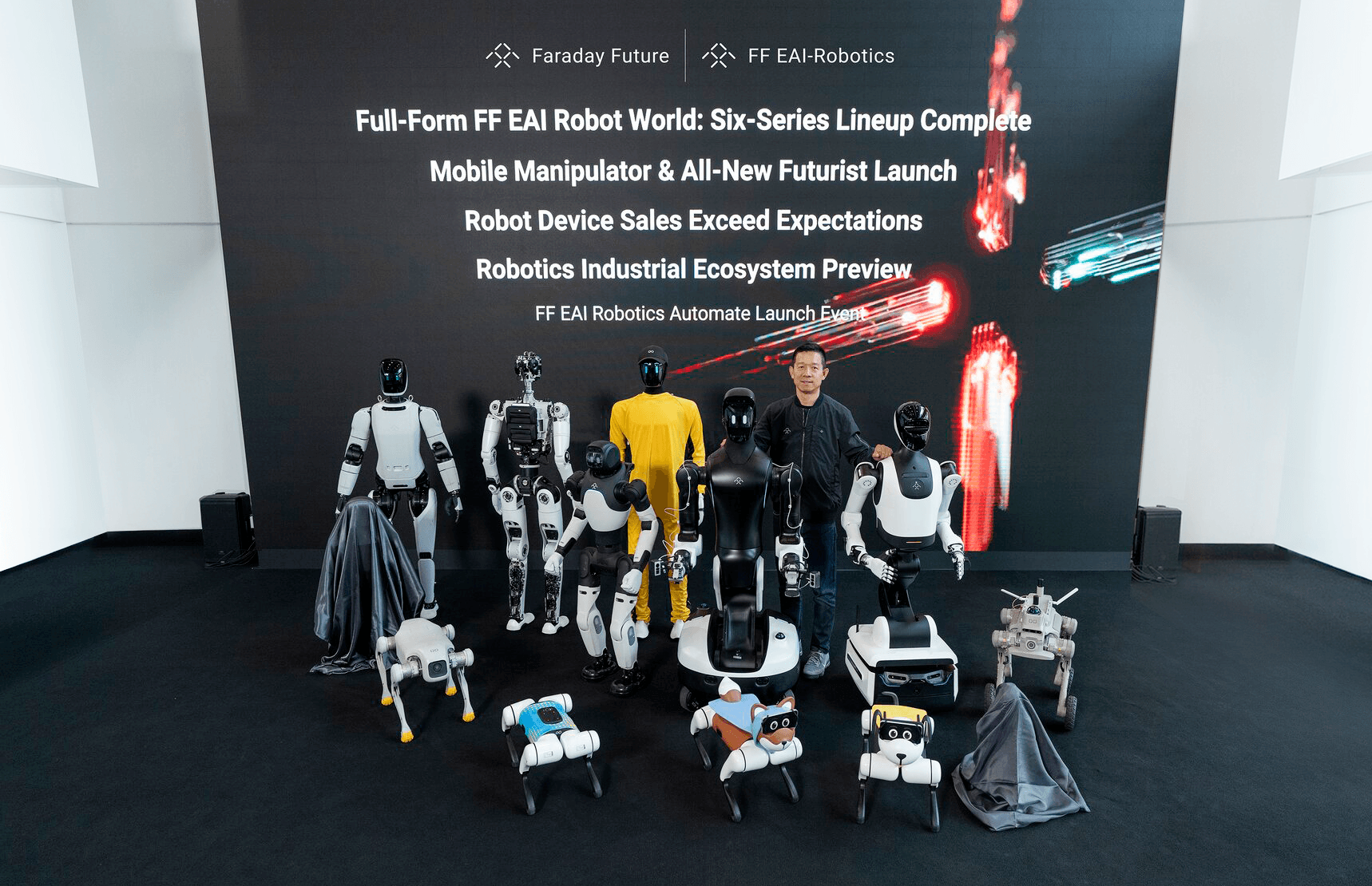
Faraday Future Completes Six-Series EAI Robot Lineup, Launches Faber Mobile Manipulator
Faraday Future unveils its full six-series EAI Robot World portfolio at Automate 2026, featuring the $89,900 All-New Futurist humanoid and the commercial release of the Faber mobile manipulator.
Market and Business News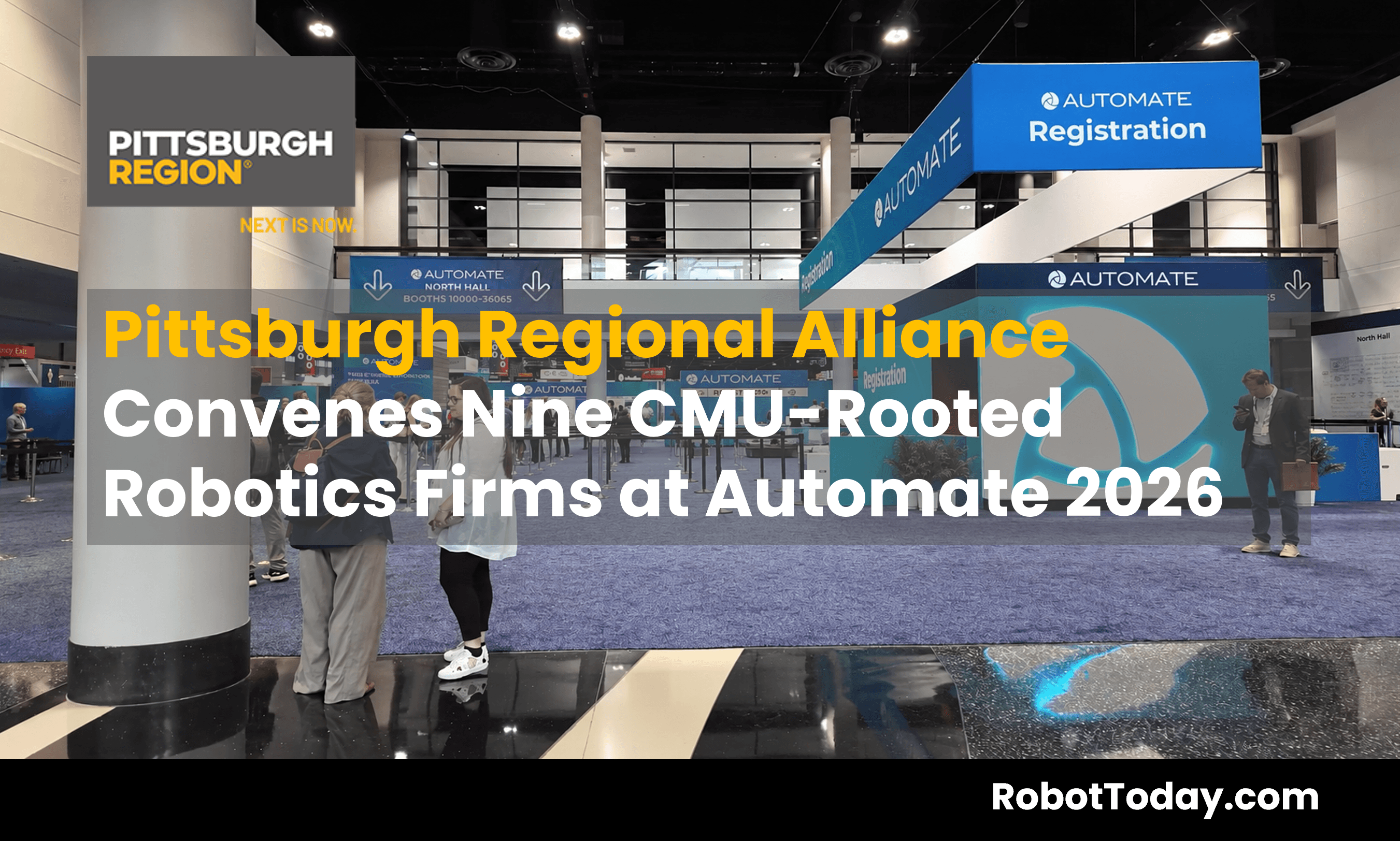
Pittsburgh Regional Alliance Convenes Nine CMU-Rooted Robotics Firms at Automate 2026
At Automate 2026, the Pittsburgh Regional Alliance convened nine robotics firms — most spun out of Carnegie Mellon — spanning materials, perception and AMRs.
Market and Business News
HERL (Human Engineering Research Lab)
United States
Joint University of Pittsburgh and US Department of Veterans Affairs laboratory conducting rehabilitation engineering research. Develops mobility devices, assistive technologies, and medical-grade products for people with disabilities.

Joanneum Research Assoc (AT)
Austria
Joanneum Research Institute for Robotics and Flexible Production conducts applied R&D in industrial robot systems, production automation and robot safety, offering feasibility analysis, consulting and testing in a robotics solution centre.

St Petersburg National Research U of ITMO
Russian leading research university (ITMO University) specializing in information technology, optical engineering, and photonics. Active research programs in AI, robotics, computer vision, and cyber-physical systems.

Robot Care Systems
Netherlands
The URL resolves to Robots.nu, an informational portal covering personal, service, care, and educational robots. The site aggregates overviews and news about robots used in homes, healthcare, and workplaces, targeting general audiences exploring robotic technology applications.

Top Grade Healthcare (CN)
Top Grade Healthcare is a Chinese healthcare products and services company. It has limited verifiable presence in robotics; however, the company is listed in context of healthcare automation and senior care robotic applications in the Chinese market.

Xenex Healthcare Services
United States
Xenex Healthcare Services manufactures the LightStrike UV disinfection robot, which uses pulsed xenon UV technology to reduce microbial load in hospital rooms. Provides workflow consulting alongside the robotic system to improve room turnover efficiency.

Korea Aerospace Research Institute (KARI) (KR)
Korea, Republic of (South)
South Korean government aerospace research institute conducting R&D in satellites, launch vehicles, and aviation technology. URL resolved to a tourism website. KARI develops space exploration systems and unmanned aerial vehicles for national programs.

Monterey Bay Aquarium Research Institute
United States
The Monterey Bay Aquarium Research Institute (MBARI) is a US ocean research institution known for developing underwater robotic vehicles (ROVs, AUVs) and sensor systems for deep-sea science. Website content was empty at time of scrape; classification based on the institution's well-established robotics research profile.

Southwest Research Institute
United States
Southwest Research Institute Robotics Division conducts applied R&D in industrial automation, manufacturing robotics, reliable space-qualified components, embedded systems, attitude control, and verification/validation for aerospace and terrestrial applications.


Leave a comment