Industry Briefing
A single destination for timely, editor-curated robotics news from around the world.
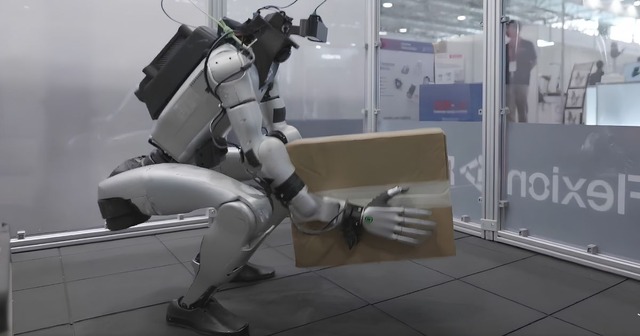
Flexion Robotics demonstrates fully autonomous humanoid with over 95% success rate in 300 trials at ICRA 2026.
Flexion Robotics announced on its official X account that it conducted a fully autonomous demonstration using humanoid robots at the International Conference on Robotics and Automation (ICRA 2026) from June 9 to June 11, 2026. The three-day event showcased the company's advancements in robotics technology, highlighting their commitment to innovation in the field. The demonstration aimed to illustrate the capabilities of humanoid robots in performing complex tasks autonomously, reflecting the growing interest and investment in robotics solutions across various industries.

A Brain in the Alps: Flexion Raises $50M to Build the ''Android'' of Humanoids
Flexion Robotics, a Swiss startup, has officially launched after securing $50 million in Series A funding. The company boasts a distinguished team comprised of experts from ETH Zurich and NVIDIA, highlighting its strong technological foundation. In a promotional video, a Unitree G1 robot is showcased efficiently cleaning the picturesque Swiss Alps, emphasizing the startup's commitment to innovative robotics solutions. The funding will likely support the development and deployment of advanced robotic technologies aimed at enhancing environmental sustainability and operational efficiency in various sectors.
G1 Flexion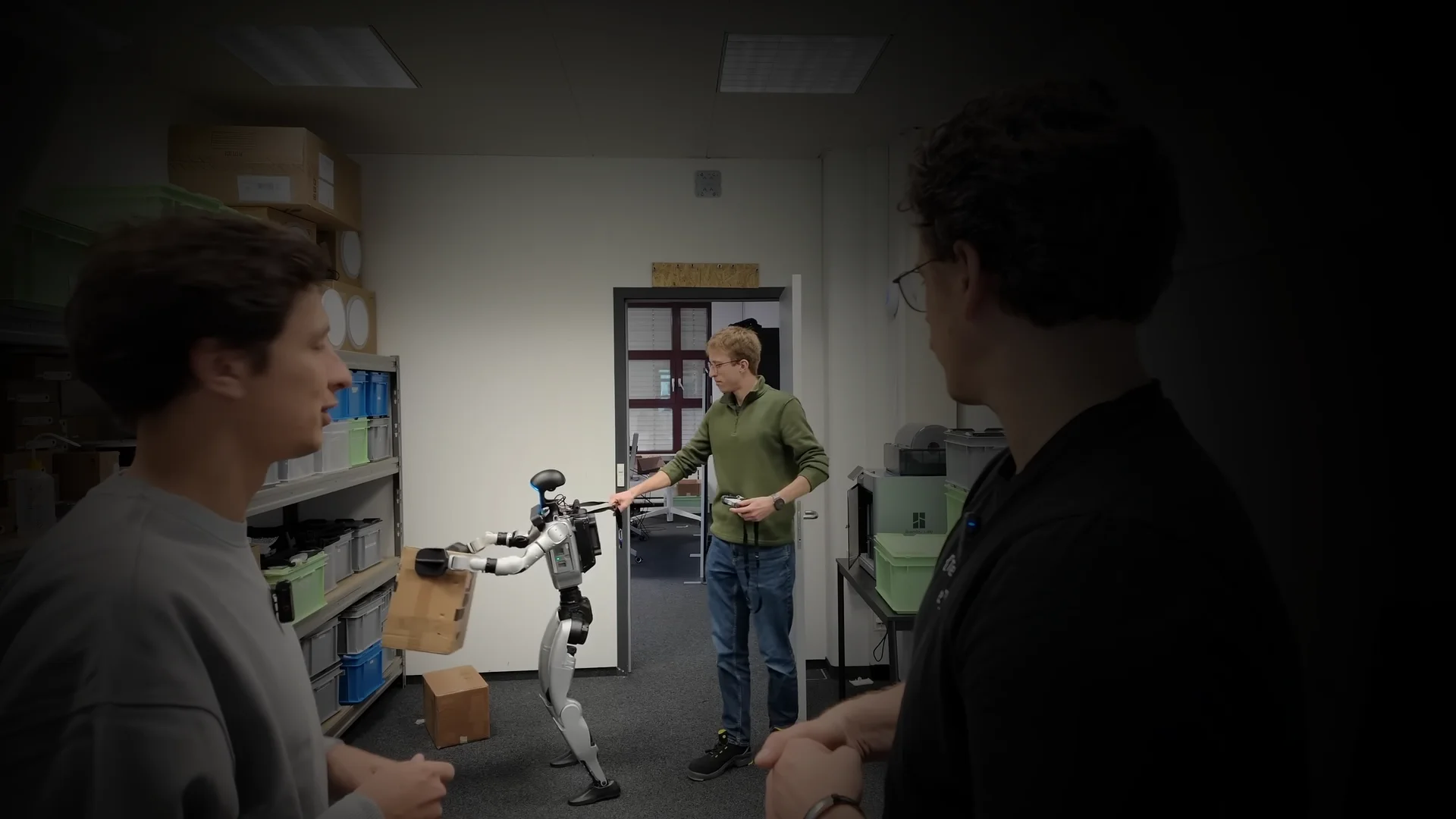
Watch: Inside the Zurich Lab Building the "Android" of Humanoids
Flexion Robotics has launched a new lab tour that provides an exclusive glimpse into its innovative software-first strategy aimed at transforming standard off-the-shelf hardware into effective industrial robots. This initiative, which showcases the company's commitment to enhancing automation capabilities, highlights how advanced software can optimize existing hardware for various industrial applications. The tour, taking place at Flexion's facility, allows attendees to witness firsthand the integration of software solutions with conventional machinery, demonstrating the potential for increased efficiency and productivity in the workforce. By focusing on software development, Flexion Robotics aims to address the growing demand for versatile and cost-effective robotic solutions in the manufacturing sector.
Europe ETH Zurich Flexion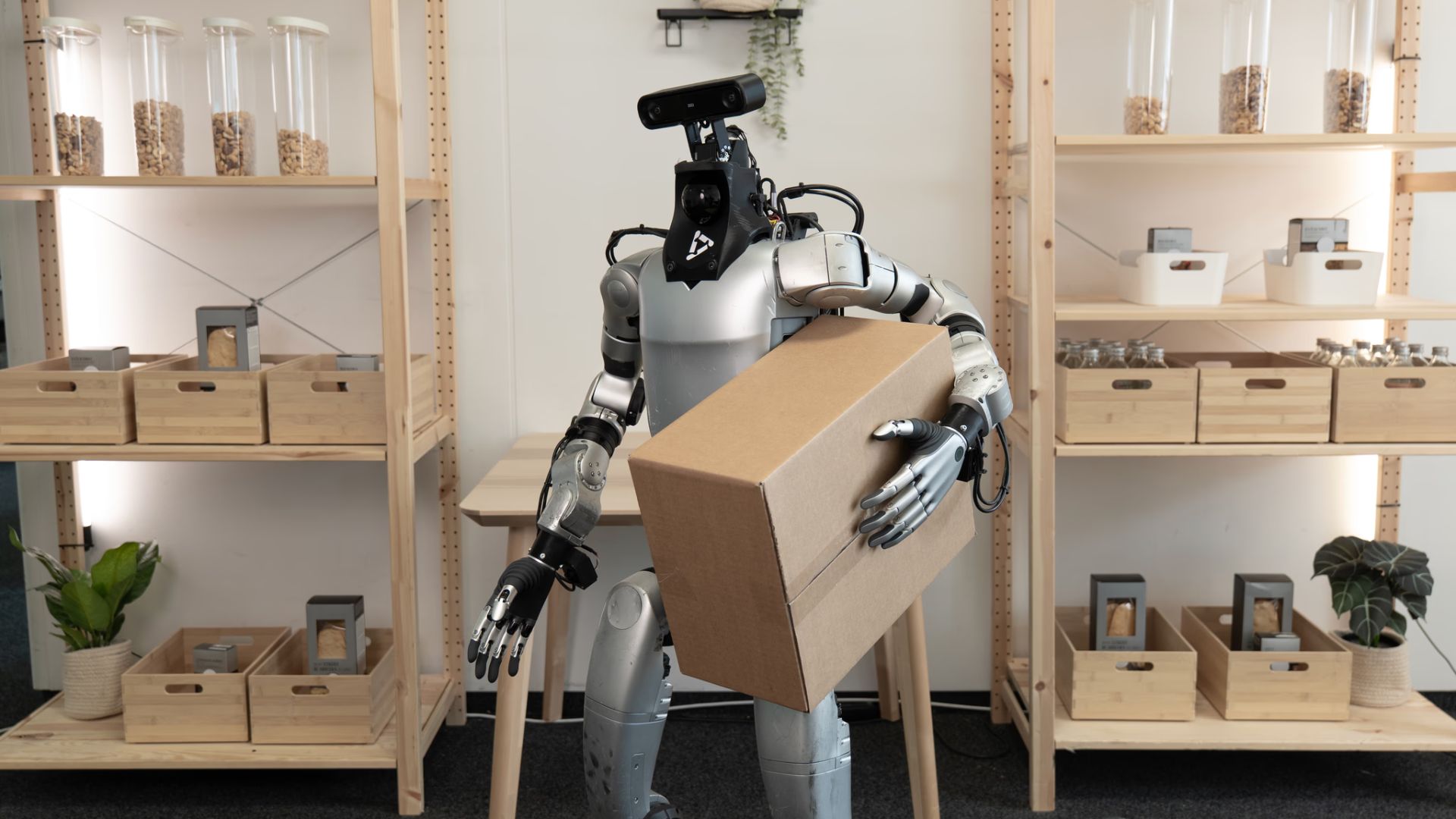
Video: New AI model gives humanoid robots 90 percent success in complex missions
Flexion Robotics has launched Reflect v1.0, an innovative robotics intelligence platform designed to enhance the capabilities of humanoid robots. This groundbreaking technology was unveiled recently, showcasing its potential to revolutionize the interaction between humans and robots. The platform integrates advanced machine learning algorithms, allowing robots to learn from their environments and adapt their behaviors accordingly. The introduction of Reflect v1.0 aims to address the growing demand for more intelligent and responsive robotic systems in various sectors, including healthcare, education, and customer service. By equipping humanoid robots with this sophisticated intelligence, Flexion Robotics seeks to improve efficiency and effectiveness in tasks that require human-like interaction. The development process involved extensive research and collaboration with experts in artificial intelligence and robotics, ensuring that the platform meets the needs of diverse applications. As the robotics industry continues to evolve, Reflect v1.0 positions Flexion Robotics at the forefront of innovation, paving the way for a future where humanoid robots can seamlessly integrate into everyday life.
AI and Robotics
Neura Robotics Moves Humanoid R&D to Zurich, Tapping into Europe’s "Robotics Valley"
Neura Robotics, a prominent German robotics company, has inaugurated a new development center in Zurich, marking a strategic relocation of its research and development efforts for the 4NE-1 humanoid robot. This decision underscores Zurich's emerging reputation as a significant global center for embodied artificial intelligence, aligning the company with other notable institutions in the area, such as Disney Research and Flexion. The establishment of the center aims to leverage Zurich's innovative ecosystem and talent pool, further advancing Neura Robotics' mission in the rapidly evolving field of robotics.
4NE-1 Neura Robotics Europe Business ETH Zurich embodied-ai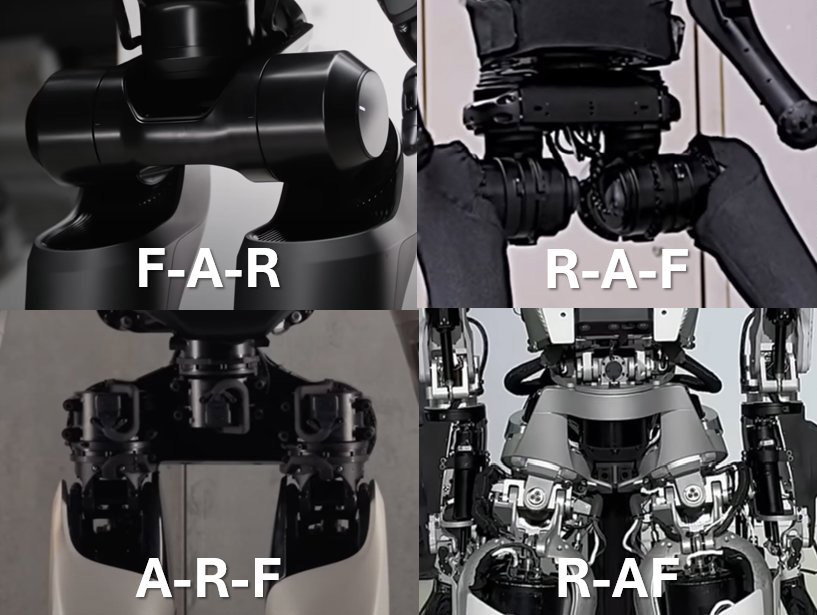
It's All in the Hips: Why Humanoid Robot Designs Are Converging on a Specific Joint Configuration
Developers in the humanoid robotics sector are shifting their focus towards the Flexion-Abduction-Rotation (FAR) hip joint configuration, moving away from the traditional Abduction-Rotation-Flexion (ARF) design. This trend is gaining momentum due to the advantages offered by the FAR configuration, which allows for improved component packaging and the potential for longer stride lengths. Despite concerns regarding the increased mass of the flexion actuator in the FAR design, the benefits appear to outweigh these drawbacks. Notably, Tesla's Optimus remains one of the few models still utilizing the ARF configuration, highlighting a divergence in design philosophy within the industry. This evolution in humanoid robot design reflects ongoing advancements and the pursuit of enhanced mobility and efficiency in robotic applications.
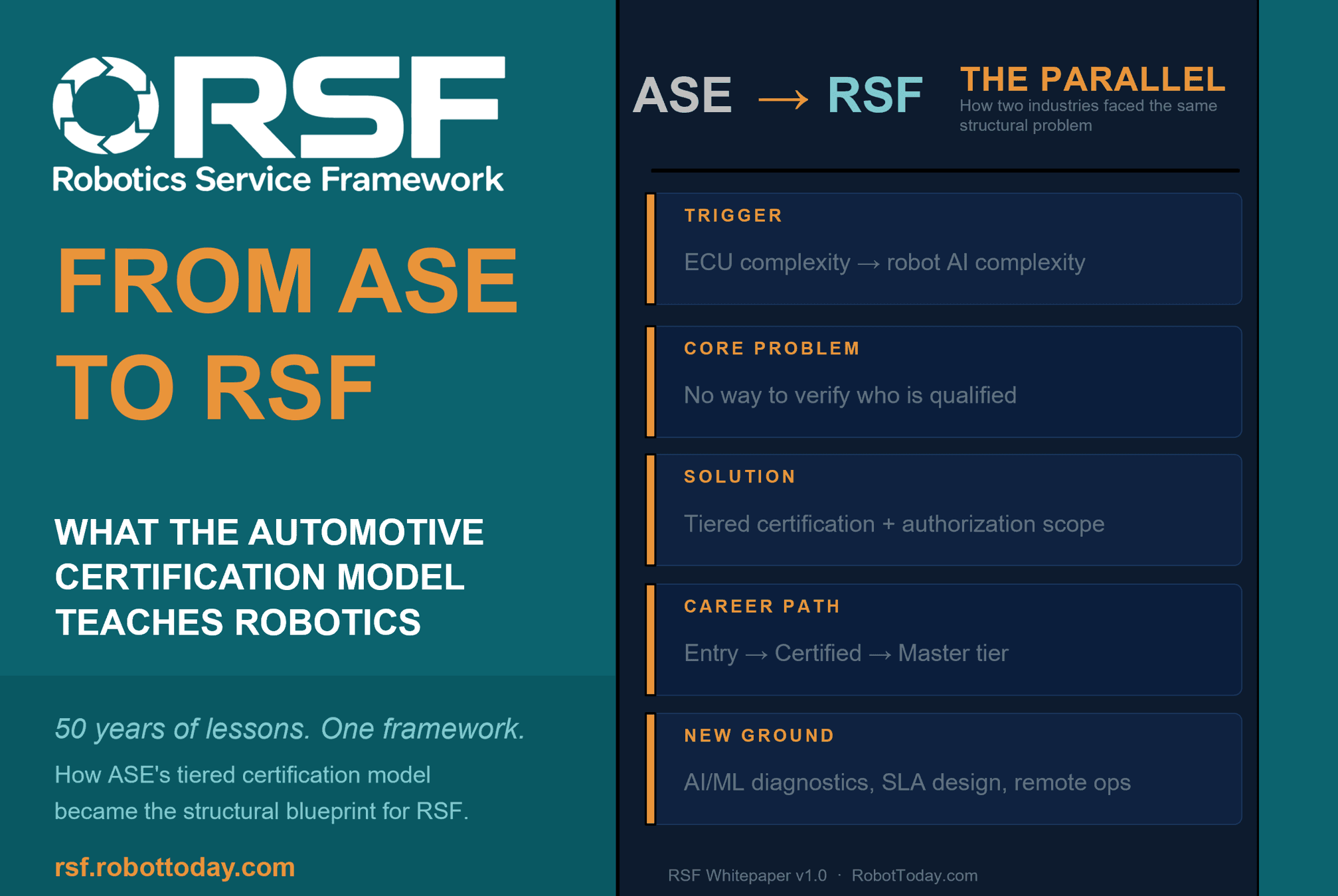
Robotics needs a service framework.
RSF defines a common language for robot service capability, lifecycle operations, certification pathways, and service-provider networks.