
-
Website: https://vinrobotics.net/
-
Email: [email protected]
-
Phone: 024 3975669


VinRobotics (Vietnam-based subsidiary of Vingroup, founded 2024) develops industrial humanoid robots and advanced automation systems, pioneering Reinforcement Learning (RL)–based locomotion for stable, human-level walking speed on large/heavy platforms (e.g., 178 cm tall, 75–85 kg models with 31 smart motors). Focus: production integration of humanoids, industrial/service robots for manufacturing, labor solutions, and sustainable prosperity in Vietnam/region.
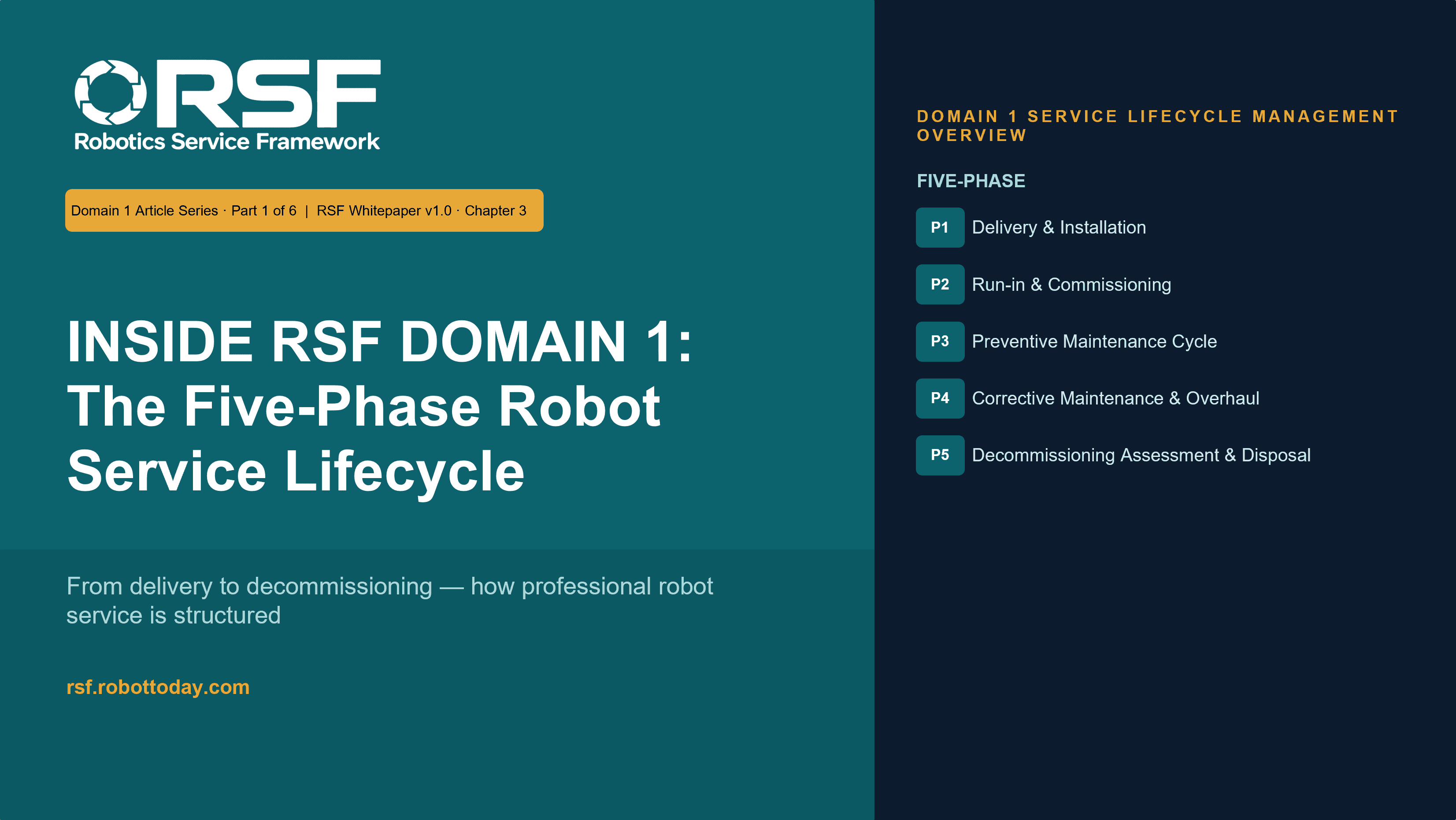
RSF defines a common language for robot service capability, lifecycle operations, certification pathways, and service-provider networks.
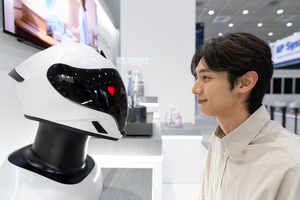
Samsung Display and LG Display launched OLED panels for humanoid robot faces at K-Display 2026 in Seoul. Samsung showcased a 6.9-inch curved OLED capable of displaying expressions and tracking gaze, alongside a 1.3-inch circular OLED integrated into AI toys. LG Display presented a plastic OLED (P-OLED) with a resolution of 1,080-by-520, designed for extreme temperatures, enhancing its suitability for industrial environments. This development is significant as it opens new applications for OLED technology, traditionally used in smartphones and vehicles. The humanoid panels could enhance user interaction in various settings, particularly in guidance, care, and education, where visual communication is crucial. Samsung Display's existing collaboration with Tesla for the Optimus robot highlights the potential market for these innovations. Looking ahead, neither company has disclosed specific customers, pricing, or production timelines for the humanoid panels. However, the technology's adaptability and the established platforms of both companies suggest a promising future in the robotics sector. No further timeline was disclosed at the time of publication.
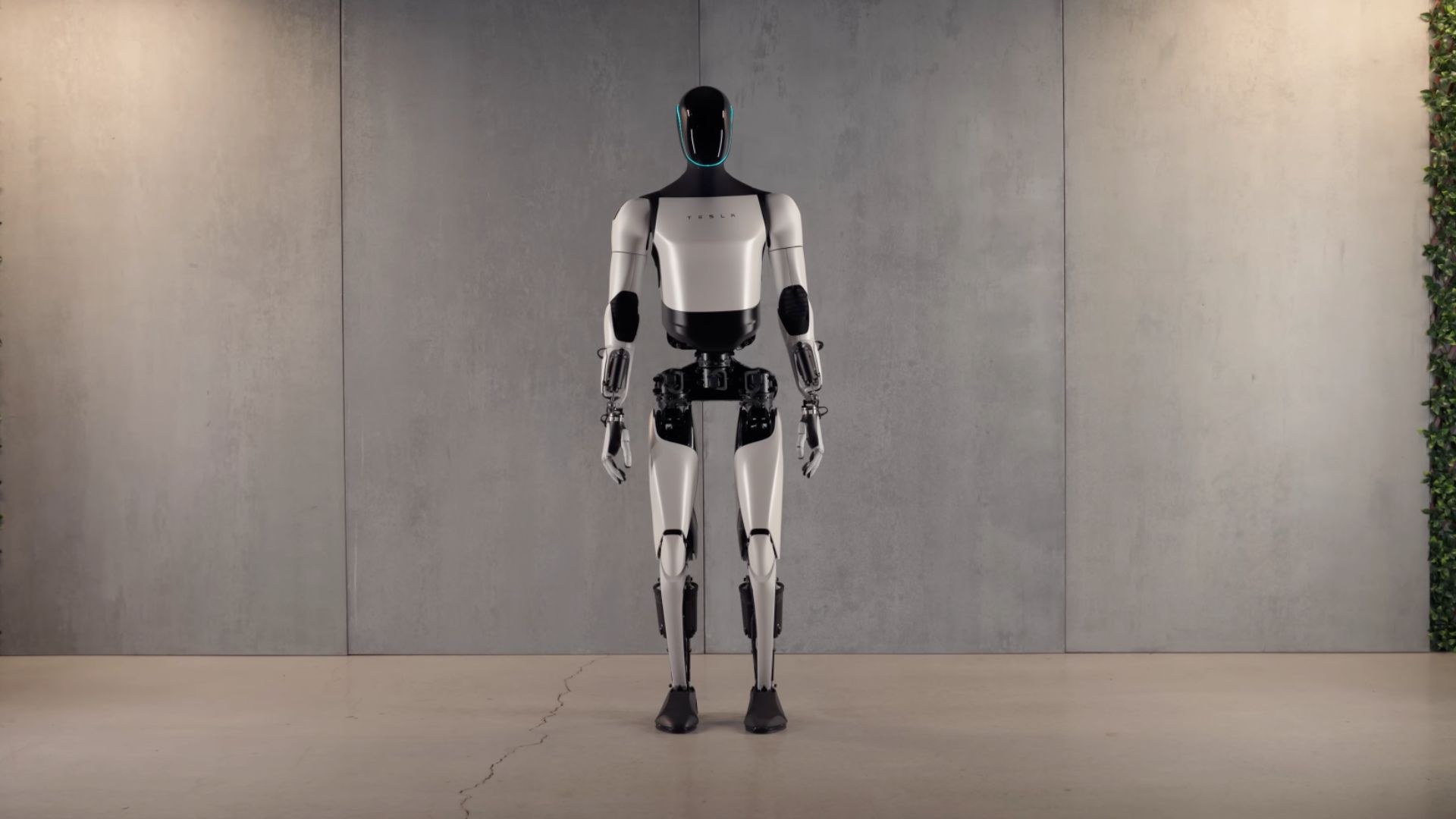
All NewsTesla plans to utilize its employees at the Gigafactory in Grünheide, Germany, to train the Optimus humanoid robot by capturing their movements during vehicle assembly. Selected workers will wear backpack-mounted cameras to record their actions, which will help teach Optimus to replicate these tasks autonomously. This initiative is significant as it mirrors Tesla's existing training program in the United States and aims to accelerate the development and production of the humanoid robot. However, the specific role of Optimus at the Grünheide factory and the management of employee participation in data collection remain unclear, especially considering German labor laws regarding monitoring employee behavior. Looking ahead, Tesla is also expanding its robotics operations in Reutlingen, Germany, where it is developing components for Optimus manufacturing. CEO Elon Musk has indicated that scaling production of the humanoid robot will be a major challenge, as it requires building nearly every component from scratch, unlike electric vehicles that benefit from established supply chains. No further timeline was disclosed at the time of publication.
AI and RoboticsThe US House of Representatives has passed the National Defence Authorisation Act (NDAA), which includes a ban on the military's use of Chinese-made humanoid robots. This legislation reflects growing concerns over national security and data privacy, as it prohibits the Pentagon from procuring or operating robotic systems linked to foreign adversaries like China, Russia, and Iran. This move is significant as it marks an expansion of US scrutiny over Chinese technology, particularly in the realm of autonomous systems. The NDAA incorporates elements of the proposed Guarding the US Against Adversarial Robotics Dominance (GUARD) Act, although it does not include the most stringent measures that would affect commercial sales of these technologies. Looking ahead, while the current legislation focuses on military procurement, the implications for commercial sales remain uncertain. Lawmakers have yet to address the broader concerns raised by the GUARD Act, which could lead to further restrictions on Chinese robotic systems in the future. No further timeline was disclosed at the time of publication.
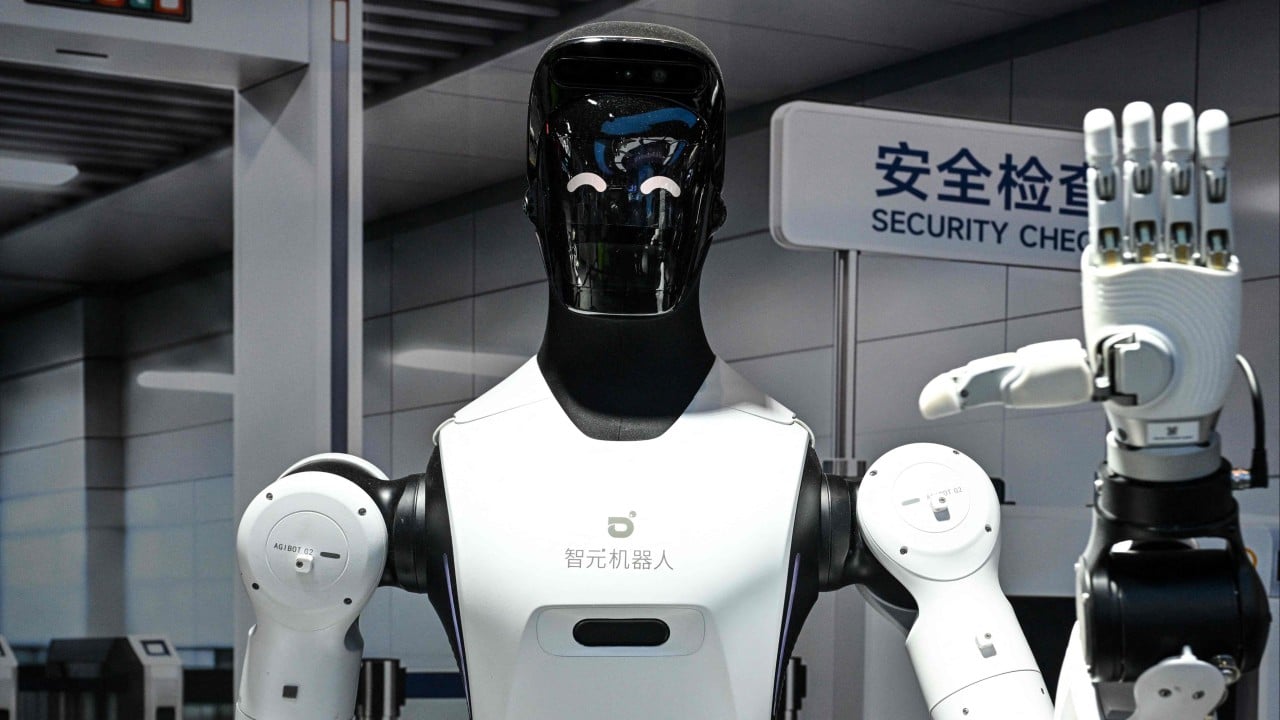
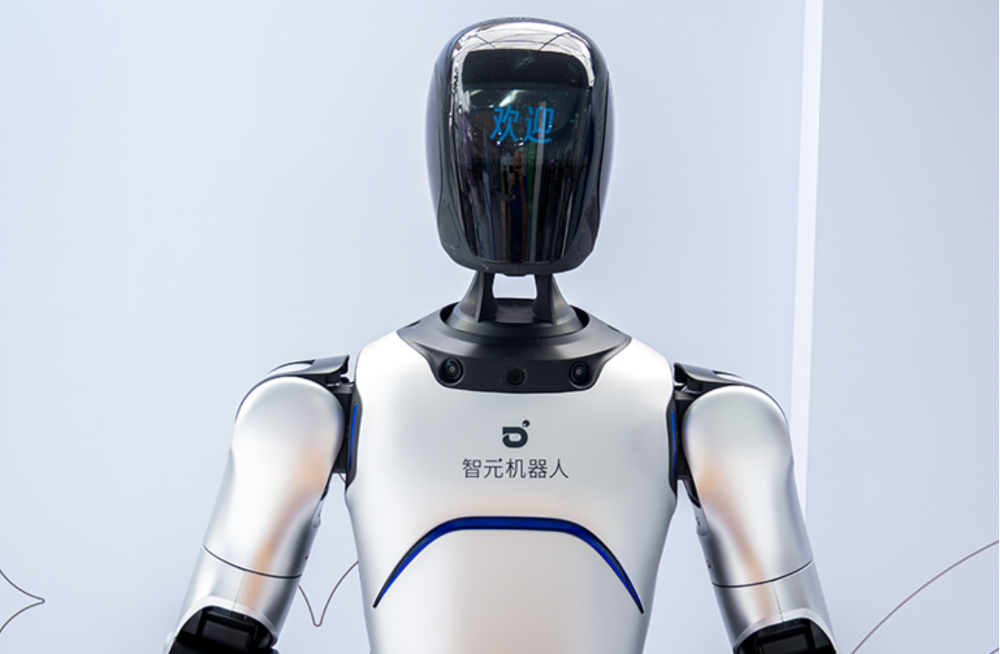
As Chinese robotics companies ramp up production, domestic chips are increasingly replacing Nvidia's offerings due to cost pressures. On July 22, Wang Chuang, Senior Vice President of AgiBot, revealed that the company has begun integrating domestic chips into its robots, including the 'cerebellum' for joint motion control and communication chips, collaborating with various chip manufacturers. This shift is significant as it reflects a broader trend in the industry where high costs of foreign chips, which can account for one-third of hardware procurement costs, are driving companies like AgiBot and UBTECH to seek local alternatives. UBTECH has even formed a joint venture with domestic chip maker MetaX to focus on the research and mass production of intelligent chips. Looking ahead, the transition to domestic chips is expected to reshape not only supply chains but also the entire cost structure and competitive landscape of the robotics industry. By 2025, Chinese companies are projected to dominate the global humanoid robot market, with AgiBot leading the way with approximately 5,168 units shipped.
Humanoid Robots Domestic Chips Robotics Industry AI Cost EfficiencyTesla's Q2 earnings report revealed that the Optimus robots are nearing completion, but the initial units will not be deployed in factories or sold to customers. Instead, they will be utilized at the internal 'Optimus Academy' for data collection and functionality development. The Fremont factory's previous Model S/X production line has been dismantled, and the first generation of Optimus production lines is currently being installed, with production expected to commence 'soon.' This production line is designed for an annual capacity of 1 million units in the long term. Elon Musk acknowledged during the earnings call that Optimus will be Tesla's 'most challenging product to scale for mass production.' Initial production will be slow due to the novelty of the process, but he anticipates a significant increase in output next year, especially after the Texas factory begins operations in 2027. No further timeline was disclosed at the time of publication.
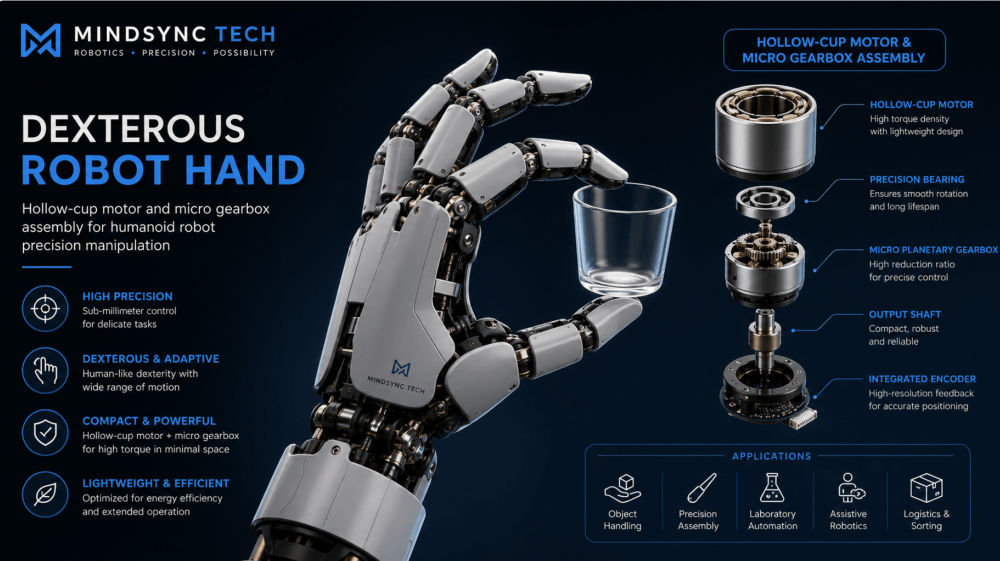
Humanoid Robots AI Robotics Development Manufacturing TechnologyJiangsu Leili Electric Motor is tackling the critical issue of mechanical stiffness in humanoid robots, which affects their ability to balance flexibility and stability. Their subsidiary, MINDSYNC TECH, showcased a dexterous robotic hand capable of performing tasks such as calligraphy and operating precision instruments, demonstrating significant advancements in addressing stiffness. The dexterous hand requires multiple micro motors for human-like joint movements. Traditional iron-core motors are bulky and inefficient, while hollow cup motors offer higher power density and lighter weight, making them essential for high-end dexterous hands. Jiangsu Leili's subsidiary has developed a full range of hollow cup motors and achieved automated production, enhancing their capabilities in gearboxes and precision gear transmission. Currently, the price of a single dexterous hand ranges from 10,000 to 60,000 yuan. MINDSYNC TECH's General Manager, Wang Wenwei, noted that most humanoid robots in factories still use basic two-finger grippers, limiting their functionality. The industry anticipates that large-scale industrial applications of dexterous hands will take 1-2 years, aligning with the maturation of humanoid robot cost curves.
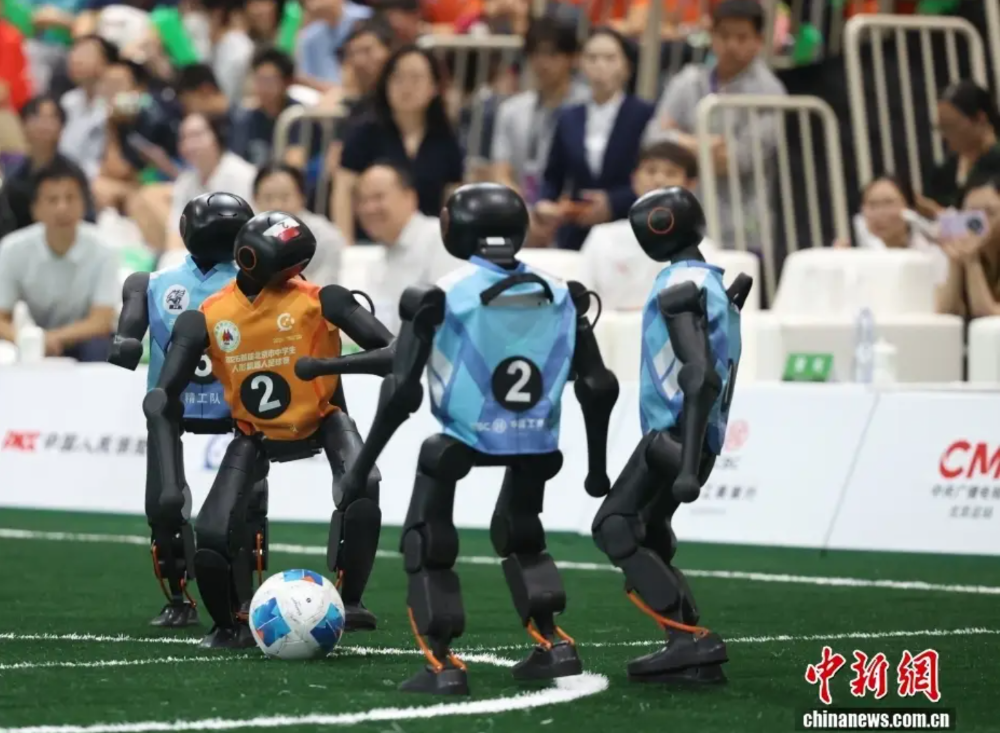
Robotics Micro Motors Dexterous Manipulation Industrial AutomationOn July 22, the inaugural Beijing High School Humanoid Robot Soccer Championship concluded at Tsinghua University High School. Launched on April 11, the competition involved 55 teams from 16 districts in Beijing and Xiong'an New Area, divided into two groups: Group A with 24 teams and Group B with 31 teams. The championship aimed to integrate artificial intelligence education with practical technology application. Students not only programmed their robots but also developed algorithms, fine-tuned motion controls, and optimized visual recognition and teamwork strategies, enabling robots to make autonomous decisions during matches. The event served as a unique platform to enhance students' technological literacy and engineering skills through hands-on experience. As students watched their programmed robots navigate the field, AI transformed from a theoretical concept into a tangible reality, showcasing the potential of the next generation of engineers who have already coded their own robots at just 16 years old.
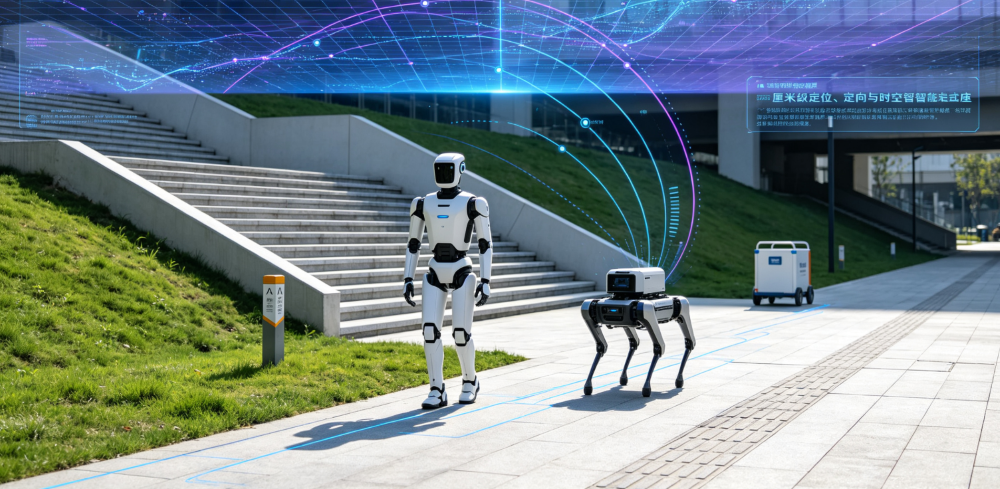
Humanoid Robots AI Education Robotics Competitions STEM EducationThe 2026 World Artificial Intelligence Conference highlighted embodied intelligence, with over 300 robots showcased. Companies like Qianxun Positioning and 58 Intelligent participated, indicating a deeper integration of spatial intelligence into the embodied intelligence supply chain. For robots, large models are essential for understanding and decision-making, but they also need to know their location and movement dynamics. Qianxun Positioning introduced the SpatiXBot, a spatial intelligence platform that aids various embodied forms like robots and drones in autonomous navigation and environmental perception. This was exemplified during the Beijing Yizhuang Humanoid Robot Half Marathon, where Qianxun provided spatial intelligence kits to over two-thirds of the autonomous navigation teams, enabling precise positioning and orientation for independent running. The shift towards practical applications was further demonstrated at the 2026 Hangzhou International Embodied Robot Application Competition, where Qianxun and 58 Intelligent helped quadruped robots navigate real-world obstacles. Qianxun's technology also supported training exercises in urban scenarios. CEO Chen Jinpei emphasized the importance of spatial intelligence in enhancing robotic capabilities, bridging the gap between demonstration and industrial productivity.
Embodied Intelligence Spatial Intelligence Robotics AI TechnologySamsung is undergoing a significant organizational restructuring to consolidate its robotics-related divisions into a single entity, the 'RX' (Robotics Experience) division. This move comes alongside the announcement of a $127.5 billion investment in a humanoid robot production facility in Gumi, South Korea, which will focus on manufacturing humanoid robots. This restructuring is crucial as Samsung aims to enhance its presence in the robotics sector, an area where it has historically lagged behind competitors like Tesla and Figure AI. By integrating various robotics teams and resources, Samsung seeks to position itself as a leader in the rapidly evolving field of robotics, which is increasingly intertwined with AI and other advanced technologies. Looking ahead, the RX division will be led by Lee Dongkun, a former Hyundai Motor executive, indicating a strategic shift in Samsung's approach to robotics. The humanoid robot production facility will utilize existing infrastructure, allowing for a cost-effective and swift entry into the market. No further timeline was disclosed at the time of publication.
Humanoid Robots Robotics AI Manufacturing Technology InvestmentHumanoid, a UK-based AI and robotics firm, has successfully raised $152 million in Series A funding, achieving a post-money valuation of $1.35 billion. This funding round, which brings the total raised to $270 million, was led by Prime Movers Lab with participation from notable investors including Schaeffler and Bosch. This investment is significant for Europe's technology landscape, highlighting the potential for competitive Physical AI companies to emerge and thrive in the region. Humanoid's focus on developing industrial humanoid robots positions it as a key player in the robotics sector, showcasing the capabilities of European innovation in advanced technologies. Looking ahead, industry observers will be keen to see how Humanoid leverages this funding to scale its operations and further develop its humanoid robotics solutions. No further timeline was disclosed at the time of publication.
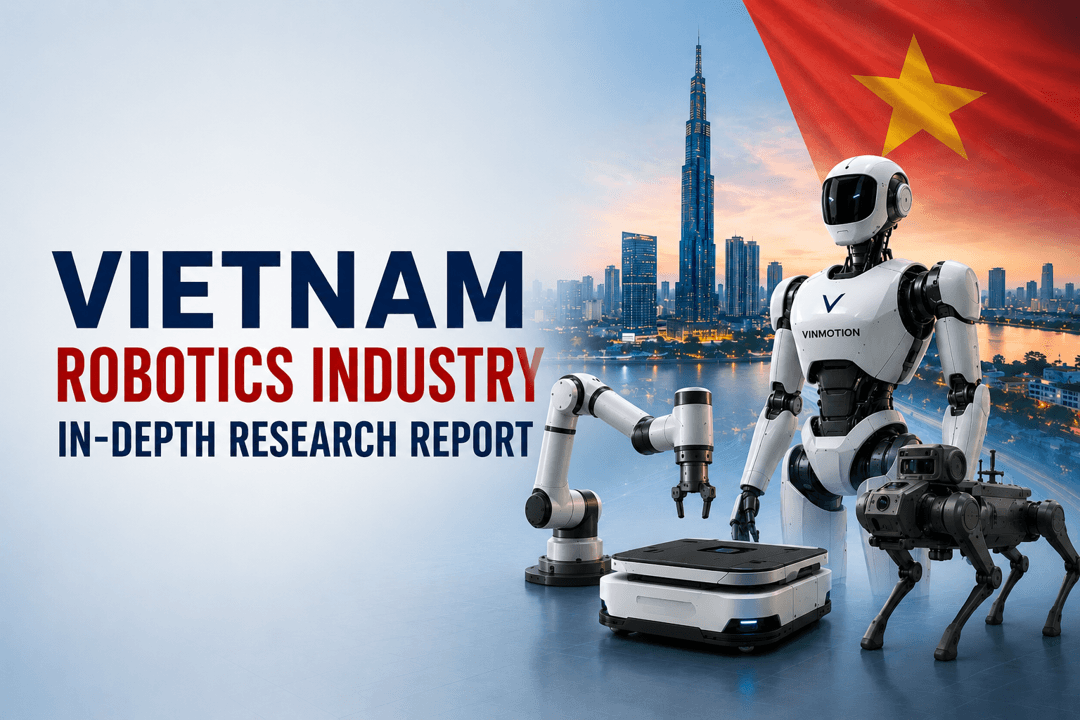
Comprehensive analysis of Vietnam's robotics industry: market size, industrial policy, key companies (Vingroup, Apicoo, Phenikaa-X), geopolitical dynamics, and 2030 growth opportunities.



Leave a comment