


Vecna Robotics
US maker of autonomous forklifts, tuggers and pallet jacks whose Pivotal software orchestrates mixed robot-and-human material handling fleets.
Contact Vecna Robotics
WEBSITE
http://www.vecnarobotics.comPHONE
+1 (617) 444-9263HEADQUARTERS
United States

Company Facts
Founded
2018
Primary Role
Manufacturer
Company Size
-
Primary Region
North America
Annual Sales
-
Funding Stage
-
Funding Total
-

Qianxun Position's Chen Jinpei Discusses Enhancing Beidou Applications with Spatial Intelligence
During the fifth Beidou Scale Application International Summit held on September 15-16, Qianxun Position CEO Chen Jinpei emphasized the shift from quantity to quality in Beidou applications. He stated that the next phase involves leveraging valuable spatial data generated through Beidou's spatial intelligence to enhance various scenarios, integrating this data with AI technologies. Chen highlighted the evolution of machines from simple manual control to advanced physical AI capable of interacting with the physical world. He proposed building a comprehensive infrastructure based on Beidou satellites, which would provide centimeter-level positioning, millimeter-level perception, and nanosecond-level timing. This infrastructure, termed the third network of physical AI, is essential for stable robot operation in real environments. At the summit, Qianxun Position launched the SpatiXBot, an embodied spatial intelligence platform designed for applications in inspection, security, and emergency rescue. With over 10,000 GNSS stations globally, Qianxun's services support approximately 70 million smartphones and over 500,000 smart vehicles, indicating significant deployment in the robotics sector. The success of the third network will depend on the penetration and depth of spatial services in robotics, with 80,000 terminals marking a promising starting point.
Spatial Intelligence Robotics AI Beidou Navigation Automation
Tesla Initiates Robot Production in Ningbo, Supply Chain Signals Stronger Commitment
Tesla has commenced its robot production in Ningbo, marking a significant step beyond mere presentations. The team is actively engaging with suppliers, not only placing orders but also assisting in equipment debugging and manufacturing capability transitions. The clear target is to produce approximately 50,000 Optimus robots by 2026, initially deploying them in Tesla's own Gigafactories. This move is crucial as it indicates that Tesla's preparations for mass production of the Optimus robot have progressed from the design phase to actual supply chain implementation. The ambitious goal of 50,000 units places high demands on the supply chain, with some suppliers potentially receiving order volumes greater than their total for the past few years. However, the journey from supplier audits to actual financial performance is fraught with challenges, including capacity ramp-up and profit margin scrutiny. Investors are keenly watching the developments, but the path from supply chain audits to stable orders is complex. Tesla's stringent cost control may lead to situations where revenue increases do not necessarily correlate with profit growth. The uncertainty surrounding the scale and sustainability of orders in the early stages of Optimus production will be critical, as any adjustments to Tesla's production pace could directly impact supplier output.
Robotics Supply Chain Management Manufacturing Automation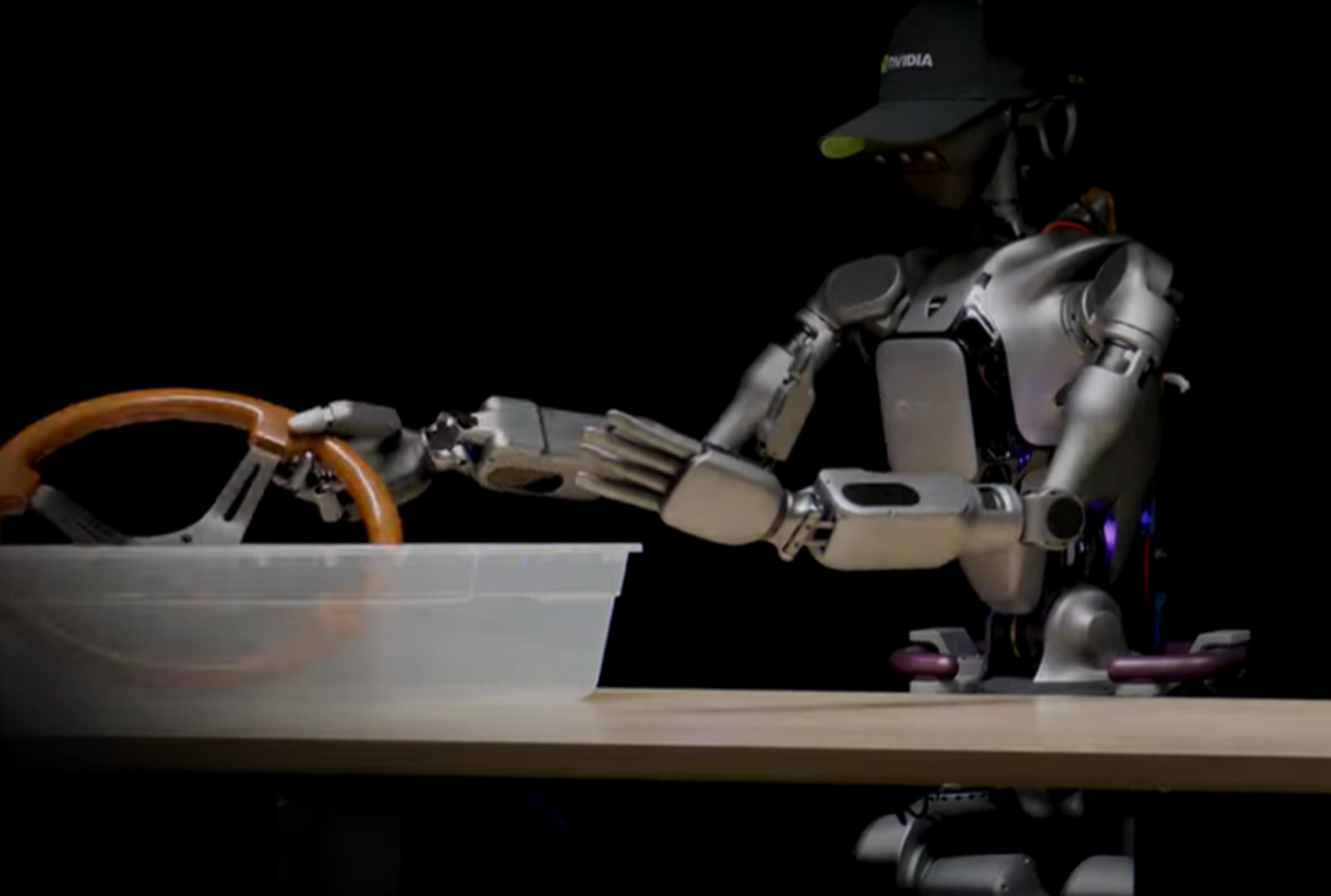
Chinese Robotics Component Suppliers See Share Increase Following Tesla Optimus Audit
Shares of Chinese robotics-component suppliers experienced a rise after a report indicated that Tesla Inc. teams had visited China. The purpose of this visit was to audit local suppliers and place additional orders aimed at enhancing the production of the Optimus humanoid model. This development is significant as it highlights Tesla's commitment to scaling up its production capabilities for the Optimus model. By auditing suppliers and increasing orders, Tesla aims to ensure a steady supply chain and improve the efficiency of its manufacturing processes, which is crucial for meeting market demand. Looking ahead, stakeholders will be keen to monitor how these audits and subsequent orders impact the production timeline for the Optimus humanoid model. No further timeline was disclosed at the time of publication.

Waymo to Launch Paid Robotaxi Service in Singapore by 2028
Waymo has announced plans to introduce its paid robotaxi service in Singapore by 2028. This initiative marks a significant step in the company's ongoing expansion efforts, both domestically and internationally, as it seeks to broaden its footprint in the autonomous vehicle market. The introduction of Waymo's robotaxi service in Singapore is noteworthy as it highlights the growing global interest in autonomous transportation solutions. By entering this market, Waymo aims to leverage Singapore's advanced infrastructure and regulatory environment, which are conducive to the deployment of innovative mobility services. As Waymo prepares for this launch, industry observers will be keen to monitor the developments in regulatory approvals and technological advancements that will support the rollout of the service. No further timeline was disclosed at the time of publication.

Zoox's 100-Robotaxi Limit in Nevada Set to Expire, Enabling Fleet Expansion
Zoox, the Amazon-owned company, is poised to expand its fleet of custom-built robotaxis in Las Vegas as a regulatory cap limiting its operations to 100 vehicles is set to expire on September 25. This change, confirmed by both the Nevada Transportation Authority and a Zoox spokesperson, allows for greater flexibility in scaling its commercial services amid increasing competition from other companies like Waymo, Tesla, and Uber. The expiration of the 100-vehicle limit is significant as it comes at a time when the demand for autonomous ride-hailing services is rising. Zoox currently operates approximately 100 robotaxis across four U.S. cities, with the majority in Las Vegas and San Francisco. The company recently began charging for rides in Las Vegas after receiving a temporary exemption from federal safety standards, which is crucial given its unique vehicle design that lacks traditional controls. Looking ahead, Zoox plans to gradually increase its fleet size to meet the growing demand in Las Vegas and other markets. However, it remains to be seen how quickly the company will capitalize on this regulatory change. With competitors like Waymo already launching services in the area, the race to dominate the robotaxi market in Las Vegas is intensifying.
Transportation zoox
AVI-SPL and Matternet Collaborate on Drone Delivery Solutions for Technicians
AVI-SPL has partnered with Matternet to utilize drone technology for delivering replacement parts to technicians in urban areas. Announced on September 15, 2026, this collaboration aims to enhance service efficiency by reducing delivery times from hours to minutes, addressing challenges posed by congested transportation networks. The partnership is significant as it combines AVI-SPL's digital workplace solutions with Matternet's FAA-certified drone platform, targeting rapid logistics in metropolitan markets. This innovative approach is expected to improve customer experiences and operational responsiveness, as highlighted by AVI-SPL's COO, John Murphy, who emphasized the transformative potential of autonomous drone delivery. Looking ahead, the partnership will focus on three primary use cases: expedited parts delivery for technicians, premium service tiers for urgent requests, and broader supply chain logistics. No further timeline was disclosed at the time of publication.
Delivery Drone News Drone News Feeds News aerospace news 2026 Ameriflight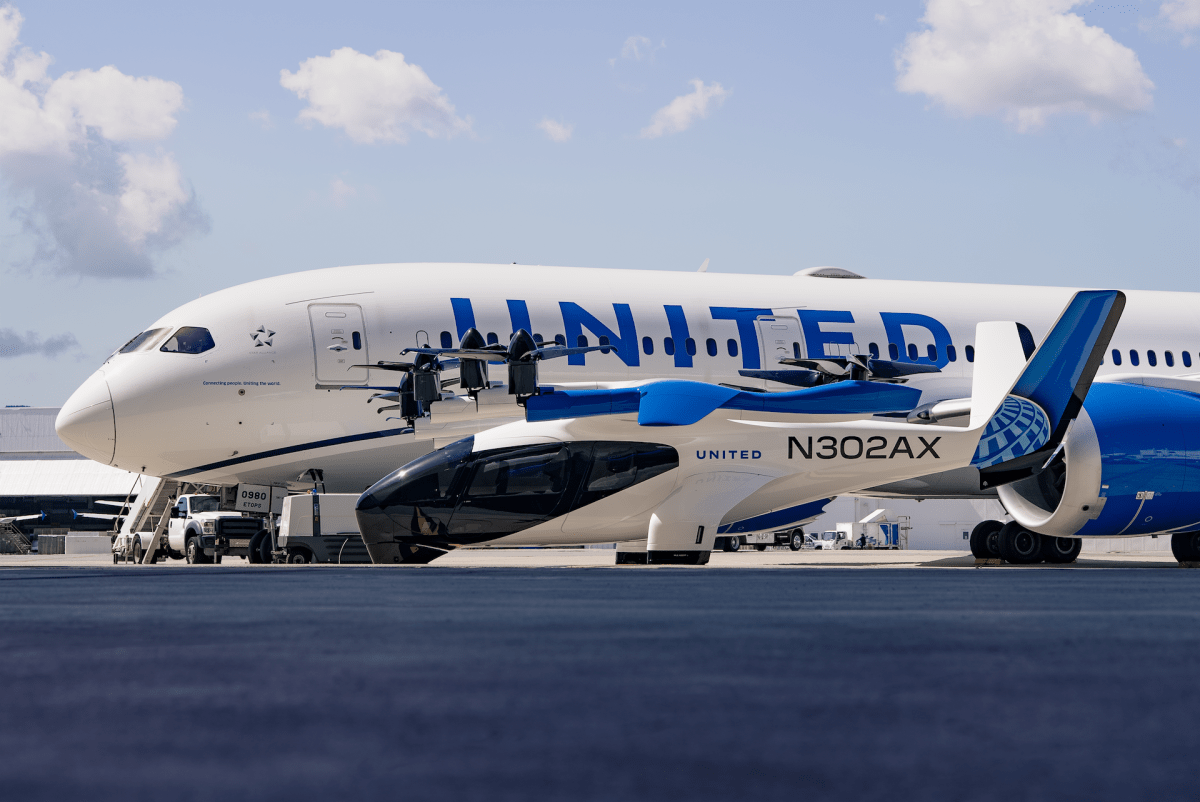
FAA to Implement $875 Million AI Program to Enhance Air Traffic Management
The Federal Aviation Administration (FAA) is addressing a nationwide air traffic control shortage with an innovative solution: an $875 million AI software program. This initiative, known as SMART (Strategic Management of Airspace, Routes, and Trajectories), aims to assist air traffic controllers in managing workflows and ensuring safer flight navigation. The significance of this program lies in its potential to transform air traffic operations by utilizing AI to analyze various factors such as airline schedules, weather conditions, and airport capacity. By predicting traffic flows and identifying conflicts before they arise, SMART is expected to enhance the efficiency and safety of air traffic management across the country. The rollout of SMART will begin in the Washington, D.C., metropolitan area, with plans for expansion to other regions. Additionally, the FAA has introduced a new hiring plan to address staffing shortages and is actively working on modernizing the nation's air traffic systems. No further timeline was disclosed at the time of publication.
AI Government & Policy air traffic control In Brief
Northern Plains UAS Test Site Showcases BVLOS Medical and Agricultural Demos on Vantis
On September 16, 2026, the Northern Plains UAS Test Site (NPUASTS) hosted live flight demonstrations at Gorman Field, showcasing medical logistics and agricultural applications using the Vantis UAS system. The event was attended by state aviation officials during the National Association of State Aviation Officials (NASAO) Annual Convention, highlighting the capabilities of beyond-visual-line-of-sight (BVLOS) operations. The demonstrations featured CVS Health's mobile pharmacy concept, which illustrated how BVLOS aircraft can deliver critical medical supplies, emphasizing the potential for unmanned aircraft to enhance healthcare supply chains. Trevor Woods, executive director of NPUASTS, noted the importance of integrating aircraft, infrastructure, and technology to support meaningful community applications. Looking ahead, the event underscored the need for secure communications and scalable infrastructure as BVLOS operations evolve. Thales North America highlighted its role in providing the technology platform necessary for large-scale UAS operations. No further timeline was disclosed at the time of publication.
Advanced Air Mobility Drone News Drone News Feeds News State Government State Legislation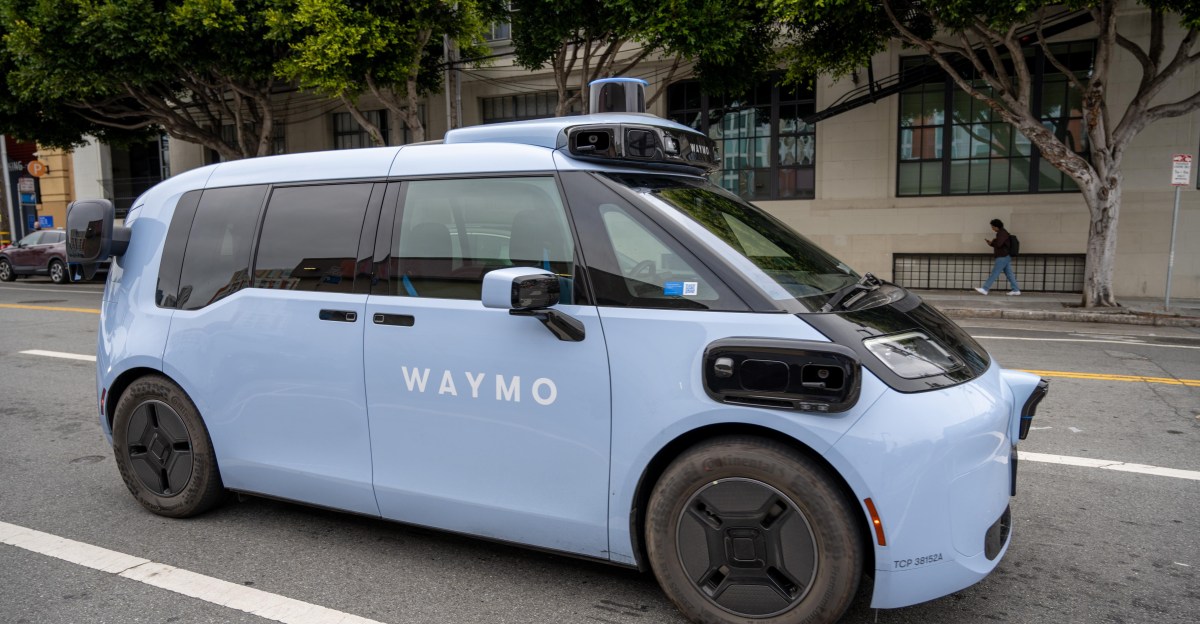
Waymo Plans to Launch Robotaxi Service in Singapore by 2028
Waymo, the Alphabet-owned company, has announced its intention to launch a commercial robotaxi service in Singapore by 2028. The company will begin deploying its vehicles to Singapore in the coming months to prepare for mapping and autonomous testing, which will involve human safety drivers in 2027. This expansion into Singapore is significant as the city-state is recognized for its advanced transportation ecosystem and has already approved various autonomous vehicle initiatives. Waymo's entry into this market aligns with its strategy to expand internationally, following plans to introduce robotaxi services in London by the end of 2026 and Tokyo in 2027. As Waymo prepares for its Singapore launch, it must secure approval from the Land Transport Authority (LTA) and complete safety assessments at the Centre of Excellence for Testing and Research (CETRAN). No further timeline was disclosed at the time of publication.
Autonomous Cars News Transportation Waymo
Vecna Robotics Secures $31 Million to Enhance Warehouse Automation Solutions
Vecna Robotics has successfully raised $31 million to further develop its autonomous mobile robot business and enhance warehouse automation capabilities for handling cases and pallets. This funding round was led by Unless, with contributions from Drive Capital, Tiger Global, Highland Capital Partners, and Tectonic Ventures. The company aims to scale its deployment teams and expand its market presence while introducing new functionalities such as pallet stacking, de-stacking, and trailer loading and unloading. The significance of this funding lies in the increasing demand for Vecna's CaseFlow system, which has seen a year-over-year growth of over 100% since its launch in 2025. A deployment at GEODIS demonstrated the effectiveness of the system, doubling picking throughput and reducing training time for new employees. This reflects a broader trend where customers seek comprehensive automation solutions to streamline their material movement processes. Looking ahead, Vecna Robotics plans to leverage this investment to enhance its existing capabilities and meet the growing needs of its clients. The company is focused on providing a reliable, U.S.-based robotics platform that supports extensive automation across various operations. No further timeline was disclosed at the time of publication.
AI AI Funding & Investment Robotics Autonomous Mobile Robots Drive Capital funding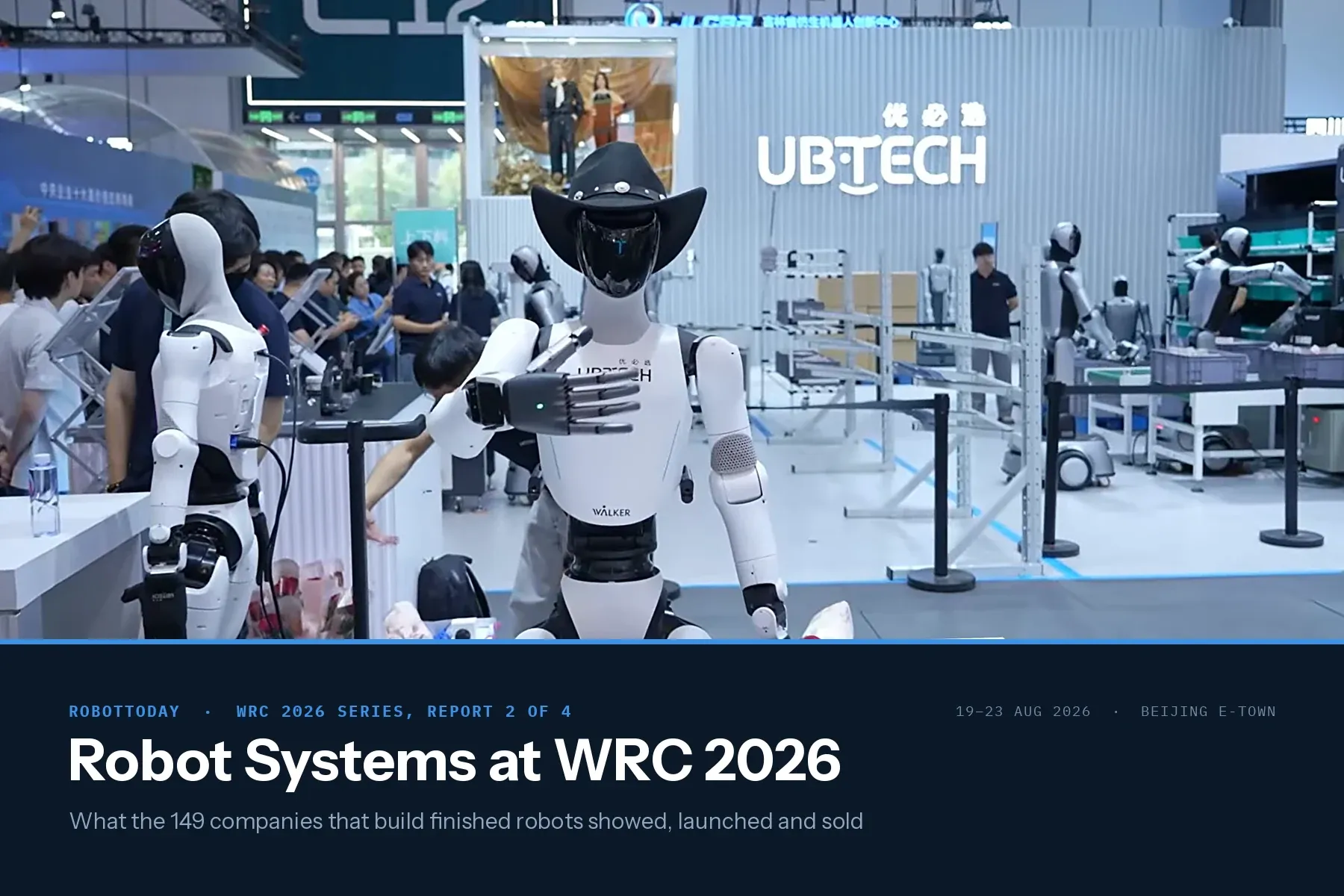
WRC 2026 Robot Systems: 149 Companies That Build Robots
149 of the 248 classified WRC 2026 exhibitors build finished robots. 93 build humanoid or legged machines. The audited humanoid sales number is one unit.
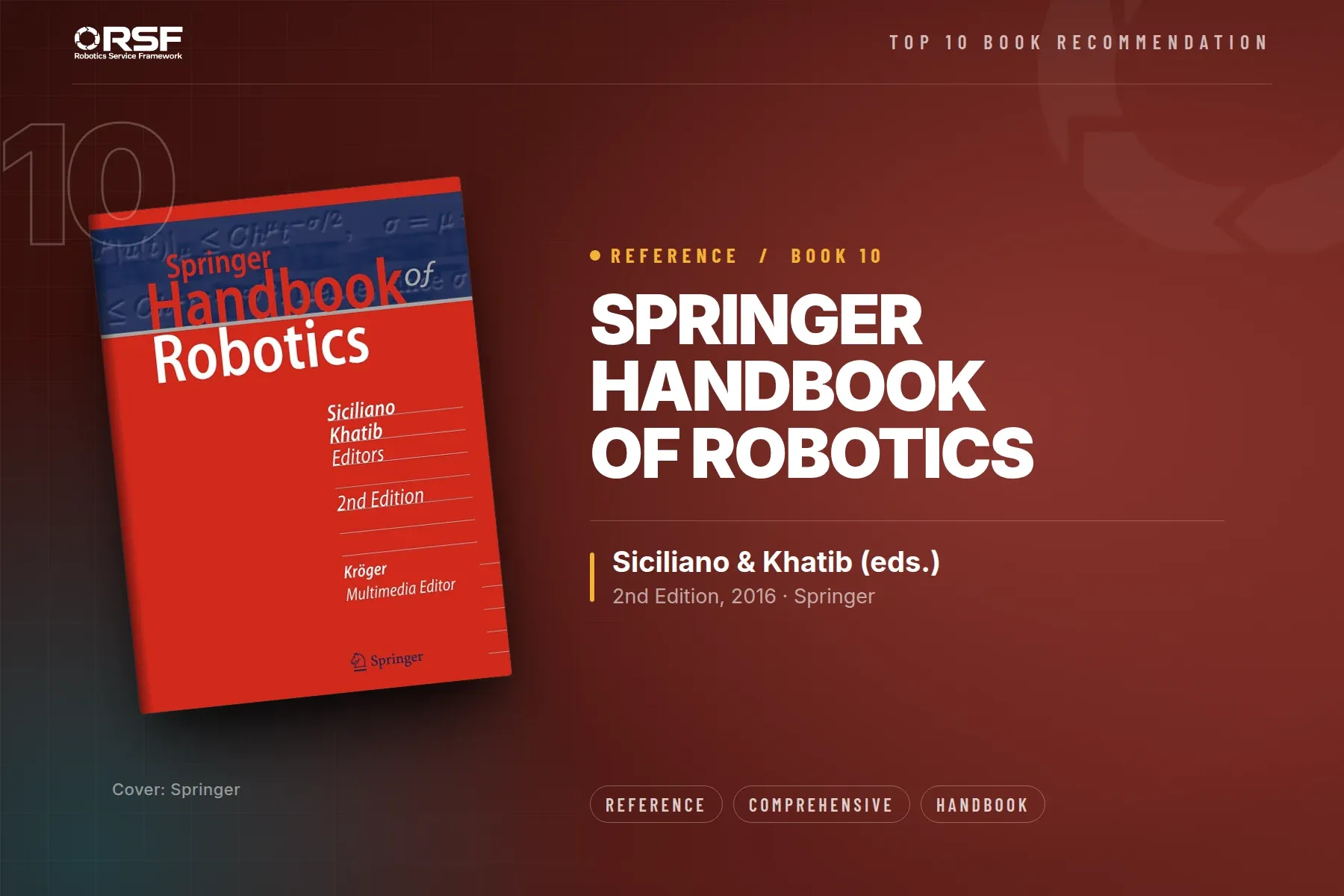
Springer Handbook of Robotics B. Siciliano & O. Khatib (eds.) — RSF Top 10 Robot Education Textbooks · No. 10
Eighty-plus chapters, 2,300 pages, nobody reads it cover to cover. It ranks for one reason: when a fault crosses domains, this is the reference of record.

Autonomous Mobile Robots Siegwart, Nourbakhsh & Scaramuzza — RSF Top 10 Robot Education Textbooks · No. 3
AMR and AGV fleets are the biggest robot service market. Siegwart decodes the vendor manual: odometry, localization, cost maps.
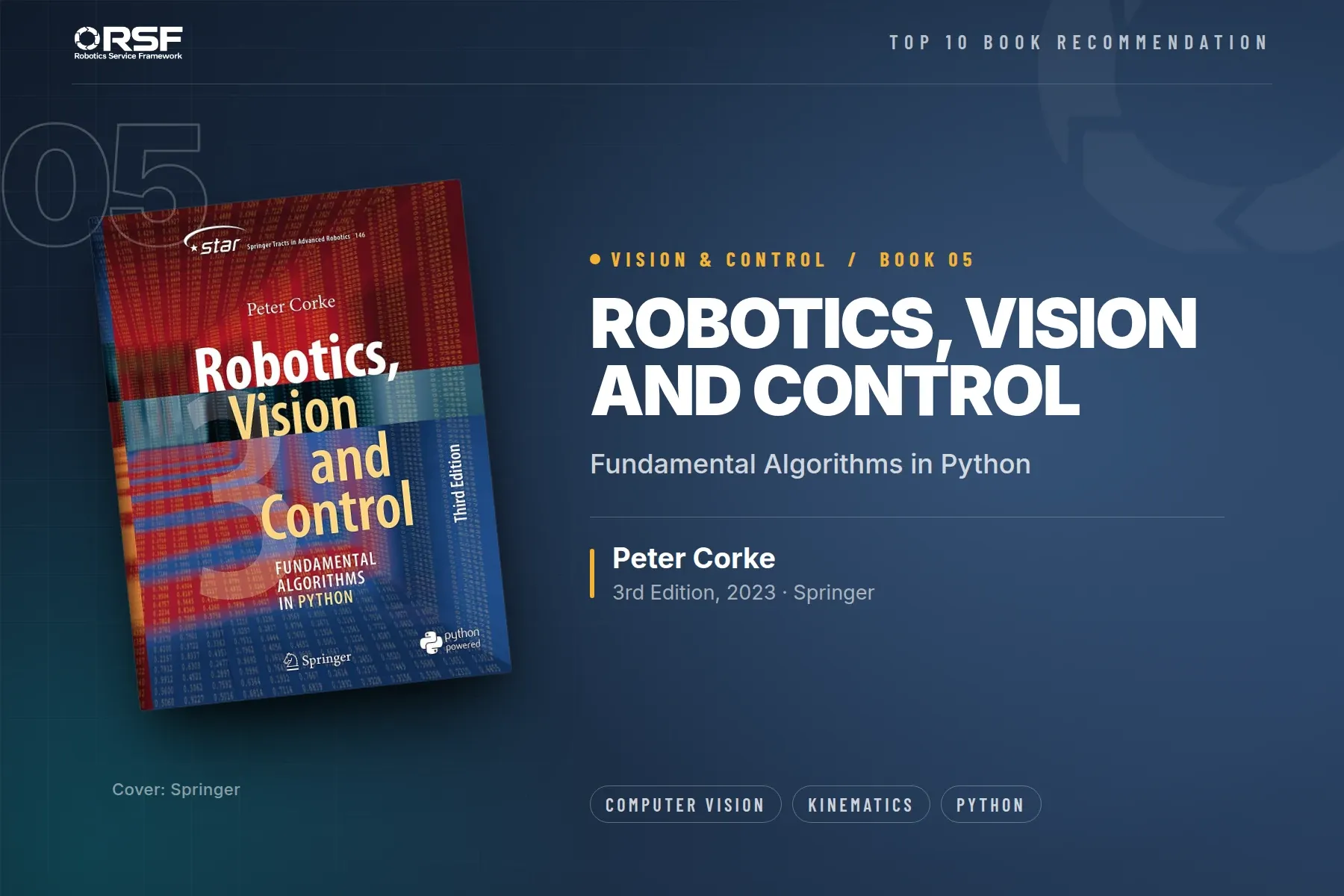
Robotics, Vision and Control Peter Corke — RSF Top 10 Robot Education Textbooks · No. 5
Most books you read; Corke's you run. Every concept ships as executable Python via the open Robotics Toolbox. The code softens the maths.
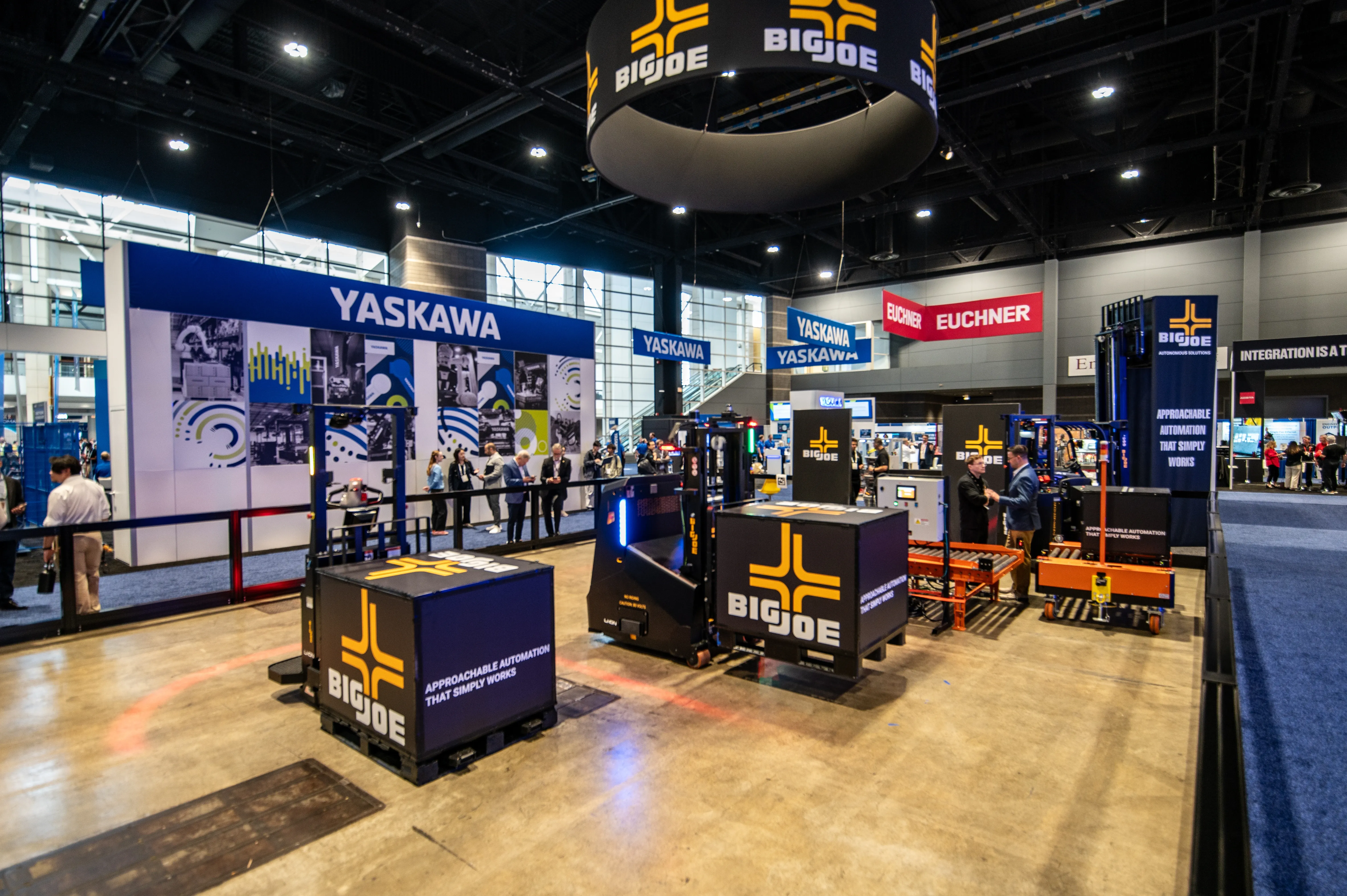
Big Joe's Four-Product AMR Push at Automate 2026: What It Reveals About the North American Warehouse Automation Market
RobotToday analyzes Big Joe's four new autonomous vehicles launched at Automate 2026 — AP44, ASC40, ATC100, ACV40 — in the context of North America's warehouse labor shortage and AMR market growth.

Piaggio Fast Forward Brings kilo® Autonomous Mobile Robot to Automate 2026
Piaggio Fast Forward showcases kilo®, an infrastructure-free collaborative AMR (300 lb payload, 360° LiDAR), at Automate 2026 booth #17054.

When a Materials Giant Meets Robotics: Covestro at Automate 2026
At Automate 2026, Covestro brought Makrolon, Bayblend, Baysafe BEF and Vulkollan to robotics — tackling weight, heat, sensing and sustainability for humanoids and AGV/AMRs.
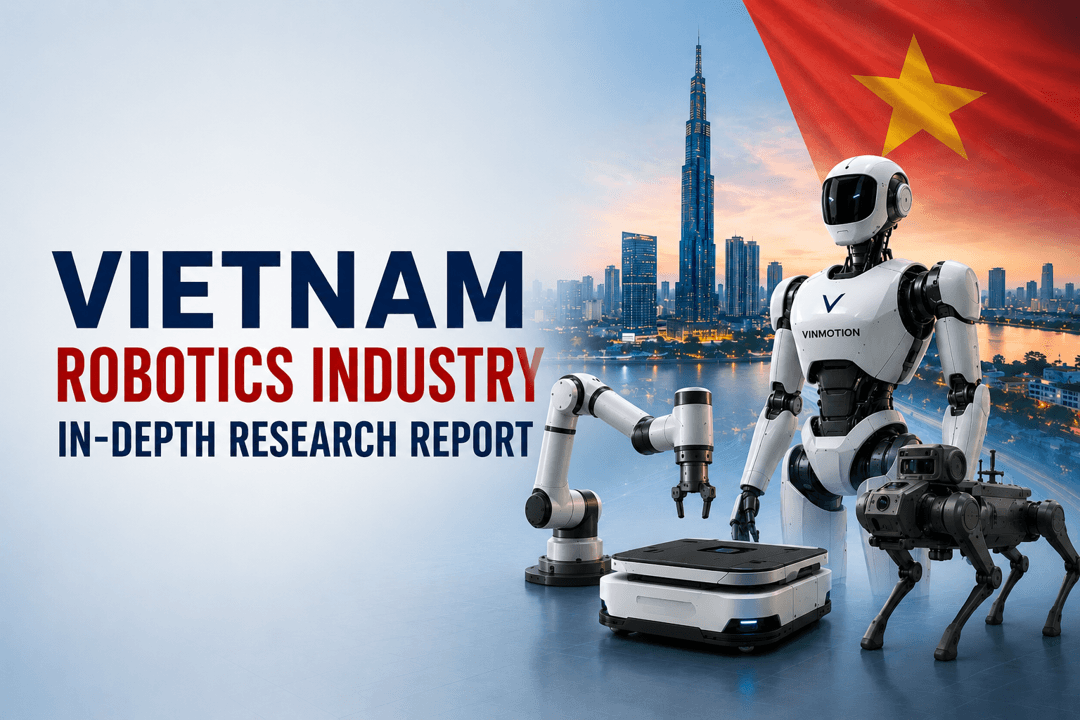
Vietnam Robotics Industry Report 2026
Comprehensive analysis of Vietnam's robotics industry: market size, industrial policy, key companies (Vingroup, Apicoo, Phenikaa-X), geopolitical dynamics, and 2030 growth opportunities.

CIIF 2026 | China International Industry Fair | Oct 12–16, Shanghai | CIROS Robot Show
CIIF 2026 — the 26th China International Industry Fair — takes place October 12–16 at Shanghai NECC. 10,000+ exhibitors, 280,000 sqm, including the CIROS Robot Show covering industrial robots, AMR, cobots, and intelligent manufacturing.

GLOBAL ROBOTICS INDUSTRY Comprehensive Sector Overview
A comprehensive global robotics industry overview for 2025, analyzing 14 key market segments — from industrial and humanoid robots to logistics AMRs, military systems, and service robots — with expert market sizing, US case studies, five-year forecasts, and bilingual English-Chinese analysis for executives and investors.


