


A&K Robotics
"We are reimagining mobility."
Vancouver maker of the Cruz self-driving electric mobility pod that transports people through airports, malls and museums.
Contact A&K Robotics
WEBSITE
https://www.aandkrobotics.com/HEADQUARTERS
Canada


Company Facts
Founded
2015
Primary Role
Manufacturer
Company Size
-
Primary Region
North America
Annual Sales
-
Funding Stage
Early-Stage VC
Funding Total
-
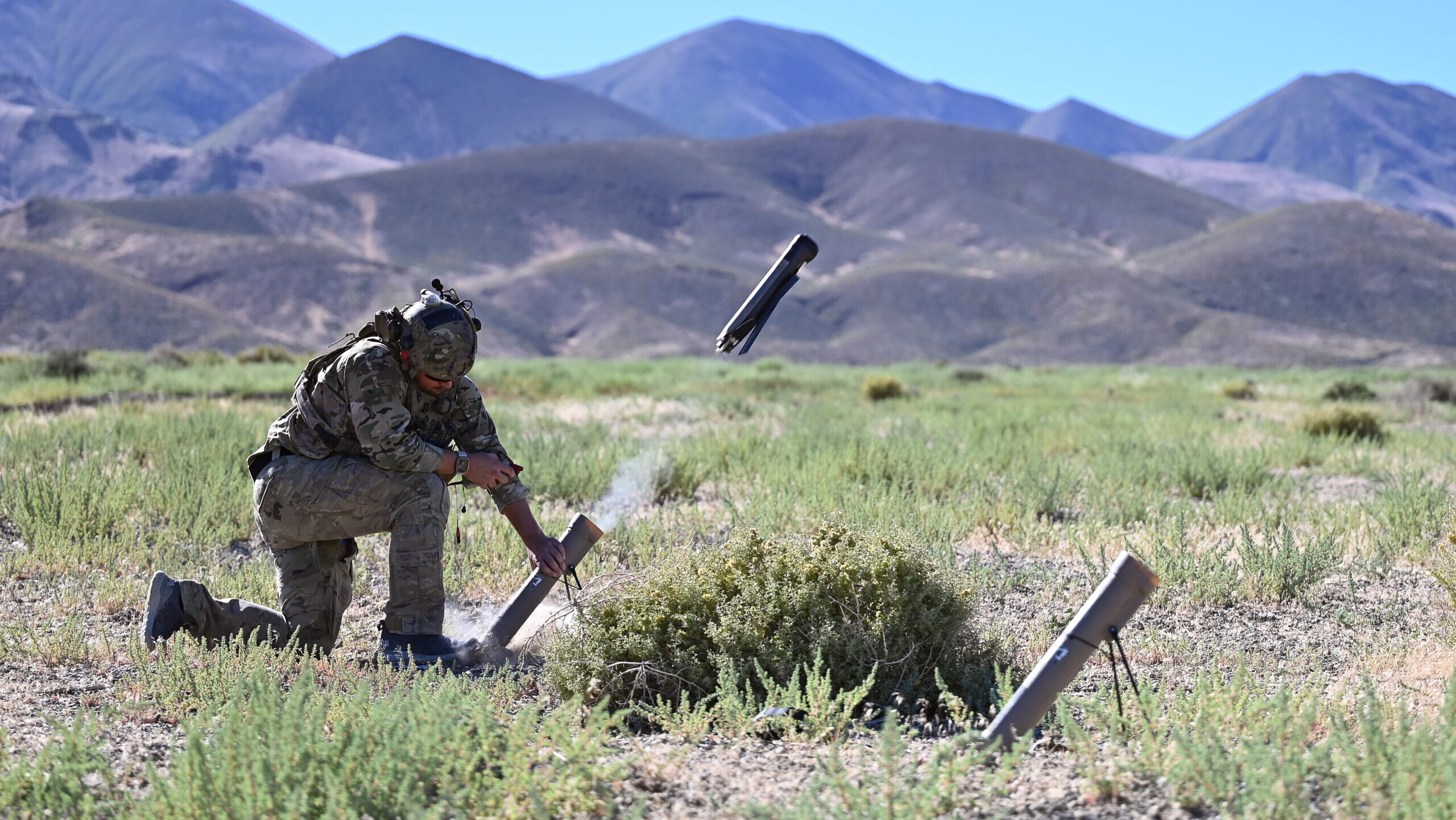
NIOA and AeroVironment Collaborate to Enhance Loitering Munitions in Australia
Australia's NIOA Group has partnered with US firm AeroVironment to introduce loitering munitions capabilities in Australia and New Zealand. Announced at the Land Forces defense exhibition, this collaboration aims to support the introduction, sustainment, and growth of advanced loitering munitions, including the Switchblade family. This partnership is significant as it aligns with Australia's 2024 Guided Weapons and Explosive Ordnance plan, which anticipates the integration of the Switchblade 300 loitering munition into the Australian Army by 2025. NIOA's expertise in munitions supply and AeroVironment's leadership in loitering munitions technology are expected to enhance the capabilities of the Australian Defence Force. Looking ahead, both companies will explore opportunities to expand support and industrial capabilities in Australia. No further timeline was disclosed at the time of publication.
Global Land Warfare Aerovironment Army Asia australia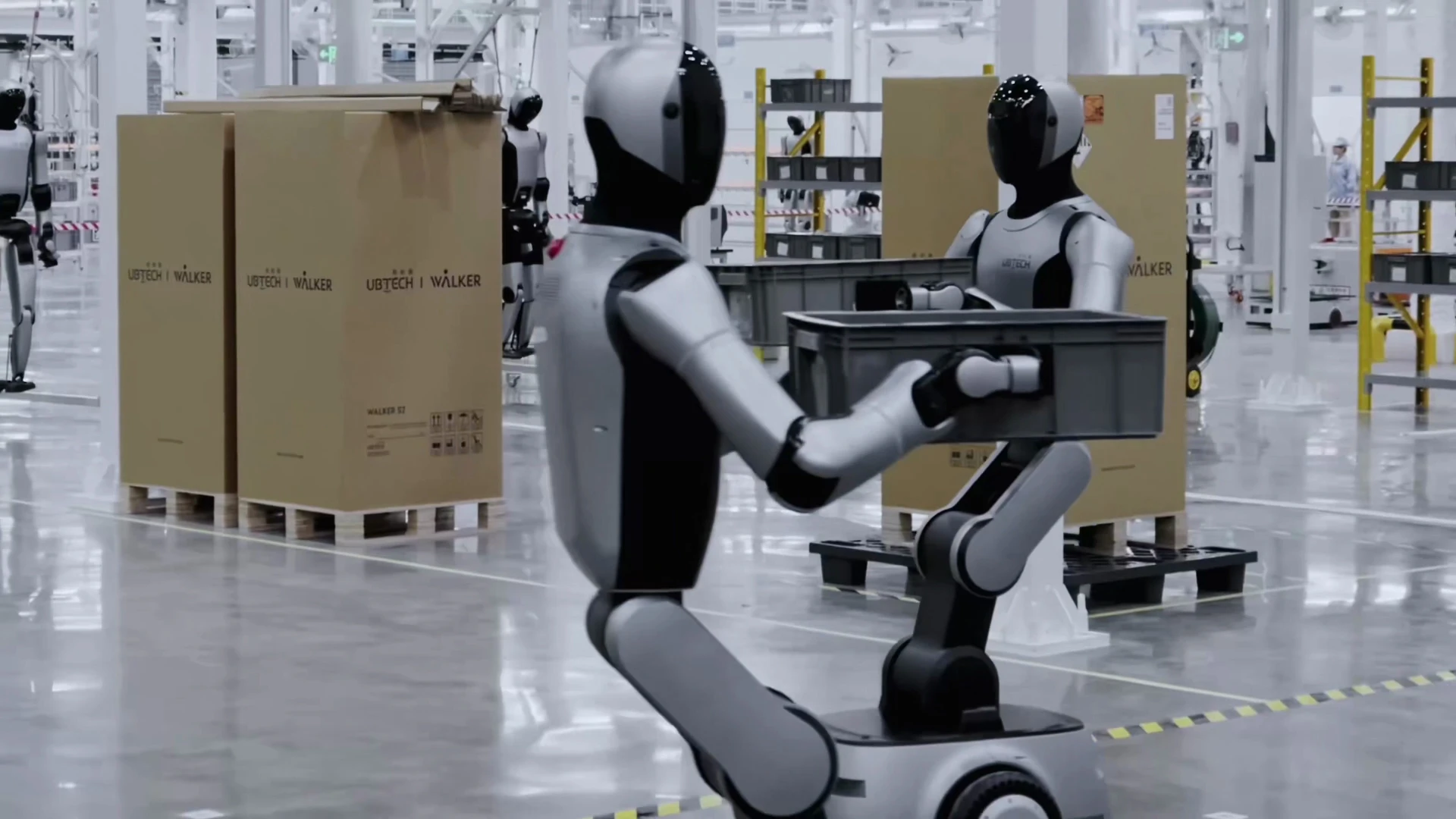
UBTECH and FAW-Volkswagen Enhance Partnership to Develop Humanoid Robots for Logistics
UBTECH and FAW-Volkswagen have announced a partnership to develop and test humanoid robot applications for logistics, building on their existing collaboration in manufacturing. This strategic cooperation, revealed on October 8, aims to create demonstration applications that promote humanoid solutions for smart manufacturing, addressing the increasing demand for personalized vehicles. The significance of this partnership lies in its potential to enhance flexibility in manufacturing processes. As automakers like FAW-Volkswagen adapt to changing consumer preferences, the integration of humanoid robots could streamline logistics operations, thereby improving efficiency and productivity on the factory floor. UBTECH's previous work with FAW-Volkswagen at the Qingdao plant, where the Walker S Lite was used for quality inspections, showcases the practical applications of their technology. Looking ahead, the partnership raises questions about the specific logistics tasks that humanoid robots will be able to perform reliably. While the agreement focuses on joint development and testing, it does not disclose details about the robot models or the facilities involved. No further timeline was disclosed at the time of publication.
China UBTECH Robotics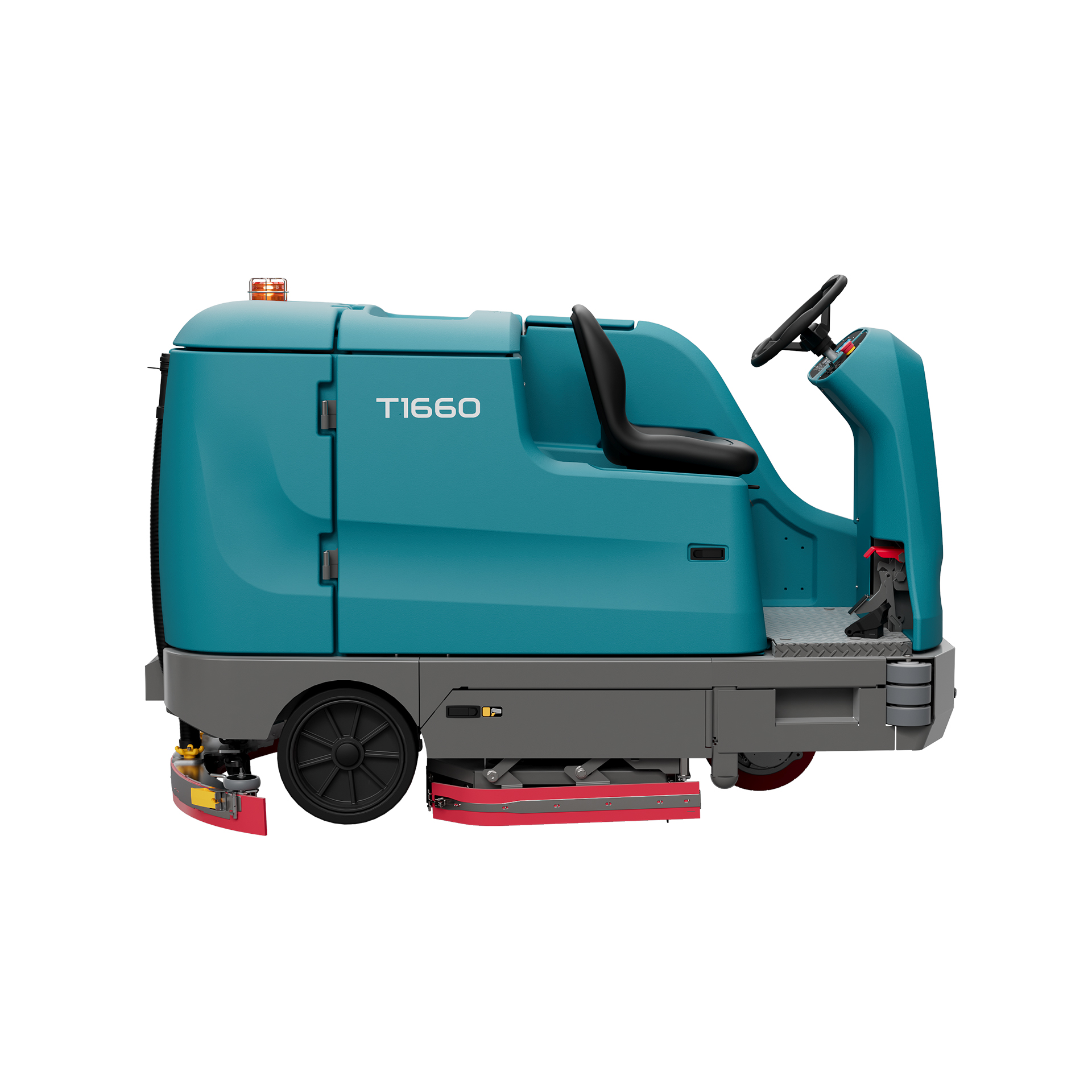
Tennant Company Launches T1660 Ride-On Scrubber for EMEA Warehouses
Tennant Company has introduced the T1660 Ride-On Scrubber across Europe, the Middle East, and Africa, targeting warehouses and light industrial applications. This battery-powered machine is designed to enhance cleaning efficiency with features like a wide cleaning path, large tank capacity, and user-friendly controls, allowing operators to maximize productivity. The T1660 is significant for its ability to deliver reliable cleaning performance while minimizing training requirements and simplifying maintenance. With a cleaning path of up to 1,320 mm and an estimated productivity rate of 8,400 m²/hr, it meets the demands of industrial cleaning without compromising on performance or ease of use. Looking ahead, the T1660's ergonomic design and battery-powered operation make it suitable for indoor environments, ensuring quieter cleaning operations. No further timeline was disclosed at the time of publication.
Warehousing cleaning Tennant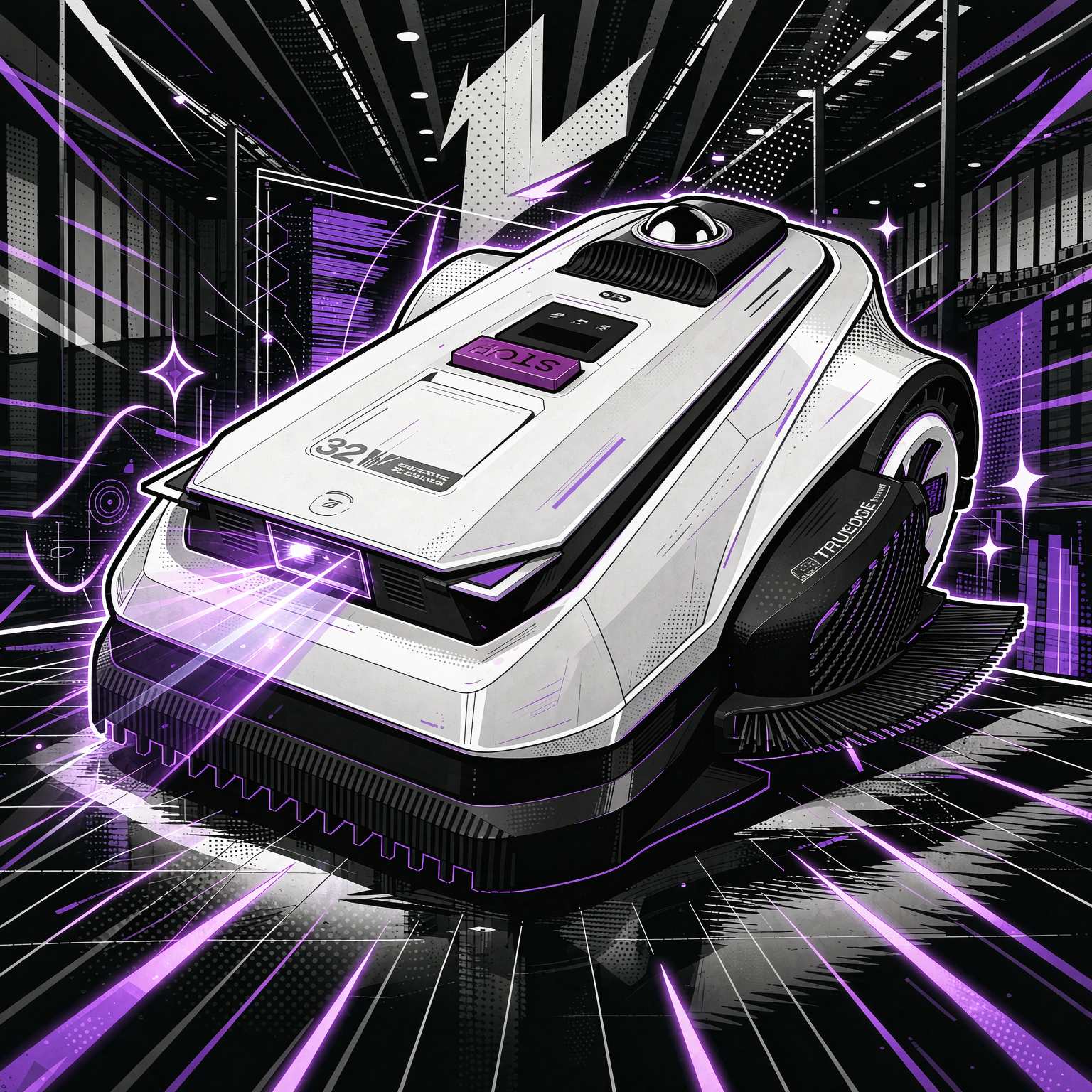
Supplier of Robot Vision Systems Goes Public; BYD Subsidiary Invests 100 Million HKD
A supplier of vision systems for sweeping robots has recently gone public, marking a significant milestone in the robotics industry. This development is noteworthy as it highlights the increasing demand for advanced robotic technologies, particularly in automation and cleaning applications. The investment from a BYD subsidiary, amounting to 100 million Hong Kong dollars, underscores the confidence in the growth potential of this sector. The public offering is expected to enhance the supplier's capabilities in developing innovative vision systems, which are critical for the functionality of sweeping robots. This move is significant as it reflects the broader trend of investment in robotics and automation technologies, which are becoming essential in various industries. The partnership with BYD, a major player in the automotive and technology sectors, could lead to further advancements in robotic applications. Looking ahead, industry stakeholders should monitor the supplier's progress post-IPO and the impact of the BYD investment on its growth trajectory. No further timeline was disclosed at the time of publication.
Robotics Automation AI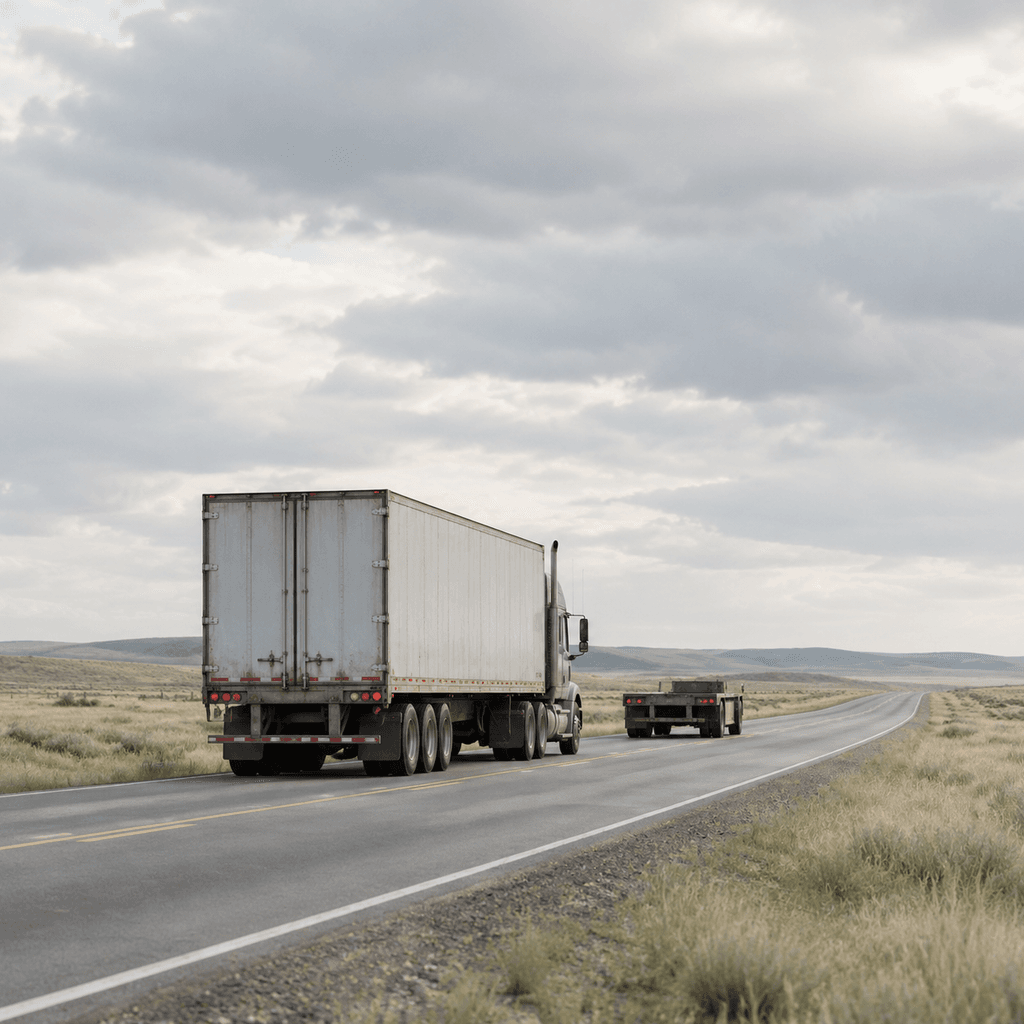
KargoBot Expands AI Freight Network in Ordos with Cabless Transport Robots
KargoBot is expanding its AI-driven freight network in Qipanjing, Ordos, incorporating a combination of manned trucks, cabbed autonomous trucks, and cabless robots. The company aims for a target gain exceeding 30 percent as it scales its operations. This initiative is significant as it represents KargoBot's commitment to integrating advanced technologies in freight transportation, enhancing efficiency and potentially reducing costs. The mixed fleet approach allows for greater flexibility in logistics, catering to varying freight demands. Looking ahead, industry observers will be keen to see how KargoBot's mixed freight network performs and whether it achieves its ambitious gain target. No further timeline was disclosed at the time of publication.

The Impact of Automation on the Future of Manufacturing in the U.S.
Labor shortages and supply chain volatility are driving a significant transformation in U.S. manufacturing. Companies are now compelled to rethink their operational strategies to remain competitive in a landscape characterized by increasing demand for customized products. This shift necessitates the production of complex parts with fewer workers, shorter lead times, and enhanced flexibility. The importance of automation in this context cannot be overstated. As manufacturers face these challenges, the integration of advanced automation technologies becomes essential for achieving efficiency and meeting customer expectations. The ability to adapt to changing market demands while maintaining productivity is crucial for the survival of manufacturing enterprises in the U.S. Looking ahead, the continued evolution of automation technologies will be pivotal for manufacturers. Companies must stay abreast of advancements and consider how these innovations can be leveraged to optimize their operations. No further timeline was disclosed at the time of publication.
Robotics
UBTECH Partners with FAW-Volkswagen to Enhance Humanoid Robots for Factory Logistics
UBTECH has announced a collaboration with FAW-Volkswagen to develop humanoid robots aimed at improving factory logistics. This partnership signifies a shift from traditional quality inspection roles to more dynamic applications within manufacturing environments. The collaboration is significant as it highlights the growing trend of integrating advanced robotics into factory operations, enhancing efficiency and productivity. By focusing on logistics, UBTECH and FAW-Volkswagen are addressing the evolving needs of the manufacturing sector, which increasingly relies on automation to streamline processes. Looking ahead, industry watchers should monitor the outcomes of this partnership, particularly how these humanoid robots will be integrated into existing workflows. No further timeline was disclosed at the time of publication.
Robotics Automation AI
Automotive Supply Chain and Robotics Share 60-70% Overlap, Yet Key Components Remain Fixed
Recent insights reveal that the automotive supply chain and robotics sectors overlap by 60-70%. This significant intersection highlights the potential for innovation and efficiency in both fields. However, it is noted that the most expensive components within these sectors cannot be easily relocated, posing challenges for integration. The overlap between automotive and robotics is crucial as it suggests opportunities for collaboration and technological advancements. Understanding this relationship can lead to improved supply chain strategies and enhanced robotic applications in automotive manufacturing. The inability to move costly components, however, raises concerns about flexibility and adaptability in these industries. Looking ahead, stakeholders should monitor developments in both sectors to identify potential synergies and innovations. No further timeline was disclosed at the time of publication, but ongoing research and advancements may provide insights into overcoming the challenges posed by immovable components in the automotive supply chain and robotics integration.
Robotics Automation AI
Tuning the Brain Like a Radio: Synapse Symphony’s Plan to Treat Chronic Pain at Home
COO Vishal Jain on Synapse Symphony's DARPA-rooted wearable brain-stimulation headset for chronic pain, its FDA plans, and a second use: motor-health checks.

RobotToday Weekly September 14 – 18, 2026
Toyota weighs 400,000 factory robots, SoftBank buys Hyundai's Robotics and AI Institute, Agility unveils Digit 5, Figure's Helix 2.5 generalises to 30 homes, and August robotics funding hits $4.87 billion.

IMTS 2026 Preview: Record Orders and the Automation Story
IMTS 2026 opens in Chicago with 1,788 exhibitors and record H1 machine tool orders. What the USMTO data says about automation, and the booths to see.
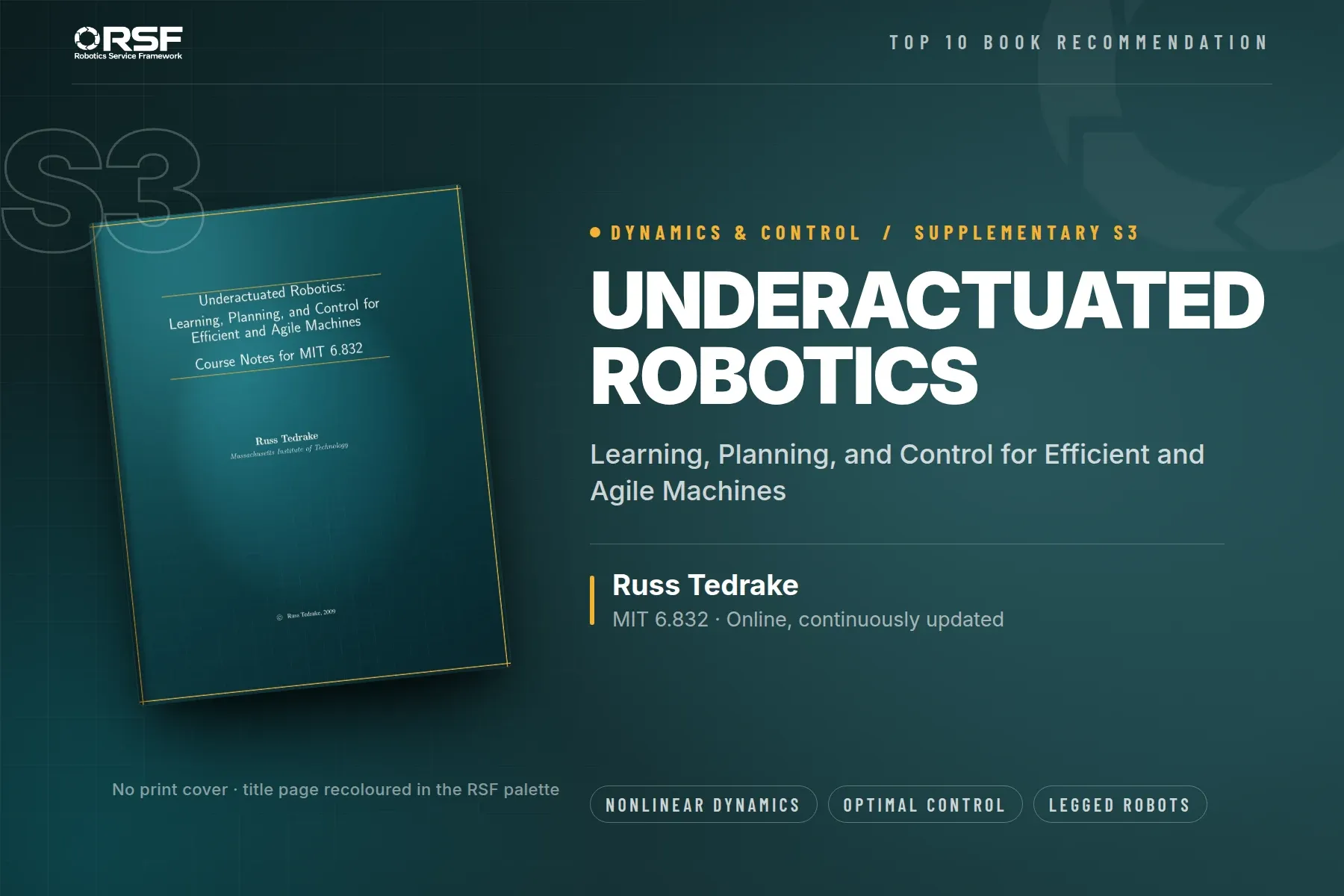
Underactuated Robotics Russ Tedrake — RSF Specialist Shelf · Book S3 of 6
Legged robots fall over for control reasons, not mechanical ones. Tedrake's free MIT 6.832 notes explain why, and what a controller must do about it.
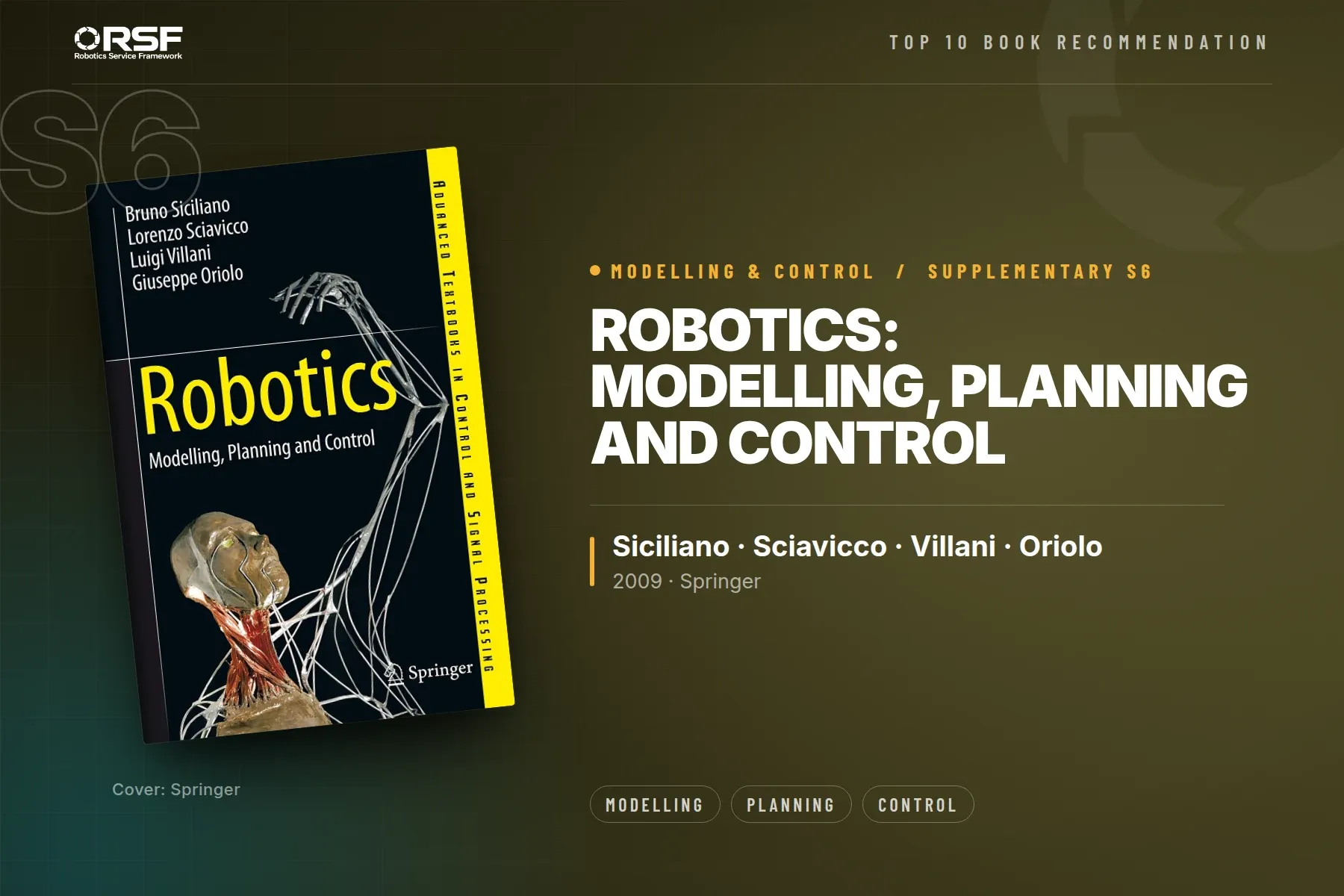
Robotics: Modelling, Planning and Control Siciliano, Sciavicco, Villani & Oriolo — RSF Specialist Shelf · Book S6 of 6
Siciliano's single-narrative counterpart to the Springer Handbook: kinematics through force control and visual servoing in one consistent notation. 4/5.

Planning Algorithms Steven M. LaValle — RSF Specialist Shelf · Book S4 of 6
The reference that treats planning as a subject in its own right: configuration space, sampling-based methods, RRT. Free online, dual difficulty 4/5-2/5.
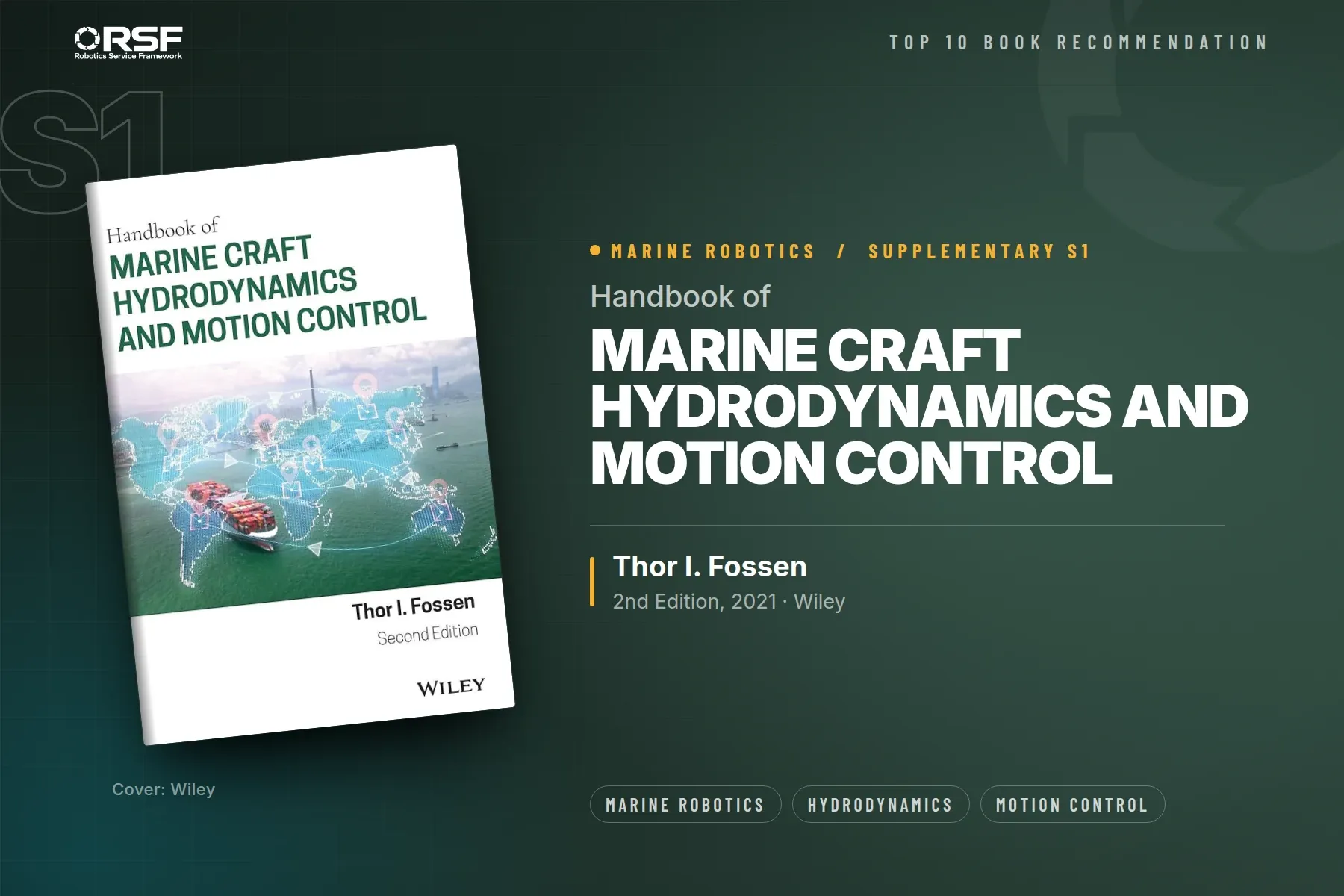
Handbook of Marine Craft Hydrodynamics and Motion Control Thor I. Fossen — RSF Specialist Shelf · Book S1 of 6
Added mass, wave loading, DVL navigation: the marine GNC reference for USV, ROV and AUV service engineers. The hardest book on the RSF list, 5/5.
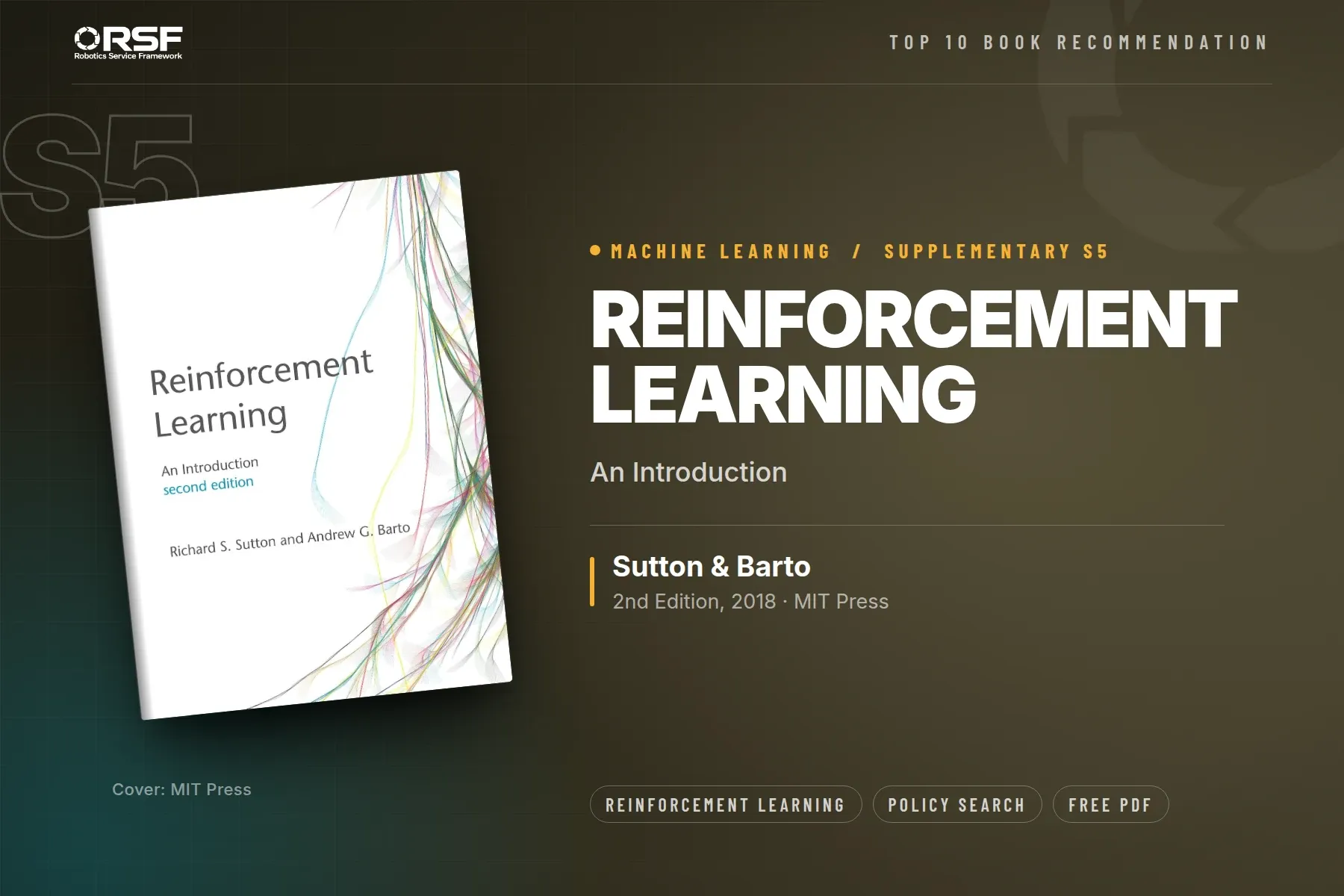
Reinforcement Learning: An Introduction Richard S. Sutton & Andrew G. Barto — RSF Specialist Shelf · Book S5 of 6
“It's the AI” will not satisfy an OEM support call. Sutton & Barto turn that into something a service engineer can investigate. Free PDF, Part I 4/5.
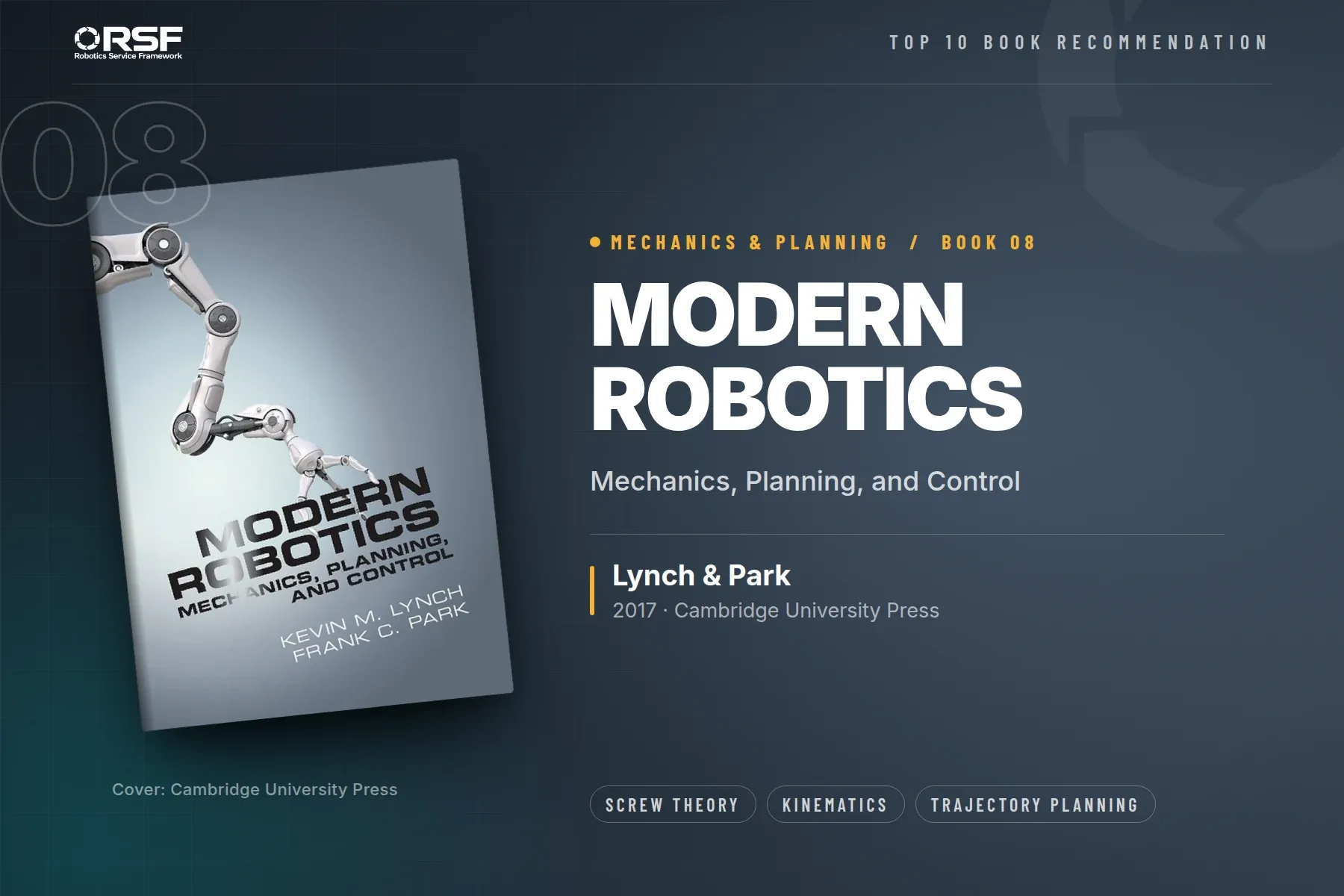
Modern Robotics K. M. Lynch & F. C. Park — RSF Top 10 Robot Education Textbooks · No. 8
The book the field agreed to make free: full preprint PDF, video lectures and open code from the authors. Screw theory and kinematics, taught rigorously.
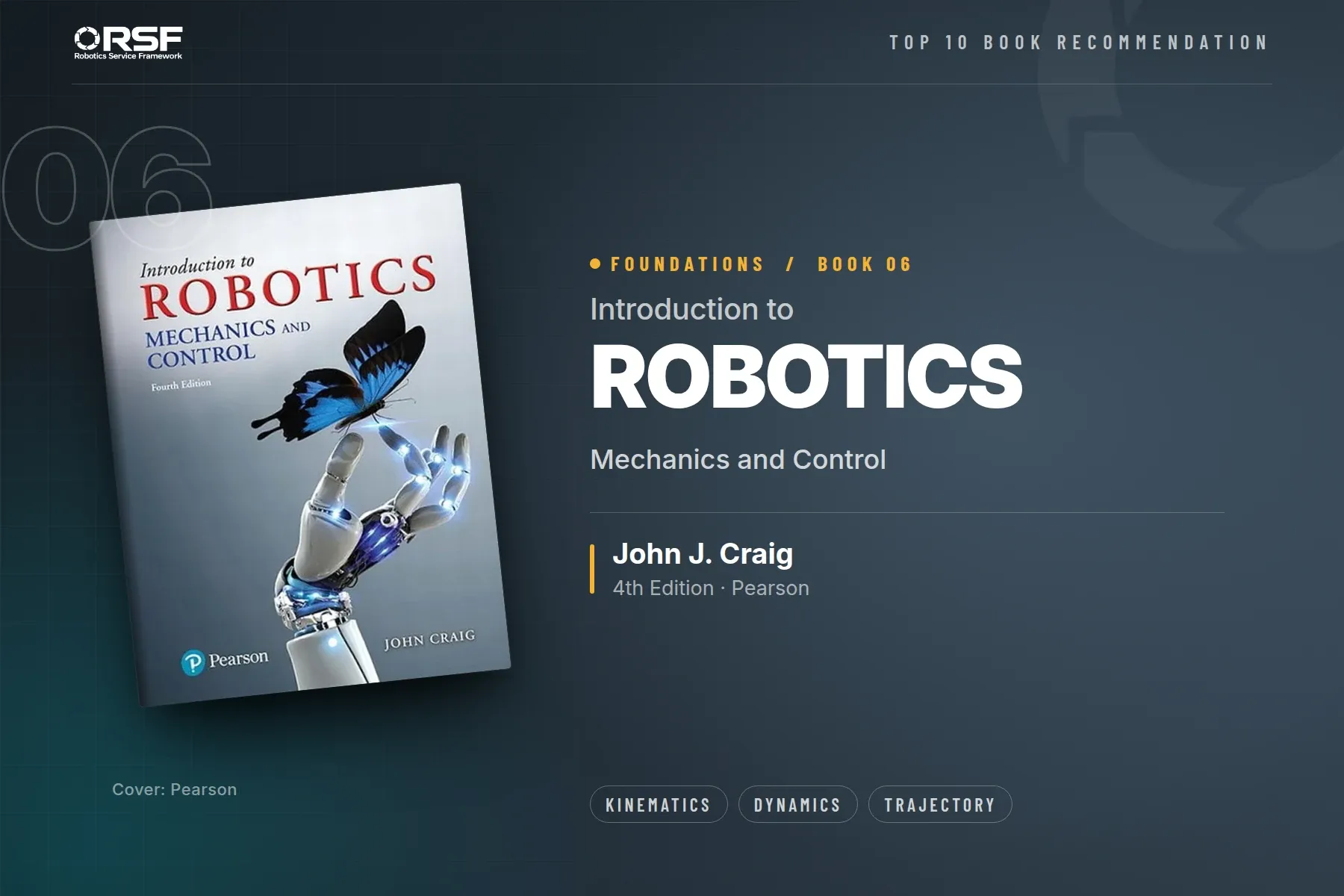
Introduction to Robotics J. J. Craig — RSF Top 10 Robot Education Textbooks · No. 6
Six of ten benchmark universities teach kinematics from Craig. Frames, transforms and D-H parameters: the language vendor manuals already speak.
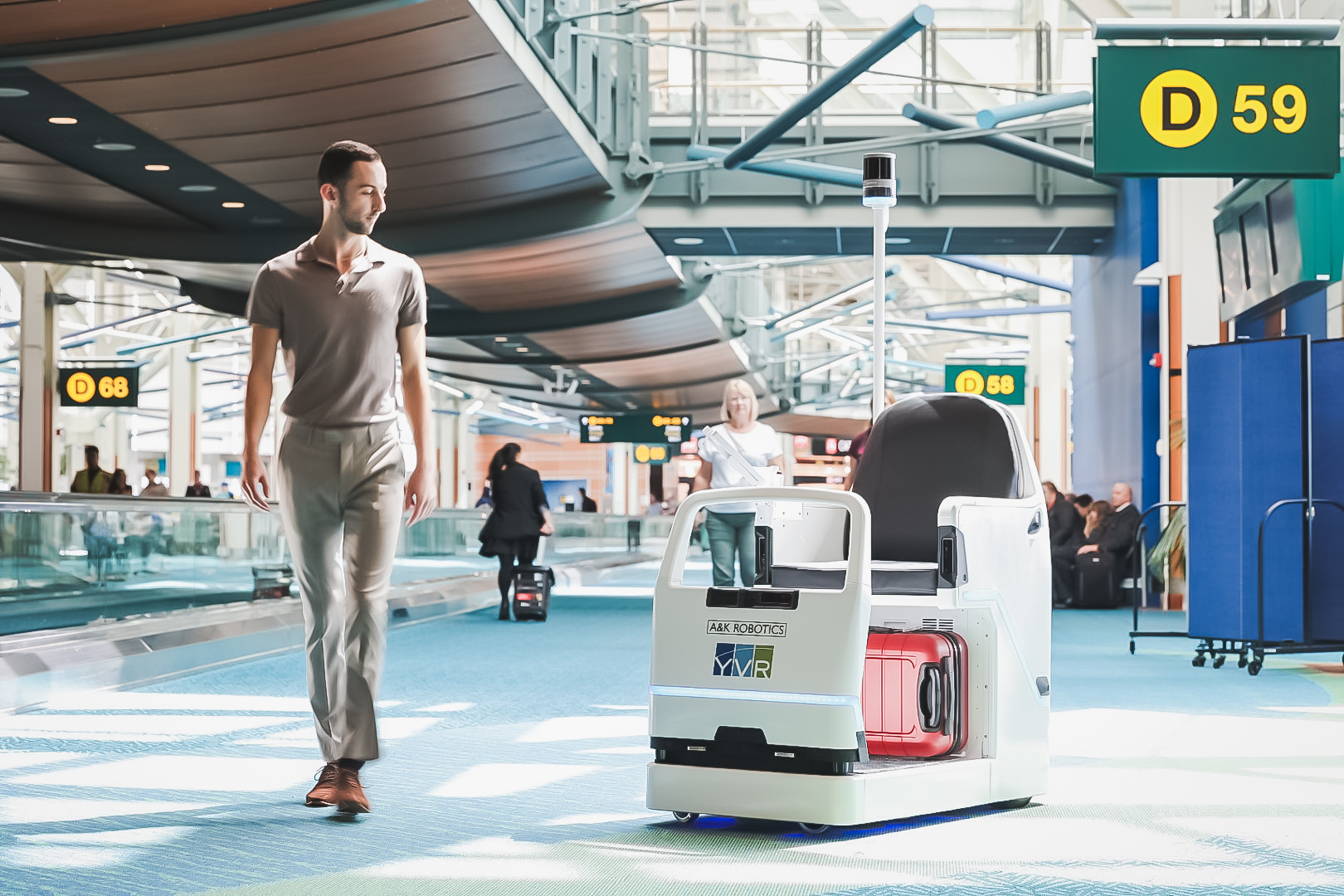
Cruz’ing through the terminal: A&K Robotics lands $8M for autonomous mobility
A&K Robotics has secured $8 million in funding to enhance its production and research and development capabilities, with the investment primarily coming from the Business Development Bank of Canada's Industrial Innovation Venture Fund and Vantage Futures. This financial boost aims to support the company's growth in the autonomous mobility sector. The announcement of the funding comes as A&K Robotics seeks to expand its operations and innovate within the rapidly evolving technology landscape.
Autonomous Mobile Robots (AMRs) Logistics Mobility / Navigation News A&K Robotics
A&K Robotics Raises $8 Million to Build Autonomous Mobility Infrastructure for Airports
A&K Robotics has secured an $8 million CAD Series A investment to develop autonomous mobility infrastructure for airports, addressing the growing challenges faced by passengers with mobility limitations. The funding round, announced on April 21, 2026, was led by the Business Development Bank of Canada’s Industrial Innovation Venture Fund and Vantage Futures, alongside other investors. With approximately 17% of the global population experiencing mobility challenges and a 10-15% annual increase in requests for airport assistance, A&K Robotics aims to enhance passenger experience through its self-driving mobility robot, Cruz. Designed to navigate complex indoor environments like airport terminals, Cruz autonomously transports passengers to their destinations while safely maneuvering around pedestrians. The company is already collaborating with major airport operators, including Vancouver International Airport and Madrid-Barajas Airport, to integrate this technology into daily operations. A&K Robotics’ CEO, Matthew Anderson, emphasized the importance of improving airport navigation, stating, "Air travel is chaotic enough — getting to your gate shouldn't be part of the problem." The investment will support A&K's expansion into large-scale deployments, helping airports enhance operational efficiency and passenger accessibility while paving the way for the future of autonomous mobility in complex indoor environments.


