Artemis Vision

Developer and integrator of machine vision solutions for manufacturing and logistics, including automated quality inspection systems, vision hardware/software engineering, and process optimization with field-tested components.

Share
Artemis Vision
3857 Steele St #1186
Denver, CO 80205
RobotToday Initiative

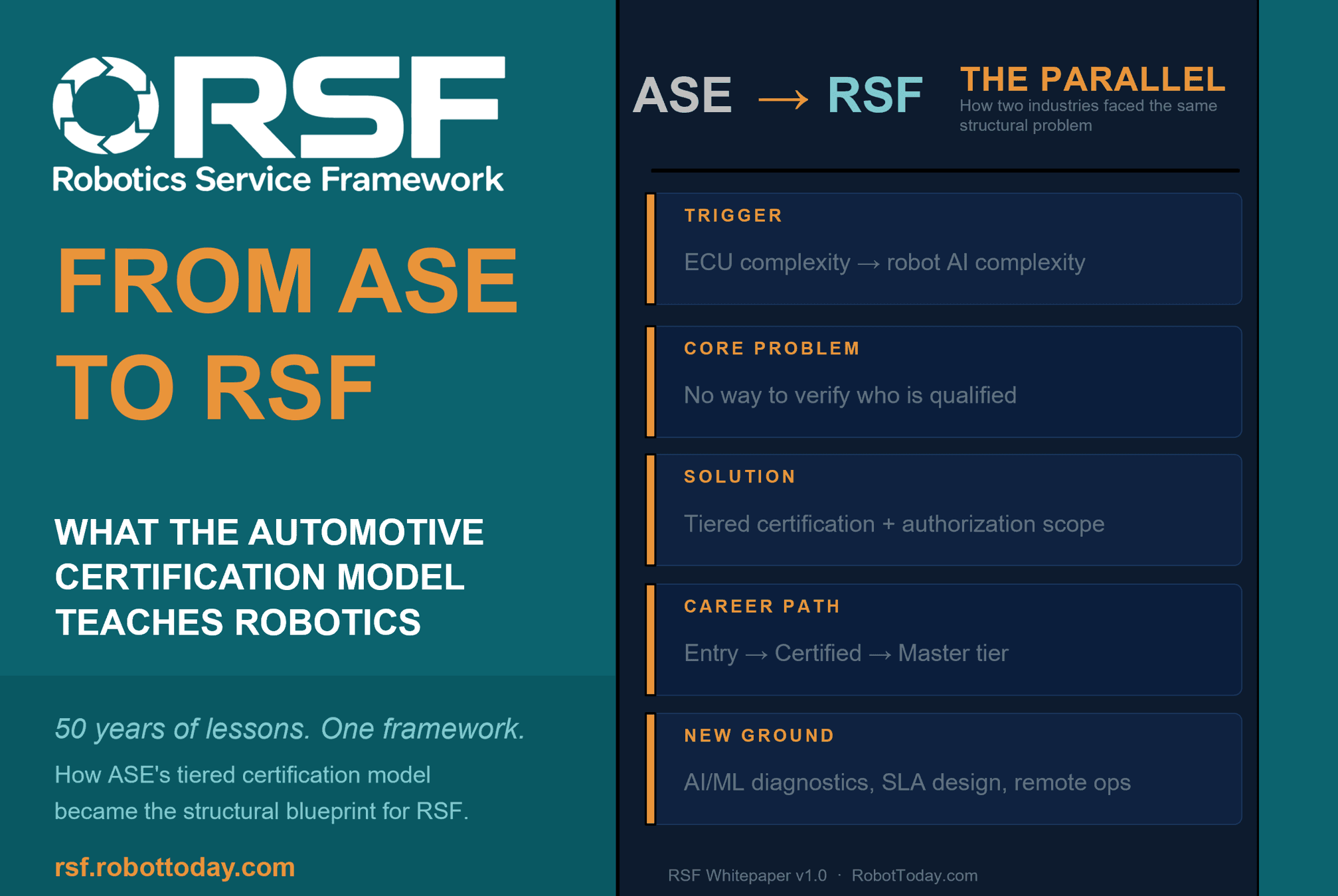
Robotics needs a service framework.

RSF defines a common language for robot service capability, lifecycle operations, certification pathways, and service-provider networks.

Share

Related Content

Xpeng Unveils TuringViT Efficient Visual Encoder for Advanced Applications

Xpeng Unveils TuringViT Efficient Visual Encoder for Advanced Applications

Xpeng has officially launched the TuringViT efficient visual encoder, aimed at systematically restructuring the architecture design, data paradigm, and training processes for the VLM/VLA era. This innovative encoder will comprehensively support three major business scenarios: intelligent driving, smart cockpits, and the IRON humanoid robot. The introduction of TuringViT is significant as it represents a strategic advancement in visual encoding technology, which is crucial for enhancing the capabilities of autonomous systems. By focusing on the VLM/VLA era, Xpeng positions itself at the forefront of technological evolution in the automotive and robotics sectors. Looking ahead, industry observers should monitor how TuringViT integrates into Xpeng's existing product lines and its impact on the competitive landscape. No further timeline was disclosed at the time of publication.

Tsubame Lab Showcases Automation Solutions at LADEC2026 with Robotic Arms and AMRs

Tsubame Lab Showcases Automation Solutions at LADEC2026 with Robotic Arms and AMRs

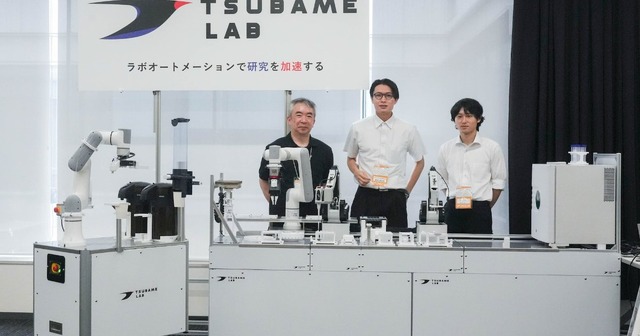
Tsubame Lab Inc. participated in the Laboratory Automation Developers Conference 2026 (LADEC2026) held on July 2-3, 2026, at the Miraikan in Japan. The company demonstrated automation solutions for pre-processing tasks using robotic arms and introduced the concept of 'room-level automation' by integrating autonomous mobile robots (AMRs) for sample transportation. This participation is significant as it highlights Tsubame Lab's ongoing efforts to create a 'Cloud Lab' that allows researchers to execute experiments remotely via APIs and MCPs. The conference featured over 40 speakers and approximately 60 sponsoring companies, emphasizing the importance of automating repetitive tasks in research environments, which are still largely performed manually by researchers and staff. Looking ahead, Tsubame Lab plans to expand automation elements for pre-processing tasks, enhance the application range of room-level automation through AMR integration, and continue collaborating with the research automation community. No further timeline was disclosed at the time of publication.

Humanoid Robots Target Specific Roles in Industrial Settings

Humanoid Robots Target Specific Roles in Industrial Settings

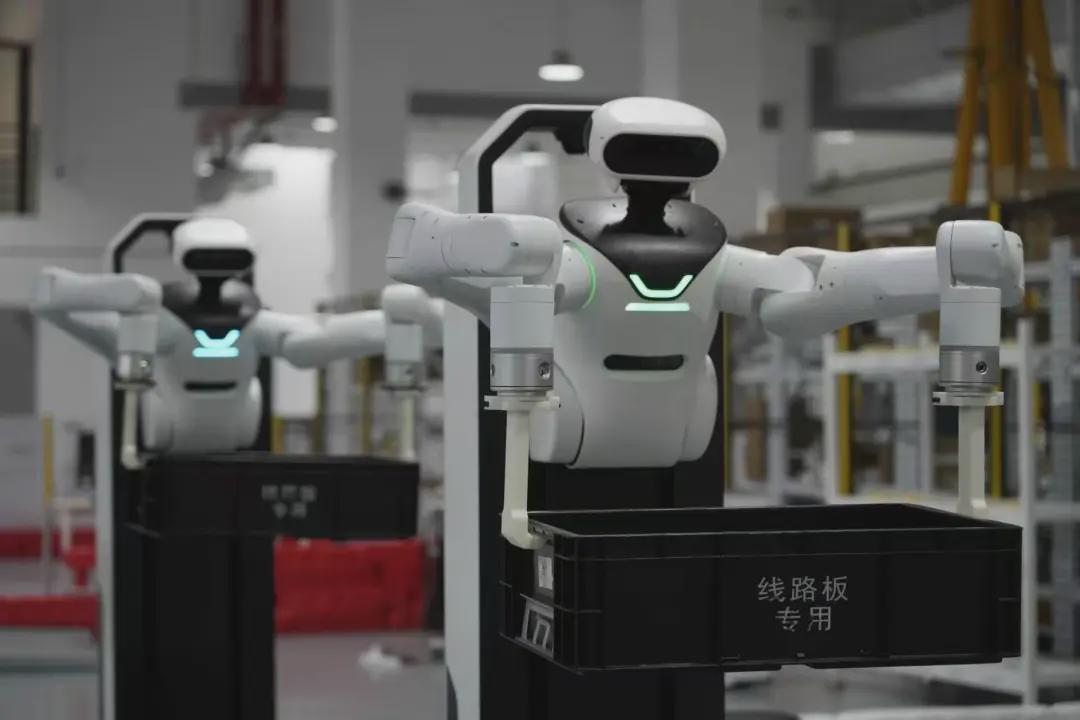
JAKA has introduced various humanoid robots designed for specific industrial tasks, such as the JAKA K1-25, which can lift up to 50 kg. These robots are not merely for display but are being integrated into production lines of leading global industrial companies. The focus has shifted from creating a universal robot to addressing practical questions like load capacity, operational continuity, and return on investment. The industry has been exploring the concept of general-purpose robots, but the reality of deploying robots in factories necessitates a more detailed approach. JAKA's strategy emphasizes specialization, enabling robots to learn specific tasks rather than attempting to replicate human capabilities entirely. This shift is crucial as companies prioritize functionality and cost-effectiveness over mere technical prowess. The JAKA K1-25 exemplifies this approach by prioritizing strength and precision, with a rated load capacity of 50 kg and a repeat positioning accuracy of ±0.1 mm. As industries like automotive manufacturing and heavy equipment production require handling of heavy components, the focus is on ensuring robots can perform these tasks effectively, rather than merely showcasing advanced movements.

Humanoid Robots Industrial Automation Robotics AI Manufacturing
Samsung Launches CEO-Led Robotics Division to Drive Commercialization Efforts

Samsung Launches CEO-Led Robotics Division to Drive Commercialization Efforts

Samsung Electronics announced the establishment of a new robotics business division, RX (Robotics eXperience), led by CEO Roh Tae-moon. This division consolidates various robotics initiatives previously managed separately, focusing on long-term strategy and commercialization. Key hires include Lee Dong-gun, who will lead the robotics strategy team, along with two academic experts in autonomous systems and robotic dexterity. The formation of the RX division is significant as it reflects Samsung's commitment to developing robots as a commercial business amid challenges in other sectors. Analysts suggest that the mobile division may have experienced its first quarterly loss, prompting the company to seek growth opportunities in robotics. The division aims to innovate in areas such as dexterous robotic hands, which are crucial for humanoid functionality and represent a significant cost factor in robotics development. Looking ahead, Samsung plans to invest in its robotics capabilities at its Seoul R&D Campus and establish further research bases in the United States, China, and Japan. The RX division's efforts will build on Samsung's recent investment in Rainbow Robotics, enhancing its position in the humanoid robotics market. No further timeline was disclosed at the time of publication.

All News
Tesla's Q2 Earnings Preview: Sales Surge Amid Increased Cash Burn Challenges

Tesla's Q2 Earnings Preview: Sales Surge Amid Increased Cash Burn Challenges

Tesla (TSLA) is set to announce its second quarter results, with expected revenue of $26.21 billion, reflecting a 16% increase year-over-year. The anticipated adjusted earnings per share stand at $0.50, alongside an adjusted EBITDA of $4.00 billion, a significant rise from the previous year's $2.3 billion. This revenue growth follows a strong delivery quarter, with Tesla reporting 480,126 deliveries, a 25% increase compared to last year, surpassing Bloomberg's estimates. The surge in sales is attributed to several factors, including the full ramp-up of the new Model Y and aggressive pricing strategies that have resonated with buyers. However, challenges remain, particularly in the U.S. market, where the expiration of the federal EV tax credit has led to a projected 20% decline in sales. In contrast, Tesla's performance in Europe has been robust, with registrations soaring nearly 108% in May, prompting the company to increase production at Giga Berlin. Investors should closely monitor Tesla's free cash flow, which is expected to be significantly negative at -$3.254 billion due to rising capital expenditures of $6.7 billion for the quarter. This marks a stark contrast to the nearly $5.6 billion in free cash flow reported a year ago. No further timeline was disclosed at the time of publication.

Gritt Secures $34 Million to Develop Robots for Solar Plant Construction

Gritt Secures $34 Million to Develop Robots for Solar Plant Construction

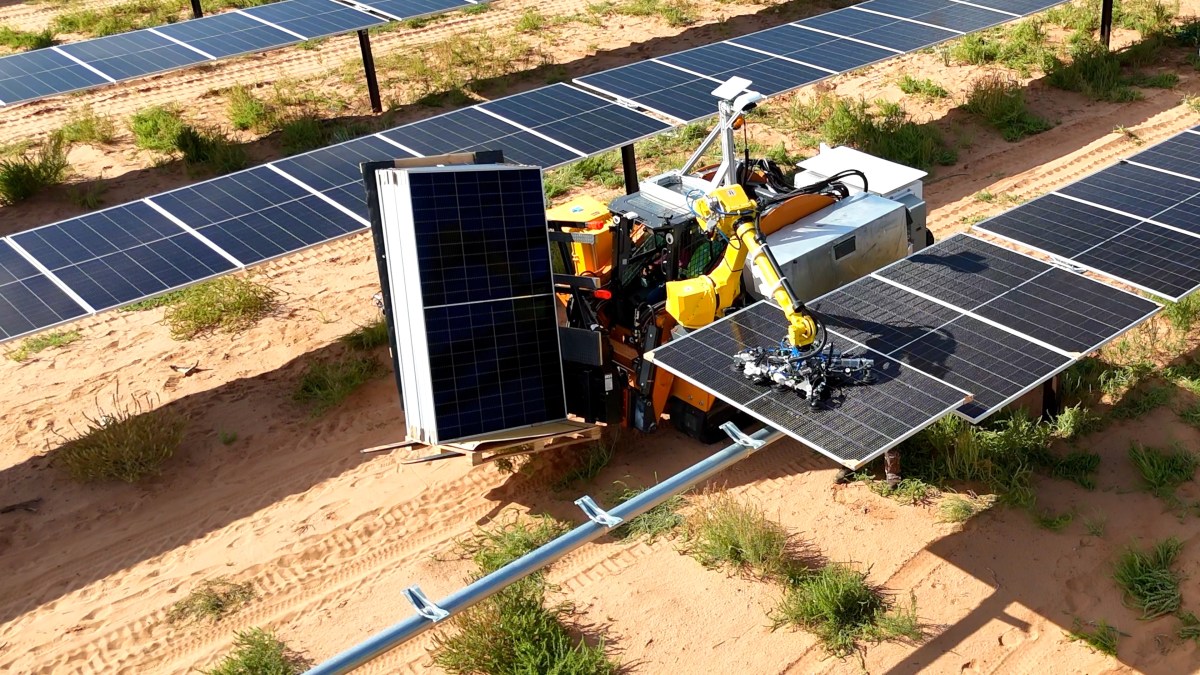
Gritt, a robotics startup founded by Carnegie Mellon-trained engineers, has emerged from stealth mode with $34 million in funding, including a $26 million Series A round led by Obvious Ventures. The company aims to address labor shortages in solar energy installation by utilizing AI-driven systems that enhance efficiency on construction sites. The significance of Gritt's technology lies in its potential to revolutionize solar panel installation, where traditional labor forces are insufficient to meet growing demand. With its systems, a crew can install 3,000 to 4,000 solar panels daily, compared to the typical 800 panels without robotic assistance. Gritt is contracted to help install 2.8 gigawatts of solar panels over the next 18 months, collaborating with major US power construction companies. Looking ahead, Gritt plans to expand its robotic capabilities to include additional construction tasks, such as fastening solar panels and drilling posts. The startup's focus on off-the-shelf hardware, combined with advanced AI models, positions it uniquely in a competitive landscape that includes companies developing their own robotic solutions.

AI Robotics Fundraising Exclusive
Emotional Companion App with 60 Million Users Launches Family Robot Buboo 1

Emotional Companion App with 60 Million Users Launches Family Robot Buboo 1

Xinyan Group's CEO Ren Yongliang made a bold decision to integrate AI emotional companionship into hardware by developing the Buboo 1 family robot. With over 60 million users of their app, which generates billions in revenue annually, the company aims to address the limitations of online interactions in family settings. The Buboo 1 robot, showcased at WAIC 2026, offers proactive interaction without the need for wake words, adapting to users' emotional cues and preferences. This innovation is significant as it represents a shift from traditional electronic toys to intelligent home companions that can understand and respond to emotional needs. Ren believes that the future competition will focus on multi-modal perception and the accumulation of native data in home environments. The Buboo 1 seeks to fill the gap in emotional support that online platforms cannot address, particularly in family dynamics and intergenerational communication. Looking ahead, the industry is poised for a transformation as it moves towards creating emotionally intelligent physical AI entities. The Buboo 1 aims to redefine how AI can fulfill emotional companionship needs in a tangible way, addressing the emotional gaps in modern family life. No further timeline was disclosed at the time of publication.

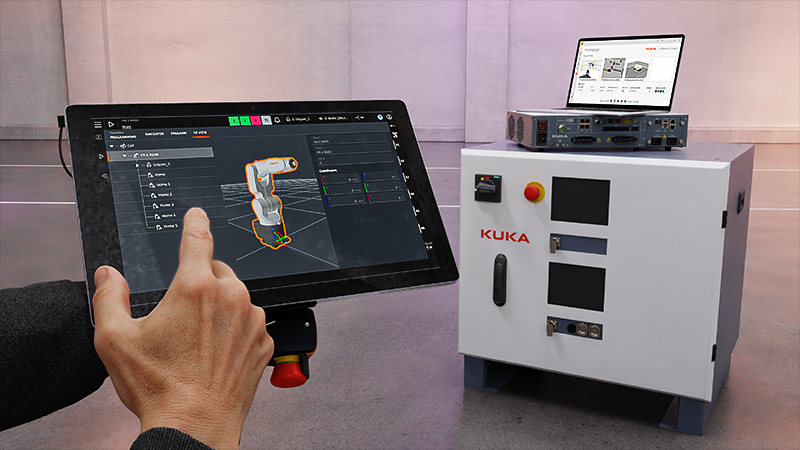
KUKA Achieves Security Level 2 Certification for iiQKA.OS2 and KR C5 Controller

KUKA Achieves Security Level 2 Certification for iiQKA.OS2 and KR C5 Controller

KUKA has achieved Security Level 2 certification for its iiQKA.OS2 operating system and KR C5 controller platform, in accordance with IEC 62443-4-2. This certification signifies that KUKA's robotic systems are equipped to handle the increasing demands for security in digitalized production environments. The importance of this certification lies in its alignment with the growing need for security and regulatory compliance as production processes become more digital and connected. KUKA's compliance with Regulation (EU) 2024/2847 Cyber Resilience and EN ISO 10218-1:2025 positions it as a leader in secure automation solutions. Looking ahead, KUKA's certification sets a benchmark for the robotics industry, emphasizing the necessity of robust security measures in automation. No further timeline was disclosed at the time of publication.

Lingdi Technology Demonstrates Advanced Clothing Simulation at WAIC 2026

Lingdi Technology Demonstrates Advanced Clothing Simulation at WAIC 2026

At the WAIC 2026, Lingdi Technology showcased a compelling demonstration of robotic arms folding clothes, highlighting the complexities of handling flexible materials. The demonstration illustrated not just the end result of clothing manipulation but emphasized the intricate process of transforming garments into computable digital objects. This involves understanding various fabric properties and how they interact with robotic grippers, which is crucial for real-world applications in households and light industries. The significance of this demonstration lies in addressing the challenges robots face when dealing with flexible, deformable objects. Unlike rigid items, clothing can change shape and state when manipulated, requiring advanced algorithms to adapt to these variations. Lingdi Technology's SynReal World aims to bridge the gap between robotic systems and embodied models by providing a comprehensive data infrastructure for 3D asset generation, simulation training, and automated evaluation, ensuring that models undergo extensive physical interactions in a digital environment before real-world deployment. Looking ahead, the focus on flexible object simulation is critical as robots increasingly enter domestic and industrial settings. The ability to accurately simulate the handling of clothing and other soft materials will be essential for improving efficiency and reducing operational costs. No further timeline was disclosed at the time of publication.

Robotics Fabric Simulation AI Training Automation Soft Robotics
Huawei Launches CloudRobo Platform to Enhance Embodied Intelligence Development

Huawei Launches CloudRobo Platform to Enhance Embodied Intelligence Development

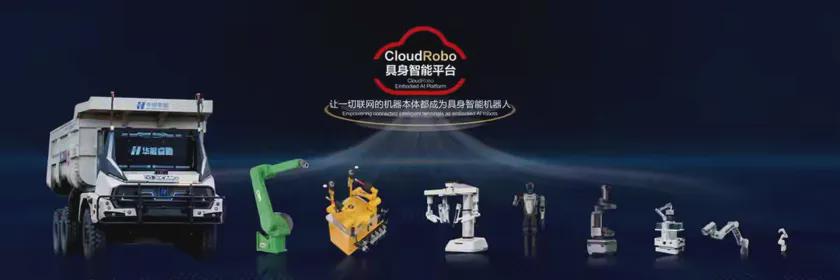
On July 20, Huawei showcased its complete range of computing modules at the WAIC 2026, including the 800GE AI network card. This marks Huawei's strategic entry into the embodied intelligence sector with the public testing of its CloudRobo platform, aimed at enhancing the industry's development capabilities. Unlike traditional approaches, Huawei focuses on providing the intelligent core for robots rather than manufacturing them directly. This strategy mirrors Huawei's earlier success in the smart automotive sector, where it empowered brands like Seres without producing vehicles itself. The trend is evident across the industry, with major players like Tencent and Baidu also opting to develop intelligent systems and tools rather than building robots. This shift highlights a growing emphasis on software and cloud services in the robotics field, as hardware becomes less of a scarce resource. As the industry transitions from prototype demonstrations to large-scale implementation, the efficiency of foundational development remains a critical bottleneck. Huawei's CloudRobo aims to address this by offering a comprehensive platform for data production, model development, and deployment, with over 20 companies already joining the initiative. No further timeline was disclosed at the time of publication.

Embodied Intelligence AI Development Platforms Robotics Cloud Computing
GLOBAL ROBOTICS INDUSTRY Comprehensive Sector Overview

GLOBAL ROBOTICS INDUSTRY Comprehensive Sector Overview

A comprehensive global robotics industry overview for 2025, analyzing 14 key market segments — from industrial and humanoid robots to logistics AMRs, military systems, and service robots — with expert market sizing, US case studies, five-year forecasts, and bilingual English-Chinese analysis for executives and investors.

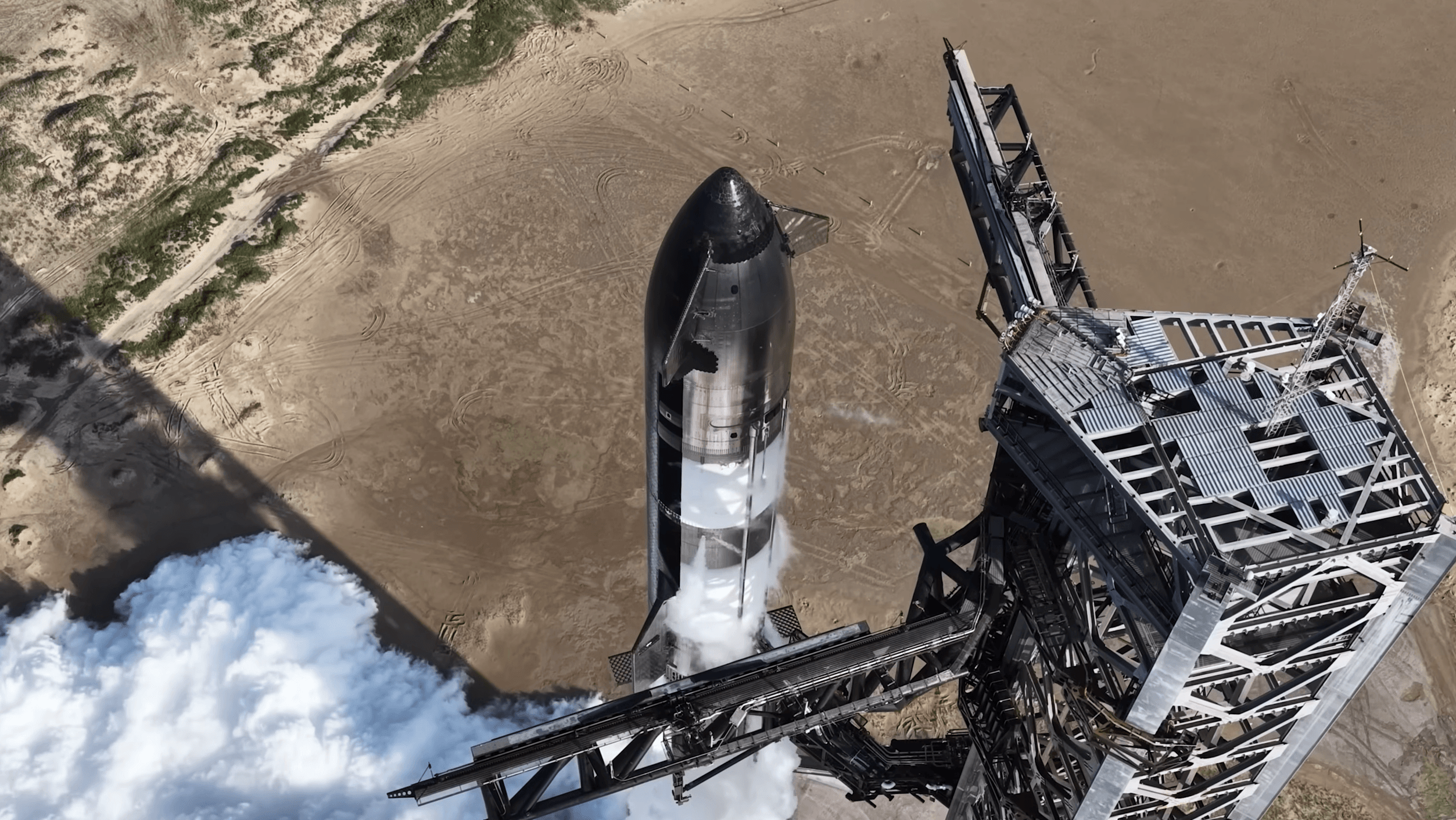
EXECUTIVE BRIEFING: The 2026 Space Robotics Landscape

EXECUTIVE BRIEFING: The 2026 Space Robotics Landscape

Explore the definitive 2026 directory of 95+ space robotics leaders, covering orbital servicing, lunar rovers, and in-space manufacturing. Download the complete RobotToday reference guide to track the companies, funding, and technologies driving the $24B orbital economy.

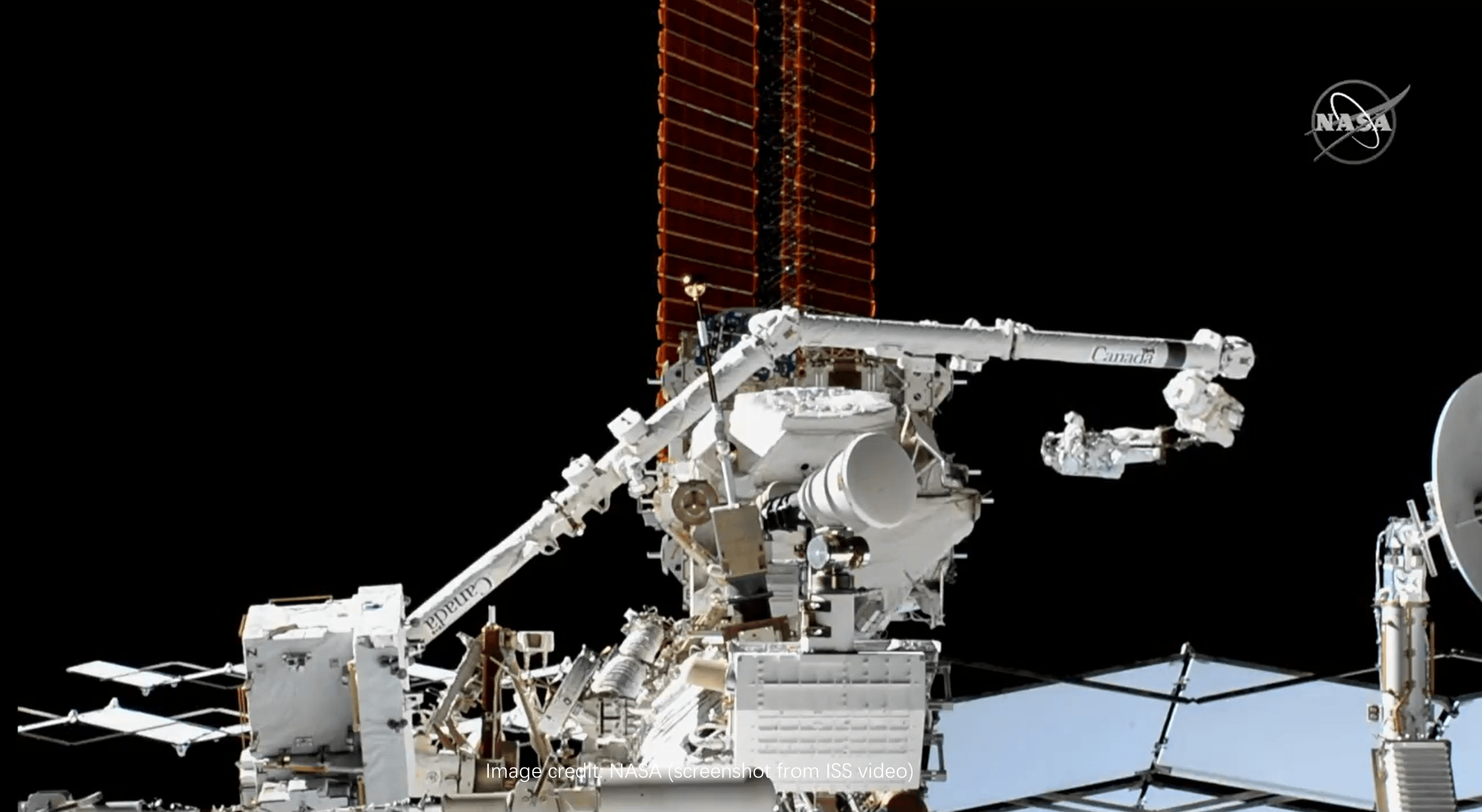
Space Robot - Space Station's AI Assistants: From Robotic Arms to Autonomous Partners

Space Robot - Space Station's AI Assistants: From Robotic Arms to Autonomous Partners

Space station robots evolve from remote tools to autonomous AI partners. How embodied intelligence reshapes human-robot collaboration in orbit.

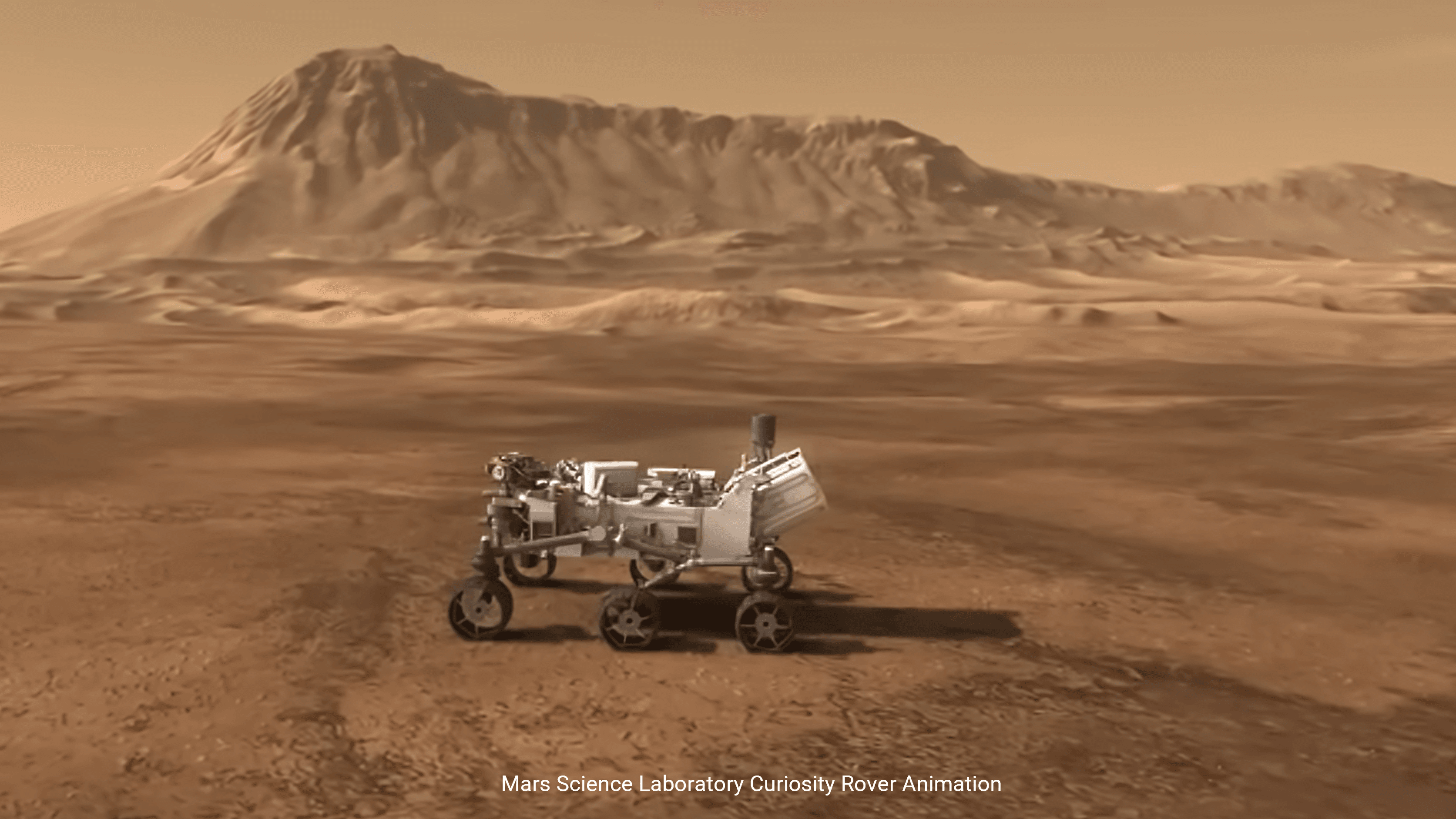
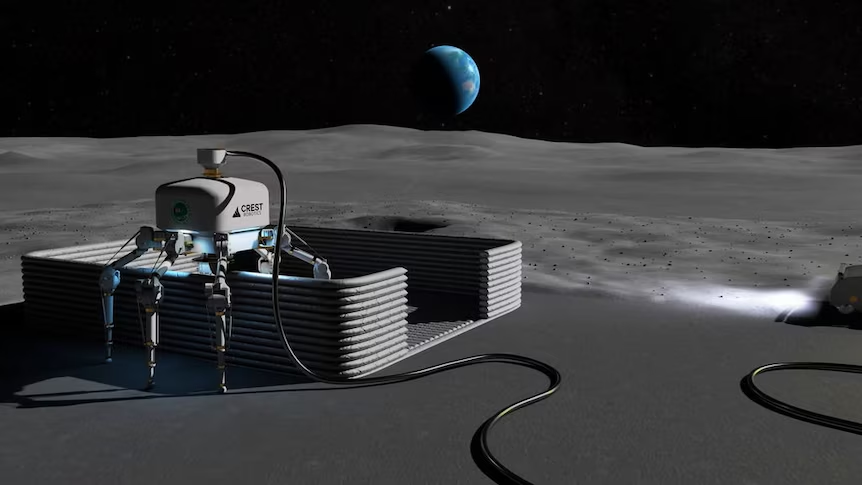
Space Robot- Lunar Rovers: Building Infrastructure on the Moon

Space Robot- Lunar Rovers: Building Infrastructure on the Moon

Lunar rovers face -180°C nights and glass-sharp dust while building moon infrastructure. Inside the engineering challenges, commercial strategies, and international competition shaping planetary robotics.

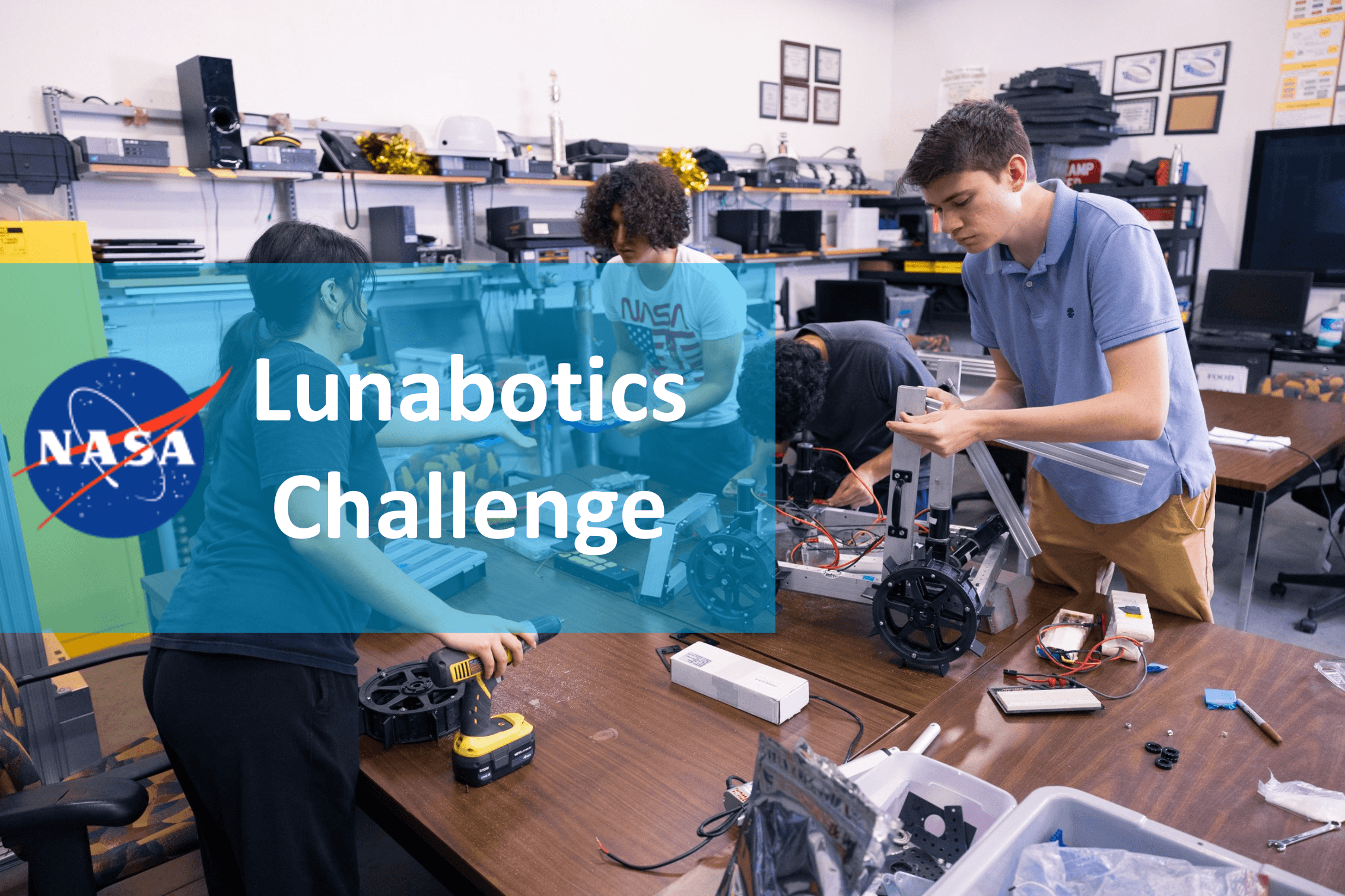
Lunabotics Challenge

Lunabotics Challenge

NASA Lunabotics Challenge: U.S. college and technical students design and build lunar robotic prototypes using systems engineering, May 19–21, 2026.

Australian Homes Could Soon Be Built by Spider Like Robot Called Charlotte

Australian Homes Could Soon Be Built by Spider Like Robot Called Charlotte

Australian homes may soon be built by “Charlotte,” a spider-like construction robot, revolutionizing building speed, safety, and precision in housing projects.