Verity (Verity Studios AG)
Zurich-based deep-tech company offering fully autonomous indoor drone systems for warehouse inventory management and live entertainment, deployed in 100+.
Contact Verity (Verity Studios AG)
WEBSITE
https://verity.netPHONE
+41 44 533 83 60HEADQUARTERS
Switzerland

Company Facts
Founded
2014
Primary Role
Manufacturer
Company Size
-
Primary Region
Europe
Annual Sales
-
Funding Stage
-
Funding Total
-

Caution in AI Adoption: 88% of Companies Implement It, Yet Only 39% See Profits
In the past two years, the narrative surrounding AI has been that 'Tokens are the new oil.' Despite 88% of companies adopting AI, only 39% have reported variable profits, with 95% of projects failing to achieve sustainable production capabilities. This disparity highlights the challenges in translating AI investments into tangible business value. The findings from Gartner indicate that while 57% of enterprises have deployed AI agents, nearly 40% of these projects have failed due to security issues. Professor Sun Tianshu from Cheung Kong Graduate School of Business emphasizes the need to focus on the lower levels of the 'AI value inverted triangle'—energy, chips, and computing power—before expecting upper-level value creation through products and industry applications. Looking ahead, the industry consensus suggests that 2026 will mark a pivotal shift for AI from flashy demonstrations to practical implementations. As AI tools like DeepSeek gain traction in consumer decision-making, the trust in AI recommendations remains low at 21%. The transition requires innovative thinkers who can fundamentally redesign production methods rather than merely adding AI functionalities to existing processes.
AI Adoption Business Value Token Economy Enterprise Solutions
PHYMI Secures Nearly $100 Million in Seed Funding for Embodied AI Development
PHYMI, an embodied AI startup established by Liu Nianqiu, has successfully raised nearly $100 million in seed funding. The funding round was led by IDG Capital, with contributions from several investors including Yunqi Capital, DiDi, Fosun RZ Capital, Glory Ventures, and Hesai Technology. This funding is significant as it will support PHYMI's development of 'Physical Agents' that can understand goals, manipulate objects, and perform tasks in dynamic environments. The investment will also facilitate core technology research, enhance real-world data infrastructure, and aid in product engineering and team growth. Looking ahead, PHYMI aims to leverage this funding to advance its technology and expand its capabilities in the field of embodied AI. No further timeline was disclosed at the time of publication.
News Feed
Ant International, Visa, and Mastercard Collaborate on Know-Your-Agent Framework for AI Payments
Ant International, Visa, and Mastercard have initiated the development of a Know-Your-Agent (KYA) interoperability framework aimed at enhancing AI-driven payments. This framework will assist card networks, digital wallets, agent platforms, and online marketplaces in identifying and onboarding reliable AI agents while maintaining existing verification and risk-control processes. The significance of this initiative lies in its potential to streamline the integration of AI agents across various payment ecosystems, ensuring operator traceability and shared certification requirements. Continuous transaction monitoring will also be a key focus, which could bolster the security and reliability of AI-driven payment solutions. Looking ahead, the collaboration will utilize Singapore’s BuildFin.ai platform, organized by the Monetary Authority of Singapore. No further timeline was disclosed at the time of publication.
News Feed
Kamiwaza AI Introduces Signal65 PINNACLE Framework for Enterprise AI Evaluations
Kamiwaza AI has launched Signal65 PINNACLE, an independent benchmarking framework designed for enterprise evaluations. This new framework is co-developed with and powered by Kamiwaza technology, enabling organizations to effectively assess their AI capabilities. The introduction of Signal65 PINNACLE is significant as it provides enterprises with a structured approach to evaluate their AI initiatives, ensuring that distributed data is transformed into secure and governed AI actions. This development underscores the growing importance of reliable AI frameworks in enterprise settings. Looking ahead, enterprises will likely focus on integrating the Signal65 PINNACLE framework into their AI strategies to enhance governance and security. No further timeline was disclosed at the time of publication.
Palantir and NVIDIA Collaborate to Enhance Sovereign AI in Supply Chains
Palantir Technologies Inc. and NVIDIA have announced a partnership aimed at integrating sovereign AI into critical supply chains, beginning with NVIDIA's operations. This collaboration will utilize NVIDIA's Nemotron™ open models within Palantir's Foundry and Artificial Intelligence Platform (AIP), enhancing supply chain visibility and operational efficiency while ensuring data control. The significance of this initiative lies in its potential to transform supply chain management across various industries, including agriculture, manufacturing, and technology. By leveraging advanced AI capabilities, organizations can optimize their operations, identify constraints, and make informed decisions at unprecedented speeds, thereby improving the reliability of their supply chains. Looking ahead, the AI stack's applications will be showcased at Palantir’s AIPCon 11 conference, indicating a broader rollout of these technologies. As demand for AI infrastructure grows, the partnership aims to provide enterprises with the tools needed to build resilient and intelligent supply chains while maintaining control over proprietary data.

Google Enhances AI Strategy with Faster Chrome Updates and Accenture Partnership
Google is intensifying its efforts in the AI sector by accelerating the Chrome browser's update cycle from four weeks to two weeks, with the launch of Chrome 153. This change is part of a broader security strategy aimed at addressing the increasing volume of patches and AI-related threats, allowing for quicker feature rollouts, including AI enhancements. The accelerated release schedule is significant as it positions Google to better compete against emerging browser rivals and aligns with industry trends, as competitors like Mozilla and Microsoft adopt similar strategies. Additionally, Google is deepening its collaboration with Accenture through the establishment of the Accenture Gemini Enterprise Business Group, which will focus on integrating Google’s AI tools into enterprise environments. Looking ahead, Google plans to train up to 1,000 Accenture engineers to develop custom applications on its Gemini Enterprise platform. This initiative comes amid Google Cloud's substantial revenue generation, highlighting its commitment to enhancing enterprise AI capabilities. No further timeline was disclosed at the time of publication.
AI AI Funding & Investment Business Enterprise AI Accenture business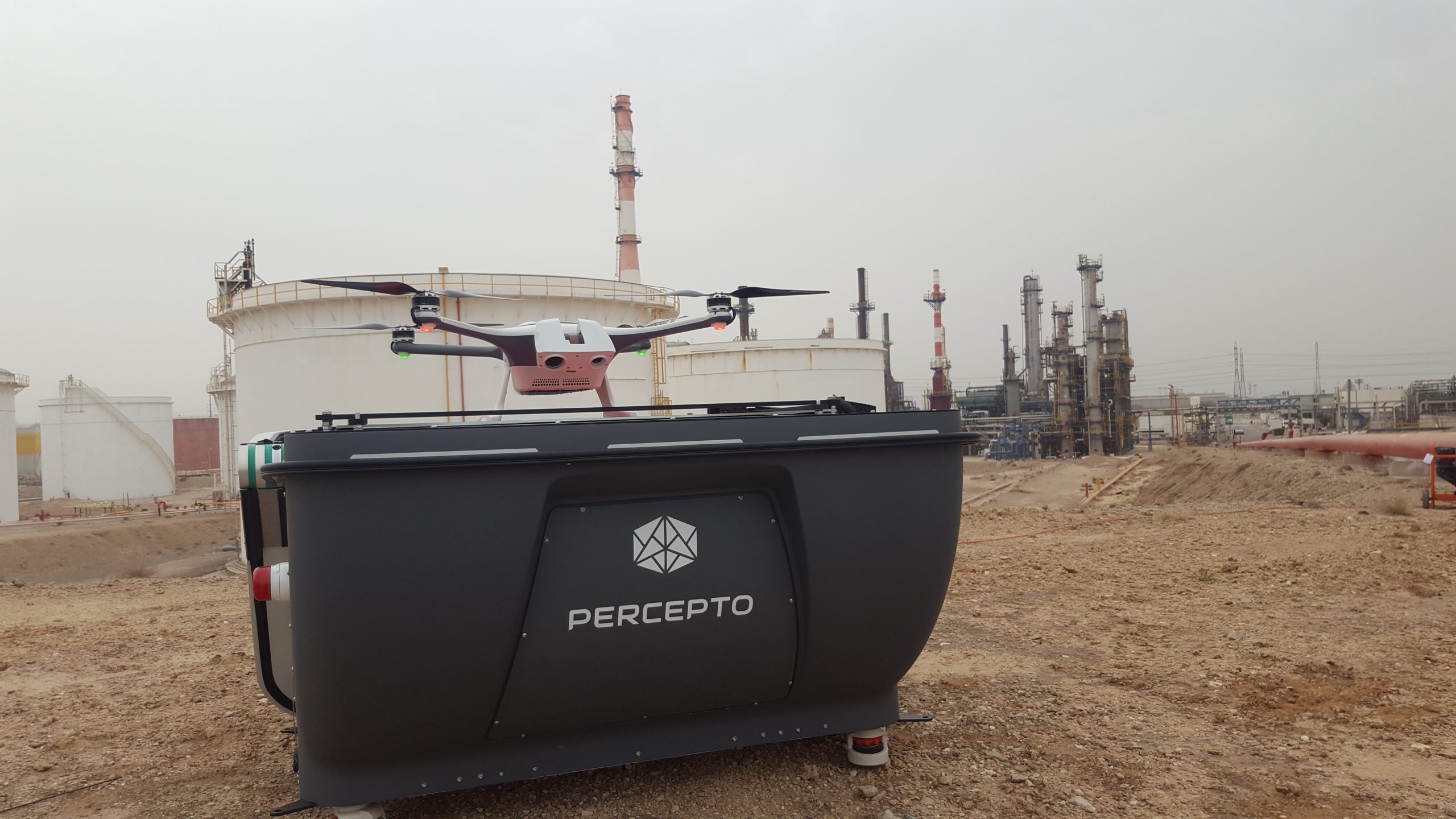
AI's Role in Managing Data Overload from Commercial Drone Operations
As commercial drone programs expand, artificial intelligence is addressing the challenge of data overload created by drones. This was highlighted during a session at the Commercial UAV Expo in Las Vegas, where industry experts discussed AI's practical applications in analyzing vast amounts of data generated by drones. Ismar Avdic from Stratus Autonomous noted that AI can efficiently process thousands of images, a task that would overwhelm human operators. The significance of AI in drone operations is underscored by the shift towards more autonomous systems, which generate exponentially more data. Vikhyat Chaudhry of Buzz Solutions explained that utility customers utilizing drone-in-a-dock systems can produce 10 to 20 times more data through frequent inspections. This increase necessitates efficient data analysis to derive actionable insights, making AI's role critical in identifying patterns and standardizing processes in infrastructure inspections. Looking ahead, the integration of AI in commercial drone operations will continue to evolve. While AI can enhance data processing and contextual understanding, experts emphasize the importance of human oversight. Chaudhry pointed out that organizations must justify AI conclusions, ensuring that results are not merely derived from opaque algorithms. The ongoing need for subject matter experts to validate AI outputs remains crucial for mission-critical applications.
Digital Twins DL Exclusive Drone News Drone News Feeds Inspection News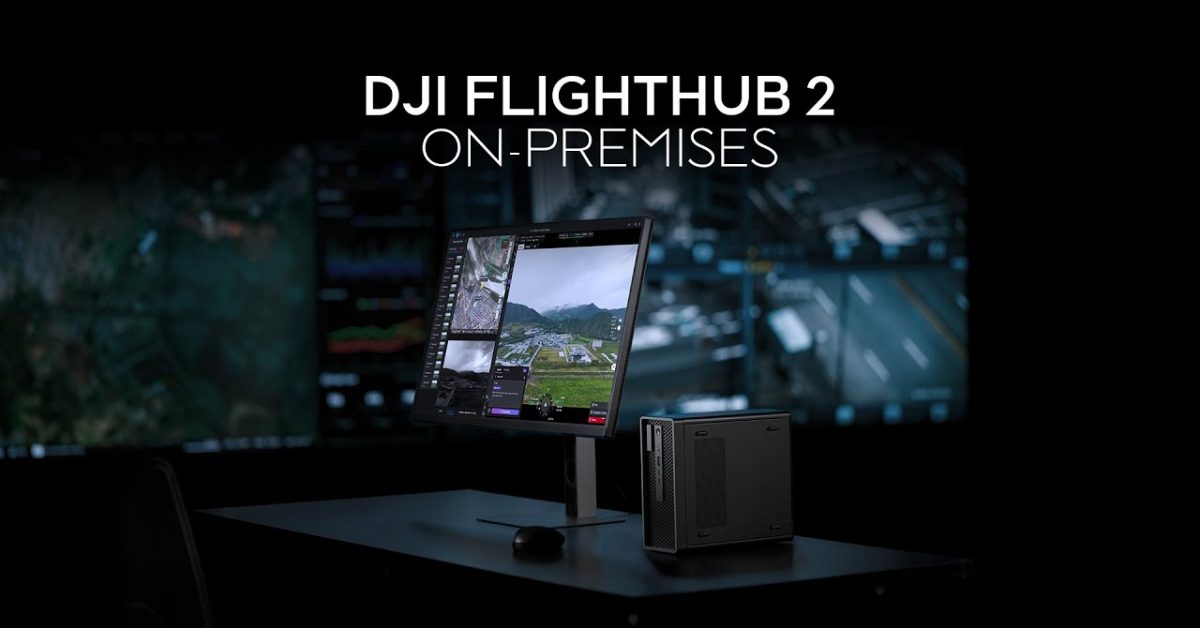
DJI FlightHub 2 On-Premises Receives Significant Upgrade for Enterprise Drone Operations
DJI has launched a major update to its FlightHub 2 On-Premises software, version 1.7, aimed at enhancing enterprise drone operations. This self-hosted platform allows organizations to manage their drone data securely on their own servers, addressing the growing demand for data sovereignty and cybersecurity among government and utility sectors. The update focuses on improving livestream performance, simplifying software deployments, and providing deeper integration options for developers. With the introduction of multi-core livestream processing, organizations can now support up to three times the concurrent livestream capacity, which is crucial for operations involving multiple drones transmitting data simultaneously. As enterprises increasingly rely on automated drone missions, the enhancements in version 1.7 are expected to significantly reduce downtime and streamline large-scale deployments. No further timeline was disclosed at the time of publication.
News
Google Announces $15 Billion Investment in AI Infrastructure in Finland
Google has announced a significant investment of 13 billion euros ($15.1 billion) into AI infrastructure in Finland, marking its largest single investment in Europe. This move highlights Finland's growing importance as a prime location for data centers, particularly amid the ongoing AI boom. The investment is crucial as Finland offers abundant land and power resources, which are increasingly scarce in other parts of Europe. This strategic decision by Google reflects the tech giant's commitment to expanding its AI capabilities and infrastructure in a region that is becoming a hub for data center development. Looking ahead, industry watchers will be keen to see how this investment influences the competitive landscape in Europe’s tech sector. No further timeline was disclosed at the time of publication.

JD Cloud to Establish 100,000-GPU Computing Cluster Utilizing Moore Threads Technology
JD Cloud has announced plans to construct a computing cluster featuring 100,000 general-purpose GPUs from Moore Threads. This initiative was unveiled during JD's 2026 Global Technology Explorers Conference and aims to enhance capabilities in large-model training, inference, and embodied AI, making computing resources accessible to various industries. The significance of this project lies in its potential to establish a robust computing infrastructure leveraging Chinese hardware, marking a pivotal step towards integrating physical AI into commercial applications. JD Cloud emphasizes that this will be the first instance of deploying Chinese GPUs in a 100,000-GPU core computing cluster by a major domestic AI cloud provider. Looking ahead, industry stakeholders should monitor the development of this ambitious project, as it could reshape the landscape of AI computing in China. No further timeline was disclosed at the time of publication.
News Feed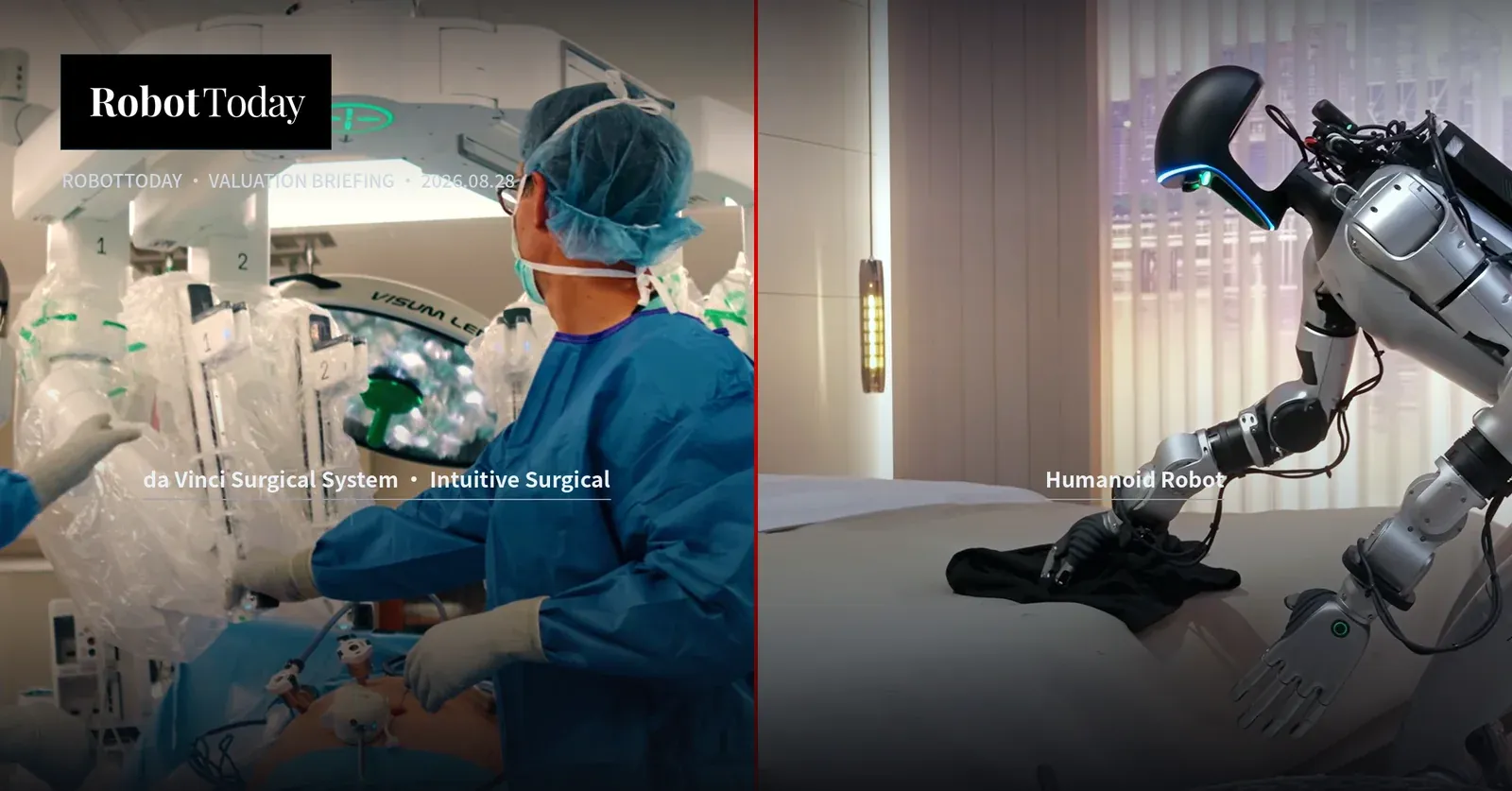
Robotics Investing: Intuitive Surgical or Unitree?
Unitree (STAR 688836) trades near 410x earnings after a 46% drawdown; Intuitive Surgical sits at 42.5x. A definition-aligned comparison of both companies.

Inside Saga Robotics: UVC Light vs. Crop Disease
Saga Robotics CPO Damian Flynn on the Thorvald platform's UVC treatment system, its jump from UK strawberries to California wine grapes, and why he's “incredibly bullish” on applying automation and robotics into industries “most chaotic environment.”

Skip the Gate, Own the Liability: Phase 2 and the Stage Gate Mechanism
RSF defines two hard stops around robot commissioning. Bypass SG1 and safety liability shifts to you; skip SG2 and your SLA loses its evidence base. Inside.

WAIC Review 3/4: What Scientists and Skeptics Really Think About Embodied AI: The Sober Voices at WAIC 2026
UCL and HKUST researchers, plus robotics CEOs, challenged embodied AI hype at WAIC 2026, citing generalization limits and no third-party evaluation standard.
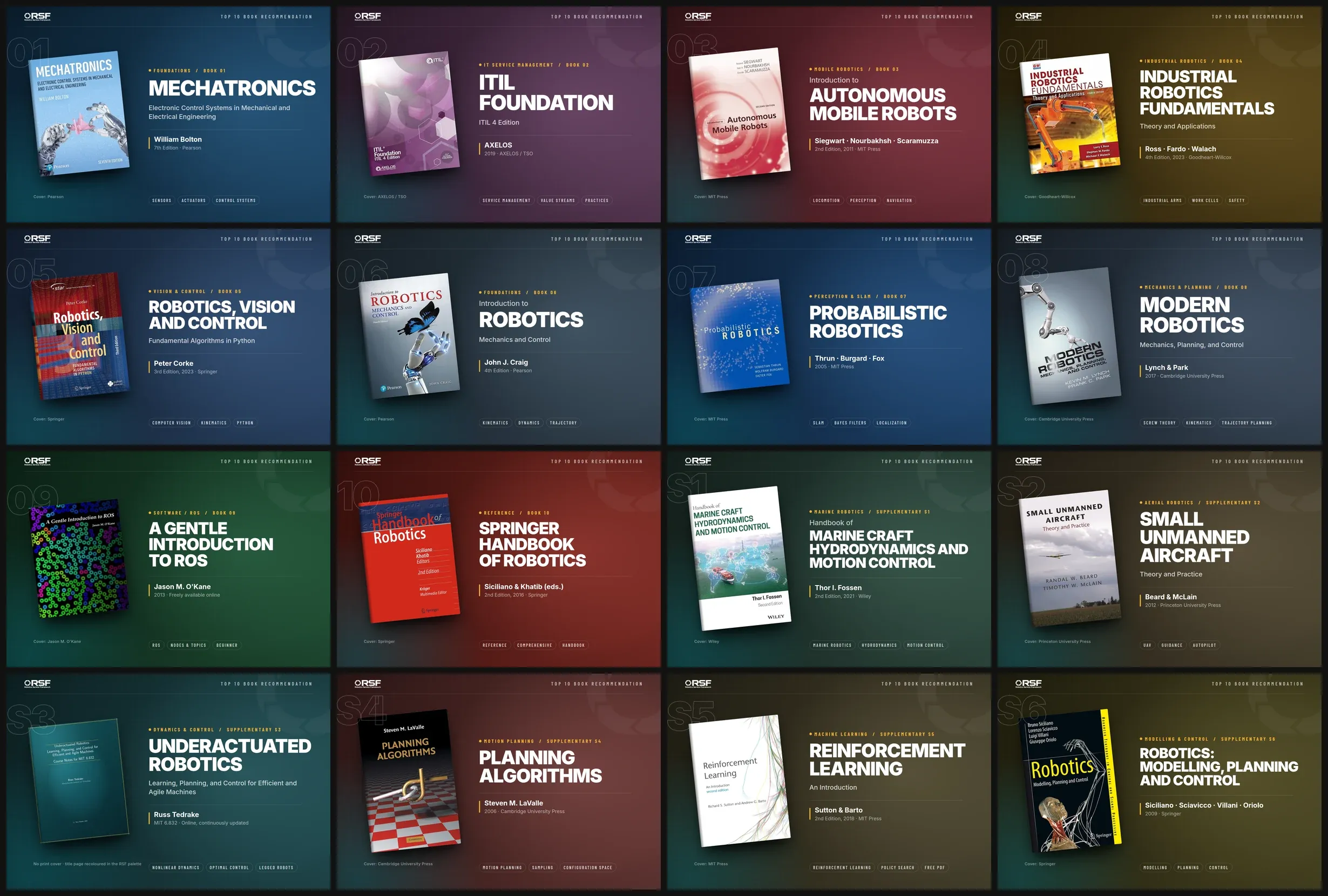
RSF Top 10 Robot Education Textbooks
Robotics has a canon; robot service does not. Ten books scored on adoption, RSF layer coverage, field value and difficulty, plus six specialist picks.
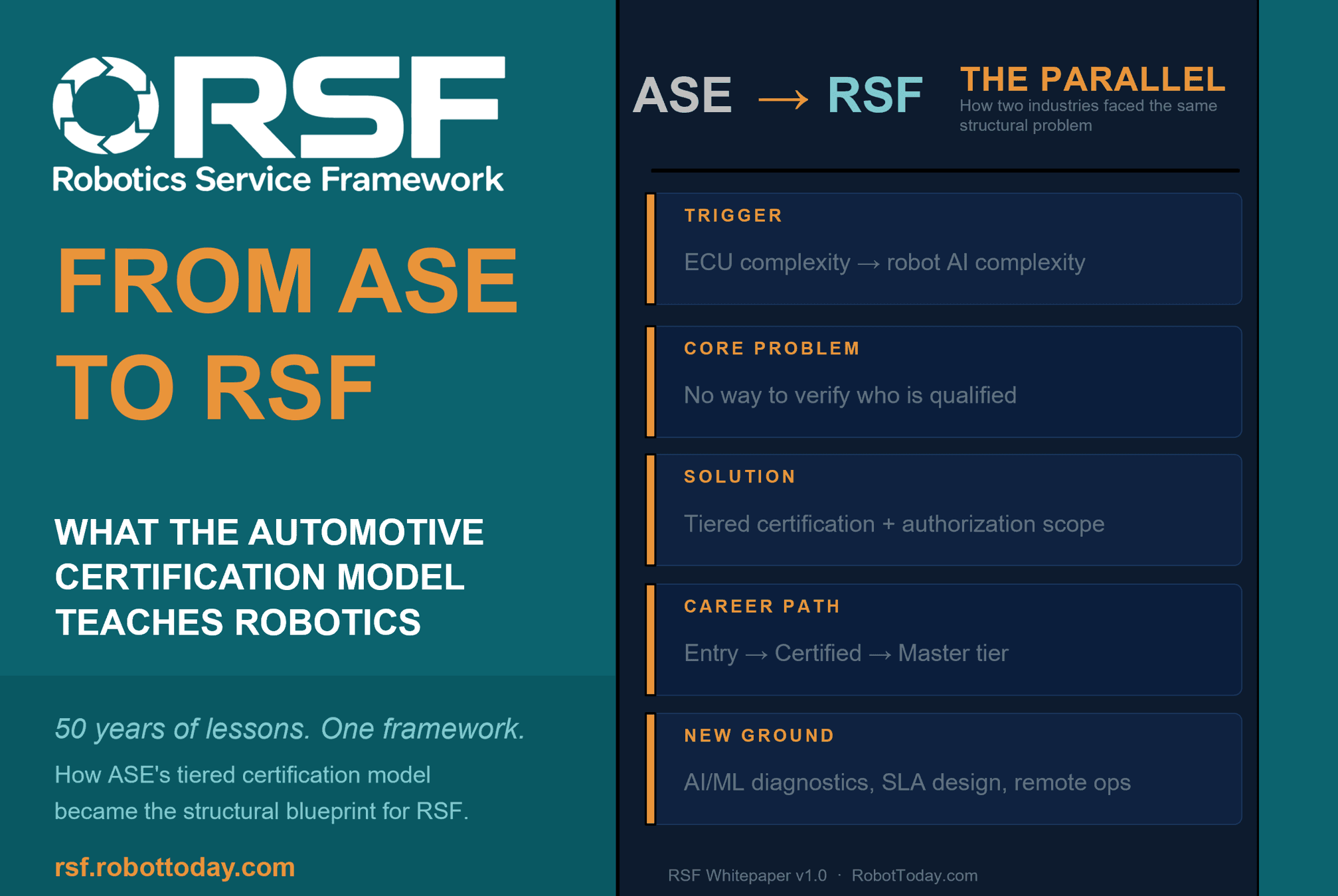
From ASE to RSF: What the Automotive Certification Model Teaches Robotics
ASE solved automotive service in 1972. Fifty years later, RSF does the same for robotics. Learn how the certification blueprint was adapted — and what had to be built from scratch.
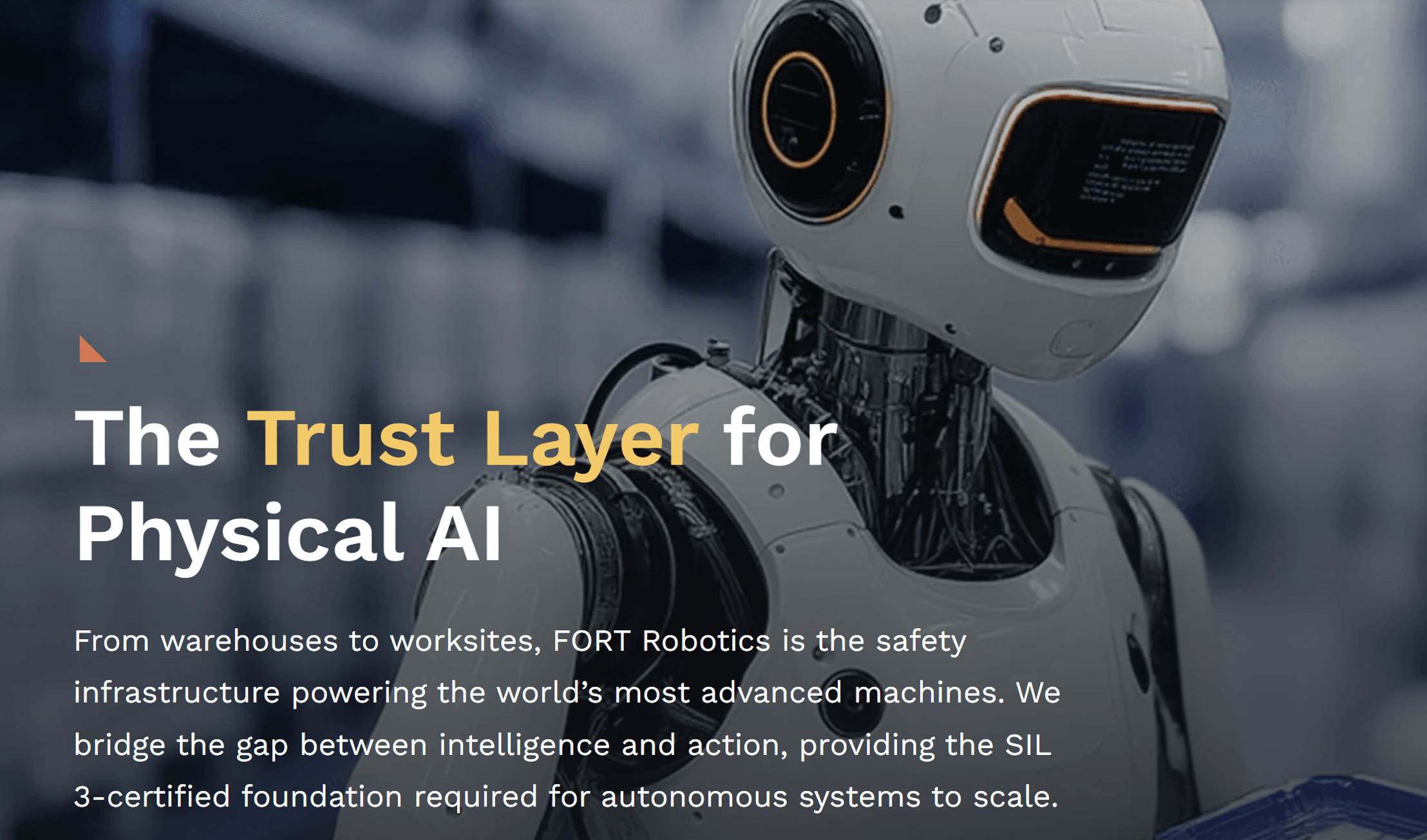
FORT Robotics Joins NVIDIA Halos to Launch Outside-In Safety for Physical AI | Automate 2026
FORT Robotics integrates with NVIDIA Halos for Robotics to deliver Outside-In Safety — extending robot perception beyond onboard sensors via external infrastructure and visual AI agents for safer, higher-throughput autonomous operations.
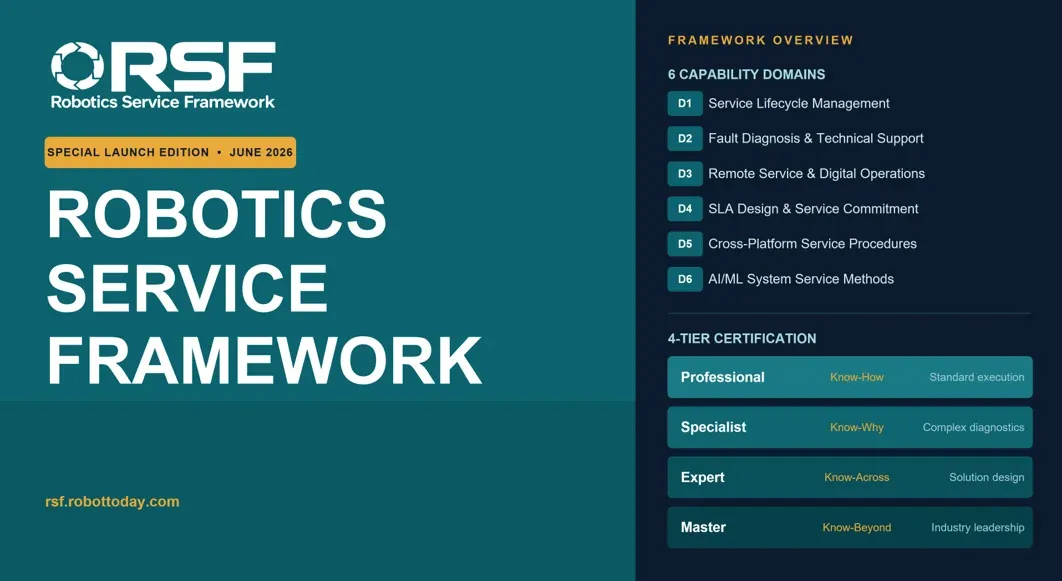
Robotics Service Framework (RSF) Officially Launches
RobotToday.com launches RSF — the robotics industry's first capability certification framework. 6 domains, 4-tier certification.

Agricultural Robotics | Autonomous Tractors: The $13B Platform Battle in Plain Sight
Autonomous tractors target a $2.7B market growing at 22% CAGR to 2032. Deep-dive on John Deere 8R, AGCO Fendt, CNH Industrial, Kubota AgriRobo, and Monarch MK-V — and why the platform war matters more than the hardware.
Flexion: The ETH Zurich Robotics Startup Building the Next-Generation AI “Robot Brain” for Embodied Intelligence
Learn how ETH Zurich-backed Flexion is building next-generation AI “robot brains” that enable embodied intelligence and adaptive autonomy for humanoid robots.