Unmanned Systems Australia
Australian drone consultancy and training company based in Brisbane (Everton Park, QLD) specialising in unmanned aerial systems services.
Contact Unmanned Systems Australia
WEBSITE
https://www.facebook.com/unmannedsystemsHEADQUARTERS
Australia

Company Facts
Founded
-
Primary Role
System Integrator
Company Size
-
Primary Region
Oceania
Annual Sales
-
Funding Stage
-
Funding Total
-
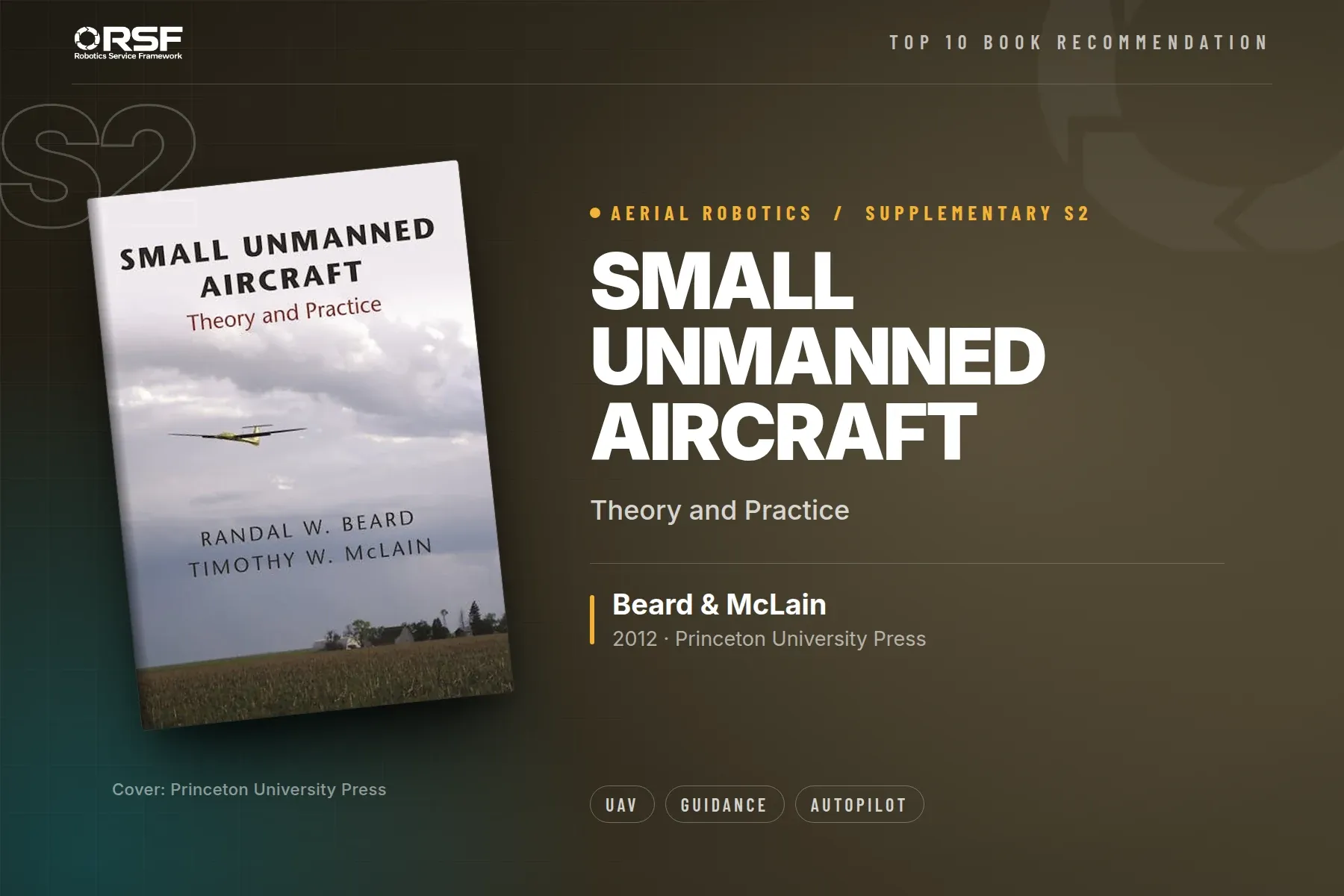
Small Unmanned Aircraft: Theory and Practice Beard & McLain — RSF Specialist Shelf · Book S2 of 6
Beard & McLain derive the fixed-wing autopilot the RSF Top 10 never does: successive loop closure on roll, pitch, altitude and airspeed. 4/5.
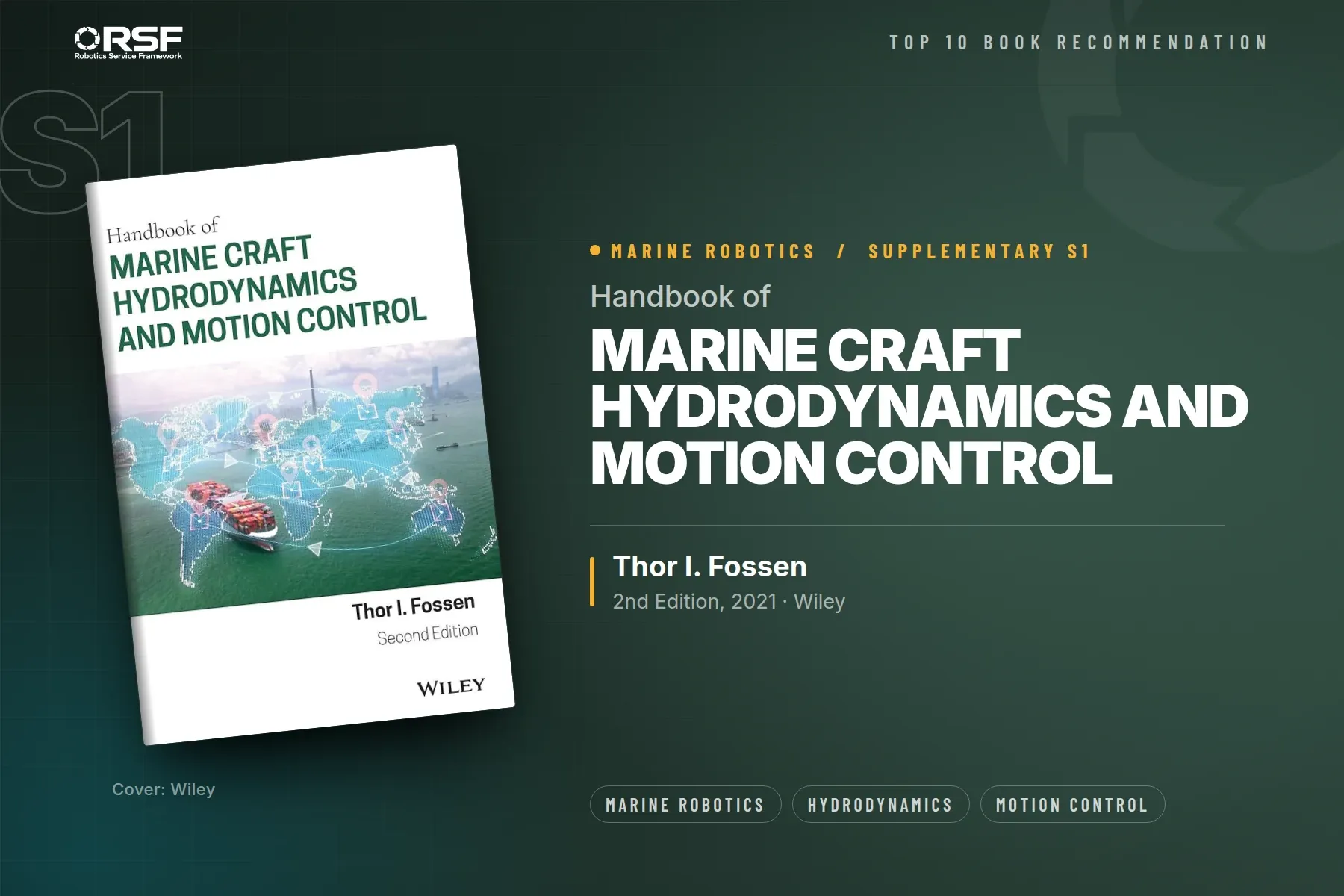
Handbook of Marine Craft Hydrodynamics and Motion Control Thor I. Fossen — RSF Specialist Shelf · Book S1 of 6
Added mass, wave loading, DVL navigation: the marine GNC reference for USV, ROV and AUV service engineers. The hardest book on the RSF list, 5/5.
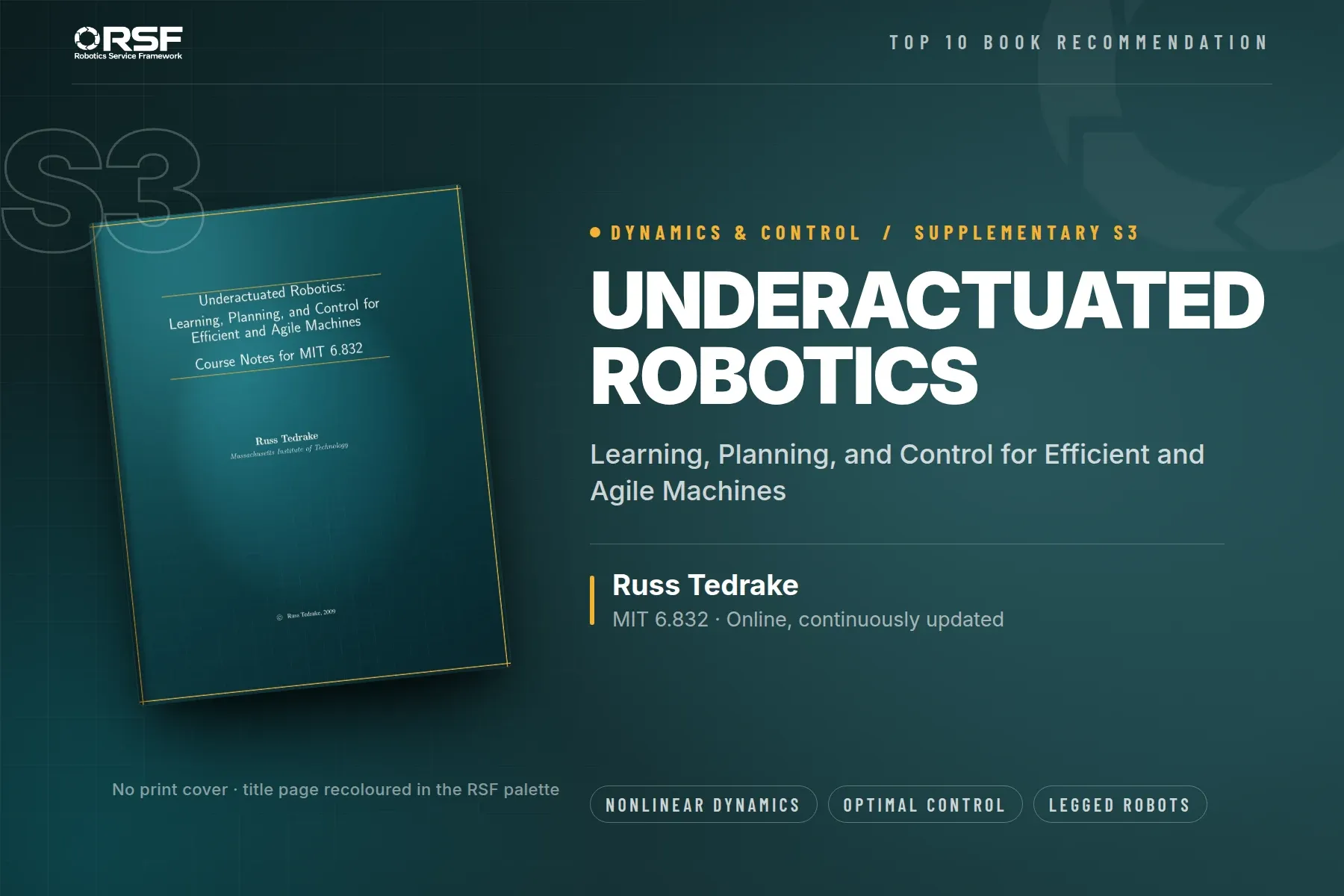
Underactuated Robotics Russ Tedrake — RSF Specialist Shelf · Book S3 of 6
Legged robots fall over for control reasons, not mechanical ones. Tedrake's free MIT 6.832 notes explain why, and what a controller must do about it.

Planning Algorithms Steven M. LaValle — RSF Specialist Shelf · Book S4 of 6
The reference that treats planning as a subject in its own right: configuration space, sampling-based methods, RRT. Free online, dual difficulty 4/5-2/5.
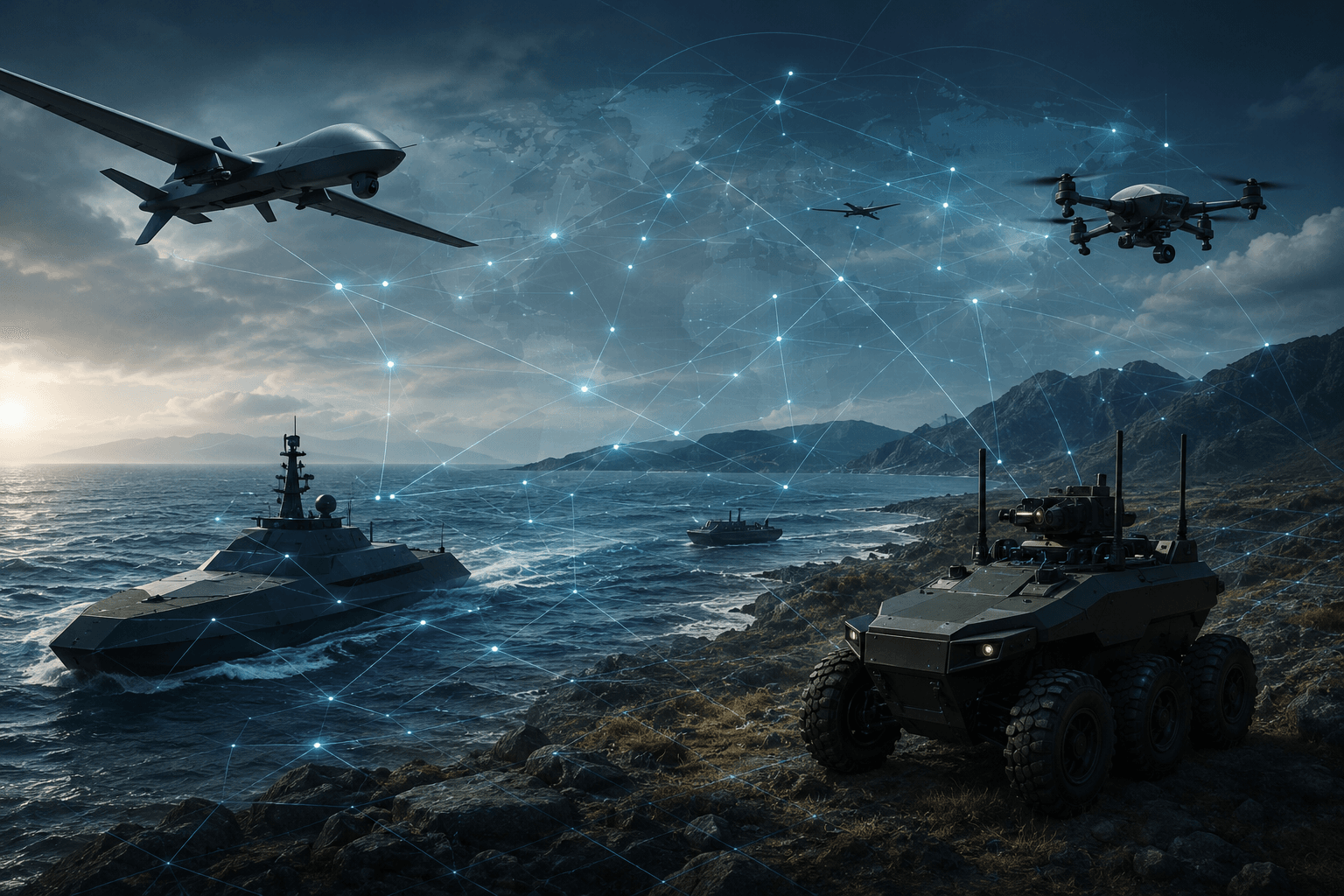
FUTURE WARFARE | Cross-Domain Integration - Integration How Land, Sea, Air and Software Are Converging Into a Single Kill Chain
Cross-domain robotics is reshaping modern warfare as drones, UGVs, AI targeting systems, and autonomous logistics converge into a single networked kill chain across land, sea, air, and software.
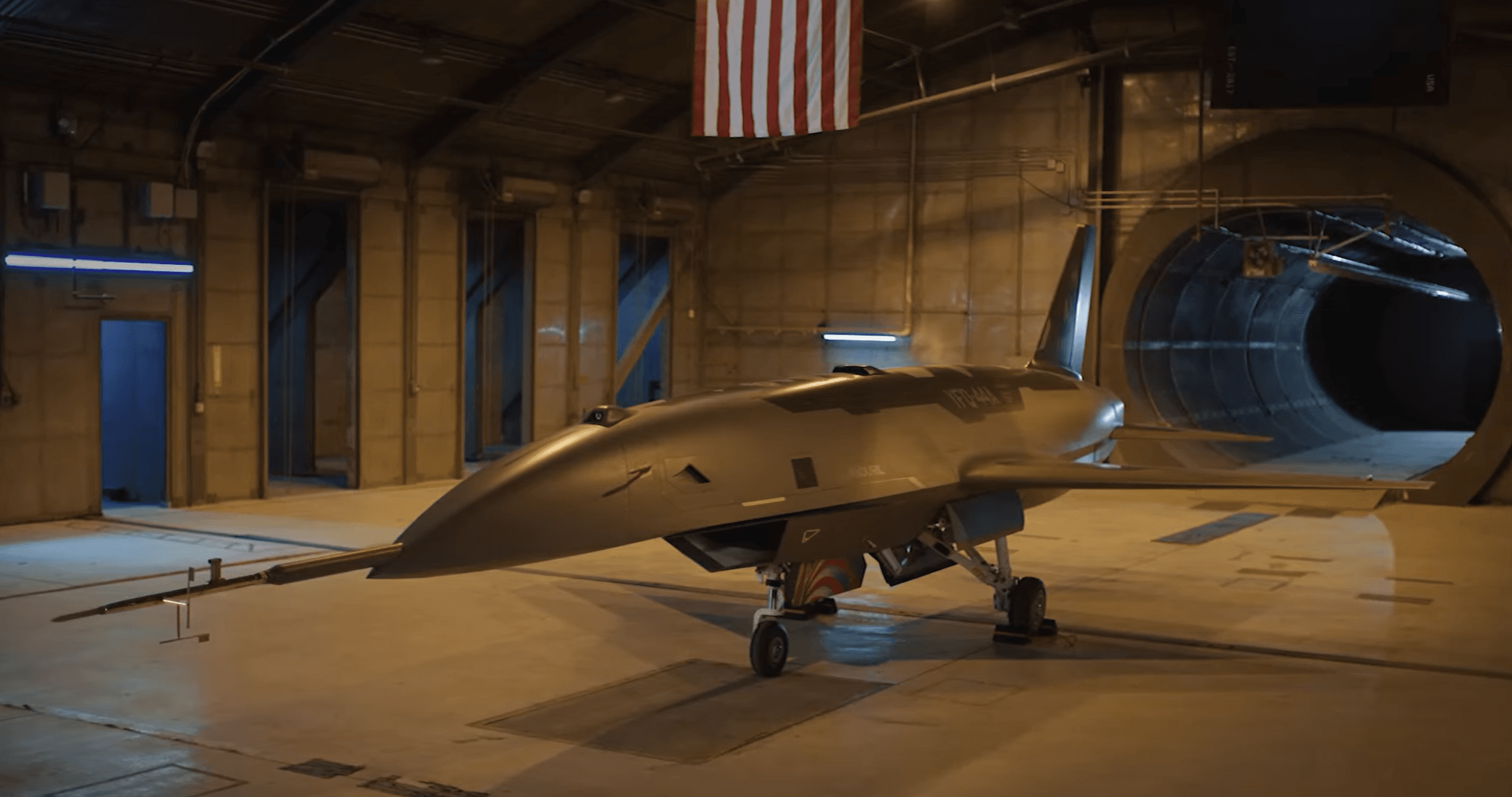
FUTURE WARFARE | Air - Collaborative Combat Aircraft, Drone Motherships & the Autonomy Race Above the Battlefield
Anduril’s YFQ-44A Fury flew its first semi-autonomous mission on 31 October 2025 — 556 days from contract to flight. By February 2026 it was carrying live missiles and swapping autonomy software mid-flight. China’s Jiutian drone mothership flew on 11 December 2025, capable of releasing over 100 loitering munitions from its internal bay at 15,000 metres. And the U.S. Air Force is standing up its second experimental one-way attack drone unit for mid-2026. This article maps the most consequential aerial autonomous systems competition in history: the CCA programme that will determine U.S. air dominance in the 2030s, the Valkyrie’s surprising rebirth, the A-GRA open-architecture breakthrough, and the Chinese drone mothership that has no Western equivalent.
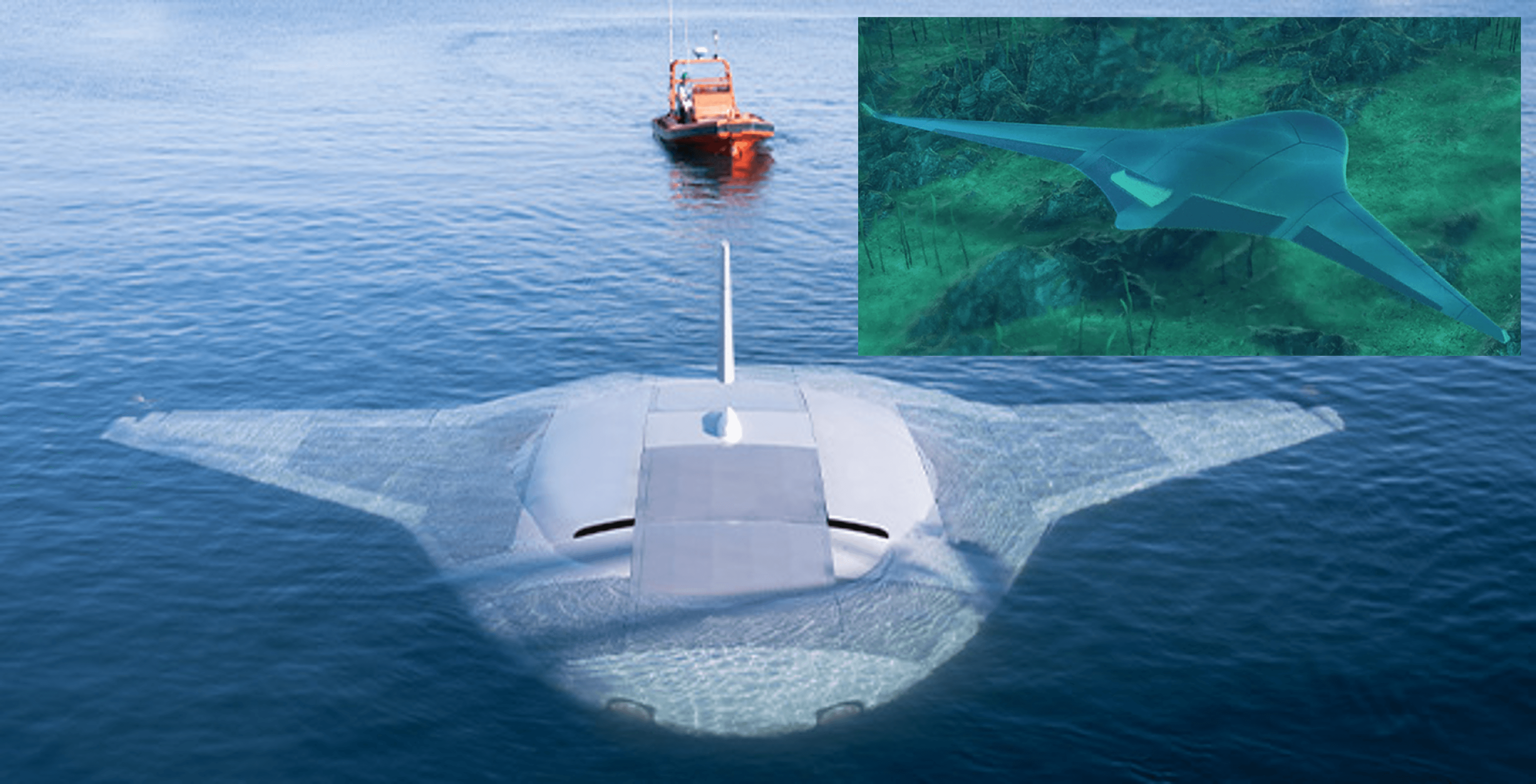
FUTURE WARFARE | Sea - Autonomous Surface Vessels & Unmanned Underwater Vehicles — The Hybrid Fleet Takes Shape
Ukraine’s ‘Sub Sea Baby’ autonomous torpedo struck a Russian Kilo-class submarine inside Novorossiysk harbour in December 2025 — the first confirmed underwater drone attack on a submarine in history. The U.S. Navy is requesting $5.3 billion for unmanned maritime systems in FY2026, a 70 percent year-on-year increase. Saronic Technologies went from prototype to $392 million production contract in under 12 months. And DARPA’s Manta Ray XL-UUV completed full-scale sea trials. This article maps the maritime autonomous systems revolution — from Ukraine’s improvised Black Sea fleet to the Pentagon’s hybrid manned–unmanned force of the 2030s, and from Saronic’s Franklin, Louisiana shipyard to Boeing’s 85-tonne robot submarine.
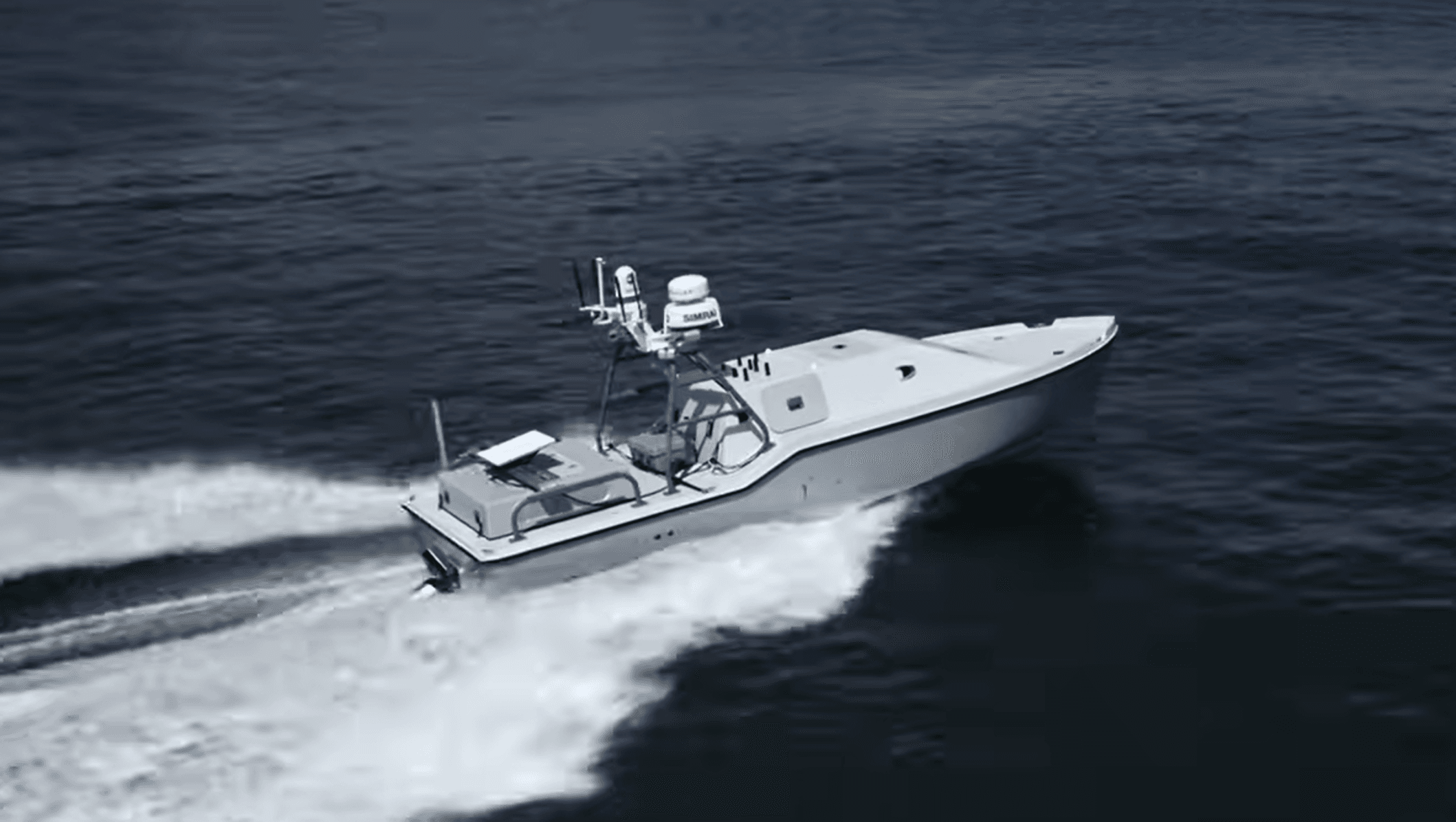
Saronic Raises $1.75B to Scale UMV Fleet at $9.25B Valuation
Saronic Technologies closes a $1.75B Series D led by Kleiner Perkins at a $9.25B valuation to scale autonomous surface vessel production and revitalize U.S. naval shipbuilding capacity.
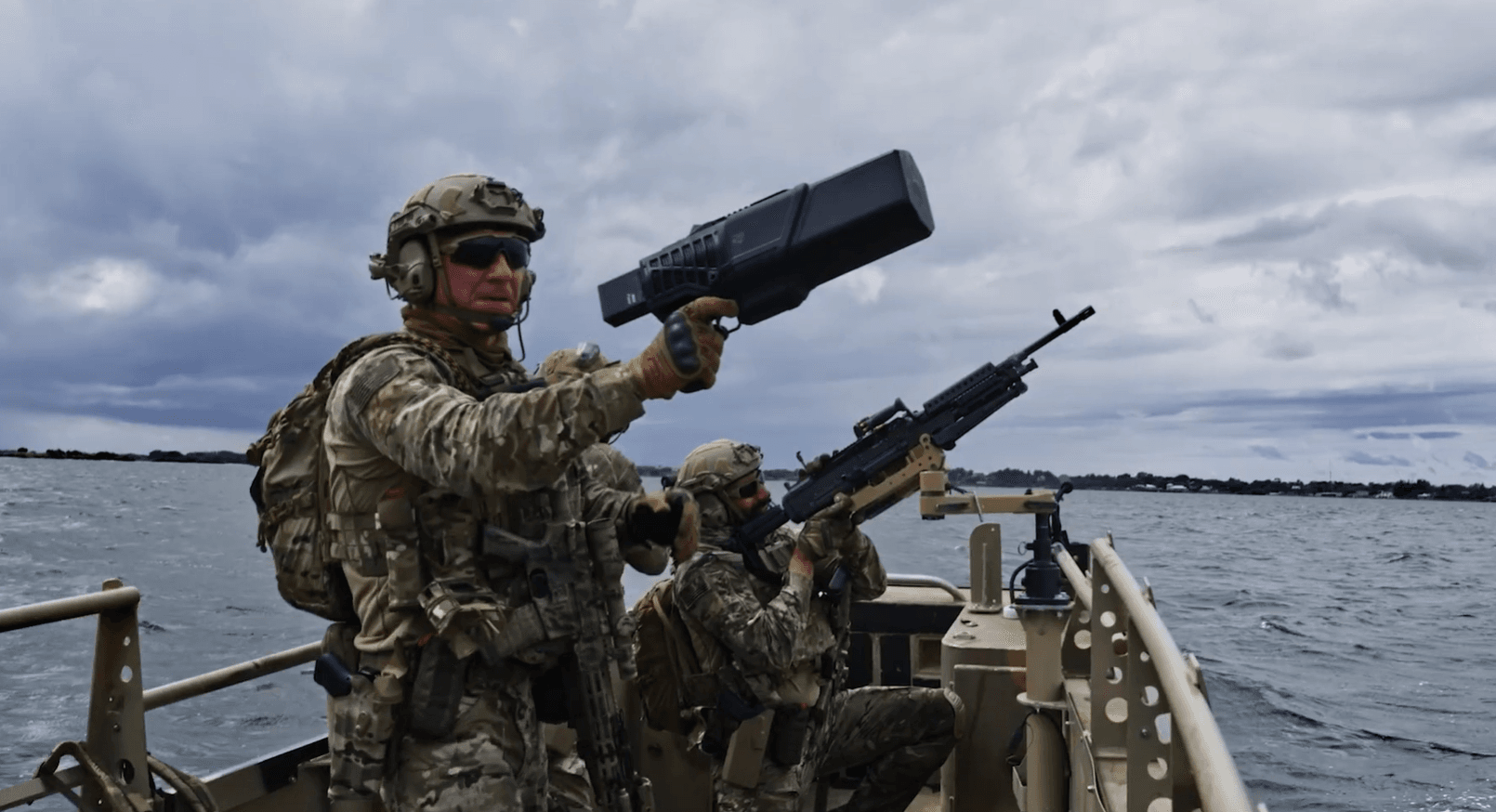
From Pilots to Production: The Counter-Drone Industry Enters a New Phase
The global counter-drone (C-UAS) sector is scaling fast. New EU and US factories, an ․87M US Army contract, and the 2026 FIFA World Cup deployment mark a turning point for autonomous anti-drone technology. Read RobotToday’s March 2026 briefing.

RobotToday Weekly Industry Briefing: March 16 – 20, 2026
RobotToday Weekly Briefing March 14–20, 2026: Unitree's $610M humanoid IPO filing, Boston Dynamics surges to $20B valuation, Amazon's Rivr acquisition, Uber's $1.25B Rivian robotaxi deal, space-based humanoid control, wind-powered robots, and ElliQ's Medicaid milestone.