


Shanghai Sunchu Electromechanical Device Co., Ltd.
Chinese manufacturer of servo connectors, cables, and industrial Ethernet connectors for robotics and automation systems.
Contact Shanghai Sunchu Electromechanical Device Co., Ltd.
WEBSITE
https://sunchuglobal.comPHONE
+86 574-6253 8080HEADQUARTERS
China

Company Facts
Founded
2007
Primary Role
Manufacturer
Company Size
employees 100-500
Primary Region
Asia-Pacific
Annual Sales
-
Funding Stage
-
Funding Total
-

14 Automakers Announce Timelines for Humanoid Robot Production and Development
On September 12, Xpeng Motors and GAC Group announced their timelines for humanoid robot production. Xpeng's humanoid robot is set to enter mass production by the end of this year, targeting real-world applications in stores and parks. GAC's GoMate Mini has already secured nearly 10 million yuan in orders and plans to achieve large-scale production next year. The entry of 14 automakers, including Xpeng, GAC, and Chery, into the humanoid robot market highlights a significant trend in the automotive industry. Chery has already delivered over 3,000 units of its Moja humanoid robot, with plans to deliver 10,000 units next year. The shared technological foundations between smart vehicles and humanoid robots provide a competitive edge, as over 60% of the supply chain can be reused. Challenges remain, as the market for humanoid robots is still in its infancy, with most products in pilot stages. The distinct customer bases and business models between automotive and robotics sectors complicate the transition. While production timelines are set, the industry's maturity will depend on the ability to meet real customer needs and generate positive commercial returns.
Humanoid Robots Automotive Technology AI Robotics Manufacturing
Bay Area Science Forum Showcases Embodied Intelligence Initiatives in Dongguan
On September 15, the Bay Area Science Forum took place in Dongguan, focusing on embodied intelligence projects. The event, organized by the Bay Area Science Forum Secretariat and the Bay Area University, with support from the Dongguan Science and Technology Bureau, featured policy presentations, project showcases, and networking opportunities for government, academia, and industry representatives. Five projects from Bay Area University were highlighted during the showcase, including solutions for embodied intelligence robotics, autonomous multi-environment robotic systems, cross-scale autonomous medical robots, dynamic materials, and spatial intelligent engines. These projects address various aspects of embodied intelligence, attracting interest from participating companies and facilitating discussions on technical challenges, talent acquisition, and funding needs. The event concluded with a tour of the Bay Area University campus and its embodied intelligence laboratory. The university's leadership emphasized its commitment to high-level, internationalized education and collaboration with industry. The forum aims to effectively connect research resources and technological achievements with practical applications in Dongguan's robust manufacturing sector, indicating the potential for successful partnerships in the future.
Embodied Intelligence Robotics AI Technology Transfer Industry Collaboration
Tesla Initiates Robot Production in Ningbo, Supply Chain Signals Stronger Commitment
Tesla has commenced its robot production in Ningbo, marking a significant step beyond mere presentations. The team is actively engaging with suppliers, not only placing orders but also assisting in equipment debugging and manufacturing capability transitions. The clear target is to produce approximately 50,000 Optimus robots by 2026, initially deploying them in Tesla's own Gigafactories. This move is crucial as it indicates that Tesla's preparations for mass production of the Optimus robot have progressed from the design phase to actual supply chain implementation. The ambitious goal of 50,000 units places high demands on the supply chain, with some suppliers potentially receiving order volumes greater than their total for the past few years. However, the journey from supplier audits to actual financial performance is fraught with challenges, including capacity ramp-up and profit margin scrutiny. Investors are keenly watching the developments, but the path from supply chain audits to stable orders is complex. Tesla's stringent cost control may lead to situations where revenue increases do not necessarily correlate with profit growth. The uncertainty surrounding the scale and sustainability of orders in the early stages of Optimus production will be critical, as any adjustments to Tesla's production pace could directly impact supplier output.
Robotics Supply Chain Management Manufacturing Automation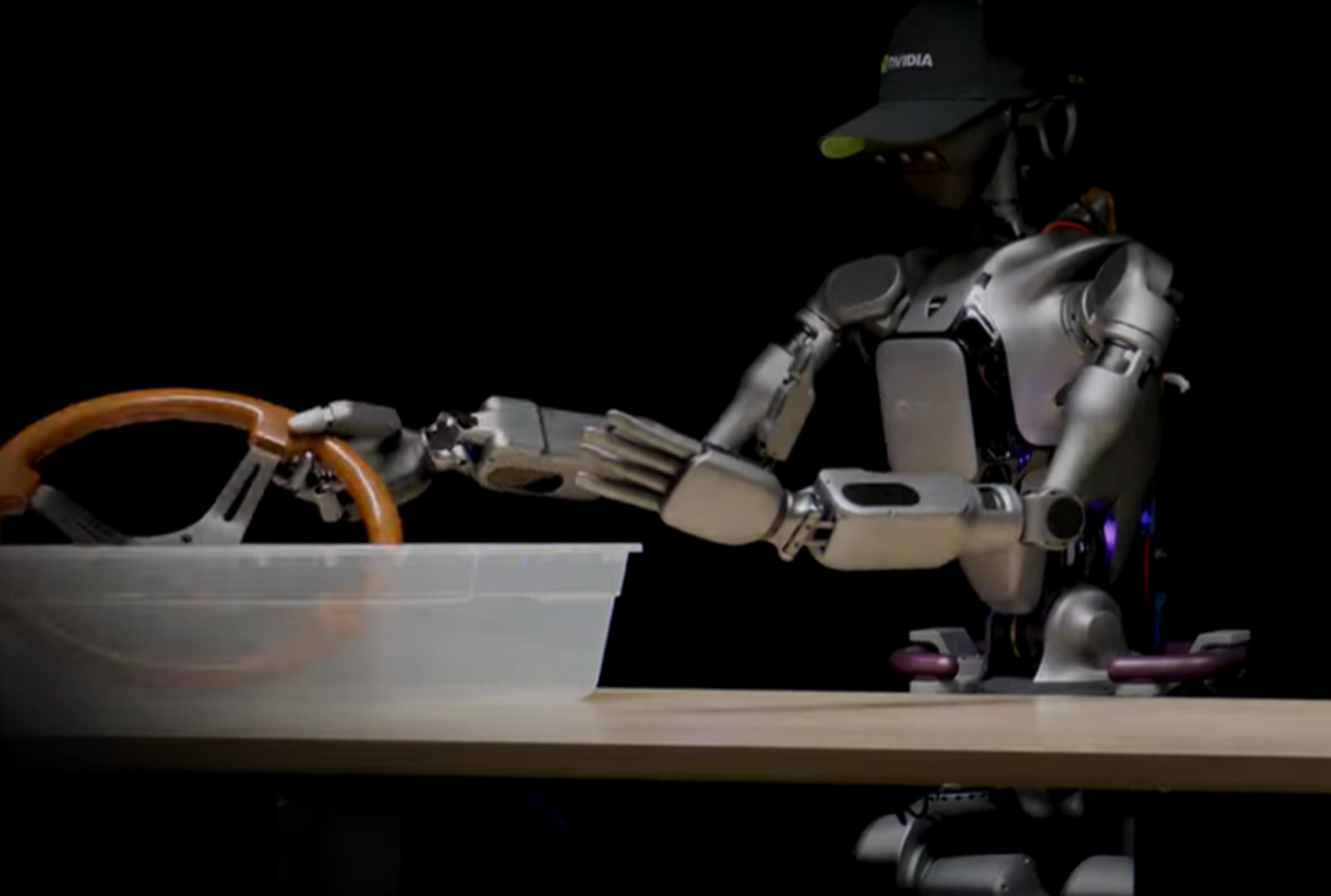
Chinese Robotics Component Suppliers See Share Increase Following Tesla Optimus Audit
Shares of Chinese robotics-component suppliers experienced a rise after a report indicated that Tesla Inc. teams had visited China. The purpose of this visit was to audit local suppliers and place additional orders aimed at enhancing the production of the Optimus humanoid model. This development is significant as it highlights Tesla's commitment to scaling up its production capabilities for the Optimus model. By auditing suppliers and increasing orders, Tesla aims to ensure a steady supply chain and improve the efficiency of its manufacturing processes, which is crucial for meeting market demand. Looking ahead, stakeholders will be keen to monitor how these audits and subsequent orders impact the production timeline for the Optimus humanoid model. No further timeline was disclosed at the time of publication.
Ninth China Robot Summit Commences in Hangzhou to Discuss the 'Robot+' Era
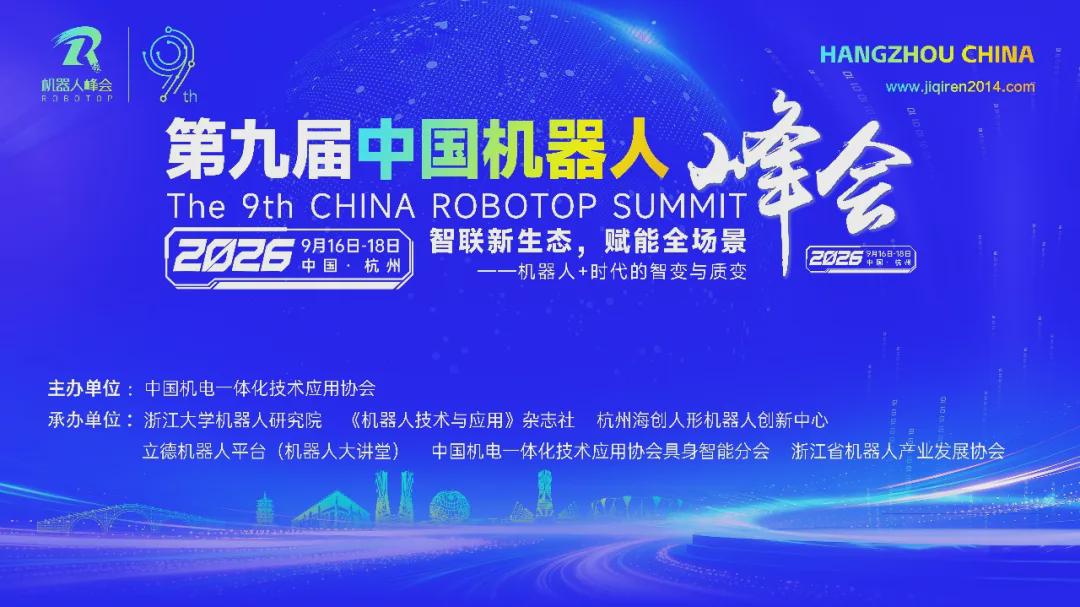
On September 17, the Ninth China Robot Summit opened in Hangzhou, focusing on the theme 'Intelligent Connection New Ecology, Empowering All Scenarios - The Intelligent Change and Quality Change of the Robot+ Era.' The event was hosted by the China Electromechanical Integration Technology Application Association and featured participation from various institutions, including Zhejiang University and the Hangzhou Robotics Innovation Center. The summit highlighted the rapid transition of the robotics industry from mere technology demonstration to large-scale application, with 2026 projected as the year for mass production of humanoid robots. Key initiatives announced included the launch of the 'China Industry-University-Research Cooperation Promotion Association for Health Robots' and the '2026 China Embodied Intelligence Industry Overseas Research Report,' which outlines a five-layer framework for strategic decision-making and a four-stage development roadmap. Experts presented on topics such as embodied intelligence in smart manufacturing and the full chain from perception to control. The summit is expected to attract over 50 associations and research institutions, more than 500 industry experts, and over 2,000 representatives, alongside 35 exhibiting companies across five major exhibition areas, including industrial and service robots.
Robotics Smart Manufacturing Industry Collaboration Innovation Platforms
Universal Robots Introduces Gen 7 Platform for Enhanced Industrial Automation and AI
Universal Robots, a Teradyne Robotics company, has launched its seventh-generation industrial robot platform, Gen 7, aimed at advancing industrial automation and physical AI applications. This new platform was introduced at the IMTS trade show and features an innovative design that includes new robot arms, a controller, a teach pendant, and a tool flange, all centered around the PolyScope X robot technology. The introduction of Gen 7 is significant as it represents a major step forward in the capabilities of industrial robots, enhancing their functionality in automation processes and AI integration. This development is expected to improve operational efficiency and flexibility in various industrial settings, making it a crucial advancement for manufacturers looking to optimize their production lines. Looking ahead, industry professionals should monitor the adoption of the Gen 7 platform and its impact on the market for industrial automation solutions. No further timeline was disclosed at the time of publication.
Industrial robots News cobots collaborative robots g-series gen 7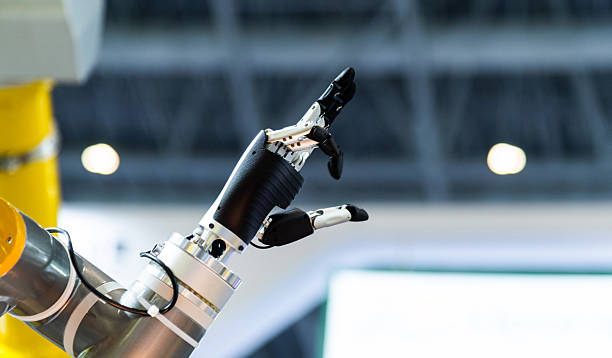
GXO Logistics and Exotec Collaborate to Enhance Fashion Fulfillment for Guess in the Netherlands
GXO Logistics has partnered with Exotec to implement the Skypod System at its Venlo facility in the Netherlands, which serves the fashion brand Guess. This deployment features 127 Skypod robots and 60,000 rack locations, along with eight goods-to-person picking stations, aimed at optimizing the fulfillment process. This collaboration is significant as it leverages advanced robotics technology to streamline operations for Guess, a well-known global fashion brand. The integration of Exotec's Skypod System is expected to enhance efficiency and accuracy in order fulfillment, which is crucial in the fast-paced fashion industry. Looking ahead, the impact of this partnership on the logistics and fashion sectors will be noteworthy. The successful deployment of the Skypod System may set a precedent for future advancements in warehouse automation. No further timeline was disclosed at the time of publication.
Logistics News Warehouse robots exotec fashion logistics fulfillment automation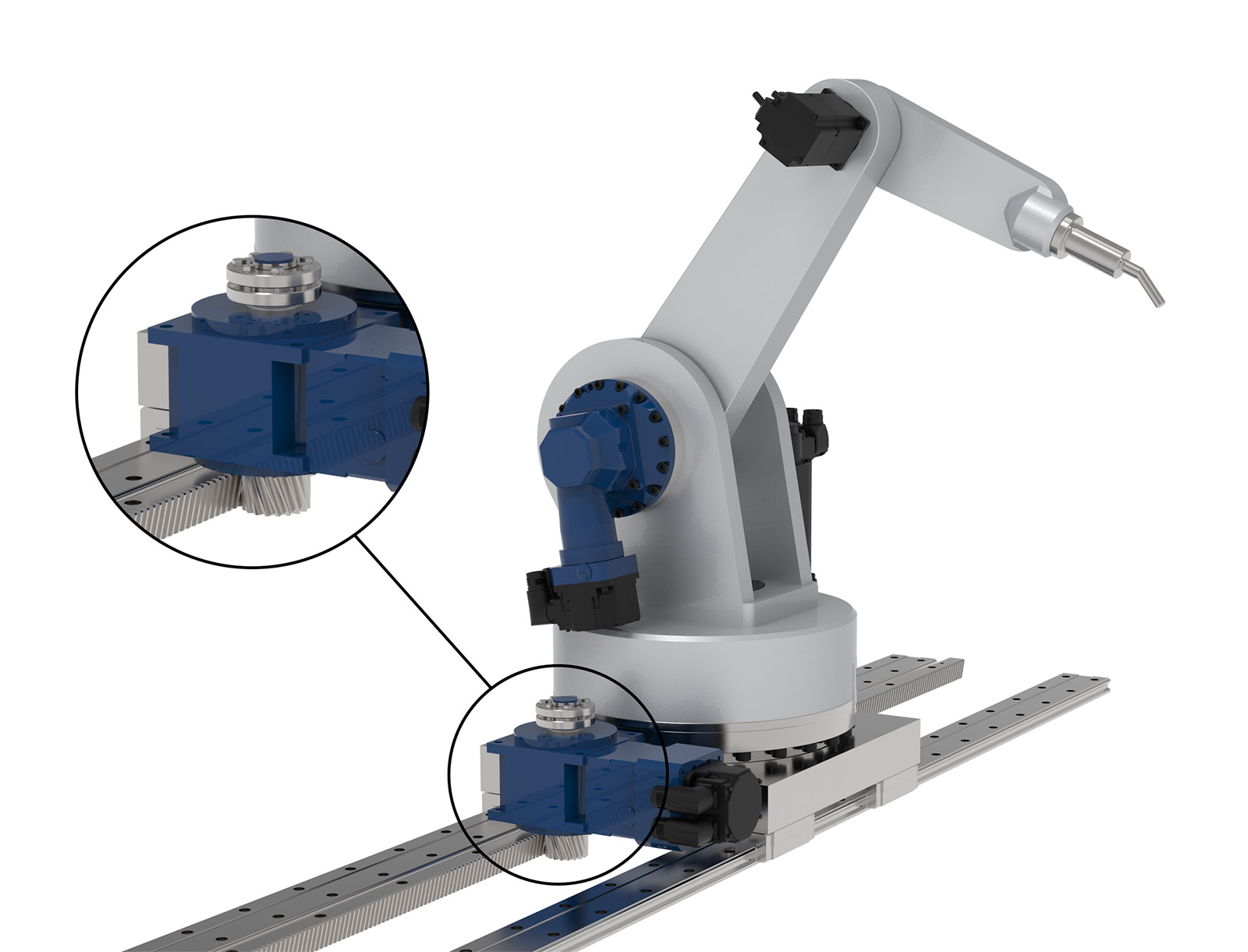
Evaluating Long-Travel Axes: Rack and Pinion vs. Ball Screws and Linear Motors
In the design of long-travel axes for articulated robots, engineers often choose between rack and pinion systems, ball screws, and linear motors. Rack and pinion systems, which consist of a rotating pinion engaging with a toothed rack, offer significant advantages in customization and scalability for longer distances, as highlighted by Matt Ruggles, a senior design engineer at GAM. The choice of mechanism is critical, as ball screws can provide higher precision over shorter distances but face limitations due to a phenomenon known as 'whip' when extended beyond 2-3 meters. This can lead to issues such as premature wear and catastrophic failure, making rack and pinion a more reliable option for longer travel applications. As the industry continues to evolve, understanding the strengths and weaknesses of each system will be essential for engineers. While linear motors excel in speed and control, their complexity and stiffness management present challenges. No further timeline was disclosed at the time of publication.
Sponsored Content GAM rack and pinion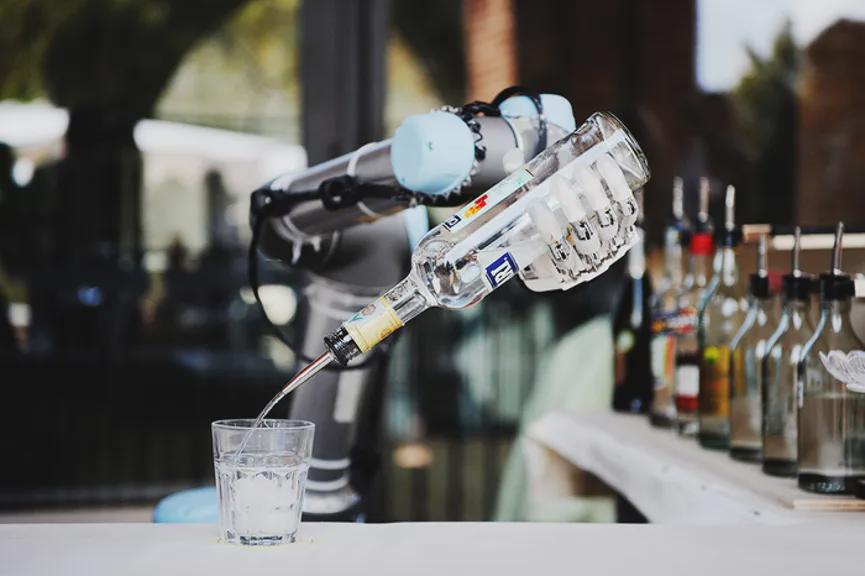
Moutai and Wuliangye Invest in Robotics Amid Sluggish Baijiu Sales
Moutai and Wuliangye, two leading Baijiu producers, are investing in robotics to enhance their operations despite sluggish sales in the Baijiu market. This strategic move is aimed at improving efficiency and reducing costs in production processes, which have been challenged by declining consumer demand. The adoption of robotics could potentially transform their manufacturing capabilities and help them regain market momentum. The Baijiu industry has faced significant challenges recently, with sales figures not meeting expectations. By integrating robotics into their operations, Moutai and Wuliangye are positioning themselves to adapt to changing market conditions and consumer preferences. This investment reflects a broader trend in the beverage industry, where automation is increasingly seen as a solution to operational inefficiencies. Looking ahead, it will be important to monitor how these investments in robotics impact the operational efficiency and profitability of Moutai and Wuliangye. The effectiveness of these technologies in addressing current market challenges will be crucial for their long-term success. No further timeline was disclosed at the time of publication.
Robotics Automation AI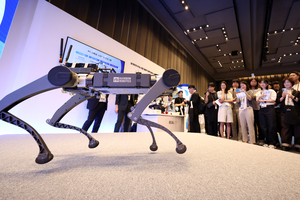
Rainbow Robotics Faces US Shipment Delays Amid New Restrictions on Advanced Robots
Rainbow Robotics, a subsidiary of Samsung Electronics, has paused shipments of its RB-Y1 mobile humanoid robot to the US due to new restrictions on foreign-made advanced robots. This halt is expected to impact near-term sales, but the company anticipates securing conditional approval to resume exports. The recent regulations, implemented by the US Federal Communications Commission, require foreign-produced advanced robotic devices to obtain Conditional Approval from the Department of War before being sold in the US. This measure is part of a broader effort to mitigate security risks associated with Chinese technology, affecting not only Chinese manufacturers but also Korean companies like Rainbow Robotics. Looking ahead, Rainbow Robotics is preparing a US manufacturing and investment plan to comply with the approval process. The company believes that if Chinese competitors face increased barriers, it could create opportunities for them in the US market. No further timeline was disclosed at the time of publication.
All News
ROBOTTODAY WEEKLY September 7 – 11, 2026
This week in robotics: JD.com plans to deploy three million robots across its logistics network, XPeng commissions its IRON humanoid production line, FANUC and Google launch an AI arc-welding agent, and Unitree shares fall 53% from their post-IPO high. September 7–11, 2026.
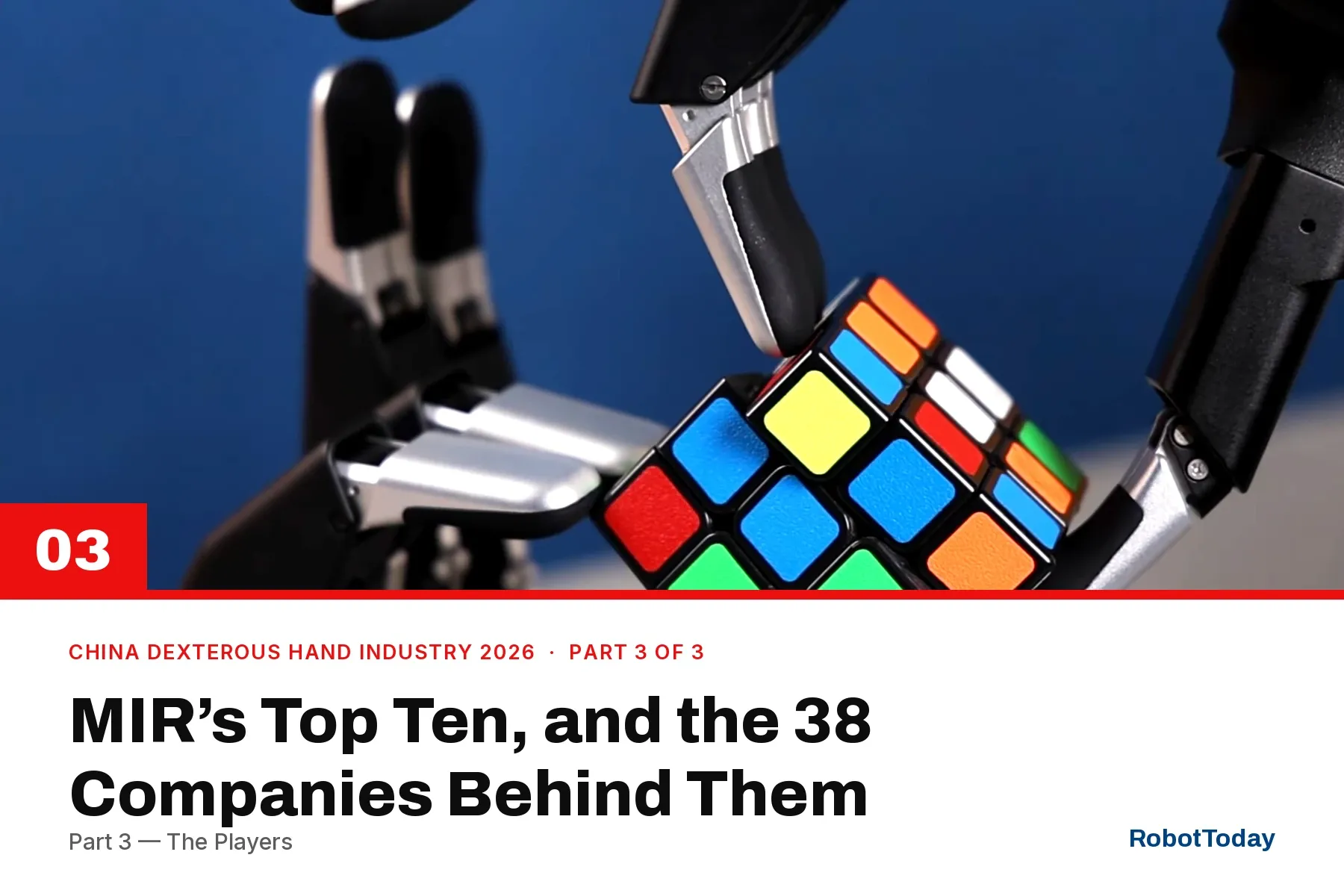
China’s Dexterous Hand Industry, 2026 Part 3 — The Players
Five vendor archetypes, MIR’s composite top ten, eight company profiles and six field deployments — every firm linked to the RobotToday supplier directory.
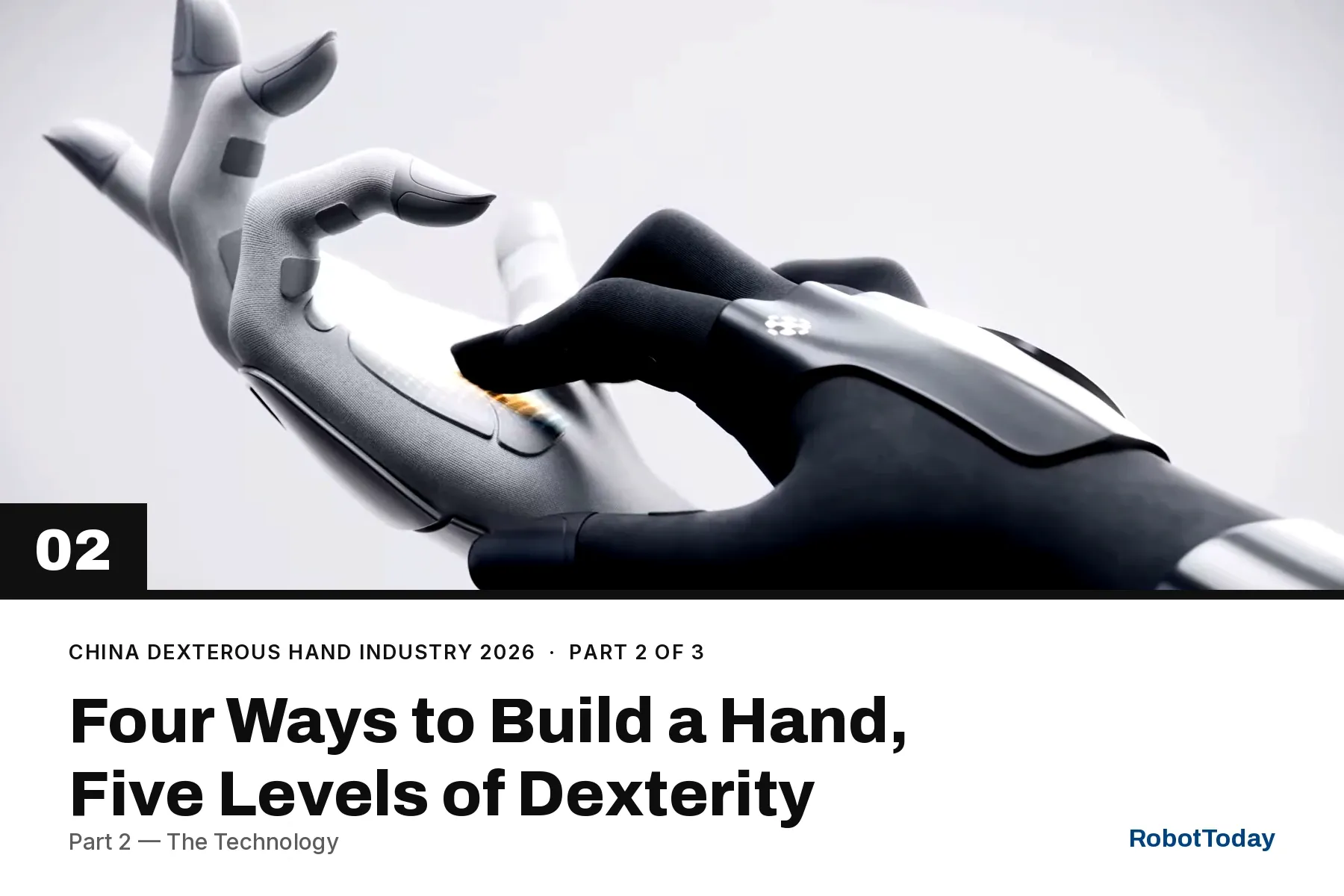
China’s Dexterous Hand Industry, 2026 Part 2 — The Technology
Linkage, tendon, direct drive or hybrid — and why hardware is converging while the DL1–DL5 manipulation scale decides who wins. Part 2 of 3.
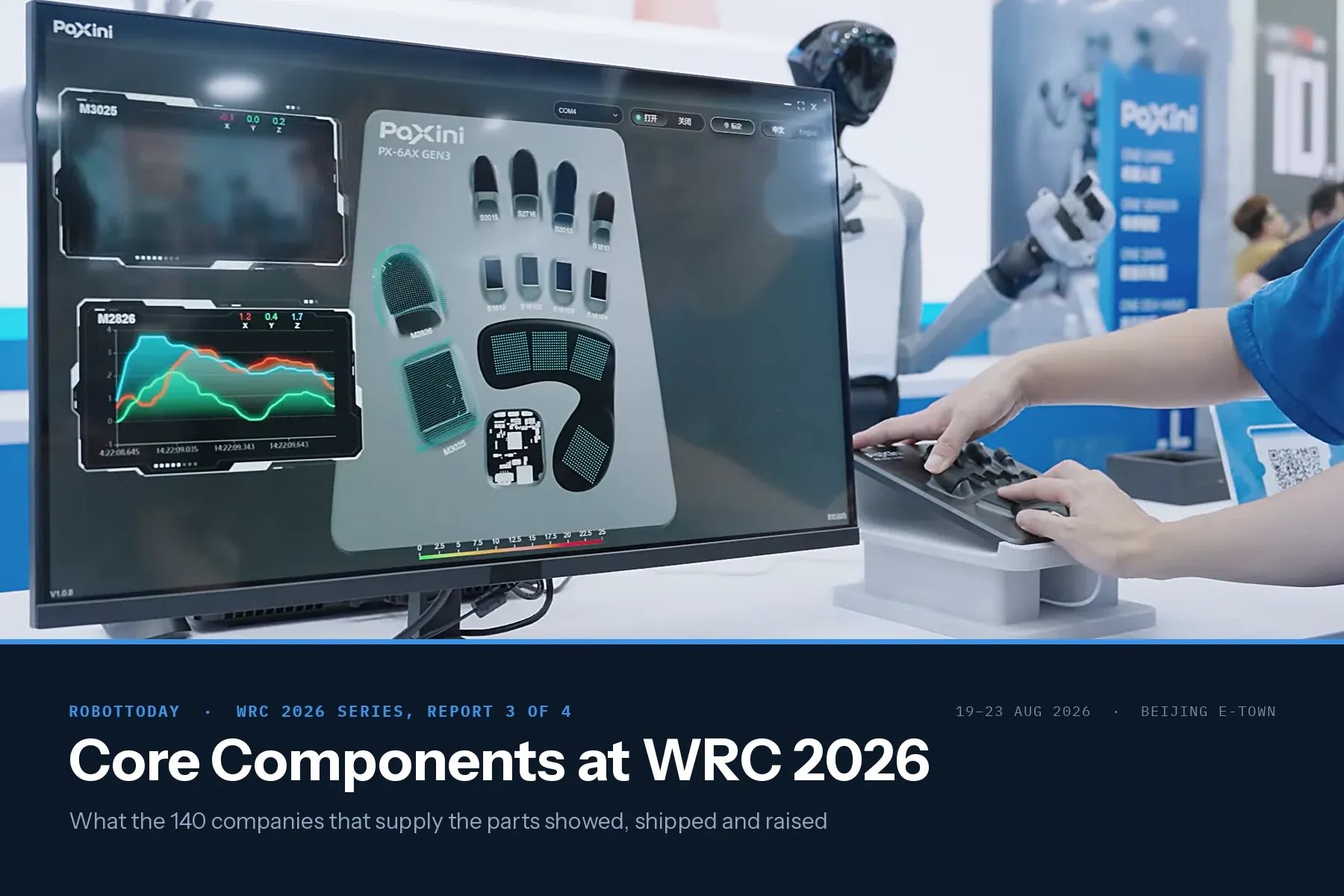
WRC 2026 Core Components: 137 Robot Parts Suppliers
The third report in the WRC 2026 series. Report 1 mapped all 248 exhibitors by category and Report 2 covered the 139 that build finished robots. This one covers the 137 that build what goes inside them.
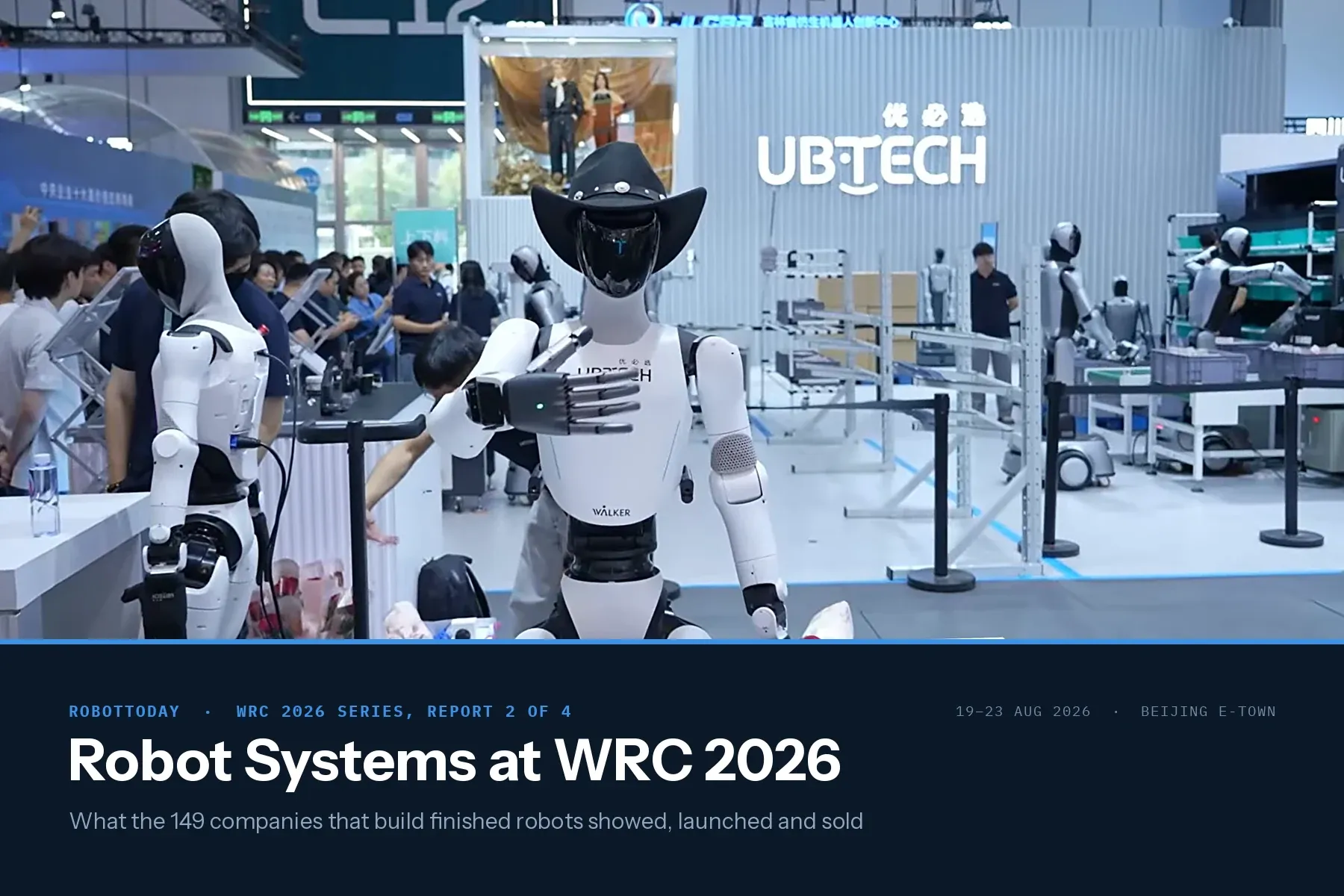
WRC 2026 Robot Systems: 149 Companies That Build Robots
149 of the 248 classified WRC 2026 exhibitors build finished robots. 93 build humanoid or legged machines. The audited humanoid sales number is one unit.
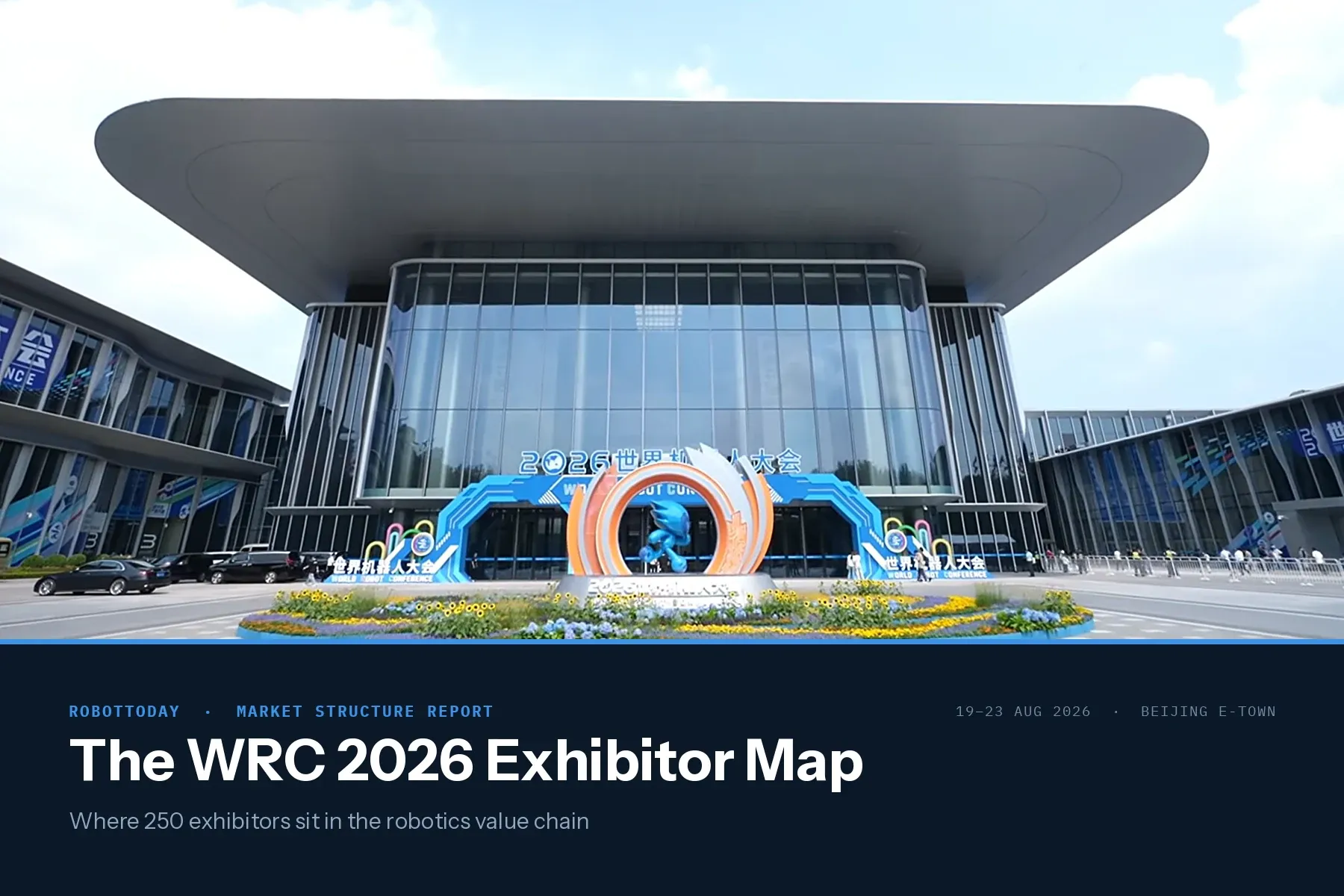
WRC 2026 Exhibitor Map: 248 Robotics Companies Mapped
We classified 248 WRC 2026 exhibitors with the RobotToday taxonomy. Motion & Actuation leads at 75 companies, Humanoid at 72, and compute stays thin at 12. (Modified 2026-08-27)

ROBOTTODAY WEEKLY August 17 – 21, 2026
This week in robotics: Unitree surges 629% in its Shanghai STAR Market debut at a $66 billion valuation, Nevada approves 7,000 robotaxis, Amazon Prime Air expands to nearly 500 US cities, and Beijing's World Robot Conference marks the industry's pivot from spectacle to scale. August 17–21, 2026.

ROBOTTODAY Weekly August 10 – 14, 2026
Your weekly robotics briefing: Unitree's IPO is swamped by retail demand, the US puts 100% tariffs on imported drones, LG and Nvidia commit to a 2027 humanoid, and Uber and Pony.ai bring 2,000 robotaxis to Europe.

ROBOTTODAY Weekly August 3 – 7, 2026
This week in robotics: Unitree prices its Shanghai STAR Market IPO with DeepSeek taking a strategic stake, the FCC expands its foreign-robot ban as China threatens retaliation, BMW commits to Figure 03 humanoids, and Zoox goes paid in Las Vegas. August 3–7, 2026.
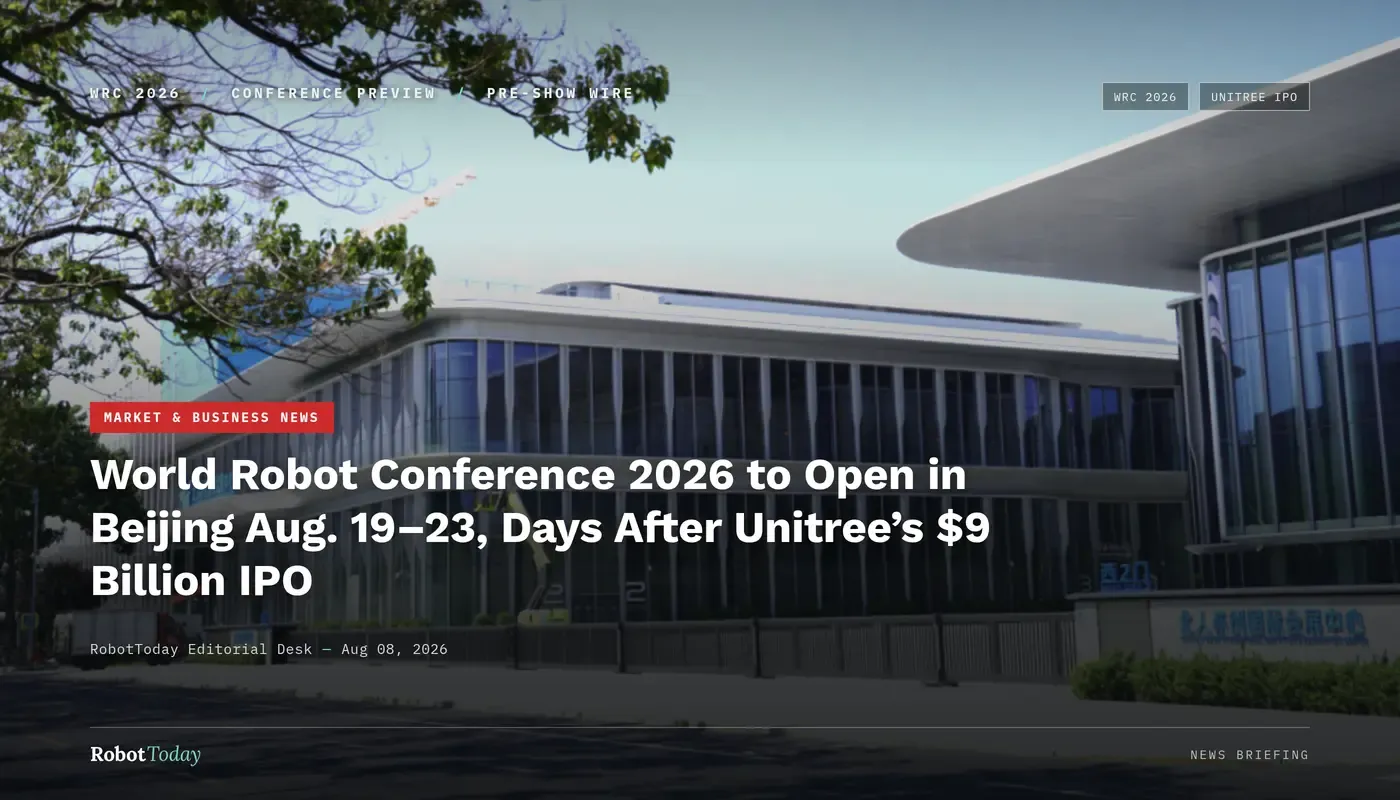
World Robot Conference 2026 Opens in Beijing Aug. 19–23, Days After Unitree's $9B IPO
WRC 2026 opens August 19 in Beijing with 300+ exhibitors, a first-ever SOE pavilion and a new Procurement Day, days after Unitree priced China's first mainland-listed humanoid robot IPO at a $9.04 billion valuation.


