


RoboParty 萝博派对
Chinese startup developing low-cost, high-performance open-source bipedal humanoid robots, founded by HIT alumni.

Company Facts
Founded
2025
Primary Role
Manufacturer
Company Size
-
Primary Region
Asia-Pacific
Annual Sales
-
Funding Stage
Early-Stage VC
Funding Total
-
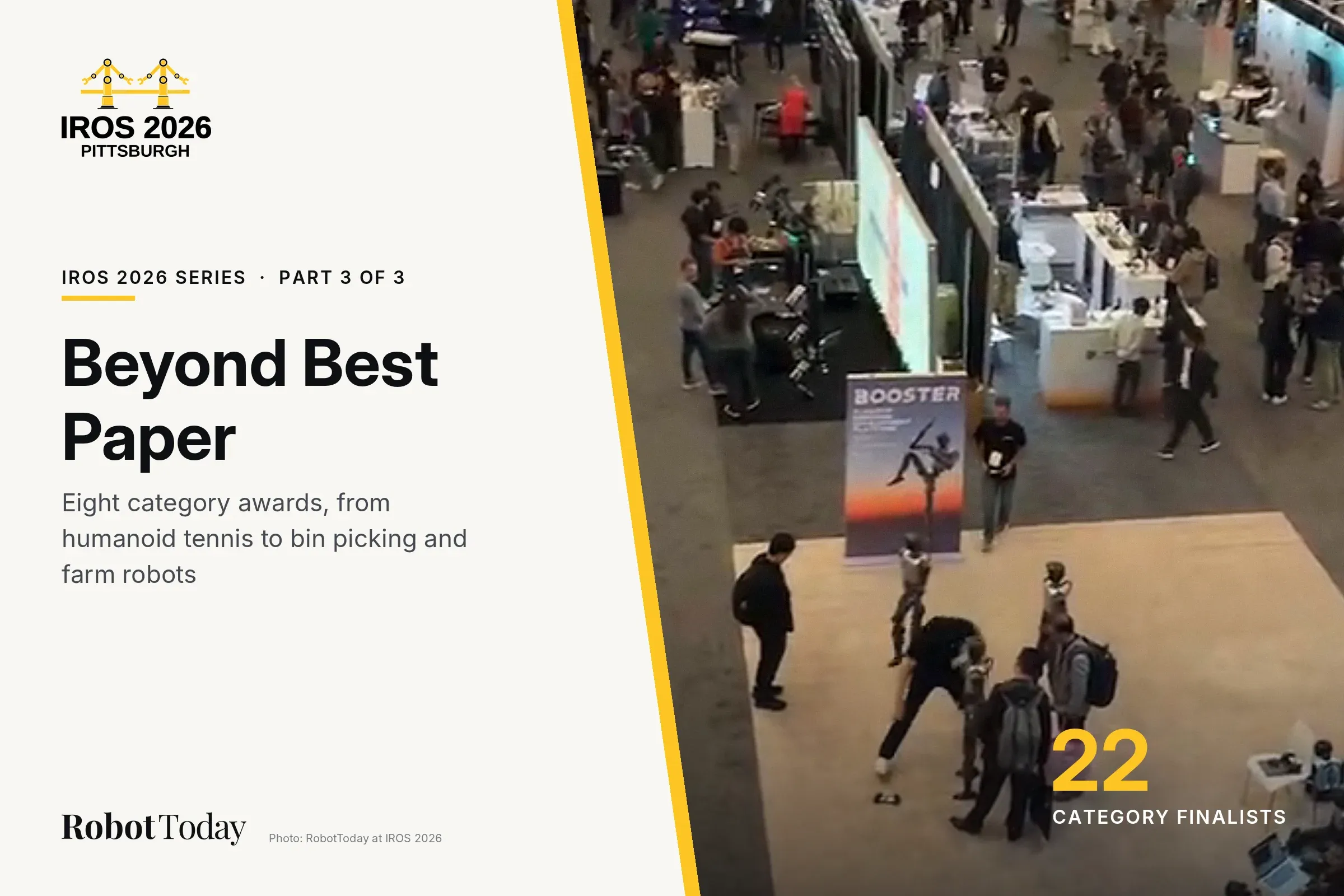
IROS 2026 Category Award Finalists: All 22 Papers
From humanoid tennis to bin picking and farm robots: the 22 finalists for IROS 2026's eight category awards, and what each one means for industry.

IROS 2026 by the Numbers: Papers, Countries, Topics
RobotToday analyzed all 1,933 IROS 2026 papers: acceptance fell to 36.5%, the U.S. overtook China, and VLA titles jumped from 4 to 65.
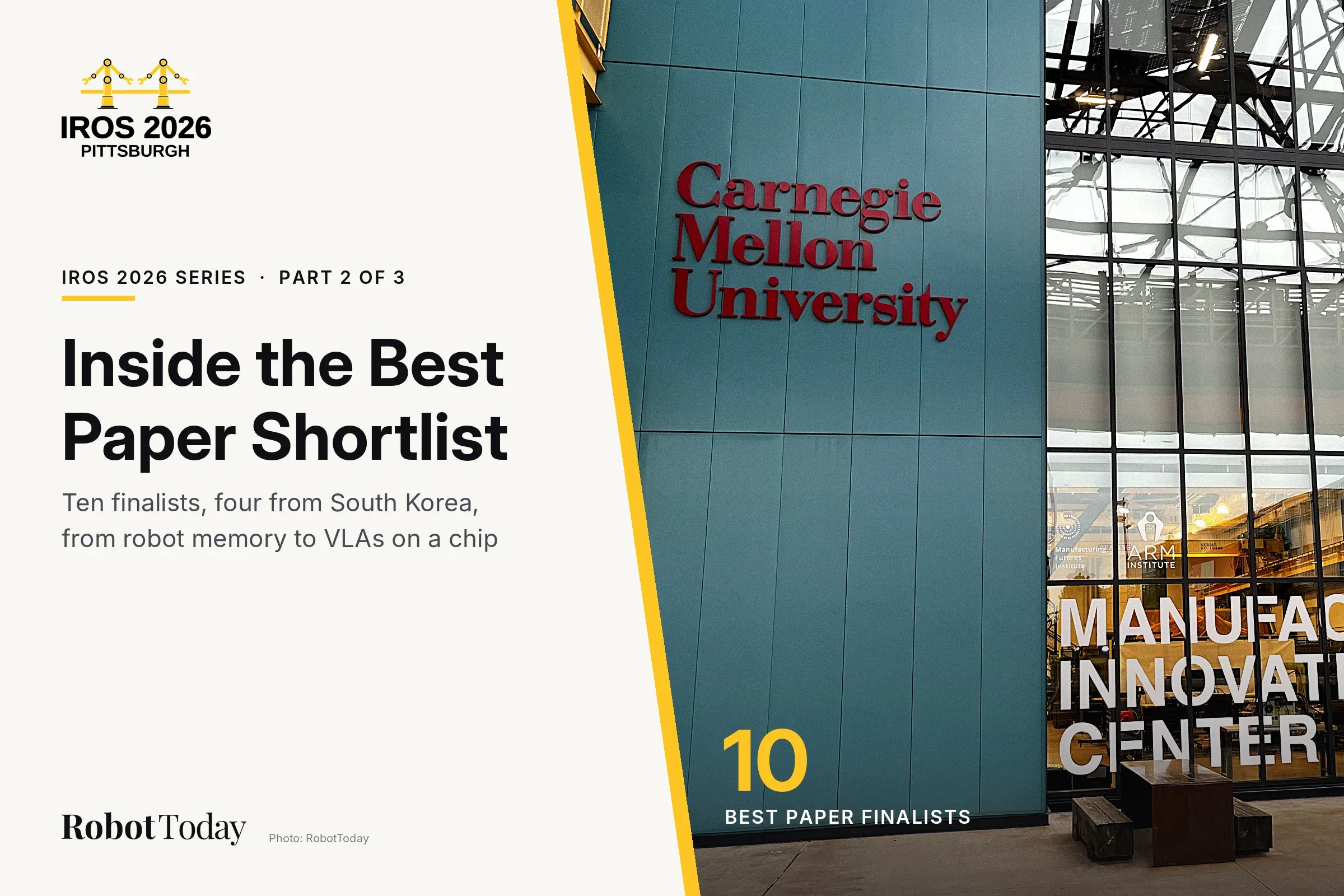
IROS 2026 Best Paper Finalists: South Korea Leads
Ten papers made the IROS 2026 Best Paper and Best Student Paper shortlist, four from South Korea. What each one does and what it means for industry.
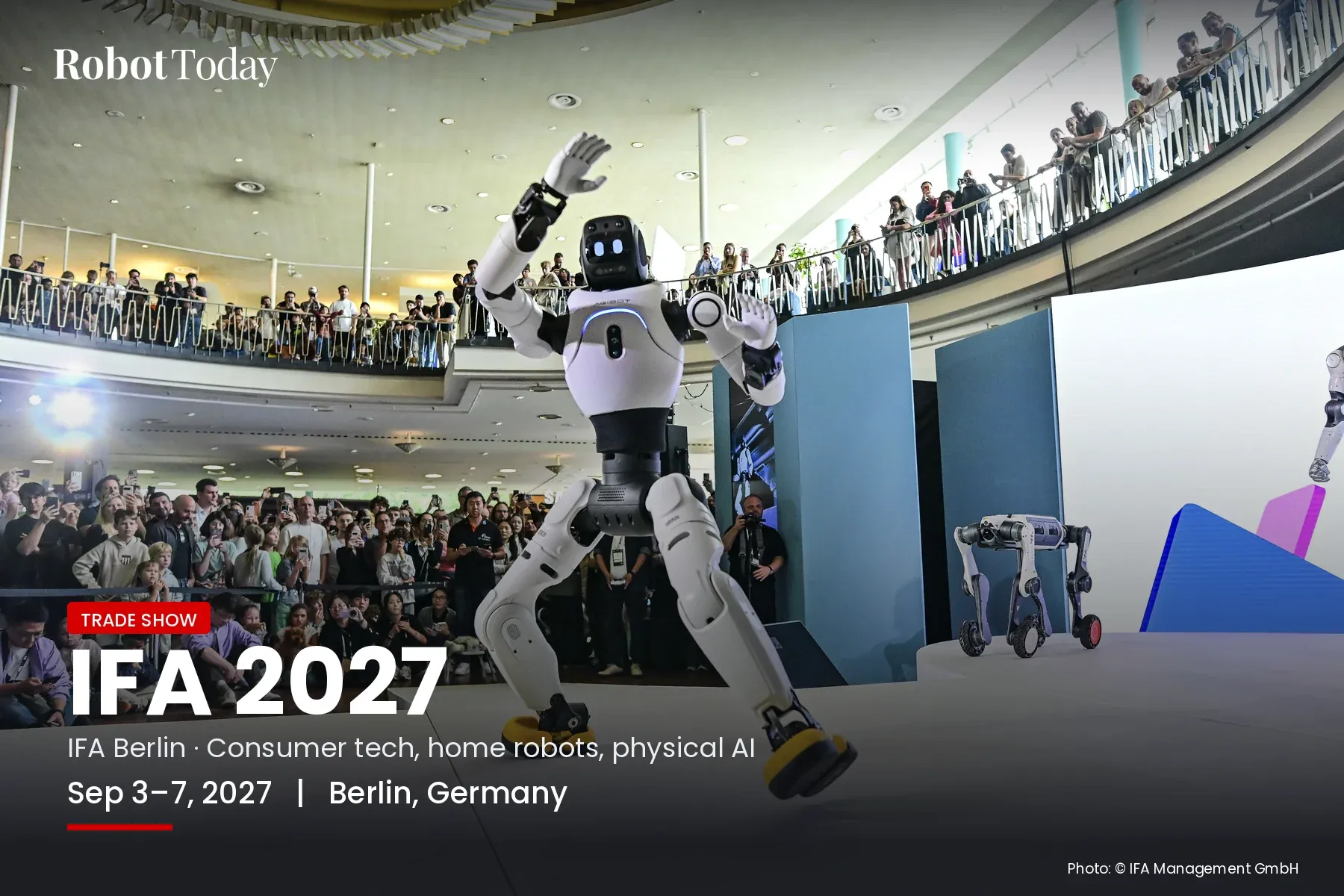
IFA 2027 – Berlin, Sep 3–7, 2027
IFA 2027 runs Sep 3–7 at Messe Berlin, with media days Sep 1–2. The 2026 show featured 11 humanoid robot brands and drew 240,000 visitors.
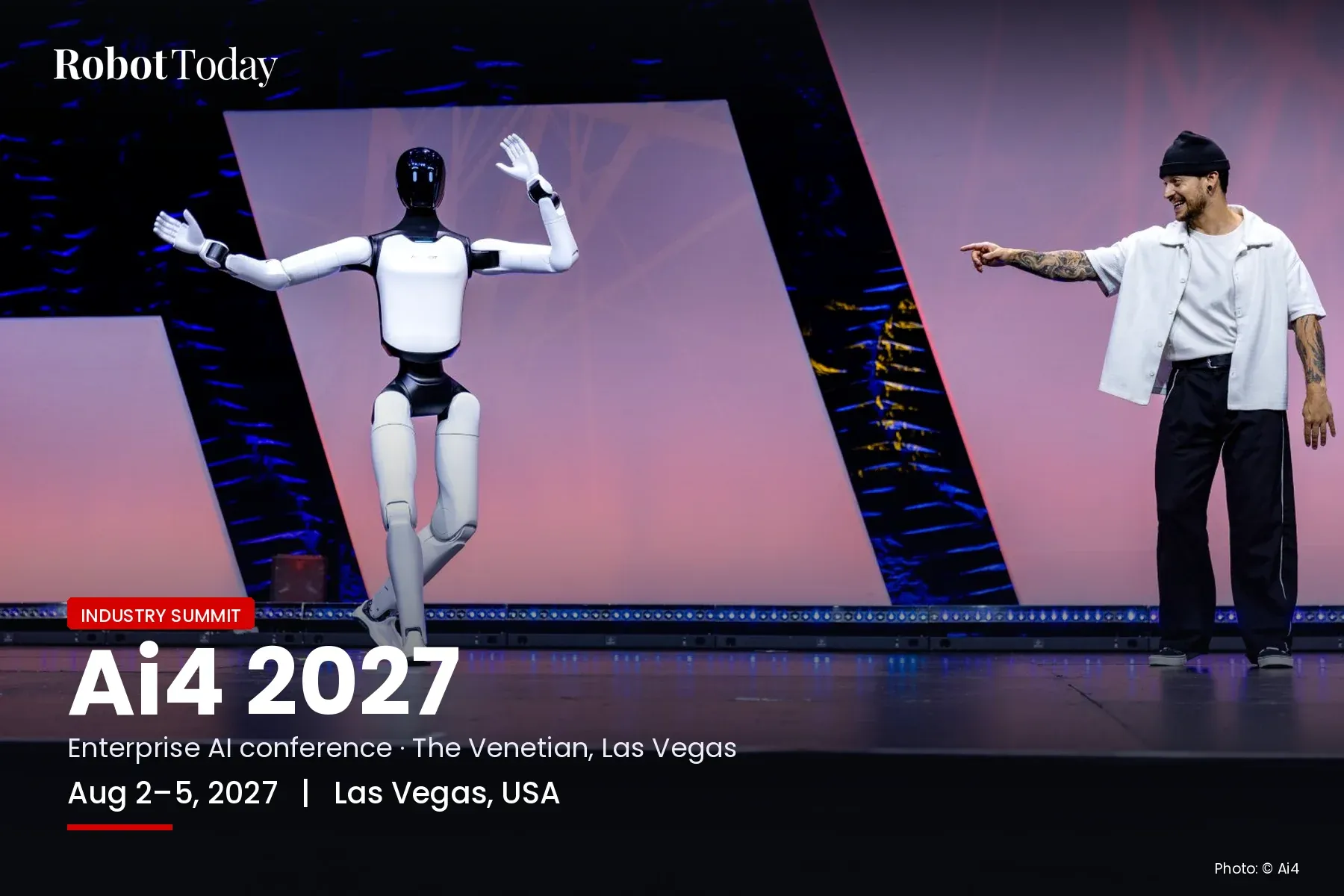
Ai4 2027 – Las Vegas, Aug 2–5, 2027
Ai4 2027 runs Aug 2–5 at The Venetian, Las Vegas: enterprise AI tracks, a startup stage and humanoid robot demos. Free passes for qualified AI buyers and media.
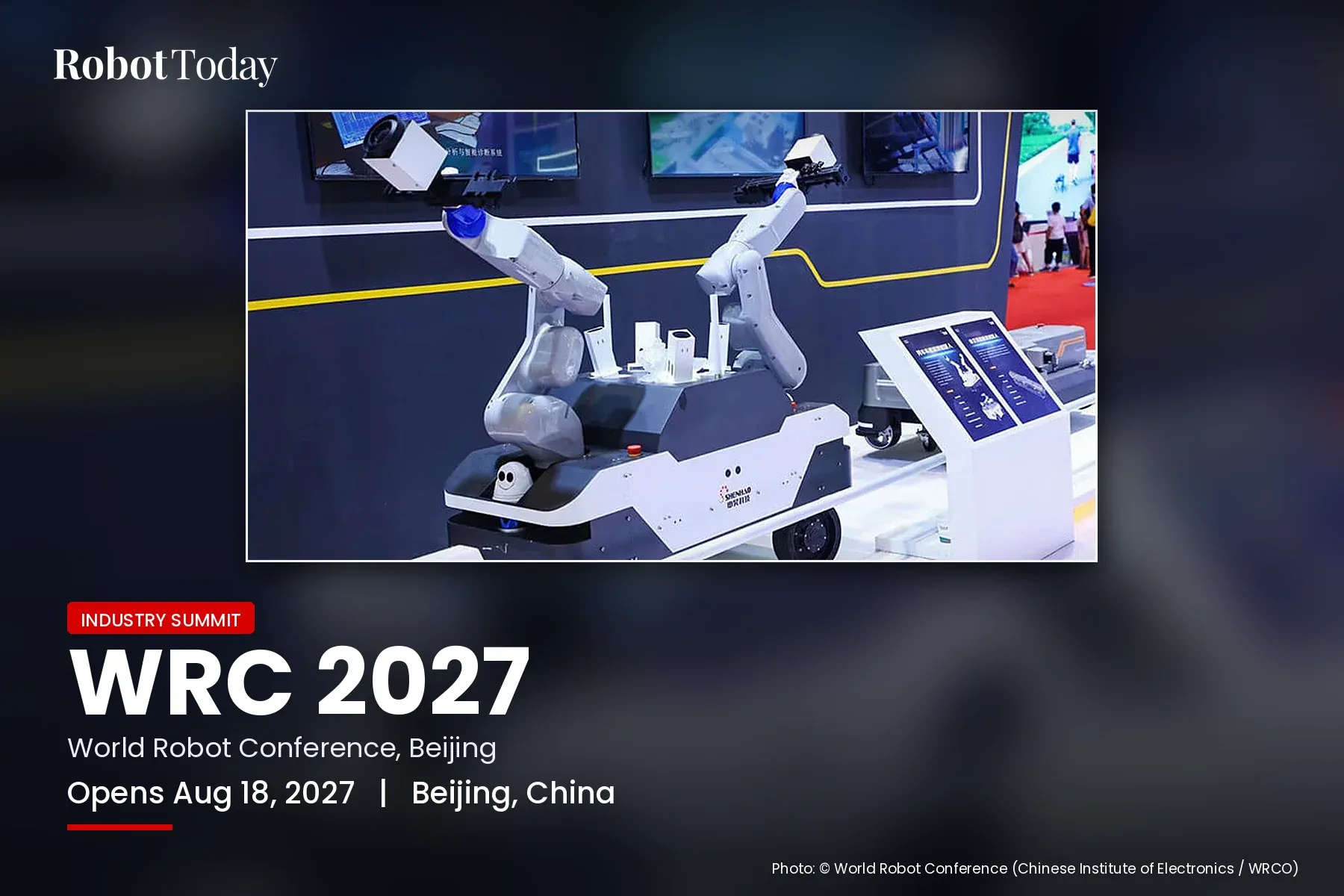
WRC 2027: World Robot Conference, Beijing, opens Aug 18
WRC 2027 opens Aug 18, 2027 in Beijing. The 2026 edition had 373 exhibitors, 311 product debuts and 557,000 on-site visits.

iREX 2027: International Robot Exhibition, Tokyo, Dec 2027
iREX 2027 returns to Tokyo Big Sight in early December 2027. The 2025 edition drew a record 673 exhibitors and 156,110 visitors.
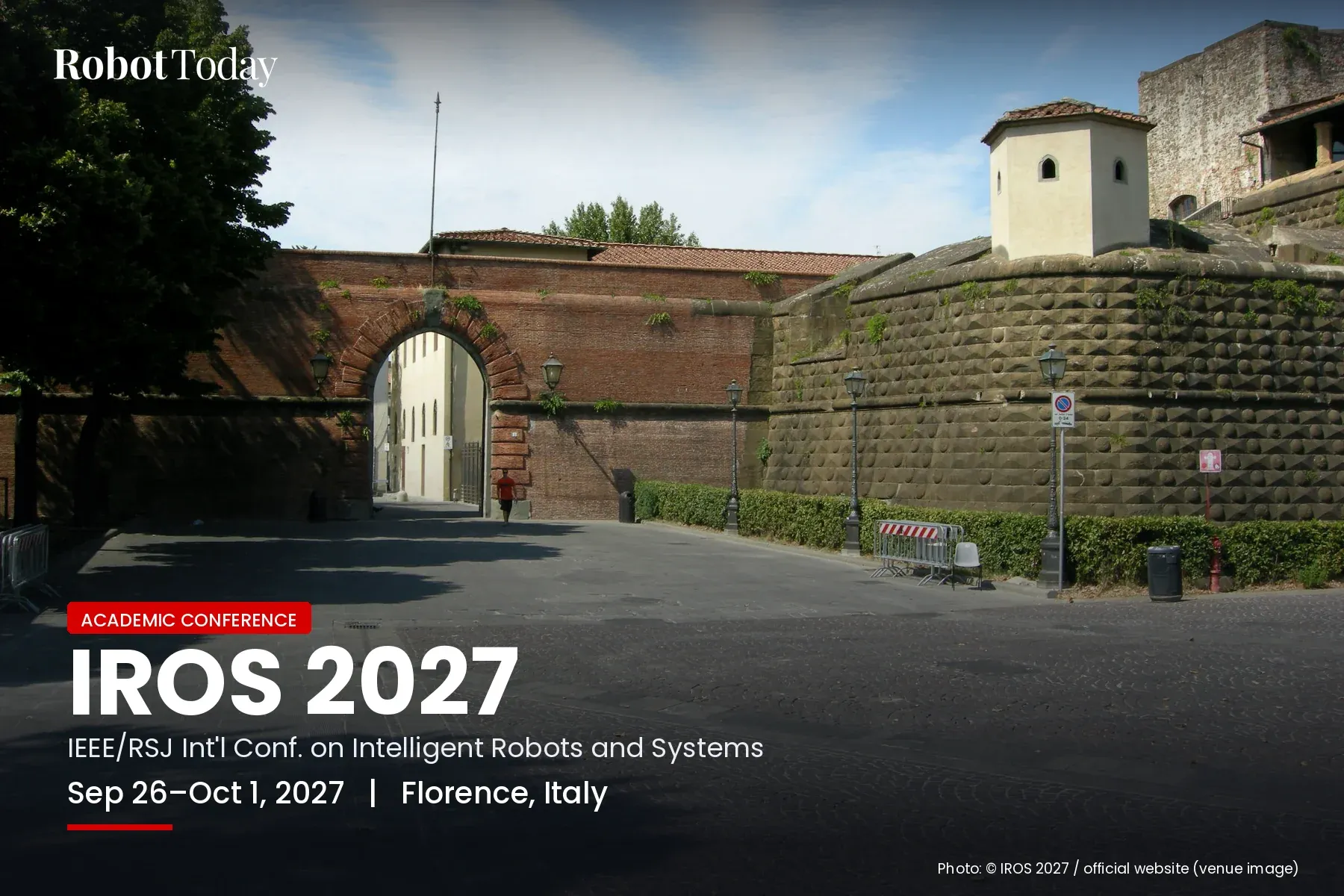
IROS 2027 Florence: Sep 26–Oct 1 | Intelligent Robots
IROS 2027, the IEEE/RSJ robotics conference, runs Sep 26–Oct 1, 2027 at Fortezza da Basso in Florence, Italy. Theme, deadlines and what to expect.
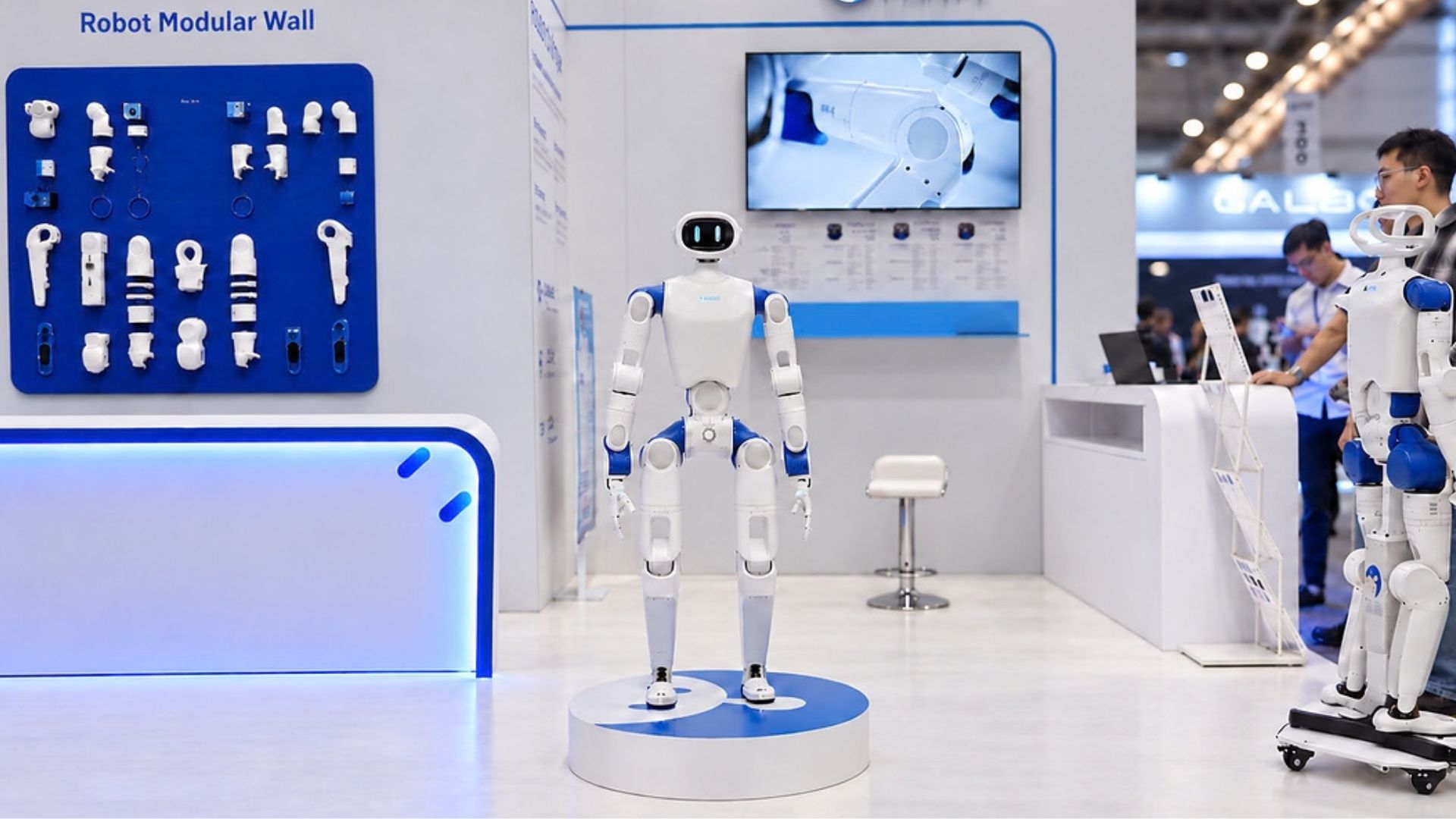
RoboParty Unveils RP1 Humanoid Robot for Open-Source Robotics Research
Chinese robotics company RoboParty has introduced the RP1, a full-stack open-source humanoid robot aimed at advancing robotics research, education, and embodied AI development. The robot was showcased at the 2026 IEEE/RSJ International Conference on Intelligent Robots and Systems (IROS 2026) on September 28, marking its global debut. RP1 is designed to provide researchers and developers with access to a high-performance humanoid system, following the company's earlier RPO project launched in January 2026. The RP1 features dynamic stability demonstrated through an interactive “Kick Me” display, allowing visitors to test the robot's balance and recovery capabilities. This is supported by PartyOS, RoboParty’s open research platform, which integrates the UFO framework for unsupervised reinforcement learning. The robot's design emphasizes a full-stack approach, integrating hardware, actuator modules, and AI algorithms into a cohesive development system, enabling comprehensive testing and collaboration in humanoid robotics. Looking ahead, RoboParty aims to progressively open its motion-control systems and training tools, fostering reproducible research and algorithm development. The RP1 is built to support demanding movements with a peak joint torque of 160 Nm, leveraging technologies from previous projects to enhance its capabilities in dynamic humanoid robotics. No further timeline was disclosed at the time of publication.
AI and Robotics
RoboParty Unveils Open Source Humanoid Robot RP1 with Advanced Motion Capabilities
On September 28, 2026, RoboParty introduced the humanoid robot RP1 (ROBOTO 01) at IROS 2026. The company positions RP1 as a high-performance, full-stack open-source bipedal humanoid robot aimed at researchers, educators, and developers, allowing them to use, modify, and expand the system in real-world applications. This initiative builds on the foundation laid by RoboParty's earlier project, RPO (ROBOTO ORIGIN), which garnered significant interest and over 2,500 stars on GitHub. RP1 integrates the company's proprietary actuator module, Romomo, and a dexterous robot hand, RP Hand, alongside the development platform PartyOS, enhancing the robot's capabilities for dynamic stability and interaction. During the event, attendees experienced an interactive demo called "Kick Me," showcasing RP1's ability to quickly regain balance after being pushed or kicked. This demonstration highlighted the robot's robust performance and the collaborative functionality of its actuator module and control systems, supported by the PartyOS framework, which incorporates unsupervised reinforcement learning for humanoid control. No further timeline was disclosed at the time of publication.
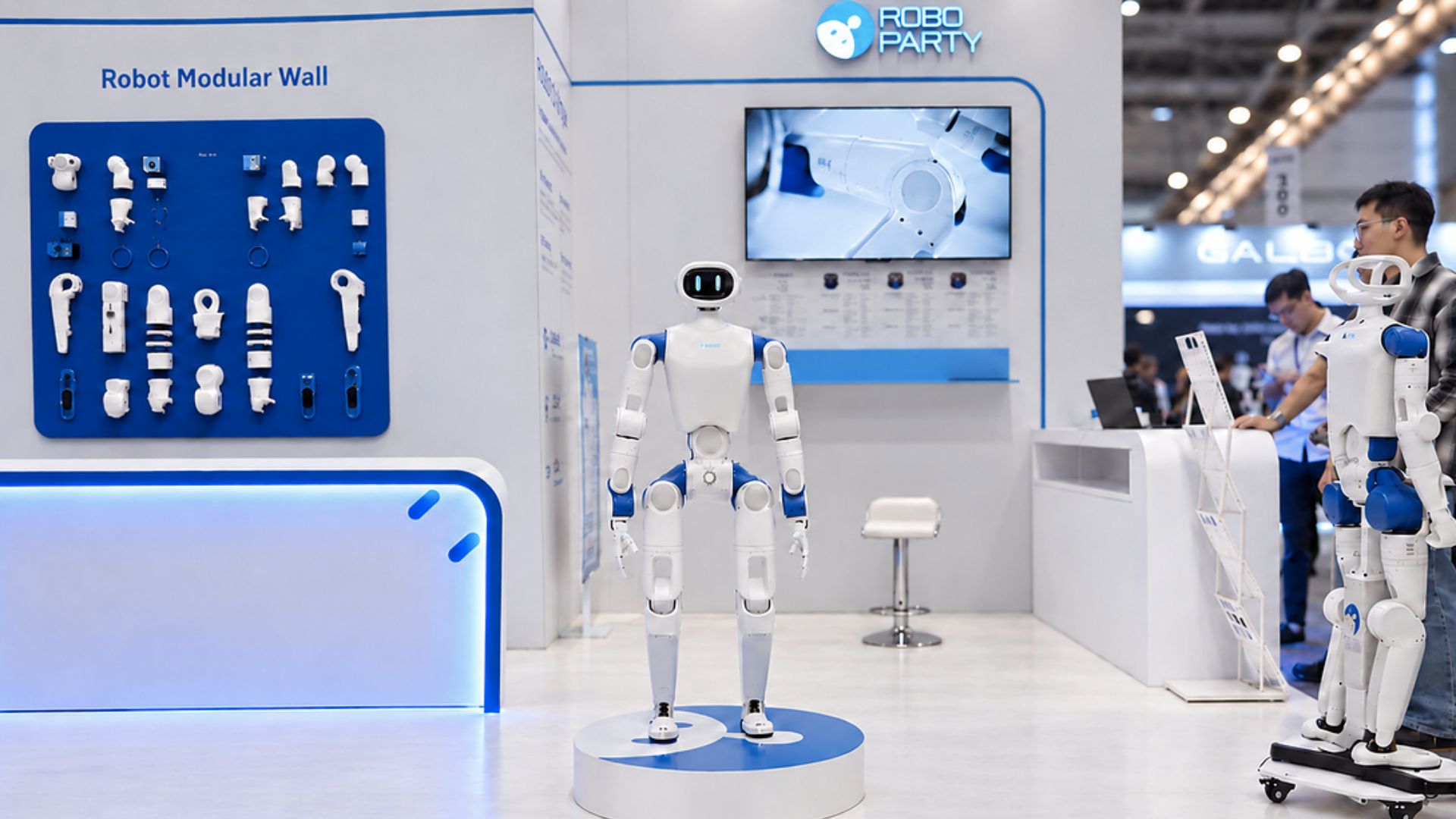
RoboParty Unveils RP1: The First High-Performance Open-Source Bipedal Humanoid Robot
RoboParty, a firm based in Pittsburgh, has introduced RP1 (ROBOTO 01), the world's first high-performance full-stack open-source bipedal humanoid robot, at IROS 2026. This robot aims to serve researchers, educators, and robotics developers by providing a customizable humanoid system that can be modified and trained in real development workflows. The significance of RP1 lies in its open-source nature, allowing a broader range of developers to engage with humanoid robotics. Founder Yi Huang emphasized the importance of accessibility in robotics, stating that the goal is to create an open foundation for continuous improvement and innovation. The robot's capabilities were showcased through an interactive demonstration, where visitors could test its dynamic stability and control performance by applying external disturbances. Looking ahead, RoboParty plans to further develop RP1 as part of its full-stack open-source roadmap, which began with the RPO project. The robot features impressive specifications, including a peak joint torque of 160 N•m, and is designed for dynamic motion and embodied AI model training. No further timeline was disclosed at the time of publication.
Innovation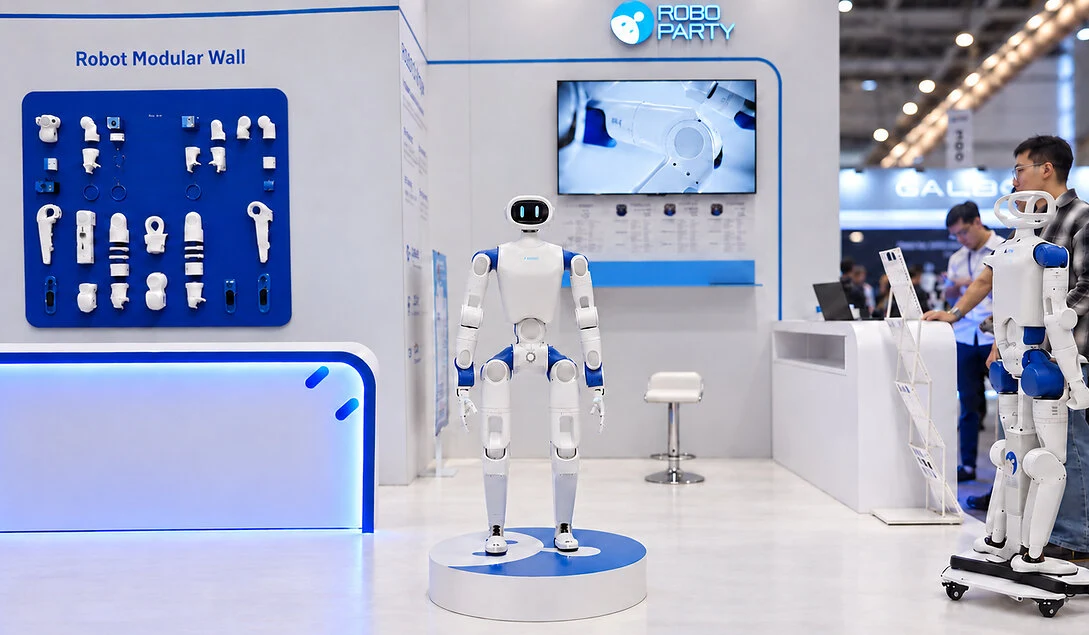
RoboParty Launches RP1 Humanoid at IROS, Plans Open-Source Resources for Q4
RoboParty has introduced the RP1 (ROBOTO 01), a bipedal humanoid robot designed for robotics researchers and developers, during its debut at IROS in Pittsburgh on September 28. The company announced on October 3 that the RP1 showcased its balance capabilities through an interactive demonstration where it adjusted its posture after being pushed and kicked by visitors. The significance of the RP1 lies in its advanced motion capabilities, attributed to PartyOS, which utilizes the UFO unsupervised reinforcement-learning framework and Romomo actuators. RoboParty plans to release a range of hardware and software resources, including motion control, simulation environments, and SDKs, with more details expected in October. A mass-production program is also anticipated later in Q4, although pricing details remain undisclosed. Looking ahead, the success of the RP1 will depend on whether external teams can replicate its capabilities using the provided designs and training resources. This would enhance the platform's utility for researchers, allowing them to inspect and modify a shared system beyond the exhibition context. No further timeline was disclosed at the time of publication.
open-source China ROBOTO ORIGIN RoboParty
Software, Compute and Interaction at WRC 2026
47 WRC 2026 exhibitors supply robot software, compute or interaction — but only 19 call themselves software companies. Five open artefacts, licence-checked.

ROBOTTODAY Weekly August 3 – 7, 2026
This week in robotics: Unitree prices its Shanghai STAR Market IPO with DeepSeek taking a strategic stake, the FCC expands its foreign-robot ban as China threatens retaliation, BMW commits to Figure 03 humanoids, and Zoox goes paid in Las Vegas. August 3–7, 2026.

CATL Backs RoboParty in 500 Million Yuan Funding for Open-Source Bipedal Humanoid Development
RoboParty has successfully raised nearly 500 million yuan through angel and Pre-A funding rounds, with CATL exclusively participating in the Pre-A round. The startup, founded by 22-year-old Huang Yi from Harbin Institute of Technology, focuses on developing an open-source embodied platform featuring the RPO robot. This investment is significant as it highlights the growing interest in robotics and humanoid technology, particularly in the context of open-source development. CATL's involvement underscores the potential for collaboration between battery technology and robotics, which could lead to innovative solutions in the field. Looking ahead, the emphasis will be on how RoboParty leverages this funding to advance its RPO robot and expand its open-source platform. No further timeline was disclosed at the time of publication.
Industry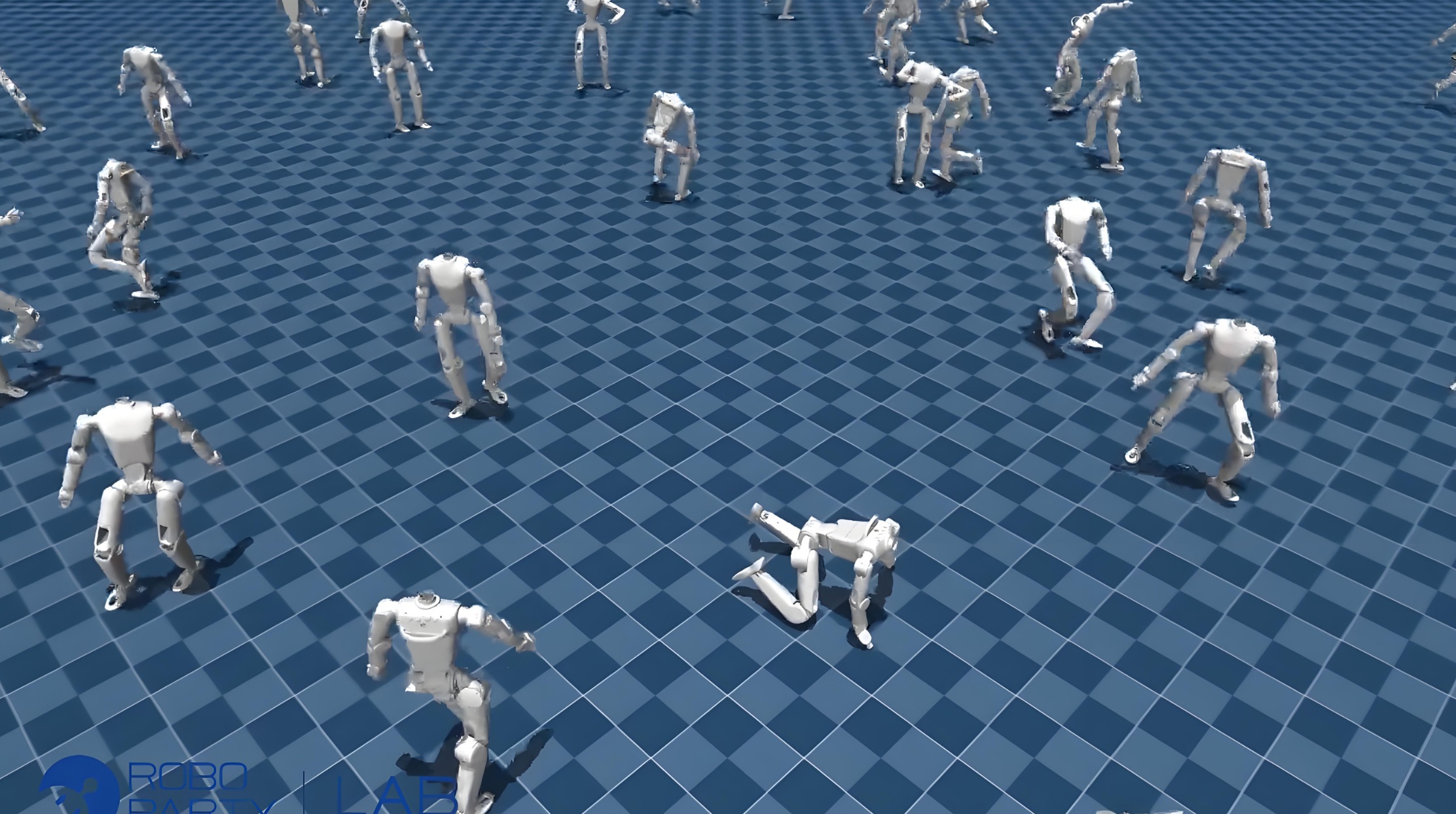
RoboParty Launches Open Source Framework for Next-Gen Humanoid Robot Development
In the past two years, the humanoid robot industry has seen numerous impressive demonstrations, but a shift is emerging in the second half of 2026. Companies are now focusing on developing training frameworks, development platforms, data tools, open-source models, and various R&D infrastructures. The competition is evolving from showcasing superior robots to enabling more developers to create robots faster. Recently, RoboParty established RoboParty Lab (RPLab) and introduced Party OS, an open-source embodied intelligence R&D foundation for next-generation humanoid robots. Alongside this, they released three R&D infrastructures: MimicLite, UFO, and hhtools. This move signifies a transition from merely demonstrating capabilities to building a robust R&D ecosystem that fosters collaboration and scalability within the developer community. As humanoid robots move from laboratories to practical applications in factories, warehouses, and homes, the industry is shifting its focus toward creating a reproducible, collaborative, and scalable R&D system. The emphasis is now on sustaining and accelerating development capabilities, marking a significant change in industry dynamics over the past year.
Humanoid Robots R&D Infrastructure Open Source Embodied AI Robot Development Tools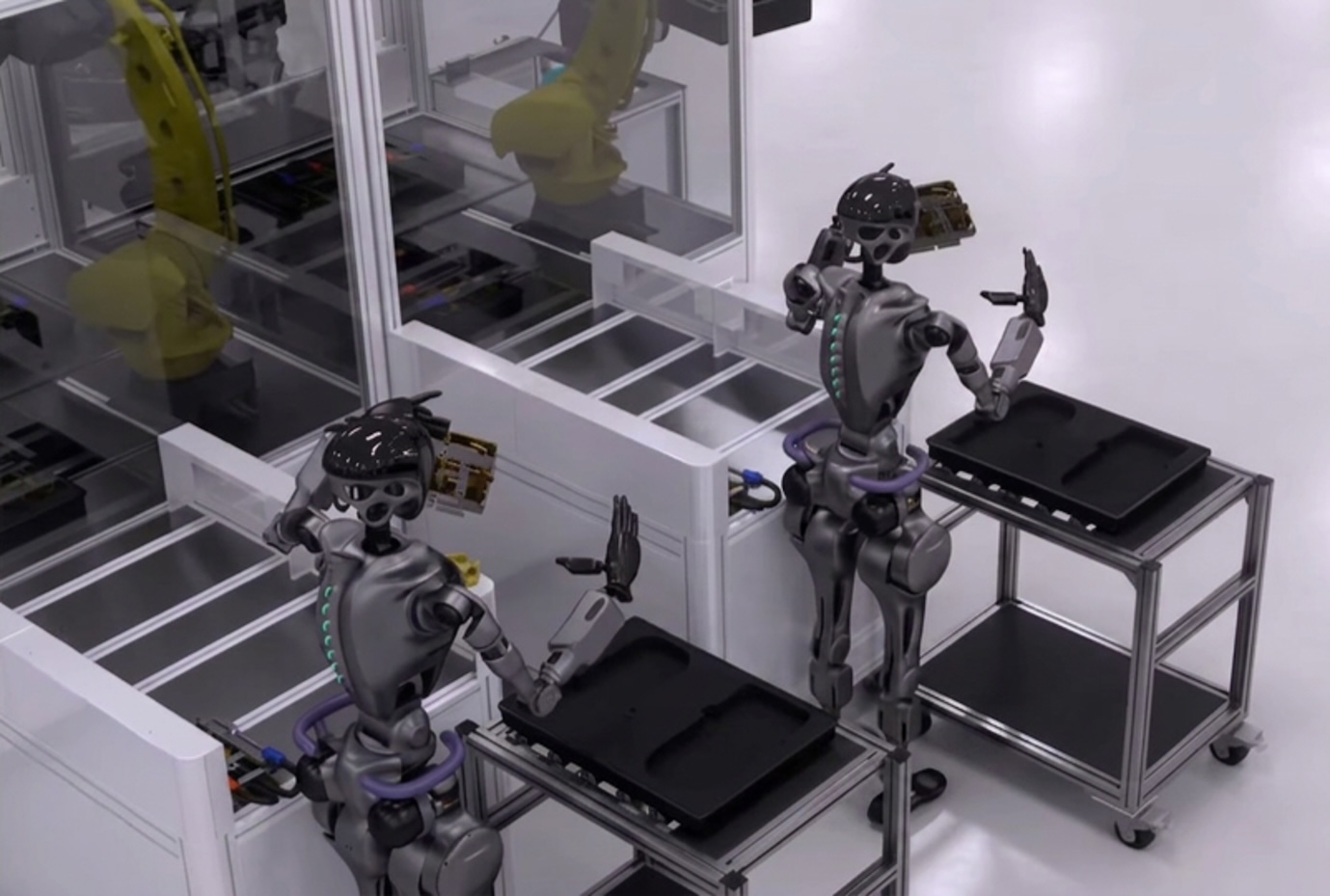
RoboParty Founder Alex Huang Named to Forbes Asia 30 Under 30 List
Alex Huang, the founder of RoboParty, has been honored in Forbes' 2026 Asia 30 Under 30 list for his significant contributions to the field of robotics innovation. Recognized for his pioneering work with open-source bipedal humanoid robots, Huang emphasizes the importance of embodied intelligence in robotics. His efforts not only highlight technological advancements but also foster community collaboration and leverage engineering expertise to push the boundaries of what is possible in the industry. This recognition comes as a testament to his impact on the robotics landscape and his commitment to advancing the field through inclusive and innovative practices.
Humanoid Robots Robotics Innovation Open Source Technology AI Engineering
Post-00s entrepreneurs take center stage at 36Kr offline event: "Go big or go home."
On the evening of May 29, 36Kr and Light Source Capital hosted the second offline gathering titled "TokenAge" in Beijing, focusing on the impact of AI on productivity rather than just token consumption metrics. The event featured four prominent guests from the AI startup scene: Huang Yi, founder of RoboParty, which specializes in open-source bipedal robots; Zheng Jiaxi, founder of Eup Robotics, developing underwater inspection robots for offshore energy platforms; Jin Ruofan, founder of Science Intelligence, exploring AI applications in scientific research; and Huang Xinxin, head of Light Source Capital's 3i Innovation Incubator. The gathering highlighted the challenges faced by young entrepreneurs in the AI sector, emphasizing the need for rapid product delivery and clear commercialization strategies. Attendees, including entrepreneurs and investors, engaged in discussions about how companies should reorganize in the AI era and why AI has yet to significantly enhance organizational efficiency. Light Source Capital's CEO, Zheng Xuanle, noted that AI represents a fundamental shift in productivity, akin to electricity, and is driving innovation across various sectors. The event underscored the importance of understanding AI's potential and the necessity for organizations to adapt to its rapid evolution. As AI becomes increasingly integrated into business processes, the focus will shift from merely adopting technology to fostering a culture of innovation and strategic thinking among teams. The evening concluded with each guest setting ambitious goals for the coming year, reflecting their commitment to advancing their respective fields within the AI landscape.
RoboParty Secures $20 Million in Angel Funding, Pioneering Open-Source Humanoid Robot Development
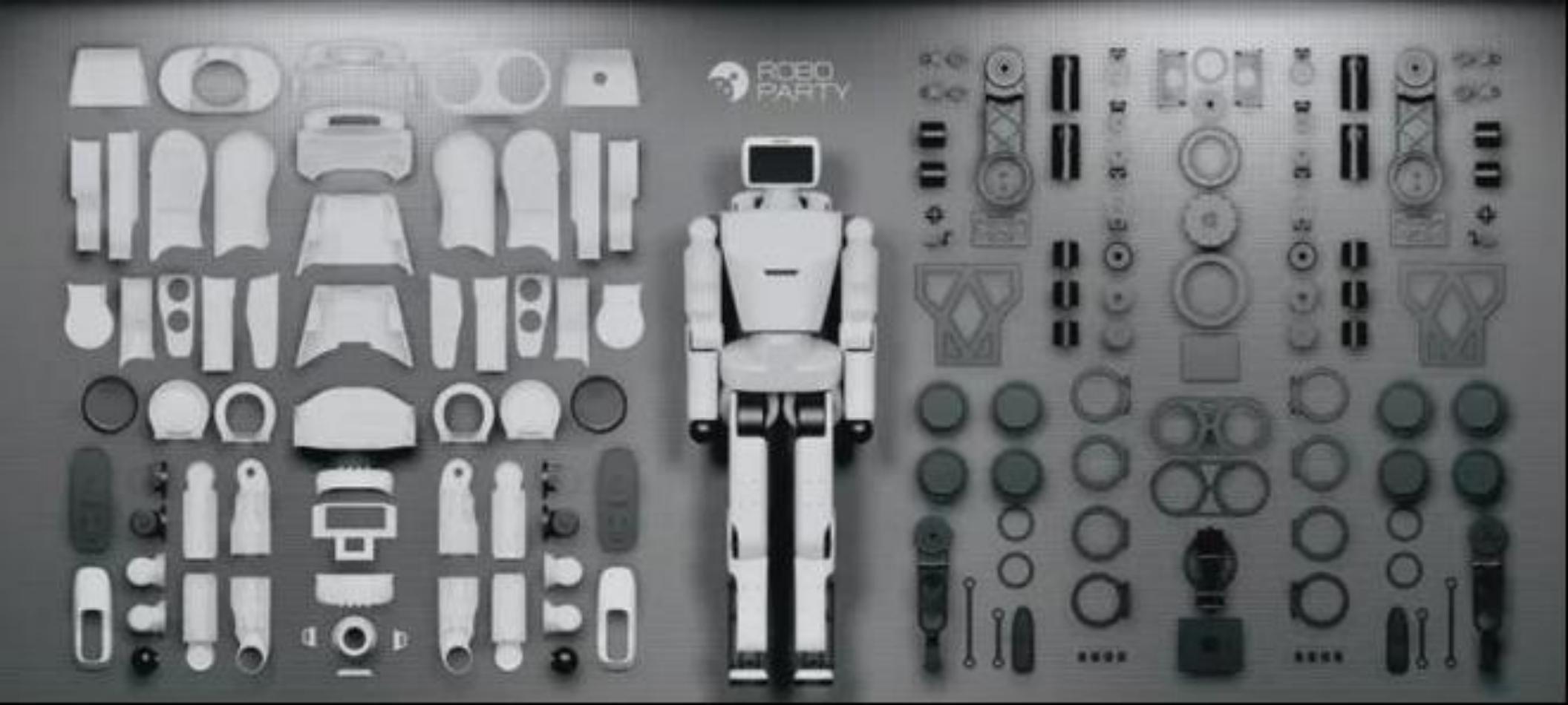
RoboParty, a startup specializing in humanoid robotics, has successfully secured $20 million in its latest angel funding round, representing its third financing achievement in just six months. This influx of capital will support the company's mission to innovate within the humanoid robotics sector through an open-source framework. The recent launch of its ROBOTO Origin prototype has garnered significant interest from developers worldwide, positioning RoboParty as a potential game-changer in the industry. The funding will enable further development and expansion of their technology, reflecting a growing confidence in the future of humanoid robots.
Humanoid Robots Open-Source Technology Robotics Development AI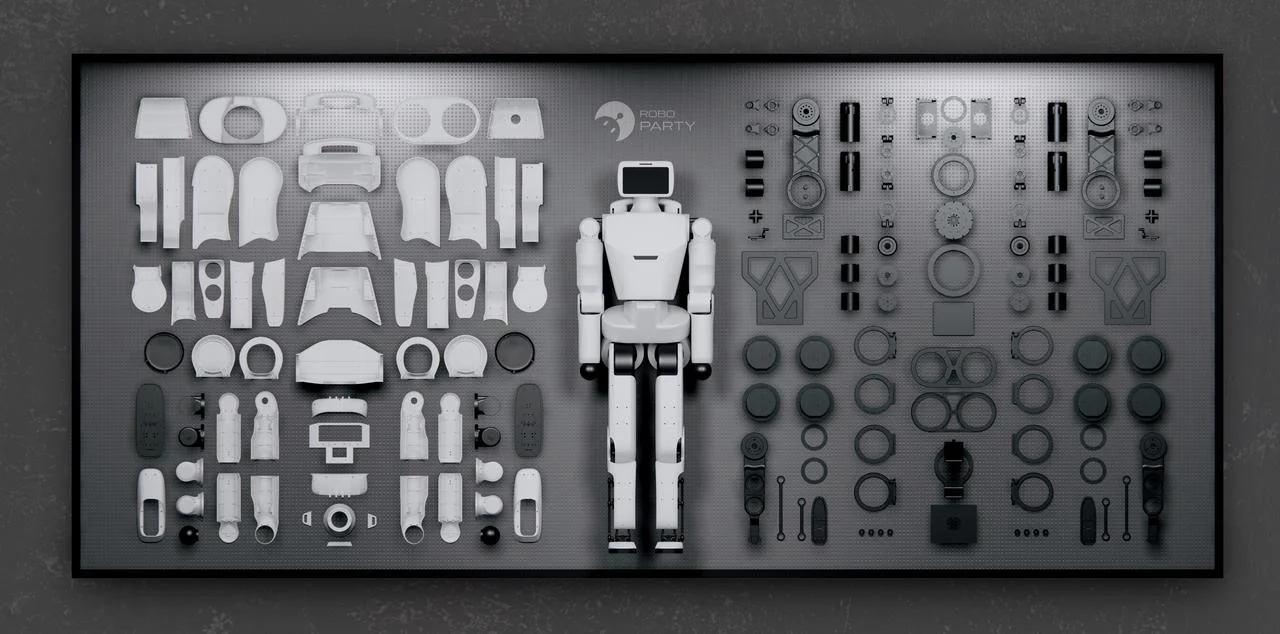
120 Days to a Run: RoboParty Open-Sources Its "ROBOTO ORIGIN" Humanoid Baseline
RoboParty has unveiled the complete designs and software for its inaugural bipedal humanoid robot, marking a significant advancement in open-source robotics. This initiative aims to create a new era of "reproducible" robotics, addressing the financial challenges that have historically hindered similar projects. By providing accessible resources, RoboParty hopes to democratize the development of humanoid robots, enabling a broader range of innovators to participate in this field. The release is expected to foster collaboration and innovation, potentially accelerating advancements in robotics technology.
open-source China ROBOTO ORIGIN RoboParty

