
-
Website: https://www.palladyneai.com
-
Phone: +1 888-927-7296
650 South 500 West, Suite 150
Salt Lake City, UT 84101


RSF defines a common language for robot service capability, lifecycle operations, certification pathways, and service-provider networks.
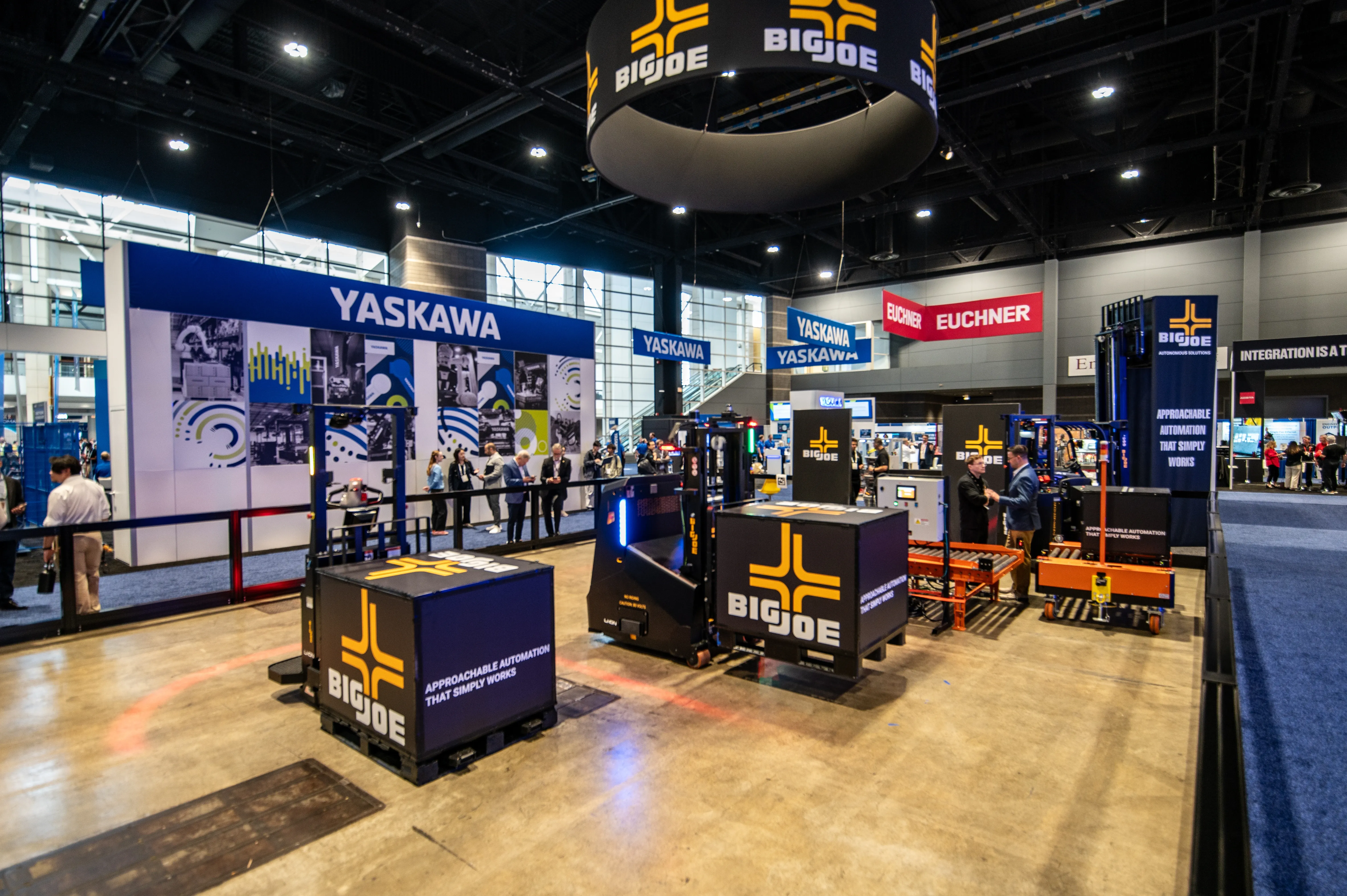
RobotToday analyzes Big Joe's four new autonomous vehicles launched at Automate 2026 — AP44, ASC40, ATC100, ACV40 — in the context of North America's warehouse labor shortage and AMR market growth.
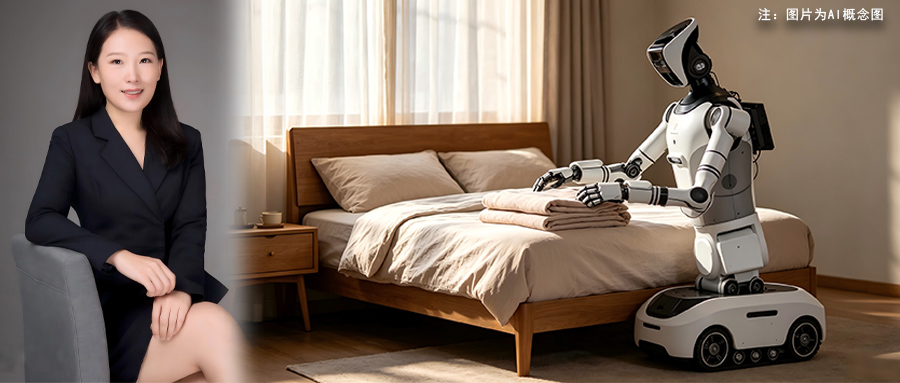
In April 2023, Tsinghua University's assistant professor Xu Huazhe co-founded a home robotics company called 'Kuaike Robotics,' which recently secured significant angel funding. On July 21, Liu Shuo, former head of drone commercialization at Meituan, joined Kuaike Robotics to lead its commercial operations. This move signals a shift in the robotics industry towards practical solutions for household tasks. The emergence of Kuaike Robotics highlights a strategic differentiation from Xu's previous venture, Xinghai Tu, which focuses on humanoid robots. Kuaike Robotics aims to develop wheeled robots with dual arms, targeting household chores rather than pursuing the complexities of bipedal humanoid designs. This pragmatic approach addresses the challenges of cost, reliability, and safety that humanoid robots face in domestic environments. Liu Shuo's extensive experience in drone logistics and service delivery will be instrumental in navigating the commercialization of home robotics. The transition from drone delivery to household tasks may seem vast, but both fields share common challenges in service execution, emphasizing task success rates and user experience. No further timeline was disclosed at the time of publication.
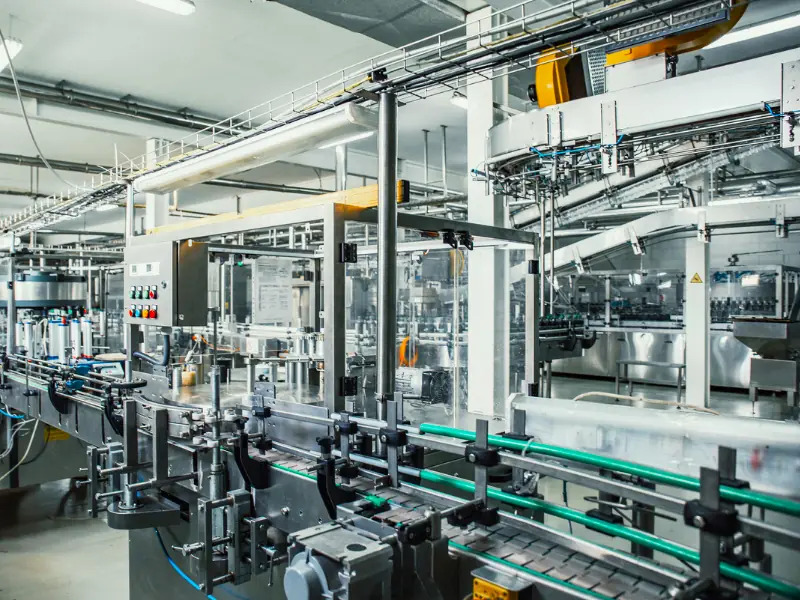
Home Robotics Wheeled Robots AI Startup InnovationOrganizations often face challenges not due to a lack of process optimization tools, but from selecting them without first identifying improvement needs. For instance, a team may invest in workflow software when the core issue is an unclear process, or apply Lean techniques to problems stemming from uncontrolled variation. Understanding the categories of process optimization tools—improvement methodologies, analytical techniques, and software—is crucial. Effective optimization starts with defining the problem and establishing a measurable baseline before integrating the right methods and technologies. Tools like Lean and Six Sigma are frameworks rather than standalone applications, and their effectiveness relies on proper implementation. Looking ahead, organizations should focus on aligning their optimization tools with specific performance issues and data availability. The combination of methods and technologies should aim to enhance outcomes without creating unacceptable trade-offs. No universal list of optimal tools exists, as the right choices depend on the unique context of each organization.
Computing Engineering Industry Software artificial intelligence bpmGenerative Bionics has introduced significant enhancements to its Gene.01 humanoid robot, aimed at industrial applications. Developed in six months, this robot features full-body tactile sensing and a physics-native AI system, allowing it to better perceive and respond to its environment. Unlike traditional humanoids, Gene.01 is a customizable platform designed for specific industrial needs, emphasizing safer human-robot collaboration. The importance of Gene.01 lies in its innovative design that integrates tactile sensing with AI, enhancing interaction safety in shared workspaces. Its smart skin detects touch, proximity, force, and temperature, enabling the robot to sense human presence before contact. This capability allows workers to physically guide the robot, addressing the limitations of vision-only systems in complex manipulation tasks. Looking ahead, Generative Bionics plans to release Gene.01's digital twin as open source, facilitating easier integration into existing robotics and AI environments. This initiative aims to provide a common foundation for developers, enhancing simulation and application development for Physical AI. No further timeline was disclosed at the time of publication.
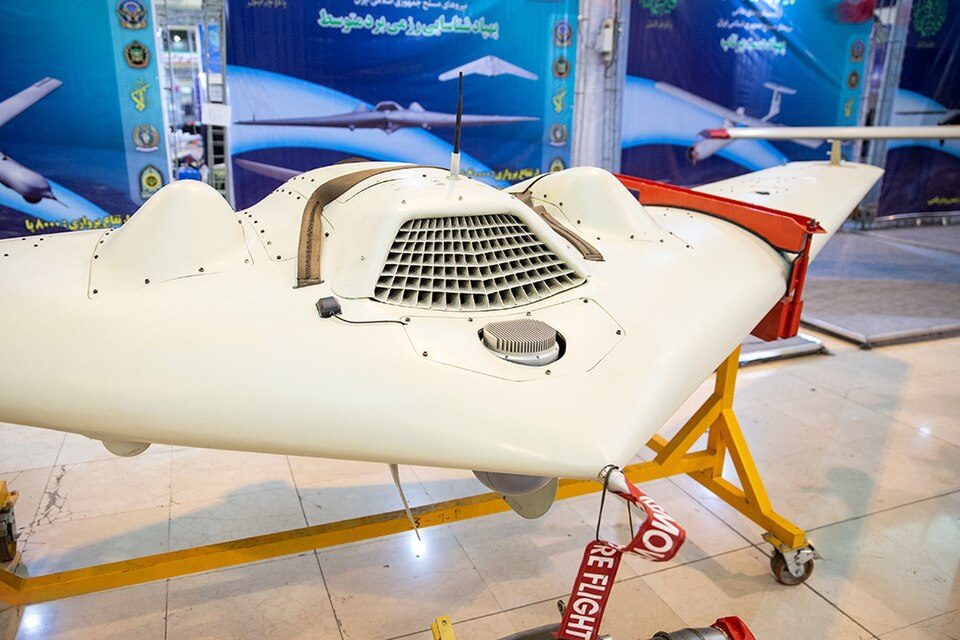
AI and RoboticsThe U.S. Department of War’s Joint Interagency Task Force 401 has published a guide titled 'Small Drones, Big Problems: A First Principles Approach to Countering-UAS.' This document signals a significant shift in how government leaders perceive drones, advocating for a comprehensive understanding of drone threats rather than viewing them as isolated challenges. The report emphasizes that drones have become a permanent aspect of the security landscape, akin to the historical 'Happy Time' of German U-boats during World War II. It argues that while drones have enjoyed advantages due to inadequate defenses, the long-term battle will be one of adaptation between attackers and defenders. Looking ahead, the guide encourages a systems approach to counter-UAS strategies, focusing on understanding the operator, platform, control process, and payload. This perspective is crucial for federal agencies, law enforcement, and critical infrastructure operators as they integrate counter-drone measures into broader security frameworks, reflecting an evolving landscape in drone technology and security planning.
C-UAS defense Drone News Drone News Feeds Dual Use NewsIn a recent three-part series, experts Aloha Ley and Giovanni Carnaroli explore the human factors affecting drone operations, focusing on cognitive workload and pilot fatigue. They highlight that human factors are significant contributors to drone incidents, as evidenced by nearly 700 UAS-related reports processed by NASA's Aviation Safety Reporting System by 2025. The series emphasizes the need for evolving cognitive science, regulatory frameworks, and operational design to enhance safety in increasingly complex commercial UAS missions. A scenario illustrates how cognitive overload can lead to critical errors, such as a drone colliding with a power line due to the pilot's diminished situational awareness after processing multiple tasks simultaneously. Future installments will address how global regulators are tackling these challenges and suggest strategies for enterprise operators to develop safer drone programs. No further timeline was disclosed at the time of publication.
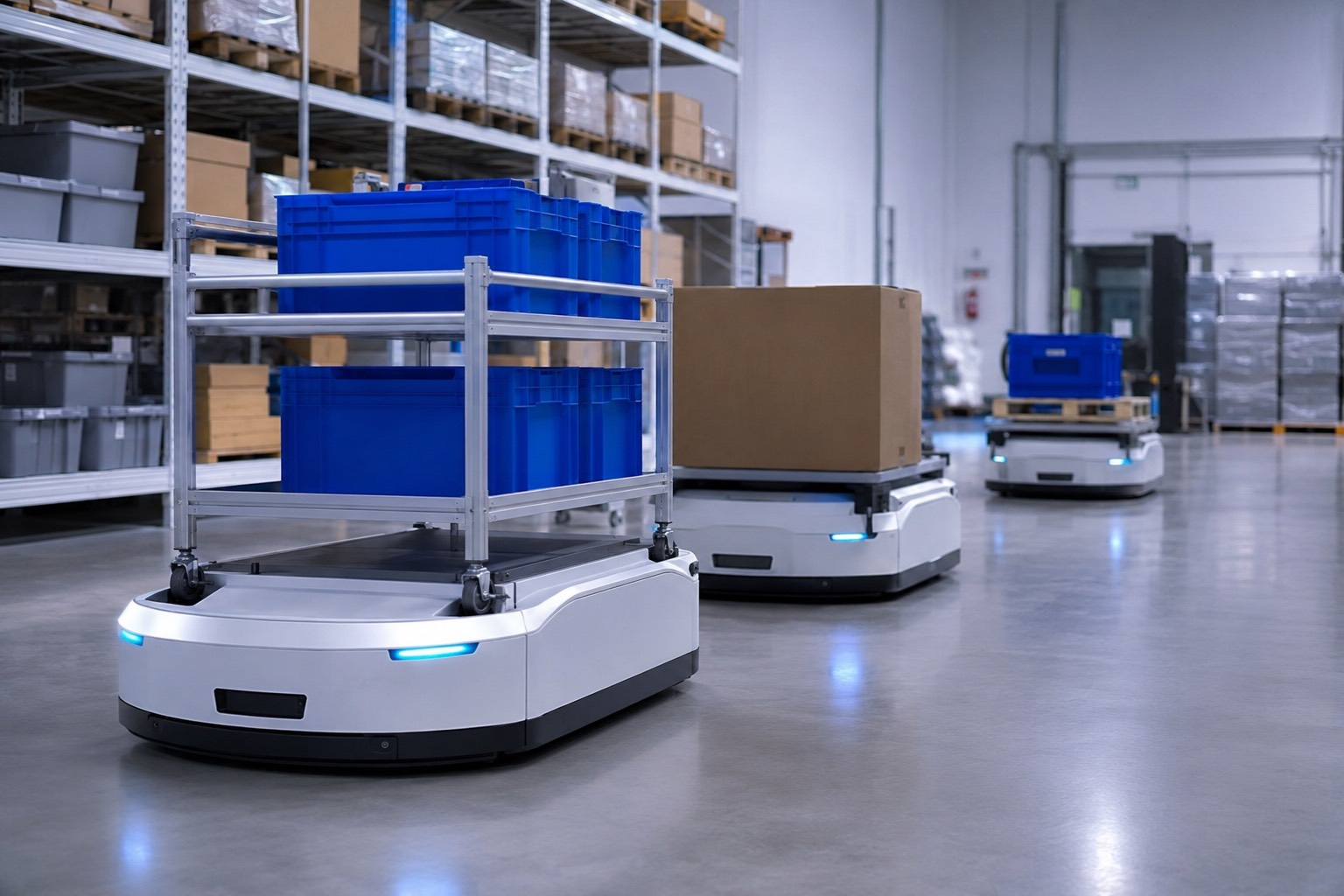
Applications DL Exclusive Drone News Drone News Feeds drone technology Drones in the NewsAutonomous Mobile Robots (AMRs) are rapidly transforming industrial automation, moving beyond traditional fixed conveyors and AGVs. Their flexibility meets the evolving demands of logistics driven by e-commerce growth, product customization, and labor shortages. AMRs utilize advanced technologies like sensors, cameras, LiDAR, and AI to navigate dynamically without fixed infrastructure. This adaptability is crucial as industries face fluctuating volumes and changing processes, making AMRs a vital component of modern supply chains. According to the International Federation of Robotics, AMRs are among the fastest-growing segments in professional robotics. As deployments increase in logistics centers, fleet management software is becoming as critical as the robots themselves, indicating a shift towards integrated automated solutions.
À la une IA Industrie Robotique AMR automatisation des entrepôtsThe INTRA-LOG Expo South America 2026 will be held from September 15-17 at Expo Center Norte in São Paulo, featuring expanded exhibition space and a broader program. This year's event has doubled its footprint, with 95% of the space sold, and is expected to attract over 400 brands and 8,000 visitors, reflecting the growing demand for intralogistics solutions. The significance of this expo lies in its focus on robotics, automation, and AI technologies that are becoming integral to logistics operations in Latin America. With at least 20% of exhibitors coming from outside Brazil, the event serves as a gateway for global technology providers to enter the regional market. The Robotics & Automation Summit will address the evolving role of these technologies in enhancing productivity and safety in logistics. Looking ahead, the expo will also introduce the INTRA-LOG Smart Solutions Honors to recognize innovative leaders in the field. Additionally, the concurrent Label & Pack Expo will showcase advancements in packaging and traceability technologies, further enriching the event's offerings. No further timeline was disclosed at the time of publication.
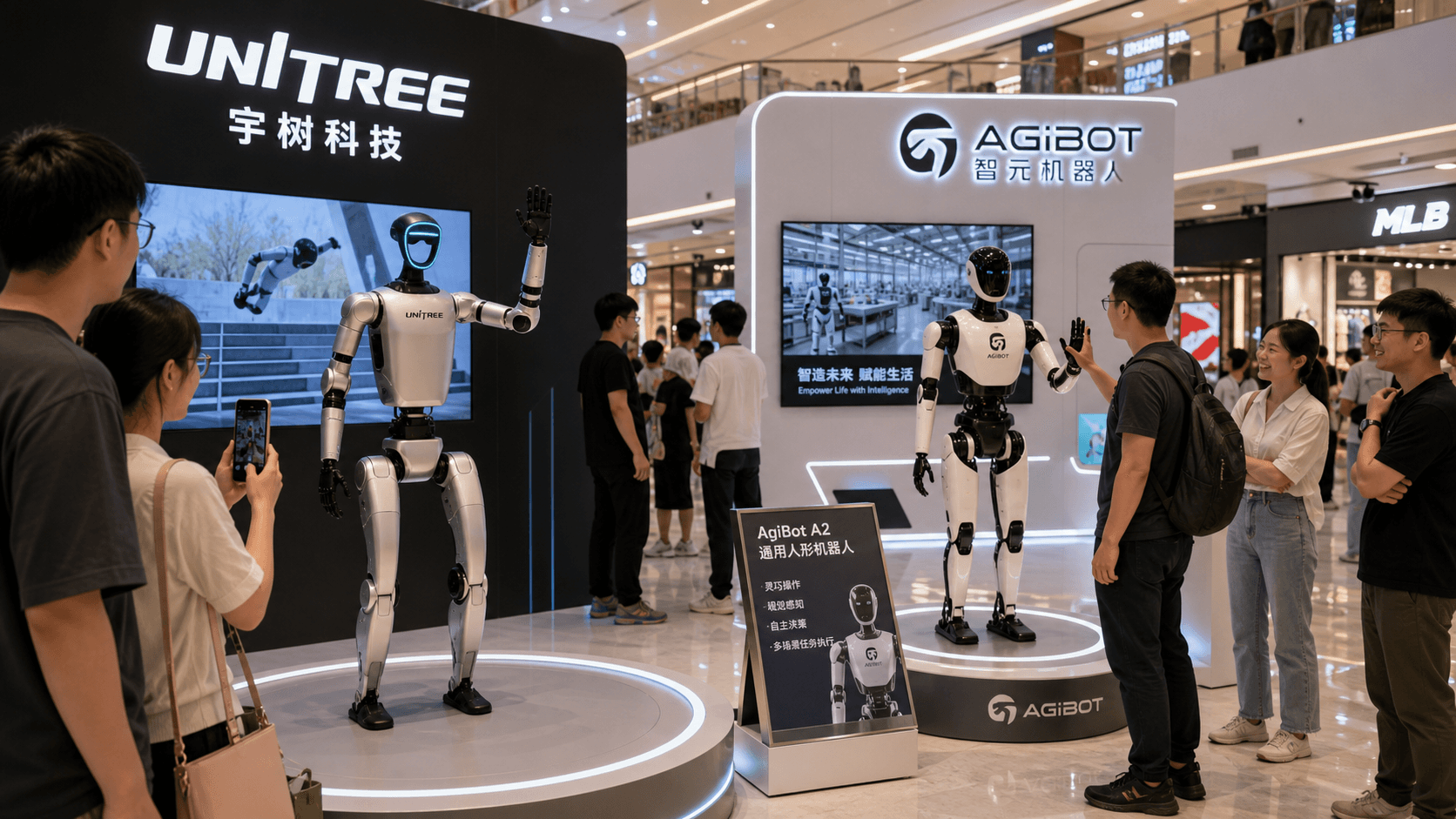
AMR and AGV Automated Packaging Automation Systems and Shuttles Components and Parts Conveying and Sortation Forklifts and Warehouse VehiclesUnitree Robotics and AgiBot have opened flagship stores in key shopping areas, marking a significant step in the retail integration of humanoid robots. This initiative aims to explore the entire commerce cycle, from enhancing customer experience to facilitating purchases and providing after-sales service for humanoid robots. The move is crucial as it signifies a shift in competition towards physical retail environments, allowing both companies to engage directly with consumers. By establishing these storefronts, Unitree Robotics and AgiBot are not only showcasing their humanoid robots but also gathering valuable insights into customer interactions and preferences in a retail setting. Looking ahead, it will be important to monitor how these flagship stores perform in terms of customer engagement and sales metrics. The success of this venture could influence future strategies for humanoid robots in retail, potentially setting a precedent for other companies in the industry. No further timeline was disclosed at the time of publication.
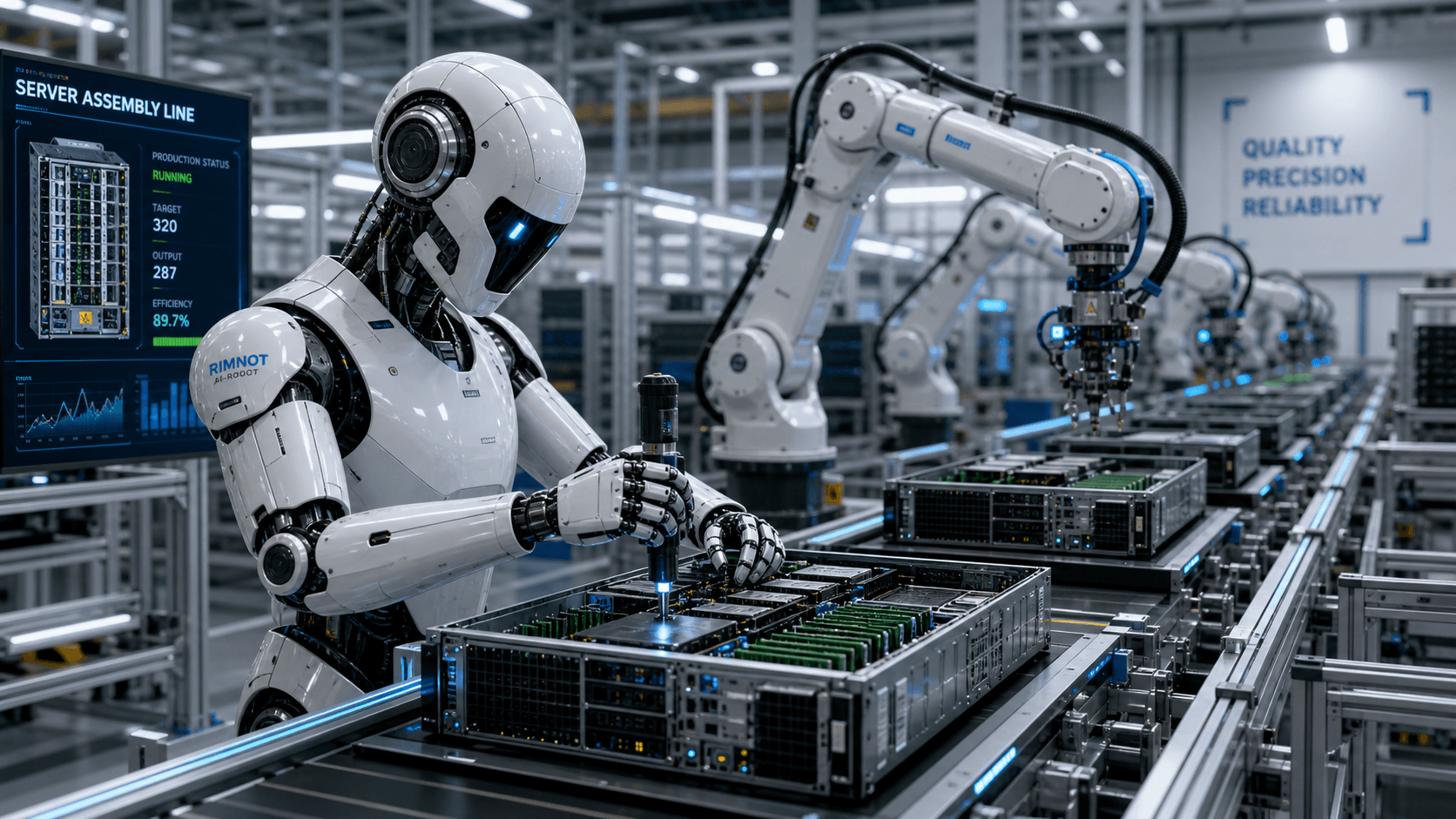
TechnologyRimnot, a newly established physical AI startup, has announced a partnership with Yuantu to deploy 10,000 industrial robots in server manufacturing. This initiative was unveiled during the World Artificial Intelligence Conference (WAIC), where the companies showcased their robots' capability to adapt to environments in just 30 minutes. This deployment is significant as it represents a major step forward in integrating physical AI into industrial applications, particularly in the server manufacturing sector. The collaboration between Rimnot and Yuantu highlights the growing trend of leveraging advanced robotics to enhance production efficiency and adaptability in manufacturing processes. Looking ahead, industry observers will be keen to monitor the progress of this deployment and its impact on server manufacturing. The ability of these robots to quickly adapt to different environments could set a new standard for operational flexibility in the industry. No further timeline was disclosed at the time of publication.
TechnologyCarnegie Mellon University's Professor Liu Changliu is leading efforts to teach humanoid robots to understand game dynamics and make decisions on the field. Unlike traditional robotic arms that follow fixed programs, these robots can adjust their movements in real-time, a crucial skill for sports. The goal is ambitious: to develop a humanoid robot team capable of defeating the current World Cup champions by 2050. This involves teaching robots to locate the ball, communicate strategies with teammates, and make real-time decisions, which tests their multi-agent collaboration and motion control abilities. While progress has been made in various sports, including boxing and marathons, significant challenges remain. Liu emphasizes the need for further programming to ensure safety and effective shutdown methods for humanoid robots. The vision of robots competing in sports is becoming increasingly plausible, with the 2050 goal of defeating human champions appearing more attainable than ever.
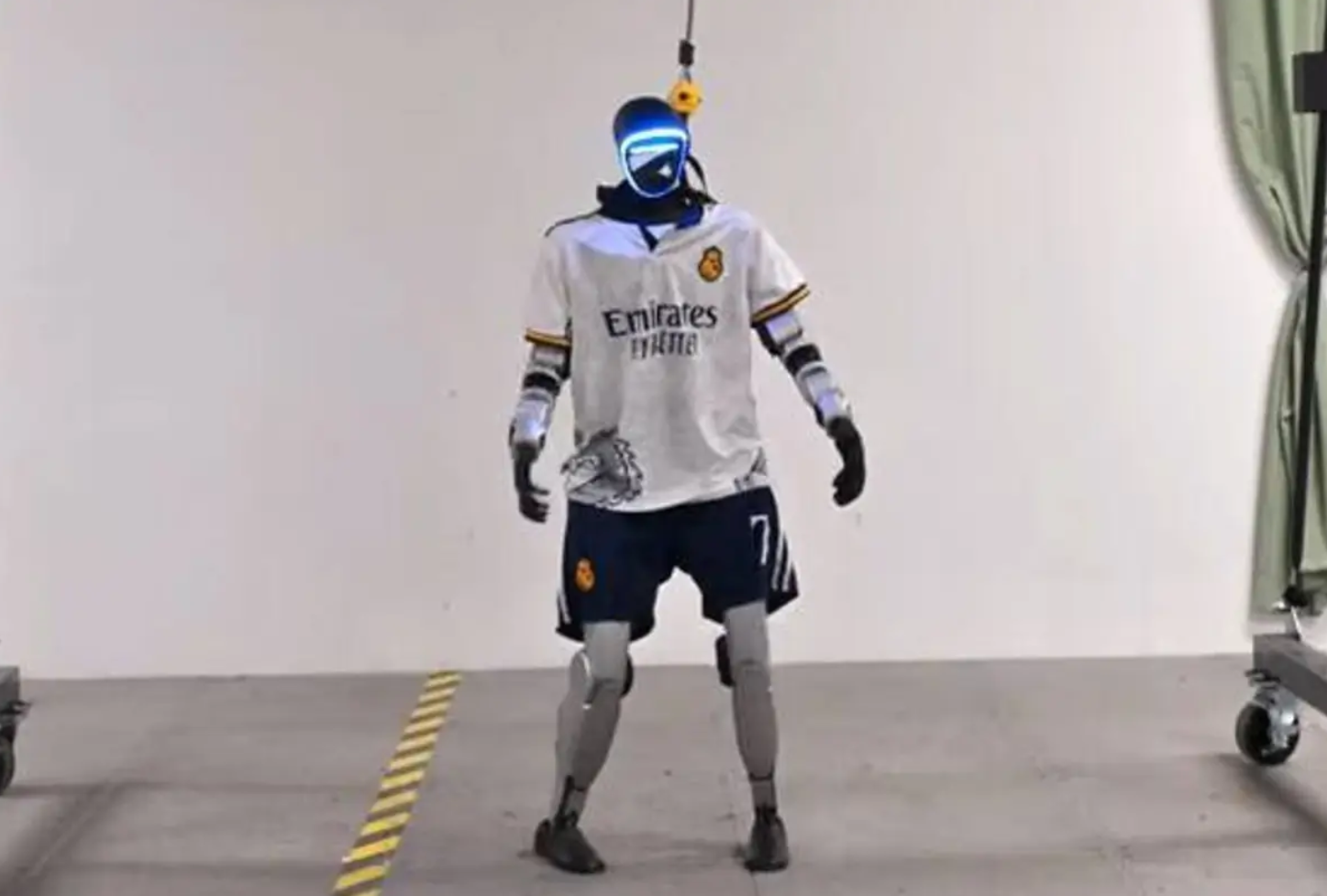
Humanoid Robots Sports Robotics AI Autonomous Decision MakingWAIC 2026 named ten Flagship Exhibits from 3,000+ products — spanning domestic AI superclusters, humanoid robots, general-purpose agents, AI wearables, and protein design AI. Engineering breakdown by RobotToday.
2026 AI for Science landscape report: WAIC 2026 exhibitor breakdown, MIT Boltz-2 and CMU Coscientist case studies, US/China/EU policy comparison, Anthropic Claude Science, and US academic cautionary views.
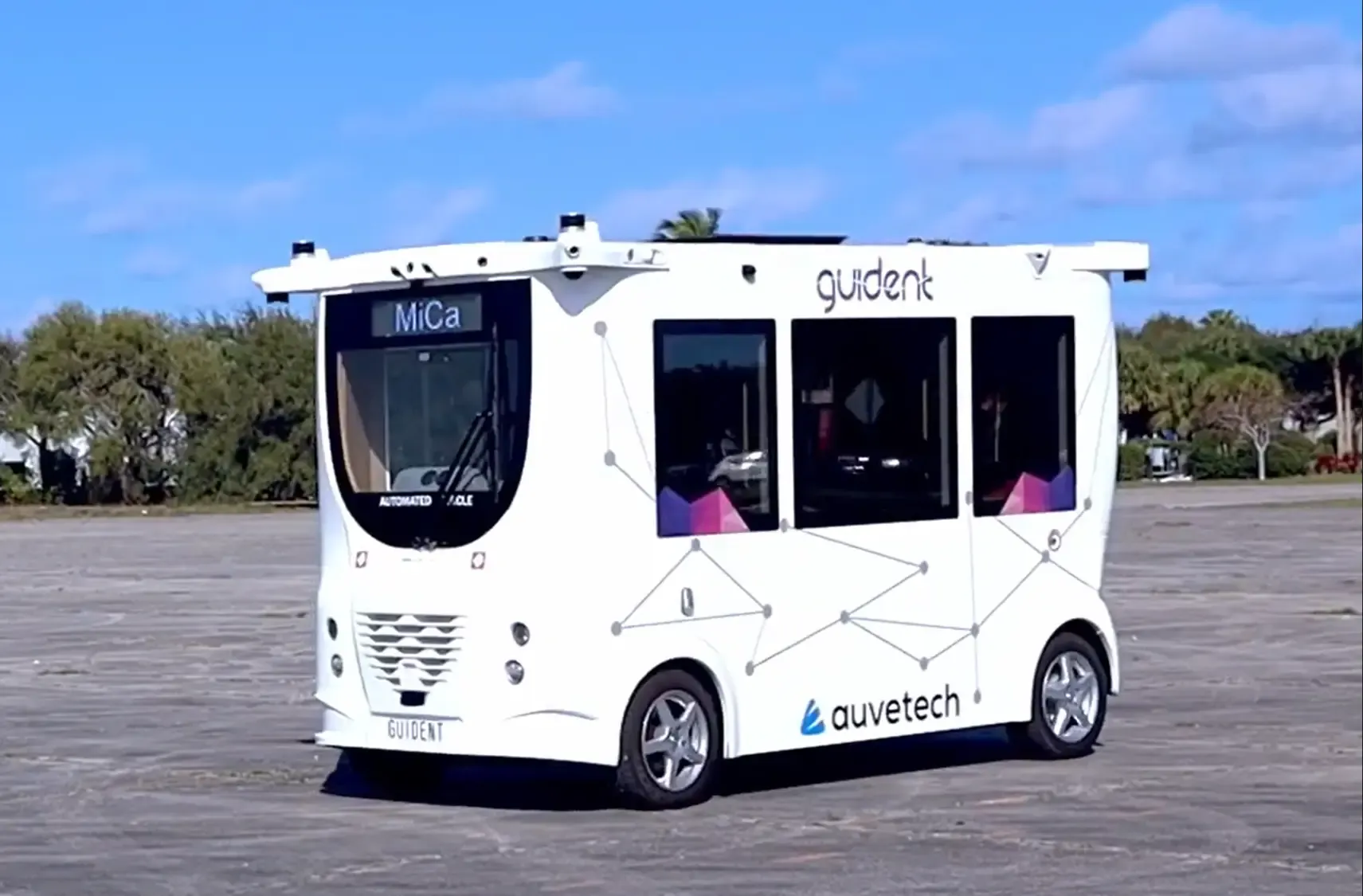
Guident CEO Harald Braun on the RMCC architecture, IRLS risk identification system, and why California’s 2026 AV mandates validate six years of platform development.
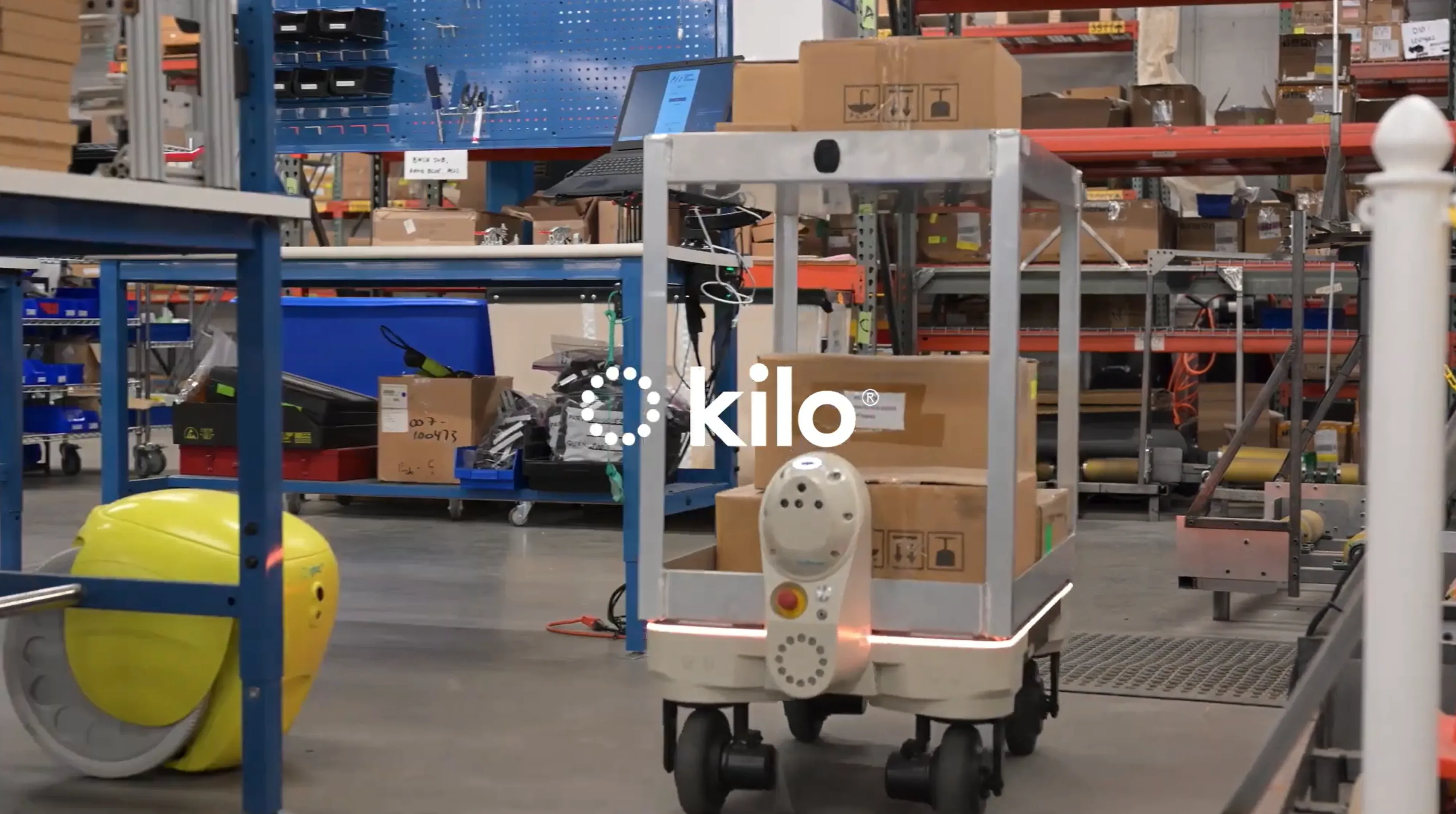
Piaggio Fast Forward showcases kilo®, an infrastructure-free collaborative AMR (300 lb payload, 360° LiDAR), at Automate 2026 booth #17054.
At Automate 2026, Covestro brought Makrolon, Bayblend, Baysafe BEF and Vulkollan to robotics — tackling weight, heat, sensing and sustainability for humanoids and AGV/AMRs.
China controls 80% of humanoid robot shipments and crushes hardware costs. But is winning the body enough? A deep analysis of the US-China robot war beyond the EV analogy.
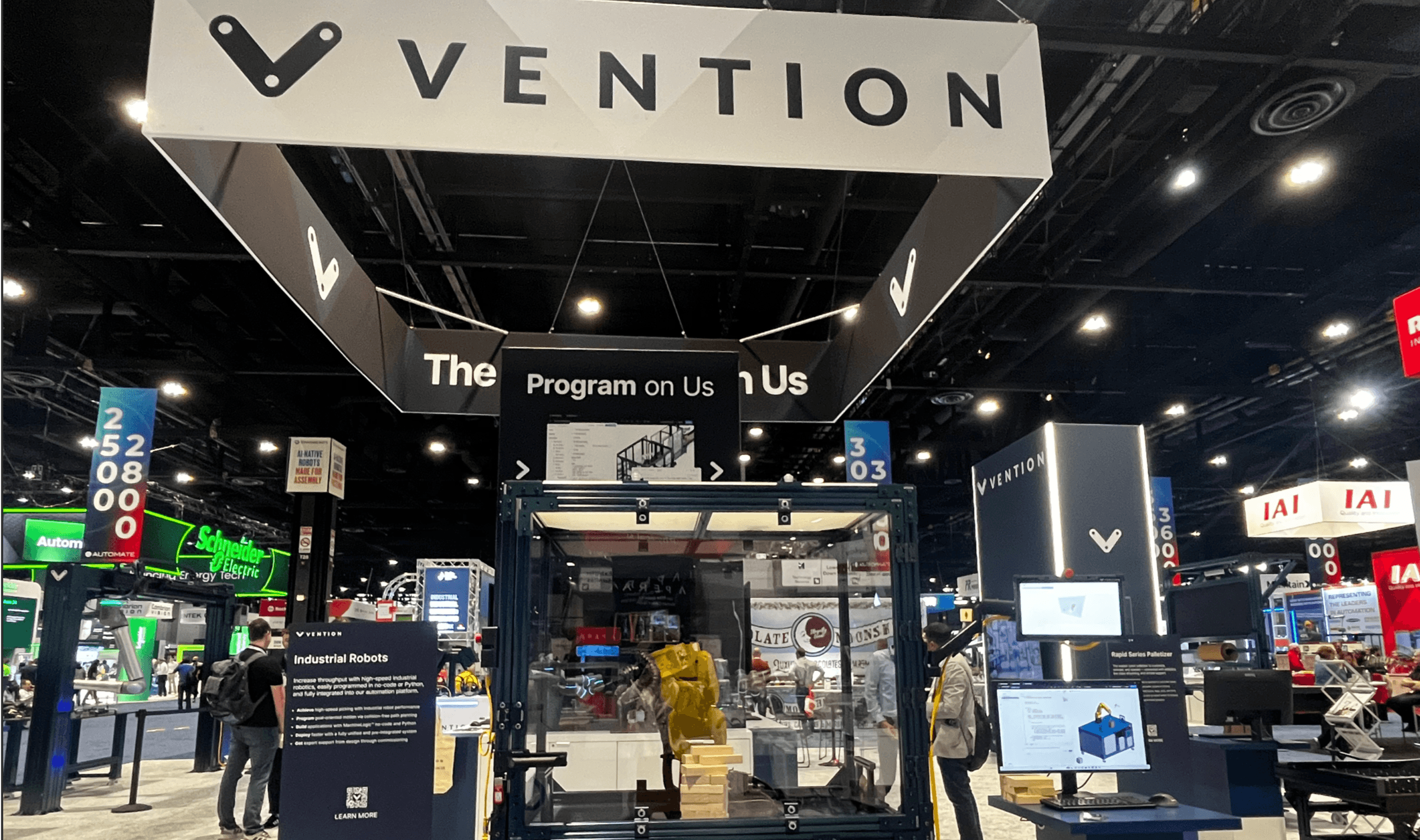
Vention reveals AI-powered platform partnerships with FANUC America and Teradyne Robotics at Automate 2026, enabling software-defined automation across collaborative and industrial robot deployments.
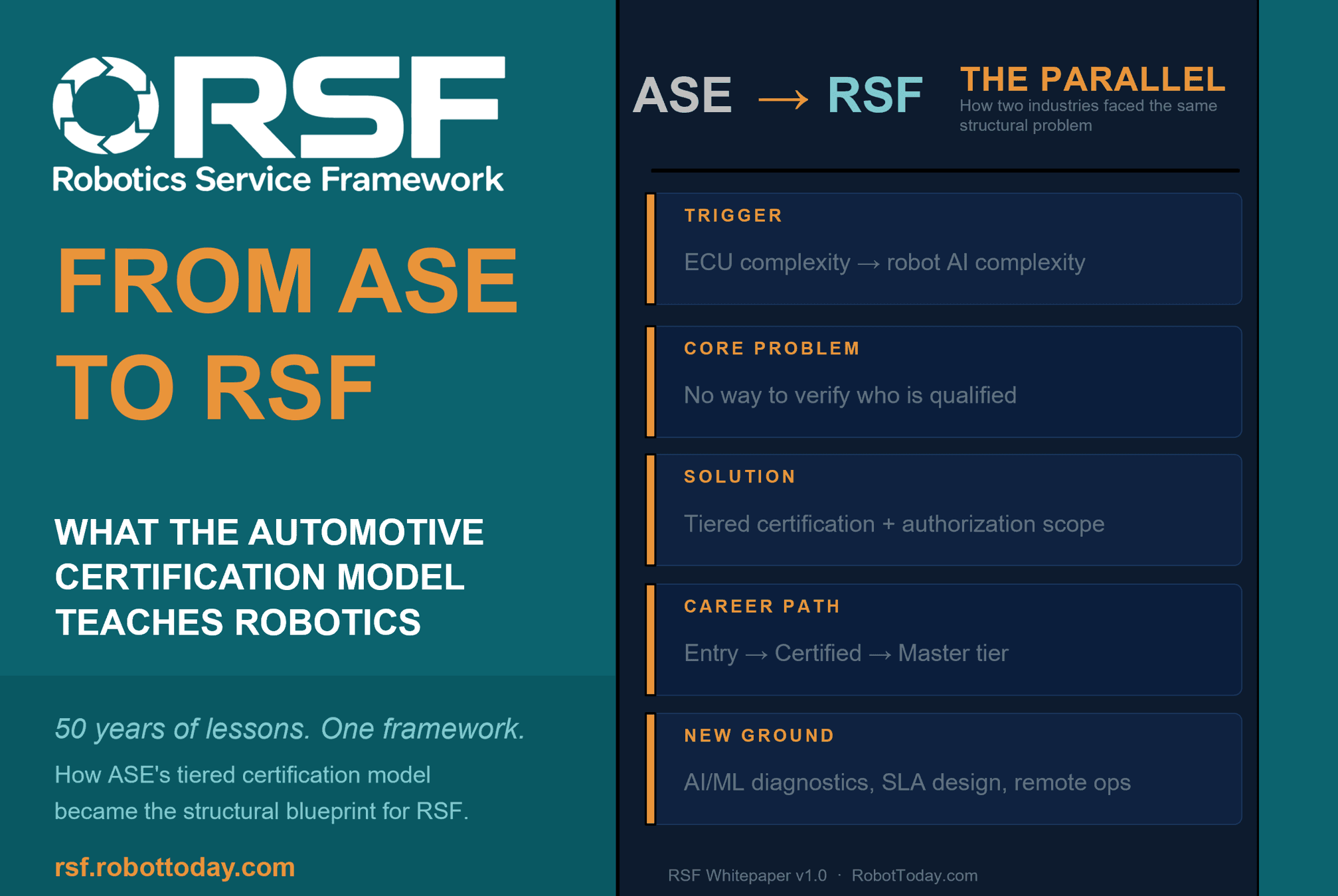
ASE solved automotive service in 1972. Fifty years later, RSF does the same for robotics. Learn how the certification blueprint was adapted — and what had to be built from scratch.
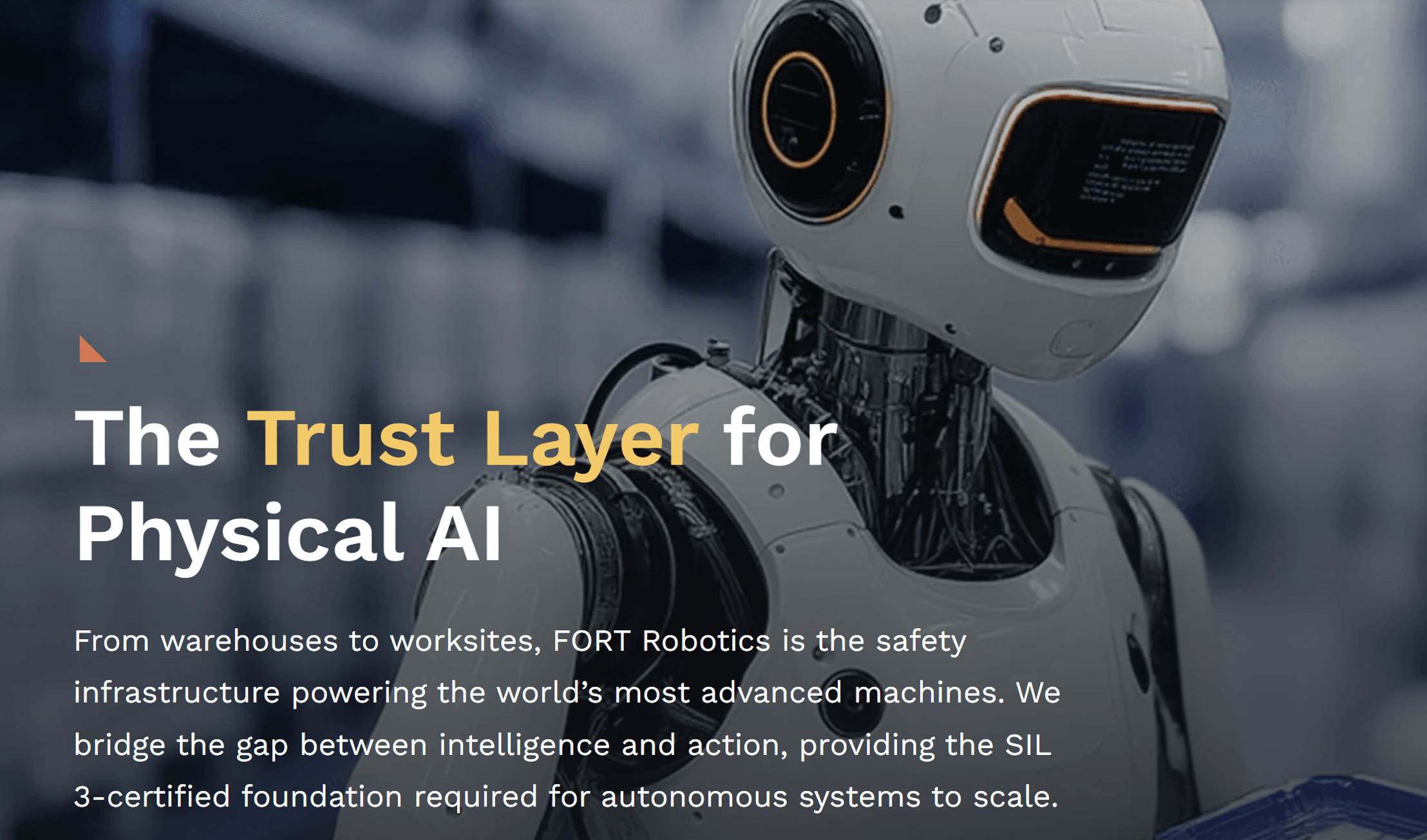
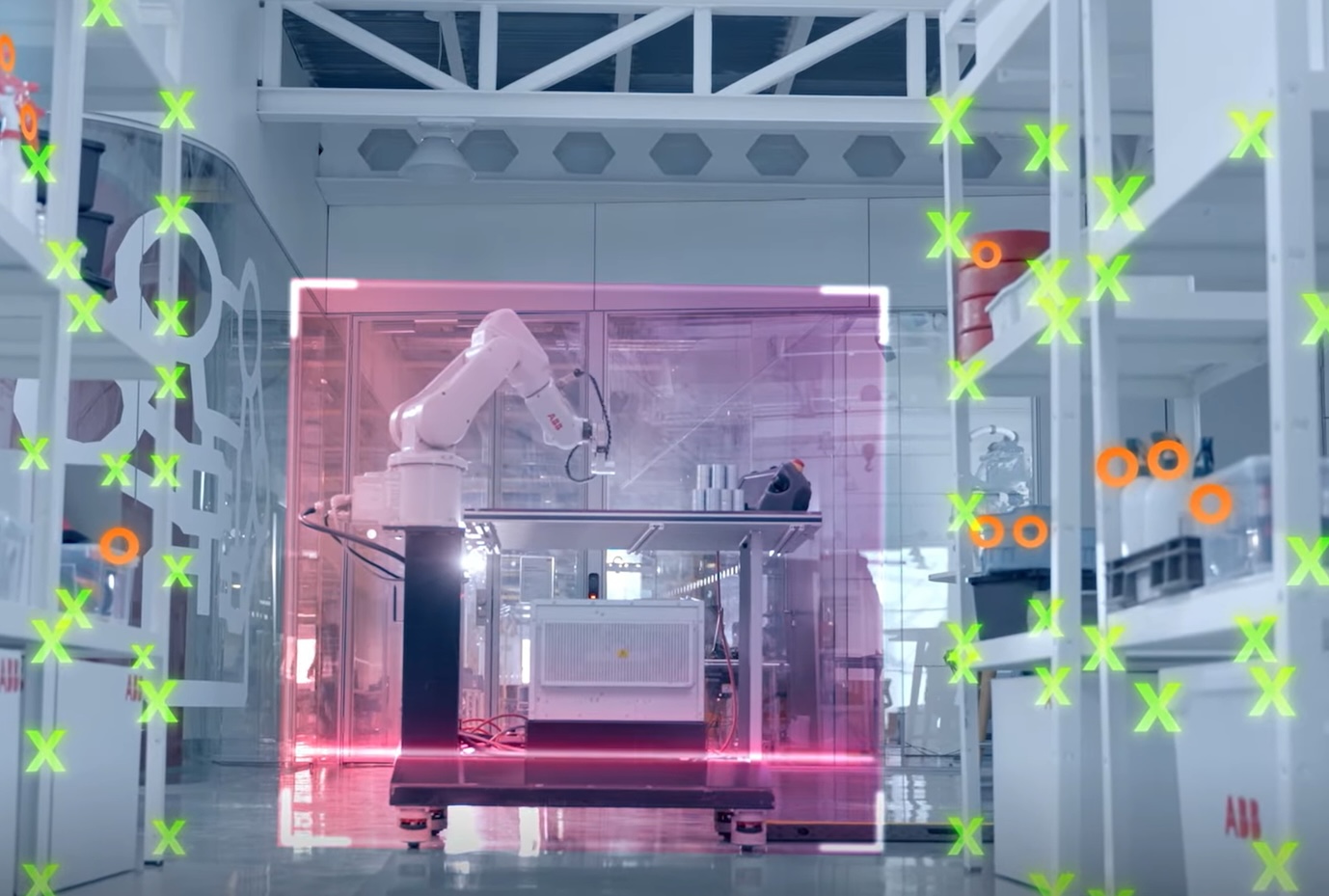
FORT Robotics integrates with NVIDIA Halos for Robotics to deliver Outside-In Safety — extending robot perception beyond onboard sensors via external infrastructure and visual AI agents for safer, higher-throughput autonomous operations.










Leave a comment