


MUSE Robotics
US robotics company (formerly SkyRobotics) developing autonomous window cleaning robots for commercial high-rise buildings.
Contact MUSE Robotics
WEBSITE
https://muserobotics.comPHONE
+30 210 771 1400HEADQUARTERS
United States

Company Facts
Founded
-
Primary Role
Manufacturer
Company Size
-
Primary Region
North America
Annual Sales
-
Funding Stage
-
Funding Total
-

Hyundai's Louisiana Steel Mill to Supply Materials for Robots and SpaceX Rockets
Hyundai Motor Group Executive Chair Chung Euisun announced that steel from the upcoming Hyundai Steel mill in Louisiana could be utilized beyond automotive applications, potentially in Atlas humanoid robots and SpaceX rockets. This vision was shared during the groundbreaking ceremony for the Hyundai-Posco Louisiana Steel plant, which will initially focus on automotive steel production. The $5.8 billion electric arc furnace facility is set to be Hyundai Steel's first production base in the U.S., with an annual capacity of 2.7 million metric tons, including 1.8 million tons dedicated to automotive steel and 900,000 tons for other uses. Chung's comments reflect a long-term strategy to diversify the mill's output, aligning with Hyundai's plans to deploy Atlas robots in U.S. manufacturing operations by 2028. Looking ahead, Hyundai is cautious about deploying Atlas within the steel mill, emphasizing the need for extensive testing. Chung also highlighted the company's efforts to enhance Atlas' development by reorganizing its structure to accelerate technology adoption and improve capabilities in critical components like actuators and grippers. No further timeline was disclosed at the time of publication.
All News
XDOF Engages in Series B Funding Talks at $1.2 Billion Valuation
XDOF, a startup specializing in real-world teleoperation data for training robots, is in advanced discussions for a Series B funding round, aiming for a valuation of approximately $1.2 billion. The funding is reportedly led by 8VC, following the company's rapid growth and annualized revenue nearing $50 million. The significance of this funding round lies in XDOF's role in addressing a critical bottleneck in robotics: the lack of large-scale real-world datasets. Co-founded by UC Berkeley researchers Philipp Wu and Fred Shentu, XDOF aims to provide outsourced data solutions for the robotics industry, similar to what Scale AI offers for AI applications. Looking ahead, XDOF is set to release what it claims is the largest collection of high-quality robot training data, known as ABC, in collaboration with UC Berkeley's AI Research lab. The startup is also planning to expand its workforce of data collectors globally, which will enhance its capabilities in generating essential training data for robots. No further timeline was disclosed at the time of publication.
AI Robotics Startups 8VC
Monumental's CEO Discusses Robotics Potential in Construction Industry
In a recent episode of Lexicon, Salar al Khafaji, founder and CEO of Monumental, highlighted the overlooked potential of robotics in the construction industry. He emphasized the challenges of deploying autonomous robots on unpredictable building sites and the need for specialized machines to address rising construction costs and housing shortages. Al Khafaji pointed out that construction has not received the technological attention it deserves, despite its significant economic and social impact. He believes that the industry is vast and underappreciated by tech founders, which is why he pivoted from data visualization to focus on tangible impacts in construction. Monumental has developed autonomous robots capable of transporting materials and constructing brick walls on commercial sites. However, al Khafaji noted that real-world deployment presents unique challenges, such as varying environmental conditions that affect sensors and computer vision systems. No further timeline was disclosed at the time of publication.
AI and Robotics Innovation
Exploring the Role of FPGAs in Enhancing Physical AI Security
In Episode 260 of The Robot Report Podcast, Eric Sivertson, vice president of security at Lattice Semiconductor, discusses the significance of FPGAs in physical AI security. He highlights how these field-programmable gate arrays are crucial for building safe and secure robots, emphasizing their role in enhancing trust in embedded systems. The conversation underscores the growing importance of security in robotics, particularly as the industry shifts towards more advanced AI applications. Sivertson's extensive experience in developing technologies for security and connectivity positions him to provide valuable insights into the challenges and opportunities within this sector. Listeners should pay attention to the evolving landscape of physical AI security and the potential for FPGAs to serve as foundational elements in safeguarding robotic systems. No further timeline was disclosed at the time of publication.
Artificial Intelligence Autonomous Mobile Robots (AMRs) Humanoids Manufacturing Markets / Industries Microprocessors / SoC
Pentagon Reports 11 Percent Cost Increase for F-35 Joint Strike Fighter Variants
The Pentagon has announced that the costs for all three variants of the F-35 Joint Strike Fighter are rising by approximately 11 percent. The average flyaway cost for the F-35A has increased to $92 million for production lots 18 and 19, up from $82.5 million, while the F-35B and F-35C have also seen price hikes to $121.4 million and $110.8 million, respectively. This increase in costs is significant as it reflects ongoing challenges faced by the F-35 program, including inflation, rising raw material prices, and supply chain issues. Lockheed Martin, the manufacturer, has indicated that these factors have contributed to the rising costs, which are projected to exceed $50 billion over the program's lifespan due to upgrades and increased spare parts. Looking ahead, the Pentagon plans to acquire 148 aircraft each in lots 18 and 19, totaling 296 aircraft. The F-35 program continues to evolve with modernization efforts, including enhancements to the engine and a new power management system, although some upgrades are behind schedule. No further timeline was disclosed at the time of publication.
Air Warfare Pentagon Air Force Europe F-35 F-35 Joint Strike Fighter
Tesla Reveals New Details About Cybercab, Including Age Restrictions for Passengers
Tesla's recent private event for the Cybercab showcased a stark departure from its typical large-scale launches, with CEO Elon Musk notably absent. The Cybercab promises to be a fully autonomous vehicle utilizing cameras and AI, but details were sparse, primarily shared through PDFs and updates to the 'Robotaxi' app. A significant point of contention is the restriction on minors under 13 from riding in the Cybercab, while those aged 8 to 17 can use the Model Y SUVs, albeit with adult supervision. The implications of these restrictions highlight Tesla's cautious approach to safety amid ongoing investigations by the National Highway Traffic Safety Administration into the Cybercab's rollout. The absence of standard child seat anchors in the Cybercab raises concerns, especially as Tesla aims to ensure the safety of all passengers. The vehicle's safety features, including automatic crash responses, are designed to mitigate risks, but the decision to limit child passengers reflects the company's hesitance to fully embrace its autonomous technology in all scenarios. Looking ahead, Tesla must navigate regulatory scrutiny and public perception as it seeks to validate the safety of the Cybercab. The company's commitment to innovation in autonomous driving will be closely monitored, particularly in light of recent recalls related to electronic door latches. No further timeline was disclosed at the time of publication.
Transportation autonomous vehicles avs cybercab robotaxis Tesla
Robotics Startups Invited to Apply for the 2026 Robotics Startup Radar Program
The Robot Report has announced the opening of submissions for the 2026 Robotics Startup Radar, aimed at identifying innovative robotics startups. Startups that are five years old or younger and offer novel full systems, enabling technologies, or unique business approaches are encouraged to apply. The deadline for submissions is Tuesday, October 6, 2026. This initiative is significant as it provides a platform for emerging robotics companies to showcase their technology and gain visibility among potential investors and industry experts. Last year, the Radar featured 100 promising startups across various sectors, including autonomous mobility and industrial automation, highlighting the diversity and potential of the robotics landscape. Looking ahead, the editorial team will evaluate all submissions, but inclusion is not guaranteed. The program, sponsored by Maxon Precision Motors and PTC, offers a valuable opportunity for young businesses to connect with influential figures in the robotics industry. No further timeline was disclosed at the time of publication.
News Startups Robotics Startup Radar
Inspired Flight's Open Platform Strategy Enhances Flexibility in U.S. Drone Market
Inspired Flight, a U.S. drone manufacturer, is adapting to new restrictions on foreign technology by implementing an open aircraft platform strategy. Co-founder Adam Bilmes emphasized the importance of flexibility, allowing operators to utilize various payloads without being limited to proprietary systems. This approach supports over 20 payloads, enabling operators to switch between missions like LiDAR and thermal imaging seamlessly. The significance of this strategy lies in its ability to accommodate the rapid evolution of payload technology, which can outpace the aircraft itself. By focusing on an open system, Inspired Flight ensures that its drones remain relevant and capable of integrating new capabilities as they emerge. Bilmes highlighted that the true value of their aircraft lies in its reliability and ease of use, which enhances operators' workflows in data collection. Looking ahead, Inspired Flight's open platform may set a precedent for future drone development, encouraging collaboration with technology partners. The company provides resources for third parties to innovate around its aircraft, fostering a more dynamic ecosystem. No further timeline was disclosed at the time of publication.
Blue UAS DL Exclusive Drone Manufacturing Drone News Dual Use Feature 1
Wing Strengthens Engineering Leadership with New Appointments Ahead of 2027 Expansion
Wing has appointed Brandon Jones as Chief Autonomous Systems and Applications Officer and Paul Gojenola as Chief Hardware Development and Manufacturing Operations Officer. These strategic appointments aim to enhance Wing's engineering capabilities as the company prepares to serve 40 million Americans and expand internationally by 2027. The significance of these leadership changes lies in Wing's commitment to scaling its residential drone delivery services. With Jones overseeing autonomy and Gojenola managing hardware development, Wing is positioned to meet the increasing demand for drone delivery solutions. Their combined expertise is expected to drive innovation and operational efficiency in the company's delivery network. Looking ahead, Wing's focus will be on executing its ambitious plans for 2027. The company aims to expand its reach and enhance its technology leadership in the drone delivery sector. No further timeline was disclosed at the time of publication.
Business and Finance Corporate News Drone News Drone News Feeds News Adam Woodworth Wing CEO
Tesla Launches Autonomous Cybercab for Robotaxi Service in Austin
On September 3, Tesla held the 'Cybercab Launch Event' in Austin, Texas, introducing the autonomous vehicle 'Cybercab' into its Robotaxi service. The two-seater Cybercab, which lacks a steering wheel and pedals, is now available for rides in select areas of Austin. This development is significant as it marks a shift from Tesla's previous Robotaxi offerings, which utilized modified Model Y vehicles equipped with traditional controls. The Cybercab, powered by Tesla's Full Self-Driving software, features a touchscreen interface for all operations, emphasizing a fully autonomous experience. Looking ahead, the Robotaxi service is set to officially launch in Austin by June 2025, with existing operations already in Dallas, Houston, and several cities in Florida. No further timeline was disclosed at the time of publication.
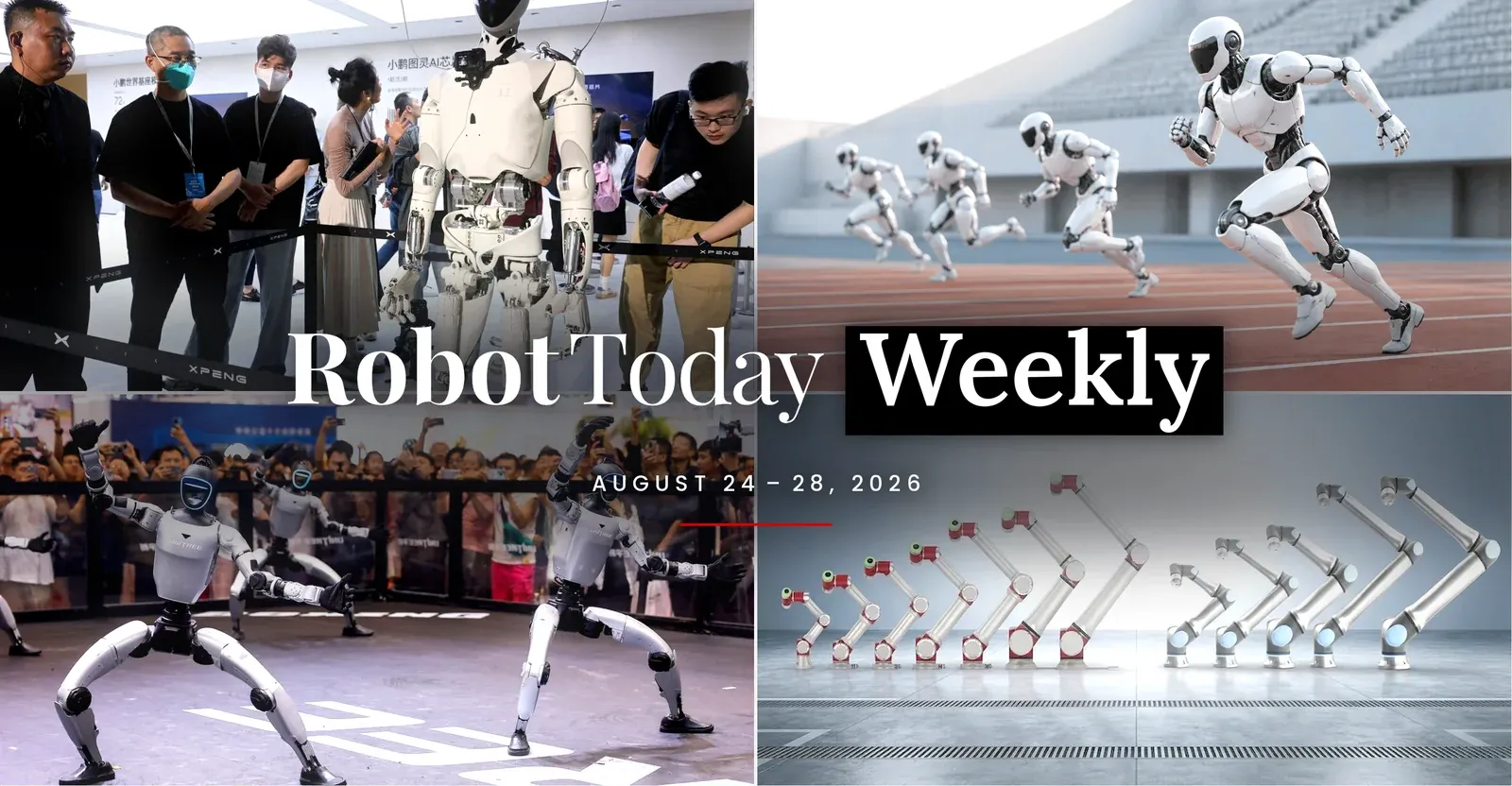
ROBOTTODAY WEEKLY BRIEFING August 24 – 28, 2026
This week in robotics: XPeng's Dogotix raises over $900 million at a $6.3 billion valuation, Unitree's post-IPO slump revives bubble talk, Beijing's World Humanoid Robot Games close with a shift to real-world tasks, and Teradyne sues JAKA at Europe's Unified Patent Court. August 24–28, 2026.
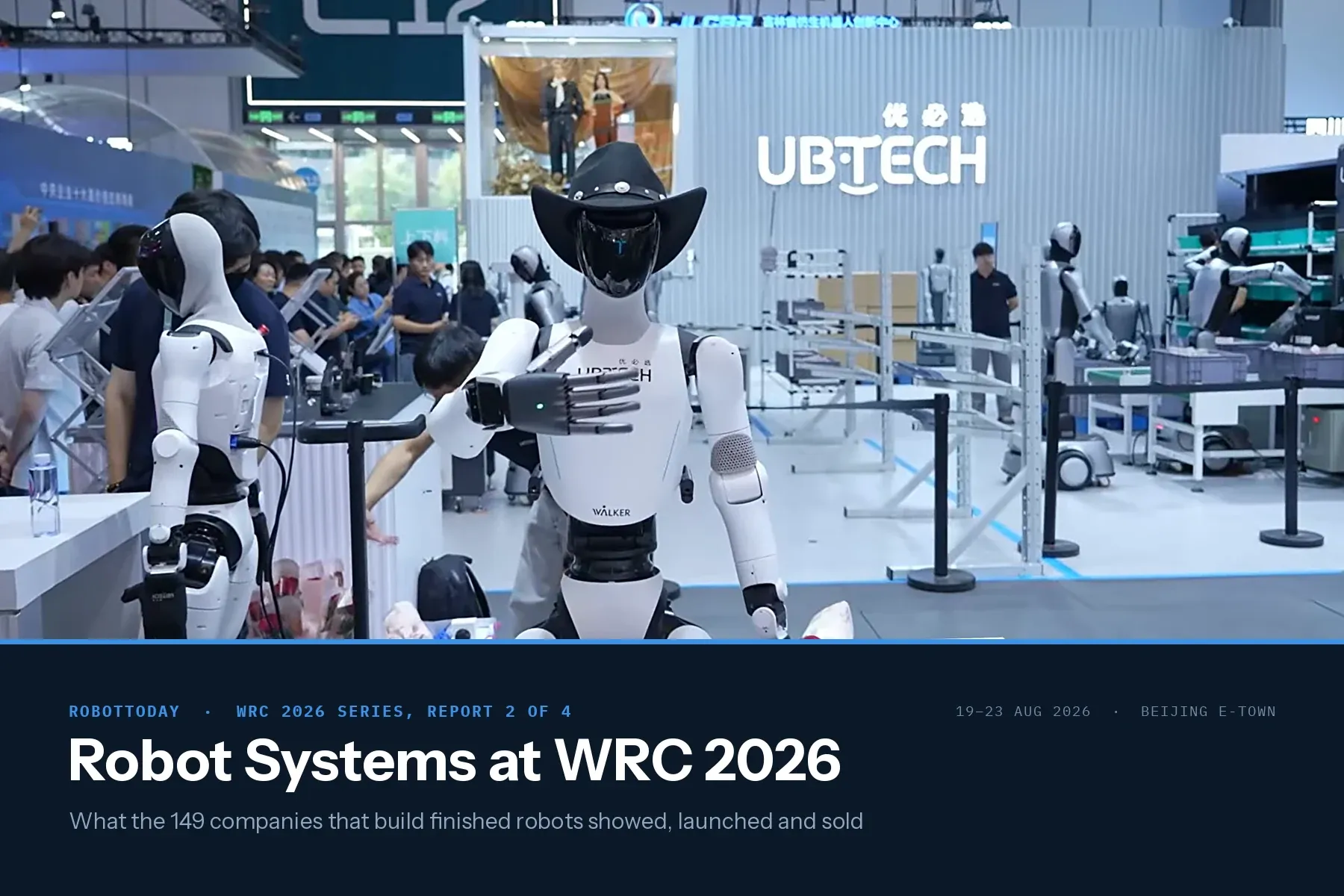
WRC 2026 Robot Systems: 149 Companies That Build Robots
149 of the 248 classified WRC 2026 exhibitors build finished robots. 93 build humanoid or legged machines. The audited humanoid sales number is one unit.
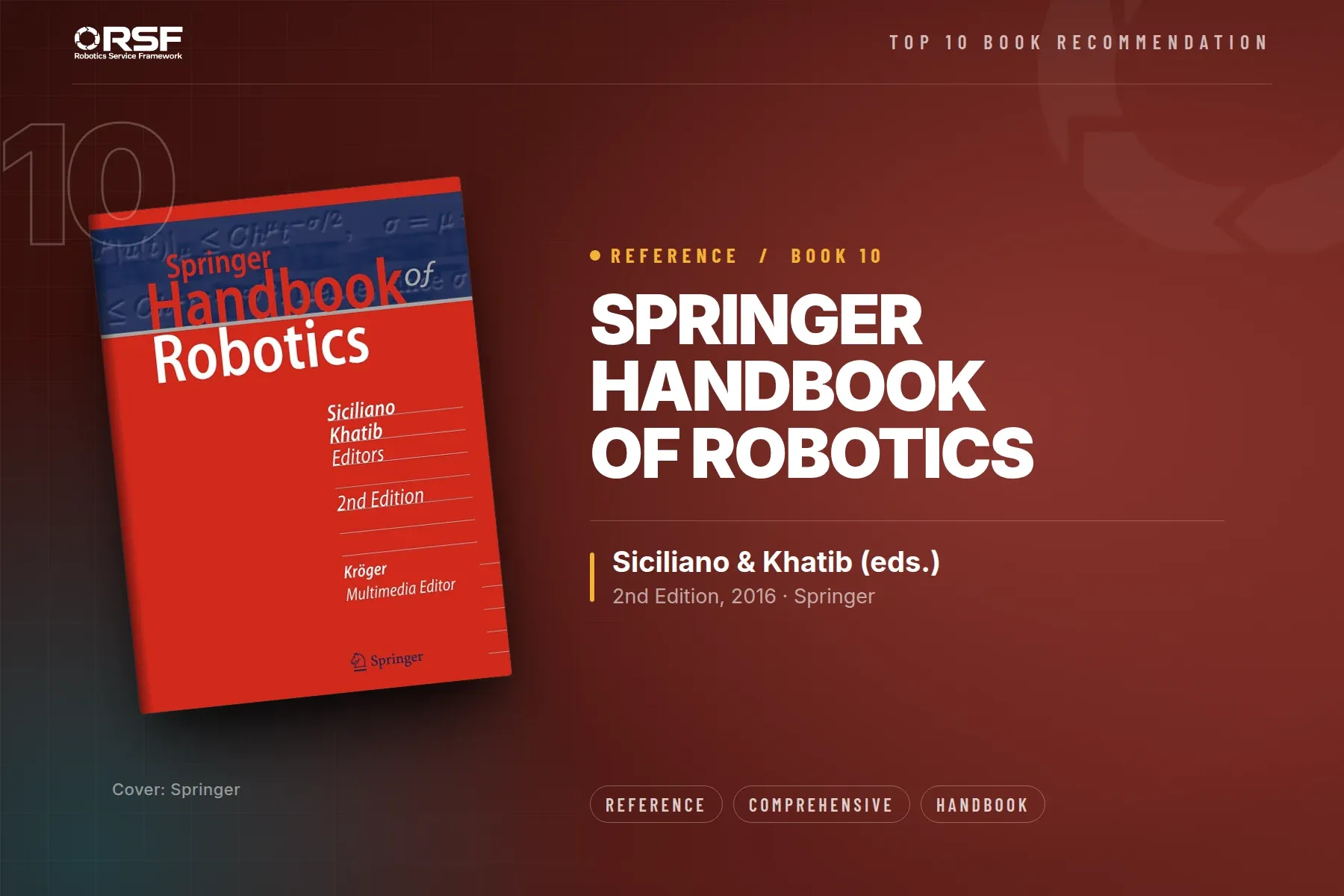
Springer Handbook of Robotics B. Siciliano & O. Khatib (eds.) — RSF Top 10 Robot Education Textbooks · No. 10
Eighty-plus chapters, 2,300 pages, nobody reads it cover to cover. It ranks for one reason: when a fault crosses domains, this is the reference of record.

Autonomous Mobile Robots Siegwart, Nourbakhsh & Scaramuzza — RSF Top 10 Robot Education Textbooks · No. 3
AMR and AGV fleets are the biggest robot service market. Siegwart decodes the vendor manual: odometry, localization, cost maps.

Robotics, Vision and Control Peter Corke — RSF Top 10 Robot Education Textbooks · No. 5
Most books you read; Corke's you run. Every concept ships as executable Python via the open Robotics Toolbox. The code softens the maths.
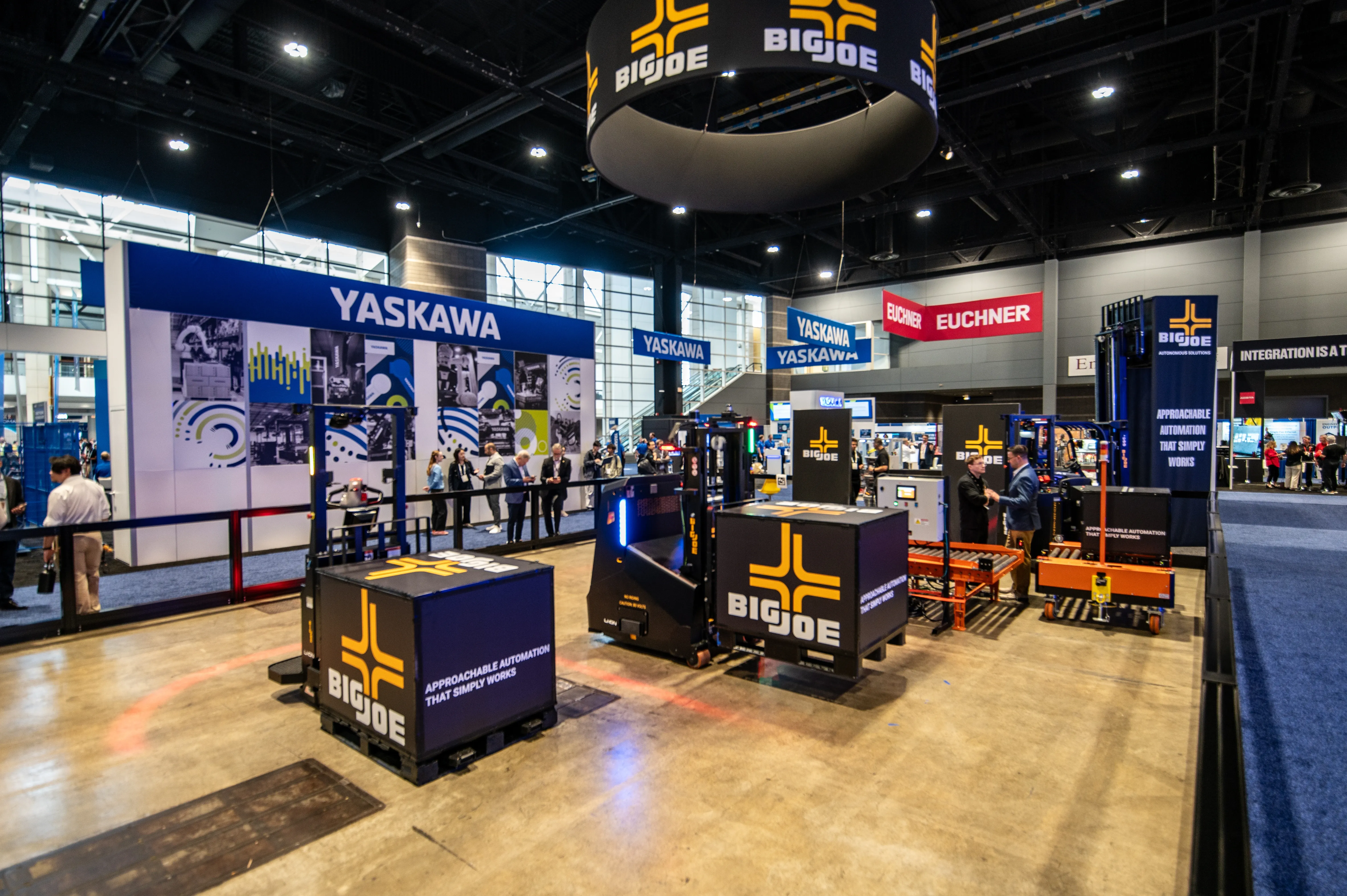
Big Joe's Four-Product AMR Push at Automate 2026: What It Reveals About the North American Warehouse Automation Market
RobotToday analyzes Big Joe's four new autonomous vehicles launched at Automate 2026 — AP44, ASC40, ATC100, ACV40 — in the context of North America's warehouse labor shortage and AMR market growth.
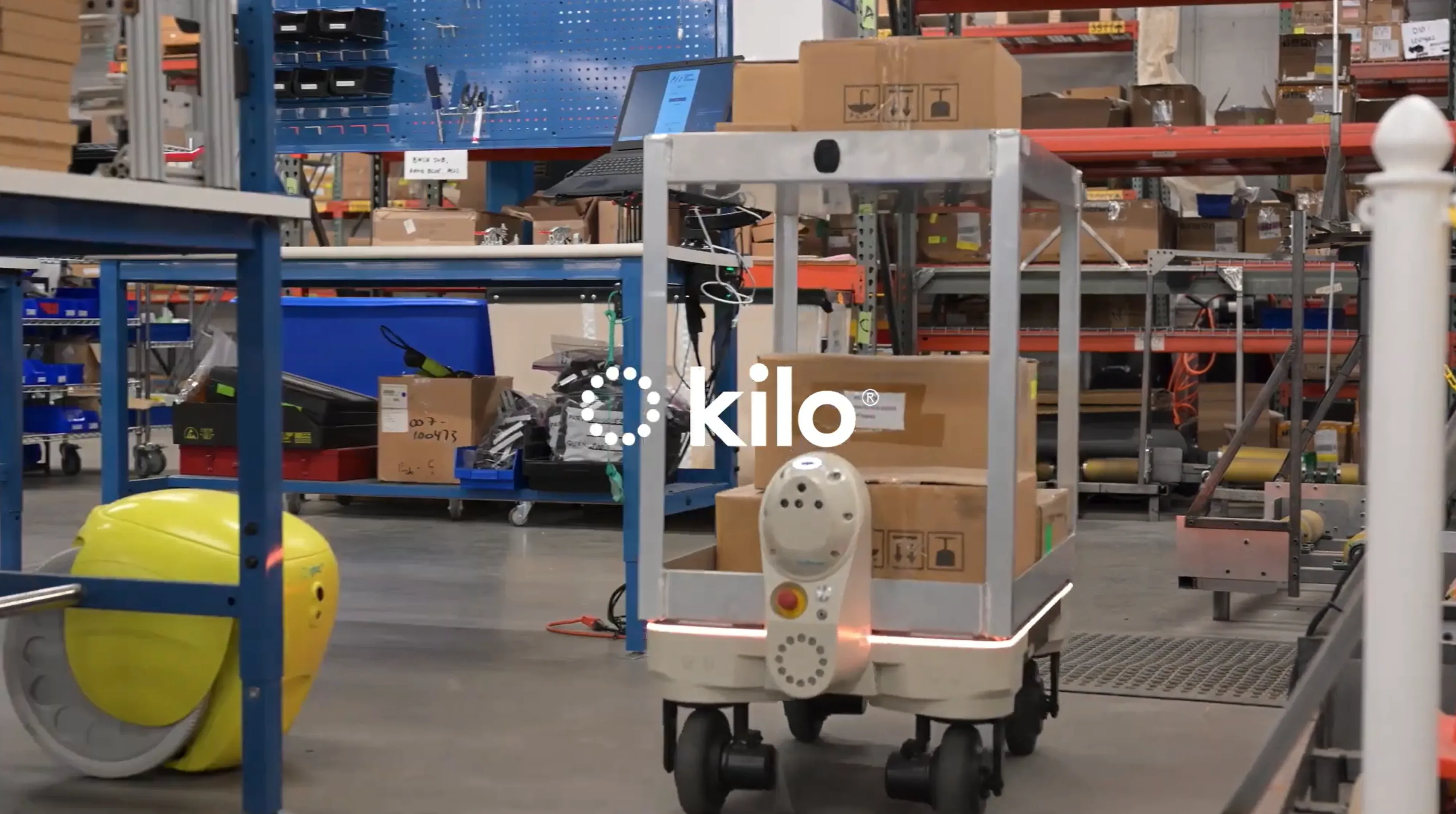
Piaggio Fast Forward Brings kilo® Autonomous Mobile Robot to Automate 2026
Piaggio Fast Forward showcases kilo®, an infrastructure-free collaborative AMR (300 lb payload, 360° LiDAR), at Automate 2026 booth #17054.

When a Materials Giant Meets Robotics: Covestro at Automate 2026
At Automate 2026, Covestro brought Makrolon, Bayblend, Baysafe BEF and Vulkollan to robotics — tackling weight, heat, sensing and sustainability for humanoids and AGV/AMRs.
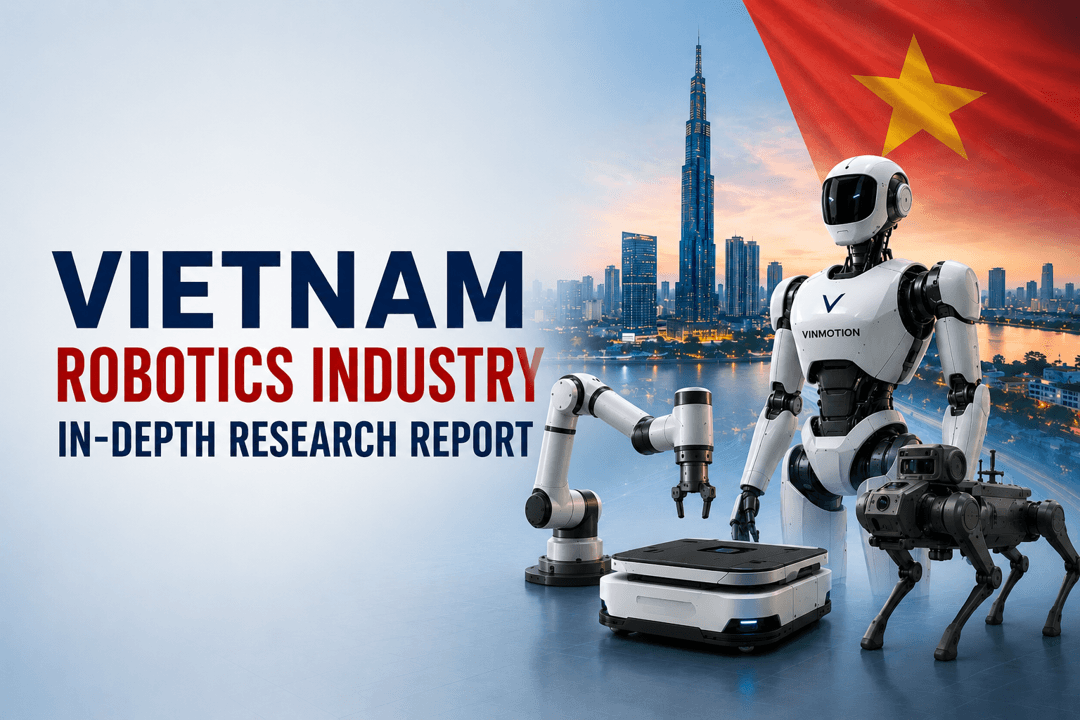
Vietnam Robotics Industry Report 2026
Comprehensive analysis of Vietnam's robotics industry: market size, industrial policy, key companies (Vingroup, Apicoo, Phenikaa-X), geopolitical dynamics, and 2030 growth opportunities.

CIIF 2026 | China International Industry Fair | Oct 12–16, Shanghai | CIROS Robot Show
CIIF 2026 — the 26th China International Industry Fair — takes place October 12–16 at Shanghai NECC. 10,000+ exhibitors, 280,000 sqm, including the CIROS Robot Show covering industrial robots, AMR, cobots, and intelligent manufacturing.


