
-
Website: https://gdmissionsystems.com
-
Phone: +1 703-273-9300
12450 Fairfax Ridge Drive
Fairfax, Virginia 22033


General Dynamics Mission Systems division developing C4ISR solutions for land, sea, air, space, and cyber domains. Supplies integrated electronics, communications, and control systems for defense platforms.
RSF defines a common language for robot service capability, lifecycle operations, certification pathways, and service-provider networks.
Nvidia has announced a partnership with Toyota's Woven City, a smart city located in Shizuoka prefecture, Japan. This collaboration aims to enhance the implementation of artificial intelligence technologies in traffic management systems within the city. By providing foundational technologies, Nvidia seeks to accelerate the adoption of AI solutions in Japan. This partnership is significant as it aligns with Nvidia's strategy to expand its influence in the AI sector, particularly in Japan, where smart city initiatives are gaining momentum. Woven City serves as a testing ground for innovative technologies, making it an ideal location for Nvidia to showcase its capabilities in AI and traffic management. Looking ahead, the collaboration between Nvidia and Woven City may lead to further advancements in smart city technologies and AI applications. No further timeline was disclosed at the time of publication.
LG Energy has been confirmed to supply batteries for Google's largest solar and energy storage project, marking a significant expansion in energy infrastructure related to the rising power demands of AI data centers. This project, known as the Steel River Energy Center, is a collaboration between Google and Cypress Creek Energy in Arkansas. The initial phase of the project will feature 1.6 gigawatts (GW) of solar power generation capacity and approximately 2 gigawatt-hours (GWh) of battery storage, with plans to expand to 2.5 GW of solar and 2.9 GWh of storage by 2029. LG Energy is expected to provide its JF2 DC Link system, utilizing lithium iron phosphate battery technology, with the order valued at several hundred billion Korean won. As the demand for renewable energy solutions grows, this partnership highlights the increasing importance of energy storage systems in supporting sustainable infrastructure. No further timeline was disclosed at the time of publication.
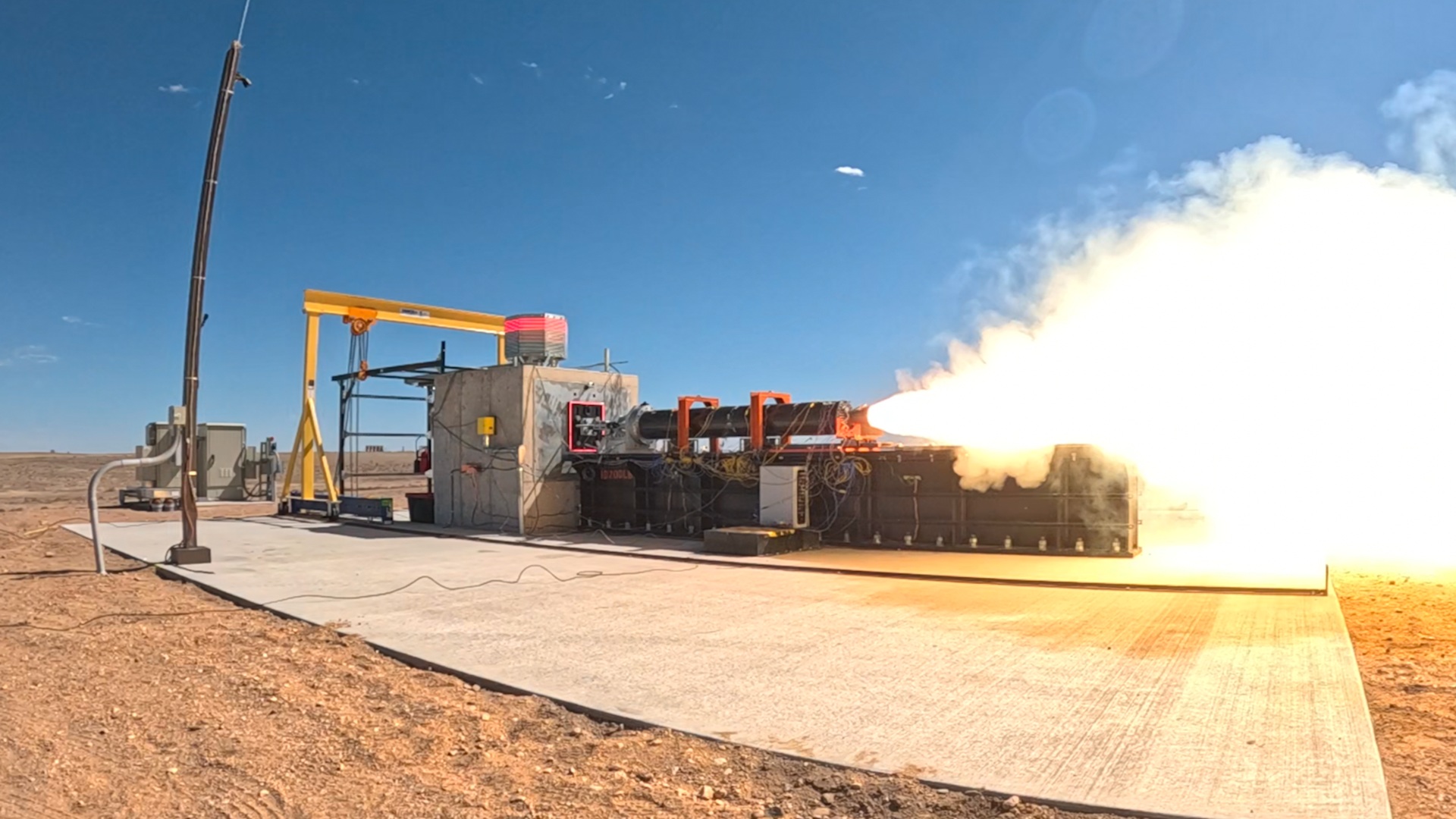
The U.S. Navy has awarded a $10 million contract to Ursa Major to enhance the Mk 104 solid rocket motor through critical design review and static-fire testing. This initiative is part of the Navy's ongoing efforts to expand U.S. missile propulsion manufacturing capabilities. This contract builds on Ursa Major's previous collaboration with the Navy, which included a $25 million investment in solid rocket motor prototyping. The Mk 104 is integral to the Navy's Standard Missile family, powering variants like the SM-2, SM-3, and SM-6, essential for both offensive and defensive operations. Looking ahead, Ursa Major's innovative Lynx manufacturing approach aims to produce solid rocket motors efficiently, addressing production bottlenecks. The Navy's investment signifies a commitment to diversifying the supply chain for solid rocket motors, enhancing production capacity as demand for advanced missile systems continues to rise. No further timeline was disclosed at the time of publication.
MilitaryAn innovative autonomous surface vessel, the Ranger, has successfully completed its Sea Acceptance Test (SAT) in Germany, demonstrating its ability to be launched from a submarine's torpedo tube. Developed by Gabler and Flanq, the Ranger is designed for intelligence, surveillance, and reconnaissance missions with minimal human intervention. The successful completion of the SAT marks a significant milestone for the program, confirming the vessel's seaworthiness and the integration of its core technologies. The Ranger, measuring approximately 15 feet long, features a folding keel and collapsible sensor mast, allowing it to fit within a standard 21-inch torpedo tube. Looking ahead, Gabler will manage the commercialization and integration of the Ranger with submarines, while Flanq will provide advanced maritime technologies and mission software. The companies are also developing a one-way attack variant called Strike, expanding the platform's capabilities for future naval operations.
MilitaryROBOTS has announced the completion of a seed funding round through third-party allocation from Incubate Fund and NTT Docomo. The startup focuses on developing an integrated control platform for robots that become smarter through on-site operations. The funding will accelerate research and development of this platform and physical AI, particularly for implementation in the security sector. The significance of this development lies in addressing the severe labor shortages in the security industry, where high turnover rates and an aging workforce pose challenges. By integrating various robots and sensors into a cohesive system, ROBOTS aims to enhance operational efficiency and reduce the burden on security personnel. This approach allows for a flexible response to diverse on-site tasks, which is crucial given the unique demands of different environments. Looking ahead, ROBOTS plans to leverage insights gained from security applications to expand into other sectors such as equipment inspection and construction. CEO Koki Kawauchi emphasized the importance of robotics in addressing real-world challenges, aiming for a future where diverse robots work alongside humans seamlessly.
On July 13, 2026, Zipline announced a significant expansion of its U.S. operations, including the launch of a home delivery service in partnership with Cleveland Clinic and an upcoming service in Austin. The company reported a remarkable 13-fold increase in businesses utilizing its delivery app in the first half of 2026, alongside the completion of over 2.5 million commercial deliveries. This expansion is crucial as it enhances Zipline's healthcare delivery capabilities, allowing eligible Cleveland Clinic patients to receive prescription deliveries at home at no extra cost. The service will eventually include lab samples and medical supplies, building on the home delivery platform introduced in 2023. Furthermore, the Austin launch will enable rapid food and retail deliveries, further diversifying Zipline's marketplace. Looking ahead, Zipline's growth trajectory appears promising, with new partnerships and services on the horizon. The company continues to attract top talent from industry leaders like Tesla and Waymo, which may bolster its operational capabilities. No further timeline was disclosed at the time of publication.
Delivery Drone News Drone News Feeds News 135 million autonomous miles 2.5 million deliveriesCarnegie Foundry, in collaboration with Carnegie Mellon University (CMU) and several prominent U.S. drone manufacturers, has launched a new initiative aimed at bolstering America's drone manufacturing capabilities. This initiative leverages over $50 million in CMU investments focused on robotics, advanced manufacturing, and commercialization infrastructure to establish an Autonomous Systems Manufacturing Platform (ASMP). The significance of this initiative lies in its potential to strengthen the U.S. drone manufacturing sector, which is crucial for various applications including logistics, surveillance, and agriculture. By uniting CMU’s National Robotics Engineering Center (NREC) with leading drone manufacturers, the initiative aims to foster innovation and enhance the competitiveness of American-made drones in the global market. Looking ahead, stakeholders will be monitoring the development of the Autonomous Systems Manufacturing Platform and its impact on the drone industry. No further timeline was disclosed at the time of publication.
AnnouncementsIn June 2026, the Port of Los Angeles recorded its third strongest month ever, surpassing the significant milestone of 1 million TEUs for the third time in its history. This achievement highlights the port's growing capacity and efficiency in handling cargo, which is crucial for maintaining supply chain stability and meeting increasing demand in the logistics sector. Looking ahead, stakeholders will be keen to monitor how this record performance influences future cargo operations and infrastructure developments at the port. No further timeline was disclosed at the time of publication.
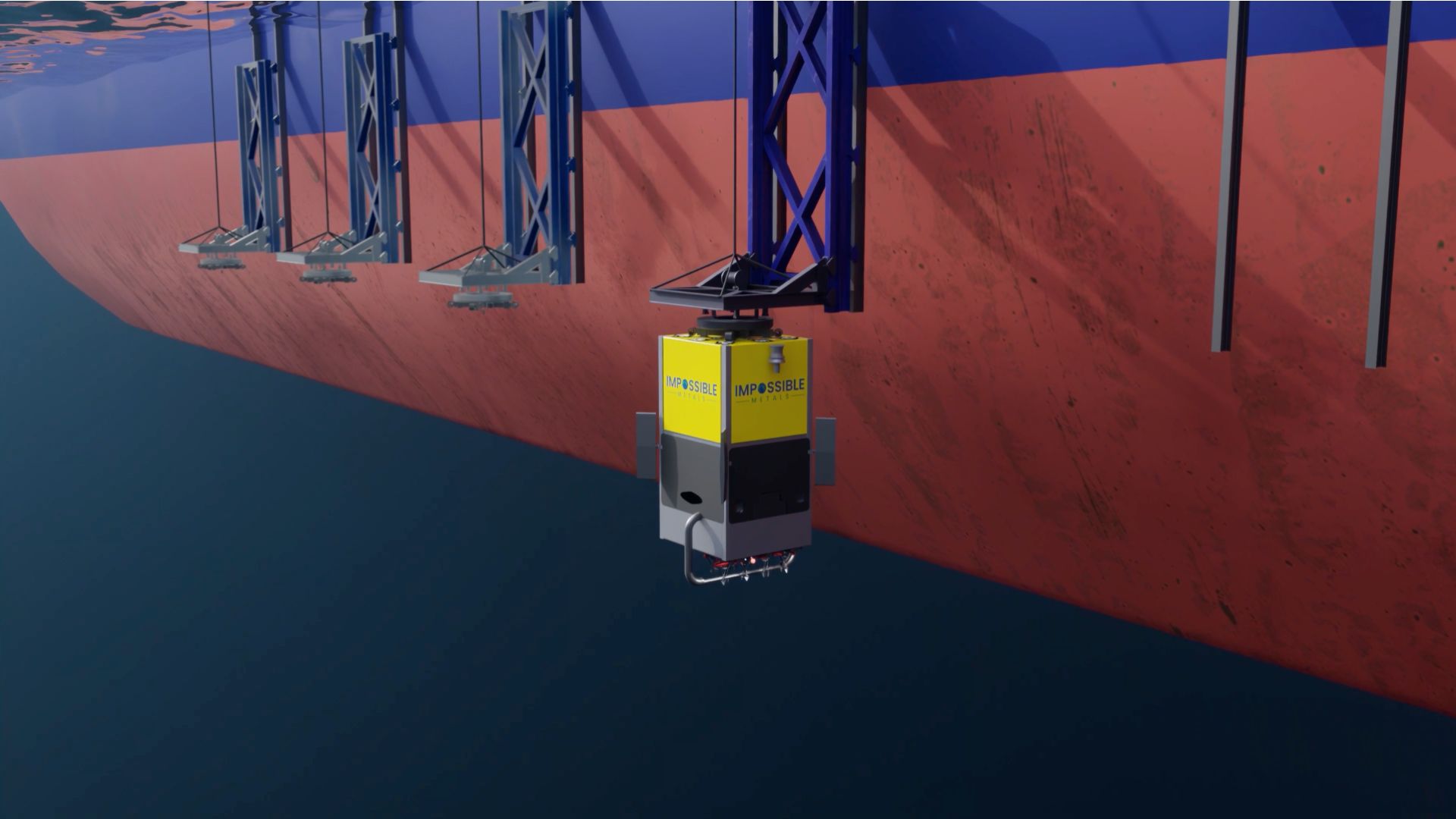
Impossible Metals, a US mining technology company, has announced plans to establish an Advanced Marine Robotics Hub in Pittsburgh, Pennsylvania. This facility will focus on developing autonomous marine systems for the deep-sea collection of critical minerals, creating over a dozen high-paying engineering and science jobs. The hub aims to enhance US capabilities in marine robotics and critical mineral technologies through collaboration with local universities and researchers. The significance of this initiative lies in its potential to redefine deep-sea mining practices. According to Mike Regan, Chief Growth Officer at Impossible Metals, the hub will enable swarms of autonomous robots to harvest critical minerals like nickel, cobalt, copper, and manganese with minimal environmental impact. This approach not only promises to produce the lowest-cost critical metals on Earth but also aims to strengthen the US supply chain and reduce reliance on foreign sources of essential materials. Looking ahead, the Advanced Marine Robotics Hub will serve as the primary research center for advancing the Eureka autonomous underwater platform and Smart Launch and Recovery Systems. The company plans to continue developing dual-use technologies that cater to both commercial and naval applications. No further timeline was disclosed at the time of publication.
AI and RoboticsRe:Build Manufacturing has initiated direct commercial sales of its new lithium-ion battery packs designed for unmanned aerial vehicles (UAVs). This product line includes the Core, Power, and Performance series, which cater to various energy configuration needs. The launch is part of a broader manufacturing expansion at the company's Pennsylvania facility, aimed at producing Group 1, Group 2, and Group 3 unmanned aircraft systems (UAS). The introduction of these battery packs is significant as it addresses supply chain vulnerabilities in domestic aerospace hardware. UAV developers, particularly in dual-use, public safety, and military sectors, face stringent procurement regulations regarding component origins. Re:Build's assembly protocol utilizes non-FEOC battery cells to ensure compliance with National Defense Authorization Act (NDAA) procurement frameworks, thus enhancing the reliability of UAV operations. Looking ahead, Re:Build Manufacturing is set to provide dedicated engineering support for custom energy storage solutions, including Battery Management System (BMS) development. The company's advanced manufacturing facility in New Kensington, spanning 175,000 square feet, is designed to facilitate the transition from UAV prototyping to mass production, addressing common scaling challenges in the industry. No further timeline was disclosed at the time of publication.
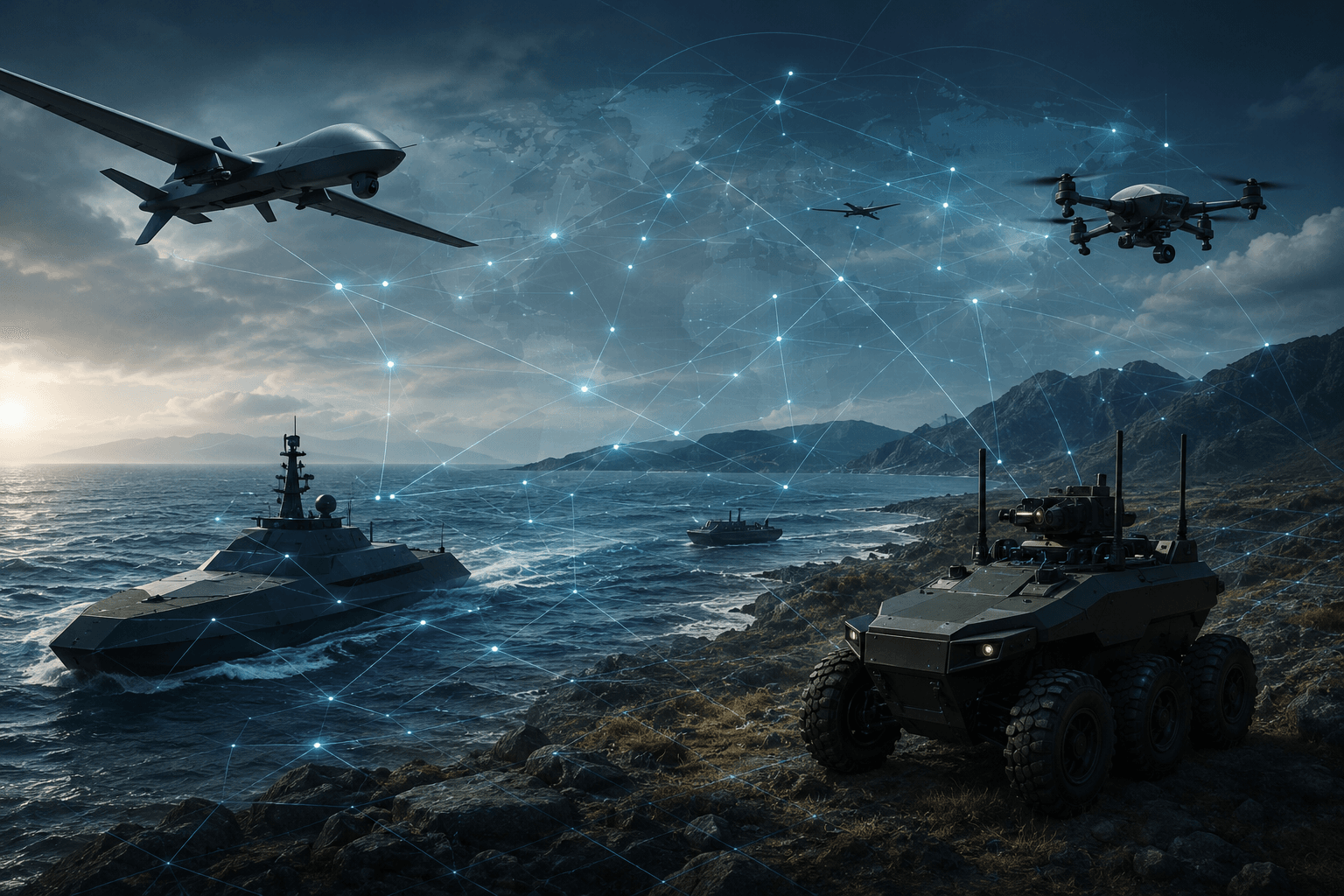
MilitaryCross-domain robotics is reshaping modern warfare as drones, UGVs, AI targeting systems, and autonomous logistics converge into a single networked kill chain across land, sea, air, and software.
A comprehensive global robotics industry overview for 2025, analyzing 14 key market segments — from industrial and humanoid robots to logistics AMRs, military systems, and service robots — with expert market sizing, US case studies, five-year forecasts, and bilingual English-Chinese analysis for executives and investors.
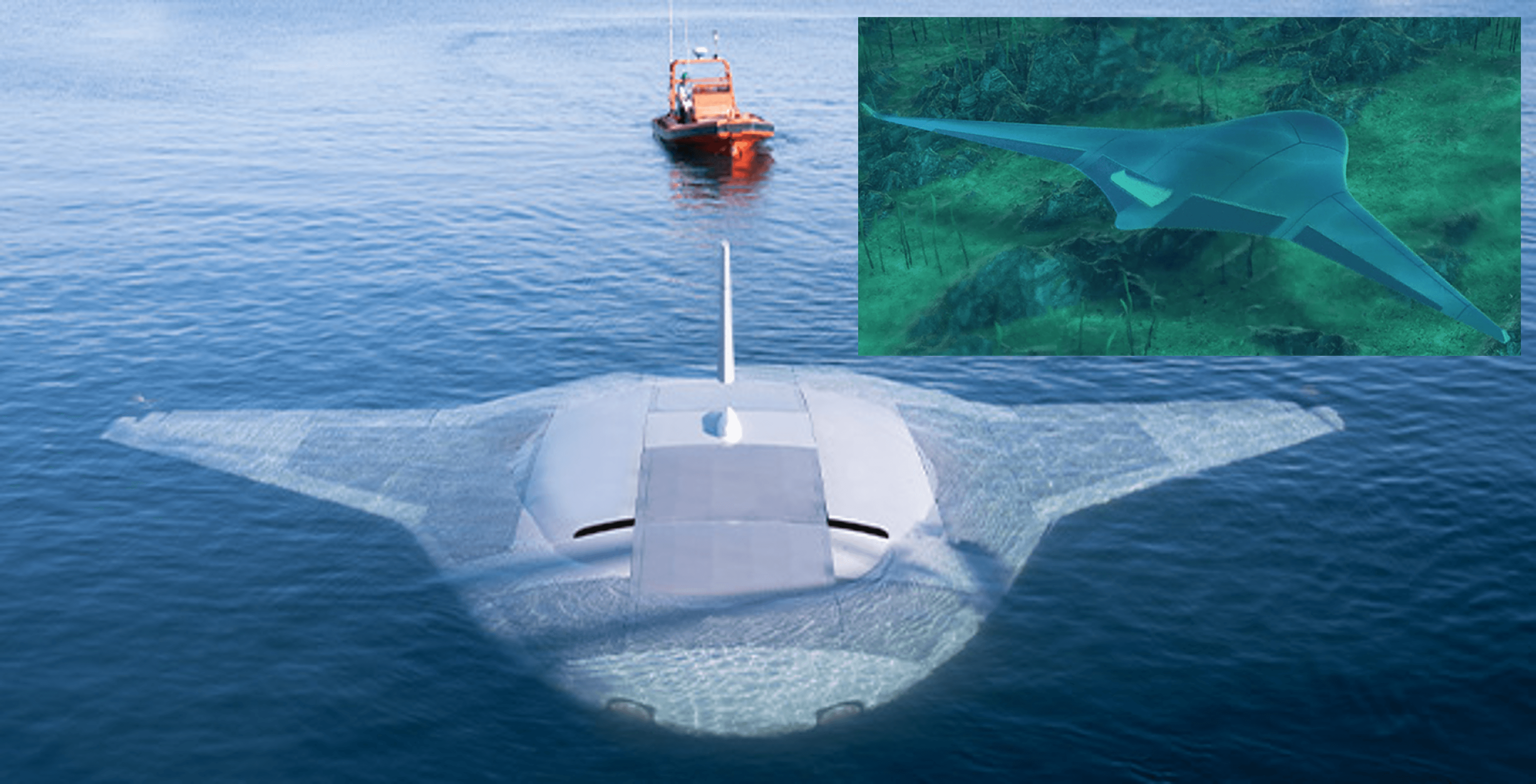
Ukraine’s ‘Sub Sea Baby’ autonomous torpedo struck a Russian Kilo-class submarine inside Novorossiysk harbour in December 2025 — the first confirmed underwater drone attack on a submarine in history. The U.S. Navy is requesting $5.3 billion for unmanned maritime systems in FY2026, a 70 percent year-on-year increase. Saronic Technologies went from prototype to $392 million production contract in under 12 months. And DARPA’s Manta Ray XL-UUV completed full-scale sea trials. This article maps the maritime autonomous systems revolution — from Ukraine’s improvised Black Sea fleet to the Pentagon’s hybrid manned–unmanned force of the 2030s, and from Saronic’s Franklin, Louisiana shipyard to Boeing’s 85-tonne robot submarine.
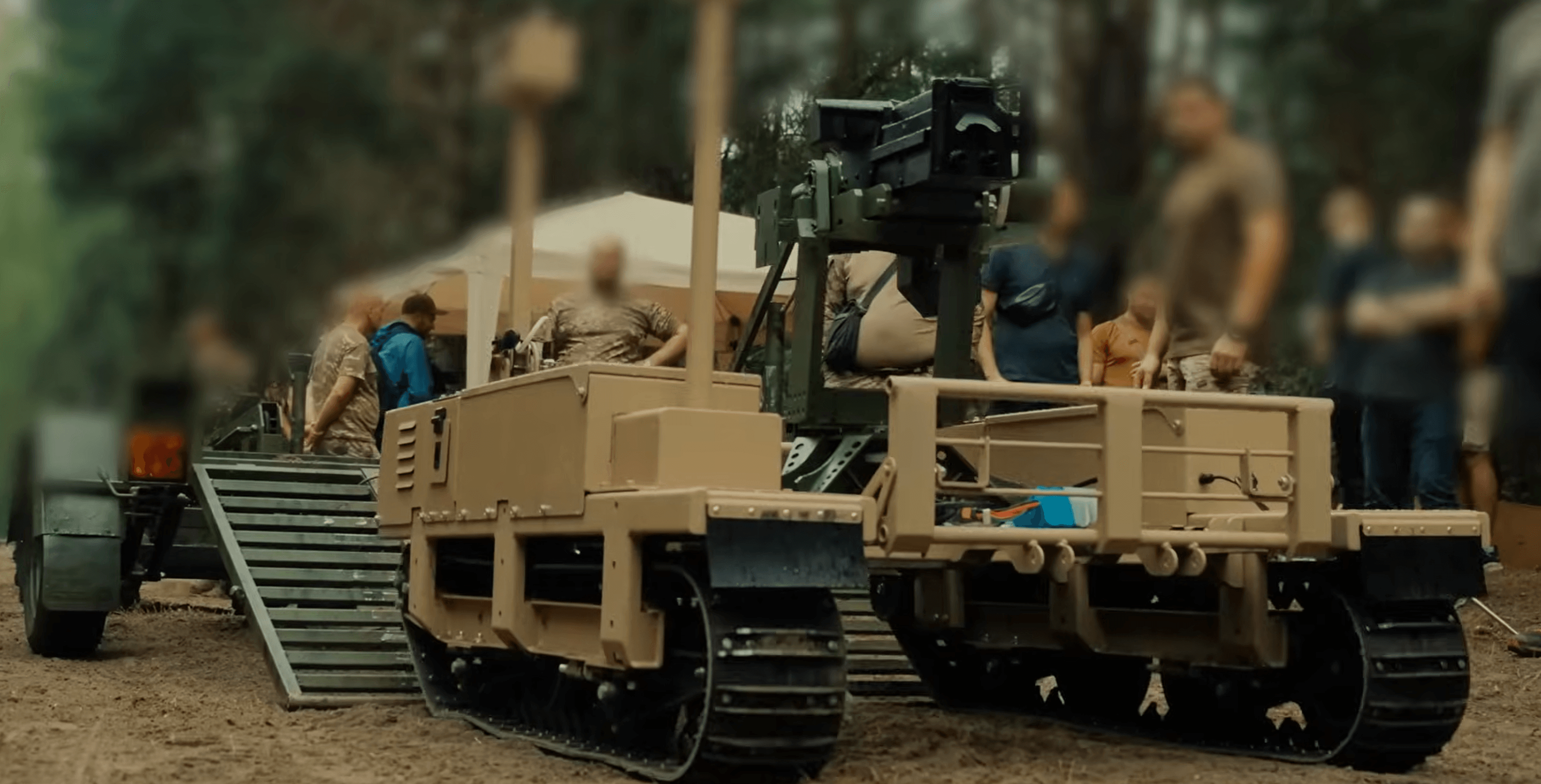
Ukraine fielded 15,000 unmanned ground vehicles in 2025 — surpassing its own procurement targets by over 100 percent. A single UGV held a front-line position for 45 days. Up to 90 percent of supplies to Pokrovsk now move by robot, not truck. The U.S. Army cancelled its $3 million Robotic Combat Vehicle and is starting over. China is deploying $3,000 robot dogs in PLA urban-warfare exercises. This article maps the emerging UGV battlefield — from Ukraine’s garage-built logistics fleet to the Pentagon’s stalled combat-vehicle ambitions, and from Ghost Robotics’ Vision 60 to the quadruped proliferation problem no treaty has yet addressed.
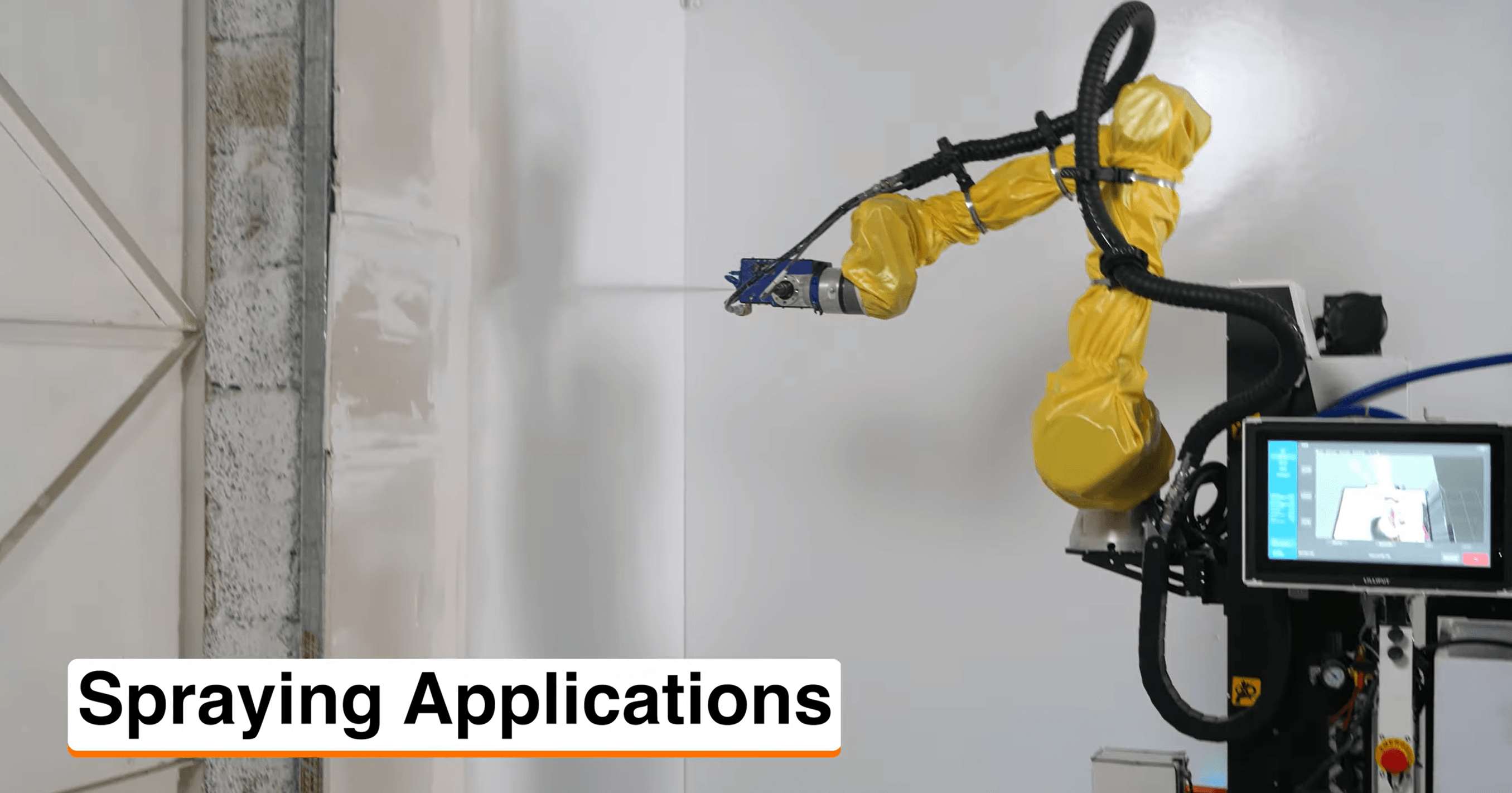
Surface finishing robots are construction's hottest automation segment. Okibo, Canvas, Dusty Robotics, Pictobot, and Brightrobot are rewriting the economics of painting, drywall, and tile-setting. Key stat: Okibo's EG7+ cuts finishing labor costs 50% and operates 10x faster than manual crews.
An evidence-based deep dive into the crop monitoring and aerial scouting segment of agricultural robotics. Covers the market opportunity (ex-China) across North America, EU, Japan, and Israel; key players including Taranis, BASF xarvio, and DJI; emerging technologies such as edge AI, hyperspectral imaging, and satellite–drone fusion; and the structural challenges limiting wider adoption — connectivity gaps, false positives, data fragmentation, and small-farm exclusion.
China's 15th Five-Year Plan (2026–2030) elevates embodied intelligence to a national industrial priority for the first time. This RobotToday briefing analyses the plan's robotics directives, new standards framework, and competitive implications for European and North American industry.
John Deere, DJI & 340+ companies compete for the $48–56B Western market and China’s $80–150B parallel ecosystem. Regional analysis across 5 top countries.
Robots will replace 31.2-46.8M workers globally by 2030, eliminating $156-375B in labor costs. Analysis of Western markets + China deployment.
Shanghai Jiao Tong University develops soft amphibious robot with electrohydraulic flippers achieving seamless land-water transitions and 5.9 cm/s swimming speed across -20°C to 70°C temperature range.


















Leave a comment