-
Website: www.emergen.cn
Yuyao


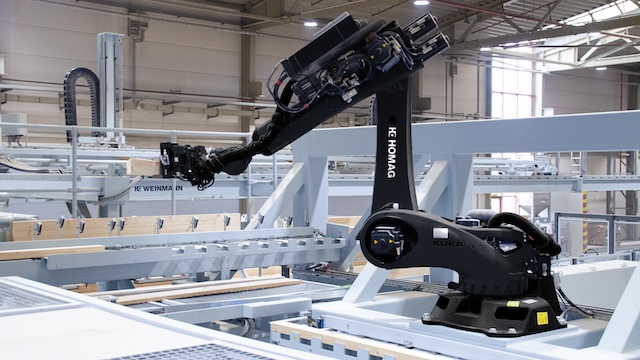
Emergen develops industrial robotic solutions including collaborative robots (3/5/10/25 kg payloads) and mid-/large-load robots (up to 360 kg), supporting material handling, welding, stacking and laser cutting in heavy-industry sectors.
RSF defines a common language for robot service capability, lifecycle operations, certification pathways, and service-provider networks.
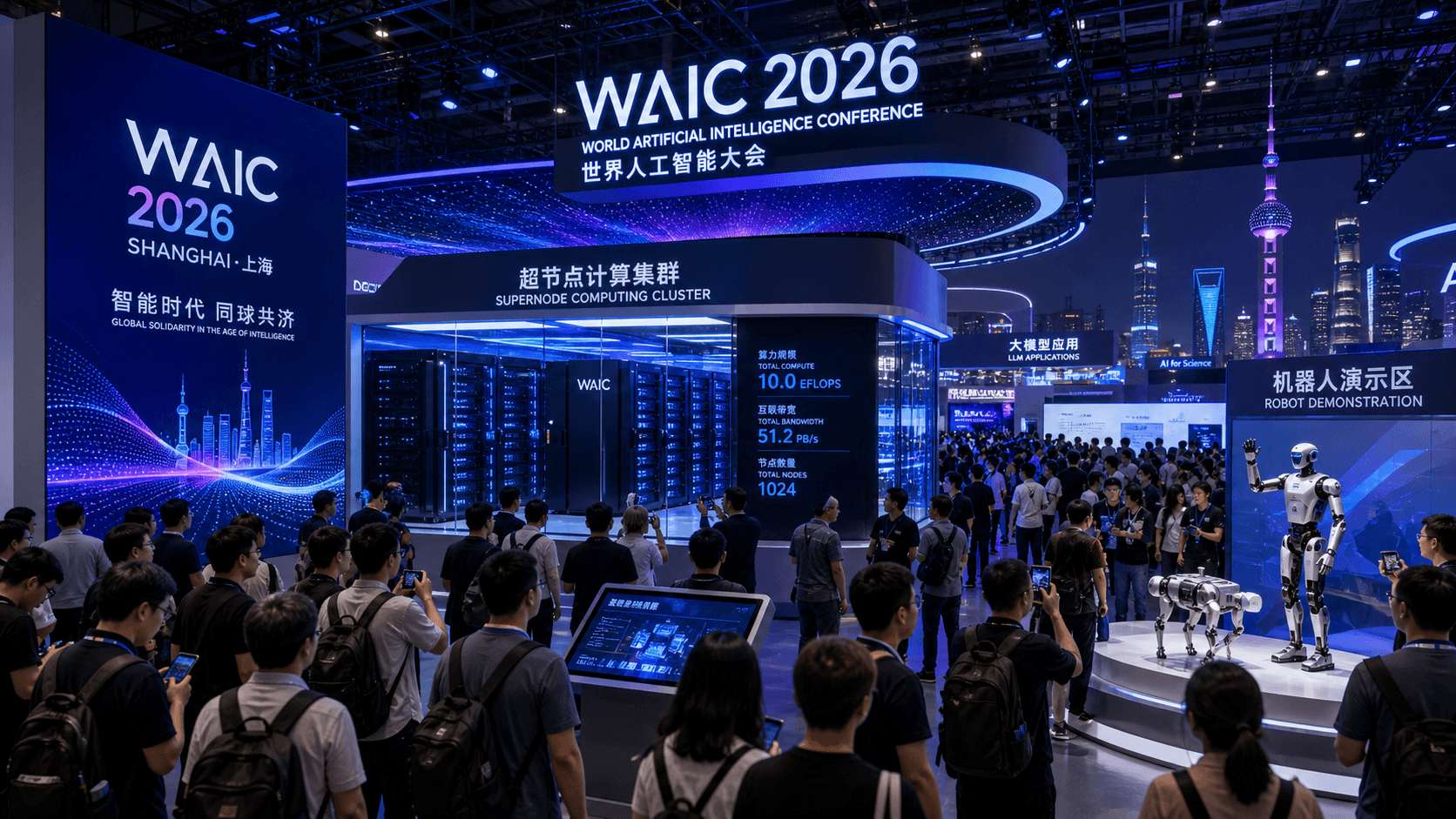
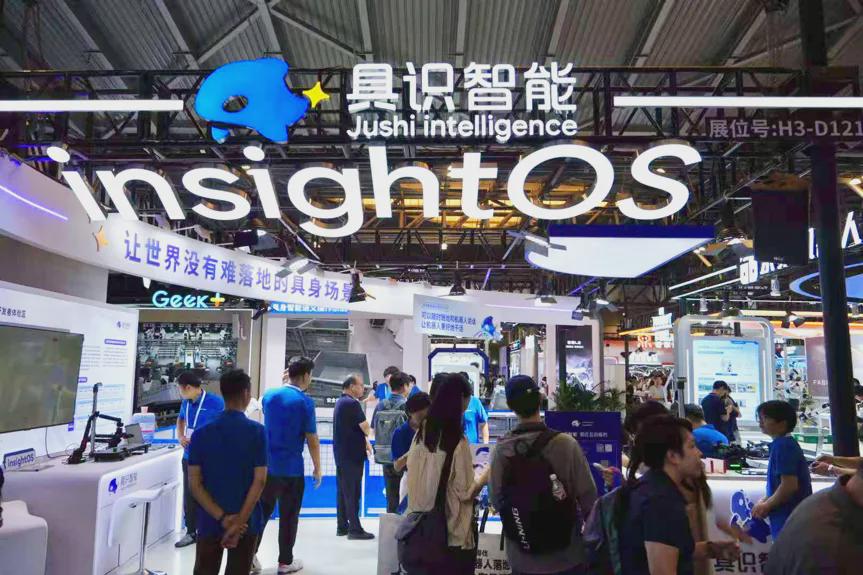
The World AI Conference 2026 (WAIC 2026) showcased six significant trends in artificial intelligence, emphasizing a shift from model competition to system efficiency. Notably, the integration of robots into real factory environments marks a pivotal moment for industrial automation, indicating a growing reliance on intelligent systems. This transition is crucial as it reflects the industry's evolution towards more efficient and effective AI systems, moving beyond traditional model-centric approaches. The emergence of domestic chips reaching a tipping point further underscores the importance of localized technology development in enhancing AI capabilities. Looking ahead, stakeholders should monitor how these trends will influence the deployment of AI systems in various sectors. The increasing presence of robots in factories and advancements in chip technology could reshape operational strategies and drive innovation in the coming years. No further timeline was disclosed at the time of publication.
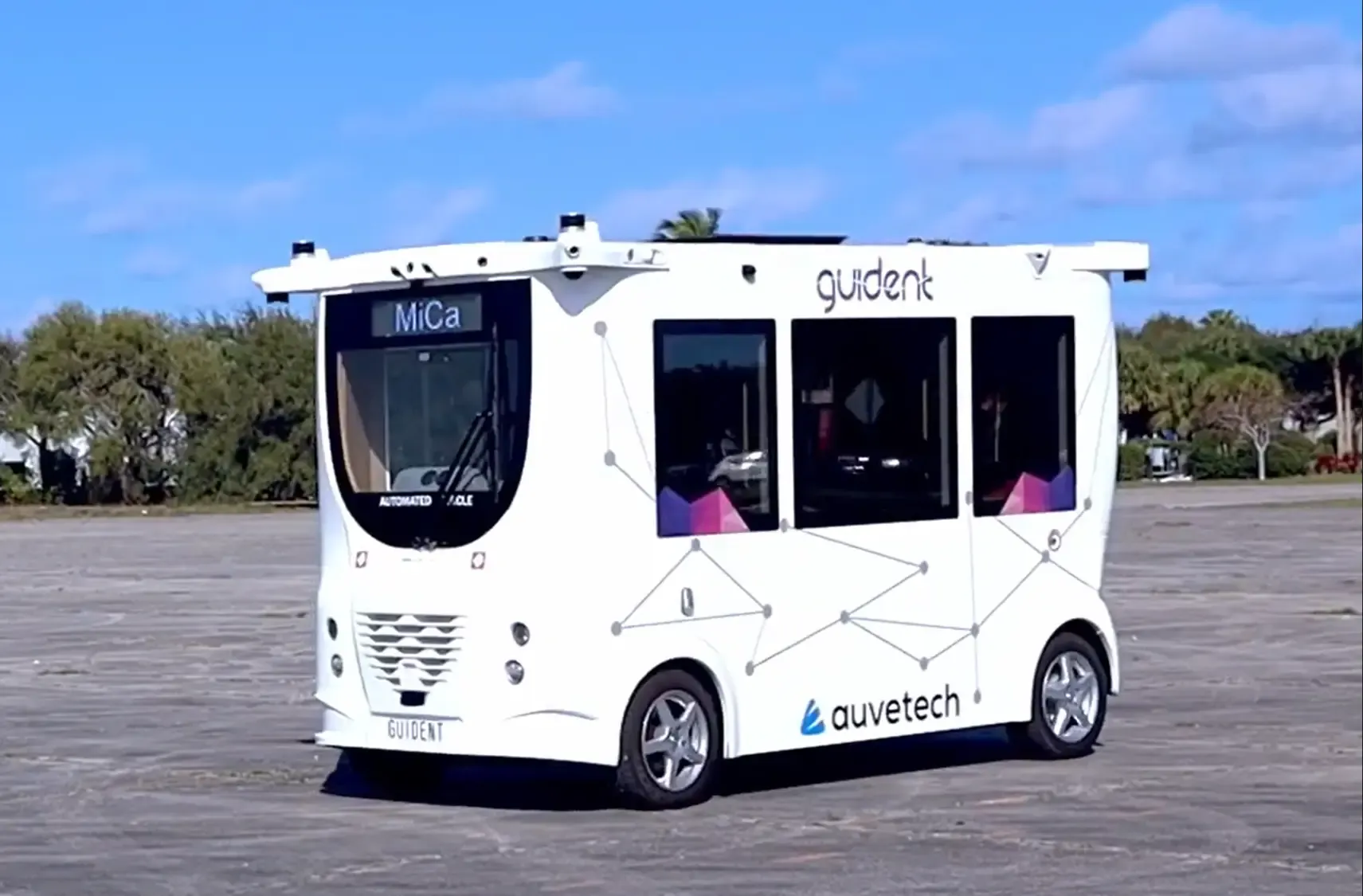
NewsGuident CEO Harald Braun on the RMCC architecture, IRLS risk identification system, and why California’s 2026 AV mandates validate six years of platform development.
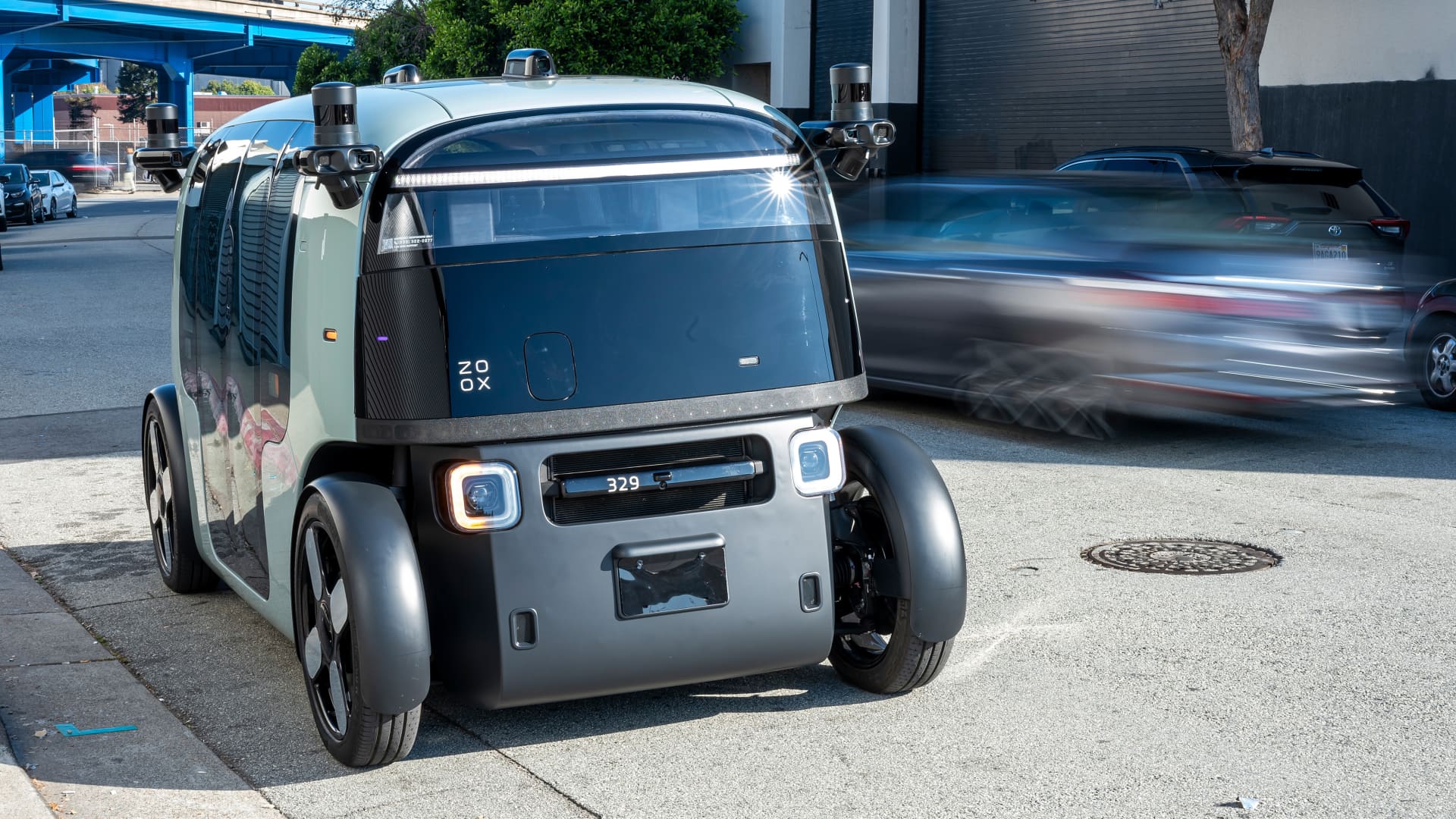
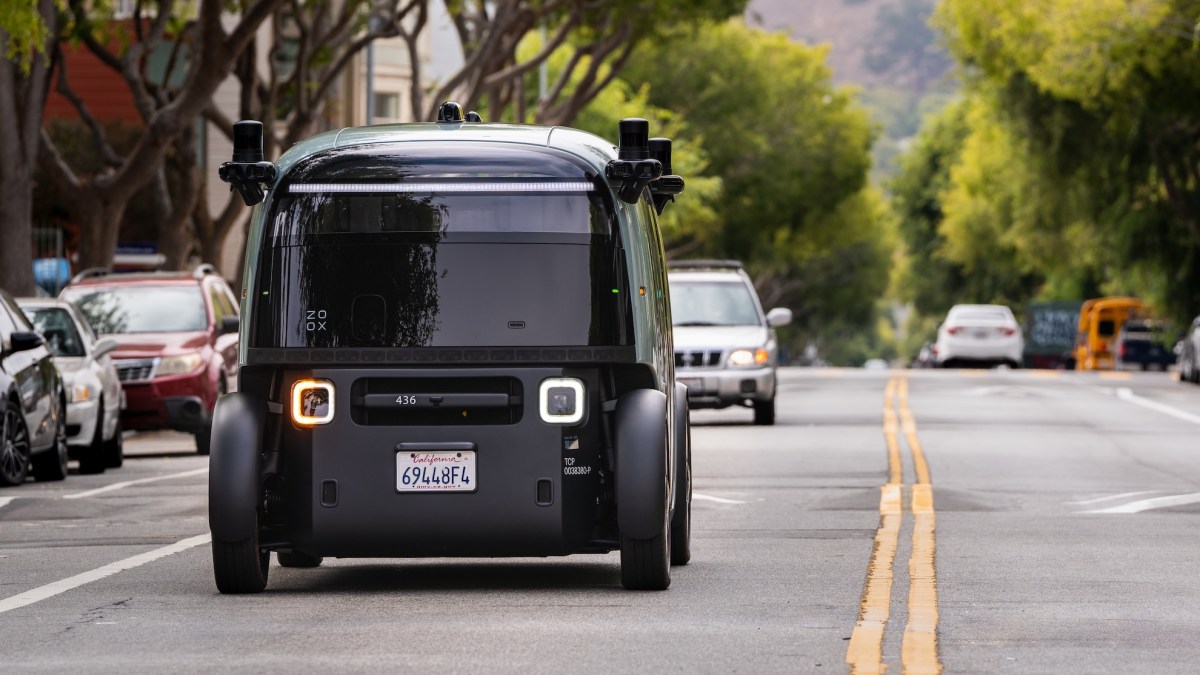
Amazon's Zoox has voluntarily recalled 105 of its robotaxis to rectify a software issue that caused the vehicles to fail in detecting heavy smoke. This recall follows an incident in Las Vegas where an unoccupied Zoox robotaxi drove into an active emergency fire scene obscured by smoke, prompting the company to notify the National Highway Traffic Safety Administration (NHTSA) on July 8. The significance of this recall lies in the growing scrutiny on autonomous vehicles, particularly regarding their interactions with first responders. NHTSA Administrator Jonathan Morrison has highlighted a pattern of driverless vehicles interfering with emergency operations, urging developers to prioritize solutions to these critical safety concerns. Zoox's incident marks a notable example of the challenges faced by autonomous vehicle technology in real-world scenarios. Looking ahead, Zoox is under pressure to enhance its software capabilities to prevent similar occurrences. The company has previously issued recalls for other software-related issues and is competing with industry leaders like Waymo. No further timeline was disclosed at the time of publication.
Zoox has announced a software recall following an incident in June where one of its robotaxis struggled to navigate a smoke-filled emergency scene. The Amazon-owned company has dispatched a software update to its fleet of 105 vehicles, enhancing the detection and response capabilities for heavy smoke in emergency situations. No injuries were reported during the incident, which involved a Zoox robotaxi encountering heavy smoke that obscured an active fire scene. This recall highlights significant concerns regarding the ability of autonomous vehicles to respond appropriately to emergency situations. The National Highway Traffic Safety Administration (NHTSA) has emphasized the need for self-driving car companies to address functional insufficiencies in their systems. The incident prompted Zoox to conduct an investigation and engage with NHTSA regarding the severity and root causes of the issue, leading to the software update. Looking ahead, Zoox is expanding its testing in cities like Las Vegas and San Francisco, with plans for a commercial launch pending NHTSA approval for exemptions from certain safety standards. The company has faced recalls in the past, indicating ongoing challenges in ensuring the safety and reliability of its autonomous vehicle technology. No further timeline was disclosed at the time of publication.
Transportation autonomous vehicles robotaxis self-driving cars zooxRobotic systems are increasingly capable of perceiving, choosing, and altering their behavior autonomously, without human intervention. This shift towards autonomy enhances adaptability in various environments such as warehouses and labs, but it also raises significant concerns regarding safety and control. Traditional safety measures, including physical barriers and emergency buttons, may no longer suffice as robots undertake more complex tasks. The implications of this autonomy are profound, as organizations must now assess the quality of decisions made by autonomous systems, the reliability of their software, and the protocols for monitoring their actions. Unlike conventional robots that follow fixed commands, autonomous robots can evaluate multiple scenarios and make decisions based on real-time conditions, which complicates safety protocols. Ensuring that these systems operate safely requires a reevaluation of existing safety standards that focus on speed and force. Looking ahead, it is crucial for operators to have adequate information to respond effectively to unexpected robot behavior. Autonomous robots utilize various sensors to interpret their environment, but factors like dust and poor lighting can affect input quality. Organizations should prioritize the definition and testing of triggers for human intervention to maintain a balance between autonomy and safety. No further timeline was disclosed at the time of publication.
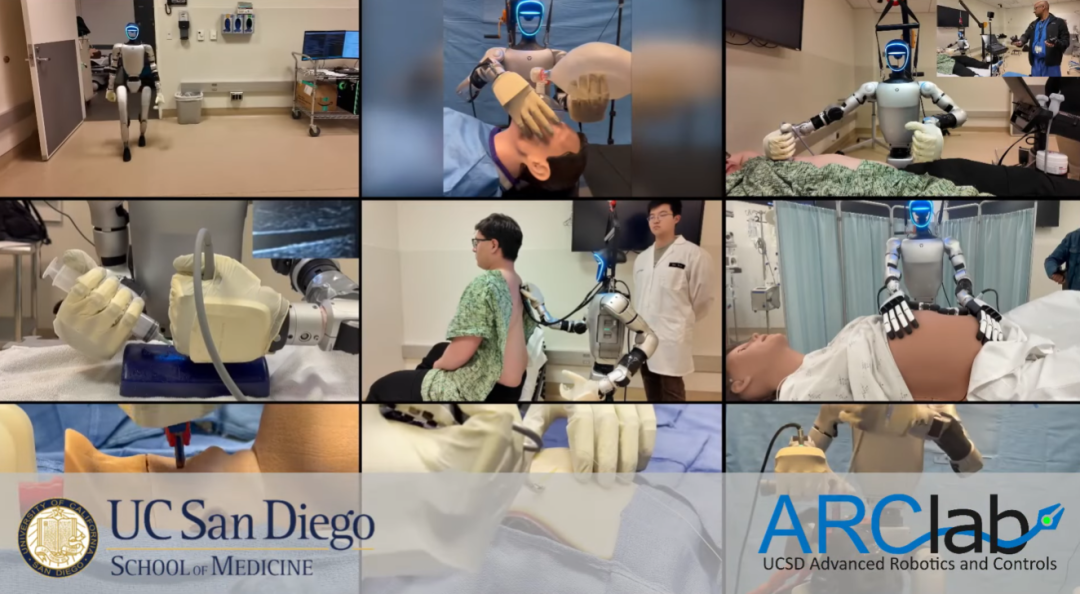
AI agents Infrastructure AI agent autonomy ai agents ai safety automationA humanoid robot developed by the Advanced Robotics and Controls Lab at UC San Diego has successfully performed various medical procedures, including the first-ever live minimally invasive surgery, as reported in Nature. This robot, named Yush, demonstrated capabilities in physical examinations, emergency interventions, and fine-needle surgeries, showcasing its potential in clinical settings. The significance of this development lies in the robot's ability to replicate core human medical operations, which could revolutionize healthcare delivery. The lab's focus on humanoid robots aims to create systems that can autonomously operate in hospital environments, utilizing multi-fingered and multi-armed tools to perform a wide range of tasks without the need for specialized equipment. Looking ahead, the lab is exploring the challenges of maintaining stability while the humanoid robot is in motion, which is crucial for its effectiveness in real-world medical scenarios. The ongoing research indicates that humanoid robots could eventually handle nearly all medical tasks independently, enhancing operational efficiency in healthcare facilities. No further timeline was disclosed at the time of publication.
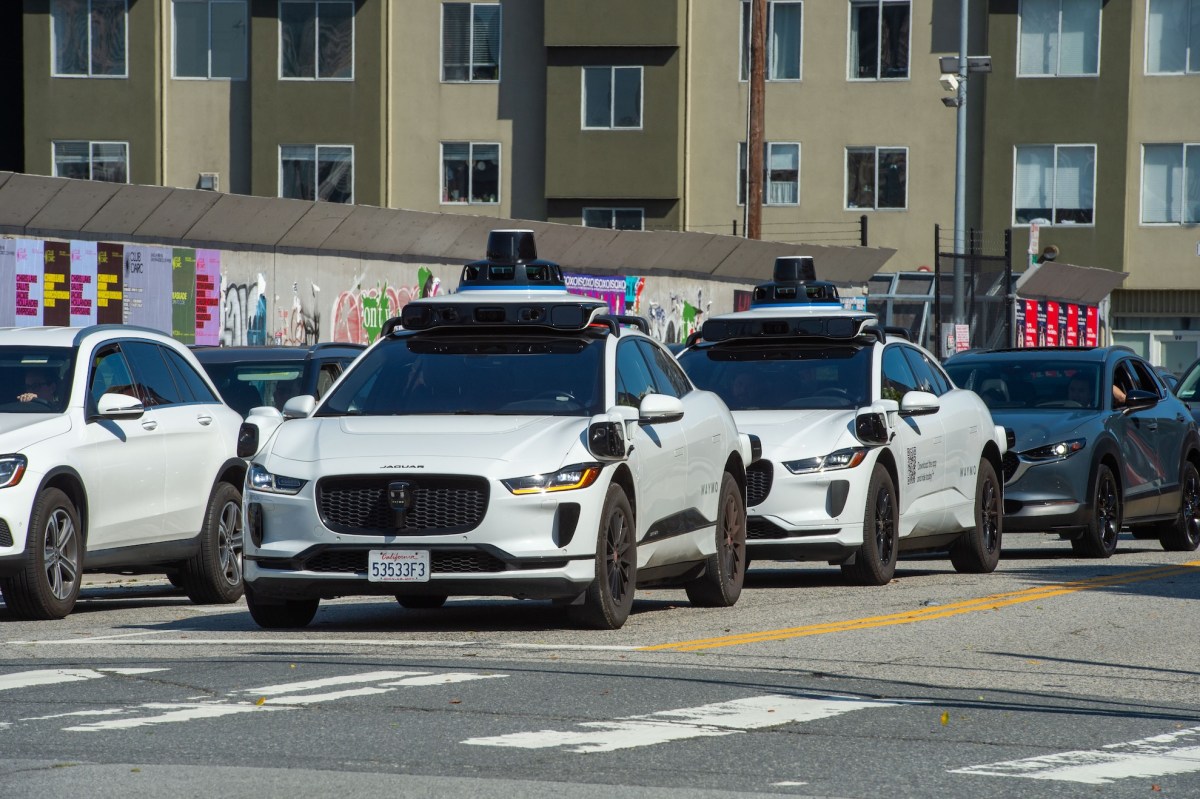
Humanoid Robots Surgical Robotics Medical Automation AI in HealthcareSan Francisco Mayor Daniel Lurie has requested state regulators to enhance rules governing autonomous vehicles following a significant traffic jam caused by Waymo robotaxis on July 4. The incident, which left thousands stranded, highlighted the inadequacies of California's current regulatory framework in managing autonomous vehicle operations during major events. Lurie emphasized that the recent traffic chaos, exacerbated by a power outage in December and the influx of 100,000 spectators for the fireworks show, demonstrated the need for stricter operational standards for autonomous vehicle manufacturers. He proposed that companies must prove their ability to adapt in real-time and share operational data with local agencies to prevent future disruptions. Looking ahead, Lurie urged the California Department of Transportation to establish statewide standards that would require robotaxi operators to remove or relocate vehicles from active lanes during emergencies. No further timeline was disclosed at the time of publication.
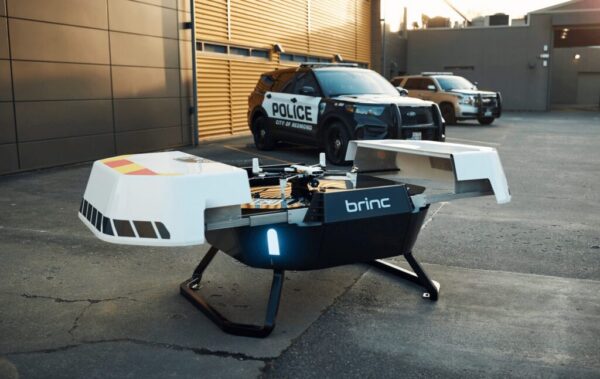
Transportation robotaxis WaymoDrone as First Responder (DFR) programs are revolutionizing how law enforcement agencies collect information and respond to emergencies. Former police chief Mike Moulton emphasizes that DFR represents a significant advancement in police situational awareness, akin to the introduction of the police radio. DFR allows for real-time aerial insights, enabling officers to arrive at scenes with a clearer understanding of the situation. The importance of DFR lies in its ability to enhance situational awareness and improve response outcomes. Unlike traditional methods that rely on limited information from callers, DFR provides live video feeds, allowing officers to assess situations more accurately before arriving on the scene. This capability has led to a reduction in unnecessary officer deployments, as evidenced by the Chula Vista model, which has resolved a quarter of its drone missions without dispatching officers. Looking ahead, the continued adoption of DFR programs will likely reshape police operations, particularly for agencies that previously lacked access to aerial support. However, challenges remain, such as operational limitations in terms of launch radius and weather conditions. No further timeline was disclosed at the time of publication.
Applications Drone News Drone News Feeds emergency response Featured – Safety and Security NewsByteDance has clarified its position regarding autonomous driving, stating it will not pursue smart driving. However, this clarification signals a significant shift as the company explores Physical AI. Unlike traditional AI, which learns from vast text data, Physical AI understands physical laws and causality, enabling it to predict physical states rather than merely generating text. The emergence of Physical AI is expected to peak around 2026 due to three key turning points: the spillover effects of large model technologies, breakthroughs in simulation technology that overcome data limitations, and a significant decrease in hardware costs. These advancements are paving the way for applications in autonomous driving, which has already seen large-scale commercialization in various sectors, outpacing humanoid robots still in demonstration phases. Industrial Physical AI is poised to revolutionize productivity through applications like predictive maintenance and quality inspection. While specialized robots are being deployed in logistics and inspection, the widespread implementation of general-purpose humanoid robots may take another 5 to 10 years. The competition in Physical AI has begun, marking a transformative shift as AI evolves from merely processing information to reshaping the world.
Physical AI Autonomous Driving Industrial Automation Simulation TechnologyBRINC, a Seattle-based public safety drone manufacturer, announced on July 14, 2026, that it has secured a $125 million financing round led by Motorola Solutions. This investment raises BRINC's total capital to over a quarter billion dollars and aims to deploy a BRINC 911 response drone at every police and fire station across the U.S., targeting 80,000 facilities. The funding will enable BRINC to expand its domestic manufacturing, launch new products, and scale its go-to-market operations. The company plans to move into a facility three times the size of its current factory by the end of 2026 to meet the increasing demand from public safety agencies. In 2025, BRINC tripled its revenue and quintupled its monthly production capacity, signing nearly four times as many contracts for 911 response drones in 2026 compared to the previous year. Looking ahead, BRINC's founder Blake Resnick emphasized the importance of situational awareness in emergencies, stating that their drones provide critical information before first responders arrive. The company is also collaborating with the National League of Cities for a nationwide rollout of drone first response (DFR) initiatives. No further timeline was disclosed at the time of publication.
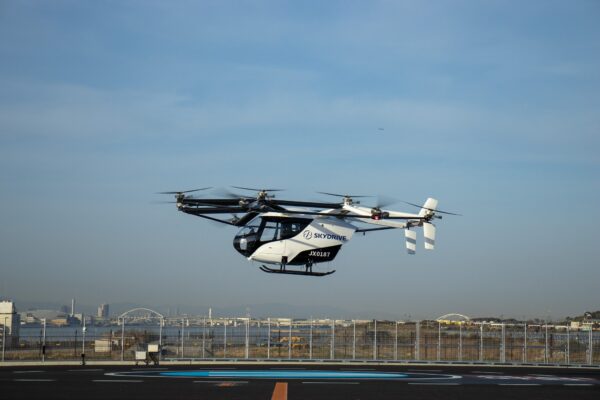
DFR Drone News Drone News Feeds News Public Safety 80000 stationsSkyDrive Inc. successfully conducted two demonstration flights of its SD-05 eVTOL aircraft in Yamaguchi Prefecture on July 13, 2026. These flights were part of a test aimed at showcasing the aircraft's potential for tourism, with a commercial launch planned for 2028. The flights simulated a scenic tour over the Seto Inland Sea, highlighting the seamless transition from ground transport to air travel. The significance of these flights lies in their demonstration of SkyDrive's commitment to urban air mobility and tourism integration. Witnessed by notable figures including Yamaguchi Prefecture's governor and the president of Suzuki Motor Corporation, the flights operated autonomously, emphasizing safety and efficiency. The successful execution of these flights marks a critical step toward the company's goal of launching commercial eVTOL services by 2028. Looking ahead, SkyDrive aims to enhance its eVTOL infrastructure further, with plans to collaborate with rail partners for integrated travel solutions. While tourism is a primary focus, the company envisions broader applications of eVTOL technology, including disaster relief and emergency medical services. No further timeline was disclosed at the time of publication.
Advanced Air Mobility Drone News Drone News Feeds Japan Drone Industry Japan Drone News NewsThis week in robotics: AI² Robotics raises $735M for wheeled humanoids, Unitree G1 performs first live surgery, Dexmal launches DexOS platform, Agility Robotics announces SPAC, and Ondas acquires DZYNE for $875.8M. July 6–10, 2026.
A comprehensive industry analysis of Physical AI — covering Embodied AI, Field AI, Factory AI, VLM, World Model, VLA, and the VLA vs WAM architecture debate. Includes 20+ companies, 28 references, and the RobotToday Physical AI Landscape diagram. July 2026.
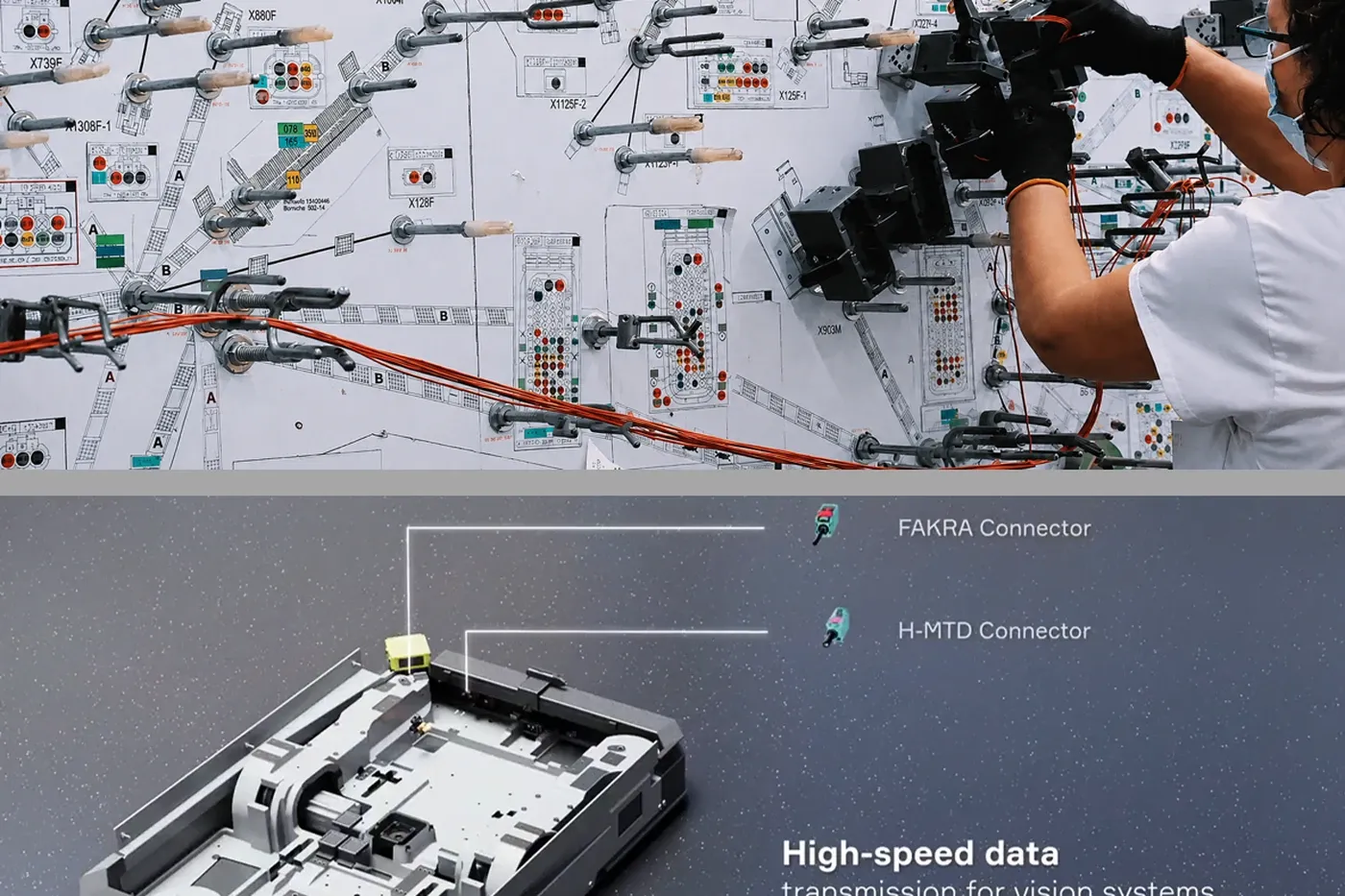
A RobotToday engineering deep dive into humanoid robot wire harnesses: 3D dynamic fatigue, 10-100 Gbps EMI shielding, FPC cost reduction, and global standards.
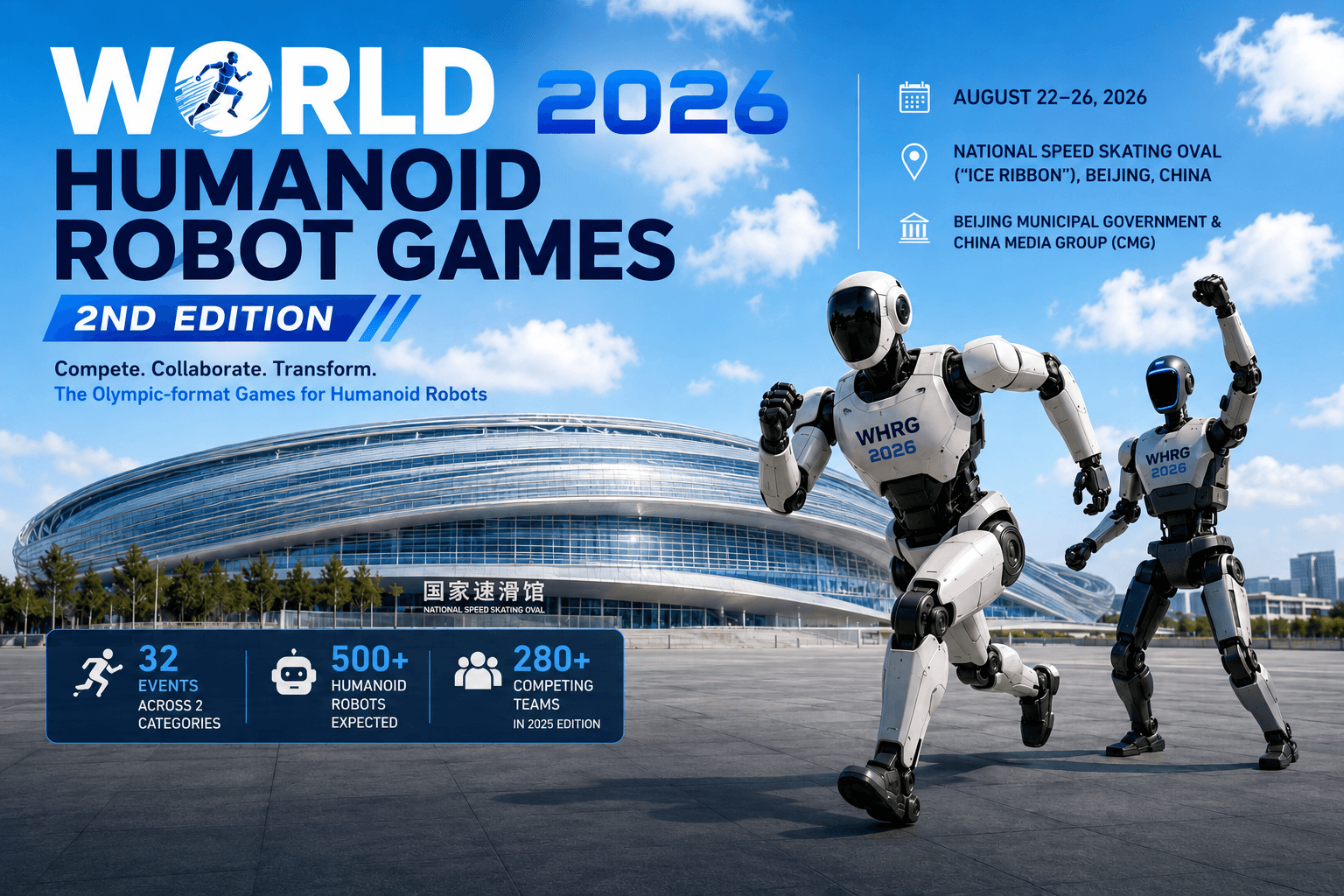
The 2nd World Humanoid Robot Games takes place August 22–26, 2026 at Beijing's National Speed Skating Oval. 32 events, 500+ humanoid robots, fully autonomous 100m sprint and real-world scenario tasks — the world's only Olympics for humanoid robots.
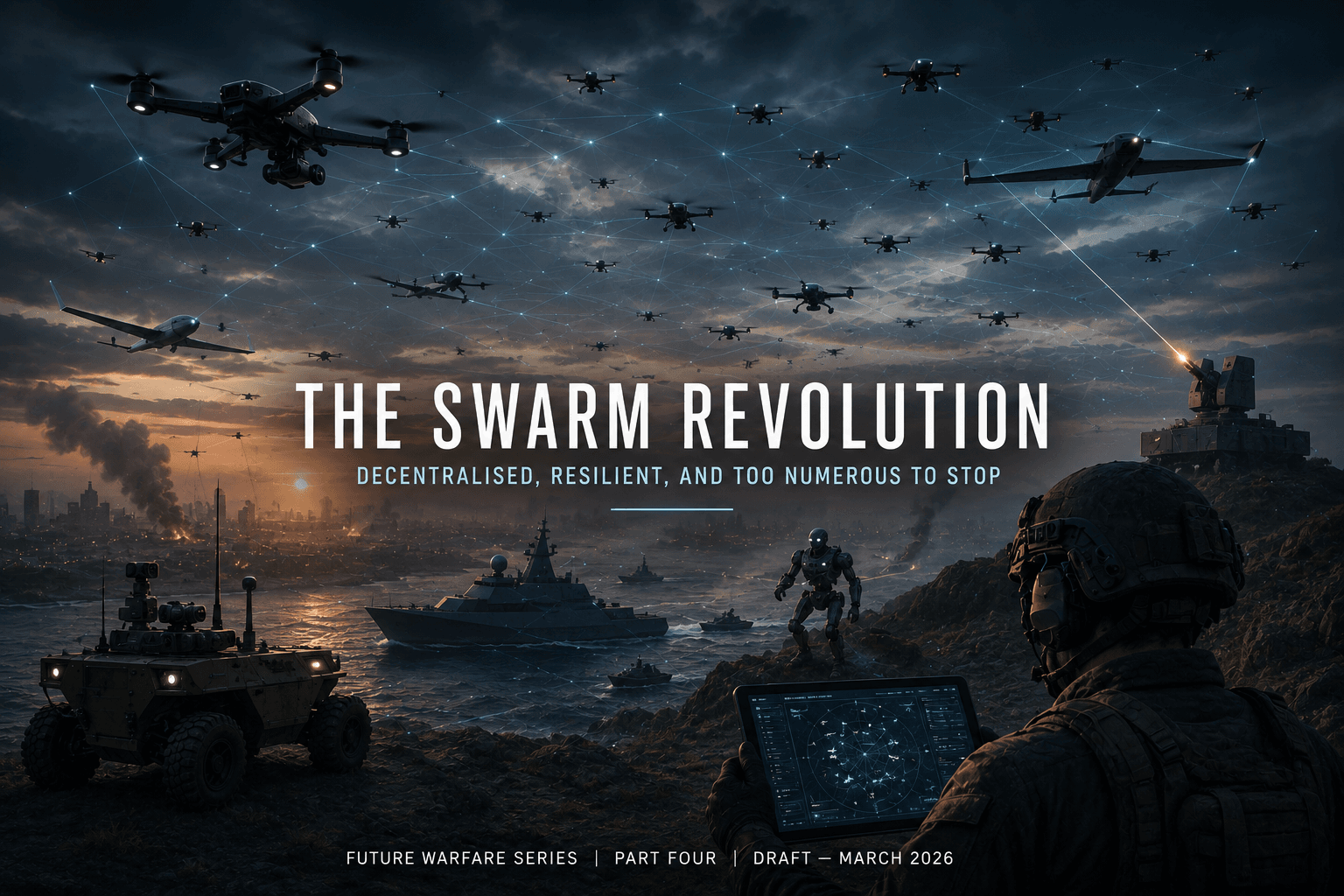
Inside the drone swarm revolution: Discover how Ukraine’s Swarmer tech, China’s AI formations, and the Pentagon's Orchestrator Prize are reshaping warfare.
RobotToday Weekly covers the week's top robotics developments: Meta acquires humanoid robotics startup ARI, Genesis AI unveils GENE-26.5 foundation model, Hugging Face launches Reachy Mini robot app store, and 1X begins NEO humanoid production in California. Plus SoftBank's $100B robotics spinoff plans, $200M+ funding for humanoid robots, and 20 curated product launches across foundation models, robotaxi, surgical robotics, drone policy, and more. Curated for industry executives, investors, and robotics engineers.
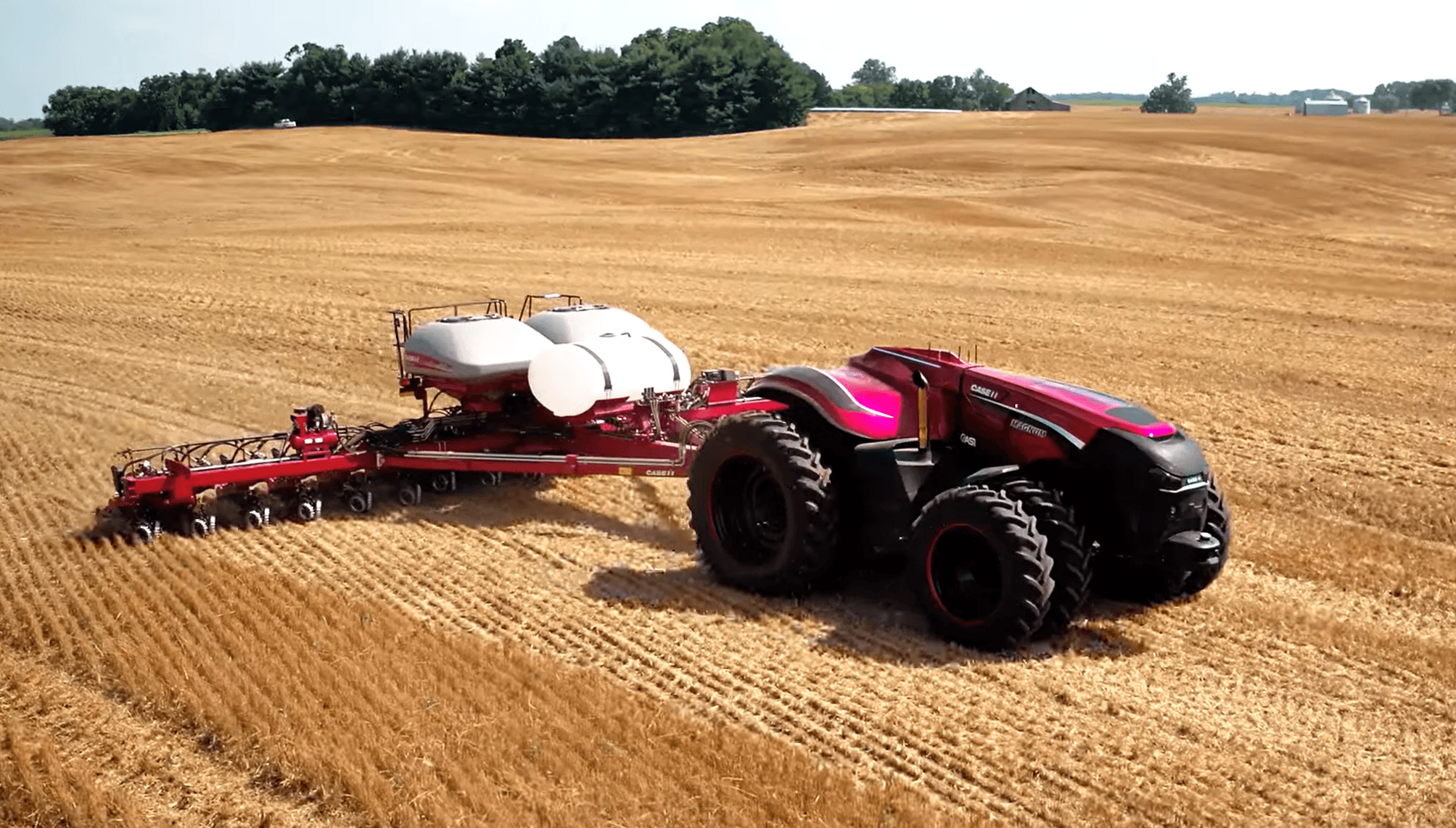
Autonomous tractors target a $2.7B market growing at 22% CAGR to 2032. Deep-dive on John Deere 8R, AGCO Fendt, CNH Industrial, Kubota AgriRobo, and Monarch MK-V — and why the platform war matters more than the hardware.
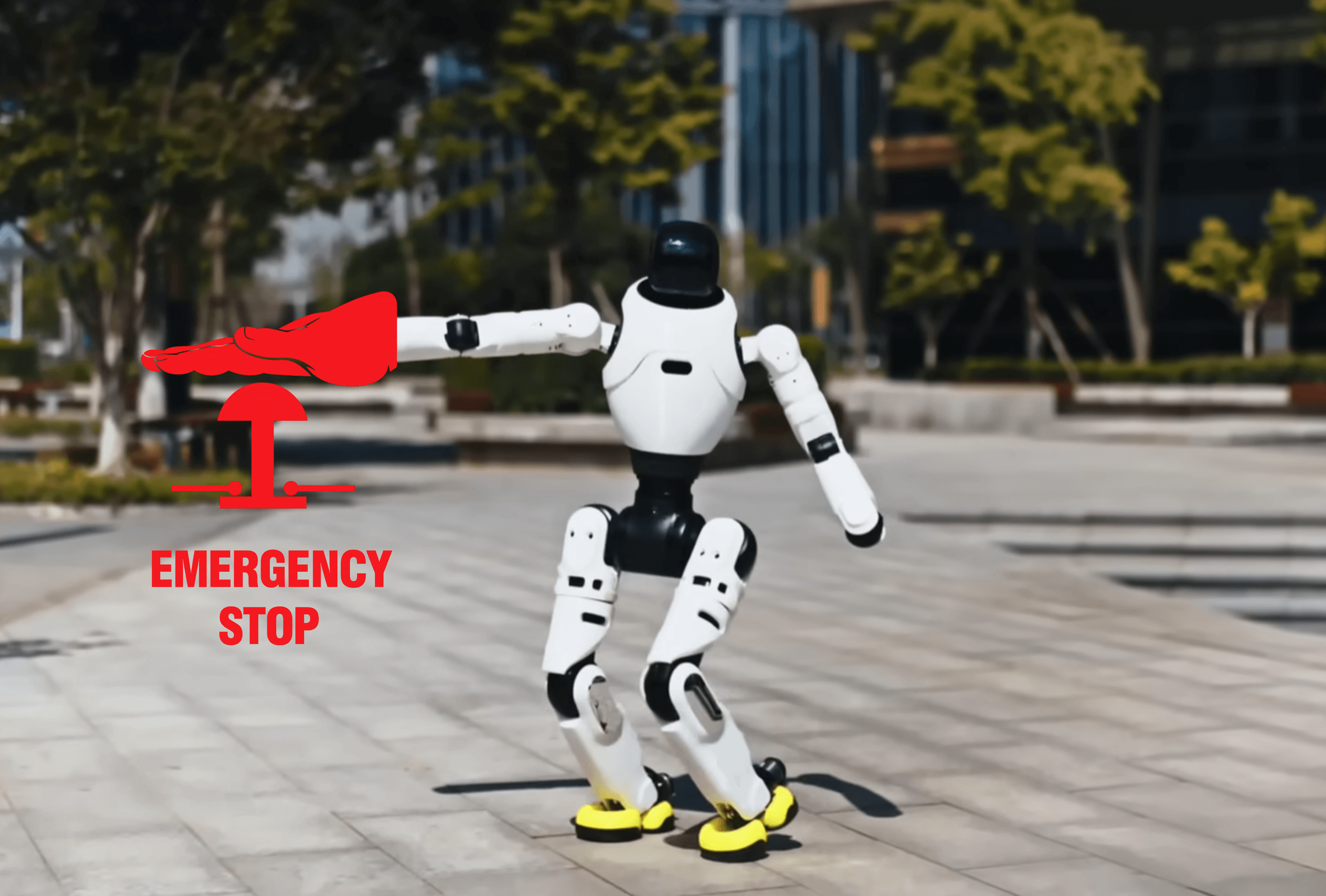
A humanoid robot lost control at a Haidilao restaurant in California, exposing the unresolved E-Stop paradox: for bipedal robots, cutting power may be as dangerous as doing nothing. Standards must catch up before deployment scales further.
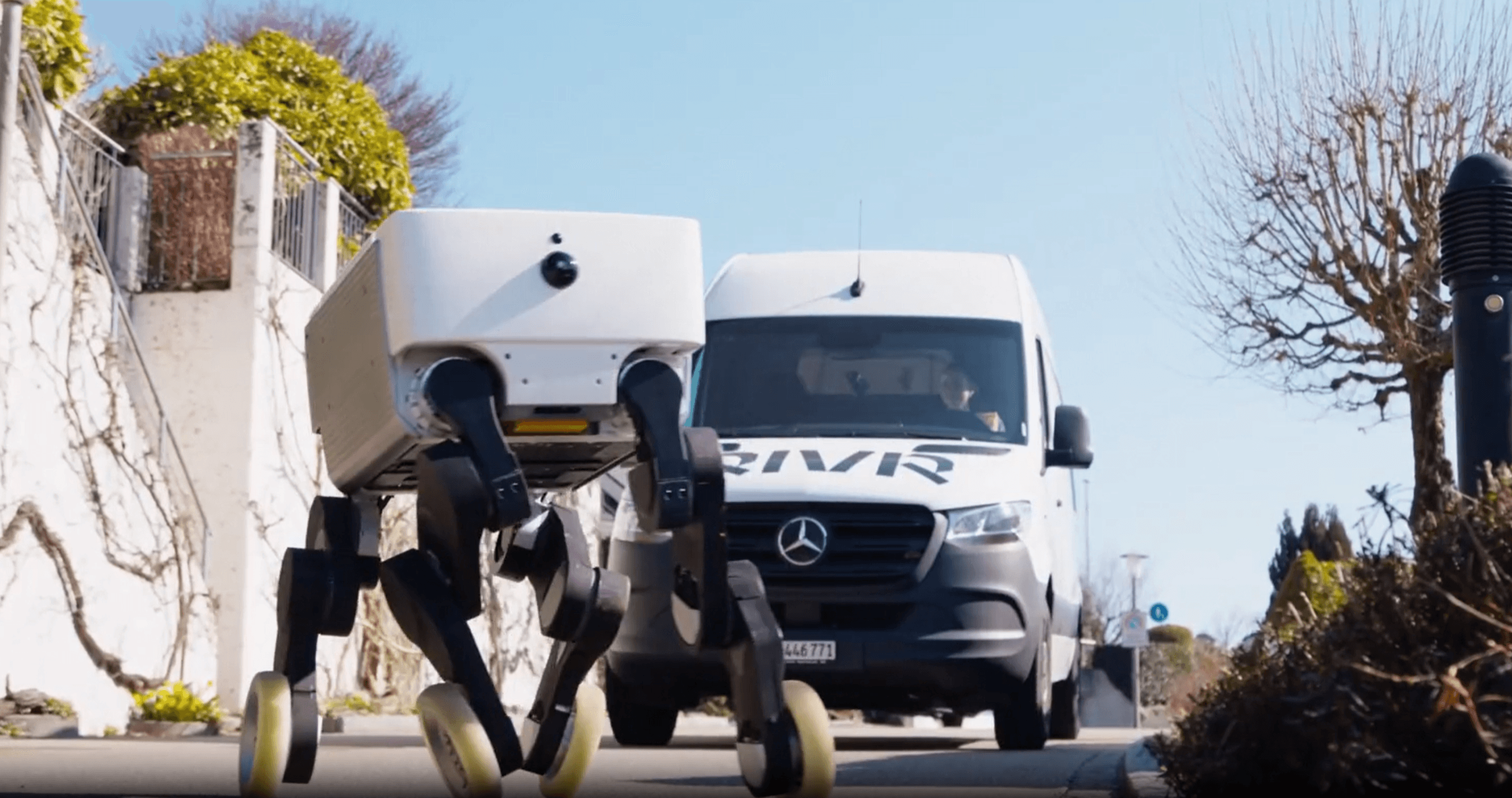
Amazon acquires Rivr (fmr. Swiss-Mile), an ETH Zurich spinout, to scale wheel-legged robots for doorstep delivery — marking a turning point for hybrid mobility robotics.











Leave a comment