Controlled Kinematics
Manufacturers' representative specializing in precision motion control components for OEM markets in California and Nevada.
Contact Controlled Kinematics
WEBSITE
https://ckinematics.comPHONE
4089451616HEADQUARTERS
United States

Company Facts
Founded
1992
Primary Role
Component Supplier
Company Size
-
Primary Region
North America
Annual Sales
-
Funding Stage
-
Funding Total
-
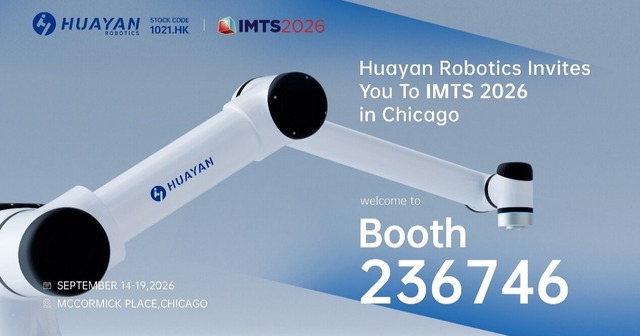
Huayan Robotics to Showcase 7-Axis Humanoid Arms at IMTS 2026 in Chicago
Chinese robotics manufacturer Huayan Robotics will exhibit at the International Manufacturing Technology Show (IMTS 2026) in Chicago from September 14 to 19, 2026. The company plans to showcase its advanced manufacturing capabilities, including welding, palletizing, CNC machine tending, vision inspection, and force control polishing. The IMTS, a historic manufacturing technology exhibition established in 1927, is expected to host over 2,000 exhibitors and attract more than 90,000 visitors in 2026. Huayan Robotics will present its collaborative robots, including the E12-Pro welding robot with a reach of 1.8 meters and a payload capacity of 60 kg, designed for large or irregular welding tasks. Additionally, Huayan Robotics will display its 7-axis humanoid robot arms, the HY 7 and Echo 5, which offer flexibility and obstacle avoidance in confined spaces. The company has over 20 years of experience in technology development and has implemented its collaborative robots across more than 60 process scenes in over 50 countries. No further timeline was disclosed at the time of publication.
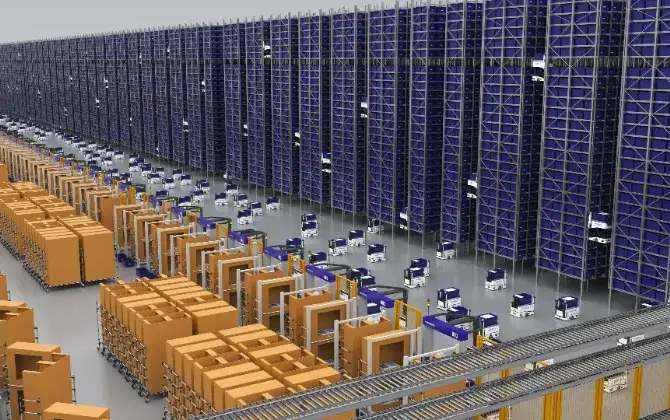
Hai Robotics Chosen for Largest Deployment of Rack-Climbing Warehouse Robots Worldwide
Hai Robotics has been selected to implement automation technology for a new large-scale e-commerce fulfillment center operated by a major European fashion retailer. This project features the HaiPick Climb system, marking the largest deployment of rack-climbing warehouse robots globally, with over 1,500 units set to enhance operational efficiency. The significance of this deployment lies in its potential to revolutionize warehouse automation, establishing a new benchmark in the industry. The retailer's expansion of its partnership with Hai Robotics underscores the reliability of the HaiPick Climb solution in managing high-volume online orders, with a throughput exceeding 24,000 totes per hour across a 30,000m² automated fulfillment operation. Looking ahead, the project exemplifies the increasing trend towards scalable robotic automation in large-scale fulfillment operations. No further timeline was disclosed at the time of publication, but the successful integration of over 1,500 HaiPick Climb robots is expected to enhance the retailer's capacity for omnichannel fulfillment significantly.
Warehouse Automation E-commerce Fulfillment Robotic Systems Logistics Supply Chain Management
XPeng Launches Automated IRON Humanoid Production Line for 2026 Mass Production
XPeng has activated an automated production line for its IRON humanoid robot, achieving over 80% core automation. A notable milestone was reached as a finished robot successfully walked off the line under its own power. This development is significant as it marks XPeng's commitment to advancing humanoid robotics, with mass production slated for completion by the end of 2026. The company plans to initiate commercial deliveries in 2027, indicating a strategic move into the humanoid robot market. Looking ahead, industry observers should monitor XPeng's progress towards its production goals and the potential impact of its humanoid robots on various sectors. No further timeline was disclosed at the time of publication.
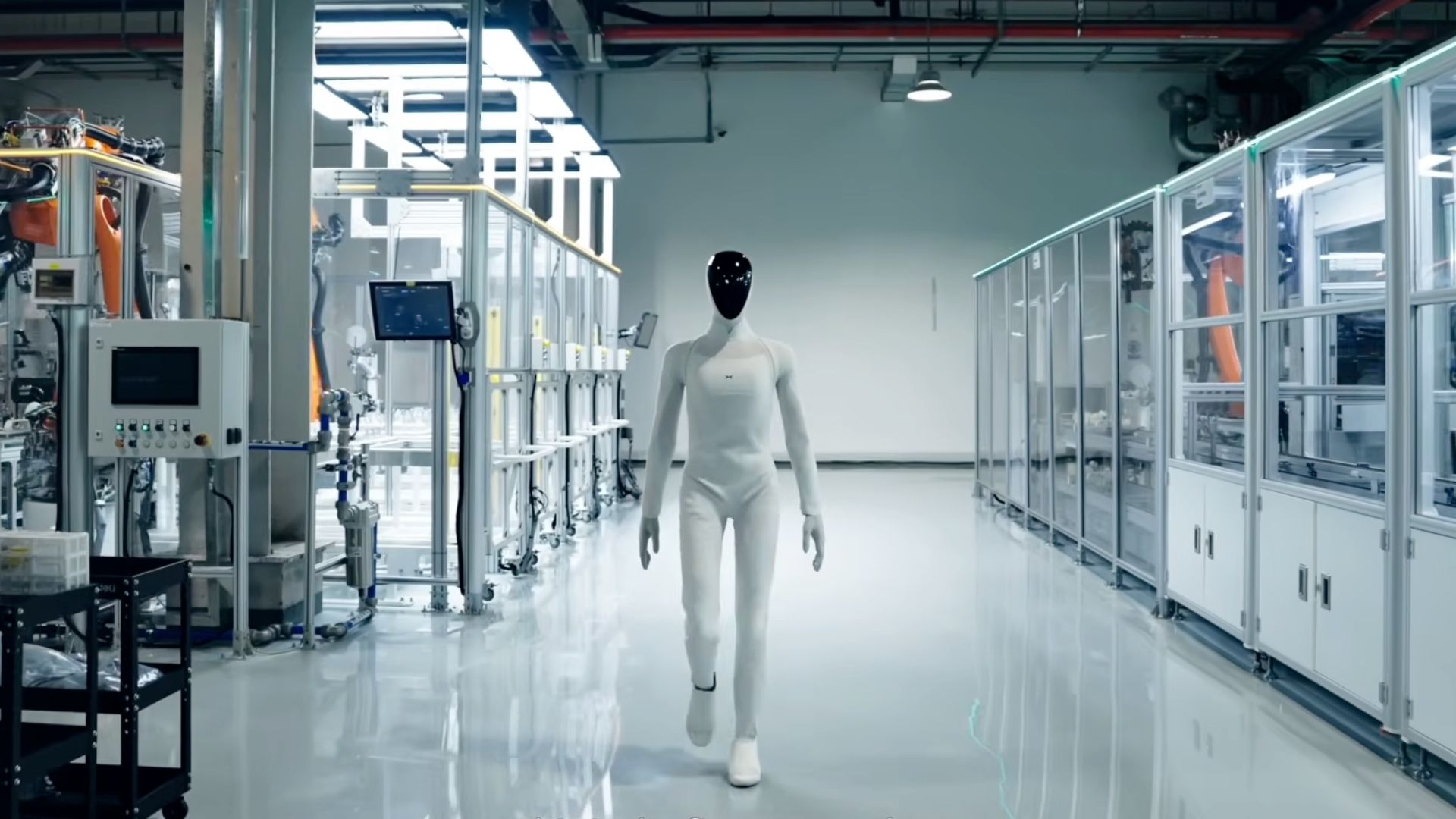
XPeng Begins Production of IRON Humanoid Robots Amid Tesla Optimus Delays
Chinese automaker XPeng has initiated the production of its IRON humanoid robot at a new facility in Guangzhou, marking a significant step towards commercial-scale manufacturing. An IRON robot successfully walked off the production line autonomously, showcasing XPeng's integration of robotics and AI in its manufacturing processes. This development is crucial as it highlights the competitive landscape in humanoid robotics, especially with Tesla's Optimus robot facing production delays. XPeng's approach combines its automotive manufacturing expertise with robotics, aiming to create a versatile humanoid platform capable of performing various tasks and adapting to different environments. Looking ahead, XPeng's focus on the IRON humanoid robot as part of its Physical AI strategy indicates a commitment to advancing humanoid technology. No further timeline was disclosed at the time of publication regarding the next steps for IRON or updates on Tesla's Optimus production schedule.
AI and Robotics
BigWave Robotics Partners with Space Factory to Deploy Humanoid Robots in Construction by 2026
BigWave Robotics, a South Korean AI company, has announced a partnership with modular housing manufacturer Space Factory to deploy humanoid robots in housing production starting in 2026. This initiative marks a significant shift in the construction industry, which has traditionally relied on human expertise, as robots begin to automate complex tasks such as insulation installation. The entry of humanoid robots into the construction sector is crucial as it addresses labor shortages and enhances production efficiency amid rising housing demands. Modular housing, which involves factory prefabrication and on-site assembly, is increasingly seen as a solution to expedite housing construction, and the integration of robotics is expected to further advance this trend towards smart manufacturing. Looking ahead, the success of humanoid robots in various industries will depend on their cost, reliability, and efficiency. While BigWave Robotics is focusing on the construction sector, the broader implications of this technology could lead to its application in logistics, energy maintenance, and public facility management, marking a new era in industrial automation.
Humanoid Robots Construction Automation Smart Manufacturing Modular Housing AI Technology
Challenges in Commercializing Embodied Intelligence: Hardware and Engineering Focus
As robots demonstrate capabilities like running and jumping, the industry consensus is clear: technical prototypes do not equate to commercial products. The competition in the embodied intelligence sector has shifted from algorithmic prowess to a comprehensive evaluation of hardware engineering, supply chain systems, and cost-benefit analysis in real-world scenarios. By 2026, advancements in technologies such as large models and dexterous hands are expected to accelerate. However, as numerous prototypes enter operational environments, issues like stability, maintenance costs, and parts supply have surfaced, revealing a significant gap between technological capabilities and industrial demands. While robots may achieve high success rates in laboratory settings, industrial applications require thousands of operational cycles, where even minor failures can halt entire processes. The industry recognizes that universal robots are not a feasible path at this stage. Instead, addressing gaps left by traditional automation is a more pragmatic approach. The logistics and warehousing sectors, characterized by structured environments, are the first to undergo large-scale validation. However, not all tasks are suitable for robots, and traditional automation still holds advantages in many areas. The maturity of the supply chain will ultimately determine the limits of industry expansion, as companies begin to build collaborative platforms to support large-scale delivery and address current mismatches in planned capacity and actual output.
Robotics Hardware Engineering Supply Chain Management Industrial Automation
Ji'er 2.0: The First Humanoid Robot Transforming Smart Breeding in China
On September 4, 2026, at the 33rd China Beijing Seed Industry Conference, the team led by Xu Cao from the Institute of Genetics and Developmental Biology of the Chinese Academy of Sciences unveiled Ji'er 2.0, the world's first humanoid intelligent breeding robot. This fully domestically produced robot can autonomously navigate through tomato flowers and perform pollination in under 10 seconds. The significance of Ji'er lies in its innovative strategy called 'crop-robot collaborative design.' Traditional hybrid pollination relies heavily on manual labor, with hybrid varieties accounting for over 90% of commercial seeds. The Xu Cao team has re-engineered flower structures through gene editing, allowing the robot to effectively perform pollination tasks, improving the accuracy of stigma recognition from 85% to 92.8%. The upgraded Ji'er 2.0 features a dual-arm system, enhancing its adaptability. It can autonomously operate in various conditions, significantly reducing labor intensity in hybrid pollination. The technology has also been validated in soybean breeding, and future applications may extend to extraterrestrial environments, potentially aiding in greenhouse construction on the Moon or Mars. No further timeline was disclosed at the time of publication.
Smart Breeding Agricultural Robotics AI Technology Genetic Engineering
Xpeng Launches Automated Production Line for Humanoid Robots with High-Level Capabilities
Xpeng has successfully activated an automated production line dedicated to humanoid robots, marking a significant milestone in robotics. The company claims that the first high-level general-purpose humanoid robot has completed its assembly and autonomously walked off the production line. This production line is engineered for mass production, boasting an automation rate exceeding 80% in its essential processes. The establishment of this production line is crucial as it positions Xpeng to meet the growing demand for humanoid robots in various sectors. With plans to initiate volume production by the end of 2026, Xpeng aims to deliver these advanced robots to both domestic and international markets starting in 2027. This move highlights the company's commitment to innovation and leadership in the robotics industry. Looking ahead, stakeholders should monitor Xpeng's progress toward its production and delivery timelines. The successful launch of this automated line could set a precedent for other companies in the robotics sector, potentially influencing market dynamics and technological advancements. No further timeline was disclosed at the time of publication.
News Feed
Connecting Teams and Data: A Path to Better Decision-Making in Manufacturing
Manufacturers face challenges in decision-making due to siloed data and departmental priorities. Engineering, procurement, and operations often operate independently, leading to short-term focus over long-term strategy. To adapt to pressures like AI and electrification, companies must connect data across functions, enabling informed decisions that consider the entire business impact. The disconnect in data leads to inefficiencies, with teams unable to see dependencies until late in the process, resulting in wasted time and resources. As the pain of disconnected data is expected to increase significantly in the coming years, proactive measures are essential. Companies that address these issues early can prevent costly problems and enhance their operational resilience. To improve decision-making, manufacturers should establish cross-functional teams that include members from engineering, procurement, supply chain, and finance. This collaborative approach, often referred to as a Center of Excellence, is crucial for standardizing processes and leveraging shared data effectively. By focusing on people and processes before technology, organizations can create a more integrated and agile operational culture.

EcoPro Co. Targets Humanoid Robotics for Growth Beyond Electric Vehicles
EcoPro Co. is set to engage in the South Korean battery-materials sector's initiative to support the humanoid robotics industry. The company is betting on the increasing demand for lightweight and powerful batteries, which is expected to create a new growth market beyond the traditional electric vehicle sector. This strategic move is significant as it highlights the evolving landscape of battery applications, where the need for advanced battery technology is expanding into new domains like humanoid robotics. The shift could lead to innovative developments in both battery design and robotics, potentially transforming how these technologies are integrated. Looking ahead, industry stakeholders will be keen to observe how EcoPro Co. and other battery manufacturers adapt their technologies to meet the specific needs of the humanoid robotics market. No further timeline was disclosed at the time of publication.
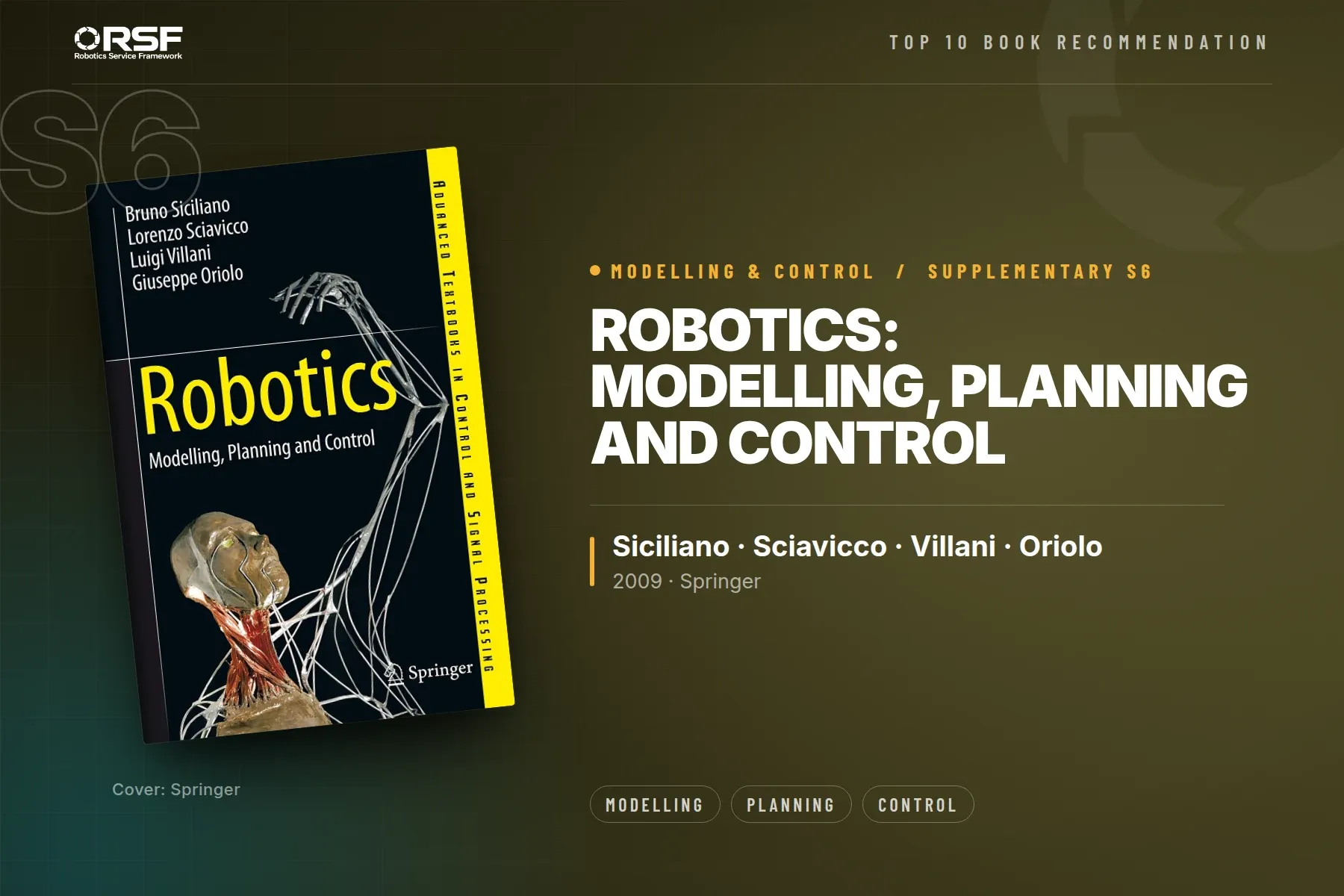
Robotics: Modelling, Planning and Control Siciliano, Sciavicco, Villani & Oriolo — RSF Specialist Shelf · Book S6 of 6
Siciliano's single-narrative counterpart to the Springer Handbook: kinematics through force control and visual servoing in one consistent notation. 4/5.

Underactuated Robotics Russ Tedrake — RSF Specialist Shelf · Book S3 of 6
Legged robots fall over for control reasons, not mechanical ones. Tedrake's free MIT 6.832 notes explain why, and what a controller must do about it.

Introduction to Robotics J. J. Craig — RSF Top 10 Robot Education Textbooks · No. 6
Six of ten benchmark universities teach kinematics from Craig. Frames, transforms and D-H parameters: the language vendor manuals already speak.
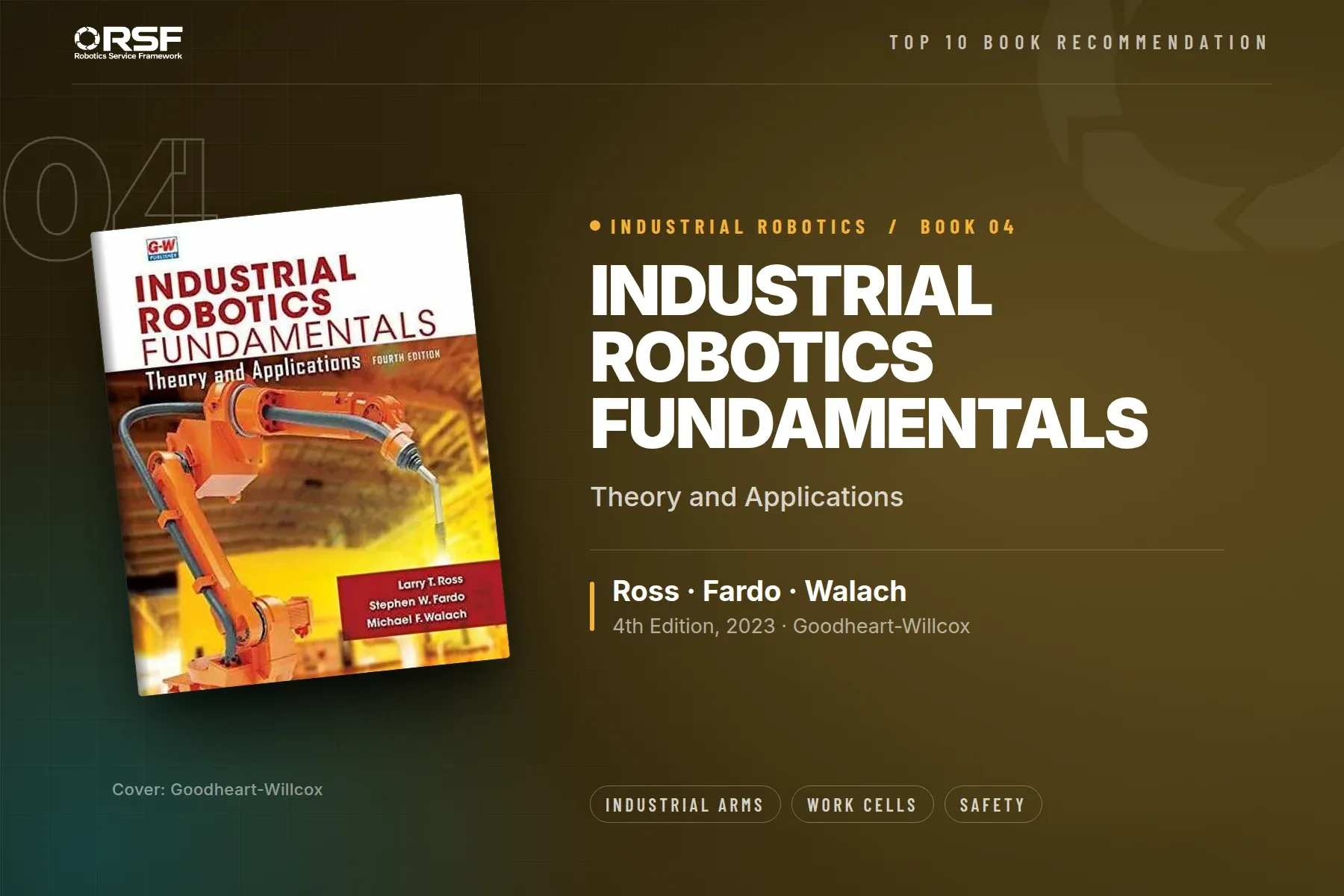
Industrial Robotics Fundamentals Ross, Fardo & Walach — RSF Top 10 Robot Education Textbooks · No. 4
The one book on the RSF Top 10 written for the shop floor, not the lecture hall: robot cell safety, installation, maintenance and troubleshooting.
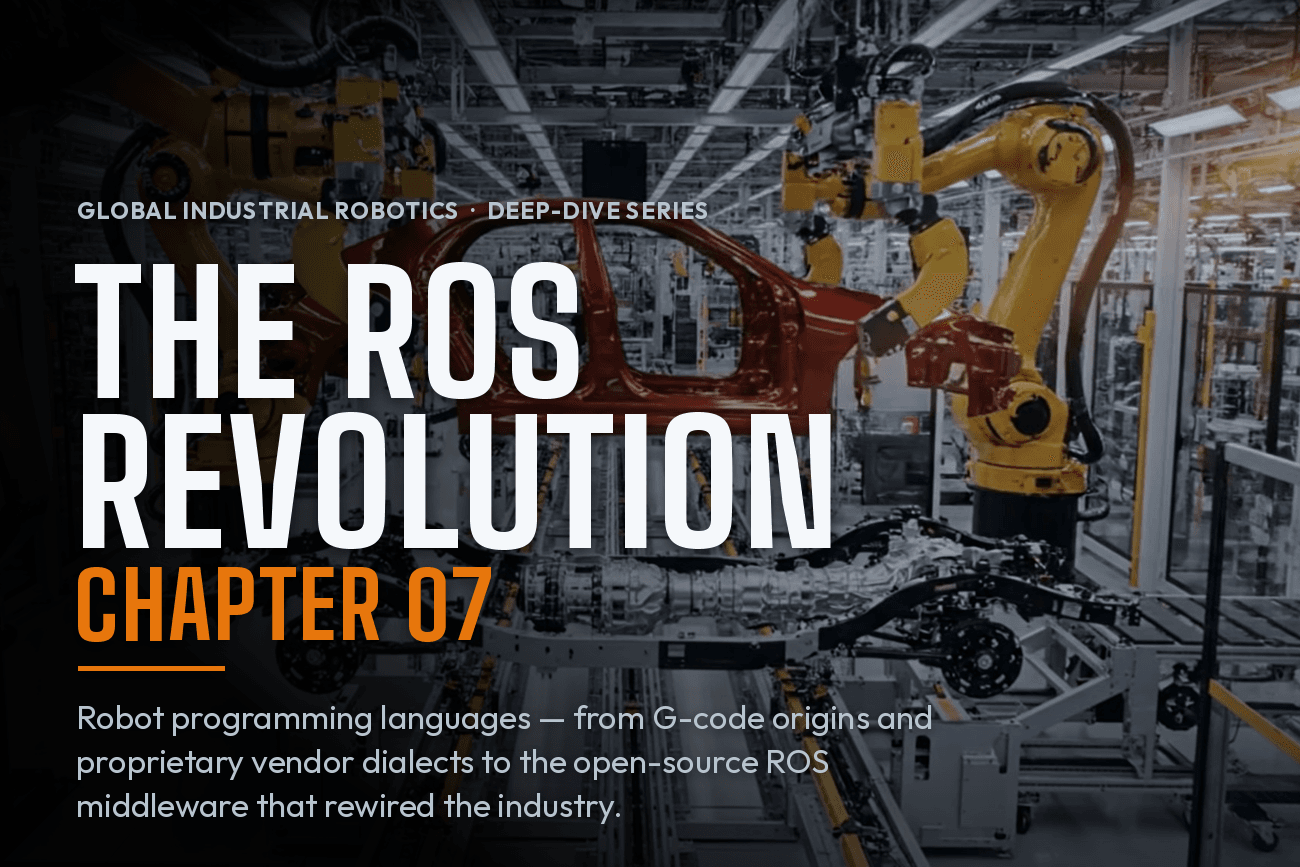
Robot Programming Languages 2026: From G-Code & FANUC KAREL to ROS2 — Complete History & Industrial Guide
A comprehensive guide to industrial robot programming language evolution: G-code and NC origins, FANUC KAREL/TP, ABB RAPID, KUKA KRL, Yaskawa INFORM, the ROS open-source revolution, ROS2 architecture, ROS-Industrial consortium, OPC-UA, TSN, and real-time Linux — how six decades of software history define today's factory floor.
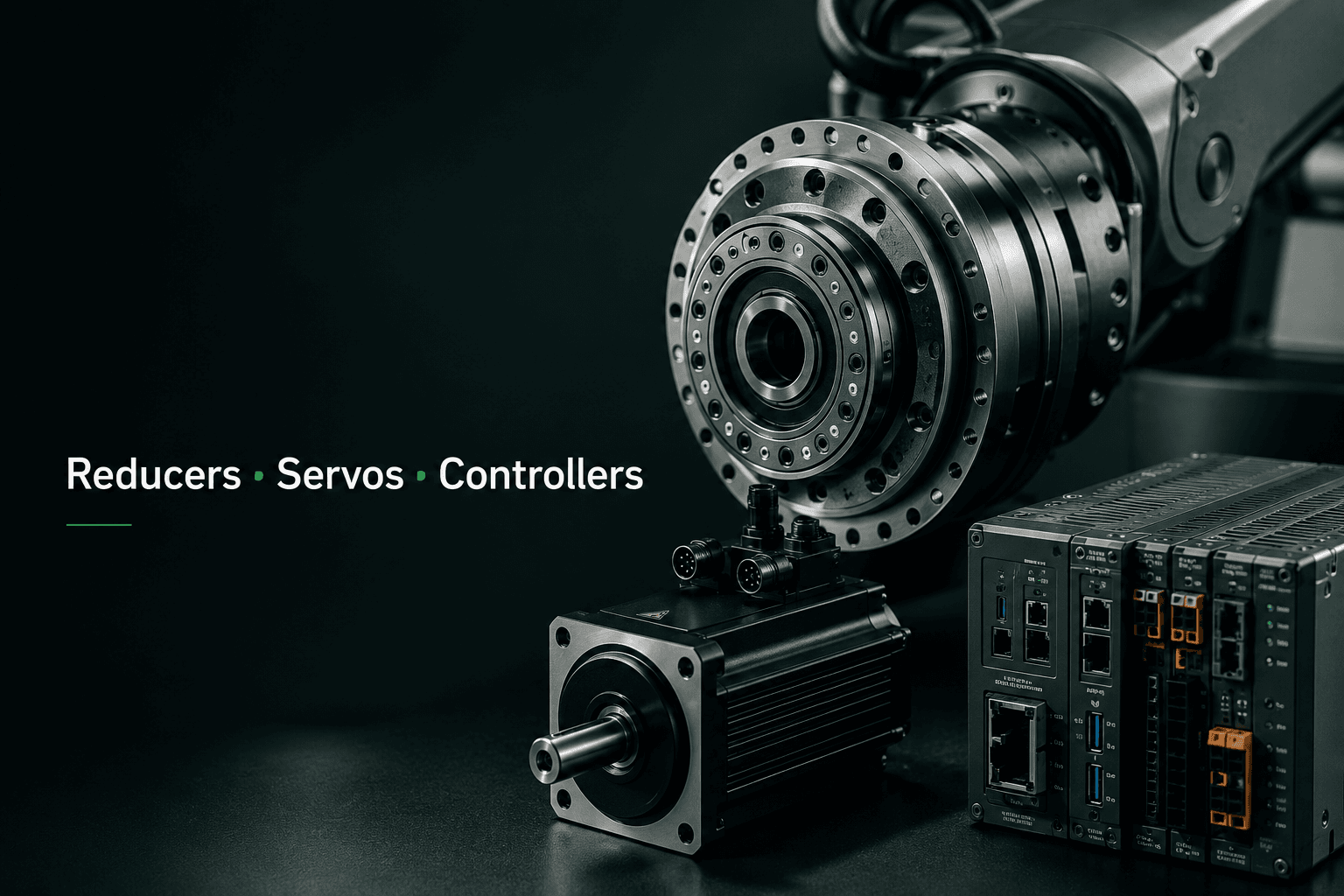
The Core Components Battle of Indutrial Robot, Reducers, Servo Systems & Controllers
A technology-first analysis of the three pillars driving industrial robot capability: precision reducers, servo systems, and motion controllers. Maps the full global supplier ecosystem — Japan, Europe, and China — from component specs to product generations and integration architectures.
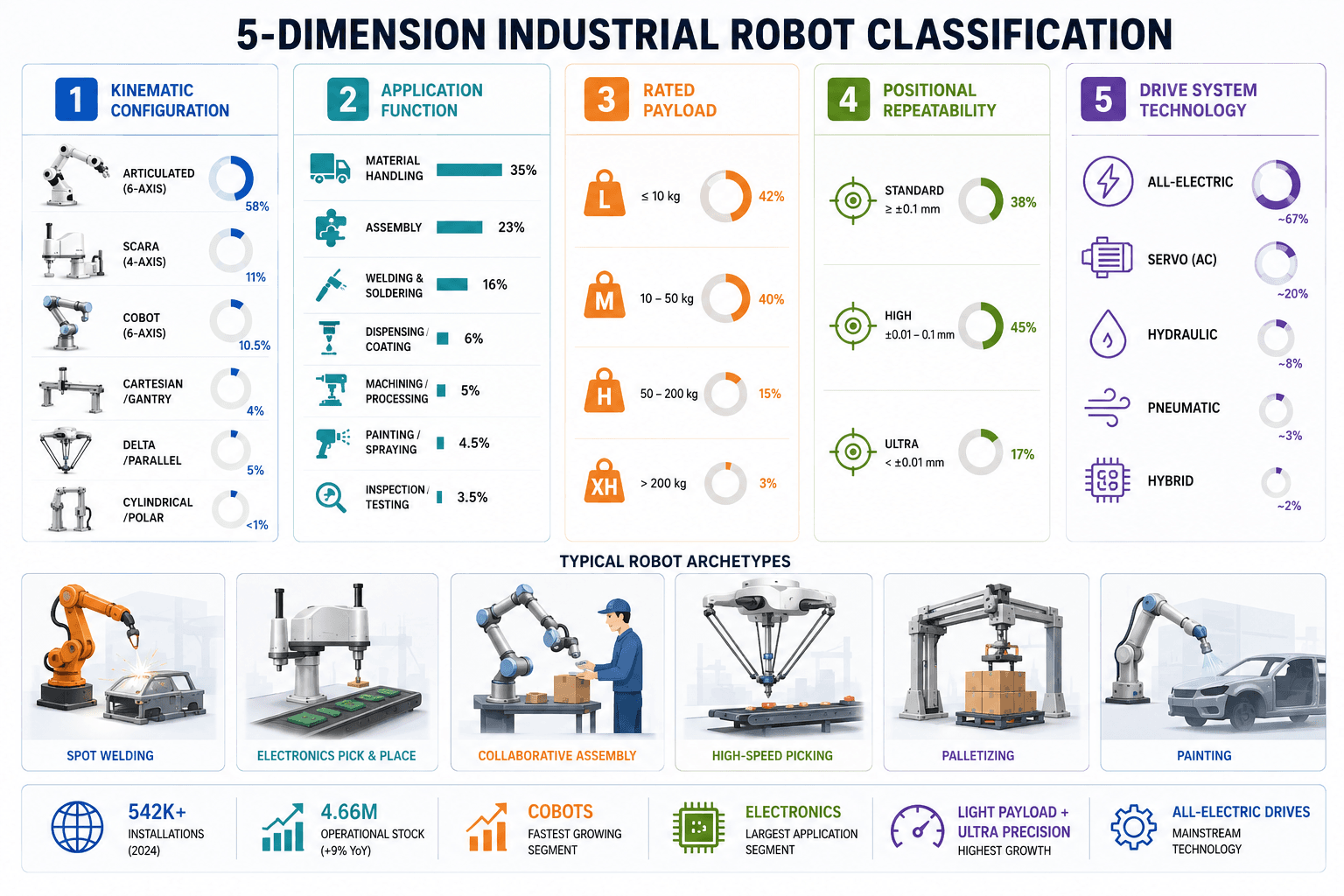
Industrial Robot Classification: 5-Dimension Framework & Market Data
A five-dimensional framework classifying industrial robots by kinematic type, application, payload, repeatability, and drive system. IFR 2024 data: 542,000 global installations across articulated, SCARA, cobot, and delta types.
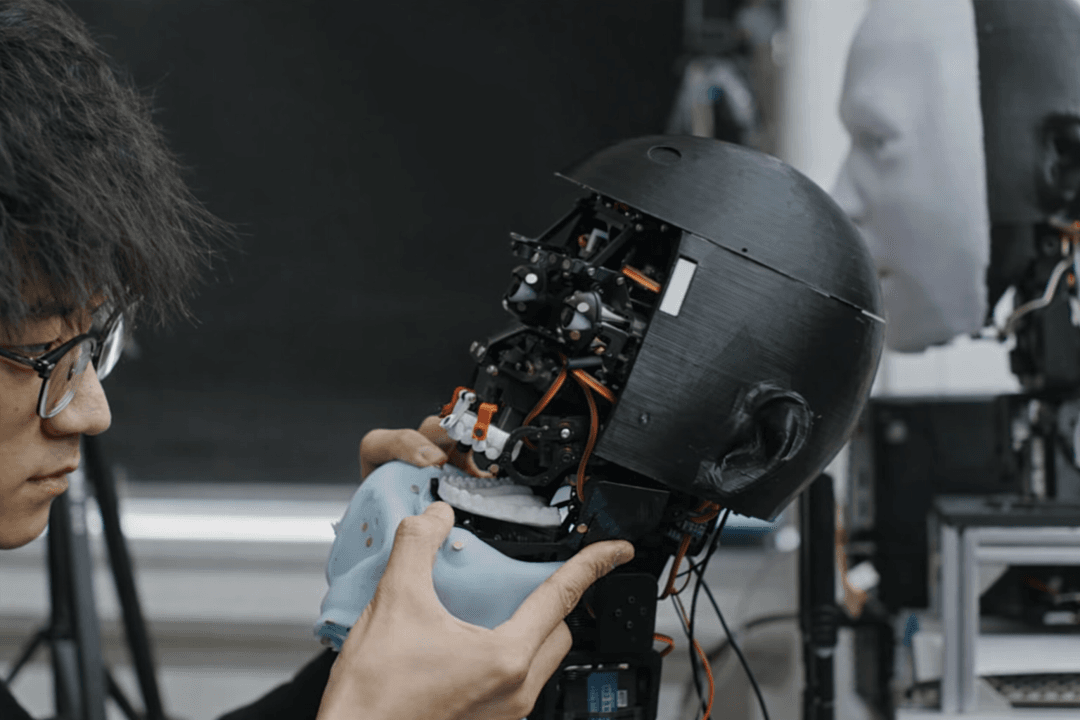
Columbia's Emo: Solving Robot Face Problem
Columbia's Emo robot breakthrough reveals why facial biomimicry is robotics' second hardest challenge. Analysis of tech barriers and 2028-2030 timeline.
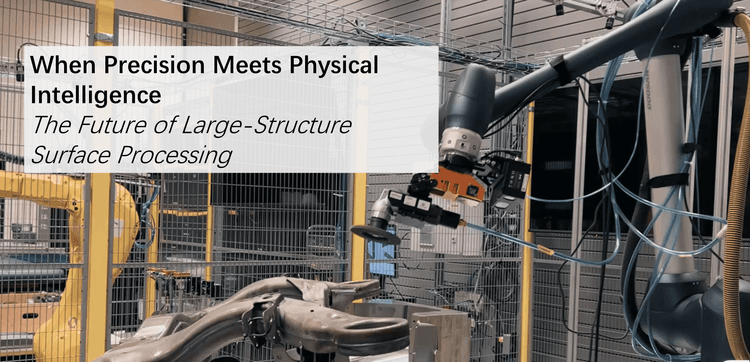
Flexible Machining of Large Structures (Part III)
A New Physical AI Paradigm: When Robots Begin to “Understand Physics,” What Changes in Complex Surface Processing?
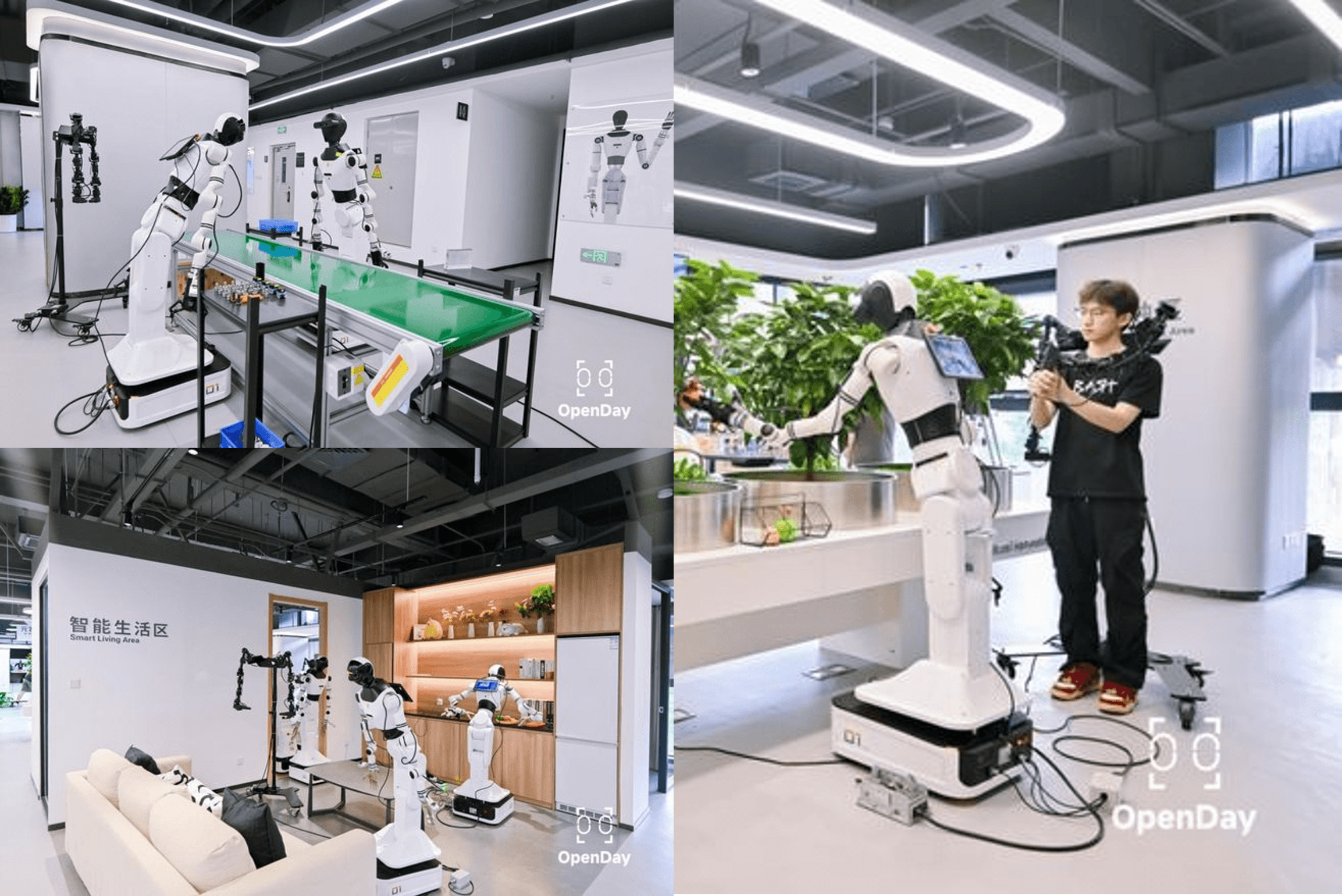
Realman Robotics Open-Sources World's First High-Quality Multimodal Real-Robot Dataset
Realman Robotics has open-sourced the world's first high-quality, multimodal real-robot dataset, collected across ten real-world application scenarios at Beijing's humanoid robot data training center. The dataset features hardware-level temporal synchronization, sub-0.5% frame drop rate, and complete modality coverage including joint kinematics, six-axis end-effector force/torque, and calibrated multi-camera imagery.