Applied Automation (acq PTG)

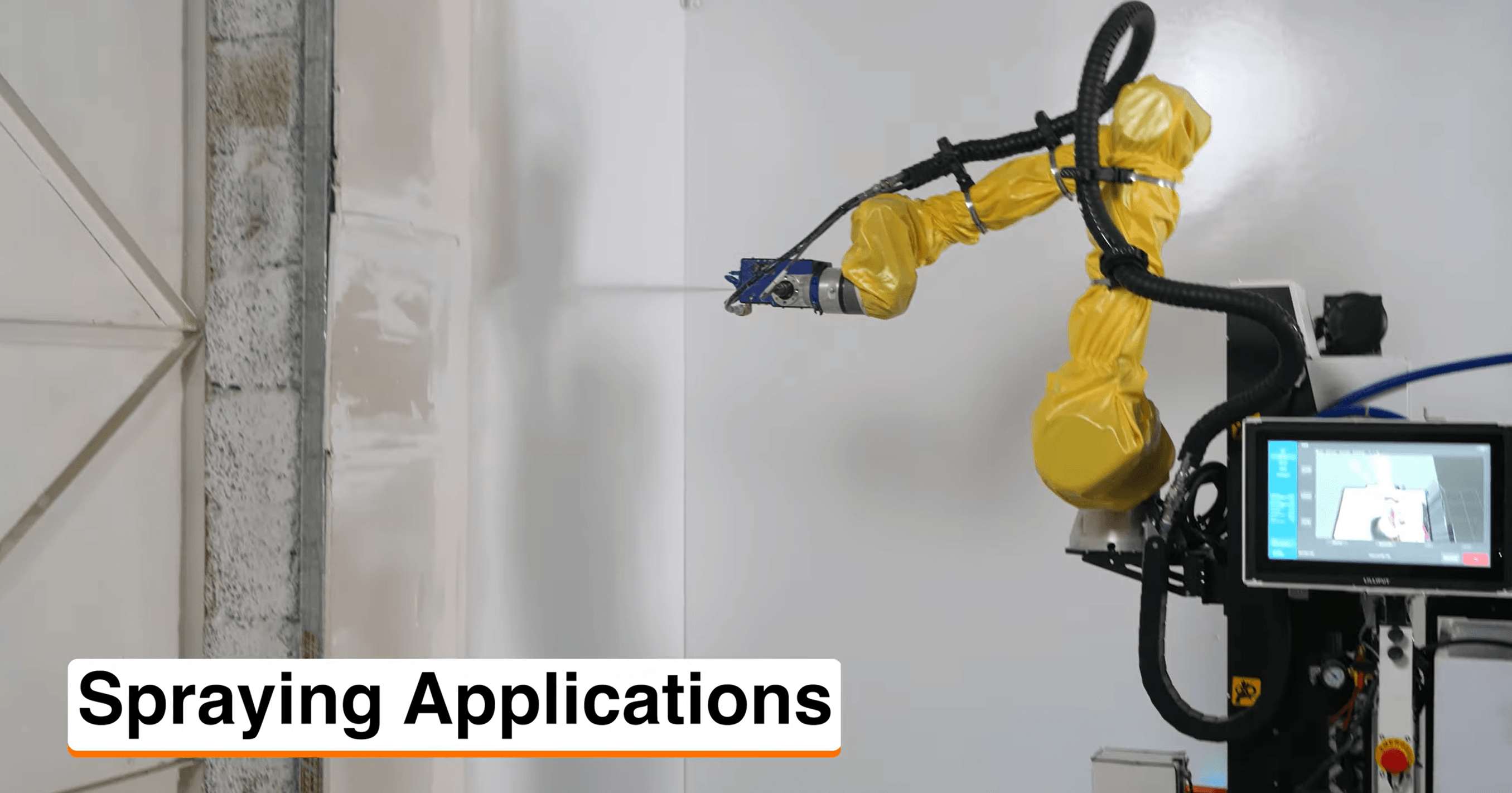
Applied Industrial Automation (acquired by PTG) is a nationwide provider of motion control, machine vision, connectivity, and robotic automation solutions. Serves end users, OEMs, and integrators across manufacturing sectors with engineered automation and IIoT system implementations.

Share
Applied Automation (acq PTG)
Concept House, Eastern Wood Rd
Plymouth PL7 5ET
RobotToday Initiative

Robotics needs a service framework.

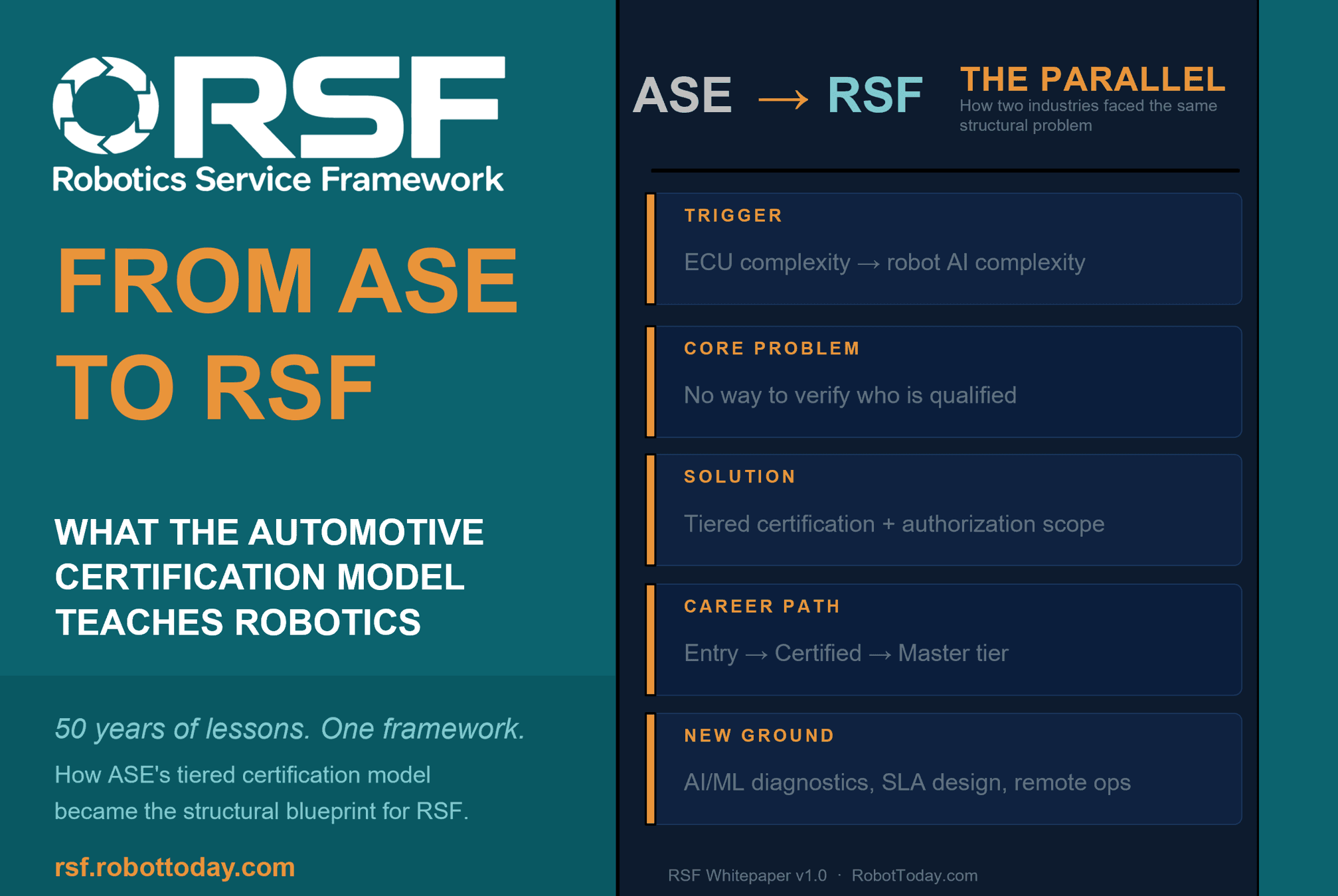
RSF defines a common language for robot service capability, lifecycle operations, certification pathways, and service-provider networks.

Share

Related Content

Microsoft Expands AI Partnership with Mistral, Secures Billion-Dollar European Infrastructure Deal

Microsoft Expands AI Partnership with Mistral, Secures Billion-Dollar European Infrastructure Deal

On July 21, Microsoft announced an expansion of its strategic partnership with French AI startup Mistral AI, securing a multi-billion dollar agreement focused on enhancing AI infrastructure in Europe. This collaboration aims to boost AI computing capabilities across the region. Under the agreement, Microsoft will leverage Mistral's expanded GPU infrastructure in Europe to support its cloud computing and AI services. This infrastructure will utilize thousands of NVIDIA Vera Rubin GPUs, enhancing the computational power available for AI applications. Additionally, Mistral's Medium 3.5 and OCR 4 models are now integrated into Microsoft's Foundry platform, with Medium 3.5 also joining Microsoft Copilot Studio for various applications. The partnership will extend AI deployment methods through Azure and Azure Local, catering to industries such as finance, healthcare, and manufacturing, which have stringent data compliance requirements. No further timeline was disclosed at the time of publication.

Xpeng Unveils TuringViT Efficient Visual Encoder for Advanced Applications

Xpeng Unveils TuringViT Efficient Visual Encoder for Advanced Applications

Xpeng has officially launched the TuringViT efficient visual encoder, aimed at systematically restructuring the architecture design, data paradigm, and training processes for the VLM/VLA era. This innovative encoder will comprehensively support three major business scenarios: intelligent driving, smart cockpits, and the IRON humanoid robot. The introduction of TuringViT is significant as it represents a strategic advancement in visual encoding technology, which is crucial for enhancing the capabilities of autonomous systems. By focusing on the VLM/VLA era, Xpeng positions itself at the forefront of technological evolution in the automotive and robotics sectors. Looking ahead, industry observers should monitor how TuringViT integrates into Xpeng's existing product lines and its impact on the competitive landscape. No further timeline was disclosed at the time of publication.

Pratt & Whitney and GKN Aerospace to Test 3D-Printed Engine Case for F-35 by 2028

Pratt & Whitney and GKN Aerospace to Test 3D-Printed Engine Case for F-35 by 2028

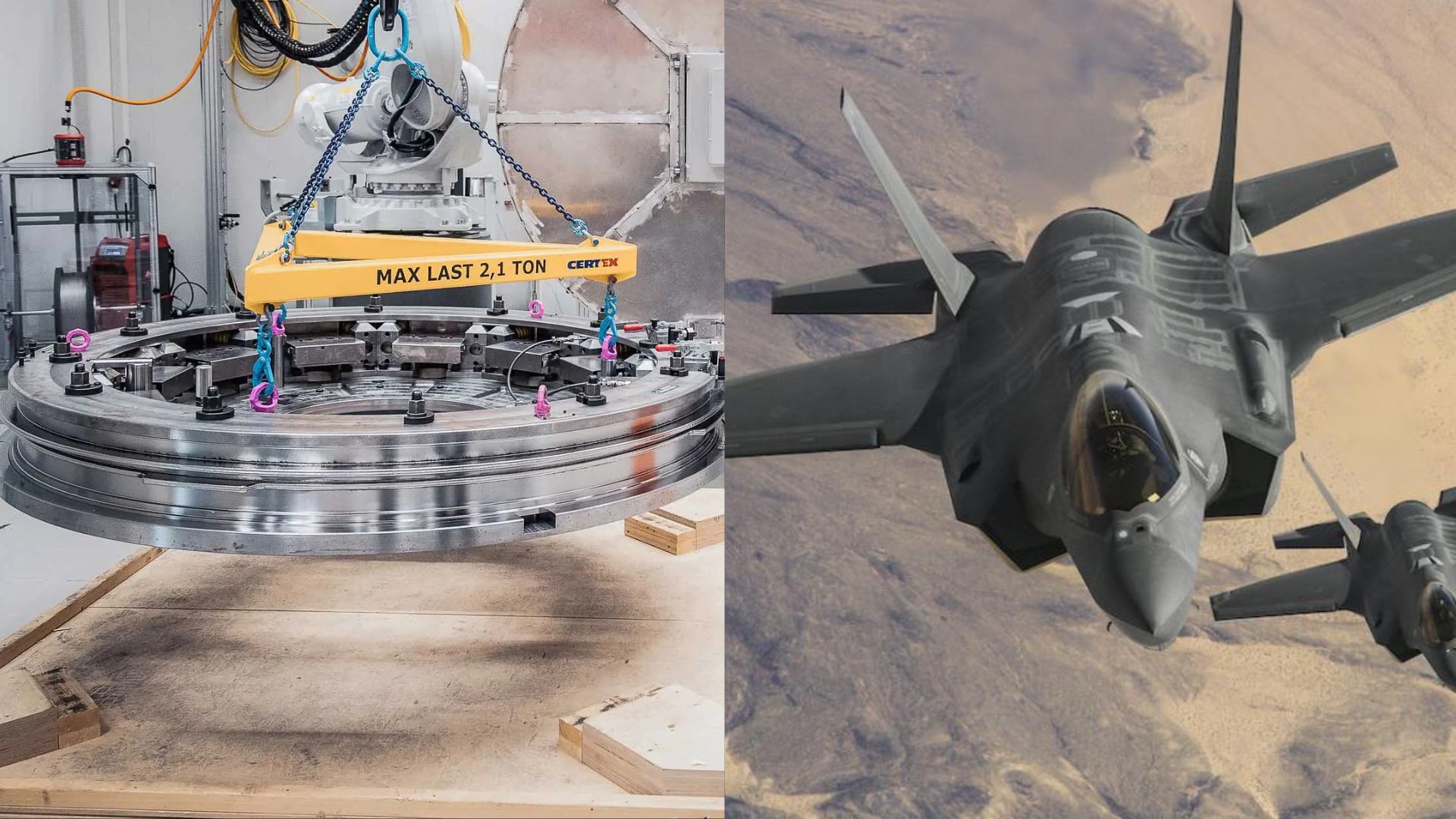
RTX’s Pratt & Whitney has partnered with GKN Aerospace to develop a large additively manufactured structural component for the F135 fighter engine. The collaboration aims to certify this component by the end of 2028, following the production of a full-scale demonstrator in 2027. This initiative is significant as it represents a move towards integrating industrial-scale 3D printing into military propulsion systems. The focus is on creating a structural engine case that meets the performance standards of traditionally manufactured parts, which is crucial for the F-35 Lightning II's operational capabilities. Looking ahead, the project will provide valuable data on manufacturing quality and certification requirements, potentially transforming how larger structural components are produced in aerospace. No further timeline was disclosed at the time of publication.

Military
Unitree Launches UnifoLM-OminiA-0.3 for Enhanced Humanoid Robot Interaction and Assistance

Unitree Launches UnifoLM-OminiA-0.3 for Enhanced Humanoid Robot Interaction and Assistance

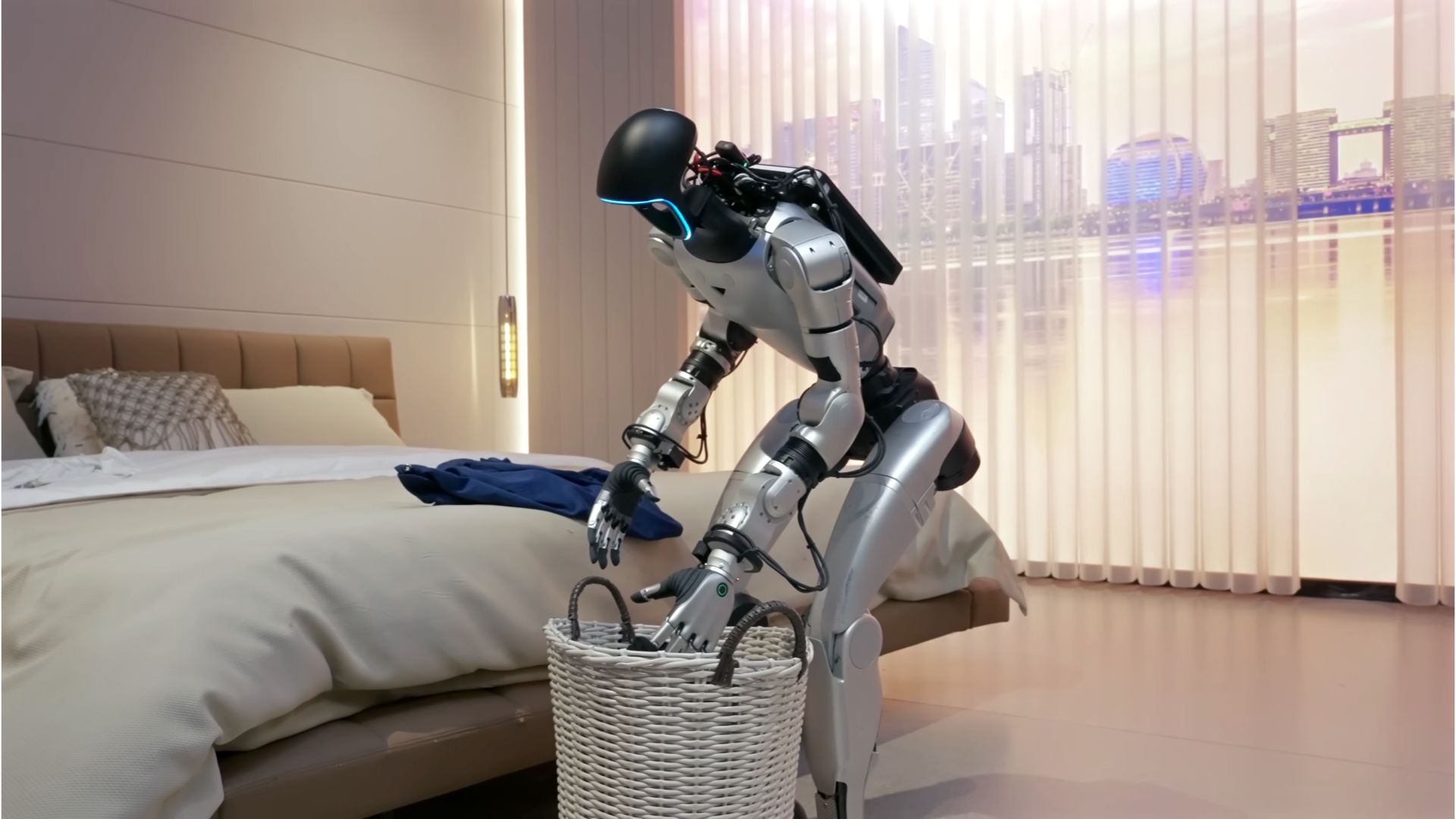
Chinese robotics firm Unitree has introduced UnifoLM-OminiA-0.3, a unified AI model designed for humanoid robots. This model facilitates real-time omni-modal interaction, reasoning, dialogue, and whole-body mobile manipulation, targeting home-care and wellness applications. The robots can autonomously perform tasks such as tidying rooms and assisting patients while responding to various inputs. The significance of UnifoLM-OminiA-0.3 lies in its ability to integrate multiple capabilities into a single system, allowing robots to process information from speech, vision, and environmental cues simultaneously. This unified architecture enables seamless task execution, as demonstrated by a humanoid robot that can adjust a hospital bed and respond to user commands mid-task, showcasing continuous human-robot interaction. Looking ahead, the trend towards embodied AI is expected to grow, with developers focusing on integrating vision-language models with robot control. This approach enhances flexibility in dynamic environments like homes and healthcare facilities, where tasks and interactions can vary significantly. No further timeline was disclosed at the time of publication.

AI and Robotics
Carnegie Mellon University Researchers Utilize Snake Robots for Earthquake Rescue in Venezuela

Carnegie Mellon University Researchers Utilize Snake Robots for Earthquake Rescue in Venezuela

Researchers from Carnegie Mellon University collaborated with international search and rescue teams in Venezuela to deploy snake robots. These robots were used to navigate and explore collapsed buildings after two significant earthquakes caused widespread devastation in the region. The use of snake robots in this context is crucial as they can access areas that are otherwise unreachable by traditional rescue equipment. Their flexibility and ability to maneuver through debris enhance the efficiency of search and rescue operations, potentially saving lives in critical situations. Looking ahead, the effectiveness of snake robots in disaster scenarios will be closely monitored. Their performance in Venezuela could influence future deployments in similar situations, highlighting the importance of robotics in emergency response efforts. No further timeline was disclosed at the time of publication.

Uncategorized
Seven AI Technologies Enhancing Military Drone Swarms' Intelligence and Effectiveness

Seven AI Technologies Enhancing Military Drone Swarms' Intelligence and Effectiveness

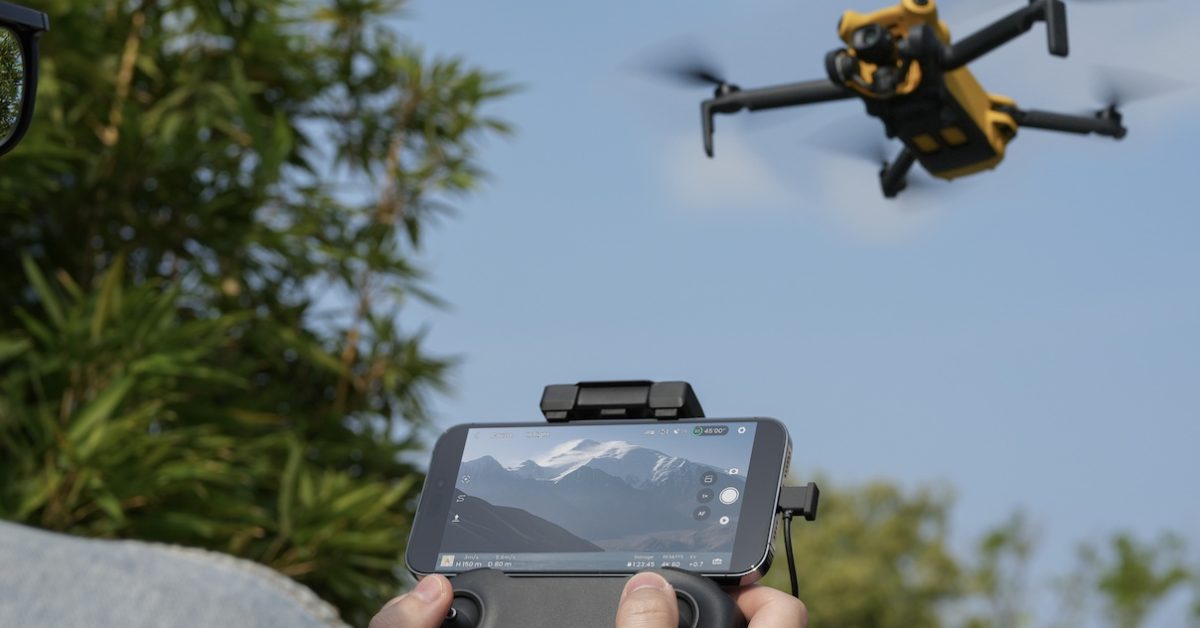
Military drone swarms are becoming a pivotal advancement in autonomous warfare, enabling multiple unmanned systems to operate collectively rather than individually. This capability is heavily reliant on artificial intelligence, which aids drones in interpreting sensor data, navigating complex environments, and communicating effectively, thereby reducing the burden on human operators. The significance of these advancements lies in their ability to enhance operational resilience. Swarm intelligence allows drones to function as a coordinated unit, utilizing decentralized algorithms to manage interactions, maintain formations, and adapt to challenges, inspired by natural collective behaviors. Programs like DARPA’s OFFSET have explored these concepts, demonstrating how autonomous systems can collaborate in intricate missions, particularly in urban settings. Looking ahead, the integration of edge AI technology is crucial for military drone swarms. This innovation enables drones to process data onboard, ensuring functionality even when connectivity to command centers is compromised. As these technologies evolve, their impact on military operations and strategies will be significant, with ongoing developments to watch closely.

AI and Robotics
Planet Technology Launches AIS-1000 AI Surveillance Station for Enhanced Security

Planet Technology Launches AIS-1000 AI Surveillance Station for Enhanced Security

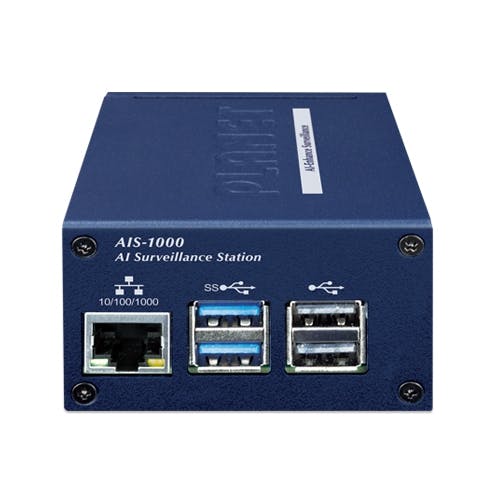
Planet Technology has unveiled its AIS-1000 AI Surveillance Station, which processes data at the collection point to enhance threat detection. This innovation aims to address the growing demand for intelligent security solutions in commercial and industrial sectors, where security teams often struggle with overwhelming amounts of data. The AIS-1000 is designed to surpass traditional security systems by utilizing edge computing and localized AI analytics. This shift allows for proactive threat detection and intervention, preventing incidents from escalating. Key features include an intuitive dashboard for monitoring live video streams and managing alerts, making it suitable for various environments, including retail, industrial, and healthcare facilities. As organizations face increasingly sophisticated security challenges, the AIS-1000 represents a significant advancement in AI surveillance technology. Joe Williams, director of distributed sales at Planet Technology, emphasized the importance of transitioning from passive video recording to active edge intelligence. No further timeline was disclosed at the time of publication.

Factory / Analytics
Northrop Grumman's New MRV Spacecraft Launches Today Amid Offensive Capability Questions

Northrop Grumman's New MRV Spacecraft Launches Today Amid Offensive Capability Questions

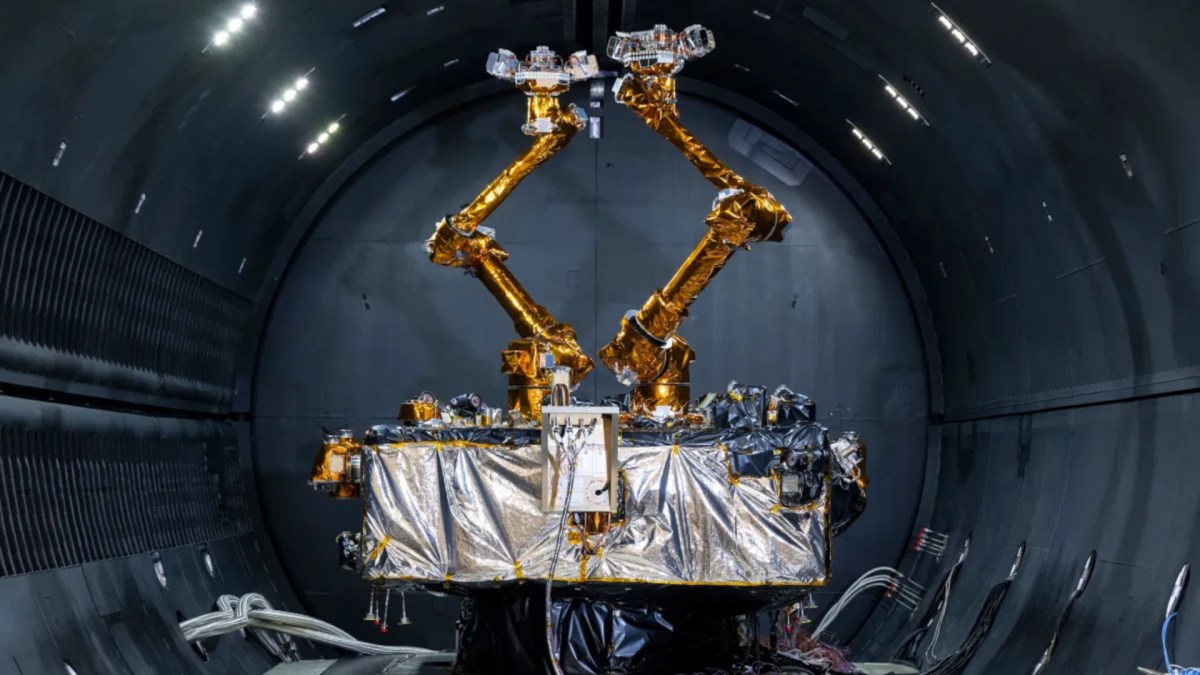
Northrop Grumman is set to launch its Mission Robotic Vehicle (MRV) today, equipped with two robotic arms designed for satellite servicing. While the primary purpose of the MRV is to refuel and repair satellites in geosynchronous orbit, discussions have emerged regarding its potential use in offensive operations against enemy satellites. The U.S. Space Force is exploring offensive capabilities to protect its assets, raising questions about the MRV's dual-use potential. The MRV's launch is significant as it represents a step forward in commercial satellite servicing, with the ability to install life extension jetpacks on satellites, potentially prolonging their operational life by up to eight years. Northrop Grumman's CEO, Kathy Warden, emphasized the spacecraft's capabilities during a recent earnings call, indicating that the company is prepared to offer options for technology deployment to clients, including the U.S. government. Looking ahead, the MRV is scheduled to launch aboard a SpaceX Falcon 9 rocket from Cape Canaveral, with a window starting at 5:15 PM ET. The mission will involve rendezvousing with satellites from commercial telecommunications providers Optus and SES, showcasing the MRV's versatility in on-orbit servicing and inspection. No further timeline was disclosed at the time of publication.

Space Anti-Satellite Capabilities News & Features Orbital Systems War In Space
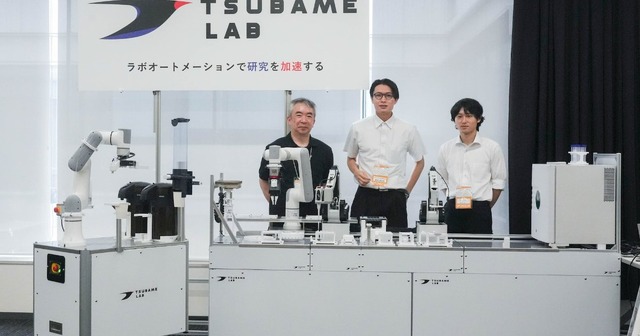
Tsubame Lab Showcases Automation Solutions at LADEC2026 with Robotic Arms and AMRs

Tsubame Lab Showcases Automation Solutions at LADEC2026 with Robotic Arms and AMRs

Tsubame Lab Inc. participated in the Laboratory Automation Developers Conference 2026 (LADEC2026) held on July 2-3, 2026, at the Miraikan in Japan. The company demonstrated automation solutions for pre-processing tasks using robotic arms and introduced the concept of 'room-level automation' by integrating autonomous mobile robots (AMRs) for sample transportation. This participation is significant as it highlights Tsubame Lab's ongoing efforts to create a 'Cloud Lab' that allows researchers to execute experiments remotely via APIs and MCPs. The conference featured over 40 speakers and approximately 60 sponsoring companies, emphasizing the importance of automating repetitive tasks in research environments, which are still largely performed manually by researchers and staff. Looking ahead, Tsubame Lab plans to expand automation elements for pre-processing tasks, enhance the application range of room-level automation through AMR integration, and continue collaborating with the research automation community. No further timeline was disclosed at the time of publication.

Nvidia Unveils Vera CPU for AI, Challenging AMD and Intel in Server Market

Nvidia Unveils Vera CPU for AI, Challenging AMD and Intel in Server Market

Nvidia has introduced its next-generation CPU, Vera, designed specifically for AI applications, marking its entry into the CPU market. This strategic move positions Nvidia to compete directly with established players AMD and Intel in the AI server sector. The company has begun shipping Vera chips to clients such as OpenAI, Anthropic, and SpaceX, highlighting its commitment to vertical integration in technology. The significance of this launch lies in Nvidia's aim to redefine server architecture by focusing on single-core performance rather than core count, which has been the traditional approach by competitors. With the server CPU market projected to reach $200 billion, Nvidia's Vera chip is expected to play a crucial role in enhancing AI agent performance, offering 50% better efficiency compared to existing x86 chips from Intel and AMD. Looking ahead, Nvidia's strategy to sell complete computing systems rather than just individual chips could reshape the competitive landscape in AI servers. As the demand for AI capabilities continues to grow, the performance and pricing of the Vera CPU will be critical factors to monitor in the evolving market dynamics.

WAIC 2026: Embodied Intelligence Enters Industrial Deployment Era

WAIC 2026: Embodied Intelligence Enters Industrial Deployment Era

WAIC 2026 in Shanghai (July 17–20) saw 200+ embodied intelligence companies, 300+ live robots, and first confirmed humanoid deployments in logistics and pharmacy. RobotToday engineering analysis.

Pittsburgh Regional Alliance Convenes Nine CMU-Rooted Robotics Firms at Automate 2026

Pittsburgh Regional Alliance Convenes Nine CMU-Rooted Robotics Firms at Automate 2026

At Automate 2026, the Pittsburgh Regional Alliance convened nine robotics firms — most spun out of Carnegie Mellon — spanning materials, perception and AMRs.

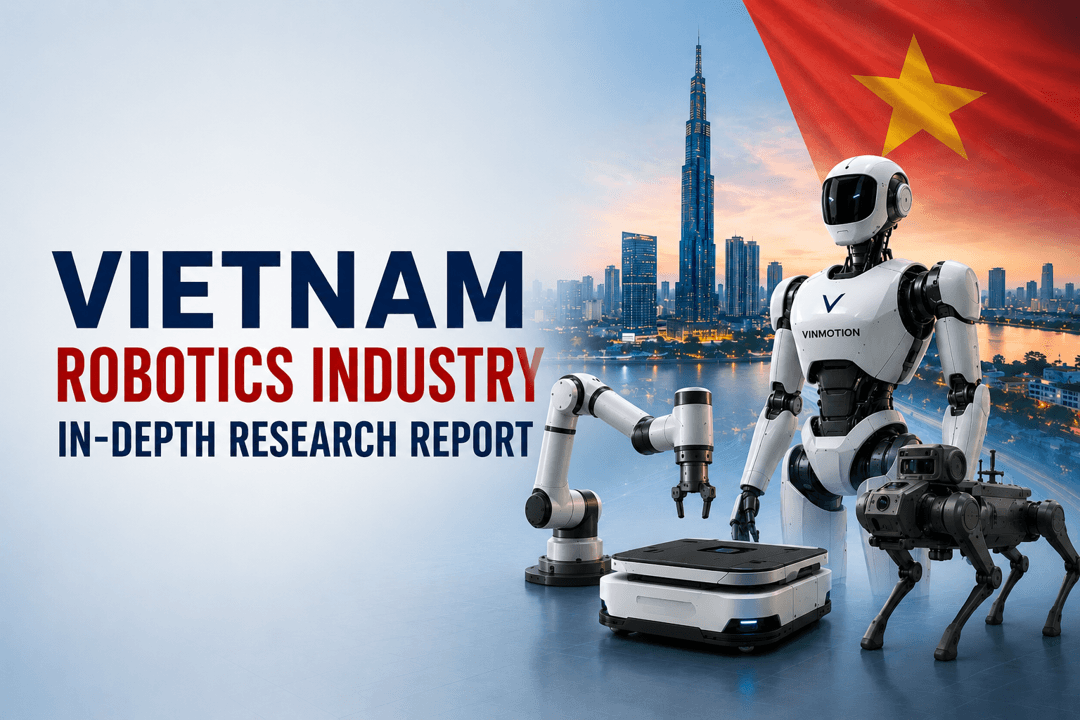
Vietnam Robotics Industry Report 2026

Vietnam Robotics Industry Report 2026

Comprehensive analysis of Vietnam's robotics industry: market size, industrial policy, key companies (Vingroup, Apicoo, Phenikaa-X), geopolitical dynamics, and 2030 growth opportunities.

CONSTRUCTION ROBOTICS | MATERIALS LOGISTICS & SITE AUTOMATION

CONSTRUCTION ROBOTICS | MATERIALS LOGISTICS & SITE AUTOMATION

Construction sites waste 30% of worker time moving materials. Autonomous material logistics robots — from Kewazo's Liftbot to Bedrock Robotics and GoLe AMRs — are eliminating that waste. Key stat: Kewazo Liftbot saves 70% of scaffold man-hours. This segment delivers better ROI than headline bricklayers.

CONSTRUCTION ROBOTICS |  INSPECTION, SCANNING & DIGITAL TWIN

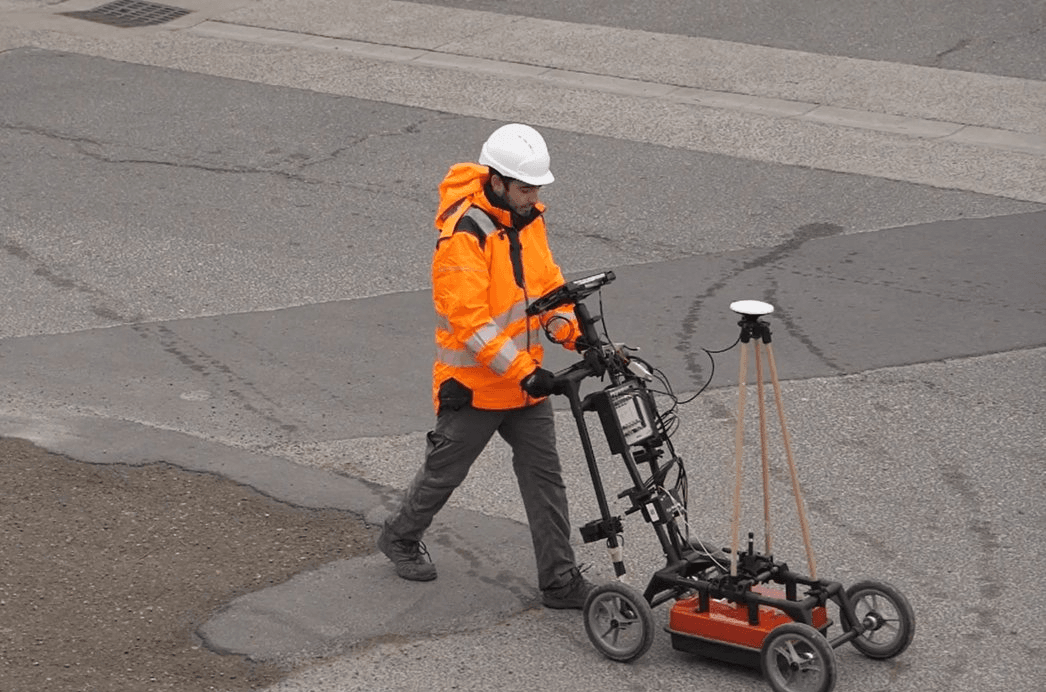
CONSTRUCTION ROBOTICS | INSPECTION, SCANNING & DIGITAL TWIN

Inspection, scanning, and digital twin robots are construction's widest adoption curve. BCA-mandated drone façade inspections in Singapore, DroneDeploy's 3M+ sites, Boston Dynamics Spot Cam 2, and Exodigo's $214M funding define the segment. Key stat: Inspection/scanning commands 30% of construction robot applications (FactMR, 2025; unverified).

CONSTRUCTION ROBOTICS | Demolition Robots and the Rise of Zero-Fatality Job Sites

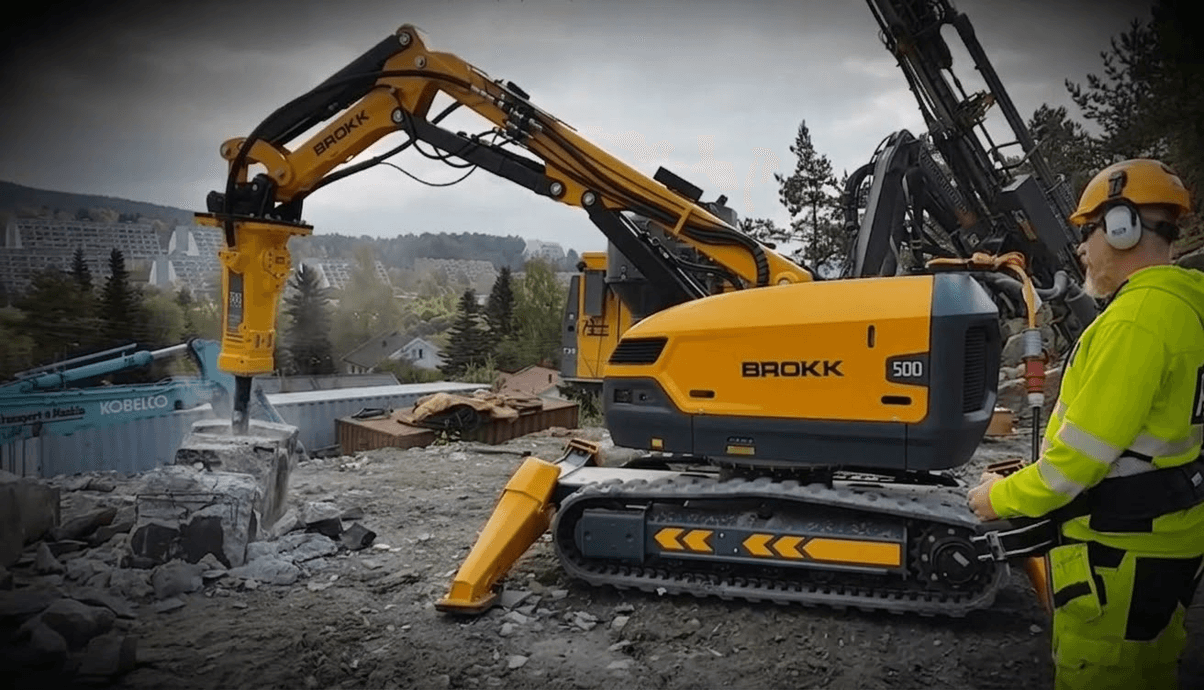
CONSTRUCTION ROBOTICS | Demolition Robots and the Rise of Zero-Fatality Job Sites

Demolition and hazardous-work robots are construction automation's fastest-growing safety segment. This analysis covers Brokk SmartPower+, Husqvarna DXR, AI-guided asbestos removal, confined-space inspection drones, and regional adoption across Japan, the EU, and South Korea — with market sizing, technology assessment, and a 2030 outlook.

CONSTRUCTION ROBOTICS | Surface Finishing & Painting

CONSTRUCTION ROBOTICS | Surface Finishing & Painting

Surface finishing robots are construction's hottest automation segment. Okibo, Canvas, Dusty Robotics, Pictobot, and Brightrobot are rewriting the economics of painting, drywall, and tile-setting. Key stat: Okibo's EG7+ cuts finishing labor costs 50% and operates 10x faster than manual crews.

Humanoid Robotics Standards HEIS 2026 vs. the International Landscape

Humanoid Robotics Standards HEIS 2026 vs. the International Landscape

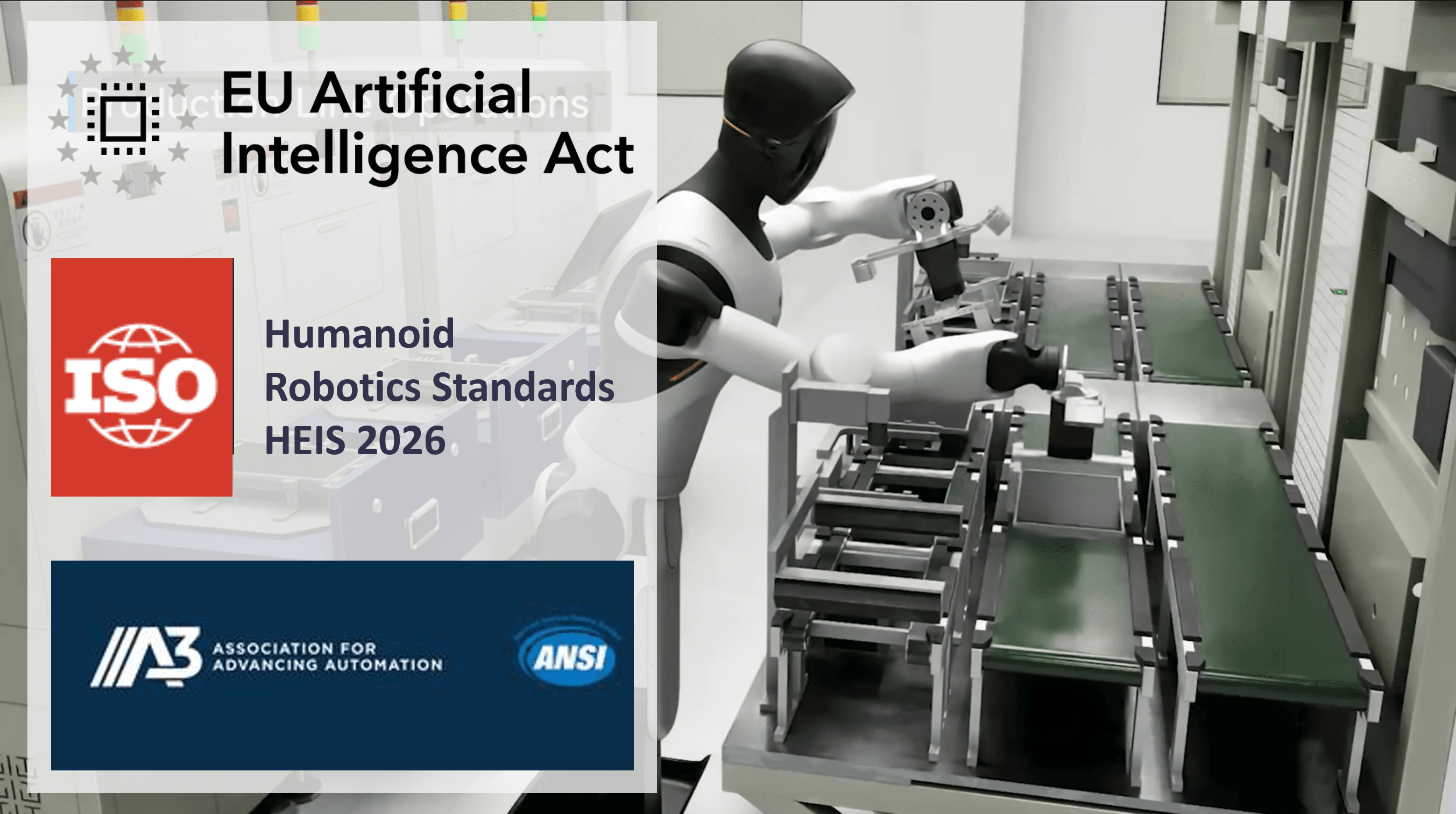
HEIS 2026 vs. global robot standards: how China's humanoid AI framework compares to ISO 10218, ANSI/A3 R15.06-2025, and the EU AI Act across safety, cybersecurity, and certification.

China's 15th Five-Year Plan (2026–2030): Embodied Intelligence as National Industrial Strategy

China's 15th Five-Year Plan (2026–2030): Embodied Intelligence as National Industrial Strategy

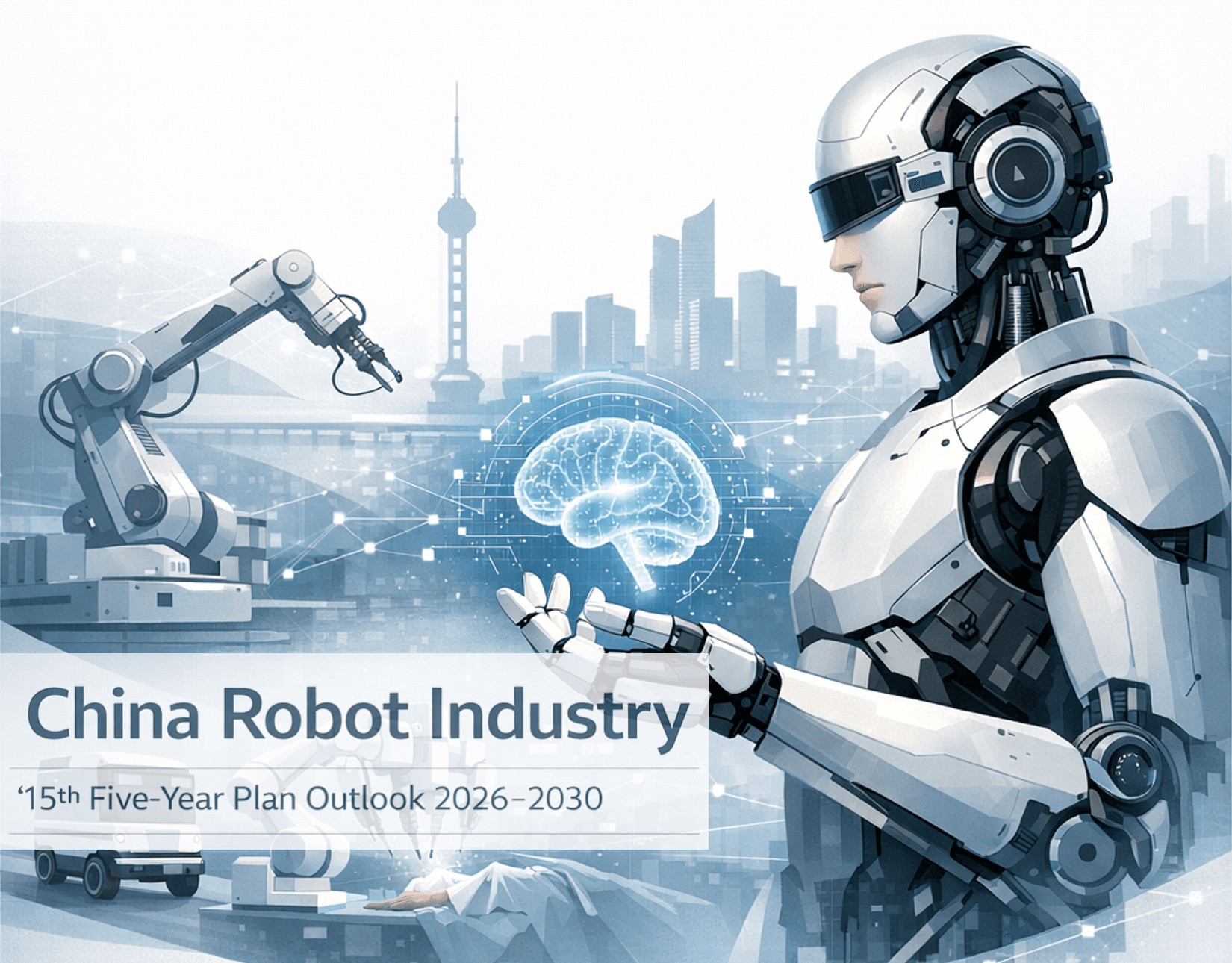
China's 15th Five-Year Plan (2026–2030) elevates embodied intelligence to a national industrial priority for the first time. This RobotToday briefing analyses the plan's robotics directives, new standards framework, and competitive implications for European and North American industry.

CONSTRUCTION ROBOTICS | Market Landscape & Regional Battleground

CONSTRUCTION ROBOTICS | Market Landscape & Regional Battleground

Six incumbent categories and 17+ venture-backed challengers compete for $1.37–6.8 billion in construction robotics. China's 295,000 annual robot installations run on state capital. The US leads on innovation. This analysis maps tiers, business models, and regional dynamics — using the Agricultural Robotics Series methodology.