
2G Engineering
Wisconsin AS9100-certified company founded 2005 designing and manufacturing subsea electric actuators and power electronics for deep-sea applications.
Contact 2G Engineering
WEBSITE
https://www.2g-eng.com/PHONE
(608) 825-4799HEADQUARTERS
United States

Company Facts
Founded
2005
Primary Role
Manufacturer
Company Size
-
Primary Region
North America
Annual Sales
-
Funding Stage
-
Funding Total
-
Certifications & Memberships
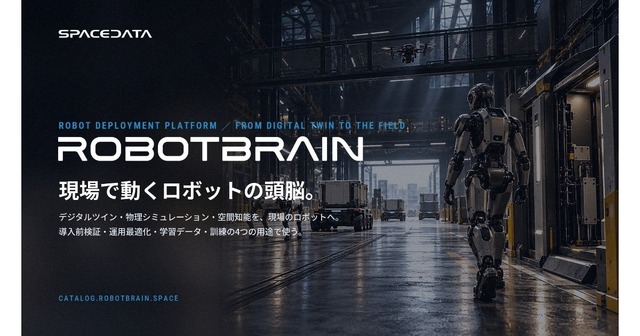
Space Data Launches RobotBrain to Enhance Robotics Implementation and Learning in Real Environments
Space Data Corporation has commenced the provision of 'RobotBrain', a foundational platform designed to support the deployment, operation, and learning of robots in real-world settings. This initiative extends their existing technologies in digital twins, physical simulations, and spatial intelligence, previously utilized in defense, disaster prevention, urban development, and infrastructure sectors. The significance of RobotBrain lies in its ability to address the challenges faced by industries in integrating robots and drones into various environments, including factories, warehouses, construction sites, and commercial facilities. While the demand for robotic solutions is growing due to labor shortages, merely purchasing robots does not guarantee operational success. The platform aims to streamline the automation process and enhance decision-making during abnormal situations by integrating various robotic systems into a cohesive operational framework. Looking ahead, RobotBrain facilitates a continuous feedback loop between virtual and real environments, allowing robots to become smarter through repeated use. The platform supports the integration of multiple manufacturers' robots and sensors, ensuring compatibility without replacing existing systems. No further timeline was disclosed at the time of publication.
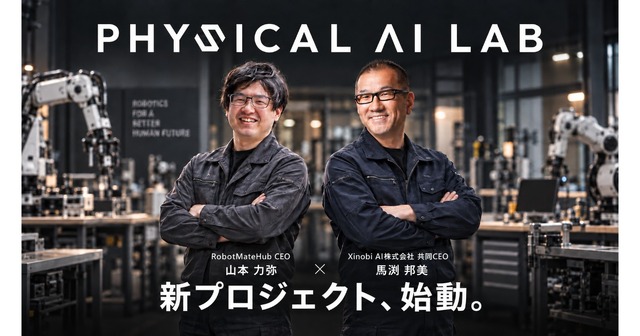
K&co Launches PHYSICAL AI LAB to Promote Physical AI Implementation in Japan
On September 30, 2026, K&co launched the PHYSICAL AI LAB, a platform aimed at promoting the implementation of physical AI in Japan. The initiative seeks to enhance Japan's industrial competitiveness by disseminating knowledge about physical AI and training personnel responsible for its societal integration. The significance of this platform lies in its focus on bridging the gap between technology and practical application in various sectors such as manufacturing, logistics, and retail. The PHYSICAL AI LAB aims to address challenges in the field, ensuring that companies and personnel are equipped to incorporate physical AI into their operations effectively. Looking ahead, the PHYSICAL AI LAB plans to continue its outreach through podcasts and community-building efforts, including an annual conference. The platform will connect researchers, manufacturers, and industry leaders to discuss implementation challenges and share insights on the future of physical AI in Japan's workforce.

Hitachi and Fanuc Collaborate to Launch Physical AI Solutions for Manufacturing
Hitachi and Fanuc have established a strategic partnership aimed at developing and commercializing physical AI systems tailored for manufacturing. Initial testing will occur at Hitachi's factories in Japan's Ibaraki region, with broader deployment anticipated to commence in fiscal 2027. The collaboration seeks to automate tasks that currently rely on skilled labor, enhancing productivity and addressing labor shortages. This partnership is significant as it combines Hitachi's expertise in physical AI and operational technology with Fanuc's advanced industrial robots and AI capabilities. The goal is to create systems that can adapt to varying production conditions and tasks requiring human judgment. The initial applications will focus on parts picking and production changeovers, with plans to expand across multiple industries, including semiconductors and automotive. Looking ahead, Hitachi and Fanuc will leverage their global customer bases to implement these technologies across diverse sectors starting in fiscal 2027. The companies aim to continuously improve their systems by learning from real production data, which could lead to more efficient and adaptable manufacturing processes. No further timeline was disclosed at the time of publication.
Business & Markets Physical AI Fanuc Hitachi Industrial Robots Japan
Eni and Generative Bionics Collaborate on Humanoid Robots and Smart Footwear Innovations
Eni and Generative Bionics have signed a memorandum of understanding to explore industrial applications for humanoid robots, beginning with GENE.01. This agreement, established on September 30, aims to enhance inspection, manufacturing, and Physical AI computing through joint analysis and testing efforts. The collaboration is significant as it seeks to improve safety and efficiency in complex environments, focusing on the development of GENE.01's footwear system. The companies aim to create lighter and stronger designs that enhance impact absorption and durability, leveraging Eni's expertise in ultra-lightweight materials. Looking ahead, Eni will assess its industrial sites for potential robotics production and testing capabilities. The partnership also opens avenues for battery recycling and high-performance computing for humanoid AI model development. No further timeline was disclosed at the time of publication.
Generative Bionics Europe GENE01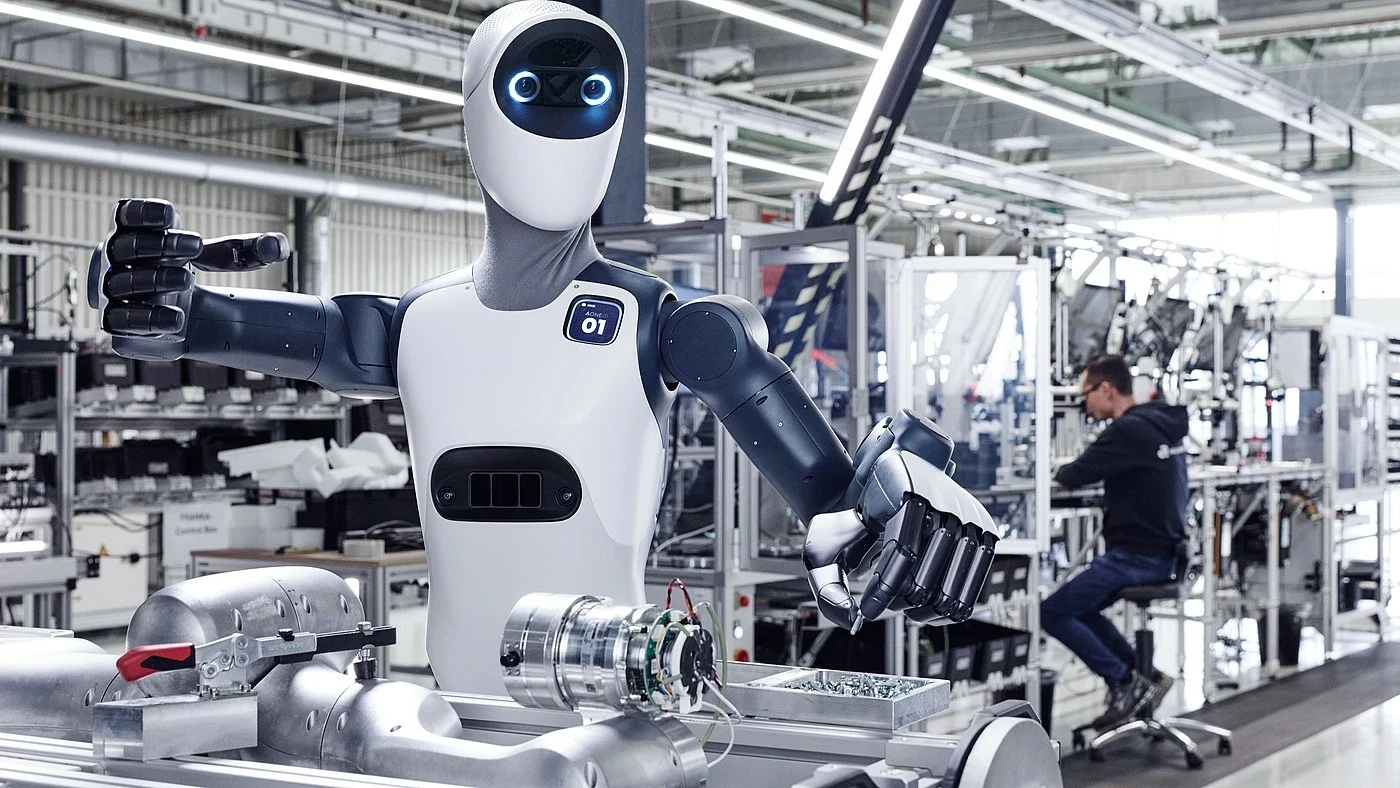
Agile Robots and Hitachi Collaborate on Physical AI Solutions for Manufacturing
Agile Robots has partnered with Hitachi to develop and commercialize Physical AI tailored for manufacturing applications. This collaboration will integrate Agile ONE humanoid robots with robotic arms, mobile robots, and factory software, targeting tasks like parts handling and machine loading. The partnership aims to address the challenges posed by variations in workpieces that complicate fixed automation. This initiative is significant as it seeks to enhance the reliability and scalability of Physical AI in industrial settings. According to Agile Robots' founder and CEO Zhaopeng Chen, the transformation of industry through Physical AI hinges on its effective operation on the factory floor. Hitachi will contribute its edge AI semiconductors to process visual and tactile data efficiently, which will be combined with Agile Robots' systems for global distribution through Hitachi's HMAX Industry portfolio. Looking ahead, the next key milestone will involve a specific application deployment and the assessment of production outcomes. While the partnership builds on Agile Robots' previous collaboration with Google DeepMind, the details of how Hitachi's AI will integrate with Gemini Robotics remain unclear. No further timeline was disclosed at the time of publication.
Europe Agile Robots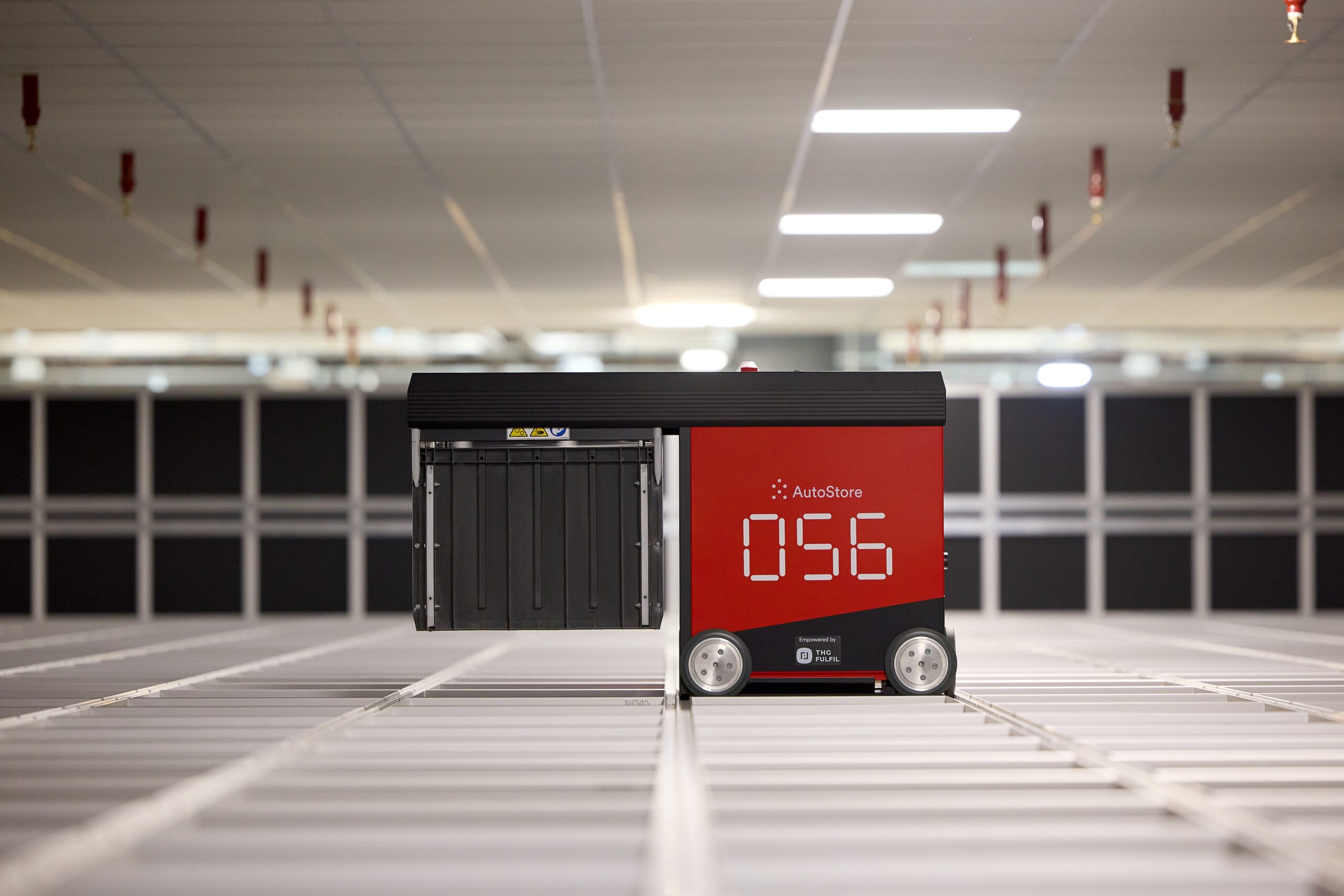
THG Fulfil Expands AutoStore Distribution Partnership with CapEx and RaaS Options
THG Fulfil has announced an expansion of its distribution partnership with AutoStore, allowing the company to offer AutoStore systems through both CapEx ownership and its existing Robotics-as-a-Service (RaaS) model. This expanded agreement provides brands and retailers with enhanced flexibility in warehouse automation investments, enabling them to choose between CapEx, RaaS, or a hybrid approach. The significance of this partnership lies in its ability to cater to diverse investment strategies among brands and retailers. Some businesses prefer to protect cash flow and scale capacity according to demand, while others may opt for outright ownership of automation assets. The expanded agreement ensures that clients can select the model that best aligns with their financial priorities without changing their distribution partner. Looking ahead, THG Fulfil operates 796 AutoStore robots and has integrated the AutoStore system with its proprietary WCS, achieving impressive operational efficiencies. The company has also recently completed an AutoStore build for Footasylum, featuring 85 AutoStore R5 robots. No further timeline was disclosed at the time of publication.
Automation Systems and Shuttles eFulfilment Materials Handling ASRS autostore RaaS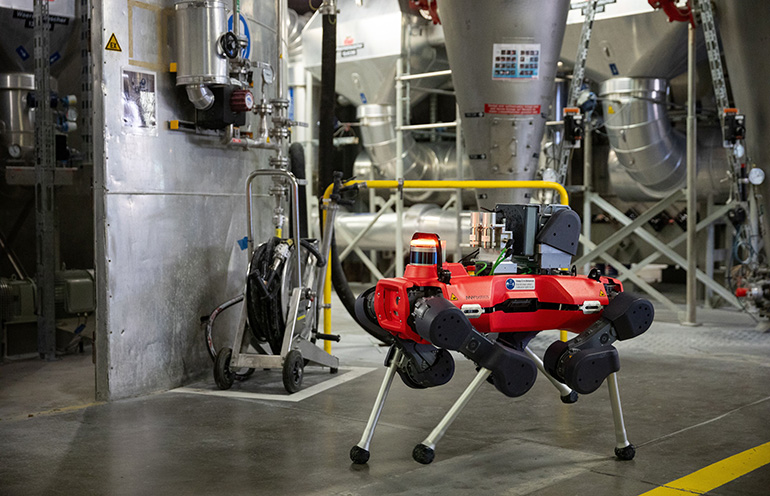
ANYbotics Introduces Shift to Enhance Autonomous Inspections and Robot Fleet Management
ANYbotics has launched Shift, a new platform designed to streamline autonomous inspections using its ANYmal quadruped robots. This initiative aims to address the significant costs associated with undetected failures, which amount to approximately $1.4 trillion annually for the world's largest companies. Shift integrates various functionalities, including plant mapping and robot fleet coordination, to facilitate seamless data flow into maintenance actions. The introduction of Shift is crucial as it empowers businesses to optimize their asset health assessments and preventive maintenance strategies. Péter Fankhauser, co-founder and CEO of ANYbotics, emphasized that the platform's AI capabilities transform field findings into actionable work orders, potentially saving millions by reducing unplanned downtime. The Zurich-based company targets industries such as energy, power, metals, mining, and chemicals, where routine inspections and real-time data collection are essential. Looking ahead, ANYbotics plans to enhance Shift by adding SMS and WhatsApp support for notifications. The transition from the existing Data Navigator product to Shift will be automatic for current users. As Shift AI learns from connected modules, it promises to improve operational efficiency and effectiveness in asset management, making it a noteworthy development in the robotics sector.
Artificial Intelligence Autonomous Mobile Robots (AMRs) Energy / Solar / Renewables Manufacturing Mining News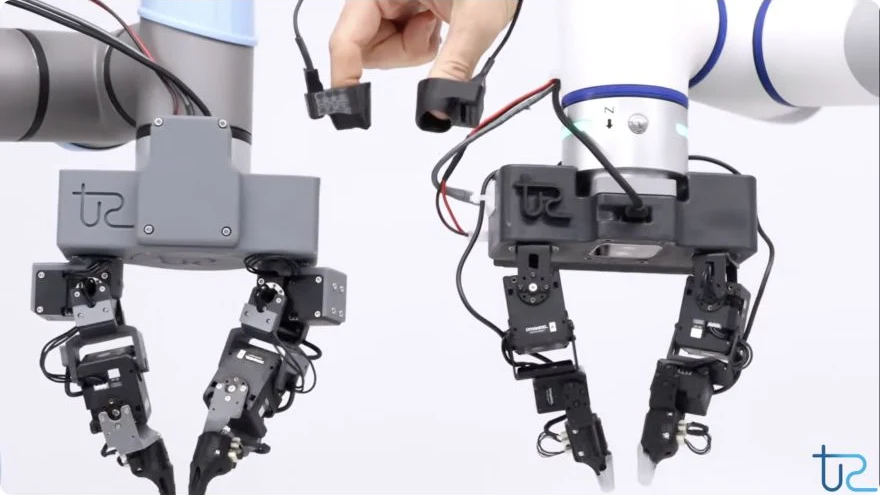
Tangent Robotics Secures $4.5 Million to Enhance Robot Hands with Fine Motor Skills
Tangent Robotics has successfully raised $4.5 million in pre-seed funding aimed at developing dexterous robot hands tailored for manufacturing applications. The funding round was co-led by Fly Ventures and Toyota Ventures, with additional participation from Logos Fund and Sparked Ventures, as announced on September 30. The company, which emerged from Columbia Engineering’s Robotic Manipulation and Mobility Lab, focuses on creating a fine motor skill layer that bridges vision-language-action models with low-level controllers. This funding is significant as it will enable Tangent Robotics to enhance the capabilities of its TR02 hand, which features three fingers and 10 degrees of freedom. The hand incorporates advanced technologies such as optical touch sensing and a palm camera for visual feedback, facilitating delicate tasks like fitting connectors and assembling gears. The company aims to reduce the learning process for these fine movements from days to hours, which could revolutionize the deployment of robotic solutions in industrial settings. Looking ahead, Tangent Robotics plans to leverage this funding to transform intricate movements into practical factory capabilities. The relevance of their work extends to humanoid robotics, where effective manipulation is crucial for completing industrial tasks. No further timeline was disclosed at the time of publication.
US Tangent Robotics
Kilter's AX-1 Robots Save Over 1 Million Liters of Herbicide in 8 Months
Kilter's AX-1 robots have successfully helped farmers avoid using more than 1 million liters of herbicide mixture in under eight months across five countries. This achievement is attributed to the robot's precise application of herbicide in micro-droplets, which significantly reduces waste compared to conventional broadcast spraying. The importance of this technology lies in its ability to enhance crop yields by up to 40% while reducing labor costs. The AX-1 operates autonomously, allowing farmers to focus on other critical tasks, especially in a labor-scarce environment. The robot's design is particularly beneficial for high-value crops like root vegetables and leafy greens, where weed control is crucial for maximizing harvest quality. Looking ahead, Kilter anticipates further advancements in the AX-1's capabilities over the next five years. As the technology continues to evolve, growers are encouraged to consider how the AX-1 can fit into their existing operations and improve their overall efficiency. No further timeline was disclosed at the time of publication.
Smart farming autonomous farm equipment herbicide precision agriculture weed control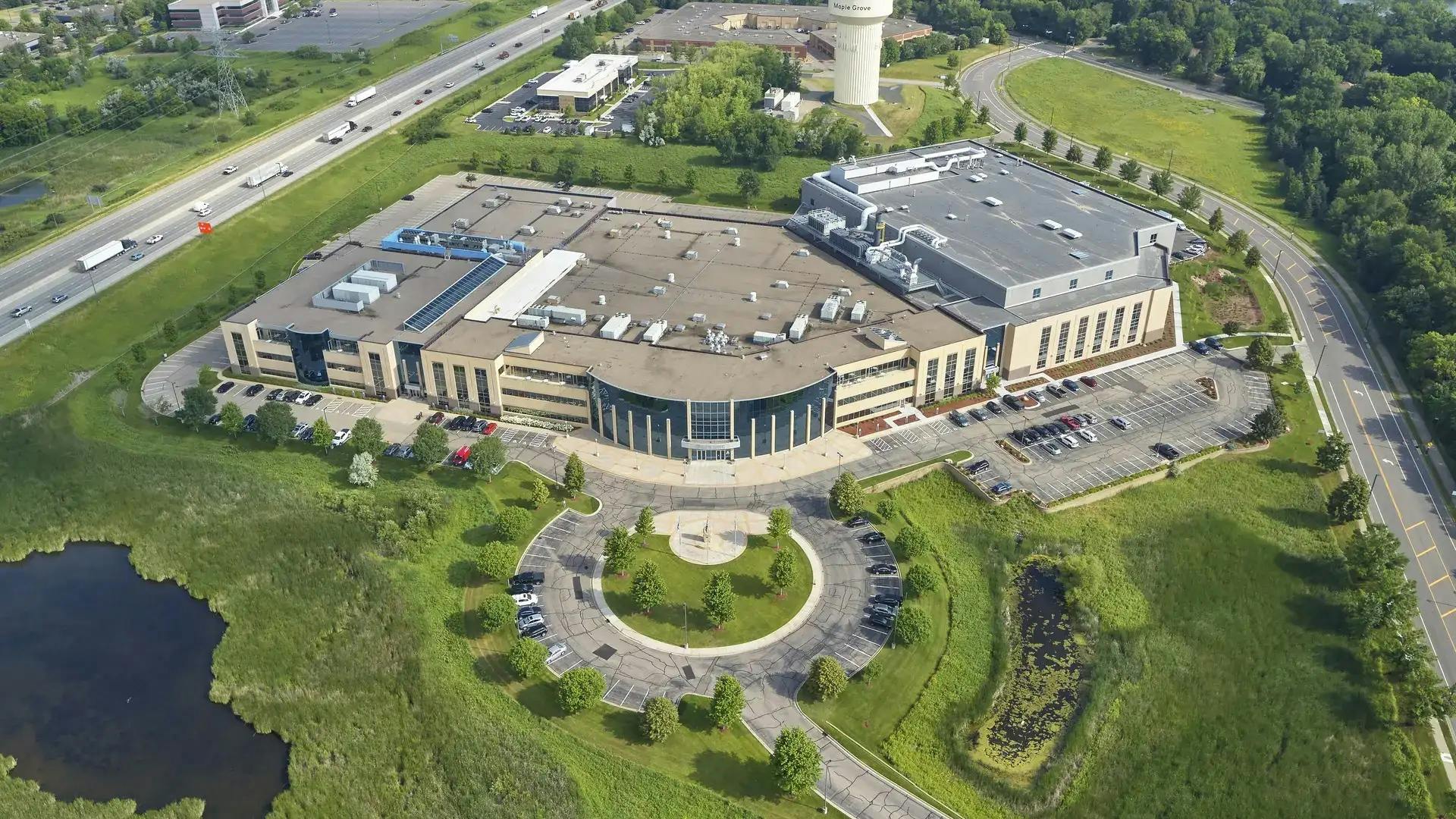
Bora Pharmaceuticals Discusses AI Implementation in Manufacturing Operations
Bora Pharmaceuticals, a contract development and manufacturing organization, is integrating AI into its operations to enhance efficiency from product development to commercial manufacturing. Helen Clark, the global lead of manufacturing science and technology, highlighted the challenges faced by manufacturers, including data quality and regulatory hurdles, which necessitate modernization of operations. The importance of AI in manufacturing is underscored by the fact that many manufacturers struggle with unconnected data across various systems. Clark emphasized that modern manufacturing equipment must be supported by effective processes and collaboration among teams to yield better outcomes and improve reliability in manufacturing processes. Looking ahead, Bora Pharmaceuticals aims to continue refining its AI applications and operational strategies to address ongoing challenges in the industry. No further timeline was disclosed at the time of publication.
Factory / Analytics
China’s Dexterous Hand Industry, 2026 Part 3 — The Players
Five vendor archetypes, MIR’s composite top ten, eight company profiles and six field deployments — every firm linked to the RobotToday supplier directory.
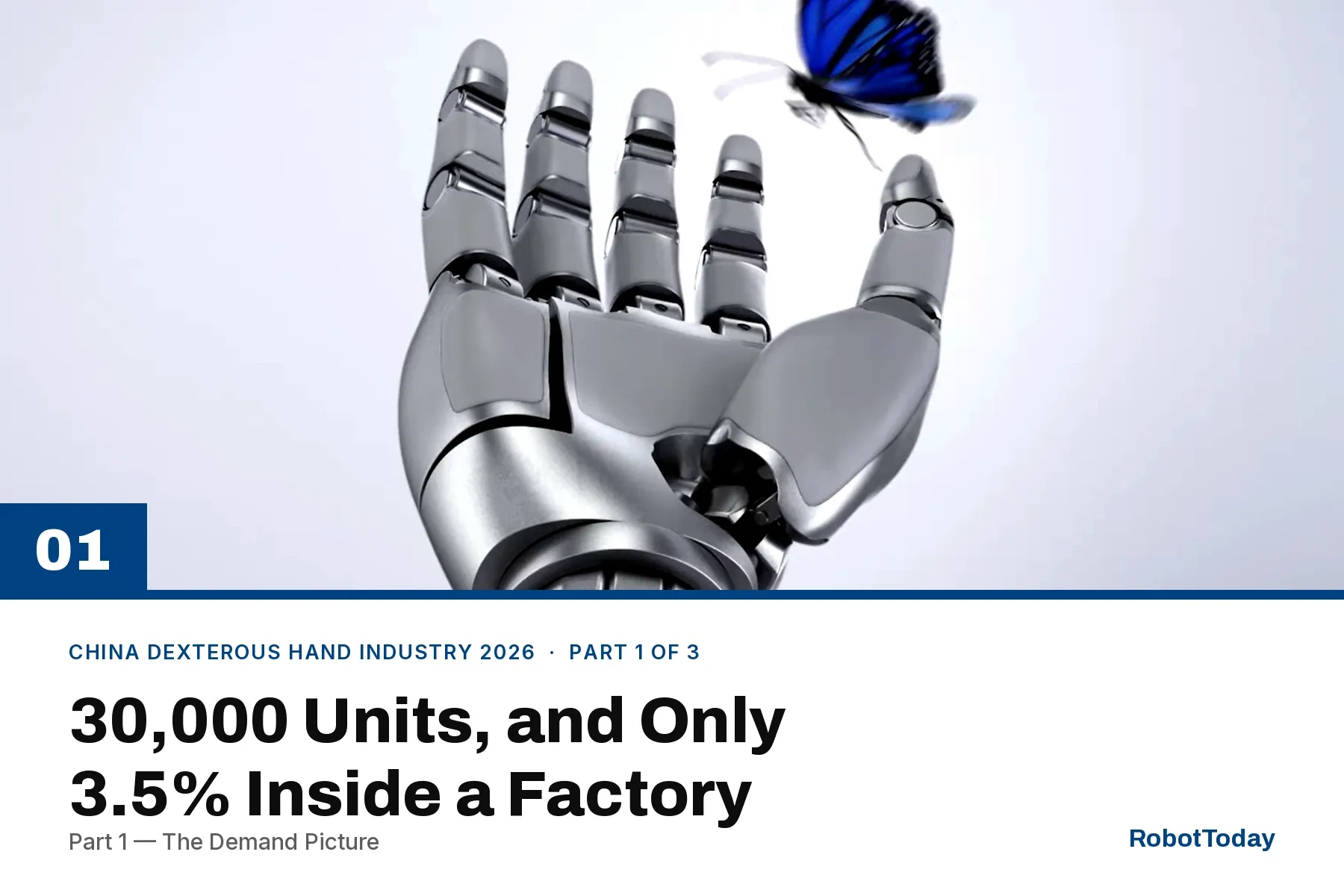
China’s Dexterous Hand Industry, 2026 Part 1 — The Demand Picture
MIR Databank puts China dexterous hand shipments above 30,000 units in 2026, yet only 3.5% of 2025 demand came from factory production. Part 1 of 3.
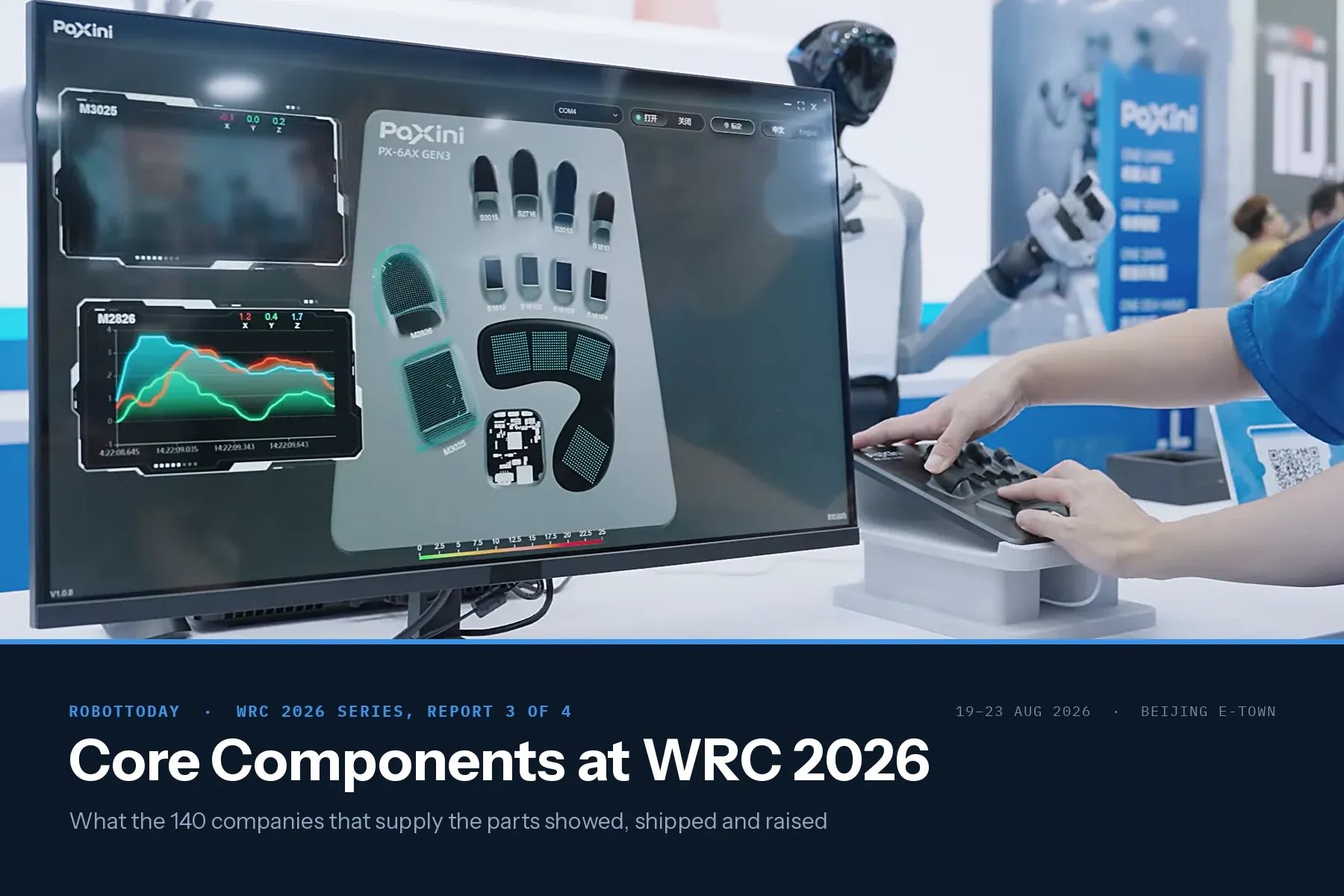
WRC 2026 Core Components: 137 Robot Parts Suppliers
The third report in the WRC 2026 series. Report 1 mapped all 248 exhibitors by category and Report 2 covered the 139 that build finished robots. This one covers the 137 that build what goes inside them.

WRC 2026 Exhibitor Map: 248 Robotics Companies Mapped
We classified 248 WRC 2026 exhibitors with the RobotToday taxonomy. Motion & Actuation leads at 75 companies, Humanoid at 72, and compute stays thin at 12. (Modified 2026-08-27)
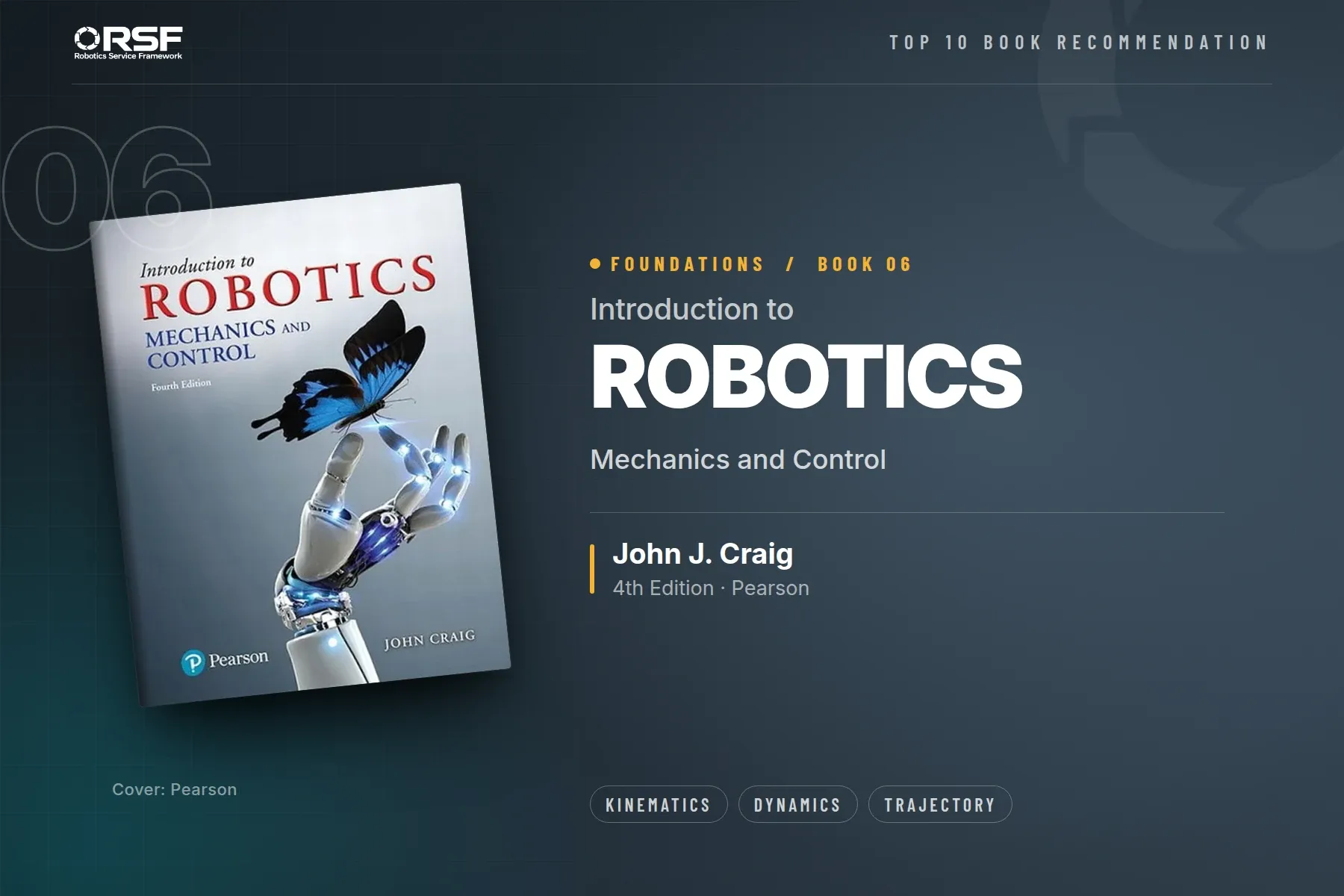
Introduction to Robotics J. J. Craig — RSF Top 10 Robot Education Textbooks · No. 6
Six of ten benchmark universities teach kinematics from Craig. Frames, transforms and D-H parameters: the language vendor manuals already speak.
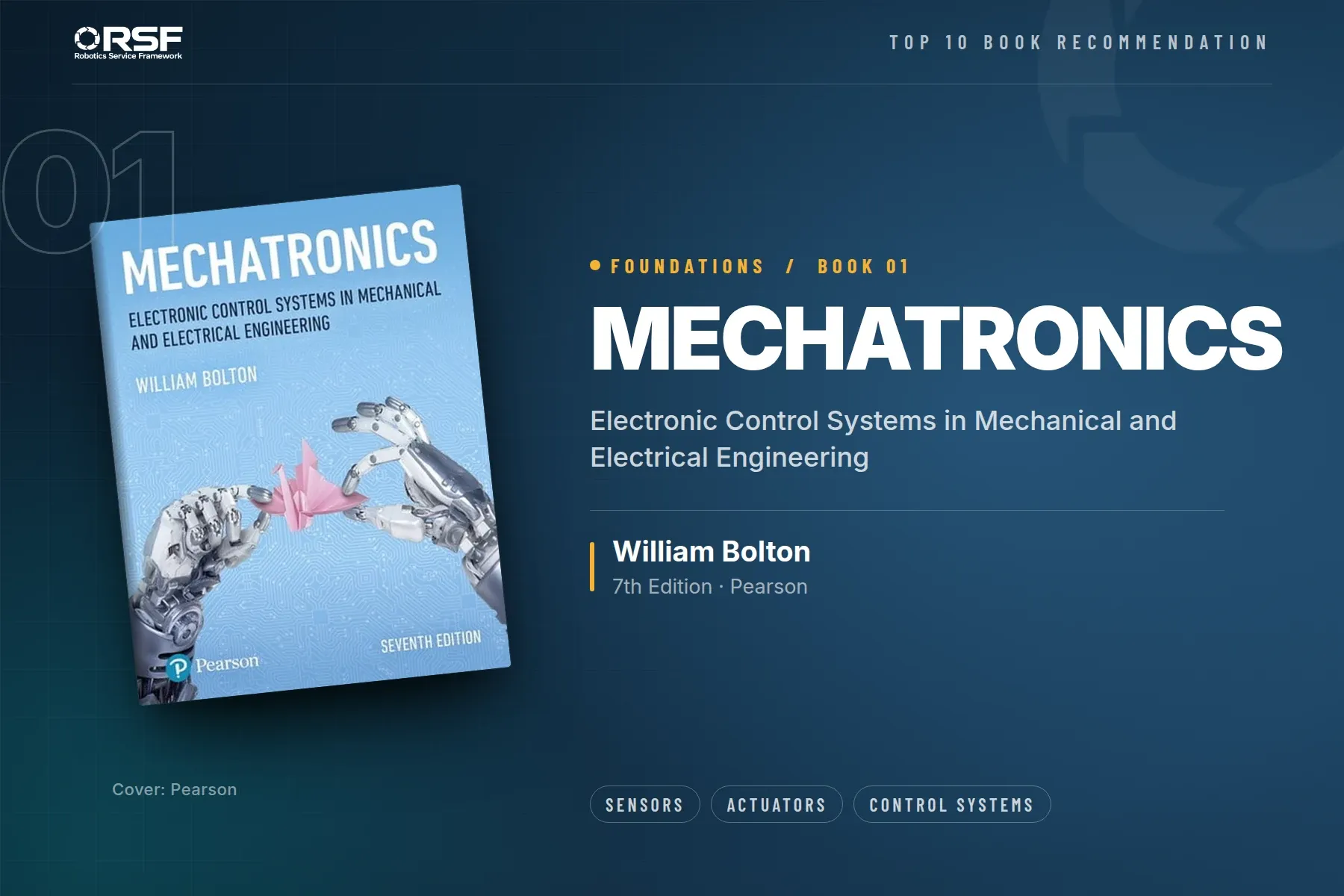
Mechatronics W. Bolton — RSF Top 10 Robot Education Textbooks · No. 1
Bolton's Mechatronics ranks No.1 for robot service engineers: encoders, drives, sensors and the Layer 2 faults most textbooks skip. Difficulty 2/5.
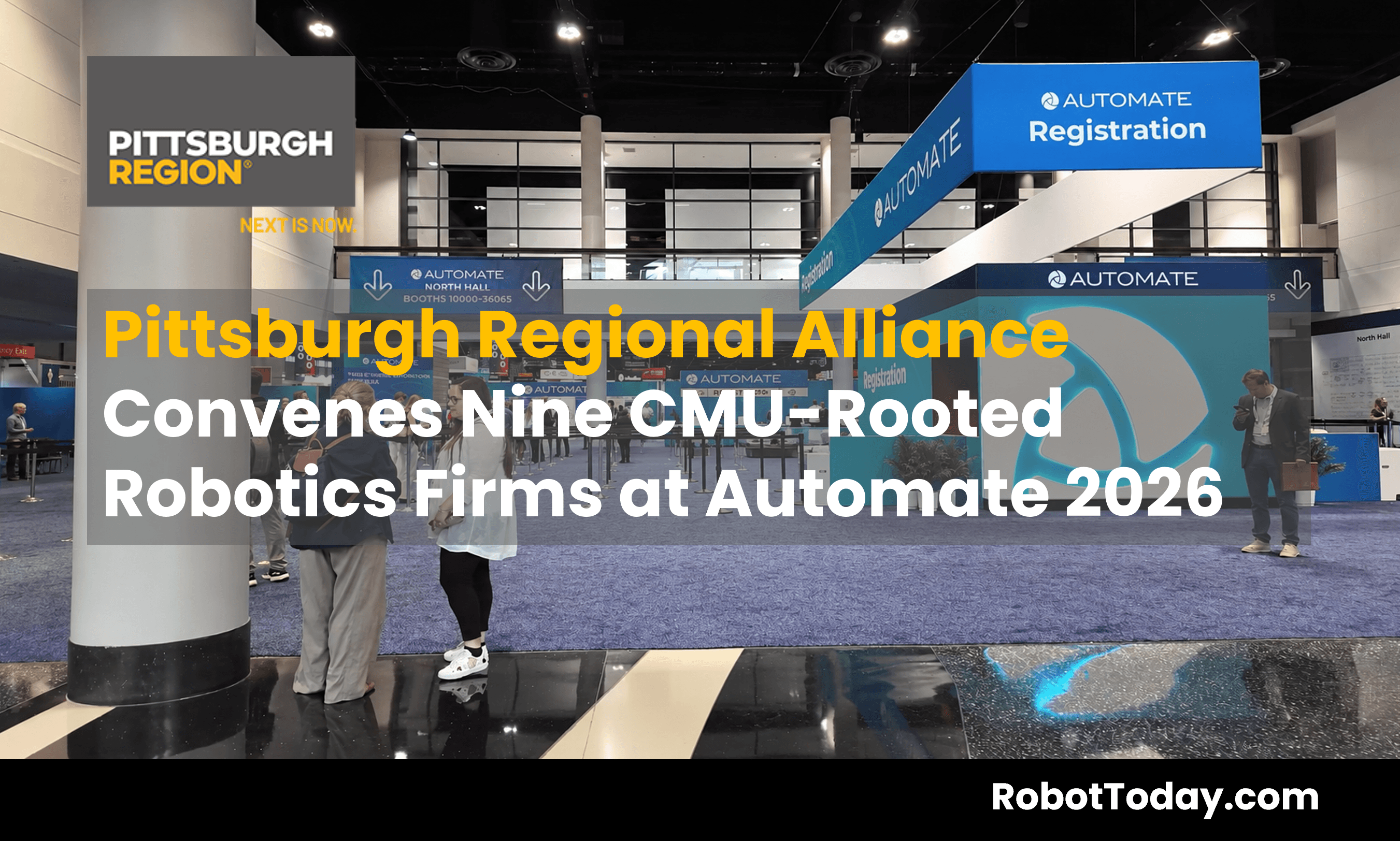
Pittsburgh Regional Alliance Convenes Nine CMU-Rooted Robotics Firms at Automate 2026
At Automate 2026, the Pittsburgh Regional Alliance convened nine robotics firms — most spun out of Carnegie Mellon — spanning materials, perception and AMRs.

CONSTRUCTION ROBOTICS | BUSINESS MODELS & INVESTMENT LANDSCAPE
Construction robotics attracted $4.4 billion in built environment tech funding through Q3 2025. SoftBank acquired ABB Robotics for $5.375 billion. RaaS is displacing capex models. AI-native platforms command 39x revenue multiples. This is where money meets machines.

RobotToday Weekly Industry Briefing: March 23 – March 27, 2026
RobotToday's weekly industry briefing for March 21–28, 2026 covers Physical Intelligence's $1B raise, Amazon's Fauna Robotics acquisition, Agile Robots' DeepMind partnership, the launch of Europe's first robotaxi service, DJI's Avata 360 drone, Skydio's $52M Army order, and the latest in humanoid, AMR, and drone technology.
Flexible Machining of Large Structures (Part I)
Why mobile machining still struggles with stiffness, accuracy, and autonomy—and how hybrid robots, AI perception, and digital twins will drive breakthroughs over the next five years.