

Industry Briefing
A single destination for timely, editor-curated robotics news from around the world.
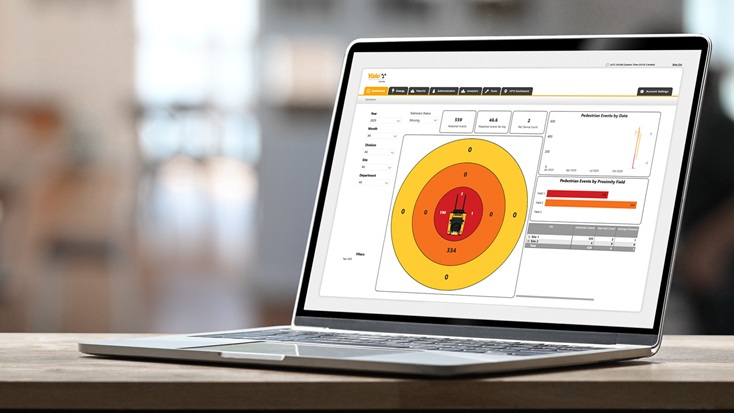
Integrated Technology Enhances Warehouse Equipment Operations and Decision-Making
Recent advancements in integrated technology are transforming warehouse operations by providing comprehensive visibility into equipment performance and workflows. As supply chains evolve and customer demands increase, warehouse leaders are prioritizing the integration of various technologies, such as the Yale Reliant™ Pedestrian Awareness Camera and the Yale Vision Pedestrian Detection Events Dashboard, to enhance operational intelligence. This shift towards connected solutions allows managers to move beyond isolated data points and gain a holistic understanding of how equipment, personnel, and processes interact throughout the day. By leveraging integrated systems, warehouses can identify patterns, streamline workflows, and make informed decisions that improve efficiency and responsiveness. Looking ahead, the trend of embracing integrated technologies is expected to continue, as organizations recognize the importance of connected ecosystems over standalone solutions. No further timeline was disclosed at the time of publication.
Materials Handling
The Shift from Automation to Autonomy in Warehouse Operations with Physical AI
The integration of Physical AI is transforming warehouse operations by enhancing the coordination of people, robots, and workflows. This shift emphasizes that effective management of these elements is becoming as crucial as the intelligence embedded in individual machines. As warehouses increasingly adopt Physical AI, the focus is shifting from merely automating tasks to creating autonomous systems that can adapt and optimize workflows in real-time. This evolution is significant for improving efficiency and productivity in logistics and supply chain management. Looking ahead, stakeholders should monitor advancements in Physical AI technologies and their impact on warehouse operations. The ability to seamlessly coordinate human and robotic efforts will likely define the future of logistics, making it essential for companies to stay informed about these developments.

Understanding the Confidence Gap in Modern Warehouse Operations Amid Changing Consumer Behavior
Warehouse leaders continue to plan effectively, yet shifting consumer behaviors are creating a confidence gap in operations. A recent survey by Locus Robotics highlights that online purchasing patterns have become faster and less predictable, impacting fulfillment processes significantly. The importance of this shift cannot be overstated, as 72% of consumers now make online purchases multiple times a month, with 41% shopping weekly. This change means that demand is no longer concentrated in predictable cycles, leading to continuous fluctuations in warehouse operations, which struggle to adapt to this new reality. Looking ahead, the pressure on fulfillment operations is expected to increase, as 68% of consumers indicate that delivery speed influences their shopping choices. As expectations for accurate inventory visibility and fast shipping rise, warehouses must adapt to meet these demands or risk losing customers in a highly competitive market. No further timeline was disclosed at the time of publication.
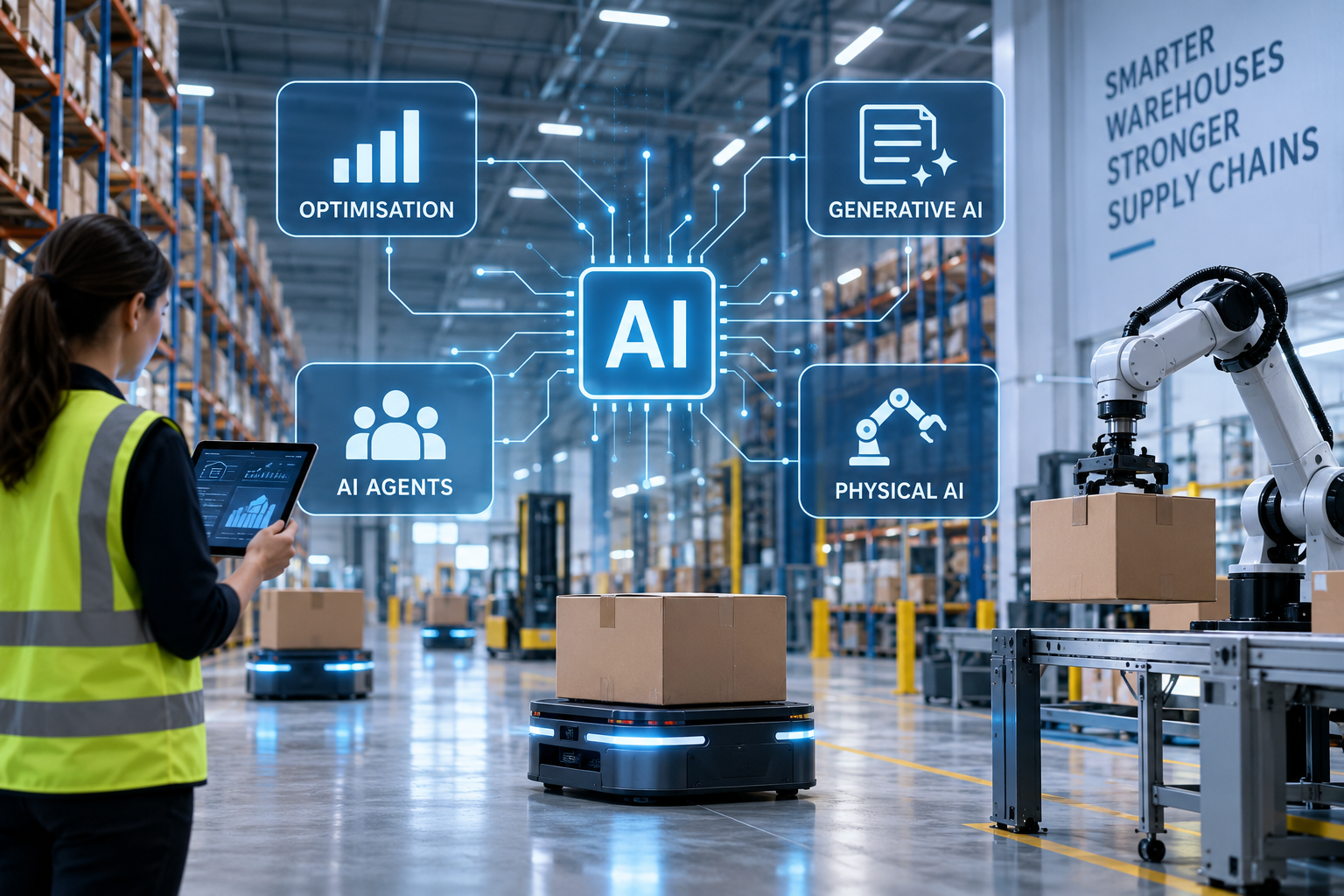
Gartner Reveals Four Key AI Trends Transforming Warehouse Operations
Gartner has identified four significant AI trends that are reshaping warehouse operations as of September 17, 2026. These trends emerge from three driving forces: ongoing labor constraints, evolving capital models for automation, and the growing maturity of AI technologies. The trends range from enhanced optimization techniques to the deployment of physical AI agents capable of executing warehouse tasks. The first trend focuses on the evolution of traditional AI-based optimization, which now utilizes real-time data and advanced algorithms for applications like demand forecasting and inventory management. The second trend highlights operational-driven generative AI, which transforms unstructured data into actionable insights, enhancing decision-making processes within warehouses. The third trend introduces suggestive and semiautonomous agents that facilitate greater automation while keeping humans involved in decision-making. Lastly, the fourth trend integrates AI with robotics and sensing technologies, enabling physical AI agents to perform tasks such as picking and packing. Gartner advises supply chain leaders to adopt a pragmatic approach, starting with established applications before exploring more advanced AI solutions.
AI Automation Systems and Shuttles IT in Logistics Warehousing AI agents AI in warehousing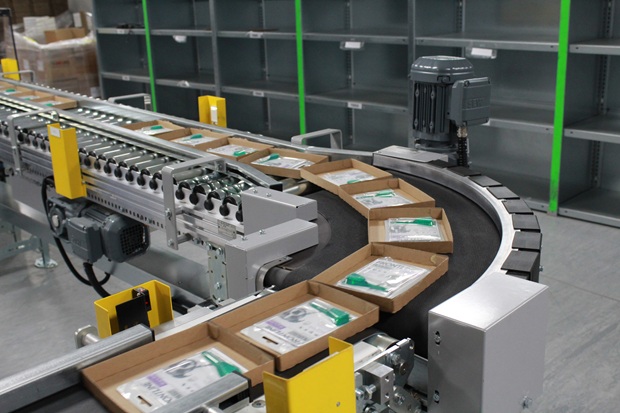
Enhancing Warehouse Operations with Automation and Traceability Solutions
Warehouse automation is increasingly recognized for its ability to reduce costs and enhance productivity, with a growing emphasis on tracking and traceability. This is particularly crucial for warehouses handling high-value or regulated goods, such as vaping products, which will require compliance with new UK regulations starting October 1, 2026. These regulations mandate that each vaping product must feature a secure stamp with digital elements like QR codes for traceability throughout the supply chain. The importance of visibility in the supply chain is underscored by the experience of Pets at Home, where the fulfillment of prescription pet medicine orders faced challenges due to manual processes. By implementing an integrated software and automation system, Breathe Technologies improved order segregation, automated routing, and packing, significantly increasing throughput and compliance while reducing error rates. This transformation illustrates how building traceability into automated processes enhances operational efficiency. Looking ahead, the recent vaping regulations serve as a reminder for warehouses to prioritize traceability in their operations. Breathe Technologies emphasizes an automation-first approach with its BreatheIQ software platform, designed to manage high volumes of orders and provide real-time visibility. As industry standards evolve, companies must adapt their processes to maintain compliance and optimize performance.
Headline News headlines
Logic Unveils Octopus: A Ceiling-Mounted Robot Transforming Warehouse Operations
Logic has introduced the Octopus, an innovative overhead industrial picking robot designed to enhance warehouse efficiency. This multi-arm, high-speed system operates above existing workflows, autonomously picking, lifting, and transferring cased goods without taking up valuable aisle space. By utilizing ceiling-mounted technology, the Octopus allows warehouses to optimize their floor space for storage and personnel movement. The introduction of the Octopus is significant as it reimagines traditional warehouse operations, moving away from static, floor-bound equipment. This shift not only improves the speed of case handling but also increases storage density and workflow efficiency in logistics hubs. The Octopus is a part of Logic's broader strategy to provide autonomous, data-driven logistics solutions that meet the evolving needs of the industry. Looking ahead, the impact of the Octopus on warehouse logistics will be closely monitored, particularly in terms of its adoption across various sectors. As companies seek to enhance operational efficiency, the integration of such advanced robotic systems will likely play a crucial role in shaping the future of logistics and supply chain management. No further timeline was disclosed at the time of publication.

Souto Foods Enhances Growth Through Advanced Warehouse Management System
Souto Foods has partnered with Made4net to implement a modern warehouse management system aimed at improving inventory accuracy and productivity. This initiative is set to streamline order fulfillment processes at their distribution center, enhancing overall operational efficiency. The move to adopt a smarter warehouse management system is significant for Souto Foods as it seeks to optimize its supply chain and meet growing demand. By enhancing inventory accuracy and productivity, the company aims to reduce operational costs and improve service levels, which are critical in today's competitive food distribution market. Looking ahead, it will be important to monitor the implementation of this system and its impact on Souto Foods' operations. No further timeline was disclosed at the time of publication.

Exploring the Expanding Applications of Robotics in Warehouse Operations
Robots are increasingly versatile, now applicable to a broader spectrum of warehouse tasks than in the past. This evolution highlights the importance of understanding current trends and considerations when investing in robotic systems. The significance of these advancements lies in their potential to enhance operational efficiency and productivity within warehouse environments. By leveraging the latest robotic technologies, businesses can achieve effective implementations that maximize the return on investment. Looking ahead, it will be crucial for enterprises to monitor ongoing developments in warehouse robotics. Staying informed will enable decision-makers to capitalize on innovations that can drive significant business value and improve overall supply chain performance. No further timeline was disclosed at the time of publication.

ZS Robotics Launches H125 Four-Way Pallet Shuttle to Enhance Warehouse Operations in the US
ZS Robotics has introduced the H125 four-way pallet shuttle in the Americas, designed to enhance safety and simplicity in warehouse operations. With a chassis height of only 125 mm, this ultra-low profile shuttle aims to meet the needs of system integrators and warehouse operators by improving operational efficiency. The launch of the H125 is significant as it addresses rising real estate and labor costs, skills shortages, and the increasing demand for faster and more accurate deliveries. ZS Robotics' automated storage and retrieval systems (ASRS) provide high-density storage solutions that help companies reduce costs while improving service quality. Looking ahead, the focus will be on how the H125 can transform warehouse operations and its adoption among US system integrators. No further timeline was disclosed at the time of publication.

X Square's QUANTA X1 Pro Begins Operations at Lululemon's Wuhan Distribution Center
X Square Robot has announced that its QUANTA X1 Pro has commenced operations at Lululemon's Wuhan distribution center, marking a significant step in the company's logistics strategy. This deployment follows a successful live demonstration of the robot's capabilities at the World Robot Conference, highlighting its role in real-world logistics rather than just as a prototype. The Wuhan center, which opened on September 16, is Lululemon's third logistics facility in China, designed to support approximately half of the retailer's current fulfillment needs. As operations progress, the center is expected to become the primary logistics hub for 85 stores across 18 provinces by the end of the year, integrating advanced technologies like RFID tracking and automated systems. Looking ahead, it will be important to monitor the performance of the QUANTA X1 Pro within this complex logistics environment. While X Square previously demonstrated impressive parcel-sorting capabilities, the specific operational metrics for the Wuhan installation remain undisclosed, making future updates critical for assessing the robot's effectiveness in this setting.
logistics Deployment XSquare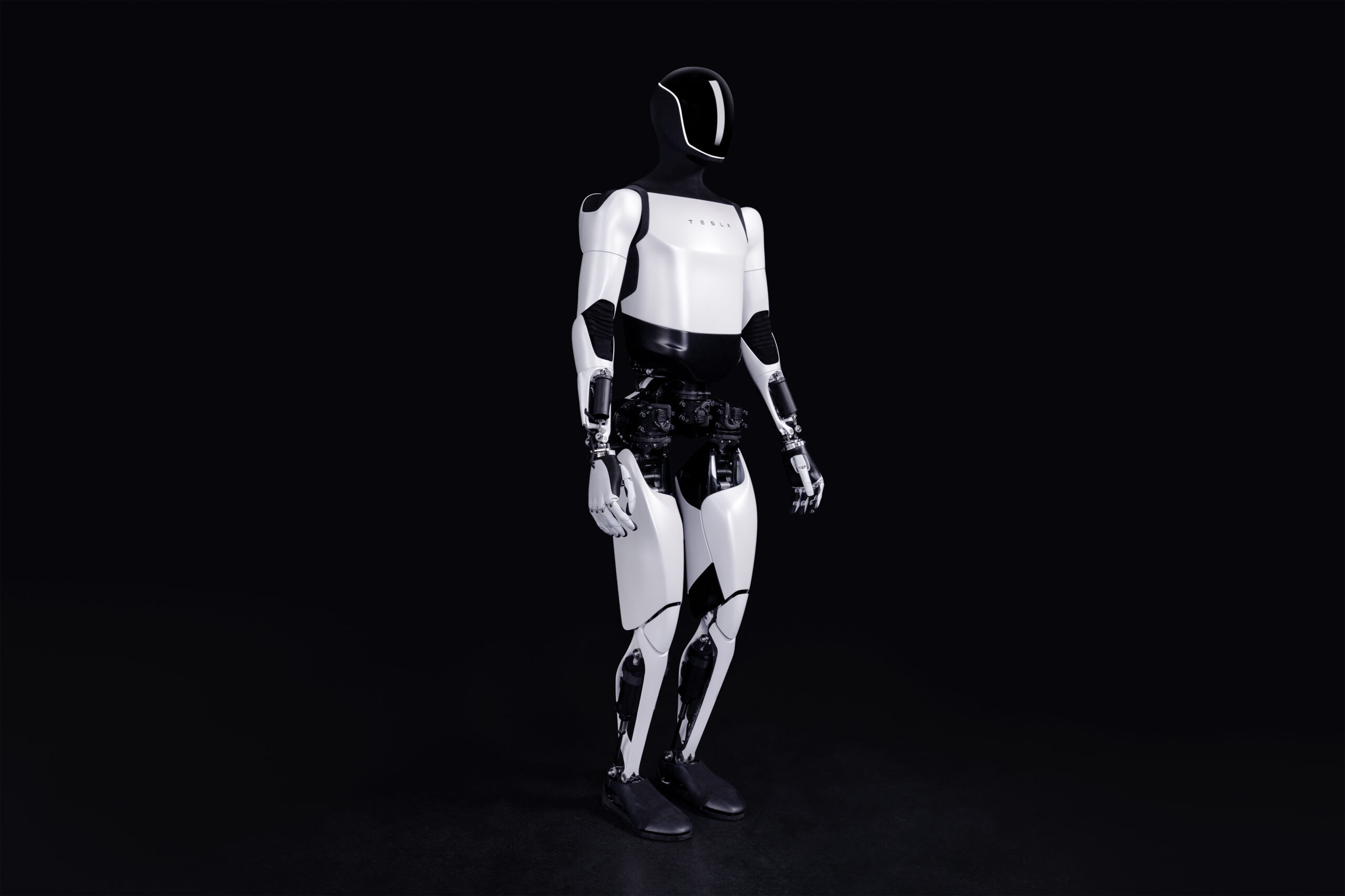
Exploring the Role of Humanoid Robotics in Future Warehouse Operations
As of August 2026, the potential for humanoid robots in UK and European warehouses is being scrutinized. Despite the excitement surrounding humanoid automation, experts like Russell Hutchinson from Daifuku express skepticism about its immediate practicality in warehouse settings. The challenges of increasing order complexity and unpredictable customer behavior highlight the need for adaptable solutions. The historical context of automation failures, such as General Motors' costly robotics experiment in the 1980s, serves as a cautionary tale. While humanoid robots like Tesla's Optimus 3 attract attention, their high costs and unproven effectiveness in warehouses raise concerns. Human labor remains the most flexible resource, capable of adapting to sudden changes in order patterns, although it has its limitations in scalability and consistency. Looking ahead, the focus should shift from merely adopting new technologies to enhancing operational elasticity. Daifuku's SOTR-S system exemplifies the need for dynamic capacity adjustment in fulfillment operations. As the industry evolves, it will be crucial to balance innovation with proven technologies to meet the demands of modern warehousing.
Automation Systems and Shuttles Jobs and Training Magazine Features Materials Handling Packaging and Ecommerce Robotic Picking
Accenture, Vodafone Procure & Connect and SAP Pilot Humanoid Robotics in Warehouse Operations
A recent exploration into the potential of physical AI and humanoid robotics highlights their transformative impact on supply chains and the emergence of innovative business models. Industry experts gathered at a conference in San Francisco on October 15, 2023, to discuss the integration of these advanced technologies into logistics and manufacturing processes. The motivation behind this exploration stems from the increasing demand for efficiency and adaptability in supply chains, particularly in the wake of global disruptions caused by the pandemic. During the event, speakers emphasized how humanoid robots equipped with AI capabilities can streamline operations, reduce labor costs, and enhance productivity. Demonstrations showcased robots performing tasks traditionally handled by human workers, illustrating their ability to adapt to various environments and workflows. The discussions also addressed the ethical implications and workforce changes that may arise from widespread adoption of these technologies. As businesses seek to navigate the complexities of modern supply chains, the insights shared at the conference underscore the potential for physical AI and robotics to not only optimize existing processes but also to create entirely new business models that leverage automation and data analytics. The ongoing research and development in this field suggest that the future of supply chain management may be significantly reshaped by these innovations, paving the way for a more efficient and resilient economy.

Hai Robotics Achieves IEC 62443-4-1 Certification, Strengthening Cybersecurity for Automated Warehouse Operations
Hai Robotics has successfully obtained the IEC 62443-4-1 certification, a significant milestone that bolsters cybersecurity for its automated warehouse operations. This certification underscores the company's dedication to developing secure automation systems, assuring customers of the robust cybersecurity measures embedded within their robotic solutions. Such enhancements are vital for ensuring operational continuity in increasingly interconnected environments, where the integrity of automated systems is paramount. The certification reflects Hai Robotics' proactive approach to addressing cybersecurity challenges in the logistics sector, reinforcing its position as a leader in safe and reliable automation technology.
Cybersecurity Warehouse Automation Industrial Automation Robotics Supply Chain Management
Hai Robotics Achieves IEC 62443-4-1 Certification, Strengthening Cybersecurity for Automated Warehouse Operations
Hai Robotics has successfully obtained the IEC 62443-4-1 certification, a significant milestone that bolsters the cybersecurity of its automated warehouse operations. This certification underscores the company's dedication to developing secure automation systems, assuring customers that its robotic solutions are equipped with integrated cybersecurity measures. By achieving this certification, Hai Robotics aims to mitigate operational risks associated with interconnected environments, thereby enhancing customer confidence in its technology.
Cybersecurity Warehouse Automation Industrial Automation Robotics Supply Chain Management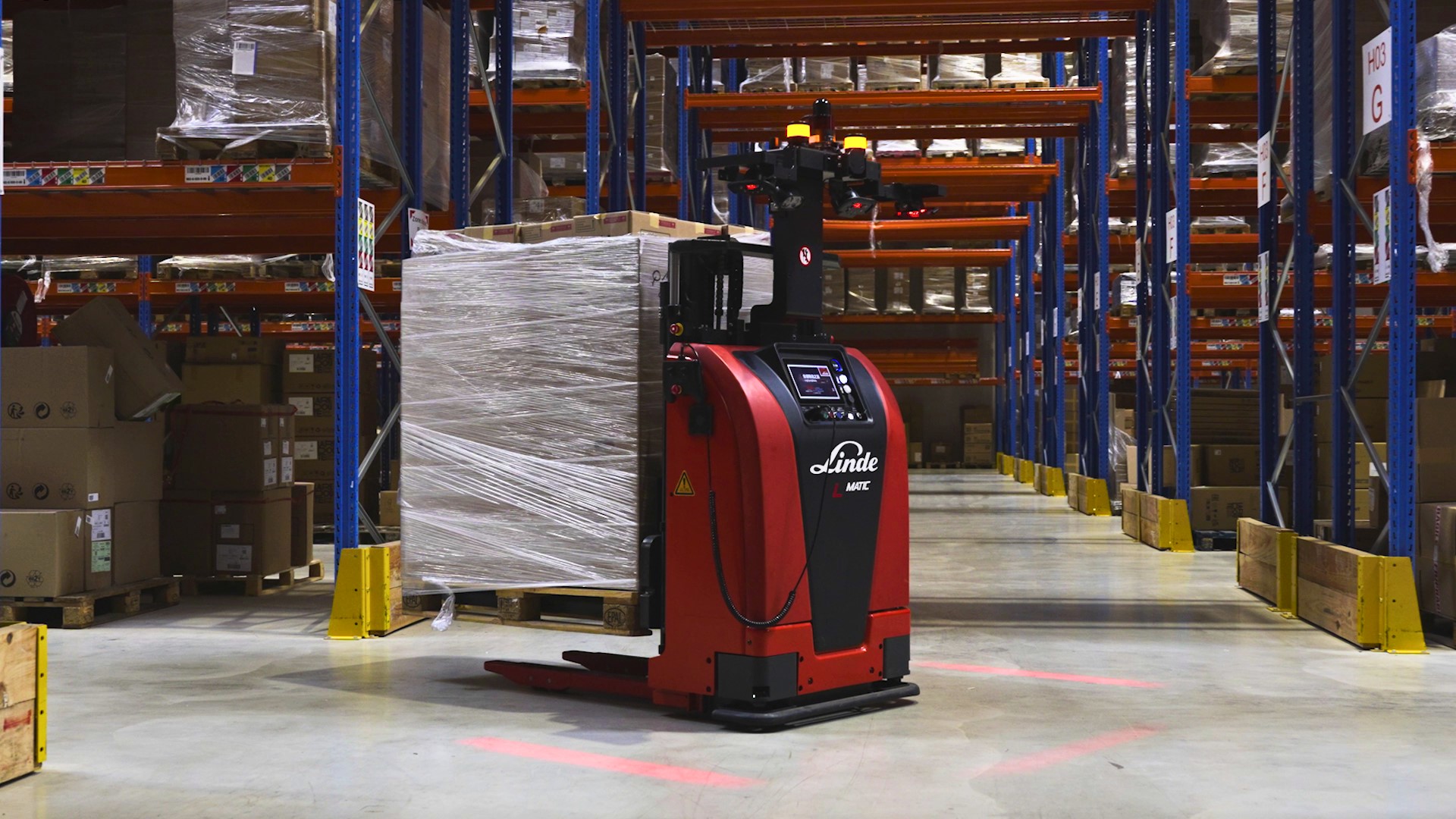
KION brings physical AI into live warehouse operations at GTC 2026 in San José, California
At the GTC 2026 conference, KION Group presented its latest developments in physical AI, highlighting the capabilities of autonomous industrial trucks and AI-driven automated trailer loading systems during live demonstrations in warehouse settings. This initiative is designed to tackle ongoing labor shortages and improve efficiency within supply chains, representing a crucial advancement in the application of AI technology in logistics operations.
intralogistics supply chain solutions industrial trucks forklift trucks warehouse trucks automation technology
WMS 2025: Boosting Operations Beyond the Warehouse
A recent integration project with Locus Robotics highlights the growing importance of Warehouse Management Systems (WMS) as central operational hubs in logistics. This initiative, which took place in late 2023, aims to enhance efficiency and streamline processes within warehouses. By leveraging advanced robotics technology, the integration seeks to optimize inventory management and improve order fulfillment. The collaboration underscores the necessity for businesses to adopt innovative solutions to remain competitive in an increasingly automated industry. As companies navigate the complexities of modern supply chains, the role of WMS continues to evolve, positioning itself as a critical component in achieving operational excellence.
Robotics needs a service framework.
RSF defines a common language for robot service capability, lifecycle operations, certification pathways, and service-provider networks.
Join the RobotToday community on LinkedIn
Daily robotics news, in-depth analysis, conference highlights, and discussions with professionals worldwide.







