Industry Briefing
A single destination for timely, editor-curated robotics news from around the world.
HelloFresh Expand Temperature-Controlled SKU Capacity
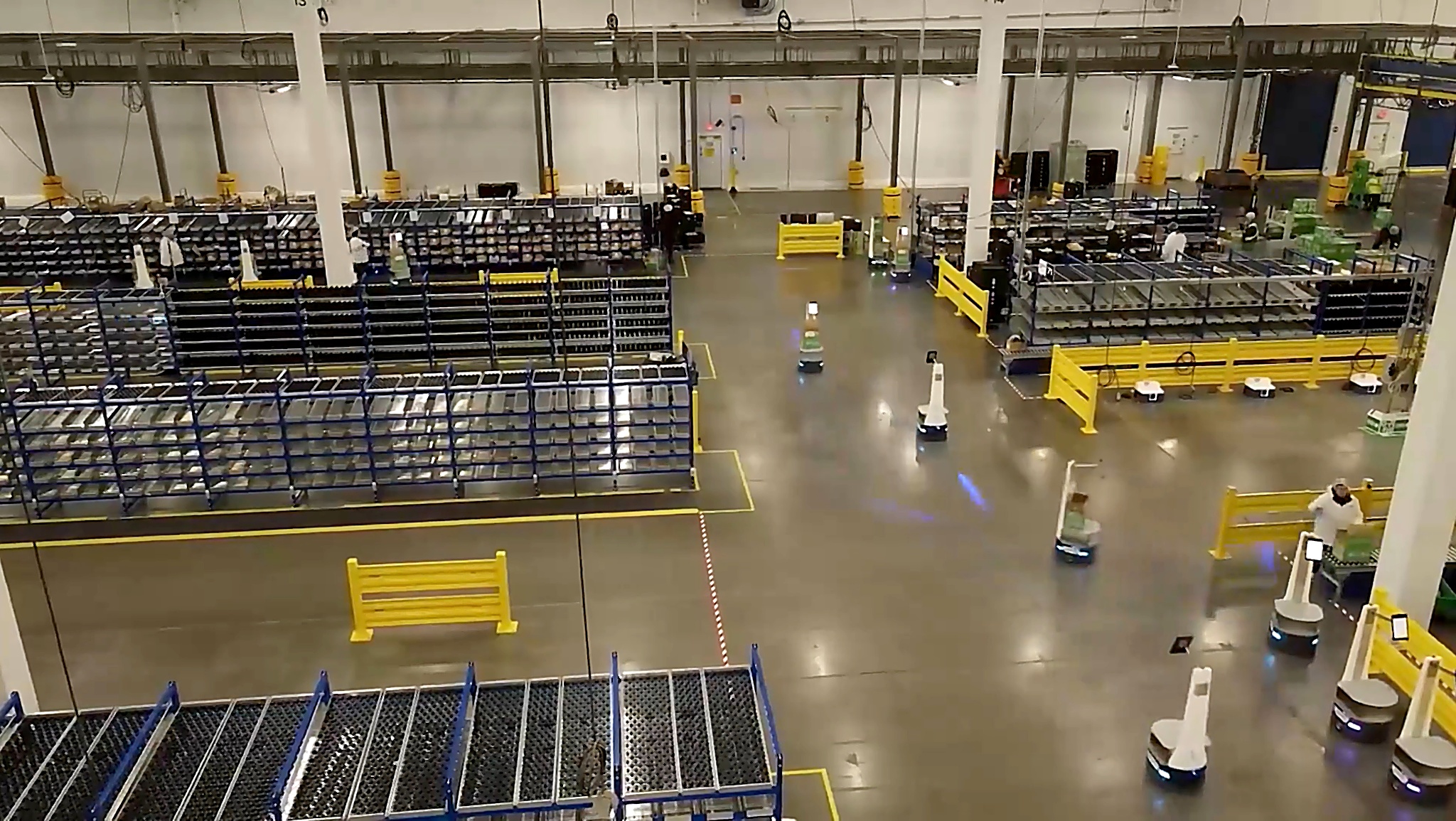
Locus Robotics has unveiled a cold-storage hardware modification that significantly enhances HelloFresh's chilled fulfillment capabilities. This upgrade allows the leading meal kit company to increase its temperature-controlled stock-keeping units (SKUs) from 100 to 500, marking a fivefold expansion. The enhancement is expected to provide greater meal variety and open new revenue streams across HelloFresh's diverse brand portfolio, including its Factor brand. The deployment of 13 Locus robots was integral to this expansion, showcasing the innovative collaboration between the two companies.
AMR and AGV Automation Systems and Shuttles Cold Chain Logistics eFulfilment Materials Handling Robotic Picking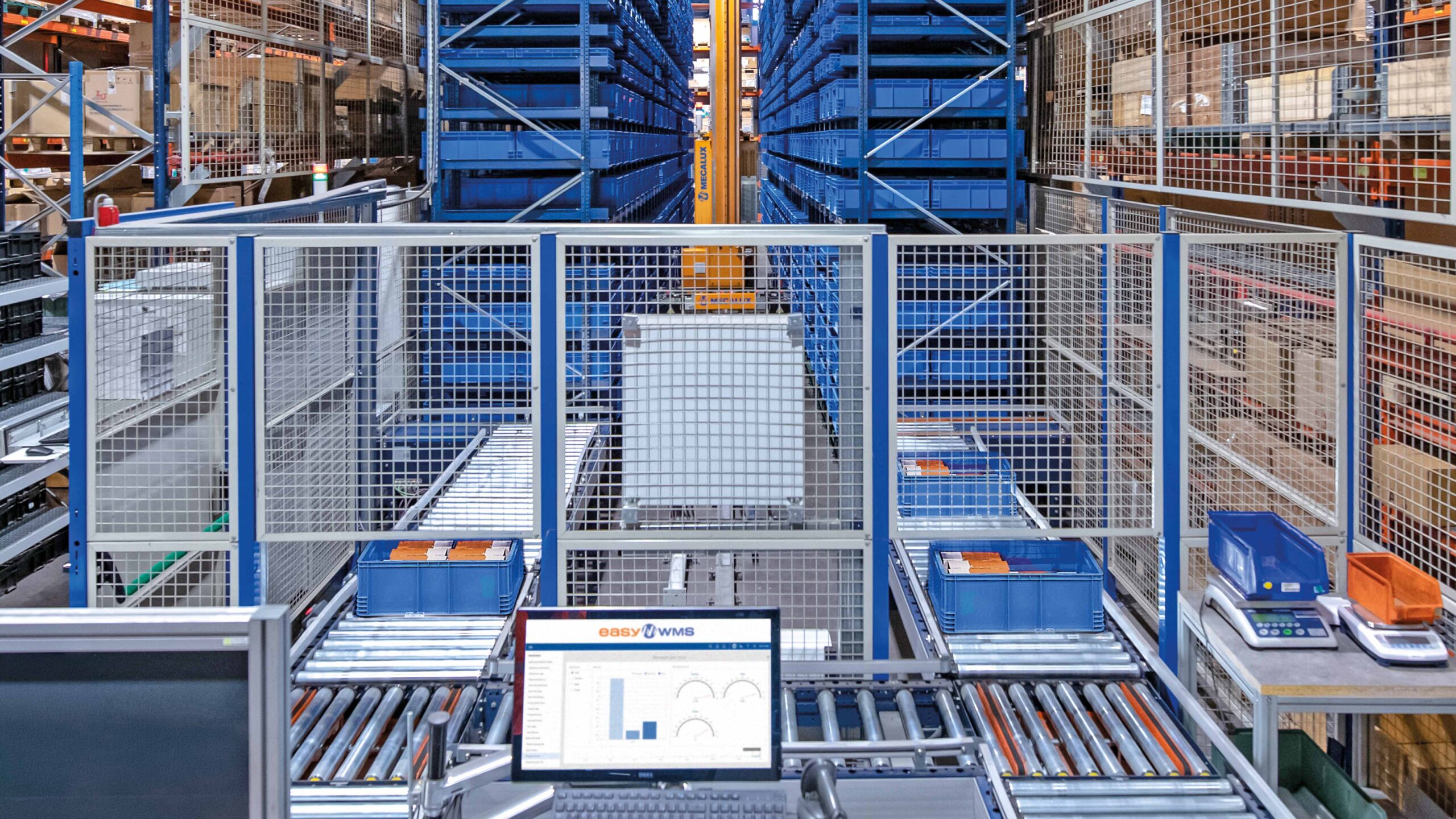
Automation Drives Cold Store Efficiency
Clavo Food Factory has enhanced its operational efficiency by increasing storage capacity and reducing operating times through the implementation of an automated logistics solution from Mecalux. This upgrade took place at the company's production facility in Tordesillas, Spain. Specializing in ready-to-eat chilled and frozen foods, Clavo Food Factory produces 14,000 tonnes annually, catering to over 42,000 restaurants globally. The automation initiative aims to streamline processes and improve overall productivity, reflecting the company's commitment to innovation in the food production industry.
AMR and AGV Automation Systems and Shuttles Cold Chain Logistics Magazine Features Materials Handling Storage & Racking
Locus Robotics Helps HelloFresh Expand Temperature-Controlled SKU Capacity 5X Across Growing Brand Portfolio
HelloFresh has announced the implementation of a customized Locus Origin deployment aimed at enhancing its refrigerated operations and expanding its product variety. This strategic move, which is part of the company's ongoing efforts to automate processes across its various brands, was unveiled in October 2023. The deployment is expected to streamline logistics and improve efficiency in the handling of perishable goods, allowing HelloFresh to offer a broader selection of meal kits to its customers. By leveraging advanced automation technology, the company aims to meet the growing demand for diverse and fresh meal options while maintaining high standards of quality and service.
How to Achieve Remote Monitoring and Diagnostics for Controllable Robot Systems
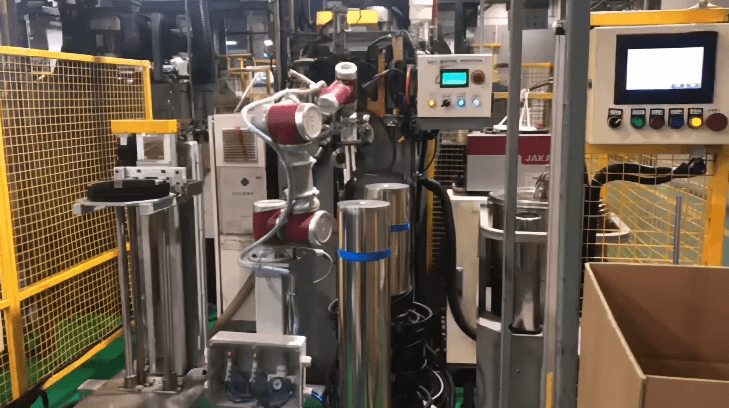
In the evolving landscape of smart manufacturing, the significance of collaborative robots is shifting from mere physical performance to the ability to be managed remotely. As production environments become increasingly decentralized, companies are prioritizing remote monitoring and diagnostics to oversee robot health, predict maintenance needs, and troubleshoot issues without on-site presence. To achieve effective remote management, a combination of advanced hardware sensors and cloud-based software is essential. Utilizing the Industrial Internet of Things (IIoT), data from robots—including motor temperature and power consumption—is streamed to centralized dashboards. Secure data transmission protocols like OPC UA and MQTT facilitate communication with Manufacturing Execution Systems, enabling the use of "Digital Twin" technology. This allows real-time mirroring of a robot's movements, triggering automated alerts for predictive maintenance to prevent costly downtimes. JAKA is at the forefront of this innovation, moving beyond traditional operations to create a connected ecosystem. Their "Smart, Simple, Small" philosophy ensures that managing JAKA systems is as user-friendly as mobile applications. With advanced wireless teaching and cloud management tools, users can monitor their fleet of robots globally from a single interface. JAKA's software suite enables remote diagnostics, providing real-time feedback on robot status, which is crucial for maintaining continuous production across various locations. The integration of AI-driven vision and sensing further enhances remote monitoring capabilities. By investing in JAKA, companies are securing a future-proof solution that ensures control and productivity, regardless of geographical constraints.
Manipulator Robot Arm Kinematics: Understanding the Degrees of Freedom (DoF)
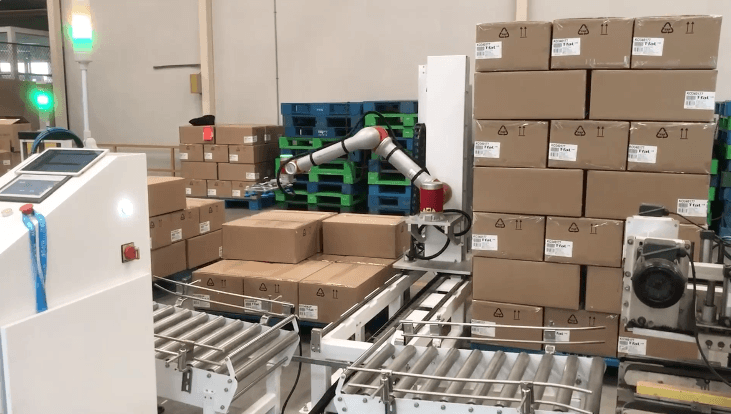
In the rapidly evolving field of robotics, the JAKA Pro16 cobot stands out for its advanced kinematic design, which emulates the human arm's functionality. This industrial robot, equipped with six degrees of freedom (DoF), offers unparalleled agility and precision, allowing it to navigate complex environments and perform intricate tasks. With a reach of 1713mm and a payload capacity of 16kg, the JAKA Pro16 is particularly suited for heavy-duty applications, such as palletizing and CNC part handling. The robot's kinematic structure is divided into two functional groups: positioning axes that mimic the shoulder and elbow for spatial movement, and orientation axes that enable precise tool manipulation. This design helps the cobot overcome potential movement restrictions, known as singularities, ensuring continuous production flow in crowded factory settings. JAKA has optimized the Pro16 for high-precision environments, incorporating IP68-rated joints to protect internal components from dust, water, and oil. The robot maintains sub-millimeter repeatability and operates effectively in extreme temperatures, making it reliable for various industrial applications. Controlled wirelessly through the JAKA App, the Pro16 simplifies complex kinematic operations, enhancing productivity and efficiency in manufacturing processes. By integrating this cutting-edge technology, businesses can significantly improve their operational capabilities and maintain a competitive edge in the market.
How to Maintain and Manage 6 Axis Robot Arms for Longevity and Precision
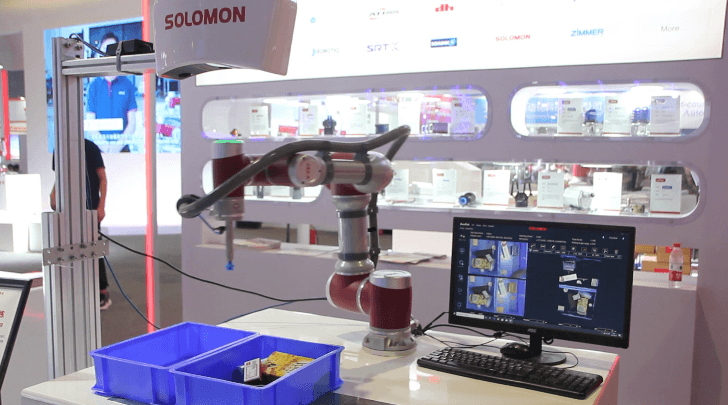
In the realm of smart manufacturing, the 6-axis robot arm has emerged as a crucial tool for achieving high-speed production and exceptional accuracy. However, maintaining its peak performance requires a systematic management approach. Neglecting routine maintenance can lead to unexpected downtime and safety hazards in collaborative workspaces. To address this, manufacturers are encouraged to adopt a tiered maintenance strategy that ensures the robot's repeatability and structural integrity. A successful maintenance program begins with daily visual inspections, where operators check for wear on the robot’s harness and ensure cleanliness to prevent contamination of internal components. In addition to daily checks, a quarterly or semi-annual schedule should focus on mechanical stability and accuracy, utilizing tools like laser trackers to detect any drift caused by thermal expansion or wear. The longevity of these robotic arms also hinges on the health of internal components and software. Regular checks for lubrication and maintaining a clean, temperature-controlled environment for the control cabinet are essential. Furthermore, keeping the robot's firmware updated and backing up program data ensures rapid recovery in case of hardware failures. JAKA Robotics has developed the JAKA Zu series, designed to minimize maintenance needs while maximizing operational life. The JAKA Zu20 model, capable of handling a 20 kg payload, is particularly suited for heavy-duty applications. The company also offers a digital ecosystem through the JAKA App, enabling users to monitor robot performance wirelessly. With built-in diagnostics and professional training resources, JAKA aims to provide a reliable investment in robotic technology that delivers precision and value over time.

Space Rider Heat Shield and Steering Flaps Pass Plasma Wind Tunnel Trials
In a significant advancement for Europe's Space Rider program, ceramic tiles and control flaps from the reentry module have successfully passed high-temperature testing in a plasma wind tunnel. This milestone, achieved on May 4, 2026, at the Italian Aerospace Research Centre (CIRA) in Capua, Italy, marks a crucial step in qualifying the spacecraft's thermal protection and guidance systems. The rigorous testing process is essential for ensuring the spacecraft's reliability and safety during reentry, as it prepares for future missions in space exploration.
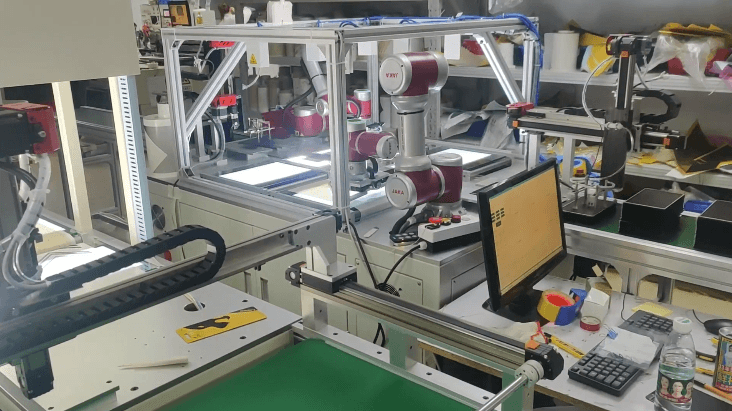
Key Maintenance Tips for Maximizing the Lifespan of Your Painting Robot Arm
Regular maintenance is crucial for extending the lifespan of painting robot arms in industrial settings, where precision and consistency are paramount. JAKA emphasizes a proactive approach to maintenance, integrating it into long-term production planning rather than treating it as a reactive measure. By implementing systematic inspection routines and understanding the interplay of mechanical, electrical, and control components, users can maintain painting quality and protect their investments. Key maintenance practices include routine mechanical inspections to monitor joint movement, cable routing, and tool mounting, which help prevent wear that could compromise coating accuracy. JAKA’s systems facilitate scheduled inspections with accessible joint structures and diagnostic feedback, enabling maintenance teams to identify issues early and ensure consistent performance. Additionally, effective management of control functions is vital for maximizing the durability of painting robot arms. JAKA’s intuitive configuration interfaces allow for smooth handling of payloads and reduce mechanical stress during operations. Features such as load-and-go process packages and manual control modes help minimize wear from repeated trials. Environmental factors and operator habits also play significant roles in the reliability of painting robot arms. JAKA advises users to monitor conditions like temperature and humidity, particularly in mixed environments. Safety interlocks and alarm systems are designed to prevent abnormal operations, while manual control functions allow operators to intervene safely when necessary. In conclusion, JAKA advocates for a comprehensive maintenance strategy that combines regular inspections, thoughtful process configurations, and environmental management to enhance the performance and longevity of painting robot arms, ultimately supporting sustained manufacturing efficiency.
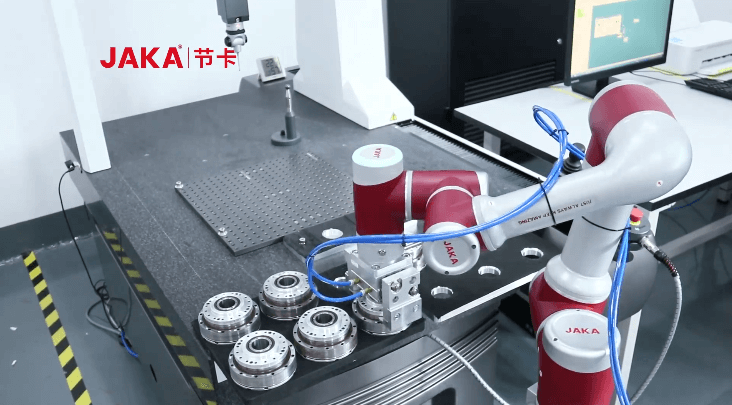
Three Factors to Evaluate Before You Buy a Robotic Arm for Machine Tending
JAKA, a leader in industrial automation, emphasizes the importance of strategic evaluation when purchasing robotic arms for machine tending operations. The company highlights that beyond basic specifications, successful integration into existing production environments is crucial for enhancing efficiency and consistency. In a space-constrained workshop, traditional industrial welding robots can be impractical. JAKA's compact Zu series robotic arms offer a lightweight solution that can be easily mounted on various surfaces, allowing for flexible deployment as production needs change. Durability is another key consideration, as workshop environments often present challenges such as dust and temperature fluctuations. The JAKA Zu30 model, for instance, features an IP65 rating for dust and water resistance, ensuring reliable performance in demanding conditions. A comprehensive total-cost analysis is essential when evaluating robotic arm investments. JAKA stresses the importance of factors like deployment speed and programming ease, which can significantly impact long-term operational costs. Their intuitive design allows for quick setup and minimal reliance on specialized labor, ultimately reducing downtime and enhancing overall productivity. By focusing on compact design, environmental resilience, and user-friendly controls, JAKA aims to make automation accessible and sustainable for a broader range of manufacturing applications, enabling workshops to optimize their operations and free personnel for more valuable tasks.
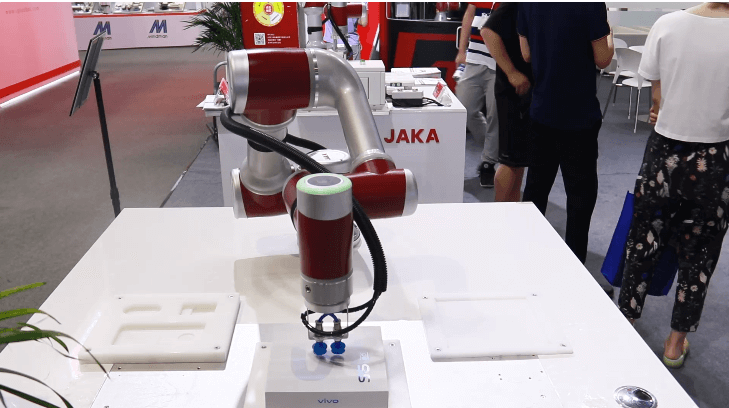
How to Maintain and Manage Industrial Robot Arms for Performance
JAKA, a leader in industrial automation, emphasizes the importance of regular maintenance and systematic management for the longevity and reliability of industrial robot arms. The company advocates for a proactive approach to care, which includes establishing a consistent maintenance routine that involves mechanical inspections and software updates. JAKA’s robot arms are designed with durability in mind, featuring robust circuit designs that minimize unexpected faults and facilitate efficient inspections. To enhance management, JAKA incorporates built-in diagnostics and intuitive controls, allowing technicians to easily access system status reports and error logs. This functionality aids in quickly identifying performance issues before they impact production. The company also highlights the significance of optimizing the operational environment, ensuring that factors such as dust levels and ambient temperature align with the robot's specifications to maintain its performance. By integrating their robot arms into a factory's control system, JAKA enables centralized monitoring of performance metrics, which supports data-driven maintenance decisions. The combination of routine care, advanced technology, and environmental management is essential for sustaining the performance of industrial robot arms. JAKA’s design philosophy aims to support these practices, ensuring that their robotic systems remain reliable and productive assets for manufacturers.
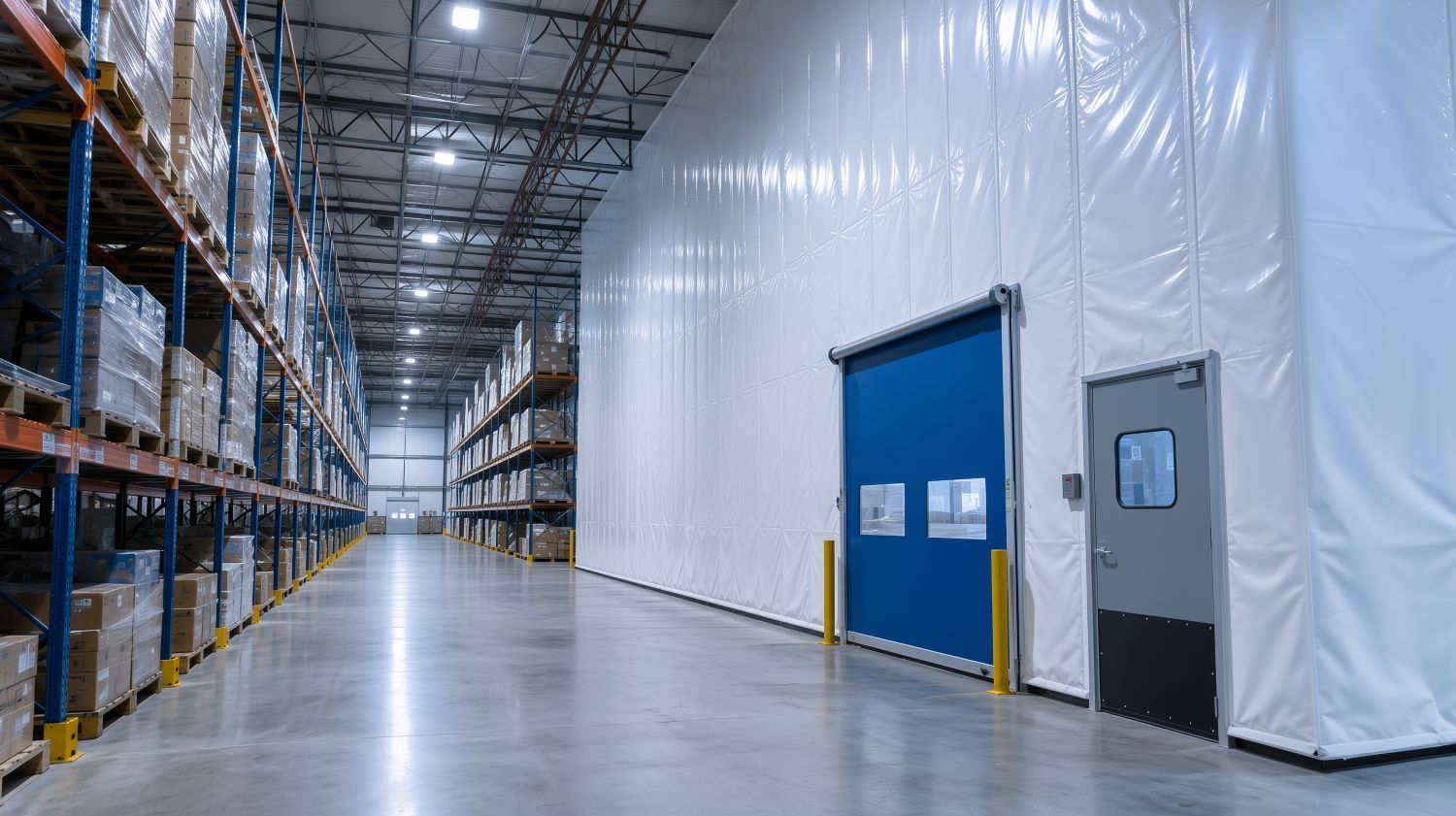
Zone Separation Innovations Could Enhance Cold Chain Efficiency in the UK
The UK, holding the largest cold storage market in Europe, faces significant challenges as cold-chain energy costs surged by 46% in 2023. The Cold Chain Federation highlights that the temperature-controlled sector contributes £14 billion to the economy, making energy management a critical operational factor for logistics operators. A major energy drain in distribution centers arises from the movement of goods between temperature zones, with air infiltration accounting for over half of the refrigeration load in high-traffic facilities. Implementing physical zone separation, such as temperature-separating curtain walls and PVC strip curtains, can significantly reduce energy loss by minimizing uncontrolled air exchange. As the cold chain sector moves towards energy efficiency, particularly in light of the UK's 2050 Net Zero target, the adaptability of curtain systems offers a practical solution. These systems allow for flexible reconfiguration of temperature zones without extensive construction, aligning with the industry's evolving needs while promoting energy savings without major facility overhauls. No further timeline was disclosed at the time of publication.
Cold Chain Logistics Storage & Racking Transport and Distribution Warehouse Property Warehousing cold chain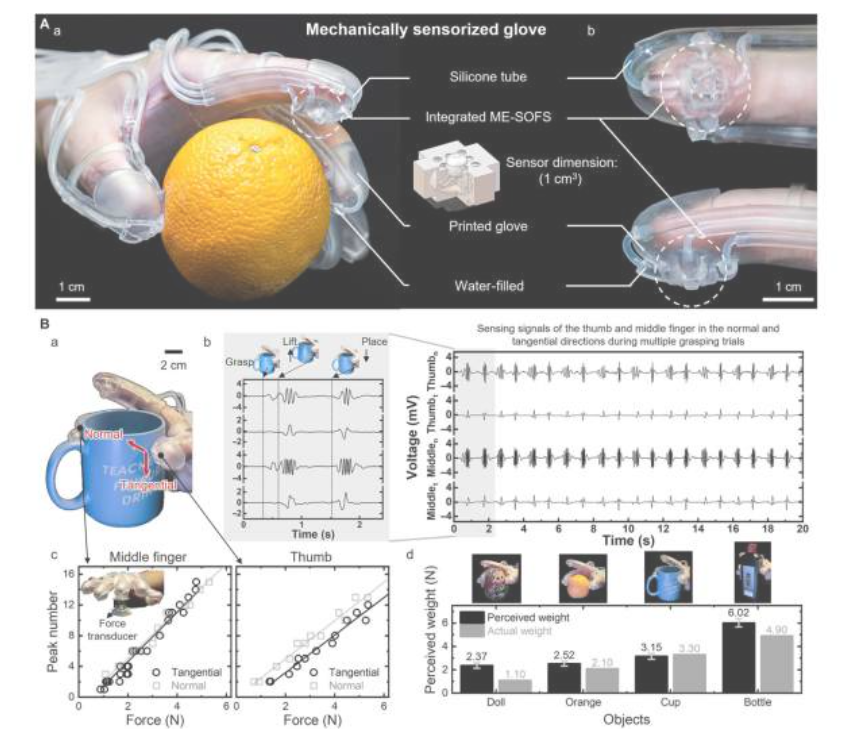
Singapore Team Develops ME-SOFS: A Mechanical Sensor for Touch Perception Without Electronics
A research team from the National University of Singapore has introduced a groundbreaking soft force sensor called ME-SOFS, which converts touch into fluid-driven motion without any electronic components. This innovative sensor features a 3D-printed soft porous structure with a central pillar connected to five fluid-filled chambers. When pressure is applied, the pillar tilts, compressing the corresponding chamber and driving fluid to actuators, enabling the detection of forces in multiple directions. The significance of ME-SOFS lies in its ability to operate without electronic interference, making it ideal for applications in medical training and elderly care. The sensor can generate readable signals through integrated magnets and coils, allowing it to measure force without external power. This technology has been successfully demonstrated in a soft glove that detects grip strength and predicts object weight, as well as in a tactile feedback system that enables operators to control robotic arms through force feedback. Looking ahead, the ME-SOFS sensor demonstrates robust performance under extreme conditions, such as high temperatures and underwater pressures. Its unique design allows it to function effectively in various environments, making it a valuable tool for soft robotics that require safe interaction with humans. No further timeline was disclosed at the time of publication.
Soft Robotics Fluid Sensors Mechanical Systems Robotics Technology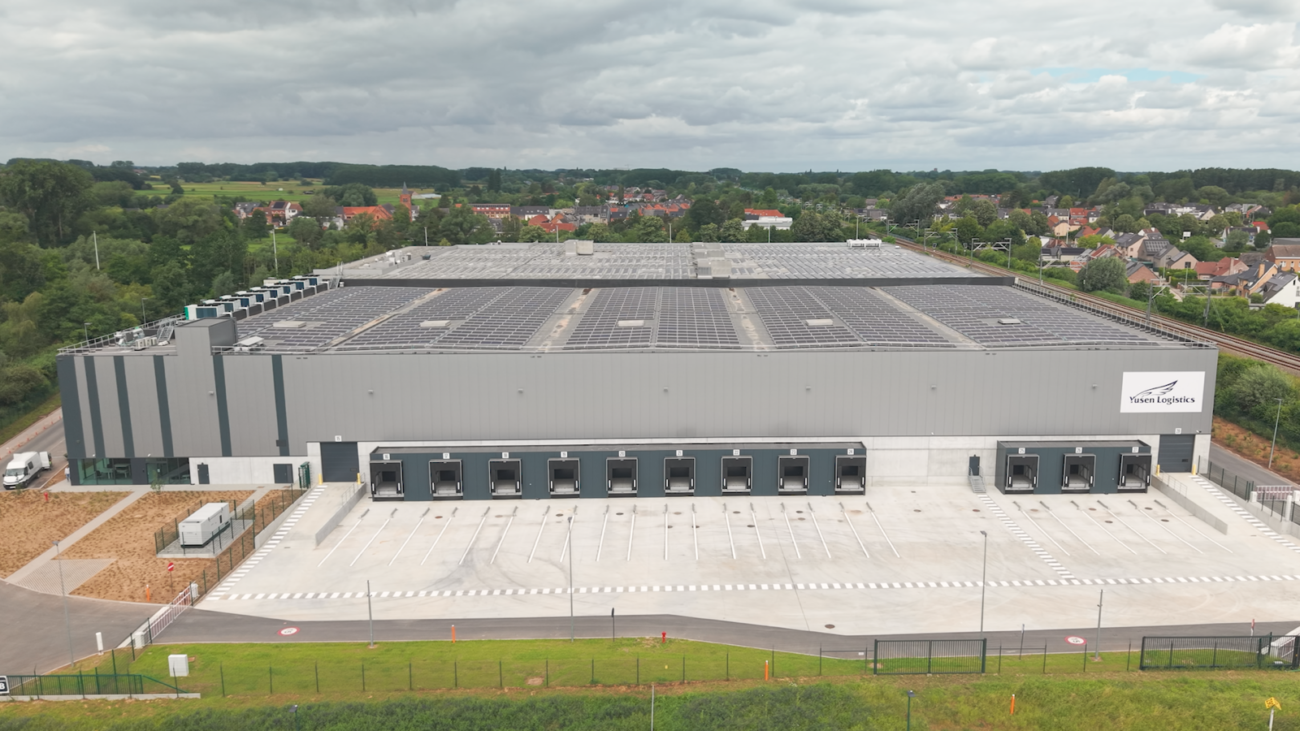
Storage Capacity for Healthcare Logistics
Movianto, a division of Yusen Logistics that focuses on pharmaceutical and healthcare logistics, has completed a significant expansion of its facility in Aalst, Belgium. The enhancement has nearly doubled the temperature-controlled pallet storage capacity from 14,000 to 25,000. This newly extended site is now fully operational, providing increased storage space for a variety of pharmaceutical and medical products across different temperature ranges, including ambient (15–25°C), refrigerated (2–8°C), and frozen (–20°C). The expansion aims to better meet the growing demands of the healthcare sector and improve the efficiency of logistics services in the region.
Cold Chain Logistics Storage & Racking Warehousing bonded hub Movianto pallet storage
Small Industrial Robots Pros and Cons: An Honest Review for Lean Automation
In a bid to enhance manufacturing efficiency through "Lean Automation," many producers are turning to small industrial robots, such as the JAKA MiniCobo, which offers a compact solution to traditional bulky systems. These mini robot arms, designed to fit in tight spaces, provide a low-risk entry into automation, allowing manufacturers to maximize productivity while minimizing waste. The JAKA MiniCobo, weighing just 9.4 kg and featuring a 580 mm reach with a 1 kg payload, is particularly suited for delicate tasks in sectors like electronics and medical services. Its integrated intelligent drive module simplifies installation, eliminating the need for bulky control cabinets and enabling a plug-and-play experience. While small robots offer advantages such as energy efficiency, lower total cost of ownership, and safer operation near human workers, they also face limitations. Most can handle payloads under 2 kg and may struggle with high-torque tasks due to their lightweight construction. Additionally, they require careful management in high-temperature environments to prevent overheating. The JAKA MiniCobo exemplifies the principles of Lean Automation by reducing space and complexity while maintaining precision, making it an attractive option for manufacturers looking to streamline operations.
How a Robot Barista System Guarantees Drink Consistency Across Multiple Locations
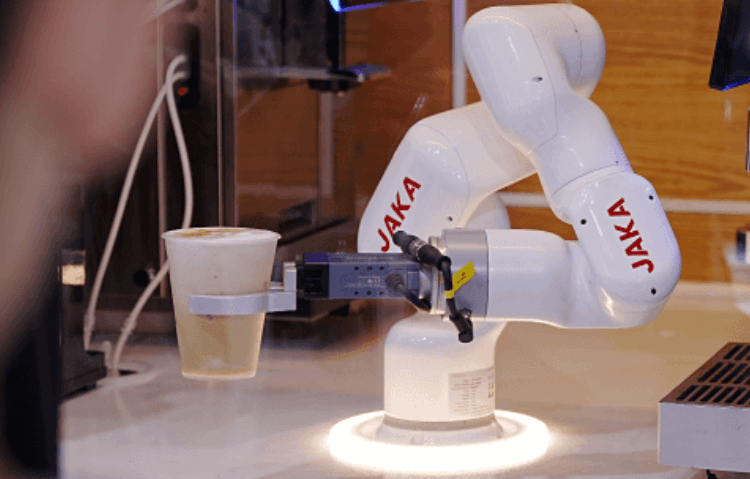
In the competitive food and beverage sector, JAKA is addressing the challenge of maintaining product consistency across multiple locations with its innovative robot barista solutions. By leveraging precision automation and intelligent control, JAKA ensures that customers receive the same taste and quality in every cup, regardless of the outlet they visit. The JAKA MiniCobo, a versatile mini robot arm, automates the preparation and assembly of drinks, controlling critical variables such as ingredient measurement, temperature, and mixing speed. This technology not only standardizes beverage quality but also integrates with vision systems for automated inspection, minimizing human error and enhancing customer trust. Scalability is a key feature of JAKA's robot barista systems, allowing for quick deployment in new outlets based on demand. Automated inspection tools further streamline operations, ensuring that every component meets strict quality standards. The MiniCobo performs non-destructive testing of equipment, directly impacting beverage consistency and reducing waste. Additionally, the MiniCobo's compatibility with existing equipment enables seamless integration into various shop layouts, allowing for high-precision measurement and monitoring of production data. This adaptability helps store managers maintain uniform quality and swiftly address any discrepancies. Through a combination of intelligent automation, scalable deployment, and thorough inspection, JAKA is committed to delivering consistent drink quality across its locations. The company’s innovative approach not only enhances operational efficiency but also strengthens customer satisfaction and brand reputation, ensuring that every beverage meets the highest standards.
ChipMing Launches Advanced 3D Vision AI Modules at WAIC 2026 in Shanghai
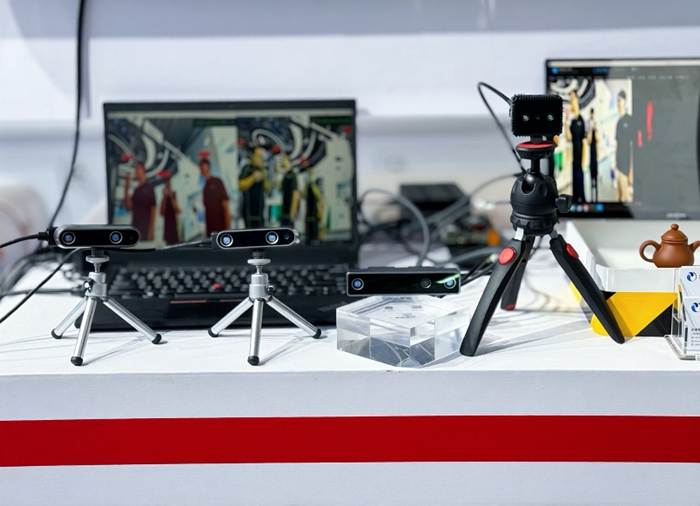
On July 17, 2026, the World Artificial Intelligence Conference (WAIC) commenced in Shanghai, where ChipMing unveiled its series of 3D vision AI modules designed for embodied intelligence and physical AI scenarios. The modules demonstrated core functionalities such as pose estimation and instance segmentation using the self-developed spatial intelligent chip running YOLO26, alongside a 3D virtual safety zone application that integrates depth perception and AI recognition technologies. The significance of these modules lies in their ability to operate reliably in industrial environments, with a temperature range of -10℃ to 50℃. They support USB 3.0 and GMSL 2.0 protocols, ensuring high bandwidth and long-distance transmission capabilities. The built-in spatial intelligent chip allows for local processing of data, enhancing privacy and reliability by keeping sensitive information on-device, which is crucial for applications in security, healthcare, and industrial quality inspection. Looking ahead, the 3D virtual safety zone demo showcased at WAIC attracted considerable attention, highlighting the modules' capabilities in object classification and selective alarm systems. Users can choose from various module models based on specific use cases, ensuring ease of installation and strong feasibility for engineering applications. No further timeline was disclosed at the time of publication.
3D Vision AI Embodied Intelligence Industrial Automation AI Technology
The art(s) of laser weeding demystified: laser expert Matthias Lautenschläger explains
Farmers, growers, and contractors worldwide are increasingly turning their attention to laser weeding, a cutting-edge agricultural technique gaining traction in the industry. This innovative method utilizes high-intensity lasers to target and eliminate weeds without harming crops, offering a sustainable alternative to traditional herbicides. As the agricultural sector grapples with rising temperatures and the challenges posed by climate change, the urgency for effective and environmentally friendly solutions has never been greater. Laser weeding not only reduces the reliance on chemical treatments but also minimizes soil disturbance, promoting healthier ecosystems. The growing interest in this technology is evident as more agricultural professionals seek training and information on its implementation. Demonstrations and workshops are being organized globally, showcasing the efficiency and precision of laser weeding systems. As farmers look for ways to enhance productivity while adhering to sustainable practices, laser weeding stands out as a promising solution that addresses both economic and environmental concerns. With the agricultural landscape evolving rapidly, this method could redefine weed management strategies in the years to come.
Smart farming laser weeding machinery precision agriculture weed control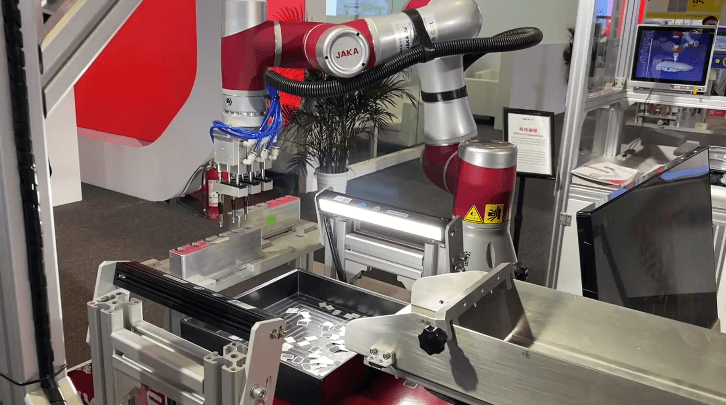
Essential Safety Tips for Operating Collaborative Robots Alongside Humans
The landscape of modern manufacturing is evolving as industries increasingly integrate collaborative robots, or cobots, into their operations. This shift, aimed at fostering a more agile and flexible production environment, allows humans and machines to work side by side without the traditional safety barriers. However, as these safety cages are removed, ensuring a secure workspace becomes paramount. To achieve this, experts emphasize the importance of comprehensive risk assessments that consider not only the cobots themselves but also the tools they use. For example, when handling sharp or high-temperature items, additional safety measures must be implemented to protect nearby workers. Moreover, employing external sensors like laser scanners can enhance safety by enabling cobots to adjust their speed based on human proximity. JAKA, a leader in collaborative robotics, is committed to prioritizing worker safety through its "Smart, Simple, and Small" philosophy. Their systems feature high-precision torque sensors that allow the robots to detect resistance and halt immediately to prevent injuries. The JAKA S series is specifically designed for environments demanding high interaction standards, incorporating advanced hardware and software to establish trust between operators and machines. With tools that enable visual safety boundary settings, JAKA aims to create a harmonious manufacturing environment that values both human safety and industrial efficiency.
The Complete Guide to Selecting a Waterproof Robotic Arm for Harsh Environments
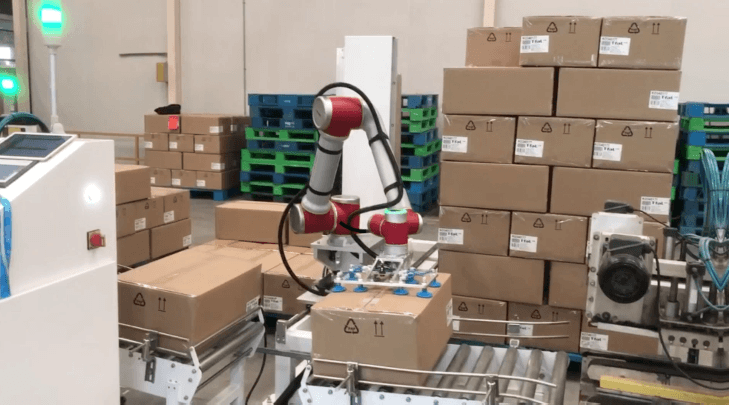
JAKA, a leader in automation solutions, is addressing the challenges faced by industries that require waterproof robotic arms for demanding environments. Recognizing the need for durability, flexibility, and safety, the company is guiding clients in selecting the right systems to enhance efficiency and reduce manual labor. Key considerations for these robotic arms include high ingress protection ratings, material resilience, and operational stability, particularly in settings exposed to moisture, dust, and temperature fluctuations. JAKA emphasizes the importance of compact designs that can integrate seamlessly into existing workflows, allowing for efficient operation even in constrained spaces. The JAKA Pro16 Palletizing solution exemplifies the advantages of waterproof robotic arms, automating palletizing processes and significantly improving production efficiency. This system can manage multiple production lines, reducing operational costs while enhancing the working environment for operators. Investing in the right robotic arm not only boosts productivity but also ensures operator safety and equipment longevity. JAKA's focus on adaptable programming and stable operation allows clients to meet diverse production needs while minimizing human error and repetitive strain injuries. By leveraging their technical expertise and practical experience, JAKA aims to provide reliable automation solutions that optimize production and maintain consistent performance in harsh industrial settings, ultimately supporting sustainable and efficient operations.
Robotics needs a service framework.
RSF defines a common language for robot service capability, lifecycle operations, certification pathways, and service-provider networks.