Industry Briefing
A single destination for timely, editor-curated robotics news from around the world.

Chinese AI company offers a new solution for physical AI in the uncertain trillion-dollar market.
In 2026, the field of physical AI is set to emerge as a transformative force, following a consensus reached by industry leaders at the CES in Las Vegas, where NVIDIA's CEO Jensen Huang heralded the arrival of "physical AI's ChatGPT moment." Over the past two years, significant advancements have been made in five key areas: brain models, imagination engines, training environments, ontology, and commercial ecosystems, laying the groundwork for real-world applications. In the first half of 2026, global investment in physical AI surged, with over $6.4 billion raised in just the first quarter, including notable funding rounds from AMI Labs and World Labs. The industry is witnessing a clear technological divergence, with three primary paths emerging: Visual Language Models (VLM), Visual Language Action (VLA), and world models. The anticipated future architecture for physical AI is expected to integrate VLA's decision-making capabilities with world models' predictive simulations. Despite the rapid growth, the competitive landscape remains uncertain, with various companies pursuing different strategies, including those focusing solely on VLA or world models, and others exploring hybrid approaches. The ultimate goal is to develop AI that can effectively navigate and understand the complexities of the physical world, moving beyond mere reactive capabilities to proactive, autonomous decision-making. As the physical AI market is projected to expand significantly, reaching an estimated $3.26 trillion by 2040, the industry faces the challenge of ensuring that technology translates into tangible business value. Companies like Om AI are pioneering innovative models that prioritize continuous perception and spatial understanding, aiming to redefine how AI interacts with its environment. The ongoing evolution of physical AI emphasizes the importance of real-world applications and the need for AI systems that can adapt and respond to dynamic physical spaces.

Former Baidu autonomous driving lab head raises millions in angel funding for global robot model startup.
Nuwa Robotics, a company specializing in embodied intelligence, has successfully secured 50 million yuan in angel funding, led by Blue Lake Capital with participation from various investors including Qiongcheng Puyi Investment. This funding follows a seed round completed two months prior, led by Plug and Play China. Founded in February 2026 by Dr. Yang Ruigang, a former director at Baidu’s autonomous driving and robotics lab, Nuwa aims to advance robotic capabilities in navigating complex human environments. As the field of embodied intelligence gains momentum, industry consensus is forming around the need for a "layered decoupling" approach. Nuwa is focusing on developing a "World Traversal Model" (WTM) that enables robots to autonomously navigate, interact, and complete tasks in human settings, addressing a critical gap in the industry. This model is designed to be compatible with various robotic platforms, including humanoid robots and delivery vehicles. Nuwa's technology integrates high-fidelity physical simulation with advanced data generation techniques to create a robust training environment for its WTM. The company has made significant strides in motion control and navigation capabilities, allowing robots to navigate complex terrains without relying on high-precision maps. Additionally, Nuwa is prioritizing social behavior compliance, essential for robots operating in public spaces. With plans to deploy the WTM in real-world applications by 2026, Nuwa aims to validate its core capabilities and expand its operational scale. Blue Lake Capital expressed confidence in Nuwa’s vision, highlighting the potential for the company to overcome key industry challenges and pioneer advancements in intelligent navigation.

Why Every Robot Teleoperation Team Eventually Outgrows WebRTC
WebRTC is proving to be a vital tool for robotics teams, enabling them to quickly demonstrate their innovations. However, challenges arise once the robots transition from laboratory settings to real-world applications. As organizations utilize WebRTC, they face the inevitable question of when they will outgrow the platform and what engineering efforts will be necessary in the upcoming months to adapt and enhance their capabilities. This evolution is crucial for teams aiming to stay competitive in the rapidly advancing field of robotics.
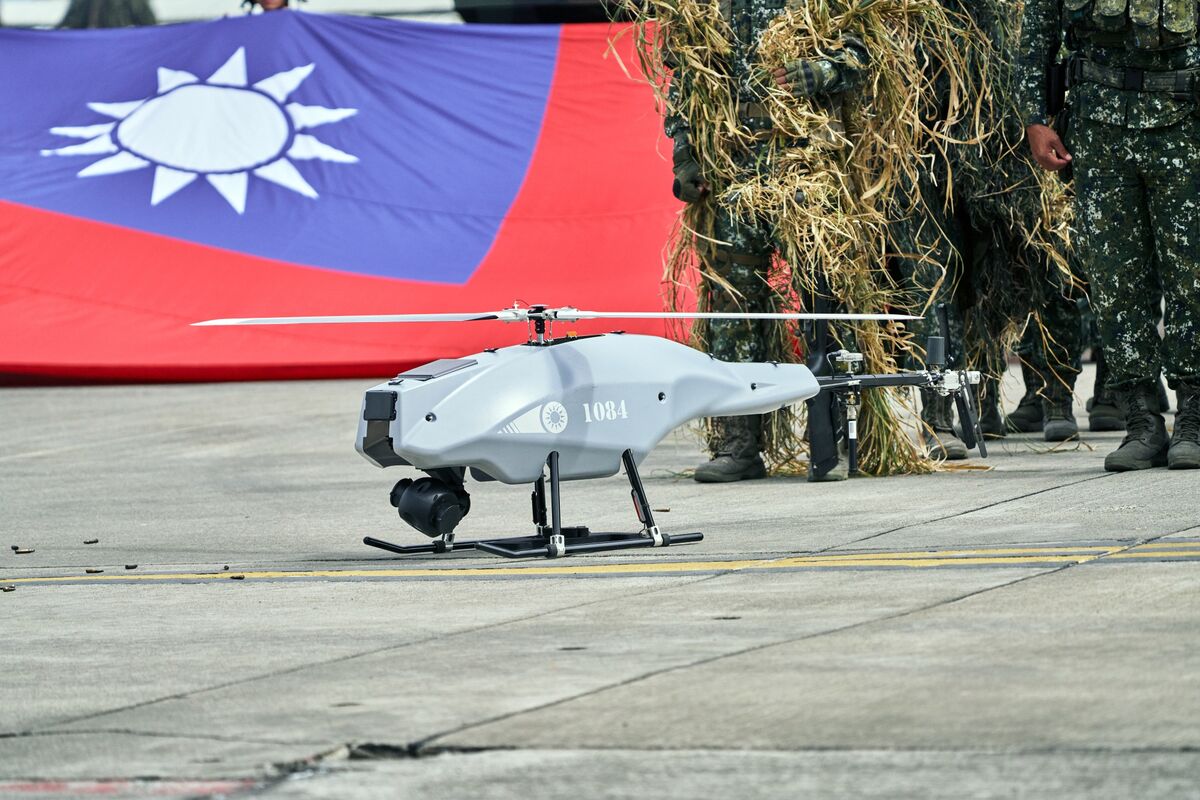
Taiwan Opposition’s $7.5 Billion Plan Stirs Drone Defense Debate
Taiwan's main opposition party has unveiled a strategy to advance the drone industry, shortly after blocking a similar initiative proposed by President Lai Ching-te's administration. This development comes amid ongoing discussions regarding unmanned systems, which hold significant importance for Taiwan's defense capabilities. The opposition's move reflects a growing emphasis on enhancing the island's technological and military resources in response to regional security challenges. The initiative aims to bolster Taiwan's defense infrastructure and ensure its preparedness in an increasingly complex geopolitical landscape.

DeepSeek to launch V4 in mid-July with new peak-time API pricing
The DeepSeek team has announced that the official release of DeepSeek V4 is set for mid-July. This new version will enhance the existing preview release with additional features and performance improvements. Notably, it will include a 1-million-token context window across the entire model lineup, promising stronger performance capabilities. The updates aim to provide users with a more robust and efficient tool for their needs.
News Feed
In Defence Investment Plan preview, Britain bets big on drones, ‘hybrid’ navy
The Ministry of Defence has announced an initiative to develop at least six hybrid warships that will integrate with unmanned systems both in the air and at sea. This strategic move aims to enhance naval capabilities and modernize the fleet, reflecting a growing emphasis on advanced technology in military operations. The initiative underscores the Ministry's commitment to maintaining a competitive edge in maritime defense, particularly in an era where unmanned systems are becoming increasingly vital for operational effectiveness. The timeline for the project has not been specified, but it represents a significant step towards modernizing naval warfare and adapting to evolving threats.
Air Warfare Global Land Warfare Naval Warfare Air Force Ajax
Insights behind Kinisi’s acquisition by Bear Robotics
Brennand Pierce, the founder and CEO of Kinisi Robotics, recently shared insights into the company’s innovative approach to physical artificial intelligence following its acquisition by Bear Robotics. This strategic move aims to enhance Bear Robotics' capabilities in the rapidly evolving field of robotics, particularly in applications that require advanced physical interaction. The acquisition, which underscores the growing interest in AI-driven robotics, is expected to bolster Bear Robotics' position in the market. Pierce highlighted the synergies between the two companies, emphasizing how Kinisi's technology will complement Bear Robotics' existing products and services. The deal marks a significant step in the integration of physical AI into everyday robotic applications, paving the way for more sophisticated and efficient robotic solutions.
Artificial Intelligence Business Resources Controllers Humanoids News Opinion
Romania buys Spyder air defense system as part of ‘largest deal’ in Rafael history, CEO says
In response to the ongoing conflict in Ukraine, Romania is enhancing its national defense capabilities by acquiring advanced military systems, including those from Israel. This initiative reflects the country's commitment to bolstering its security measures amid heightened regional tensions. The Romanian government has recognized the need for improved defense mechanisms to safeguard its borders and ensure national stability. The acquisition of these Israeli systems is part of a broader strategy to modernize the military and address potential threats posed by the war in Ukraine, which is occurring just across the border. As Romania continues to navigate the complexities of the geopolitical landscape, these upgrades are seen as essential for maintaining a robust defense posture in an increasingly uncertain environment.
Uncategorized air defense Israel Israel Aerospace Industries IAI NATO Rafael Advanced Defense Systems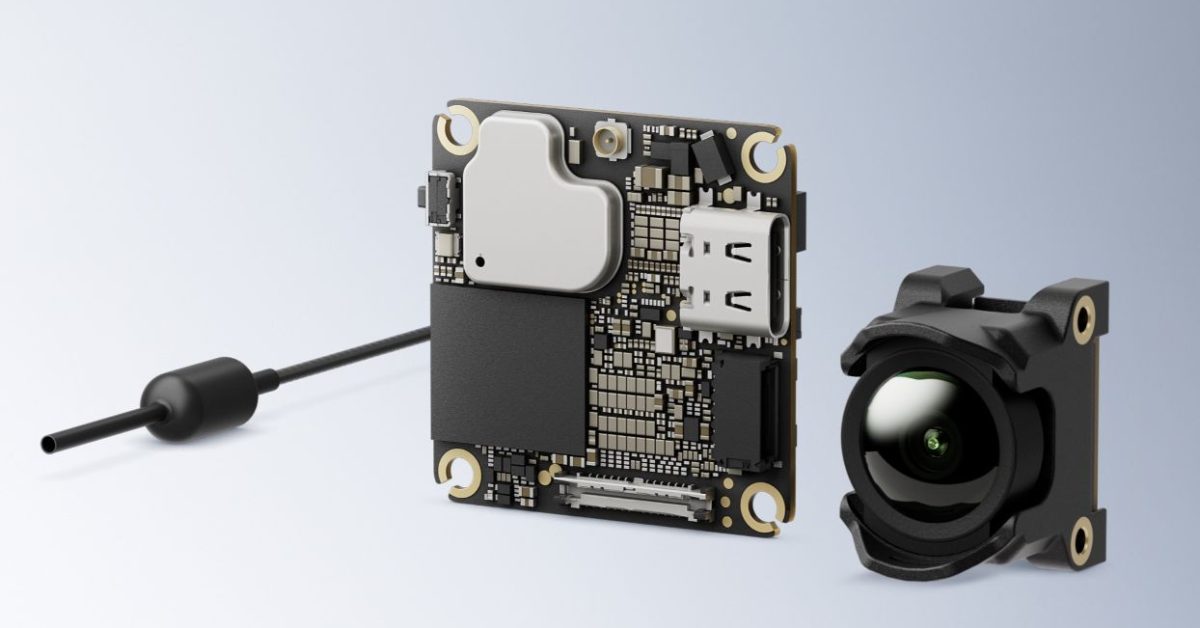
DJI gives tiny FPV drones a much bigger view
DJI has unveiled its latest innovation in the FPV (First Person View) drone market, the O4 Wide Air Unit, which features an ultra-wide lens offering a 159-degree field of view. This new addition enhances the original O4 Air Unit's capabilities while retaining its lightweight design, 4K recording quality, and low-latency digital video transmission. The launch aims to provide drone enthusiasts and filmmakers with a broader perspective, emphasizing the importance of a wider view over merely improving camera specifications. The O4 Wide Air Unit is set to expand creative possibilities for users, making it a significant advancement in DJI's product lineup.
News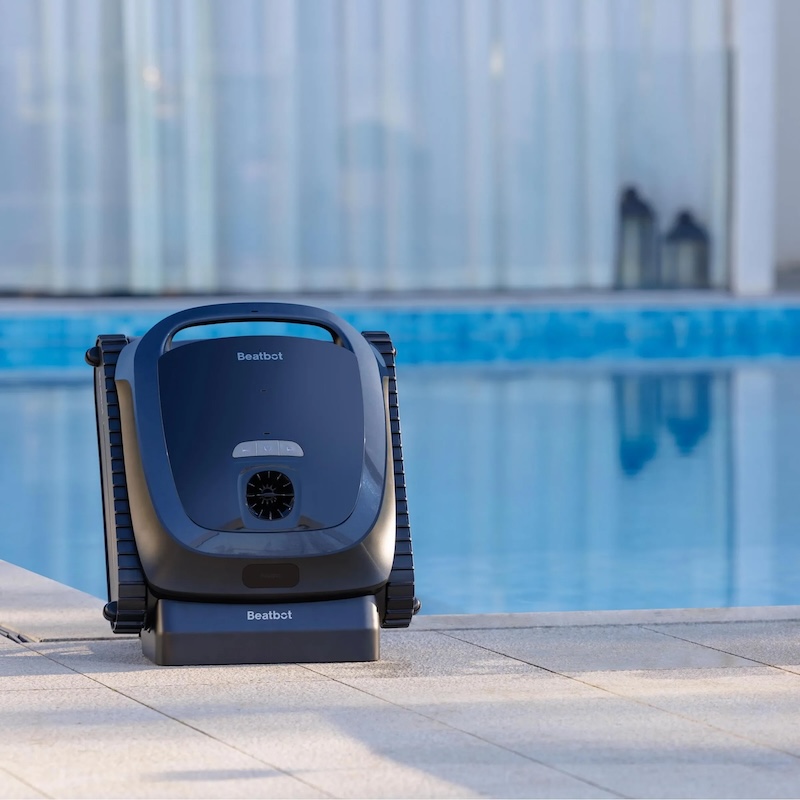
How AI Navigation is Improving the Performance of Robotic Pool Cleaners
Robotic pool cleaners have evolved beyond traditional metrics such as suction power and debris collection, with a significant emphasis now placed on navigation capabilities. Previously, these devices were primarily evaluated based on their ability to pick up dirt and debris, but advancements in technology have shifted the focus to how effectively they can navigate a pool's surface. A robot that operates randomly may clean certain areas thoroughly while neglecting others, leading to inconsistent cleaning results. This change in evaluation criteria reflects a growing understanding that efficient navigation is crucial for maximizing the overall performance of pool cleaning robots. As manufacturers continue to innovate, the integration of sophisticated navigation systems is becoming a key factor in the design and functionality of these devices, ensuring a more comprehensive cleaning experience for pool owners.
Artificial Intelligence Environment Technology AI navigation ai robotics AquaSense 2 Ultra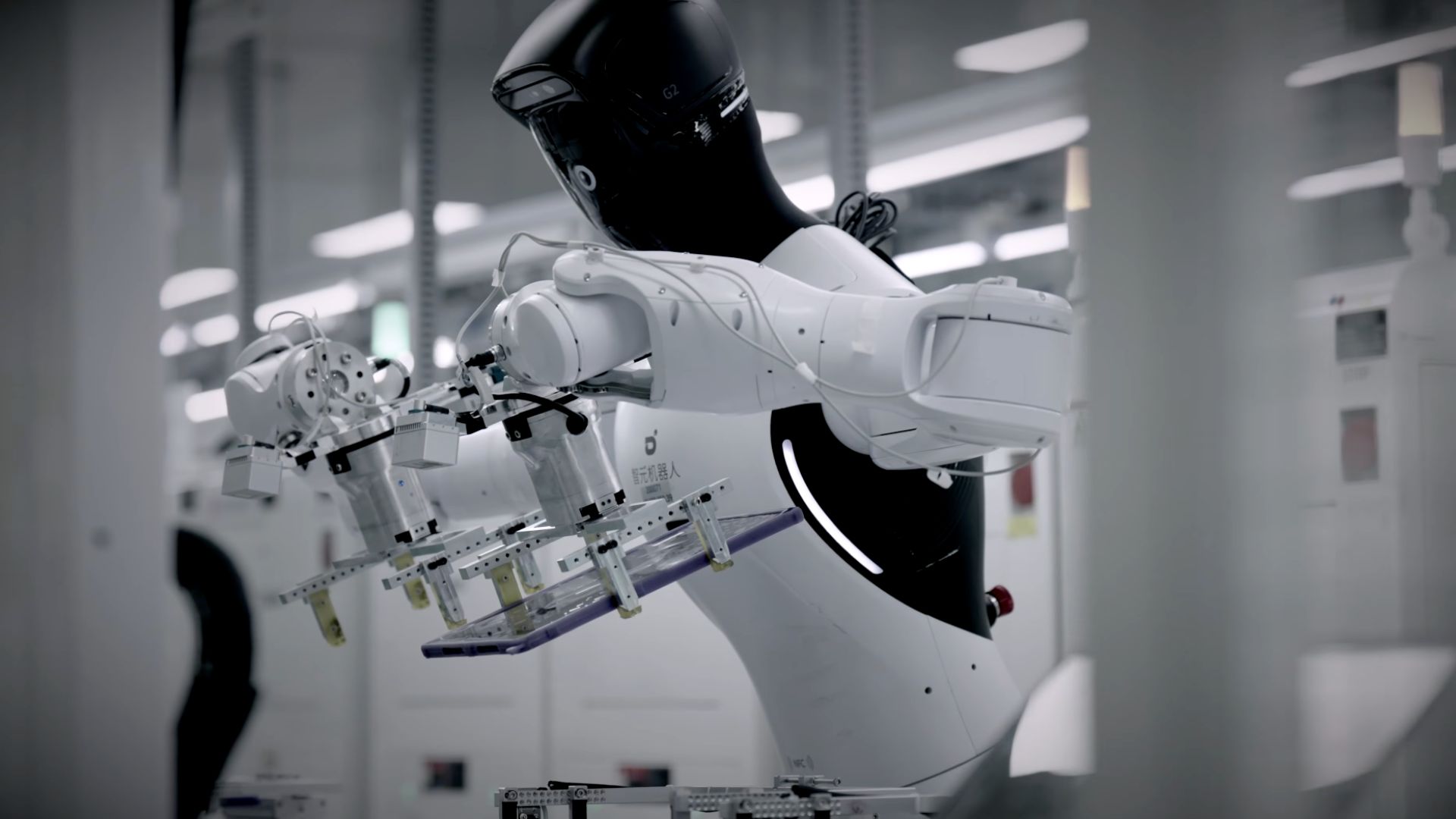
China: Agibot robots hit 99 percent success during six-day live factory demo
AGIBOT, a Chinese robotics company, has successfully conducted a global livestream showcasing its G2 humanoid robots performing a series of autonomous tasks. This event took place recently, highlighting the advancements in robotics technology. The livestream aimed to demonstrate the capabilities of the G2 robots, which are designed to operate independently in various environments. By showcasing their performance to an international audience, AGIBOT seeks to position itself as a leader in the robotics industry and attract potential investors and partners. The event utilized advanced streaming technology to reach viewers worldwide, emphasizing the company's commitment to innovation and global outreach in the field of robotics.
AI and Robotics
MQ-25 Stingray Demonstrator Goes Aboard USS Nimitz For 250th U.S. Anniversary Celebrations
The Navy's T-1 tanker drone demonstrator made a notable appearance on the deck of the USS Nimitz, coinciding with the 250th anniversary celebrations of the United States. This event highlighted the drone's significant size in comparison to its crewed counterparts, showcasing advancements in naval aviation technology. The demonstration underscores the Navy's commitment to integrating unmanned systems into its operations, reflecting a shift towards modernizing its fleet. The USS Nimitz, a key asset in the Navy's carrier strike group, served as the backdrop for this milestone, emphasizing the importance of innovation in maintaining maritime superiority.
Air Carriers MQ-25 Navies Nimitz Class Sea
Mars orbiter watches Perseverance rover cross the marathon finish line | Space photo of the day for June 29, 2026
NASA's Perseverance rover has achieved a remarkable milestone by completing a marathon distance on Mars, showcasing its impressive speed and exploration capabilities. This achievement raises the possibility that Perseverance could become the first rover to complete an ultramarathon on the Red Planet. The rover's ongoing mission, which began in February 2021, aims to search for signs of ancient life and collect samples for potential return to Earth. As it continues to traverse the Martian landscape, scientists are closely monitoring its performance and the data it gathers, which could provide invaluable insights into the planet's history and geology.
Mars Rovers Space Exploration Missions
Poland signs $4.8 billion contract for Saab-made A26 submarines
Swedish Prime Minister Ulf Kristersson announced a significant defense agreement that will bolster the Polish Navy, enhancing its capabilities to become one of the most formidable forces within NATO. This long-term deal is expected to strengthen security in the Baltic Sea region and across the alliance. The announcement underscores the importance of collaborative defense efforts among NATO member states, particularly in light of ongoing regional security challenges.
Global Naval Warfare A26 Baltic Sea Europe NATO
HKU Professor Li Hongyang secures hundreds of millions in seed funding for his startup on embodied AI.
Archon Robotics, a Shanghai-based company specializing in whole-body humanoid models, has successfully secured hundreds of millions in seed funding from prominent investors, including ZhenFund, Gao Rong Capital, IDG Capital, and others. The financing round, which took place recently, aims to enhance the development of humanoid models, collect multimodal motion data, expand the talent team, and establish research centers and industry partnerships, with the goal of launching an open-source humanoid model by the end of this year. Founded in April 2026, Archon Robotics focuses on creating whole-body intelligence for humanoid robots, enabling them to perform complex tasks that require full-body coordination. The company's founder, Dr. Hongyang Li, is an assistant professor at the University of Hong Kong and has received accolades for his work in autonomous driving. Co-founder and CEO Dr. Tianyu Li, along with the core team, brings expertise from top institutions and has a strong background in robotics and AI. The humanoid robotics sector is at a pivotal moment, with significant investments occurring but lacking a unified technical consensus. Current limitations in training data restrict robots to simple tasks, as they often lack the necessary information for complex human-like interactions. Archon Robotics aims to address these gaps by redefining data collection methods to better capture human coordination and movement dynamics. The company plans to release its first humanoid model in late 2026, emphasizing the need for robots to operate effectively in dynamic home environments. By focusing on comprehensive data collection and understanding physical interactions, Archon Robotics seeks to advance the capabilities of humanoid robots beyond current limitations.

Karst Exploration With Robots: Fontaine de Nîmes Data Set
The Journal of Field Robotics has published a new study that explores advancements in autonomous robotic systems. This research, released in early October 2023, highlights innovative techniques that enhance the navigation and operational capabilities of robots in various environments. Conducted by a team of researchers from leading universities, the study aims to address the growing demand for efficient robotic solutions in industries such as agriculture, manufacturing, and disaster response. The motivation behind this research stems from the increasing complexity of tasks that robots are expected to perform, necessitating improved algorithms and sensor technologies. By employing advanced machine learning methods and real-time data processing, the researchers demonstrated significant improvements in the robots' ability to adapt to dynamic surroundings and make autonomous decisions. The findings from this study are expected to have a substantial impact on the future development of robotic systems, paving the way for more reliable and versatile applications. As industries continue to seek automation solutions, this research provides valuable insights into the potential of robotics to enhance productivity and safety across various sectors.
FIELD REPORT
Baidu's CFO on How It Became a Full-Stack AI Player | Odd Lots
Baidu, once recognized as China's leader in search, has transformed into a comprehensive player in the artificial intelligence sector. The company now develops its own chips, utilizes proprietary AI models such as Ernie, and operates its own cloud system, while also integrating AI technology into its self-driving car initiative, Apollo Go. In a recent discussion, Baidu's CFO, Henry He, elaborated on the company's ambitious AI strategies, addressing topics such as optimizing token expenditure, the safety and alignment considerations among Chinese tech firms, and the competitive landscape of global robotaxi services. He also reflected on the evolving role of Baidu's core search business within this broader technological framework. This evolution highlights Baidu's commitment to advancing its AI capabilities and adapting to the rapidly changing tech environment since its inception in the late 1990s.
NMS:GOOGL NMS:BIDU
Next-gen aerospace engine components could become more robust with advanced machining capability
A Dallas-based company is enhancing its advanced manufacturing and inspection capabilities in response to increasing market demand. This expansion, announced recently, aims to bolster the company's production efficiency and quality assurance processes. The initiative is part of a broader strategy to meet the needs of clients across various industries, reflecting a significant trend in the manufacturing sector towards automation and precision. By investing in state-of-the-art technology and equipment, the company seeks to position itself as a leader in the competitive landscape of advanced manufacturing. The expansion is expected to create new job opportunities in the Dallas area, contributing to local economic growth while addressing the rising need for high-quality manufacturing solutions.
Innovation
China's Robots Try World Cup-Style Penalty Kicks
At the Mobile World Congress in Shanghai, Chinese humanoid robots are capturing attention with their impressive capabilities, showcasing a range of skills from executing penalty kicks to playing the piano. Bloomberg's Stephen Engle conducted a hands-on evaluation of these robots, testing their performance and adaptability in a lively environment. The event, which highlights advancements in technology and robotics, raises questions about the robots' ability to engage with the excitement and spirit of global events like the World Cup. As the congress unfolds, the demonstration of these robots serves to illustrate the rapid development of artificial intelligence and robotics in China, reflecting the country's ambition to lead in innovative technology.

The Hidden Perception Decisions That Shape a Robot’s Cost, Size, and Time to Market
Recent advancements in robotics highlight the critical importance of sensor specifications, which serve as a foundational element for enhancing a robot's operational capabilities. Key factors such as depth accuracy, range, field of view, and frame rate are essential in determining a robot's ability to effectively perceive its environment. These specifications are not merely technical details; they play a pivotal role in the robot's functionality and performance in various applications. As the field of robotics continues to evolve, understanding and optimizing these sensor characteristics will be crucial for developing more sophisticated and capable robotic systems.
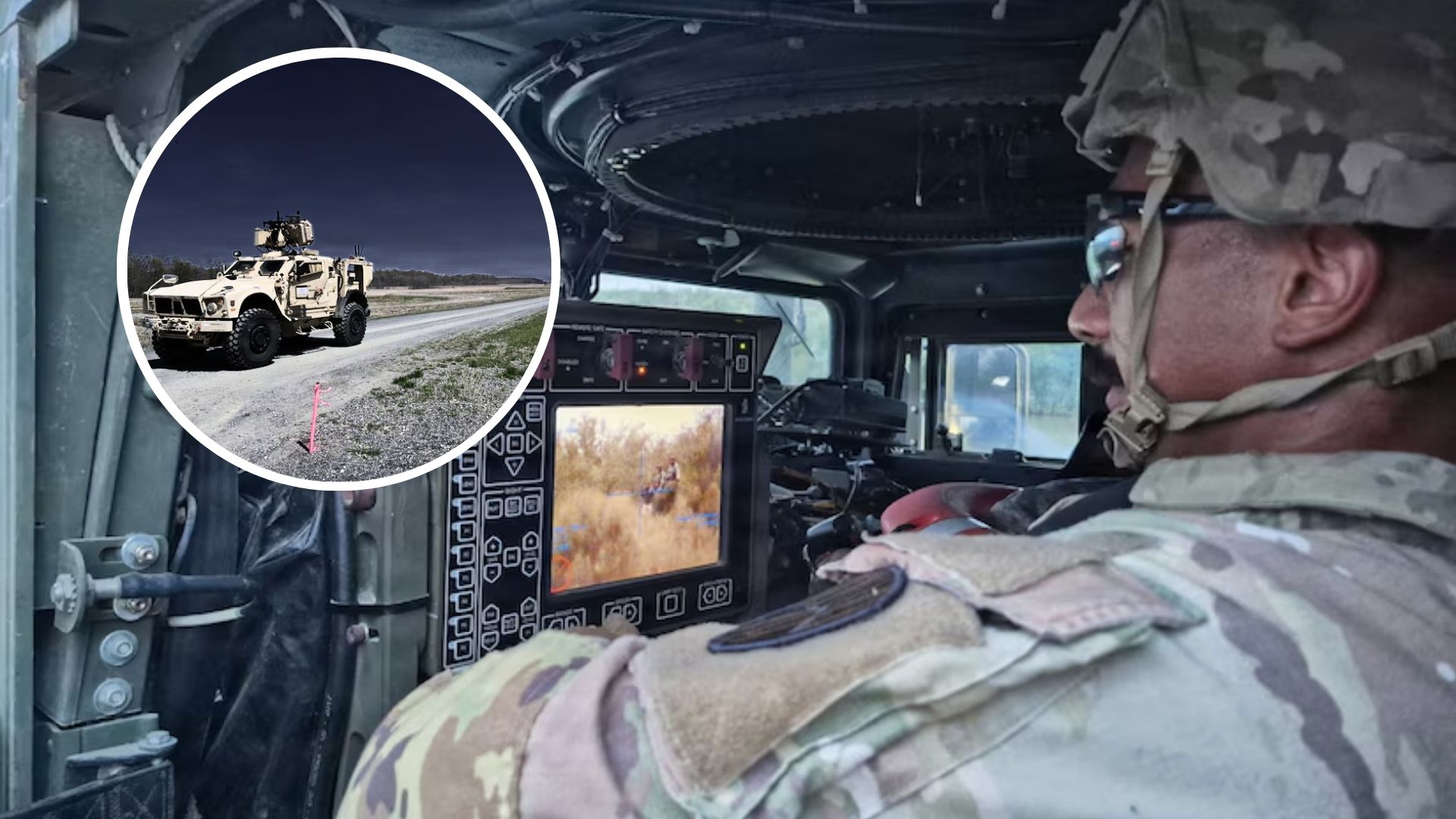
US Army develops advanced counter-drone system capable of engaging UAVs on the move
The U.S. Army has reached a pivotal advancement in counter-unmanned aerial systems (C-UAS) technology, marking a significant step in enhancing national security. This breakthrough was announced on October 15, 2023, during a demonstration at a military facility in Fort Bragg, North Carolina. The development aims to address the increasing threat posed by drones in both military and civilian contexts, driven by the need for effective defense mechanisms against potential aerial attacks. The Army's new C-UAS technology employs advanced radar systems and artificial intelligence to detect, track, and neutralize unauthorized drones swiftly and accurately. This innovative approach not only improves response times but also minimizes collateral damage, ensuring the safety of personnel and infrastructure. The successful demonstration showcased the system's capabilities in real-time scenarios, highlighting its potential for deployment in various operational environments. As drone usage continues to rise, the U.S. Army's commitment to advancing C-UAS technology underscores its proactive stance in safeguarding airspace and maintaining operational superiority. This milestone reflects ongoing efforts to adapt to evolving threats and reinforces the Army's role in national defense.
Military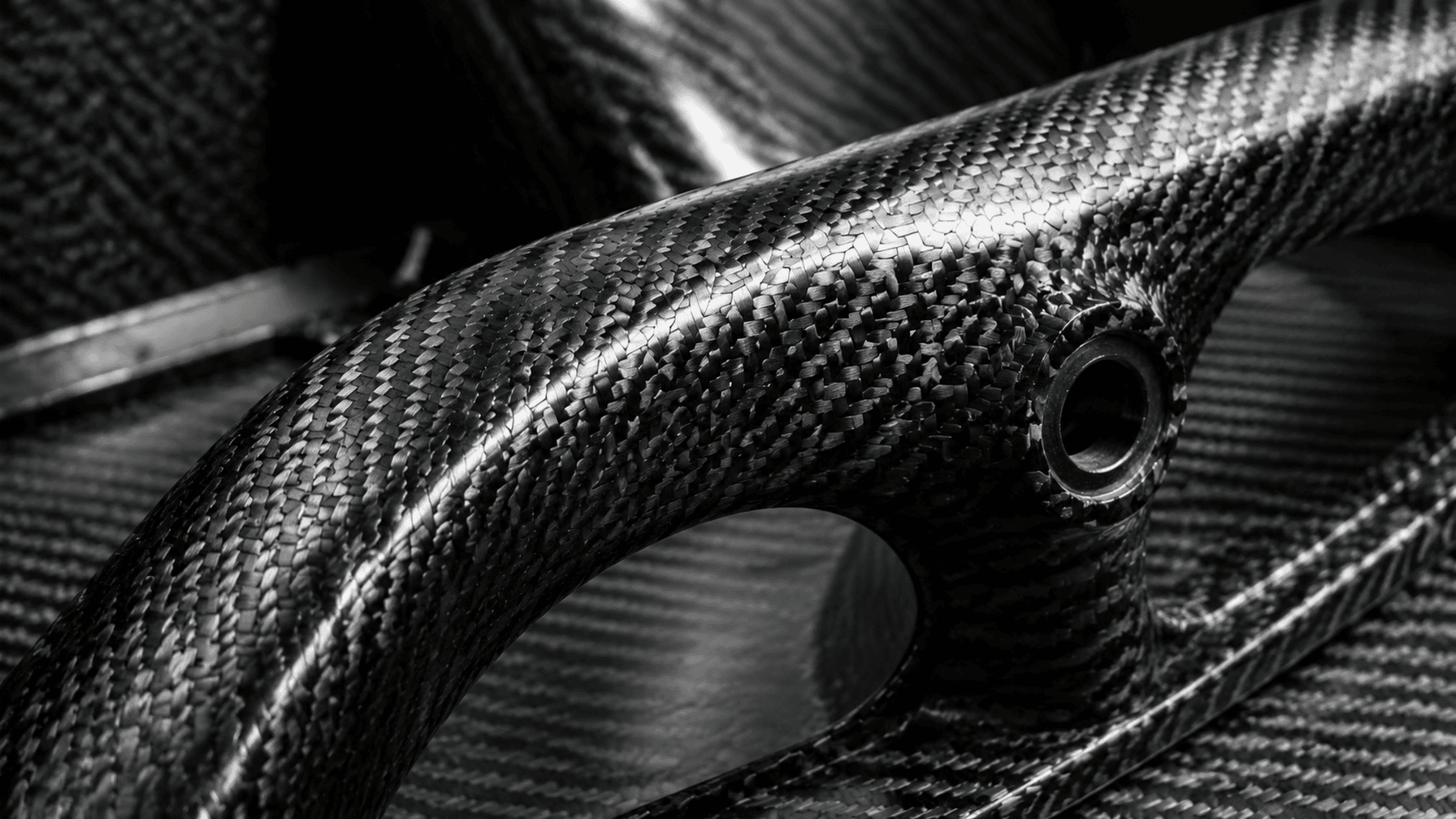
China's Aerospace-Grade Carbon Fiber Breaks Free from Foreign Dependency with Major Production Expansion
Zhongfu Shenying has launched three advanced carbon fiber production lines in Lianyungang, a significant step towards enhancing China's self-sufficiency in aerospace materials. This initiative, unveiled recently, aims to reduce the country's reliance on foreign suppliers, particularly Japan's Toray and various U.S. manufacturers, which have dominated the market for critical aerospace components. By establishing these production lines, Zhongfu Shenying is positioning itself as a key player in the high-performance materials sector, responding to the growing demand for domestic production capabilities in the aerospace industry. This move not only strengthens China's industrial base but also aligns with national objectives to bolster local manufacturing and innovation in strategic sectors.
Technology
Open Models, Closed Environments: Palantir Brings Secure AI to US Agencies With NVIDIA Nemotron
Palantir Technologies unveiled its latest intelligent engine today, emphasizing the significance of open source innovation in the development of artificial intelligence for U.S. government agencies. This new engine leverages NVIDIA's Nemotron open models, highlighting a commitment to utilizing open source software, which has been a foundational element in the evolution of technology. The introduction of this engine aims to enhance the capabilities of government operations by providing advanced AI solutions tailored to meet their specific needs. By integrating open source resources, Palantir seeks to foster collaboration and drive innovation within the AI sector, ultimately benefiting public sector initiatives.

Firefly Aerospace Operates NVIDIA Jetson in Lunar Orbit for the First Time
Palantir Technologies has unveiled a new intelligent engine designed to enhance secure artificial intelligence capabilities for U.S. government agencies. This announcement was made today, highlighting the significance of open-source innovation in the American AI landscape. The new engine leverages NVIDIA's Nemotron open models, aiming to meet the specific needs of federal entities. By integrating these advanced technologies, Palantir seeks to bolster the security and effectiveness of AI applications within closed environments, ensuring that sensitive data remains protected while still benefiting from the flexibility and adaptability of open-source frameworks. This initiative underscores Palantir's commitment to providing robust AI solutions tailored for government use, addressing the growing demand for secure and efficient technological tools in public service.
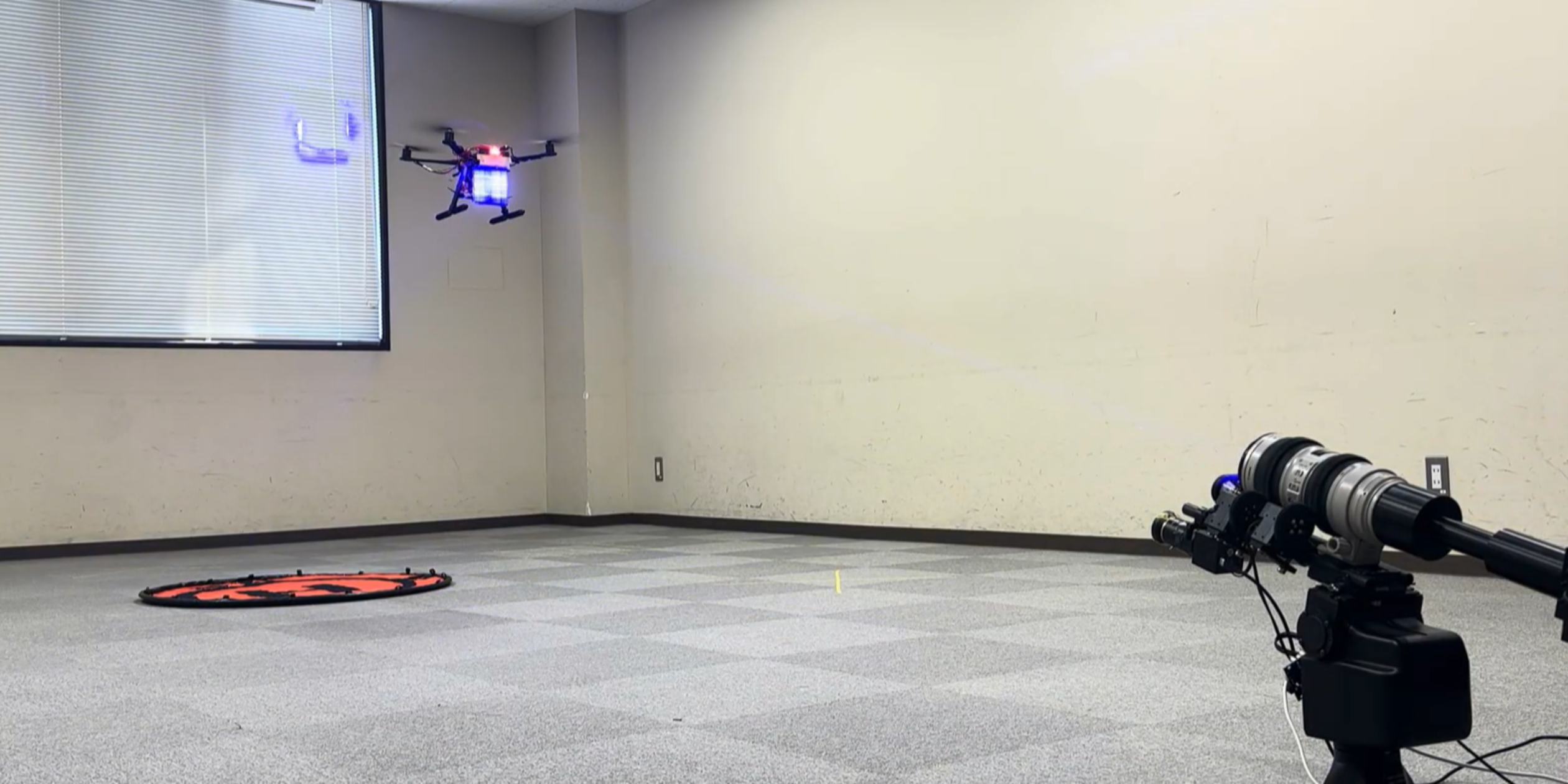
Japan startup SolaNika to test tech for charging drones with lasers
Japanese startup SolaNika is set to commence trials this year for an innovative technology that utilizes lasers to wirelessly charge drones, with the goal of extending flight durations beyond 12 hours. The tests, which will take place indoors, aim to demonstrate the feasibility of power beaming as a means to reduce the size of drone batteries while enhancing their operational capabilities. This development is part of a broader trend in the aerospace and defense industries, where advancements in drone technology are increasingly being explored for various applications.

Claude Meets Blackwell Ultra: Anthropic’s Models Now Run on NVIDIA GB300 in Azure
Anthropic has announced the general availability of its Claude models, which are now hosted on Microsoft Azure and powered by NVIDIA's GB300 Blackwell Ultra GPUs. This development provides enterprises utilizing Azure with an advanced tool to create autonomous and specialized AI solutions. The integration of these models aims to enhance the capabilities of businesses in various domains, enabling them to leverage cutting-edge technology for improved operational efficiency and innovation. The launch reflects a growing trend in the AI sector, where companies are increasingly seeking robust platforms to support their AI initiatives.

Samsung, SK Ready Decade of Spending to Sustain Korea’s AI Lead
South Korea is preparing to announce a significant initiative to enhance its position as a leader in technology. Major companies, including Samsung Electronics Co. and SK Hynix Inc., are expected to reveal plans for substantial investments over the next ten years. These investments will focus on key sectors such as memory chips, data centers, and robotics. The unveiling of this ambitious strategy is anticipated to take place soon, reflecting the country's commitment to advancing its technological capabilities and fostering innovation in these critical industries. This move is seen as a response to the growing global competition in technology and aims to solidify South Korea's role as a central player in the tech landscape.
KSC:000660 KSC:005930
US Army trials LP-CROWS integration on Paladin artillery for drone defense
Engineers at the US Army Yuma Proving Ground are conducting developmental testing of advanced military technologies. This initiative, which began recently, aims to evaluate and enhance the performance of various systems crucial for operational readiness. The testing is part of the Army's ongoing efforts to improve its capabilities and ensure that troops are equipped with the most effective tools for modern warfare. By rigorously assessing these technologies in a controlled environment, the Army seeks to identify potential improvements and address any issues before deployment. The Yuma Proving Ground, known for its vast testing facilities, provides an ideal location for these critical evaluations, allowing engineers to simulate real-world conditions effectively. This testing phase is essential for maintaining the Army's competitive edge and ensuring the safety and effectiveness of its personnel in future missions.
Military
How Robotaxis Are Making Headway, Glitches and All
A new technology that has long been anticipated is finally making its debut, albeit in a limited capacity. This development comes after years of speculation and promises about its potential impact. As of October 2023, the technology has been trained on data, suggesting that it is now equipped to perform its intended functions. While the specifics of its applications remain to be fully realized, experts are cautiously optimistic about its capabilities. The gradual rollout aims to address previous concerns and expectations surrounding the technology, which has been described as a game-changer in its field. As it begins to integrate into various sectors, stakeholders are eager to see how it will evolve and what benefits it may bring.
NYS:UBER NMS:TSLA NMS:BIDU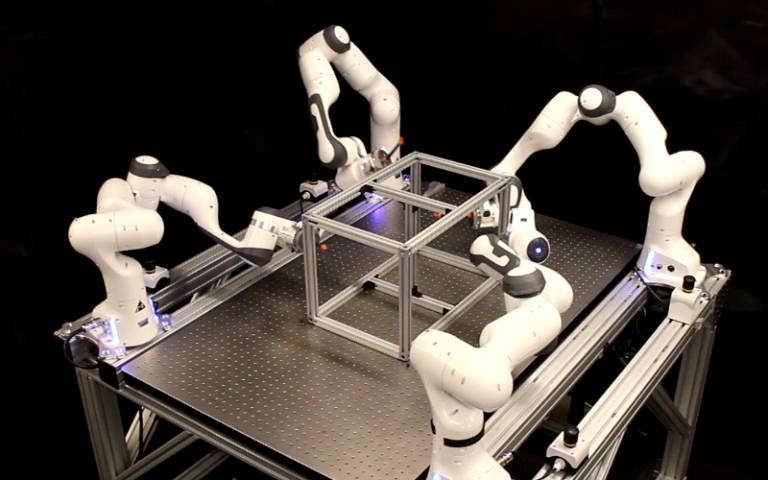
A Hybrid Technique for Active SLAM Based on RPPO Model With Transfer Learning
The Journal of Field Robotics has released an EarlyView article highlighting recent advancements in robotic technology. Researchers from various institutions have collaborated to develop innovative algorithms that enhance the efficiency and autonomy of field robots. This significant study, published in October 2023, aims to address the growing demand for automation in agriculture and environmental monitoring. The research focuses on improving the decision-making capabilities of robots operating in complex outdoor environments. By integrating machine learning techniques, the team has demonstrated how robots can better navigate and adapt to changing conditions, ultimately increasing productivity in agricultural practices. The findings are particularly relevant as the industry seeks to optimize resource use and reduce labor costs. The study was conducted across multiple test sites, showcasing the practical applications of these advancements in real-world scenarios. The researchers emphasize that these developments are crucial for meeting the challenges posed by climate change and the need for sustainable farming practices. By enhancing the operational capabilities of field robots, the team hopes to contribute to a more efficient and resilient agricultural sector. This publication marks a significant step forward in the field of robotics, underscoring the potential for technology to transform traditional practices and improve outcomes in various sectors. As the demand for automation continues to rise, the implications of this research could be far-reaching, paving the way for future innovations in robotic applications.
RESEARCH ARTICLE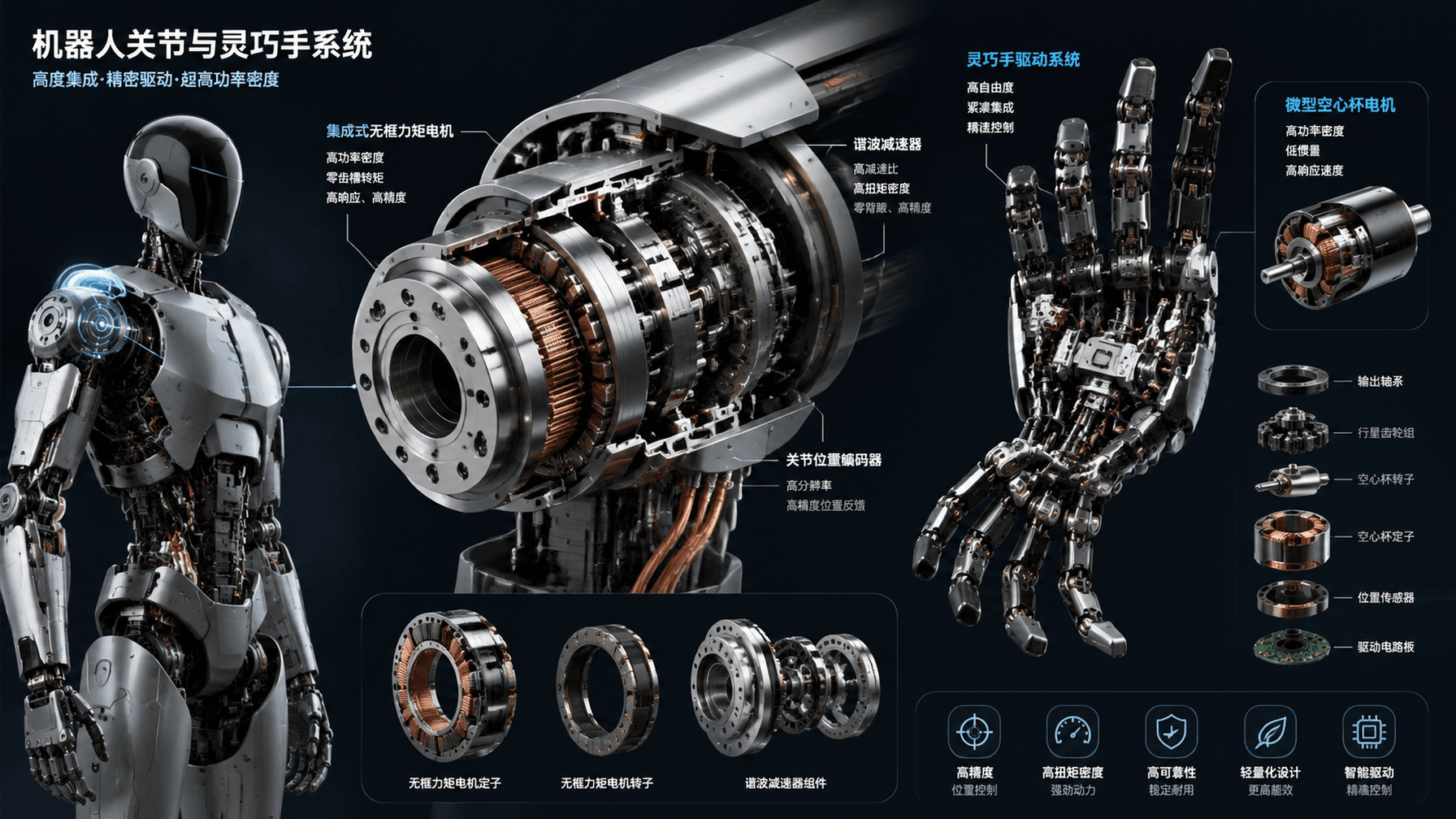
Nearly 20 Chinese Motor Makers Race for Humanoid Robot First-Mover Advantage
In a growing trend within the technology sector, nearly 20 Chinese publicly listed motor companies are actively engaging in the humanoid robot supply chain. This competitive landscape has seen frameless torque motors and hollow cup motors rise to prominence as the leading technical solutions for robotics applications. As the demand for advanced robotics continues to increase, these companies are positioning themselves to capitalize on the burgeoning market, driven by innovations in motor technology that enhance the performance and capabilities of humanoid robots. The developments are occurring against a backdrop of rapid advancements in artificial intelligence and automation, which are reshaping industries and creating new opportunities for growth in the robotics field.
HumanoidRobotics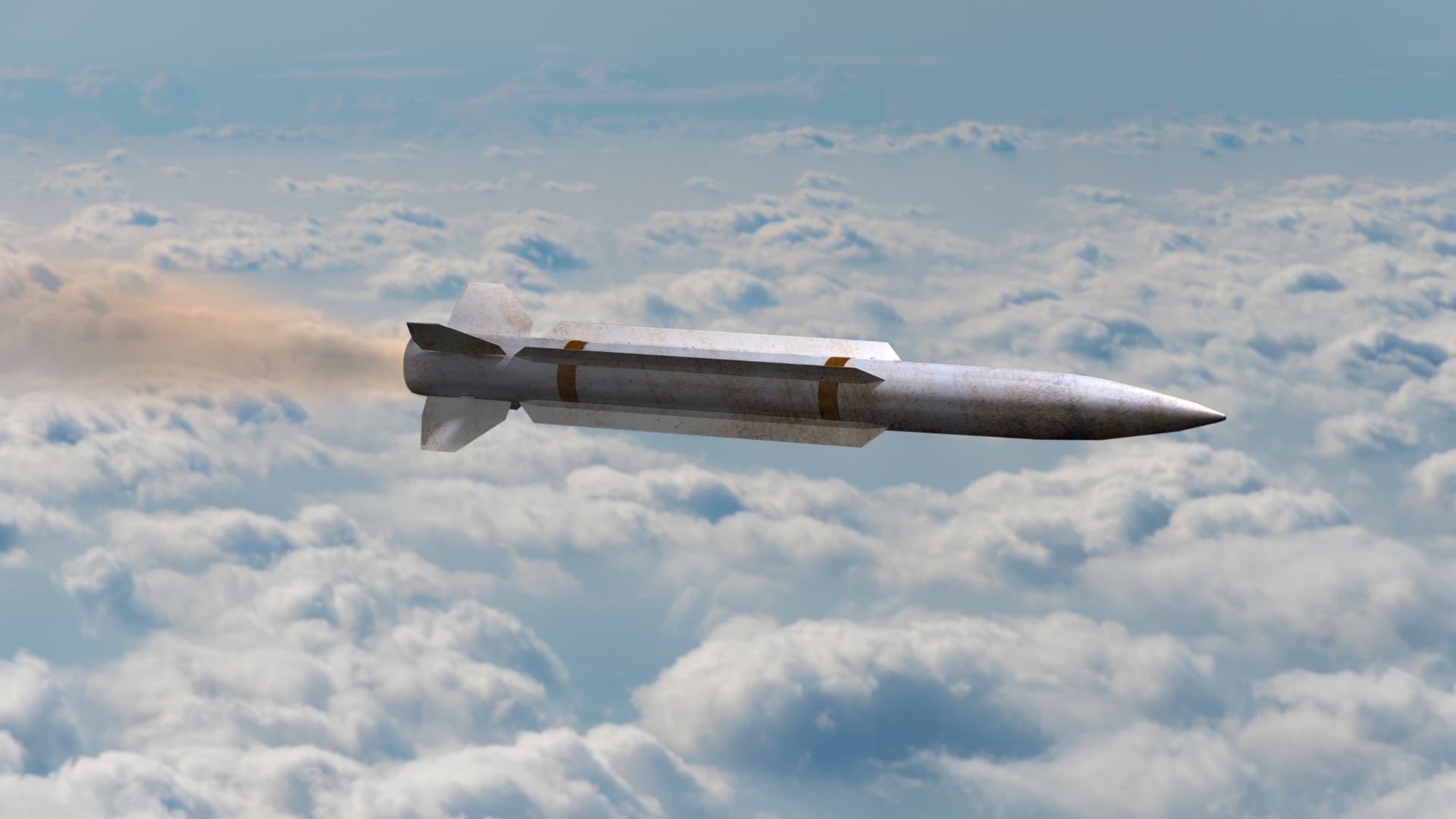
US eyes 1,150-mile missile as China expands military reach across Pacific
The US Air Force is preparing to develop a new class of missiles aimed at enhancing its strategic capabilities. This initiative comes in response to evolving global threats and aims to ensure the military remains competitive in modern warfare. The groundwork for this missile program is being established as part of broader defense strategies to address advancements in missile technology by potential adversaries. The Air Force is focusing on integrating advanced technologies and innovative designs to improve the effectiveness and reliability of these new weapons. While specific details about the missile systems remain classified, the effort underscores the military’s commitment to maintaining a robust deterrent posture. The initiative is expected to unfold over the coming years, with testing and deployment phases anticipated to begin in the near future.
Military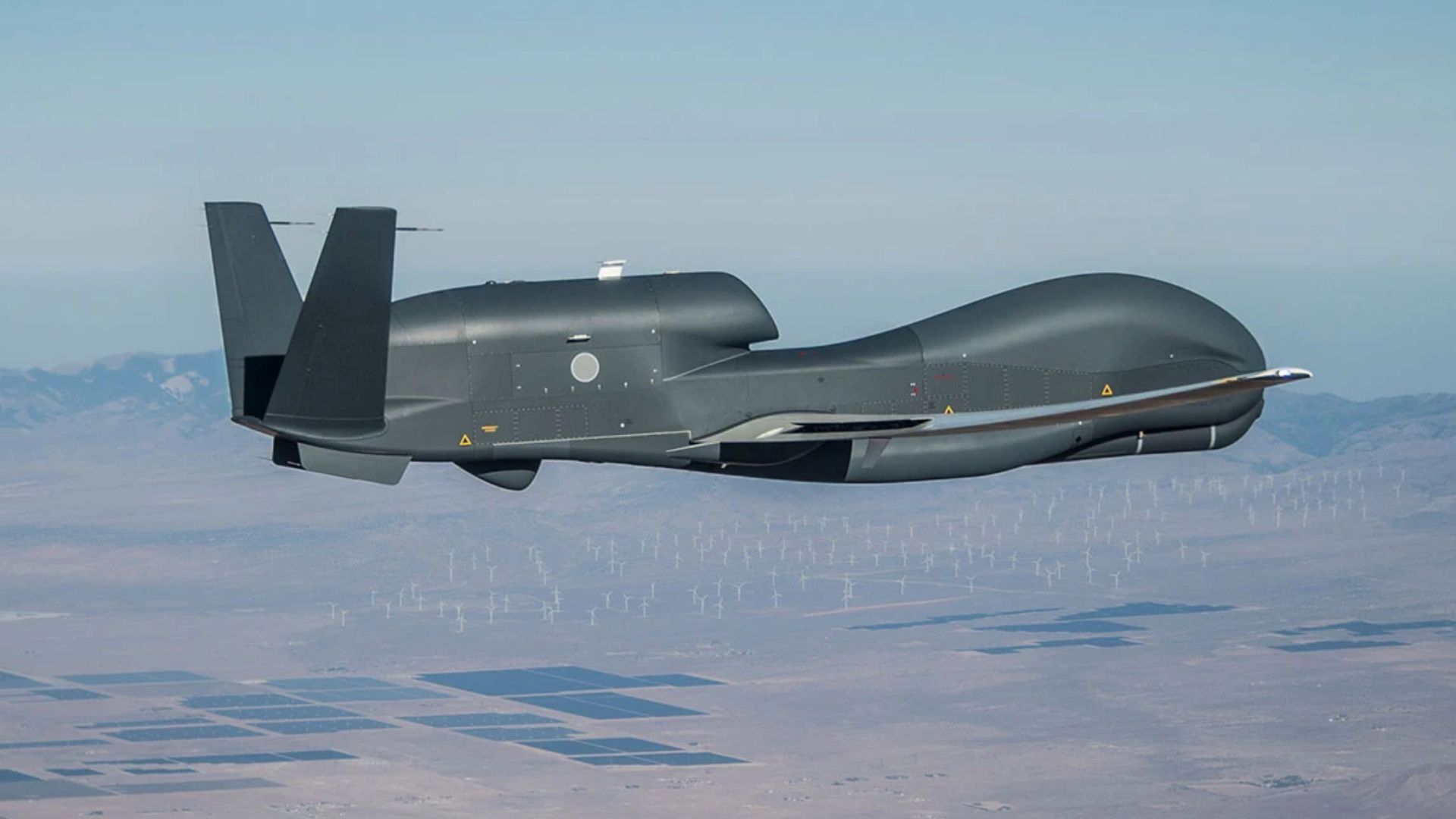
US moves RQ-4B Global Hawk advanced drones to Japan in Indo-Pacific surveillance boost
The U.S. Air Force has announced the permanent relocation of three Northrop Grumman RQ-4B Global Hawk Block 40 unmanned aerial vehicles to a base in the Indo-Pacific region. This strategic move, confirmed on October 15, 2023, aims to enhance surveillance capabilities and bolster regional security amid rising tensions in the area. The decision reflects the military's commitment to adapting its resources to meet evolving threats and support allies in the region. The Global Hawk drones, known for their high-altitude, long-endurance missions, will play a crucial role in intelligence gathering and reconnaissance operations. The relocation is part of a broader initiative to strengthen U.S. military presence and readiness in response to geopolitical challenges.
Military
Apple price hike sparks surge in Sam's Club purchases; DeepSeek launches major hiring; gold falls below $4000 again.
OpenAI has officially announced the launch of its new flagship AI model, GPT-5.6, on June 27, 2023. However, due to restrictions from the U.S. government, only a select group of "trusted partners" have access to this advanced model, which includes three variations: Sol, Terra, and Luna, each designed for different applications. The introduction of GPT-5.6 aims to enhance AI reasoning capabilities and streamline complex tasks. In related news, on June 26, the price of gold fell below $4,000 per ounce, influenced by several investment banks, including Goldman Sachs, lowering their price targets for the precious metal. This decline has led to a corresponding drop in gold jewelry prices across various retail outlets in China. Meanwhile, in the tech sector, Asian stock prices related to Apple's supply chain experienced significant declines following the company's announcement of price increases for its MacBook and iPad products. This has raised concerns about the potential impact of rising semiconductor costs on consumer demand and overall tech spending. In the automotive industry, Tesla has shifted its Full Self-Driving (FSD) sales model to a subscription basis globally, with plans to phase out the one-time purchase option by June 30. Additionally, Volkswagen is reportedly planning to cut up to 100,000 jobs as part of a restructuring effort aimed at reducing costs by €11 billion by 2030.

What lessons is Ideal learning to catch up with FSD V14?
The competitive landscape of the intelligent driving industry has undergone significant changes in recent years, shifting from hardware specifications to advanced model development. Companies are increasingly recognizing that merely having larger models is insufficient for achieving generational advantages; instead, the integration of models, data, computing power, and chips into a continuous iterative loop is becoming crucial. This realization has prompted many automakers to invest in in-house research and development. Tesla has established a comprehensive ecosystem that spans data collection, training infrastructure, and self-developed chips, while Chinese companies like Li Auto, Xpeng, and NIO are also deepening their technological foundations. Li Auto has introduced its self-developed Mach M100 chip in its L8 and L9 models, which it views as a significant advancement in AI technology. In a recent discussion with Li Auto's autonomous driving and chip leaders, they emphasized that the industry should focus on the practical problems these investments aim to solve rather than merely the existence of in-house development. They outlined their strategies to achieve performance comparable to Tesla's Full Self-Driving (FSD) system, highlighting the importance of safety, efficiency, and comfort in user experience. As the industry moves towards higher levels of autonomy, the integration of vision and language models is seen as essential for developing systems that can handle complex, unforeseen scenarios. The executives noted that achieving higher levels of autonomy (L3 and L4) requires models that can reason and think like humans, underscoring the growing significance of language in AI systems. Overall, the conversation revealed the industry's focus on enhancing AI capabilities through innovative chip design and data utilization, aiming for a future where autonomous driving technology can meet the challenges of real-world driving conditions.

TUYA Partners with Zeroth on Smart Home Robots
Tuya Inc., a prominent player in the AI and IoT sector, has announced a strategic partnership with Zeroth on June 12, 2026, to enhance the capabilities of smart home robots. This collaboration aims to merge Tuya's advanced AI+IoT ecosystem with Zeroth's robotics expertise, creating intelligent household companions that can adapt to user needs. Traditionally, home service robots have functioned as isolated devices, limiting their integration with other smart home systems. The partnership seeks to overcome this challenge by enabling robots to serve as integrated hubs within connected homes, effectively managing various devices such as lighting, climate control, and security systems. Utilizing Tuya's proprietary Physical AI Engine (PAE), the robots will transform into proactive household managers, enhancing the overall smart living experience. This initiative reflects Tuya's commitment to delivering innovative solutions in the smart device market while addressing the growing demand for more sophisticated home automation.

Serve Robotics (SERV) Expands AI-Powered Robot Delivery Into Laundry Services Through NoScrubs Deal
Serve Robotics Inc. has announced a significant expansion of its AI-powered robot delivery services to include laundry, following a deal with NoScrubs. This partnership, revealed on June 2, 2026, allows Serve Robotics to utilize its fleet of approximately 2,000 autonomous sidewalk robots to pick up and deliver laundry orders in addition to its existing food delivery services. NoScrubs, which operates in seven major metropolitan areas, provides a comprehensive laundry service that includes washing, drying, and folding clothes. The collaboration aims to optimize delivery operations by scheduling laundry pickups and returns during off-peak hours for food deliveries. Orders will be assigned to Serve Robotics based on their availability and storage requirements. This move marks Serve Robotics' entry into a new vertical, with plans to explore further opportunities in grocery, pharmacy, retail, and dry cleaning markets. Despite a 45% decline in its stock value this year, analysts view this as a potential buying opportunity, projecting a 190% increase over the next year. The company continues to focus on expanding its delivery capabilities while serving thousands of restaurants across major cities in the U.S.
Flexiv launches new ‘adaptive robots’ for industrial automation
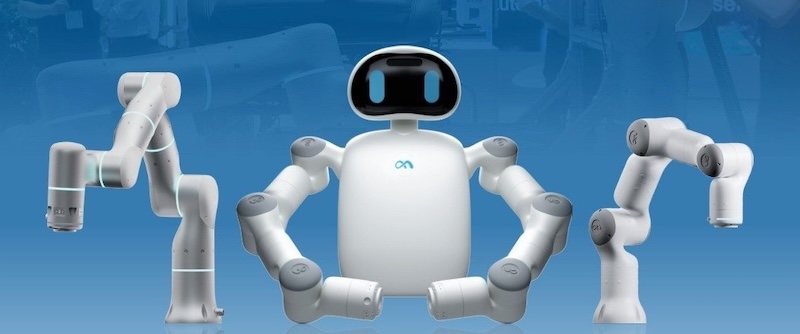
Flexiv has introduced two innovative adaptive robots aimed at enhancing tactile sensing and physical AI capabilities within the realm of industrial automation. The company unveiled its flagship Enlight robotic arm and the Mico dual-arm robotic platform, marking a notable advancement in force-controlled robotics and embodied intelligence. The Enlight arm features a seven-axis design, allowing for greater flexibility and precision in various applications. This launch, which took place recently, underscores Flexiv's commitment to pushing the boundaries of robotics technology to meet the evolving needs of the manufacturing sector. By integrating advanced sensing and control mechanisms, these robots are expected to improve operational efficiency and adaptability in complex industrial environments.
Industrial robots News adaptive robots cobots collaborative robots embodied ai
Video: Robot dog delivers pulse-powered firefighting for safer emergency operations
DEEP Robotics, a prominent Chinese robotics company, has unveiled a groundbreaking fire-extinguishing robot dog that aims to enhance firefighting efforts. This innovative technology was showcased during a recent demonstration in Hangzhou, China. The robot dog is equipped with advanced sensors and firefighting capabilities, allowing it to navigate hazardous environments and effectively combat fires in areas that may be too dangerous for human firefighters. The motivation behind this development stems from the increasing need for efficient firefighting solutions, especially in urban areas where traditional methods can be limited by accessibility and safety concerns. By integrating robotics into emergency response, DEEP Robotics seeks to improve safety for firefighters and increase the effectiveness of fire control measures. The demonstration highlighted the robot dog's agility and precision, showcasing its ability to operate autonomously while also being remotely controlled by operators. This dual functionality ensures that the robot can adapt to various situations, providing crucial support during emergencies. As urbanization continues to rise, the introduction of such technology could significantly transform firefighting strategies, making them safer and more efficient.
AI and Robotics
Teradar enters paid evaluation program with German automaker for terahertz vehicle sensing technology
Teradar, a company specializing in terahertz (THz) vision technology, has initiated a paid technical evaluation program with a leading German automotive manufacturer. This collaboration aims to assess Teradar's innovative sensing technology for potential integration into advanced driver assistance systems (ADAS) and autonomous driving platforms. The evaluation will specifically target challenging scenarios where traditional sensing technologies, including cameras, radar, and lidar, may face limitations. By exploring the capabilities of THz technology, both Teradar and the automotive manufacturer seek to enhance the safety and efficiency of future automotive systems.
Components Design Engineering adas advanced driver assistance systems automation news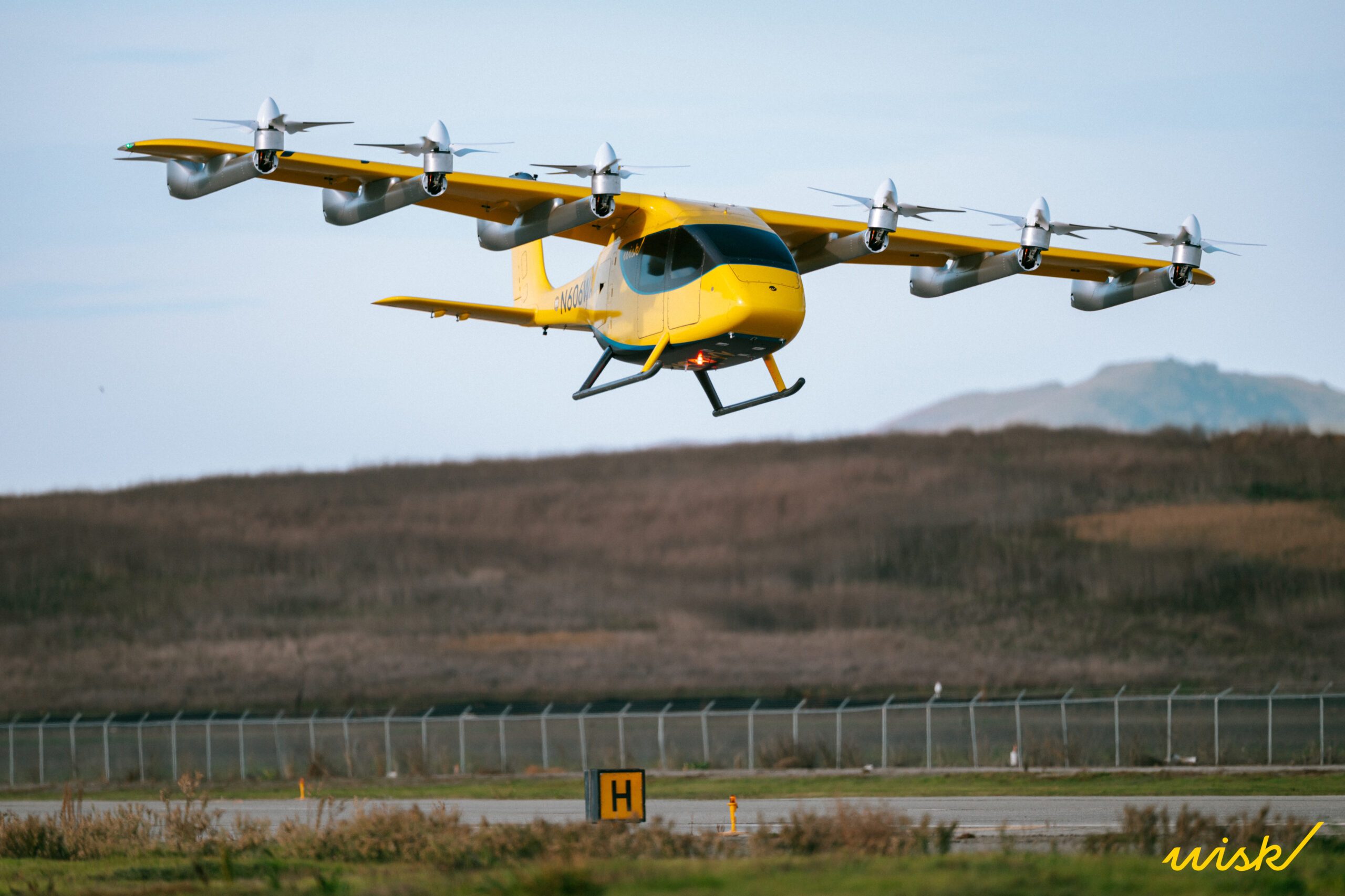
FAA Moves from Planning to Building for Advanced Air Mobility
The Federal Aviation Administration (FAA) has commenced construction on a new research facility aimed at advancing the integration of advanced air mobility (AAM) into the National Airspace System (NAS). This initiative, which began this week, marks a significant transition from policy development to operational readiness for next-generation vertical flight aircraft. The facility will focus on studying the safe operation of these aircraft alongside existing air traffic, reflecting the FAA's commitment to enhancing air transportation capabilities. This move is part of a broader strategy to ensure that emerging aviation technologies can be effectively and safely incorporated into the national airspace.
Air Taxi Applications Drone News Drone News Feeds eVTOL FAA
How Skyways Quietly Built a Global Heavy-Lift Drone Business
Skyways Aviation, an Austin-based company, is expanding its offshore cargo operations in response to evolving U.S. regulations regarding Beyond Visual Line of Sight (BVLOS) drone operations. The company has focused on building a global heavy-lift drone business, distinguishing itself from competitors that often emphasize their technological innovations. This strategic expansion comes as Skyways prepares for the next phase of BVLOS regulations, which are expected to enhance operational capabilities and open new markets for drone services. By leveraging its expertise in heavy-lift capabilities, Skyways aims to position itself as a leader in the drone logistics sector, addressing the growing demand for efficient cargo transport solutions.
Applications Cargo Defense Delivery Drone News Drone News Feeds
AI in warfare – friend or foe?
Military organizations are increasingly integrating artificial intelligence into various facets of warfare, significantly enhancing their operational capabilities. This shift includes advancements in targeting systems, which utilize AI to improve accuracy and efficiency in combat scenarios. Additionally, training simulations are being revolutionized through AI, providing soldiers with more realistic and adaptive training environments. The use of autonomous drones, powered by AI, is also on the rise, allowing for more strategic and precise missions without direct human intervention. This trend has gained momentum as military leaders recognize the potential of AI to transform traditional warfare tactics. The integration of these technologies is seen as essential for maintaining a competitive edge in modern conflicts. As of October 2023, the focus on AI in military applications reflects a broader commitment to innovation and modernization within defense strategies. The ongoing development and deployment of these technologies are expected to reshape the future of military operations, emphasizing the importance of adapting to rapidly evolving technological landscapes.
Analyst Comment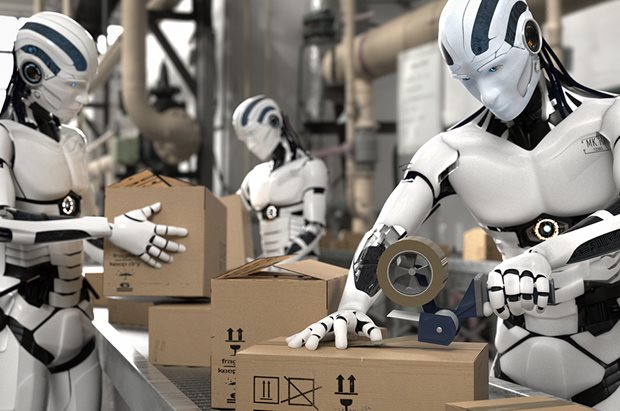
Finland launches counter-drone patrol boats and vehicle project
The Finnish Border Guard has initiated a new project aimed at enhancing its capabilities to counter drone threats through the development of specialized patrol vehicles and boats. This initiative reflects the growing concern over the use of drones in various security contexts, prompting the Border Guard to bolster its operational readiness. The project, which commenced recently, is part of a broader strategy to ensure national security and protect Finland's borders from potential aerial intrusions. By integrating advanced technology into their patrol units, the Border Guard aims to effectively monitor and respond to drone activities, thereby safeguarding the integrity of the nation's airspace.
News
Artificial skin enables robots to simultaneously sense temperature and pressure like humans
A research team from Seoul National University, headed by Professor Seung Hwan Ko, has made significant advancements in artificial skin technology that allows robots to detect both temperature and pressure simultaneously, mimicking the sensory capabilities of human skin. This breakthrough, announced recently, aims to enhance the interaction between robots and their environments, potentially leading to more sophisticated applications in fields such as healthcare, manufacturing, and service industries. By integrating advanced sensors and materials, the team has developed a system that not only improves robotic sensitivity but also paves the way for more intuitive human-robot interactions. The research highlights the ongoing efforts to bridge the gap between human and robotic capabilities, with the ultimate goal of creating machines that can operate safely and effectively alongside people.
Robotics
Robot Talk Episode 162 – The robot doctor will see you now
Over the past four decades, the field of medicine has undergone significant transformation due to advancements in robotics, computer vision, and artificial intelligence, particularly in the realm of robot-assisted surgery. These innovative technologies are enhancing the capabilities of healthcare professionals in various areas, including diagnosis, surgical procedures, and rehabilitation. However, as these medical tools become more autonomous, pressing ethical questions have emerged regarding their use and implications in patient care. The ongoing evolution of these technologies prompts a critical examination of the balance between innovation and ethical responsibility in healthcare.
The Small Component Problem Behind More Reliable Industrial Robots
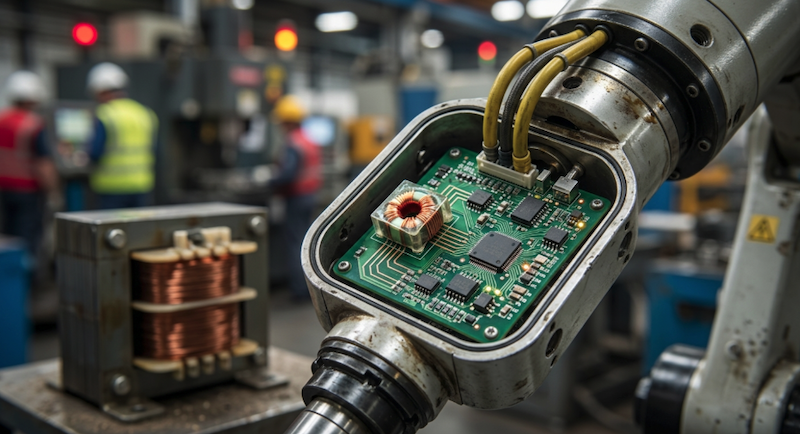
In a groundbreaking development for the manufacturing industry, advanced automation technology is transforming assembly lines and semiconductor packaging facilities. A robotic arm, capable of executing movements with sub-millimeter precision at an impressive rate of 300 cycles per minute, is at the forefront of this innovation. These robotic systems are enhanced by machine vision technology, remote input/output blocks, and sensitive microcontrollers, allowing for seamless coordination and efficiency in production processes. This technological advancement is taking place in various industrial settings, where multiple machines share a common power source through an industrial rail system. The integration of heavy CNC machines into this grid further exemplifies the collaborative nature of modern manufacturing, where precision and speed are paramount. The motivation behind this shift towards automation is to increase productivity and reduce human error in manufacturing processes. By leveraging sophisticated robotics and interconnected systems, companies aim to streamline operations and enhance overall output. As industries continue to adopt these cutting-edge technologies, the future of manufacturing looks increasingly automated and efficient, promising significant advancements in production capabilities.
Components Design Engineering Industrial robots amrs automation news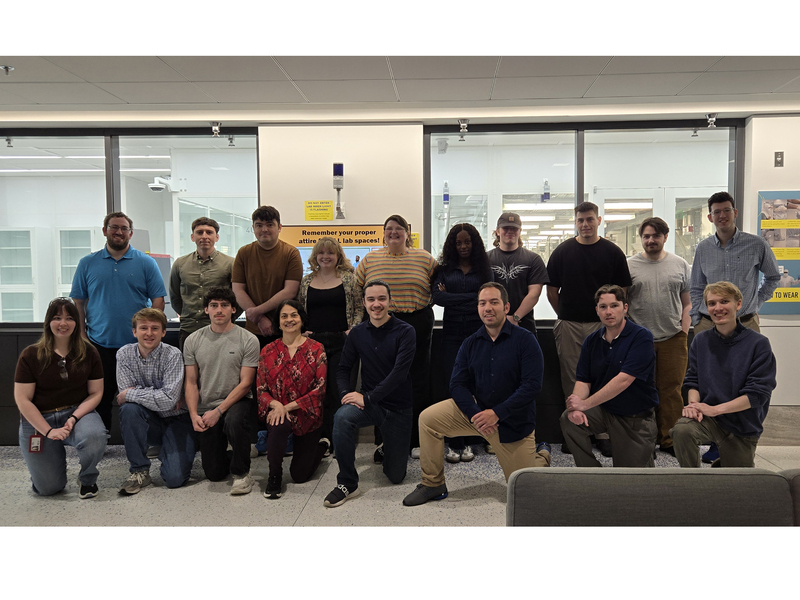
Students from across the Northeast step inside MIT.nano’s cleanroom
A hands-on boot camp is currently underway, aimed at teaching integrated photonics to students from community and four-year colleges in the region. This educational initiative, which focuses on practical skills and knowledge in the rapidly evolving field of photonics, is designed to equip participants with the necessary tools to excel in this technology-driven industry. The program is taking place in local educational institutions, fostering collaboration and learning among students from diverse backgrounds. By providing this training, organizers hope to enhance the workforce's capabilities and address the growing demand for expertise in integrated photonics. The boot camp emphasizes experiential learning, allowing students to engage directly with the technology and gain valuable insights into its applications and implications.
Materials Research Laboratory MIT.nano Education, teaching, academics STEM education Manufacturing Industry
Roboverse Reply Impresses at ELROB 2026 With Intelligent Robotic Systems for Critical Missions
From June 15 to 19, a collaboration between a leading technology company and ELP, a specialist in technical equipment for defusing services, showcased impressive performance at an international event. The demonstration highlighted the reliability of their autonomous solutions in real-world conditions, standing out among a competitive field of participants. This partnership aims to advance the capabilities of defusing technology, emphasizing the importance of effective and dependable solutions in critical situations. The successful demonstration serves to reinforce the company's commitment to innovation and excellence in the field.

DEEPX and Sixfab Launch 'DEEPX AI HAT' to Drive Edge Physical AI on Raspberry Pi
A new partnership has emerged to enhance the Raspberry Pi ecosystem by providing high-performance, low-power AI acceleration. This initiative aims to eliminate the reliance on cloud services for real-time inference, particularly benefiting applications in robotics and smart automation. The collaboration has introduced a production-ready Starter Kit and software development kits (SDKs) designed to lower entry barriers for developers worldwide. By making these tools accessible, the partnership seeks to empower a broader range of innovators to integrate advanced AI capabilities into their projects, fostering growth and development within the global tech community.
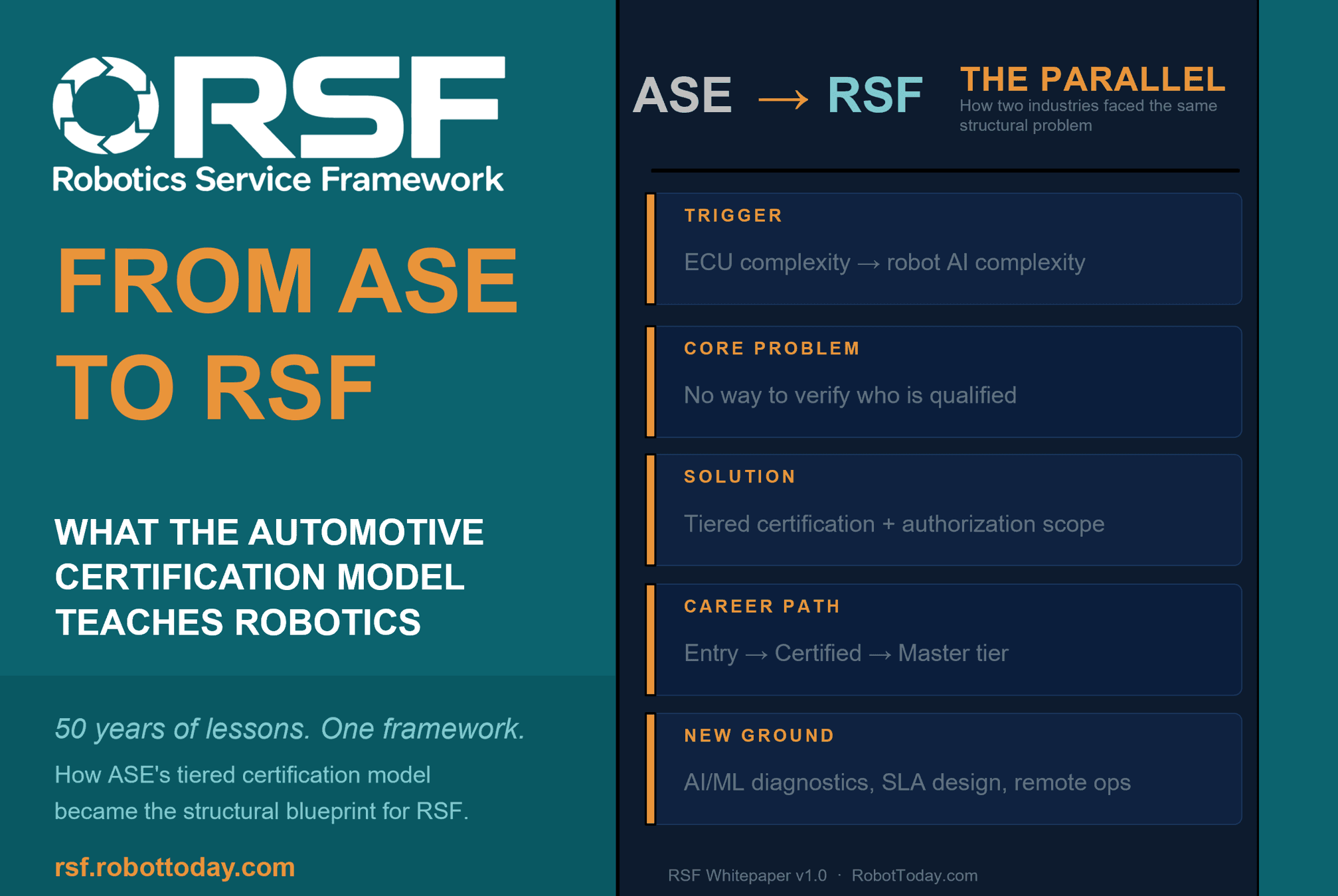
Robotics needs a service framework.
RSF defines a common language for robot service capability, lifecycle operations, certification pathways, and service-provider networks.