Industry Briefing
A single destination for timely, editor-curated robotics news from around the world.
Covenant, Defense Tech Startup, Exits Stealth After Securing Over $250 Million
Covenant, a defense technology startup, has emerged from stealth mode after successfully raising over $250 million through three funding rounds. The company has already secured military contracts in both the US and Europe, positioning itself as a key player in the defense sector by developing cost-effective heavy-payload, long-range cruise missiles. The significance of Covenant's emergence lies in its potential to disrupt the defense technology market with innovative solutions that promise to reduce costs for military applications. Backed by prominent investor Andreessen Horowitz, Covenant's advancements in missile technology could enhance operational capabilities for armed forces in multiple regions, including the US and Europe. Looking ahead, industry observers will be keen to monitor Covenant's progress in fulfilling its military contracts and the impact of its technology on defense procurement strategies. No further timeline was disclosed at the time of publication.
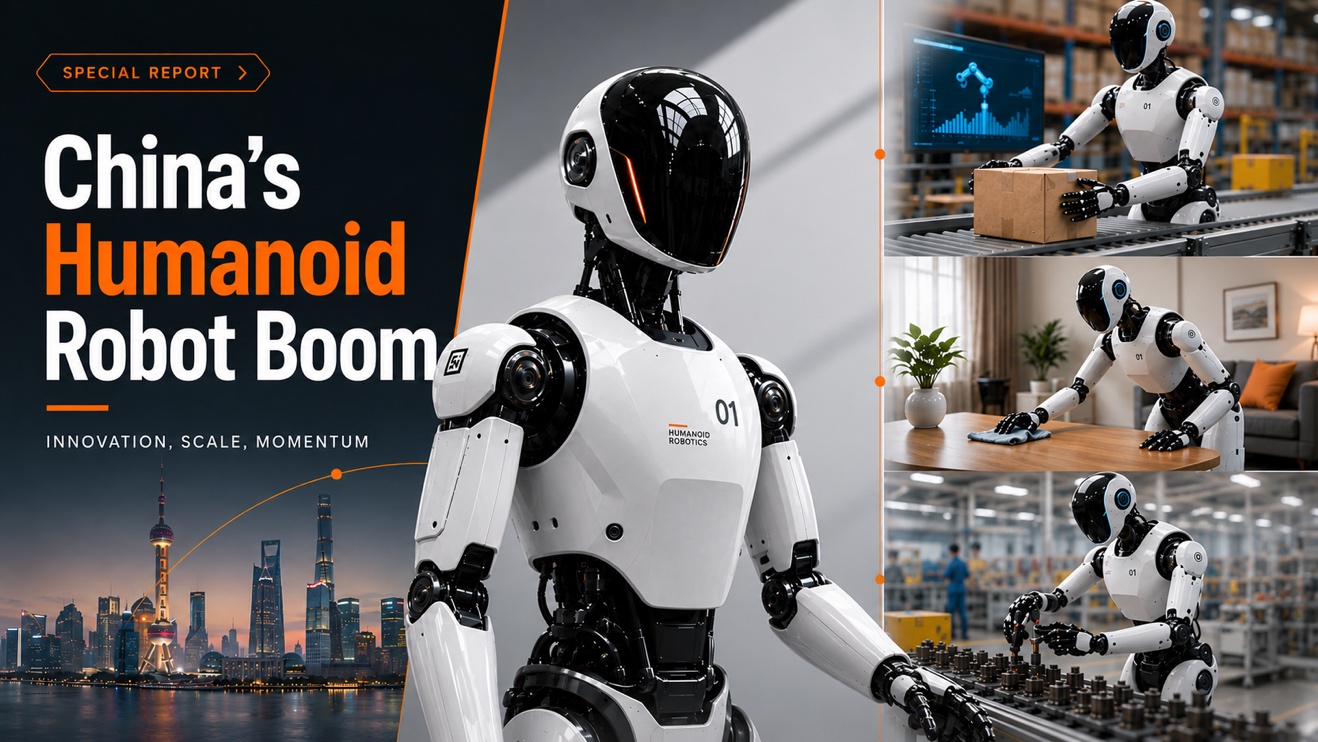
China's Humanoid Robot Boom: Startups Transition from Demonstrations to Practical Applications
China's humanoid robot sector is experiencing significant growth, marked by increased capital investment and diverse applications. Unitree has emerged as a key player, listing on Shanghai’s STAR Market in August 2026, with shares initially soaring to RMB 1,100, reflecting a 629% increase from its offering price. Despite a subsequent stock correction, Unitree reported a 48.5% year-over-year revenue increase, generating RMB 1.15 billion in the first half of 2026 and producing approximately 18,000 bipedal humanoid robots. The expansion of China's robotics industry is also evident in startups like Zerith and RobotEra, which are addressing specific challenges in automation. Zerith's H1 robot, priced at RMB 199,000, began global shipments in Q2 2026 and has been deployed in commercial settings, including airports and supermarkets. Meanwhile, RobotEra is focusing on dexterous manipulation, with its robots already operational in logistics centers for major companies like China Post and SF Express, securing orders exceeding RMB 500 million. As the humanoid robot boom evolves, the focus is shifting from industrial applications to service-oriented environments. The success of these startups will depend on their ability to deliver reliable performance in everyday tasks, ensuring continued customer investment in robotic solutions. No further timeline was disclosed at the time of publication.
Heavy Hitters Highlight News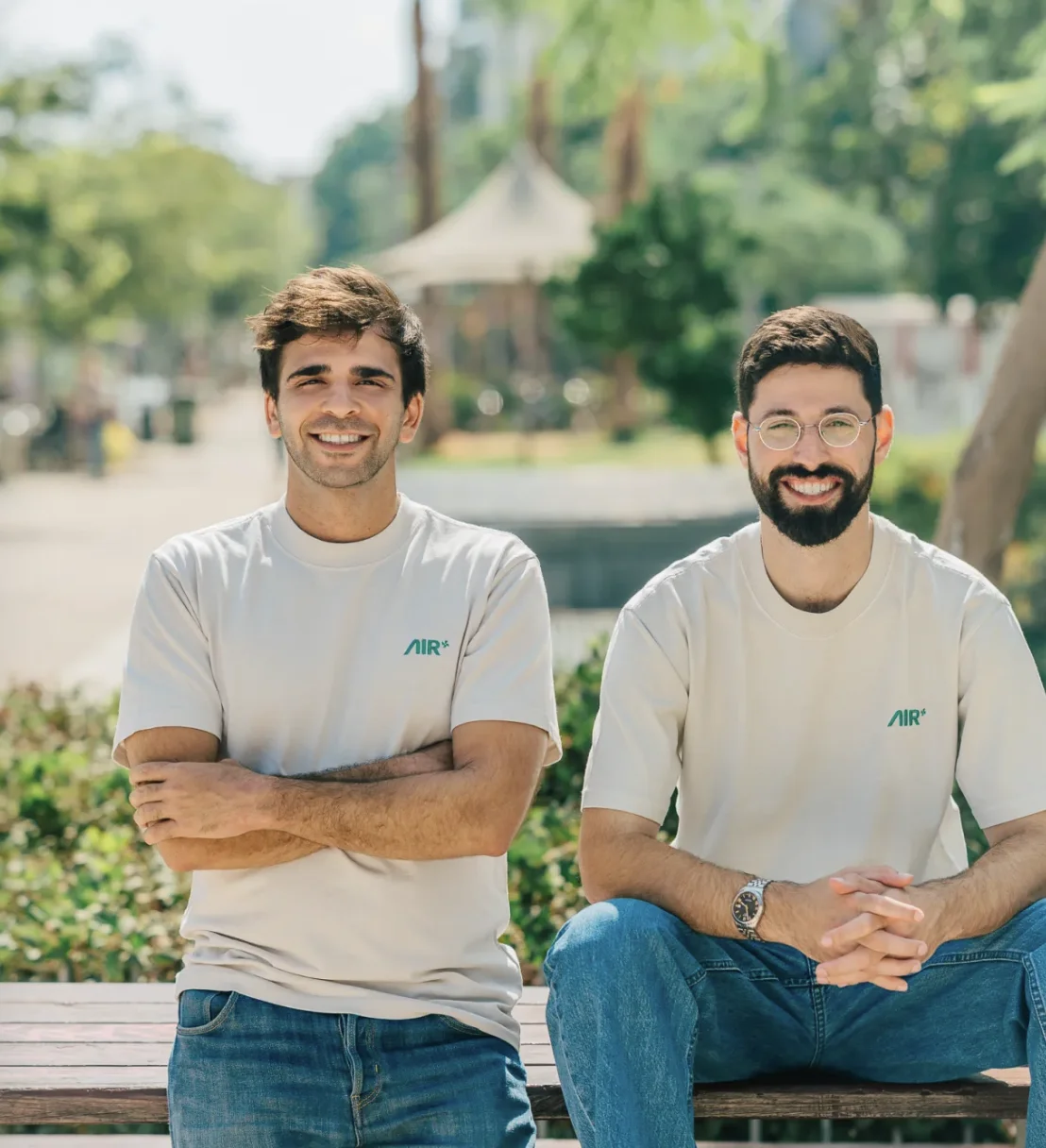
AIR AI Security Startup Secures $50M to Enhance AI Agent Supply Chain Security
AI security startup AIR has officially launched from stealth mode, raising $50 million through two seed funding rounds. The funding includes a $10 million round led by Sequoia and a subsequent $40 million round led by Greenoaks. Founded by Yair Saban and Niv Hoffman, AIR aims to create a platform that monitors the ecosystem of skills, plug-ins, and servers utilized by AI agents in corporate environments. The significance of AIR's platform lies in its ability to discover active AI agents, flag unauthorized tool usage, and enforce real-time security checks. With a current whitelist filtering out approximately 27% of evaluated add-ons, the platform addresses the growing need for verification in AI tools, akin to traditional software security measures. AIR has already attracted over 20 customers, particularly from regulated sectors such as financial services and pharmaceuticals. Looking ahead, AIR plans to leverage its funding to expand research and market efforts in the U.S. and Europe. The company faces competition from other well-funded startups in the AI security space, highlighting the increasing importance of securing AI infrastructures as they become integral to business operations. No further timeline was disclosed at the time of publication.
AI Funding & Investment AI AI-driven platform AIR capital markets funding
Robotics Startups Invited to Apply for the 2026 Robotics Startup Radar Program
The Robot Report has announced the opening of submissions for the 2026 Robotics Startup Radar, aimed at identifying innovative robotics startups. Startups that are five years old or younger and offer novel full systems, enabling technologies, or unique business approaches are encouraged to apply. The deadline for submissions is Tuesday, October 6, 2026. This initiative is significant as it provides a platform for emerging robotics companies to showcase their technology and gain visibility among potential investors and industry experts. Last year, the Radar featured 100 promising startups across various sectors, including autonomous mobility and industrial automation, highlighting the diversity and potential of the robotics landscape. Looking ahead, the editorial team will evaluate all submissions, but inclusion is not guaranteed. The program, sponsored by Maxon Precision Motors and PTC, offers a valuable opportunity for young businesses to connect with influential figures in the robotics industry. No further timeline was disclosed at the time of publication.
News Startups Robotics Startup Radar
The Builders Stage Returns to TechCrunch Disrupt 2026 with Strategies for Startup Growth
The Builders Stage is set to return at TechCrunch Disrupt 2026, uniting founders, startup operators, and investors for discussions on scaling successful companies. Notable speakers include Grant Lee, CEO of Gamma, and Leah Solivan, founder of Precedent.vc, who will share insights on fundraising, hiring, and operational strategies essential for growth. This event is significant as it addresses the challenges of scaling startups, particularly in a competitive landscape dominated by AI. The Builders Stage, one of six focused stages at Disrupt 2026, aims to equip attendees with practical strategies to navigate the transition from seed funding to Series A, emphasizing the importance of fundamentals over hype. Attendees can expect engaging sessions and opportunities for direct interaction with industry leaders. The event will take place at the Moscone Center in San Francisco from October 13-15, with over 10,000 participants anticipated. No further timeline was disclosed at the time of publication.
AI Biotech & Health Climate Crypto Fintech Fundraising
Tsinghua-Founded Startup Raises Nearly $500 Million for Brain-like Vision Chip Production
A startup founded by Tsinghua University has secured nearly $500 million in funding from various investors, including government industrial funds and leading financial institutions. The funds will primarily be used for the mass production of second-generation brain-like vision chips, next-generation technology iterations, customer adaptation, and team building, accelerating the transformation of original research achievements into industry applications. This funding is significant as it supports the commercialization of the 'TianMou Chip,' which has already been featured in prestigious journals such as Nature. The team behind this technology has made notable advancements in both hardware and software, contributing to the development of a unified platform for brain-like vision. The startup is the only industrialization platform for the 'TianMou Chip,' which has achieved a system-level breakthrough in visual processing. Looking ahead, the startup aims to enhance its technology, which reduces transmission bandwidth by 90% and power consumption to one-tenth of traditional systems. No further timeline was disclosed at the time of publication.
Vision Chips AI Technology Startup Funding Neuro-Inspired Computing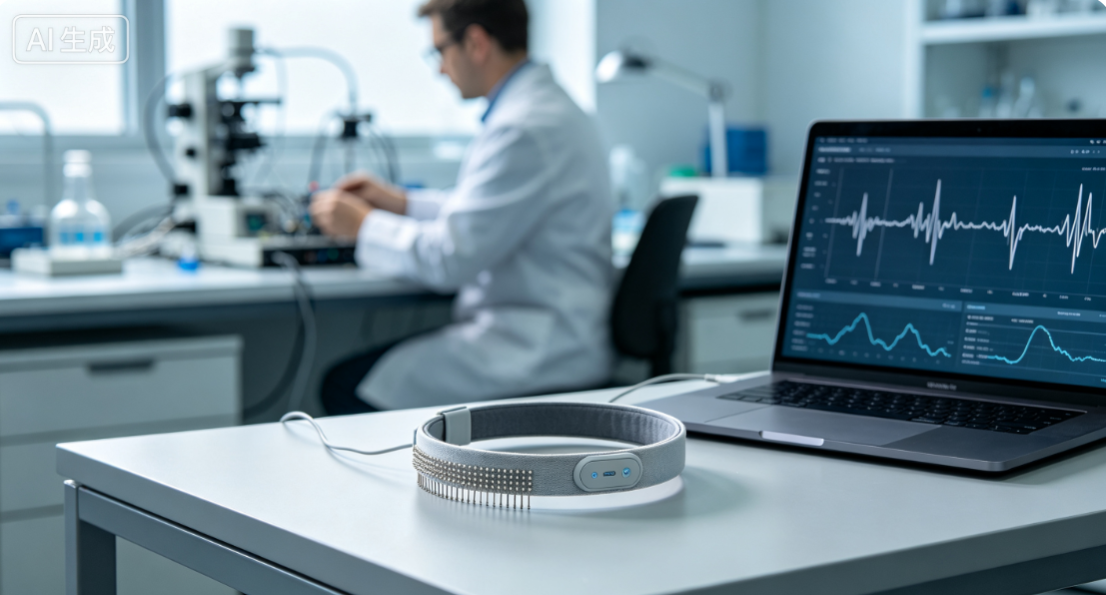
Shanghai Startup LeapTech Develops Brain-Computer Interface for Stress Relief, Secures Funding
LeapTech, a startup from Shanghai, has developed a brain-computer interface (BCI) aimed at stress relief and has recently completed a seed funding round of nearly 10 million yuan. The funding, provided by angel investors with expertise in hard technology, consumer electronics, and manufacturing, will support the iteration of a non-invasive wearable BCI, the refinement of neural feedback algorithms, and the establishment of a production supply chain. Founded in October 2025 by Sun Huihua, a PhD from Shanghai Jiao Tong University, LeapTech focuses on consumer-grade BCI products that manage mental order, brain stability, and emotional energy. The non-invasive device collects EEG signals in real-time and intervenes acoustically when it detects stress or anxiety, guiding users into states of relaxation, meditation, focus, or sleep. Looking ahead, LeapTech plans to launch several wearable BCI products targeting relaxation, menstrual comfort, and energy maintenance. The company also aims to provide EEG collection hardware and acoustic solutions for smart headphones and wellness brands. As BCIs transition from medical devices to everyday consumer electronics, LeapTech seeks to address the challenge of maintaining mental well-being in an information-saturated world. No further timeline was disclosed at the time of publication.
Brain-Computer Interfaces Mental Health Technology Wearable Devices AI Solutions
NEC's Corporate Venture Fund Invests in US Robotics Startup Dexmate
NEC Corporation's venture capital fund has made an investment in US-based robotics startup Dexmate, known for its VEGA humanoid robot and integrated physical AI development platform. This investment, facilitated through the NEC Orchestrating Future Fund, aims to explore the deployment of physical AI technologies across various industries. The significance of this investment lies in the growing interest of technology companies in physical AI systems that can interact with real-world environments. Dexmate's approach addresses challenges in deploying physical AI by integrating sensors, control systems, and training data, thereby simplifying the development and operation of AI-powered robots. Looking ahead, NEC plans to leverage Dexmate's technology alongside its own AI capabilities to explore potential applications across multiple sectors. No further timeline was disclosed at the time of publication.
Financials & Investments Humanoids News artificial intelligence dexmate humanoid robotics
Chinese Startup X Square Robot Launches Robot Arms for Warehouse Parcel Sorting
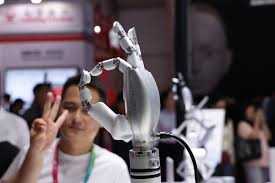
X Square Robot, a Chinese startup, has announced the rollout of robot arms designed to sort parcels in logistics warehouses. This technology aims to match human sorting speeds, addressing the growing demand for efficient parcel handling as the industry processes approximately 200 billion parcels annually. The introduction of these robot arms is significant as it represents a shift towards automation in logistics, potentially improving operational efficiency and reducing reliance on human labor. The deployment of such technology is timely, given the increasing volume of parcels being handled in warehouses, which necessitates faster sorting solutions. Looking ahead, the technology was unveiled at the 2026 World Robot Conference in Beijing on August 19. No further timeline was disclosed at the time of publication, but the industry will be watching closely to see how X Square Robot's innovations impact logistics operations and workforce dynamics.

Mark Cuban-Backed Startup Specializing in Autonomous Robots Plans $500 Million SPAC Deal
A startup supported by Mark Cuban, which develops hardware and software for safer control of autonomous robots, is set to go public. The company is pursuing a merger with a special purpose acquisition company (SPAC) that values it at $500 million. This move is significant as it highlights the growing interest and investment in technologies that enhance the safety and efficiency of autonomous systems. The backing from a prominent investor like Mark Cuban underscores the potential of the startup's offerings in the robotics sector. Investors and industry watchers should keep an eye on the progress of this SPAC deal and its implications for the autonomous robotics market. No further timeline was disclosed at the time of publication.

China Enhances Border Controls Following Meta's Acquisition Attempt of AI Startup Manus
China's government has implemented stricter entry and exit regulations to safeguard advanced technologies, including artificial intelligence. These new rules are set to take effect on September 15, 2026, in response to Meta's attempted acquisition of the Chinese AI developer Manus, which has raised concerns about data leaks and economic security. The tightening of border controls is significant as it reflects China's ongoing efforts to protect its technological advancements and sensitive data from foreign influence. The regulations aim to prevent potential leaks that could arise from foreign investments in Chinese tech firms, particularly in the AI sector, which is crucial for the country's economic strategy. Looking ahead, the impact of these regulations on foreign investments and collaborations in China's tech landscape will be crucial to monitor. As the global competition in AI intensifies, how these measures affect companies like Meta and their ambitions in China remains to be seen. No further timeline was disclosed at the time of publication.
SoftBank Group Corp. Invests $200 Million in Swiss Startup Gravis Robotics
SoftBank Group Corp. has made a significant investment of $200 million in Gravis Robotics, a Swiss startup specializing in autonomous software for construction machinery. This investment highlights the growing interest in automation technologies within the construction sector, as companies seek to enhance efficiency and reduce labor costs through innovative solutions. Looking ahead, industry stakeholders will be keen to observe how Gravis Robotics leverages this funding to advance its technology and expand its market presence. No further timeline was disclosed at the time of publication.
Rakuten Collaborates with German Startup Helsing to Introduce Military Drones in Japan
Rakuten Group Inc. is partnering with defense AI startup Helsing to introduce military drones to Japan. This collaboration aims to enhance Japan's defense capabilities by leveraging advanced drone technology from the German startup. The partnership is significant as it reflects Japan's growing interest in integrating cutting-edge military technology to bolster its defense strategy. By working with Helsing, Rakuten is positioning itself at the forefront of defense innovation in the region. Looking ahead, it will be important to monitor the progress of this collaboration and any developments regarding the deployment of these military drones in Japan. No further timeline was disclosed at the time of publication.
Former Huawei CTO Li Yin Establishes Startup Focused on World Models Technology
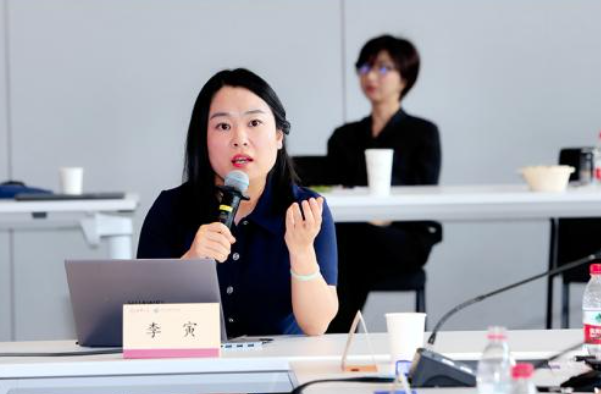
Li Yin, the former CTO of Huawei's Pangu model, has launched a startup named Xirang Kaiwu Technology, focusing on world models. The company, registered on July 1, 2026, in Shenzhen, has an initial capital of 1 million yuan and a valuation of 1.5 billion yuan following its recent funding round. Li holds a 55% stake, making him the largest shareholder and controlling person. The startup aims to develop world models that enable AI to learn and predict the physical world's temporal and spatial evolution, providing a simulation training foundation for embodied intelligence and autonomous driving. During his tenure at Huawei, Li highlighted the challenges of insufficient training data and fragmented task scenarios as significant barriers to the commercialization of embodied intelligence. Li's departure is part of a broader trend, with several key figures from Huawei's Pangu model team leaving to pursue their ventures. Notably, in March 2026, Wang Yunhe, another leader in the Pangu model, founded Yuanlilv Dong, focusing on AI agents. The world model sector has seen over 20 new startups registered in the first seven months of 2026, with Li being the sixth Huawei executive to enter the embodied intelligence field this year.
World Models Embodied Intelligence AI Autonomous Driving
Rakuten Collaborates with German Startup Helsing for AI Defense Drones in Japan
Rakuten Group is set to partner with German defense technology startup Helsing to introduce AI-powered attack drones for the Japanese Self-Defense Forces. This collaboration aims to enhance Japan's defense capabilities through advanced drone technology. The partnership is significant as it marks Rakuten's strategic move to support startups in the defense sector, potentially transforming this initiative into a substantial revenue stream. By leveraging Helsing's expertise in AI and defense technology, Rakuten seeks to contribute to Japan's national security. Looking ahead, the collaboration could expand into the production of autonomous equipment in Japan. No further timeline was disclosed at the time of publication.

Chinese Startup StairMed Develops 'Injection-Level' Brain-Machine Interface Chip
StairMed Technology, a Shanghai-based startup, has developed a novel brain-machine interface (BCI) implantation method that reduces the procedure time from two hours to approximately ten minutes. Unlike traditional open-brain surgeries, this system utilizes a catheter that enters through the neck vein, reaching the target area in the brain without the need to open the skull. This innovation is significant as it transforms the BCI implantation process from a complex neurosurgical operation into an outpatient procedure. Dr. Duan Wanru from Xuanwu Hospital noted that a surgeon with 4 to 5 years of experience could complete the procedure in just ten minutes. StairMed's ultra-flexible electrode, measuring only 1 micron in diameter, is designed to penetrate the blood vessel wall and make direct contact with brain tissue, differing from similar technologies that keep electrodes inside the vessel. StairMed has raised over 1.1 billion RMB (approximately $163 million) in funding over the past year, with major investors including Tencent and Alibaba. While the technology has been tested in sheep, human clinical trials have not yet commenced. If successful, StairMed's ten-minute implantation could revolutionize the pathway for BCIs from laboratory settings to clinical applications.
Brain-Machine Interfaces Medical Technology Neurosurgery Healthcare Innovation
Tsinghua University Professor Leads Startup with Innovative 'White Box World Model' for Robotics
A startup named 'Xindu Qiyuan' has successfully utilized a 'white box world model' based on 'uncertain differential geometry' to enable a humanoid robot to perform a complete task from voice command to cup retrieval without prior calibration or pre-training. This achievement is particularly significant in the field of embodied intelligence, which is currently dominated by end-to-end large model narratives. The technology proposes a radically different approach, termed the 'third path,' which is theoretical rather than data-driven or rule-based. It emphasizes a 'white box' methodology that directly derives physical world boundaries from mathematical axioms, contrasting with mainstream practices that rely on statistical correlations. This innovation could potentially reduce the customization cycle for production lines from months to immediate deployment, as the team has reported. Looking ahead, the startup is entering a new round of financing to further develop its technology. The core of their approach, rooted in uncertainty theory, is still under academic scrutiny, and its acceptance may evolve as the industry continues to explore the implications of this new mathematical framework in robotics.
Embodied Intelligence Robotics Mathematical Modeling AI
Analog Devices Reaffirms Strategic Sponsorship to Support MassRobotics Startups
Analog Devices Inc. has renewed its strategic sponsorship of MassRobotics, enhancing support for robotics startups. Joyce Sidopoulos, co-founder of MassRobotics, emphasized the importance of ADI's technical expertise and mentorship in accelerating the development of commercial-ready robotics systems. This partnership is crucial as developing advanced robotics is capital- and engineering-intensive. ADI's resources, including its Analog Garage venture group, provide startups with access to advanced technologies that address complex hardware challenges. ADI's commitment aligns with its mission to bridge the physical and digital worlds, driving innovation in automation and robotics. Looking ahead, Analog Devices plans to engage in several robotics ecosystem events, including the 9th Annual Robot Block Party and the MassRobotics Startup PitchFest. These initiatives will facilitate collaboration between startups and corporations, furthering the development of innovative solutions in the robotics sector. No further timeline was disclosed at the time of publication.
Business Resources Events Microprocessors / SoC Microprocessors / SoCs News Startups
Analog Devices Strengthens Partnership with MassRobotics to Aid Robotics Startups
Analog Devices has renewed its strategic sponsorship of MassRobotics, a robotics accelerator based in Boston. This partnership emphasizes the role of Analog Garage, ADI’s internal venture group, which provides seed funding and engineering resources to help startups transform innovative ideas into market-ready products. Startups within MassRobotics will benefit from access to ADI’s advanced technologies in sensor, signal processing, and power management, addressing critical hardware challenges. This collaboration is significant as it supports the development of hardware and advanced robotics, which often require substantial capital and engineering resources. Joyce Sidopoulos, co-founder of MassRobotics, highlighted the importance of having ADI’s technical expertise available to their startup community, which can accelerate the creation of commercially viable systems. The partnership aims to foster innovation and expedite the growth of the robotics sector. Looking ahead, ADI will actively engage in various robotics events this fall, including the MassRobotics 9th Annual Robot Block Party and the Startup PitchFest at IROS 2026. The Analog Garage will also conduct information sessions at the RoboBusiness conference, providing opportunities for founders to learn about engineering support. No further timeline was disclosed at the time of publication.
Business News Robotics adi Analog Devices analog garage
Bezos, Arnault, and Premji Invest in AI Humanoid Robot Startups
Prominent investors including Jeff Bezos, Bernard Arnault, and Azim Premji are directing funds into AI humanoid robot startups. This trend highlights the growing interest in robotics and artificial intelligence, particularly in the humanoid sector, which is gaining traction among family offices. The involvement of these high-profile investors underscores the potential of AI humanoid robots to transform various industries. Family offices, with their unique investment strategies, are well-suited to support innovative technologies that may reshape the future of work and automation. As the market for humanoid robots expands, it will be essential to monitor the developments from these investments. The focus on AI-driven solutions in robotics could lead to significant advancements and opportunities in the coming years. No further timeline was disclosed at the time of publication.

Analog Devices Reaffirms Strategic Sponsorship with MassRobotics to Support Startups
MassRobotics has announced that Analog Devices, Inc. (ADI) has renewed its role as a strategic sponsor. This partnership focuses on providing MassRobotics startups with direct access to ADI’s advanced technologies, including sensor, signal processing, and power management solutions, aimed at addressing complex hardware challenges. The collaboration is significant as it leverages ADI's Analog Garage, an internal venture and incubator group that combines technical expertise with seed funding. This initiative is designed to transform innovative ideas into viable products, enhancing the capabilities of robotics startups within the MassRobotics ecosystem. Looking ahead, the partnership is expected to foster innovation and accelerate the development of next-generation robotics solutions. No further timeline was disclosed at the time of publication.

California Startup Satyress Robotics Develops 'Threehalfves' Rescue Robot with Unique Safety Mechanism
Satyress Robotics, a California-based startup, is developing a nearly 7-foot tall, 240-pound centaur robot named 'Threehalfves' designed for remote operation in hazardous environments. This robot combines a humanoid torso with a quadrupedal base and features quick-connect tool attachments, enabling it to operate various power tools in situations like wildfires and building collapses. The significance of the 'Threehalfves' lies in its innovative safety mechanism, which allows operators to disable the robot physically by puncturing air tanks in case of a system failure. This design acknowledges the potential for software errors in chaotic disaster scenarios, emphasizing the importance of physical safety measures over reliance on technology alone. Currently, 'Threehalfves' is undergoing component-level testing, with a commercial version expected to be available in over two years. As the company prepares for its debut, it must first demonstrate the robot's capabilities beyond the garage setting before it can be deployed in real-world emergencies.
Rescue Robotics Remote Operation Safety Technology Disaster Response
Japanese Startups Enter Defense Drone Market Amid Domestic Manufacturing Push
Japanese startups are increasingly engaging in defense drone production, driven by Prime Minister Sanae Takaichi's initiative to reduce reliance on China and bolster local manufacturing capabilities. This shift highlights the strategic importance of drones in modern warfare, as evidenced by the P1-SUN Long Interceptor Drone developed by Ukrainian company SkyFall. The move into defense drones is significant as it reflects Japan's broader defense strategy and the growing recognition of the need for self-sufficiency in military technology. With companies like Anduril and Terra Drone exploring opportunities in Japan, the landscape for defense technology is evolving, potentially leading to enhanced collaboration and innovation in the sector. Looking ahead, the focus will be on how these startups can establish themselves in a competitive market and the potential partnerships that may arise. No further timeline was disclosed at the time of publication.

Liu Yaodong Resigns from Virtual Motion, Plans to Launch Embodied Intelligence Startups
Liu Yaodong has officially stepped down as CEO of Virtual Motion and exited his management roles at Leyard Group. Industry experts believe he is likely to venture into startups focused on embodied intelligence, leveraging his extensive experience in spatial computing and robotics. During his tenure at Virtual Motion, Liu led the development of core technologies such as OptiTrack optical positioning and markerless motion recognition. He collaborated with Peking University's AI Institute to create a motion model for humanoid robots, establishing a comprehensive spatial computing technology stack that has been applied across various sectors, including entertainment, industry, healthcare, and education. Liu's foresight in the embodied intelligence sector has led him to facilitate the transfer of spatial computing technologies to the robotics industry, providing technical support to leading humanoid robot manufacturers. He has also been recognized with multiple industry awards, including the Hurun Digital Pioneer and the Annual Influential Figure in Robotics, indicating a strong foundation for his future entrepreneurial endeavors in embodied intelligence.
Embodied Intelligence Spatial Computing Robotics AI Motion Capture
Okta to Acquire AI Security Startup Permiso for Approximately $200 Million
Okta has announced its agreement to acquire Permiso Security, an AI identity security startup, for nearly $200 million. This acquisition reflects Okta's strategy to enhance its capabilities in protecting AI agents and machine identities as enterprises increasingly adopt autonomous software across their operations. The significance of this acquisition lies in the growing demand for robust identity management solutions that extend beyond user verification to include continuous monitoring of applications and AI agents. As organizations integrate AI into their daily operations, the competition to secure machine identities intensifies, making this acquisition timely and strategic for Okta. Looking ahead, the deal is expected to close in the third quarter of fiscal 2027, pending customary closing conditions. Okta aims to leverage Permiso's expertise in identity threat detection and response, which will bolster its identity security offerings and enhance its position in the market for securing non-human identities.
AI Security Startups Okta Exclusive Permiso
Samsung Evaluates Acquisition of International Robotics Startups for Humanoid Robot Development
On July 30, Samsung Electronics publicly announced its evaluation of acquiring overseas robotics startups to accelerate its development and commercialization in the humanoid robot and PhysicalAI sectors. This follows the establishment of the RX (RoboticseXperience) robotics division, which reports directly to CEO Kim Tae-joon, and the appointment of Lee Dong-gun, former head of robotics strategy at Hyundai, to lead this initiative. Samsung's strategy includes setting up research and development centers in key robotics markets such as the United States, China, and Japan. The company has increased its stake in South Korea's Rainbow Robotics to 35%, becoming its largest shareholder, and plans to invest in U.S.-based PhysicalAI company Skild AI by 2025. With a total investment of approximately 19 trillion won in the Gyeongnam region, Samsung aims to establish a humanoid robot production base in Gimhae. As the RX division becomes operational, market expectations suggest that Samsung will significantly accelerate its equity investments and acquisitions in high-quality global robotics startups, focusing on core technologies such as dexterous hands, foundational robot models, and autonomous navigation.
Humanoid Robots Robotics Startups Physical AI R&D Centers Investment Strategy
Advancing Manufacturing Startups with Evidence-Based Commissioning Beyond Checklists
An automated production line may pass factory-acceptance testing and individual equipment checks yet still be unprepared for actual production. This unpreparedness often stems from unproven behaviors within the integrated system rather than incomplete hardware or software. The International Society of Automation’s ISA-105 framework emphasizes the need for a broader assessment of startup readiness, which encompasses the collective functionality of controllers, robots, safety systems, and personnel. The distinction between factory-acceptance testing and startup readiness is crucial for automation teams. Traditional checklists focus on project deliverables, which do not necessarily indicate that production outcomes are achievable. A more effective approach involves defining specific production capabilities that the plant must demonstrate, such as executing production orders and maintaining output under installed conditions. This shift in focus from mere completion of controls to proven operational readiness is essential for successful manufacturing. To ensure readiness, teams should map the runtime chain for each critical capability, identifying all necessary prerequisites and decision points. For instance, a production order may be valid in the manufacturing execution system, but execution could fail due to outdated codes or unavailable systems. This comprehensive mapping is vital for confirming that all components work together effectively before production begins. No further timeline was disclosed at the time of publication.
Factory / Design
Japanese University Startups Innovate AI Robot Arms for Handling Delicate Foods
Japanese university startups are developing artificial intelligence-driven robot arms capable of delicately handling fragile items like sushi and cake. These advancements in physical AI technology are attracting interest from major companies, including Toyota Motor, due to their potential to reduce labor costs in various industries. The significance of these innovations lies in their ability to replicate human-like flexibility in grasping objects, which is crucial for tasks involving delicate foods. As the demand for automation in food handling grows, these technologies could play a vital role in enhancing efficiency and precision in food preparation and service. Looking ahead, the collaboration between startups and established companies like Toyota may lead to further advancements in physical AI applications. No further timeline was disclosed at the time of publication.

Shanghai Startup Secures Angel Funding to Develop Magnesium Alloy Robot Joints
Shanghai Yimei Huaxin Materials Co., Ltd. has completed angel funding of tens of millions of yuan, backed by Xinghe Venture Capital and Huazhong Industrial Group. Founded in November 2024, the company has formed partnerships with over ten robot manufacturers and developed more than 15 magnesium alloy alternatives to aluminum, targeting the automotive sector. This funding will be allocated for capacity expansion, research and development, and team growth. The rapid progress made by Yimei Huaxin is notable in the materials industry, where new materials typically require two to three years for validation. However, the robotics sector's urgent need for solutions to overheating and weight reduction challenges has accelerated this timeline. Looking ahead, Yimei Huaxin aims to address the industry's demand for lightweight materials without needing to outperform aluminum in every aspect. The company's strategy focuses on magnesium alloys' unique properties, such as lower density and excellent damping characteristics, to meet the critical needs of the robotics market. No further timeline was disclosed at the time of publication.
Magnesium Alloys Robot Joints Material Science Lightweight Materials Startup Funding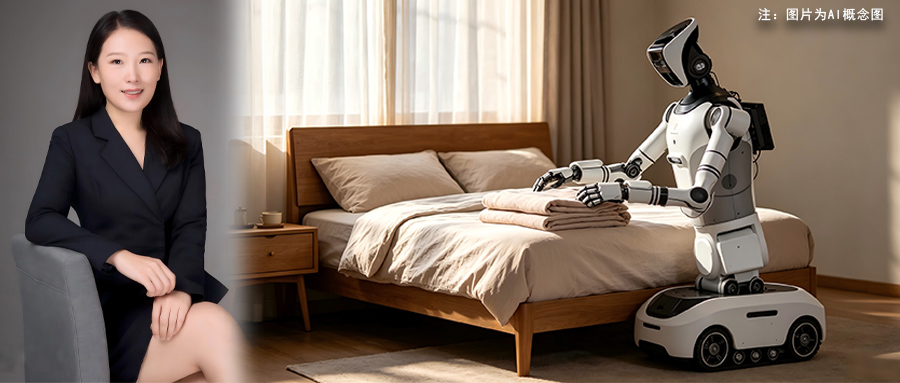
Former Meituan Drone Executive Joins Tsinghua University Startup for Home Robotics
In April 2023, Tsinghua University's assistant professor Xu Huazhe co-founded a home robotics company called 'Kuaike Robotics,' which recently secured significant angel funding. On July 21, Liu Shuo, former head of drone commercialization at Meituan, joined Kuaike Robotics to lead its commercial operations. This move signals a shift in the robotics industry towards practical solutions for household tasks. The emergence of Kuaike Robotics highlights a strategic differentiation from Xu's previous venture, Xinghai Tu, which focuses on humanoid robots. Kuaike Robotics aims to develop wheeled robots with dual arms, targeting household chores rather than pursuing the complexities of bipedal humanoid designs. This pragmatic approach addresses the challenges of cost, reliability, and safety that humanoid robots face in domestic environments. Liu Shuo's extensive experience in drone logistics and service delivery will be instrumental in navigating the commercialization of home robotics. The transition from drone delivery to household tasks may seem vast, but both fields share common challenges in service execution, emphasizing task success rates and user experience. No further timeline was disclosed at the time of publication.
Home Robotics Wheeled Robots AI Startup Innovation
Drone Boat Startup to Establish Port Alpha Shipyard in Texas for Large Vessel Production
A new shipyard named Port Alpha is set to be established by a drone boat startup in Texas. This facility will have the capacity to manufacture ships measuring up to 1,200 feet in length. The development of Port Alpha is significant as it represents a major investment in maritime manufacturing capabilities, particularly for drone technology applications. The ability to construct large vessels will enhance the startup's operational capabilities and market reach. Looking ahead, industry stakeholders will be keen to observe the progress of Port Alpha and its impact on the local economy and the broader maritime sector. No further timeline was disclosed at the time of publication.

Japanese Enterprises and Startups Develop Industry-Specific AI Using NVIDIA Nemotron Models
NVIDIA has announced that prominent Japanese enterprises, startups, and research institutions are leveraging NVIDIA Nemotron™ open models to create industry-specific AI applications. This initiative aims to accelerate the development of AI solutions tailored to Japan's unique language, industries, and workforce needs. The significance of this development lies in its potential to address Japan's aging population and workforce transition, which has heightened the demand for localized AI solutions. Jensen Huang, founder and CEO of NVIDIA, emphasized the importance of open models in enabling nations and organizations to control their AI infrastructure, thereby fostering innovation and productivity. Looking ahead, various Japanese developers are customizing NVIDIA Nemotron models for specialized applications, such as financial-document translation and telecom network operations. No further timeline was disclosed at the time of publication.
RoboBusiness invites robotics startups to showcase systems and software solutions
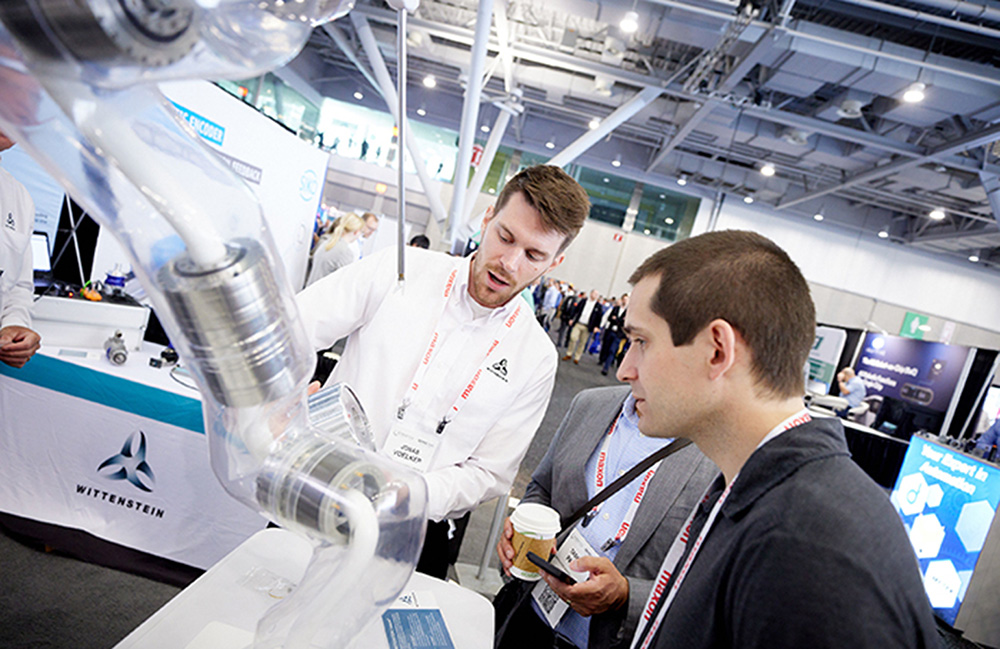
RoboBusiness is currently accepting applications from robotics startups interested in presenting their innovations at the upcoming RoboBusiness event. This opportunity is aimed at companies developing complete systems, components, or software solutions in the robotics sector. The event is set to take place in the near future, providing a platform for emerging technologies and ideas. The significance of this initiative lies in its potential to connect startups with industry leaders, investors, and potential partners. By showcasing their work, startups can gain visibility and feedback on their products, which is crucial for growth in a competitive market. This event highlights the increasing importance of innovation in robotics, as companies strive to develop solutions that meet evolving industry demands. Looking ahead, interested startups should prepare their applications promptly, as the deadline for submissions is approaching. No further timeline was disclosed at the time of publication, but participation in this event could lead to valuable networking opportunities and insights into market trends.
Events News Startups robobusiness
California Startup Develops Tube-Launched Quadcopter for U.S. Military Defense
A California-based startup, founded by a 22-year-old Ukrainian software engineer, is developing a tube-launched, foldable quadcopter designed to counter unmanned aerial systems (UAS). The company aims to market this innovative defense technology to the U.S. military, targeting the rising threat of drone and missile attacks. Specific metrics regarding the quadcopter's capabilities and launch timeline have not been disclosed. This initiative is significant as it addresses the increasing frequency and sophistication of drone warfare, which poses challenges to military operations. By making drone attacks financially burdensome, the startup hopes to deter potential aggressors and enhance national security. The focus on a compact, easily deployable system aligns with current military needs for versatile and effective countermeasures against aerial threats. Looking ahead, the startup's next steps include securing partnerships with defense agencies and demonstrating the quadcopter's effectiveness in real-world scenarios. No further timeline was disclosed at the time of publication, but the company is poised to make waves in the defense sector if successful in its endeavors.
Anti-drone technology Applications Defense defense Drone News Drone News Feeds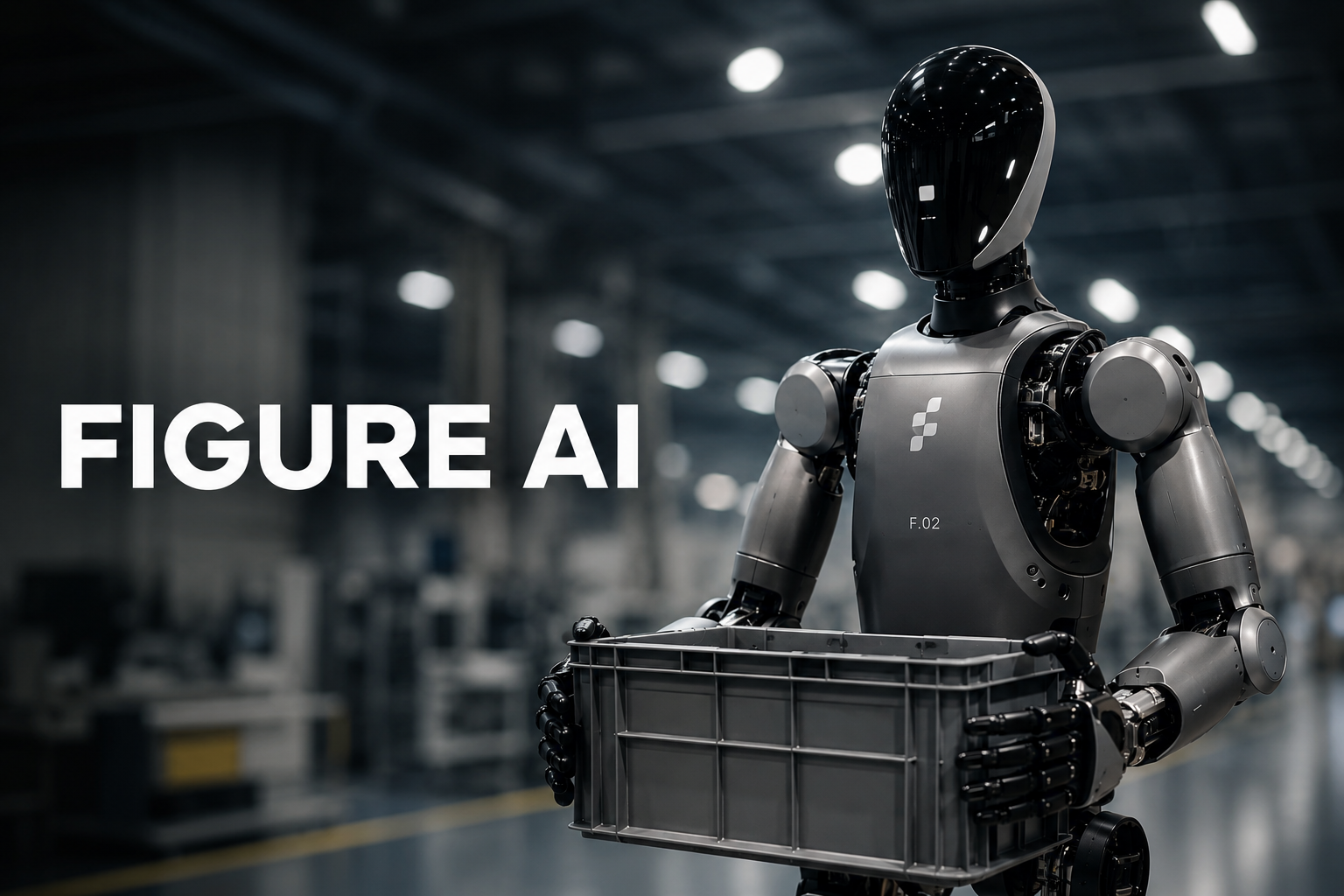
The startup aiming to place a humanoid in every factory and possibly every home.
In just three years, Figure AI has skyrocketed to a valuation of $39 billion, surpassing many publicly traded automotive manufacturers and becoming the leading humanoid robot producer globally. This remarkable achievement was confirmed in September 2025 during a Series C funding round. The startup aims to integrate humanoid robots into factories and potentially households, reflecting a growing interest in automation and robotics. Figure AI's rapid rise highlights the increasing demand for innovative technologies in various sectors.
À la une IA Industrie Robotique automatisation industrielle IA avenir de la robotique
The Rise and Fall of AI Projects: Notable Shutdowns and Lessons Learned
Relay, an AI-driven workflow automation tool, ceased operations on Monday after struggling to compete with larger platforms like OpenAI and Google. Launched five years ago, Relay aimed to automate email and task workflows but ultimately could not justify its existence as a standalone product. This shutdown exemplifies a broader trend, with approximately 42% of AI initiatives abandoned by their parent companies, according to S&P Global Market Intelligence. The challenges faced by AI startups often stem from insufficient funding, technical hurdles, and fierce competition. This has led to a growing 'AI graveyard' of projects that failed to meet expectations. Even industry giants like OpenAI have experienced setbacks, including a failed redesign of ChatGPT and the discontinuation of standalone applications like ChatGPT Atlas and Operator, which were integrated back into the main platform. Looking ahead, the industry must learn from these failures to foster more sustainable AI innovations. As companies like Apple and Microsoft continue to develop AI features, the focus will be on overcoming engineering challenges and user retention issues. No further timeline was disclosed at the time of publication.
AI evergreens Microsoft OpenAI siri ai
Navigating the Journey from Prototype to Production at TechCrunch Disrupt 2026
TechCrunch Disrupt 2026 will feature a session titled 'From Prototype to Production: Can It Scale in Reality' on the Real World AI Stage. This event will address the challenges startups face when transitioning from prototype to production, emphasizing the need for reliable manufacturing and infrastructure. Industry leaders will share their experiences in scaling technologies beyond controlled environments. The significance of this discussion lies in the diverse paths taken by different industries in moving from promising prototypes to production-ready solutions. Founders will explore how manufacturing capabilities must evolve alongside technology to ensure successful deployment. The session will highlight the importance of consistency and reliability in real-world applications, drawing insights from leaders in space communications and autonomous systems. Attendees can expect to gain valuable lessons from the experiences of speakers like John Mackey of MBRYONICS, Boris Sofman of Bedrock Robotics, and Adrian Macneil of Foxglove. Their insights will provide a comprehensive understanding of the complexities involved in scaling production across various sectors. No further timeline was disclosed at the time of publication.
AI Startups TC TechCrunch Disrupt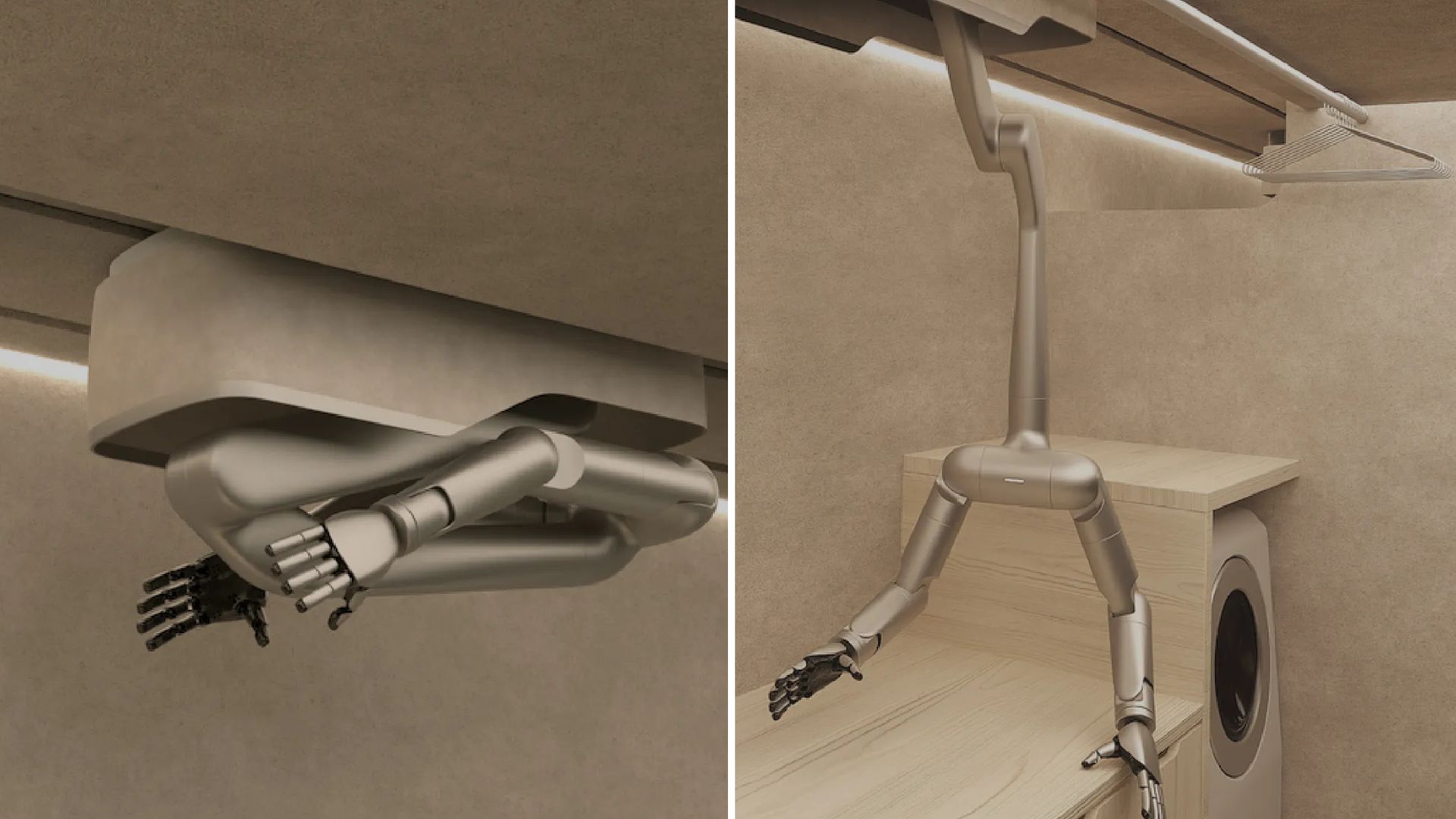
MW Develops Robotic Arm-Equipped Homes to Automate Household Chores by 2028
Tokyo-based startup MW is innovating residential living by creating homes with integrated ceiling-mounted robotic arms designed to automate household chores. This approach offers an alternative to traditional bipedal humanoid robots, focusing on custom architecture, the MW bot, and MW Intelligence software. MW aims to debut these automated homes in Tokyo by 2028, with plans to scale production to 10,000 units annually by 2035. The significance of MW's initiative lies in its potential to transform the Japanese housing market, targeting a five percent share of new home construction. The company has already completed its first generation of the MW bot and received over 1,000 applications for its homes. The design addresses the limitations of bipedal robots in compact living spaces, opting for wall- and ceiling-mounted systems that can perform tasks like grocery handling and laundry folding. Looking ahead, MW's strategy includes selling its first fully functional robot-equipped home by 2028, with a focus on high-end real estate. The startup has secured ¥3 billion in seed funding and is pursuing a ¥10 billion Series A round, positioning itself as a comprehensive provider of automated housing solutions, from land acquisition to robot development.
AI and Robotics
MW Inc. Introduces Homes with Robotic Housekeeping Arms to Compete with Humanoids
Tokyo-based startup MW Inc. has launched homes equipped with robotic housekeeping arms, positioning itself against the growing trend of humanoid robots. This innovative approach aims to enhance domestic living by integrating advanced robotics directly into residential spaces. The introduction of these homes is significant as it reflects a shift in the robotics market, where traditional humanoid robots are being challenged by more specialized robotic solutions. MW Inc.'s offering could appeal to consumers looking for practical automation in their daily lives, potentially influencing future home design and technology integration. Looking ahead, it will be important to monitor the market response to MW Inc.'s homes and whether this model gains traction among consumers. The success of this initiative may pave the way for further innovations in residential robotics and influence the competitive landscape of home automation technologies. No further timeline was disclosed at the time of publication.

Skild AI Achieves $100 Million Revenue Run Rate in Just 10 Months
Skild AI Inc. has announced that it has achieved a recurring revenue run-rate of $100 million, just 10 months after starting its commercial operations. This milestone highlights the rapid growth and demand for its innovative software solutions designed to enhance robotic learning capabilities. The significance of this achievement lies in the increasing reliance on advanced software to improve the efficiency and effectiveness of robotic systems. Skild AI's focus on developing tools that enable robots to learn tasks autonomously positions it as a key player in the robotics sector, catering to a growing market. Looking ahead, industry observers will be keen to see how Skild AI continues to scale its operations and innovate its product offerings. No further timeline was disclosed at the time of publication.

Google Partners with Mitti Labs for Major Rice-Methane Carbon Credit Agreement
Google has entered into a significant agreement to purchase 1 million carbon credits from Indian startup Mitti Labs, marking the largest publicly announced deal for methane reduction in rice farming. This four-year contract will encompass rice farms across Karnataka, Andhra Pradesh, and Telangana, covering approximately 100,000 hectares at peak delivery. The collaboration is crucial as Google strives to achieve net-zero emissions by 2030, amidst rising greenhouse gas emissions. The project incentivizes farmers to implement practices that reduce flooding duration in rice fields, thereby cutting methane emissions by about 50% and conserving water usage by around 40%, without compromising crop yields. Looking ahead, Mitti Labs aims to expand its operations significantly, leveraging the Google agreement to enhance its capacity to engage with large corporate buyers. The startup, which has already saved over 500 billion liters of water, plans to increase its farmer partnerships from 100,000 to millions by 2030, supported by the credibility of working with a major player like Google.
Climate Startups Google Mitti Labs
PHYMI Secures Nearly $100 Million in Seed Funding for Embodied AI Development
PHYMI, an embodied AI startup established by Liu Nianqiu, has successfully raised nearly $100 million in seed funding. The funding round was led by IDG Capital, with contributions from several investors including Yunqi Capital, DiDi, Fosun RZ Capital, Glory Ventures, and Hesai Technology. This funding is significant as it will support PHYMI's development of 'Physical Agents' that can understand goals, manipulate objects, and perform tasks in dynamic environments. The investment will also facilitate core technology research, enhance real-world data infrastructure, and aid in product engineering and team growth. Looking ahead, PHYMI aims to leverage this funding to advance its technology and expand its capabilities in the field of embodied AI. No further timeline was disclosed at the time of publication.
News Feed
PHYMI Secures Nearly $100 Million Seed Funding to Develop Physical Agents for Robotics
Recently, PHYMI, an embodied intelligence startup, announced the completion of nearly $100 million in seed funding, led by IDG Capital. Founded in March 2026 by CEO Liu Nianqiu, who has extensive experience in autonomous driving and robotics, the company aims to create Physical Agents capable of understanding human goals and autonomously navigating various environments. This funding is significant as it highlights the growing interest and investment in robotics, particularly in creating robots that can perform complex tasks in dynamic real-world settings. Liu Nianqiu's vision for PHYMI includes leveraging advancements in robotics technology, which have matured since he first identified the potential in the field. Looking ahead, PHYMI plans to utilize the funding for core technology development, building a dynamic data system, and expanding its team. The company’s focus on creating a complete technological ecosystem for Physical Agents positions it well for future growth in the robotics sector. No further timeline was disclosed at the time of publication.
Embodied Intelligence Robotics Autonomous Navigation AI Technology
Simple AI's HiFi-UMI System Features Open Dataset of 2,000 Hours
Simple AI has developed the HiFi-UMI system, which boasts an extensive open dataset encompassing 2,000 hours of data. This innovative approach aims to enhance the capabilities of robotics and artificial intelligence applications. The significance of the HiFi-UMI system lies in its potential to provide a robust foundation for training AI models, thereby improving performance in various robotics tasks. By utilizing a comprehensive dataset, Simple AI positions itself as a key player in the evolving landscape of robotics technology. Looking ahead, industry observers will be keen to see how Simple AI leverages the HiFi-UMI system to attract partnerships and drive advancements in robotics. No further timeline was disclosed at the time of publication.
Artificial Intelligence News Robotics China Funding robotics
Yuejia Dynamics Deploys Quadruped Robots in Shenzhen Metro, Aiming for 10,000 Units Annually
Yuejia Dynamics, a startup based in Shenzhen, has successfully deployed its quadruped inspection robots in the Shenzhen Metro. Founded in 2025, the company is focused on enhancing operational efficiency within urban transit systems. The introduction of these robots is significant as it represents a step forward in the integration of robotics into public infrastructure, potentially improving safety and inspection processes. Yuejia Dynamics aims to achieve an impressive annual production capacity of 10,000 units by the end of October, indicating strong market confidence. Looking ahead, the performance of these quadruped robots in the metro environment will be crucial. Observers should monitor the operational feedback and any adjustments made by Yuejia Dynamics as they scale production and refine their technology. No further timeline was disclosed at the time of publication.

Elroy Air Completes First Autonomous Cargo Drone Flights with 500-lb Payload in Louisiana
Elroy Air, a US drone startup, has successfully conducted its first autonomous, uncrewed flights of the Chaparral hybrid-electric aircraft under the eVTOL Integration Pilot Program in Louisiana. These flights focused on transporting various cargo types, including medical supplies and industrial equipment, showcasing the aircraft's capabilities. This development is significant as it marks a step towards integrating Advanced Air Mobility aircraft into US airspace, enhancing logistics infrastructure and delivery options nationwide. The Federal Aviation Administration (FAA) emphasized the importance of these test flights in shaping aviation policy and supporting commercialization efforts. Looking ahead, Elroy Air's successful tests will inform its strategy for deploying autonomous heavy-cargo aircraft at scale. The Chaparral's unique features, such as interchangeable cargo pods and VTOL capabilities, position it for diverse applications, including disaster relief and maritime missions. No further timeline was disclosed at the time of publication.
Transportation
Lyte Secures $165 Million Funding, Tripling Valuation to $1.6 Billion
Lyte, a rapidly expanding robotics and AI startup formed by key members of Apple's Face ID team, has successfully raised approximately $165 million in its latest funding round. This significant investment has resulted in a valuation increase, bringing the company's worth to $1.6 billion. The funding is crucial for Lyte as it positions the company for further growth and development in the competitive robotics and AI landscape. With a valuation now exceeding $1 billion, Lyte is poised to enhance its product offerings and expand its market presence. Investors and industry watchers should keep an eye on Lyte's next steps, as the company aims to leverage this funding to accelerate innovation and potentially introduce new technologies. No further timeline was disclosed at the time of publication.

Japanese Startup Muse Launches Retail Robot to Assist Grocery Restocking in New York
A Japanese startup, Muse, has introduced its retail helper robot in a grocery store in New York, aiming to meet the growing demand for labor-saving technology in the U.S. service sector. This initiative reflects the increasing reliance on automation to enhance operational efficiency in retail environments. The deployment of the Muse retail robot is significant as it highlights the shift towards integrating advanced robotics in everyday tasks, particularly in the grocery sector. As labor shortages persist, solutions like Muse's robot could play a crucial role in alleviating the burden on store employees and improving service delivery. Looking ahead, the market potential for such technology in the U.S. is substantial, with Muse targeting a massive demand for physical AI solutions. No further timeline was disclosed at the time of publication.

Former JD.com Executive Zhuang Yuzheng Joins Beta Infinity as Chief Scientist
Zhuang Yuzheng, the former head of embodied intelligence at JD.com, has officially joined Beta Infinity as Chief Scientist. This move comes approximately seven months after he left Huawei to work at JD.com, marking a significant transition to the consumer-focused embodied AI startup founded less than a year ago. Zhuang's expertise in embodied intelligence is notable, having led pioneering algorithm research at Huawei's Noah's Ark Lab, where his team achieved top recognition at ICLR 2023 and broke 24 human world records in Atari game environments. His experience at JD.com, where he contributed to the development of the JoyAI-RA model with a 73.5% success rate in real-world operations, positions him to enhance Beta Infinity's research capabilities. Looking ahead, Beta Infinity, co-founded by Liu Wulong and Tao Shuai, aims to capture the consumer-grade embodied intelligence market. The company has successfully completed seed funding rounds totaling several hundred million yuan and plans to unveil its first consumer prototypes within the year. Zhuang's addition is expected to strengthen the company's research in foundational models, raising expectations for its technological advancements.
Embodied AI Artificial Intelligence Startup Research and Development
Generalist Achieves $3 Billion Valuation Following $200 Million Funding Round
Generalist, a robotics startup, has reached a valuation of $3 billion after securing nearly $200 million in additional funding led by 8VC. This new capital is part of a larger $600 million funding round that includes a previously announced $400 million Series B led by Radical Ventures. The funding reflects growing investor confidence in the robotics sector, particularly in AI-driven technologies. The significance of this funding lies in Generalist's development of an AI foundation model designed to enhance robotic capabilities. The startup's Gen 1.5 model allows robots to learn new tasks from brief video demonstrations, showcasing the potential for rapid adaptation in robotic applications. This advancement positions Generalist among competitors like Physical Intelligence and Skild AI, which are also pursuing similar innovations in robotics. Looking ahead, the surge in funding indicates a belief among investors that robotics may soon experience a transformative breakthrough akin to the “ChatGPT moment.” However, challenges remain, as experts caution that achieving a truly general robotics model may take several more years due to inherent limitations in training methodologies.
AI Robotics 8VC Exclusive radical venturesRobotics needs a service framework.
RSF defines a common language for robot service capability, lifecycle operations, certification pathways, and service-provider networks.
Join the RobotToday community on LinkedIn
Daily robotics news, in-depth analysis, conference highlights, and discussions with professionals worldwide.