

Industry Briefing
A single destination for timely, editor-curated robotics news from around the world.
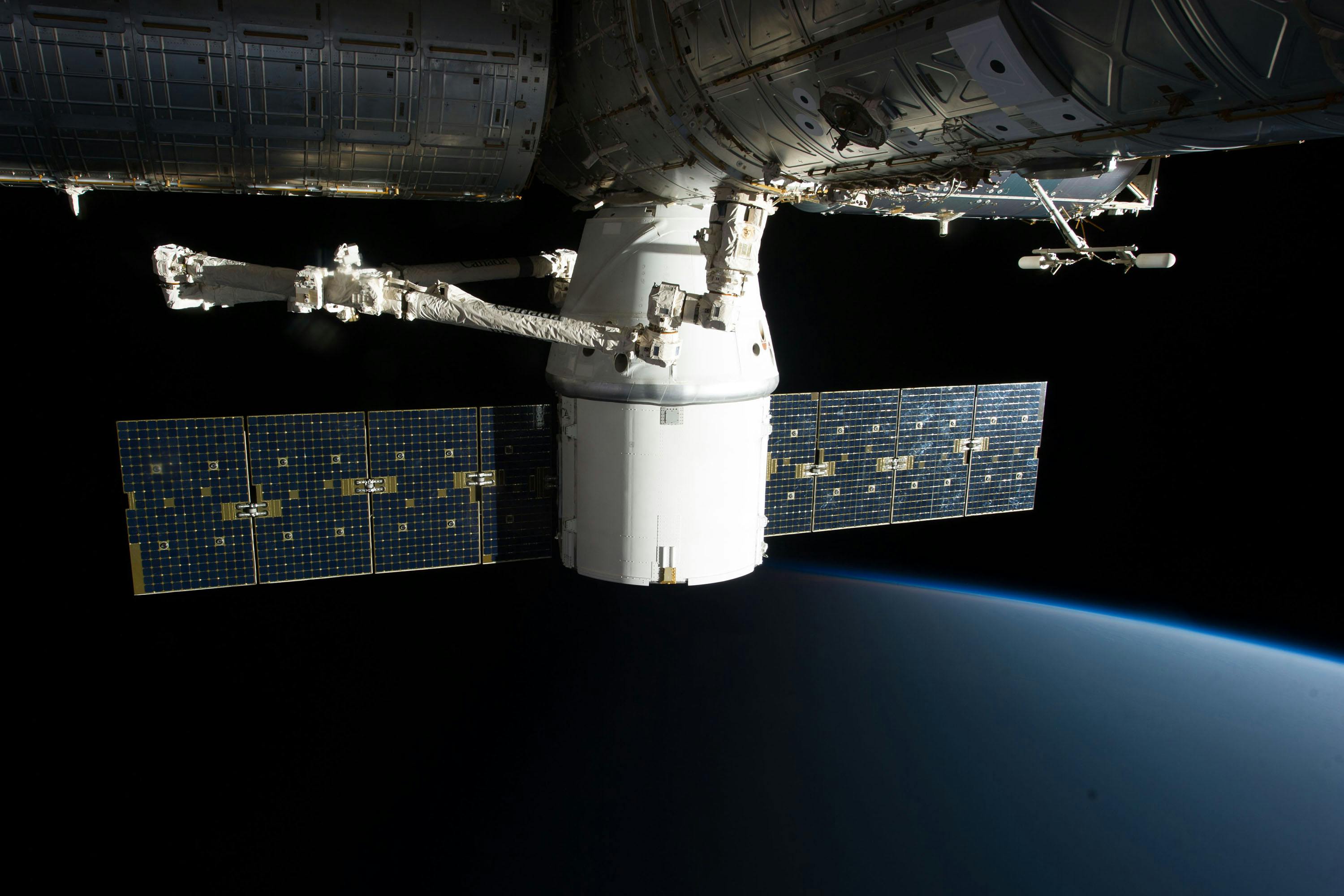
Elon Musk Revives Discussion on Potential Tesla-SpaceX Merger with Terafab's Role
Elon Musk has reignited the debate on the potential merger of Tesla, Inc. and Space Exploration Technologies Corp. during a recent podcast. He highlighted the increasing convergence of technologies between the two companies, particularly with the introduction of Terafab, a semiconductor manufacturing initiative aimed at reducing reliance on external chip suppliers. The significance of this discussion lies in the shared strategic assets that both Tesla and SpaceX possess, which could lead to a more integrated approach to their respective technologies. Terafab could serve as a central hub for the necessary semiconductor capacity, addressing the growing demands for specialized compute hardware in both autonomous driving and aerospace sectors. Looking ahead, while no merger has been announced, the conversation around this possibility suggests a shift in how investors view the relationship between Tesla and SpaceX. The strategic overlap created by Terafab may influence future decisions, but the complexities of merging two large companies remain a significant hurdle. No further timeline was disclosed at the time of publication.

Ron Baron Expresses Support for Elon Musk on Potential SpaceX-Tesla Merger
Ron Baron, founder and CEO of Baron Capital, has expressed his unwavering support for Elon Musk regarding a potential merger between SpaceX and Tesla. Baron, a long-time investor in both companies, has invested approximately $25 billion in SpaceX and $5 billion in Tesla since starting his investments in 2014 and 2017, respectively. Baron's investments have yielded significant returns, generating around $30 billion in profits for Baron Capital clients out of a total of $71 billion in lifetime profits. He has privately shared his thoughts on the merger's pros and cons with Musk but chose not to disclose those details publicly. Baron emphasized that he will support whatever decision Musk makes regarding the merger. The conversation surrounding a merger has gained traction following Musk's comments during the All-In Podcast live summit. As discussions continue, stakeholders will be keen to observe how Musk navigates this potential merger and the implications it may have for both companies moving forward. No further timeline was disclosed at the time of publication.
SpaceX Acquires xAI in Historic $250 Billion Merger, Launching SpaceXAI Division
On February 2, 2026, SpaceX completed the acquisition of xAI in an all-stock transaction valued at $250 billion, marking the largest merger in history. Following this merger, xAI ceased to exist as a standalone entity and is now part of SpaceXAI, which includes Grok, Colossus, and X. This merger is significant as it combines SpaceX's profitable segments with xAI's AI capabilities, creating a powerful entity valued at $1.25 trillion. The integration aims to leverage SpaceX's resources to enhance xAI's profitability and provide a public liquidity path for former xAI investors through SpaceX's IPO. Looking ahead, the focus will be on how the combined entity will develop its AI infrastructure capabilities, particularly through the Starmind orbital compute project. No further timeline was disclosed at the time of publication.

Debate Surrounds Potential Tesla-SpaceX Merger and Its Impact on Elon Musk's Pay Package
A potential merger between Tesla, Inc. and Space Exploration Technologies Corp. has emerged as a topic of discussion among Wall Street analysts. Reports indicate that such a merger could allow Elon Musk to unlock significant equity payouts from his $1 trillion pay package approved by Tesla shareholders, while consolidating his control over both companies. The implications of this merger are significant, as SpaceX's recent financial performance shows extraordinary growth, with Q2 2026 revenues reaching $7.8 billion, a 92% increase year-over-year. In contrast, Tesla's financials reveal challenges, including a 57% drop in operating income and negative free cash flow of -$1.09 billion, raising concerns about the viability of merging two companies with drastically different financial profiles. Investors should monitor the developments surrounding this potential merger, as it could reshape the tech landscape. While SpaceX's strong position in satellite communications and orbital launches supports its growth, Tesla faces pressures from competition and declining margins. No further timeline was disclosed at the time of publication.
Space-Eyes Finalizes $638 Million Merger with McKinley Acquisition
Space-Eyes, known for its AI-driven geospatial intelligence and counter-drone systems, has confirmed a definitive business combination agreement with McKinley Acquisition valued at $638 million. This merger marks a significant step for Space-Eyes as it seeks to enhance its market presence and technological capabilities. The merger is crucial as it positions Space-Eyes to leverage McKinley's resources and expertise, potentially accelerating its growth in the geospatial intelligence sector. The integration of advanced AI technologies with counter-drone systems is expected to provide enhanced solutions for various applications, making this merger a noteworthy development in the industry. Looking ahead, stakeholders will be keen to observe how the merger unfolds and the strategic initiatives that Space-Eyes will implement post-combination. No further timeline was disclosed at the time of publication.
News
J.P. Morgan Sees Strategic Merger Potential Between SpaceX and Tesla
J.P. Morgan analysts have described a potential merger between Space Exploration Technologies (SpaceX) and Tesla as 'strategically coherent on paper.' This statement has reignited investor interest in the possibility of uniting Elon Musk's companies, which share engineering talent and AI ambitions under his leadership. The significance of this analysis lies in the potential for Musk to integrate his vision across multiple sectors, including automotive, robotics, energy, and space. Additionally, SpaceX's recent public debut provides Musk with valuable stock for potential deals, while his increasing control at Tesla positions him favorably for negotiations. However, J.P. Morgan also highlighted significant challenges, including regulatory hurdles, the disparity in Musk's control over both companies, and the perception that any merger would favor SpaceX over Tesla. No further timeline was disclosed at the time of publication.
BNP Paribas Warns Tesla Investors on SpaceX Merger Speculation and Cash Burn Risks
Tesla investors have historically benefited from their confidence in Elon Musk's electric vehicle company, with stock performance often defying downturns. Currently, speculation about a potential merger with SpaceX has fueled optimism among investors, suggesting a 'takeout premium' could be on the horizon. However, BNP Paribas analysts caution that this merger may not materialize soon due to significant cash burn concerns at both companies. The analysts, led by James Picariello, maintain an underperform rating on Tesla with a price target of $280, citing worries about Tesla's cash burn over the next two years. They highlight that SpaceX's projected cash burn of $216 billion from 2026 to 2031 complicates the merger prospects. Additionally, regulatory hurdles and the need for shareholder support could delay any potential deal. Looking ahead, Tesla's increased capital expenditure budget of $25 billion this year and projected annual spending of up to $23 billion through 2030 raises questions about the feasibility of its ambitious plans for the Optimus humanoid robot and Robotaxi platforms. Analysts express concerns about the company's ability to meet key performance indicators in these areas, which could impact core operations before any merger with SpaceX can occur.
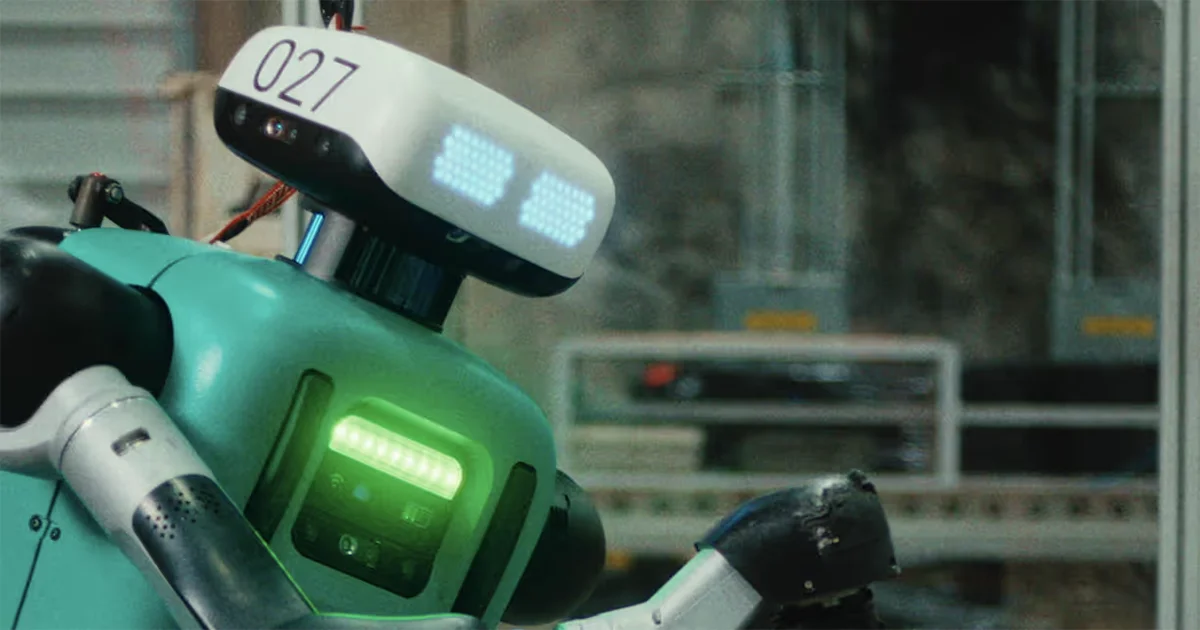
Agility Plans $2.5 Billion SPAC Merger with Churchill Capital XI to Go Public
Agility, the Oregon-based developer of the bipedal Digit robot, is preparing to go public through a merger with Churchill Capital Corp XI, valuing the company at approximately $2.5 billion. This SPAC transaction will inject over $600 million into Agility's balance sheet, including $420 million in cash from Churchill XI and a PIPE investment exceeding $200 million, led by Foxconn. This merger is significant as it marks a breakthrough for Western humanoid robotics, a sector previously reliant on venture capital and private equity. The public listing under the ticker symbol AGLT will provide investors with direct exposure to the humanoid robotics market, which has been largely inaccessible due to the private status of major players like Figure AI and Apptronik. Looking ahead, Agility's public debut could set a precedent for other Western robotics companies. While Boston Dynamics is reportedly preparing for its own public listing, it is not expected until late 2027 or 2028. Agility's CEO, Peggy Johnson, sees this as an opportunity to capitalize on the growing demand from investors for standalone humanoid businesses.
US Agility Robotics IPO
Musk's Vague Comments on Tesla and SpaceX Merger Fuel Stock Speculation
Elon Musk's recent comments at the All-In Summit on September 14 have reignited speculation about a potential merger between Tesla, Inc. and Space Exploration Technologies Corp. He described the collaboration between the two companies as significant but did not provide a definitive answer regarding a merger, leading to a rise in both companies' stock prices. The implications of Musk's remarks are noteworthy as they reflect ongoing investor interest in the strategic benefits of merging Tesla and SpaceX. Analysts from Jefferies and JPMorgan have suggested that such a merger could make sense, particularly in areas like artificial intelligence and robotics. However, skepticism remains due to the lack of concrete plans or timelines from Musk, who has previously hinted at the idea without committing to any formal process. Investors should remain cautious, as Musk's history of vague statements may not indicate imminent action. The lack of formal steps, such as regulatory filings or board discussions, suggests that while the speculation may drive short-term stock movements, substantial developments are still absent. No further timeline was disclosed at the time of publication.
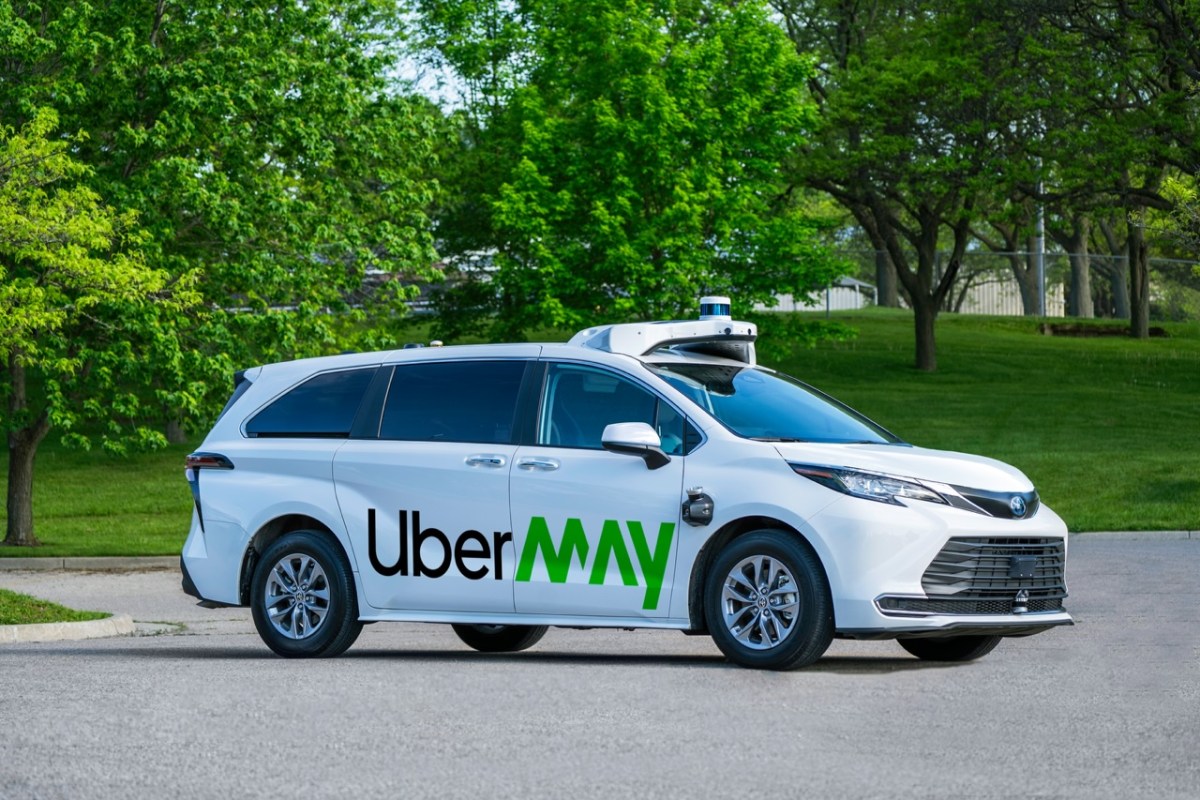
May Mobility to Go Public Through $1.4 Billion SPAC Merger with ACP Holdings
May Mobility, an autonomous vehicle company, is set to merge with ACP Holdings Acquisition Corp., a SPAC, to become publicly traded. This merger could raise over $300 million, valuing May Mobility at $1.4 billion. Upon completion, it will be the first U.S. public company focused solely on autonomous ride-hailing. This move is significant as it positions May Mobility to gauge the stock market's interest in dedicated robotaxi ventures, distinguishing itself from other companies like Tesla and Waymo. The company's unique 'asset-light' model involves selling autonomous vehicles to fleet partners while retaining control over software and supervision, generating revenue through licensing fees. Looking ahead, May Mobility plans to use the merger proceeds for R&D, particularly in eliminating safety drivers, and for supply chain investments. The company is also targeting new geographic deployments, with announcements expected later this year. No further timeline was disclosed at the time of publication.
Transportation autonomous vehicles avs May Mobility robotaxis
PlusAI Announces $800 Million SPAC Merger with Texas Ventures Acquisition III Corp
PlusAI has entered into a merger agreement with Texas Ventures Acquisition III Corp, a special purpose acquisition company, to go public. This deal values PlusAI, an autonomous trucking software company, at around $800 million prior to any new investments. The merger is significant as it could potentially provide PlusAI with approximately $300 million in capital, which includes more than $60 million from existing investors. This influx of capital is expected to bolster PlusAI's growth and development in the autonomous trucking sector. Investors and industry observers should monitor the progress of this merger, as it represents a notable move in the autonomous vehicle space. No further timeline was disclosed at the time of publication.
Autonomous Vehicles News autonomous trucking autonomous trucks driverless trucks hyperfoundry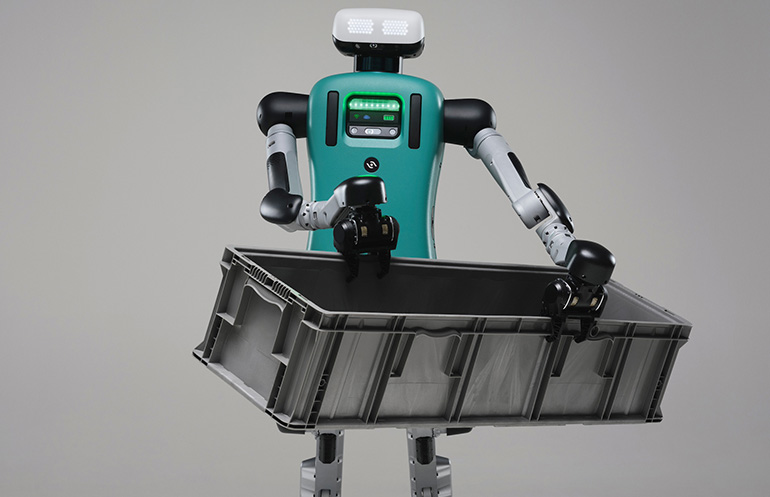
Agility Robotics Reports $1.8 Million Revenue Ahead of SPAC Merger with Churchill Capital Corp. XI
Agility Robotics has announced that its Digit humanoid has been deployed at nine customer sites as it prepares for a public offering through a merger with Churchill Capital Corp. XI. According to a recent S-4 filing, the company generated $1.8 million in net sales in 2025, while facing a $140 million operating loss and spending $111 million on operations. The significance of Agility's financials lies in its valuation of $2.5 billion, which translates to approximately 1,400 times its annual revenue. This valuation is part of a broader trend among U.S.-based humanoid robotics companies, which have attracted substantial funding despite not yet being public. Agility's Digit humanoids have accumulated over 65,000 operating hours, and the company has secured more than $300 million in multi-year orders for its Digit v5 model. Looking ahead, Agility Robotics operates under two business models for its Digit v5: Robots-as-a-Service (RaaS) and direct sales. The RaaS model charges customers around $8,500 monthly, while direct ownership costs about $200,000 upfront. No further timeline was disclosed at the time of publication.
Financial Humanoids News Agility Robotics
PlusAI to Go Public Through SPAC Merger with Texas Ventures Acquisition III Corp
PlusAI Inc. is set to become a publicly traded company through a merger with Texas Ventures Acquisition III Corp., a SPAC. This move comes after PlusAI achieved significant operational milestones, including the operation of autonomous freight routes in Texas and partnerships with major vehicle manufacturers. The merger, which values PlusAI at $800 million in pre-money equity, is expected to provide up to $300 million in capital. PlusAI's CEO, David Liu, emphasized the company's revenue generation through its HyperFoundry platform and the anticipated commercial launch of its SuperDrive system in 2027, positioning the company for long-term growth in the autonomous trucking sector. Looking ahead, PlusAI aims to generate $40 to $50 million in contracted revenue by 2026. The SPAC merger reflects confidence in PlusAI's business model and its potential to address challenges in the trucking industry, such as driver shortages and rising labor costs. No further timeline was disclosed at the time of publication.
Artificial Intelligence Artificial Intelligence / Cognition Logistics Mergers & Acquisitions Mobility / Navigation News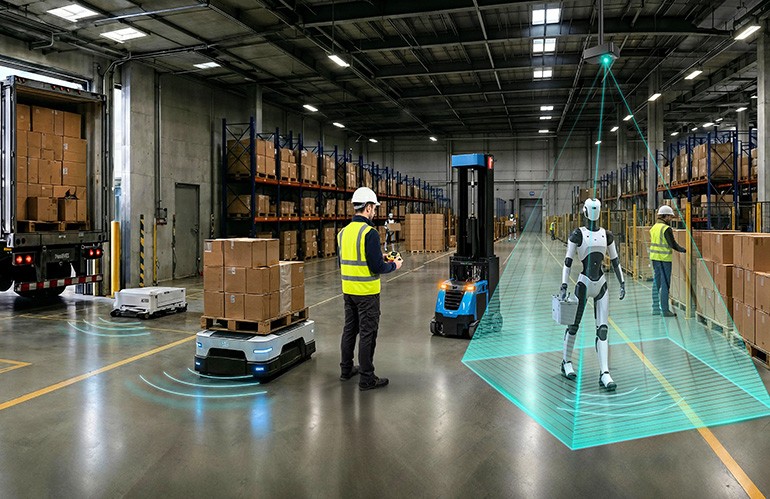
FORT Robotics Merges with SPAC to Advance Trust Layer for Physical AI Safety
FORT Robotics has announced its merger with Newbury Street II Acquisition Corp., a SPAC, to enhance safety technology for autonomous robots. The company aims to build a trust layer that ensures robots operate safely around humans, addressing a critical need as robots become more autonomous in various environments. The significance of this merger lies in FORT's commitment to pioneering safety standards that can be relied upon by manufacturers, regulators, and users alike. CEO Samuel Reeves emphasized that establishing trust in physical AI is essential for the scalable adoption of next-generation machines, which often face safety concerns that hinder innovation. Looking ahead, FORT Robotics has plans to expand its offerings, including the recently launched Wireless E-Stop Pro and the acquisition of Mapless AI to enhance its Trust Layer. The company serves a diverse customer base across multiple industries, indicating a growing demand for reliable safety solutions in robotics.
Agriculture Construction Controllers Defense / Security Energy / Solar / Renewables Logistics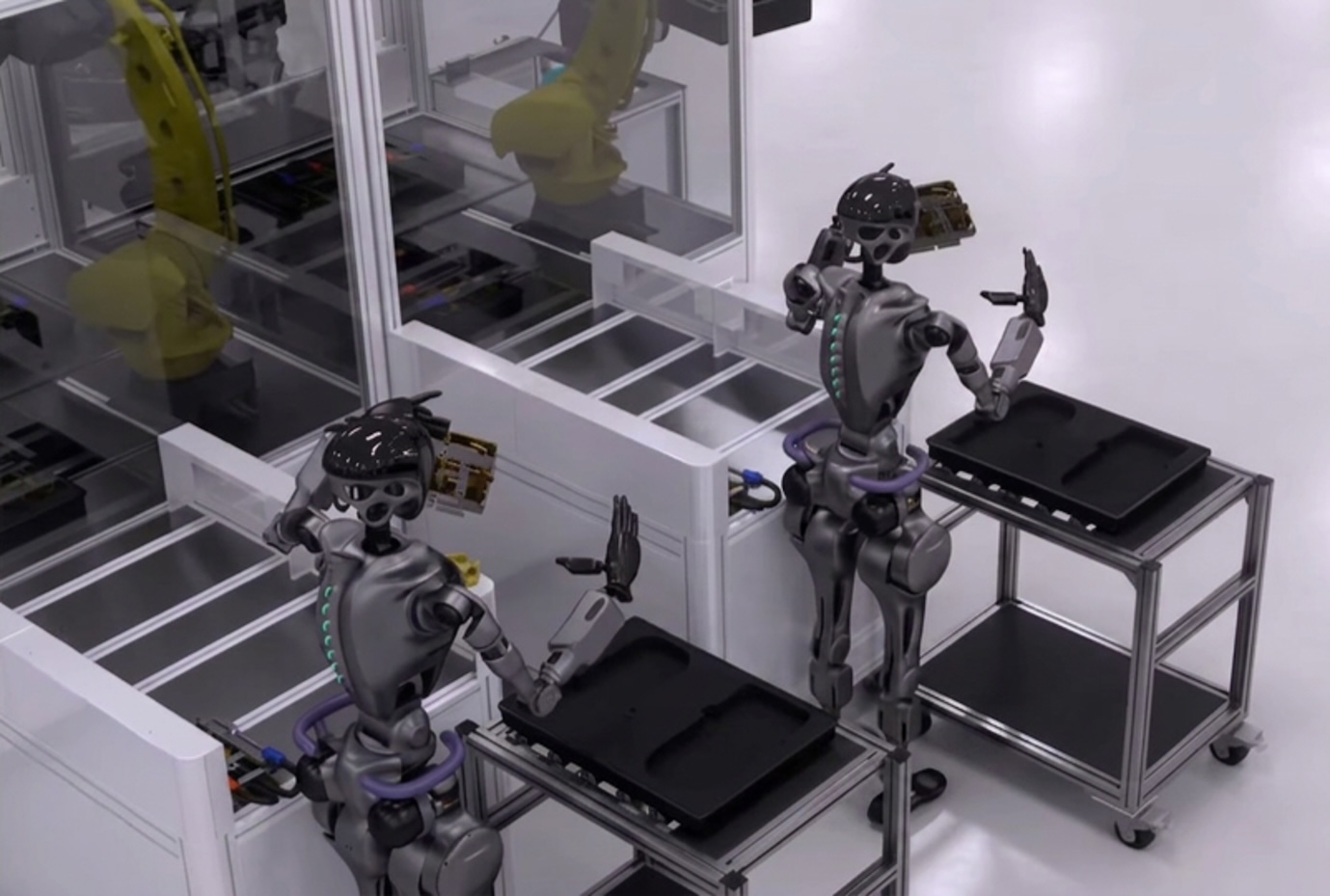
SpaceX Launches Starmind Project for 1 Million AI Satellites by 2028
SpaceX has officially named its orbital AI infrastructure project 'Starmind,' which aims to deploy a constellation of up to 1 million satellites. This initiative, confirmed by Elon Musk on June 22, 2026, will enable AI inference directly in space, utilizing solar energy rather than terrestrial power sources. The first satellite, designated AI1, was unveiled on June 8, 2026, and is designed to operate in sun-synchronous orbits. The significance of Starmind lies in its potential to overcome the limitations faced by ground-based data centers, such as land, power, and water constraints. By running AI computations in orbit, Starmind can provide a more efficient solution to the growing demand for AI computing power. The project leverages the existing Starlink infrastructure for data transmission, distinguishing its function from Starlink's internet relay capabilities. Looking ahead, SpaceX plans to begin hardware deployment with the AI1 satellite, while full-scale production and deployment of the satellite constellation are targeted for 2028. As of now, no Starmind satellites have been launched, and further engineering challenges remain to be addressed, particularly regarding the scalability of the satellite design.
Agility Reports $1.8M in Sales and $138M Loss Ahead of SPAC Merger
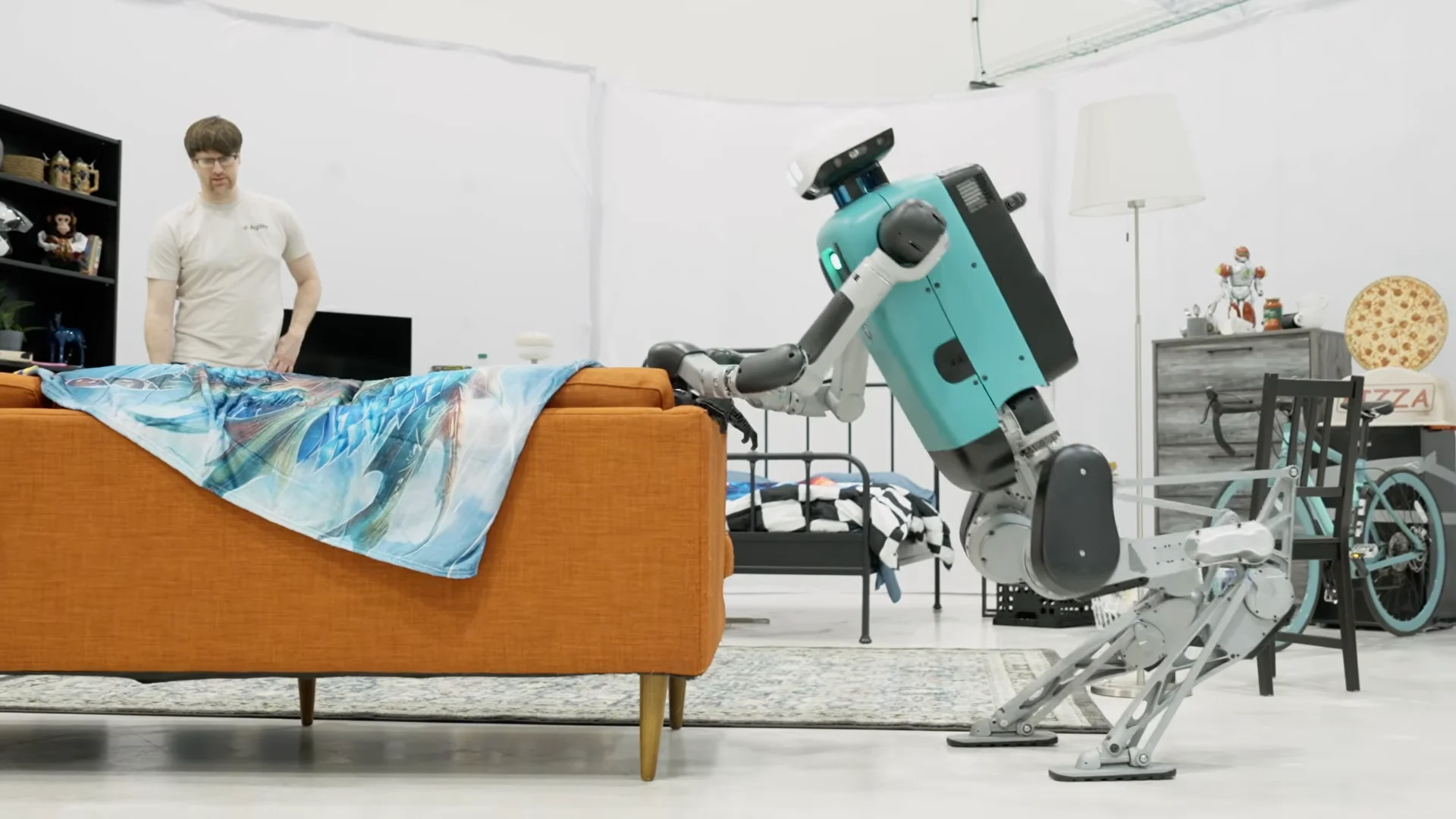
Agility has disclosed its financial results ahead of a planned $2.5 billion SPAC merger with Churchill Capital Corp XI. For the fiscal year ending December 31, 2025, the company reported total net sales of $1,781,967, a significant increase from $310,301 in 2024. However, the company also faced a substantial loss of $138.1 million, raising concerns about its financial viability. The financial report highlights that a large portion of Agility's revenue, approximately 64%, came from related parties, indicating a reliance on insiders for sales. The cost of goods sold reached $4.47 million, leading to a gross profit of -$2.69 million and a gross margin of roughly -151%. The company also reported significant expenses in research and development and administrative costs, contributing to a loss from operations of $140.2 million. Looking ahead, Agility has raised about $87.9 million through SAFEs and is expected to close the SPAC merger with approximately $620 million in gross proceeds. The company has also secured $300 million in multi-year orders for its Digit v5 robots, contingent on meeting contractual milestones. No further timeline was disclosed at the time of publication.
US Market Agility Robotics
Ursa Major to Go Public via $2.3 Billion Merger with Bleichroeder Acquisition Corp. III
Ursa Major, a defense and aerospace firm, has reached an agreement to merge with Bleichroeder Acquisition Corp. III, a special purpose acquisition company (SPAC). This merger aims to facilitate Ursa Major's transition into a publicly traded entity, with a valuation of approximately $2.3 billion. The significance of this merger lies in Ursa Major's strategic move to enhance its capital access and expand its operational capabilities in the defense and aerospace sectors. By becoming publicly traded, Ursa Major seeks to leverage increased investment opportunities to further its growth and innovation in these critical industries. Investors and industry observers should monitor the progress of this merger as it unfolds, particularly regarding how Ursa Major plans to utilize the capital raised through this public listing. No further timeline was disclosed at the time of publication.
News
SpaceXAI Emerges from xAI Merger, Redefining Supply Chain Dynamics in 2026
In May 2026, xAI was absorbed into SpaceX and rebranded as SpaceXAI, consolidating its procurement under SpaceX. The supply chain's critical constraint is electricity, not GPUs, emphasizing that Colossus is primarily a power project with a chip budget. The merger, valued at $1.25 trillion, allows SpaceX to leverage orbital data centers and AI compute nodes in low Earth orbit to overcome terrestrial energy limitations. The merger's implications are significant, as xAI's financials are now integrated into SpaceX's reports, revealing $2.56 billion in AI revenue for Q2 2026, a 247% increase. This shift provides visibility into xAI's procurement, which is now part of SpaceX's overall financial disclosures. The supply chain's structure highlights competitive markets for initial layers, while the latter layers face local and political challenges, impacting Colossus's development. Looking ahead, the focus will be on the performance and expansion of Colossus, particularly with Colossus 2 at the Tulane Road site, which aims for gigawatt scale. The hardware partnerships with Dell Technologies and Super Micro Computer are crucial for the infrastructure's success. No further timeline was disclosed at the time of publication.
Agility Robotics to go public through $2.5 billion SPAC merger
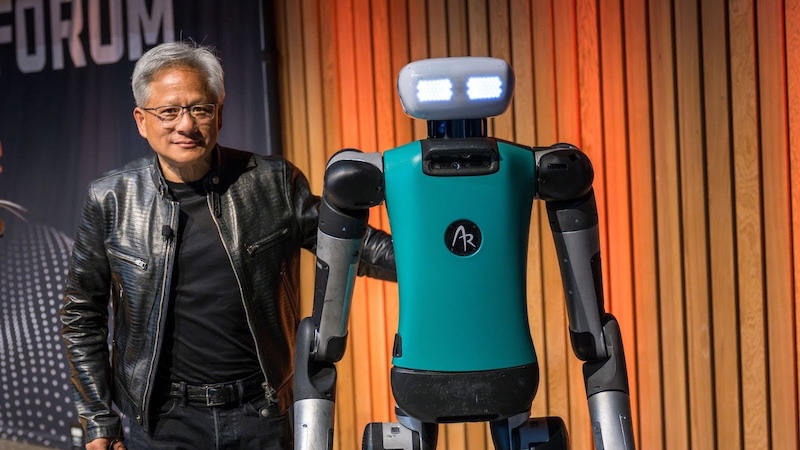
Agility Robotics has agreed to go public through a merger with special purpose acquisition company Churchill Capital Corp XI, in a deal that values the humanoid robotics developer at a pre-money equity value of $2.5 billion. The transaction is expected to generate more than $620 million in gross proceeds, including approximately $200 million from a […]
Financials & Investments Humanoids News Agility Arc agility robotics Churchill Capital Corp XI
Does Elon Musk's Recent $1 Trillion SpaceX Comment Heavily Hint That a Tesla Merger Is Coming?
Elon Musk recently projected that SpaceX could achieve $1 trillion in annual revenue by 2030, a significant increase from the $18.7 billion reported last year. This ambitious goal would require a staggering 5,248% revenue growth from 2025 figures, averaging 121.6% annually over five years. Analysts suggest that a merger between SpaceX and Tesla could make this target more attainable. Tesla, which generated approximately $94.83 billion in revenue last year, experienced its first annual decline in sales, raising concerns about its impact on combined revenue growth. If the two companies merge, they would need to achieve a 57.4% compound annual growth rate to reach the $1 trillion goal. While SpaceX's revenue grew by 33% last year and is expected to accelerate due to new AI contracts and expanding services, Tesla faces challenges in the electric vehicle market. Musk's comments may indicate a potential merger as a strategy to bolster SpaceX's growth, although it remains uncertain whether he genuinely believes in the standalone potential of SpaceX or is simply aiming to excite investors.
Tesla Bulls Push Wild Robotaxi Theory, But Gary Black Says The SpaceX Merger Talk Makes No Sense At All
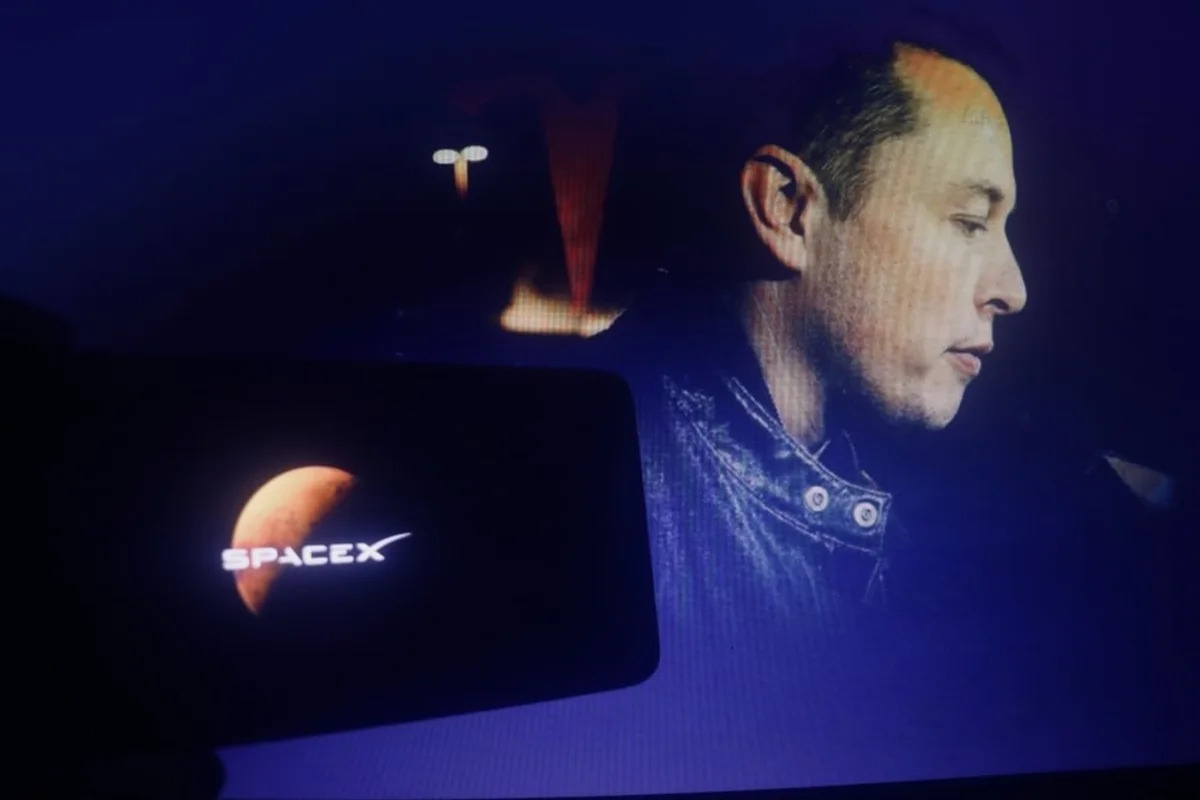
Investor Gary Black of The Future Fund LLC has dismissed claims from Tesla supporters suggesting that CEO Elon Musk is intentionally delaying the rollout of the company's Robotaxi service to facilitate a merger with Space Exploration Technologies Corp (SpaceX). In a post on X on June 25, 2026, Black labeled these theories as "absurd," highlighting the significant dilution that would arise from a stock-for-stock merger given the differing valuations of both companies. He also raised concerns about potential governance issues stemming from such a transaction. Black expressed caution regarding Tesla's future, citing declining earnings estimates and the impending commoditization of autonomous driving technology. His comments come amid heightened scrutiny of Tesla following a recent fatal crash in Texas, which resulted in the death of a 76-year-old woman. The incident has led to a $1 million lawsuit against Tesla, with claims that the vehicle was operating on Autopilot, a notion Musk has denied. The National Highway Traffic Safety Administration and the National Transportation Safety Board are currently investigating the matter.
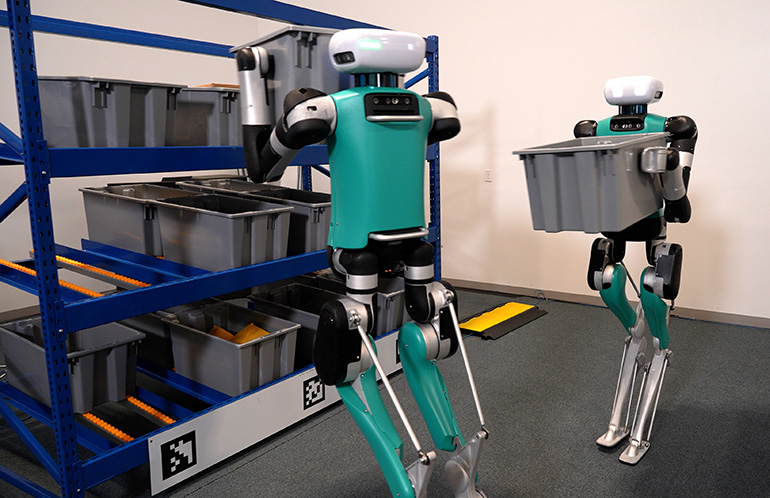
Humanoid maker Agility Robotics to go public through SPAC merger
Agility Robotics, a company known for its humanoid robots, is set to go public through a merger with Churchill Capital Corp XI. This strategic move is expected to generate $620 million, which will be utilized to enhance the development of its latest model, Digit v5, and to meet the increasing demand from customers. The merger marks a significant step for Agility Robotics as it seeks to expand its operations and capitalize on the growing interest in robotic technology.
Artificial Intelligence Artificial Intelligence / Cognition Humanoids Investments Logistics Manufacturing
Dan Ives Predicts a Tesla-SpaceX Megamerger. Here’s What Investors Need to Know.
Wedbush analyst Dan Ives has predicted an 80% likelihood of a merger between SpaceX and Tesla within the next year, following SpaceX's recent IPO, which raised $75 billion and achieved a valuation of $1.7 trillion. If the merger occurs, it would unite Elon Musk's two publicly traded companies, creating a combined entity valued at approximately $3.6 trillion, positioning it as the fourth-largest company globally, behind Nvidia, Alphabet, and Apple. Ives suggests that the merger aligns with Musk's broader strategy, particularly in artificial intelligence, as both companies could leverage shared resources and expertise. SpaceX, known for its reusable rockets and Starlink satellite internet service, has seen its stock soar, closing at $169.36 on its first trading day, while Tesla, valued at $1.5 trillion, continues to innovate in electric vehicles and robotics. However, the merger poses challenges due to the differing markets of the two companies. Tesla is focused on the competitive electric vehicle sector, where investors closely monitor performance metrics, while SpaceX primarily operates as a government contractor in the aerospace industry. Despite these hurdles, the potential for collaboration in AI and engineering could make the merger appealing to investors.

Why a merger with SpaceX could be bad for Tesla shareholders
Elon Musk is reportedly considering a merger between Tesla and SpaceX as the latter prepares to go public, raising concerns among Tesla shareholders. Internal discussions suggest that a merger could eventually occur, driven by the potential for synergies between the two companies, which have collaborated on projects like the Terafab chip plant and orbital data centers. Analysts, including Wedbush's Dan Ives, speculate that Musk aims to integrate technologies from both firms within a growing AI ecosystem. However, the merger's implications for Tesla shareholders are complex. Musk holds significant control over SpaceX through special voting shares, which could allow him to negotiate terms favoring his interests. While Tesla shareholders would retain voting rights on any merger, their ability to influence the outcome may depend on their desire for a stake in SpaceX. Experts warn that any merger would likely be structured as a stock deal, which could complicate matters given Musk's history of self-dealing in previous mergers, such as the controversial acquisition of SolarCity and the recent buyout of Twitter by his AI firm, xAI. Despite these concerns, some investors believe a merger could streamline Musk's focus and resources, potentially benefiting Tesla in the long run.
Robotics needs a service framework.
RSF defines a common language for robot service capability, lifecycle operations, certification pathways, and service-provider networks.
Join the RobotToday community on LinkedIn
Daily robotics news, in-depth analysis, conference highlights, and discussions with professionals worldwide.







