

Industry Briefing
A single destination for timely, editor-curated robotics news from around the world.
Northrop Grumman Unveils Robotic Spacecraft for Satellite Repair and Life Extension
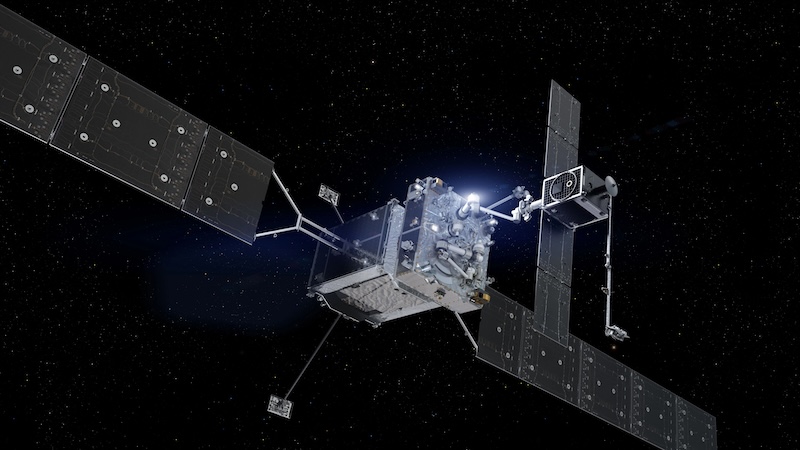
Northrop Grumman has successfully launched its advanced robotic spacecraft, the Mission Robotic Vehicle (MRV), designed to service satellites in orbit. The MRV, which took off from Cape Canaveral Space Force Station on July 21 aboard a SpaceX Falcon 9 rocket, aims to repair, upgrade, and relocate satellites, extending their operational life beyond their original fuel limits. This initiative is significant as it addresses the growing need for satellite maintenance in space, allowing expensive assets to remain functional without the need for complete replacement. The MRV is equipped with two robotic arms that facilitate satellite inspection, debris removal, and the installation of Mission Extension Pods (MEPs), which act as propulsion modules for satellites running low on fuel. Looking ahead, the MRV's first mission will showcase its capability to install MEPs on existing satellites, effectively providing them with additional propulsion. This innovative approach could redefine satellite longevity and operational efficiency. No further timeline was disclosed at the time of publication.
Features Space Autonomous robots darpa in-orbit servicing MEP
SpaceX Launches Dual-Arm Robot to Extend Lifespan of Aging Satellites
On July 21, SpaceX launched a dual-arm space robot named MRV from Cape Canaveral, Florida. Its mission is to extend the lifespan of aging satellites by attaching jetpacks to them in geostationary orbit, preventing them from becoming space debris. The first clients for this service are Luxembourg's SES and Australia's Optus, with each satellite's replacement costing up to hundreds of millions of dollars. This initiative is significant as it marks a shift in how satellites are viewed—not as disposable assets but as reusable ones that can be repaired and refueled. Northrop Grumman, the manufacturer of MRV, has experience in satellite servicing, having previously extended the lives of malfunctioning satellites. The MRV's capabilities may evolve to include repairing and repositioning active satellites and even removing defunct ones from busy orbits. Looking ahead, the success of MRV could pave the way for more advanced satellite servicing technologies. Just two weeks prior, another robotic spacecraft, LINK, was launched to rescue NASA's Swift Observatory, which is at risk of re-entering the atmosphere. As robotics play an increasingly vital role in space operations, the economic landscape of space could be fundamentally transformed.
Space Robotics Satellite Services Orbital Maintenance Space Economy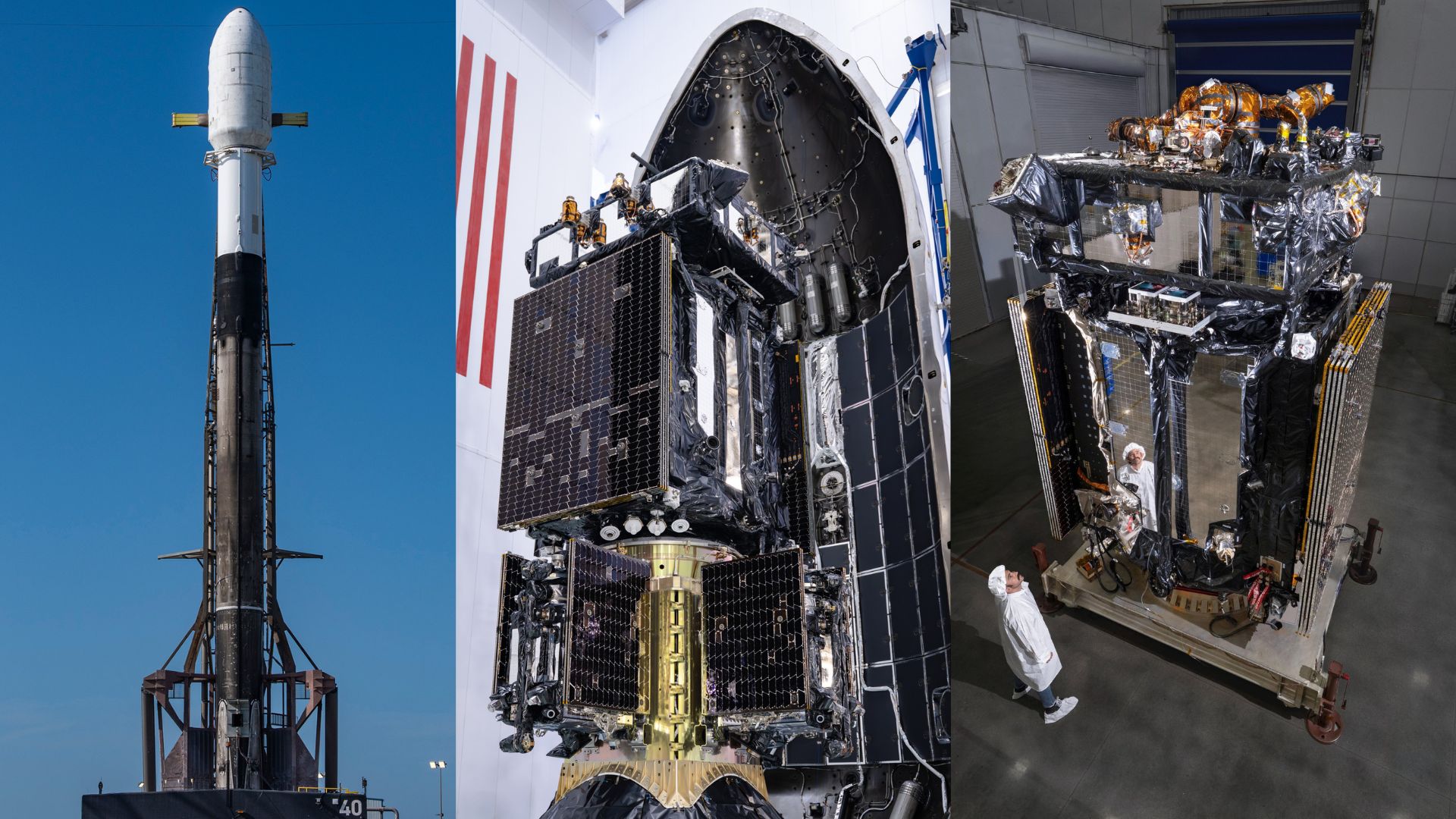
Northrop Grumman's Robotic Spacecraft Launched by SpaceX to Extend Satellite Lifespan
Northrop Grumman successfully launched its robotic spacecraft designed to extend the operational lives of aging communications satellites without the need for refueling. The spacecraft, known as the Mission Robotic Vehicle (MRV), was launched aboard a SpaceX Falcon 9 rocket from Cape Canaveral Space Force Station in Florida on July 21. This mission will test a new servicing model that allows MRV to install propulsion modules on multiple satellites in geostationary orbit. This mission is significant as it represents a shift in satellite maintenance, allowing for the servicing of multiple satellites over the MRV's operational lifespan of approximately 15 years. Unlike previous Mission Extension Vehicles that serviced a single satellite, MRV can move between clients, enhancing the efficiency of satellite operations. Northrop estimates that the technology can extend the life of a typical geostationary communications satellite by about six years. Looking ahead, Northrop plans to launch additional Mission Extension Pods for future customers while keeping the MRV operational in orbit. The U.S. Space Force has expressed interest in utilizing MRV's capabilities, indicating a growing demand for on-orbit servicing solutions. No further timeline was disclosed at the time of publication.
SpaceRobotics needs a service framework.
RSF defines a common language for robot service capability, lifecycle operations, certification pathways, and service-provider networks.
Join the RobotToday community on LinkedIn
Daily robotics news, in-depth analysis, conference highlights, and discussions with professionals worldwide.







