

Industry Briefing
A single destination for timely, editor-curated robotics news from around the world.
Rosenxt Enhances Subsea Inspection Services for Improved Asset Integrity Management
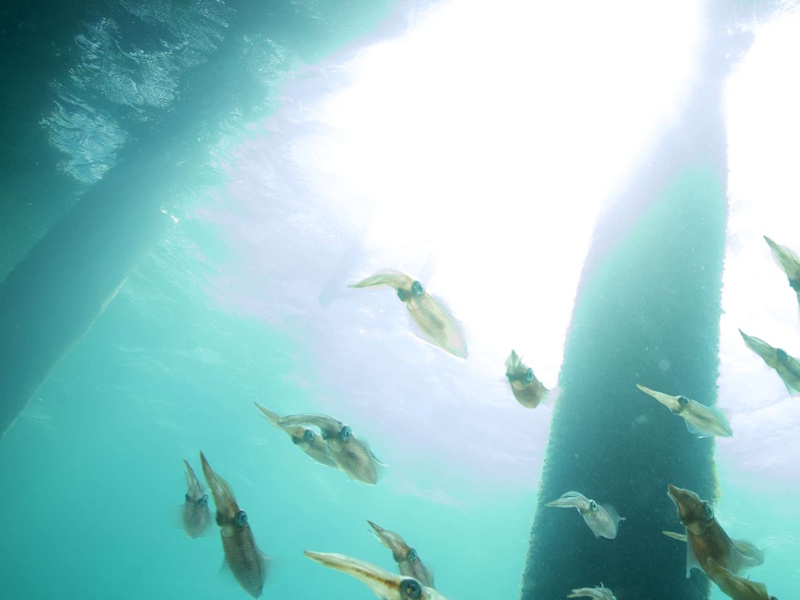
Rosenxt is expanding its subsea inspection capabilities to enhance the integrity management of subsea assets. This new offering integrates advanced subsea technology with operational expertise, enabling clients to make informed decisions regarding asset conditions and necessary interventions. The importance of this expansion lies in the challenging environments where subsea assets operate, making integrity assessments critical. Operators require precise insights to manage asset integrity effectively throughout their lifecycle, which Rosenxt aims to provide through tailored inspection programs. Looking ahead, Rosenxt's new services will include a range of inspection techniques such as visual inspections and depth-of-burial assessments. By focusing on the specific integrity questions posed by clients, Rosenxt is positioned to deliver actionable data that supports long-term asset management. No further timeline was disclosed at the time of publication.
rosenxt subsea inspection integrity
Microsoft 365 Outage Continues for Second Day, Progress Reported on Services
Microsoft is currently addressing a multi-day outage affecting Outlook email and other Microsoft 365 services, which has now entered its second day. Significant progress was made on Monday, particularly regarding the Exchange Online service, which experienced email delays, authentication issues, and other disruptions for some users. However, as of Tuesday, the situation remains unresolved, with Microsoft indicating that mitigation actions are ongoing. This outage is critical as it impacts not only Outlook but also other Microsoft 365 services, including SharePoint, Teams, and the Microsoft 365 Admin Center. The root cause was identified as a misconfiguration affecting core authentication components, which hindered service availability. Microsoft has been implementing various mitigations to restore normal functionality, and while improvements have been noted, full service restoration has yet to be confirmed. Moving forward, users should monitor updates from Microsoft regarding the status of the services. The company is currently in a phase of extended monitoring to ensure a complete resolution of the issues. No further timeline was disclosed at the time of publication.
Enterprise Microsoft Outage Outlook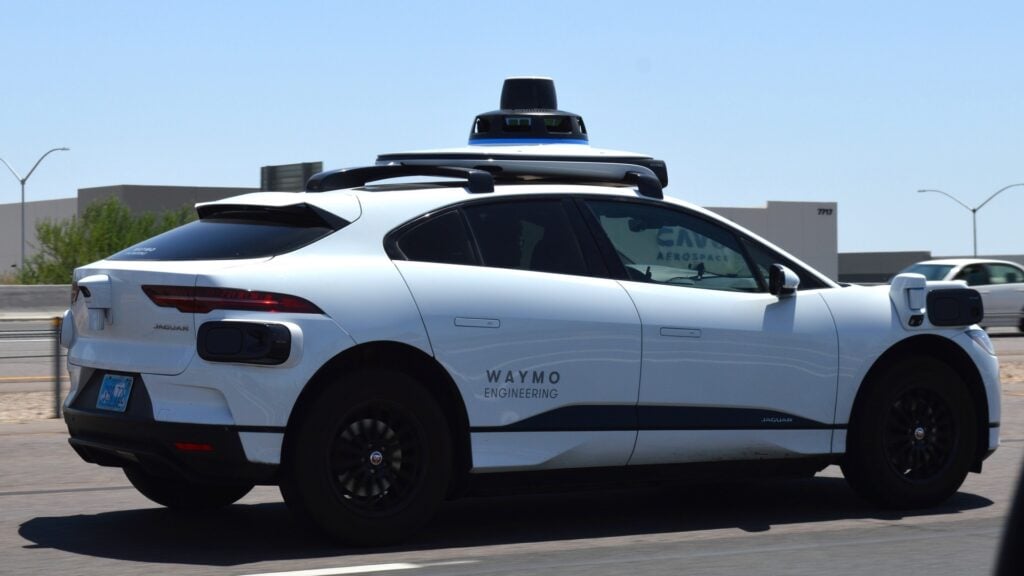
Waymo Secures California Approval for Expanded Robotaxi Services in Major Cities
Alphabet Inc.'s Waymo has received approval from the California Public Utilities Commission (CPUC) to significantly expand its driverless ride-hailing services across the San Francisco Bay Area and Los Angeles, while also introducing services in Sacramento and San Diego. This expansion is set to be gradual and will adhere to a safety framework established by the company. The approval, granted on August 14, builds on an earlier operating domain expansion approved by the California DMV in November. While the application received support from various advocates, it faced objections from San Diego's Metropolitan Transit System regarding potential disruptions to local transit and taxi services. However, CPUC staff determined these objections were insufficient to block the expansion. Waymo has been preparing for its Sacramento launch since February and had previously indicated plans for San Diego by 2026. As Waymo continues to lead in the autonomous ride-hailing market, it currently facilitates over 500,000 fully autonomous electric trips weekly and has logged more than 220 million autonomous rider-only miles. No further timeline was disclosed at the time of publication.
SpaceX's Starmind Faces Feasibility Challenges for 1 Million Satellite Deployment
On January 30, 2026, SpaceX submitted a request to the FCC to launch up to 1 million satellites as part of its Starmind orbital compute constellation. This ambitious plan is unprecedented, as the total number of satellites ever launched globally is in the low tens of thousands. The proposal seeks a waiver from standard deployment milestones, citing reliance on the Starship's full reusability for success. The significance of this request lies in the technical and logistical challenges it presents. Experts warn that low Earth orbit may not support the proposed number of active satellites without risking a debris cascade. SpaceX's own IPO prospectus acknowledges unresolved dependencies related to Starship's launch cadence and reusability, which are critical for the orbital AI compute strategy. Looking ahead, the timeline for achieving the necessary launch cadence and manufacturing capacity remains uncertain. SpaceX's Gigasat facility in Texas aims for volume production by late 2027, but this would require unprecedented output levels. No further timeline was disclosed at the time of publication, leaving the feasibility of the Starmind project in question.

Starmind's Orbital Compute vs. Terrestrial Data Centers: Analyzing Resource Advantages
Starmind's orbital compute technology presents a significant advantage over traditional ground-based data centers by eliminating constraints related to land, water, and grid permitting. While terrestrial data centers are currently cheaper and faster to construct, with U.S. data center spending reaching $85.3 billion in 2026, Starmind's approach focuses on addressing the growing resource limitations faced by hyperscale facilities. The significance of Starmind's technology lies in its ability to sidestep the increasing challenges of land and water usage. For instance, a 100 MW data center can consume approximately 530,000 gallons of water daily for cooling, while Starmind's AI1 utilizes deployable liquid radiators that require no water. This structural advantage could resonate with investors as the demand for AI computing continues to escalate, potentially leading to annual water withdrawals of up to 1.7 trillion gallons by 2027. Looking ahead, Starmind's next milestones include the launch of AI1 prototypes scheduled for early 2027. However, the technology's claims regarding cooling efficiency and operational reliability remain unverified until real flight data is available. As the industry evolves, the competition between orbital and terrestrial solutions will become increasingly relevant, particularly in the context of resource management and sustainability.

SpaceX's Starmind Plans 1 Million AI Satellites Amid Collision Risks
SpaceX has announced its ambitious Starmind project, which aims to deploy 1 million AI satellites in orbits between 500 and 2,000 km. This initiative, confirmed by Elon Musk on June 23, 2026, follows a merger with xAI, valuing the combined entity at $1.25 trillion. The satellites will function as orbital data centers, processing AI workloads powered by solar arrays and linked by optical lasers. The significance of Starmind lies in its potential to add 100 gigawatts of AI compute capacity annually, contingent on the successful operation of the Starship launch system. However, the project raises concerns regarding space debris, as the current orbital environment is already congested, with a 20% increase in collision risk reported since 2024. The European Space Agency has highlighted that the density of debris in low Earth orbit is now comparable to that of active satellites, complicating the operational landscape for new entrants like Starmind. Looking ahead, the first operational orbital AI deployments are targeted for 2028, with test launches expected in early 2027. However, the project faces scrutiny regarding its impact on space debris, as even a 1% failure rate could significantly increase the number of uncontrollable objects in orbit, exacerbating existing risks. No further timeline was disclosed at the time of publication.

SpaceX's $1.75 Trillion Valuation Driven by Starmind's Future Potential
Starmind is a pivotal element in SpaceX's estimated $1.75 trillion IPO valuation, despite currently generating no confirmed revenue. The stock price reflects optimistic projections regarding AI infrastructure growth, which Starmind has yet to substantiate. As of early July 2026, SpaceX's stock has decreased from its 52-week high of $225.64 to around $150, indicating market skepticism about future execution. The significance of Starmind lies in its potential to transform SpaceX's revenue model beyond traditional launch services. Goldman Sachs has shifted its focus from Starlink subscriber growth to the prospects of AI revenue, including orbital computing, as a cornerstone of SpaceX's long-term valuation. This marks a substantial change in how analysts view the company's growth trajectory, necessitating rates exceeding its historical 33% growth. Looking ahead, the credibility of Starmind as a growth narrative will be crucial for maintaining investor confidence. Analysts have noted a considerable divergence in price targets, reflecting uncertainty about the value of the Starmind and xAI initiatives. No further timeline was disclosed at the time of publication regarding specific milestones for these projects.

SpaceX IPO Provides Indirect Investment Opportunity in Starmind Project
Starmind does not have a standalone stock or ticker; investors can gain exposure through SpaceX (ticker: SPCX), which began trading on Nasdaq after its IPO on June 12, 2026. Starmind is integrated within SpaceX, contributing to the company's AI and space initiatives, and its performance directly influences SPCX shares. The significance of Starmind lies in its role as a division of SpaceX, which encompasses other projects like Starlink and Starship. As of early July 2026, SPCX shares are trading between $149 and $150, significantly lower than their 52-week high of $225.64. The project’s milestones, such as AI1 prototype updates, can impact SpaceX's stock performance, making it essential for investors to monitor these developments closely. Looking ahead, the early 2027 launch of AI1 prototype satellites is a critical milestone that could provide verifiable data affecting Starmind's valuation and, consequently, SPCX stock. No further timeline was disclosed at the time of publication, but the upcoming events will be pivotal for investors tracking the relationship between Starmind and SpaceX's stock performance.
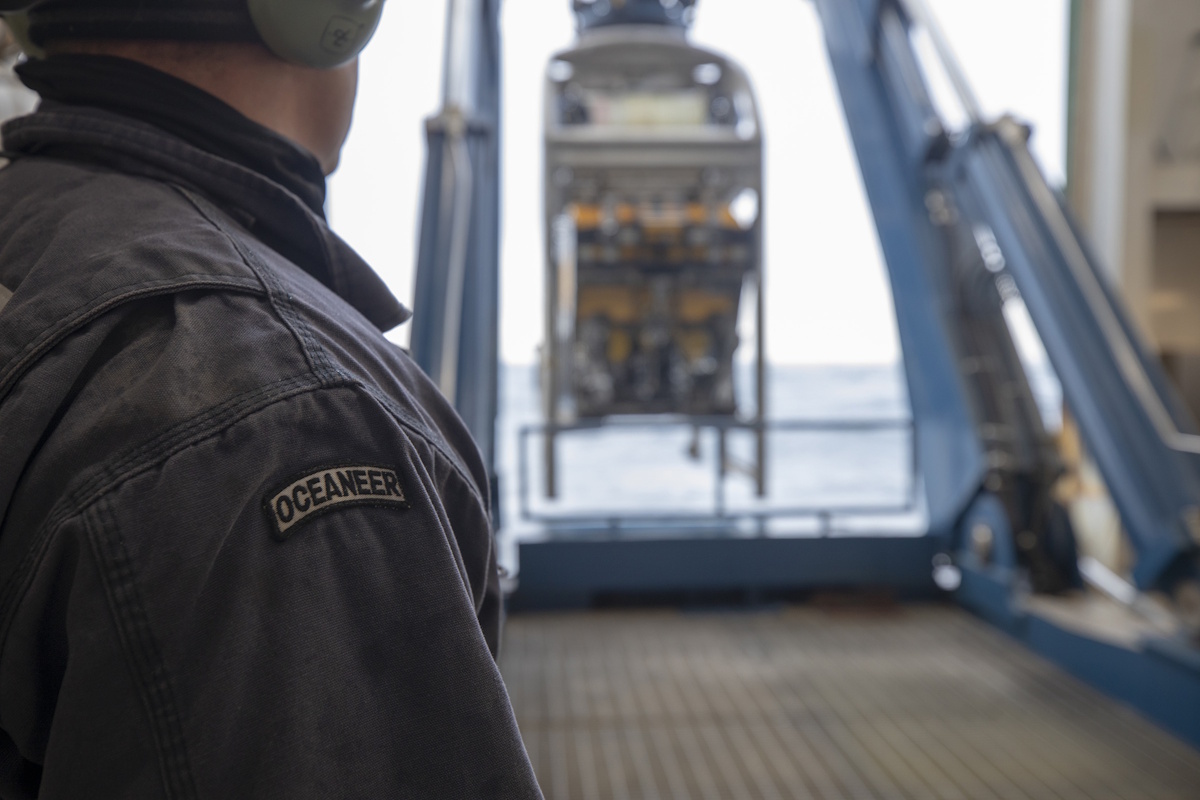
Oceaneering Secures Petrobras Contract for ROV Services Offshore Brazil
Oceaneering International, Inc. (“Oceaneering”) announced that its Brazilian subsidiary, Marine Production Systems do Brasil LTDA (“MPS”), won a contract from Petróleo Brasileiro S.A. (“Petrobras”) to deliver ROV services offshore Brazil. The award follows a competitive tender process. The contract term is four years and operations are expected to begin in 2027.
oceaneering petrobras contract rov services offshore
PaleBlue Supplies ROV Training Simulator to DeepTech Oil Services
PaleBlue, a prominent player in digital training technology and ROV simulators, has announced the successful delivery of a state-of-the-art ROV training simulator to DeepTech Oil Services, a company specializing in subsea energy and marine services. This collaboration, finalized in October 2023, aims to enhance the training capabilities for DeepTech's personnel, ensuring they are equipped with the latest skills and knowledge for operating remotely operated vehicles in challenging underwater environments. The integration of this advanced simulator is expected to significantly improve operational efficiency and safety standards within the subsea industry.
paleblue
Next Geosolutions, Through its Subsidiary Rana Subsea, Signs LOI with Saipem for the Provision of “SAT Diving” Services in the Middle East
A significant agreement valued at approximately $150 million has been established, with a planned duration of 36 months. This contract aims to enhance collaboration and development in the relevant sector, reflecting a strategic move by the involved parties to strengthen their operational capabilities. The initiative is expected to yield substantial benefits over the course of its execution, contributing to advancements in technology and service delivery. The agreement underscores a commitment to long-term partnership and innovation, positioning the stakeholders for future growth and success.
nextgeo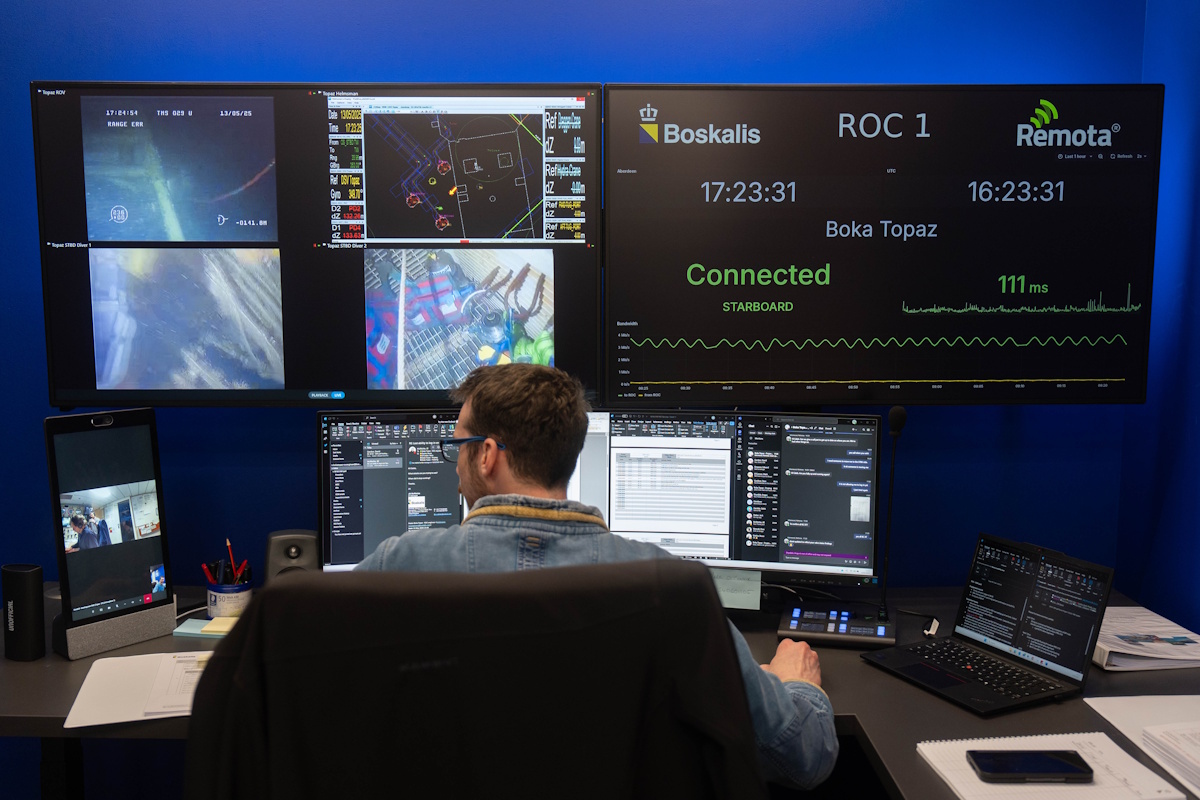
Boskalis Subsea Services Launches Recruitment Drive to Support Major Expansion of ROV Capabilities
Boskalis Subsea Services, a prominent player in subsea decommissioning, inspection, repair, and maintenance, has unveiled a significant enhancement to its Remote Operated Vehicle (ROV) capabilities. This expansion comes with the establishment of a specialized ROV department, supported by a cutting-edge Remote Operations Centre (ROC) located in Aberdeen, which commenced operations earlier this year. The move aims to bolster the company's service offerings and improve operational efficiency in subsea projects, reflecting Boskalis's commitment to advancing technology in the industry.
boskalis subsea services recruitment expansion rov capabilities
Oceaneering Awarded Contract by Esso Exploration Angola (Block 15) Limited for ROV Services and Integrated Solutions
Oceaneering International, Inc. has secured a significant contract with Esso Exploration Angola, a subsidiary of ExxonMobil, to provide support services for offshore operations in Angola's Block 15. The agreement, which began on July 1, 2025, is projected to yield between $80 million and $90 million in revenue over the next three years. This partnership underscores Oceaneering's commitment to enhancing operational efficiency in the region's oil and gas sector.
oceaneering contract award esso exploration angola block 15 rov servicesRobotics needs a service framework.
RSF defines a common language for robot service capability, lifecycle operations, certification pathways, and service-provider networks.
Join the RobotToday community on LinkedIn
Daily robotics news, in-depth analysis, conference highlights, and discussions with professionals worldwide.







