Industry Briefing
A single destination for timely, editor-curated robotics news from around the world.

Xiaomi Releases Open-Source Robotics-U0 Model and Training Tools with Significant Speedups
Xiaomi has open-sourced the Xiaomi-Robotics-U0, an autoregressive embodied world foundation model featuring approximately 4 billion parameters and full-scale weight lines of around 38 billion. This release includes training and inference tools designed to enhance robotic applications. The significance of this development lies in Xiaomi's claim of achieving FlashAR+ speedups nearing 83 times, which positions the Robotics-U0 model at the forefront of robot-centric scene, transfer, and video synthesis tasks, as evidenced by its top ranking in WorldArena. Looking ahead, the impact of Xiaomi-Robotics-U0 on the robotics landscape will be noteworthy, particularly in applications requiring advanced scene understanding and video synthesis capabilities. No further timeline was disclosed at the time of publication.
Shangpin Home Introduces Open-source WorldSimReady-Home Dataset for Robotics Training
Shangpin Home, in collaboration with Tangyuan Technology, has launched the WorldSimReady-Home simulation dataset aimed at addressing the challenges of robotic training in complex home environments. This open-source dataset includes 100,000 square meters of high-fidelity home scenes, 10,000 interactive assets, and 1,000 standardized robotic simulation task examples, allowing for extensive training and testing of various robotic forms. The significance of this initiative lies in its potential to bridge the Sim2Real gap, where robots struggle to perform in real homes despite successful laboratory tests. By providing a diverse range of simulated environments, the dataset enables developers to train robots for navigation, object manipulation, and complex household tasks without the risks associated with real-world trials. Looking ahead, the WorldSimReady-Home dataset represents a foundational step in Shangpin Home's strategy for embodied intelligence. As more teams engage with this open-source initiative, the development of additional datasets for industrial, commercial, and specialized scenarios is anticipated. The effectiveness of this approach will depend on the practical application of the dataset and the successful transfer of learned strategies to real-world settings.
Robotics Training Simulation Data Home Automation AI Digital Twins
A3 and Mahoning County Launch Free Robotics Training in Ohio with $499,000 Grant
The Association for Advancing Automation (A3) and the Mahoning County Career & Technical Center (MCCTC) are set to provide free robotics and automation training in Ohio, supported by a $499,000 workforce grant. This initiative aims to enhance the skills of approximately 3,000 residents by June 30, 2027, through the Ohio Individual Microcredential Assistance Program (IMAP). This program is significant as it addresses the growing demand for skilled workers in technology-driven careers, particularly in robotics and automation. A3 will offer online courses covering essential topics such as industrial robotics and robot safety, which are crucial for small and medium-sized manufacturers looking to adopt these technologies effectively. Looking ahead, the program will continue to expand, with five additional courses planned for release in the coming months. Ohio residents interested in these opportunities can enroll through the A3 website, contributing to a stronger workforce prepared for the future of manufacturing and automation in the region.
News Robotics a3 advanced manufacturing automate automation training
A3 and Mahoning County Career & Technical Center Launch Free Robotics Training Initiative in Ohio
The Association for Advancing Automation (A3) and the Mahoning County Career & Technical Center (MCCTC) have announced a new initiative to provide no-cost robotics and automation training throughout Ohio. This program is supported by a $499,000 workforce grant aimed at enhancing the skill sets of residents in the state. This initiative is significant as it addresses the growing demand for skilled workers in technology-driven careers, particularly in robotics and automation. By offering free training, A3 and MCCTC are making it easier for individuals to gain valuable skills that are increasingly sought after in the job market. Looking ahead, stakeholders will be monitoring the impact of this training program on workforce development in Ohio. The success of this initiative could serve as a model for similar programs in other regions, promoting the importance of skills training in adapting to technological advancements. No further timeline was disclosed at the time of publication.

58.com Partners with Woan Robotics to Enhance Robot Training in Real Homes
In August, Woan Robotics signed a strategic cooperation agreement with 58.com’s subsidiary, Xingxing Kexing Technology. This partnership aims to bridge the gap between AI-driven home robots and real-world living scenarios. Woan Robotics' AI brain, OneModel, requires practical household experiences to function effectively, which 58.com can provide through its extensive local service platform. The collaboration will initially focus on health and commercial environments, with plans to expand into real home applications. With over 90 countries served and more than 5 million households impacted by Woan's products, the partnership is set to enhance the post-sale service network for robots, utilizing 58.com’s talent pool for maintenance and support. Future developments will explore human-robot collaboration, using real-life job processes from 58.com’s platform as training material for robots. This innovative approach positions 58.com not just as an information intermediary but as a supplier of training data for robots, potentially reducing error rates in household robots by leveraging real-world practice before deployment.
Home Robotics AI Training Robot Maintenance Human-Robot Collaboration
Shanghai Concludes Spring Training for Robotics Teams with Real-World Testing
Thirty-two maker teams showcased their robots in a real-world environment, tackling tasks such as CityWalk, coffee delivery, and urban inspections. Despite their capabilities, the robots faced challenges, including reliance on remote control and limitations in long-distance tasks. This testing highlighted the need for standardized data systems among teams to facilitate collaboration between carbon-based and silicon-based entities. The training culminated in a short film depicting a robotic dog navigating various tasks, revealing both its limitations and the technological advancements made by participating teams. The film emphasized the importance of human oversight and decision-making in enhancing robotic functionality, such as modifying elevator access for robots. Shanghai has introduced the 'Dual-Base Friendly Agreement' to ensure that silicon-based entities do not compromise human safety or privacy. The team is drafting guidelines for creating friendly communities that integrate these technologies. As robots transition into everyday life, it is crucial to align technological advancements with urban planning, social norms, and human psychology.
Robotics Urban Navigation Human-Robot Interaction AI Technology
Jiangsu's AI Innovations Showcase Rapid Robotics Training and Practical Applications
Jiangsu is demonstrating the capabilities of AI through various practical applications, including a quadruped robot conducting inspections and individuals mastering laser welding in just three days. This was highlighted during the 'Vibrant China Research Tour' organized by the Publicity Department, where over 100 journalists explored AI practices across eight cities in Jiangsu. The 'AI Mirror' ecosystem in Nanjing features an exoskeleton device that enhances user strength and a development center that connects product innovation with market testing. Since its launch in November, the center has engaged over 200 companies and facilitated nearly 70 million yuan in transactions, showcasing a successful model of technology integration. In Wuxi, various robots are being trained for precision tasks, while Nantong is transforming traditional manufacturing with AI systems. Suzhou's collaboration with local chip manufacturers is accelerating the laser industry. Jiangsu's diverse AI applications are providing concrete answers to the fundamental question of what technology can achieve in today's era.
AI Robotics Manufacturing Laser Technology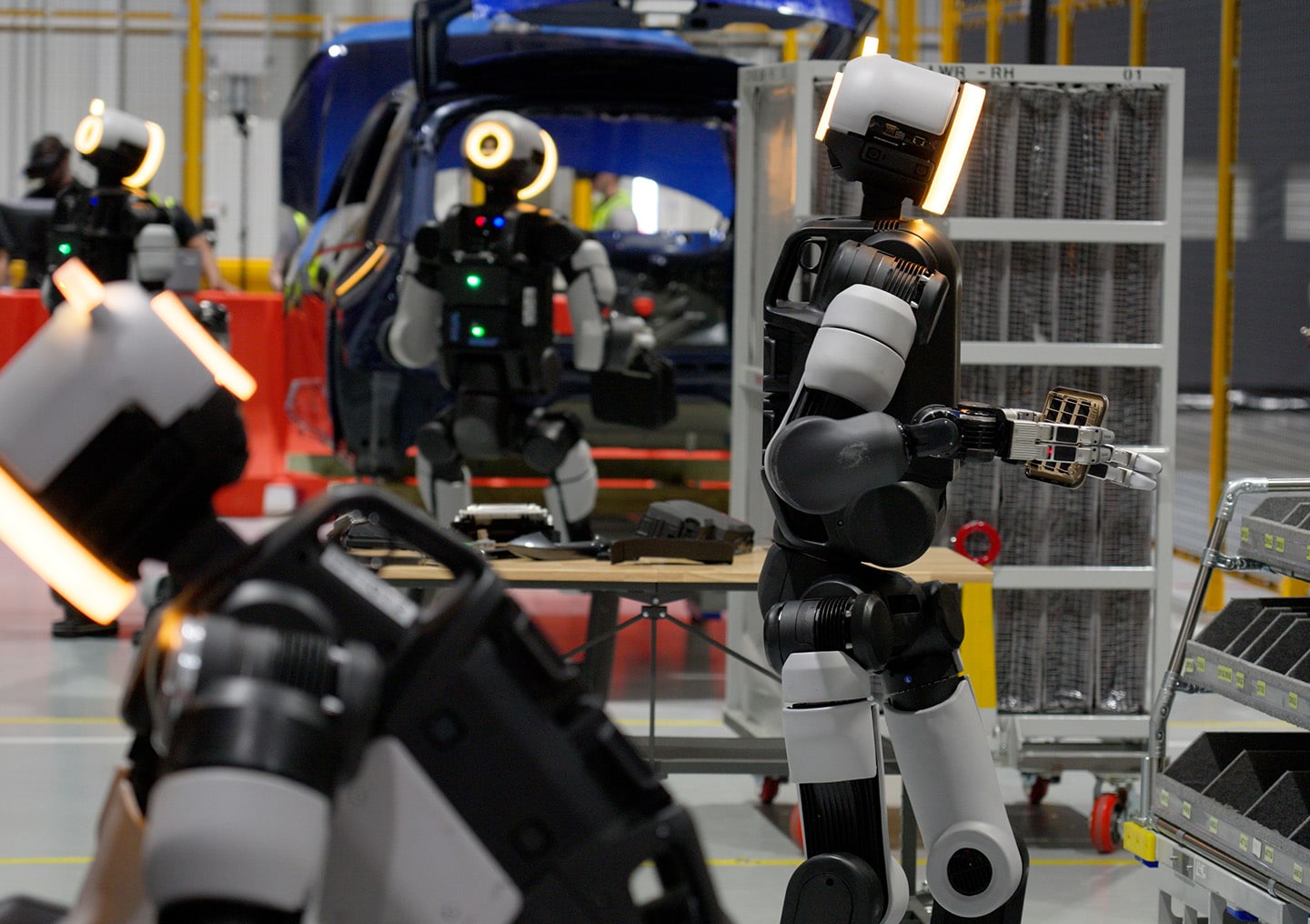
Boston Dynamics Launches Robotics Metaplant Application Center for Atlas Robot Training
Boston Dynamics has unveiled the Robotics Metaplant Application Center (RMAC) at Hyundai Motor Group Metaplant America, marking a significant advancement in its robotics and AI strategy. This facility will serve as a training ground for Atlas robots, integrating them into Hyundai's automobile manufacturing processes, with plans to expand applications to component assembly by 2030. The collaboration with Hyundai Motor Group is crucial as it aims to deploy 25,000 Atlas robots across global plants in the coming years. The RMAC will enhance supply chain and production capabilities, reinforcing the shared vision of making work safer and more efficient through robotics. The first phase of RMAC is operational, with plans for significant expansion next year. Looking ahead, Boston Dynamics intends to explore additional industry applications for Atlas, engaging with existing customers in sectors such as aerospace and logistics to enhance data collection and training processes. No further timeline was disclosed at the time of publication.

Northeast Texas Community College Achieves Yaskawa MERIT Certification for Robotics Training
Northeast Texas Community College (NTCC) has achieved certification as a Yaskawa Motoman Endorsed Robotics Instructor Training (MERIT) center. This certification enables NTCC to provide training in YRC1000 Basic Programming and Basic Programming with Material Handling, enhancing educational opportunities in robotics. The certification is significant as it expands access to recognized robotics training for students, manufacturers, and workforce professionals in Northeast Texas and the surrounding areas. This initiative aligns with the growing demand for skilled professionals in the robotics sector, supporting local economic development. Looking ahead, NTCC's status as a certified training center positions it to play a crucial role in workforce development in the region. No further timeline was disclosed at the time of publication.
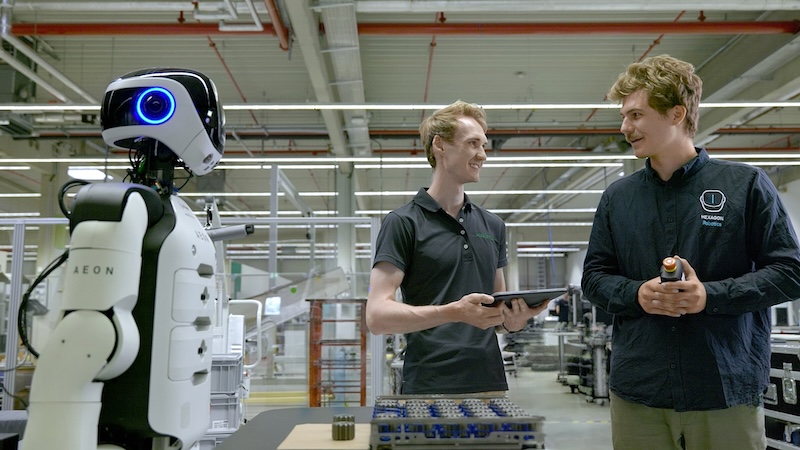
Hexagon Robotics Begins Training AEON Humanoid Robots at Schaeffler's Facility in Germany
Hexagon Robotics and Schaeffler have initiated the training of AEON humanoid robots at Schaeffler’s Humanoid Gym in Germany. This marks a significant step towards deploying at least 1,000 AEON robots in the coming years, utilizing a Train-Validate-Deploy model tailored for industrial environments. The collaboration is crucial as it allows both companies to enhance AEON's industrial capabilities while building Schaeffler's expertise in operating and integrating humanoids into their production processes. The training will focus on imitation learning and refining robot policies to ensure reliable performance in real manufacturing applications. Looking ahead, the training at the Humanoid Gym is expected to expedite AEON's deployment across various manufacturing workflows within Schaeffler over the next six months. This initiative not only supports the integration of humanoids into Schaeffler's operations but also aims to strengthen overall manufacturing performance and scalability in automation.
Components Computing News Training aeon factory automation
Reimagine Robotics Launches Innovative Learning Robots for On-the-Job Training
Reimagine Robotics Ltd has emerged from stealth mode, introducing robots capable of learning tasks on the job through direct human interaction. CEO Jonathan Scholz emphasized that these robots can be trained by workers who demonstrate tasks and provide corrections in real-time, a process he describes as 'monkey-see, monkey-do.' This approach aims to integrate robots into workflows without the need for specialized programming. The significance of this technology lies in its potential to enhance productivity by allowing workers to teach robots how to perform tasks, thereby reducing the need for repetitive manual labor. Scholz highlighted that the robots are designed to assist rather than replace human workers, with the goal of optimizing processes and addressing bottlenecks in various industries. Reimagine Robotics has already deployed its robots in advanced manufacturing and electronics disassembly facilities, showcasing their ability to automate tasks such as tending to 3D printers and disassembling hard drives. No further timeline was disclosed at the time of publication.
Artificial Intelligence Artificial Intelligence / Cognition Assembly Collaborative Robots Human Robot Interaction / Haptics Manufacturing
Neura Robotics Partners with RWTH Aachen University to Launch Neura Gym in Germany
Neura Robotics has announced a partnership with RWTH Aachen University to create a new Neura Gym in Germany, set to open by the end of 2026. This facility will be part of a global network of Physical AI training centers aimed at addressing the shortage of real-world training data for robots. The establishment of Neura Gym RWTH Aachen is significant as it will facilitate the training of robots in real-world environments, enhancing their learning capabilities. Neura Robotics is developing ten such gyms worldwide, with five expected to be operational across Europe, the United States, and China by the end of 2026, thereby contributing to the advancement of Physical AI. Looking ahead, the Neura Gym will cover approximately 3,000 square meters and will support research, AI training, and industrial validation of intelligent and humanoid robots. No further timeline was disclosed at the time of publication.
Humanoids News Research Robotics ai training infrastructure cognitive robotics
NEURA Robotics Partners with RWTH Aachen to Launch NEURA Gym for Physical AI Training
NEURA Robotics GmbH has announced a partnership with RWTH Aachen University to establish the NEURA Gym RWTH Aachen, aimed at training physical AI. This initiative addresses the challenge of limited real-world data for cognitive robotics, as robots typically operate with far less data than large language models. The gym will combine physical training with high-fidelity simulations to create quality datasets for the Neuraverse platform. The establishment of NEURA Gyms is significant as it allows partners to train and validate robots for specific applications, thereby reducing risks associated with industrial deployment. NEURA Robotics plans to build 10 facilities globally, with half expected to be operational by the end of 2026. The Aachen facility will span approximately 3,000 square meters, while a second gym at Munich Airport will focus on cognitive and humanoid robots. Looking ahead, NEURA Robotics aims to leverage its recent Series C financing of up to $1.4 billion to support the global gym network. The collaboration with RWTH Aachen is expected to enhance Germany's position in the global AI landscape, combining academic expertise with cutting-edge technology to prepare skilled professionals for the future.
Academia / Research Artificial Intelligence Artificial Intelligence / Cognition Automotive Healthcare Robotics Humanoids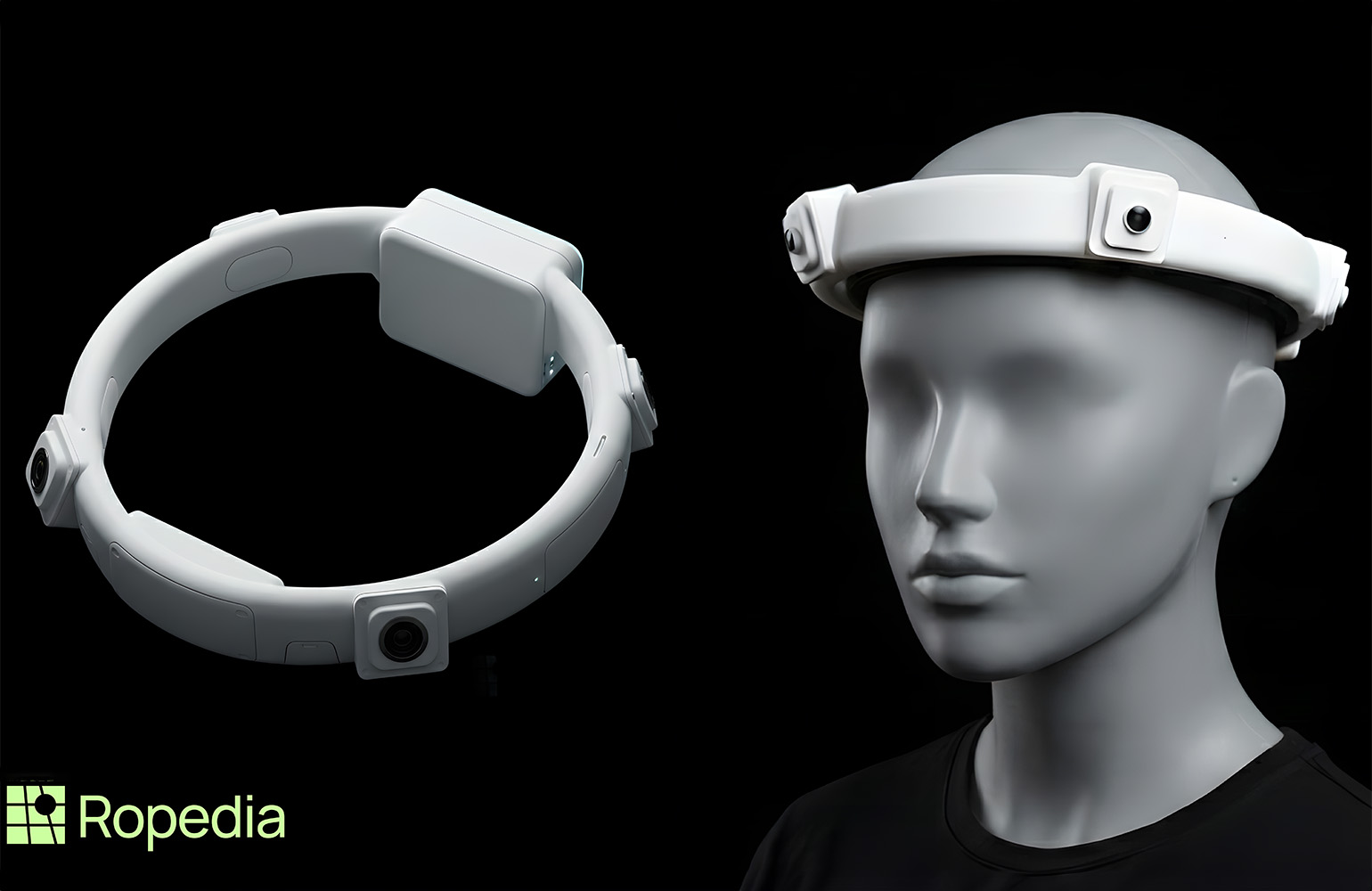
Ropedia Secures $22 Million to Enhance Data Collection for Robotics Training
Ropedia has announced the successful completion of a $22 million pre-Series A funding round, bringing its total funding to $30 million. The investment will be utilized to scale HOMIE, a lightweight, head-mounted device designed to capture first-person human movement and spatial context, which is essential for training robots. This funding is significant as it allows Ropedia to expand its business and technical teams, particularly in hardware, software, and data infrastructure. The company aims to enhance its presence in North America, especially the United States, where most of its clients are located. Ropedia's approach to data collection, which involves generating and structuring data internally, distinguishes it from traditional data-labeling providers. Looking ahead, Ropedia plans to further develop its data platform, incorporating annotation tools and quality analytics. The company is committed to building the necessary data infrastructure for the robotics industry to scale effectively. No further timeline was disclosed at the time of publication.
Artificial Intelligence Artificial Intelligence / Cognition Design / Development Financial Investments News
Westlake Robotics Raises Over 100 Million Yuan to Enhance Dual-Pretraining Technology
Westlake Robotics completed a funding round exceeding 100 million yuan in June 2026, backed by Henan Investment Group's Huirong Fund. This marks the company's third financing round in five months, with total disclosed funding reaching several hundred million yuan. The funding is aimed at advancing their unique dual-pretraining technology, which combines a general brain and a humanoid small brain for improved robotic performance. The significance of this funding lies in Westlake Robotics' differentiated technical approach, utilizing a dual-pretraining model that integrates VLA and world model fusion. Their General Action Expert (GAE) model addresses common issues in humanoid robots, such as stiffness and imbalance, by enabling real-time interpretation of human motion intent. This capability allows a single operator to control multiple Westlake o1 robots simultaneously, reducing deployment and labor costs in applications like logistics inspection and data collection. Looking ahead, Westlake Robotics plans to use the latest funding to further develop their unified embodied large model and accelerate deployment with industrial clients. The company, founded by academic researchers from Westlake University, is positioned to leverage its strong academic background to bridge the gap between laboratory demonstrations and real-world applications. No further timeline was disclosed at the time of publication.
Robotics Embodied Intelligence Automation Logistics AI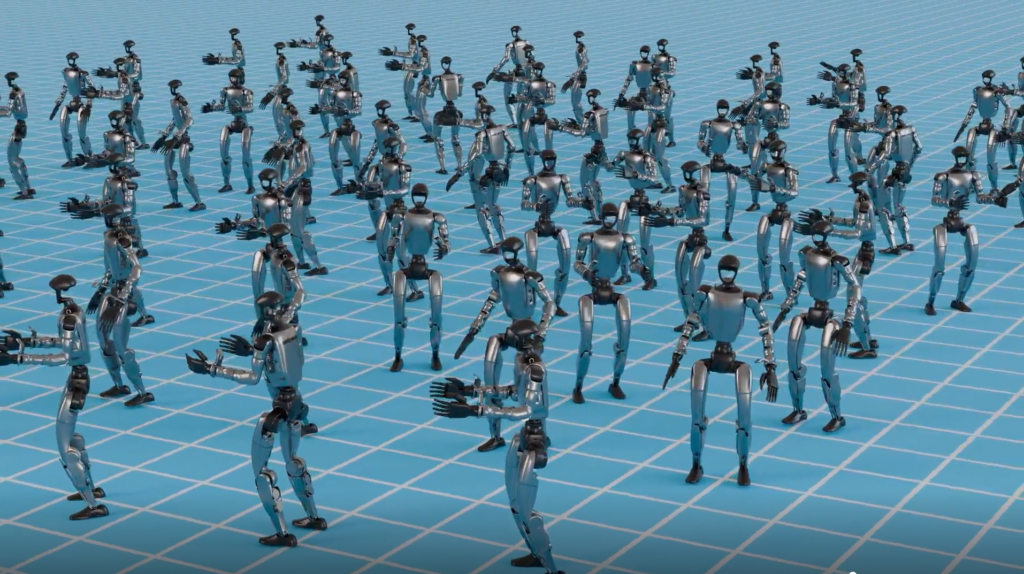
SoftServe Introduces Virtual Gyms for Enhanced Robotics Training and Deployment
SoftServe has highlighted the importance of 'virtual gyms' for robotics teams, emphasizing their role in preparing robots for dynamic environments. These high-fidelity simulation environments allow robots to train, fail, and recover safely before real-world deployment, addressing the challenges posed by unpredictable operational conditions. The global robotics market is projected to grow at a 19.6% CAGR from 2026 to 2036, underscoring the need for effective training solutions like virtual gyms to enhance robotic autonomy and performance. The shift from programmed automation to physical AI necessitates that robots adapt to constantly changing environments, which traditional training methods struggle to accommodate. Virtual gyms integrate technologies such as digital twins, reinforcement learning, and sensor modeling to provide a comprehensive training platform. This approach mitigates the risks and costs associated with real-world trials, enabling teams to generate valuable training data in a controlled setting, thus improving deployment success rates. Looking ahead, the adoption of virtual gyms is expected to become a standard practice in robotics development, as they offer a solution to the simulation-to-reality gap. No further timeline was disclosed at the time of publication, but the increasing complexity of robotic tasks suggests that the demand for such training environments will continue to rise as the industry evolves.
Artificial Intelligence Artificial Intelligence / Cognition Autonomous Mobile Robots (AMRs) Development Tools / SDKs / Libraries Industrial Robots Logistics
Singapore Launches Home Team Humanoid Robotics Centre for Public Safety Training
Singapore's Home Team Science and Technology Agency has inaugurated the Home Team Humanoid Robotics Centre, a 29,000-square-foot facility aimed at developing humanoid robots for public safety roles. The center will focus on training robots for tasks such as hazardous-material handling and post-blast investigations, with the first operational humanoid expected by 2028. This initiative is significant as it addresses the need for advanced robotics in public safety, an area that has seen less development compared to commercial humanoid applications. The center will collaborate with various partners, including ST Engineering and Singtel RE:AI, to enhance AI infrastructure and ensure the robots are equipped to assist human officers in demanding environments. Looking ahead, the Home Team Humanoid Robotics Centre will support the entire development cycle of embodied AI systems, emphasizing the importance of specialized training data for public safety applications. No further timeline was disclosed at the time of publication.
Humanoids National Strategies Physical AI AI Home Team HTX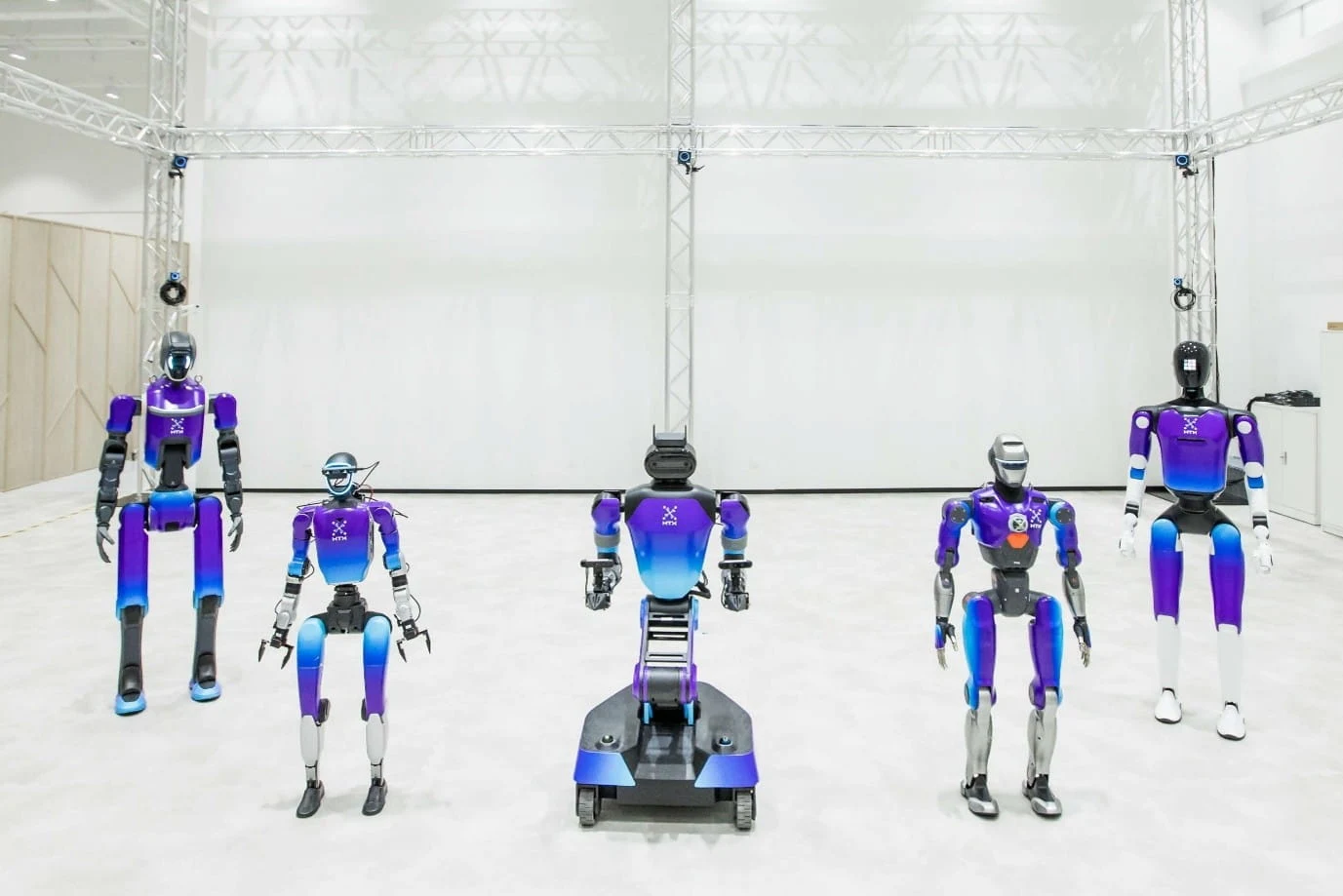
Singapore's HTX Launches Humanoid Robotics Centre Aiming for 2028 Public Safety Deployment
Singapore’s Home Team Science and Technology Agency (HTX) has inaugurated the Home Team Humanoid Robotics Centre (H2RC) on September 30, with the objective of deploying a humanoid robot in a public safety role by 2028. The centre will focus on developing capabilities for various public-safety missions, including hazardous-material containment and contraband searches. The establishment of H2RC is significant as it aims to enhance operational efficiency in public safety through the integration of humanoid robots. The centre is equipped with advanced facilities for motion capture, teleoperation, and AI systems, which are essential for training robots to perform complex tasks in real-world scenarios. HTX has identified the collection and annotation of task-specific data as a critical challenge in developing effective vision-language-action models. Looking ahead, HTX plans to proceed with capability building, trials, and validation to ensure the humanoid robots can reliably perform defined tasks alongside officers. The success of this initiative will depend on the transition from demonstrations to consistent operational capabilities, which will ultimately determine the program's effectiveness in public safety applications. No further timeline was disclosed at the time of publication.
HTX Singapore
Figure Partners with Nscale to Deploy 100,000 GPUs for Humanoid Robot AI Training
U.S. robotics company Figure has entered a strategic partnership with UK-based Nscale to secure up to 100,000 GPUs for training its next generation of humanoid robots. This collaboration aims to meet the increasing data and computational demands of developing advanced AI models for general-purpose robotics, utilizing NVIDIA’s Vera Rubin platform. The partnership is significant as it represents an initial commitment of $3.5 billion, with plans to expand to over $6 billion. The deployment of this large-scale computing infrastructure is expected to begin in the second half of 2027 in Barstow, Texas. This investment will support Figure's Helix AI system, enhancing the capabilities of its humanoid robots by processing vast amounts of real-world data. Looking ahead, Figure is also scaling its Index dataset, which has gained over 264,000 downloads globally. This dataset is crucial for training AI models by capturing diverse human activities. The collaboration with Nscale is designed to create a comprehensive infrastructure for physical AI, facilitating the transition from model training to real-world deployment of humanoid robots. No further timeline was disclosed at the time of publication.
AI and Robotics
Training and Upskilling, Not Automation, Key to Productivity Growth in Manufacturing
Recent insights indicate that while innovation in automation and robotics is ongoing, the immediate solution to productivity growth does not stem from these technologies. Instead, the focus should be on training and upskilling the workforce, which is becoming increasingly critical for manufacturers in the automotive and machine-building sectors. This emphasis on workforce development highlights a significant challenge for manufacturers, as the lack of skilled labor may hinder their ability to fully leverage technological advancements. As industries evolve, the need for a well-trained workforce will become a bottleneck, impacting productivity and competitiveness in the market. Looking ahead, companies must prioritize investment in training programs to address this skills gap. No further timeline was disclosed at the time of publication, but the ongoing shift towards upskilling suggests that manufacturers will need to adapt their strategies to ensure they can meet future demands effectively.

Robotics Companies Compete to Collect Human Videos for AI Training in India
Robotics companies are actively gathering videos of workers in India performing tasks such as shoe stitching and steel welding. This initiative aims to enhance the capabilities of robots by providing them with the necessary skills through human demonstrations. The significance of this effort lies in the ongoing competition among robotics firms to develop advanced AI systems that can replicate human tasks. By utilizing real-life footage of skilled workers, these companies hope to improve the training processes for their robots, ultimately leading to more efficient automation solutions. Looking ahead, it will be important to monitor how these efforts evolve and the impact they have on both the workforce and the robotics industry. No further timeline was disclosed at the time of publication.
Mimic Robotics Introduces FLUX-mimic for Efficient Robot Learning from Video Demonstrations
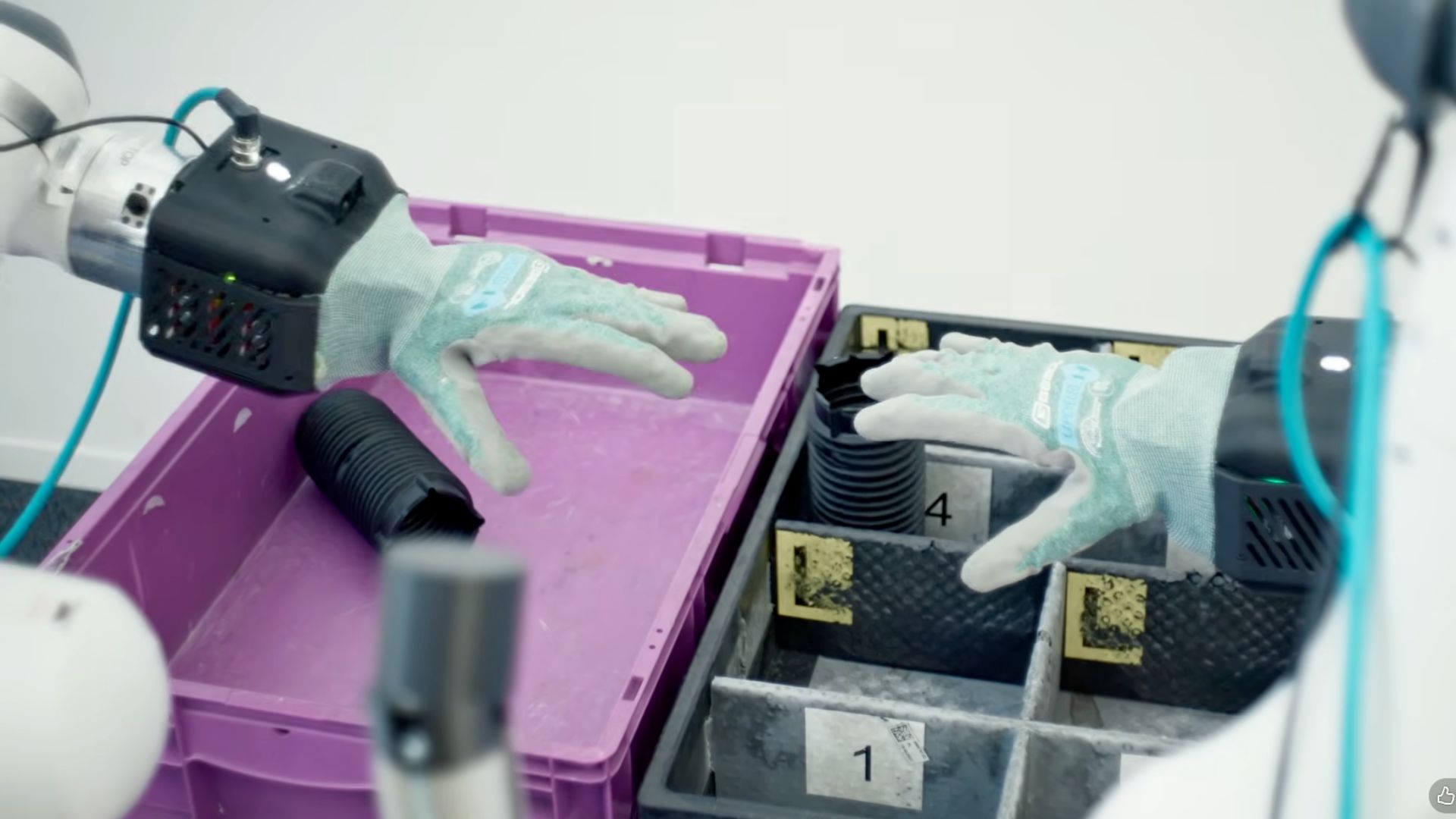
Mimic Robotics has launched FLUX-mimic, a cutting-edge Video-Action Model developed with Black Forest Labs, enabling robots to learn intricate industrial tasks from video demonstrations. This innovative system significantly reduces the amount of training data required, allowing for faster and more efficient robot training in factory settings, including deployments at Audi. The importance of FLUX-mimic lies in its ability to streamline robot training processes, which traditionally demand extensive demonstration data. By utilizing a generative video foundation model, FLUX-mimic can fine-tune manipulation tasks with as little as 30 minutes of data, compared to the 30 hours often needed by conventional systems. This advancement is expected to shorten deployment cycles from months to weeks, enhancing operational efficiency. Looking ahead, the collaboration with Audi will test FLUX-mimic's performance in real-world factory environments, particularly for high-dexterity tasks. The focus on automating complex manipulations could lead to broader applications in manufacturing and logistics, making robotic automation more adaptable to evolving production needs. No further timeline was disclosed at the time of publication.
AI and Robotics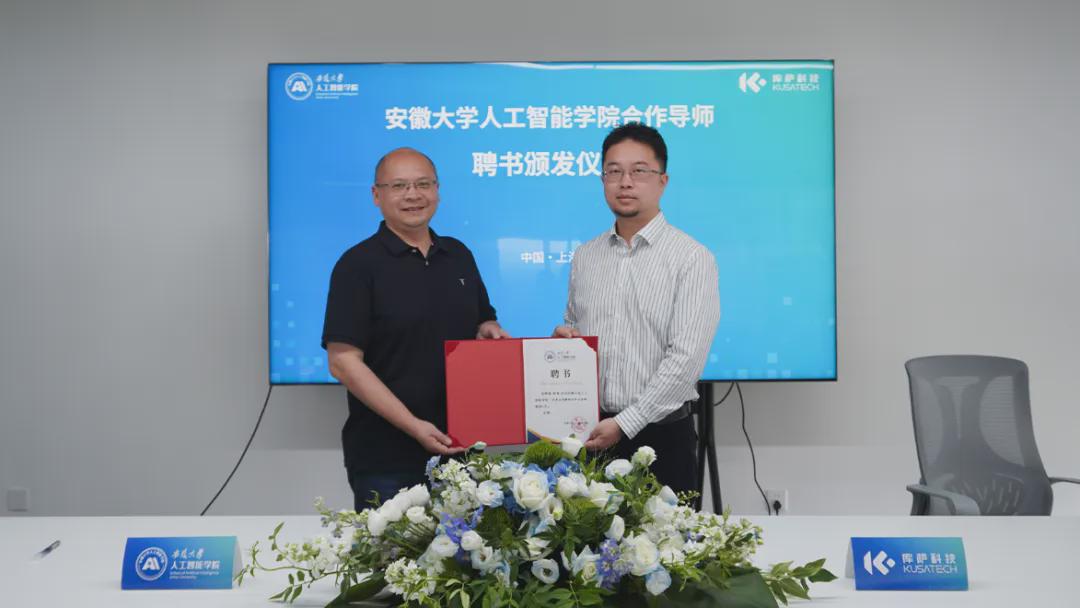
Kusa Technology Partners with Anhui University AI College for Robotics Development and Talent Training
Kusa Technology has announced a strategic partnership with Anhui University AI College to advance the development of embodied intelligent robots and nurture talent in this emerging field. This collaboration, which was unveiled recently, seeks to bridge the divide between academic research and practical applications, harnessing the unique strengths of both organizations. By combining Kusa Technology's expertise in robotics with the academic resources of Anhui University, the partnership aims to drive innovation and enhance the reliability of urban service robotics. This initiative reflects a growing trend in the tech industry to integrate educational institutions into the development process, ensuring that advancements in technology are aligned with real-world needs and applications.
Embodied Intelligence Robotics Development AI Talent Training Urban Service Robots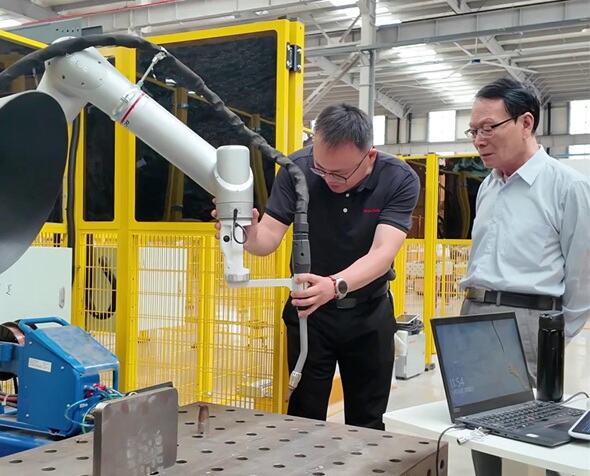
ROKAE Robotics Partners with China Welding Association on Smart Welding Training
ROKAE Robotics has announced a partnership with the China Welding Association (CWA) to collaboratively develop and implement professional training programs focused on intelligent welding technology. The agreement was formalized during a visit from Wu Jiupeng, Deputy Secretary-General of the CWA, to ROKAE's facilities. This initiative aims to bridge the existing skills gap between theoretical knowledge of welding and practical operation of robotic systems, which both organizations have identified as a critical challenge in the industry. The collaboration is expected to enhance the skill set of welding professionals, ensuring they are better equipped to meet the demands of modern welding technology.

YY Group Launches Training Lab, Deploys Pilot Robotics in Singapore
YY Group Holding Limited, an AI-native workforce management and integrated facility management provider, has announced the launch of its Humanoid Robotics Training Lab as part of its ongoing AI training data strategy. This initiative, which was first introduced on April 22, 2026, aims to enhance the company's capabilities in developing advanced AI solutions. The lab will focus on training humanoid robots to improve efficiency in various operational tasks. The announcement marks a significant step for YY Group as it seeks to solidify its position in the rapidly evolving AI sector across Asia and beyond.
AI AI Use Cases Robotics humanoid robots Singapore training data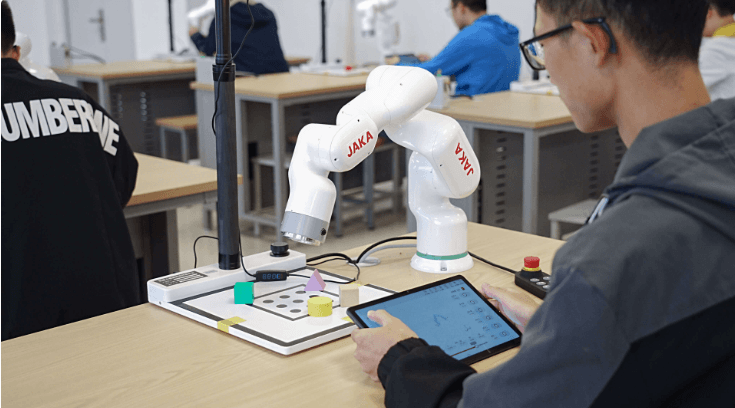
Industrial Automation and Robotics for Educators: Training the Next Generation
The rapid evolution of industrial automation and robotics is reshaping global manufacturing, leading to an increased need for a skilled workforce adept at managing advanced machinery. As educators strive to connect theoretical engineering principles with the practical demands of modern smart factories, there is a pressing requirement for classroom tools that reflect real-world equipment. By 2026, the integration of robotics into STEM curricula is expected to be crucial for fostering critical thinking and technical literacy among students. Educational programs are shifting towards "Embodied Intelligence," where learners engage with sophisticated technologies like industrial robot arms, enhancing their understanding of vision systems, sensor feedback, and machine learning. This hands-on experience equips students with essential skills in industrial safety, workflow optimization, and predictive maintenance, preparing them for careers as automation engineers and technicians. However, challenges persist, including the high costs and complexities associated with traditional industrial robots, which often require specialized facilities and safety measures. To address these issues, educational institutions are exploring "all-in-one" solutions that prioritize safety and usability while maintaining industrial-grade performance. JAKA Robotics is stepping up to meet these educational needs by providing tools that facilitate a safe learning environment. Their JAKA Academy offers a comprehensive training platform with courses ranging from basic operations to advanced software development. The versatile JAKA Zu and S series robots are designed for both research and classroom use, allowing students to engage in practical tasks and develop innovative AI-driven workflows. By incorporating JAKA's technology into educational settings, students are empowered to become the next generation of leaders in industrial automation.
Automation and Industrial Robotics for Education: Training Programs and Platforms
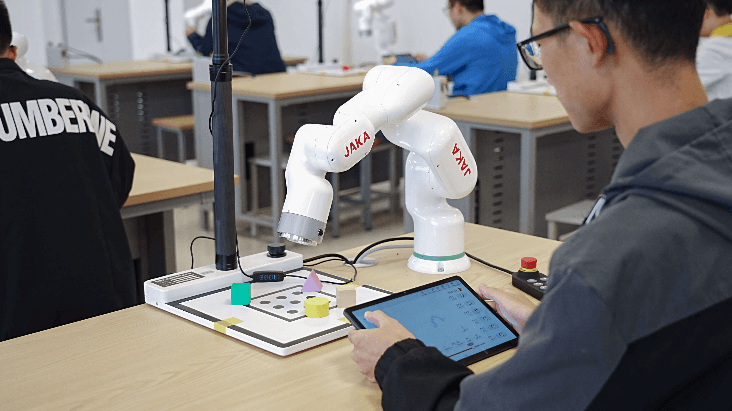
JAKA, a leader in industrial automation and robotics, is revolutionizing technical education by integrating hands-on experience with industrial cobot systems into learning environments. This initiative aims to prepare students for future careers in manufacturing and engineering by providing practical knowledge that complements traditional theoretical studies. The company has developed training programs centered around the JAKA Pro16, an industrial cobot designed to operate in challenging environments, allowing students to engage in tasks such as palletizing, machine tending, and precision welding without damaging sensitive equipment. This hands-on approach helps learners understand the practical challenges of modern industrial settings. JAKA's modular platforms facilitate both individual and collaborative learning, enabling students to program trajectories, test automation sequences, and analyze data from integrated sensors. This immersive experience connects theoretical concepts with real-world applications, enhancing problem-solving skills and technical confidence. The goal of these educational programs is to equip students with the skills necessary for careers in manufacturing, engineering, and technology. By interacting with advanced robotics like the JAKA Pro16, students gain insights into mechanical operations, control systems, and safety protocols. JAKA also provides instructor guides and safety materials to ensure effective and secure learning. Through this commitment to integrating automation and robotics into education, JAKA is helping to bridge the gap between classroom learning and industry requirements, ultimately preparing the next generation for the evolving challenges of modern manufacturing.
NEURA Robotics and TUM Launch Europe’s Largest Physical AI Training Center
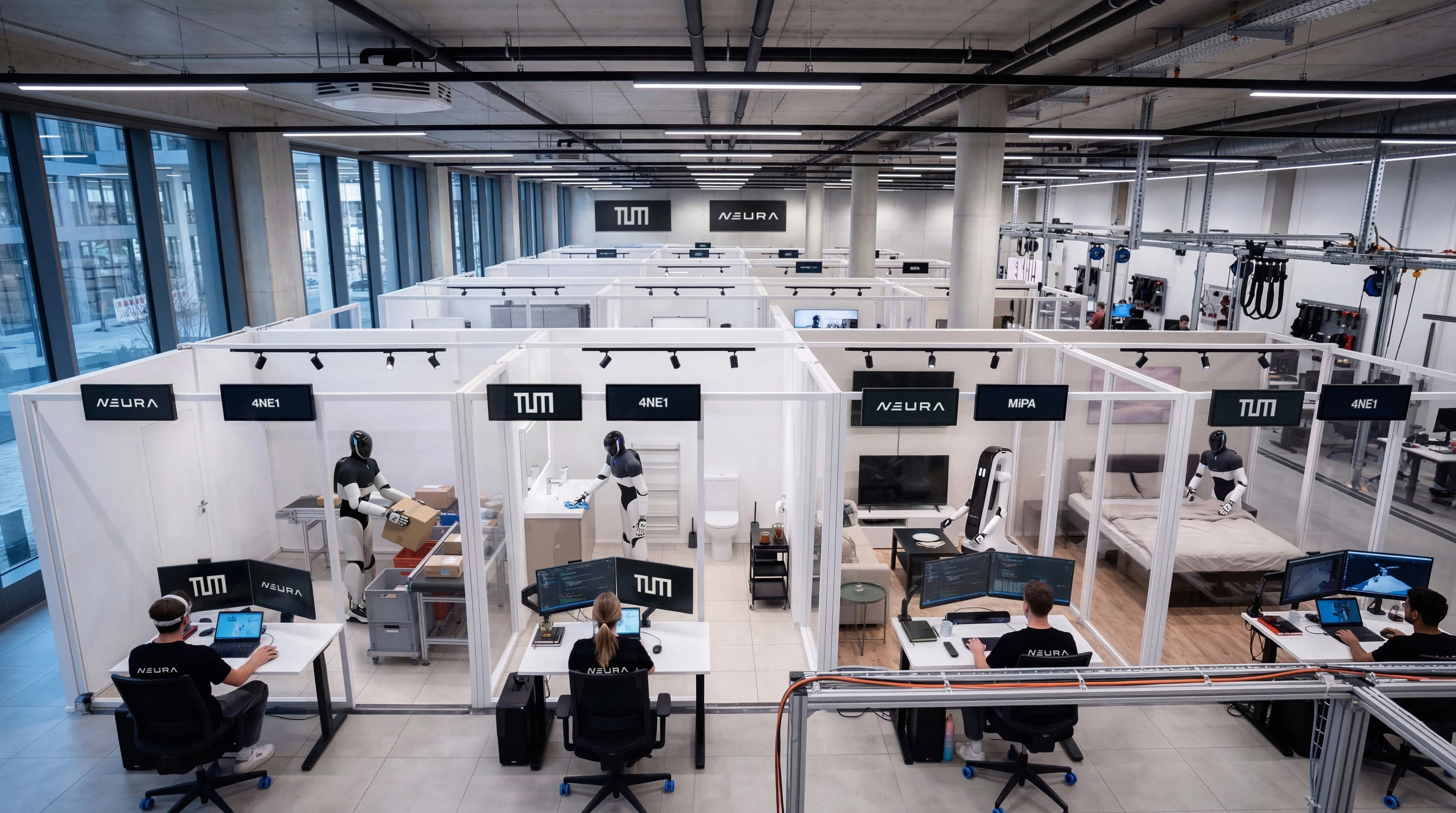
Munich Airport is set to unveil a state-of-the-art "TUM RoboGym," a €17 million facility designed to enhance robotics training by utilizing a fleet of humanoid robots. This innovative project aims to bridge the gap between simulation and real-world applications, significantly advancing the capabilities of NEURA’s hardware-agnostic Neuraverse platform. The RoboGym is expected to play a crucial role in the development and deployment of advanced robotic technologies, fostering research and practical applications in the field. The facility is anticipated to open in the near future, marking a significant milestone in the integration of robotics into everyday environments.
4NE-1 Neura Robotics Europe Neura Gym
Generalist AI Releases "Science of Pretraining" Deep Dive: Why Data Quality Trumps Volume in Robotics
Generalist AI has unveiled new insights into its pretraining methodology in a technical addendum related to its recent GEN-0 launch. The company introduced innovative metrics, including "Reverse KL," designed to evaluate the creativity of its models. Additionally, Generalist AI announced that its infrastructure can process an impressive volume of data, equating to 6.85 years of robotic experience each day. This advancement highlights the company's commitment to enhancing artificial intelligence capabilities and underscores its efforts to push the boundaries of machine learning technology.
Data Collection Generalist AI embodied-ai
Boston Dynamics Launches University to Enhance Robotics Training and Certification
Boston Dynamics has launched Boston Dynamics University, aimed at enhancing robotics training for over 1,000 customers and partners. This initiative responds to the growing demand for skilled robot operators across various industries, ensuring they understand the safety and productivity benefits of robotics and AI solutions. The university offers a unique learning environment with flexible programs, including in-person and self-paced online training. Its mission is to build mastery in using Boston Dynamics solutions effectively, ultimately helping organizations maximize their investment in robotics. The initiative also plans to extend certification opportunities to partners, ensuring consistent support and technical proficiency worldwide. As the demand for robotics education increases, Boston Dynamics University aims to provide diverse learning experiences and multi-language support. The training currently includes programs for Spot and Stretch, focusing on applications like Autonomous Inspection and Tactical operations. No further timeline was disclosed at the time of publication.

Doosan Robotics Opens Authorized Training Center at the University of Maine
Doosan Robotics has launched an Authorized Training Center at the University of Maine's Advanced Manufacturing Center (AMC) in Orono, marking a significant step in workforce development in robotics and automation. The center, located within the AMC's B.O.T. Loft, will provide hands-on training in robot programming, system integration, and industrial applications, utilizing Doosan's advanced robotic systems and other technologies. This initiative aims to equip both students and the general public with essential skills for today's high-tech job market. The partnership, which expands Doosan Robotics' U.S. training network—joining an existing center in Plano, Texas—reflects the company's commitment to fostering a skilled robotics workforce and promoting intelligent automation. Doosan will supply official training materials, lesson plans, and educational robot kits to support the curriculum. John Belding, director of the AMC, expressed enthusiasm for the collaboration, emphasizing the importance of providing direct experience with cutting-edge technology in shaping the future of manufacturing. The initiative also benefits from Industrial Automation Supply, Doosan's authorized distributor in Portland, enhancing access to automation solutions for local manufacturers. Founded in 1865, the University of Maine is the state's only public research university, dedicated to advancing education and innovation in advanced manufacturing. The establishment of this training center underscores the university's mission to deliver real-world training opportunities in high-demand fields.

1X Teases "Incredible" Reveal Amidst Redwoods; Foundation Robotics Launches "Skynet Junior" Training Cluster
This week, robotics company 1X has generated buzz by teasing a significant update through a mysterious video set in a forest, showcasing its NEO humanoid robots. Concurrently, Sankaet Pathak, CEO of Foundation Robotics, revealed that their initial AI training cluster, dubbed "skynet junior," is now operational. The company also has ambitions to develop a more extensive "skynet" cluster in the near future. These developments highlight the ongoing advancements in robotics and artificial intelligence, as firms like 1X and Foundation Robotics push the boundaries of technology and innovation.
1X-technologies sankaet-pathak foundation NEO Bernt BørnichRobotics needs a service framework.
RSF defines a common language for robot service capability, lifecycle operations, certification pathways, and service-provider networks.
Join the RobotToday community on LinkedIn
Daily robotics news, in-depth analysis, conference highlights, and discussions with professionals worldwide.