Industry Briefing
A single destination for timely, editor-curated robotics news from around the world.

Benchmarking Your Development System for Effective Robotics Simulations
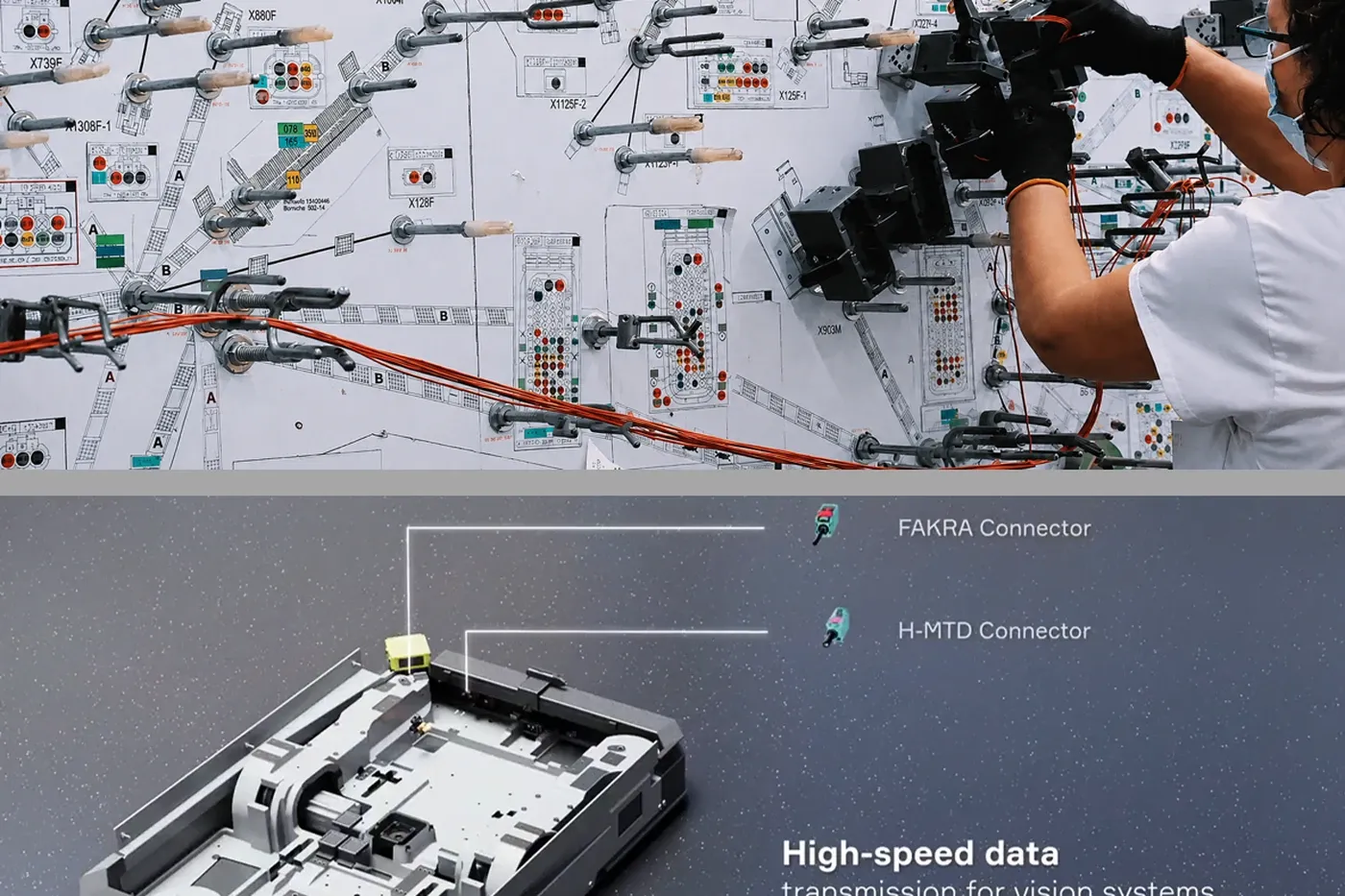
The development of robotics begins long before physical assembly, relying heavily on simulations to validate designs and refine algorithms. These simulations demand significant computational resources, making system benchmarking crucial to identify hardware limitations early in the process. By measuring workstation performance under demanding workloads, engineers can establish a performance baseline that aids in spotting potential bottlenecks. Understanding how different hardware components affect simulation performance is essential for robotics development. Whether using macOS, Windows, or Linux, benchmarking helps determine if slowdowns are due to software changes or hardware limitations. Key components such as the processor, graphics card, memory, and storage play varying roles in performance, and the weakest link can dictate the overall experience. As robotics projects grow in complexity, the need for robust hardware becomes increasingly important. Engineers should focus on comprehensive benchmarking to ensure their systems can handle the demands of their simulations. No further timeline was disclosed at the time of publication.
Components Robot simulation ABB RobotStudio automation cpu delmia
Nebius and Nvidia launch Physical AI Living Lab for European robotics startups
Nebius, a prominent AI cloud company, has launched the Physical AI Living Lab, a six-month initiative aimed at supporting robotics startups across Britain and Europe. This program provides participants with access to Nvidia’s advanced physical AI development tools alongside Nebius’s robust AI cloud infrastructure. The initiative addresses a significant challenge faced by early-stage robotics companies, which often lack the resources to create large-scale simulations, generate synthetic data, and utilize accelerated computing necessary for their development. By offering these essential tools and support, Nebius aims to foster innovation and growth within the robotics sector, ultimately enhancing the capabilities of emerging technologies in the field.
Artificial Intelligence Computing AI cloud computing AI infrastructure automation news nebius
Why robotics can’t advance without physical AI
Recent advancements in robotics are shifting focus from enhancing processors and mechanical designs to improving data quality, particularly through realistic training environments. This emerging field, known as Physical AI, emphasizes the creation of 3D assets and simulation environments that incorporate genuine physical properties. By accurately mimicking real-world behaviors, these simulations aim to enhance the training of robotic systems, enabling them to perform more effectively in various applications. As researchers and developers prioritize realistic data over traditional methods, the potential for breakthroughs in robotic capabilities is becoming increasingly evident. This evolution in robotics is expected to redefine how machines interact with their environments, paving the way for more sophisticated and adaptable technologies.
Artificial Intelligence Robotics ai robotics automation news Autonomous robots digital twins
China's Robots Learning Human Skills Through Real-World Simulations
In a discreet industrial park in suburban Beijing, a humanoid robot is meticulously stacking bags of chips on a shelf. Nearby, workers are filming their actions of folding sheets and handling cushions, which will serve as 'textbooks' for the robots. China is undertaking a significant initiative to transition robots from laboratories to simulated environments like supermarkets, factories, and homes to learn human skills, and the scale of this 'internship' is rapidly expanding. This initiative is crucial as robots need to understand the physical world's rules, such as how to hold an egg without breaking it or catch a cup of water before it slips off a tray. Unlike the U.S., which relies on data purchasing and low-cost data collection in countries like India and Vietnam, China has established at least 64 data collection and training centers nationwide, with over 20 more under construction. At the Beijing Humanoid Robot Innovation Center, more than 120 robots are being trained across 30 scenarios in six major sectors, forming a comprehensive 'robot training network' across the country. As hardware advancements continue, Chinese robotics companies are focusing on enhancing their AI capabilities. Yushu Technology is preparing for an IPO, pledging nearly half of its $610 million fundraising to AI model development. By mid-2026, funding in China's embodied intelligence sector has already exceeded 90 billion yuan, five times that of the previous year. With plans to deploy over 1,000 humanoid robots in factories this year and more than 10,000 by 2027, China is leveraging its organizational capabilities to collect data at scale, positioning itself advantageously in the race towards general intelligence.
Humanoid Robots AI Robotics Training Data Collection Automation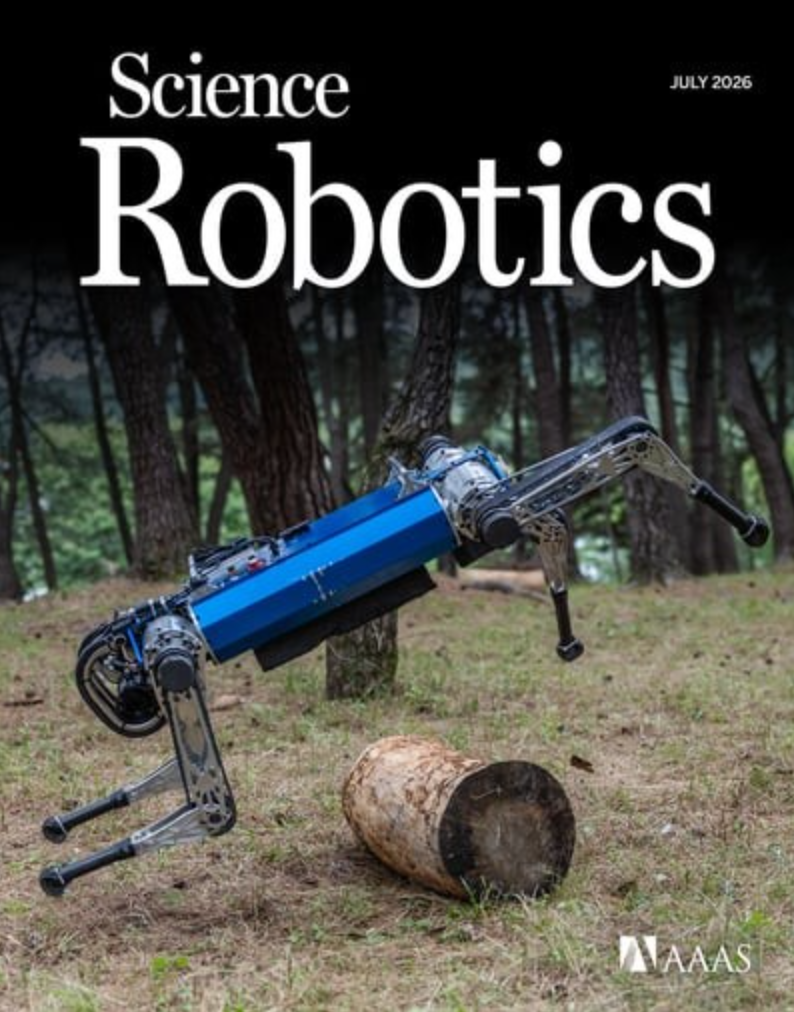
KAIST Unveils Advanced Four-Legged Robot with Autonomous Navigation Technology
KAIST's mechanical engineering team, led by Professor Park Hai-won, announced a breakthrough in robotic technology on July 16. They developed a four-legged robot capable of autonomously selecting and switching between various gaits in real-time, enabling it to navigate complex outdoor environments with speed and stability. This innovation is significant as it integrates a new control architecture called APT-RL (Action Pre-training Reinforcement Learning based on Transformers), which allows the robot to learn movement through computer simulations rather than traditional motion capture. The robot, named KAIST HOUND, demonstrated its capabilities by traversing diverse terrains, achieving peak speeds of 6 meters per second, faster than an average cyclist. Future developments to watch include the potential applications of this technology in disaster response, defense tasks, and industrial inspections. The research was published in the July issue of the journal Science Robotics, highlighting its importance in advancing the field of robotic control and physical AI.
Four-Legged Robots Robotics Technology AI Autonomous Navigation
Open‐Set Fault Diagnosis for Autonomous Underwater Vehicles Via Prototype Learning and Adaptive Mahalanobis Gating
The Journal of Field Robotics has recently published an early view article highlighting advancements in robotic technology. Researchers from various institutions collaborated to explore innovative applications of robotics in field environments. This study, released in October 2023, emphasizes the growing importance of robotics in enhancing efficiency and safety in agricultural and industrial settings. The motivation behind this research stems from the increasing demand for automation to address labor shortages and improve productivity. The team employed a combination of field tests and simulations to demonstrate the effectiveness of their robotic solutions, showcasing how these technologies can adapt to diverse tasks and terrains. The findings aim to inform future developments in robotic systems, ultimately contributing to more sustainable practices in various sectors.
RESEARCH ARTICLE
Deep Learning Based Dirt Detection and Cleanliness Evaluation in Autonomous Indian Domestic Concrete Water Tank Cleaning Robot
A recent study published in the Journal of Field Robotics highlights advancements in autonomous robotic navigation. Researchers from a leading robotics institute conducted experiments to enhance the efficiency of robots in complex environments. The study, released in early October 2023, focuses on the integration of advanced algorithms that allow robots to better interpret their surroundings and make real-time decisions. The research was carried out in various challenging terrains, including urban settings and natural landscapes, to test the robots' adaptability. The motivation behind this work stems from the growing demand for autonomous systems in sectors such as agriculture, search and rescue, and urban planning. By improving navigation capabilities, the researchers aim to facilitate the deployment of robots in scenarios where human intervention is limited or dangerous. Through a series of simulations and field tests, the team demonstrated that the new algorithms significantly reduced the time taken for robots to complete tasks while increasing their accuracy in obstacle avoidance. This breakthrough could lead to more reliable and efficient robotic systems, paving the way for wider applications in everyday life. The findings underscore the potential of robotics to transform various industries by enhancing operational efficiency and safety.
RESEARCH ARTICLE
RGPB‐Planner: A Real‐Time Gaussian Potential B‐Spline Trajectory Planner for Unmanned Aerial Vehicles in Complex Environments
A recent study published in the Journal of Field Robotics explores advancements in autonomous robotic systems designed for agricultural applications. Researchers from various institutions conducted the study to address the growing need for efficient farming solutions amid increasing global food demands. The findings, released in early October 2023, highlight innovative technologies that enhance the capabilities of robots in tasks such as planting, harvesting, and monitoring crops. The research was conducted in diverse agricultural settings, showcasing how these robotic systems can adapt to different environments and crop types. By integrating artificial intelligence and machine learning, the robots are able to optimize their performance, reducing labor costs and increasing productivity for farmers. This initiative stems from the urgent necessity to improve agricultural efficiency and sustainability in response to climate change and population growth. The study emphasizes that the implementation of these robotic systems could significantly transform traditional farming practices, making them more resilient and resource-efficient. The research team utilized a combination of field tests and simulations to demonstrate the effectiveness of the robotic technologies, providing a comprehensive analysis of their potential impact on the agricultural sector. As the industry continues to evolve, the insights from this study may pave the way for broader adoption of robotics in farming, ultimately contributing to food security and environmental sustainability.
RESEARCH ARTICLE
Genesis World 1.0 Launches: Infrastructure to Reduce Robot Evaluation Costs to Zero
Genesis AI has revolutionized simulation technology by prioritizing rapid iteration over sheer data volume in the evaluation of robot models. The company has achieved an impressive 89% real-world relevance in its simulations, which allows for extensive validation within virtual environments. This advancement significantly reduces the reliance on physical hardware and associated costs. The innovative infrastructure developed by Genesis AI is designed to facilitate continuous development in the robotics sector, transforming the evaluation process and improving overall efficiency.
Robot Evaluation Simulation Technology Robotics Infrastructure AI Development
Google’s Genie world model can now simulate real streets with Street View
Google DeepMind is set to enhance its Project Genie by integrating it with Street View, aiming to develop immersive and interactive world simulations. This innovative initiative will enable users to explore diverse environments, experience dynamic weather changes, and encounter rare scenarios. The integration is part of DeepMind's broader effort to advance applications in robotics, gaming, and travel, providing a more engaging and realistic experience for users. The project is expected to leverage the extensive data from Street View to create detailed and responsive virtual landscapes, making it easier for developers and users alike to engage with these simulations in meaningful ways.
AI Robotics genie 3 Google Google I/O google io 2026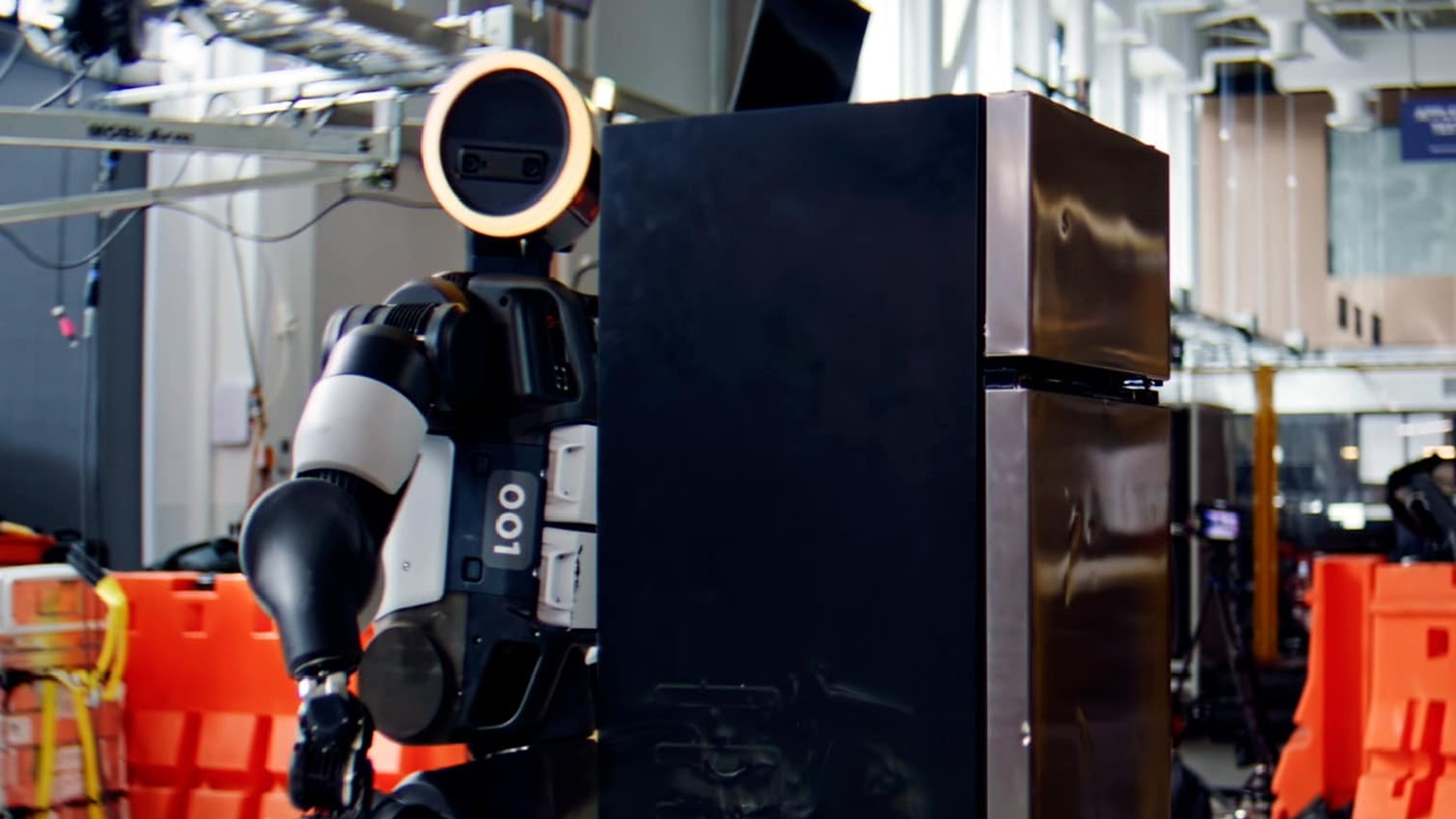
Boston Dynamics reveals how Atlas robot lifts 100-pound industrial loads at scale
Boston Dynamics has unveiled the training process behind its Atlas humanoid robot, showcasing its ability to lift and carry heavy objects. This development was announced in a recent demonstration, highlighting the robot's advanced capabilities in handling various tasks. The event took place in October 2023, where engineers detailed the methods used to enhance Atlas's physical skills. The motivation behind this innovation stems from the growing demand for robots that can assist in labor-intensive environments, such as warehouses and construction sites. By equipping Atlas with the ability to perform complex lifting and carrying tasks, Boston Dynamics aims to address labor shortages and improve efficiency in these sectors. The training involved a combination of machine learning techniques and physical simulations, allowing the robot to understand and adapt to different weights and shapes of objects. This iterative process enabled Atlas to refine its movements and improve its stability while handling heavy loads. As a result, the robot is now capable of executing tasks that require both strength and precision, marking a significant advancement in robotics technology.

Tacchi 2.0: A Low Computational Cost Dynamic Contact Simulator for Vision-Based Tactile Sensors
A groundbreaking advancement in robotics has emerged with the introduction of Tacchi 2.0, a dynamic contact simulator designed to significantly improve the generation of high-quality tactile data. This innovative tool utilizes a combination of the Material Point Method and pinhole camera models to create highly realistic simulations of object interactions. The result is a remarkable level of accuracy that benefits both simulated environments and real-world applications. Tacchi 2.0 is poised to enhance the capabilities of robots, enabling them to better understand and interact with their surroundings. This development marks a significant step forward in the field of robotics, promising to improve the efficiency and effectiveness of robotic systems in various industries.
Tactile Sensors Robotics Simulation Machine Learning AI Dynamic Contact Modeling
Autonomous Transportation Robots for Finished Vehicle Docking in RORO Logistics Terminal: Design, Control, and Implementation
In a recent study published in the Journal of Field Robotics, researchers explored advancements in robotic technologies aimed at enhancing agricultural efficiency. The research, conducted by a team of scientists from various institutions, was released in May 2026 and highlights the integration of autonomous systems in farming practices. The study emphasizes the growing need for innovative solutions in agriculture due to increasing global food demands and labor shortages. By implementing advanced robotics, the team aims to address these challenges, demonstrating how autonomous machines can improve crop monitoring, pest control, and harvesting processes. The researchers employed a combination of field tests and simulations to assess the performance of these robotic systems in real-world agricultural settings. Their findings indicate significant improvements in productivity and resource management, suggesting that the adoption of such technologies could lead to more sustainable farming practices. This research not only contributes to the field of robotics but also offers practical solutions for the agricultural sector, potentially transforming how food is produced and managed in the future.
RESEARCH ARTICLE
CONCERT: A Modular Reconfigurable Robot for Construction
In May 2026, the Journal of Field Robotics published a comprehensive study examining advancements in robotic technologies and their applications in various fields. The research, conducted by a team of engineers and scientists, highlights innovative developments in robotic systems designed for tasks ranging from agriculture to disaster response. The study emphasizes the growing importance of robotics in enhancing efficiency and safety across industries, particularly in environments that are hazardous or difficult for humans to navigate. By analyzing recent technological breakthroughs, the researchers aim to demonstrate how these advancements can improve productivity and reduce risks in critical operations. The findings were presented in Volume 43, Issue 3 of the journal, where the authors detailed the methodologies used in their research, including field tests and simulations that showcase the capabilities of the latest robotic systems. This publication serves as a significant contribution to the field, offering insights into the future of robotics and its potential impact on society.
RESEARCH ARTICLE
Collaborative Sampling and Imaging of Phytoplankton Communities by Two Long‐Range Autonomous Underwater Vehicles Using Acoustic Tracking and Messaging
In May 2026, researchers published a study in the Journal of Field Robotics, detailing advancements in robotic technology aimed at enhancing agricultural efficiency. This research, conducted by a team of engineers and agricultural scientists, focuses on the development of autonomous robots capable of performing various farming tasks, such as planting, monitoring crop health, and harvesting. The study highlights the pressing need for innovative solutions in agriculture, driven by the increasing global population and the corresponding demand for food production. By integrating advanced sensors and artificial intelligence, these robots can operate independently, reducing the reliance on manual labor and improving productivity. The research was conducted in various agricultural settings, showcasing the robots' adaptability to different environments and crop types. The findings suggest that implementing such robotic systems could lead to significant cost savings and increased yield for farmers, ultimately contributing to food security. The team employed a combination of field trials and simulations to validate the robots' effectiveness, demonstrating their ability to navigate complex terrains and perform tasks with precision. This breakthrough could revolutionize the agricultural sector, offering a sustainable approach to meet future food demands while minimizing environmental impact.
RESEARCH ARTICLE
RoboFly.D—A Bio‐Inspired Hover‐Capable Flapping Wing Robot
In a recent publication in the Journal of Field Robotics, researchers have unveiled significant advancements in robotic navigation systems, particularly focusing on enhancing the accuracy and efficiency of autonomous vehicles. This study, released in May 2026, highlights innovative algorithms that enable robots to better interpret complex environments, thereby improving their decision-making capabilities. Conducted by a team of experts in robotics and artificial intelligence, the research aims to address the growing need for reliable navigation solutions in various applications, from urban transportation to agricultural automation. The findings suggest that by integrating advanced sensor technologies and machine learning techniques, robots can now navigate challenging terrains with unprecedented precision. The study was carried out in diverse settings, including urban landscapes and rural fields, to test the algorithms under real-world conditions. The motivation behind this research stems from the increasing reliance on autonomous systems in everyday life, necessitating improvements in their operational reliability and safety. Through extensive field trials and simulations, the researchers demonstrated that the new navigation systems significantly reduce the likelihood of errors, thereby enhancing the overall performance of autonomous vehicles. This work not only contributes to the field of robotics but also paves the way for future innovations in automated systems, ultimately aiming to facilitate safer and more efficient transportation solutions.
RESEARCH ARTICLE
An Adaptive Double Closed‐Loop Path Tracking Control Method for High‐Precision Autonomous Navigation of Agricultural Machinery
In a recent study published in the Journal of Field Robotics, researchers have unveiled significant advancements in robotic navigation systems, particularly focusing on autonomous vehicles. This groundbreaking research, conducted by a team of engineers and computer scientists, was released in May 2026 and highlights the integration of artificial intelligence with real-time data processing to enhance navigation accuracy. The study took place in various urban environments, where the team tested their innovative algorithms designed to improve obstacle detection and route optimization. The motivation behind this research stems from the increasing demand for safer and more efficient autonomous transportation solutions in densely populated areas. Through a series of simulations and field tests, the researchers demonstrated how their approach allows vehicles to adapt to dynamic conditions, such as changing traffic patterns and unexpected obstacles. This capability not only promises to reduce the likelihood of accidents but also aims to improve overall traffic flow. The findings are expected to have a profound impact on the future of urban mobility, potentially leading to widespread adoption of autonomous vehicles that can navigate complex environments with greater reliability. As cities continue to evolve, the integration of such advanced robotic systems could play a crucial role in shaping the future of transportation.
RESEARCH ARTICLE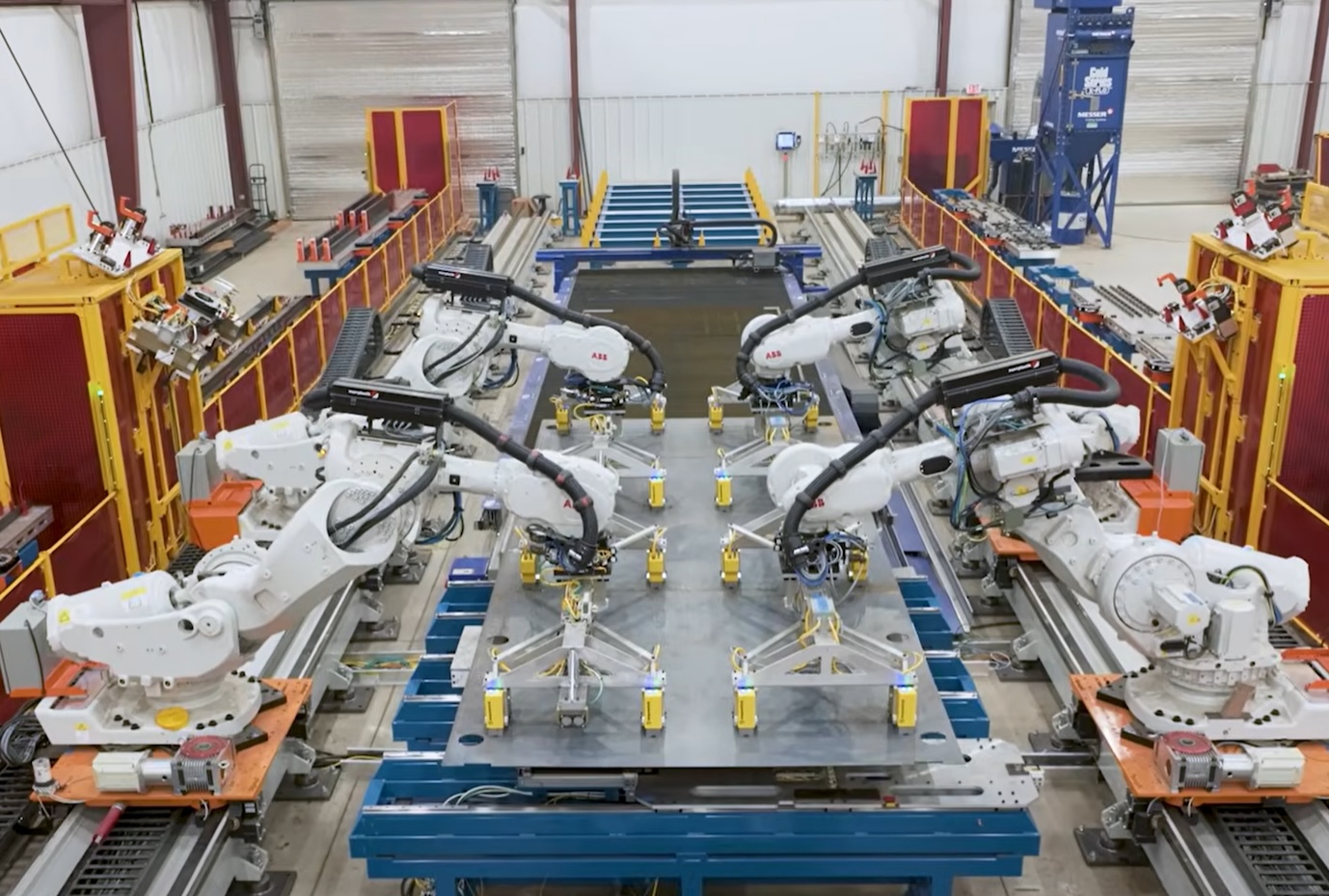
AI Training for Tesla Optimus Explained (2026)
A new advancement in artificial intelligence has emerged with the development of the FSD neural network, known as Cortex 2, which utilizes video learning techniques to enhance its capabilities. This innovative system is part of the Digital Dreams simulation project, aimed at bridging the gap between simulated environments and real-world applications, a concept referred to as Sim2Real. The Cortex 2 is designed to improve the performance of autonomous systems by learning from vast amounts of video data, allowing for more accurate decision-making in complex scenarios. The project, which is being spearheaded by a team of AI experts, seeks to refine the training processes for autonomous vehicles and robotics, making them more adaptable and efficient in real-world situations. By leveraging advanced simulations through the Grok + world simulator, the team aims to create a robust training environment that mimics real-life challenges, ultimately enhancing the reliability and safety of these technologies. This initiative is particularly significant as it addresses the growing demand for smarter AI systems capable of operating in unpredictable environments. With the training data being compiled until October 2023, the team is optimistic that Cortex 2 will set new benchmarks in the field of AI and autonomous systems, paving the way for future innovations.
Constrained Adaptive Fractional‐Order Sliding‐Mode Controller for Stabilizing the Two‐Degree‐of‐Freedom Gimbal System With Limited Field‐of‐View Sensors: Theoretical and Experimental Discussion
A recent study published in the Journal of Field Robotics highlights advancements in autonomous robotic systems designed for agricultural applications. Conducted by a team of researchers from various universities, the study was released in early October 2023. The research focuses on the integration of artificial intelligence and machine learning technologies to enhance the efficiency and precision of farming practices. The study was carried out in agricultural fields across multiple locations, showcasing the robots' capabilities in tasks such as planting, monitoring crop health, and harvesting. The motivation behind this research stems from the growing need for sustainable farming solutions that can address labor shortages and improve crop yields in the face of climate change. The researchers employed a combination of field trials and simulations to test the robots' performance under various conditions, demonstrating significant improvements in operational efficiency compared to traditional farming methods. This innovative approach not only aims to reduce the environmental impact of agriculture but also seeks to empower farmers with advanced tools for better decision-making. As the agricultural sector continues to evolve, the findings from this study could pave the way for the widespread adoption of autonomous robots, ultimately transforming the future of farming.
RESEARCH ARTICLE
DAS‐SLAM: A Novel Visual‐Inertial SLAM System in Dynamic Environments Integrating Object Detection Network and Scene Flow Technology
A recent study published in the Journal of Field Robotics explores the advancements in robotic technology and its applications in various fields. Researchers from leading universities conducted the study to assess how these innovations can enhance efficiency and safety in industries such as agriculture, construction, and disaster response. The findings, released in early October 2023, highlight the potential of autonomous robots to perform tasks that are hazardous for humans, thereby reducing risks and improving productivity. The research team utilized a combination of field tests and simulations to evaluate the performance of different robotic systems in real-world scenarios. Their work emphasizes the importance of integrating artificial intelligence and machine learning to enable robots to adapt to dynamic environments. As industries increasingly seek automation solutions, this study provides valuable insights into the future of robotics and its role in transforming traditional practices. The motivation behind this research stems from the growing demand for innovative technologies that can address labor shortages and enhance operational capabilities. By showcasing successful implementations of robotic systems, the study aims to encourage further investment and development in this rapidly evolving field. The implications of these findings could lead to significant changes in how industries approach tasks that require precision and safety, ultimately paving the way for a more automated future.
RESEARCH ARTICLE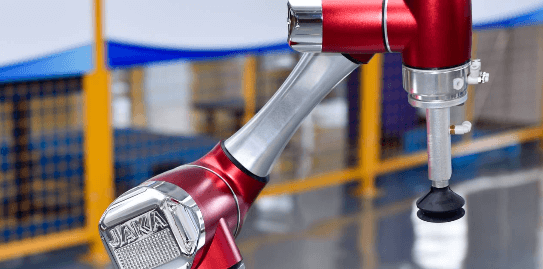
From Design to Deployment: The Complete Lifecycle of a Cobot Manufacturer's Product
JAKA Robotics is redefining the lifecycle of collaborative robots, emphasizing a user-centric design and rigorous engineering processes. The journey begins with a foundational design phase, where the company focuses on creating cobots that balance strength, precision, and safety. This involves intensive simulations and prototyping to ensure reliability from the outset. Following the design phase, JAKA transitions to high-quality manufacturing, where prototypes are transformed into standardized products. The company employs automated production controls and stringent testing protocols to validate performance, accuracy, and safety. Each robotic arm undergoes thorough checks to guarantee that it meets high performance and safety standards before reaching customers. Once the cobots arrive at client sites, JAKA emphasizes the importance of integration and ongoing support. The company provides clear documentation, programming tools, and training resources to facilitate a smooth setup. Their design choices, such as a user-friendly programming interface, enhance the deployment process, ensuring that the cobots operate effectively within the customer's workflow. Through this comprehensive approach, JAKA Robotics aims to deliver not just automation hardware, but a reliable solution that continues to adapt and provide value throughout its service life. The company’s commitment to engineering integrity and practical usability positions it as a leader in the collaborative robotics industry.
Natural Humanoid Walk Using Reinforcement Learning
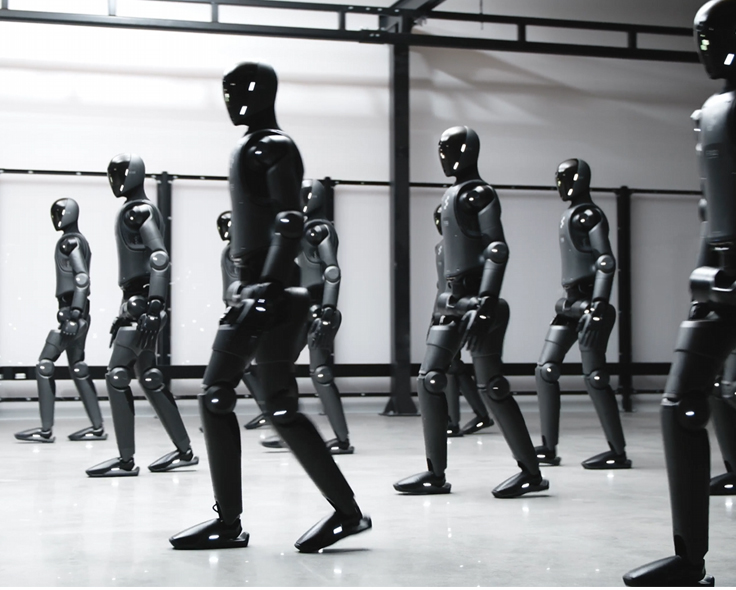
Researchers have developed an innovative neural network designed for humanoid locomotion, utilizing reinforcement learning to enable robots to walk in a manner akin to humans. This breakthrough was achieved through advanced high-fidelity simulations, which not only improve the robots' walking capabilities but also facilitate a seamless transition from simulated environments to real-world applications. The technology promises to significantly enhance the efficiency and scalability of humanoid robotics, making it a pivotal advancement in the field. The development is expected to impact various sectors, including robotics and automation, by providing more adaptable and capable humanoid robots.
Reinforcement Learning Humanoid Robotics Simulation Technology AI Development Robotics Engineering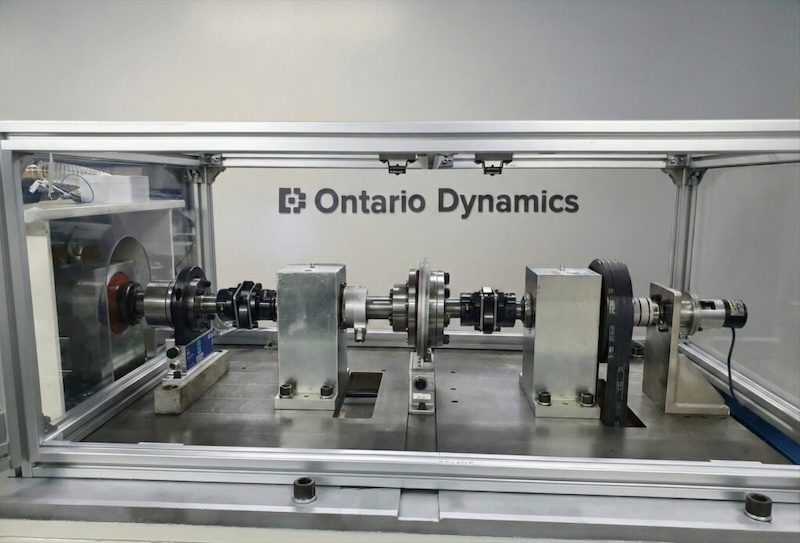
Why Electric Vehicle NVH Testing Demands a Different Approach than ICE Validation
In a recent development within the automotive industry, transmission engineers have encountered unexpected challenges when testing new electric vehicle (EV) drivetrains on test benches originally designed for internal combustion engine (ICE) components. During these tests, while the data appears to be accurate, engineers have noted an unusual high-pitched whine at 3,200 rpm, indicating a harmonic issue not accounted for in initial simulations. This phenomenon raises concerns about the compatibility of existing testing equipment with the unique characteristics of EV drivetrains. The findings highlight the need for updated testing protocols and equipment that can adequately address the distinct sound signatures and performance metrics of electric vehicles. As the industry shifts towards electrification, understanding and resolving these discrepancies will be crucial for ensuring the reliability and efficiency of EV technology.
Engineering Technology automation news automotive automation automotive engineering automotive R&DRobotics needs a service framework.
RSF defines a common language for robot service capability, lifecycle operations, certification pathways, and service-provider networks.