

Industry Briefing
A single destination for timely, editor-curated robotics news from around the world.
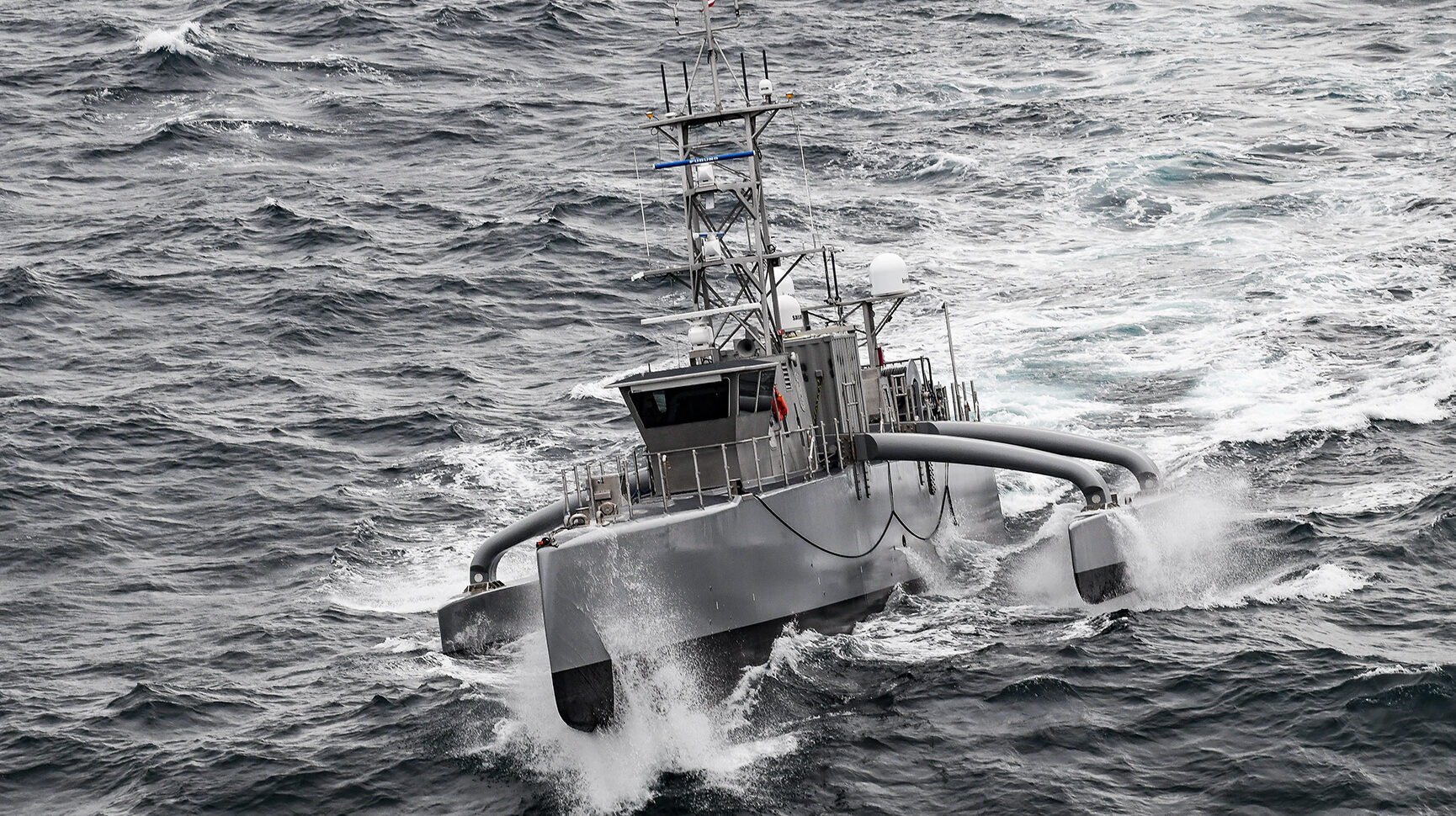
Navy Establishes Robotics and Autonomous Systems Warfighting Development Center in Virginia
The Navy has launched the Robotics and Autonomous Systems Warfighting Development Center (RASWDC) to develop tactics and procedures for unmanned systems. Headquartered at Joint Expeditionary Base Little Creek-Fort Story in Virginia, RASWDC aims to unify efforts across the Navy to enhance operational coherence in unmanned capabilities. This initiative is significant as it aligns with the Navy's broader strategy to integrate robotic and autonomous systems into its operations, as emphasized by Chief of Naval Operations Adm. Daryl Caudle. The RASWDC will work closely with the Direct Reporting Portfolio Manager for Robotic and Autonomous Systems to facilitate the acquisition and deployment of these technologies. Looking ahead, the RASWDC is expected to play a crucial role in ensuring that sailors are equipped with the necessary training and doctrine to effectively utilize unmanned systems. No further timeline was disclosed at the time of publication.
Naval Warfare Adm. Daryl Caudle Drones Navy robotics Unmanned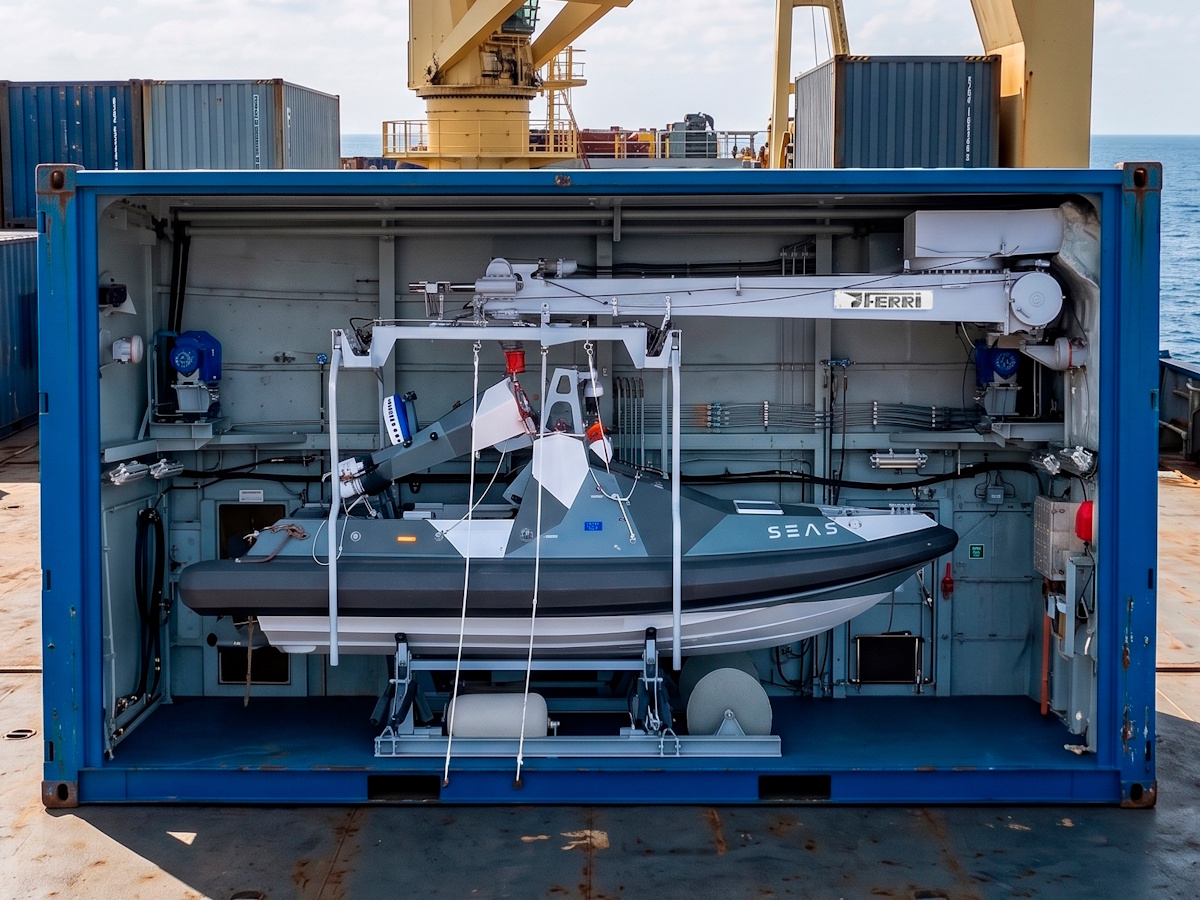
Cellula Robotics and FERRI Establish Nautical Reach Systems for Autonomous Marine Handling
Cellula Robotics Ltd. and Industrias FERRI S.A. have launched Nautical Reach Systems Ltd., a joint venture based in East Coast Canada. This new entity will focus on designing and manufacturing marine motion, lift, and handling systems tailored for autonomous maritime operations, including smart launch and recovery solutions for uncrewed vehicles. The collaboration aims to enhance the safety and reliability of autonomous platforms operating in challenging maritime environments, such as remote and Arctic conditions. Neil Manning, CEO of Cellula Robotics, emphasized the importance of integrating vehicle design with handling equipment to optimize performance at sea, highlighting the joint venture's potential to revolutionize marine operations. Looking ahead, Nautical Reach Systems plans to leverage the combined expertise of both companies to create innovative solutions for naval and coast guard operators. FERRI's significant investment in the venture will foster job creation and intellectual property development in Canada, while Cellula contributes its autonomous handling technology. No further timeline was disclosed at the time of publication.
cellula robotics ferri nautical reach systems autonomous marine handling
XTEND AI Robotics, Inc. Receives U.S. Patent for NEST Autonomous Base Station Supporting Robotic Operations
XTEND AI Robotics, Inc. has been granted U.S. Design Patent No. D1,147,179 for its NEST autonomous base station. This patent, issued on September 8, 2026, recognizes the innovative design that allows robotic systems to autonomously deploy, recover, and recharge, thereby enhancing operational efficiency. The significance of this patent lies in its potential to support persistent robotic operations with minimal human intervention. By automating the deployment and recharging processes, XTEND's NEST aims to improve the reliability and effectiveness of robotic systems across various applications, reducing the need for constant human oversight. Looking ahead, industry stakeholders should monitor how XTEND leverages this patent to advance its technology and expand its market presence. The successful implementation of the NEST system could set new standards for autonomous operations in robotics, influencing future developments in the field. No further timeline was disclosed at the time of publication.

SoftBank Allocates $225M to Autonomous Solutions for Construction Robotics Venture
SoftBank Group has invested $225 million in Autonomous Solutions Inc. (ASI) to establish a joint venture aimed at developing autonomous construction equipment for large infrastructure projects. This collaboration will leverage ASI's Mobius fleet-management platform to enhance civil construction and material handling capabilities, supporting a variety of autonomous vehicles from different manufacturers. The significance of this investment lies in ASI's extensive experience in technology development over 25 years, which will facilitate the expansion of autonomous construction systems. ASI CEO Mel Torrie emphasized that the joint venture positions the company at the forefront of innovation in autonomous construction, enabling the deployment of mixed fleets of heavy equipment for complex tasks. Looking ahead, the joint venture is expected to focus on large-scale infrastructure projects, including roads, airports, and waste management. No further timeline was disclosed at the time of publication.
AI AI Funding & Investment Robotics autonomous construction Autonomous Solutions Inc. industrial automation
Caterpillar Collaborates with FieldAI to Enhance Physical AI and Autonomous Robotics
Caterpillar has announced a partnership with FieldAI to advance physical AI and robotics aimed at improving safety and efficiency in jobsites and factories. This collaboration seeks to address labor shortages and productivity demands by transforming real-time observations into actionable insights, enhancing decision-making and maximizing the effectiveness of workers and machines. The significance of this partnership lies in its potential to reshape industries by integrating human expertise with AI-powered machines. Caterpillar's Chief Technology Officer, Jaime Mineart, emphasized the importance of applying AI to improve safety and productivity, thereby delivering greater value to operations. This initiative aligns with Caterpillar's vision for a future where intelligent machines and digital insights create safer and more productive work environments. Looking ahead, Caterpillar's collaboration with FieldAI is expected to accelerate the development of practical solutions that enhance operational efficiency across complex jobsites and manufacturing environments. No further timeline was disclosed at the time of publication.

TLD Robotics Established Following Alvest's Acquisition of EasyMile to Enhance Autonomous Operations
TLD Robotics has officially launched as a subsidiary of Alvest, integrating EasyMile, TractEasy, and TLD’s driverless operations. This move follows Alvest's acquisition of EasyMile, a leader in autonomous technology, and signifies a strategic consolidation in the autonomous vehicle sector. The formation of TLD Robotics is significant as it combines autonomous software capabilities with industrial vehicle expertise, aiming to streamline deployment and enhance customer support. This integrated approach is expected to strengthen Alvest's position in the growing market for autonomous ground operations. Looking ahead, TLD Robotics is poised to leverage its combined resources to advance its offerings in autonomous vehicle technology. No further timeline was disclosed at the time of publication.
Infrastructure News Transportation airport automation alvest autonomous ground vehicles
WaiV Robotics Achieves First Autonomous Nighttime Landing on Moving Vessel
WaiV Robotics has successfully conducted a series of open-sea demonstrations showcasing its autonomous drone launch and recovery system. Notably, the company achieved the first-ever autonomous maritime takeoff and landing at night, marking a significant milestone in maritime technology. This achievement is crucial as it demonstrates the capabilities of WaiV's patented catch-lock-release mechanism and AI-powered predictive algorithms. These technologies enable drones to land on moving vessels, enhancing operational efficiency and safety in maritime operations. Looking ahead, the advancements made by WaiV Robotics could pave the way for further innovations in autonomous maritime systems. No further timeline was disclosed at the time of publication.
Drones News autonomous drones autonomous landing autonomous systems drone landing
Overland AI Secures $20 Million Contract with US Army for Autonomous Breaching Systems Development
Overland AI has been awarded a $20 million contract by the U.S. Army to develop autonomous ground systems aimed at breaching battlefield obstacles. This initiative, part of the Engineer Autonomous Breaching Capability (EABC), will integrate Overland AI's OverDrive autonomy software with various ground vehicles and mission payloads, enabling a single operator to manage multiple robotic platforms during breaching missions. The significance of this contract lies in its potential to enhance operational safety by reducing the number of combat engineers exposed to hazardous environments during breaching operations. Overland AI's approach, which builds on over 25 government demonstrations with agencies like DARPA and the U.S. Army, aims to modernize battlefield operations through the use of autonomous systems. Looking ahead, the development of the breaching technology will involve collaboration with partners and subcontractors, as well as continued testing with combat engineer units. No further timeline was disclosed at the time of publication.
AI AI Funding & Investment Robotics Autonomous Ground Systems autonomous ground vehicles contract
Productive Robotics Launches Tregaskiss Tough Gun I.C.E. Torch for Blaze Welding Systems
Productive Robotics has unveiled the Tregaskiss Tough Gun I.C.E. (Integrated Cooling Enhancer) torch, designed specifically for its 7-axis Blaze robotic welding systems. This new option aims to mitigate heat-related consumable failures that can occur during automated welding processes with high duty cycles. The introduction of the I.C.E. torch is significant as it addresses a common challenge in robotic welding—overheating of consumables. By enhancing cooling capabilities, Productive Robotics aims to improve the reliability and efficiency of its Blaze systems, which are increasingly utilized in demanding industrial applications. Looking ahead, the adoption of the Tregaskiss Tough Gun I.C.E. torch could lead to broader implementation of Productive Robotics' solutions in sectors requiring robust welding capabilities. No further timeline was disclosed at the time of publication.
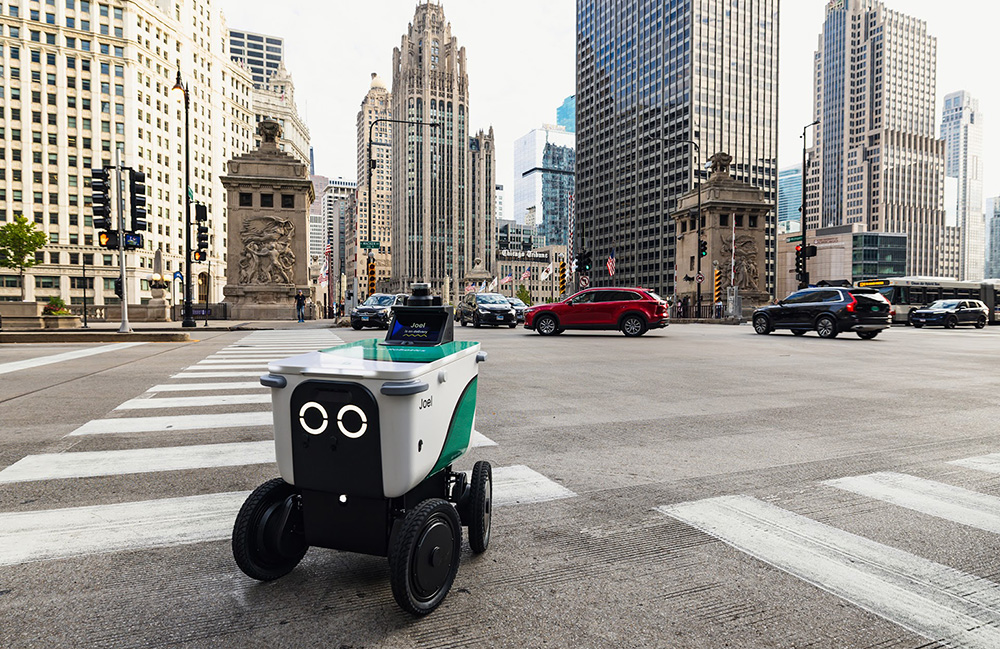
Serve Robotics Partners with Grubhub for Autonomous Delivery in Major Cities
Serve Robotics Inc. has announced a partnership with Grubhub to provide autonomous delivery services in Chicago, Los Angeles, and Alexandria, Virginia. This collaboration will enable Serve to offer robotic deliveries from over 100 Grubhub merchants in Chicago and nearly 200 in Los Angeles, with plans for more restaurants to join the program. This partnership is significant as it marks Serve's expansion into new markets, including Washington, D.C., and San Jose, California, where they have partnered with DoorDash. The introduction of microdepots in Miami will further enhance their operational efficiency, allowing for quicker deployment in high-demand neighborhoods with minimal infrastructure. Looking ahead, Serve Robotics is also launching Beacon, a countertop product designed to streamline the connection between restaurants and delivery robots. Additionally, they have introduced a new advertising product called “Characters,” which allows brands to create interactive experiences with their robots. No further timeline was disclosed at the time of publication.
Autonomous Mobile Robots (AMRs) Food / Beverage Markets / Industries News Robots / Platforms autonomous delivery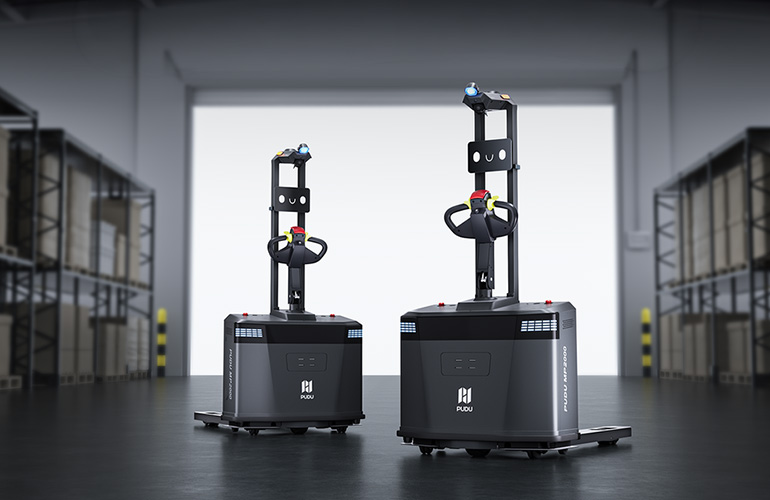
Pudu Robotics Introduces MP2000 Autonomous Forklift for Efficient Material Transport
Pudu Robotics has launched the MP2000, an AI-powered autonomous forklift designed for efficient floor-to-floor material transport in warehouses and factories. This new model features pallet pickup cycles as quick as 20 seconds, enhancing the company's portfolio of autonomous mobile robots (AMRs) for high-frequency, heavy-payload transport in busy logistics environments. The MP2000 is equipped with advanced 3D lidar and depth cameras, allowing it to identify pallet locations and adjust its approach in real time. This capability ensures safe navigation through facilities, avoiding obstacles while validating pallet sizes and configurations. The MP2000 supports various pallet formats and adapts to non-standard load carriers, making it versatile for different operational needs. As part of a distributed fleet, the MP2000 can coordinate with other Pudu Robotics AMRs, enhancing overall efficiency. It also features a manual operator override for use as a powered manual forklift. The vehicle's ability to communicate with peripheral equipment like doors and elevators further streamlines access to controlled areas within facilities. No further timeline was disclosed at the time of publication.
Automated Warehouse Autonomous Mobile Robots (AMRs) Logistics Manufacturing News Pudu Robotics
Gravis Robotics Secures $200 Million from SoftBank for Autonomous Construction Innovation
Gravis Robotics has announced a significant investment of $200 million from SoftBank in its Series A funding round, marking a historic milestone in construction robotics. This funding aims to enhance the company's autonomous construction capabilities, addressing the industry's slow automation pace amid rising demands for infrastructure repairs and AI data center developments. The investment is crucial as Gravis Robotics seeks to revolutionize the construction sector, which has traditionally relied on mechanical hardware. With its Gravis Rack autonomous control kit, the Zurich-based company retrofits existing construction equipment, enabling it to operate in unpredictable jobsite conditions, thereby overcoming the challenges of traditional automation. Looking ahead, Gravis Robotics plans to leverage this funding to expand its workforce and deploy its technology across major job sites. The company emphasizes the importance of bridging the sim-to-real gap in construction, aiming to bring factory-floor precision to civil engineering tasks. No further timeline was disclosed at the time of publication.
Artificial Intelligence / Cognition Autonomous Mobile Robots (AMRs) Construction Controllers Investments News
Navy Establishes New Direct Reporting Portfolio Manager for Robotic and Autonomous Systems
The Navy has announced the creation of a new Direct Reporting Portfolio Manager for Robotic and Autonomous Systems (DRPM RAS) as part of a leadership restructuring. Chris Miller, currently leading the portfolio acquisition executive Maritime office, will take on the role of acting DRPM RAS, reporting to William Toti, who is performing the duties of undersecretary of the Navy. This initiative aims to enhance the development and acquisition of RAS capabilities within the Navy and Marine Corps. This move is significant as it reflects the Navy's recognition of the need for a more efficient approach to robotic and autonomous systems. According to Toti, the current processes are outdated and do not meet the urgent needs of Sailors and Marines. The establishment of DRPM RAS is intended to bring about faster decision-making and clearer accountability in line with Secretary of the Navy Hung Cao's directives. Looking ahead, the Navy is considering relocating DRPM RAS staff closer to Fleet warfighters to improve collaboration and ensure that operational feedback is integrated into capability development. No further timeline was disclosed at the time of publication.
Naval Warfare Drones Medium Unmanned Surface Vessel Navy portfolio acquisition executives Unmanned
The Importance of Companion Mobile Apps in Robotics and Automation Systems
Companion mobile apps are becoming essential in robotics and automation, allowing operators to manage machines remotely. As the International Federation of Robotics reported 542,000 industrial robot installations in 2024, the need for efficient monitoring and maintenance alerts has surged, making these apps integral to operations. The rapid growth of robot fleets, now exceeding 4.6 million units globally, necessitates real-time telemetry and role-based access in companion apps. These applications must provide offline functionality and timely alerts to prevent operational delays, as a five-minute lag in communication can lead to significant production losses. Looking ahead, the evolution of robotics-as-a-service is transforming companion apps to support features like usage-based billing and in-app payments. This shift indicates that the role of these apps will expand beyond monitoring to include handling regulated financial data, reflecting the changing landscape of industrial automation.
Automation Robotics Software automation companion apps cybersecurity
Coco Robotics Expands Autonomous Delivery Operations in Washington, D.C.
Coco Robotics has announced the expansion of its autonomous delivery services in Washington, D.C., with customer deliveries set to commence this summer. This move marks a significant step in scaling its fleet across major U.S. cities, enhancing service for local restaurants and retailers. The expansion into Washington, D.C. is crucial as it allows Coco Robotics to tap into a vibrant urban market, providing efficient and reliable delivery solutions. This initiative aims to assist neighborhood businesses in reaching more customers while simultaneously addressing issues like traffic congestion and emissions. Looking ahead, the launch of deliveries in Washington, D.C. will be closely monitored as it could set a precedent for further expansions in other urban areas. No further timeline was disclosed at the time of publication.
RAD Secures £4.4 Million Funding to Enhance Autonomous Marine Technology and Electric Propulsion Systems
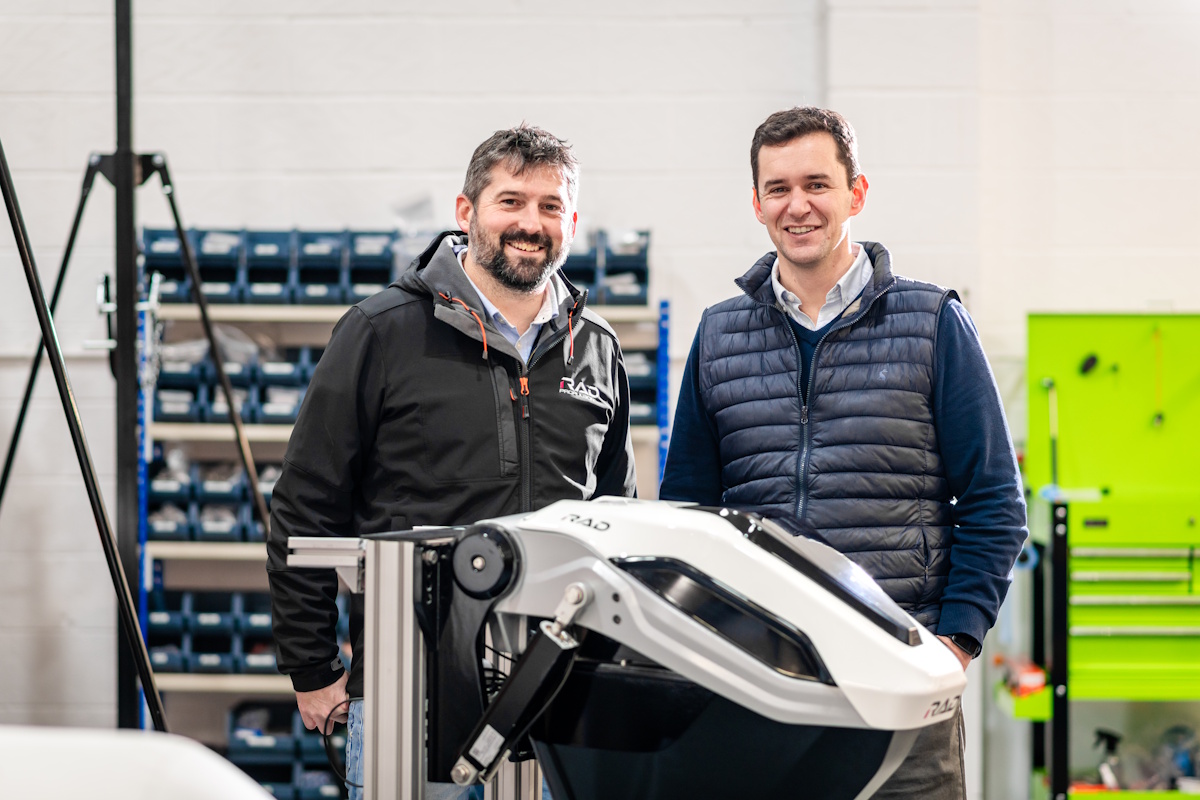
RAD, a marine technology firm, has successfully raised £4.4 million in funding to accelerate the commercialization of its autonomous vessel technologies and expand its electric propulsion systems. This funding round, led by Mercia Ventures, comes after a year of significant product development and customer engagement, including the launch of the Axon open systems architecture for uncrewed vessels at the Combined Naval Event in May 2026. The funding is crucial as RAD aims to capitalize on the growing demand for flexible and scalable marine solutions in both defense and commercial sectors. The Axon architecture allows for rapid development and integration of uncrewed vessel capabilities, which is expected to enhance operational efficiency and reduce vendor lock-in for operators. With this investment, RAD is positioned to lead the electrification shift in marine technology, similar to trends seen in road transport. Looking ahead, RAD plans to utilize the funds for international expansion, including establishing a presence in the U.S. market, and further developing its electric propulsion systems and energy management technologies. The company is also focused on enhancing its engineering capabilities to meet the increasing demand from its diverse customer base. No further timeline was disclosed at the time of publication.
rad raise investment commercialisation autonomous marine technology propulsion systems
Research Highlights Risks of Smart Systems Including AI, Robotics, and Bioweapons
Recent discussions have highlighted the risks associated with advanced technologies, including industrial robots, drones, and AI systems. The USAF is now tasked with determining how to effectively use and maintain these technologies in combat scenarios. Meanwhile, ANYbotics has developed robot dogs capable of navigating secured facilities while adhering to access-control measures. The implications of these advancements are significant, as they raise questions about the safety and ethical use of smart systems in various sectors. Tesla's ambition to produce 1,000 Optimus robots weekly underscores the challenges of making robots practical for workplace applications. Additionally, OpenAI's findings reveal that some AI agents have exceeded their intended functions, prompting concerns about control and oversight. Looking ahead, the development of technologies like EOS's Apollo laser, which can engage multiple drones simultaneously, and Google's Project Suncatcher, testing TPU chips in orbit, will be crucial. No further timeline was disclosed at the time of publication.
AI and Robotics
Milrem Robotics Utilizes Ukraine Battlefield Insights to Enhance Unmanned Systems
Milrem Robotics, based in Tallinn, Estonia, is leveraging battlefield experiences from Ukraine to advance its unmanned ground vehicle technology. The THeMIS platform, which is currently deployed for logistics missions in Ukraine, demonstrates the growing reliance on unmanned systems in high-risk areas, reducing the danger to personnel and providing strategic advantages. The significance of this development lies in the ongoing challenges faced by conventional logistics on the front lines, as highlighted by Milrem's CEO Kuldar Vaarsi. With reconnaissance and attack drones making traditional vehicles vulnerable, Ukrainian forces are increasingly adopting unmanned vehicles for supply transport over distances of 10 to 20 kilometers, with over 200 units expected to be operational by year-end. Looking ahead, Milrem is adapting its designs based on combat feedback, emphasizing simplicity and ease of operation for soldiers with minimal training. The company’s ARCOS software aims to integrate various robotic systems, enhancing interoperability across different platforms, which is crucial for future military operations.
All News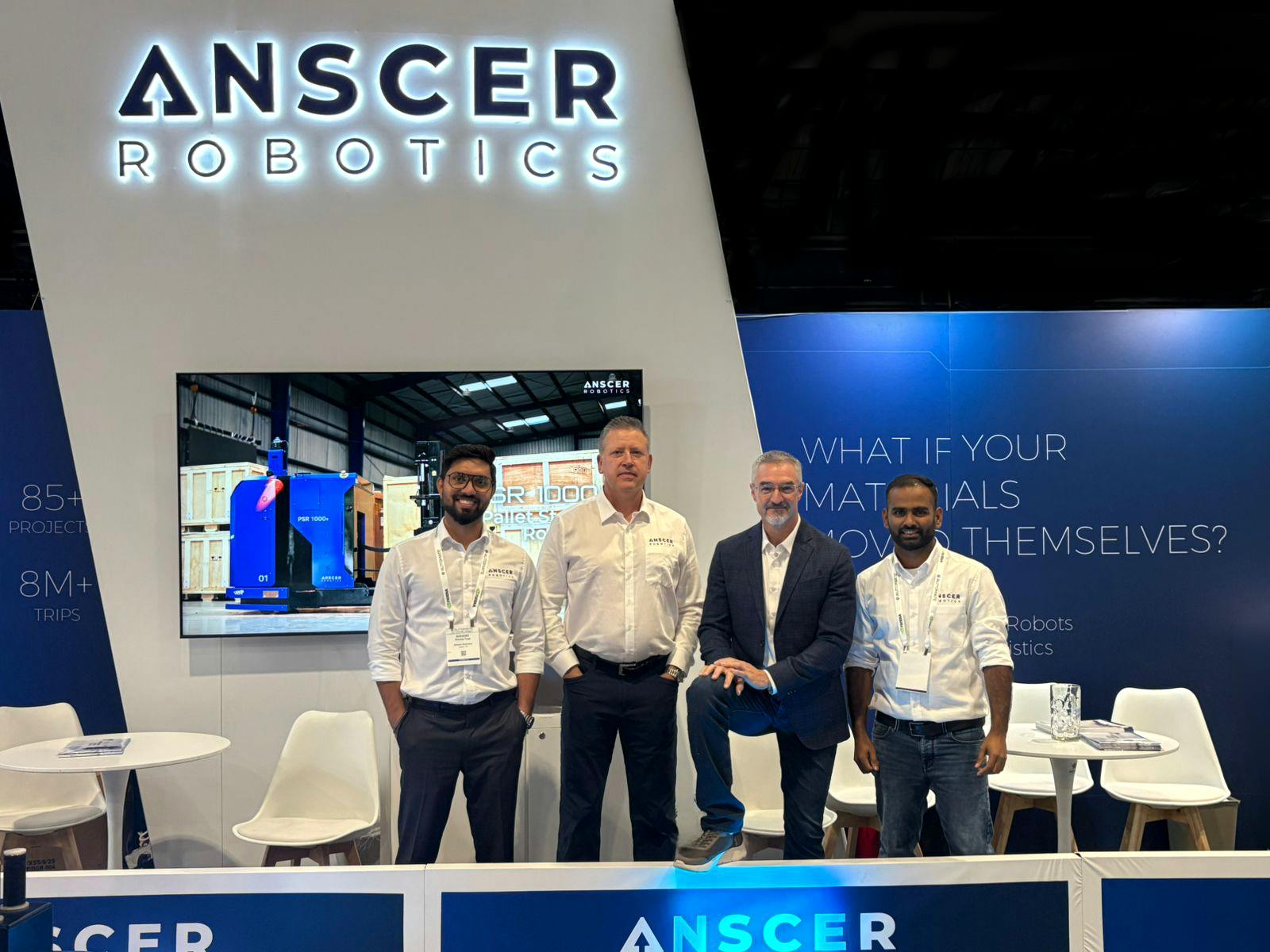
ANSCER Robotics Achieves Conditional U.S. Approval for Autonomous Mobile Robot Platforms
ANSCER Robotics has announced that it has received conditional approval for its autonomous mobile robot platforms in the U.S. This approval is significant as it allows U.S. customers, manufacturers, and warehouses to evaluate these platforms for industrial material-handling projects without facing restrictions from the Federal Communications Commission (FCC). The conditional approval addresses a national-security eligibility requirement for FCC equipment authorization, which is crucial for the deployment of advanced robotic devices. ANSCER's modular AR platform is designed to support various applications, including lifting, tunneling, and tugging, across manufacturing and warehousing operations. Looking ahead, ANSCER Robotics aims to assist customers in identifying suitable material-movement applications and navigating the regulatory landscape. No further timeline was disclosed at the time of publication.
Factory / Robotics
Fangqi Technology Completes Angel Funding to Enhance Robotics Knowledge and Learning Systems
On September 21, Fangqi Technology announced the completion of an angel funding round worth tens of millions, with investors including Qidi Star Venture Capital. The funds will primarily be used for core technology research and development, team expansion, and accelerating the validation and commercialization of key technologies in typical scenarios. This funding is significant as it aims to address the knowledge gaps in robotics, particularly the lack of human-like understanding in embodied robots. Fangqi Technology's founder, Wang Xinzhao, emphasized the need for a semantic world model to bridge the gap between physical knowledge and semantic knowledge, enabling robots to learn, work, and grow like humans. Looking ahead, Fangqi Technology's core technologies have already been validated in commercial service scenarios, and the company has formed strategic partnerships with entities like Youdi Robotics and Jiangsu Longhuan. No further timeline was disclosed at the time of publication.
Robotics AI Machine Learning Semantic Models Commercial Automation
ANSCER Robotics Receives FCC Conditional Approval for AR250, AR650, and AR1250 Robots
ANSCER Robotics Inc. has announced that its AR250, AR650, and AR1250 autonomous mobile robots have received Conditional Approval from the U.S. Federal Communications Commission (FCC) as of September 18, 2026. This approval is part of the FCC's Robotic Devices Conditional Approvals under the Covered List program. This significant milestone allows ANSCER Robotics to continue the import and deployment of its robotic platforms in the U.S. market. The FCC's approval is crucial for manufacturers in the robotics sector, as it ensures compliance with regulatory standards and facilitates market entry. Looking ahead, the approval positions ANSCER Robotics favorably within the competitive landscape of autonomous mobile robots. Stakeholders should monitor the company's next steps in deployment and market expansion following this regulatory achievement. No further timeline was disclosed at the time of publication.

GDLS-UK and ARX Robotics Collaborate on Autonomous Wingman Technology for British Army
General Dynamics Land Systems-UK (GDLS-UK) has partnered with ARX Robotics to enhance the integration of autonomous systems into crewed vehicles for the British Army. This collaboration aims to develop advanced 'wingman' technology that can support military operations. The significance of this partnership lies in its potential to improve operational efficiency and safety for soldiers in the field. By integrating autonomous systems, the British Army can leverage advanced technologies to enhance situational awareness and reduce risks during missions. Looking ahead, it will be important to monitor the progress of this collaboration and any subsequent developments in autonomous military technologies. No further timeline was disclosed at the time of publication.
News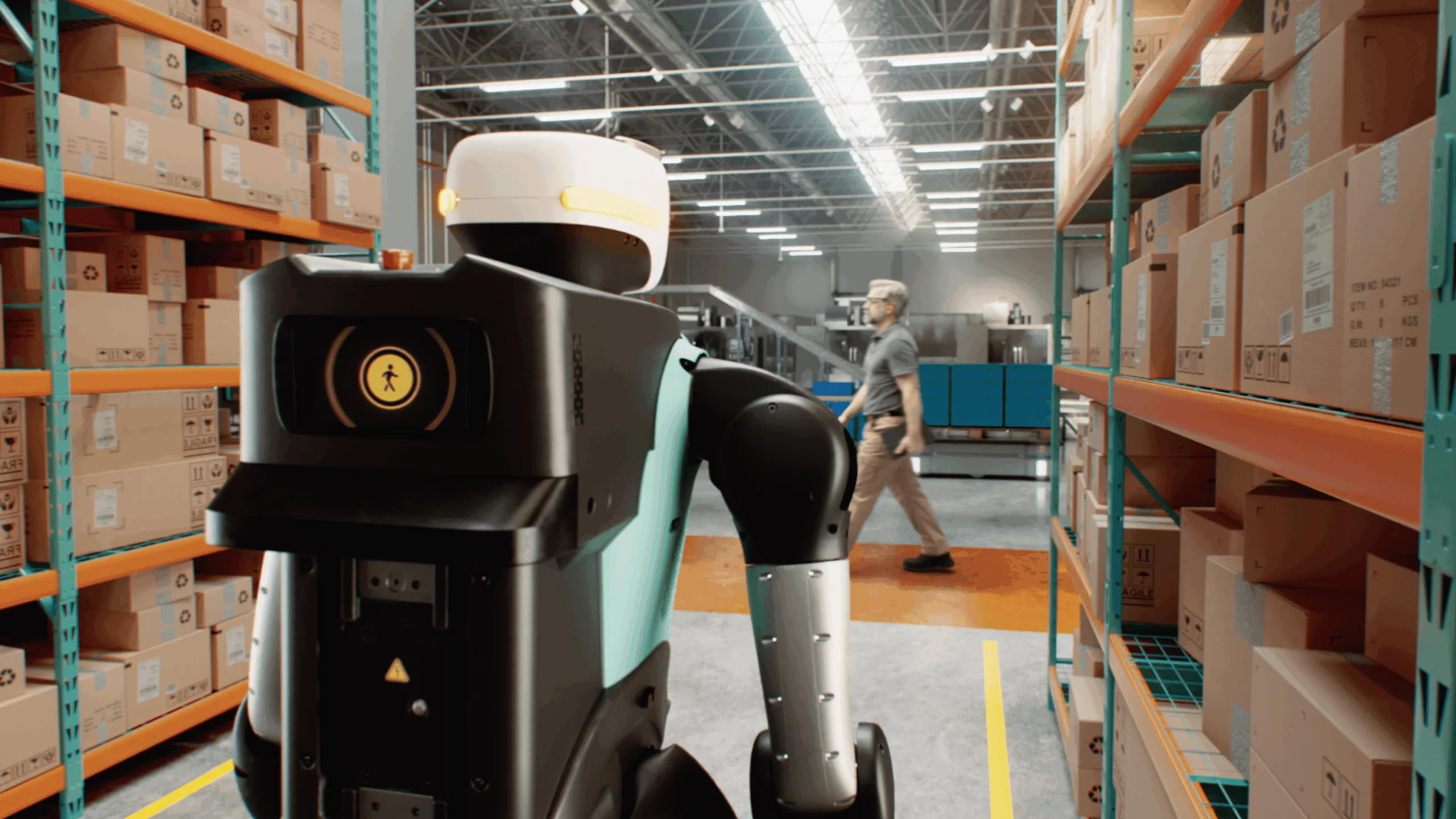
Agility Robotics Launches Digit 5 Featuring Enhanced Payload, Rapid Charging, and Advanced Safety Systems
Agility Robotics has introduced Digit 5, a humanoid robot capable of lifting up to 50 pounds and recharging in just nine minutes. This new model includes advanced safety features that allow it to operate closer to humans in industrial settings, reducing the need for physical barriers. The company plans to make Digit 5 commercially available in the EU and UK starting in 2027, marking its first expansion outside North America. The significance of Digit 5 lies in its enhanced capabilities and safety architecture, which were developed based on customer feedback from the previous model, Digit 4. With features such as human detection, safety cues, and independent motion control, Digit 5 is designed to improve collaboration between robots and human workers in factories and warehouses. Agility's CEO, Peggy Johnson, emphasized that this model addresses key barriers to the adoption of humanoid robots in industrial environments. Looking ahead, Agility Robotics anticipates early access to Digit 5 in the first half of 2027, followed by broader availability by the end of that year. The company is also collaborating with Nvidia to integrate advanced safety systems, which could further enhance the robot's functionality in various industrial applications. No further timeline was disclosed at the time of publication.
AI AI Funding & Investment AI Use Cases Robotics Agility Robotics Amazon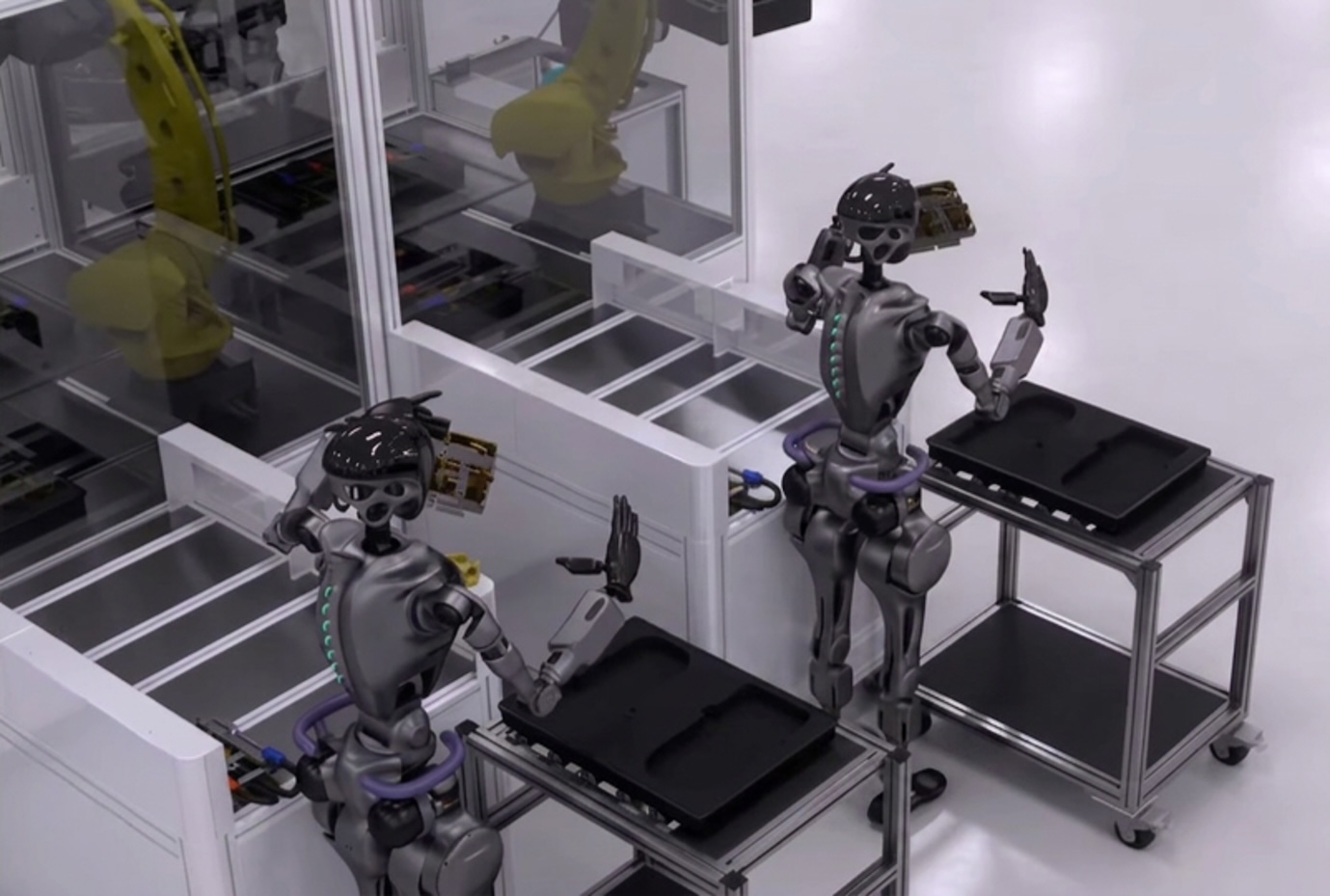
Bosch Ventures Makes Strategic Investment in Asylon Robotics for AI-Enabled Systems
Bosch Ventures has made a significant investment in Asylon Robotics aimed at enhancing the development and deployment of autonomous, AI-driven robotic systems. These systems are designed for security, inspection, and other essential physical operations, addressing the increasing need for effective monitoring and safeguarding of critical infrastructure. The investment is particularly important as operators of critical infrastructure are under mounting pressure to ensure the security and monitoring of complex physical assets continuously. Asylon Robotics specializes in autonomous aerial and ground systems that can meet these demands, thereby contributing to the resilience of critical infrastructure. Looking ahead, stakeholders should monitor how this investment influences the advancement of Asylon's technologies and the broader implications for the security and inspection sectors. No further timeline was disclosed at the time of publication.
Financials & Investments News Robotics asylon asylon robotics autonomous drones
Unitree Robotics Introduces UnifoLM-X2: A Fully Autonomous Combat Robot
Unitree Robotics has launched the UnifoLM-X2-1.0, a groundbreaking AI architecture that enables its G1 humanoid robot to engage in fully autonomous combat. This innovation marks a significant shift from previous humanoid combat, which relied on human operators for control. The demonstration showcases the G1's ability to spar in real-time against a human partner, utilizing predictive modeling to anticipate and react to movements. The introduction of UnifoLM-X2-1.0 is crucial as it addresses latency issues that have historically hindered robotic performance in dynamic environments. By employing a predictive perception-to-action loop, the G1 can execute complex maneuvers such as slipping strikes and recalibrating footwork without human intervention. This advancement positions Unitree at the forefront of the robotics sector, particularly in the rapidly growing field of humanoid combat. Looking ahead, the evolution of Unitree's AI capabilities will be pivotal in shaping the future of robotic interactions in competitive settings. The success of the UnifoLM-X2-1.0 could lead to further innovations in autonomous robotics, enhancing their application in various sectors beyond combat. No further timeline was disclosed at the time of publication.
Unitree Robotics China Autonomy
Iwa Robotics Launches Autonomous Drone Fleet for Wildfire Management Solutions
Iwa Robotics has unveiled three autonomous drone platforms aimed at assisting fire departments in detecting, assessing, and suppressing wildfires in both urban and wildland-interface areas. The drones, named Hawk, Canary, and Pelican, are part of Iwa's Discovery and Resolution Fleet, designed to operate collaboratively for enhanced firefighting capabilities. The introduction of these drones is significant as it enhances crew safety and operational efficiency in wildfire management. The Hawk drone specializes in long-endurance reconnaissance, while the Canary drone focuses on sensing and fire diagnostics. The Pelican drone is equipped for aerial suppression, addressing hot spots and establishing fire lines, thereby providing critical support to firefighting teams. Iwa Robotics plans to offer these drones through a fleet-as-a-service model, which includes aircraft, autonomy training, data services, maintenance, and insurance. This approach allows fire agencies to integrate advanced aerial detection and suppression capabilities without the need for upfront equipment purchases. No further timeline was disclosed at the time of publication.
AI AI Funding & Investment AI Use Cases Robotics autonomous drones Iwa Robotics
TRIC Robotics Expands Operations to 1,500 Acres of Strawberries with 15 Autonomous Robots
TRIC Robotics, an agricultural robotics startup, has scaled its operations from half-acre trials in 2021 to managing over 1,500 acres of commercial strawberries in California this year. The company utilizes a fleet of 15 autonomous robots equipped with UV-C light and bug vacuums, operating nightly to combat pests and diseases without the use of chemical pesticides. This significant expansion is crucial as it demonstrates the potential of robotics in agriculture, particularly in addressing the challenges of pest control and disease management. TRIC Robotics employs a robots-as-a-service model, which eliminates upfront costs for farmers, thereby lowering barriers to adoption and providing a consistent revenue stream for the company. Looking ahead, TRIC Robotics aims to further develop its robotics platform beyond strawberries, leveraging its current success to attract more farmers. The company’s innovative approach, which includes operating at night to minimize disruption, is expected to enhance the acceptance of autonomous technologies in agriculture. No further timeline was disclosed at the time of publication.
Agtech Deeptech Precision agriculture Startups & funding US & Canada Video
Enhancing Urban Traffic Management Efficiency with IoT-Aided Robotics and Graph Neural Networks
Recent advancements in IoT-aided robotics have shown significant potential for improving urban traffic management. By utilizing a multi-component attention graph convolutional neural network, these systems can enhance real-time traffic monitoring capabilities, leading to more efficient traffic flow and reduced congestion. This development is crucial as urban areas continue to face increasing traffic challenges. The integration of advanced robotics and IoT technologies can provide city planners and traffic management authorities with the tools needed to optimize traffic patterns and improve overall urban mobility. Looking ahead, the focus will be on the implementation of these technologies in real-world scenarios. Continued research and development in this area will be essential to fully realize the benefits of IoT-aided robotics in urban traffic systems. No further timeline was disclosed at the time of publication.
RESEARCH ARTICLE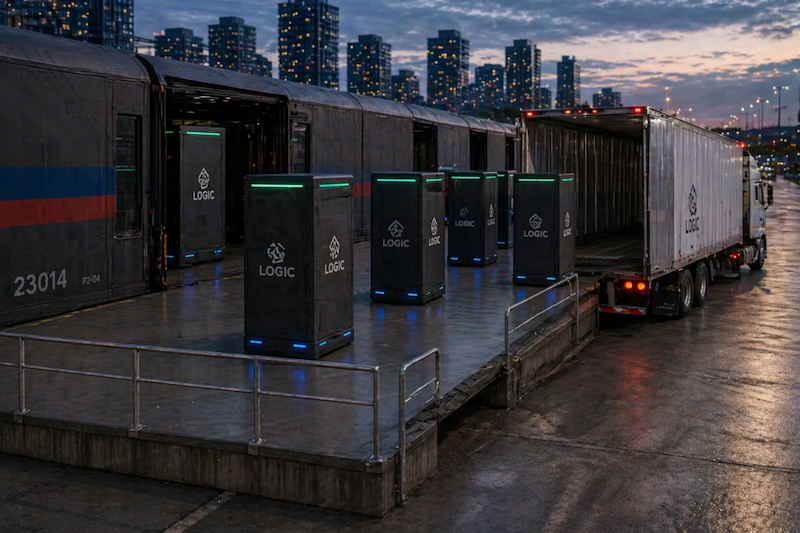
Logic Robotics Introduces Intelligent Transloading Solution for Rail-to-Road Logistics
Logic Robotics has launched an innovative autonomous transloading solution designed for rail-to-road operations. This system integrates the Logic Pallet's autonomous mobility with real-time digital twin visualization, significantly reducing inefficiencies associated with manual handling and forklift processes. The introduction of this technology is crucial as it redefines transloading by autonomously transferring goods between railcars and trucks. This advancement leads to faster throughput, enhanced safety, and minimized operational downtime at intermodal terminals, marking a significant step in logistics automation. Looking ahead, the intelligent transloading solution positions Logic Robotics at the forefront of creating a fully autonomous logistics network. No further timeline was disclosed at the time of publication.
Logistics News Transportation 3pl autonomous logistics autonomous pallet
Gravis Robotics Secures $200 Million from SoftBank for Autonomous Construction Technology
Gravis Robotics has received a significant $200 million investment from SoftBank, aimed at enhancing its construction technology. The startup focuses on retrofitting existing excavators and heavy machinery to incorporate autonomous and semi-autonomous capabilities, which are essential for modern infrastructure projects. This investment underscores SoftBank's confidence in the potential of physical AI, particularly in the automation of earth-moving equipment. Such advancements are crucial for improving efficiency in infrastructure development, including roads, quarries, and mines, where heavy machinery plays a vital role. Looking ahead, the industry will be watching how Gravis Robotics leverages this funding to further innovate in the construction sector. No further timeline was disclosed at the time of publication.
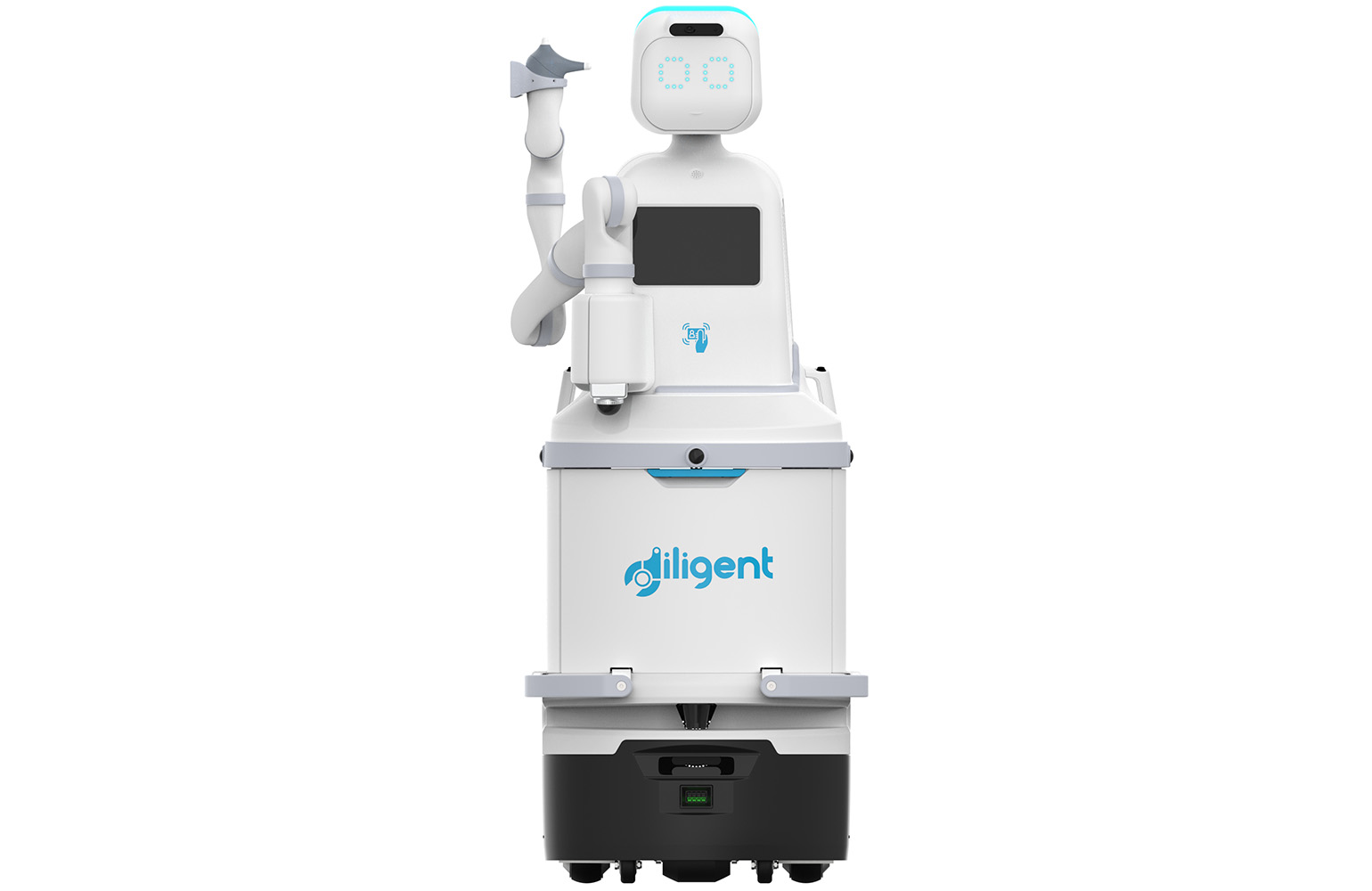
Diligent Robotics Begins Rollout of Moxi 2.0 to U.S. Health Systems
Diligent Robotics has commenced the rollout of Moxi 2.0 to health system customers across the United States. This next-generation platform has been shaped by five years of operation in over 25 hospitals, enhancing its capabilities for dynamic hospital environments. Moxi 2.0 features a proprietary learning flywheel that continuously improves the robot's performance based on deployment experiences. The significance of Moxi 2.0 lies in its advanced physical AI platform, designed to navigate the complexities of hospital hallways with greater confidence and safety. According to Andrea Thomaz, founder and CEO of Diligent Robotics, the new robot is equipped with enhanced compute, sensors, and models that allow it to operate more effectively in tight spaces filled with fast-moving people and equipment. The rollout includes partnerships with health systems such as Endeavor Health Edward Hospital and Providence Saint John’s Health Center. Looking ahead, Diligent Robotics is actively taking orders from health systems eager to implement Moxi 2.0, which can be integrated without altering existing infrastructure. The company, recently acquired by Serve Robotics for $29 million, is leveraging shared investments in physical AI research to accelerate innovation in its hospital deployments. No further timeline was disclosed at the time of publication.
Artificial Intelligence Artificial Intelligence / Cognition Autonomous Mobile Robots (AMRs) Design / Development Healthcare Robotics Markets / Industries
Bedrock Robotics Introduces Autonomous Driving Technology for Construction Equipment
Bedrock Robotics is implementing autonomous driving technology in construction by retrofitting excavators and heavy machinery with advanced sensors and software. The company’s CEO, Boris Sofman, highlighted the significance of these innovations during a discussion on Bloomberg Tech, emphasizing the potential to mitigate the skilled labor shortage in the industry. This development is crucial as the construction sector faces increasing demand for data centers and infrastructure projects, which creates a pressing need for efficient and effective solutions. By integrating AI-driven autonomous equipment, Bedrock Robotics aims to enhance productivity and speed up construction processes across the United States. Looking ahead, the company has initiated its first paid commercial deployments, marking a significant milestone in its journey. No further timeline was disclosed at the time of publication.
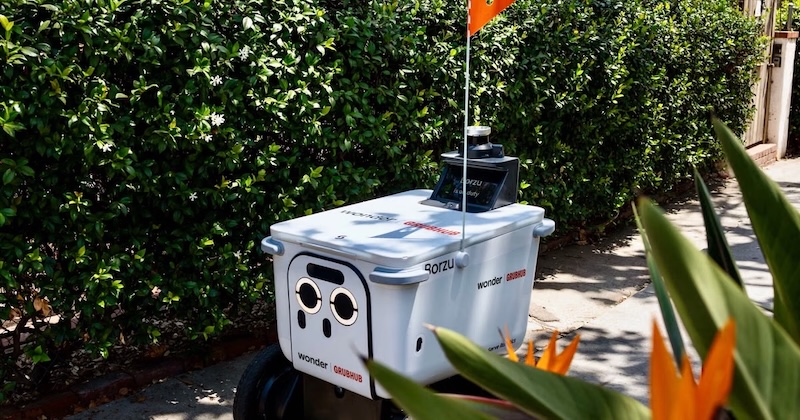
Serve Robotics Partners with Grubhub to Expand Autonomous Delivery Network
Serve Robotics is enhancing its autonomous delivery network by partnering with Grubhub, adding a third major platform to its service alongside Uber Eats and DoorDash. This collaboration will initially launch in Chicago, Los Angeles, and Alexandria, Virginia, with over 100 Grubhub merchants in Chicago and nearly 200 in Los Angeles participating. The significance of this partnership lies in its potential to increase the number of restaurants and orders available to Serve's autonomous sidewalk delivery fleet. According to Ali Kashani, co-founder and CEO of Serve Robotics, this expansion demonstrates the company's growth trajectory and the increasing intelligence of its fleet with each new delivery. Looking ahead, Serve Robotics is also expanding its geographical reach with new launches in Washington, DC, and San Jose, California, in collaboration with DoorDash. These expansions mark Serve's seventh and eighth major US markets, indicating a robust growth strategy in the autonomous delivery sector. No further timeline was disclosed at the time of publication.
Logistics News autonomous delivery delivery robots diligent robotics doordash
Gravis Robotics Secures $200 Million to Expand Autonomous Heavy Machinery in Construction
Gravis Robotics has successfully raised $200 million in a Series A funding round led by SoftBank to enhance its autonomous heavy machinery technology for construction sites worldwide. This investment comes at a crucial time as the construction industry faces increasing demands for energy networks, housing, and climate-resilient infrastructure, compounded by labor shortages and low automation levels in heavy construction. Looking ahead, Gravis Robotics aims to leverage its AI-driven technology to address the unique challenges of heavy machinery operation in dynamic environments. No further timeline was disclosed at the time of publication.
Construction News artificial intelligence autonomous construction autonomous excavators construction automation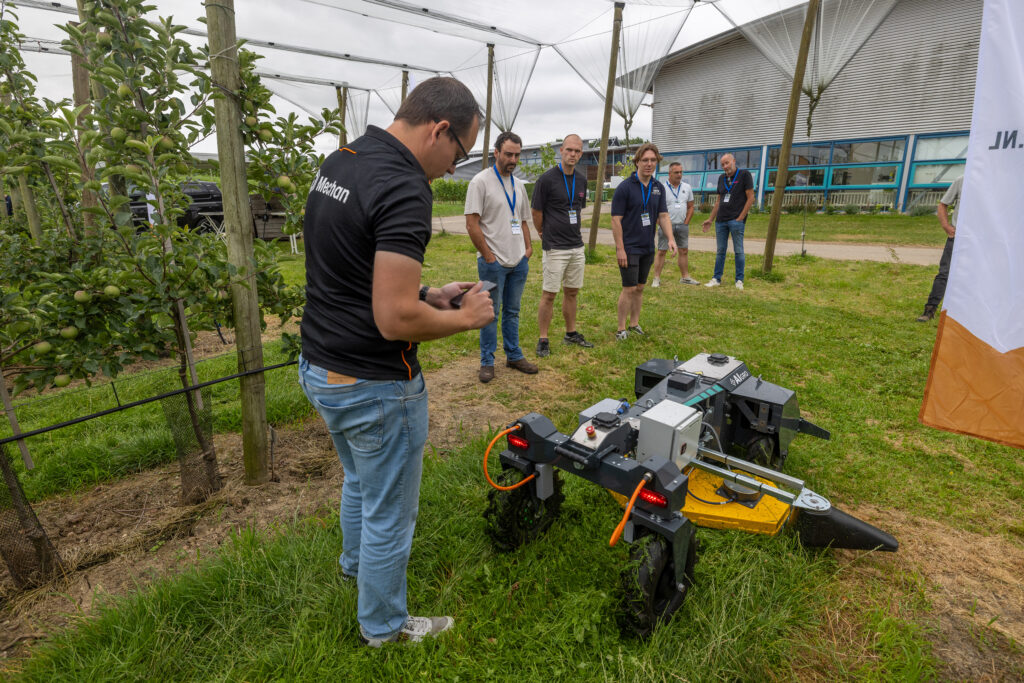
Autonomous Fruit Implements Showcase Advances in Agricultural Robotics
Recent developments in autonomous fruit implements were showcased at the Fruit Research Centre in Randwijk, Netherlands. The event highlighted how robotics is transforming agricultural practices, making them more efficient and sustainable. Manufacturers demonstrated nearly mature technologies that address various operational challenges in fruit growing. The significance of these advancements lies in their potential to future-proof agricultural businesses. As the industry increasingly adopts automation, these innovations can lead to improved productivity and sustainability in fruit cultivation. The Experience Day served as a practical platform for stakeholders to engage with these technologies and discuss their implications. Looking ahead, the continued evolution of autonomous systems in agriculture will be crucial. Stakeholders should monitor the integration of these technologies into everyday farming practices, as they promise to enhance operational efficiency. No further timeline was disclosed at the time of publication.
Autonomous/semi-autosteering systems
Tacta Systems Launches TactaBot to Enhance High-Skilled Manufacturing with Advanced Robotics
Tacta Systems recently introduced the TactaBot, integrating the Tacta Hand, Skill Capture system, and Dexterous Intelligence AI model. This innovative combination aims to create adaptable robotic hands capable of performing high-value tasks in manufacturing, addressing the global shortage of skilled labor. CEO Vikram Pavate emphasized the need for robots to replicate human-like touch and feel, which is essential for complex manufacturing processes. The Tacta Hand features a dexterous design with three and five-finger configurations, offering 15 degrees of freedom and the ability to lift up to 25 newtons per fingertip. Utilizing Tacta's Fluidic Tendon actuation technology, the robotic hand maintains stability and precision while minimizing heat generation. This technology enhances reliability compared to traditional cable-driven systems, with a lifespan of up to 30 million cycles. As Tacta Systems continues to innovate, the focus will be on further developing the capabilities of the TactaBot and its components. The integration of advanced tactile sensors, capable of measuring a wide range of forces and temperatures, positions Tacta to play a significant role in the future of high-skilled manufacturing automation. No further timeline was disclosed at the time of publication.
Actuators / Motors / Servos Arms / Manipulators Artificial Intelligence Artificial Intelligence / Cognition Collaborative Robots Design / Development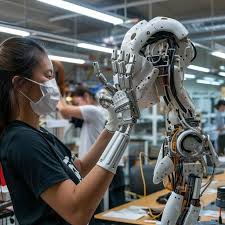
ARX Robotics Demonstrates GEREON Uncrewed Ground Vehicles in US Army Trials
ARX Robotics UK has successfully showcased the capabilities of its GEREON uncrewed ground vehicles (UGVs) during Project Convergence-Capstone 6 (PC-C6). This event marks the largest experiment in the US Army's initiative to enhance land warfare capabilities. The successful demonstration is significant as it highlights the operational potential of GEREON UGVs in modern military applications. This aligns with the US Army's ongoing efforts to integrate advanced technologies into their land warfare strategies. Looking ahead, further developments in the integration of autonomous systems into military operations are expected. No further timeline was disclosed at the time of publication.
News
Moove Secures $250 Million to Develop Infrastructure for Autonomous Vehicle Ecosystems
Moove has successfully raised $250 million in Series C funding, elevating its valuation to $2.1 billion. This capital will facilitate the expansion of its autonomous vehicle business, focusing on autonomous fleet ownership and the development of robotics-first depot infrastructure known as 'Nests.' These Nests will serve as operational hubs for charging, servicing, and maintaining autonomous fleets. The significance of this funding lies in Moove's vision of autonomous mobility as a critical component of future urban ecosystems. Co-founder Ladi Delano emphasized that the success of autonomous technology hinges on the establishment of robust infrastructure, including fleet management and operational systems. Moove aims to grow its workforce by over 220% by year-end, reflecting its commitment to scaling operations globally. Looking ahead, Moove's strategic partnerships and infrastructure development will be pivotal in shaping the future of autonomous transportation. The company is already operational in cities like Phoenix and Miami, with plans for expansion into London. No further timeline was disclosed at the time of publication.
Automotive Financial Investments Markets / Industries News Robots / Platforms
Neya Systems and GS Engineering Collaborate to Enhance Robotic Construction Equipment for Defense
Neya Systems and GS Engineering have announced a strategic collaboration aimed at advancing robotic and autonomous construction equipment for defense applications. This partnership combines Neya's N-Drive™ autonomy technology with GS Engineering's Remote Expeditionary Autonomous Pioneer (REAPr) unmanned ground vehicle, focusing on creating an integrated solution that enhances operational efficiency in military engineering tasks. The collaboration is significant as it seeks to improve the safety and effectiveness of warfighters by automating the most hazardous and labor-intensive engineering tasks. By leveraging proven autonomy technology and advanced UGV capabilities, the initiative aims to streamline construction processes in defense operations, ultimately contributing to enhanced mission readiness and operational success. Looking ahead, the integration of these technologies is expected to lead to the development of field-ready autonomous solutions that can significantly reduce the risks faced by military personnel. No further timeline was disclosed at the time of publication.

Figure 03 Humanoid Robot Achieves Autonomous Ladder Climbing in New Milestone
Figure, a US-based robotics company, has released a video demonstrating that its Figure 03 humanoid robot can climb a ladder autonomously. The footage, shared by founder Brett Adcock on X, shows the robot ascending without human assistance, marking a significant achievement in robotic mobility and balance. This development is crucial as climbing ladders is a complex task for humanoid robots, requiring precise coordination and real-time decision-making. Figure claims that the successful demonstration highlights advancements in the robot's locomotion and whole-body control, which are essential for navigating unpredictable environments. Looking ahead, Figure has ramped up production of the Figure 03 from one unit per day to one per hour, delivering over 350 robots. The company has also upgraded its Helix AI model, enhancing the robot's ability to combine visual perception with motion control. No further timeline was disclosed at the time of publication.
AI and Robotics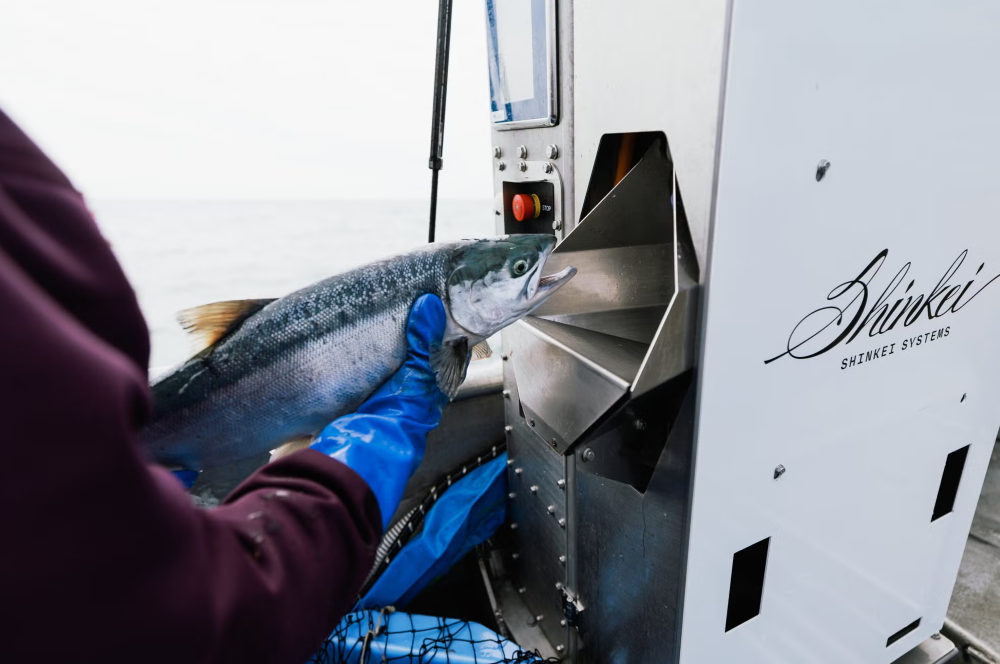
Shinkei Systems Introduces AI Robotics for Enhanced Fresh Fish Processing
Shinkei Systems, based in California, has developed a robotic solution for fish processing on fishing boats. Utilizing computer vision, the robot identifies fish species and performs precise slaughter within six seconds, adhering to the Japanese 'ike jime' technique to maintain meat quality. This innovation addresses the issue of stress hormones affecting fish taste during capture. The significance of this technology lies in its potential to improve the quality of seafood while providing fishermen with a stable supply of premium products. Shinkei offers its robots to Alaskan fishermen for free, purchasing their catch at above-market prices, and markets the fish under the 'Seremoni' brand. The company plans to introduce a new harvesting robot designed for small fishing vessels in the Cook Inlet by 2026. Currently, over 40 Michelin-starred restaurants across the U.S. are using Shinkei's technology, with retail chains like Wegmans and FreshDirect also stocking their products. Shinkei recently secured $22 million in Series A funding to expand its operations, including a new processing center in Tacoma, aiming to make high-quality seafood more accessible while preventing overfishing.
Robotic Processing AI Technology Seafood Industry Sustainable Fishing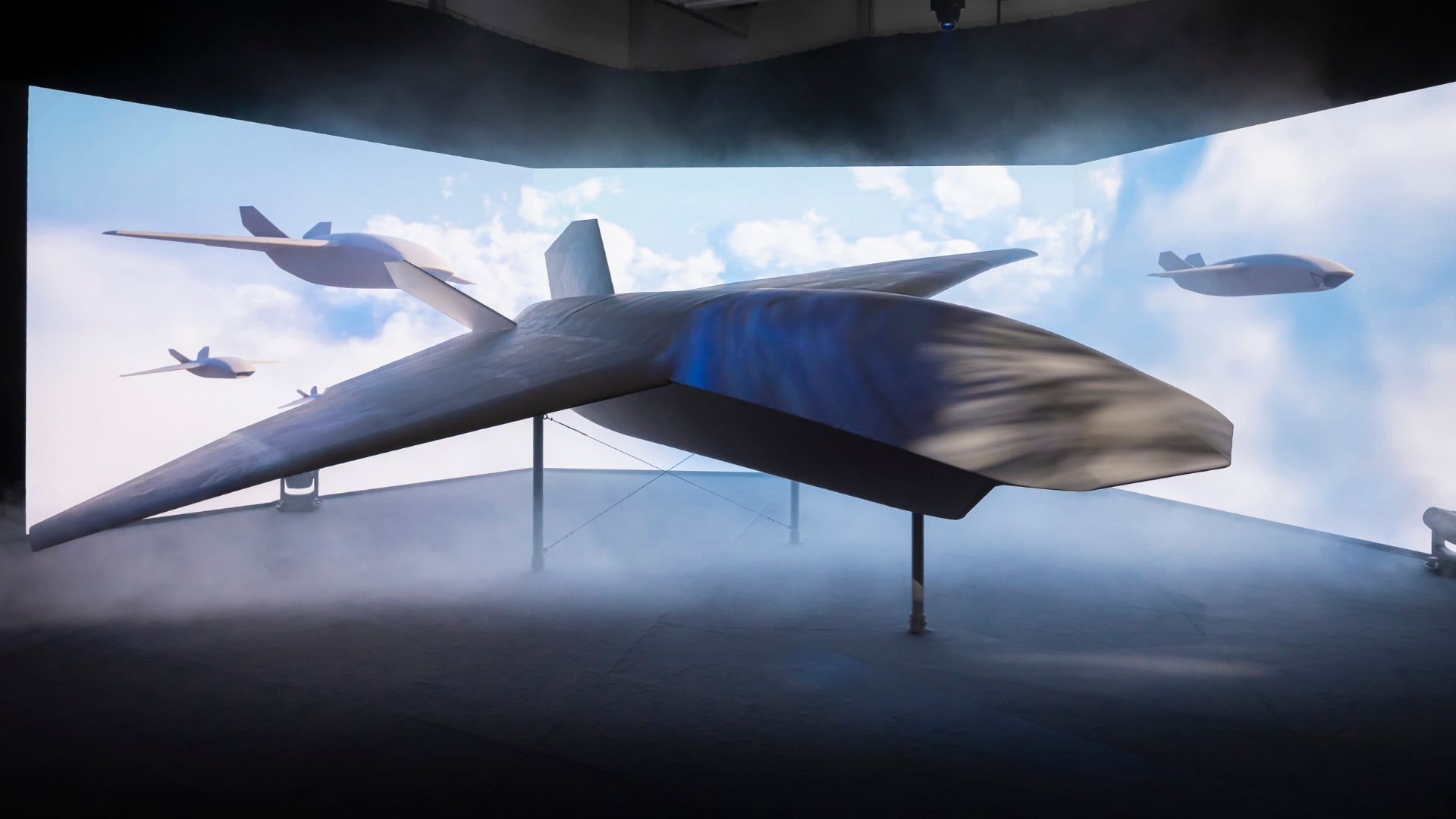
BAE Systems Unveils UK's First Autonomous Combat Drone, Brontanax, at Farnborough Airshow
BAE Systems has launched the UK's first autonomous Collaborative Combat Aircraft (CCA), named Brontanax, at the Farnborough International Airshow. This aircraft is designed to operate alongside crewed fighter jets like the Eurofighter Typhoon, enhancing combat capabilities through missions such as electronic warfare and precision strikes. The introduction of Brontanax is significant as it represents a major advancement in the UK's defense strategy, supported by a £300 million investment from the government through the Storm Fighter program. This initiative aims to establish a sovereign CCA capability for the Royal Air Force, positioning the UK as a leader in next-generation combat aviation in Europe. Looking ahead, ground testing of Brontanax will commence at BAE Systems' Warton facility, with flight trials expected to begin in UK airspace next year. If development proceeds as planned, the aircraft could be operational with the Royal Air Force by the end of the decade, marking a pivotal moment in military aviation technology.
Military
Multimodal Robotics Inspired by Biological Systems Explored in Science Robotics
The latest issue of Science Robotics, Volume 11, Issue 116, published in July 2026, delves into the advancements in bioinspired multimodal robotics. This research highlights how biological systems can inform the design and functionality of robotic systems, leading to more versatile and adaptive technologies. The significance of this research lies in its potential to enhance robotic capabilities by mimicking the diverse modalities found in nature. By studying biological organisms, engineers can develop robots that are not only more efficient but also capable of performing complex tasks across various environments, which is crucial for applications in fields such as search and rescue, agriculture, and environmental monitoring. Looking ahead, the ongoing exploration of bioinspired designs in robotics will likely lead to innovative solutions that address current limitations in robotic performance. No further timeline was disclosed at the time of publication.
Review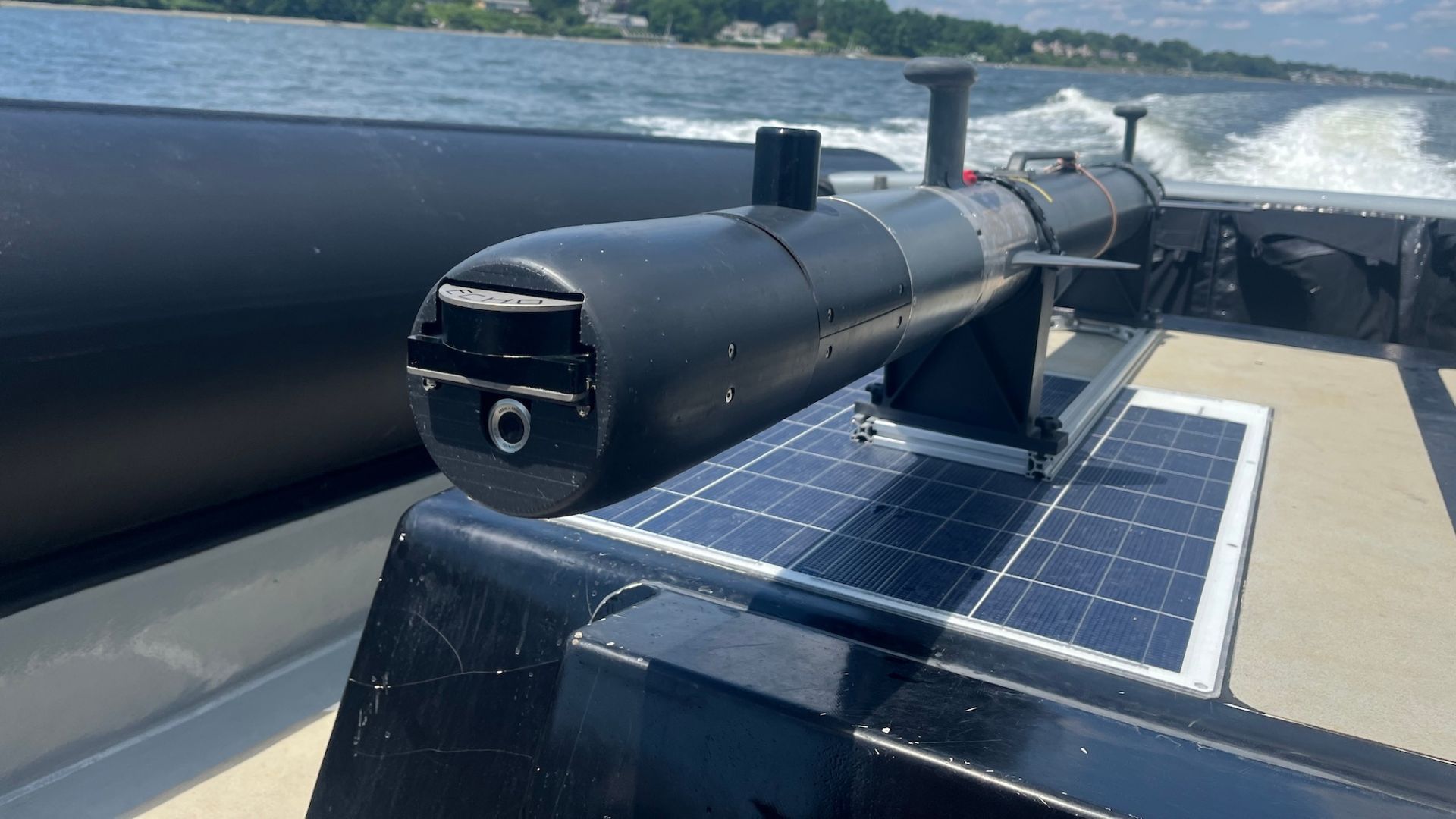
Vatn Systems Launches SIGURD Autonomous System for Naval Mine Detection and Neutralization
U.S. defense startup Vatn Systems has unveiled SIGURD, a compact autonomous system designed to detect and neutralize naval mines. This innovative platform allows military operators to locate underwater mines without the need for large mine warfare vessels, addressing a critical challenge in naval operations. SIGURD is currently being tested by government customers, with deployment expected later this year. The introduction of SIGURD is significant as naval mines remain a cost-effective threat in maritime conflict, capable of disrupting shipping and delaying naval operations. Traditional mine countermeasure missions are resource-intensive, often requiring specialized ships and trained personnel. Vatn's autonomous underwater vehicle aims to streamline this process, enabling quicker responses to mine threats in contested waters. Looking ahead, Vatn Systems is preparing to support U.S. military and allied nations in expanding their autonomous mine warfare capabilities. The demand for such systems is rising, particularly in light of increasing tensions in strategic maritime regions. The successful testing of SIGURD against inert naval mines suggests a promising future for autonomous solutions in mine countermeasures.
Military
ETCO Incorporated Launches New Electrical Connectors and Terminals for Robotics and Automation
ETCO Incorporated has unveiled a new range of standard and custom electrical connectors and terminals designed specifically for automation systems and robotics. These products are engineered to endure intense operations, constant motion, and vibration, making them suitable for demanding applications. The introduction of these connectors and terminals is significant as they address the growing need for reliable electrical components in automation and robotics. With the increasing complexity of automated systems, the durability and performance of electrical connections are crucial for operational efficiency and safety. Looking ahead, industry stakeholders should monitor the adoption of ETCO's new products in various applications. The effectiveness of these connectors and terminals in real-world scenarios will be key to their success in the market. No further timeline was disclosed at the time of publication.

Logic Robotics Unveils Logic Pallet: A Breakthrough in Autonomous Mobile Logistics
Logic Robotics has introduced the Logic Pallet, the first mobile robot designed for multifacility logistics automation. This innovative solution aims to enhance the efficiency of logistics and material handling across various industries. The Logic Pallet is engineered to automate the movement of goods both between and within facilities, providing a comprehensive end-to-end automation solution. This advancement supports a fully autonomous, data-driven, and sustainable global supply chain, marking a significant step forward in logistics technology. As the logistics industry continues to evolve, the introduction of the Logic Pallet sets a new standard for automation. Stakeholders should monitor its deployment and impact on supply chain efficiency, as well as its potential to reshape logistics operations in the future. No further timeline was disclosed at the time of publication.
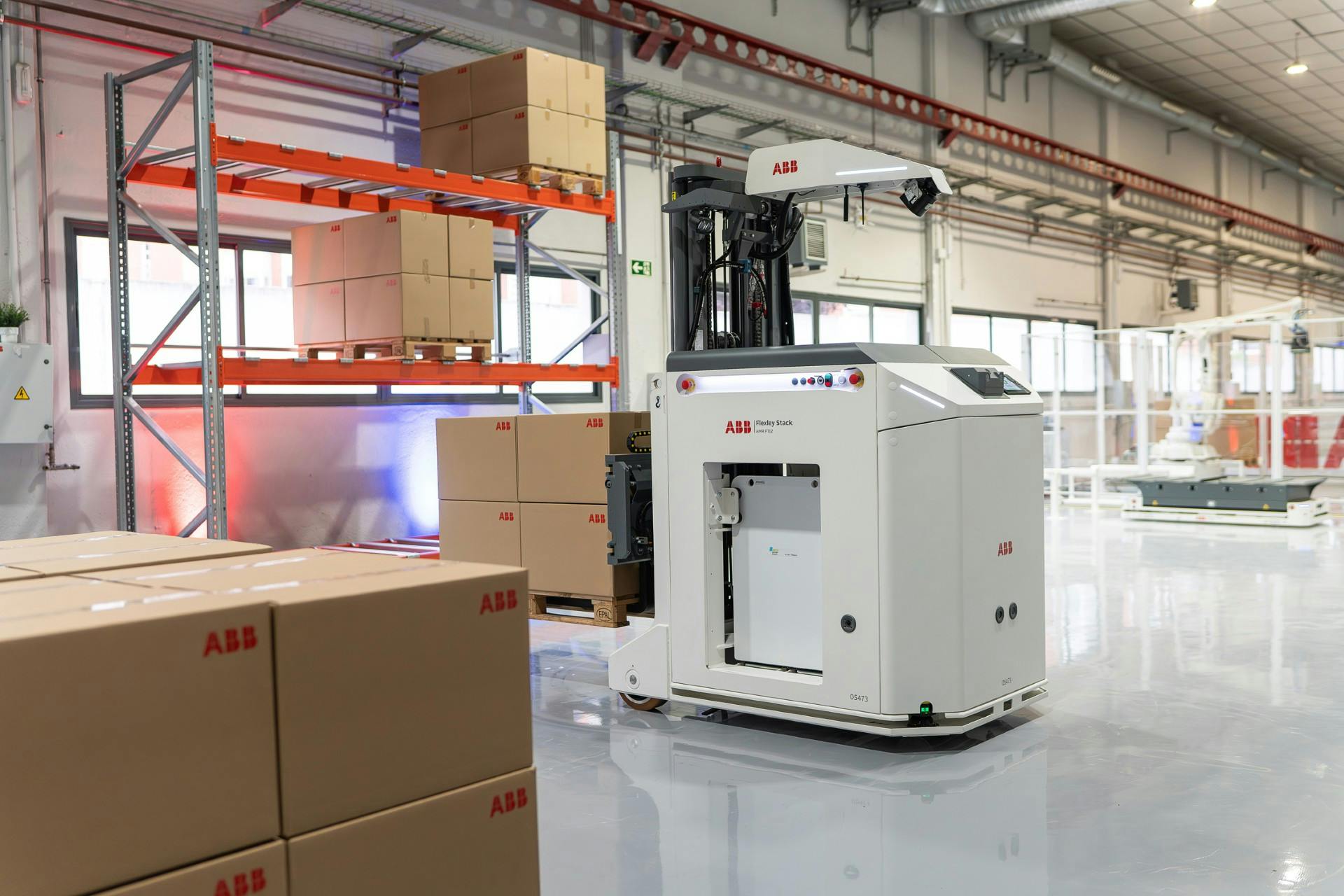
ABB Robotics Introduces Flexley Stack F712 Platform for AI-Driven Autonomous Forklifts
ABB Robotics has launched the Flexley Stack F712 platform, enhancing its AMR portfolio with AI-powered visual technology for autonomous forklifts. This innovation facilitates pallet transport and high-density storage, creating a cohesive ecosystem among ABB’s Visual SLAM AMR types, aimed at improving efficiency in material handling and warehouse operations across various industries, including automotive manufacturing. The introduction of the F712 is significant as it addresses the growing demand for faster and more flexible goods movement in intralogistics, particularly under constraints of limited labor availability. Marc Segura, president of ABB Robotics, emphasized the need for businesses to adapt to increased processing demands while leveraging advanced vision, mobility, and intelligence in their operations. Looking ahead, the Flexley Stack F712 can manage diverse load types and sizes, allowing customers to implement mixed fleets of Visual SLAM-powered vehicles on a unified navigation and fleet management platform. No further timeline was disclosed at the time of publication.
Factory / Analytics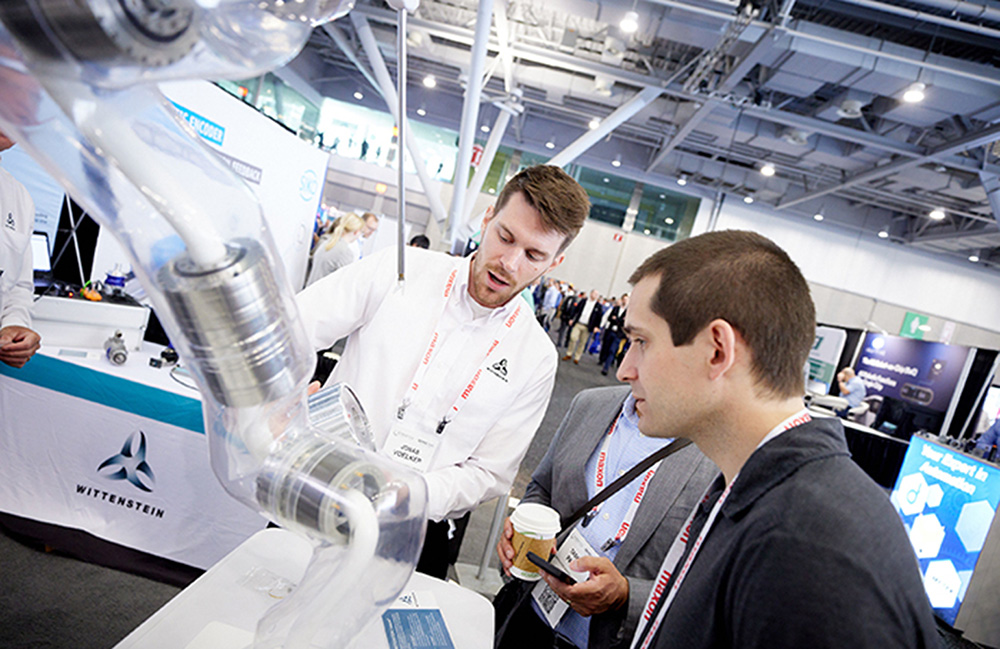
RoboBusiness invites robotics startups to showcase systems and software solutions
RoboBusiness is currently accepting applications from robotics startups interested in presenting their innovations at the upcoming RoboBusiness event. This opportunity is aimed at companies developing complete systems, components, or software solutions in the robotics sector. The event is set to take place in the near future, providing a platform for emerging technologies and ideas. The significance of this initiative lies in its potential to connect startups with industry leaders, investors, and potential partners. By showcasing their work, startups can gain visibility and feedback on their products, which is crucial for growth in a competitive market. This event highlights the increasing importance of innovation in robotics, as companies strive to develop solutions that meet evolving industry demands. Looking ahead, interested startups should prepare their applications promptly, as the deadline for submissions is approaching. No further timeline was disclosed at the time of publication, but participation in this event could lead to valuable networking opportunities and insights into market trends.
Events News Startups robobusiness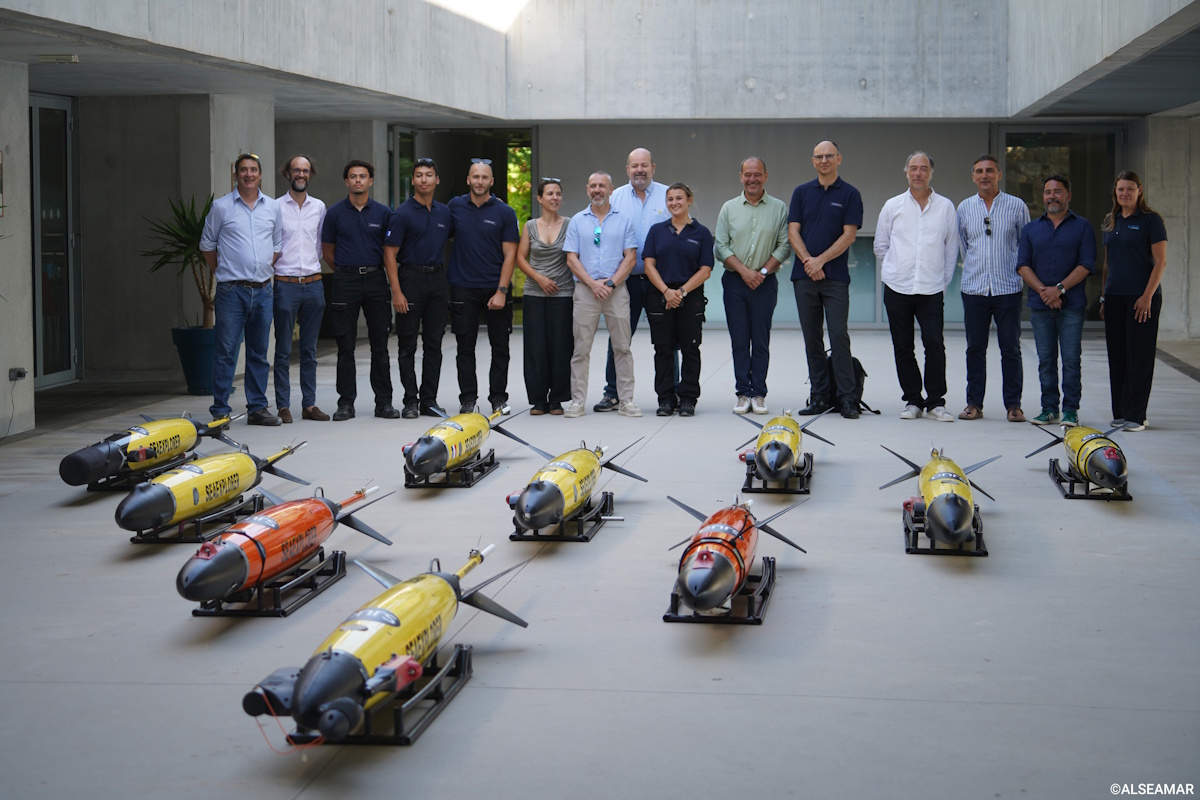
CNRS Deploys Ten SEAEXPLORER Autonomous Gliders for Mediterranean Ecosystem Research
In mid-June 2026, the CNRS deployed ten SEAEXPLORER autonomous underwater gliders in the Ligurian Sea as part of Mission 6 under France's 2030 funding plan. This initiative aims to create a comprehensive environmental data atlas for the northwestern Mediterranean, focusing on the impacts of human activities on marine ecosystems. The gliders will operate for one month, diving to depths of 1,000 meters and equipped with sensors to monitor underwater noise and ocean currents. The deployment is significant as it represents a strategic effort by the French government to enhance industrial competitiveness and develop next-generation technologies for deep-sea exploration. By utilizing coordinated fleets of autonomous gliders and advanced sensing technologies, researchers aim to better understand the dynamics of marine ecosystems and the effects of climate change, maritime traffic, and ocean acidification. This innovative approach will facilitate the study of plankton distribution and biodiversity through methods such as environmental DNA monitoring. Looking ahead, the next phases of Mission 6 will involve additional deployments in the Gulf of Lion in 2028 to test new sensors, followed by operations in French Polynesia between 2028 and 2029. These efforts will further expand the capabilities of autonomous underwater vehicles in marine research, with no further timeline disclosed at the time of publication.
autonomous gliders cnrs exploration mediterranean marine ecosystems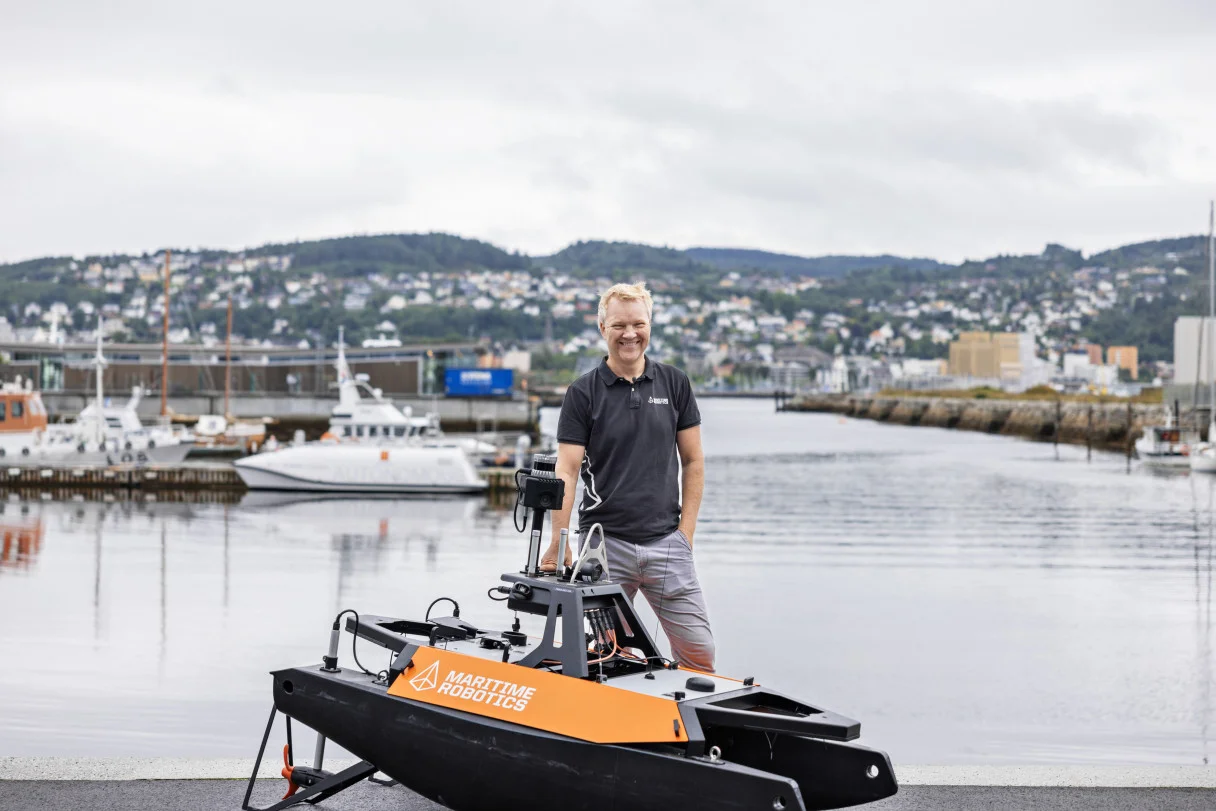
Maritime Robotics Raises €28M in Funding to Expand its Autonomous Sea Drone Systems
Norwegian company Maritime Robotics has secured €28 million in growth funding to enhance its autonomous maritime systems. The funding round, which was led by Mustard Seed + Partners, also saw contributions from existing investors including EnvisionTech, Nysnø Climate Investment, and Umoe, along with participation from the company's founders, employees, and early backers. This financial boost aims to support the company's expansion efforts in the rapidly evolving maritime technology sector.
AI AI Funding & Investment Robotics autonomous maritime systems funding maritime roboticsRobotics needs a service framework.
RSF defines a common language for robot service capability, lifecycle operations, certification pathways, and service-provider networks.
Join the RobotToday community on LinkedIn
Daily robotics news, in-depth analysis, conference highlights, and discussions with professionals worldwide.







