Industry Briefing
A single destination for timely, editor-curated robotics news from around the world.
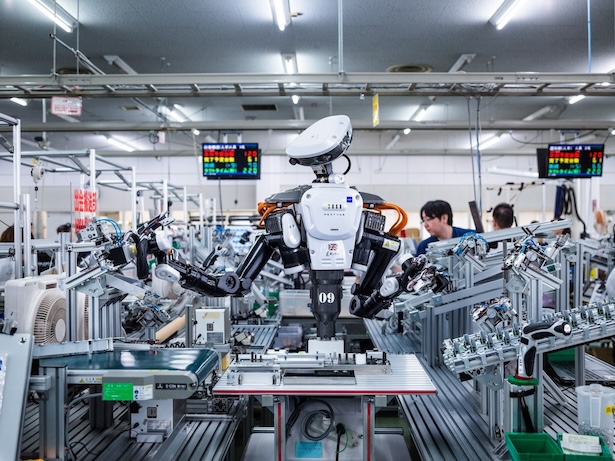
EIT AI Community Transitions to EIT AI & Robotics Community with €80 Million Initiative
The EIT AI Community has evolved into the EIT AI & Robotics Community, a pan-European initiative aimed at fostering the development and commercialization of AI and robotics technologies from 2026 to 2028. The initiative has launched its first call for applications through the AI Entrepreneurs Lab, targeting early-stage founders in AI and robotics. This expansion is significant as it addresses the gap in transforming Europe's world-class robotics research into commercially viable systems. Orestis Trasanidis, head of the AI & Robotics Community, emphasized the importance of supporting AI and robotics together to enhance Europe's competitiveness in critical sectors such as manufacturing and healthcare. Looking ahead, the initiative plans to introduce the FactoryX program later in 2026, aiming to launch 14 innovations and support over 10 high-potential scale-ups. No further timeline was disclosed at the time of publication.
Features Technology ai entrepreneurs lab ai startups artificial intelligence eit
Kidz AI Raises $1.9 Million to Enhance KIDZBot Educational Robotics Platform
Kidz AI has secured $1.9 million from its previously announced $500 million convertible-note financing facility to boost the manufacturing and deployment of its KIDZBot educational robotics platform. The funding will support the expansion of KIDZBot, which is designed to teach robotics, coding, and AI concepts through hands-on applications. This financing is crucial as Kidz AI aims to establish a comprehensive robotics education ecosystem around KIDZBot, integrating hardware, software, curriculum, and educator support. The company has also launched Classover Robix, a subsidiary dedicated to embodied AI hardware and partnerships with educational institutions, enhancing its outreach in the educational sector. Looking ahead, Kidz AI is engaging with educational partners and high school networks for classroom deployments and will showcase its initiatives at the 2026 AI in Education Conference in December. No further timeline was disclosed at the time of publication.
AI AI Funding & Investment Robotics AI in education funding KIDZ AI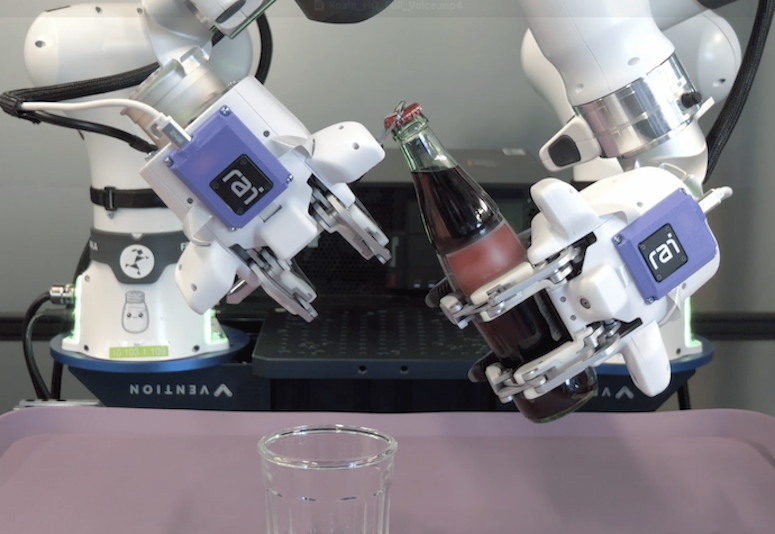
SoftBank to Acquire Robotics and AI Institute from Hyundai Motor Group
SoftBank Group Corp. has reached an agreement to acquire the Robotics and AI Institute (RAI) from Hyundai Motor Group, although financial details remain undisclosed. This acquisition is currently under review by the Committee on Foreign Investment in the United States (CFIUS), which assesses foreign investments for national security implications. The significance of this deal lies in the historical connection between SoftBank and the RAI, as Marc Raibert, the founder of both Boston Dynamics and the RAI, has played a pivotal role in advancing robotics. The RAI, established in 2022 with an initial investment exceeding $400 million, focuses on various aspects of robotics and AI, including robot control and manipulation, which are crucial for enhancing robotic capabilities. Looking ahead, the outcome of the CFIUS review will be crucial for the acquisition's progression. Additionally, SoftBank's ongoing plans to acquire ABB's robotics business for $5.3 billion could create synergies between ABB's industrial automation expertise and RAI's AI research, potentially reshaping the robotics landscape in the coming years. No further timeline was disclosed at the time of publication.
Academia / Research Artificial Intelligence Artificial Intelligence / Cognition Design / Development Humanoids Mergers & Acquisitions
Nvidia Launches Jetson Orin Nano 2 for Robotics and Edge AI Applications
Nvidia has introduced the Jetson Orin Nano 2, a new robotics computer designed for entry-level edge AI applications. This innovative computer aims to empower millions of developers globally to create robots, drones for delivery and inspection, and vision AI systems tailored for advanced physical AI tasks. The significance of the Jetson Orin Nano 2 lies in its enhanced performance and energy efficiency. It offers double the inference performance of its predecessor while consuming 40% less power, making it an attractive option for developers seeking compact and efficient robotics solutions. With over 3 million developers utilizing the Nvidia robotics stack, early adopters like Cognex, Doosan Bobcat, and Matic are already exploring its capabilities. Looking ahead, Nvidia's Jetson Orin Nano 2 is set to redefine entry-level edge AI by providing frontier-class generative AI performance to a broader audience. As AI models become more efficient, the potential for autonomous edge devices to perform real-time tasks will expand significantly. No further timeline was disclosed at the time of publication.
Computing News Robotics ai computing Autonomous robots drones
EPFL Advances Sustainability Robotics to Address Environmental Challenges
EPFL is pioneering the concept of Sustainability Robotics, emphasizing the need for robots to contribute to sustainability goals. Aude Billard highlights the tension between robotic performance and sustainability, noting that energy-intensive systems and finite resources must be considered. Mirko Kovač's manifesto calls for a broader evaluation framework for robots, integrating their environmental, social, and economic impacts into their design and application. The initiative aims to redefine how robots are assessed, moving beyond technical performance to include their overall contribution to sustainability. Kovač proposes three core principles: minimal invasiveness, universal accessibility, and symbiosis with ecosystems. This approach encourages innovation in engineering solutions that address pressing challenges like climate change and biodiversity loss. Current research at EPFL includes projects like the eel-inspired Envirobot for water quality monitoring and an aquatic robot made from fish food, which can biodegrade and support aquatic life. These developments illustrate the potential of robots to not only minimize environmental impact but also actively enhance ecological health and sustainability efforts.
Rainbow Robotics Faces US Shipment Delays Amid New Restrictions on Advanced Robots
Rainbow Robotics, a subsidiary of Samsung Electronics, has paused shipments of its RB-Y1 mobile humanoid robot to the US due to new restrictions on foreign-made advanced robots. This halt is expected to impact near-term sales, but the company anticipates securing conditional approval to resume exports. The recent regulations, implemented by the US Federal Communications Commission, require foreign-produced advanced robotic devices to obtain Conditional Approval from the Department of War before being sold in the US. This measure is part of a broader effort to mitigate security risks associated with Chinese technology, affecting not only Chinese manufacturers but also Korean companies like Rainbow Robotics. Looking ahead, Rainbow Robotics is preparing a US manufacturing and investment plan to comply with the approval process. The company believes that if Chinese competitors face increased barriers, it could create opportunities for them in the US market. No further timeline was disclosed at the time of publication.
All News
Aetina Launches AIE-KT78 and AIE-KT68 for Advanced AI in Robotics Control
Aetina Corporation has announced the general availability of its DeviceEdge AIE-KT78 and AIE-KT68 edge AI systems. These systems support local multimodal generative AI, LLM, VLM, and VLA model execution, enabling seamless integration with high-resolution sensors, motors, joints, and actuators through high-bandwidth interfaces and EtherCAT control. The introduction of these systems is significant as they are powered by NVIDIA Jetson Thor and utilize the NVIDIA Blackwell architecture, providing high-performance AI compute and deterministic industrial control. This makes them ideal for Collaborative Robots (Cobots), humanoid robots, and next-generation autonomous machines, enhancing their ability to perceive, reason, decide, and act in real-world environments. Looking ahead, the focus will be on how developers leverage the capabilities of the AIE-KT78 and AIE-KT68 systems to create more sophisticated robotic applications. No further timeline was disclosed at the time of publication.

D-Robotics Secures $400 Million in Series C Funding to Enhance AI Robotics Platform
D-Robotics has successfully raised $400 million in Series C funding aimed at expanding its Sunrise robotics chips and software platform for AI-powered systems, including humanoid robots. This funding round included contributions from an unnamed global internet company, institutional investors, and existing shareholders. The company reported significant revenue growth in the first half of 2026, with Sunrise chip shipments exceeding 8 million units. The importance of this funding lies in D-Robotics' plans to enhance its robotics computing chips and software platform, which supports a wide range of AI applications. The Sunrise S600 chip has already been adopted by over 20 customers, and the Gravity Program has assisted more than 500 robotics developers. The platform is utilized by over 500 universities and 100,000 developers across more than 20 countries, indicating a robust ecosystem for AI robotics development. Looking ahead, D-Robotics aims to expand its Sunrise chip portfolio and develop a comprehensive software platform for robot developers. The company has entered mass production for its embodied AI business, and its integrated hardware and software infrastructure has completed large-scale validation. No further timeline was disclosed at the time of publication.
AI AI Funding & Investment Robotics Astribot Booster Robotics China
French Startups Mistral, Gobano Robotics, and Ami Labs Aim to Innovate Future Robotics
Mistral, Gobano Robotics, and Ami Labs are among the French startups striving to tackle the next challenges in robotics. These companies are leveraging artificial intelligence to develop advanced robotic solutions that could redefine various industries. The significance of these efforts lies in France's growing reputation as a hub for innovation in robotics and AI. By focusing on cutting-edge technologies, these startups aim to contribute to the global robotics landscape and enhance operational efficiencies across multiple sectors. Looking ahead, it will be important to monitor the progress of these startups as they work towards their ambitious goals. The developments from Mistral, Gobano Robotics, and Ami Labs could potentially lead to breakthroughs that shape the future of robotics. No further timeline was disclosed at the time of publication.
Robotique
D-Robotics and GigaAI Collaborate to Integrate GigaBrain-0.7 with Sunrise S600 Edge Platform
D-Robotics and GigaAI are set to adapt the open-source embodied model GigaBrain-0.7 for integration with the Sunrise S600 edge platform, which operates at 560 TOPS INT8. This collaboration aims to enhance the capabilities of various deployments, including Maker, light-pickup, dual-arm, and mobile-chassis systems. The partnership between D-Robotics and GigaAI is significant as it combines advanced AI technologies with edge computing, potentially improving operational efficiency in robotics applications. The integration of GigaBrain-0.7 with the Sunrise S600 platform could lead to more sophisticated and responsive robotic systems, catering to diverse industrial needs. Looking ahead, industry stakeholders should monitor the progress of this integration and its impact on deployment strategies across different sectors. No further timeline was disclosed at the time of publication.

Xiaomi Releases Open-Source Robotics-U0 Model and Training Tools with Significant Speedups
Xiaomi has open-sourced the Xiaomi-Robotics-U0, an autoregressive embodied world foundation model featuring approximately 4 billion parameters and full-scale weight lines of around 38 billion. This release includes training and inference tools designed to enhance robotic applications. The significance of this development lies in Xiaomi's claim of achieving FlashAR+ speedups nearing 83 times, which positions the Robotics-U0 model at the forefront of robot-centric scene, transfer, and video synthesis tasks, as evidenced by its top ranking in WorldArena. Looking ahead, the impact of Xiaomi-Robotics-U0 on the robotics landscape will be noteworthy, particularly in applications requiring advanced scene understanding and video synthesis capabilities. No further timeline was disclosed at the time of publication.
Shangpin Home Introduces Open-source WorldSimReady-Home Dataset for Robotics Training
Shangpin Home, in collaboration with Tangyuan Technology, has launched the WorldSimReady-Home simulation dataset aimed at addressing the challenges of robotic training in complex home environments. This open-source dataset includes 100,000 square meters of high-fidelity home scenes, 10,000 interactive assets, and 1,000 standardized robotic simulation task examples, allowing for extensive training and testing of various robotic forms. The significance of this initiative lies in its potential to bridge the Sim2Real gap, where robots struggle to perform in real homes despite successful laboratory tests. By providing a diverse range of simulated environments, the dataset enables developers to train robots for navigation, object manipulation, and complex household tasks without the risks associated with real-world trials. Looking ahead, the WorldSimReady-Home dataset represents a foundational step in Shangpin Home's strategy for embodied intelligence. As more teams engage with this open-source initiative, the development of additional datasets for industrial, commercial, and specialized scenarios is anticipated. The effectiveness of this approach will depend on the practical application of the dataset and the successful transfer of learned strategies to real-world settings.
Robotics Training Simulation Data Home Automation AI Digital Twins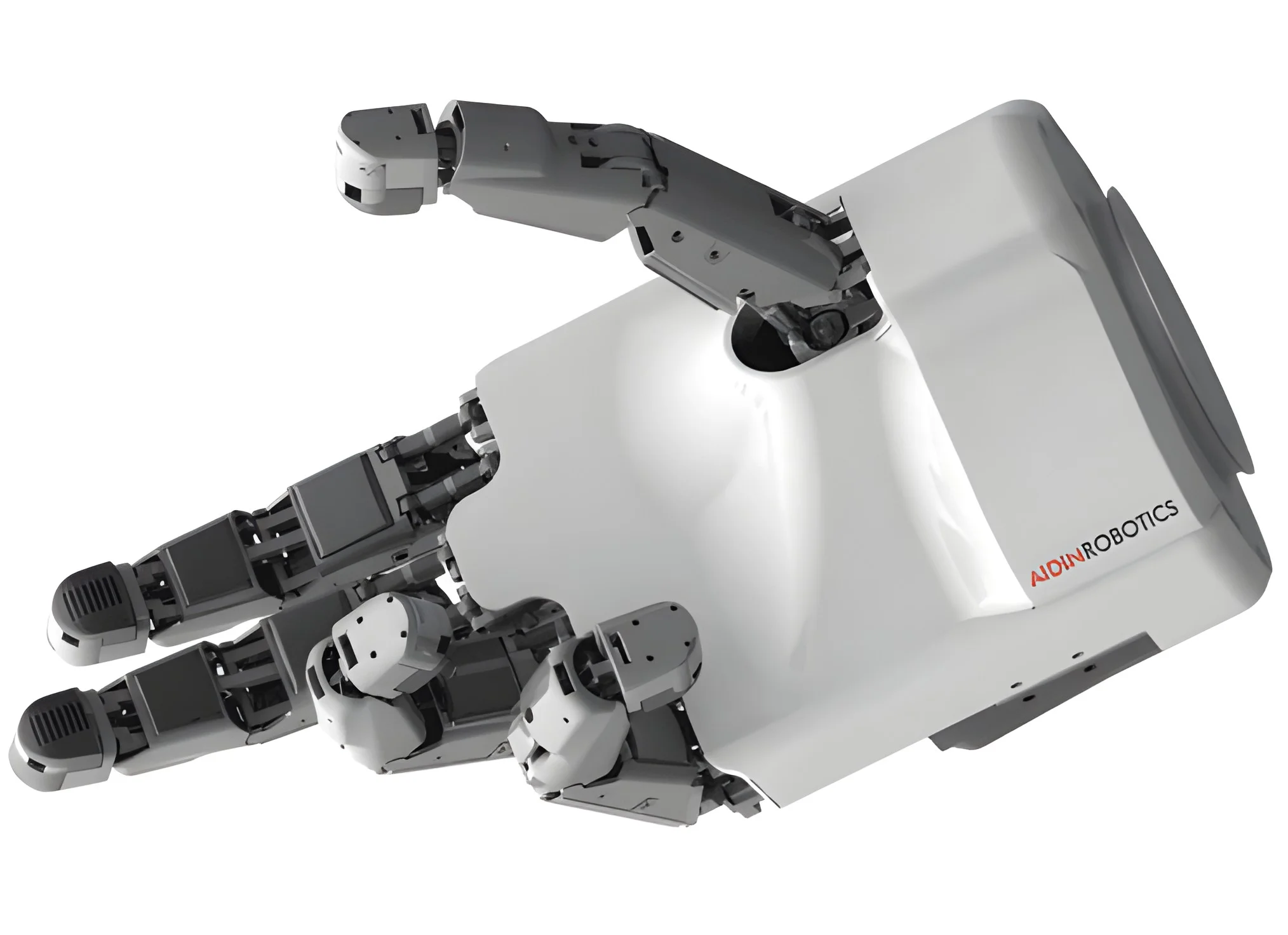
HD Hyundai Robotics Allocates $9.5 Million to Aidin Robotics for Humanoid Development
HD Hyundai Robotics has invested approximately $9.5 million in Aidin Robotics, acquiring an equity stake in the South Korean startup. This investment aims to enhance the development of humanoid components and industrial automation systems, starting with a five-finger robotic hand tailored for shipbuilding and heavy industry. The collaboration is significant as it combines Aidin's advanced force, torque, and tactile sensing technologies with HD Hyundai Robotics' platforms. This integration is expected to facilitate the creation of robotic systems capable of performing complex tasks in shipyards and other industrial environments, ultimately improving efficiency in manufacturing processes. Looking ahead, the partnership plans to conduct field demonstrations before commercializing their innovations. Initial deployments will focus on the shipbuilding sector, with future expansions anticipated into other manufacturing industries and international markets, including U.S. shipyards. No further timeline was disclosed at the time of publication.
AI AI Funding & Investment Robotics Aidin Robotics automation HD Hyundai Robotics
WaiV Robotics Achieves First Autonomous Nighttime Landing on Moving Vessel
WaiV Robotics has successfully conducted a series of open-sea demonstrations showcasing its autonomous drone launch and recovery system. Notably, the company achieved the first-ever autonomous maritime takeoff and landing at night, marking a significant milestone in maritime technology. This achievement is crucial as it demonstrates the capabilities of WaiV's patented catch-lock-release mechanism and AI-powered predictive algorithms. These technologies enable drones to land on moving vessels, enhancing operational efficiency and safety in maritime operations. Looking ahead, the advancements made by WaiV Robotics could pave the way for further innovations in autonomous maritime systems. No further timeline was disclosed at the time of publication.
Drones News autonomous drones autonomous landing autonomous systems drone landing
Raise Robotics Collaborates with Genie to Elevate AMF Robot to 65 Feet
Raise Robotics has announced a six-month partnership with Genie, the aerial-lift brand of Terex, to enhance its Autonomous Mobile Fabricator (AMF) robot. This collaboration successfully mounted the AMF onto a Genie boom lift, allowing the robot to operate at a height of 65 feet. The integrated system was demonstrated live to customers and partners in July, showcasing its capabilities in a real-world setting. This development is significant as it marks a step forward in the application of robotics in construction, enabling the AMF robot to perform tasks at elevated heights. The collaboration with Genie not only expands the operational range of the AMF but also highlights the growing trend of integrating robotics with traditional construction equipment. This innovation could lead to increased efficiency and safety on job sites. Looking ahead, industry stakeholders will be keen to observe how this collaboration influences the adoption of robotics in construction. The successful demonstration of the AMF on the Genie boom lift may pave the way for further advancements in autonomous construction technologies. No further timeline was disclosed at the time of publication.
Construction News agv amf robot autonomous mobile fabricator Autonomous robots
InOrbit.AI Launches OpenRobOps, First ISO 21423 Reference Implementation for Robotics
InOrbit.AI has announced the launch of OpenRobOps (ORO), an open-source robot operations software aimed at providing a production-grade foundation for robotics developers. This software facilitates the creation of a complete fleet manager and supports the forthcoming ISO interoperability standard for mobile robots. The introduction of OpenRobOps is significant as it addresses the robotics build trap, enabling developers to deploy robust fleet management solutions more efficiently. This release includes the first reference implementation of the ISO 21423 standard, marking a milestone in the standardization of mobile robot operations. Looking ahead, the industry will be watching how OpenRobOps influences the adoption of standardized practices in robotics and impacts the scalability of robotic deployments. No further timeline was disclosed at the time of publication.
Renesas Electronics Opens Physical AI and Robotics Lab in Beijing, China
Renesas Electronics has officially launched its Physical AI & Robotics Lab in Beijing, China. This new facility is designed to allow customers to demonstrate, validate, and collaboratively develop next-generation robotic systems. The establishment of this lab is significant as it serves as a central hub for executing Renesas' physical AI strategy, facilitating the transition from proof-of-concept to deployment of advanced robotic solutions. This initiative underscores Renesas' commitment to innovation in the semiconductor industry. Looking ahead, the lab is expected to play a crucial role in advancing the development of robotics and AI technologies. No further timeline was disclosed at the time of publication.
Electronics News Research Robotics artificial intelligence beijing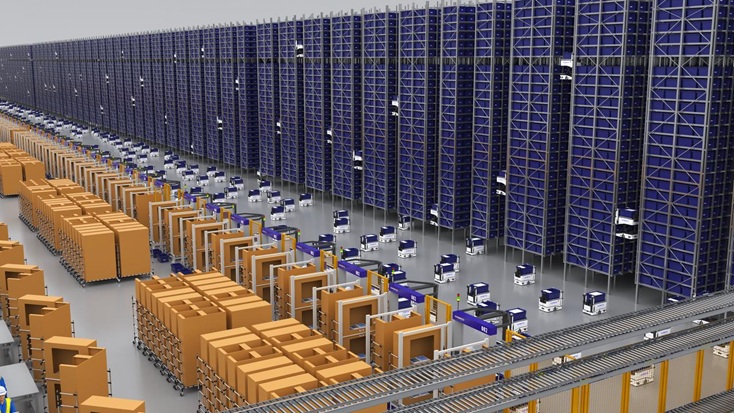
Hai Robotics Chosen for Largest Deployment of Rack-Climbing Warehouse Robots Globally
Hai Robotics has been selected to implement automation technology for a major e-commerce fulfillment center operated by a leading European fashion retailer. This project features the HaiPick Climb system, marking the largest deployment of rack-climbing warehouse robots in the world, with over 1,500 units set to enhance operational efficiency. The significance of this deployment lies in its potential to redefine warehouse automation standards, showcasing HaiPick Climb as a premier solution for high-performance e-commerce fulfillment. The retailer's expansion of its partnership with Hai Robotics emphasizes the growing demand for scalable automation solutions in response to rising online order volumes. Looking ahead, the project underscores the trend towards scalable robotic automation in large-scale fulfillment operations. No further timeline was disclosed at the time of publication.
Industry News
Shanghai AI Laboratory Launches Intern Physical World Model W0 for Robotics Applications
Shanghai Artificial Intelligence Laboratory has introduced the Intern physical world model W0, which features native force-tactile sensing and duplex collaboration capabilities. This model is designed to enhance robotics applications by integrating with Intern InkStone and the science model S2, facilitating closed-loop processes in both wet and dry lab environments. The release of the Intern W0 model is significant as it aims to improve the efficiency of tasks such as lipid nanoparticle synthesis, which is crucial in various scientific and industrial applications. By enabling seamless collaboration between different models, the Shanghai AI Laboratory is positioning itself at the forefront of advancements in robotics and AI technologies. Looking ahead, industry observers should monitor how the integration of the Intern W0 with existing systems will impact research and development in robotics. No further timeline was disclosed at the time of publication.

Digua Robotics and Giga Vision Collaborate to Integrate World Models into Edge AI Chips
On September 14, Digua Robotics and Giga Vision announced a strategic collaboration focused on integrating their respective technologies. Giga Vision will provide world models, embodied foundational models, and real-world application experience, while Digua Robotics will contribute an edge AI computing platform, algorithm toolchain, and robotics ecosystem. The initial integrated model chosen is GigaBrain-0.7, utilizing the Xuri S600 hardware base and GigaWorld's capabilities. This partnership aims to create an affordable, integrated solution for embodied intelligence at the edge. GigaWorld will handle scene generation, action consequence prediction, strategy evaluation, and retraining of failure samples, providing a virtual training environment for robots. GigaBrain will serve as the edge intelligence core, managing natural language tasks, spatial perception, task decomposition, skill routing, and decision-making, while the Xuri S600 will support multimodal reasoning and task scheduling. Looking ahead, both companies plan to accelerate the practical application of GigaBrain-0.7 across various robotic platforms, including industrial manufacturing and home services. The success of this collaboration will depend on the performance of GigaBrain-0.7 in real-world robotic applications, particularly in terms of task success rates and system stability.
Robotics AI Edge Computing Embodied Intelligence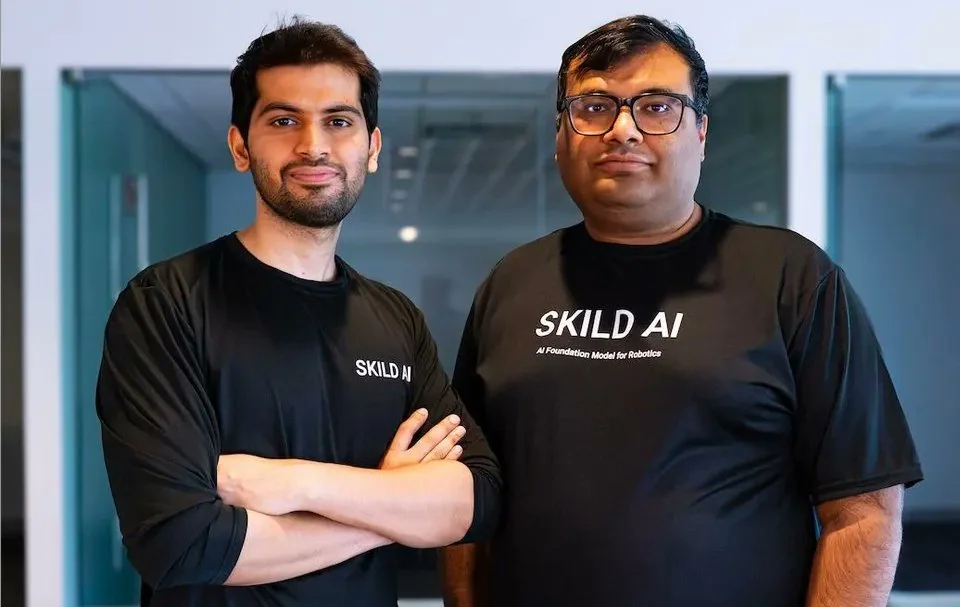
Skild AI Achieves $100 Million ARR in Just 10 Months, Challenging Robotics Demo Culture
Skild AI, a Pittsburgh-based foundation model startup, has announced it surpassed $100 million in annual recurring revenue (ARR) just ten months after its first commercial deployment. This rapid growth marks one of the fastest commercial ramp-ups in enterprise automation, with revenue increasing from approximately $30 million during its $1.4 billion Series C funding round in January to over $100 million by year-end. The significance of this milestone lies in Skild's ability to integrate its general-purpose robot brain into over 60 enterprise customer environments, moving beyond traditional applications like parcel sorting. The company's revenue is primarily driven by complex industrial manipulation tasks, with mobility contributing only 10% of total revenue. Partnerships with major players like Foxconn and NVIDIA further bolster Skild's position in the market. Looking ahead, Skild co-founders Deepak Pathak and Abhinav Gupta emphasize the importance of real-world deployment as a critical research tool, challenging the robotics sector's reliance on polished video demonstrations. No further timeline was disclosed at the time of publication.
Skild AI US Deployment
Hai Robotics and Ferag Solutions Enhance Partnership for Warehouse Automation in EMEA
Hai Robotics and Ferag Solutions are expanding their collaboration across Europe, the Middle East, and Africa after five years of successful warehouse automation projects. This partnership aims to leverage Hai Robotics' Automated Case-handling Mobile Robot systems and Ferag Solutions' integration expertise to meet the growing demand for flexible warehouse automation. The collaboration is significant as it combines Hai Robotics' innovative automation technology with Ferag Solutions' regional knowledge and systems integration capabilities. This synergy is expected to provide businesses with immediate operational improvements while allowing them to adapt to changing demands in the logistics sector. Looking ahead, both companies plan to host regional webinars to share insights on warehouse automation challenges and opportunities. Several projects have already been signed, indicating a strong foundation for future growth and collaboration in developing scalable warehouse operations across the EMEA region.
Warehouse Automation Intralogistics Automated Mobile Robots Systems Integration
Hai Robotics and Ferag Solutions Enhance Partnership for Warehouse Automation in EMEA
Hai Robotics and Ferag Solutions are expanding their collaboration across Europe, the Middle East, and Africa after five years of successful partnership. This expansion follows several warehouse automation projects in the UK, where both companies combined their strengths to deliver innovative solutions. Hai Robotics will provide its Automated Case-handling Mobile Robot (ACR) systems, while Ferag Solutions will contribute its systems integration expertise. The significance of this partnership lies in its ability to meet the increasing demand for integrated warehouse automation solutions that enhance operational efficiency. The collaboration aims to offer businesses the flexibility to adapt to changing volumes and requirements, ensuring they remain competitive in a rapidly evolving market. Nicholas Hughes, Managing Director of Ferag Solutions, emphasized the trust and commitment that have developed between the two organizations, which are crucial for recommending solutions to customers. Looking ahead, Hai Robotics and Ferag Solutions plan to host regional webinars to share insights on warehouse automation challenges and opportunities. With several projects already signed, the companies are well-positioned to support more businesses in developing scalable and future-ready warehouse operations. No further timeline was disclosed at the time of publication.
Warehouse Automation Intralogistics Automated Robotics Supply Chain Solutions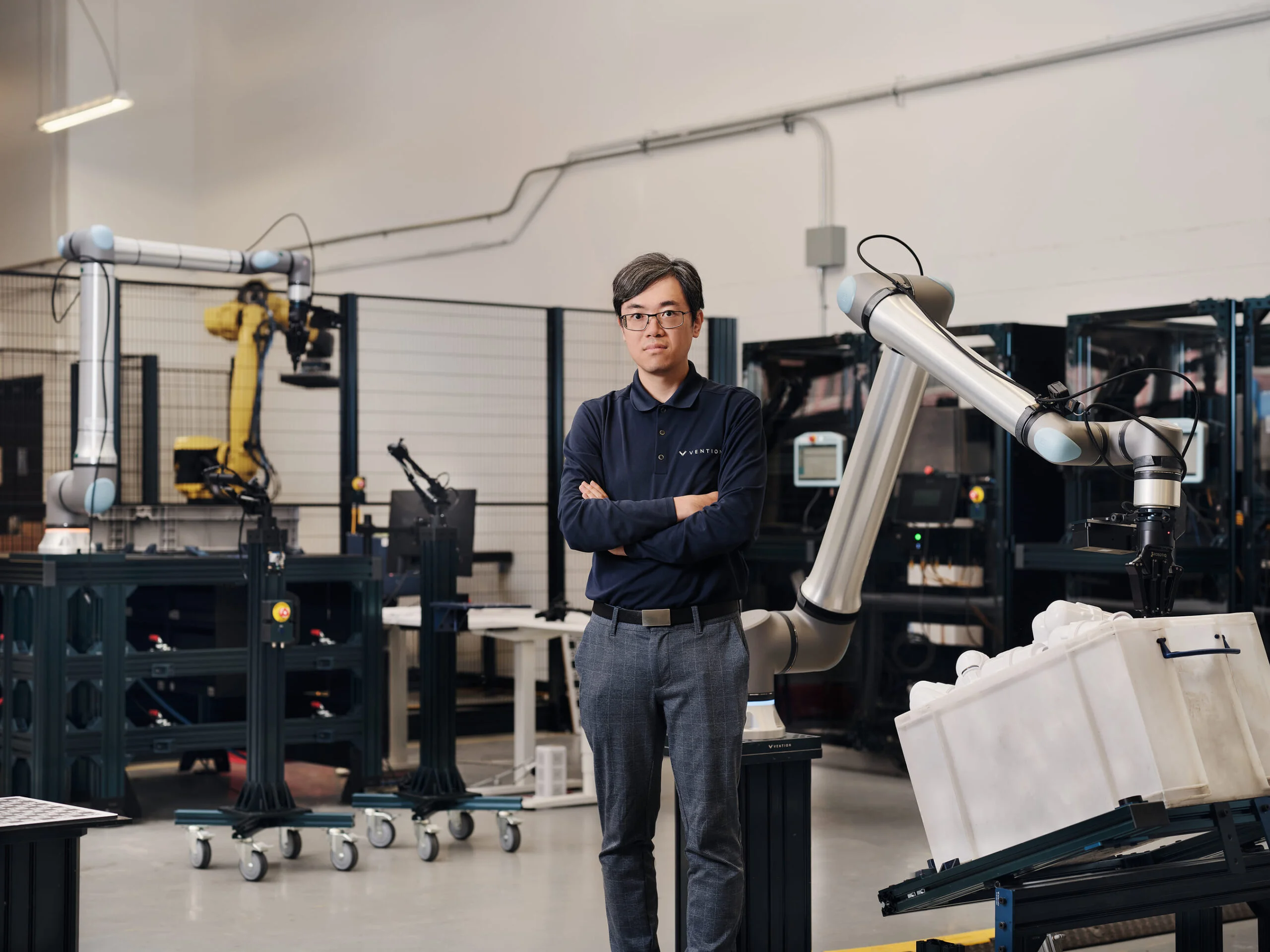
Vention Launches Montreal AI Lab to Enhance Industrial Robotics Capabilities
Vention has inaugurated a physical AI research lab in Montreal aimed at advancing robotic manipulation for manufacturing applications. The lab, directed by Jimmy Li and advised by Joelle Pineau, will leverage industrial data and customer insights to develop scalable robotic systems. With a focus on real-world production challenges, the lab aims to create technologies that enhance reliability and reduce costs in automation. This initiative is significant as Vention's physical AI segment has seen a remarkable 400% revenue increase over the past year, indicating a growing demand for advanced automation solutions. The lab's unique approach integrates academic research with practical production feedback, allowing for rapid development and testing of new robotic systems. This model positions Vention to address complex manufacturing tasks that have traditionally been difficult to automate. Looking ahead, Vention's Montreal lab is expected to expand its team and generate new intellectual property. The company plans to release a public software development kit for its GRIIP manipulation pipeline, which breaks down robotic tasks into manageable stages. No further timeline was disclosed at the time of publication.
AI AI Funding & Investment Robotics Canada.Montreal computer vision industrial robotics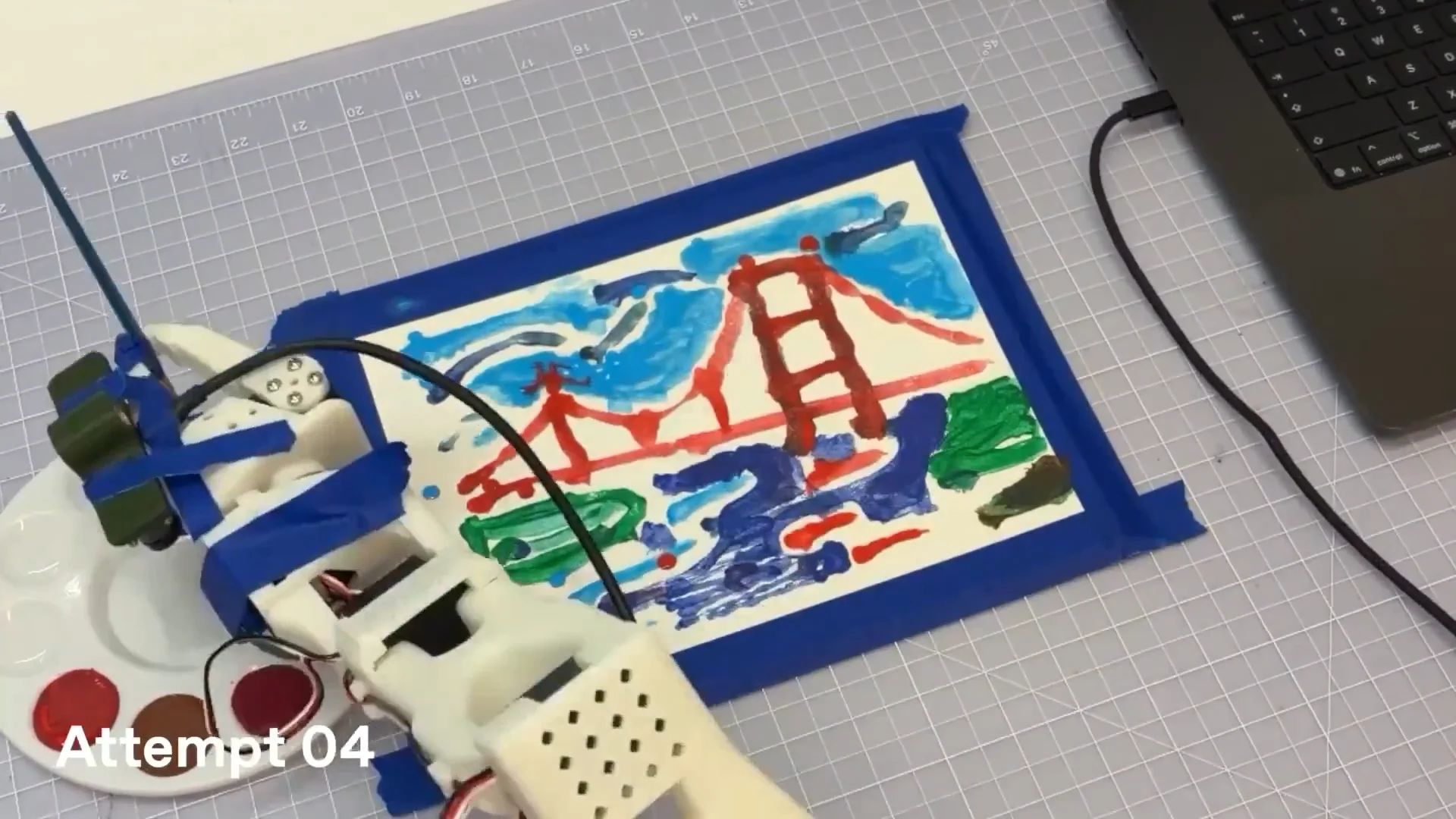
OpenAI's GPT-6 Astra Demonstrates Real-World Painting, Sparking Robotics Debate
OpenAI's GPT-6 Astra has made headlines by painting a rendition of San Francisco's Golden Gate Bridge using a robotic arm, showcasing its visual reasoning capabilities. This experiment, conducted by a 20-year-old roboticist named Thijs, involved Astra autonomously deducing the necessary movements to create the artwork without manual scripting, highlighting a significant advancement in robotics. The implications of this development are profound, as it raises questions about the future of specialized AI startups versus general-purpose models in the robotics sector. Observers are noting that Astra's ability to adapt to physical tasks without prior programming could signify a pivotal moment in the industry, potentially overshadowing dedicated robotics firms that have raised substantial funding for their specialized models. As the debate unfolds, industry experts like Zeeshan Zia from Amazon Alexa suggest that OpenAI may dominate the robotics landscape, challenging the viability of startups like Physical Intelligence and Skild AI. The performance of GPT-6 Astra in hardware benchmarks further complicates the narrative, achieving a 95% success rate in pick-and-place tasks, which may shift the focus towards general models in robotics applications.
Skild AI OpenAI Physical Intelligence
Hai Robotics to Deploy 1,500 HaiPick Climb Robots at European Fulfillment Center
Hai Robotics has been chosen to supply automation technology for a new e-commerce fulfillment center operated by a prominent European fashion retailer. This initiative will feature the HaiPick Climb system, marking what is described as the largest deployment of rack-climbing warehouse robots globally. The significance of this project lies in its potential to revolutionize warehouse operations within the fashion retail sector. By integrating 1,500 HaiPick Climb robots, the fulfillment center aims to enhance efficiency and streamline logistics processes, setting a new standard for automation in the industry. Looking ahead, stakeholders will be keen to observe the implementation timeline and performance metrics of the HaiPick Climb system. No further timeline was disclosed at the time of publication.
News Warehouse robots automated storage ecommerce fulfillment fashion logistics fulfillment center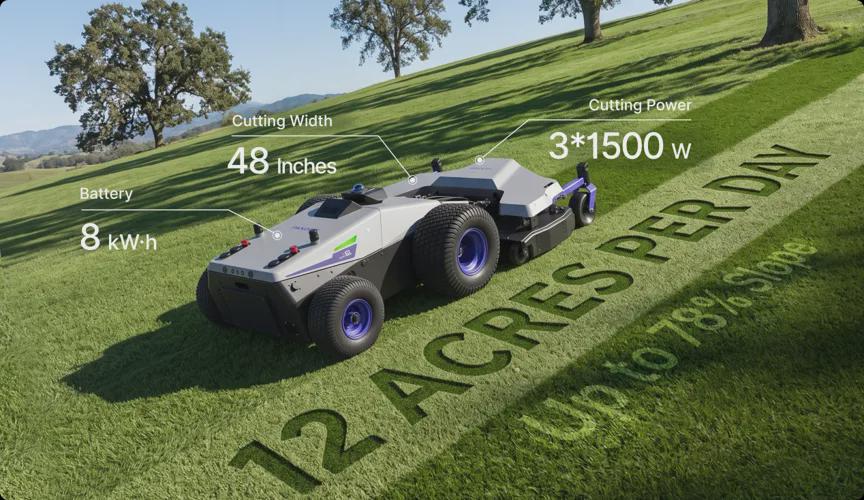
PANDAG Technology Secures Funding to Advance Commercial Lawn Maintenance Robotics
PANDAG Technology, a Chinese commercial lawn maintenance robotics company, has recently completed a significant A-round funding, exclusively backed by Yunshi Capital. The company aims to transform its professional expertise into reusable system capabilities. This spring, a 300-kilogram robotic mower was showcased at the KLPGA, demonstrating its cutting efficiency on golf courses. The importance of PANDAG's innovation lies in addressing the automation gap in large commercial landscapes, such as golf courses and municipal green spaces. Traditional mowing methods are labor-intensive and inefficient, with a reported 60% of landscaping companies facing workforce shortages. PANDAG's approach focuses on creating a scalable solution that integrates professional experience into automated systems, which is essential for enhancing operational efficiency in commercial lawn maintenance. Looking ahead, PANDAG Technology is poised to lead the way in commercial lawn care automation. The company believes that while consumer-grade mowers have gained traction, the commercial sector requires robust systems that can deliver consistent results across various terrains and conditions. No further timeline was disclosed at the time of publication.
Commercial Robotics Lawn Maintenance AI Technology Automation Solutions
Palladyne AI and Fanuc America Collaborate on AI-Enhanced Robotics for Industry
Palladyne AI and Fanuc America have established a strategic partnership to advance AI-driven robotic automation tailored for manufacturing, warehousing, and logistics sectors. This collaboration aims to integrate Fanuc's industrial robots with Palladyne IQ, focusing on enhancing motion planning, adaptive behavior, and human-assisted learning capabilities. The significance of this partnership lies in addressing challenges faced by manufacturers and logistics operators, such as skilled labor shortages and the need for increased productivity. By combining their technologies, the companies aim to create more adaptable robotic systems that can efficiently respond to dynamic environments, ultimately streamlining deployment processes across various operations. Looking ahead, the collaboration will also emphasize joint customer validation and the development of standardized deployment workflows, which are expected to simplify the introduction of robotic automation. No further timeline was disclosed at the time of publication.
AI AI Funding & Investment Capital Markets Robotics automation Fanuc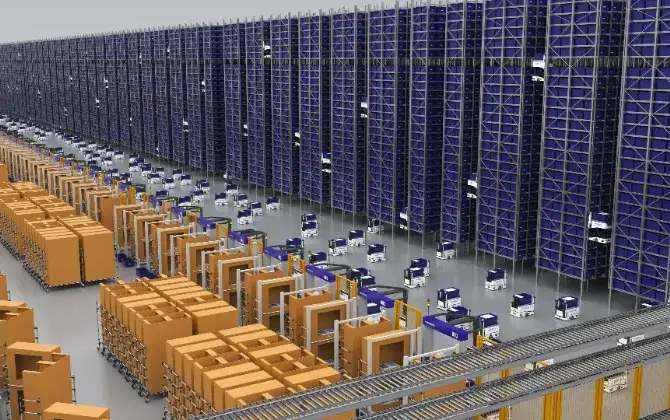
Hai Robotics Chosen for Largest Deployment of Rack-Climbing Warehouse Robots Worldwide
Hai Robotics has been selected to implement automation technology for a new large-scale e-commerce fulfillment center operated by a major European fashion retailer. This project features the HaiPick Climb system, marking the largest deployment of rack-climbing warehouse robots globally, with over 1,500 units set to enhance operational efficiency. The significance of this deployment lies in its potential to revolutionize warehouse automation, establishing a new benchmark in the industry. The retailer's expansion of its partnership with Hai Robotics underscores the reliability of the HaiPick Climb solution in managing high-volume online orders, with a throughput exceeding 24,000 totes per hour across a 30,000m² automated fulfillment operation. Looking ahead, the project exemplifies the increasing trend towards scalable robotic automation in large-scale fulfillment operations. No further timeline was disclosed at the time of publication, but the successful integration of over 1,500 HaiPick Climb robots is expected to enhance the retailer's capacity for omnichannel fulfillment significantly.
Warehouse Automation E-commerce Fulfillment Robotic Systems Logistics Supply Chain Management
China Achieves First AI-Guided Surgery for Congenital Heart Disease Using Intelligent Robotics
Recently, a medical team in China completed the world's first AI ultrasound robot-assisted interventional procedure for congenital heart disease. Conducted by the Cardiovascular Medicine Department of the Sixth Medical Center of the PLA General Hospital, this surgery marks a significant milestone in the clinical application of intelligent technology in healthcare. This breakthrough is crucial as it signifies the integration of artificial intelligence into one of the most critical aspects of surgical procedures: interpreting images, assessing positions, and aiding doctors in formulating operational plans. Traditionally, cardiovascular interventions heavily relied on physician experience, particularly in complex cases where accurate understanding of heart structure changes is essential. Looking ahead, the focus may shift from merely achieving higher precision with robotic arms to whether robots can comprehend medical images, analyze patient conditions, and adapt strategies in real-time. The integration of AI models, medical imaging, and robotic control systems will be vital for advancing surgical capabilities, especially in areas lacking experienced specialists.
AI in Healthcare Surgical Robotics Medical Imaging Cardiovascular Surgery
Jaipur Robotics Secures €4.3M Seed Funding to Enhance AI Platform for Waste-to-Energy Operations
Jaipur Robotics has successfully raised €4.3 million in seed funding, led by EquityPitcher Ventures and High-Tech Gründerfonds, to enhance its AI and automation platform tailored for waste-to-energy plants. The company’s advanced computer-vision system processes over 5 million tons of waste each year and utilizes a dataset of more than 50 million labeled images to achieve a 99% accuracy rate in hazardous material detection. This funding round is significant as it will allow Jaipur Robotics to expand its operations into new regions and enhance its product offerings, thereby increasing its customer base across Europe. The company aims to revolutionize plant operations by leveraging data to improve safety, combustion efficiency, and crane automation, which are critical for modern waste management. Looking ahead, Jaipur Robotics plans to continue developing tools for hazard detection, waste mixing, and crane automation. The company is also in the process of hiring for various roles, including AI and engineering positions, to support its growth. No further timeline was disclosed at the time of publication.
AI AI Funding & Investment Robotics automation EquityPitcher Ventures Europe
The Impact of Robotics and Automation on Island Supply Chains
Discussions on port automation often focus on large terminals like Rotterdam and Singapore, which handle immense volumes of cargo. However, the true challenge for logistics technology lies in island supply chains, where delays can have immediate and significant consequences. A single late shipment can lead to empty grocery shelves or stop construction projects, highlighting the critical need for efficient logistics solutions. The importance of optimizing island supply chains cannot be overstated, as these regions face unique logistical challenges. The reliance on timely deliveries makes them particularly vulnerable to disruptions. As robotics and automation technologies are integrated into these supply chains, they promise to enhance efficiency and reliability, ensuring that essential goods reach their destinations without delay. Looking ahead, stakeholders in island supply chains should monitor advancements in robotics and automation technologies. These innovations could provide the necessary tools to mitigate risks associated with supply chain disruptions. No further timeline was disclosed at the time of publication.
Logistics Robotics Supply chain agvs automated guided vehicles cargo tracking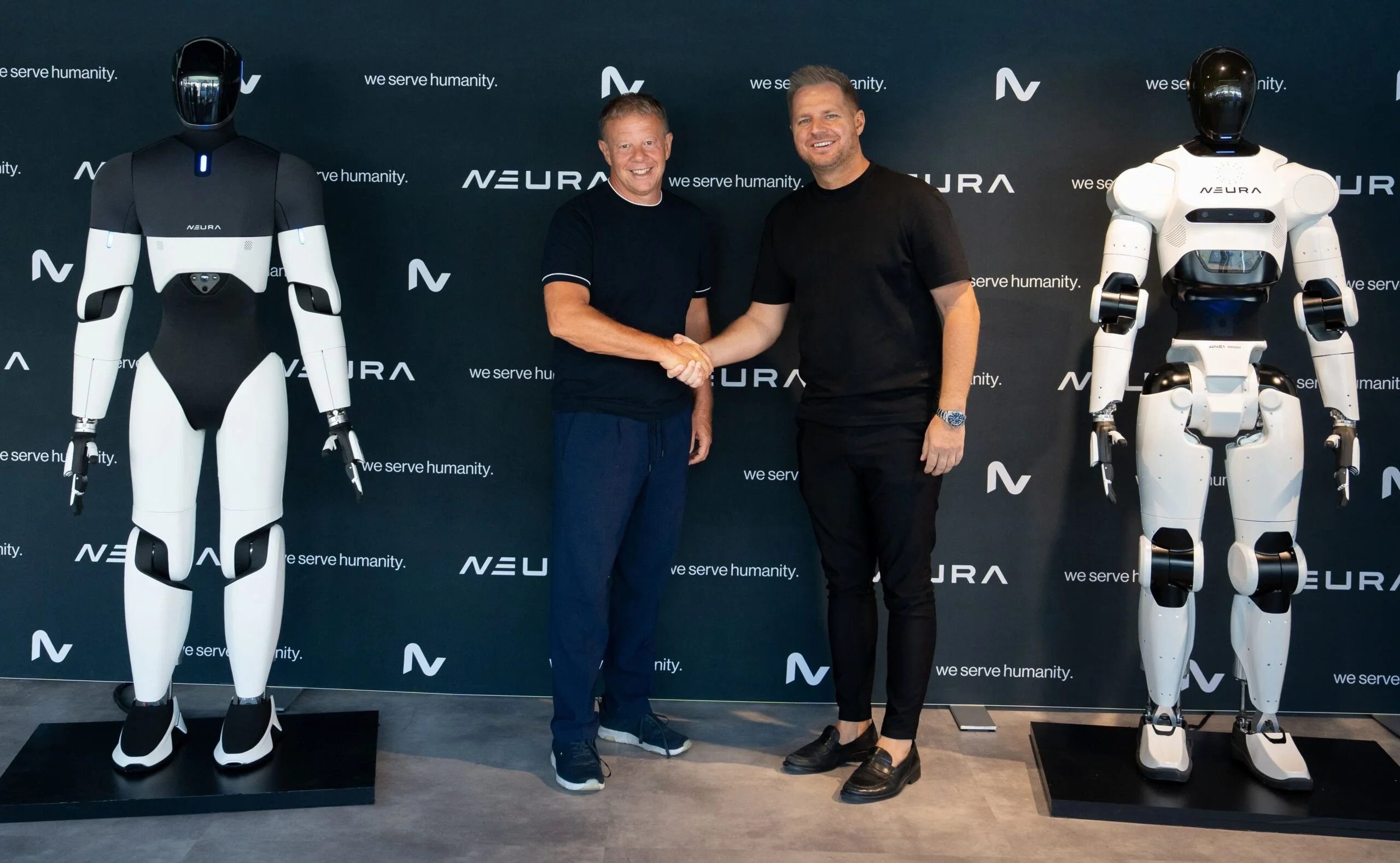
Neura Robotics and Seco Form Strategic Partnership for Physical AI and Robot Compute
Neura Robotics and Seco have established a strategic partnership focused on developing robot compute hardware and physical AI automation. This collaboration aims to manufacture key computing components for Neura's cognitive robots, including the 4NE1 humanoid, using Qualcomm Dragonwing processors. The partnership also includes plans to open a Neura Gym in Italy for training and to collect real-world production data from industrial applications. This partnership is significant as it aims to enhance the capabilities of Neura's robots through advanced computing and physical AI, which could revolutionize semiconductor and electronics manufacturing. By leveraging real-world data, Neura and Seco intend to create automation solutions that can be deployed globally, thereby contributing to a broader European physical AI ecosystem that integrates regional robotics and manufacturing expertise. Looking ahead, the collaboration will focus on training machines to handle complex production processes, with the goal of scaling these capabilities across various manufacturing environments. No further timeline was disclosed at the time of publication.
AI AI Funding & Investment Capital Markets Robotics Europe Germany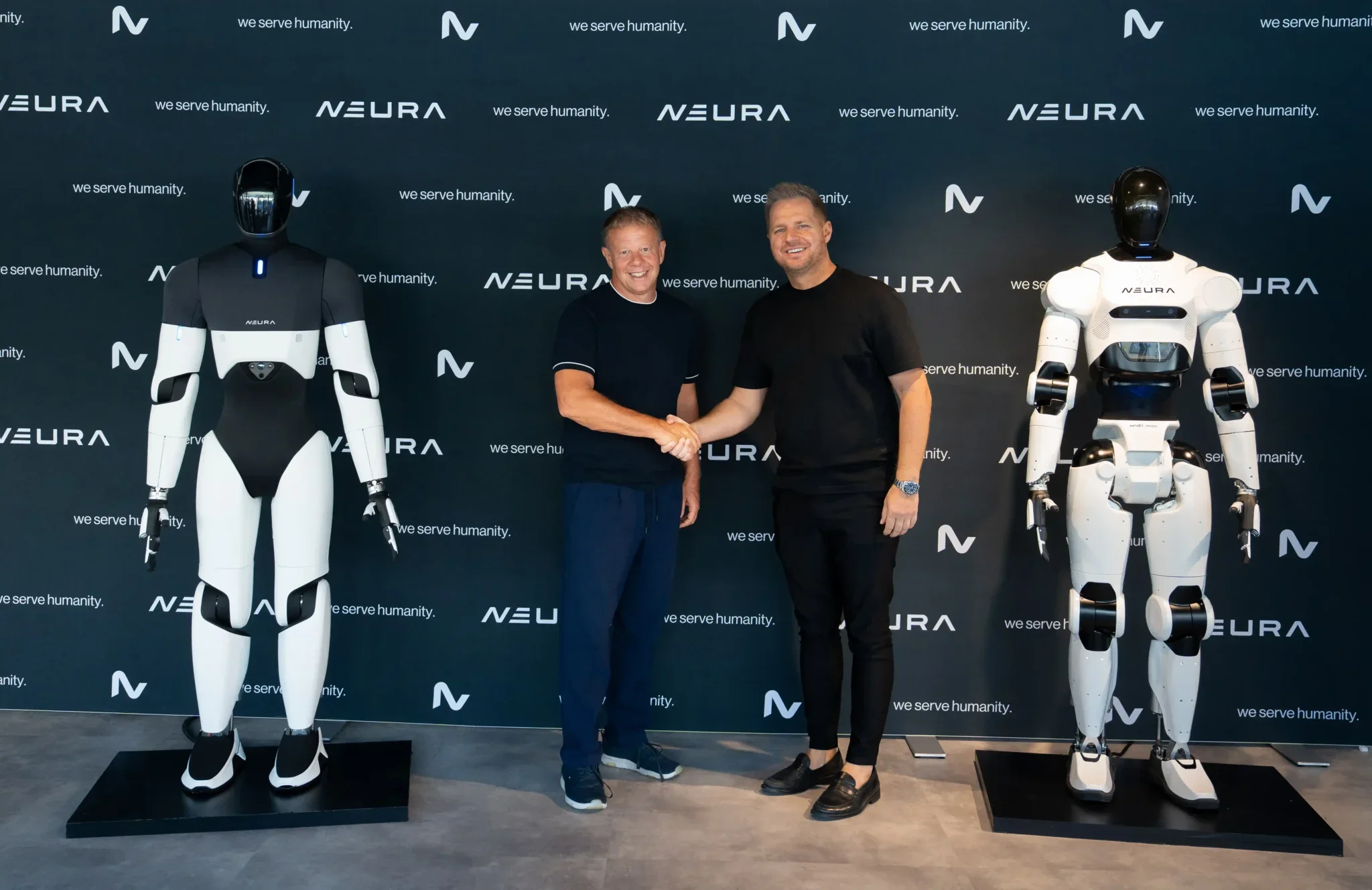
NEURA Robotics and SECO Collaborate to Advance European Physical AI Hardware Production
On September 7, 2026, NEURA Robotics, based in Metzingen, announced a strategic partnership with SECO S.p.A. to industrialize the compute infrastructure for NEURA's cognitive robots. SECO will design and produce industrial-grade electronic compute modules for NEURA’s humanoid platform, the 4NE-1, utilizing Qualcomm Dragonwing processors to support a decentralized compute strategy. This collaboration is significant as it aims to transition from centralized computing to localized, real-time edge processing, enhancing the robots' responsiveness in unpredictable industrial environments. NEURA's architecture, described as a 'Brain + Nervous System,' integrates sensing and compute hardware across the robot's limbs, allowing for ultra-low-latency interactions crucial for human-robot collaboration. Looking ahead, NEURA and SECO plan to establish a 'NEURA Gym' in Italy, focusing on real-world data collection to improve physical AI models. This initiative aims to address challenges in robotic autonomy during the transition from simulation to real-world applications, particularly in semiconductor manufacturing. No further timeline was disclosed at the time of publication.
Neura Robotics Europe Market
NEURA Robotics and SECO Partner to Enhance Physical AI Production in Europe
NEURA Robotics and SECO S.p.A. have announced a strategic partnership aimed at industrializing and scaling Physical AI in Europe. This collaboration will focus on the design, engineering, and manufacturing of electronic compute modules for NEURA's cognitive robots, including the humanoid 4NE1. The partnership is significant as it combines NEURA's expertise in Physical AI and robotics with SECO's embedded engineering and manufacturing capabilities. The electronic compute modules will utilize Qualcomm Dragonwing™ processors, which are integral to NEURA's distributed compute architecture, enhancing the performance of their robots. Looking ahead, the collaboration is expected to facilitate scalable series production of cognitive robots in Europe. No further timeline was disclosed at the time of publication.
OpenAI's Robotics Evolution: From Early Innovations to Future Humanoid Developments
In 2019, OpenAI released a video showcasing a robotic hand solving a Rubik's Cube. On September 2, 2026, CEO Sam Altman confirmed in a podcast that the company will develop humanoid robots, alongside other forms. Over nine years, OpenAI has revisited robotics three times: initially building robots, then investing in them, and now returning to hands-on development. The significance of humanoid robots lies in their ability to adapt to a world designed for humans, as Altman noted. While OpenAI is optimistic about the home market, it is not an immediate priority. The company has recently made headlines with a $122 billion funding round and plans for an IPO, alongside the establishment of the OpenAI Robotics team, which aims to build a complete hardware team from scratch. Looking ahead, OpenAI's recent hiring efforts indicate a commitment to developing robotics capabilities, with positions covering various technical areas. The company’s advancements in AI, particularly with the release of GPT-6 Astra, are seen as crucial for the future of robotics. No further timeline was disclosed at the time of publication.
Humanoid Robots Robotics Development AI Technology Reinforcement Learning
FANUC America to Showcase Robotics, Automation, and Physical AI Innovations at IMTS 2026
FANUC America will present its latest innovations in robotics, automation, and Physical AI at IMTS 2026, scheduled for Booth 338900. The company aims to demonstrate how its advanced technologies can enhance manufacturing productivity, flexibility, and deployment speed. The significance of FANUC's showcase lies in its commitment to integrating advanced CNC technologies with machining automation and robotics. This integration is expected to provide manufacturers with the tools needed to meet the evolving demands of the industry, ultimately leading to improved operational efficiency. As the event approaches, industry stakeholders should keep an eye on FANUC's demonstrations and product offerings. The focus on Physical AI and its applications in manufacturing could set new benchmarks for productivity and innovation in the sector. No further timeline was disclosed at the time of publication.

JAKA Robotics Addresses Patent Claims, Highlights Self-Development in Robotics Technology
On September 2, JAKA Robotics issued an official statement regarding overseas patent litigation, asserting that it does not infringe on the opposing party's patents based on comprehensive technical tracing and patent comparison analysis. This confidence stems from over a decade of the company's full-stack self-developed technology system. The performance of a robot is rooted in hundreds of precision components, including reducers, servo systems, and controllers, which directly influence the machine's accuracy, load capacity, and reliability. As Chinese robotics companies accelerate their entry into the global market, the originality of technology and intellectual property rights are becoming critical competitive factors, making JAKA's self-development path significant in this context. Looking ahead, JAKA Robotics aims to enhance its general intelligent robot capabilities, evolving from collaborative robots to embodied intelligent robots. The company has successfully integrated core components and developed over 60 self-developed collaborative robots in its production base, achieving a closed-loop verification of its technological strength. No further timeline was disclosed at the time of publication.
Collaborative Robots Humanoid Robots AI Robotics Technology
Bonsai Robotics Innovates with AI to Transform 2D Images into 3D Farm Solutions
Bonsai Robotics, based in California, is revolutionizing agricultural robotics by developing a vision-based autonomy stack that converts 2D camera images into a comprehensive 3D understanding of farm environments. This technology allows the same system to be utilized across various crops, including orchards and vineyards, without the need for extensive code modifications, according to cofounder and CEO Tyler Niday. The significance of this advancement lies in its potential to reduce operational costs and enhance flexibility in agricultural machinery. By retrofitting existing equipment and creating new machines, such as larger versions of its Amiga platform, Bonsai aims to lower the overall expenses associated with farm operations while addressing labor shortages through automation. Looking ahead, Bonsai Robotics is poised to tackle previously challenging tasks like robotic harvesting, leveraging its unique approach to 3D modeling. No further timeline was disclosed at the time of publication.
Agtech Artificial intelligence Deeptech Precision agriculture Startups & funding US & Canada
SoftBank Negotiates Acquisition of 1X to Enhance Robotics and AI Investments
SoftBank is in negotiations to acquire a majority stake in humanoid robot startup 1X, which is valued at approximately $6 billion. The deal is not finalized and may still undergo adjustments. 1X focuses on household humanoid robots, with its flagship product being NEO. If the acquisition proceeds, it will fill a crucial gap in SoftBank's robotics portfolio. This move is significant as it aligns with SoftBank's ongoing strategy in the robotics sector, which includes a $5.375 billion agreement to acquire ABB's robotics business in 2024. Earlier this year, SoftBank led a $1.4 billion funding round for Skild AI, a company specializing in general robotic brains, which has a post-investment valuation exceeding $14 billion. SoftBank's investments also extend to warehouse automation firms like AutoStore and Berkshire Grey, alongside its own SoftBank Robotics service. Looking ahead, SoftBank aims to integrate its robotics assets into the Robo HD platform, enhancing internal collaboration within its investment portfolio. By fiscal year 2025, SoftBank plans to invest in over 20 projects in the Physical AI sector, with related holdings expected to exceed $8 billion in fair value. The outcome of the 1X acquisition negotiations remains uncertain, but it reflects SoftBank's strategy to establish a comprehensive AI robotics group ahead of the large-scale commercialization of Physical AI.
Humanoid Robots AI Robotics Investment Automation
Lumos Robotics Unveils MOS2 as an AI Worker for Industrial Applications
Lumos Robotics has officially launched the Lumos MOS2, a next-generation heavy-duty mobile manipulator aimed at industrial applications. This innovative device is already deployed at Mitsubishi Electric's PLC production lines, where it performs inspection, material handling, and assembly tasks. The introduction of the Lumos MOS2 signifies a significant advancement in embodied intelligence within the robotics sector. By integrating AI capabilities into a mobile manipulator, Lumos Robotics enhances operational efficiency and productivity on the factory floor, addressing the growing demand for intelligent automation solutions. Looking ahead, the performance and adaptability of the Lumos MOS2 in real-world industrial settings will be crucial to its success. As companies increasingly seek to optimize their manufacturing processes, the effectiveness of this new technology will be closely monitored. No further timeline was disclosed at the time of publication.

Hyundai Expands Robotics Portfolio with Acquisition of Boston Dynamics Shares
Hyundai has announced plans to enhance its robotics capabilities by acquiring the remaining shares of Boston Dynamics from Softbank for approximately $325 million. This acquisition follows Hyundai's previous purchase of an 80% stake in Boston Dynamics in 2021 for $1.1 billion. The automaker aims to integrate robotics into its manufacturing processes, particularly at its Metaplant America facility in Savannah, Georgia, where it produces all-electric vehicles. This strategic move is significant as Hyundai's automotive business, which constitutes nearly 80% of its revenue, will provide the necessary funding to support the growth of its autonomous vehicles and robotics segments. Hyundai's commitment to transitioning into a technology-focused company is evident, with plans to deploy Atlas robots for parts sequencing in 2028 and expand their use to component assembly by 2030. The company is also investing in a U.S. robotics manufacturing facility to scale production. Looking ahead, Hyundai is actively seeking opportunities to enhance its robotics capabilities and increase production capacity. The company has already secured orders for 25,000 units from customers, indicating strong demand for its robotics solutions. No further timeline was disclosed at the time of publication.
Anthropic Launches Model Hardware Standard for AI-Enabled Robotics
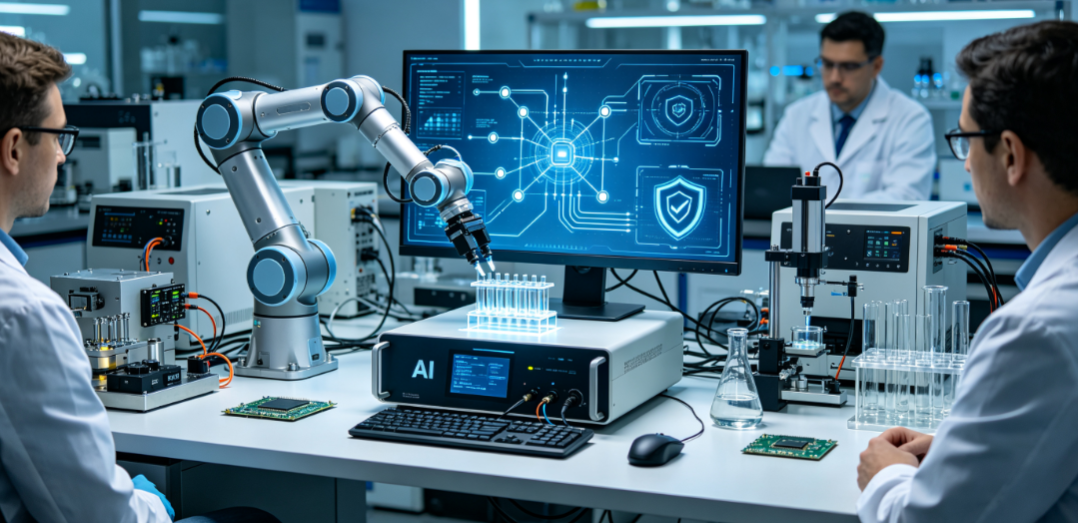
On August 27, Anthropic officially released a research preview of the Model Hardware Standard (MHS). This unified specification is designed for the safe operation of physical devices by AI agents, enabling models like Claude to directly interpret and control robots, scientific instruments, and industrial equipment. The MHS aims to replicate the success of the Model Context Protocol (MCP) in the software domain, which serves as a universal language for AI interactions with applications like Gmail and Slack. By establishing standardized 'dialogue rules' between AI and hardware, MHS simplifies programming interfaces into basic commands such as 'read' and 'write', allowing devices to discover and communicate across networks without the need for specialized coding. Notably, MHS enables AI to understand previously unseen devices by incorporating essential information like weight and safety limits directly into the standard. Anthropic's collaboration with the Janelia Research Campus has led to the initial preview being made available to select research labs and advanced manufacturers, with plans for open-sourcing after the preview period. The AI-driven robotics market is projected to reach a trillion-dollar valuation by 2035, highlighting the significance of MHS in bridging AI capabilities with physical operations.
AI Robotics Model Hardware Standard Scientific Research Automation Technology
Renesas Launches Robotics Lab in Beijing for AI Development and Collaboration
Renesas has inaugurated a new robotics lab in Beijing aimed at enabling customers to demonstrate and validate next-generation robotic systems. This facility is part of Renesas' broader initiative to enhance its physical AI capabilities. The establishment of this lab is significant as it allows for collaborative development between Renesas and its clients, fostering innovation in robotic technologies. By providing a space for hands-on experimentation, Renesas aims to accelerate the deployment of advanced robotics solutions in various applications. Looking ahead, stakeholders should monitor how this lab influences the development of robotic systems and the potential partnerships that may arise. No further timeline was disclosed at the time of publication.
Artificial Intelligence News Robotics China Physical AI Renesas Electronics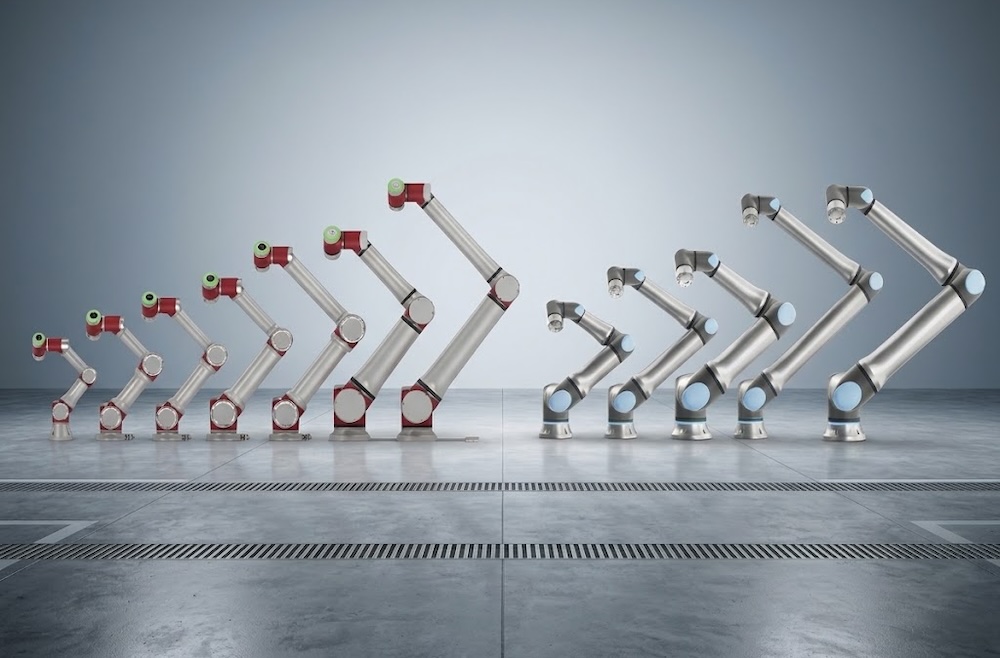
Teradyne Robotics Files Patent Infringement Lawsuit Against JAKA in Europe
Teradyne Robotics has initiated a patent infringement lawsuit against JAKA, a German subsidiary of the Chinese robotics company, alleging violations related to Universal Robots' collaborative robots. This marks Teradyne's second significant legal action against a Chinese robotics firm in Europe this year, following a copyright infringement case against Elite Robots. The lawsuit, filed with the Unified Patent Court in Copenhagen, claims that JAKA's products infringe multiple patents covering both hardware and software aspects of Universal Robots' offerings. Teradyne Robotics' interest in JAKA arose after observing similarities between their robot designs, prompting an investigation that suggested potential patent violations. As the case unfolds, a ruling from the Unified Patent Court could have extensive implications across 17 EU member states and potentially affect countries outside the UPC Agreement. Teradyne Robotics emphasizes its commitment to protecting its intellectual property rights against what it views as unfair competition in the robotics sector.
China Cobot Arms Collaborative Robots Investments News JAKA Robotics
Teradyne Robotics Initiates Patent Infringement Case Against JAKA in Europe
Teradyne Robotics A/S has launched a patent infringement lawsuit at the European patent court against JAKA, a Chinese competitor. The case involves allegations of infringement on both software and hardware patents held by Teradyne Robotics, specifically related to its subsidiary, Universal Robots A/S, which is recognized as the leading manufacturer of collaborative industrial robots. This legal action underscores the competitive landscape in the collaborative robot market, where Teradyne Robotics aims to protect its intellectual property rights against what it claims are infringements by JAKA. The outcome of this case could have significant implications for both companies, particularly in the European market where collaborative robots are increasingly in demand. Industry observers should monitor the developments of this case closely, as it may set precedents for future patent disputes in the robotics sector. No further timeline was disclosed at the time of publication.
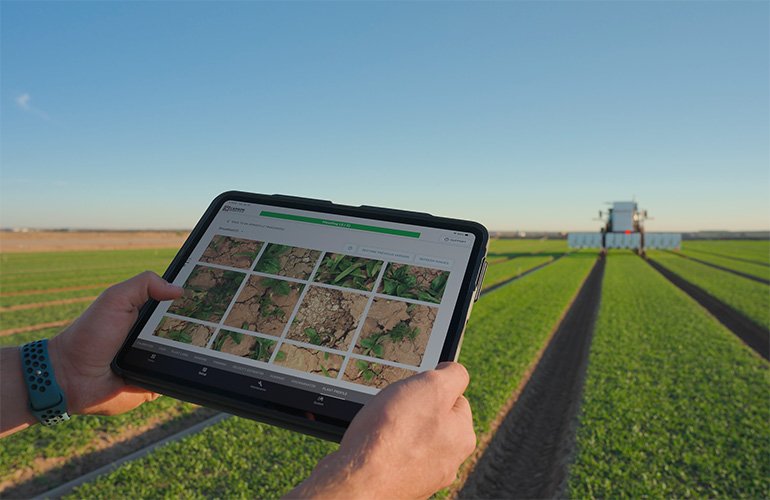
Carbon Robotics Enhances Laser Weeding with iMerit for Instant AI Customization
Carbon Robotics has introduced a large plant model that allows farmers to customize their laser weeder for specific crops and weeds in minutes. This innovation replaces traditional crop-specific AI models, enabling instant adjustments without retraining. Farmers can use an iPad app to tag plants, allowing the weeder to adapt to various crops across different regions. The significance of this development lies in its ability to streamline the weeding process, enhancing efficiency and reducing the time needed for farmers to adapt to new crops or weeds. By leveraging a foundation model trained on 150 million labeled plants, Carbon Robotics empowers farmers to optimize their weeding strategies instantly, improving soil health by returning nutrients from removed weeds. Looking ahead, the partnership with iMerit has proven crucial for the data annotation process, enabling Carbon Robotics to scale its model training effectively. No further timeline was disclosed at the time of publication.
Agriculture Artificial Intelligence Autonomous Mobile Robots (AMRs) News Self-Driving Vehicles Sensors / Sensing Systems
Industry Pushes Back Against Bill Gates' Proposal for Robotics and AI Taxation
Bill Gates has revived his proposal for a tax on robotics and AI, arguing it could mitigate job displacement and fund retraining programs. He emphasizes that AI will rapidly impact various sectors, including law and manufacturing, potentially leading to fewer jobs without proper policies. The idea, first introduced in 2017, has faced criticism for its economic efficiency, with South Korea being the only country to implement such a tax. The proposal has sparked significant debate within the industry, with organizations like the International Federation of Robotics (IFR) opposing the tax. They argue that taxing production tools rather than profits could hinder competitiveness and productivity, especially as manufacturers increasingly rely on robots to address labor shortages. Gates acknowledges both the benefits and risks of AI, highlighting its potential to improve lives while also raising concerns about societal impacts. As discussions continue, stakeholders are urged to consider the implications of AI and robotics on employment and economic structures. No further timeline was disclosed at the time of publication.
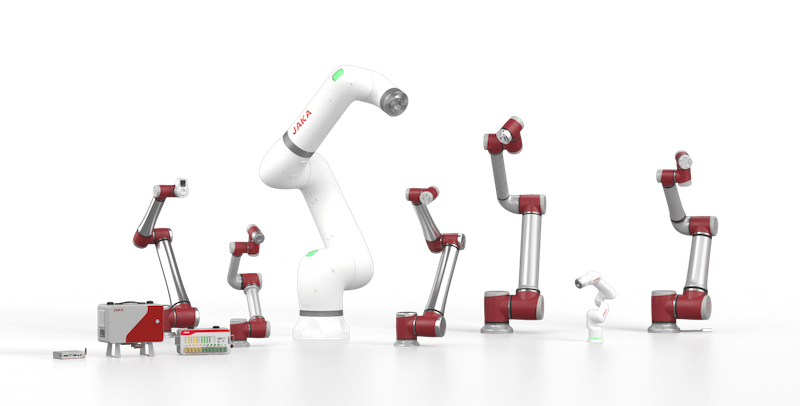
Teradyne Robotics Files Patent Infringement Case Against JAKA in Copenhagen
Teradyne Robotics A/S has filed a patent infringement lawsuit at the Unified Patent Court in Copenhagen against a German subsidiary of Chinese company JAKA. The case involves allegations of infringement concerning both software and hardware patents related to Teradyne's Universal Robots A/S, a leader in collaborative industrial robots. This legal action is significant as it underscores Teradyne Robotics' commitment to protecting its intellectual property rights against what it deems illegal copying and infringement. Jean-Pierre Hathout, president of the Teradyne Robotics Group, emphasized the importance of safeguarding their technologies to ensure customers receive innovative automation solutions that comply with safety standards. Looking ahead, the outcome of this case could have implications across Europe, affecting 17 of the 18 EU Member States involved in the Unified Patent Court. Additionally, the case may extend its reach to countries outside the UPC Agreement, such as the United Kingdom and Spain. No further timeline was disclosed at the time of publication.
Business Law and Regulation News cobots collaborative robots industrial robotics
Hesai Group Reports Significant Growth in Robotics Lidar Shipments and Revenue
On August 18, Hesai Group (NASDAQ:HSAI) announced its second quarter earnings, revealing a 22% year-over-year increase in total net revenues to RMB 861 million. Notably, robotics lidar shipments surged by 193.4% to 142,371 units, marking a pivotal moment in the company's transition into robotics. The company also recorded its first commercial revenue from its actuation and spatial intelligence businesses. This growth is significant as it indicates Hesai's commitment to expanding beyond its core automotive lidar market, where it holds a 44% share of China's long-range ADAS lidar segment. The company has secured new design wins with major automotive players, including Volkswagen and Great Wall Motor, which enhances its competitive position. Despite the positive revenue growth, Hesai's gross margin decreased to 40.1%, attributed to a higher contribution from lower-margin products. Looking ahead, Hesai has raised its full-year guidance for its Strategic Growth Initiatives segment to between RMB 200 million and RMB 300 million, with a target of $100 million in revenue by 2027. However, the company faces challenges, including an operating loss in its SGI segment and potential risks from a price war in the lidar industry. No further timeline was disclosed at the time of publication.
Robotics needs a service framework.
RSF defines a common language for robot service capability, lifecycle operations, certification pathways, and service-provider networks.
Join the RobotToday community on LinkedIn
Daily robotics news, in-depth analysis, conference highlights, and discussions with professionals worldwide.