

Industry Briefing
A single destination for timely, editor-curated robotics news from around the world.

Addressing Humanoid Robot Production Challenges Amidst Surplus Computing Power
The computing capabilities of humanoid robots, such as Nvidia's Thor at 2070 TFLOPS and the S600 from Digua Robotics at 560 TOPS, appear abundant. However, in real production scenarios, merely comparing TOPS is insufficient. Effective computing power, which considers memory bandwidth and software stack efficiency, is crucial for optimal robot performance. The year 2026 is anticipated to be pivotal for commercial deployment, as robots transition from labs to production lines. To achieve mass production, computing platforms must overcome four key hurdles: model deployment, converting peak computing power to effective power, synchronizing decision-making and control, and ensuring a favorable ROI in production. The competition in computing power for humanoid robots will shift towards overcoming Nvidia's CUDA ecosystem barriers. For instance, Digua Robotics aims to integrate various processing units within a single SoC for enhanced efficiency. In the next few years, as advanced models are integrated into robots, competition will focus on memory bandwidth, heterogeneous computing, and real-time control, marking the beginning of a new phase in mass production.
Humanoid Robots AI Robotics Production Computing Power Ecosystem Development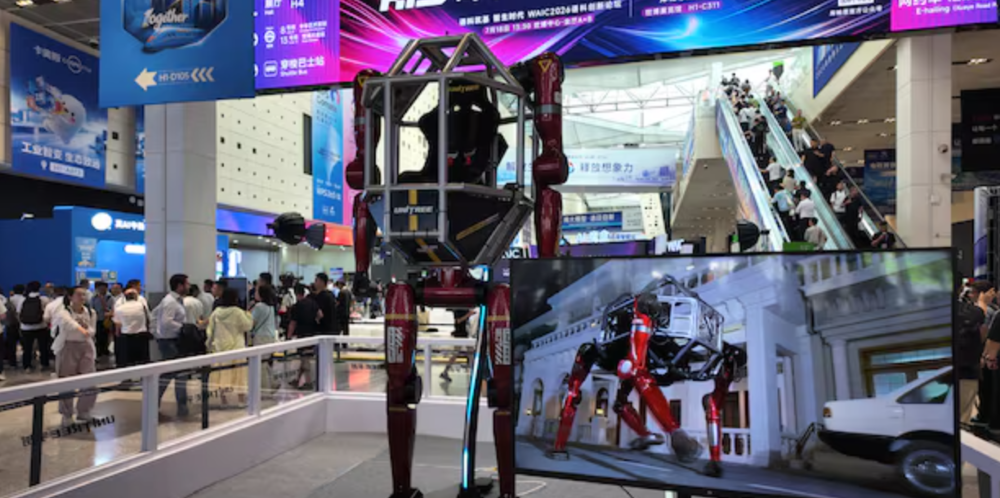
China Unveils Advanced AI Robotics and Computing Innovations at WAIC 2026
At the 2026 World Artificial Intelligence Conference (WAIC), a striking 3-meter tall, 500-kilogram red transforming mech, showcased by Yushu Technology, captured attendees' attention. This GD01 model, designed for high-risk environments, can switch between bipedal and quadrupedal forms in seconds and starts at a price of 3.9 million yuan. The Huawei Atlas 950 SuperPoD, displayed prominently at the event, represents a significant leap in AI computing capabilities with 8192 Ascend 950DT chips, achieving 8 EFLOPS of FP8 computing power. This super node, expected to launch in Q4 2026, marks a shift in domestic computing from chip-centric to system-centric approaches, emphasizing the importance of integrated performance across multiple units. The WAIC 2026 featured over 1,100 exhibitors and 4,500 products, with more than 350 global debuts. President Xi Jinping announced the establishment of international AI application cooperation centers, signaling China's transition from merely using AI to defining its foundational infrastructure.
Transforming Robots AI Computing Huawei Atlas Robotics Technology
Digua Robot CEO Highlights Lack of Industry Standards for Chip Computing Power
During a media briefing on July 15, Digua Robot's CEO, Wang Cong, stated that there are currently no industry standards for the computing power required for embodied intelligence chips. He emphasized the uncertainty surrounding chip performance, data standards, algorithms, and practical applications in the sector. Wang noted that Digua Robot is among the few companies already delivering products, having partnered with over 20 leading clients, including companies like Shizhi Navigation and UBTECH. Their Sun S600 chip is set to be deployed in various scenarios, including humanoid robots and industrial applications, with significant progress reported in the past six months. Looking ahead, Wang believes that the industry is not yet in a phase of intense competition, as many players have yet to produce viable products. He highlighted the importance of refining product quality and responding to customer needs, while also addressing the challenges of cost-effectiveness and system integration in deployment processes. No further timeline was disclosed at the time of publication.
Embodied Intelligence Chip Technology Robot Partnerships Industrial Automation
Hygon to Launch Robotics AI Chip with Slogan Emphasizing Physical World Computing Power
Hygon, a Chinese chipmaker, is set to unveil a new robotics AI chip. The launch is accompanied by the slogan, "Let computing power reach the physical world," highlighting the company's focus on bridging the gap between digital and physical realms. This development is significant as it underscores the growing importance of AI in robotics, particularly in enhancing the capabilities of machines to interact with their environments. Hygon's initiative reflects a broader trend in the tech industry, where companies are increasingly investing in AI-driven solutions to improve operational efficiency and innovation. Looking ahead, industry observers will be keen to see how Hygon's new chip performs in real-world applications and its potential impact on the robotics sector. No further timeline was disclosed at the time of publication.
Artificial Intelligence News Robotics AI chips China Hygon Information Technology
D-Robotics Showcases Sunrise™ AI Chips at IFA 2026 for Home Robots
At IFA 2026 in Berlin, D-Robotics is highlighting its Sunrise™ AI chips, which power a variety of home robots. Notable products include TCL's hey AiMe companion robot, Vbot's SuperDog quadruped, and the xLean TR1 floor washer, showcasing the versatility of D-Robotics' technology. The significance of D-Robotics' contributions lies in its role as a leading provider of robotics development infrastructure. By equipping numerous robots with its AI chips, the company is influencing the evolution of home robotics, making advanced technology accessible to various manufacturers and enhancing consumer experiences. As IFA 2026 progresses, attention will be on how D-Robotics continues to innovate within the robotics sector. The impact of its Sunrise™ AI chips on the functionality and capabilities of home robots will be closely monitored, as the industry looks to the future of intelligent automation in domestic settings. No further timeline was disclosed at the time of publication.

Nscale and Figure Forge $3.5 Billion Partnership for Humanoid Robot Computing
Nscale has entered into a multi-year partnership with Figure, committing $3.5 billion to deploy up to 100,000 Nvidia GPUs for Figure's next generation of humanoid robots. The agreement has the potential to exceed $6 billion, with initial deployments of Nvidia Vera Rubin GPUs set for Barstow, Texas, starting in the latter half of 2027. This partnership is significant as it positions Nscale as Figure's preferred compute provider and shareholder, while also exploring the integration of humanoid robots into Nscale's supply chain. The collaboration aims to enhance the capabilities of Figure's AI model, Helix, which relies on increased data and computing power to improve its performance. Looking ahead, the companies plan to leverage Nvidia's AI infrastructure to support Figure's models throughout their lifecycle, from training to deployment. No further timeline was disclosed at the time of publication.
AI AI Funding & Investment Robotics compute deal Figure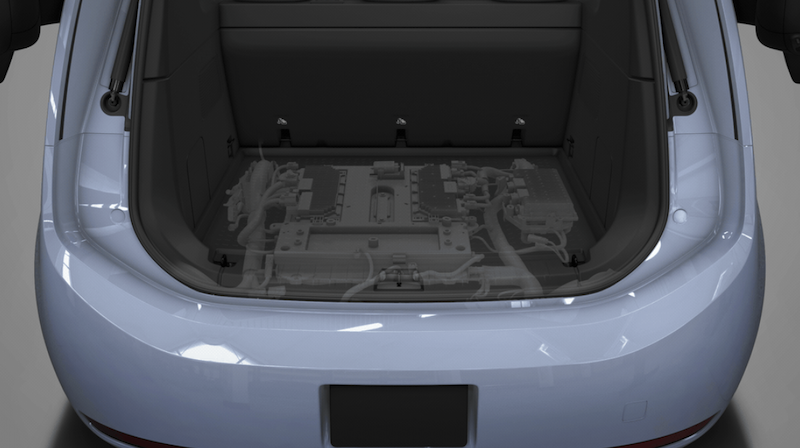
Waymo Unveils Nvidia-Powered Computing System for Enhanced Robotaxi Performance
Waymo has disclosed new technical specifications of its onboard computing system that powers its autonomous driving technology. This system features a custom-built 5 nm ASIC that delivers over 1,000 TOPS of machine learning performance, designed to operate under challenging conditions encountered by its autonomous vehicles. The significance of this development lies in its ability to provide millisecond-level response times, which are crucial for the Waymo Driver's complete driving task. Unlike traditional driver-assistance systems, the Waymo Driver operates independently, necessitating a robust computing architecture that ensures low latency, reliability, and redundancy based on insights from over 200 million miles of autonomous driving. Looking ahead, Waymo has scaled its computing power by 20 times in the last eight years, focusing on ultra-low latency to enhance responsiveness in complex environments. The company emphasizes the importance of reducing “pixels-to-actuation” latency to achieve fast decision-making capabilities, which will be critical as it expands its commercial robotaxi operations.
Autonomous Vehicles Computing Features accelerated computing amd artificial intelligence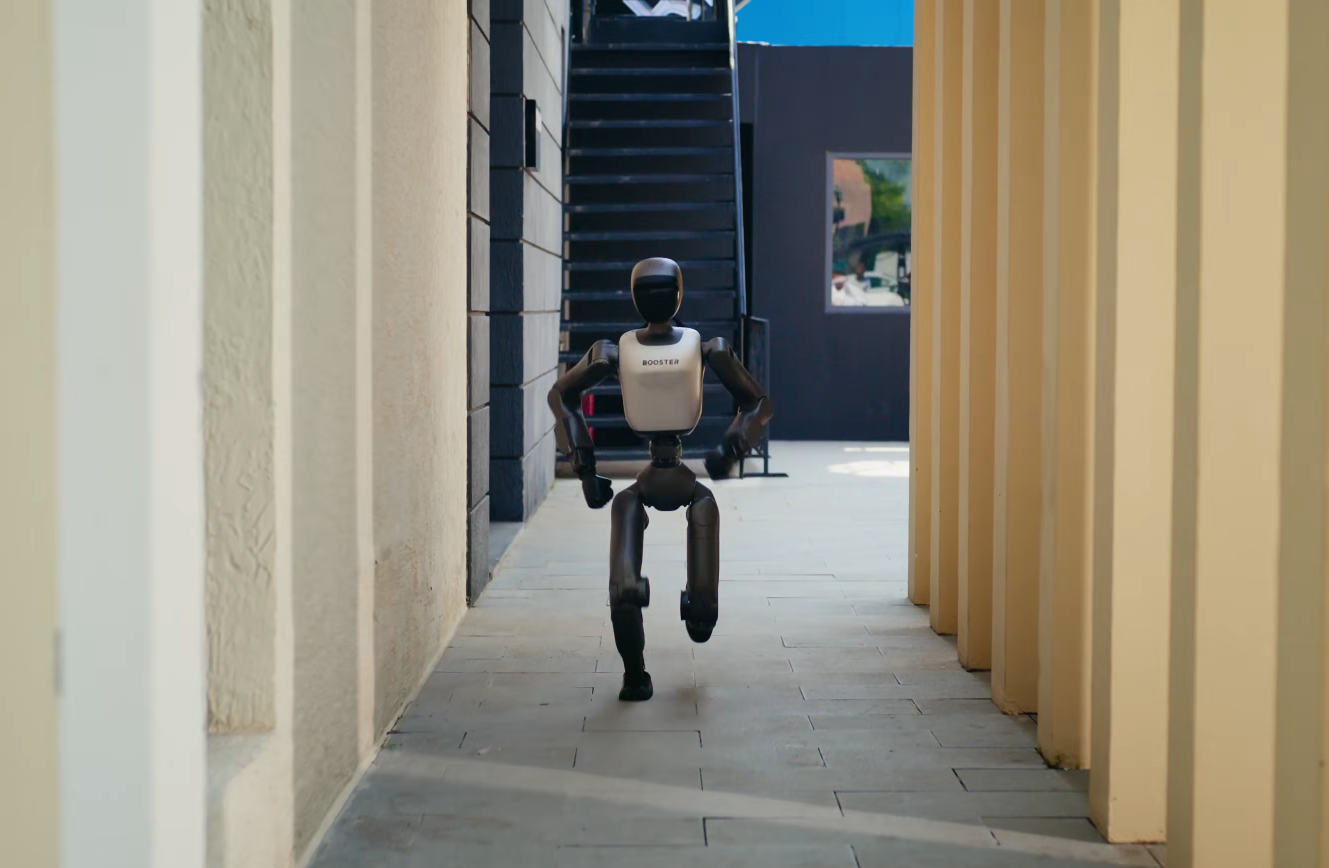
Booster Robotics Launches Booster T2 Humanoid Robot with NVIDIA Thor Computing Power
Booster Robotics has introduced the Booster T2, a humanoid robot platform aimed at real-world applications and embodied AI research. The T2 Pro version utilizes NVIDIA’s Thor chip, delivering up to 2,070 TFLOPS for real-time perception and control. The robot is designed for tasks requiring mobility and manipulation, showcasing advanced capabilities such as walking, dynamic balance, and athletic movements. The significance of the Booster T2 lies in its integration of cutting-edge technology and open development. With features like whole-body coordination and onboard AI computing, it supports a wide range of applications in robotics. The introduction of Booster Studio, an open software platform, further enhances its utility by allowing developers to simulate and deploy AI models effectively. Looking ahead, the Booster T2 is positioned to advance research in embodied AI and robotics. Its robust design, including 31 degrees of freedom and multiple hardware configurations, makes it suitable for various manipulation tasks. No further timeline was disclosed at the time of publication.
AI and Robotics
Nscale Partners with Figure to Provide $3.5 Billion in AI Cloud Computing Capacity
Nscale has entered into a significant agreement to provide a minimum of $3.5 billion in AI cloud computing resources to the robotics startup Figure. This partnership not only enhances Figure's technological capabilities but also signifies Nscale's commitment to supporting innovative robotics solutions. The collaboration is crucial as it allows Figure to leverage Nscale's extensive cloud infrastructure, which is essential for developing advanced robotic technologies. This investment underscores the growing importance of AI and cloud computing in the robotics sector, enabling startups like Figure to scale their operations and enhance their product offerings. Looking ahead, industry observers will be keen to see how this partnership evolves and the impact it has on Figure's growth trajectory. No further timeline was disclosed at the time of publication.

University of Texas Develops 3D-Printable Bio-Material for Diverse Applications
Engineers at The University of Texas at Austin have created a 3D-printable bio-material called JIBEs (Jammed Interconnected Bilayer Emulsions) that mimics the selective filtering capabilities of biological tissue. This innovative material can be produced rapidly and at scale, overcoming previous limitations in manufacturing tissue-like structures. The significance of this development lies in its wide-ranging applications across various fields, including medicine, robotics, computing, and environmental science. The bio-material's ability to replicate the organization of human cells allows for precise tissue growth, which could revolutionize organ grafting and enhance the functionality of soft robotics in complex environments. Looking ahead, the adaptability of this bio-material suggests potential breakthroughs in multiple industries. Its biocompatibility and structural flexibility position it as a promising platform for future innovations in healthcare and robotics. No further timeline was disclosed at the time of publication.
Innovation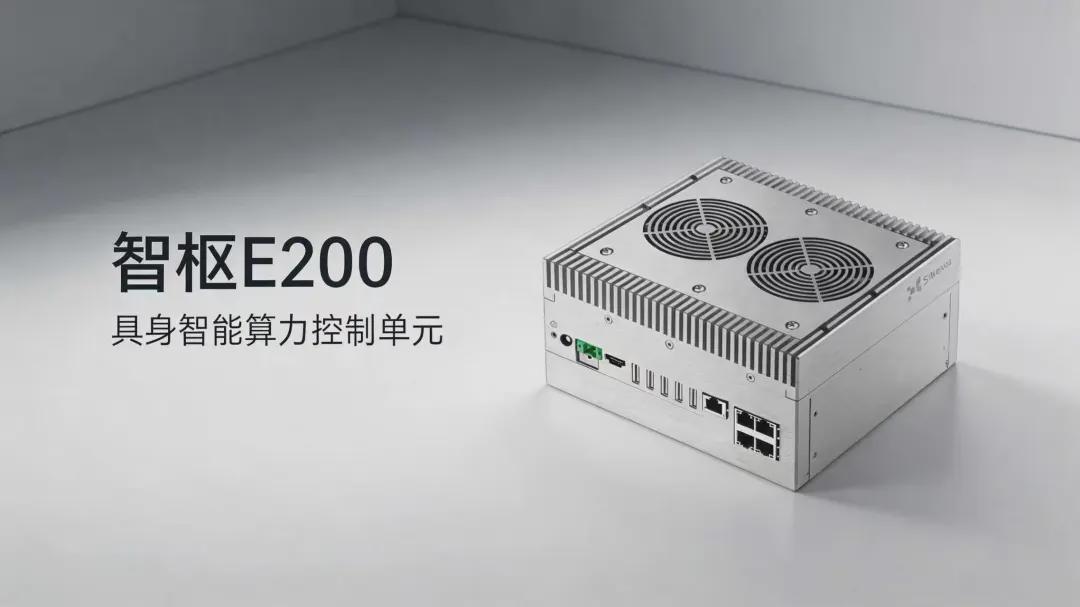
"Building a Brain for Robots: How Chip Bridge Semiconductor Positions Itself in the Foundation of Embodied Intelligent Computing Power"
Chip Bridge Semiconductor is making significant strides in the development of advanced computing technology aimed at enhancing robotic intelligence. The company is focused on creating a new generation of chips designed to serve as the foundational brain for robots, enabling them to process information and respond to their environments more effectively. This initiative comes at a time when the demand for embodied intelligent computing is rapidly increasing, driven by advancements in artificial intelligence and automation. Located in Silicon Valley, Chip Bridge Semiconductor is leveraging cutting-edge research and development to innovate in this competitive field. The company aims to address the growing need for robots that can operate autonomously in various settings, from manufacturing to healthcare. By integrating sophisticated algorithms with powerful semiconductor technology, Chip Bridge is positioning itself as a leader in the robotics sector. The motivation behind this initiative is to create robots that not only perform tasks but also learn and adapt to new challenges, thereby improving efficiency and productivity across industries. Through strategic partnerships and investments in research, Chip Bridge Semiconductor is working to refine its chip designs and enhance their capabilities, ensuring that they meet the evolving needs of the market. As the landscape of robotics continues to evolve, Chip Bridge Semiconductor’s efforts could play a crucial role in shaping the future of intelligent machines, making them more capable and versatile in their applications.
Robotics Automation AI
New Applications of Magnetic Soft Robots: Random Number Generation and Reservoir Computing
Researchers from Helmholtz-Zentrum Dresden-Rossendorf and the University of Messina have unveiled a groundbreaking application of magnetic soft robots in the fields of random number generation and reservoir computing. This innovative study, conducted recently, highlights how these robots utilize chaotic dynamics to convert their unpredictable movements into effective computational resources. The findings suggest significant potential for enhancing secure communication systems and developing low-cost computing solutions, particularly in resource-limited settings. By harnessing the inherent randomness of the robots' movements, the research opens new avenues for technological advancements in various applications.
Soft Robotics Magnetic Actuators Random Number Generation Reservoir Computing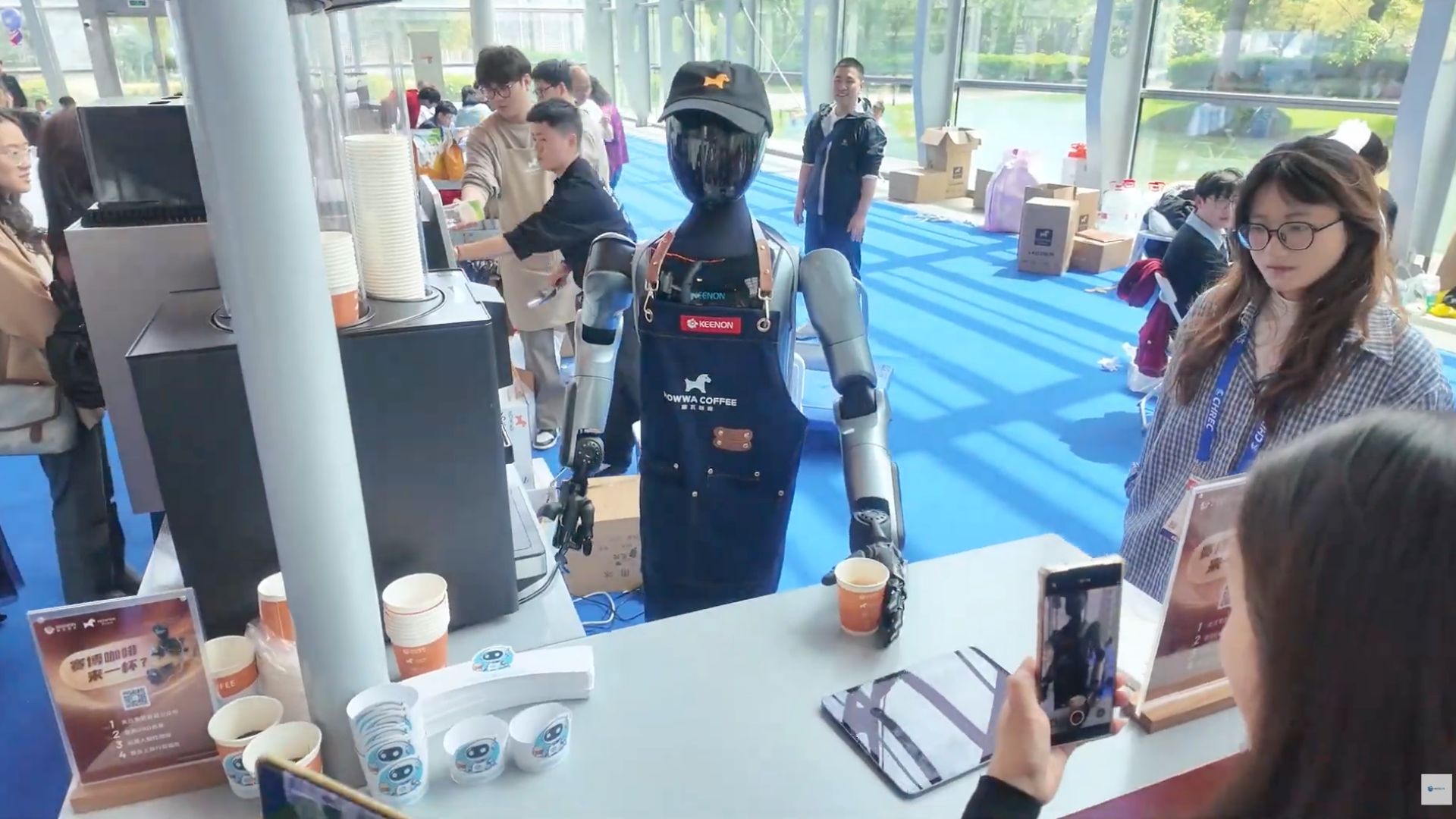
Chinese firm debuts compact humanoid robot with 42 DoF and 100 TOPS computing power
KEENON Robotics has introduced the XMAN-L1, a new compact humanoid robot aimed at enhancing interactive service experiences. The unveiling took place recently, showcasing the robot's capabilities in various service-oriented environments. This innovative technology is designed to assist in tasks such as customer interaction and support, reflecting the company's commitment to advancing automation in service industries. By integrating advanced AI and robotics, KEENON aims to improve efficiency and customer satisfaction in sectors like hospitality and retail. The launch of the XMAN-L1 marks a significant step forward in the company's efforts to provide cutting-edge solutions that meet the evolving needs of businesses and consumers alike.

Virginia Tech researchers control soft robotics with ‘AI’s cousin’: ‘Reservoir computing’
Researchers at Virginia Tech are advancing the field of soft robotics, which utilizes flexible, muscle-like materials to create machines capable of bending and stretching in ways that surpass traditional rigid robots. This innovative technology enables applications such as harvesting ripe tomatoes and navigating complex search-and-rescue environments. However, the inherent flexibility of these robots presents significant challenges in control and precision. The team at Virginia Tech is focused on addressing these control difficulties to enhance the functionality and reliability of soft robotics, aiming to unlock their full potential in various practical applications.
Computing Features Robotics Science agricultural robotics ai robotics
Unlocking soft robotics control with AI's cousin: Reservoir computing
Recent advancements in soft robotics, which utilize flexible, muscle-like materials, have revolutionized the field, allowing machines to perform tasks such as picking ripe tomatoes and navigating complex search-and-rescue environments. However, despite their impressive capabilities, these innovative robots face significant challenges in terms of control. The inherent flexibility that enables their fluid movements also complicates their operation, making it difficult for developers to achieve precise control. As researchers continue to explore the potential of soft robotics, the quest for improved control mechanisms remains a critical focus, highlighting the balance between versatility and functionality in this emerging technology.
Robotics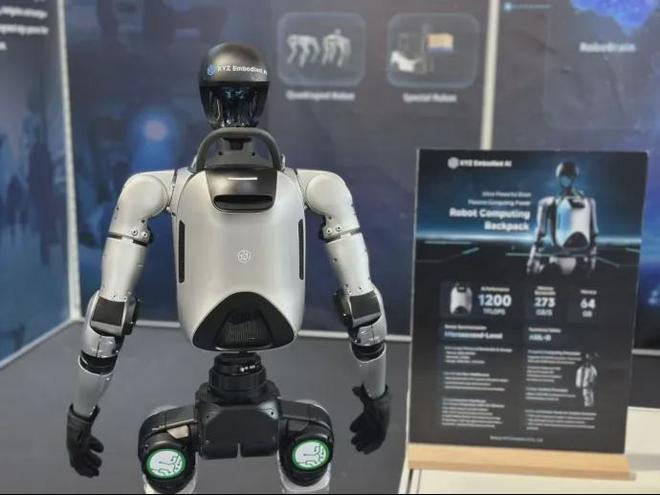
A Lightweight Computing Backpack Under 2.5 kg is Liberating Humanoid Robots from the Cloud
At the 2026 Hannover Industrial Fair, humanoid robots demonstrated advanced capabilities powered by the BotPack B series computing backpack, marking a significant leap in robotics technology. This innovative computing solution allows the robots to operate independently of cloud services, providing high-performance processing directly on board. The development addresses critical challenges in the field, particularly concerning weight and power efficiency, enabling the robots to execute complex tasks seamlessly. The fair showcased how this technology could revolutionize various industries by enhancing the autonomy and functionality of robotic systems.
Humanoid Robots Robotics Technology AI Computing Edge Computing
How the Modular Concept Can Help You Build a Future-Proof and Secure Robotic Computing Platform
An advanced robotic platform has been developed to execute real-time multi-axis motion control while simultaneously processing data from various sensors, including 2D and 3D vision cameras and LIDAR. This innovative technology, unveiled today, aims to enhance automation and precision in various applications. By integrating multiple data streams, the platform can effectively navigate and respond to its environment, showcasing significant advancements in robotics and sensor technology. The development is expected to have wide-ranging implications across industries, from manufacturing to autonomous vehicles, as it demonstrates the potential for improved efficiency and safety in complex tasks.
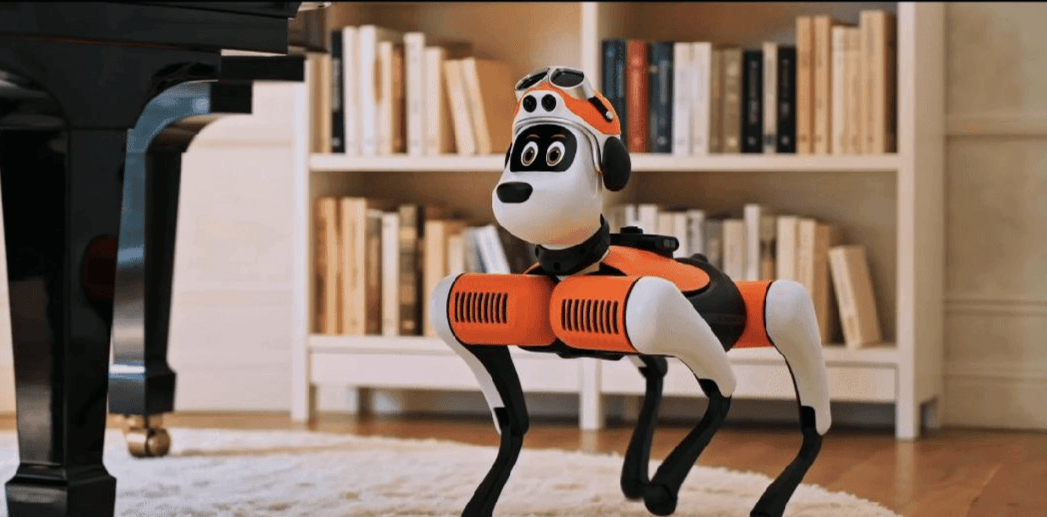
Chinese Startup Weilan Tech Unveils BabyAlpha A3: A Quadruped Robot That Outpaces Nvidia's Computing Throne
Weilan Tech has unveiled its latest innovation, the BabyAlpha A3, which boasts a cutting-edge 6-chip heterogeneous computing cluster and a high-resolution 66-megapixel vision system. This new technology promises to deliver ten times the computing efficiency compared to industry standards while significantly reducing costs, priced at just one-tenth of Nvidia's Jetson Thor. The launch, which highlights Weilan Tech's commitment to advancing computing capabilities in the tech sector, is set to reshape the landscape of artificial intelligence and machine vision applications.
News
Soft Computing Techniques Applied to Adaptive Hybrid Navigation Methods for Tethered Robots in Dynamic Environments
A recent study published in the Journal of Field Robotics highlights advancements in robotic technology aimed at enhancing agricultural efficiency. Researchers from various institutions conducted experiments over the past year, focusing on the integration of autonomous robots in crop monitoring and management. The study, carried out in multiple agricultural settings across the Midwest, demonstrates how these robots can significantly reduce labor costs and increase yield by providing real-time data on soil conditions and crop health. The motivation behind this research stems from the growing need for sustainable farming practices amid rising global food demands. By employing sophisticated sensors and machine learning algorithms, the robots are designed to analyze vast amounts of agricultural data, allowing farmers to make informed decisions quickly. The findings indicate that the use of these robotic systems can lead to a more precise application of resources, ultimately promoting environmental sustainability. As the agricultural sector faces challenges such as labor shortages and climate change, the implementation of robotic technology presents a viable solution to improve productivity and resilience in farming operations. The research team plans to continue refining these technologies, aiming for broader adoption in the industry.
RESEARCH ARTICLE
Dadu‐E: Rethinking the Role of Large Language Model in Robotic Computing Pipelines
In May 2026, the Journal of Field Robotics published a significant study exploring advancements in robotic technology. Researchers from various institutions collaborated to examine the latest innovations in field robotics, focusing on their applications in agriculture, search and rescue operations, and environmental monitoring. The study highlights how these robotic systems are designed to enhance efficiency and safety in challenging environments, addressing the growing demand for automation in various sectors. By employing cutting-edge artificial intelligence and machine learning techniques, the researchers demonstrated how robots can perform complex tasks with increased precision and reliability. This research aims to provide insights into the future of robotics, emphasizing the importance of continued development in this field to meet societal needs and improve operational capabilities.
RESEARCH ARTICLE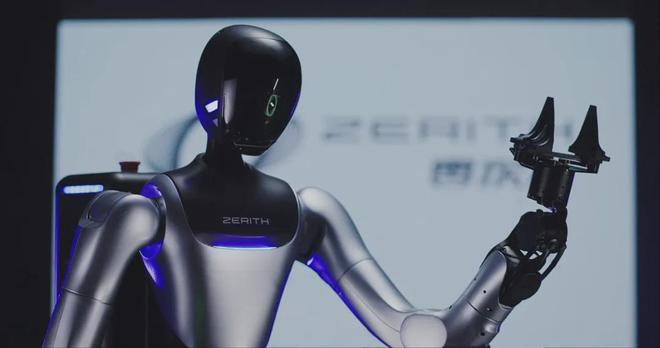
Computing Power Giants Enter Embodied Intelligence! Runze Group Leads Over 100 Million Financing for Tsinghua's Zerith Robotics
Zerith Robotics has successfully raised over $100 million in funding, with the investment spearheaded by Runze Group, a prominent player in the computing power sector. This substantial financial backing is intended to harness advanced computing technologies to improve embodied intelligence in real-world commercial applications. The initiative represents a pivotal advancement in the pursuit of achieving true general intelligence, positioning Zerith Robotics at the forefront of innovation in the field.
Embodied Intelligence Robotics AI Computing Power Commercial Automation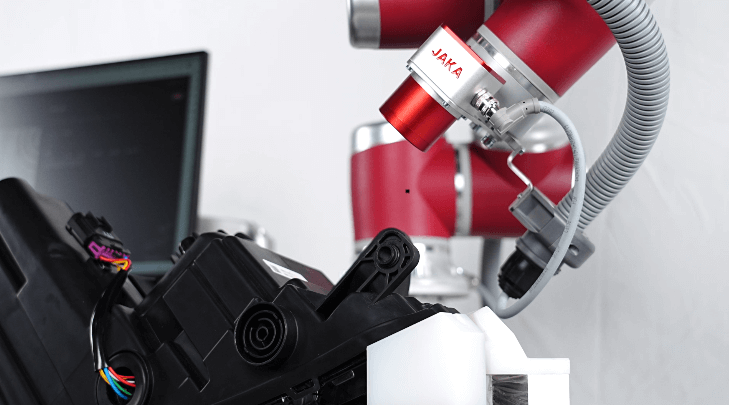
Comparing Cloud-Based and Edge Computing for Robotic Automation Control
JAKA, a leader in collaborative robotic solutions, emphasizes the importance of control system architecture in industrial automation, particularly the choice between cloud-based and edge computing. This decision significantly influences a system's capabilities, response times, and reliability. The company highlights that there is no one-size-fits-all solution; rather, the optimal setup depends on the specific demands of each task. The key distinction between the two computing paradigms lies in data processing locations. Cloud computing centralizes data in remote servers, providing analytical power and scalability for tasks like predictive maintenance and fleet management. In contrast, edge computing processes data locally, reducing latency crucial for real-time operations, especially in safety-sensitive environments where collaborative robots operate alongside humans. JAKA advocates for a hybrid approach that combines both paradigms. Their collaborative robots utilize edge computing for real-time motion control and immediate sensor responses, ensuring high precision and safety. Simultaneously, these robots can stream operational data to the cloud for broader analysis, allowing for continuous improvement without compromising immediate performance. The choice between cloud and edge computing should be based on application specifics. Tasks requiring ultra-low latency favor edge computing, while cloud resources excel in complex data aggregation and non-time-critical processes. JAKA's systems, like the Zu series, are designed for easy integration into either architecture, enabling manufacturers to tailor their setups for optimal performance. Ultimately, JAKA aims to create resilient and intelligent robotic systems that balance real-time autonomy with long-term intelligence, addressing the evolving needs of modern manufacturing.
Robotics needs a service framework.
RSF defines a common language for robot service capability, lifecycle operations, certification pathways, and service-provider networks.
Join the RobotToday community on LinkedIn
Daily robotics news, in-depth analysis, conference highlights, and discussions with professionals worldwide.







