

Industry Briefing
A single destination for timely, editor-curated robotics news from around the world.
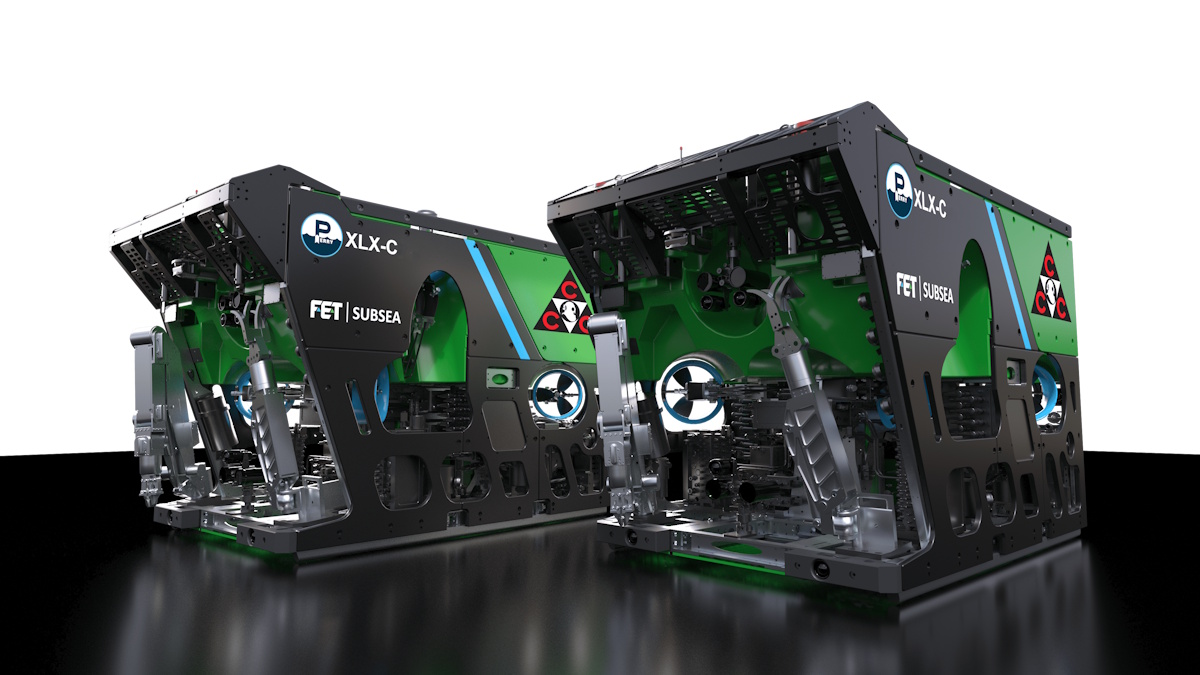
FET to Provide UAE-Based Offshore Construction Firm with Two Work Class Remotely Operated Vehicles
Forum Energy Technologies (FET) has announced that its Subsea product line has been awarded a contract to supply two work class remotely operated vehicles (ROVs) to CCC (Underwater Engineering) S.A.L, a prominent offshore construction company based in the United Arab Emirates. This partnership underscores FET's commitment to enhancing underwater engineering capabilities and supporting CCC (UE) in its ongoing projects. The contract reflects the growing demand for advanced subsea technology in the region, driven by the expanding offshore industry. The ROVs will be utilized for various underwater tasks, showcasing FET's innovative solutions in subsea operations.
fet work class remotely operated vehicles (rov)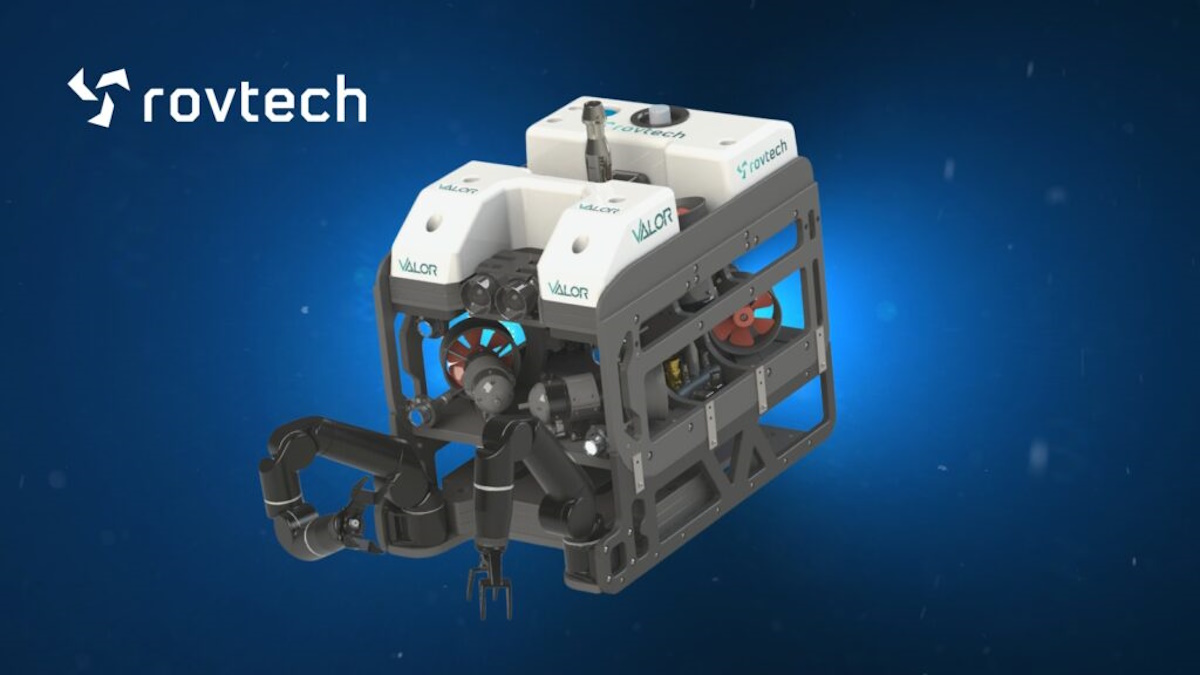
Rovtech is to Acquire the VALOR Remotely Operated Vehicle (ROV) Business from Seatronics
A recent study conducted by researchers at a leading university has revealed alarming trends in youth mental health. The study, published on October 15, 2023, highlights a significant increase in anxiety and depression rates among adolescents over the past five years. This research was carried out in various urban and rural schools across the country, aiming to assess the impact of social media and academic pressures on young people's mental well-being. The findings indicate that nearly 40% of surveyed teens reported experiencing symptoms of anxiety, while 30% showed signs of depression. Researchers attribute this rise to a combination of factors, including the pervasive influence of social media, which often fosters unrealistic comparisons and cyberbullying, as well as the heightened academic expectations placed on students. To address these issues, the study advocates for enhanced mental health resources in schools, including counseling services and educational programs aimed at promoting resilience and coping strategies. The researchers emphasize the importance of early intervention and support systems to help mitigate these mental health challenges among youth. As mental health continues to be a pressing concern, this study serves as a crucial call to action for educators, policymakers, and parents to prioritize the well-being of the younger generation.
rovtech acquisition valor remotely operated vehicle (rov) seatronics
Flapping-Wing Micro Aerial Vehicles Enhance Stability with Advanced Control Amid Wind Disturbances
Flapping-wing micro aerial vehicles (FW-MAVs) have been developed to improve stability during flight, particularly in wind-like disturbances. These small, lightweight robots mimic the flight mechanisms of birds and insects, utilizing rapidly moving wings instead of traditional propellers. The significance of this advancement lies in the unique flight capabilities FW-MAVs offer, such as the ability to hover like hummingbirds and independently control their wings akin to dragonflies. This technology could enhance various applications, including surveillance, environmental monitoring, and search and rescue operations. Looking ahead, the continued development of FW-MAVs may lead to further improvements in their flight stability and control mechanisms. No further timeline was disclosed at the time of publication.
Robotics
SpaceX's Starmind Faces Feasibility Challenges for 1 Million Satellite Deployment
On January 30, 2026, SpaceX submitted a request to the FCC to launch up to 1 million satellites as part of its Starmind orbital compute constellation. This ambitious plan is unprecedented, as the total number of satellites ever launched globally is in the low tens of thousands. The proposal seeks a waiver from standard deployment milestones, citing reliance on the Starship's full reusability for success. The significance of this request lies in the technical and logistical challenges it presents. Experts warn that low Earth orbit may not support the proposed number of active satellites without risking a debris cascade. SpaceX's own IPO prospectus acknowledges unresolved dependencies related to Starship's launch cadence and reusability, which are critical for the orbital AI compute strategy. Looking ahead, the timeline for achieving the necessary launch cadence and manufacturing capacity remains uncertain. SpaceX's Gigasat facility in Texas aims for volume production by late 2027, but this would require unprecedented output levels. No further timeline was disclosed at the time of publication, leaving the feasibility of the Starmind project in question.

SpaceX's Starmind Plans 1 Million AI Satellites Amid Collision Risks
SpaceX has announced its ambitious Starmind project, which aims to deploy 1 million AI satellites in orbits between 500 and 2,000 km. This initiative, confirmed by Elon Musk on June 23, 2026, follows a merger with xAI, valuing the combined entity at $1.25 trillion. The satellites will function as orbital data centers, processing AI workloads powered by solar arrays and linked by optical lasers. The significance of Starmind lies in its potential to add 100 gigawatts of AI compute capacity annually, contingent on the successful operation of the Starship launch system. However, the project raises concerns regarding space debris, as the current orbital environment is already congested, with a 20% increase in collision risk reported since 2024. The European Space Agency has highlighted that the density of debris in low Earth orbit is now comparable to that of active satellites, complicating the operational landscape for new entrants like Starmind. Looking ahead, the first operational orbital AI deployments are targeted for 2028, with test launches expected in early 2027. However, the project faces scrutiny regarding its impact on space debris, as even a 1% failure rate could significantly increase the number of uncontrollable objects in orbit, exacerbating existing risks. No further timeline was disclosed at the time of publication.
Advances in Autonomous Vehicle Testing: The State of the Art and Future Outlook on Driving Datasets, Simulators, and Proving Grounds
A recent study published in the Journal of Field Robotics highlights advancements in autonomous robotic systems designed for agricultural applications. Researchers from a leading university conducted the study to explore how these robots can improve efficiency and sustainability in farming practices. The findings, released in early October 2023, indicate that the integration of advanced sensors and artificial intelligence allows these robots to perform tasks such as planting, monitoring crop health, and harvesting with greater precision. The research was conducted on various farms across the Midwest, where the team tested different robotic models under real-world conditions. The motivation behind this study stems from the increasing demand for food production and the need to reduce environmental impact. By employing autonomous technology, farmers can potentially decrease labor costs and enhance productivity while minimizing the use of pesticides and fertilizers. The study outlines the methodology used, including the development of algorithms that enable the robots to navigate complex terrains and adapt to changing environmental conditions. As agriculture faces challenges such as labor shortages and climate change, the implementation of these robotic systems could play a crucial role in the future of farming. The researchers emphasize the importance of continued innovation in this field to address global food security concerns effectively.
SURVEY ARTICLE
Improved Target Detection in Unmanned Aerial Vehicles Search and Rescue via V‐Circular Trajectory Optimization
The Journal of Field Robotics has recently published an early view article highlighting significant advancements in robotic technology. Researchers from various institutions collaborated to explore innovative applications of robotics in field environments, aiming to enhance efficiency and safety in agricultural practices. This study, released in October 2023, emphasizes the growing importance of automation in addressing labor shortages and improving productivity in the agricultural sector. By integrating advanced sensors and artificial intelligence, the team demonstrated how robots can autonomously navigate complex terrains and perform tasks such as planting, harvesting, and monitoring crop health. The findings suggest that these technological advancements could revolutionize traditional farming methods, ultimately leading to more sustainable agricultural practices.
RESEARCH ARTICLERobotics needs a service framework.
RSF defines a common language for robot service capability, lifecycle operations, certification pathways, and service-provider networks.
Join the RobotToday community on LinkedIn
Daily robotics news, in-depth analysis, conference highlights, and discussions with professionals worldwide.







