Industry Briefing
A single destination for timely, editor-curated robotics news from around the world.
Opinion: Why robot dogs are leading the pack in factory floor efficiency
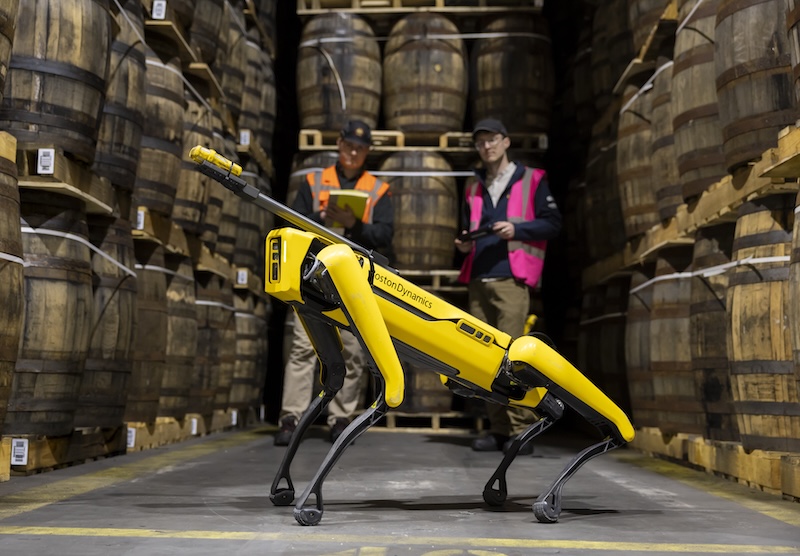
By Andrew Hamilton, head of the Digital Process Manufacturing Centre (DPMC) at the National Manufacturing Institute Scotland (NMIS) Manufacturing facilities today are sprawling, interconnected environments where equipment operates continuously and processes stretch across large physical footprints. From factory floors and plant rooms to service corridors and external assets, engineering teams need clear visibility across areas […]
Features Industry Autonomous robots boston dynamics spot digital manufacturing factory inspections
A Faster Manufacturing World Demands Enhanced, Automated Quality Processes
In a rapidly evolving technological landscape, the need for modern software solutions to be seamlessly integrated and connected to shared data sources has become increasingly critical. As organizations strive for efficiency and real-time data access, the demand for software that can operate cohesively across various platforms is paramount. This shift is driven by the necessity for businesses to enhance their operational capabilities and improve decision-making processes. By leveraging interconnected systems, companies can ensure that all departments have access to the same up-to-date information, fostering collaboration and innovation. The emphasis on integration highlights the importance of adopting advanced technologies that not only streamline workflows but also support data-driven strategies in a competitive market. As of October 2023, this trend continues to shape the future of software development, pushing organizations to prioritize connectivity and data accessibility in their technological investments.
Process / Control
As Drone Demand Grows, Protolabs Scales On-Demand Manufacturing
Protolabs, a digital manufacturing company listed on the NYSE, is enhancing its rapid manufacturing capabilities to support drone manufacturers in accelerating their transition from prototype to production. This initiative comes in response to the increasing demand for commercial and defense drones, which has put pressure on manufacturers to shorten development cycles while ensuring high quality. By expanding its CNC machining and 3D printing services, Protolabs aims to meet the evolving needs of the drone industry, facilitating faster production processes and helping companies keep pace with market growth.
Applications Drone Manufacturing Drone News Drone News Feeds News 3D Printing
Top 7 AI Agent Platforms for Industrial Manufacturing in 2026
The manufacturing sector is undergoing a significant digital transformation, marked by substantial investments in Internet of Things (IoT) sensors, Manufacturing Execution Systems (MES), industrial analytics, and predictive maintenance solutions over the past decade. This shift has provided manufacturers with unparalleled operational visibility, enabling real-time monitoring of equipment, production lines, quality metrics, and material flows. Despite these advancements, production managers continue to face challenges in optimizing processes and improving efficiency. The integration of these technologies aims to enhance productivity and streamline operations, ultimately driving the industry towards a more data-driven future.
AI agents Manufacturing ai agents autonomous manufacturing digital manufacturing ERP integration
Latest DPA Action Highlights Manufacturing Challenge Behind U.S. Drone Expansion
A new presidential memorandum has been issued to address defense production bottlenecks, highlighting concerns about the United States' capacity to scale emerging technologies. This initiative, part of the Trump Administration's Drone Dominance program launched in June 2025, has primarily focused on aircraft, regulations, and procurement processes. The memorandum aims to streamline manufacturing challenges that could hinder the expansion of the U.S. drone industry. As discussions continue around regulatory reforms and domestic capabilities, this action underscores the urgent need for improvements in defense production to maintain competitiveness in the evolving technological landscape.
Applications Defense Drone News Drone News Feeds News US Government
Mesoware raises $1.5 million funding to build AI-powered robots for manufacturing
Mesoware has secured $1.5 million in funding to advance its development of AI-powered robotics solutions aimed at automating manufacturing processes. The pre-seed funding round was spearheaded by Pillar VC. Joe Mattekatt, co-founder and CEO of Mesoware, emphasized the significance of this investment, stating that as hardware costs decrease and AI technology progresses, the primary challenge in robotics lies in integrating these advancements at scale. This funding will enable Mesoware to address that challenge and further its mission in the robotics industry.
Artificial Intelligence Industrial robots AI-powered robots automation news factory automation industrial robotics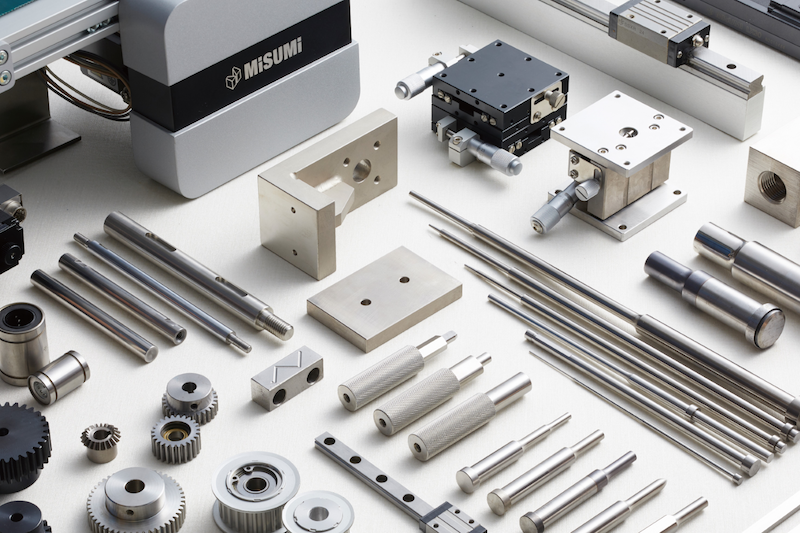
Misumi launches Misumi Americas as part of $1 billion global manufacturing investment
Japanese industrial components supplier Misumi Group has officially launched Misumi Americas, marking a significant step in its expansion strategy. The company has unveiled a $1 billion (¥150 billion) global investment program designed to enhance its digital manufacturing and supply chain capabilities. This initiative integrates Misumi’s existing industrial components business with an AI-powered manufacturing platform acquired from Fictiv, thereby broadening the company's operational scope. The investment aims to strengthen Misumi's position in the competitive manufacturing landscape by leveraging advanced technology to streamline processes and improve efficiency.
Components News additive manufacturing aerospace manufacturing ai manufacturing automation news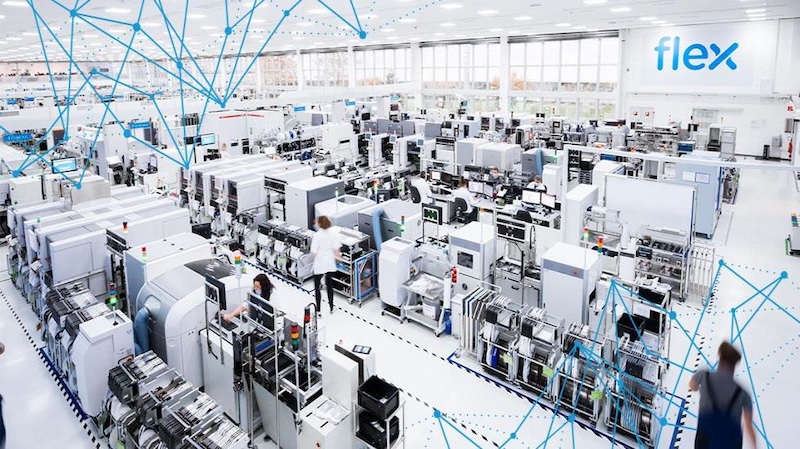
Scaling automation in contract manufacturing: Interview with Rodrigo DallOglio of Flex
Manufacturers are increasingly turning to automation to enhance productivity, quality, and resilience amid rising product complexity. This shift is evident as technologies like collaborative robots, autonomous mobile robots (AMRs), and advanced physical AI are transitioning from experimental stages to widespread implementation in large-scale production settings. The move towards automation is driven by the need to streamline operations and meet the demands of modern manufacturing. As companies adapt to these technological advancements, they are finding new ways to optimize their processes and improve overall efficiency in the factory environment.
Features Manufacturing amrs automation news autonomous mobile robots cobots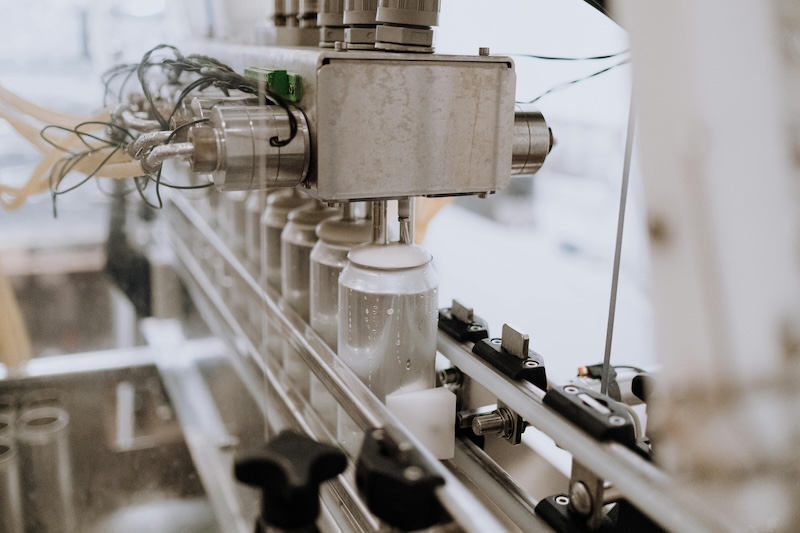
Application engineering for assembly systems is quietly becoming manufacturing’s biggest competitive edge
In a significant shift within the manufacturing sector, companies are increasingly focusing on application engineering to enhance assembly systems. This evolution is driven by the need for higher productivity and reduced error rates on the factory floor. Leading the charge is Atlas Copco, a prominent player in the industry, which is fully embracing this transformation. The emphasis is now on not just the machines themselves, but also on the engineering that connects and adjusts these machines in real-time to align with operational demands. As factories strive to optimize their processes, the integration of advanced engineering techniques is becoming essential for success in a competitive landscape.
Engineering Manufacturing application engineering assembly line automation assembly systems atlas copco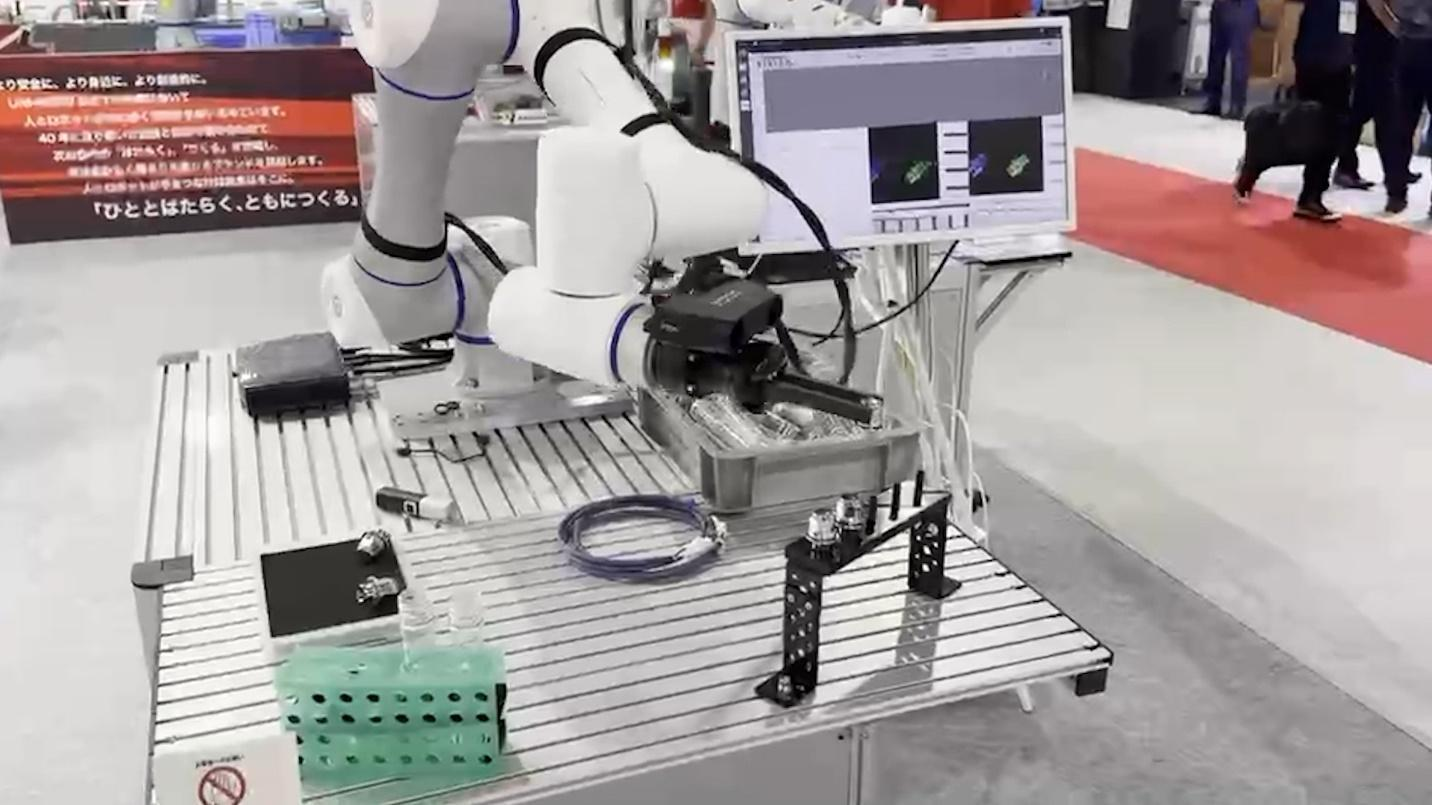
Collaborative Robots (Cobots) in Manufacturing: The Future of Human-Robot Teams
A recent exploration into the future of manufacturing highlights the potential of human-robot collaboration, focusing on how human workers can effectively partner with collaborative robots. As industries evolve, the integration of these advanced technologies aims to enhance productivity and efficiency on the factory floor. This shift is particularly relevant in light of ongoing labor shortages and the need for increased output in a competitive market. The study emphasizes that by 2024, many manufacturing sectors are expected to adopt these collaborative robots, which are designed to work alongside humans safely and efficiently. This partnership not only aims to alleviate the physical demands on workers but also to leverage the precision and speed of robots in repetitive tasks. The motivation behind this trend is driven by the need for innovation in manufacturing processes, as companies seek to remain competitive while addressing workforce challenges. By implementing collaborative robots, businesses can optimize operations, reduce costs, and improve overall product quality. The research indicates that successful integration will require training for human workers to effectively interact with these robots, ensuring a seamless workflow. As this technology continues to advance, the future of human-robot teams in manufacturing appears promising, potentially transforming the landscape of the industry and redefining the roles of human workers.
Dobot Breezy smartphone refurbishment AI automation Industry 5.0 collaborative robots
Inside modern supplement manufacturing: How automated filling lines are raising the quality bar
Recent advancements in automation are transforming the supplement manufacturing industry, particularly through the implementation of cutting-edge filling lines that enhance both quality and efficiency. These innovative systems not only incorporate advanced technologies but also necessitate the establishment of new protocols and expectations for quality assurance. As manufacturers adopt these automated solutions, they are experiencing significant breakthroughs and adopting best practices that elevate production standards. The article delves into how these automated filling lines are setting a new benchmark in the industry, emphasizing the critical controls that are essential for maintaining high-quality output.
Health Manufacturing automated filling lines automated inspection automation news checkweighers
Connector Pin Processing: End-Face Finish and Burr Control
Recent investigations have revealed that high-precision connector pins are experiencing failures in the field, attributed to issues that standard diameter checks cannot detect. The problems primarily stem from the parting-off face, where burrs initially form and surface roughness values (Ra) can exceed specifications. These defects are exacerbated by inadequate deburring technology, leading to increased rates of product returns that often go unreported. The findings highlight the need for improved quality control measures and better manufacturing practices to prevent these failures and enhance product reliability.
Design Engineering aerospace connectors automation news automation technology burr control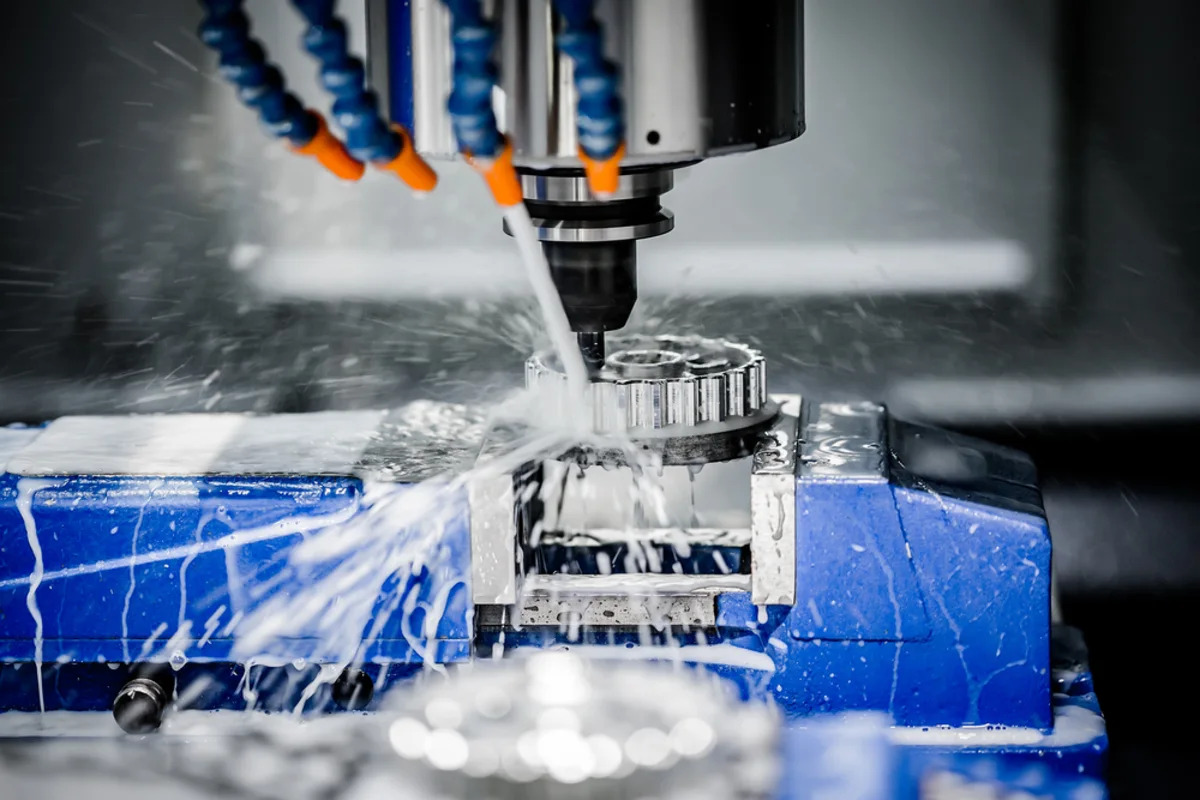
Honeywell International Inc. (HON): One of The Best Robotics Stocks to Buy Poised for Manufacturing Automation Opportunities
Honeywell International Inc. has emerged as a leading contender in the robotics sector, particularly in the realm of manufacturing automation. On June 9, 2026, the company introduced Experion Cognition, an AI-enabled control system aimed at enhancing autonomous operations. This innovative platform leverages Honeywell's extensive experience in process automation and incorporates advanced AI models to address anomalies in control room settings, thereby optimizing production efficiency. Experion Cognition is designed to seamlessly integrate into existing control room environments, enabling operators—regardless of their experience level—to manage plant operations effectively. By automating situation management, the platform addresses the ongoing industrial workforce shortage, allowing less experienced personnel to operate complex systems with greater ease. The system's AI features, including an Operations Assistant, can generate predictions within a span of 5 to 10 minutes. Dr. Hasan Karam, Chief Operating Officer of Borouge International, highlighted that this new solution establishes a benchmark for efficiency and innovation, paving the way for the first AI-autonomous operations within the petrochemical industry. As a global technology and manufacturing conglomerate, Honeywell specializes in automation, aerospace systems, and energy transition, providing essential hardware, software, and services that enhance the safety and sustainability of various industries. While investment in Honeywell carries inherent risks, analysts believe that its advancements in AI technology position it favorably for future growth.
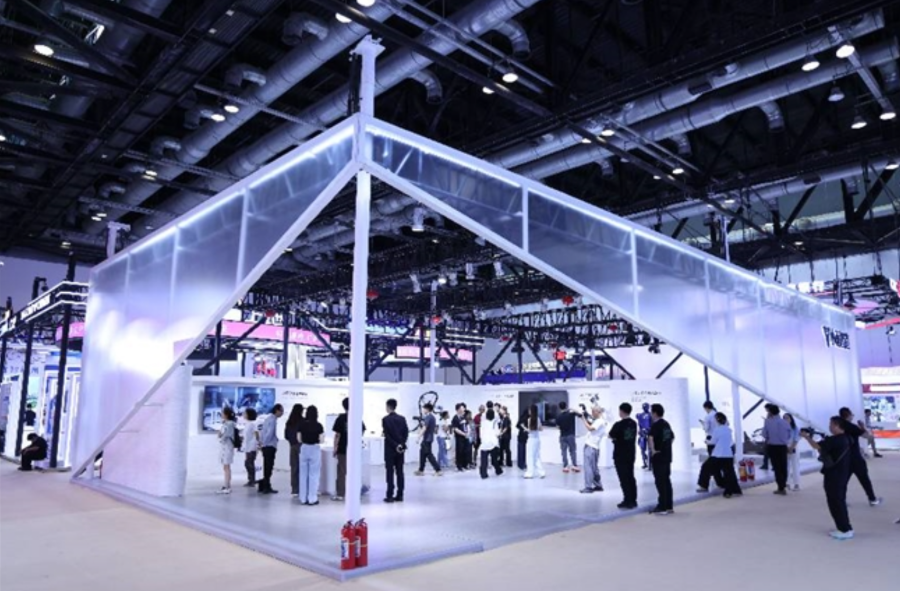
The Global Digital Economy Conference opens in Beijing, and Xiaoyu Intelligent Manufacturing launches the industry's first industrial embodied intelligent welding robot, with a standard version starting at a price of 1 ...
The Global Digital Economy Conference commenced in Beijing, showcasing significant advancements in technology and innovation. During the event, Xiaoyu Intelligent Manufacturing unveiled the industry's first industrial embodied intelligent welding robot, marking a notable milestone in automation and manufacturing capabilities. The standard version of this cutting-edge robot is priced starting at 1 million yuan. This launch reflects the growing trend towards integrating intelligent systems in industrial processes, aimed at enhancing efficiency and productivity in the sector. The conference serves as a platform for industry leaders and innovators to discuss the future of the digital economy and the role of advanced technologies in shaping it.
Robotics Automation AI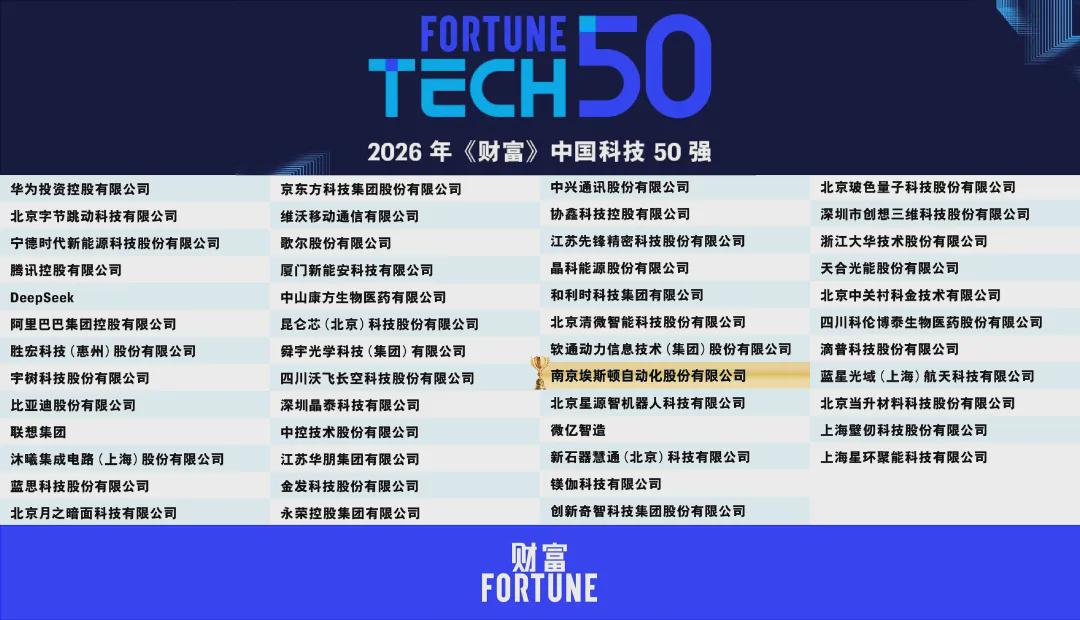
Aston Ranks Among the Top 50 Chinese Tech Companies in Fortune 2026, Leading Intelligent Manufacturing Transformation with AI+ Industrial Embodied Intelligence.
Aston has been recognized as one of the top 50 Chinese tech companies in the Fortune 2026 rankings, highlighting its significant role in advancing intelligent manufacturing through the integration of artificial intelligence and industrial embodied intelligence. This accolade reflects Aston's commitment to innovation and leadership in the tech sector, particularly in enhancing manufacturing processes. The recognition comes as industries increasingly adopt AI-driven solutions to improve efficiency and productivity. Aston's efforts in this domain are seen as pivotal in shaping the future of manufacturing in China and beyond, underscoring the company's influence in driving technological transformation.
Robotics Automation AI
Embodied AI: Industrial Manufacturing’s Answer to the Great Margin Squeeze
Companies are increasingly turning to embodied AI-enabled robotics to combat the challenges of the “great margin squeeze” in manufacturing. This innovative technology allows for a transition to high-mix manufacturing, enabling faster changeovers and minimizing disruptions that can halt production lines. By integrating these advanced robotic systems, businesses can enhance operational efficiency without the need to expand their engineering resources. This shift is particularly crucial as manufacturers seek to adapt to changing market demands while maintaining profitability. The adoption of AI-driven robotics is seen as a strategic move to streamline processes and improve overall productivity in a competitive landscape.

Hai Robotics Showcases Upgraded HaiPick Climb for Manufacturers at Manufacturing Expo 2026
Hai Robotics introduced its enhanced HaiPick Climb system during the Manufacturing Expo 2026 in Thailand, showcasing a significant advancement in automated storage and retrieval technology. This innovative system is specifically designed to improve storage density and fulfillment efficiency for manufacturers, addressing the increasing demands of modern production environments. By offering a flexible and scalable solution, the HaiPick Climb aims to adapt to the evolving needs of the industry, helping manufacturers overcome challenges associated with storage and retrieval processes.
Automated Storage Systems Warehouse Automation Manufacturing Technology Logistics Solutions
Defense manufacturing readiness hinges on autonomous finishing, says GrayMatter Robotics
A recent review of the Navy's industrial base has revealed a significant demand for 174,000 new workers to support defense manufacturing. In response to this workforce challenge, GrayMatter Robotics has proposed that robotics technology could effectively address the labor shortage. The company emphasizes that the integration of autonomous finishing processes in manufacturing could enhance efficiency and productivity, thereby meeting the urgent needs of the defense sector. As the military seeks to bolster its operational capabilities, the adoption of advanced robotics may play a crucial role in ensuring readiness and sustainability within the industry.
Collaborative Robots Defense / Security Manufacturing Maritime Markets / Industries News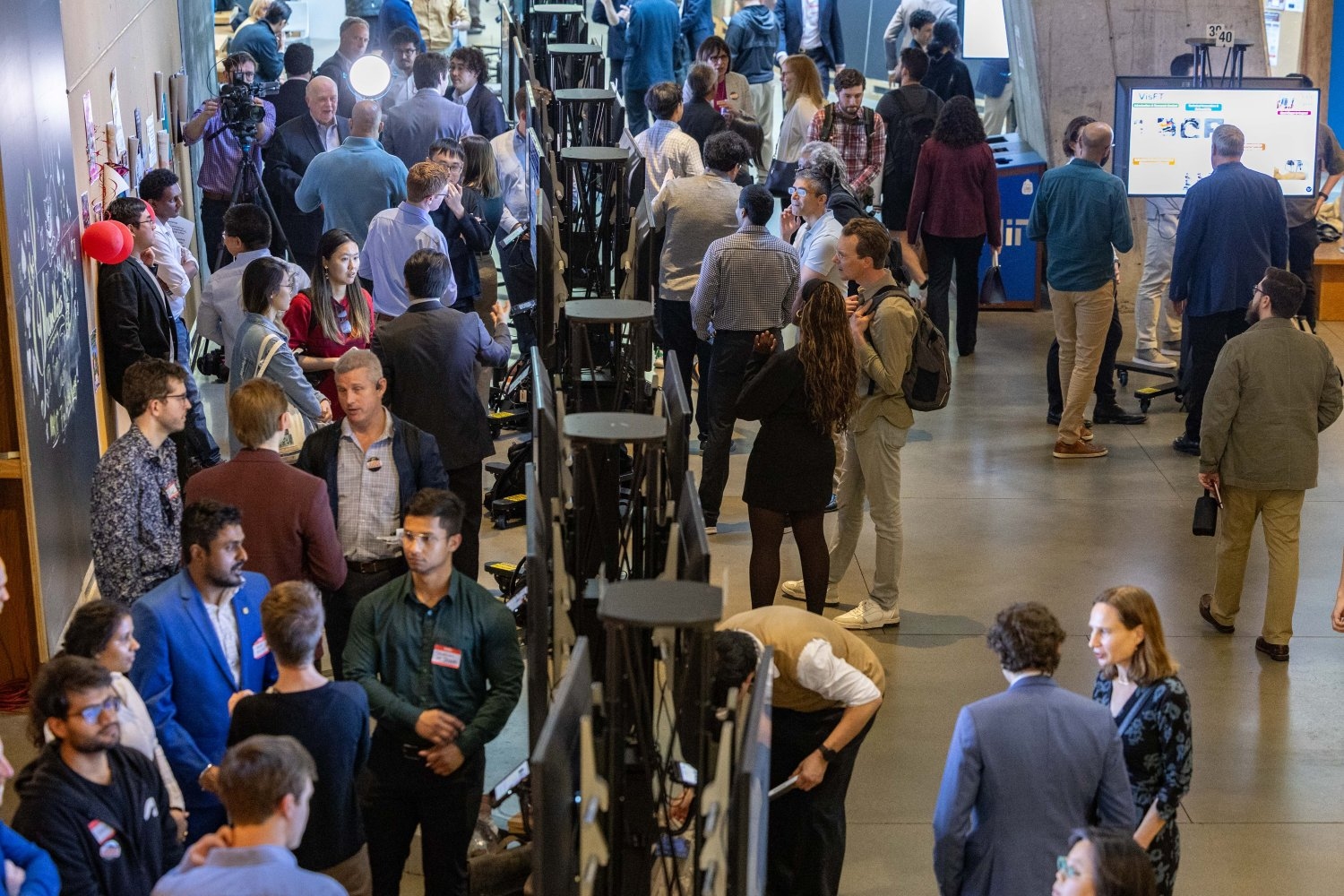
MIT’s Initiative for New Manufacturing builds momentum
In its inaugural year, the Innovative Manufacturing Network (INM) has made significant strides in advancing new manufacturing technologies. The organization has focused on three key areas: research, workforce development, and industry engagement. By fostering collaboration among various stakeholders, INM aims to accelerate the adoption and practical application of these technologies in the manufacturing sector. The initiative is driven by the need to enhance efficiency and competitiveness within the industry, responding to the growing demand for innovation and modernization. Through targeted programs and partnerships, INM is positioning itself as a catalyst for change, ensuring that the latest advancements are effectively integrated into real-world manufacturing processes.
Special events and guest speakers Classes and programs Industry Collaboration Mechanical engineering Manufacturing
Taiwan Excellence Pavilion Brings Edge AI, Robotics and Smart Manufacturing Technology to Automate 2026
Twenty-three Taiwanese companies recently presented their innovative industrial technologies aimed at enhancing real-time automation and connectivity within U.S. manufacturing. This showcase took place as part of a broader initiative to strengthen collaboration between Taiwan and the United States in the manufacturing sector. The event highlighted advancements in automation tools and connected systems designed to improve efficiency and productivity in manufacturing processes. By demonstrating these technologies, the Taiwanese firms aim to address the growing demand for smarter manufacturing solutions in the U.S. market, driven by the need for increased competitiveness and operational efficiency. The presentation underscored the importance of international partnerships in fostering technological advancements and meeting the evolving needs of the manufacturing industry.
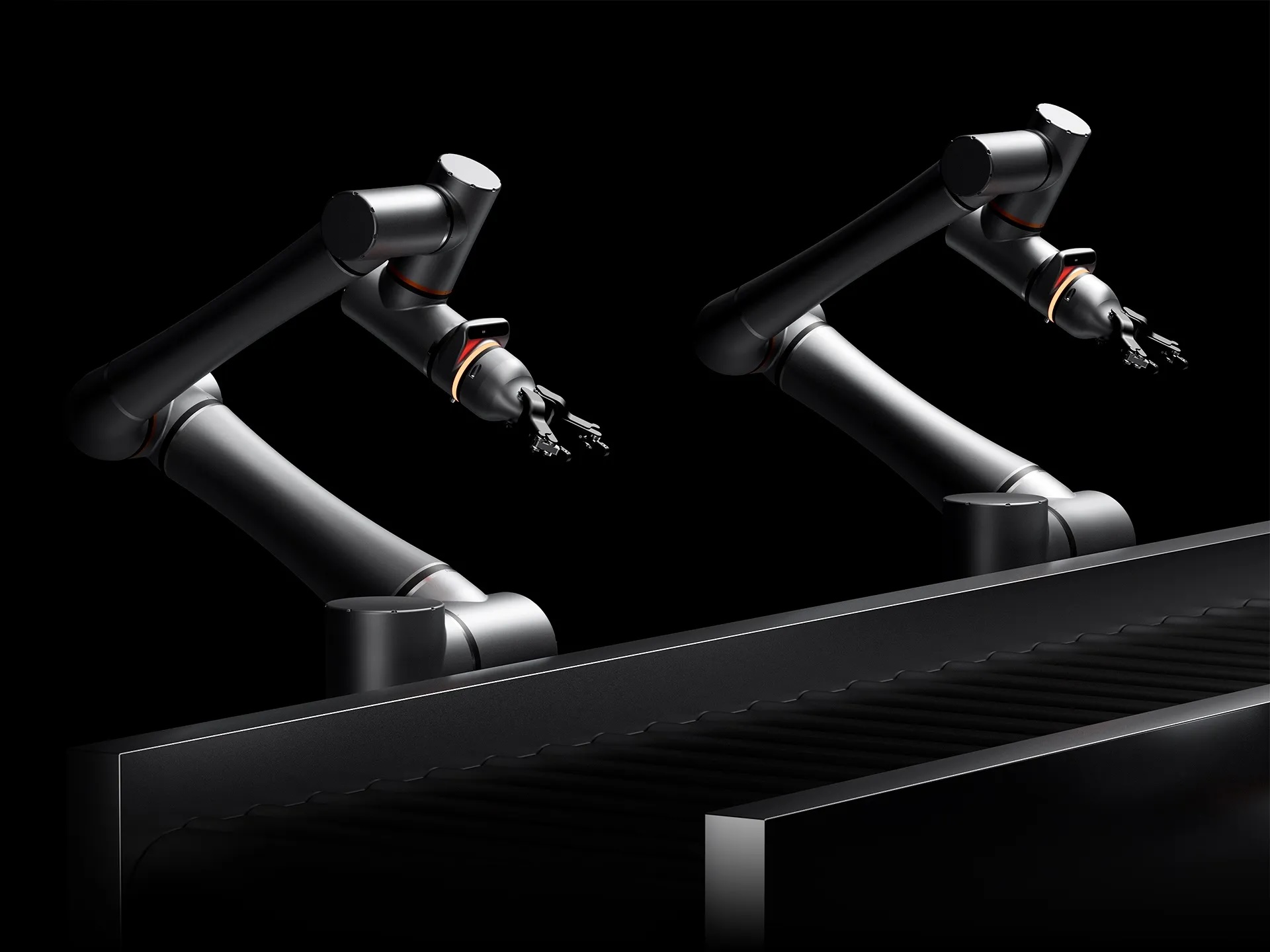
Standard Bots raises $200M to expand U.S. manufacturing footprint
Standard Bots has announced a significant funding round, raising $200 million to enhance its manufacturing capabilities in the United States. The investment aims to bolster the competitiveness of U.S. manufacturing in the global market by integrating advanced robotics into production processes. This initiative comes at a time when the demand for innovative manufacturing solutions is increasing, highlighting the importance of technology in maintaining a strong industrial base. The funding will be utilized to expand Standard Bots' operations and develop cutting-edge robotic systems that can streamline manufacturing and improve efficiency.
Artificial Intelligence Artificial Intelligence / Cognition Collaborative Robots Design / Development Financial Industrial Robots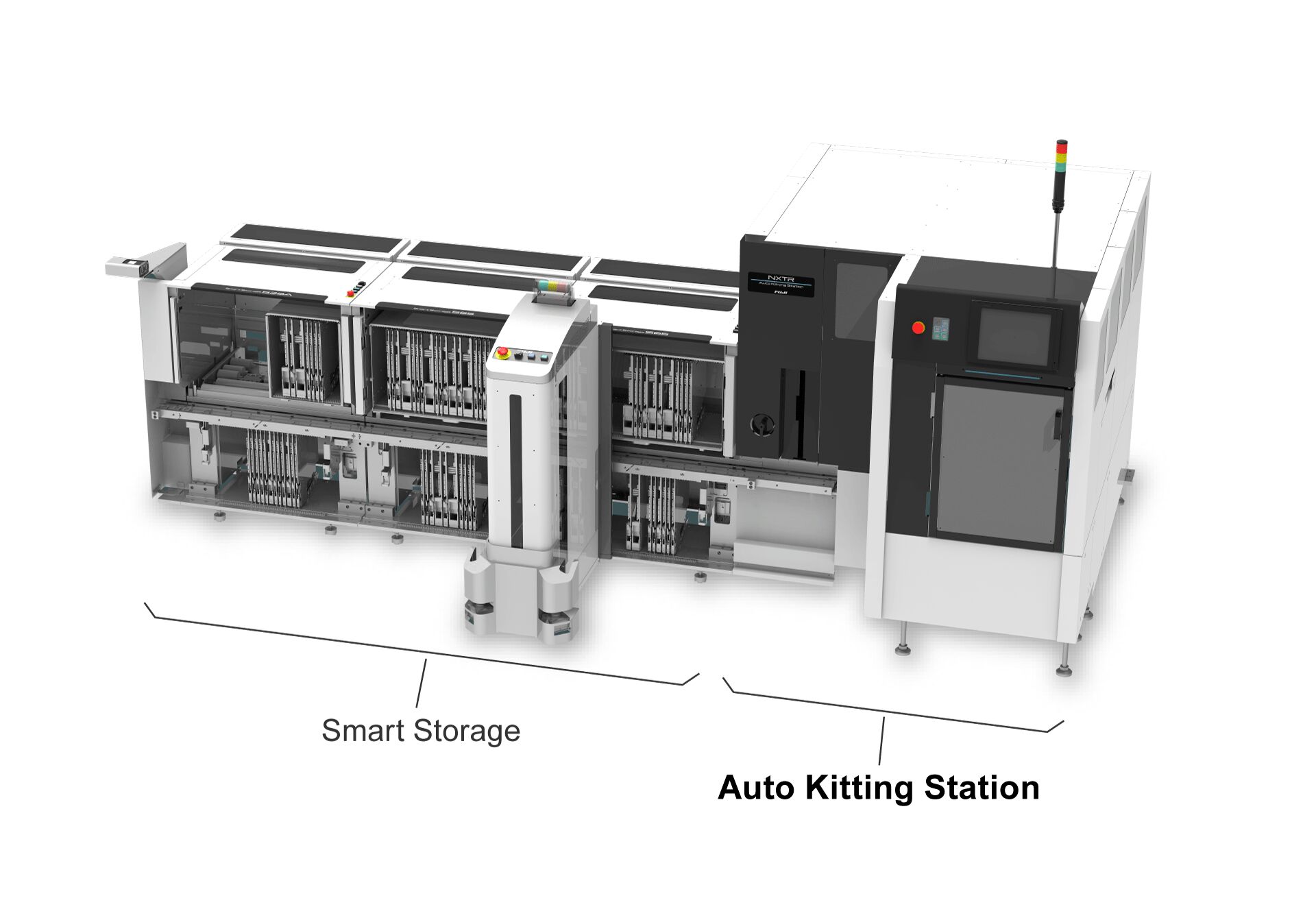
Automated setup processes system combined with AMR.
Fuji has introduced a new system unit called the Auto Kitting Station, designed to automate the process of loading feeders with belt rolls for component supply in assembly machines. This innovation aims to enhance efficiency in automated setup processes, particularly when integrated with Autonomous Mobile Robots (AMR). The development reflects Fuji's commitment to advancing automation in manufacturing, streamlining operations, and reducing manual labor requirements.
Allgemein Lösungen
Robots can enhance manufacturing workers rather than replace them
In a recent statement, the president of ONE Holdings emphasized the potential of robotics to enhance manufacturing processes rather than replace human workers. This assertion highlights the importance of integrating advanced artificial intelligence, teleoperation technologies, and robust safety measures in the manufacturing sector. The discussion comes at a time when industries are increasingly exploring automation solutions to improve efficiency and productivity. By leveraging these technologies, companies can create a more collaborative environment where robots assist rather than supplant the workforce, ultimately leading to greater opportunities in manufacturing. The insights shared reflect a growing trend towards embracing innovation while prioritizing the role of human labor in the evolving landscape of production.
Artificial Intelligence Artificial Intelligence / Cognition Assembly Collaborative Robots Controllers Food / Beverage
Roboteon to Showcase Powerful Robotics Orchestration Software for Warehousing and Manufacturing at Automate 2026
In a groundbreaking event showcasing the future of robotics, multiple original equipment manufacturers (OEMs) demonstrated their latest robotic technologies, all synchronized through a single integrated software platform. This live demonstration took place recently, highlighting the advancements in automation and collaborative robotics. The event aimed to illustrate how diverse robotic systems can work together seamlessly, enhancing efficiency and productivity across various industries. By leveraging a unified software solution, the participating OEMs showcased their capabilities in real-time, allowing attendees to witness the potential of integrated robotic solutions in action. This initiative reflects the growing demand for cohesive automation systems that can adapt to complex operational environments. As industries increasingly seek to optimize their processes, the integration of different robotic technologies through a common platform represents a significant step forward in achieving smarter manufacturing and logistics solutions. The demonstration not only emphasized technological innovation but also underscored the importance of collaboration among manufacturers to drive the robotics industry forward. By showcasing their robots in a coordinated manner, the OEMs aimed to inspire confidence in the future of automated systems and their role in transforming the workforce.

AGIRobots unveils new semi-humanoid robot "AGIRobots Worker" to enhance physical AI in manufacturing and logistics.
AGIRobots has unveiled its latest semi-humanoid robot, the "AGIRobots Worker," aimed at enhancing the use of physical AI in the manufacturing and logistics sectors. This announcement was made recently as part of the company's ongoing efforts to innovate and improve operational efficiency in these industries. The AGIRobots Worker is designed to assist in various tasks, streamlining processes and potentially reducing labor costs. By integrating advanced AI technology, the robot is expected to play a crucial role in transforming traditional workflows, making them more efficient and adaptable to modern demands. The launch reflects AGIRobots' commitment to driving technological advancements that support the evolving needs of the manufacturing and logistics landscapes.

Powering the next era of AI in manufacturing: Why it’s time to upgrade to the NVIDIA RTX PRO 4500 Blackwell Workstation Edition
NVIDIA has unveiled its latest advancements in manufacturing technology, showcasing how artificial intelligence and digital twins can significantly accelerate innovation in the industry. This announcement was made during a recent event held in October 2023, where industry leaders gathered to explore cutting-edge solutions. The integration of AI and digital twin technology aims to enhance efficiency and streamline processes within manufacturing operations. By leveraging NVIDIA's Blackwell architecture, companies can expect improved data processing capabilities that facilitate real-time decision-making and predictive analytics. This transformation is poised to not only boost productivity but also drive competitive advantage in an increasingly fast-paced market.

NVIDIA and TSMC Bring AI Into Fabs to Advance Semiconductor Design and Manufacturing
NVIDIA has revealed that TSMC, the leading semiconductor manufacturer globally, is leveraging NVIDIA's accelerated computing and artificial intelligence technologies to enhance its semiconductor design and manufacturing processes. This collaboration aims to improve efficiency and innovation in the semiconductor industry, reflecting the growing importance of advanced computing solutions in driving technological advancements. The announcement underscores the strategic partnership between the two companies, highlighting their commitment to pushing the boundaries of semiconductor capabilities.
MISUMI Group invests $1B in Americas, global AI and digital manufacturing
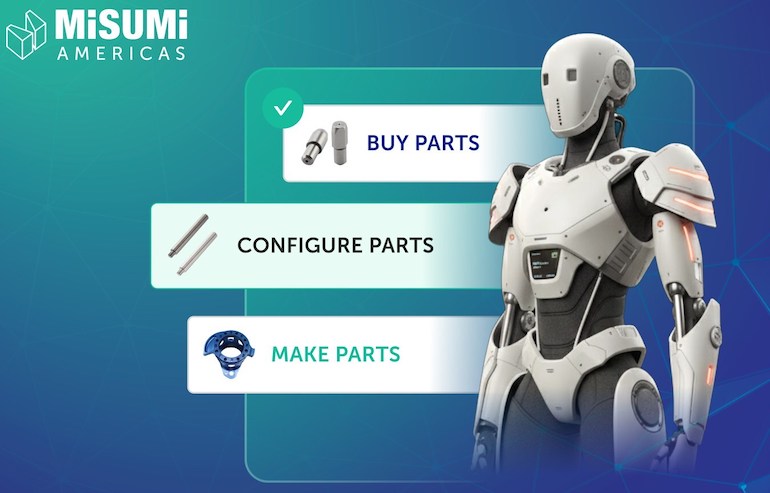
MISUMI Americas has announced a strategic collaboration with Fictiv, integrating MISUMI's precision components with Fictiv's digital manufacturing platform to streamline the production process for customers. This partnership aims to provide a comprehensive solution for managing entire bills of materials, enhancing efficiency and accessibility in manufacturing. The initiative is part of a broader investment strategy by the MISUMI Group, which has committed $1 billion to bolster its operations in the Americas and advance global efforts in artificial intelligence and digital manufacturing. This investment is expected to significantly enhance the capabilities of manufacturers by leveraging cutting-edge technology and innovative practices. The collaboration marks a significant step towards modernizing the manufacturing landscape, making it more responsive to the needs of businesses in a rapidly evolving market.
Actuators / Motors / Servos Aerospace Agriculture Automation Automotive Design / Development
Best Practices for Calibrating and Maintaining Manufacturing Robotic Arms
In the evolving landscape of modern manufacturing, robotic arms and collaborative robots have emerged as essential tools, enhancing efficiency and precision while minimizing human error. JAKA, a leading provider of collaborative robots, emphasizes the importance of scientific calibration and regular maintenance to ensure the stable operation of these machines, which directly impacts production quality and safety. To maintain optimal performance, JAKA outlines best practices for calibrating and servicing robotic arms, particularly its JAKA Zu12 model. Regular kinematic calibration is crucial for correcting geometric errors and ensuring accurate motion trajectories, which is vital for collaborative robots that interact closely with humans. The JAKA Zu12’s integrated design facilitates efficient calibration during assembly, maximizing its reach and payload capabilities. Daily and periodic maintenance is also critical in reducing failure rates. Daily tasks include cleaning, checking cable connections, and ensuring joint operation, while periodic maintenance focuses on lubricating joints, inspecting wear on components, and updating software. For collaborative robots like the JAKA Zu12, regular safety checks are essential to ensure safe human-robot interactions. JAKA also advocates for scenario-based maintenance tailored to specific application needs, such as handling and palletizing tasks, to enhance processing precision and operational reliability. By implementing systematic calibration and maintenance strategies, JAKA aims to help enterprises optimize the performance of their robotic arms, ultimately reducing costs and boosting production efficiency in automated manufacturing environments.

Watch: The Gap Between Robotics Hype and Manufacturing Reality
Tilman Buchner, a partner and director at the Boston Consulting Group, recently presented insights from the firm’s latest report, which evaluates advancements in physical artificial intelligence within manufacturing environments. The report highlights significant progress in the integration of AI technologies on factory floors, emphasizing their potential to enhance operational efficiency and productivity. This analysis comes at a crucial time as industries increasingly seek innovative solutions to streamline processes and reduce costs. Buchner's findings underscore the importance of embracing these technological advancements to remain competitive in a rapidly evolving market. The report serves as a comprehensive overview of how AI is transforming traditional manufacturing practices, providing a roadmap for companies looking to leverage these technologies effectively.
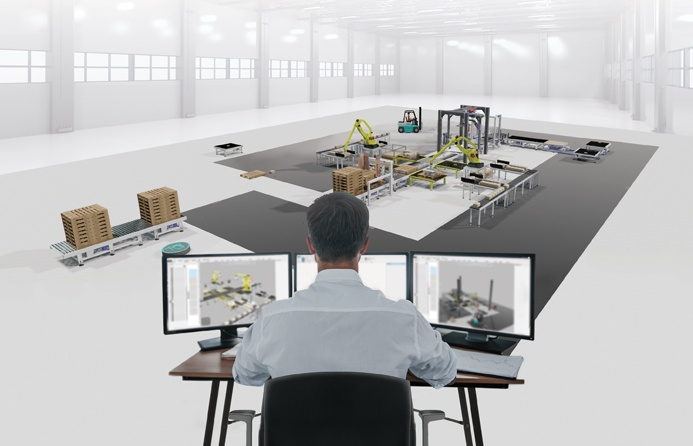
Simulation vs. digital twin: A strategic lens on virtual manufacturing
Visual Components has highlighted the advantages of digital twins and simulation technologies for manufacturers involved in system design and integration, particularly in automation. The discussion, featured in a recent post titled "Simulation vs. Digital Twin: A Strategic Lens on Virtual Manufacturing," emphasizes how these tools can enhance efficiency and accuracy in manufacturing processes. By leveraging virtual models, companies can optimize their operations, reduce costs, and improve overall productivity. The insights shared aim to guide manufacturers in making informed decisions about adopting these technologies to stay competitive in the evolving landscape of virtual manufacturing.
Manufacturing News Opinion Software / Simulation Visual Components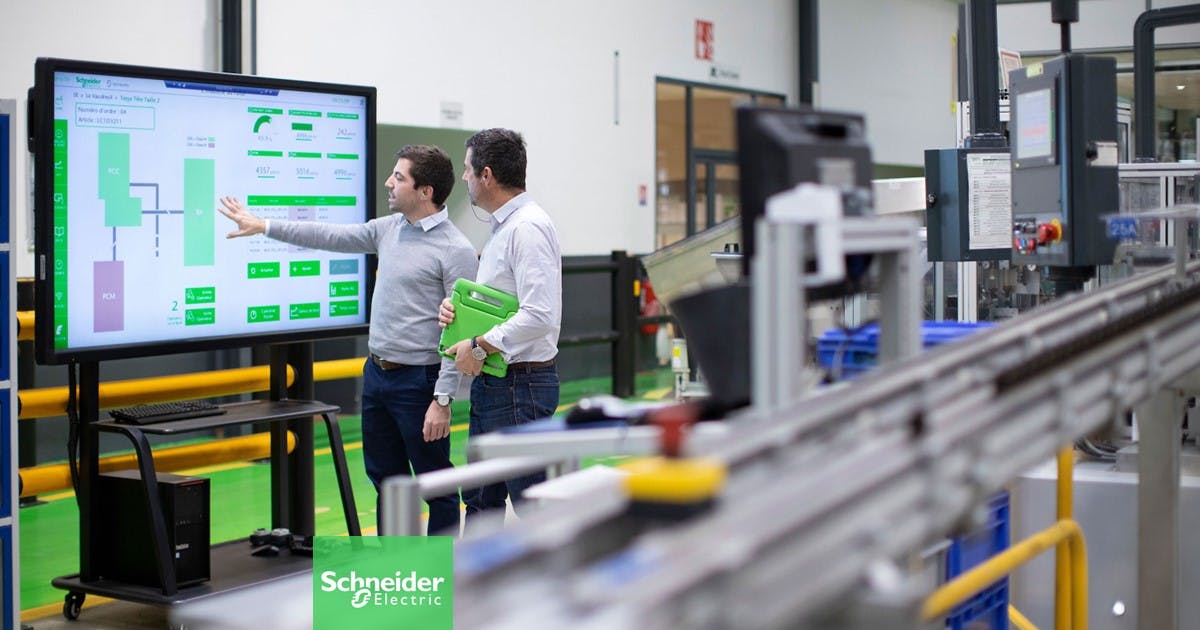
Schneider Electric and World Economic Forum Partner to Advance Manufacturing Framework
A new partnership has been established to enhance the Lighthouse Operating System Advisory Board, focusing on assisting manufacturers in modernizing their processes. This initiative, announced recently, seeks to leverage innovative strategies and technologies to improve operational efficiency within the manufacturing sector. By collaborating with industry leaders and experts, the advisory board aims to provide valuable insights and guidance that will enable manufacturers to adapt to the evolving market demands. The partnership underscores a commitment to fostering modernization in manufacturing, ultimately driving competitiveness and sustainability in the industry.
Business Intelligence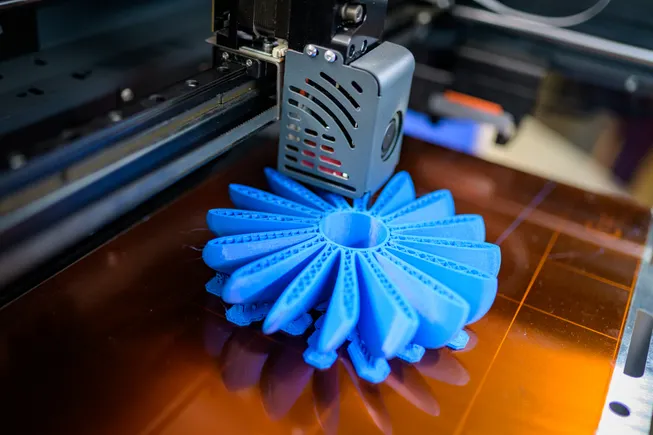
Artemis II, dental aligners and more: The case for additive manufacturing
Aerospace and defense industries are increasingly adopting advanced manufacturing technologies to enhance their production capabilities, according to Brett Conner, the chief manufacturing officer of the Society of Manufacturing Engineers. This shift is aimed at enabling faster processing and scaling of parts, which is crucial for meeting the growing demands of these sectors. By leveraging innovative techniques, companies are able to streamline their operations and improve efficiency, ultimately leading to more competitive offerings in the market. The trend reflects a broader movement within manufacturing to embrace technology as a means of driving growth and innovation.
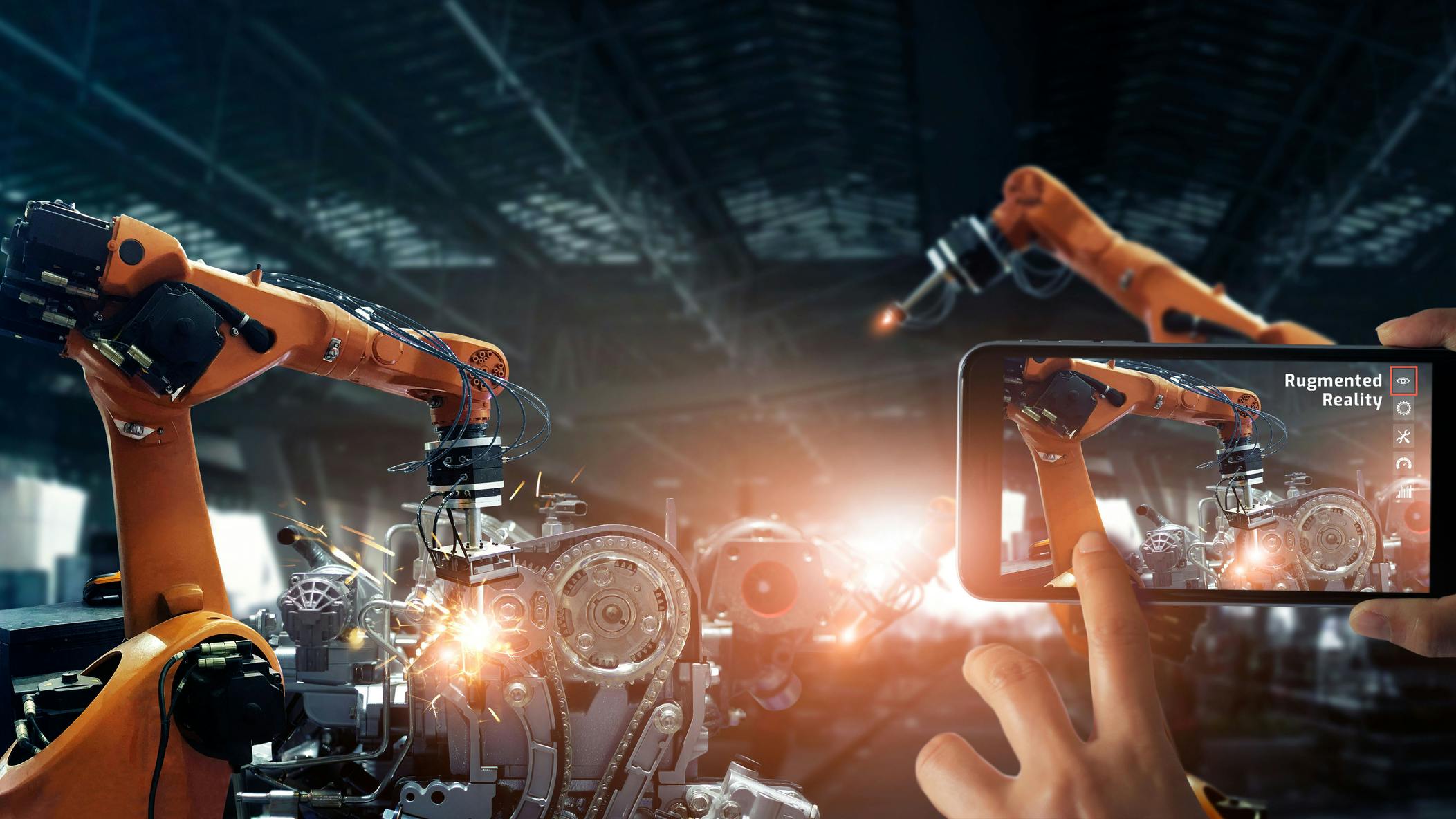
Now Interacting: Robotics and AI in Manufacturing
In a groundbreaking development for the manufacturing sector, artificial intelligence is set to serve as a unifying intelligence layer, effectively connecting robotics with a vast ecosystem of previously untapped data. This transformation is anticipated to revolutionize production processes, enhancing efficiency and innovation across the industry. The integration of AI into manufacturing is expected to occur in the near future, leveraging advancements made up to October 2023. By harnessing this wealth of data, manufacturers can optimize operations, reduce waste, and improve decision-making, ultimately leading to a more streamlined and responsive production environment. The shift towards AI-driven solutions underscores the industry's commitment to embracing technology to drive growth and competitiveness in an increasingly data-centric world.
Technology and IIoT / Robotics
Industrial Robotics Market Report: Why Intelligent Automation Is Redefining Global Manufacturing
A significant transformation is occurring within global manufacturing ecosystems, driven by various factors impacting the industry. Manufacturers are grappling with rising labor shortages, which have intensified the need for innovative operational strategies. Concurrently, supply chain volatility and increasing wage pressures are compelling companies to reassess their production processes. Stricter quality requirements and a heightened demand for faster production cycles further contribute to this shift. As a result, manufacturers are exploring new approaches to enhance efficiency and adaptability in their operations. This evolution is not only a response to immediate challenges but also a proactive measure to remain competitive in an increasingly complex market. The ongoing changes reflect a broader trend towards modernization and resilience within the manufacturing sector, highlighting the necessity for businesses to evolve in response to external pressures and consumer expectations.
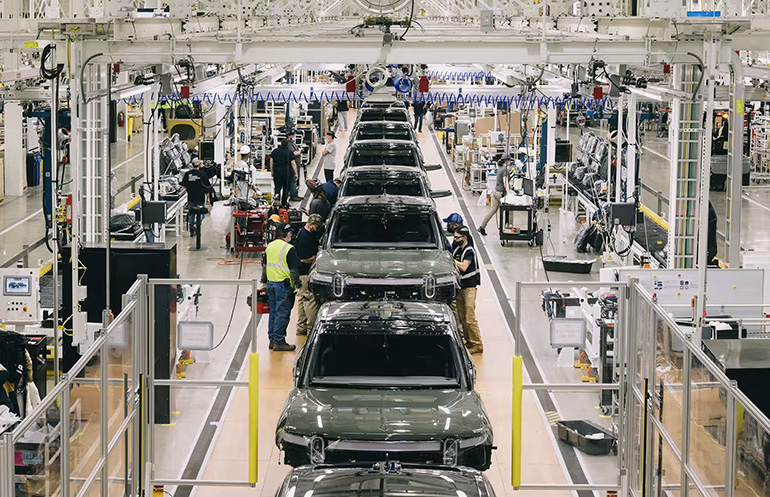
Mind Robotics raises $400M to scale AI-powered robots in manufacturing
Mind Robotics has achieved 'unicorn' status following a significant funding round, raising $400 million to enhance its development of AI-powered robots for the manufacturing sector. This milestone comes as the company partners with electric vehicle manufacturer Rivian to implement its innovative physical AI solutions. The investment will enable Mind Robotics to expand its operations and accelerate the integration of advanced robotics in manufacturing processes, addressing the growing demand for automation in the industry. This strategic collaboration and funding are pivotal for Mind Robotics as it aims to revolutionize manufacturing efficiency and productivity through cutting-edge technology.
Artificial Intelligence Artificial Intelligence / Cognition Automotive Industrial Robots Investments Manufacturing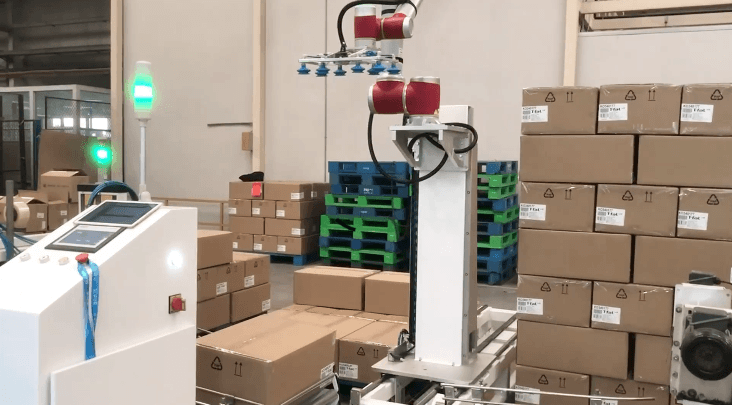
5 Reasons Why Cobots in Manufacturing are Essential for Employee Retention
Manufacturers are increasingly facing a "labor gap" that hinders growth, as attracting and retaining skilled workers requires more than just competitive wages; it necessitates a positive work environment. Collaborative robots, or cobots, are emerging as a solution by enhancing human roles rather than replacing them. By integrating a 6-axis robot arm into daily operations, companies are finding that these technologies significantly improve employee morale and retention. The primary reason for high turnover in manufacturing is physical burnout from repetitive and strenuous tasks. By delegating these labor-intensive duties to robots, companies protect workers from chronic strain and injuries, leading to increased job satisfaction. This shift allows employees to transition from manual labor to roles such as robot operators and quality inspectors, fostering professional growth and reducing the likelihood of job changes. Moreover, cobots maintain consistent focus, alleviating mental fatigue and minimizing human error in repetitive tasks. This not only enhances productivity but also allows workers to concentrate on problem-solving and process improvements. The introduction of collaborative technology also creates a safer, "fence-free" workspace, where humans and robots can work side by side, fostering better communication and a more appealing environment for younger workers. Additionally, automation facilitates flexible work shifts, helping to stabilize production schedules and improve work-life balance, which is a priority for modern employees. JAKA, a company specializing in collaborative robots, emphasizes the importance of human-robot synergy and offers the JAKA Zu series, designed to empower workers by making the transition to automation seamless and accessible.

Chef Robotics Expands into Component Assembly for CPG Manufacturing
Chef Robotics has announced an expansion into component assembly for consumer packaged goods (CPG) manufacturing, enabling automation of secondary packaging and kitting processes. This development, revealed on May 11, 2026, allows Chef robots to efficiently handle a variety of items, including sauce sachets, seasoning packets, and even non-food inserts like cutlery kits and instruction cards. Historically, CPG assembly lines have relied heavily on manual labor due to the challenges posed by lightweight and deformable items. Chef Robotics aims to address this issue by utilizing AI-powered computer vision, which enables robots to assess and manipulate items in real time, ensuring precise placement without damage. The technology adapts to the variability of items in unstructured bins, eliminating the need for pre-sorting. The new assembly application features three key capabilities: detecting and reorienting items mid-pick for accurate placement, picking and placing multiple components simultaneously, and ensuring correct item allocation in multi-compartment products. This innovation promises higher throughput, reduced labor dependency, and consistent item placement across production shifts. Chef's CPG assembly application is available in the US, Canada, the UK, and Germany, and operates on existing robotic hardware and software, allowing for seamless integration into current manufacturing setups. The service is offered under Chef's robotics-as-a-service (RaaS) pricing model, further solidifying the company's position as a leader in AI-driven food robotics solutions.
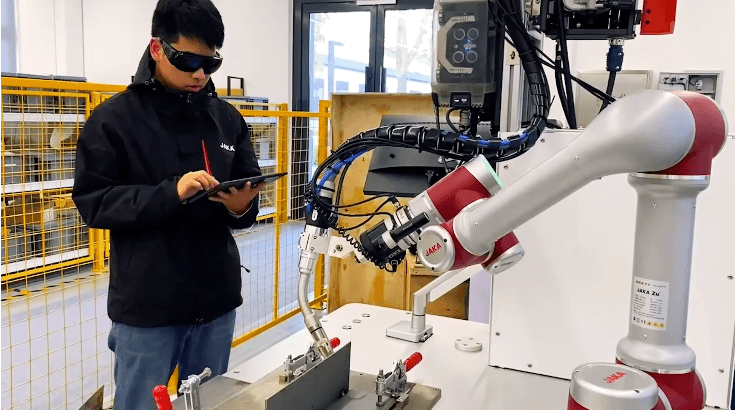
What Do Industrial Robot Arms Do? Functions in Modern Manufacturing
In the evolving landscape of modern manufacturing, industrial robot arms have emerged as essential components, revolutionizing production processes across various sectors, including automotive and pharmaceuticals. These advanced mechanical systems, designed to replicate human dexterity, offer unmatched precision, endurance, and payload capacity, enabling manufacturers to achieve unprecedented efficiency. Equipped with versatile "End-of-Arm Tooling" (EOAT), these robots perform a range of tasks, from picking and placing delicate electronic components to executing precise welding and material removal. Their ability to maintain consistent quality and reduce waste makes them invaluable in heavy industry. Furthermore, advancements in automation have led to the integration of 2D and 3D vision systems, allowing robots to adapt to their environment, detect defects, and handle unsorted parts, transforming them from simple tools into intelligent collaborators. Leading the charge in this industrial revolution is JAKA, a company that has developed the JAKA Zu and Pro series of robot arms. These models exemplify flexibility and ease of deployment, designed for seamless transitions between tasks such as screw driving and inspection. With user-friendly wireless control and graphical programming via the JAKA App, manufacturers can optimize their production lines without requiring extensive coding knowledge. JAKA's innovative solutions provide a compact and efficient alternative to traditional automation, empowering businesses to enhance their operational capabilities and reach their full potential.
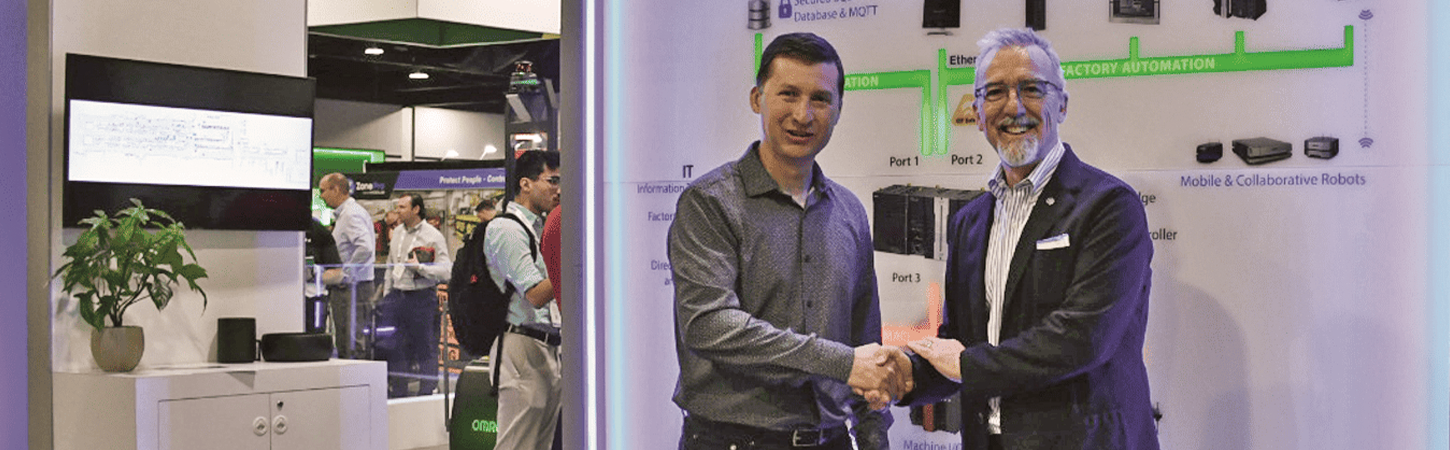
COMAU and OMRON Robotics to collaborate on expanding advanced industrial automation solutions across light industry, electronics, and medical manufacturing
COMAU and OMRON Robotics have entered into a strategic collaboration agreement to enhance the adoption and deployment of advanced industrial automation solutions for manufacturers globally. This partnership, announced recently, aims to leverage both companies' expertise in robotics and automation technology to streamline manufacturing processes and improve operational efficiency. By combining their resources and knowledge, COMAU and OMRON intend to address the growing demand for innovative automation solutions in various industries. The collaboration reflects a commitment to driving technological advancements that support manufacturers in navigating the complexities of modern production environments.

The Manufacturing Executive’s New Shield: Closing the Records Liability Gap
Regulators are intensifying their scrutiny of manufacturing companies by not only imposing penalties on the firms themselves but also targeting specific executives responsible for operations. This shift in approach reflects a growing demand for accountability at the individual level, as authorities seek to ensure that those in leadership positions are held responsible for compliance failures and operational misconduct. The move comes amid increasing concerns over safety standards and ethical practices within the industry, prompting regulators to take a more proactive stance. By naming executives, regulators aim to deter negligence and promote a culture of responsibility, ultimately enhancing the integrity of manufacturing processes. This trend is expected to reshape the landscape of corporate governance as companies reassess their compliance strategies and leadership accountability.

ARBOR Technology Unveils ARES-2100 Series for Next-Generation Edge AI with Intel Core Series 3 Processors
A new technology aimed at enhancing industrial automation has been introduced, focusing on machine vision and lightweight edge AI inference workloads. This innovation is set to facilitate the deployment of smart factory applications, allowing for more efficient operations in manufacturing environments. The development comes in response to the growing demand for advanced automation solutions that can improve productivity and reduce operational costs. By leveraging cutting-edge AI capabilities, the technology enables real-time data processing and decision-making at the edge, minimizing latency and enhancing overall system performance. This advancement is expected to significantly impact the manufacturing sector, providing businesses with the tools necessary to adapt to the rapidly evolving landscape of industrial automation.
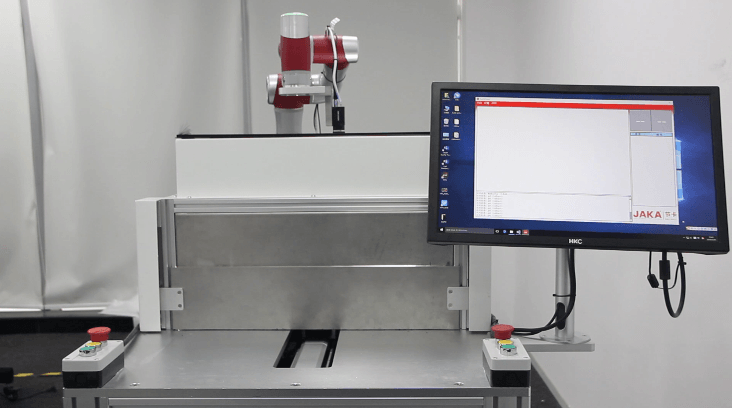
How Collaborative Robots Are Improving Quality Control in Electronics Manufacturing
The electronics industry is undergoing a significant transformation as manufacturers increasingly adopt collaborative robots to enhance quality control and inspection processes. With rapid product lifecycles and the demand for zero-defect production, traditional automation methods often fall short in the high-mix, low-volume production environment typical of modern tech manufacturing. Collaborative robots, or cobots, are now being integrated into precision testing and visual inspection lines, offering the speed and accuracy needed while maintaining the flexibility required for delicate electronic assembly. These robots can perform Automated Optical Inspection (AOI) with sub-millimeter precision, significantly reducing the risk of human error associated with fatigue and perceptual blindness during long shifts. Companies like JAKA are leading this innovation by developing robots equipped with advanced 2D and 3D vision systems. Their JAKA AL series features an integrated vision system that allows the cobot to autonomously identify components and check for assembly errors without the need for external cameras. This capability enables real-time adjustments to the production line, helping to identify quality drifts before they result in defective batches. JAKA’s engineering emphasizes safety and high performance, with models like the JAKA Zu series designed for high-speed testing while ensuring safe human interaction through torque-feedback collision detection. By investing in JAKA collaborative robots, manufacturers can ensure that every device produced meets stringent global standards, thereby maintaining a competitive edge in the electronics market.
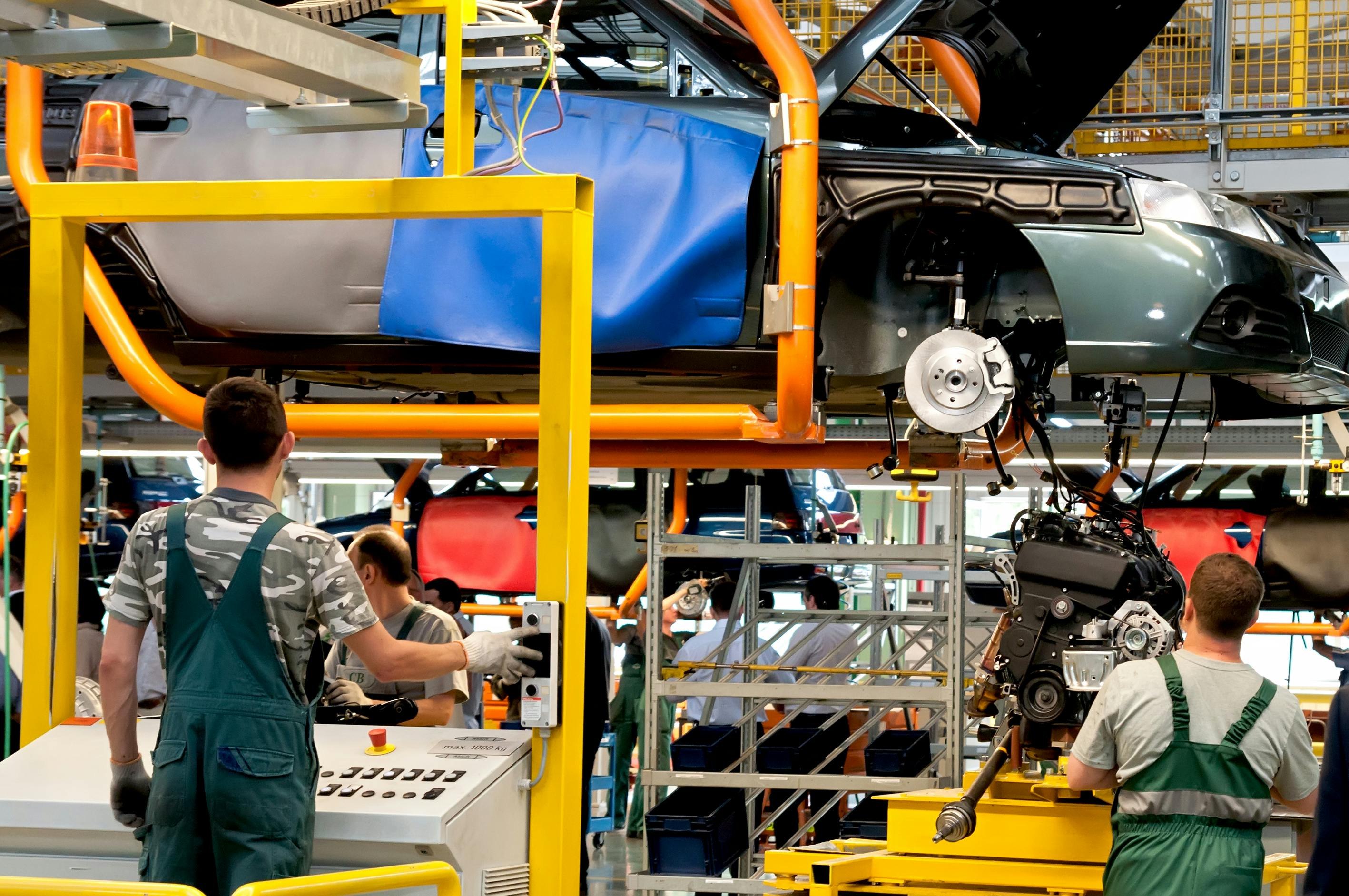
Eliminate Labor Waste in Manufacturing with ERP
Manufacturers are increasingly turning to enterprise resource planning (ERP) systems to address inefficiencies caused by disconnected systems in production. These systems, which centralize data and automate workflows, aim to eliminate hidden labor waste that often leads to increased overtime and reduced throughput. By streamlining operations, manufacturers can enhance overall efficiency and productivity. The adoption of ERP systems is seen as a crucial step for companies looking to optimize their production processes and remain competitive in the market. As of October 2023, the trend towards automation and data centralization continues to gain momentum in the manufacturing sector.
Factory / Workforce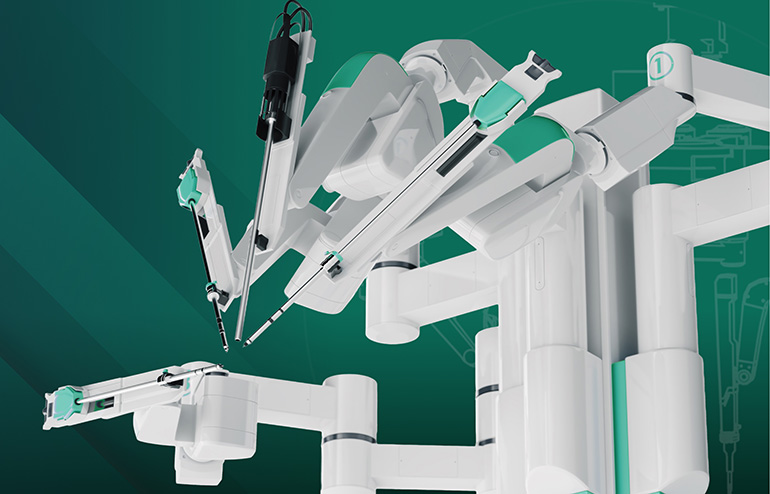
Why physical AI is the real manufacturing revolution
Fictiv highlights the potential of physical AI to revolutionize the manufacturing sector, emphasizing the need for robotics developers and integrators to focus on practical scaling challenges rather than succumbing to hype. The article suggests that while the integration of physical AI could significantly enhance manufacturing processes, its success hinges on addressing real-world obstacles and ensuring that technological advancements are implemented effectively. As the industry evolves, stakeholders are urged to prioritize realistic solutions to harness the full benefits of this emerging technology.
Actuators / Motors / Servos Arms / Manipulators Artificial Intelligence Artificial Intelligence / Cognition Assembly Automation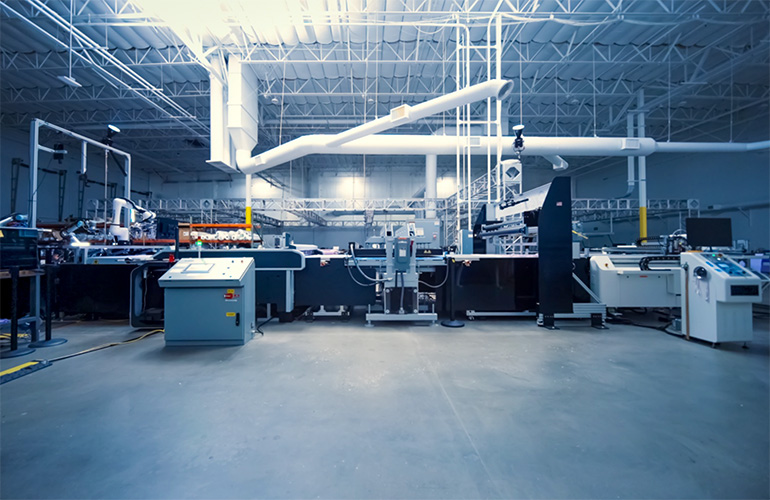
Why deformable materials are physical AI’s real manufacturing test
Createme's CEO has highlighted the potential of Physical AI in revolutionizing the assembly of deformable materials, particularly in the apparel industry. This insight comes as the company explores innovative approaches and software solutions to enhance manufacturing processes. The discussion emphasizes the importance of adapting technology to effectively handle the complexities of working with flexible materials. As the demand for advanced manufacturing techniques grows, the application of Physical AI could serve as a significant test for the industry, showcasing its capabilities beyond traditional manufacturing methods.
6-Axis Artificial Intelligence / Cognition Manufacturing Materials News Opinion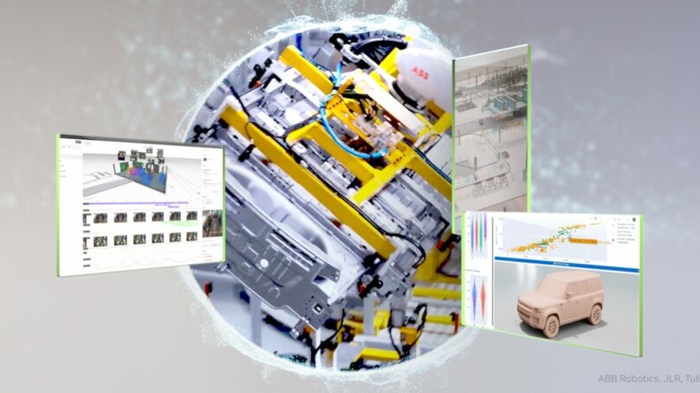
Into the Omniverse: Manufacturing’s Simulation-First Era Has Arrived
In a significant shift for the manufacturing industry, experts are challenging the long-standing reliance on real-world testing as the sole reliable method for product validation. Traditionally, the design-build-test cycle has been anchored in the belief that only through physical testing can products be adequately assessed for performance and safety. However, with advancements in technology and data analytics, industry leaders are advocating for a more integrated approach that incorporates virtual simulations and predictive modeling. This evolution aims to enhance efficiency, reduce costs, and accelerate the development process. As manufacturers increasingly adopt these innovative methodologies, the landscape of product testing is poised for transformation, potentially leading to safer and more reliable products reaching the market faster than ever before. This paradigm shift is gaining momentum as companies seek to adapt to the demands of a rapidly changing market and consumer expectations.

Flex and Teradyne Robotics Expand Partnership to Scale Intelligent Automation Across Global Manufacturing
Flex is enhancing its global manufacturing capabilities by incorporating Teradyne Robotics solutions, aimed at standardizing automation processes and boosting productivity. This initiative marks a significant expansion of their 20-year partnership, which has primarily focused on manufacturing Teradyne's semiconductor test equipment. The collaboration now extends into the realm of intelligent automation, allowing Flex to produce core robotics components that facilitate scalable production and enable rapid deployment of automation solutions worldwide. This strategic move underscores Flex's commitment to advancing its manufacturing footprint and meeting the growing demand for automated technologies.
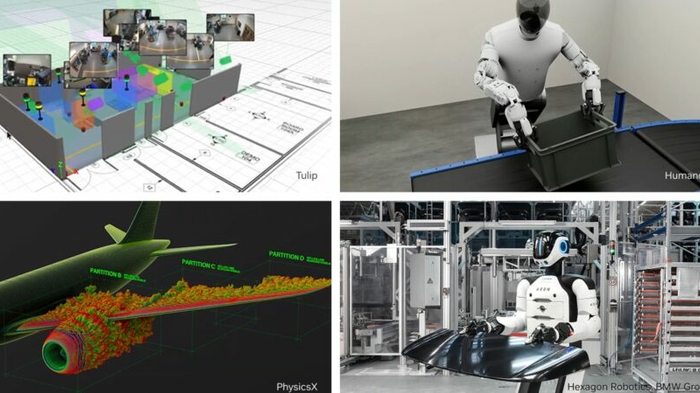
NVIDIA and Partners Showcase the Future of AI-Driven Manufacturing at Hannover Messe 2026
Manufacturing is undergoing a significant transformation as industries worldwide face increasing pressures to enhance efficiency and productivity. This shift is largely driven by the need for faster design cycles, streamlined operations, and a diminishing pool of skilled labor. As a result, companies across major industrial economies are increasingly turning to AI-driven production methods to meet these challenges. The transition to artificial intelligence in manufacturing is not only a response to current operational demands but also a strategic move to remain competitive in a rapidly evolving market. By leveraging advanced technologies, manufacturers aim to optimize processes and reduce costs, ultimately reshaping the future of production.
Measuring ROI: How Collaborative Robots in Manufacturing Drive Profitability
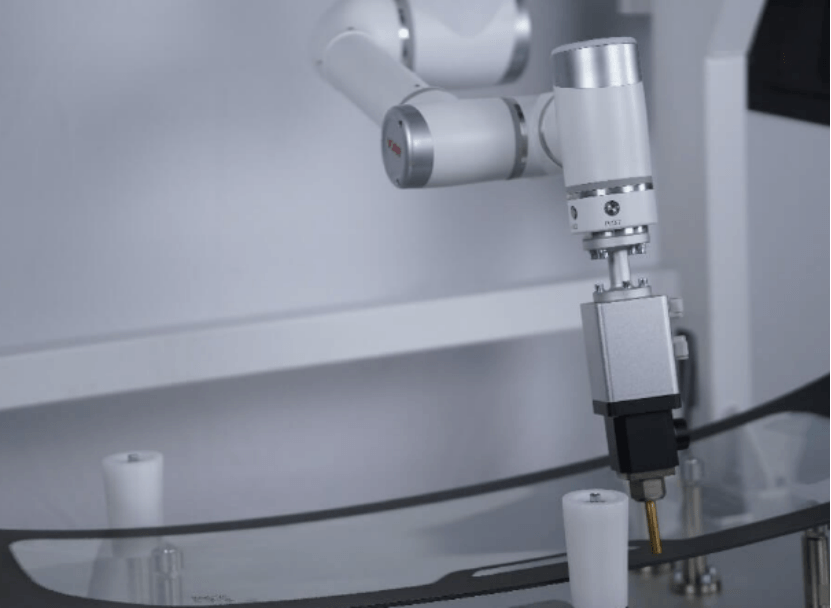
In a bid to enhance profitability and operational efficiency, a manufacturing company has integrated JAKA collaborative robots into its production processes. This strategic move, implemented recently, aims to address challenges related to labor costs and production consistency. By utilizing the JAKA S5 platform for tasks such as gluing, the company has mechanized production, improving both the quality of output and the accuracy of material usage. The adoption of these robots not only reduces manual labor but also allows workers to focus on more skilled tasks, thereby driving efficiency gains that positively impact return on investment (ROI). The flexibility of JAKA systems enables easy relocation within the workspace, facilitating quick adaptations to changing production needs while ensuring safe interactions with human operators. Beyond labor savings, the integration of JAKA robots has led to significant improvements in product quality, consistency, and throughput, further enhancing profitability. The precise control offered by these systems minimizes waste and rework, resulting in lower operational costs. Additionally, the robots' rapid deployment and flexible programming capabilities shorten production cycles, enabling the company to respond swiftly to market demands. Overall, the company's investment in collaborative automation through JAKA robots represents a comprehensive approach to boosting profitability, demonstrating that operational efficiency, quality, and flexibility are key drivers of long-term success in the manufacturing sector.
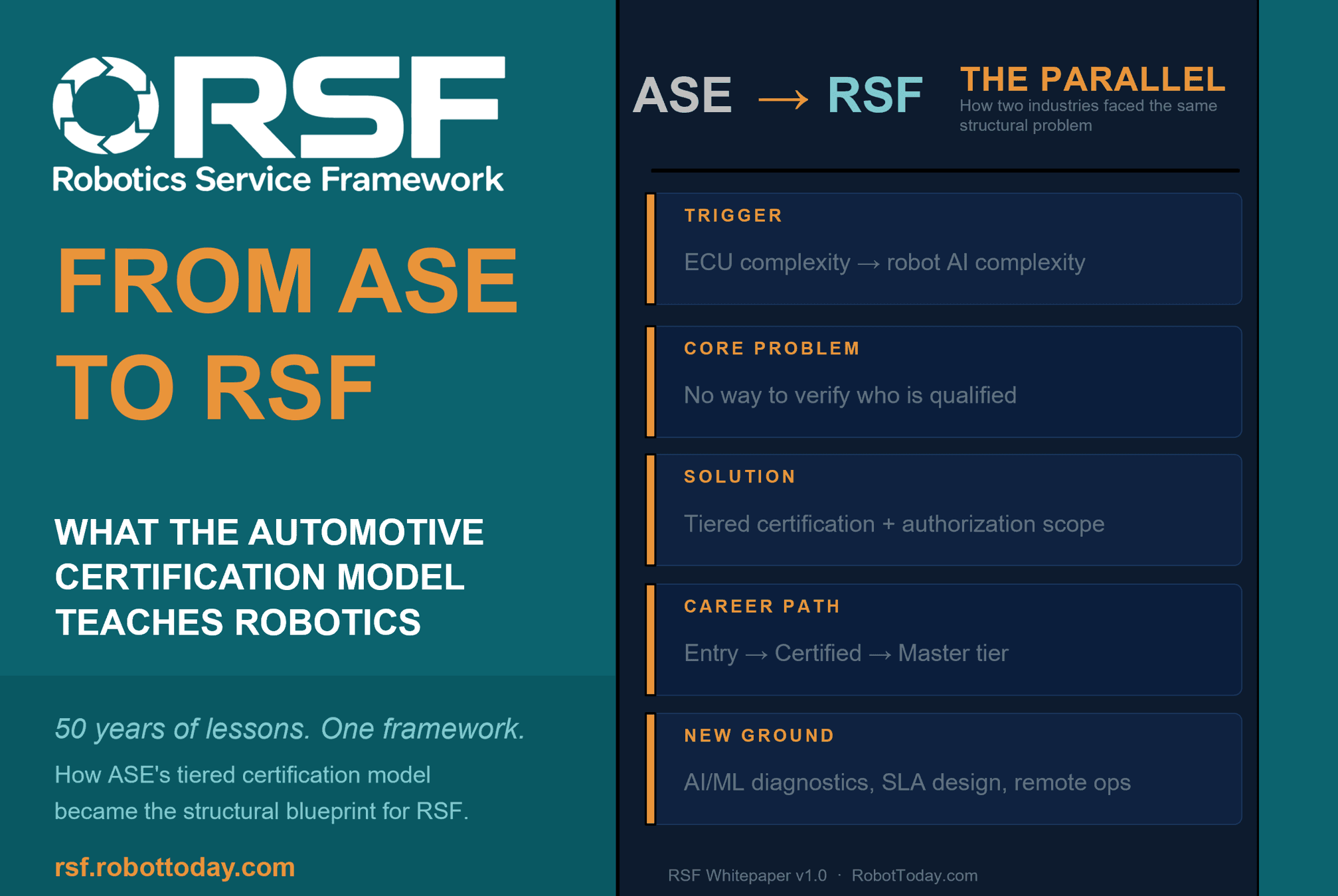
Robotics needs a service framework.
RSF defines a common language for robot service capability, lifecycle operations, certification pathways, and service-provider networks.